Library director fired over LGBTQ+ books gets $700,000 from Wyoming county

Read more at the Washington Post.

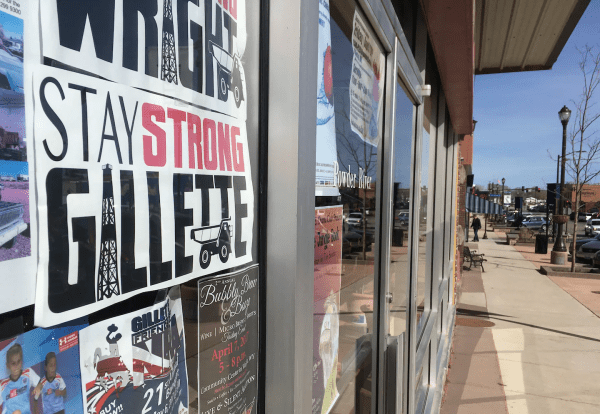
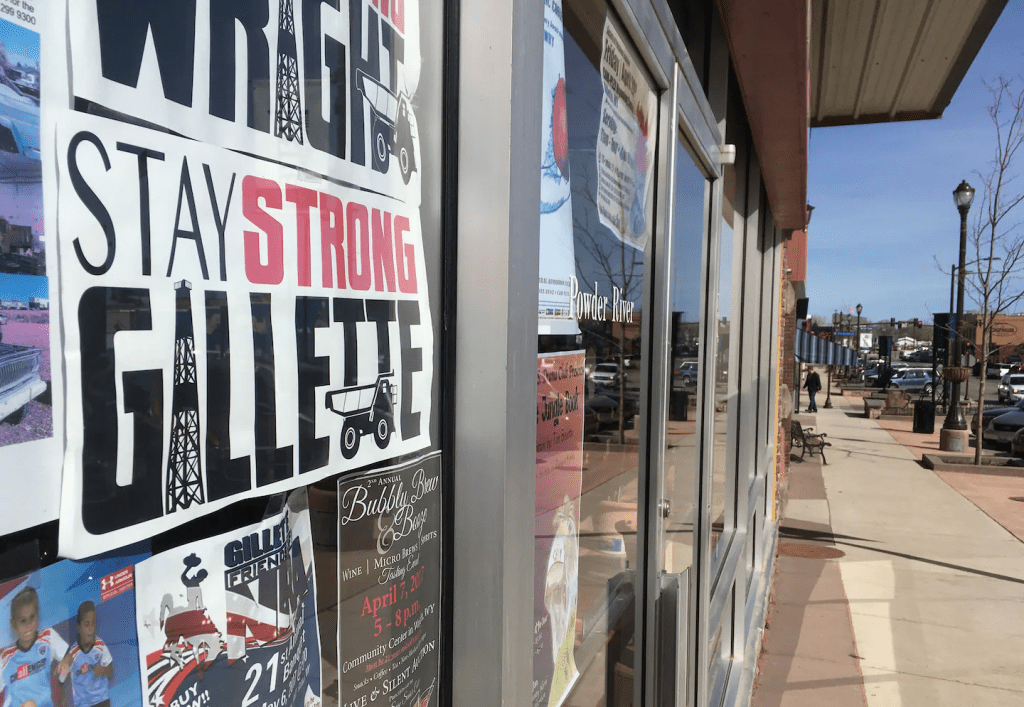
Librarian Terri Lesley said she endured years of “pure hell” fighting to keep embattled books on the public library shelves of Gillette, a deeply conservative coal town in northeastern Wyoming.

After getting fired, Lesley fought two more years alleging public officials wrongfully terminated her for refusing to bow to their demands for censorship — all while being threatened, failing to find another librarian job and suffering so much stress she lost sleep and hair.

Now, the 62-year-old’s legal fight is over. On Wednesday, Lesley, who worked for Campbell County Public Library System for 27 years, including 11 as executive director, agreed to settle her federal lawsuit against Campbell County, the county’s library board and several officials for $700,000. In a 78-page complaint filed in April in the U.S. District Court for Wyoming, she accused them of helping to wage a years-long campaign to bully her into removing books about race and LGBTQ+ people from the library. After she refused, she said they fired her, which led to her lawsuit.

“I wanted to take a stand on it and try to put up a barrier from it happening to other librarians,” Lesley said Thursday in an interview. “I thought, ‘If I don’t do this thing, it’s just going to keep happening.’”

Campbell County, the county’s public library board, county commissioners and the lawyers who defended them against Lesley’s suit did not respond to requests for comment from The Washington Post. In court filings, they denied Lesley’s allegations and said she was fired because of “concerns with her performance,” not in retaliation for engaging in constitutionally protected activity. They described her lawsuit as “an improper run-on narrative combining fact, fable, self-praise, and a self-heroic, tale.”

The controversy in Campbell County happened amid a larger movement to target content available in public libraries around the country, particularly those aimed at children and having to do with race, gender or sexual identity. For years, the number of “book challenges” — efforts to remove or restrict access to books — remained flat. But in 2021, challenges spiked 1,300 percent to more than 3,900, according to American Library Association data. They increased each of the next two years to more than 9,000 in 2023 before falling to about 5,800 last year.

School libraries experienced the same thing during that stretch, leading the free-speech nonprofit PEN America to declare book censorship in the United States “rampant and common” and “unprecedented in modern times.”

“Not since the 1950s McCarthy era of the Red Scare has censorship become so entrenched in schools,” the group said Wednesday in a news release, referring to the period when anti-Communist paranoia intensified to a fever pitch.

Campbell County was part of the first wave of the “book-banning craze engulfing the country” in 2021 when several residents demanded county commissioners and library board trustees censor young adult and children’s books with LGBTQ+ content, according to Lesley’s lawsuit.

Those critics denounced books such as “This Book Is Gay” and “Not My Idea: A Book About Whiteness” as pornographic, obscene or racist. When Lesley resisted pressure to transfer such books out of the young adult and children’s sections or remove them from the library altogether, they targeted her for roughly two years, threatening her and accusing of criminal activity and endangering children, according to her lawsuit.

Instead of defending Lesley from that “campaign of fear and hate,” two county commissioners and four library board trustees allegedly joined it. In doing so, commissioners and trustees alienated LGBTQ+ people and propagated the hateful ideology that they are “dangers, abnormal, unwelcome, and their voices should be suppressed,” the suit states.

Over the next two years, Lesley kept resisting attempts to remove or restrict various books with LGBTQ+ themes, saying at library board meetings that doing so constituted censorship and violated the First Amendment, the suit states. Several lawyers agreed with that legal interpretation, which they shared with board trustees and county commissioners, according to the suit.

At one library board meeting, one of Lesley’s critics held up a sign that read “[Campbell County Public Library] Knowingly Encourages SEX for Minors and that’s a crime,” the suit alleges.

Amid the controversy, the American Library Association in March 2022 announced Lesley had won the John Phillip Immroth Memorial Award that recognizes “notable contributions to intellectual freedom and demonstrations of personal courage in defense of freedom of expression.”

Over the next five months, four of five library board members were replaced by county commissioners with ones more inclined to remove or restrict LGBTQ+ books, the suit states.

In July 2023, the library board voted to terminate Lesley.

“Their actions not only devastated Ms. Lesley professionally and personally, but also undermined the very mission of [the library system] and inflicted harm on the broader community,” the suit states. “For this, they must be held responsible.”

Lesley said she continues to be harmed by officials’ actions. More than two years after being fired, she hasn’t gotten a job in her field. A resident of Gillette since the second grade, she’s unwilling to move. She sought remote work in the field that wouldn’t require face-to-face interactions with patrons, but none of her efforts panned out.

Still, Lesley said she doesn’t regret standing up for what she believes was right, even if she’s paid a heavy price. She said she hopes the $700,000 settlement — more than five times what the county paid her annually — deters officials elsewhere from meddling with which books go on library shelves and where.

“They’ll see what happened here and maybe reconsider going down that road,” she said, with a pause, “is what I’m hoping for.”
LGBTQ advocates fear Iowa bill targeting ‘obscenity’ would deter drag performances

*This was originally published by the Des Moines Register.

Exposing minors to an “obscene performance” would be a crime under a bill winding through the Iowa Senate that critics fear could discourage drag shows and spur lawsuits against venues offering LGBTQ pride programming.

The legislation, Senate File 116, would make knowingly exposing anyone younger than 18 to such a performance an aggravated misdemeanor, as well as knowingly selling a ticket or admitting a minor to a venue where such a performance is held.

Similar to legislation that was introduced but did not pass last year, the bill that advanced out of subcommittee Wednesday defines “obscene performance” as one that exposes genitals, invokes sexual acts or “appeals to the prurient interest and is patently offensive.”

“I brought this bill forward because I had constituents complain to me about performances that, if not meeting the definition of obscenity in our law, at least approach that definition, and concerned about this in our communities and the exposure of minors to it,” said Sen. Sandy Salmon, R-Janesville, who was part of a group of GOP lawmakers who introduced the legislation.

Critics argue the bill would encourage frivolous lawsuits

Keenan Crow, policy and advocacy director for One Iowa, a statewide LGBTQ advocacy organization, raised concerns with a provision establishing a private civil cause of action allowing parents of minor children to sue to determine whether something is obscene.

The bill states “a cause of action may be brought against any person that has knowingly disseminated or exhibited obscene material to the minor or who engaged in or caused or allowed a person to knowingly engage in an obscene performance in the presence of the minor.” It sets the minimum award of damages at $10,000.

While drag shows are not explicitly labeled in the bill as obscene performances, those opposed to the legislation fear it would target drag performances.

“What we are doing is we are allowing parents to target these venues for SLAPP suits, Strategic Lawsuits Against Public Participation, which are not designed to actually win the suit,” Crow said. “They are designed to make venues spend money and to reconsider hosting drag events entirely, lest they be sued on the off chance that it meets the obscenity definition, which obviously Drag Story Time does not.”

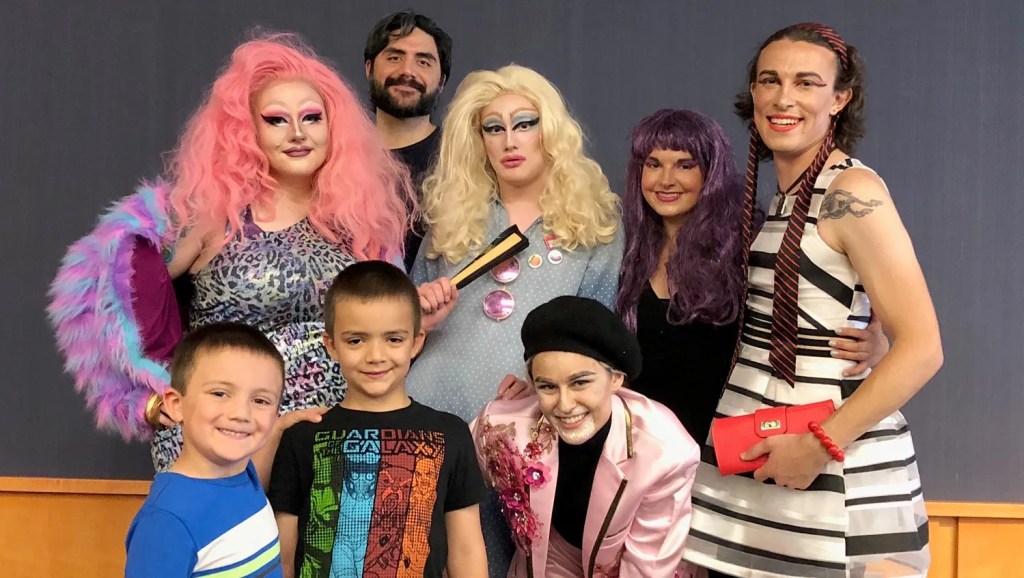
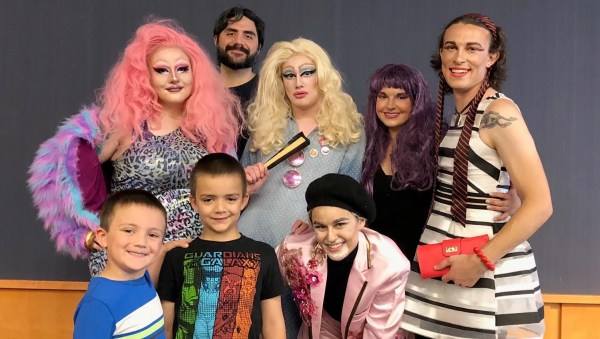
Drag Story Time events are sometimes held at libraries or other venues where drag performers read stories to children. In recent years, the events have increasingly been at the center of a larger GOP-led effort to restrict public drag events as conservative critics suggest they “sexualize” children.

Sen. Janice Weiner, D-Iowa City, said she worried the provision would incentivize frivolous lawsuits.

“This bill, as written, could encourage potential frivolous or bad actors to shake down local governments and private businesses, and that’s the taxpayer on the hook,” said Weiner, who opposed the bill.

Elizabeth Hall, a local trans woman, said bills targeting the LGBTQ population create “an aura of fear” among trans people that has pushed those she knows into psychiatric care.

“We fear for our communities,” Hall said. “We fear for our lives, and even if the particulars of how this bill would come into effect aren’t necessarily like that extreme, that fear still has a tangible effect on our lives and has caused so many people that I know to reach ends that I fear have continued to lead to detrimental effects.”

Supporters say the bill ensures performances shown to minors are ‘age appropriate’

Ryan Benn, a lobbyist for the conservative religious group The Family Leader, said the group supported the law because obscene materials that may be illegal to show children in movies or other material are not illegal to perform.

“I think it fixes that loophole,” Benn said.

Sen. Jeff Taylor, R-Sioux Center, said he would like to see a more clear definition of a “performance,” but overall obscenity is rarely prosecuted.

“In general, obscenity does not have constitutional protection in terms of freedom of speech,” Taylor said. “Something that’s obscene is, by definition, not protected by the First Amendment, and that’s regardless whether you’re sharing that with adults or with children. But to me, especially in the case of children, I feel like this is appropriate.”

Sen. Cherielynn Westrich, R-Ottumwa, said she supported the bill to protect children from obscenities.

“I think that what the one thing that we all in this room have agreed on is that we need to protect children from those sort of obscene or performances that are sexual in nature,” Westrich said.

Bill would repeal exemptions for public institutions

Melissa Peterson, with the Iowa State Education Association, said the group opposed the bill, especially a proposal to repeal an Iowa code section that allows minors to access appropriate material for educational purposes, at art exhibitions or in public libraries.

She said Senate File 496, the 2023 state law that requires school staff to remove books depicting sex acts, already sought to establish what content was age appropriate by existing obscenity standards.

“We worked closely together in a compromised fashion to come with what we thought would be considered age appropriate, and we would really like to see that exemption maintained for public institutions that are public spaces,” Peterson said.

Weiner also opposed repealing the exemption for public institutions.

“To repeal it is in some ways to admit that this bill really isn’t about obscenity,” Weiner said.

Missouri GOP Politicians Use Flamethrowers For Symbolic Book Burning In Alarming Video

This blog originally appeared at Comic Sands A Font News And Info.

Members of the Missouri Republican Party have been widely condemned after they were filmed participating in a symbolic book burning at the St. Charles County Freedom Fest over the weekend.

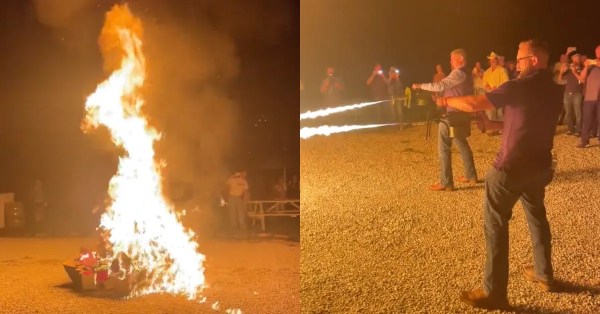
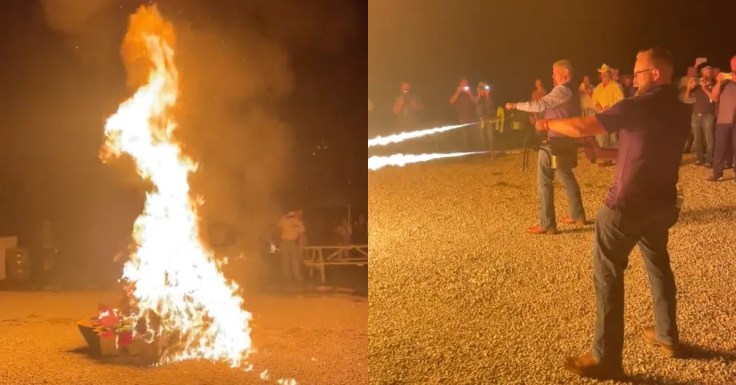
State Senator Bill Eigel—a GOP candidate for the Missouri governorship who has pledged to burn books if elected—is seen on camera gleefully using a flamethrower to burn empty cardboard boxes while joined by State Senator Nick Schroer, highlighting what he would actually do to books if given the chance.

Eigel defended the video in a statement to the Kansas City Star, saying it’s symbolic of what he wants to do “to the leftist policies and RINO corruption of the Jeff City swamp.”

He added:

“But let’s be clear, you bring those woke pornographic books to Missouri schools to try to brainwash our kids, and I’ll burn those too – on the front lawn of the governor’s mansion.”

Click here to see full blog: https://www.comicsands.com/missouri-gop-book-burning-video-2665592334.html?utm_term=Autofeed&utm_medium=Social&utm_source=Twitter&s=09#Echobox=1695563660

Blog at WordPress.com.

Up ↑