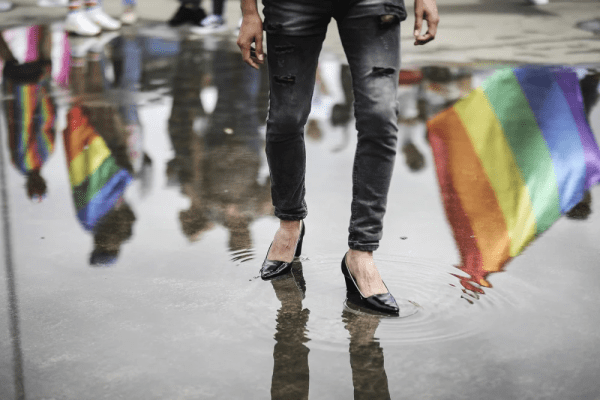
‘They break you’: Colombia debates a ban on conversion therapy

Read more at NBC News.

Juan Viana recalls having a happy childhood in a Christian community in Bogotá but when he came out as gay at age 18, that all changed.

“Unfortunately, that community of support became a place of deep repudiation of who I really was,” said Viana, now 48.

His family took him to a center for ‘conversion therapy’ — aimed at changing a person’s sexual orientation or gender identity — on the advice of a psychologist.

“I was told that homosexuality was a disease, that it was caused by a demonic force that was going to destroy my family,” Viana said.

He said he went to the center willingly and stayed for months, thinking he was protecting his loved ones from destruction but found himself living in a nightmare.

“They break you in all senses: physically, mentally,” he said.

Several times he thought of taking his own life and tried once, he said.

“They were the darkest moments of my life,” he said.

Such traumatic experiences could become illegal in Colombia, where an estimated one in five LGBTQ people have undergone conversion therapy, according to the government’s Ombudsman’s Office.

Lawmakers are considering a bill to ban conversion therapy in the South American nation. Other countries where it is permitted include China, South Africa and the United Kingdom.

An unknown number of unlicensed rehabilitation clinics in Colombia and elsewhere in Latin America offer such therapy based on the idea that homosexuality, bisexuality and transgender identities are a mental illness that needs to be cured, rights groups said.

The World Health Organization removed homosexuality from its list of mental illnesses in 1990.

In Colombia, LGBTQ advocates have documented a range of conversion therapy practices that include humiliation, exorcism, food deprivation, electroshocks, waterboarding and rape of lesbian women.

The new legislation aims to criminalize the therapy in the conservative and Catholic country, where activists say faith is often used to mask the practices.

“We hope that more and more Colombians will understand that this is what the right to liberty, the right to intimacy and the right to having an identity looks like,” said Carolina Giraldo, a lawmaker for the center-left Green Alliance and a proponent of the bill.

Third time’s the charm?

Two previous proposed bans were defeated after conservative lawmakers and evangelical and Catholic groups mobilized in opposition.

They argued that a ban on conversion therapy could land priests and parents in prison, and some said LGBTQ groups wanted to turn children gay and trans.

Such a ban “infringes upon family autonomy by preventing parents from guiding their children,” said conservative senator Maria Fernanda Cabal after voting against last year’s bill.

From Brazil and Mexico to Spain and Vietnam, at least 17 countries have nationwide legislation in the works targeting the practice, according to ILGA-World, an international LGBTQ rights group.

LGBTQ activists in Colombia hope the third time is the charm.

“When we first started to talk about these practices, people just didn’t believe something like this could still happen in Colombia,” said Danne Belmont, executive director at GAAT, a Bogota-based trans rights group.

Belmont, a trans woman, said she was given testosterone as a child and underwent exorcisms in efforts to change who she was.

Advocates have altered their approach since the first bill was introduced in 2022, trying to broaden its appeal.

In the current rendition, the campaign is not only that LGBTQ people have “nothing to heal” but it asks their parents to “always love them,” Belmont said.

“This bill is aimed at Colombia’s families, at offering safe spaces where people can ask questions about their sexual orientation and gender identity,” she said.

Contrary to claims made by some Catholic lawmakers and ultra-Catholic groups, Father Carlos Guillermo Arias Jimenez of Colombia’s Bishop’s Conference said the latest bill does not contradict religious freedom.

“The church could not accept, nor has it ever taught, the practice of actions aimed at changing or reversing people’s sexual orientation,” he said.

Colombia’s Evangelical Confederation did not reply to several requests for comment.

In Congress, the bill passed its first reading in April with support from members of various political parties, but it must pass two more readings before next year’s elections.

Survivors, not victims

Belmont said trauma often prevents many LGBTQ people from realizing they have undergone conversion therapy until they hear stories from their peers.

A national network was set up in May of more than 50 people who have undergone conversion therapy to share their stories on social media and at events in hopes they will help others.

“Sometimes conversion therapy is a gradual, sophisticated process that mixes religion, spirituality and psychology that lays the ground,” David Zuluaga, 27, who was raised in the small town of Antioquia.

What started as manipulation and social isolation at age 12 turned into being hit in the stomach at age 14 to make him “vomit the spirit of homosexuality,” he said.

The conversion therapy lasted until he was 17, but it took him far longer to understand what had happened, let alone speak about it.

“Fear has to change sides. We used to be ashamed of having gone through this,” said Zuluaga, now an out gay man.

“But they should be the ones who are ashamed of having done this, of still doing this — mistreating, abusing and torturing people.”

According to research by the United Nations’ independent expert on LGBTQ rights, which has documented conversion therapy in at least 100 countries including Uganda, the Philippines and the United States, the practices leave deep physical and psychological traces.

“It broke my relationship with my family, with spirituality, with my body,” said Viana, who added that it has taken decades to rebuild bonds with his family, trust people and find love.

“Darkness needs to be total to exist. For light to exist, a single spark is enough,” he said.

“The work we’re doing is to multiply these sparks along the way… which we all light up together.” 
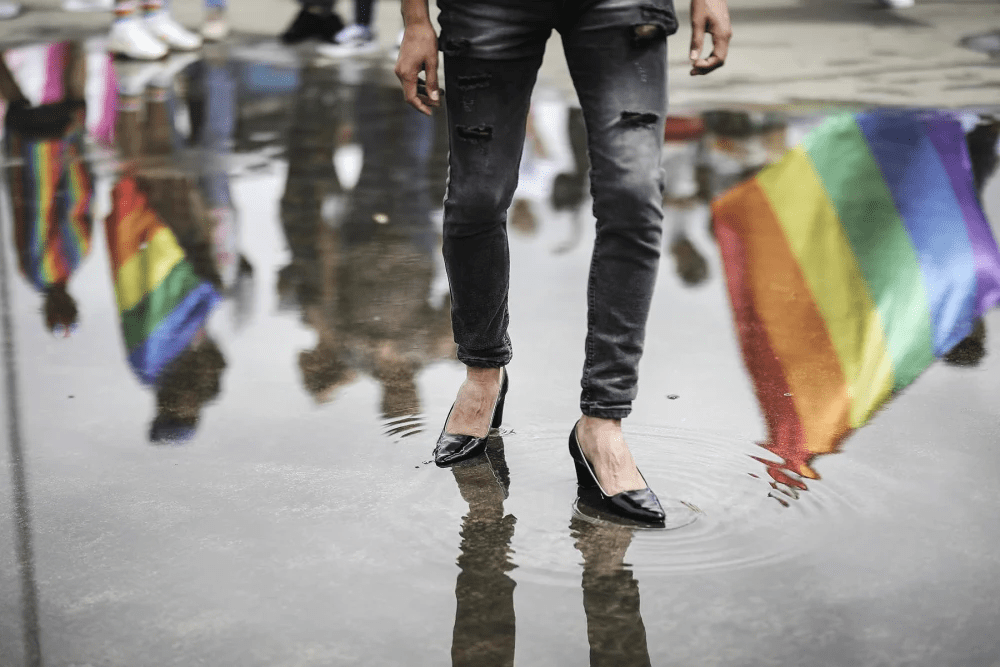
Best Gay Destinations in Colombia | LGBTQ Travel Guide

Uncover why Colombia is a must-visit for gay travelers. Explore destinations like Bogotá, Medellín, and Cartagena, plus learn about Colombian culture, cuisine, and essential safety tips for gay travelers.

As a frequent traveler to Colombia who has explored the country’s iconic destinations and scouted out its gay scenes firsthand, I’ll share my experiences and insights to help you plan the perfect trip. Whether you’re curious about the bustling gay nightlife in Bogotá, the charming streets of Cartagena, or the colorful vibes of Medellín, I’ve got you covered. My guide will combine practical tips making it easier for you to discover Colombia’s inclusivity, charm, and adventure.

Please read then entire guide from Tim at Out In Mexico.

20 Most Visited Countries by Digital Nomads in 2023

This blog originally appeared at MAPPR.

The ascent of digital nomadism in the wake of the COVID-19 pandemic has been nothing short of remarkable. A growing number of individuals worldwide now have the flexibility to work remotely and explore the globe, and certain destinations are particularly well-suited for this lifestyle.

In this article, we’ll delve into the 20 countries that have become top destinations for digital nomads in 2023, based on findings from a recent survey. These countries are frequently chosen for their cultural and geographical appeal, pleasant climates, and the presence of conveniences that support remote work, such as high-speed internet connectivity and coworking facilities.

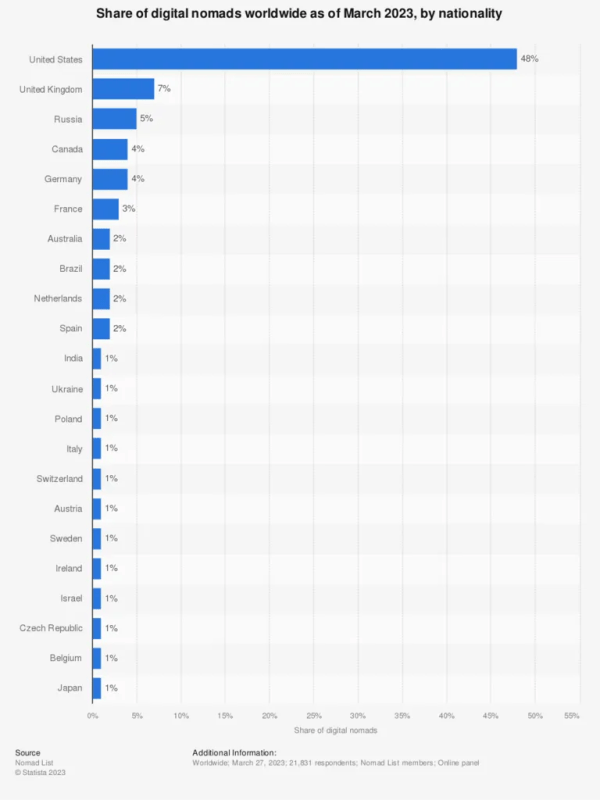
Initially, let’s examine the countries of origin for the majority of digital nomads, as depicted in the table below. Subsequently, we’ll explore the most frequented countries and cities by digital nomads in 2023.

Where are digital nomads from?

The Most Visited Countries by Digital Nomads

20. Poland


Poland boasts medieval architecture, a multifaceted history, delectable dishes such as kielbasa and pierogies, and the distinction of hosting the world’s largest castle. When coupled with its relatively affordable cost of living compared to other European countries, it’s no surprise that Poland ranks among the top destinations for digital nomads.

Best Digital Nomad Cities in Poland

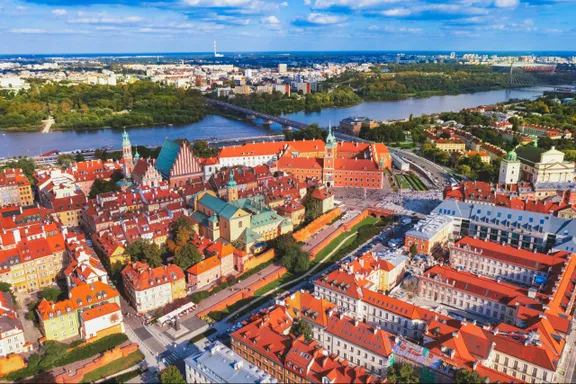
Warsaw

As the capital and largest city of Poland, Warsaw stands out as a prime destination for digital nomads in the country. Many digital nomads highlight its advantages, including safety, walkability, and high-speed internet access.

Krakow

Krakow, Poland’s second-largest city and one of its oldest, is another popular destination among digital nomads. While the city may not be the most female or LGBTQ-friendly in Europe, nomads appreciate its walkability, relative safety, and abundance of coworking spaces.

19. Turkey

Turkey’s geographical location, bridging the continents of Europe and Asia, adds to its unique and attractive appeal for various types of travelers. This multifaceted country is part of both the Black Sea and Mediterranean regions and boasts a rich history shaped by numerous civilizations and empires.

Best Digital Nomad Cities in Turkey

Istanbul

Formerly known as Constantinople, Istanbul occupies a unique position astride the Bosphorus Strait, serving as a bridge between Europe and Asia. This city stands apart from any other in the world, offering a plethora of activities such as sunset cruises along the Bosphorus, visits to iconic landmarks like the Hagia Sophia, and tantalizing Turkish food tours that provide endless opportunities for exploration and enjoyment.

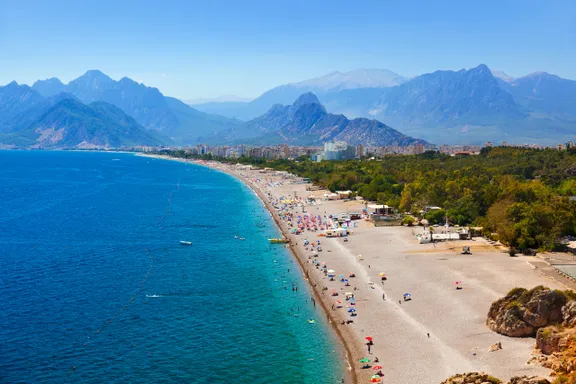
Antalya

For digital nomads seeking a sun-soaked coastal escape with less urban hustle and bustle, Antalya in Turkey is a top contender. What makes this city particularly enticing are its vibrant atmosphere, proximity to beautiful beaches, and welcoming attitude towards foreigners.

18. Colombia

Colombia, the first South American country on this list, offers a harmonious fusion of natural splendor, vibrant culture, and bustling urban centers. It boasts the title of one of the world’s most biodiverse nations, is the birthplace of cumbia music and dance, and houses thriving tech hubs like Medellín.

Best Digital Nomad Cities in Colombia

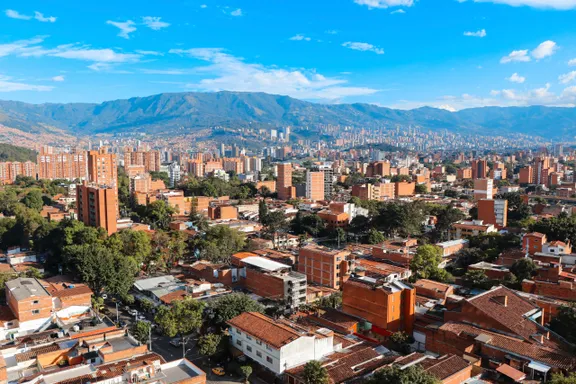
Medellín

Medellín, a city in Colombia, enjoys a well-deserved reputation among digital nomads as a must-visit destination in South America. Dubbed the “City of Eternal Spring” due to its consistently delightful weather, it offers an enticing blend of affordable living costs and numerous work-friendly spaces, making it a top choice for digital nomads.

Bogotá

Bogotá, the capital of Colombia, sits at an impressive elevation of 2,640 meters (8,660 ft) above sea level. Renowned for its historical importance, vibrant arts and culinary scenes, and budget-friendly cost of living, it remains a cherished destination for digital nomads in Colombia.

17. Australia

Certainly, Australia might have its share of perilous wildlife, but it’s equally famous for its endearing kangaroos, koalas, and wombats. This Oceania nation holds the 17th spot among countries frequented by digital nomads in 2023. Let’s explore the top cities to visit in Australia.

Best Digital Nomad Cities in Australia

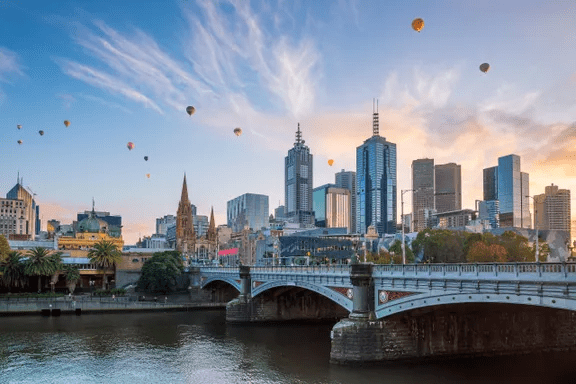
Melbourne

Melbourne, a sprawling metropolis situated in the Australian state of Victoria, boasts a reputation for its temperate climate, vibrant culinary landscape, and its role as host to numerous sporting events. Digital nomads are drawn to Melbourne for its safety, lively nightlife, and abundant workspaces.

Sydney

The Sydney Opera House, an iconic architectural masterpiece, is globally renowned, and the city’s pristine beaches are a major draw. Sydney appeals to digital nomads with its pleasant climate, widespread availability of free Wi-Fi, and its LGBTQ-friendly atmosphere.

16. Vietnam

Vietnam, one of the world’s ancient nations, is highly favored by digital nomads. This Southeast Asian country boasts an incredibly affordable cost of living, stunning jungle and coastal scenery, and one of the most adored cuisines worldwide.

Best Digital Nomad Cities in Vietnam

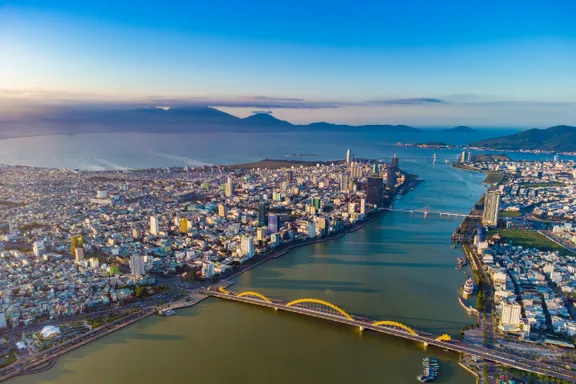
Da Nang

Da Nang, situated along Vietnam’s South Central Coast and renowned for its extensive sandy beaches and close proximity to the tourist hub of Hoi An, is a city highly favored by digital nomads. Its appeal lies in its safety, affordable cost of living, and welcoming atmosphere for foreigners.

Phu Quoc

Phu Quoc, an island situated near the southern tip of Vietnam renowned for its fish sauce, is also an exquisite tropical destination with an affordable cost of living. Despite not offering the best internet connectivity or a plethora of workspaces, digital nomads find this location highly enjoyable.

Click here to see full blog: https://www.mappr.co/most-visited-countries-digital-nomads/

Blog at WordPress.com.

Up ↑