
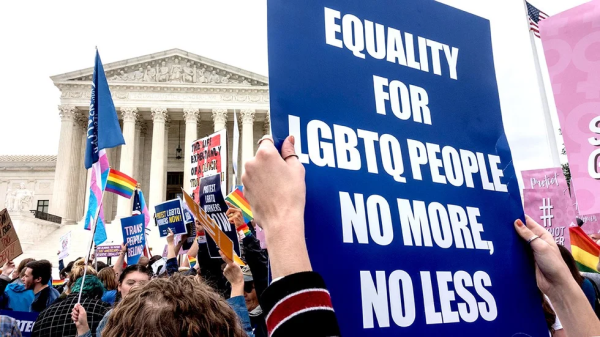
This blog originally appeared at ADVOCATE.
Most of the extreme bills have failed to pass, but trans adults are closely monitoring statehouses with heightened anxiety.
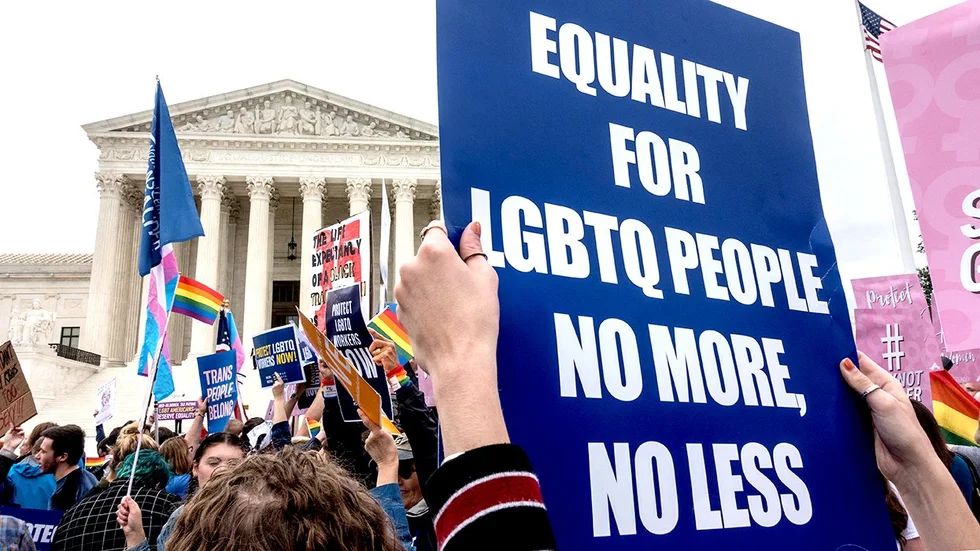
This year, states have attempted to restrict transgender people from using public bathrooms and updating identity documents like driver’s licenses. Legislators in multiple states are working to redefine sex based on reproductive capacity and to exclude gender identity from discrimination protections.
So far, these bills aiming to weaken civil rights protections for trans people and bar them from public facilities haven’t made significant progress. According to the ACLU, only five anti-LGBTQ+ bills have been enacted into law this year. Additionally, several states notorious for advancing such legislation, like Florida, Utah, and West Virginia, have concluded their legislative sessions for the year.
Nonetheless, these efforts could have disastrous impacts on the lives of trans adults. Medical health professionals are concerned about the long-term physical and mental health effects of ongoing political attempts to restrict LGBTQ+ rights. Additionally, many of the active bills could create gaps in medical care for trans people during this period of heightened anxiety.
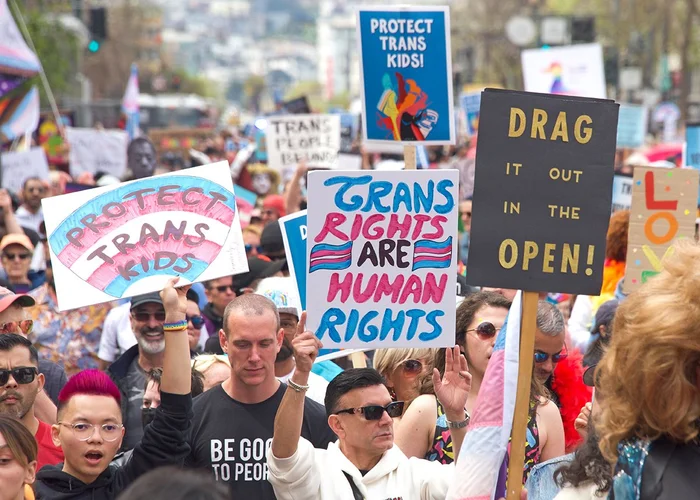
Currently, Ashton Colby is experiencing a state of chronic stress. As a 31-year-old white transgender man living near Columbus, Ohio, he has felt intense whiplash due to the unexpected changes in state policies on gender-affirming care over the past few months.
“With my fundamental, basic humanity being publicly debated and scrutinized, I feel gutted, dehumanized, and completely misunderstood for all that I am,” he said.
Colby has been stressed for years about anti-trans policies, but he never imagined that trans adults might be forced to go without medical care. In Ohio, that nearly happened. Republican Governor Mike DeWine proposed restricting gender-affirming care for adults instead of supporting a statewide ban on minors’ care. However, after public outcry, the state’s health agency announced it would not implement those restrictions for adults.
Colby initially feared he would lose his medical provider of eight years and considered moving to Denver. He also worries that if Republicans win the White House and Congress this year, his ability to access necessary documentation and his rights as a trans person will be at risk.
Dr. Carl Streed, president of the U.S. Professional Association for Transgender Health (USPATH), constantly contemplates the negative health outcomes for trans people who do not feel safe in society. He believes anti-trans policies will exacerbate isolation during what the surgeon general has called an epidemic of isolation and loneliness in the United States.

“These policies that restrict people’s public life are effectively directly harming them, both in terms of immediate issues around mental health, connection to community, accessing care in urgent situations, but long-term, we’re going to see worse health outcomes in probably the next five, ten years, if not sooner,” he said.
What do those worse health outcomes look like? Increased isolation and inability to participate in public life and engage in-person with the community lead to poorer cardiovascular fitness and a higher likelihood of high cholesterol and hypertension. This, in turn, increases the risk of heart attacks and strokes. Isolation is also associated with worse cognitive function and decreased memory, according to Streed.
“They’re definitely creating a complex patchwork of restricted public spaces,” remarked Streed, a primary care physician at the Boston Medical Center. “But the concern is that these are national discussions. What unfolds in Florida becomes a topic I discuss with my patients in the examination room.”
Transgender individuals in states without healthcare or public space restrictions may still feel anxious about such policies in other states, he noted. These restrictions can impact them even when visiting friends and family.
As of this year, the ACLU is monitoring around 200 active anti-LGBTQ+ bills in various state legislatures. While some bills have been defeated, the transgender community, along with much of the broader LGBTQ+ community, continues to experience heightened fear and anxiety.
Simone Chriss, an attorney with the Southern Legal Counsel in Florida and director of the organization’s transgender rights initiative, highlighted during a press call in February that Florida has implemented a series of often perplexing anti-LGBTQ+ policies designed to instill fear.

“The intention is to instill fear and confusion, making us uncertain about our rights, leading us to err on the side of caution. The vagueness and ambiguity are deliberate,” she asserted. Chriss addressed a gathering of advocates, locals, and members of the press at an emergency “town hall” aimed at clarifying the legal implications and debunking myths surrounding Florida’s new driver’s license policy.
Angelique Godwin, an Afro-Latina transgender woman and advocate with Equality Florida, shared with The 19th how transgender individuals in Florida have been rallying around each other amid increasing limitations on their everyday lives. Last spring, Godwin faced a setback in her healthcare access when Gov. Ron DeSantis signed a law barring patients from receiving gender-affirming care from nurse practitioners. Subsequently, she encountered difficulty refilling her prescription for estradiol valerate, an essential component of her gender-affirming care. This confusion stemmed from pharmacies refusing service to patients in the aftermath of the law’s enactment, a challenge also faced by other transgender individuals in Florida.
“Fortunately, I had a stash, my own little reserve of medications. But for people close to me who were affected, they had no access,” she explained. “It came out of nowhere for them.”
Later, Godwin discovered a facility in Tampa with a doctor who operated on a sliding-scale payment system, enabling her to continue her care. She also obtained coverage through the federal government’s health insurance marketplace, which provided further assistance. Additionally, she managed to maintain appointments with her regular doctor for mental health visits despite the new law.
Additional gaps in care have been filled by mutual aid grants and organizations like Folx Health, an LGBTQ+ telehealth provider. Folx mandates an in-person doctor’s visit, during which patients review and sign a consent form to ensure care aligns with state regulations.

“During those initial three months from June to August, many people faced challenges. However, since then, most of the individuals I’m acquainted with who are in Florida have remained.”
About 30 bills aiming to limit transgender individuals’ access to healthcare are currently progressing through state legislatures, according to the ACLU. These bills seek to prohibit gender-affirming care, including puberty blockers and hormone therapy, for transgender youth. Additionally, they aim to block insurance or Medicaid coverage for such care and impose restrictions on access to these services for incarcerated transgender individuals.
Accessing gender-affirming care is already challenging for transgender individuals in many parts of the country, even without additional state-level restrictions. For numerous trans individuals, obtaining essential healthcare necessitates traveling across state borders.
Dr. Angela Rodriguez, a plastic surgeon specializing in transgender care in San Francisco, frequently treats patients who journey to California. This isn’t solely due to a lack of trans-affirming care elsewhere; she’s had transgender individuals travel from places like Alabama, where finding quality dental or primary care is challenging.
Over the past few years, she has heard a recurring concern from patients from out of state: Who will provide ongoing care for them in the future?
“I have patients who choose to return, flying all the way from the East Coast, because they don’t feel comfortable discussing their needs with a local physician,” she noted. She collaborates with patients traveling from other states to ensure they have a support network in California to assist them post-surgery, whether it’s a loved one or a friend.

Dr. Johanna Olson-Kennedy, the president-elect of USPATH and a practitioner at Children’s Hospital Los Angeles, highlighted the deteriorating mental health of her adolescent and young adult trans patients due to the recent bans on gender-affirming care for minors in certain states. Additionally, her patients express concerns about their safety and ability to exist publicly, especially regarding the use of public restrooms. With extreme bathroom bans in states like Florida and Utah, coupled with eight other states prohibiting trans individuals from using restrooms aligning with their gender identity in school settings, the fears among trans youth are compounded.
“I don’t think people fully grasp the mental health toll of the pandemic, let alone the added weight of these laws,” she remarked. Olson-Kennedy emphasized that many of her patients, who are mostly preparing for college or graduate school, are opting to avoid states implementing anti-trans legislation when considering their educational pursuits.
Olson-Kennedy herself finds social media to be an unsafe space. As a provider of gender-affirming care, she faces hostility and politicization from Republican lawmakers, lobbyists, and far-right media figures.
“You should be shot when you leave your clinic because you can only handle so much hearing.” That’s not something that medical school curriculums teach. Pediatricians and children’s hospitals have never dealt with anything like this before.

Olson-Kennedy stated that more individuals should be aware of what gender-affirming care entails. She explained that the care is given over an extended period of time, with parents and guardians participating for kids, and it addresses the extreme hopelessness that many trans persons experience as a result of gender dysphoria.
“I wish people could see above their personal discomfort and ignorance and truly acknowledge the medical necessity of this therapy. It saves and transforms people’s lives, and it’s incredibly significant,” she remarked.






 fleeredstates.blog
You must be logged in to post a comment.