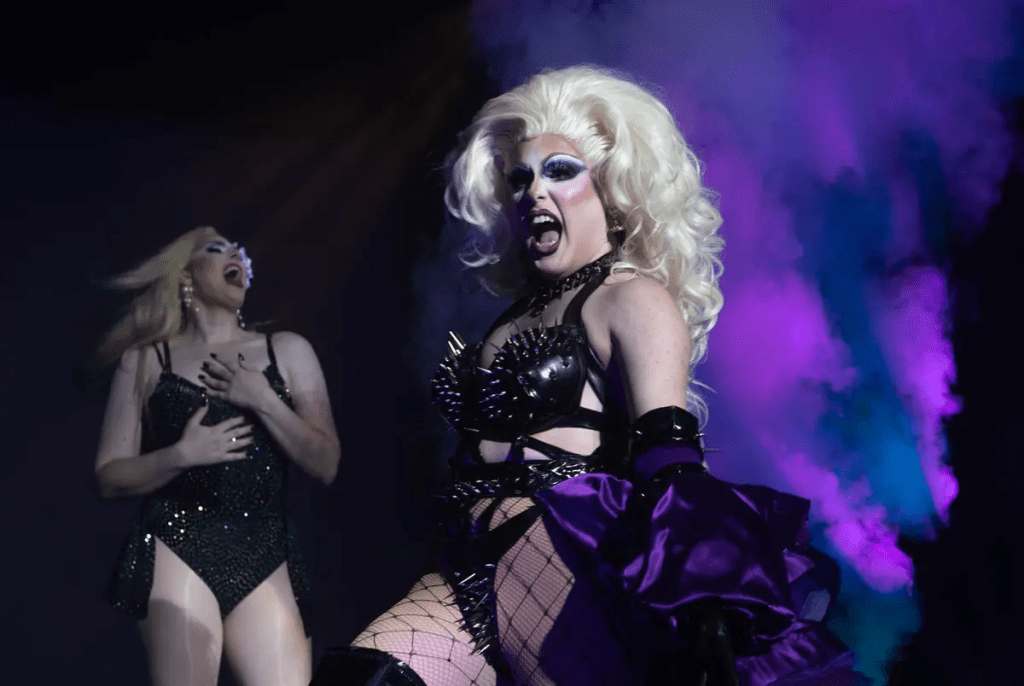
University of North Texas pauses drag performances

*This is being reported by the North Texas Daily.

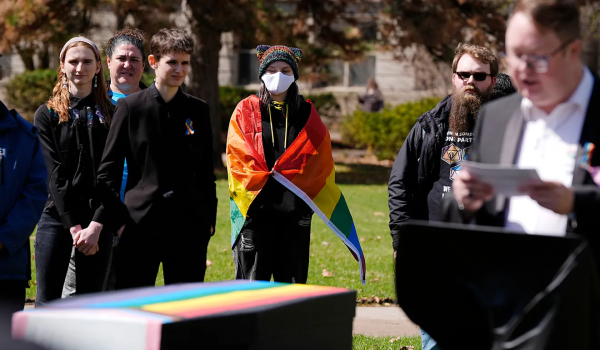
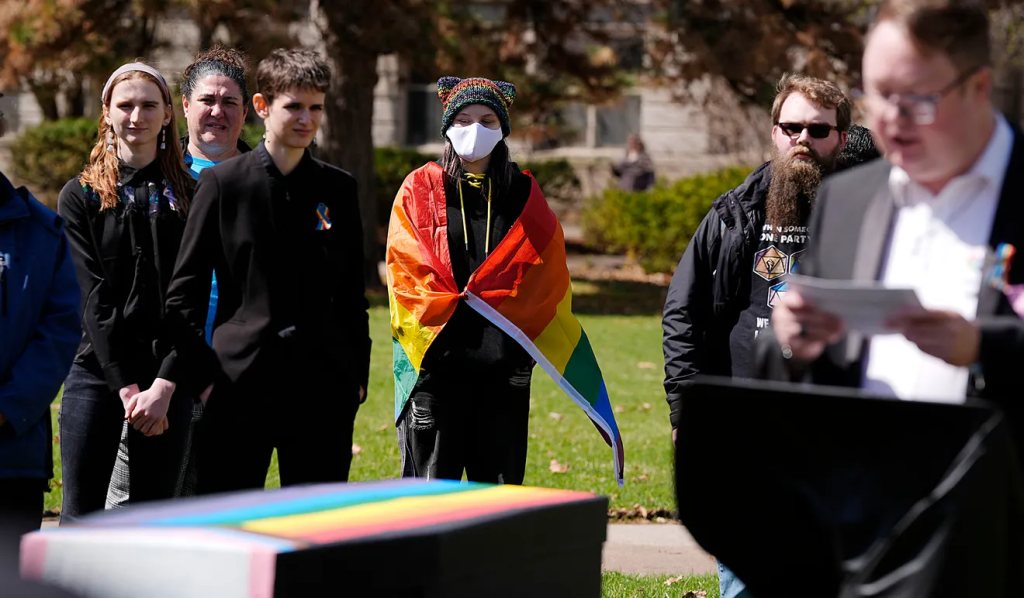
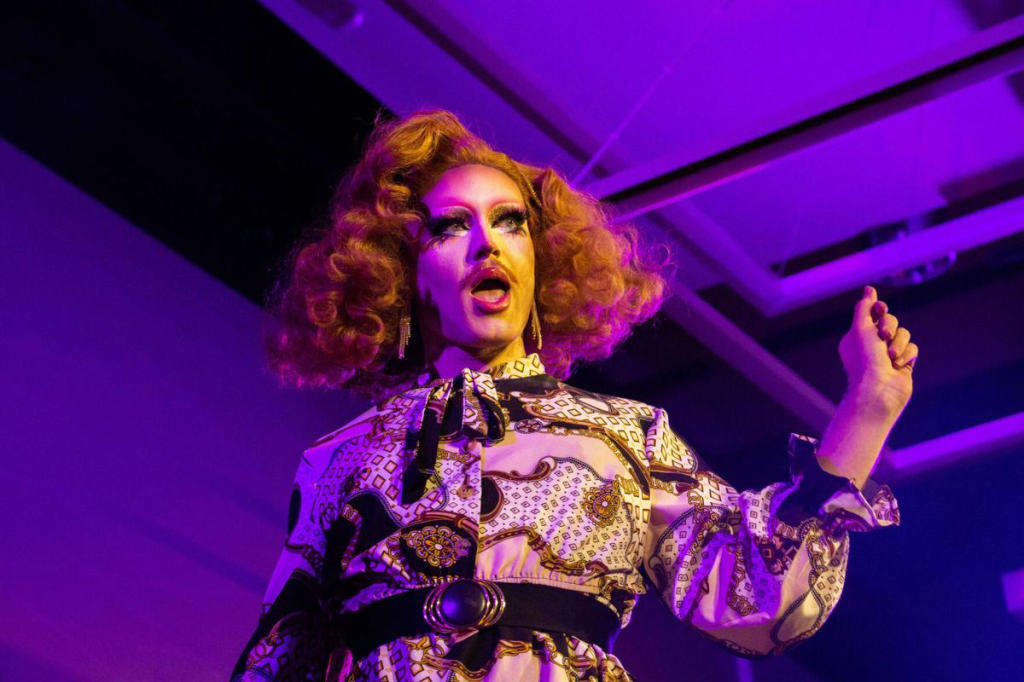
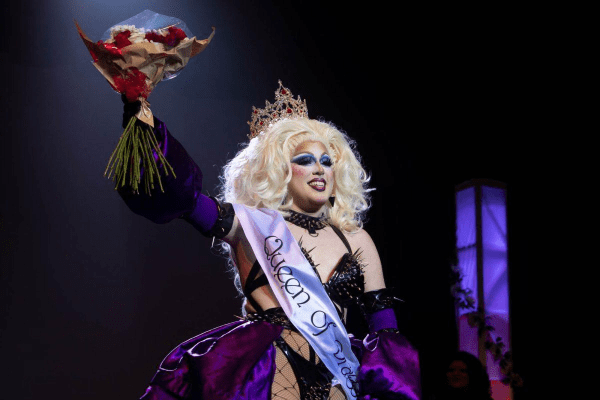
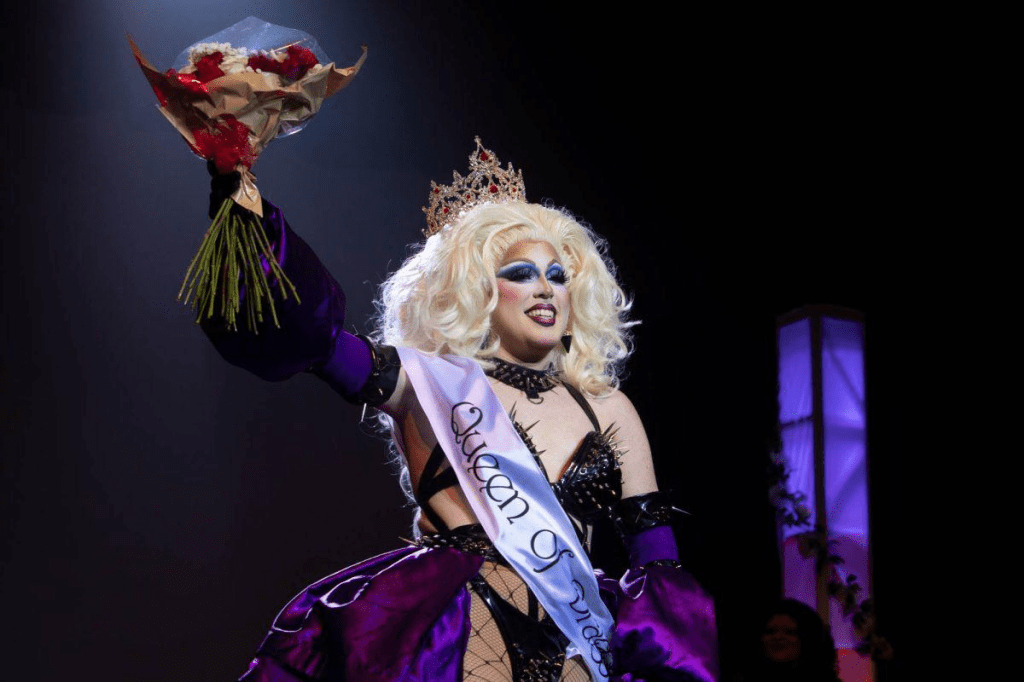
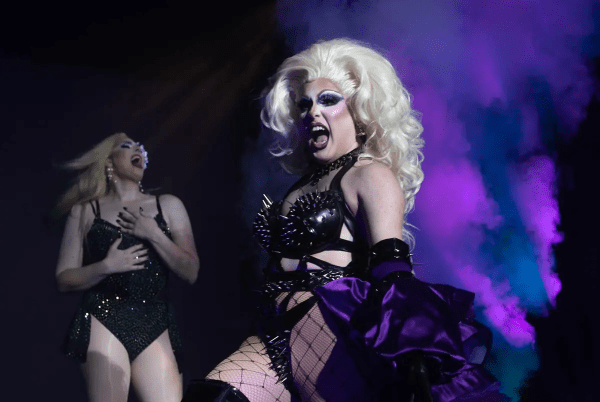
UNT System Chancellor Michael Williams sent a directive on March 28 to the presidents of each university campus, informing them of a pause on any drag performances on campus or any state-funded facilities, effective immediately. 

The directive states that the pause is supported by the Board of Regents to comply with state and federal laws and executive orders.

“As a public university it is our responsibility to comply with all applicable federal and state laws and executive orders while balancing our duty to carry out our core missions of teaching, learning and research,” Williams said in the directive. 

The directive says the university will “wait on a definitive ruling on litigation against other Texas universities” before providing “necessary guidance.”

Nicole King, the Student Government Association’s director of advocacy, said Elizabeth With, senior vice president for Student Affair had reached out to the GLAD Queer Alliance  – a student organization aimed at representing the needs and concerns of the queer community – and the Sigma Lambda Gammas – a sorority focused on empowerment for women of all cultural backgrounds –  to “inform them about this new decision.”

The two student organizations at the university had previously planned drag shows for April.

The GLAD Queer Alliance was planning to hold the GLAD Queer Alliance UNT Drag Show 2025 on April 10 in the Emerald Ballroom in the University Union. 

UNT Gammas Drag Night with the Gammas was slated to be held on April 11 in the Lyceum Theatre in the University Union. 

The Daily could not confirm whether the two events will be moved off-campus at the time of writing. 

Other Texas universities have enforced drag bans in the previous months in what they say is a response to President Donald Trump’s January 20 Executive Order “defending women from gender ideology extremism” and Gov. Greg Abbott’s letter stating that Texas “recognizes only two sexes,” though neither reference drag specifically. 

The Texas A&M Board of Regents voted to ban drag shows on its campus on Feb. 28, according to an article from The Battalion. Following the ban, the Texas A&M Queer Empowerment Council retained legal counsel from the Foundation for Individual Rights and Expression and filed a lawsuit against the Board of Regents on March 24. 

The court granted a preliminary injunction – which preserves the status quo until a final judgment can be made  – that barred the board from enforcing its ban, allowing the QEC to hold its annual “Draggieland” on campus on March 27. 

The University of Texas System Board of Regents announced on March 18 that UT will no longer be permitted to fund or host drag shows on campus, according to an article from The Daily Texan. 

“All activities at UT institutions are expected to comply with all applicable federal, state and local laws and executive orders, including any restrictions on the use of public funds,” Board Chairman Kevin Eltife said in a statement. “Our public university facilities, supported by taxpayers, will not serve as venues for drag shows.”

The ban followed a letter Tarrant County Judge Tim O’Hare sent to UT Board of Regents Chairman Kevin Eltife urging him to ban drag shows on UT System campuses. In the letter, O’Hare cites President Trump’s Executive Order and Gov. Greg Abbott’s letter urging compliance as reasons for his request. 

“Rather than promoting anything to do with education, drag shows and related events denigrate women,” O’Hare said in the letter. “Drag shows highlight men reducing the perception of women to stereotypes and body parts. I would be encouraged to see the UT System focus on fostering environments of learning and not use resources to prop up sexually-oriented events.”

The most recent pause on drag performances mirrors last year’s cancellation of the University Program Council’s Drag Show because of governmental scrutiny. 

Last May, the UPC Drag Show and University Libraries’ Campus Pride Week were canceled by the UNT System’s Office of General Counsel due to Senate Bill 17. 

SB 17, signed into law by Gov. Greg Abbott in 2023, prohibits Texas public institutions of higher education from undertaking diversity, equity and inclusion efforts and from requiring employees to participate in DEI training or make DEI statements. 

GLAD, being a student organization and therefore exempt from SB17, took over the show’s planning and hosted the event in the University Union. 

The university’s chapter of the Young Democratic Socialists of America posted about the recently announced pause on drag on its Instagram page after being made aware of the directive by King.

“THIS IS BLATANT FACISM,” YDSA said in a post on Instagram.“UNT CONTINUES TO PRIORITIZE GOVERNMENT FUNDING OVER THE RIGHTS OF THEIR STUDENTS.”

YDSA said in a direct message to the Daily that they “absolutely condemn” the university’s decision. 

“The UNT administration’s capitulation to the Abbott and Trump administrations show they do not care about the wellbeing of their students, and the principles of their university,” YDSA said.“Drag will always exist, no matter what legislator or administrator has to say about it.”

The Daily reached out to the university communications team but did not receive a response in time for publication. 

University of Michigan closes DEI offices and stops strategic plan after Trump order

*This is being reported by The Detroit News.

The University of Michigan is immediately shutting down two offices and an effort dedicated to diversity, equity and inclusion, and shifting the resources to other student programs, university officials said Thursday, after the Trump administration had threatened to cut off funding.

The email announcement by top UM officials, including President Santa Ono, said UM is closing its Office of Diversity, Equity and Inclusion, the Office for Health Equity and Inclusion as well as discontinuing its DEI 2.0 Strategic Plan. The moves came as the university has taken other actions, such as ending diversity statements in faculty hiring, in a bid to stop “litmus tests” that restrict the diversity of thought.

It is unclear how many people are employed at UM in DEI work, but the conservative Heritage Foundation ranked UM in 2021 as having the most DEI staff members in the nation, with 163 employees. The regents told The Detroit News the number has since grown, but they are not sure by how much.

report in 2024 by the New York Times on UM’s DEI initiatives estimated them to cost $250 million. UM Chief Diversity Officer Tabbye Chavous later said the New York Times story was “filled with misinformation, disinformation and, sadly, sexism.”

UM officials said Thursday they will shift the DEI resources to programs for students, “such as financial aid, mental health resources, pre-professional counseling and other efforts that strengthen community, promote a sense of belonging and expand accessibility.” 

“These decisions have not been made lightly. We recognize the changes are significant and will be challenging for many of us, especially those whose lives and careers have been enriched by and dedicated to programs that are now pivoting,” said the message, which also was signed by Laurie McCauley, provost and executive vice president for academic affairs; Marschall Runge, executive vice president for medical affairs; and Geoffrey Chatas, executive vice president and chief financial officer. 

“We are deeply grateful for the meaningful contributions of leaders, faculty and staff who have advanced our ongoing efforts to create an ever-moreinclusive and respectful community.”

But Robert Sellers, the James S. Jackson distinguished professor of psychology and an education professor at the University of Michigan, said he was extremely disappointed, angry and bewildered at the university’s decision.

“The university has framed diversity, equity and inclusion as a core set of values that resulted in many, many, many efforts that have been successful at the university to make it more welcoming,” Sellers said Thursday. “Every particular measure of importance the university has increased as its diversity increased.”

On X, UM Regent Sarah Hubbard posted a tweet announcing the change as she noted that the regents ended the use of diversity statements in faculty hiring, which is “now expanded university wide and statements related to a person’s identity or commitment to DEI will no longer be solicited or considered in admissions, hiring, promotion, awards or reviews for faculty and staff.” Hubbard supported the move as a way to promote ideological diversity on campus.

“We are eliminating bureaucratic overspending and making Michigan more accessible,” the Republican regent said. “I will continue to push for even greater financial support for talented students with financial need.”

Derek Peterson, a UM history professor and member of the Senate Advisory Committee on University Affairs, called the decisions “a pretty dramatic policy change put through without any attempt to engage faculty government.”

“It’s a capitulation, an embarrassment, a departure from our mission as a university,” Peterson said. “It turns the university’s back on what we thought were core values of this institution in the name of expediency.”

UM’s moves followed a mid-February Trump administration order giving Michigan schools and universities until the end of the month to dump diversity initiatives or risk losing federal money.

In a memo to educational institutions, the U.S. Education Department gave an ultimatum to stop using “racial preferences” as a factor in admissions, financial aid, hiring or other areas. Schools were given 14 days to end any practice that treats students or workers differently because of their race or lose their eligibility for federal money.

The Chronicle of Higher Education reported it has since tracked DEI changes at 270 college campuses in 38 states.

Among them are Ohio State University, which is closing its Office of Diversity and Inclusion and canceling some of its services. The University of Southern California, meanwhile, has announced plans to dissolve its university-wide Office of Inclusion and Diversity, the Los Angeles Times reported.

Other schools have said they will remain committed to building diversityon campus, while still nodding to the Trump administration’s push to dismantle DEI efforts.

Northeastern University’s Office of Diversity, Equity and Inclusion has changed its name to “Belonging in Northeastern.”

Some institutions are distancing themselves from the PhD Project, an organization that helps Black and Latino students pursue business degrees. The U.S. Education Department cited the nonprofit when it announced March 14 it was investigating dozens of universities, including UM, for alleged racial discrimination.

The University of Kentucky, the University of Wyoming and Arizona State University all said they were discontinuing support for the PhD Project.

Student: ‘My heart is broken’

The move in the progressive Ann Arbor community Thursday sparked a backlash. Some students, such as junior Pragya Choudhary, said they feel betrayed by the university.

“How do you say you’re removing the office of DEI, but pledging to continue all of these things as if that’s not what the office of DEI was there for?” said Choudhary, who was in class when he heard the news. “How are you going to say that ‘Oh, we’ll still have these cultural events,’ when clearly we’re not going to, because you’re getting rid of the office that would help us put those events on?”

Choudhary chose to attend UM because the university celebrated diversity and he had hoped this would continue. In his first address to the university community in 2022, Ono pledged his commitment to diversity and inclusion efforts, promising to invest in and develop staff.

“This is, it’s flying in the face of every value I held this university to. My heart is broken,” Choudhary said.

The UM’s Thursday email acknowledged progress since the launch of the university’s DEI strategic plan in 2016. First-generation undergraduate students have increased 46%, while undergraduate Pell recipients rose more than 32%, driven in part by programs such as the Go Blue Guarantee free tuition program and Wolverine Pathways, a free college readiness course offered by seventh through 12th graders in poorer areas such as Detroit and Ypsilanti, according to UM officials.

“Over the course of our strategic efforts, we have heard strong pride in the university’s support for student-facing programs,” the UM message said. “We have also heard concerns about the balance of resources between administration and direct student support. Some in our campus community have voiced frustration that they did not feel included in DEI initiatives and that the programming fell short in fostering connections among diverse groups.”

University web pages will be evaluated for compliance with federal executive orders and guidance, the Thursday release said, and theuniversity’s general counsel will start an “expedited review” to make sure policies, programs and practices comply with federal law.

UM professor Sellers said he found it particularly disappointing that the university insinuated that DEI programs were not as successful as the data shows.

“If they choose to run and hide from DEI, at least have the courage to say they’re running and hiding from DEI,” Sellers said.

The decision to disband DEI efforts will affect the university’s ability to serve the broader state of Michigan, he said.

“This is how we like to refer to ourselves as ‘leaders and best,’ when, in fact, we are not leading and we are definitely not the best,” Sellers said.

Where savings will go

Savings from the shuttering of the two DEI offices will be used for the Go Blue Guarantee and go to families with incomes of $125,000 or less as well as to expand efforts like the Blavin Scholars Program, which helps undergraduate students who have experienced foster care or kinship care, according to the UM release.

The university will also maintain multicultural student spaces and residence halls like the Trotter Multicultural Center and the Spectrum Center for gender and sexuality resources.

Another initiative is to explore ways to help student achievement through “improved advising, counseling and pre-professional guidance, as well as continue investing in innovative approaches, such as 24/7 AI tutors and a personal AI assistant for every member of the community,” the university said.

Hubbard emphasized that there are benefits to ending the DEI offices and moving the money elsewhere.

“Ending DEI programs will also allow us to better expand diversity of thought and free speech on our campus,” the regent said. “The end of litmus test hiring and curtailment of speech stops now. People from all walks of life, representing a variety of ideologies, will be welcome at Michigan.

Among the moves was the UM board’s decision in October to adopt an institutional neutrality policy that prohibits university officials from taking a stance on political or social issues unless they are related to the internal governance of the university. Critics disagreed, saying university policy-making requires leaders to take stances on issues.

“As we move forward with creation of the Institute on Civil Discourse, I look forward to hosting a variety of perspectives on campus,” Hubbard said. “Today’s announcement follows a number of policy and process changes that are making our campus safer and stronger as a place of learning and academic excellence. I’m honored to be a leader at this amazing institution.”

Student group challenges Texas A&M drag ban

*This was reported by The Hill.

A group of students is suing the Texas A&M University System after a vote last week banned all drag performances from taking place on its 11 campuses. 

The resolution and subsequent lawsuit, filed Wednesday in the Southern District of Texas, are the latest developments in a yearslong battle within one of the nation’s largest university systems over on-campus drag performances. 

Texas A&M’s Board of Regents voted almost unanimously late last month in favor of a resolution that states drag events are inconsistent with the system’s “mission and core values, including the value of respect for others.” 

The resolution says drag shows are “likely to create or contribute to a hostile environment for women” in violation of university anti-discrimination policies and Title IX, the federal civil rights law against sex discrimination. “These events often involve unwelcome and objectively offensive conduct based on sex for many members of the respective communities of the universities, particularly when they involve the mockery or objectification of women,” the resolution says. 

The document directs the system’s chancellor and the president of each university to prohibit drag shows from taking place on campus, citing an executive order from President Trump that proclaims the government recognizes only two sexes, male and female, and broadly prevents federal funds from being used to promote what Trump and his administration have called “gender ideology.” 

The resolution also acknowledges a Jan. 30 letter from Texas Gov. Greg Abbott (R) commanding state agencies to implement Trump’s order. 

“Given that both the System and the Universities receive significant federal funding, the use of facilities at the Universities for Drag Show Events may be considered promotion of gender ideology in violation of the Executive Order and the Governor’s directive,” the resolution says. 

federal lawsuit filed Wednesday by students at Texas A&M University, the system’s flagship institution, argues the resolution violates their First Amendment rights and the Texas Open Meetings Act, which requires governmental bodies to post a meeting’s location and agenda at least 72 hours in advance. 

The resolution’s adoption means “Draggieland,” an annual drag competition at A&M, will need to find a new host. The event scheduled for March 27 had been set to take place at the school’s Rudder Theater. 

“We refuse to let Texas A&M dictate which voices belong on campus,” the students, known collectively as the Queer Empowerment Council, said in a statement. “Drag is self-expression, drag is discovery, drag is empowerment, and no amount of censorship will silence us.” 

A spokesperson said the A&M University System had received the lawsuit and was in the process of reviewing it.

“Public universities can’t shut down student expression simply because the administration doesn’t like the ‘ideology’ or finds the expression ‘demeaning,’” said Adam Steinbaugh, an attorney at the nonprofit Foundation for Individual Rights and Expression (FIRE), which is representing the Queer Empowerment Council in court. 

The organization also represented students at West Texas A&M University in a 2023 lawsuit over the university president’s decision to cancel a charity drag show on campus. West Texas A&M University President Walter Wendler argued drag performances degrade women and compared them to blackface. 

“If other students dislike or disagree with Draggieland, the solution is simple: don’t go,” said Jeff Zeman, another FIRE attorney. “Or they could organize a protest, as students opposing drag have in the past. The First Amendment protects drag and the ability to criticize drag — and it forbids the government silencing the side it disagrees with.” 

A Texas state law against drag performances was ruled unconstitutional in 2023. U.S. District Judge for the Southern District of Texas David Hittner, a former President Reagan appointee, ruled that drag is expressive conduct protected by the First Amendment.

Last week, the Supreme Court turned away a case challenging similar restrictions on drag in Tennessee, leaving that law partially intact.

Texas A&M System bans drag shows from its universities

*This was reported by The Texas Tribune.

The Texas A&M University System Board of Regents on Friday passed a resolution banning all drag performances from taking place on its 11 university campuses.

This means that Draggieland, a beloved annual event scheduled for March 27 at the Rudder Theatre on the College Station campus, will have to find a new venue. Students have also held drag shows at Texas A&M University Corpus Christi and East Texas A&M University.

The move potentially sets up another First Amendment fight between students and university administrators.

The resolution says the board recognizes the need for universities to foster a sense of community and belonging among students but adds that drag shows are “inconsistent with [the system’s] mission and core values, including the value of respect for others.”

The resolution also says drag shows are “likely to create or contribute to a hostile environment for women,” contrary to university and federal anti discrimination policies.

“These events often involve unwelcome and objectively offensive conduct based on sex for many members of the respective communities of the universities, particularly when they involve the mockery or objectification of women,” the resolution says.

The resolution says having on-campus drag shows may be seen as promoting gender ideology and that both President Donald J. Trump and Gov. Greg Abbott have said federal and state funds may not be used for that purpose. It directs the system’s chancellor and the president of each institution to implement the policy, including canceling any upcoming drag shows.

The vote was unanimous. Regent Mike Hernandez III was absent.

The Queer Empowerment Council, a student group that hosts Draggieland and other LGBTQ+ events at Texas A&M University, said in a statement Friday evening that it was “profoundly disheartened” by the decision.

“The power of drag as a medium of art is undeniable, serving as a platform for self-discovery, inclusivity, and celebration of diversity. QEC firmly believes that the Board of Regents’ decision undermines these values, which are vital to fostering a supportive and inclusive environment for all students,” the council said.

It is exploring whether it can hold Draggieland on the same or a different date at a different venue.

“We are committed to ensuring that our voices are heard, and that Draggieland will go on, no matter the obstacles we face,” the group said.

In 2023, West Texas A&M University President Walter Wendler canceled an on-campus drag show, similarly arguing such performances degrade women.

The students said his comments were off base and sued him for violating their First Amendment rights as well as a state law that prohibits universities from barring student organizations from using their facilities on the basis of the political, religious, philosophical, ideological or academic viewpoints the organizations express. The court has allowed Wendler’s cancellation to stand while it makes a decision.

“They are imposing a restraint on an entire category of protected speech under the First Amendment and in no public college campus should that ever occur per our Constitution,” said JT Morris, senior attorney at the Foundation for Individual Rights and Expression, of the regent’s decision Friday. Morris is representing the students in the West Texas A&M case.

Civil rights groups also condemned the resolution. Ash Hall, policy and advocacy strategist for LGBTQIA+ rights at the ACLU of Texas, said the West Texas A&M lawsuit plus one her organization spearheaded and ultimately blocked a statewide ban on drag shows “makes this kind of absurd.”

“To do this now, while that’s already happening, is a waste of time and resources and makes it seem like the Board of Regents is more focused on culture wars than educating their students,” they said.

Sofia Sepulveda, field director for Equality Texas, noted that not all drag is performed by men.

“Women performers also delight in a chance to poke fun at stereotypes that have held women back for generations,” she said.

She also criticized the gender disparities among the flagship’s faculty.

“If A&M is worried about creating a hostile environment for women, then why don’t they hire more women?” Sepulveda said. “Right now, only 40% of the faculty at Texas A&M are women, 60% are men. That’s a serious issue.”

Draggieland organizers have said the event is an important outlet for the LGBTQ+ community at a time when it has come under attack from conservative policymakers in Texas and across the nation.

Students raised funds to keep the show going when the university stopped sponsoring it in 2022. In the years since, they’ve seen LGBTQ+ representation and resources on campus diminish.

Last year, Texas A&M University cut an LGBTQ+ studies minor and stopped offering gender-affirming care at the Beutel Student Health Center. In a statement Friday afternoon, the university said it had begun coordinating with the division of student affairs to notify student organizations about the board’s decision.

Regents were also expected to discuss Friday who should be the system’s next leader after Chancellor John Sharp retires this year. Regents met in Houston earlier this week to interview candidates. They did not make a decision on a finalist Friday.

Even in States Where You’re Supposed to ‘Say Gay,’ Fear Often Outweighs the Law

Even in States Where You’re Supposed to ‘Say Gay,’ Fear Often Outweighs the Law

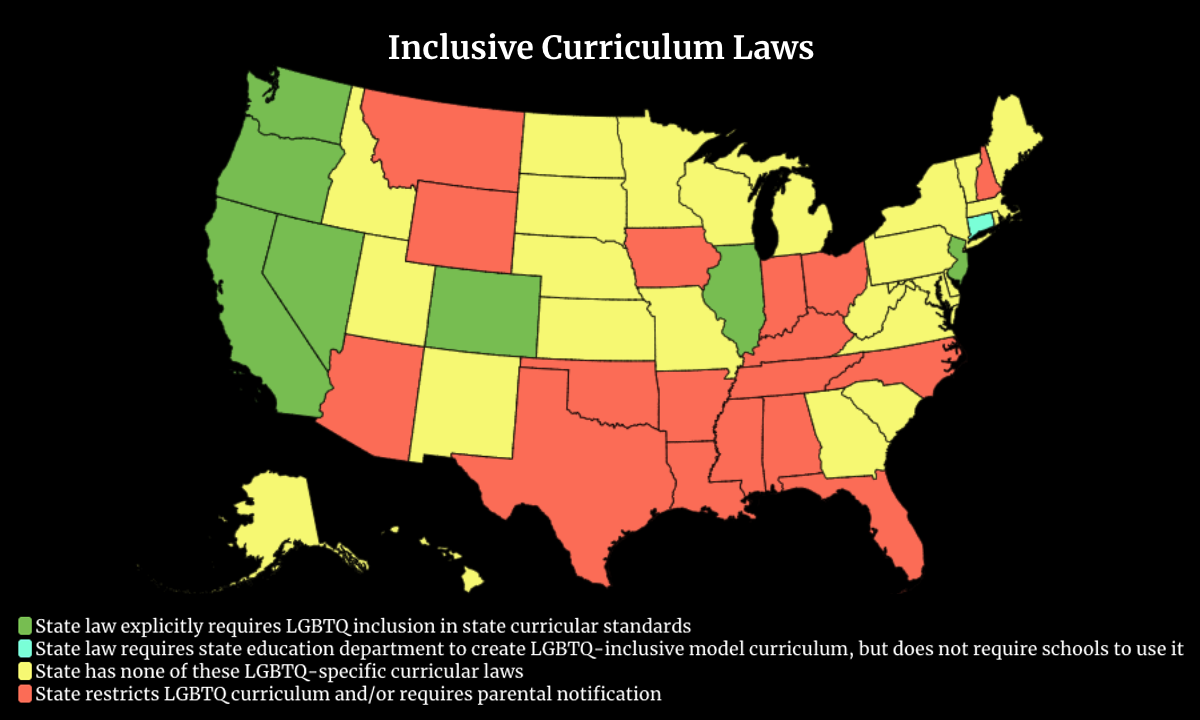
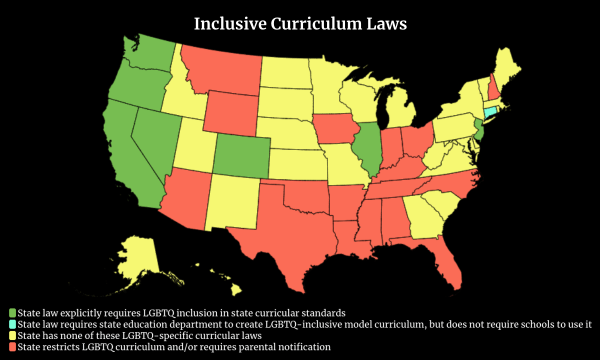
‘Inclusive curriculum’ laws are supposed to create welcoming school climates for LGBTQ and other marginalized students. Making it work is really hard

By

This story first appeared at The 74, a nonprofit news site covering education. Sign up for free newsletters from The 74 to get more like this in your inbox.

Lost amid headlines about hundreds of bills seeking to curtail protections for LGBTQ students over the last five years is a surprising fact: More LGBTQ teens live in states that require schools to teach LGBTQ people’s historical and cultural contributions to society than in places that ban their mention in classrooms. 

More than 1 in 4 queer 13- to 17-year-olds attend school in the seven states that now mandate this inclusive instruction, versus 20% who live in the 20 states that have passed what advocates call Don’t Say Gay laws. 

Research shows schools are safest for LGBTQ children and educators, and that students learn best, when they see themselves in classroom materials. They are far less likely to hear homophobic and transphobic slurs, to feel unsafe because of their identity or gender expression, to miss school or to be victimized. They attend school more consistently, get better grades and are more likely to say they have multiple teachers who are supportive. 

The presence of clubs known as gay-straight alliances improves school climates for all students — especially those from marginalized backgrounds. And straight, cisgender educators report feeling more confident in their ability to meet students’ needs when they themselves learn about LGBTQ people and topics. 

But the question of whether laws requiring accurate and positive portrayals of LGBTQ people, history and events make schools more welcoming is a complicated one. The first state to adopt a mandate, California, has seen only incremental change after 15 years. Other states that more recently began requiring inclusive instruction — most notably Illinois and Oregon — took note, wrote stronger laws and have seen more rapid progress. 

Policymakers and advocates are amassing research pinpointing practical reasons why the mandates succeed or fail. Perhaps a law didn’t include funding for new resources, set deadlines or require state officials to follow up to make sure schools complied. Maybe it gave few specifics about which changes to textbooks would fulfill the requirements and even less guidance to help  educators and the public understand why they are important for LGBTQ students’ well-being and academic success. Or it could be that districts found it easier to comply with policies that identified or created free, optional materials, called for training teachers and principals on their use and on incorporating students’ feedback, and issued step-by-step guidance on implementation.      

Whatever the factors involved, the fact is that during the last two decades, the number of LGBTQ students who say they are exposed to inclusive instruction has dropped nationwide, from 20% to 16%. Nearly 15% say they are taught negative depictions. And though it’s early in the implementation process in some places, the number of students who say their classes included positive lessons in the seven states that mandate them ranges from 15% to 32%, with an average of 22.5%. 

Even in communities where educators are eager to make the called-for changes, school board meetings have become contentious, as organized groups charge that allowing discussion of LGBTQ topics leads to the “grooming” of students to become gay or trans. 

The resulting fear and confusion are frequently more powerful than the letter of the law. And administrators and even district attorneys often lack clarity on what the law is, including in places with strong protections for LGBTQ kids and educators.

It’s a tough political reality that is about to get even harsher

President Donald Trump has repeatedly threatened to withhold funding from “any school pushing critical race theory, transgender insanity and other inappropriate racial, sexual or political content on our children.”

Well-tested legal limits on federal involvement in what schools teach may make it difficult for Trump to starve schools that teach “woke” concepts. But the constant drumbeat of threatening headlines demonstrates that in practice, he may well get his way.

A culture of fear and intimidation

“There is a lot of talk happening now about clamping down on inclusive learning coming from the incoming administration,” says Brian Dittmeier, policy director of GLSEN, which has been monitoring school climate for LGBTQ students for 25 years. “I just want to make clear that there’s a long bipartisan record, and requirements from Congress, that the U.S. Department of Education not dictate curriculum to the states.”

But classroom materials are just one element of what makes a school welcoming, he adds. School leaders need to take a number of steps to build trust with marginalized students — which can be hard to do in the face of ideological assaults. 

“You can adopt policies, you can put books on the library shelves,” says Dittmeier, “but if there is a culture of fear and intimidation, and there’s not the follow-through of inclusion, it’s going to impact the success of those interventions when it comes to reducing adverse mental health outcomes and diminished academic performance.” 

U.S. education policy has long put local leaders in charge of many decisions, so long as school systems meet thresholds set by state and federal officials. So while states create curricular standards — guidelines spelling out what students are expected to learn in each grade and subject — for the most part, district leaders can decide how to include those required topics in classroom lessons.  

Because of this, there are countless places where things can fall apart between a governor signing a bill into law and a teacher feeling safe enough to mention, for example, that astronaut Sally Ride was a lesbian or that Pride Month recognizes the revolt at the Stonewall Inn.  

It’s long been understood that all children learn best when they see themselves in classroom materials. One popular theory describes curricula featuring people of different races, abilities and backgrounds as providing “windows and mirrors” — a mirror so a child feels connected to the material and a window for learning about other cultures. 

In the case of LGBTQ students, inclusive curriculum — instruction that includes the societal contributions of queer people — also makes schools safer. According to GLSEN, which advocates for policies making schools more welcoming, 4 in 5 queer youth ages 13 to 17 feel unsafe in school, making a third uncomfortable enough to miss at least one day a month. 

Last year, GLSEN analyzed 20 years of data comparing the experiences of LGBTQ students in schools that use inclusive curriculum and those that don’t. Researchers found dramatic differences in student mental health and academic engagement, as well as overall school climate. The positive impacts are also felt by LGBTQ students of color and gender-nonconforming students, who typically report the highest levels of victimization.   

Compared with students in schools that don’t use inclusive curriculum, they are far less likely to routinely hear homophobic and transphobic remarks. Less than half (49%) hear the word “gay” used in a negative way, compared with almost three-fourths (72%) in schools that don’t use inclusive curriculum. One in 4 (27%) hear slurs such as “fag” or “dyke,” compared with almost half (48%). 

LGBTQ students in schools that use inclusive curriculum are almost twice as likely (67% vs. 35%) to say their classmates are accepting. They are dramatically less likely to feel unsafe, half as likely to be victimized in person and less likely to miss school. Consistent attendance is particularly important in light of past GLSEN surveys that put the LGBTQ dropout rate at 35% — three times the national average.  

California’s glacial pace

Armed with early versions of this research and with stories of being bullied, in 2006 some 500 students, accompanied by friends and families, descended on the California statehouse to demand passage of a law that would require schools to use “bias-free” curriculum. Then-Gov. Arnold Schwarzenegger ultimately vetoed the initial bill. 

In 2011, the state Assembly passed the law, the first in the country requiring schools to include the contributions of LGBTQ people in their instruction. As he signed the FAIR Education Act, which also called on educators to teach about people with disabilities, then-Gov. Jerry Brown said he expected it to take four years for textbooks and other materials reflecting the mandated changes to reach classrooms. 

In fact, that estimate was wildly optimistic. Notably, the law did not include a deadline for compliance, a mechanism for monitoring implementation or consequences if schools did not shift instruction. Fifteen years after its passage, it remains unimplemented in most of the state’s nearly 1,000 school systems.

A recent survey by the advocacy group Equality California found that fewer than a third of districts had adopted all the required changes, though 60% had taken at least one step toward compliance. In 2021, just 27% of California LGBTQ students aged 13 to 17 told GLSEN they had been exposed to positive representations of LGBTQ people in class, an increase of only 5 points since the law’s passage.

To be fair, implementation of curricular standards is never quick. Once a law calling for change is passed, state officials typically appoint a group of educators and subject-matter experts to decide which facts or skills should be taught in each grade. The potential revision is then shared with the public for feedback. 

In the case of the FAIR Act, California’s updated history and social studies standards were published in 2017, six years after the law’s passage. In deference to local control, districts were left to decide what materials to use.    

But determining whether a textbook meets standards is painstaking work that exceeds the capacity of many districts. And materials featuring diverse people are scarce.    

For example, a 2018 review by University of Wisconsin researchers of the 3,000 children’s books published the previous year found that half of characters were white, 27% were animals, 10% Black, 7% Asian or Pacific Islander, 5% Latino and 1% Native American. 

Last year, The Education Trust reviewed 300 K-8 books that are part of five curricula that received favorable ratings from EdReports, an organization that evaluates classroom materials for quality. Less than 40% of the texts reviewed featured people of color. In most of those that did, reviewers found “limited representation, such as through stereotypes or as background to the stories of others.” 

When the FAIR Act was passed in 2011, suitable resources were even harder to find. The books Education Trust reviewed included two gay men and six individuals with disabilities, for example. The law required state officials to screen and approve textbooks that districts could voluntarily adopt.

State academic standards vary widely and are often met with political opposition, making the process of approving materials contentious. Publishers are under pressure to customize materials to meet each state’s parameters. Because of their size and tendency to adopt standards at opposite ends of the ideological spectrum, California, with 6.7 million K-12 students, and Texas, with 5.8 million, have outsized influence on what publishers produce. 

A January 2020 New York Times piece contrasted textbooks printed for both markets, finding discordant recountings of the history of capitalism, Reconstruction, immigration, white flight and what one Texas volume called the “Americanization” of Native Americans. A month later, a CBS investigation found seven states did not directly mention slavery in their standards, and 16 listed states’ rights as the cause of the Civil War.      

In California, advocates and members of the state commission reviewing classroom resources scrapped over how to identify historical figures such as Emily Dickinson, James Buchanan and Ralph Waldo Emerson; how to characterize people who were not out when they were alive; and whether to include context regarding sexual orientation or gender identity in texts given to students, or only in teachers’ guides. 

At one point, for example, McGraw-Hill pushed back against the commission’s request to describe Ellen DeGeneres as “a lesbian and humanitarian,” suggesting the materials instead say DeGeneres “works hard to help people. She and her wife want all citizens to be treated fairly and equally,” according to the news site EdSource. 

Ultimately, the state rejected two sets of materials from one commercial publisher, Houghton Mifflin Harcourt, and accepted 10. Examples of age-appropriate lessons the state advisory board approved include a section titled “Different Kinds of Families” in a second-grade book, an entry on the legal recognition of same-sex marriage for fourth-graders and a lesson for 11th-graders on homosexual life under Nazi rule.    

In 2018, appropriate curricula were ready for classroom use. A year later, the number of California LGBTQ students ages 13 to 17 surveyed by GLSEN who said they were exposed to positive representations of queer people had risen from 22% to 33%. 

But the next time GLSEN administered its school climate survey, in 2021, the culture wars were in full swing and the rate had fallen to 27%. Last fall, an Equality California survey found that fewer than one-third of schools had fully implemented the law’s requirements. 

Illinois, Oregon learn from California’s missteps

In 2019, New Jersey, Colorado, Illinois and Oregon adopted inclusive curricular standards. Nevada would follow in 2021, and Washington state in 2024. Like California’s, the new laws require instruction about other rarely discussed groups as well, such as Native Americans and people with disabilities. During the same time period, three other states — Vermont, Connecticut and Delaware — passed legislation requiring state officials to create model curricula and updated standards.

The new policies vary in approach, with several states taking steps to avoid problems that dogged implementation in California. Colorado lawmakers, for example, set aside money to pay for textbooks. A number of districts, including Denver Public Schools, did not wait for the state review process and instead turned to Teaching Tolerance, the Human Rights Campaign and other outside groups for model lesson plans

In Illinois, officials appointed an advisory council composed of advocates, academic subject-matter experts and health officials to come up with curricula and resources for schools and professional development programs to use. Like California’s, the law leaves the question of whether to adopt the materials up to local officials, but it mandates checks on whether the instruction is being provided as part of a process of monitoring whether districts are following a number of state requirements. So far, no Illinois district has been found to be out of compliance, according to the state Board of Education. 

Mollie McQuillan is an assistant professor of educational leadership and policy analysis at the University of Wisconsin-Madison who studies the implementation of LGBTQ school policies. Illinois has a lot of work left to do, says McQuillan, who uses they/them pronouns. “But they’ve filled some of these holes that we see in other states.” 

The same committee of advocates and experts that screened classroom materials, the Illinois Inclusive Curriculum Advisory Council, also wrote the guidance for how school systems could meet the new standards. Essentially a how-to manual, the document explains why inclusion is important, how to determine whether a lesson is age-appropriate and how to gain teacher buy-in. For example, it suggests back-to-school night is a good time to let parents know about the new law and its goal of a safe and supportive school climate, and to encourage families to ask questions.      

If inclusive standards requirements are not accompanied by anti-bullying and anti-discrimination policies — and similarly specific instructions for implementation — confusion can arise. Faced with uncertainty, McQuillan says, local leaders often default to the status quo.                  

Few principal and superintendent licensure preparation programs include training on sexual orientation or gender, they say. Because of this, school leaders may not be aware of their students’ needs, much less have a sense of urgency about meeting them. 

Far from having considered how transgender and nonbinary students may experience school, administrators and district leaders often don’t realize how strong traditional gender norms can be. They may never have questioned how their schools’ physical spaces and activities are organized. 

A member of the advisory council that has guided the implementation of the Illinois law, Julio Flores trains educators, school administrators and families on LGBTQ topics. Demand, he says, has been strong — and often, the information sought is much more basic than how to frame a lesson.

In his workshops, the mere mention of new curricular standards often triggers a much broader conversation among teachers and school leaders who, depending on the demographics of their communities, might have questions ranging from what constitutes respectful speech to how to make their classrooms safe. One of the topics most frequently raised is the difference between sexual orientation and gender.  

“One common question is, ‘How do young people know that their gender identity does not align with the sex they were assigned at birth?’ ” he says. “ ‘How can I support young people, especially if their parents are not supportive?’ That’s a huge challenge for adults, wanting to support their young people but also recognizing parents also have their own process.”

Data on how quickly school climates shift after an inclusive curriculum mandate is adopted are scant. In the four states that passed requirements in 2019, implementation was sometimes held up as school leaders scrambled to figure out how to respond to COVID-19, and the most recent school climate research from GLSEN — the most detailed data available — was published in 2021. (A new dataset is expected later this year.) 

But there are early suggestions that enacting several LGBTQ student protection policies at the same time — and being explicit about how they are to be enacted — can be effective. The second state to pass a curriculum law was New Jersey, which requires the teaching of accurate representations of queer and disabled people but leaves it to individual school boards to decide what inclusive means. Compared with 2011, the state saw a 3 percentage point drop in the number of students who said they were exposed to positive representations. 

By contrast, Oregon, where standards will not be mandatory until the 2026-27 school year, saw a 9-point gain. In its recent analysis, GLSEN noted that the degree of specificity and the  comprehensive nature of the state’s directions to school systems are likely key reasons why. In addition to the kinds of advice included in Illinois’ guidance, Oregon’s encompasses other steps educators should take to make schools more welcoming. For example, after explaining that fostering trust between students and administrators is crucial, the state’s guidance directs school leaders to create a process for youth and staff to report incidences of bias and to spell out what steps will be taken.  

Based on the data the organization has gathered over the last 25 years, GLSEN researchers say that to make the most difference in student welfare, inclusive curriculum should be accompanied by teacher training — both in colleges of education and in on-the-job professional development — by the adoption of non-discrimination and anti-bullying laws and by the creation of forums where LGBTQ youth can express their needs. 

According to GLSEN’s Dittmeier, six states now require that teachers be trained on LGBTQ inclusion, and seven have developed materials for educator professional development.

“All of these supports are really key to ensuring that LGBTQ youth feel included in their school environment and can obtain the success of their peers,” says Dittmeier. “When these interventions are available in the school, it really results in a dramatically different school experience for LGBTQ youth.”

But other research has documented an increase in ambivalence about inclusive instruction among teachers. A 2022 survey administered by Educators for Excellence found that 1 in 3 do not support including LGBTQ topics in instruction, while 11% believe their school does not enroll any queer children at all. 

Support for inclusive instruction was weakest among older educators and white ones, with 82% of teachers under age 50 expressing support and 97% of Black, Latino and Indigenous educators saying they are in favor. Educators also told the researchers they fear the wave of state legislation curtailing classroom speech and are unsure what they can say. 

Over the last two years, Oregon has trained 1,000 educators and staff at universities and nonprofits that work with schools to implement the new standards. The state has awarded grants to organizations to provide professional development, instructional materials, affirming drop-in spaces for homework help and youth summits, and it requires districts to have formal community engagement processes.

Uniquely, Oregon also recognized that discussions of LGBTQ school inclusion typically focus on bullying, suicidality and other negative experiences. So officials asked students where they feel most accepted and has helped community groups create opportunities — many of them tailored to young people of a particular race or ethnicity — for queer youth to have fun and spend time with affirming adults.   

School board pushback — and a lawsuit

In May 2023, a newly elected conservative school board majority in California’s Temecula Valley Unified School District overruled a group of teachers who had selected new, state-adopted social studies textbooks for grades 1-5. The reviewers had solicited feedback from parents, which was overwhelmingly positive or neutral.  

The three new board members — who earlier banned instruction on critical race theory, which is not taught in K-12 schools — said they opposed the curriculum because they did not want students to learn about Harvey Milk, the first openly gay man elected to public office in California. 

A tug of war with state officials ensued. The state Department of Education and California Attorney General Rob Bonta launched investigations, and Gov. Gavin Newsom threatened consequences. But the FAIR Act did not set deadlines for schools to shift their instruction, require state officials to monitor implementation or spell out what would happen in districts that ignored the mandate.

In July, the Temecula Valley board doubled down, again voting to reject the curriculum. Within a day, the governor said he planned to order the books and send the district the $1.6 million bill. Newsom also said that if the Assembly passed a bill that would create consequences for flaunting the FAIR Act and other laws requiring inclusive instruction, he would fine the district $1.5 million.      

The second law would, in fact, pass, but not until two months after the Temecula Valley board backed down and agreed to adopt most of the curriculum. A few days later, the district’s teachers union, a group of educators and parents sued the board, charging that its votes rejecting instruction required by state standards and a variety of other edicts involving race, sexuality and gender violated students’ constitutional rights. The case is wending its way through courts.         

‘Anti-LGBTQ animus is still socially acceptable’ 

Even if federal law continues to curtail Trump’s ability to force the elimination of inclusive curriculum, the culture wars may ultimately stymie implementation in many places. 

A survey released last spring by University of Southern California researchers Anna Saavedra and Morgan Polikoff found deep partisan divides in which topics Americans feel are appropriate for classroom discussions, with the biggest gulf on LGBTQ subjects. 

Unlike many polls, the survey asked about hypothetical scenarios in which students’ ages and the content of possible lessons varied from exposing elementary-aged children to stories with a variety of kinds of families to topics that include sex.   

Depending on the scenario, 4 in 5 Democrats said they support inclusive instruction in high school and half or fewer in lower grades. Republicans, by contrast, were comfortable with LGBTQ topics less than 40% of the time at the high school level and less than 10% in elementary school.     

Blue state government notwithstanding, Polikoff wrote in a commentary for CalMatters, California has the same partisan divides on inclusive curriculum as other places. The political right, he noted, had “fixed its gaze” on LGBTQ issues in schools.   

“The reason for this shift is obvious: Anti-LGBTQ animus is still socially acceptable,” Polikoff wrote. “The reality is that LGBTQ issues in schools are a thorny problem, and Californians are intensely divided on what to do about them.”
The range of responses, he told The 74, does suggest a path forward, albeit a long one: “We really do need to have a discussion about what’s age-appropriate, what parents want and kids need. And that’s probably not going to be one conversation. That’s probably going to be 50 conversations, one in each state. Or maybe 13,000 conversations, one in each district.”


What Trump’s Presidency Could Mean for Trans People: Potential Policies and Warning Signs to Watch

This blog is originally appeared at LGBTQ Nation

Why Allies Must Act: Defending Trans Rights Protects Everyone’s Freedoms

As the election dust settles, the focus shifts to practical realities. For transgender people like me, a pressing question looms: What actions will this new Trump administration take?

It’s tempting to jump to extreme conclusions—like the idea of being rounded up and placed in camps. But it likely won’t look like that. There won’t be “camps,” nor will there be overt “rounding up.” Instead, the approach will be more subtle, and that subtlety is precisely what makes it so dangerous.

The quiet nature of these changes will make them easier for cisgender people to overlook. However, their awareness is vital—not only for our survival but for their own protection, as the erosion of trans rights often signals broader attacks on freedoms that could ultimately affect everyone.

The groundwork for trans oppression is already being laid. In recent years, Republicans have pursued anti-trans legislation with alarming intensity, proposing over 1,000 laws targeting everything from medical care and bathroom usage to IDs, sports, and even how we dress. Trump has vowed to push similar policies at the federal level, and Project 2025 outlines an even more expansive agenda.

To understand what trans oppression under Trump might look like, we can look to other marginalized groups. For instance, the mass incarceration of Black men wasn’t achieved through blatant decrees like “round them up” but through systemic oppression: harsh laws with disproportionate penalties, over-policing, and economic barriers that strip away basic human needs. Trans people have already faced similar tactics, such as laws criminalizing “cross-dressing” to police our existence.

Under another Trump administration, this oppression might escalate. It could involve banning hormone replacement therapy and criminalizing those who seek it out. Policies might mandate that gender markers on IDs match sex assigned at birth, penalizing those of us who continue to live authentically with fraud or perjury charges. Involuntary commitment to mental institutions could even be a reality.

These measures, even if sporadically enforced, create an ever-present climate of fear—a psychological toll that leaves us constantly bracing for the next law, the next crackdown, the next violation of our humanity. And in this hostile environment, the silence or complacency of cisgender allies would make it all the easier for these oppressive systems to thrive.

The coming years will likely see escalating attacks on trans people, particularly the most marginalized among us—trans women of color, disabled trans people, and others who already face significant barriers. These policies will make it harder for them to access stable employment and lead precarious lives, amplifying systemic inequities.

We cannot wait for something as blatant as a “lock up all the trans people” decree. The oppression will come in quieter, more insidious forms: laws and policies that restrict our rights to healthcare, employment, and basic expression. Even if trans people comply with these laws, the result will still be a kind of prison—a life stripped of autonomy and dignity.

If you are cisgender, we need your help. Not just because it’s the right thing to do, but because these attacks on trans rights will eventually pave the way for attacks on your rights. Consider abortion access: for decades, conservatives framed their arguments around “protecting life” to avoid addressing bodily autonomy directly. But the fight against gender-affirming care removes that pretense altogether. By banning medically supported, evidence-based care simply because they don’t like it, lawmakers set a dangerous precedent that could extend to other healthcare decisions.

Your body could be next.

Employment and education are also at risk. Imagine a national “Don’t Say Gay/Trans” policy that bars teachers like me—who are openly transgender—from the profession. Policies like these won’t stop at targeting trans people. Deadnaming and misgendering trans students could morph into strict gendered dress codes for everyone, eroding freedom of expression for all students. What starts as an attack on trans rights often metastasizes into broader assaults on personal liberties.

As we approach January 20th, now is the time to act:

  • Get involved: Connect with your local LGBTQ+ center and see how you can support their efforts.
  • Stay informed: Follow trans journalists and activists to keep up with the latest developments.
  • Advocate: Write to your representatives in both parties, showing them that you stand with trans people.
  • Speak out: Use your voice, wear supportive messages, and engage your cisgender friends to build awareness.
  • Support trans people directly: Check in with your trans friends, especially now, as they navigate a political climate fueled by over $200 million of anti-trans rhetoric during the election. Let them know you’re there for them.

This isn’t just about protecting trans people—it’s about preserving freedom and dignity for everyone. Together, we can resist these threats and build a future where everyone has the right to live authentically.

MAGA Education Official Instructs Schools to Show Video of Him Praying for Donald Trump

This blog is originally appeared at LGBTQ Nation


The Oklahoma Superintendent of Schools recently spent $25,000 in state funds on Trump Bibles.

Ryan Walters, the controversial Oklahoma Superintendent of Schools, has directed school districts statewide to show a video of him praying for President-elect Donald Trump. This unusual and politically charged directive, issued amidst a recall effort against Walters, has sparked strong opposition from local school administrators. The video and accompanying order were sent out to schools on Thursday.

At least seven major Oklahoma school districts announced Friday that they will not show a video in which Superintendent Ryan Walters discusses the objectives of his newly established Office of Religious Liberty and Patriotism, concluding with a prayer for former and future President Donald Trump.

The video, which carries a highly partisan tone, criticizes the “radical left” for attacking religious freedom in schools and accuses teacher unions of undermining patriotism.

“We will not tolerate that in any school in Oklahoma,” Walters declares in the video. “We want our students to be patriotic. We want our students to love this country, and we want all students’ religious liberty to be protected.”

The video wraps up with a prayer in which Walters asks for divine guidance for the nation’s leaders and specifically prays for Trump and his team.

“Dear God, thank you for all the blessings you’ve given our country. I pray for our leaders to make the right decisions. I pray in particular for Donald Trump and his team as they continue to bring about change to the country,” Walters says.

Edmond Public Schools Superintendent Angela Grunewald informed parents on Friday that her district will not disrupt its locally approved curriculum to show Walters’ video.

Grunewald emphasized that her district will continue to teach the Oklahoma state standards and the curriculum set by the local school board. “Any changes to that would be based on local decisions,” she said, citing a recent ruling by the Oklahoma Supreme Court that upheld the authority of local school districts to make such decisions.

Similarly, Midwest City-Del City Public Schools Superintendent Rick Cobb told the Oklahoma Voice that his district will not show the video. “We do not believe he has the statutory authority to require us to share this content,” Cobb said.

The Oklahoma Attorney General’s Office supported this stance, declaring the mandate unenforceable. “Not only is this edict unenforceable, it is contrary to parents’ rights, local control, and individual free-exercise rights,” said Attorney General spokesperson Phil Bacharach.

Newly sworn-in Democratic state Sen. Mark Mann, a former member of the Oklahoma City Board of Education, also urged other districts to resist the mandate. “When Oklahoma needs to make gains in reading and math scores, the last thing we need to be doing is pushing the superintendent’s blatant, self-serving political agenda,” Mann remarked.

Walters’ controversial order, which is seen as unenforceable, accompanies his ongoing effort to distribute 55,000 Bibles to Oklahoma schools. On the same day his prayer video was released, Walters posted another video celebrating the arrival of the first 500 Bibles in AP Government classrooms.

Walters’ budget request was specifically aimed at purchasing a version of the Bible known as the “Trump Bible,” which combines the Declaration of Independence, the U.S. Constitution, and the Old and New Testaments into a single Christian nationalist text. The initial purchase of these Bibles amounted to $25,000.

Walters has been mentioned as a potential candidate for Secretary of Education in Trump’s second-term Cabinet. Both Walters and Trump have advocated for the abolition of the U.S. Department of Education.

A principal was dismissed for offering an “LGBTQ+ Kindness” class, and now his community is rallying in his defense

This blog is originally appeared at LGBTQ Nation.

The educator aimed to create a safe space for LGBTQ+ students, but some parents labeled it “perverted.”

A middle school community in Virginia is pushing back after their principal was dismissed for launching an “LGBTQ+ Kindness” flex-time class designed to offer a safe space for LGBTQ+ students.

Dr. Jerry Putt, who had served as principal of Frederick County Middle School since 2017, was removed from his position following a contentious school board debate over his actions, according to The Winchester Gazette.

The controversy erupted during a Frederick County School Board meeting on Tuesday, where a conservative group of parents and board members argued that the “LGBTQ+ Kindness” class strayed from state-approved curricula and labeled it “inappropriate.”

The leader of the opposition to the class, Chris Davey, a Back Creek District resident, called the optional “LGBTQ+ Kindness” class “perverted.” He criticized Dr. Putt for offering the course without prior parental notice and brought his concerns to the school board, where he found support.

In response, the board issued a warning to school staff, stating that any “unsanctioned curriculum” additions would not be tolerated and could result in termination. Just two days later, the board made an example of Dr. Putt by removing him from his position.

On Thursday, the school community received a notice from district superintendent Dr. George Hummer announcing Dr. Putt’s removal, with no explanation given, and the appointment of an interim principal.

Wendy Werner, a former counselor at the school, called the decision “appalling” and criticized the parents at the meeting as “hateful and uninformed.” In response, she and other community members have launched a grassroots campaign to reinstate Dr. Putt, starting with an online petition that has already gathered nearly 1,300 signatures in the small town. The petition has become a platform for community members to speak out about what they view as a campaign of anti-LGBTQ+ hate by the board and certain parent groups.

Local resident Luke Mason called the school board’s decision misguided. “The principal is out because he created opportunities for ALL students during the school day, and that was ‘off script,’” Mason wrote, questioning whether other extracurricular activities, like the “four-wheeler club” or pep rallies, would face similar scrutiny.

Sonia Marfatia-Goode raised concerns about discrimination, pointing out that one parent wanted the LGBTQ+ flex-time class canceled but had no objection to other flex-time offerings. “I wouldn’t be surprised if the division was sued over this,” she warned, highlighting potential legal repercussions.

Marfatia-Goode also noted that the increasingly divisive atmosphere at recent school board meetings was having a negative impact on students. “Children pay attention, and they are finding out that if you don’t want something, you yell and yell until you get your way,” she wrote.

Ron DeSantis is forcing Florida colleges to remove their LGBTQ+-inclusive courses

This blog is originally appeared at LGBTQ Nation.

Florida’s 12 public universities are eliminating courses that may “distort significant historical events” or “teach identity politics” to comply with S.B. 266, a law passed by the state legislature in 2023. This law restricts schools from using state or federal funds for initiatives advocating diversity, equity, and inclusion (DEI), or promoting political and social activism. In addition, it has led to the closure of LGBTQ+ student centers and the dismantling of cultural support programs on campuses.

As a result, universities are scrapping classes such as Anthropology of Race & Ethnicity, Introduction to LGBTQ+ Studies, Sociology of Gender, Women in Literature, Chinese Calligraphy, The History of Food and Eating, Humanities Perspectives on Gender and Sexuality, Social Geography, and a course on Magic, Witchcraft, and Religion. A class examining racial and gender inequality and crime, titled Social Problems, is also being impacted, according to a Politico report.

Some of these courses have been removed entirely, while others have lost their “general education” designation, meaning they will only be available as electives for upper-level students in certain disciplines, rather than as part of the broader general education curriculum. Additionally, some course descriptions and student outcomes have been revised to ensure compliance with the law.

The Board of Governors will review each institution’s proposed course offerings for the 2025-26 academic year and may suggest changes. Schools that refuse to comply could risk losing vital state funding or face other penalties from Governor Ron DeSantis and the Board.

Critics argue that this law undermines academic freedom, enforces government-approved viewpoints, and could drive talented students and educators away from Florida’s universities. Some also warn that the law could jeopardize the accreditation of certain schools that are required by national accreditation bodies to have DEI programs as a core component of their education. Others have expressed concern about the vague language of the law, which leaves many unsure about what is permitted and what is not.

Historically, decisions about course content have been left to individual universities. However, this law is part of Governor DeSantis’ broader effort to challenge DEI policies and shift the state’s educational institutions toward a more conservative ideology.

While signing the law in May 2023, DeSantis said, “DEI has basically been used as a veneer to impose an ideological agenda, and that is wrong. If you want to do things like gender ideology, go to Berkeley, go to some of these other places… You don’t just get to take taxpayer dollars and do whatever the heck you want to do and think that’s somehow OK.”

This law follows DeSantis’ 2022 signing of the so-called Stop WOKE Act, which bans educational programs on racism and gender-based discrimination in schools and businesses. That law is currently on hold as courts review its constitutionality.

Federal Judge Mark E. Walker, who blocked the Stop WOKE Act in 2022, described the law as “positively dystopian,” saying it “officially bans professors from expressing disfavored viewpoints in university classrooms while permitting unfettered expression of the opposite viewpoints.” He emphasized that academic freedom should allow professors to express their perspectives, as long as they do not only align with state-approved views.

GOP Congressman claims U.S. isn’t worth defending due to presence of trans music teacher in 9/11 address

This blog originally appeared at LGBTQ Nation.

What exactly are we defending? What remains of the United States worth protecting?

Rep. Chip Roy (R-TX) gave an extended speech on the anniversary of the September 11 attacks, during which he stated that the U.S. is no longer worth defending, citing a friend’s child’s transgender music teacher as a reason. He began his remarks by recognizing the significance of September 11 before transitioning to criticisms of immigrants.

“It serves as a reminder of the consequences of leaving your country vulnerable to attacks,” he stated before providing examples of immigrants involved in criminal activities. Roy expressed his support for mass deportations in response to these crimes, despite data indicating that immigrants are less likely to commit offenses than those born in the U.S.

In the midst of his speech, Roy launched into a tirade about what he considered wasteful government spending, labeling defense expenditures as unnecessary because, in his view, the U.S. isn’t worth defending anymore.

“In this town, we can’t effectively advocate for you, the American people, to ensure a secure border, safe communities, and an economy that isn’t devastated by reckless government spending,” Roy exclaimed. “And you want to know why? In the name of defense, they tell me every year that if I don’t support these inflated spending bills, we won’t get a new submarine or carrier.”

“What exactly are we trying to defend? What is left of the United States to protect? A school where I can’t send my child to pray without paying $20,000 a year on top of my taxes?” he questioned, referring to the private school he chooses for his child, despite the fact that students are permitted to pray in public schools, according to the Department of Education.

“A school where my friend’s sixth grader has a transgender music teacher asking students to participate in a dance class? Yes, that’s a true story,” he emphasized, as if it were shocking that sixth graders would be dancing in music class. “Is that what we’re defending with carriers, missiles, and endless wars?”

This isn’t the first instance in which Roy has claimed that the U.S. shouldn’t be defended due to LGBTQ+ individuals. Last year, he pointed to a Pride event at a U.S. Air Force Base in Georgia as a rationale for opposing military funding.

“What’s next, rainbow uniforms during Pride Month?” Roy questioned at the time. “The Air Force and Defense Department endorse this absurd use of taxpayer dollars and then expect members of Congress—who represent Americans outraged by this—to approve an $800 billion-plus budget for the Department of Defense (DOD). If the DOD doesn’t put an end to these divisive and frankly embarrassing events, Republicans should withdraw their support for this year’s National Defense Authorization Act.”

https://www.lgbtqnation.com/2024/09/gop-congressman-says-us-isnt-worth-defending-because-of-a-trans-music-teacher-in-9-11-speech/?utm_id=top_story&utm_term=headline&utm_content=politics&utm_medium=email&utm_campaign=2024912%20LGBTQ%20Nation%20Daily%20Brief&utm_content=2024912%20LGBTQ%20Nation%20Daily%20Brief+CID_8effed1877914822206ec0f2f8d37748&utm_source=LGBTQ%20Nation%20Subscribers&utm_term=GOP%20congressman%20says%20US%20isnt%20worth%20defending%20because%20of%20a%20trans%20music%20teacher%20in%20911%20speech

Blog at WordPress.com.

Up ↑