In this episode, we sit down with Help Me Leave (www.helpmeleave.us ) — an organization dedicated to creating pathways to safety for LGBTQ people in the United States.
Help Me Leave works to:
🌍 Support amnesty and refuge visas for LGBTQ Americans facing discrimination and hostility
✈️ Provide emergency relocation assistance to those in urgent need
🤝 Build a global network of allies, advocates, and skilled volunteers who can help
The conversation explores: Why LGBTQ people in the U.S. are increasingly seeking refuge abroad
How the group is building momentum toward meaningful immigration solutions
Ways YOU can get involved, contribute, or share your skills to support this mission
“Help Me Leave! is continuing to build momentum. Follow for further updates and get in touch if you have skills that can help.”
In a world and at a point where LGBTQ rights are under increasing threat, organizations like Rainbow Railroad are delivering life-saving action and offering hope as they do. Founded in 2006 as a grassroots response to the grave needs of LGBTQ individuals facing persecution, Rainbow Railroad has evolved into a global leader in queer humanitarian response. Their mission is clear and critical — to help LGBTQ people escape life-threatening situations and access the safety and freedom they deserve.
The Washington Blade was honored to speak with Latoya Nugent, head of engagement at Rainbow Railroad, a determined advocate and strategist who brings lived experience, passion, and vision to this work. In our conversation, Latoya sheds much-needed light on the evolution of the LGBTQ refugee crisis, the organization’s global impact, and how everyday people can get proactive in supporting LGBTQ asylum seekers and those displaced.
Can you share with us a little bit about Rainbow Railroad and how it was formed?
Rainbow Railroad is a global non-profit organization with offices in New York and Toronto. We were founded in 2006 as a volunteer-led initiative focused on helping LGBTQI+ people at risk find safety. Our primary work supports individuals living in what we call “countries of criminalization” – places where it’s illegal to be LGBTQI+.
We officially registered as a charity in Canada in 2013 and received 501(c)(3) status in the U.S. in 2015. Since then, we’ve grown to a team of about 60 staff working across direct service and advocacy. Our mission is to ensure LGBTQI+ people in danger can access safety and support, while also driving global advocacy to improve conditions on the ground.
Largely because there simply weren’t many organizations doing this work. While humanitarian protection has existed for decades, very few have focused specifically on how forced displacement affects LGBTQI+ people. The persecution faced by our community is often deeply personal and not adequately understood or addressed in global protection systems.
Rainbow Railroad was founded by a group of lawyers in Toronto who witnessed extreme anti-LGBTQI+ violence in Jamaica and the broader Caribbean. They knew a solution was needed to create safe passage for those fleeing persecution. What started as a small initiative has now become a global force, responding to crises like the fall of Kabul, the Chechnya purge in 2017, and the Anti-Homosexuality Act in Uganda.
Because we’ve worked so closely with governments, especially the Canadian government, and have deepened our involvement in global coalitions, our ability to respond at scale has expanded. In 2023, we secured a historic partnership with the Canadian government to provide comprehensive, end-to-end relocation support for LGBTQI+ people. That had never existed before within the humanitarian protection framework.
How has anti-LGBTQ and anti-transgender persecution evolved or intensified in recent years?
We’re seeing a rising, coordinated global movement against LGBTQI+ rights, heavily influenced by some religious and political groups. Alarmingly, some countries that had previously decriminalized LGBTQI+ identities are now reversing progress. Take Trinidad and Tobago, for example.
In 2023, Russia labeled the LGBTQI+ movement as “extremist.” In the U.S., under the current administration, we’ve seen federal resources for LGBTQI+ individuals and organizations stripped away. Websites have removed key information, and funding has been cut.
Globally, trans people are often the first targets, whether through state violence or community aggression. While we saw real progress for a while, a lot of that is now under threat. The movement today is focused on holding the line and preventing further erosion of rights.
What are some of the biggest misconceptions the public holds about LGBTQ refugees and asylum seekers?
A major one is the misunderstanding of how deeply personal the persecution is. Even people working in humanitarian spaces sometimes don’t grasp how intimate and life-threatening the experience is for LGBTQI+ people.
Unlike those fleeing war or natural disasters, circumstances that the world is more conditioned to understand, LGBTQI+ asylum seekers are often met with disbelief. People question their identity, their trauma, and even their right to seek protection.
And because the system isn’t designed with us in mind, many are retraumatized throughout the process. There’s also a lack of data. No one is formally tracking how many displaced people identify as LGBTQI+. So we’re forced to estimate based on global population models, but we believe there are upwards of 11 million LGBTQI+ individuals affected by displacement.
Also, the growing anti-immigrant sentiment worldwide paints refugees as threats, and LGBTQI+ asylum seekers get caught in that same narrative. Many wrongly believe that people choose to be refugees, but no one chooses this. It’s called forced displacement for a reason.
Here in the US, how does misinformation shape asylum policy?
Misinformation leads to policies that don’t reflect reality. If you start by distrusting asylum seekers, you miss their humanity. You see them as burdens or threats, not as people fleeing unimaginable violence.
As federal support gets cut, civil society organizations like Rainbow Railroad have to fill the gaps. But we’re not replacing a government system — we’re trying to patch a sinking ship.
And here’s the truth: LGBTQI+ asylum seekers will continue to arrive in the U.S. because it’s still safer than many of the countries they’re fleeing. Even with rising hostility here, they’re not being chased with machetes, like in parts of Nigeria, Jamaica, or Egypt. That’s the level of danger we’re talking about. And that needs to be understood.
In what ways does the US resettlement system fall short for LGBTQ refugees?
Before the federal program we partnered with was suspended in January 2025, we saw firsthand how the system wasn’t built with LGBTQI+ people in mind.
Most LGBTQI+ individuals relocate alone, often fleeing their own families. Yet the resettlement system assumes people arrive with built-in support networks, which they don’t. That leaves them vulnerable to social isolation and instability from day one.
Making an asylum claim also requires proving you deserve protection, which can be incredibly retraumatizing. You’re forced to provide evidence of your identity and persecution — even when you’ve had to hide both for survival. If you can’t “prove” it, your claim may be denied.
Add language barriers, lack of culturally competent translators, and complex paperwork, and you’ve got a system that’s often inaccessible to the very people it’s meant to help.
Can you tell us about the Communities of Care program? What prompted its creation?
The program launched in 2023 as part of a federal initiative to support LGBTQI+ refugee resettlement in the U.S. We mobilized small groups of volunteers, five or more LGBTQI+ individuals or allies, to support refugees as they settled into their new communities. They helped with housing, employment, education, transportation, and creating a sense of belonging.
When the program was suspended in January, we transformed it. Now, it focuses on supporting asylum seekers already in the U.S., many of whom are struggling without federal support.
We call on three or more volunteers to form a Community Support Team and work with an LGBTQI+ asylum seeker for six months. We train these teams to offer trauma-informed, competent care. It’s a way to create chosen family and rebuild community.
Can you tell us about the Community Access Fund?
That fund directly responds to the reduction in U.S. federal support for displaced LGBTQI+ individuals. We realized that many small, grassroots organizations doing vital work are severely underfunded or entirely volunteer-run.
So we created a pool of funds that these organizations can apply to. The first grantee was actually founded by someone we helped relocate to New York a few years ago. He saw that there were countless LGBTQI+ asylum seekers in NYC without access to community or services and decided to create that support himself.
We’ve supported groups in cities like New York, LA, and D.C., and the impact has been powerful. The fund is all about redistributing resources to the people who need them and who are already doing the work on the ground.
What can the average US citizen do to make a difference for LGBTQ asylum seekers and refugees?
So much! First, consider opening your home. Through our Rainbow Housing Drive, we ask people to offer a spare room or apartment at no cost, below-market, or even market rate, to someone in need.
You can also volunteer to form a Community Support Team with just two other people. Or donate to Rainbow Railroad. Honestly, even $5 helps. If everyone did that, the scale of what we could accomplish would be phenomenal.
We also encourage people to contact their elected officials at the city, state, or federal level. Let them know these issues matter to you. Support campaigns that uplift LGBTQI+ immigrants. Solidarity is powerful, and when we act together, we create real change.
This work can be heavy. As the Head of Engagement, how do you stay motivated?
Self-care is essential. Every morning, I wake up early and walk to work. It clears my mind. I take recovery seriously — emotional, physical, social, creative. Some evenings I turn my bathroom into a mini spa — candles, music, and a long bath. It grounds me.
But what really fuels me is my own journey. I’ve personally benefited from the work Rainbow Railroad does. I know how life-saving it is to be lifted from trauma and relocated somewhere you can truly live. Being part of gifting that to others drives me every day.
Our team is incredible. Resilient, dedicated, and deeply committed. And despite the challenges, we celebrate every win, no matter how small. Every life we help change matters.
Finally, what message of hope would you share with LGBTQ people who are fleeing persecution right now?
Hope is real, and it’s on the other side. There’s an entire global community, an army of people, who may not necessarily know your story, but who are bound together by our identities, understanding the persecution and discrimination that we as a community face. that knowledge makes us committed to doing everything in our power to ensure that everyone, every LGBTQI+ person, can live with not only dignity but also safety.
Trust that army to keep doing the work and to show up in solidarity. It may be difficult tomorrow or even next month, but there’s hope on the other side.
Ready to call Spain your new home? Join the thousands of Expats who have successfully relocated to Spain with our expert advice, resources, insider knowledge and handpicked network of service providers.
We ran into Alastair & Alison Johnson through the Expatsi organization. Find out everything you need to know about moving to Spain in this informative talk from people who know! Check them out at https://movingtospain.com/
Thinking about moving to Spain to escape political extremism in the U.S.? As part of the Flee Red States project, we sit down with Alastair Johnson of MovingToSpain.com , who has lived in Spain for many years with his wife and adult son.
In this interview, Alastair shares his first-hand experiences about:
🏳️🌈 The acceptance and visibility of the LGBTQ community in Spain
🏥 Easy access to Spain’s public healthcare system
🏡 Lifestyle, culture, and why Spain is a welcoming choice for American expats
🌞 The benefits of living abroad in a progressive, inclusive country
If you’re considering moving to Spain from the USA, becoming an American expat in Europe, or simply curious about LGBTQ rights in Spain, this video gives you practical insights and inspiration.
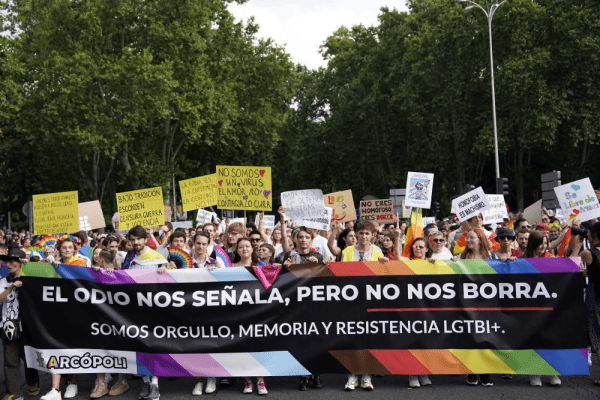
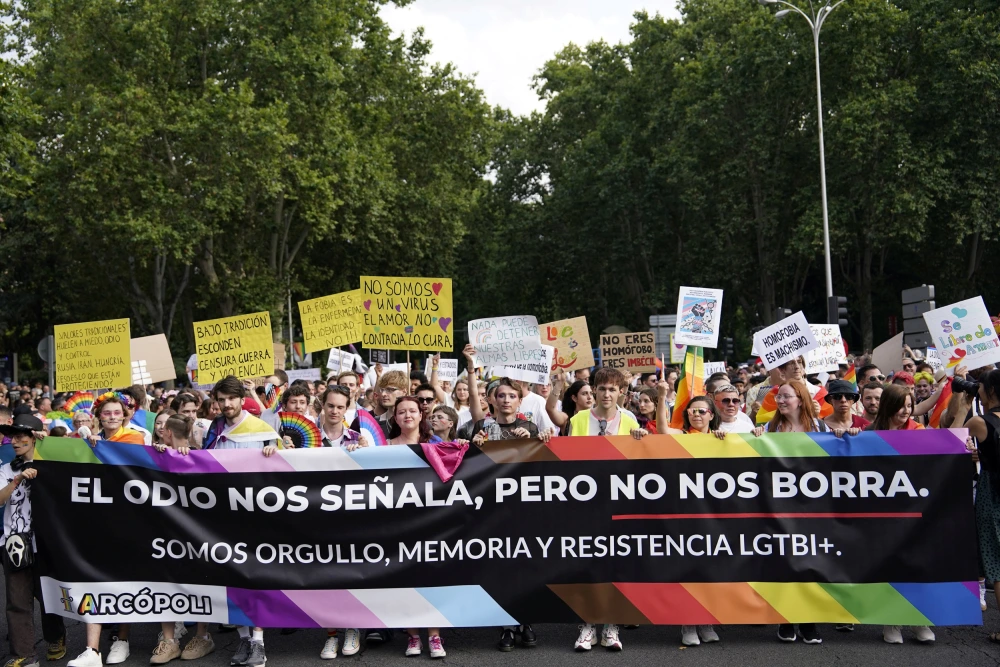
When Diana, a bisexual Russian asylum seeker, took part in her first Madrid Pride festival last year, she was delighted to see people waving the white-blue-white flag that has become a symbol of Russian opposition to its war on Ukraine.
She was also ecstatic to be among around 100 Russians who were waving LGBTQ flags and chanting, “Russia without Putin.” It felt surreal, said the 24-year-old, who did not want to give her last name for fear of retaliation.
“I couldn’t believe I would not be sent to prison. Everyone around was so happy,” she recalled as she marched again for Pride in the Spanish capital in July.
Also taking part was Ilia Andreev, who was vigorously waving a bright pink Mr Gay contest flag as the float he was perched on crept slowly through the crowds. For the 23-year-old, who fled Russia’s anti-LGBTQ laws in 2023, it was a moment to savour.
“I can be proud,” he said in Spanish.
The occasion was a far cry from the repression that drove him and other LGBTQ Russians out of their homeland in recent years, with many seeking refuge in Spain, which ranks fifth in the 2025 ILGA-Europe Rainbow Index, which ranks countries’ legal and policy practices.
“Spain is internationally recognized as a country that respects human rights and in particular the rights and freedoms of the LGBTQI+ community,” said Elma Saiz, the minister for Inclusion, Social Security and Migration, on International LGBTQI+ Pride Day in June.
Asylum applications from Russians more than doubled to 1,694 in 2023 from 684 in 2022, with Russia becoming one of the top 10 origin countries for applications in Spain, according to the Spanish Commission for Refugees (CEAR).
Of those processed, 59.7% received refugee status.
Elena Munoz, coordinator of the legal team at CEAR, said there had been a rise in Russian LGBTQ-related applications, although data on specific motives for asylum applications are not yet being collected.
The main reasons Russians gave for leaving their home included forced recruitment into the armed forces and the deteriorating human rights situation, including regarding gender identity and sexual orientation.
As well as introducing a raft of anti-LGBTQ laws, Russian President Vladimir Putin has been using the LGBTQ community as a political scapegoat, said Marc Marginedas, a journalist and expert in Russian affairs.
“Propaganda has fostered a climate comparable to Nazi Germany,” Marginedas said, saying Putin was using an “external enemy” to rally society and distract from military failures.
Legal crackdown in Russia
In 2013, Russian lawmakers passed a government-sponsored ban on distributing “propaganda of nontraditional sexual relationships” among minors.
In December 2022, after Russia launched its invasion of Ukraine, Putin signed an amendment to the law, extending the prohibition to all age groups.
The crackdown has led to the arrest of journalists, lawyers and human rights activists, with many others leaving the country.
Andreev, who worked as a TV journalist in the city of Kazan in southwestern Russia, said he had to hide his identity after he was accused of spreading “LGBTQ+ propaganda.”
“When I once wore earrings on air, I was called in by the news director and the executive program producer. She told me they had received many calls complaining about so-called gay propaganda because of the earrings,” he said.
He decided to come to Spain in 2023 on the recommendation of a friend, who had also moved.
Diana said she was fired after her boss saw her kiss her partner. She did not want to give details of her job or where she lived for fear of retribution.
While on holiday in Georgia in 2022, her home in Russia was visited by authorities because of her volunteer work with Ukrainians in Russian-occupied areas, and she decided she could not return. Growing anti-LGBTQ rhetoric in Georgia pushed her to move to Spain two years later.
Red tape and barriers
Andreev and Diana both applied for asylum and are still waiting for a ruling.
The legally mandated six-month process often stretches much longer, even up to two years. After six months, asylum seekers are allowed to seek work.
But it can take months to get an initial appointment with immigration authorities, and without this, asylum applicants cannot access state aid or support from organizations like CEAR.
Delays are also driving an illegal black market.
According to NGOs, Spanish police and officials, criminals collect immigration appointments using bots and then sell these so-called “mafia de citas,” or mafia appointments, for hundreds of euros on WhatsApp or Telegram to desperate asylum seekers.
And now things are getting for Russians hoping to submit asylum claims in Spain.
From July 12, Spain requires Russian citizens to obtain transit visas to pass through the country.
In the past, Russians would buy a ticket with a layover in Spain and then seek asylum during their stopover.
“It makes it difficult to reach safe territory, in this case Spain, because they no longer have a legal and safe route,” said Munoz, adding that reforms were needed to make the system more efficient.
The Ministry of Foreign Affairs, which is responsible for visa policy, did not respond to requests for comment.
While they await their asylum decisions, Diana and Andreev are rebuilding their lives.
Andreev, who volunteers in an LGBTQ rights group, has found a home in a small town near Madrid and is working on his Spanish — he hopes to return to journalism one day. But he has struggled to build new relationships.
The stress of job hunting and trying to get all the documents he needs, plus the time it takes up make it hard to focus on building connections, he said.
Diana now has stable online work and says she has found her chosen family in Madrid, mainly thanks to online networks of LGBTQ+ Russians who offer each other support.
She feels free, even if she still fears Russian retaliation.
“If I want, I can date women, I can date men, I can date whoever. I’m not in a hurry. Why would you be in a hurry? The Spanish lifestyle relaxes you a little bit.”
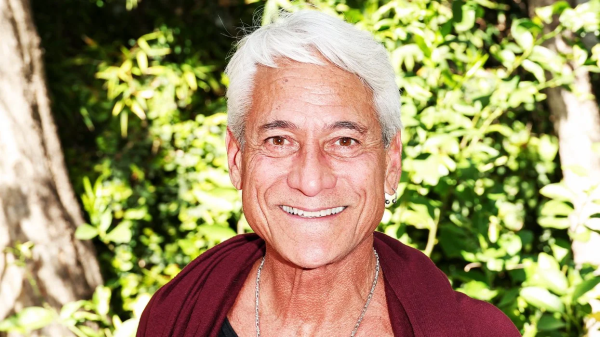
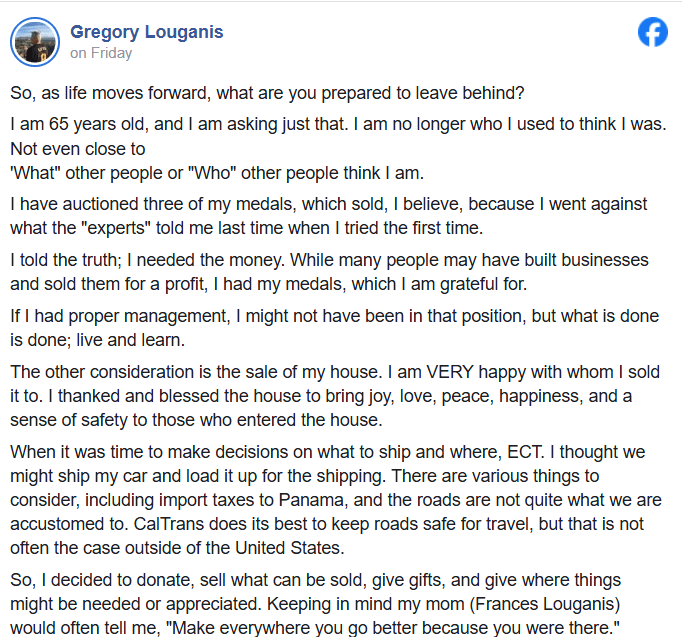
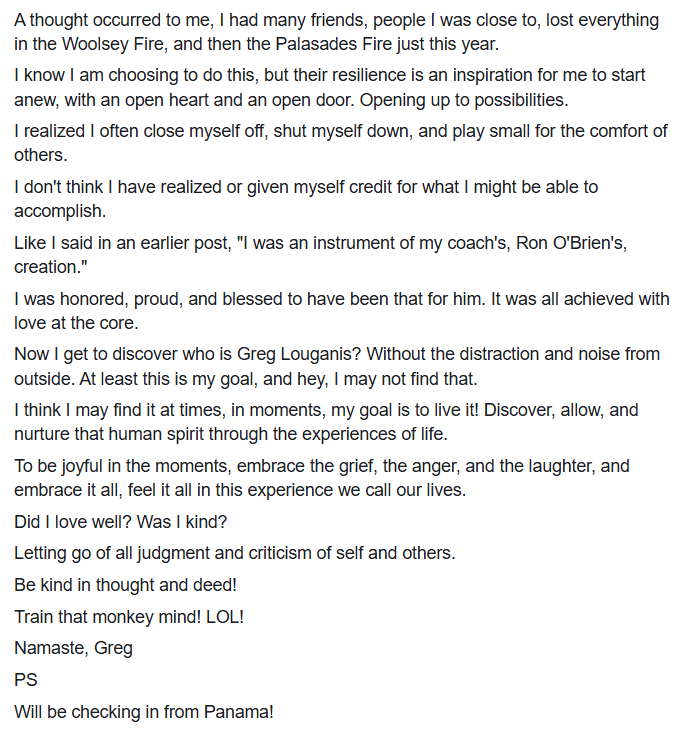
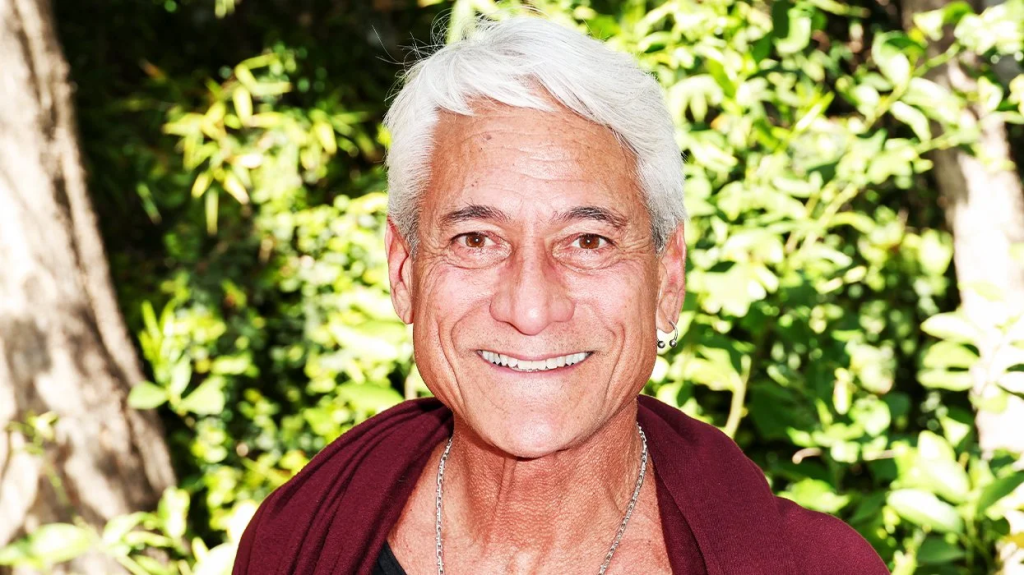
Out Olympic gold medalist, Greg Louganis, shared the details of his move to Panama in a statement uploaded to his Facebook page on Friday. In the post, Louganis, who came out as gay in 1994 and shared that he was HIV-positive in 1995, auctioned and sold three of his five Olympic medals. According to Cllct.com, he sold two gold and one silver medal for $430,865—his first silver medal from the 1976 Olympics, a gold from the 1984 games in Los Angeles, and another gold from the 1988 Seoul Olympic games.
Better Abroad? explores the lives of expatriates around the world who have uprooted their lives to move across physical and emotional boundaries in search of a better life. Through an artful lens, historical and cultural context, and engaging and authentic interviews, viewers will get to know each expat intimately—deeply feeling the experience of each character through their own narrative. Episodes will explore the critical moments or events that motivated their decisions as well as the peaks and valleys of their life-changing journeys. In this raw but beautiful look at the complexities of expat life, this series will provide viewers with a new thought provoking experience in each episode. Different expats on different paths. Different countries. One question. Is life Better Abroad?
We sit down and discuss this topic with Liz and Sarah.
If you’re an LGBTQ person looking for a better place, listen to Shasta as she tells you about Mexico.
For many LGBTQ+ Americans, the current political climate in the U.S. feels increasingly hostile and unsafe. In this video, we explore what it’s like to escape to Mexico — a country with growing LGBTQ+ protections, thriving queer communities, and a much lower cost of living.
We’ll cover: ✅ The most LGBTQ-friendly cities in Mexico ✅ Visa and residency basics for U.S. citizens ✅ Healthcare access and affordability ✅ Safety and community support ✅ Stories from real LGBTQ+ expats who made the move
From Mexico City’s vibrant queer scene to the laid-back beach towns of Puerto Vallarta and Mérida, discover why more and more LGBTQ+ people are finding freedom, safety, and joy south of the border.
🧭 Whether you’re looking for adventure, community, or simply peace of mind, this video will help you weigh your options and envision a new life abroad.
In this candid conversation, LGBTQ+ real estate professionals Cassie Villela, Bob McCranie, Kimber Fox, and Leslie Wilson sit down to discuss the evolving challenges of being openly queer in an industry—and a country—facing political pushback.
🏳️🌈 Topics covered include:
How anti-LGBTQ+ legislation affects clients
The role of advocacy in real estate
Why “just doing business” isn’t neutral anymore
Personal stories from the frontlines of inclusion in housing
📍 Whether you’re an agent, ally, or advocate, this video unpacks the real stakes of LGBTQ+ visibility in today’s market.
We sit down and chat with Josh Polanco, an expat living and working as a real estate agent in Lisbon.
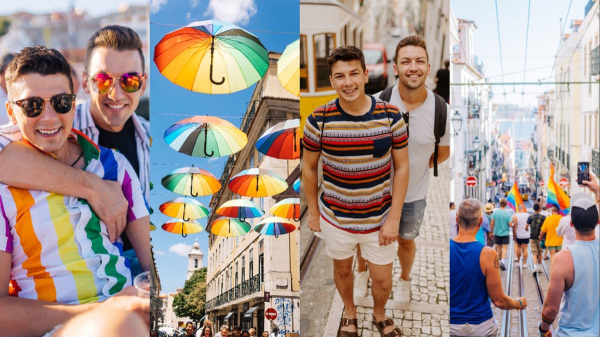
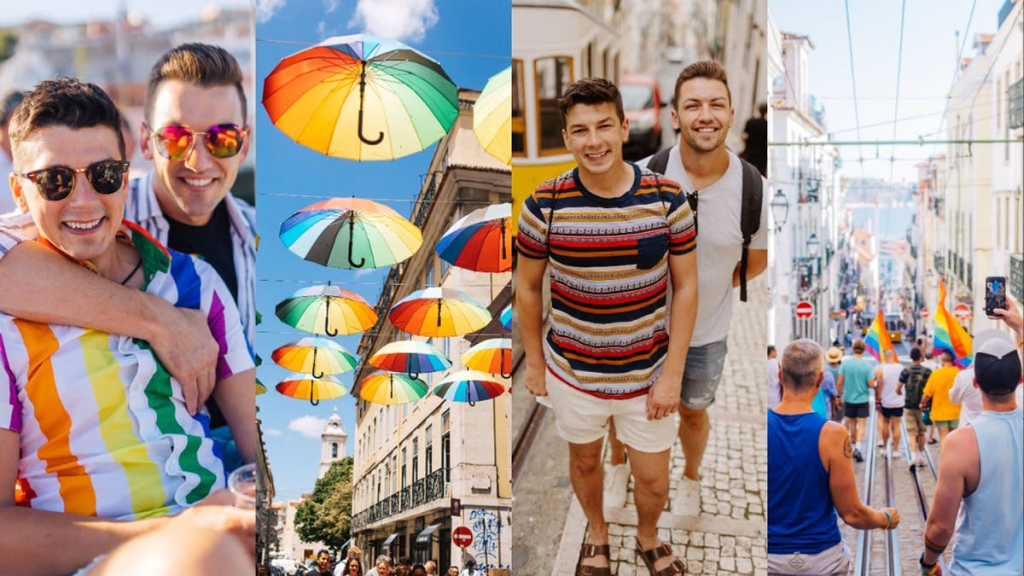
More and more LGBTQ Americans are choosing to move abroad—and Portugal is rising to the top of the list. In this video, we explore why Portugal is becoming a haven for LGBTQ individuals seeking safety, civil rights, and a better quality of life amidst growing political threats in the United States.
From inclusive laws and national healthcare to thriving queer communities in Lisbon and Porto, Portugal offers a refreshing contrast to the increasingly hostile policies emerging in red states across the U.S. This video is part of the Flee Red States project, a movement dedicated to helping LGBTQ people identify safer, more welcoming places to live—both within the U.S. and abroad.
As the Trump administration and the Republican Party work to dismantle LGBTQ civil rights protections, Flee Red States provides tools, support, and real-world stories to empower our community to make informed decisions about relocation. Whether you’re just curious or seriously planning your next chapter, this video is for you.
*This is being reported by CNBC. We are also unsure if it applied to legally married same sex couples, since Croatia has a different law with similar rights for same sex couples under the Life Partnership Act, which is not marriage equality.
Forget a penny for your thoughts; what about 13 cents for a house in Croatia?
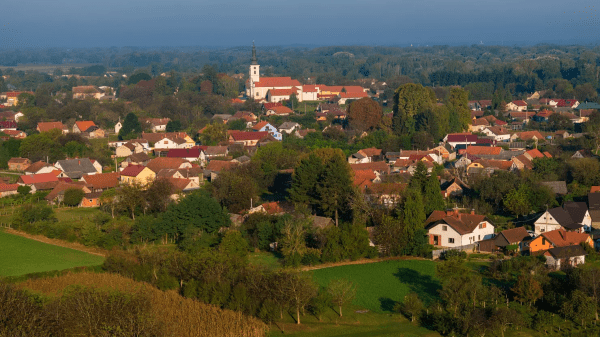
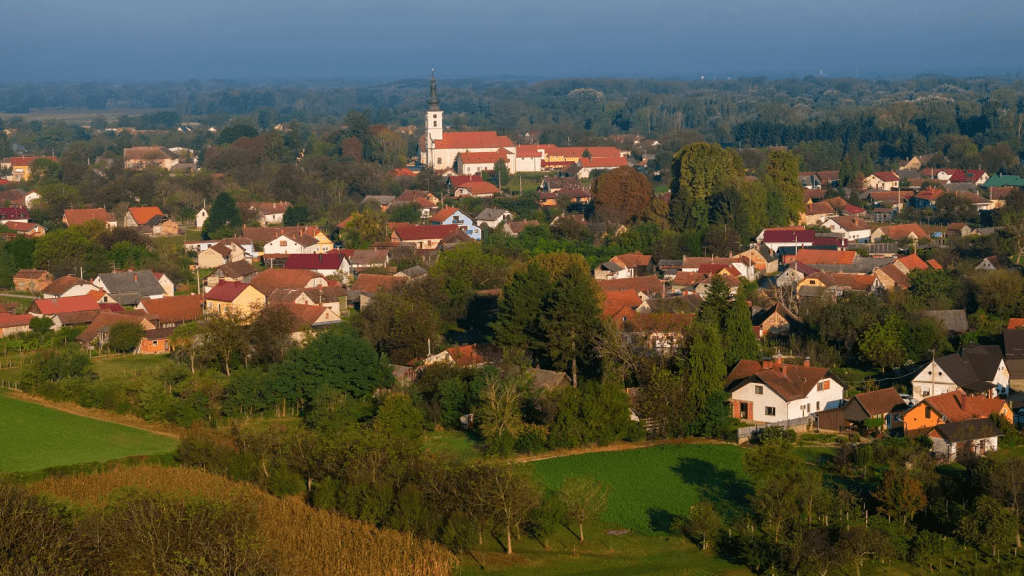
Legrad, a town in northern Croatia, has been trying to get more people to settle in the area by offering houses for pennies. It’s an initiative they started in 2018.
The small town, with around 2,000 people, borders Hungary and has seen its population dwindle since the collapse of the Austro-Hungarian empire in 1918.
In January, government officials announced another batch of houses is ready for sale at just 13 cents.
To be eligible to buy one of the houses, applicants must be under 45 years old, in a marital or extramarital partnership, and have no criminal record.
Most notably, if you want to snag one of these low-cost homes, applicants can’t already own property — though officials don’t specify if that means in Croatia or anywhere else in the world.
Local Croatian media outlet HRT reported that since the program started in 2018, there are more children today than there were five years ago, and as a result, they’re even building a new daycare center.
“A total of five houses ready for occupancy have been sold. Three families have already moved in, and what delights us is that all three families welcomed a new member during their move-in. This has increased the number of children in the daycare center,” Ivan Sabolić, the mayor of Legrad, told HRT.
In 2021, Legrad put up 19 empty houses and abandoned construction sites for sale at the price of 1 kuna, Croatia’s currency at the time. Seventeen were sold, according to Reuters. The houses were in various states of disrepair, so to help out, the municipality said it would pay $25,000 kuna (about $3,558) for any necessary renovations.
For new residents who wanted to buy a privately owned home, the town offered to cover 20% of the price or up to 35,000 kuna (about $5,056). It’s unclear if the town will offer the same incentives this time around.





 fleeredstates.blog
You must be logged in to post a comment.