The Greek Golden Visa offers one of the most accessible residence permit programs in the European Union. Investors gain the opportunity to conduct business abroad, open bank accounts in EU banks, live in Greece, and travel visa-free within the Schengen Area.
Are you thinking about leaving the United States for safety, stability, or a better quality of life? In this powerful conversation, we sit down with Dan Brotman, an American expat based in Montreal who specializes in investment migration—including Golden Visas, Digital Nomad Visas, and residency-by-investment options tailored to the LGBTQ+ community.
With an academic background in immigration policy, multiple citizenships, and years of frontline experience helping people relocate, Dan brings unmatched insight into how Americans can legally, safely, and strategically build a future outside the U.S. Follow Dan on Instagram: @danbrotman linktr.ee/danbrotman
🏡 IN THIS VIDEO, WE COVER:
🌍 Why Americans—Especially LGBTQ+ People—Are Exploring Life Abroad
We discuss political extremism, threats to civil rights, financial instability, and what it means to live somewhere your rights are not up for debate.
💶 Golden Visas & Migration Pathways
Dan explains the residency-by-investment programs opening doors across Europe, Latin America, and beyond—and why securing a visa before your “red line” is crossed is essential.
❤️🩹 Healthcare Without Fear
Real stories from Spain, Uruguay, and Canada:
€80/month private healthcare in Spain
A 5-day ICU stay for $19
An emergency room visit in Canada that cost $0
A U.S. insurance premium high enough to rent an apartment in Valencia
🧠 Financial Relief & Peace of Mind
We explore how predictable, low-cost healthcare abroad reduces anxiety for families who worry about a single medical emergency derailing their finances.
🎓 Education & Opportunity
Why families are sending their children to Europe—especially the Netherlands—for nearly free, world-class university education.
🏳️🌈 Rights, Safety & Community
Dan discusses LGBTQ+ rights, abortion access, universal healthcare, and gun laws in Canada—issues considered settled and not weaponized politically.
🚨 Red Lines & Safety Planning
We explore how LGBTQ+ people can assess danger, decide their personal boundaries, and obtain the documentation needed to leave quickly if the situation in the U.S. deteriorates.
This is an essential conversation for anyone considering relocation for safety, rights, opportunity, or long-term stability.
🔔 Subscribe for more guides on LGBTQ+ migration, Golden Visa pathways, and global relocation options.
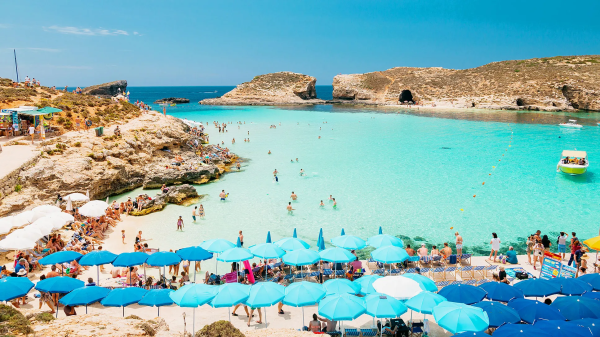
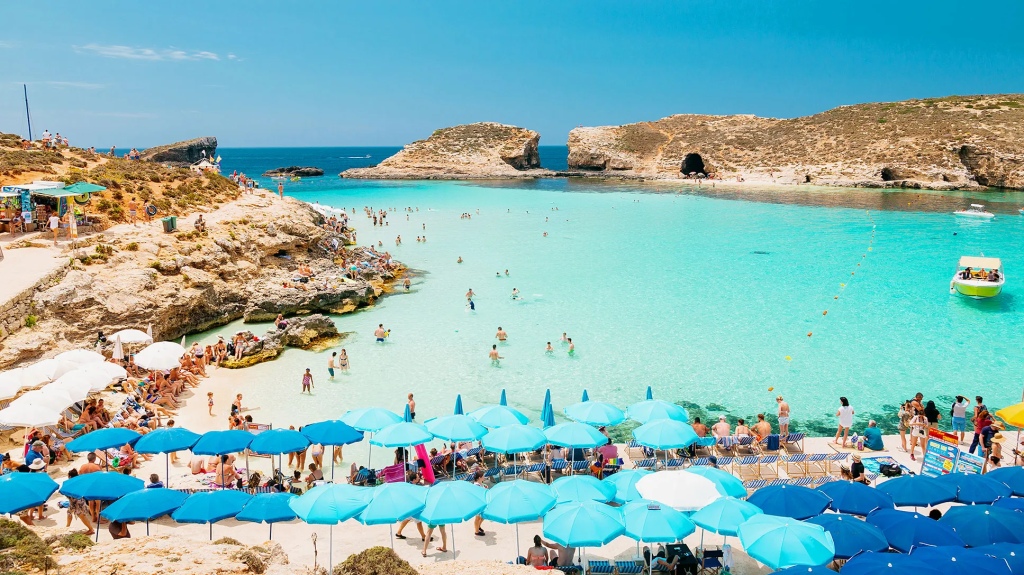
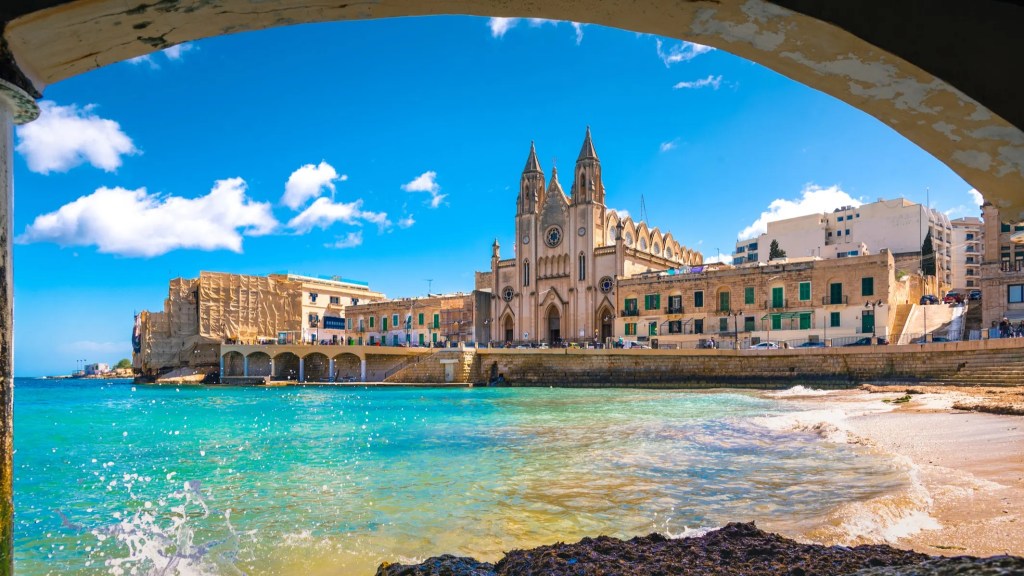
Moving to a new country is a big decision, and for LGBTQ Americans, finding a place that is not only welcoming but also legally protective is a top priority. While many European nations have made significant strides in LGBTQ+ rights, one country consistently stands out for its progressive laws and accepting culture: Malta. This tiny island nation in the heart of the Mediterranean has become a beacon of hope, earning a reputation as one of the most LGBTQ-friendly countries in the world.
Malta’s journey to becoming an LGBTQ+ rights leader is a remarkable story of rapid progress. For several years, it has topped the ILGA-Europe’s Rainbow Map, a ranking of 49 European countries based on their legal and policy practices for LGBTQ+ people. This isn’t a fluke; it’s the result of a concerted effort to enshrine equality into law. Same-sex sexual activity was decriminalized in 1973, but the most significant changes have happened in the last decade.
In 2014, Malta legalized civil unions, giving same-sex couples the same rights and responsibilities as married couples, including the right to adopt children. Just three years later, in 2017, the country took the monumental step of legalizing same-sex marriage, a move that replaced the traditional “husband and wife” with the gender-neutral term “spouses”. This wasn’t just a legal formality; it was a powerful statement of inclusion.
Beyond relationship recognition, Malta has also been a trailblazer in other areas. In 2016, it became the first country in the European Union to ban conversion therapy, a harmful and discredited practice [4]. The Gender Identity, Gender Expression and Sex Characteristics Act of 2015 allows transgender people to change their legal gender without the need for surgery or a medical diagnosis, a process based on self-determination [5]. The country also provides gender-affirming care and has banned intersex infant surgeries without medical necessity. These protections extend to employment, housing, and healthcare, ensuring that LGBTQ+ individuals are shielded from discrimination in their daily lives.
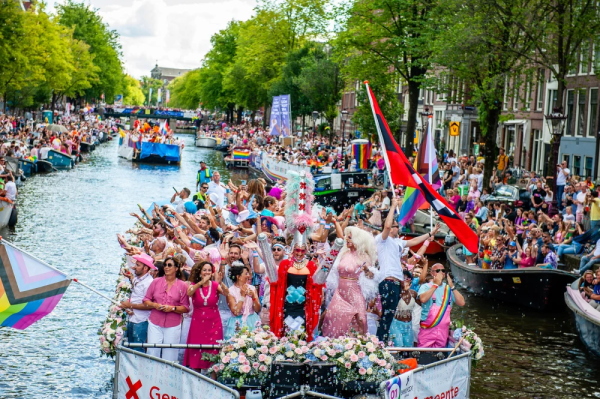
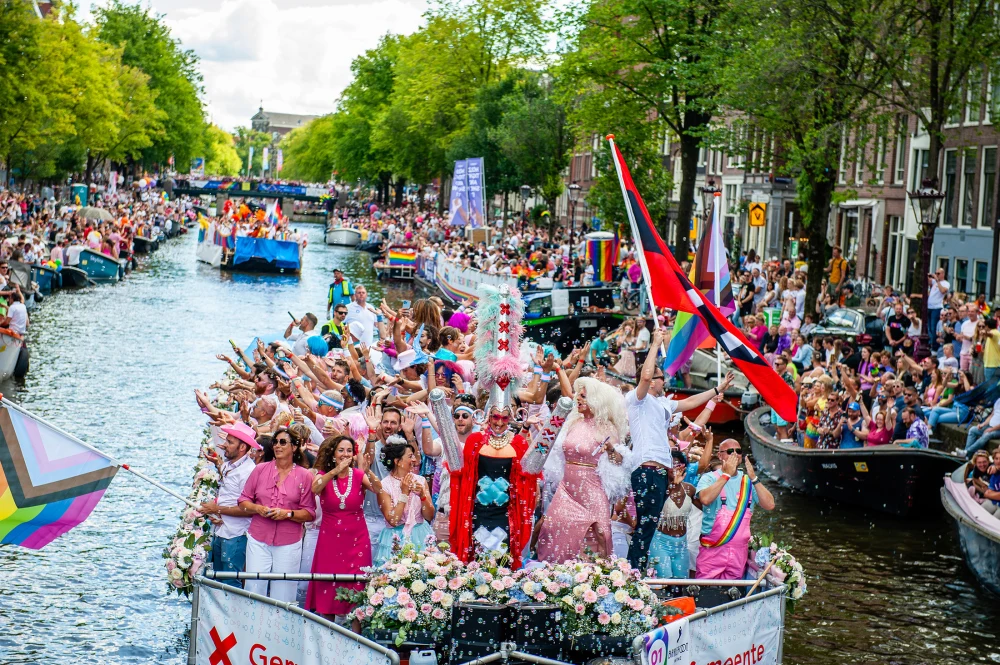
While a country’s legal framework is crucial, the lived experience is just as important. Malta’s culture, while traditionally Catholic, has shown a remarkable shift toward acceptance. Public displays of affection are generally well-received, and the LGBTQ+ community is active and visible. Valletta, the capital, and nearby Sliema are known for their vibrant scenes, with dedicated gay bars, clubs, and events, including a lively Pride celebration in September. Rabat has also been mentioned.
So How Do I Get There?
As with any country friendly to immigration, you have options. You can try out living there first simply by applying for a Digital Nomad visa, and become a full time paid blogger. There are other programs to establish residence, which include investing locally. You can buy or rent property as well.
For LGBTQ Americans considering a move abroad, Malta offers a compelling combination of legal protections, a high degree of social acceptance, and a beautiful, sunny, and historic location. The country’s commitment to equality is not just a passing trend; it’s a foundational principle that makes it an ideal place to call home.
It had been months since Alex and Lucy, a trans couple from Arizona, felt safe enough to hold hands in public. They rediscovered that pleasure after moving to Amsterdam this year.
The couple, who did not want to give their last names because of the sensitivity of the subject, decided to leave the United States soon after Donald Trump was re-elected last year.
They arrived in the Netherlands on Jan. 19, the day before Trump was inaugurated and swiftly issued an executive order saying the government would only recognize two sexes — male and female.
“We’re both visibly trans and faced growing discrimination. It ramped up right after the election,” said Lucy, sitting alongside Alex in their De Pijp apartment in Amsterdam’s south.
“It felt like people had taken off their masks — waiting for an excuse to finally say what they wanted. We went from being tolerated to openly despised,” she added.
Alex, who is disabled, feared staying put might also mean losing access to their federal health insurance.
“In the end, it became a matter of life and death,” Alex said.
In his first six months in office, Trump has enacted multiple policies affecting the lives of LGBTQ Americans in areas from healthcare to legal recognition and education.
In the face of this rollback of rights, some LGBTQ people have voted with their feet.
While there is little official data, LGBTQ people and activists told the Thomson Reuters Foundation that many people head to Portugal and Spain, while Costa Rica and Mexico are also popular destinations, alongside France and Thailand.
The Netherlands stands out, though, for its strong legal protections, its record on LGBTQ+ inclusivity, and due to a Dutch–American Friendship Treaty (DAFT) and its affiliated visa.
DAFT — established as a 1956 act of Cold War cooperation — enables U.S. citizens to live and work in the Netherlands if they start a small business investing at least 4,500 euro ($5,200), can secure Dutch housing, and are able to prove they have enough money to live on.
The permit is valid for two years and can be renewed.
“Europe was always on the cards, but the Netherlands had a really high percentage of queer folks, and we knew people here (who) were trans and happy,” said Lucy, who got a DAFT visa.
‘Numbers increasing’
While the Dutch Immigration and Naturalization Service (IND) does not keep statistics on the sexual orientation or gender identity of DAFT applicants, overall applications have increased since 2016, with January 2025 registering the highest number of any single month on record — 80.
“The numbers are increasing. We don’t know why,” said Gerard Spierenburg, IND spokesperson.
Immigration lawyers also report an increase.
“From the day after the election, my inbox began filling up with requests of U.S. citizens wanting to move to the Netherlands,” said lawyer Jonathan Bierback, adding that about a fifth came from the LGBTQ+ community.
Three other lawyers in Amsterdam confirmed the trend in interviews with the Thomson Reuters Foundation.
Jack Mercury, a trans adult performer from California, moved to Amsterdam almost a year and a half ago — “literally the moment I knew Trump was going to be re-elected”.
He said the DAFT visa was “one of the few financially accessible visas” for him.
He now lives in west Amsterdam with a partner and two cats.
“The words to describe the U.S. in the last 100 days are uncertainty and fear. For trans people, it’s fear that they’ll lose access to healthcare, rights like housing or the ability to work. And for gay people and lesbians, it’s that they will become the next targets,” Mercury said.
This year, more than 950 anti-trans bills were introduced in U.S. state legislatures, according to the Trans Legislation Tracker, of which 120 have passed, 647 failed, and 186 are still under consideration.
“I feel very lucky. I know many people who cannot afford to move, because they’re not high earners, they are sick, have family or children,” said Mercury.
His friend Topher Gross, a trans hair stylist from New York who has been in Amsterdam for four years, offered housing tips and recommended a lawyer.
“Everyone’s exploring any possible way to get out,” said Gross. “But not everyone can — many trans people of colour can’t afford to leave. It’s terrifying.”
He noted that the climate of fear was exacerbated by deportations under Trump’s crackdown on illegal immigration.
“Basic rights are being stripped away.”
Jess Drucker, an LGBTQ relocation expert with U.S.-based Rainbow Relocation, said many U.S. clients choose to go Dutch.
“People see how quickly rights can erode, with the global rise of right-wing extremism, and want to move somewhere where those rights are more likely to hold,” Drucker said.
“We’ve seen a major increase in requests for consultations. We are absolutely full.”
Because not everyone can afford a DAFT visa, the Dutch NGO LGBT Asylum Support is urging the government to consider asylum options for LGBTQ Americans.
Spokesperson Sandro Kortekaas said about 50 trans Americans had contacted the group since Trump’s inauguration.
In June, the group asked the government to reassess the status of the United States as a safe country for queer asylum seekers. However, Bierback does not expect success as such a shift would be seen “as a provocation towards the U.S.”
Spierenburg from the IND said there had been more asylum applications from the United States this year than last, although the numbers were still low — 33 against 9 in 2024.
Lucy and Alex are grateful for their new life.
“When I came here, I felt more at home than I ever did. I have so much hope,” said Lucy.
But she does worry that a future Dutch administration — a right-wing coalition collapsed in June — could kill off DAFT.
“I’m really concerned that the treaty is going to be damaged by current political agendas. And so I’m doing everything I can to make sure that I stay within the rules. I don’t want to be extradited for any reason.”
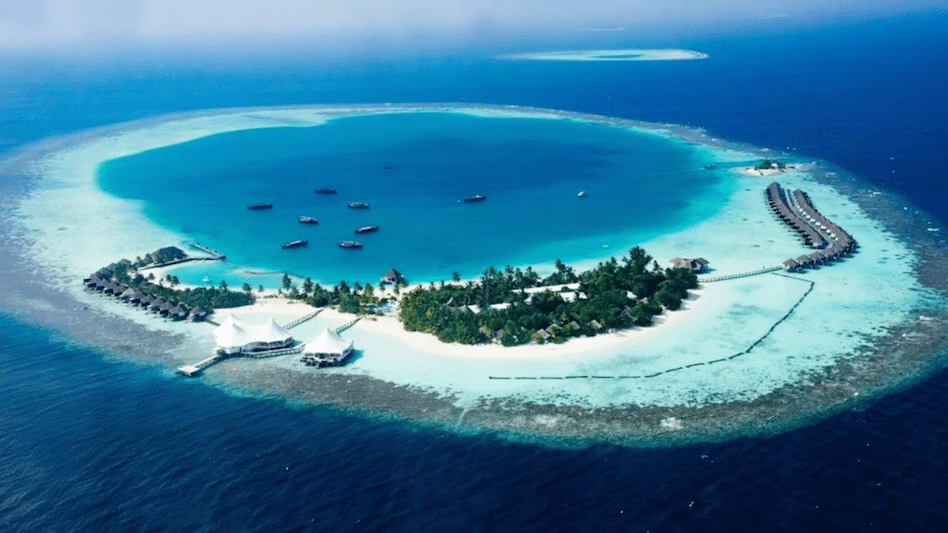
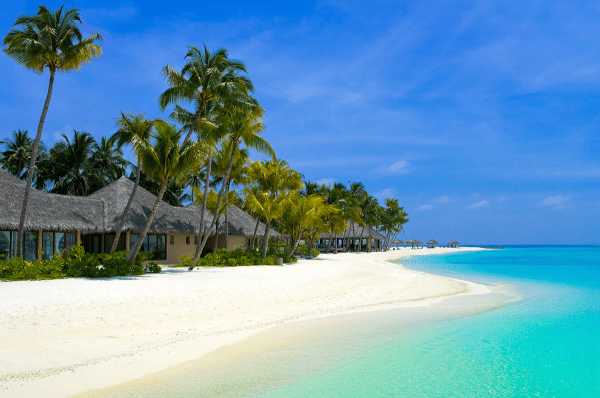
In a bid to attract high-value global investors and reduce its reliance on tourism, the Maldives has launched its first-ever investor visa program, allowing foreign nationals to secure long-term residency through investment in premium real estate.
The agreement to establish the program was signed with Henley & Partners during the Maldives–Singapore Business Forum 2025, held on Sentosa Island. It aligns with President Dr. Mohamed Muizzu’s Vision 2040 strategy to build a resilient and diversified economy.
Real estate at the core of the new residency route
Under the new scheme, investors will be granted long-term residence in return for investment in approved real estate projects. The program will be backed by a strict due diligence process to ensure only reputable and eligible applicants are accepted, with final approvals resting with the Maldivian government.
Henley & Partners, which has designed similar programs globally, will advise the government on policy structure, compliance, and implementation. The firm has facilitated over USD 15 billion in foreign direct investment worldwide.
“The residence by investment program will provide state-of-the-art properties with the utmost privacy and exclusivity,” said Philippe Amarante, Managing Partner and Head of Government Advisory EMEA at Henley & Partners. “As a safe, stable, and peaceful island nation, the Maldives presents the ultimate hedge against geopolitical conflict or global pandemics.”
Government aims for long-term economic impact
Economic Development and Trade Minister Mohamed Saeed said the program aims to position the Maldives not only as a top-tier travel destination but also as a long-term investment hub.
“With this program, we aim to extend that legacy to discerning global investors who see value in our people, our potential, and our future,” said Saeed.
The government expects the initiative to stimulate growth in hospitality, services, and infrastructure, while supporting job creation and financial stability.
Henley & Partners will help finalise the policy framework and real estate listings. The program is expected to launch once regulatory approvals are in place.
Making the decision to leave the United States can be a daunting decision for anyone who has never lived abroad before. You might wish to spend some time in another country for an extended period of time– more than your usual one to two week vacation. There are several countries, many of which who are friendly to LGBTQ+ rights, who allow for various types of visas that can extend your stay, before you decide to make a permanent move.
GetGoldenVisa.com just published a nice guide for choosing the right country to move to and how to move out of the US. The website focuses mostly on the Golden Visa, which allows investors to enter countries. There are other visa options such as student visas, and the digital nomad visa.
I recently returned from cruising through the Caribbean, just in time to experience the last vestiges of a snowstorm and 15-degree weather, coupled with a plethora of angry people wearing red hats, absent-mindedly riding around in circles on the Metro. No matter – I still have that post-vacation glow.
The Caribbean, a diverse region of 13 independent countries, 12 dependencies, and seven overseas territories, has long been a dream destination for travelers, retirees, and investors alike. With its crystal-clear waters, pristine beaches, and relaxed lifestyle, it’s no wonder that many people are drawn to the idea of owning property in this tropical paradise.
Buying real estate in the Caribbean requires careful planning, research, and an understanding of the unique challenges and opportunities that come with investing in a foreign market. Selecting the right island and community is a critical step in the buying process.
Consider such factors as:
Accessibility: Proximity to major airports and ease of travel
Infrastructure: Availability of roads, utilities, and amenities such as internet and streaming services
Safety and security: Crime rates and political stability
Climate and weather risks: Susceptibility to hurricanes and natural disasters
Healthcare: Quality and availability of medical services
Property prices and inventory vary widely across the region. Each Caribbean nation has its own rules regarding foreign ownership of property. Some countries have relatively open markets where foreigners can buy land freely. Others, such as the Bahamas, require special permits for non-residents purchasing property above a certain value.
It is essential to work with a reputable local attorney to navigate the legal requirements, including landownership laws and restrictions, residency and citizenship options, property taxes and fees, and title searches and due diligence.
Some islands, like Barbados and the Cayman Islands, offer residency permits for property owners who meet specific financial criteria. These programs can provide tax benefits, visa-free travel, long-term residency rights, and in some cases, top-tier medical facilities, including private hospitals and specialized care centers.
Moreover, Antigua & Barbuda, Dominica, Grenada, St. Kitts, and St. Lucia offer a Citizenship by Investment (CBI) program for property buyers: In some cases, citizenship will grant you visa-free access to more than 150 countries. While the costs fluctuate depending on the country, the process can be completed in as little as 7-12 months.
As you can imagine, there has been a surge of inquiries from the U.S. since last fall, so it would be wise to confirm the most recent amount and type of minimum investment required. You can find helpful information from the company La Vida at goldenvisas.com.
Many buyers in the Caribbean look to generate income through vacation rentals or long-term leasing. Islands with strong tourism demand, such as Aruba, the Bahamas, and St. Lucia, offer excellent rental potential.
Working with a reputable property management company can help maximize rental income and ensure smooth operations; however, investors should consider seasonal fluctuations in tourism, property management costs, and local regulations on short-term rentals in determining their return on investment before committing to a purchase.
As in the U.S., buying property in the Caribbean comes with additional costs beyond the purchase price. These may include legal fees (typically 1-3% of the purchase price), stamp duties and transfer taxes that vary by country, real estate agent compensation, property insurance, and maintenance costs.
Financing can be a challenge for foreign buyers, as many Caribbean banks require substantial down payments or have stringent lending criteria. Some investors choose to secure financing from their home country or pay in cash.
Nonetheless, expatriates living in the Caribbean often benefit from a lower cost of living, warm climate, and relaxed lifestyle. Many islands have well-established expat communities, making it easier to adjust to life abroad. As you begin your journey, it is recommended that you secure health insurance that covers medical treatment in both the Caribbean and your home country.
To successfully purchase property in the Caribbean, research and choose your preferred island based on your budget, lifestyle, and investment goals. Work with a local real estate agent who understands the market and legal requirements and, if applicable, speaks the appropriate language. Hire an attorney to conduct a title search, review contracts, and ensure compliance with local laws. Negotiate the purchase price and sign a sales agreement. Secure financing (if needed) and transfer funds.
Once you have completed additional legal requirements such as obtaining permits, paying taxes, and registering the property, you might consider rental or management options if you are not living there full-time.
But if the Caribbean is to be your home away from home for at least a few years, turn off the news, stick an umbrella in your favorite frothy adult beverage, and lean into island living.






 fleeredstates.blog
You must be logged in to post a comment.