
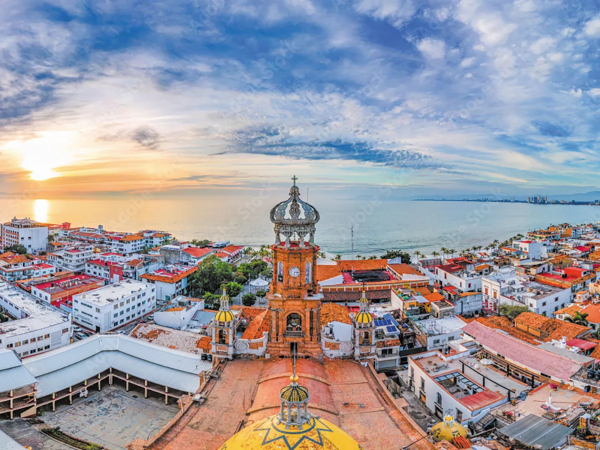
This blog is originally appeared at Dallas Voice
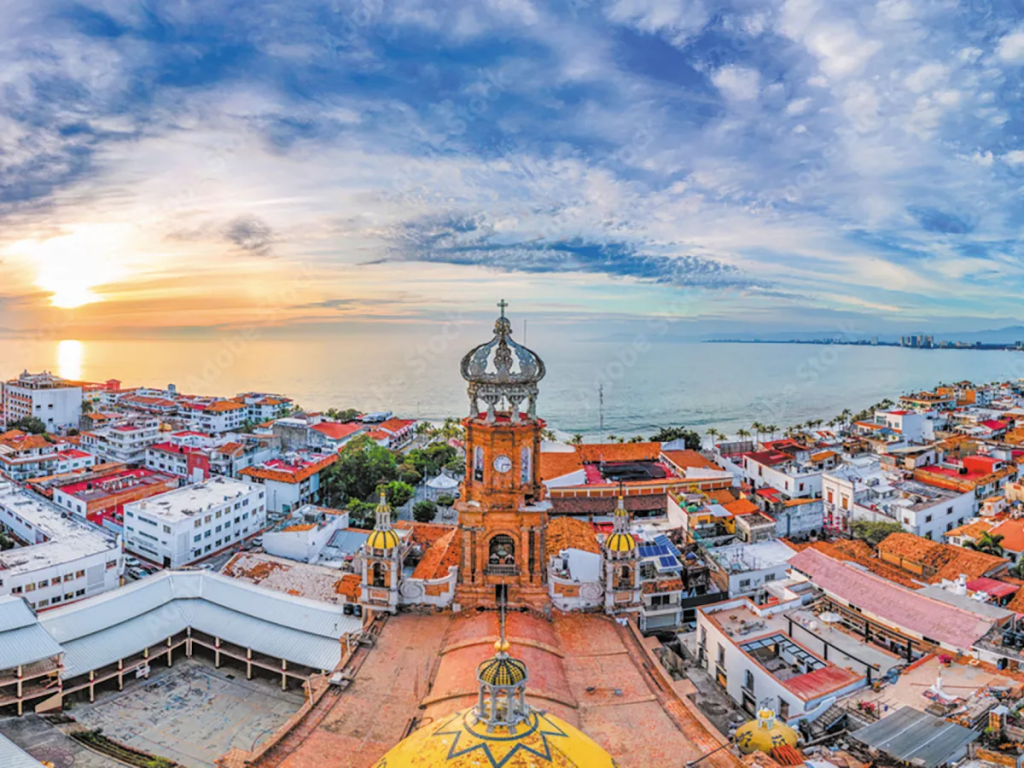
LGBTQ Americans Consider Moving to Mexico Amid Post-Election Concerns
CAROLINE SAVOIE | Contributing Writer
In the wake of the U.S. presidential election, many LGBTQ Americans are grappling with uncertainty about their future, with some contemplating relocating to safer, more inclusive destinations. Mexico, particularly Puerto Vallarta, has become a top choice for those seeking a new home.
With its affordable cost of living, thriving LGBTQ communities, and proximity to the U.S., Mexico is increasingly being seen as a viable option for those looking to escape the rising political tensions back home.
“The fear is palpable”
Lance Blann, a Dallas-based realtor known for his TikToks offering advice on navigating real estate transactions in both the U.S. and Mexico, has witnessed a surge in inquiries from LGBTQ individuals looking to move south. According to Blann, there has been an unprecedented spike in questions about obtaining residency in Mexico since the election.
“It’s crazy, the number of people contacting me wanting to know how to get residency in Mexico,” Blann said. “I don’t think people are overreacting to be scared. You can hear the fear in their voices. It’s palpable.”
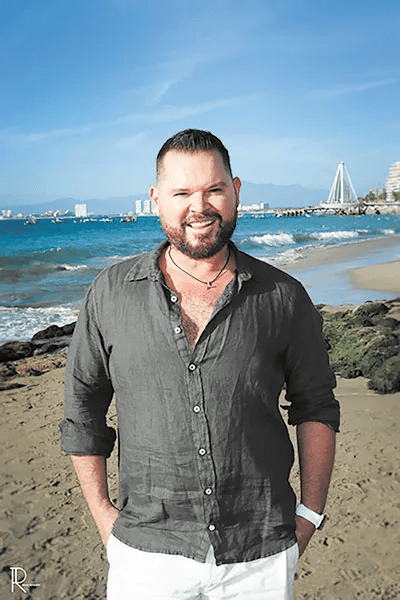
Lance Blann
Blann has been helping people explore real estate opportunities in Puerto Vallarta, Mexico’s premier LGBTQ destination. Known for its welcoming atmosphere, Puerto Vallarta has earned a reputation as a safe haven for LGBTQ individuals, drawing expats from around the world.
“Puerto Vallarta, alongside Palm Springs, is one of the safest places in North America for the LGBTQ community,” Blann said. “It’s not like Cancun or Playa del Carmen. You feel safe from the cartels here, for the most part, and the community is strong.”
Thanks to his growing social media presence, Blann has become the go-to realtor for LGBTQ individuals considering a move to Mexico. His TikTok videos, which offer practical advice on everything from obtaining dual citizenship to purchasing property, have made him a trusted resource. This newfound visibility has resulted in a surge of inquiries, particularly since the election.
“People are scared about the next four years, and it’s not just retirees; it’s people in their 40s who feel alarmed,” Blann said.
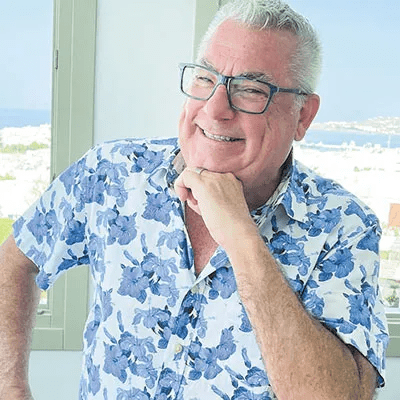
Former Dallasite Larry Cook retired to Puerto Vallarta in May this year
Larry Cook, a gay man who retired to Puerto Vallarta in May 2024, says he is living proof that relocating to Mexico can be a transformative experience. Cook and his husband purchased a condo in Puerto Vallarta’s Zona Romantica in 2021.
“I never thought I’d retire here. I always imagined Greece,” Cook said. “But after visiting Puerto Vallarta several times, I never wanted to leave.”
Now, Cook is building a home in the up-and-coming Fluvial neighborhood, just three miles from the Zona Romantica.
“It’s got a residential feel, but you’re still close to the action,” he said. “Puerto Vallarta is a true community, not just a tourist destination.”
Cook highlighted the city’s affordable healthcare and low cost of living as major advantages. His experience mirrors what many LGBTQ expats discover when they move to Mexico: not only does the country offer affordability, but it also provides a sense of safety.
“I feel safer here than I did in Oak Lawn at night,” Cook said, referring to Dallas’s well-known Gayborhood.
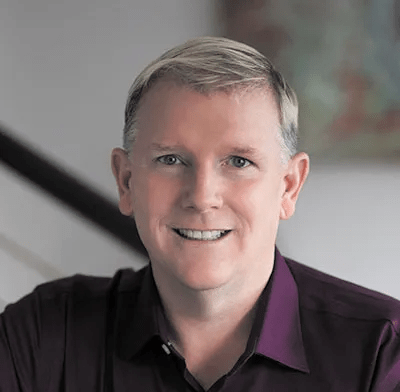
Realtor Bob McCranie created the FleeRedStates.com website
LGBTQ Americans Flee to Mexico Amid Political Uncertainty
For Bob McCranie, a Dallas-based Realtor who created FleeRedStates.com, the rising wave of LGBTQ Americans exploring a move to Mexico isn’t a shock. Having helped countless LGBTQ individuals and families relocate through his real estate network, McCranie has witnessed a significant uptick in inquiries, particularly following political shifts in the U.S. According to McCranie, his website’s traffic spiked dramatically on Election Night.
“Queer migration has been a constant conversation among my friends for the last three to five years,” McCranie said. “But election years always drive it up. This time, we’ve seen a flood of inquiries.”
McCranie’s website, FleeRedStates.com, connects LGBTQ people with Realtors across the U.S. who understand their unique needs. The site features an interactive map with details about state governments and LGBTQ protections.
“When I first started [the website], people told me I was fear-mongering,” McCranie said. “But the things I’ve been talking about are happening. Parents of trans children, same-sex couples — they’re all worried about their safety and rights.”
Along with his real estate work, McCranie is part of the LGBTQ Real Estate Alliance, an organization supporting LGBTQ individuals in navigating the housing market.
“When you’re moving, you need someone who understands your family’s needs,” McCranie said. “That’s even more important when moving abroad.”
For some, McCranie said, the choice to leave the U.S. is about safety and survival. “I’m scared that the rights we fought for will be reversed and swing back even harder against us,” he explained. “I used to tell people that Dallas or Austin would always be safe for LGBTQ people. Now, I can’t say that with confidence anymore.”
Mexico as a Safe Haven
Puerto Vallarta has long been a popular LGBTQ destination, but increasingly, it’s becoming a permanent home for many. Blann notes that Mexico legalized same-sex marriage nationwide in 2022, with the state of Jalisco, where Puerto Vallarta is located, leading the way as early as 2016.
“This city is a safe haven, even for LGBTQ Mexicans,” Blann said.
Beyond legal protections, the sense of community is what draws many LGBTQ expats to Puerto Vallarta. The city is home to around 80,000 expats, offering a diverse and inclusive environment. Cook, who recently relocated to the area, emphasized the strength of the LGBTQ community there.
“Puerto Vallarta is a true community, not just a tourist destination,” Cook said. He noted that plans are underway for a new community center for LGBTQ youth and seniors, filling gaps in services that many expats feel are lacking in the U.S.
Affordable Healthcare and Low Living Costs
Cook said he was surprised by the high quality of healthcare in Mexico. “Healthcare here is excellent, better than what I was getting in the U.S.,” he shared. “Doctors own their own businesses, and you can just walk in without an appointment. I’ve had visits where they spent an hour with me, and I only paid $35, including two prescriptions.”
For pet owners, Cook’s experience was equally striking: he paid only $850 for a procedure on his dog in Puerto Vallarta that would have cost him $4,500 in Dallas.
Additionally, property taxes in Mexico are remarkably low. Cook paid just $75 in taxes on his condo in 2023, compared to the $8,000 he paid for his home in Dallas.
Navigating the Move
McCranie stresses the importance of working with real estate agents who understand the unique challenges LGBTQ individuals may face when moving abroad. He shared that some agents have even introduced him and his partner as “brothers” to avoid potential discrimination.
For those considering the move, McCranie emphasized the importance of understanding local laws and communities to ensure a smooth transition.
Blann, Cook, and McCranie all agree that while moving to Mexico can be life-changing, it’s not a decision to make lightly. Cook recommends spending at least six months in Puerto Vallarta on a tourist visa to get a feel for the area before making the move permanent.
“Explore the neighborhoods, figure out what terrain and weather you’re comfortable with,” Cook advised.
But beyond escaping political instability in the U.S., Cook urges potential expats to ensure that they’re drawn to the lifestyle in Puerto Vallarta. “Don’t move here just because of Trump,” Cook said. “Make sure you want the lifestyle Puerto Vallarta offers. It’s not enough to just want to leave the U.S.; you need to want to live in Mexico.”
Planning the Move
Jamie, 72, and her wife Carrie, 77, have been considering a move to Puerto Vallarta since Trump’s election in 2016. The couple, who have been together for 10 years and married for two, have known Cook and his husband Clint since their Dallas days. They’ve been thinking about relocating for some time, especially after seeing friends make the move.
“We visited Portugal a while back, but it just didn’t feel right,” Carrie said. “We’ve been thinking about moving since Trump won in 2016. It’s not just about escaping; it’s about finding a place where we can live without constantly being afraid of policies that will take away our rights.”
Having been active in LGBTQ rights protests in the 1970s, Carrie said the energy to continue fighting is gone. “Now, we’re just tired,” she said.
Drawn by the positive experiences shared by their friends, Jamie and Carrie are seriously considering Puerto Vallarta. They plan to visit in February to explore the area firsthand.
“I always pictured myself living out of the country when I was younger,” Jamie said. “Now, my family understands my concerns about the political climate, and they’re supportive.”
Jamie, who has a background in wildlife rehabilitation, is excited to continue her passion in Puerto Vallarta. “It feels like the right place,” she said.
A Final Decision
The potential erosion of LGBTQ+ rights in the U.S. is a major concern for Jamie. “I think it’s possible that gay marriage could be overturned,” she said. “If that happens, it’s just one more sign that things are eroding.”
Despite their emotional ties to Dallas, Jamie and Carrie are ready to let the future guide their decisions. “We’ll see what happens after January and after our trips to PV,” Jamie said. “I’m so grateful that my lifetime has been blessed. Now it’s time to look at my options.”
Blann, who’s received a flood of inquiries since the election, said he is planning an informational seminar to address the growing interest from LGBTQ individuals looking to relocate.
“People are scared about Project 2025, about the future of LGBTQ rights in the U.S.,” Blann said. “But Puerto Vallarta offers a sanctuary, a place where you can feel safe and be part of a community.”
 fleeredstates.blog
You must be logged in to post a comment.