Malaysia police arrest 12 men at gay party after discovering condoms and HIV medication

Read more at LGBTQ Nation.

Police in the Malaysian state of Kelantan arrested 12 men during a raid on a “gay party,” the regional news site Sloboden Pecat reported. The arrests follow 20 that occurred in the state capital of Kota Bharu in June, amid a nationwide crackdown on LGBTQ+ people.

Kelantan state police chief Mohd Yusof Mamat said that officers found no evidence of sexual activity at the party, but they did discover condoms and HIV medication, suggesting that sexual activity may have been planned for later on. Police also found that three men had explicit adult images on their phones — police arrested and charged those three individuals. The officers didn’t arrest any additional people because they could find neither incriminating evidence nor specific charges to press against them.

“During interrogation, [party attendees] admitted that they belonged to a homosexual group,” Mamat said. “We are concerned about this type of behavior… We will continue to monitor the movements of homosexual groups.”

The police chief said over 100 local men attended the party, though most of them had left by the time the raid began.

Like one-fourth of the world, Malaysia’s anti-gay laws were originally imported by British colonizers. In the modern era, powerful Muslim clerics and politicians have used the laws to whip up outrage and support among conservative citizens. Recently, anti-LGBTQ+ sentiment in the country has gotten louder and deadlier.

In 2023, the Malaysian government reportedly began requiring music venues to have an emergency “kill switch” to quickly shut down concerts following an onstage same-sex kiss between members of the British rock band The 1975 at a Malaysian music festival. Government authorities also said that police will now conduct background checks on artists from other countries before scheduling performances to ensure that they will not promote illegal activities. 

In 2022, 20 local Muslims were detained by religious authorities for cross-dressing or “encouraging vice” during a raid on an LGBTQ+ Halloween party. Local censors also said that between 2020 and May of this year, LGBTQ+ content accounted for half of all banned publications, the South China Morning Post reported.

In 2019, Malaysia caned four men between the ages of 26 and 37 for having a consensual same-sex encounter behind closed doors. The men’s actions violated a Sharia law forbidding “intercourse against the order of nature.” The men were reportedly discovered by authorities after the government monitored their “private” messaging. Around 50 officers raided the apartment where the men met to arrest those involved.

In March 2019, Tourism Minister Datuk Mohamaddin Ketapi claimed there are no queer or trans people in Malaysia, a statement which drew condemnation from the country’s LGBTQ+ community. Despite the country’s anti-LGBTQ+ actions, it still hosts an annual Seksualiti Merdeka (Independent Sexuality) festival, though politicians have increasingly tried to prevent it from occurring.

Since 2019, multiple trans women in Malaysia have also been beaten, hospitalized, or killed by violent mobs.

In August 2018, police in Kuala Lumpur raided the gay bar Blue Boy — afterwards, the Federal Territory ministry claimed the arrests were meant to “stop the spread of LGBTQ culture in society.” That same month, authorities sentenced two women to public caning for “attempted sexual relations.”

In June 2017, the country’s health offered its citizens cash prizes for making anti-LGBTQ videos. The following month, a hardline national Muslim group told its 50,000 members to oppose Starbucks for the coffeehouse chain’s pro-LGBTQ workplace policies. That same year, an 18-year-old boy was beaten with helmets, burned, shot in the groin, and declared brain dead by medical authorities — his classmates had attacked him for being “effeminate.”

In 2013, the Malaysian government sponsored a touring musical, entitled Asmara Songsang (Abnormal Desire), to teach young people about the dangers of being queer. In 2015, Human Rights Watch criticized Malaysia for fining and imprisoning transgender women.

In 2012, the country banned gay characters from all national TV shows and radio programs. In 2011, Malaysian school authorities sent 66 Muslim teenage boys to a correctional camp to learn “masculine behaviors” after their teachers identified them as “effeminate.”

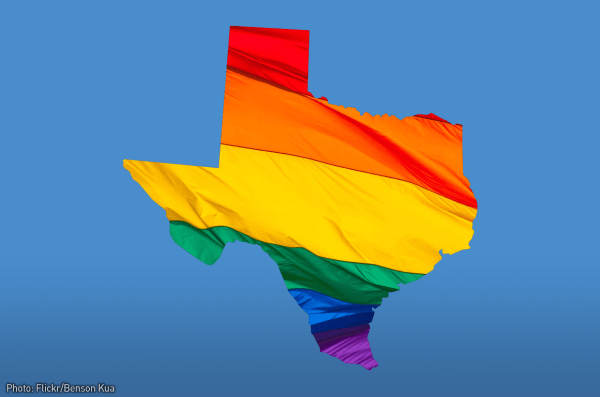
Texas GOP holds special session to address deadly floods & files an anti-trans bathroom bill instead

Read more at LGBTQ Nation.

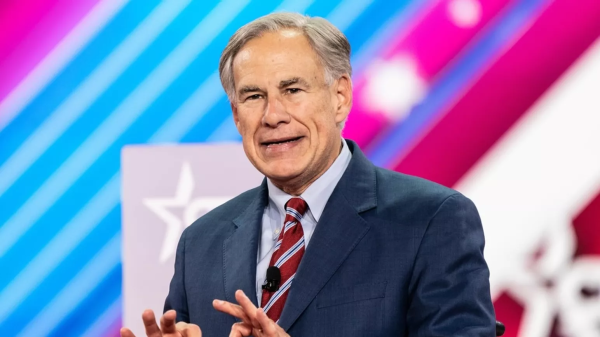
Texas Gov. Greg Abbott (R) has called a special legislative session to address the deadly floods that have left 134 people dead and 101 others missing. However, in preparation for the session, state GOP lawmakers have filed 82 measures, none of which address the flooding. Instead, they seek to ban transgender women from using women’s facilities (and Abbott personally supports the idea).

In Abbott’s proclamation for the special session, he laid out 18 priorities. The first four addressed the need for improved emergency warning, communication, and aid systems. The other priorities included further restricting abortions and election access, gerrymandering the state electoral map to favor Republicans, and “legislation protecting women’s privacy in sex-segregated spaces.”

The state constitution says legislators can only file bills related to the governor’s priorities, but Republican legislators haven’t filed any bills related to the deadly floods, KXAN reported.

Instead, Republican state Rep. Valoree Swanson filed H.B. 32, which would require people only to use facilities in public schools, state universities, government-owned buildings, jails, and family violence shelters that match the “biological sex” assigned on their original birth certificate. Texas recently changed its laws to forbid transgender people from changing the gender markers on their birth certificates and driver’s licenses.

Anyone who allows the proposed law to be violated could be subject to civil fines from $5,000 to $25,000, as well as additional penalties. Swanson filed a similar bill during the previous legislative session, but it failed to pass after missing several legislative deadlines, Chron reported.

Three other special session bills, H.B. 37, 65, and 70, would punish any person or internet service provider who aids or abets the distribution of abortion medication.

H.B. 38, introduced by Democratic state Rep. Jessica Gonzalez (who is also chair of the Texas House LGBTQ Ca ucus), would prohibit workplace, housing, and public accommodations discrimination against LGBTQ+ people, but there’s no way it’ll pass the state’s Republican-majority legislative chambers. It’s also unclear how the bill relates to Abbott’s list of priorities.

“I am proud to have filed H.B. 38 in preparation for the upcoming special session of our legislature,” González wrote in a statement on Tuesday. “H.B. 38 is a comprehensive nondiscrimination bill that would codify equal protection for the LGBTQ+ community and military veterans in employment, housing, and public accommodations.”

During the last legislative session, Texas Republicans filed 88 anti-LGBTQ+ bills, four of which became law, including a ban on diversity, equity, and inclusion (DEI) initiatives in public schools and one mandating people’s genders be legally determined by their reproductive organs. The Texas House voted to repeal the state’s anti-sodomy law, but Republicans prevented the repeal from getting a vote in the state Senate.

NH Republican governor vetoed anti-LGBTQ+ book ban and bathroom bills

Read more at The Advocate.
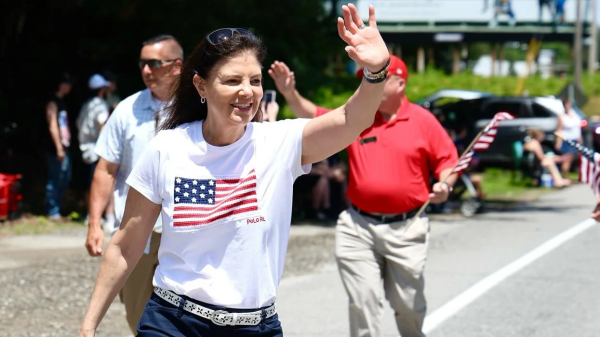
New Hampshire Republican Gov. Kelly Ayotte has gone against her party and vetoed two anti-LGBTQ+ bills and three other far-right ones.

Ayotte vetoed the bills Tuesday, while signing 101 others into law.

House Bill 324 would have barred schools from distributing books and other materials deemed “harmful to minors.” It was aimed primarily at sexual content and likely would have been used against books with LGBTQ+ characters and themes. It also would have required school districts to strengthen the process through which parents could challenge these materials.

“Current state law appears to provide a mechanism for parents through their local school district to exercise their rights to ensure their children are not exposed to inappropriate materials,” Ayotte said in her veto message. Under this law, “parents must be notified at least two weeks in advance of course materials that involve human sexuality, sexual education, sexual orientation, gender, gender identity, or gender expression,” she noted. “If a parent objects in writing, New Hampshire law further requires an alternative agreed upon between the school district and the parent.”

“Therefore, I do not believe the State of New Hampshire needs to, nor should it, engage in the role of addressing questions of literary value and appropriateness, particularly where the system created by House Bill 324 calls for monetary penalties based on subjective standards,” Ayotte added. Parents who were dissatisfied could have filed lawsuits.

House Bill 148 would have let businesses and correctional facilities to classify and segregate people by sex assigned at birth rather than gender identity, affecting restroom and locker room use. State law bans discrimination based on gender identity, but under the bill, these classifications would not have been considered a violation of the law.

“I believe there are important and legitimate privacy and safety concerns raised by biological males using places such as female locker rooms and being placed in female correctional facilities,” Ayotte wrote. “At the same time, I see that House Bill 148 is overly broad and impractical to enforce, potentially creating an exclusionary environment for some of our citizens.” It could have led to lawsuits as well, she said. Her immediate predecessor as governor, fellow Republican Chris Sununu, had vetoed a similar bill.

Additionally, Ayotte vetoed House Bill 358, “which would make it easier for parents to apply for religious exemptions to child vaccine requirements in school,” House Bill 446, “which would require schools to get explicit parental permission before giving students non-academic surveys,” and House Bill 667, “which would require sex education courses to include ‘a high quality computer generated animation or ultrasound video that shows the development of the heart, brain, and other vital organs in early fetal development,’” the New Hampshire Bulletin reports. She also vetoed two budget-related bills.

It would take a two-thirds majority in both the state House and Senate to override Ayotte’s vetoes. Republicans do not have a veto-proof majority in the House.

House Democratic Leader Alexis Simpson issued a statement Tuesday praising the vetoes without mentioning Ayotte. “We’re grateful that today New Hampshire chose to protect the rights and dignity of our transgender neighbors — and House Democrats will keep fighting until every Granite Stater can live freely, openly, and safely, no matter who they are,” Simpson said, according to the Bulletin.

Ayotte was not always an LGBTQ+ ally, having once opposed marriage equality and adoption by same-sex couples. But “Ayotte’s vetoes are a rejection of her party’s attempt to assert cultural control throughout the state, and the country,” The New Republic notes.

Puerto Rico governor signs gender-affirming care ban that includes young adults into law

Read more at The Advocate.

Puerto Rico’s Republican Gov. Jenniffer González-Colón signed into law Wednesday a far-reaching ban on gender-affirming medical care for transgender people under 21, enacting one of the harshest measures of its kind in the United States and its territories and prompting swift condemnation from medical experts and LGBTQ+ advocates.

The law received the governor’s approval late in the day, according to the Associated Press.

The law, Senate Bill 350, prohibits the use of puberty blockers, hormone therapy, and gender-affirming surgeries for anyone under 21, threatening doctors and other health professionals with up to 15 years in prison, a $50,000 fine, and the permanent loss of their licenses and permits. Public funds are also barred from being used for such care.

In recent days, the College of Physicians and Surgeons, the Association of Psychology, the College of Social Work Professionals, the Puerto Rican Association of Professional Counseling, and the Bar Association, among other organizations, had urged that the bill be vetoed.

The Advocate previously reported that González-Colón had asked for amendments to protect access to puberty blockers and allow minors already undergoing treatment to continue care, but lawmakers did not adopt those changes. Last month, the U.S. Supreme Court ruled in Skrmetti that a Tennessee ban on gender-affirming care for minors could be enacted, which allowed other states and territories to continue to ban such care.

“What a disgrace! Jenniffer González, through her actions, declares herself the most anti-equality governor in history. She ignored her own Secretary of Health and the medical associations that support treatment for trans minors. By signing Senate Bill 350 into law, she has just endangered trans youth and their families and criminalized health professionals for doing their job,” Pedro Julio Serrano, president of the Puerto Rico LGBTQ+ Federation, said in a statement to The Advocate.

Harvard Law Instructor Alejandra Caraballo reacted to the law’s signing on Bluesky. “A twenty-year-old trans person can go drink themselves to death but can’t legally get hormones,” she wrote, noting that the drinking age in Puerto Rico is 18.

The Federation, a coalition representing hundreds of individuals and more than 100 organizations, said it would pursue legal action against the new law.

These are the 15 worst states for LGBTQ+ people

Read more at The Advocate.

A lot of states are passing laws that target the LGBTQ+ community — but these 15 are the absolute worst.

Over 1,000 anti-LGBTQ+ laws have been proposed across every state legislature in the U.S. over the past two years, according to the American Civil Liberties Union, and 126 have passed into law. Less than two months into the 2025 legislative session, 390 laws targeting LGBTQ+ people have been proposed.

While marriage equality and anti-discrimination protections based on sexual orientation and gender identity are still guaranteed federally by U.S. Supreme Court rulings (for now), LGBTQ+ people are still concerned about their rights being taken away, especially when only 15 states have “shield laws” protecting access to gender-affirming care and abortion.

Based on laws surrounding marriage, family rights, health care, education, and youth collected by the Movement Advancement Project, here are the 15 worst states for LGBTQ+ people.

Related: What states are the best for LGBTQ+ people? These are the top 15

Alabama

Pride Parade in Huntsville, Alabama

Katssoup / Shutterstock.com

Pride Parade in Huntsville, Alabama (October 1, 2022)

    Nondiscrimination laws: Alabama does not have nondiscrimination laws in employment, housing, health care, education, public accommodations, or credit/lending. Its state code incorrectly defines sex as exclusively male or female, and it prohibits transgender people from using public facilities that align with their identities.

    Marriage equality and parental rights: Alabama does not have adoption or foster care nondiscrimination protections for LGBTQ+ parents. It does not have second-parent adoption for unmarried couples, confirmatory adoption, nor recognition for parents using assisted reproductive technologies. It also does not have family leave laws that encompass LGBTQ+ people.

    Education and youth policies: Alabama has a “Don’t Say Gay” law restricting discussion of LGBTQ+ identities in classrooms. It has banned trans students from participating in sports or using school facilities based on their identities, and it requires staff to forcibly out LGBTQ+ students to their guardians. The state also has a “religious exemption” law for Child Welfare Services.

    Healthcare access and rights: Alabama has banned life-saving gender-affirming care for youth, though it permits the discredited and harmful practice of so-called conversion therapy for youth. Health insurance companies, including Medicaid, are not required to provide coverage related to gender transition or fertility treatments. The state also has a “religious exemption” law for healthcare providers.

    Criminal justice: Alabama’s hate crime laws do not encompass sexual orientation and gender identity, and it has not banned the so-called “LGBTQ+ panic” defense.

    Arkansas

    Pride Walk at Hot Springs National Park

    Danielsen_Photography / Shutterstock.com

    3rd annual Pride Walk at Hot Springs National Park, Arkansas (June, 4 2021)

      Nondiscrimination laws: Arkansas does not have nondiscrimination laws in employment, housing, health care, education, public accommodations, or credit/lending. The state bans cities and local ordinances from passing nondiscrimination laws, and it has law about “adult” performances that could be used to target or restrict drag.

      Marriage equality and parental rights: Arkansas does not have adoption or foster care nondiscrimination protections for LGBTQ+ parents. It does not have second-parent adoption for unmarried couples, confirmatory adoption, nor recognition for parents using assisted reproductive technologies. It also does not have family leave laws that encompass LGBTQ+ people.

      Education and youth policies: Arkansas has a “Don’t Say Gay” law restricting discussion of LGBTQ+ identities in classrooms. It has banned trans students from participating in sports or using school facilities based on their identities, and it requires staff to forcibly out LGBTQ+ students to their guardians.

      Healthcare access and rights: Arkansas has banned life-saving gender-affirming care for youth, though it permits the discredited and harmful practice of so-called conversion therapy for youth. Medicaid is forbidden from providing coverage related to gender transition to minors, and insurance companies are not required to cover fertility treatments. The state also has a “religious exemption” law for healthcare providers.

      Criminal justice: Arkansas’ hate crime laws do not encompass sexual orientation and gender identity, and it has not banned the so-called “LGBTQ+ panic” defense. It has an HIV criminalization law that may require sex offender registration.

      Florida

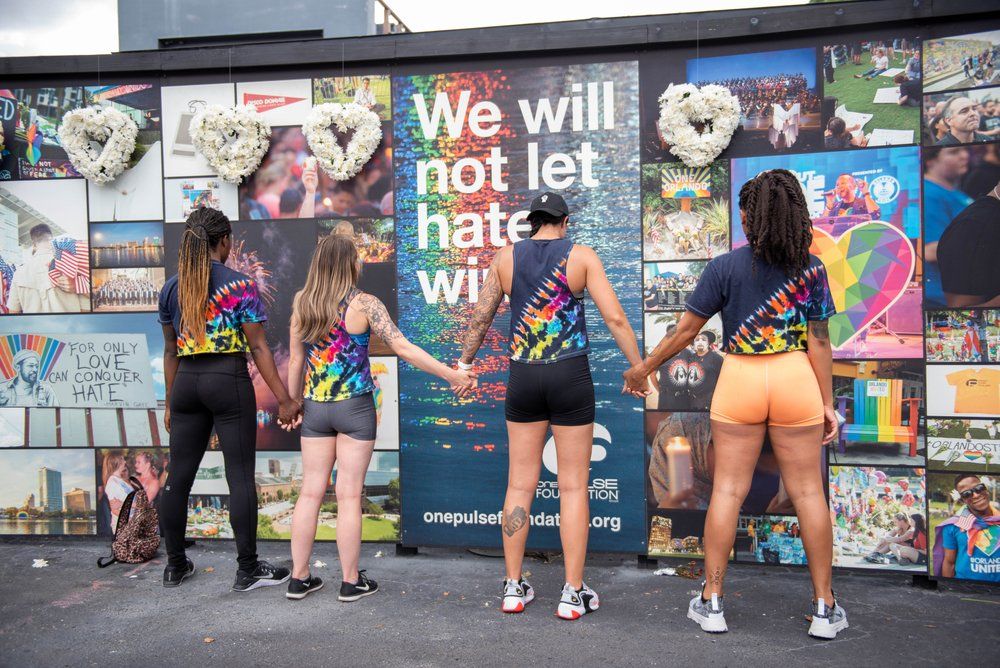
      Pulse Nightclub memorial

      Chris_Harris / Shutterstock.com

      Mourners pay their respects to the fallen at the Pulse Nightclub memorial on the 5th anniversary of the Pulse mass shooting in Orlando, Florida (June 12, 2021)

        Nondiscrimination laws: Florida has nondiscrimination laws in employment, housing, and public accommodations, but not in credit/lending, health care, nor education. The state prohibits transgender people from using public facilities that align with their identities, and it does not allow updating gender markers on driver’s licenses or birth certificates. It has law about “adult” performances that could be used to target or restrict drag

        Marriage equality and parental rights: Florida does not have adoption or foster care nondiscrimination protections for LGBTQ+ parents. It does not have second-parent adoption for unmarried couples, confirmatory adoption, nor recognition for parents using assisted reproductive technologies. It also does not have family leave laws that encompass LGBTQ+ people.

        Education and youth policies: Florida originated the “Don’t Say Gay” laws restricting discussion of LGBTQ+ identities in classrooms. It has banned trans students from participating in sports or using school facilities based on their identities, and it requires staff to forcibly out LGBTQ+ students to their guardians.

        Healthcare access and rights: Florida has banned life-saving gender-affirming care for youth, though it permits the discredited and harmful practice of so-called conversion therapy for youth. Medicaid is forbidden from providing coverage related to gender transition for all ages, and insurance companies are not required to cover fertility treatments. The state also has a “religious exemption” law for healthcare providers.

        Criminal justice: Florida’s hate crime laws only encompass sexual orientation, not gender identity. It has not banned the so-called “LGBTQ+ panic” defense, and it has an HIV criminalization law.

        Idaho

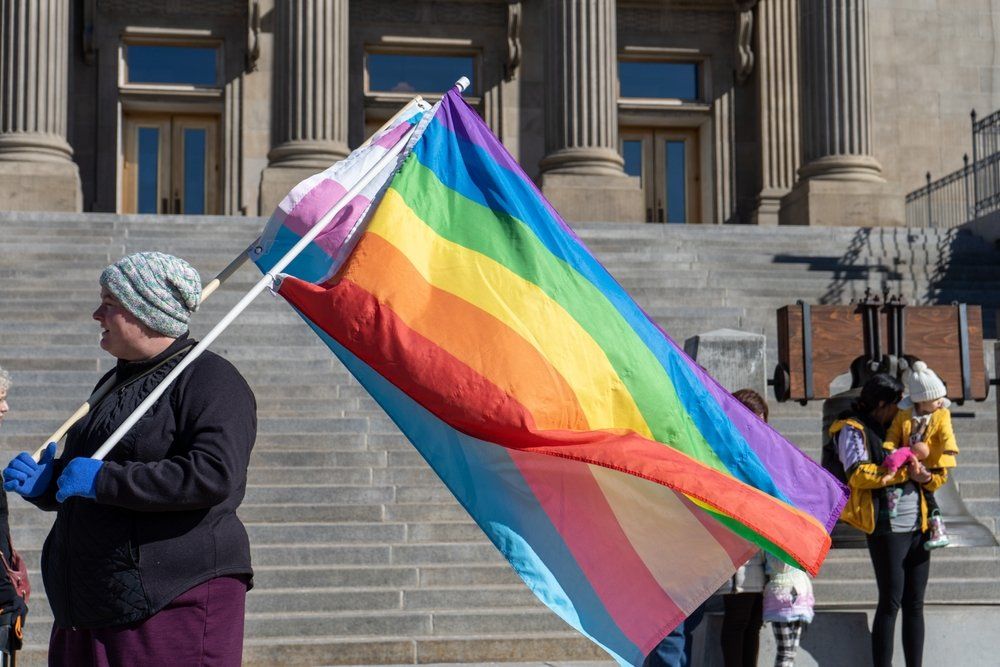
        Boise rally for transgender youth

        Venture Out Media / Shutterstock.com

        Rally in support of transgender youth and gender-affirming care in Boise, Idaho (February 24, 2023)

          Nondiscrimination laws: Idaho has nondiscrimination laws in employment, housing, and public accommodations, but not in credit/lending, education, health care, nor for state employees. Its state code incorrectly defines sex as exclusively male or female.

          Marriage equality and parental rights: Idaho does not have adoption or foster care nondiscrimination protections for LGBTQ+ parents. It has second-parent adoption for unmarried couples, but not confirmatory adoption nor recognition for parents using assisted reproductive technologies. It also does not have family leave laws that encompass LGBTQ+ people.

          Education and youth policies: Idaho has banned trans students from participating in sports or using school facilities based on their identities, and it requires staff to forcibly out LGBTQ+ students to their guardians. The state also has a “religious exemption” law for Child Welfare Services, though it has protections for LGBTQ+ youth in the Child Welfare System.

          Healthcare access and rights: Idaho has banned life-saving gender-affirming care for youth, though it permits the discredited and harmful practice of so-called conversion therapy for youth. Medicaid is forbidden from providing coverage related to gender transition for all ages, and insurance companies are not required to cover fertility treatments. The state also has a “religious exemption” law for healthcare providers.

          Criminal justice: Idaho’s hate crime laws do not encompass sexual orientation and gender identity. It has not banned the so-called “LGBTQ+ panic” defense, and it has an HIV criminalization law.

          Indiana

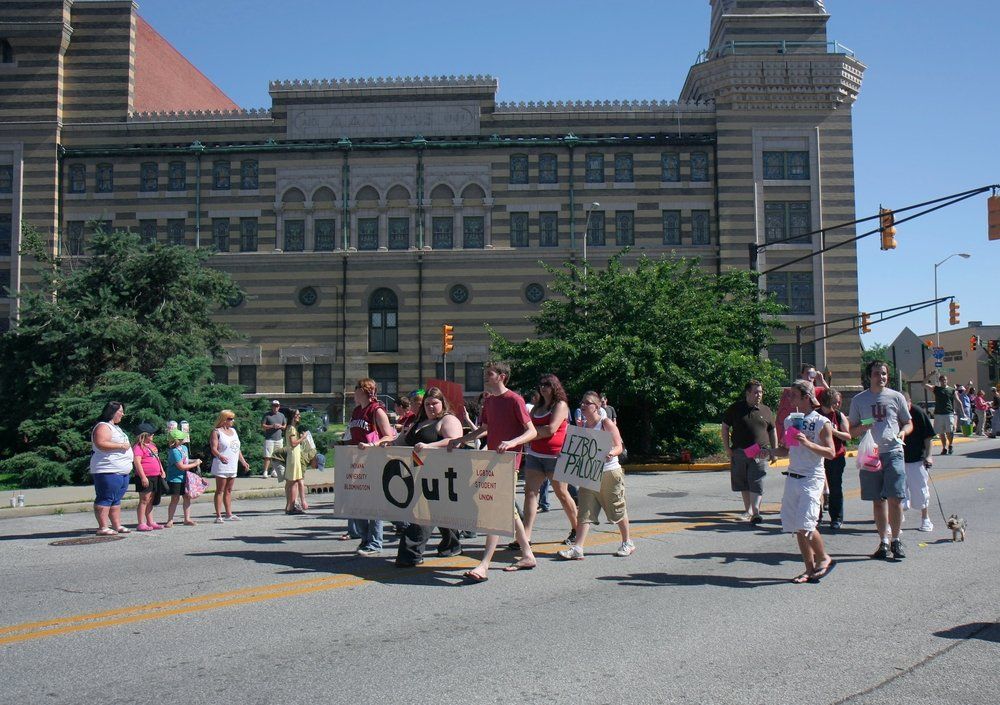
          IUB students at Indy Pride

          Umut Tolga Pehlivan / Shutterstock.com

          Indiana University Bloomington Students walking at Indy Pride in Indianapolis, Indiana (June 4, 2008)

            Nondiscrimination laws: Indiana has weaker nondiscrimination laws in employment, housing, and public accommodations, but not in credit/lending, education, nor health care. The state also has a broad “religious exemption” law.

            Marriage equality and parental rights: Indiana has adoption or foster care nondiscrimination protections based on sexual orientation, but not gender identity. It has second-parent adoption for unmarried couples, but not confirmatory adoption nor recognition for parents using assisted reproductive technologies. It also does not have family leave laws that encompass LGBTQ+ people.

            Education and youth policies: Indiana has a “Don’t Say Gay” law restricting discussion of LGBTQ+ identities in classrooms. It has banned trans students from participating in sports or using school facilities based on their identities, and it requires staff to forcibly out LGBTQ+ students to their guardians.

            Healthcare access and rights: Indiana has banned life-saving gender-affirming care for youth, though it permits the discredited and harmful practice of so-called conversion therapy for youth. Medicaid and state health insurance plans are not required to provide coverage related to gender transition or fertility treatments, but it has trans-inclusive health benefits for state employees.

            Criminal justice: Indiana’s hate crime laws do not encompass sexual orientation and gender identity, and it has not banned the so-called “LGBTQ+ panic” defense. It has an HIV criminalization law that may require sex offender registration.

            Louisiana

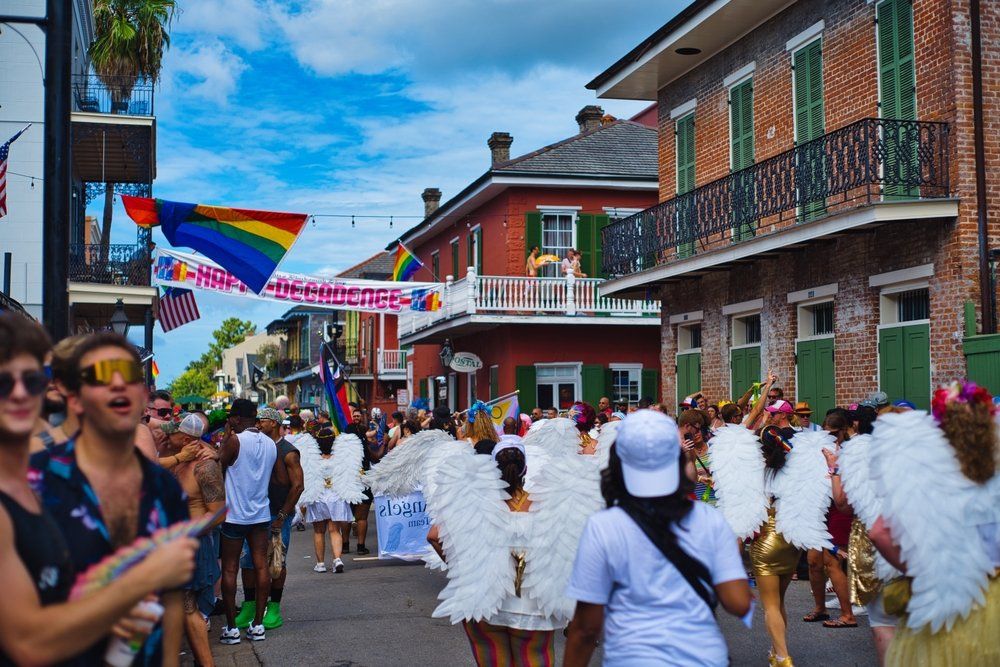
            Southern Decadence Parade march

            Scott Colesby / Shutterstock.com

            Southern Decadence Parade march through the French Quarter in New Orleans, Louisiana (September 1, 2024)

              Nondiscrimination laws: Louisiana does not have nondiscrimination laws in employment, housing, health care, education, public accommodations, or credit/lending. Its state code incorrectly defines sex as exclusively male or female, and it prohibits transgender people from using public facilities that align with their identities. The state also has a broad “religious exemption” law.

              Marriage equality and parental rights: Louisiana does not have adoption or foster care nondiscrimination protections for LGBTQ+ parents. It does not have second-parent adoption for unmarried couples, confirmatory adoption, nor recognition for parents using assisted reproductive technologies. It also does not have family leave laws that encompass LGBTQ+ people.

              Education and youth policies: Louisiana has a “Don’t Say Gay” law restricting discussion of LGBTQ+ identities in classrooms. It has banned trans students from participating in sports or using school facilities based on their identities, and it requires staff to forcibly out LGBTQ+ students to their guardians.

              Healthcare access and rights: Louisiana has banned life-saving gender-affirming care for youth, though it permits the discredited and harmful practice of so-called conversion therapy for youth. Health insurance companies, including Medicaid, are not required to provide coverage related to gender transition or fertility treatments, and state employees do not have trans-inclusive benefits.

              Criminal justice: Louisiana’s hate crime laws only encompass sexual orientation, not gender identity. It has not banned the so-called “LGBTQ+ panic” defense, and it has an HIV criminalization law that may require sex offender registration.

              Mississippi

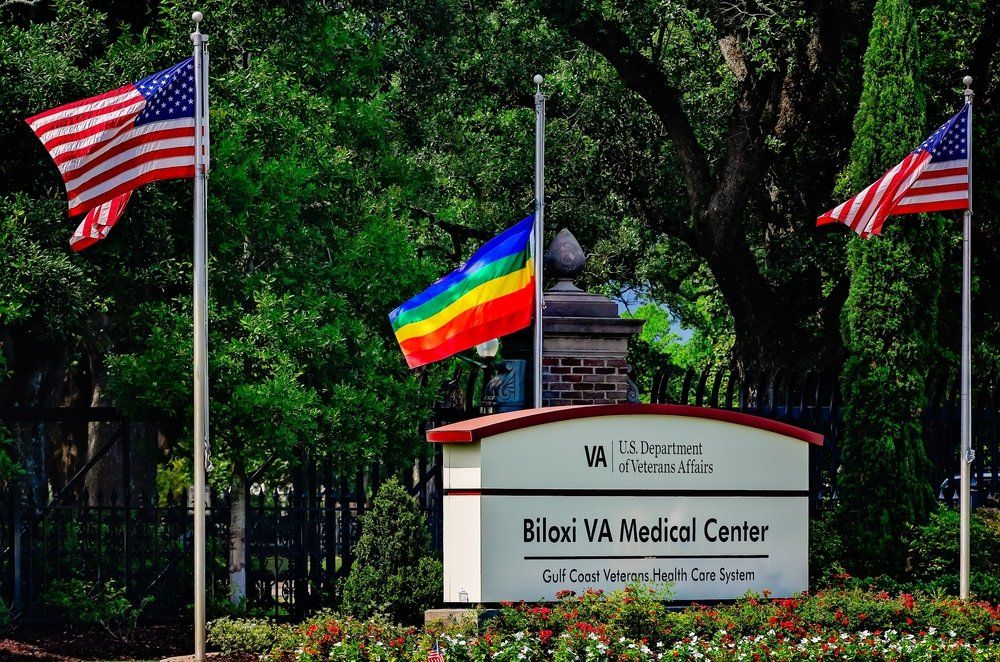
              Rainbow flag at Biloxi VA Medical Center

              Carmen K. Sisson / Shutterstock.com

              A rainbow flag supporting Pride month flies a the Biloxi VA Medical Center in Biloxi, Mississippi (June 5, 2023)

                Nondiscrimination laws: Mississippi does not have nondiscrimination laws in employment, housing, health care, education, public accommodations, or credit/lending. Its state code incorrectly defines sex as exclusively male or female, and it prohibits transgender people from using public facilities that align with their identities. The state also has a broad “religious exemption” law.

                Marriage equality and parental rights: Mississippi does not have adoption or foster care nondiscrimination protections for LGBTQ+ parents. It has second-parent adoption for unmarried couples, but not confirmatory adoption nor recognition for parents using assisted reproductive technologies. It also does not have family leave laws that encompass LGBTQ+ people.

                Education and youth policies: Mississippi has a “Don’t Say Gay” law restricting discussion of LGBTQ+ identities in classrooms. It has banned trans students from participating in sports or using school facilities based on their identities, and it requires staff to forcibly out LGBTQ+ students to their guardians. The state also has a “religious exemption” law for Child Welfare Services.

                Healthcare access and rights: Mississippi has banned life-saving gender-affirming care for youth, though it permits the discredited and harmful practice of so-called conversion therapy for youth. Medicaid is forbidden from providing coverage related to gender transition for youth, and insurance companies are not required to cover fertility treatments. The state also has a “religious exemption” law for healthcare providers.

                Criminal justice: Mississippi’s hate crime laws do not encompass sexual orientation and gender identity. It has not banned the so-called “LGBTQ+ panic” defense, and it has an HIV criminalization law.

                Missouri

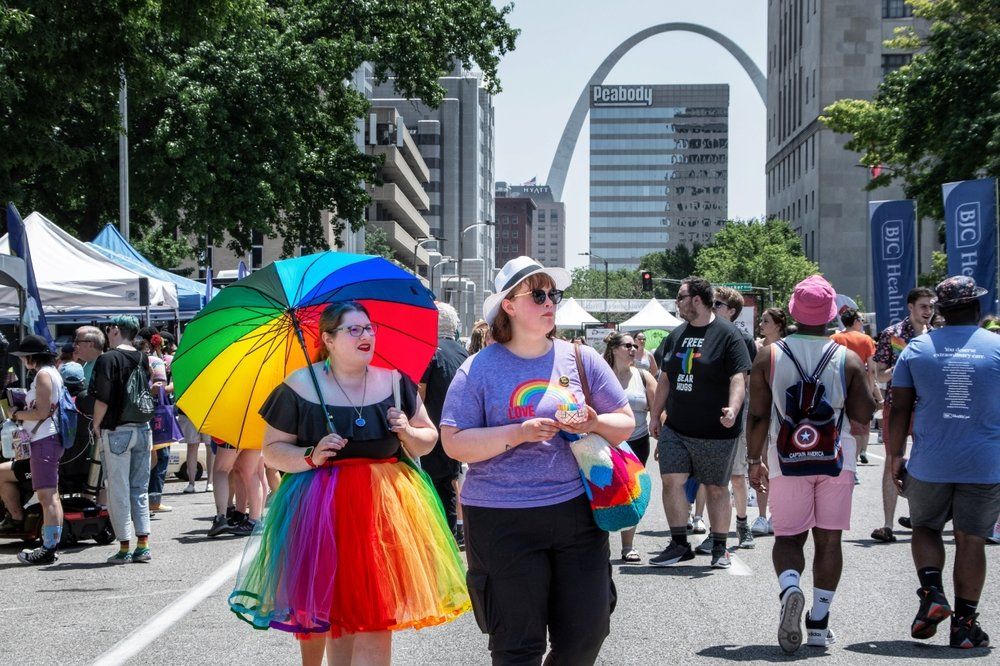
                Saint Louis PrideFest

                Ryanzo W. Perez / Shutterstock.com

                A view down one of the streets filled with celebrants during Saint Louis PrideFest in Missouri (June 24, 2023)

                  Nondiscrimination laws: Missouri has weaker nondiscrimination laws in housing, and public accommodations, but not in employment, credit/lending, education, nor health care. The state also has a broad “religious exemption” law.

                  Marriage equality and parental rights: Missouri’s adoption or foster care nondiscrimination protections only encompass sexual orientation, not gender identity. It does not have second-parent adoption for unmarried couples, confirmatory adoption, nor recognition for parents using assisted reproductive technologies. It also does not have family leave laws that encompass LGBTQ+ people.

                  Education and youth policies: Missouri has banned schools and districts from passing nondiscrimination or anti-bullying policies protecting LGBTQ+ students. It has banned trans students from participating in sports based on their identities, but not from using facilities that align with their identities.

                  Healthcare access and rights: Missouri has banned life-saving gender-affirming care for youth, though it permits the discredited and harmful practice of so-called conversion therapy for youth. Medicaid is forbidden from providing coverage related to gender transition for all ages, and insurance companies are not required to cover fertility treatments. The state also has a “religious exemption” law for healthcare providers.

                  Criminal justice: Missouri’s hate crime laws encompass sexual orientation and gender identity, though it has not banned the so-called “LGBTQ+ panic” defense, and it has an HIV criminalization law.

                  Montana

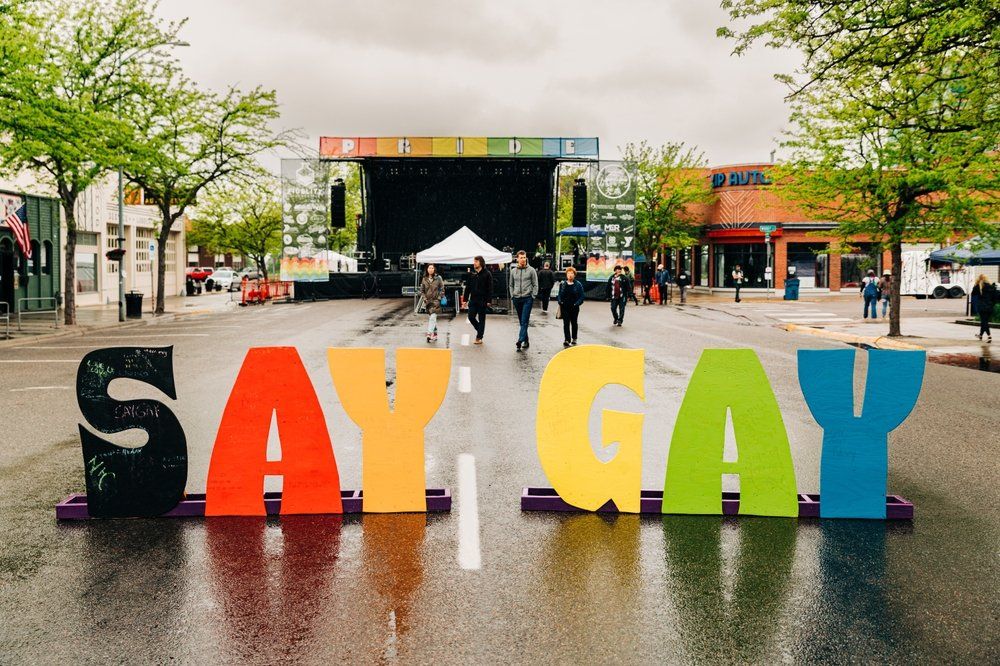
                  "Say Gay" sign at Missoula Pride\u200b

                  Cavan-Images / Shutterstock.com

                  “Say Gay” sign at Missoula Pride in Montana (March 29, 2024)

                    Nondiscrimination laws: Montana does not have nondiscrimination laws in employment, housing, health care, education, public accommodations, or credit/lending. Its state code incorrectly defines sex as exclusively male or female, and it has a broad “religious exemption” law. The state has also explicitly restricted drag performances, and does not allow updating gender markers on birth certificates

                    Marriage equality and parental rights: Montana’s adoption or foster care nondiscrimination protections only encompass sexual orientation, not gender identity. It has second-parent adoption for unmarried couples, but not confirmatory adoption nor recognition for parents using assisted reproductive technologies. It also does not have family leave laws that encompass LGBTQ+ people.

                    Education and youth policies: Montana requires that parents be notified of LGBTQ+ curricula so they can opt out. It has banned trans students from participating in sports based on their identities, but not from using facilities that align with their identities. The state requires staff to forcibly out LGBTQ+ students to their guardians.

                    Healthcare access and rights: Montana has banned life-saving gender-affirming care for youth, though it permits the discredited and harmful practice of so-called conversion therapy for youth. Health insurance companies and Medicaid are required to cover care related to gender transition, and there is some coverage for fertility treatments. However, the state has a “religious exemption” law for healthcare providers.

                    Criminal justice: Montana’s hate crime laws do not encompass sexual orientation and gender identity. It has not banned the so-called “LGBTQ+ panic” defense, and it has an HIV criminalization law.

                    Oklahoma

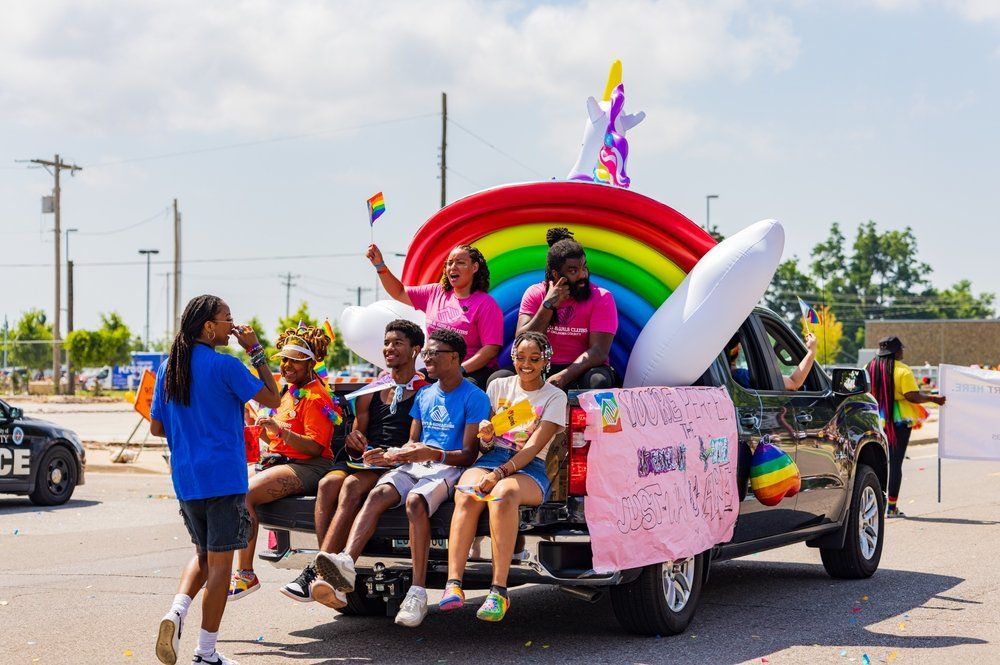
                    Pride Parade in Oklahoma

                    Kit Leong / Shutterstock.com

                    Pride Parade in Oklahoma (June 26, 2023)

                      Nondiscrimination laws: Oklahoma does not have nondiscrimination laws in employment, housing, health care, education, public accommodations, or credit/lending. Its state code incorrectly defines sex as exclusively male or female, and it prohibits updated gender markers on birth certificates. It also has a broad “religious exemption” law.

                      Marriage equality and parental rights: Oklahoma does not have adoption or foster care nondiscrimination protections for LGBTQ+ parents. It has second-parent adoption for unmarried couples, but not confirmatory adoption nor recognition for parents using assisted reproductive technologies. It also does not have family leave laws that encompass LGBTQ+ people.

                      Education and youth policies: Oklahoma has a weaker version of a “Don’t Say Gay” law that restricts the discussion of “homosexuality” in specific school subjects. It has banned trans students from participating in sports or using school facilities based on their identities. The state also has a “religious exemption” law for Child Welfare Services, though it has protections for LGBTQ+ youth in the Child Welfare System.

                      Healthcare access and rights: Oklahoma has banned life-saving gender-affirming care for youth, though it permits the discredited and harmful practice of so-called conversion therapy for youth. Health insurance companies, including Medicaid, are not required to provide coverage related to gender transition or fertility treatments, and state employees are not permitted trans-inclusive benefits.

                      Criminal justice: Oklahoma’s hate crime laws do not encompass sexual orientation and gender identity. It has not banned the so-called “LGBTQ+ panic” defense, and it has an HIV criminalization law.

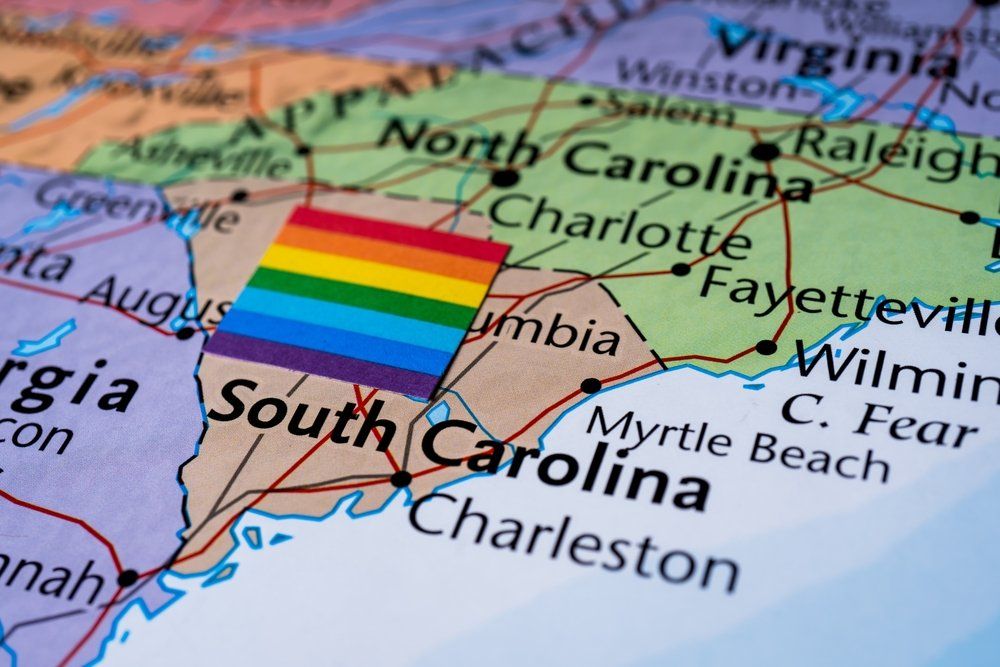
                      South Carolina

                      Rainbow flag on a map of South Carolina\u200b

                      Shuttershock creative

                      Rainbow flag on a map of South Carolina

                        Nondiscrimination laws: South Carolina does not have nondiscrimination laws in employment, housing, health care, education, public accommodations, or credit/lending. It has a broad “religious exemption” law.

                        Marriage equality and parental rights: South Carolina‘s adoption or foster care nondiscrimination protections only encompass sexual orientation, not gender identity. It does not have second-parent adoption for unmarried couples, confirmatory adoption, nor recognition for parents using assisted reproductive technologies. It also does not have family leave laws that encompass LGBTQ+ people.

                        Education and youth policies: South Carolina has banned trans students from participating in sports based on their identities, but not from using facilities that align with their identities. The state requires staff to forcibly out LGBTQ+ students to their guardians. The state also has a “religious exemption” law for Child Welfare Services.

                        Healthcare access and rights: South Carolina has banned life-saving gender-affirming care for youth, though it permits the discredited and harmful practice of so-called conversion therapy for youth. Medicaid is forbidden from providing coverage related to gender transition for all ages, and insurance companies are not required to cover fertility treatments. The state also has a “religious exemption” law for healthcare providers.

                        Criminal justice: South Carolina‘s hate crime laws do not encompass sexual orientation and gender identity. It has not banned the so-called “LGBTQ+ panic” defense, and it has an HIV criminalization law.

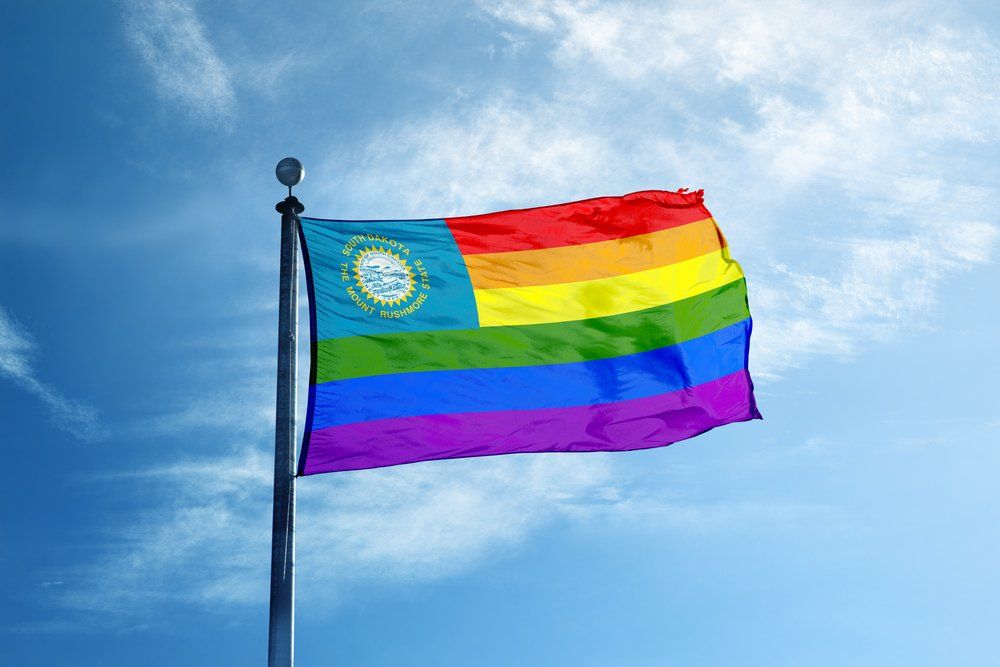
                        South Dakota

                        South Dakota state flag with rainbow stripes \u200b

                        Shuttershock creative

                        South Dakota state flag with rainbow stripes

                          Nondiscrimination laws: South Dakota does not have nondiscrimination laws in employment, housing, health care, education, public accommodations, or credit/lending. It has a broad “religious exemption” law.

                          Marriage equality and parental rights: South Dakota’s adoption or foster care nondiscrimination protections encompass sexual orientation and gender identity. However, it does not have second-parent adoption for unmarried couples, confirmatory adoption, nor recognition for parents using assisted reproductive technologies. It also does not have family leave laws that encompass LGBTQ+ people.

                          Education and youth policies: South Dakota has banned schools and districts from passing nondiscrimination or anti-bullying policies protecting LGBTQ+ students. It has banned trans students from participating in sports based on their identities, but not from using facilities that align with their identities. The state also has a “religious exemption” law for Child Welfare Services, though it has protections for LGBTQ+ youth in the Child Welfare System.

                          Healthcare access and rights: South Dakota has banned life-saving gender-affirming care for youth, though it permits the discredited and harmful practice of so-called conversion therapy for youth. Health insurance companies, including Medicaid, are not required to provide coverage related to gender transition or fertility treatments, and state employees are not permitted trans-inclusive benefits.

                          Criminal justice: South Dakota‘s hate crime laws do not encompass sexual orientation and gender identity, and it has not banned the so-called “LGBTQ+ panic” defense. It has an HIV criminalization law that may require sex offender registration.

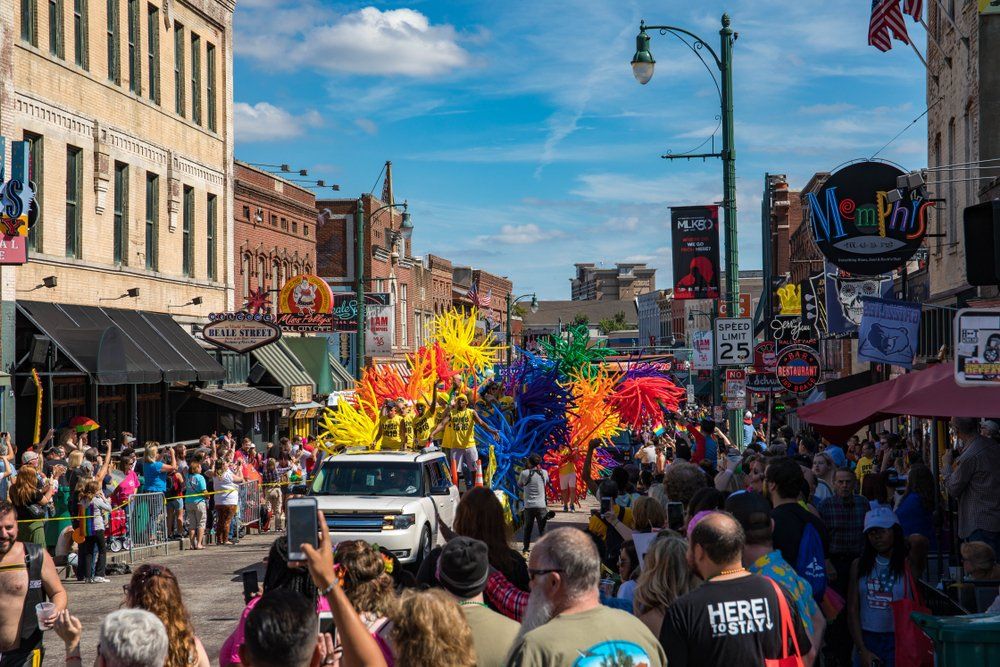
                          Tennessee

                          Pride Parade on Beale Street in Memphis

                          evenfh / Shutterstock.com

                          Pride Parade on Beale Street in Memphis, Tennessee (September 28, 2018)

                            Nondiscrimination laws: Tennessee does not have nondiscrimination laws in employment, housing, health care, education, public accommodations, or credit/lending. It instead bans cities and local ordinances from passing nondiscrimination laws. State code incorrectly defines sex as exclusively male or female, and it does not allow updating gender markers on driver’s licenses or birth certificates. The state has a broad “religious exemption” law that even allows officials to deny marriage licenses based on their personal beliefs. It has also explicitly restricted drag performances.

                            Marriage equality and parental rights: Tennessee’s adoption or foster care nondiscrimination protections encompass sexual orientation and gender identity. However, it does not have second-parent adoption for unmarried couples, confirmatory adoption, nor recognition for parents using assisted reproductive technologies. It also does not have family leave laws that encompass LGBTQ+ people.

                            Education and youth policies: Tennessee requires that parents be notified of LGBTQ+ curricula so they can opt out. It has banned trans students from participating in sports based on their identities and from using facilities that align with their identities. The state requires staff to forcibly out LGBTQ+ students to their guardians. The state also has a “religious exemption” law for Child Welfare Services, though it has protections for LGBTQ+ youth in the Child Welfare System.

                            Healthcare access and rights: Tennessee has banned life-saving gender-affirming care for youth, though it permits the discredited and harmful practice of so-called conversion therapy for youth. Medicaid is forbidden from providing coverage related to gender transition for all ages, and insurance companies are not required to cover fertility treatments. The state also has a “religious exemption” law for healthcare providers, and state employees are not permitted trans-inclusive benefits.

                            Criminal justice: Tennessee’s hate crime laws encompass sexual orientation and gender identity, though it has not banned the so-called “LGBTQ+ panic” defense, and it has an HIV criminalization law that may require sex offender registration.

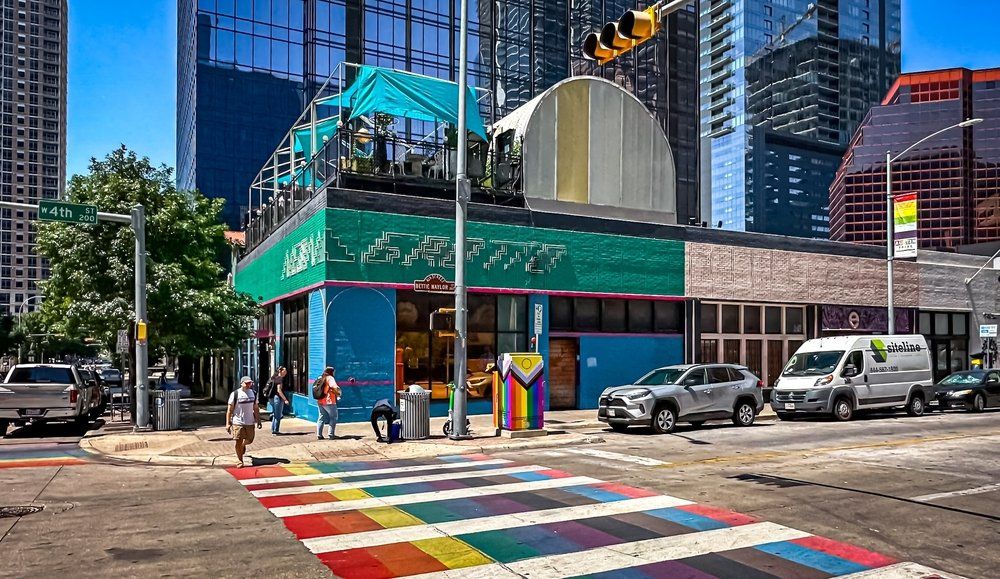
                            Texas

                            Rainbow crosswalk in Austin

                            eric laudonien / Shutterstock.com

                            Rainbow crosswalk outside Neon Grotto nightclub in Austin, Texas (May 29, 2024)

                              Nondiscrimination laws: Texas has nondiscrimination laws in employment and for state employees, but not in housing, public accommodations, credit/lending, education, nor health care. The state does not allow updating gender markers on driver’s licenses or birth certificates, and it has a broad “religious exemption” law.

                              Marriage equality and parental rights: Texas does not have adoption or foster care nondiscrimination protections for LGBTQ+ parents. It does not have second-parent adoption for unmarried couples, confirmatory adoption, nor recognition for parents using assisted reproductive technologies. It also does not have family leave laws that encompass LGBTQ+ people.

                              Education and youth policies: Texas has a weaker version of a “Don’t Say Gay” law that restricts the discussion of “homosexuality” in specific school subjects. It has banned trans students from participating in sports based on their identities, but not from using facilities that align with their identities. The state also has a “religious exemption” law for Child Welfare Services without protections for LGBTQ+ youth.

                              Healthcare access and rights: Texas has banned life-saving gender-affirming care for youth, though it permits the discredited and harmful practice of so-called conversion therapy for youth. Medicaid is forbidden from providing coverage related to gender transition for all ages, and insurance companies are not required to cover fertility treatments. State employees are not permitted trans-inclusive benefits.

                              Criminal justice: Texas’s hate crime laws only encompass sexual orientation, not gender identity. It has not banned the so-called “LGBTQ+ panic” defense.

                              Wyoming

                              Double rainbow against a black sky in Wyoming

                              Shuttershock creative

                              Double rainbow against a black sky in Wyoming

                                Nondiscrimination laws: Wyoming does not have nondiscrimination laws in employment, housing, health care, education, public accommodations, or credit/lending.

                                Marriage equality and parental rights: Wyoming does not have adoption or foster care nondiscrimination protections for LGBTQ+ parents. It does not have second-parent adoption for unmarried couples, nor confirmatory adoption. It also does not have family leave laws that encompass LGBTQ+ people. However, it does have recognition for parents using assisted reproductive technologies.

                                Education and youth policies: Wyoming has a weaker version of a “Don’t Say Gay” law that restricts the discussion of “homosexuality” in specific school subjects. It has banned trans students from participating in sports based on their identities, but not from using facilities that align with their identities.

                                Healthcare access and rights: Wyoming has banned life-saving gender-affirming care for youth, though it permits the discredited and harmful practice of so-called conversion therapy for youth. Health insurance companies, including Medicaid, are not required to provide coverage related to gender transition or fertility treatments.

                                Criminal justice: Wyoming’s hate crime laws do not encompass sexual orientation and gender identity, and it has not banned the so-called “LGBTQ+ panic” defense.

                                Dishonorable mentions

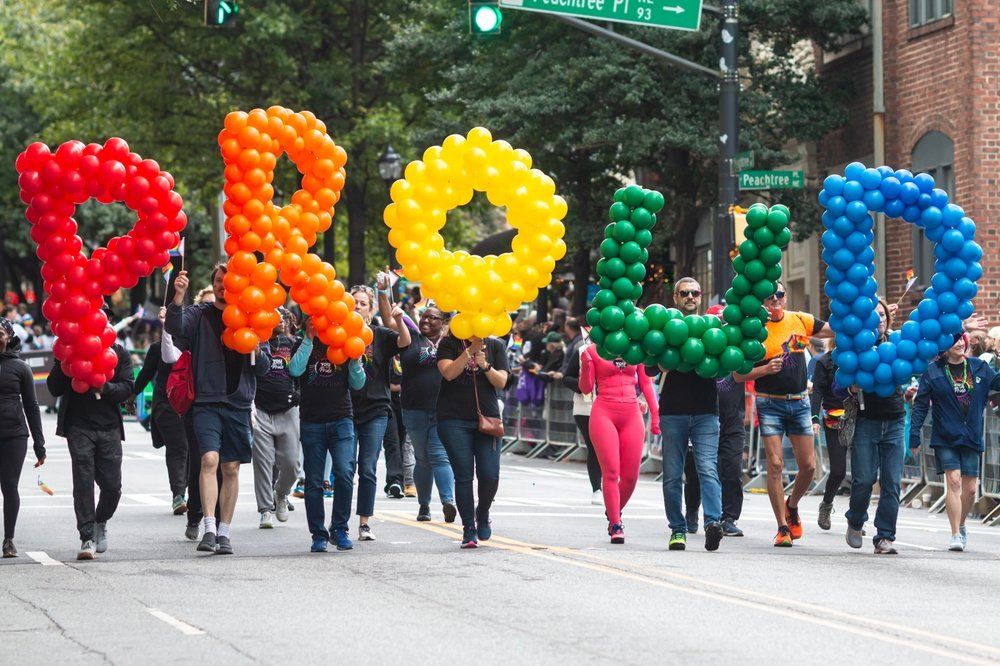
                                "Proud" balloons at Atlanta Pride

                                BluIz70 / Shutterstock.com

                                People carry large balloon letters that spell out “Proud” as they walk in the annual pride parade in Atlanta, Georgia (October 15, 2023)

                                  Other states that ranked below average include: Alaska, Arizona, Georgia, Iowa, Kansas, Kentucky, Nebraska, North Carolina, North Dakota, Ohio, Utah, and West Virginia.

                                  Ukrainian court recognizes same-sex couple as a family in historic LGBTQ+ victory

                                  Read more at LGBTQ Nation.

                                  A district court in Ukraine has formally recognized a same-sex couple as family, the first legal precedent of its kind in the country, the Kyiv Independent reports.

                                  The plaintiffs in the case were Zoryan Kis, first secretary of Ukraine’s Embassy in Israel, and his longtime partner, Tymur Levchuk. The couple has lived together since 2013 and were married in the U.S. in 2021.

                                  Ukraine does not currently recognize same-sex marriages or civil unions.

                                  In 2024, Ukraine’s Foreign Ministry refused to acknowledge Levchuk as Kis’ family member, denying him spousal rights to accompany his husband on his diplomatic posting to Tel Aviv. The couple filed a legal complaint naming the Foreign Ministry as a defendant in September.

                                  The court’s decision cited both the Ukrainian constitution and precedent from the European Court of Human Rights (ECHR), to which Ukraine is a signatory. ECHR requires member states to ensure legal recognition and protection for same-sex families.

                                  The couple’s shared finances and property, joint travel records, photographs, correspondence, and witness testimony were among the evidence considered by the court establishing a long-term domestic partnership.

                                  “A very big and important step toward marriage equality in Ukraine, and a small victory in our struggle for ‘simple family happiness’ for Ukrainian diplomats,” Kis posted to Facebook after the court rendered its judgment. 

                                  “Now we have a court ruling that confirms the feelings Tymur Levchuk and I have for each other,” he said, while thanking the judge in the case.

                                  Public support for LGBTQ+ rights in Ukraine has grown steadily in recent years as the country has drawn closer to Europe, and in particular after Russia’s war on the sovereign nation in 2022.

                                  A 2024 poll by the Kyiv International Institute of Sociology revealed that 70% of Ukrainians think LGBTQ+ citizens should enjoy equal rights.

                                  Legal progress on the issue has remained slow, however. Legislation recognizing civil partnerships was introduced in 2023 but hasn’t advanced through the Ukrainian parliament’s Legal Policy Committee.

                                  The proposed bill would legalize civil partnerships for both same-sex and heterosexual couples, providing inheritance, medical, and property rights, but not the full status of marriage.

                                  Kis and Levchuk are longtime civil rights activists in Ukraine. In 2015, the couple filmed a video for Ukrainian online magazine Bird in Flight, reenacting a recent social experiment conducted in Moscow featuring two young men holding hands as they walked through the city to gauge the public’s reaction. The responses in Kyiv mostly ranged from shrugs to bemusement, until Levchuk sat on Kis’ lap.

                                  MAGA woman thrown off city council for posting about throwing gays off buildings & using n-word

                                  Read more at LGBTQ Nation.

                                  A Florida woman is suing the city council that suspended her after her history of obscene, racist and homophobic tweets was uncovered and published in a local paper.

                                  The councilwoman, Judi Fike, was appointed to her seat in Groveland, Florida last year and is running for a full term.

                                  Fike responded to the local paper’s story with an apology “to anyone who was hurt” by the posts, while maintaining that their publication was a timed “political attack” just weeks ahead of her August primary.

                                  “I will not let that tactic work,” she said.

                                  The collection of Fike’s offensive screeds extends back to at least 2015, and reveal deep-seated animus toward Black and LGBTQ+ people.

                                  Just hours after the Pulse nightclub shooting in June 2016 in nearby Orlando, Fike posted to Facebook, “Duh….why would the shooter target a gay club? My answer…Easier than marching them up steps to push off the roof..some sarcasm, some truth…”

                                  In 2015, Fike posted to her “Widow Fike” account on Twitter (now X), “Can we divert our attention back to real news? The #LGBT freak show has had its run.”

                                  Fike owns and operates a catering company called The Black Napkin.

                                  Last week, the city council confronted Fike with the posts in an open meeting, displaying screenshots as Fike watched, the Orlando Sentinel reports.

                                  Groveland Vice Mayor Barbara Gaines, who is Black, said the posts included “racist” portrayals of then-President Barack Obama as a monkey.

                                  “This is a picture of President Ronald Reagan babysitting Barack Obama, except it is an ape, a baboon, a monkey or whatever you call it,” Gaines said.

                                  In several tweets shared at the meeting, Fike obsesses over the word “thug”.

                                  “#thug the new n word,’ she posted in 2015. “Thug life = thug treatment = no pity from me,” she wrote in 2019. In 2022, Fike shared a meme that read, “What’s the magic word to get what you want? Racist!”

                                  Groveland, Florida has a fraught history of racism against Black people. In 1949, false allegations of rape against four black teenagers known as “The Groveland Four” led to the extrajudicial killing of two of the teens and the wrongful imprisonment of two others. They were posthumously pardoned in 2019.

                                  In her defense over the Pulse nightclub post, Fike claimed for council members that her message was about a presidential candidate in 2016 aligning with a community in the Middle East who were “pushing gay individuals off of buildings.”

                                  “It was meant as a support of the community, not against the community,” she said. “It might have been written in poor taste, but I want to clarify that for you because that was going on at the time.”

                                  Fike went further about other posts, denying responsibility altogether.

                                  “Those are indeed manipulated, and so I’ll just let that rest,” she said at the meeting. “They are not my words. Some are, there are some copies, but what Barbara just showed were absolutely not products of mine.”

                                  Council members were not swayed and voted her suspended until an investigation is complete.

                                  Two days later, Fike responded with a lawsuit.

                                  “The city does not have the legal authority to suspend or remove any of its members, period,” said Lake County Commissioner Anthony Sabatini, who is representing Fike. “It just simply does not have that authority. Most cities don’t.”

                                  Groveland Mayor Kevin Keogh said he was more concerned with Fike’s response to the allegations than the resurfaced posts themselves.

                                  “It has to do with the non-truthful nature of your response,” he told Fike, before voting with colleagues to suspend her.

                                  What states are the best for LGBTQ+ people? These are the top 15

                                  Read more at The Advocate.

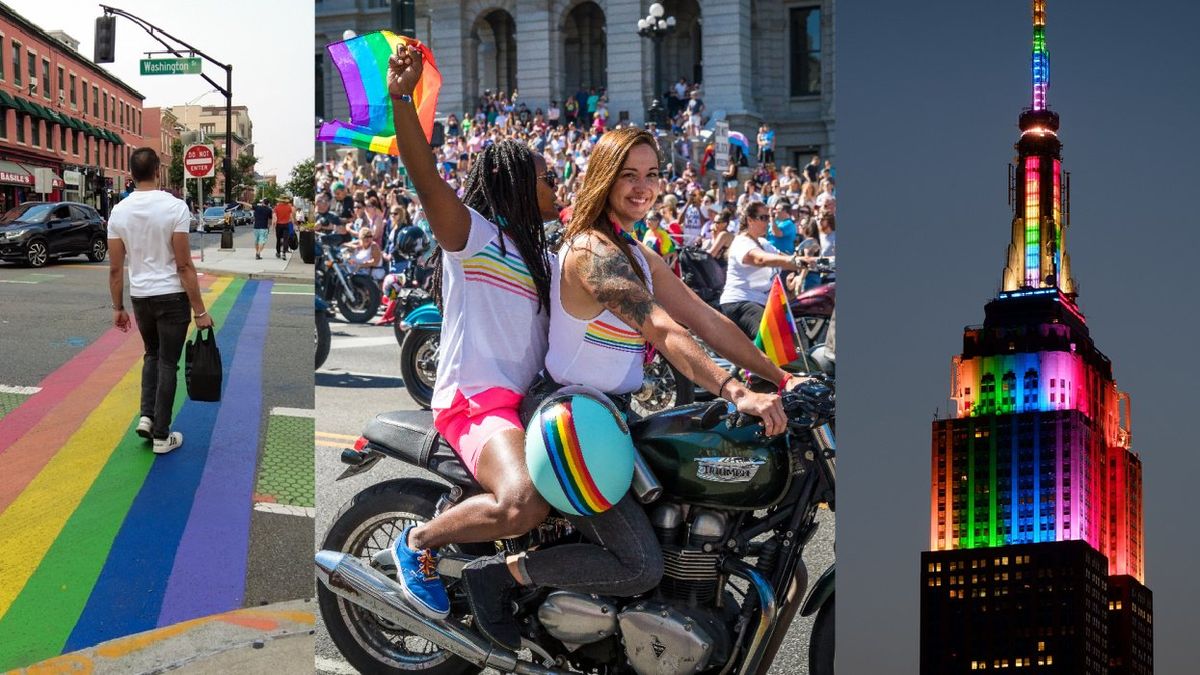
                                  \u200bRainbow crosswalk in Hoboken (L); Women on motorcycles at Denver Pride (M); Empire State Building in rainbow colors (R)

                                  Kirkam / Shutterstock.com; Philipp Salveter / Shutterstock.com; anaglic / Shutterstock.com

                                  Rainbow LGBTQ+ Pride crosswalk in Hoboken, New Jersey (L); Women on motorcycles at Pride celebration in Denver, Colorado (M); Empire State Building in NYC lit up in rainbow colors (R)

                                    Legislative attacks on the LGBTQ+ community have been pushed everywhere from city councils to the White House — but there are still some areas that are safe.

                                    Over 1,000 anti-LGBTQ+ laws have been proposed across every state legislature in the U.S. over the past two years, according to the American Civil Liberties Union, and 126 have passed into law. Less than two months into the 2025 legislative session, 390 laws targeting LGBTQ+ people have been proposed.

                                    Still, marriage equality and anti-discrimination protections based on sexual orientation and gender identity are still guaranteed federally by U.S. Supreme Court rulings (for now). On top of that, at least 15 states have “shield laws” protecting access to gender-affirming care and abortion.

                                    Based on laws surrounding marriage, family rights, health care, education, and youth collected by the Movement Advancement Project, here are the 15 best states for LGBTQ+ people.

                                    Related: What states are the most dangerous for LGBTQ+ people? Here are the worst 15

                                    California
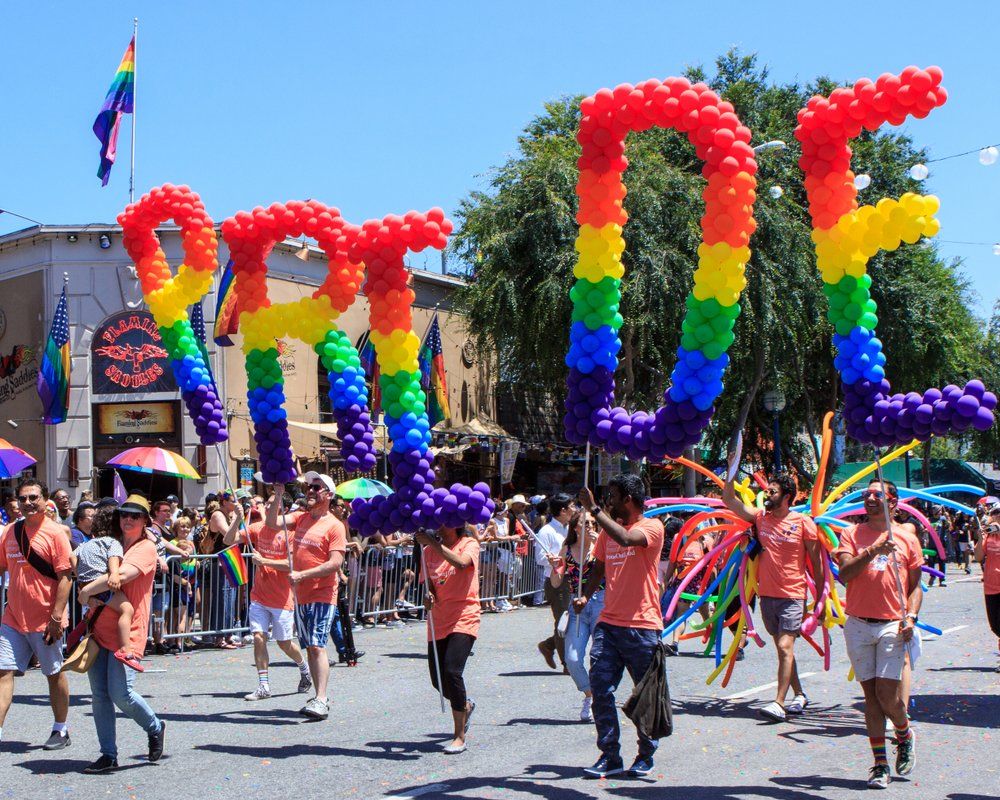
                                    West Hollywood Pride balloons

                                    GrandAve / Shutterstock.com

                                    Pride celebration in West Hollywood, California – June 9, 2019

                                      Nondiscrimination laws: California has nondiscrimination laws in employment, housing, health care, education, public accommodations, and credit/lending.

                                      Marriage equality and parental rights: California has adoption and foster care nondiscrimination protections for LGBTQ+ parents, second-parent adoption for unmarried couples and confirmatory adoption, and recognition for parents using assisted reproductive technologies. It also has family leave laws, which include LGBTQ-inclusive definitions.

                                      Education and youth policies: California does not restrict discussion of LGBTQ+ identities in classrooms, and instead requires curriculum to be LGBTQ-inclusive, which parents are not required to be notified of. It does not prevent transgender students from participating in sports or using school facilities based on their identities, and it does not require staff to forcibly out LGBTQ+ students to their guardians.

                                      Healthcare access and rights: California has “shield” laws protecting access to gender-affirming care for youth, as well as abortion. The state has also banned so-called conversion therapy for youth. Health insurance companies, including Medicaid, are not allowed to deny coverage related to gender transition. However, they are not required to cover fertility treatments.

                                      Criminal justice: California’s hate crime laws encompass sexual orientation and gender identity, and it has banned the so-called “LGBTQ+ panic” defense. While the state does not criminalize HIV, it does have sentencing enhancements for sex-related convictions for those with HIV.

                                      Colorado
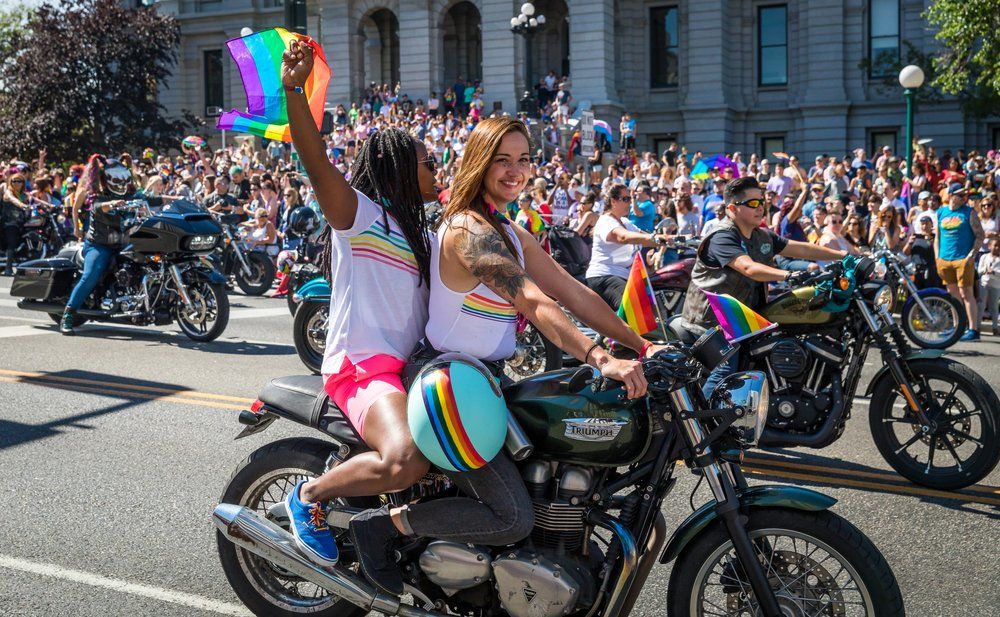
                                      Women on motorcycles at Denver Pride celebration

                                      Philipp Salveter / Shutterstock.com

                                      Women on motorcycles at Pride celebration in Denver, Colorado, USA – June 16th 2019

                                        Nondiscrimination laws: Colorado has nondiscrimination laws in employment, housing, education, health care, public accommodations, and credit/lending.

                                        Marriage equality and parental rights: Colorado has adoption and foster care nondiscrimination protections for LGBTQ+ parents, second-parent adoption for unmarried couples and confirmatory adoption, and recognition for parents using assisted reproductive technologies. It also has family leave laws, which include LGBTQ-inclusive definitions.

                                        Education and youth policies: Colorado does not prevent transgender students from participating in sports or using school facilities based on their identities, and it does not require staff to forcibly out LGBTQ+ students to their guardians. It does not restrict discussion of LGBTQ+ identities in classrooms, and instead requires curriculum to be LGBTQ-inclusive, which parents are not required to be notified of.

                                        Healthcare access and rights: Colorado has “shield” laws protecting access to gender-affirming care for youth, as well as abortion. The state has also banned so-called conversion therapy for youth. Health insurance companies, including Medicaid, are not allowed to deny coverage related to gender transition. However, state employees who are transgender do not have inclusive health benefits. Insurance companies are also not required to cover fertility treatments.

                                        Criminal justice: The state’s hate crime laws encompass sexual orientation and gender identity, and it has banned the so-called “LGBTQ+ panic” defense. Like California, Colorado does not criminalize HIV, but it does have sentencing enhancements for sex-related convictions for those with HIV.

                                        Connecticut
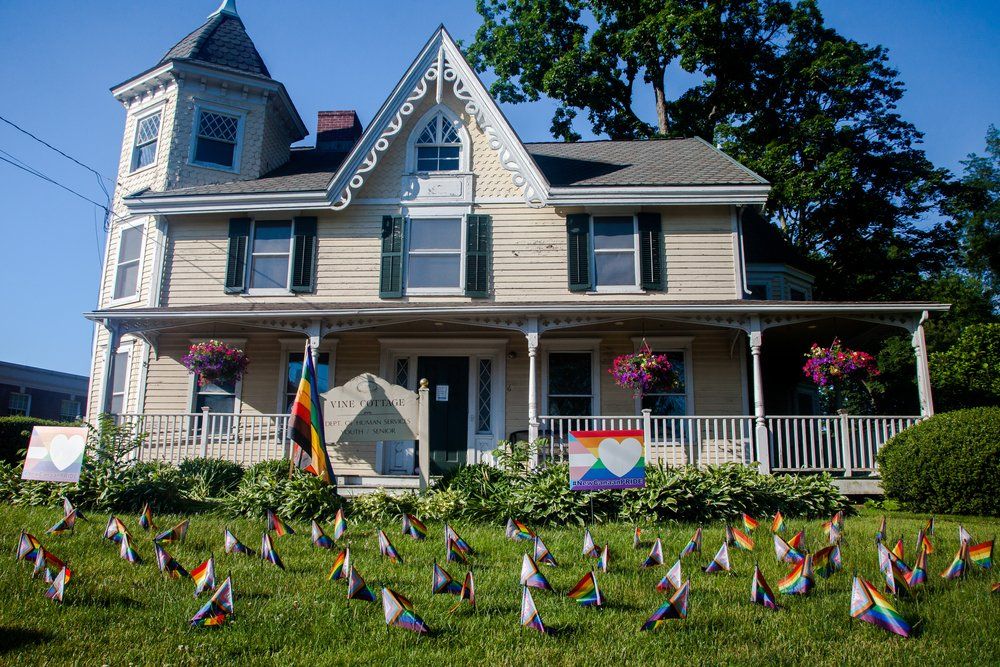
                                        Pride flags outside Vine Cottage CT

                                        Miro Vrlik Photography / Shutterstock.com

                                        LGBTQ+ Pride flags outside Vine Cottage in New Canaan, Connecticut – June 13, 2021

                                          Nondiscrimination laws: Connecticut has nondiscrimination laws in employment, housing, education, public accommodations, and credit/lending. It does not have nondiscrimination laws for private healthcare, and it does have a broad “Religious Exemption” law.

                                          Marriage equality and parental rights: Connecticut has adoption and foster care nondiscrimination protections for LGBTQ+ parents, second-parent adoption for unmarried couples and confirmatory adoption, and recognition for parents using assisted reproductive technologies. It also has family leave laws, but their LGBTQ-inclusive definitions are not as robust as those of California or Colorado.

                                          Education and youth policies: Connecticut does not restrict discussion of LGBTQ+ identities in classrooms, but it does not have LGBTQ-inclusive curriculum. It does not prevent transgender students from participating in sports or using school facilities based on their identities, and it does not require staff to forcibly out LGBTQ+ students to their guardians.

                                          Healthcare access and rights: Connecticut has “shield” laws protecting access to gender-affirming care for youth, as well as abortion. The state has also banned so-called conversion therapy for youth. Health insurance companies, including Medicaid, are not allowed to deny coverage related to gender transition. Private insurance is required to cover some fertility treatments, but Medicaid is not.Criminal justice:Connecticut’s hate crime law encompasses sexual orientation but not gender identity. It also does not have nondiscrimination laws for LGBTQ+ people in jury selection.

                                          Illinois
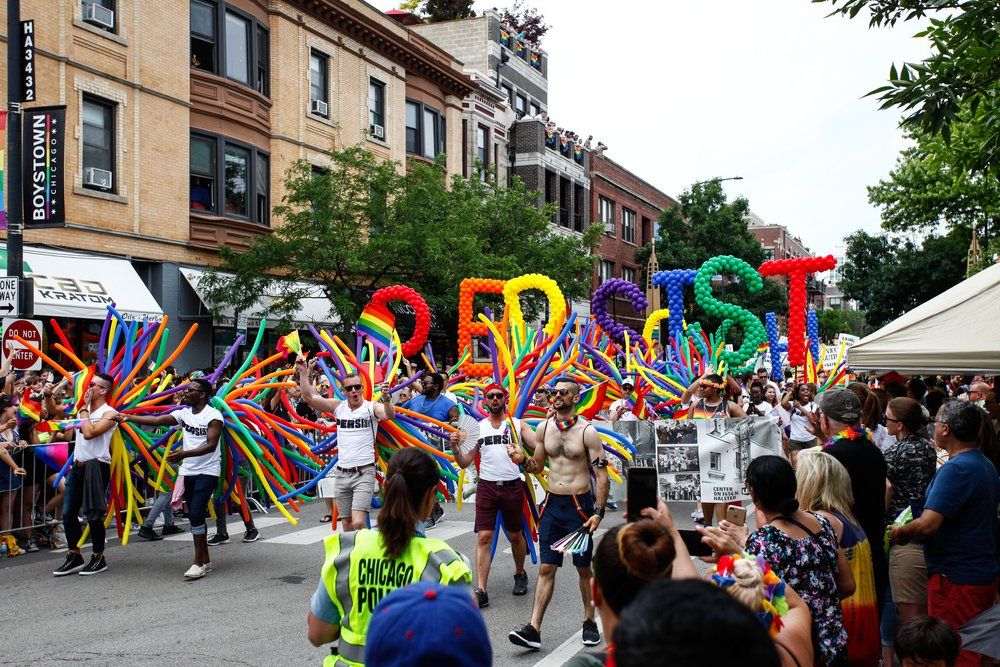
                                          "Persist" balloons at Chicago

                                          Dominique Robinson / Shutterstock.com

                                          LGBTQ+ Pride in Chicago, Illinois – June 30th 2019

                                            Nondiscrimination laws: Illinois has nondiscrimination laws in employment, housing, health care, education, public accommodations, and credit/lending. However, it does have a broad “Religious Exemption” law.

                                            Marriage equality and parental rights: Illinois has adoption and foster care nondiscrimination protections for LGBTQ+ parents, second-parent adoption for unmarried couples, and recognition for parents using assisted reproductive technologies. It also has family leave laws, which include LGBTQ-inclusive definitions. It does not have confirmatory adoption.

                                            Education and youth policies: Illinois does not restrict discussion of LGBTQ+ identities in classrooms, and instead requires curriculum to be LGBTQ-inclusive, which parents are not required to be notified of. It does not prevent transgender students from participating in sports or using school facilities based on their identities, and it does not require staff to forcibly out LGBTQ+ students to their guardians.

                                            Healthcare access and rights: Illinois has “shield” laws protecting access to gender-affirming care for youth, as well as abortion. The state has also banned so-called conversion therapy for youth. Health insurance companies, including Medicaid, are not allowed to deny coverage related to gender transition or fertility treatments.

                                            Criminal justice: Illinois’ hate crime laws encompass sexual orientation and gender identity, and it has banned the so-called “LGBTQ+ panic” defense.

                                            Maine
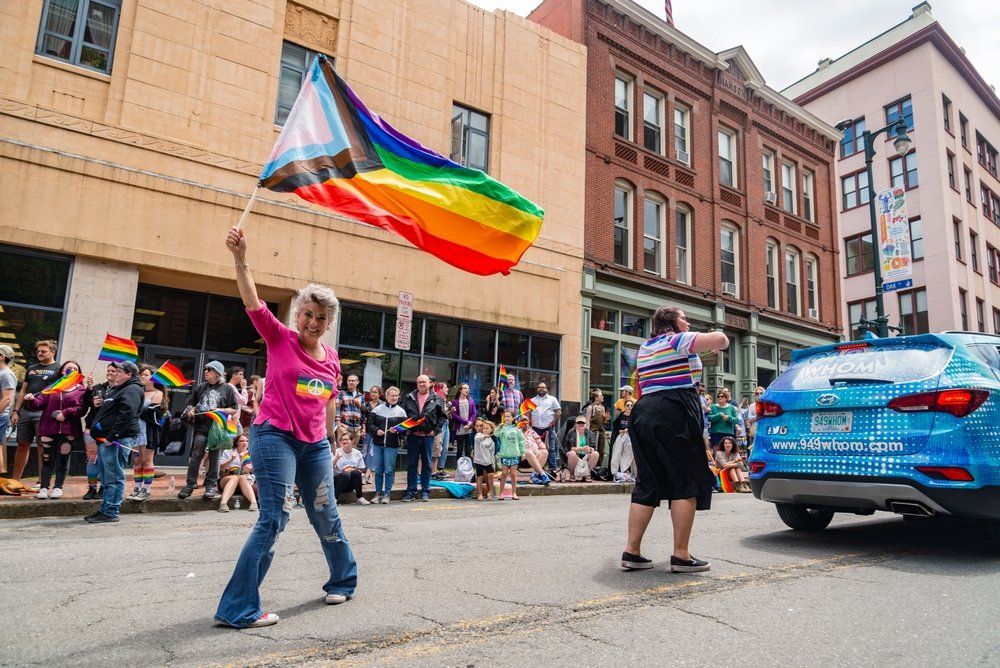
                                            Woman waving flag at Pride in Portland, Maine

                                            Enrico Della Pietra / Shutterstock.com

                                            LGBTQ+ Pride in Portland, Maine – June 18, 2022

                                              Nondiscrimination laws: Maine has nondiscrimination laws in employment, housing, health care, education, public accommodations, and credit/lending.

                                              Marriage equality and parental rights: Maine has adoption and foster care nondiscrimination protections for LGBTQ+ parents, second-parent adoption for unmarried couples and confirmatory adoption, and recognition for parents using assisted reproductive technologies. It also has family leave laws, which include LGBTQ-inclusive definitions.

                                              Education and youth policies: Maine does not restrict discussion of LGBTQ+ identities in classrooms, but it does not have LGBTQ-inclusive curriculum. It does not prevent transgender students from participating in sports or using school facilities based on their identities, and it does not require staff to forcibly out LGBTQ+ students to their guardians.

                                              Healthcare access and rights: Maine has “shield” laws protecting access to gender-affirming care for youth, as well as abortion. The state has also banned so-called conversion therapy for youth. Health insurance companies, including Medicaid, are not allowed to deny coverage related to gender transition. Private insurance is required to cover some fertility treatments, but Medicaid is not.Criminal justice:Maine’s hate crime laws encompass sexual orientation and gender identity, and it has banned the so-called “LGBTQ+ panic” defense.

                                              Maryland
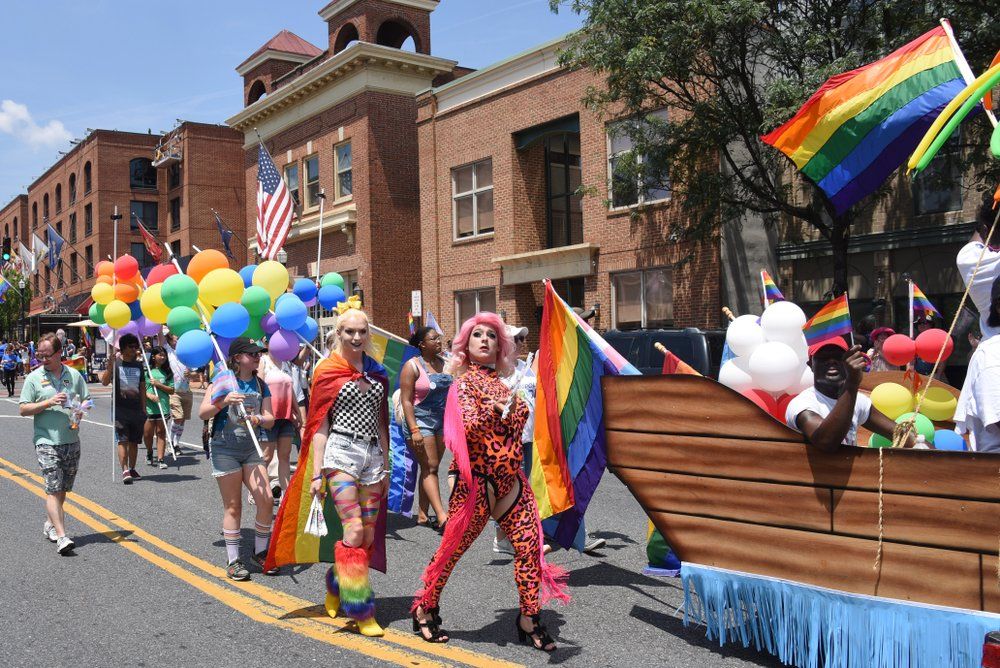
                                              Marchers and floats in the first Annapolis Pride parade

                                              Keri Delaney / Shutterstock.com

                                              The inaugural Pride Parade in Annapolis, Maryland – June 29, 2019

                                                Nondiscrimination laws: Maryland has nondiscrimination laws in employment, housing, health care, education, public accommodations, and credit/lending.

                                                Marriage equality and parental rights: Maryland has adoption and foster care nondiscrimination protections for LGBTQ+ parents, confirmatory adoption, and recognition for parents using assisted reproductive technologies. It does not second-parent adoption for unmarried couples. It also has family leave laws, but their LGBTQ-inclusive definitions are not as robust as others.

                                                Education and youth policies: Maryland does not restrict discussion of LGBTQ+ identities in classrooms, but it does not have LGBTQ-inclusive curriculum. It does not prevent transgender students from participating in sports or using school facilities based on their identities, and it does not require staff to forcibly out LGBTQ+ students to their guardians.

                                                Healthcare access and rights: Maryland has “shield” laws protecting access to gender-affirming care for youth, as well as abortion. The state has also banned so-called conversion therapy for youth. Health insurance companies, including Medicaid, are not allowed to deny coverage related to gender transition. Private insurance is required to cover some fertility treatments, but Medicaid is not.

                                                Criminal justice: Maryland’s hate crime laws encompass sexual orientation and gender identity, and it has banned the so-called “LGBTQ+ panic” defense. It does have a law criminalizing the transmission of HIV.

                                                Massachusetts
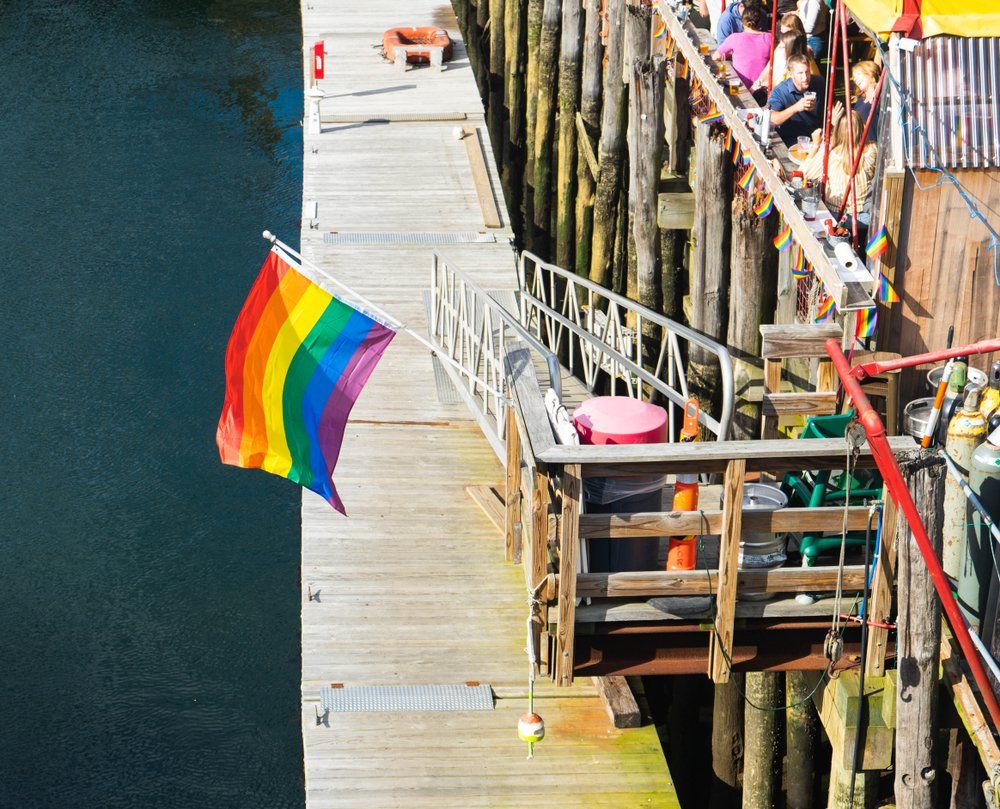
                                                Pride flag over Boston Seaport

                                                Michael Moloney / Shutterstock.com

                                                LGBTQ+ Pride flag waving in the wind over the Boston Seaport – JUNE 2, 2019

                                                  Nondiscrimination laws: Massachusetts has nondiscrimination laws in employment, housing, education, public accommodations, and credit/lending. It has nondiscrimination laws for gender identity in private healthcare, but not for sexual orientation.

                                                  Marriage equality and parental rights: Massachusetts has adoption and foster care nondiscrimination protections for LGBTQ+ parents, second-parent adoption for unmarried couples, and recognition for parents using assisted reproductive technologies. It also has family leave laws, which include LGBTQ-inclusive definitions. It does not have confirmatory adoption.

                                                  Education and youth policies: Massachusetts does not restrict discussion of LGBTQ+ identities in classrooms, but it does not have LGBTQ-inclusive curriculum. It does not prevent transgender students from participating in sports or using school facilities based on their identities, and it does not require staff to forcibly out LGBTQ+ students to their guardians.

                                                  Healthcare access and rights: Massachusetts has “shield” laws protecting access to gender-affirming care for youth, as well as abortion. The state has also banned so-called conversion therapy for youth. Health insurance companies, including Medicaid, are not allowed to deny coverage related to gender transition. Private insurance is required to cover some fertility treatments, but Medicaid is not.

                                                  Criminal justice: Maryland’s hate crime laws encompass sexual orientation and gender identity, but it has not banned the so-called “LGBTQ+ panic” defense. It does not have nondiscrimination protections based on gender identity for jury selection.

                                                  Minnesota
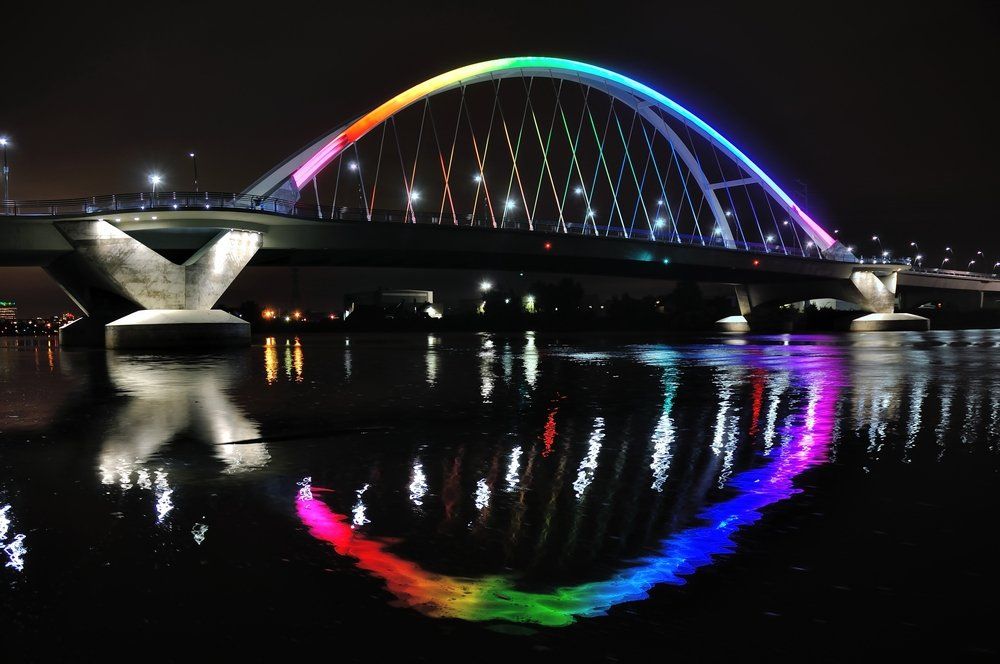
                                                  Lowry Avenue Bridge in Minneapolis lit in Rainbow Colors

                                                  Shuttershock Creative

                                                  Lowry Avenue Bridge in Minneapolis lit in Rainbow Colors in Honor of Orlando Victims

                                                    Nondiscrimination laws: Minnesota has nondiscrimination laws in employment, housing, health care, education, public accommodations, and credit/lending.

                                                    Marriage equality and parental rights: Minnesota has adoption and foster care nondiscrimination protections for LGBTQ+ parents. It does have family leave laws, which include LGBTQ-inclusive definitions. It does not have second-parent adoption for unmarried couples, confirmatory adoption, nor recognition for parents using assisted reproductive technologies.

                                                    Education and youth policies: Minnesota does not restrict discussion of LGBTQ+ identities in classrooms, but it does not have LGBTQ-inclusive curriculum. It does not prevent transgender students from participating in sports or using school facilities based on their identities, and it does not require staff to forcibly out LGBTQ+ students to their guardians.

                                                    Healthcare access and rights: Minnesota has “shield” laws protecting access to gender-affirming care for youth, as well as abortion. The state has also banned so-called conversion therapy for youth. Health insurance companies, including Medicaid, are not allowed to deny coverage related to gender transition. However, they are not required to cover fertility treatments.

                                                    Criminal justice: Minnesota’s hate crime laws encompass sexual orientation and gender identity, and it has banned the so-called “LGBTQ+ panic” defense.

                                                    Nevada
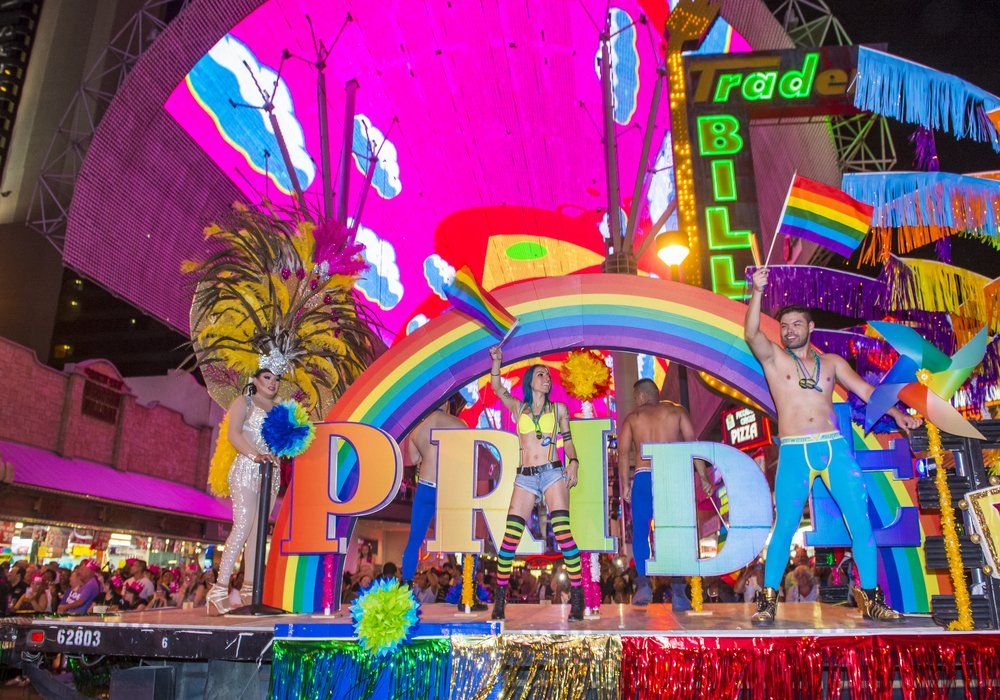
                                                    Las Vegas Pride parade float

                                                    Kobby Dagan / Shutterstock

                                                    LGBTQ+ Pride parade in Las Vegas, Nevada – October 21 , 2016

                                                      Nondiscrimination laws: Nevada has nondiscrimination laws in employment, housing, health care, education, public accommodations, and credit/lending.

                                                      Marriage equality and parental rights: Nevada has adoption and foster care nondiscrimination protections for LGBTQ+ parents, second-parent adoption for unmarried couples, and recognition for parents using assisted reproductive technologies. It also has family leave laws, which include LGBTQ-inclusive definitions. It does not have confirmatory adoption.

                                                      Education and youth policies: Nevada does not restrict discussion of LGBTQ+ identities in classrooms, and instead requires curriculum to be LGBTQ-inclusive, which parents are not required to be notified of. It does not prevent transgender students from participating in sports or using school facilities based on their identities, but it does not require staff to forcibly out students who change their gender identity to their guardians

                                                      Healthcare access and rights: Nevada does not have shield laws for gender-affirming care and abortion. The state has also banned so-called conversion therapy for youth. Health insurance companies, including Medicaid, are not allowed to deny coverage related to gender transition. However, they are not required to cover fertility treatments.

                                                      Criminal justice: Nevada’s hate crime laws encompass sexual orientation and gender identity, and it has banned the so-called “LGBTQ+ panic” defense. It does not have nondiscrimination protections based on gender identity for jury selection.

                                                      New Jersey
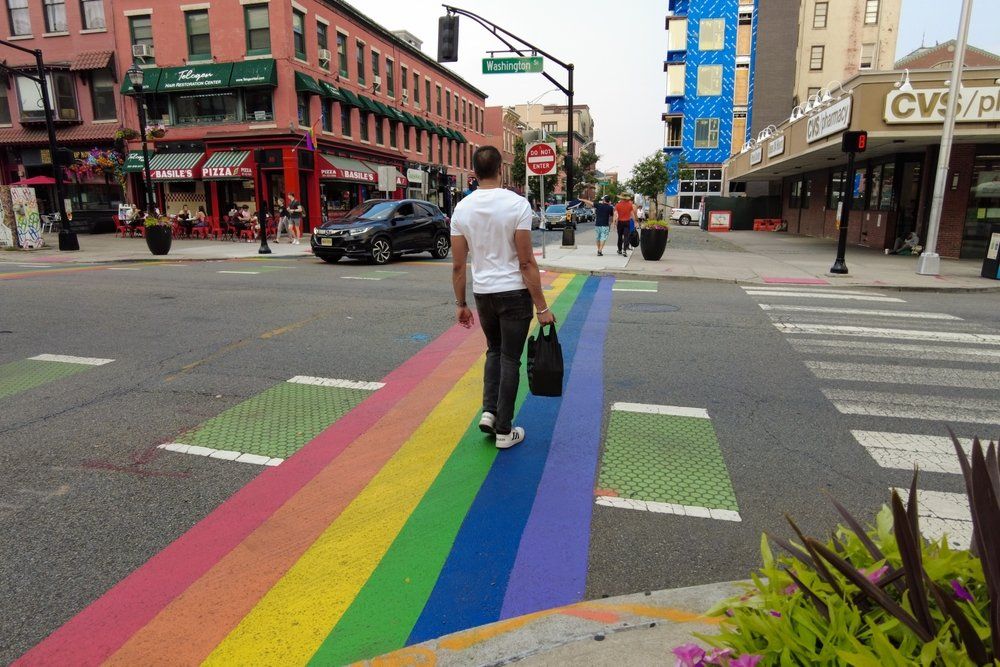
                                                      Rainbow crosswalk in Hoboken, New Jersey

                                                      Kirkam / Shutterstock.com

                                                      Rainbow LGBTQ+ Pride crosswalk in Hoboken, New Jersey, – June 25, 2023

                                                        Nondiscrimination laws: New Jersey has nondiscrimination laws in employment, housing, education, public accommodations, and credit/lending. It has nondiscrimination laws for gender identity in private healthcare, but not for sexual orientation.

                                                        Marriage equality and parental rights: New Jersey has adoption and foster care nondiscrimination protections for LGBTQ+ parents, and second-parent adoption for unmarried couples and confirmatory adoption. It also has family leave laws, which include LGBTQ-inclusive definitions. It does not have recognition for parents using assisted reproductive technologies.

                                                        Education and youth policies: New Jersey does not restrict discussion of LGBTQ+ identities in classrooms, and instead requires curriculum to be LGBTQ-inclusive, which parents are not required to be notified of. It does not prevent transgender students from participating in sports or using school facilities based on their identities, and it does not require staff to forcibly out LGBTQ+ students to their guardians.

                                                        Healthcare access and rights: New Jersey has “shield” laws protecting access to gender-affirming care for youth, as well as abortion. The state has also banned so-called conversion therapy for youth. Health insurance companies, including Medicaid, are not allowed to deny coverage related to gender transition. Private insurance is required to cover some fertility treatments, but Medicaid is not.

                                                        Criminal justice: New Jersey’s hate crime laws encompass sexual orientation and gender identity, and it has banned the so-called “LGBTQ+ panic” defense. It does not have nondiscrimination laws for LGBTQ+ people in jury selection.

                                                        New York
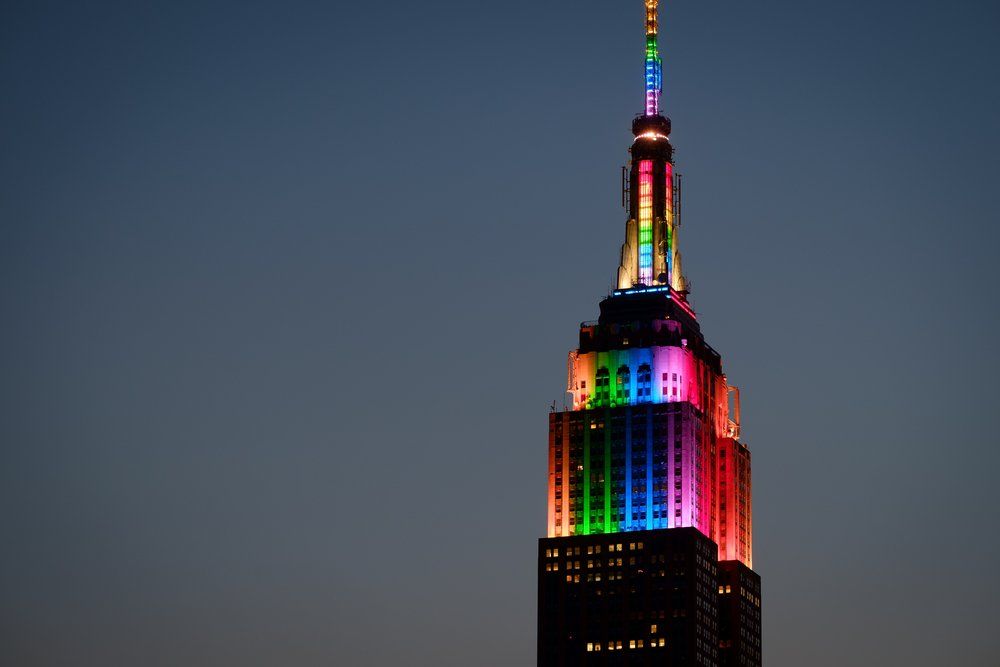
                                                        Empire State Building in rainbow colors

                                                        anaglic / Shutterstock.com

                                                        Empire State Building in rainbow colors in honor of the Orlando shooting victims, New York City – June 26, 2016

                                                          Nondiscrimination laws: New York has nondiscrimination laws in employment, housing, health care, education, public accommodations, and credit/lending.

                                                          Marriage equality and parental rights: New York has adoption and foster care nondiscrimination protections for LGBTQ+ parents, second-parent adoption for unmarried couples, and recognition for parents using assisted reproductive technologies. It also has family leave laws, which include LGBTQ-inclusive definitions. It does not have confirmatory adoption.

                                                          Education and youth policies: New York does not restrict discussion of LGBTQ+ identities in classrooms, but it does not have LGBTQ-inclusive curriculum. It does not prevent transgender students from participating in sports or using school facilities based on their identities, and it does not require staff to forcibly out LGBTQ+ students to their guardians.

                                                          Healthcare access and rights: New York has “shield” laws protecting access to gender-affirming care for youth, as well as abortion. The state has also banned so-called conversion therapy for youth. Health insurance companies, including Medicaid, are not allowed to deny coverage related to gender transition. Private insurance and Medicaid are also required to cover some fertility treatments.

                                                          Criminal justice: New York’s hate crime laws encompass sexual orientation and gender identity, and it has banned the so-called “LGBTQ+ panic” defense.

                                                          Oregon
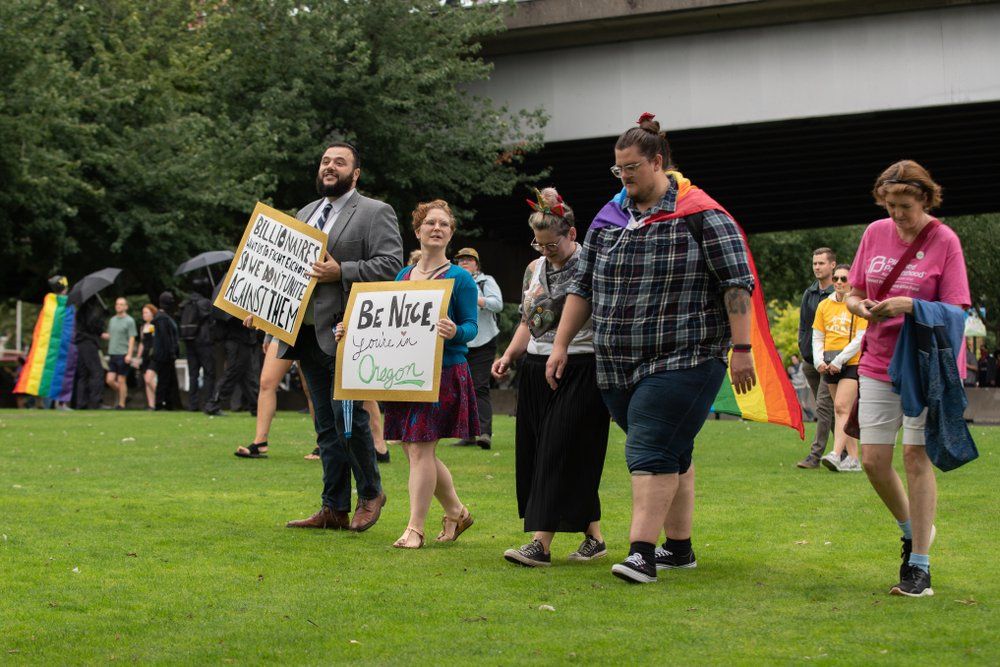
                                                          Protestors wear rainbow flag capes and carry a sign reading "Be nice, you're in Oregon"

                                                          Alexander Oganezov / Shutterstock.com

                                                          Protestors wear rainbow flag capes and carry a sign reading “Be nice, you’re in Oregon” at anti-fascism protest in Portland, Oregon – August 17, 2019

                                                            Nondiscrimination laws: Oregon has nondiscrimination laws in employment, housing, health care, education, and public accommodations. It does not have nondiscrimination laws in credit/lending.

                                                            Marriage equality and parental rights: Oregon has adoption and foster care nondiscrimination protections for LGBTQ+ parents and second-parent adoption for unmarried couples. It does have family leave laws, which include LGBTQ-inclusive definitions. It does not have confirmatory adoption, nor recognition for parents using assisted reproductive technologies.

                                                            Education and youth policies: Oregon does not prevent transgender students from participating in sports or using school facilities based on their identities, and it does not require staff to forcibly out LGBTQ+ students to their guardians. It does not restrict discussion of LGBTQ+ identities in classrooms, and instead requires curriculum to be LGBTQ-inclusive, which parents are not required to be notified of.

                                                            Healthcare access and rights: Oregon has “shield” laws protecting access to gender-affirming care for youth, as well as abortion. The state has also banned so-called conversion therapy for youth. Health insurance companies, including Medicaid, are not allowed to deny coverage related to gender transition. However, they are not required to cover fertility treatments.

                                                            Criminal justice: Oregon’s hate crime laws encompass sexual orientation and gender identity, and it has banned the so-called “LGBTQ+ panic” defense.

                                                            Rhode Island
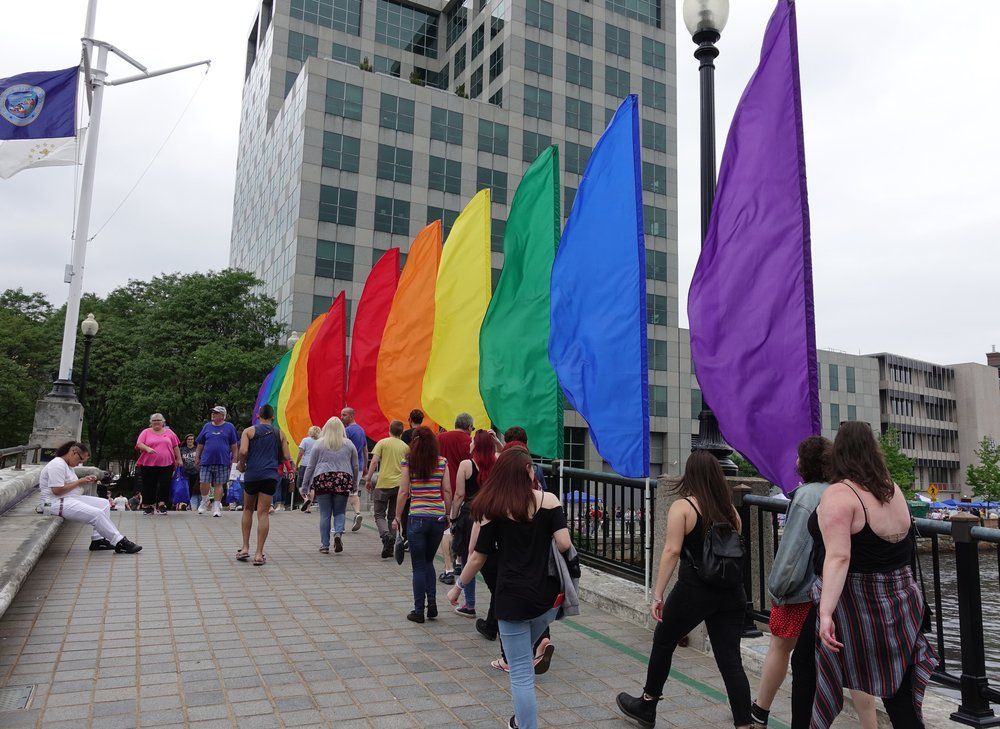
                                                            Rainbow flags on bridge over water in Providence, Rhode Island

                                                            Anthony Ricci / Shutterstock.com

                                                            Pride festival in downtown Providence, Rhode Island – June 17, 2017

                                                              Nondiscrimination laws: Rhode Island has nondiscrimination laws in employment, housing, education, public accommodations, and credit/lending. It has nondiscrimination laws for gender identity in private healthcare, but not for sexual orientation. It also has a broad “Religious Exemption” law.

                                                              Marriage equality and parental rights: Rhode Island has adoption and foster care nondiscrimination protections for LGBTQ+ parents, second-parent adoption for unmarried couples and confirmatory adoption, and recognition for parents using assisted reproductive technologies. It also has family leave laws, but their LGBTQ-inclusive definitions are not as robust as others.

                                                              Education and youth policies: Rhode Island does not restrict discussion of LGBTQ+ identities in classrooms, but it does not have LGBTQ-inclusive curriculum. It does not prevent transgender students from participating in sports or using school facilities based on their identities, and it does not require staff to forcibly out LGBTQ+ students to their guardians.

                                                              Healthcare access and rights: Rhode Island has “shield” laws protecting access to gender-affirming care for youth, as well as abortion. The state has also banned so-called conversion therapy for youth. Health insurance companies, including Medicaid, are not allowed to deny coverage related to gender transition. Private insurance is required to cover some fertility treatments, but Medicaid is not.

                                                              Criminal justice: Rhode Island’s hate crime laws encompass sexual orientation and gender identity, and it has banned the so-called “LGBTQ+ panic” defense. It does not have nondiscrimination laws for LGBTQ+ people in jury selection.

                                                              Vermont
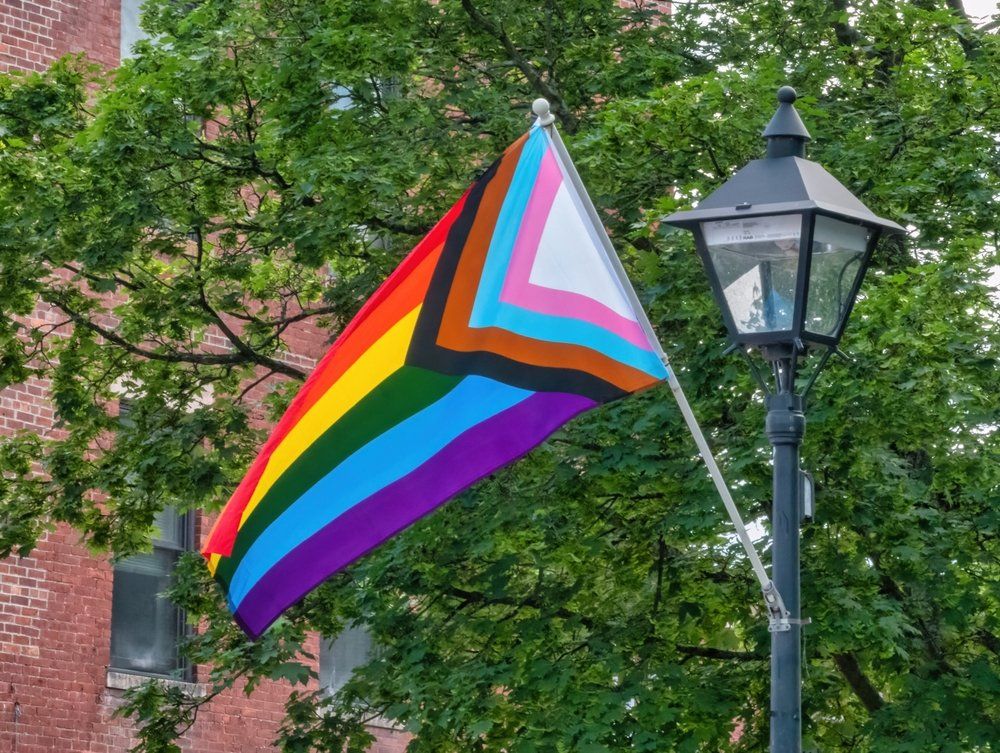
                                                              Pride flag on lamppost in Montpelier, Vermont

                                                              Charles Patrick Ewing / Shutterstock.com

                                                              LGBTQ+ Pride flag on lamppost in Montpelier, Vermont – June 11, 2022

                                                                Nondiscrimination laws: Vermont has nondiscrimination laws in employment, housing, health care, education, public accommodations, and credit/lending.

                                                                Marriage equality and parental rights: Vermont has adoption and foster care nondiscrimination protections for LGBTQ+ parents, second-parent adoption for unmarried couples, and recognition for parents using assisted reproductive technologies. It also has family leave laws, which include LGBTQ-inclusive definitions. It does not have confirmatory adoption.

                                                                Education and youth policies: Vermont does not restrict discussion of LGBTQ+ identities in classrooms, but it does not have LGBTQ-inclusive curriculum. It does not prevent transgender students from participating in sports or using school facilities based on their identities, and it does not require staff to forcibly out LGBTQ+ students to their guardians.

                                                                Healthcare access and rights: Vermont has “shield” laws protecting access to gender-affirming care for youth, as well as abortion. The state has also banned so-called conversion therapy for youth. Health insurance companies, including Medicaid, are not allowed to deny coverage related to gender transition. However, state employees who are transgender do not have inclusive health benefits. Insurance companies are also not required to cover fertility treatments.

                                                                Criminal justice: Vermont’s hate crime laws encompass sexual orientation and gender identity, and it has banned the so-called “LGBTQ+ panic” defense. It does not have nondiscrimination laws for LGBTQ+ people in jury selection.

                                                                Washington
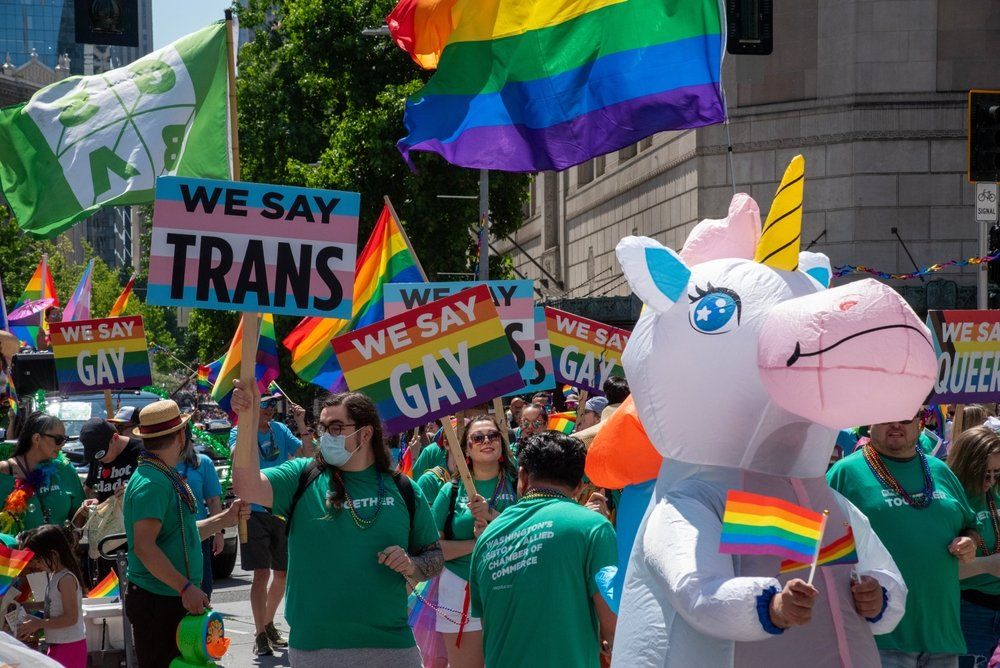
                                                                People carrying "We say trans" and "We say gay" signs at Seattle Pride

                                                                SeaRick1 / Shutterstock.com

                                                                People carrying rainbow signs reading “We say trans” and “We say gay” at LGBTQ+ Pride in Seattle, Washington – June 25, 2023

                                                                  Nondiscrimination laws: Washington has nondiscrimination laws in employment, housing, health care, education, public accommodations, and credit/lending.

                                                                  Marriage equality and parental rights: Washington has adoption and foster care nondiscrimination protections for LGBTQ+ parents and recognition for parents using assisted reproductive technologies.. It does have family leave laws, which include LGBTQ-inclusive definitions. It does not have second-parent adoption for unmarried couples, nor confirmatory adoption.

                                                                  Education and youth policies: Washington does not restrict discussion of LGBTQ+ identities in classrooms, and instead requires curriculum to be LGBTQ-inclusive, which parents are not required to be notified of. It does not prevent transgender students from participating in sports or using school facilities based on their identities, and it does not require staff to forcibly out LGBTQ+ students to their guardians.

                                                                  Healthcare access and rights: Washington has “shield” laws protecting access to gender-affirming care for youth, as well as abortion. The state has also banned so-called conversion therapy for youth. Health insurance companies, including Medicaid, are not allowed to deny coverage related to gender transition. However, they are not required to cover fertility treatments.

                                                                  Criminal justice: Washington’s hate crime laws encompass sexual orientation and gender identity, and it has banned the so-called “LGBTQ+ panic” defense. It does have a law criminalizing the transmission of HIV.

                                                                  Honorable mentions
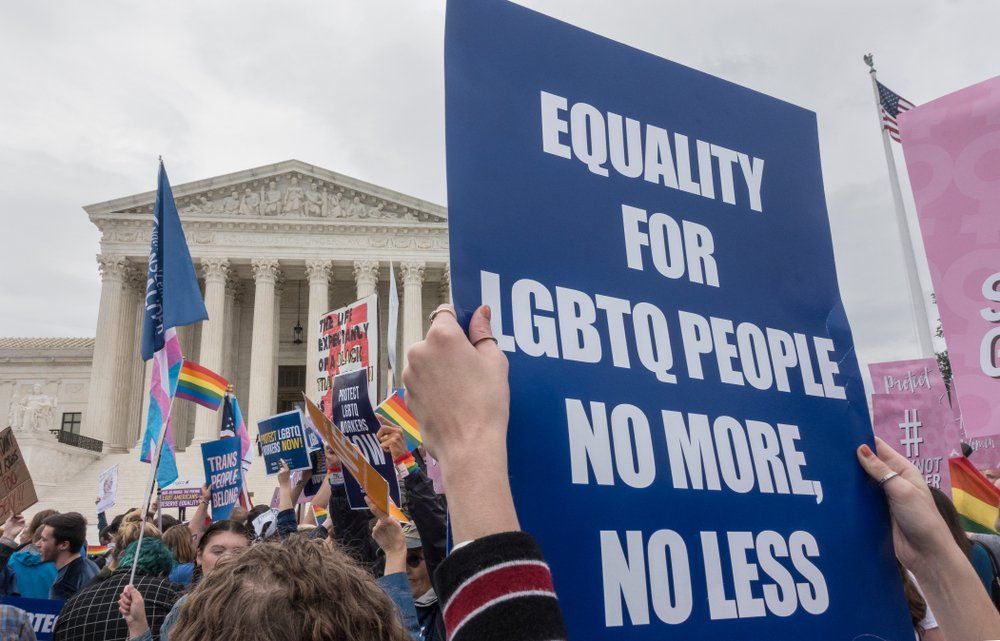
                                                                  Sign outside SCOTUS reading "Equality for LGBTQ people no more, no less"

                                                                  Bob Korn / Shutterstock.com

                                                                  Rally for LGBTQ rights outside Supreme Court in Washington, D.C. – OCT. 8, 2019

                                                                    Washington, D.C. also ranked high on MAP’s assessment, though it does not currently have statehood.

                                                                    Other states that ranked above average include: Delaware, Hawaii, Michigan, New Hampshire, New Mexico, and Virginia.

                                                                    After Trans People, Trump Now Erasing Bisexual People From Stonewall National Monument

                                                                    Read more at Erin in the Morning.

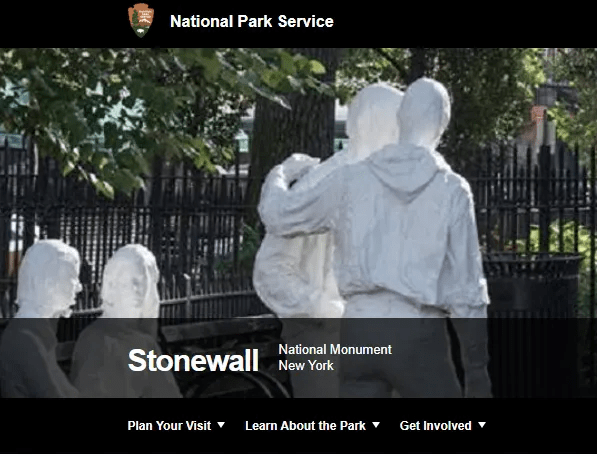
                                                                    Earlier this year, the Trump administration digitally erased transgender people from the Stonewall National Monument, scrubbing them from the history they helped shape. The decision sparked widespread protests at the civil rights landmark and raised alarm about broader efforts to censor transgender people from the public record. Now, new signs suggest the administration has set its sights on another target: bisexual people. Key historical and cultural pages associated with the Stonewall site have been updated to describe the uprising as a milestone for “gay and lesbian rights,” quietly removing any mention of bisexual or transgender individuals.

                                                                    Signs that the pages dedicated to Stonewall were being tampered with emerged early in Trump’s second presidency. Before the first update, the Stonewall National Monument page acknowledged that “before the 1960s, almost everything about living openly as a lesbian, gay, bisexual, transgender, or queer (LGBTQ+) person was illegal.” The revised version then stated, “almost everything about living openly as a lesbian, gay, bisexual (LGB) person was illegal.” Now, a new version of the page indicates that “Before the 1960s, almost everything about living authentically as a gay or lesbian person was illegal.”

                                                                    You can see the changes here:

                                                                    The changes were not limited to the front page. In the “History and Culture” section, the page once indicated “Stonewall was a milestone for LGBTQ civil rights that provided momentum for a movement.” Then it was changed to “Stonewall was a milestone for LGB civil rights that provided momentum for a movement” by the Trump administration. Now, the page says that it was a milestone for “gay and lesbian” civil rights. Likewise, the page now reads that living “openly as a member of the Stonewall comunity |SIC| was a violation of law,” rather than living as an openly LGBTQ+ person, as it had previously read.

                                                                    The erasure is historically inaccurate. Stonewall was heavily led by transgender and gender-nonconforming leaders like Sylvia Rivera, Marsha P Johnson, and Zazu Nova. At Stonewall, Sylvia Rivera famously stated that while she did not “throw the first Molotov cocktail,” she did throw the second. Transgender woman Zazu Nova is among those credited with “throwing the first brick,” sparking the uprising. Marsha P. Johnson, another key figure in the protests that followed, played a critical role in shaping the movement.

                                                                    Likewise, bisexual people played a pivotal role in the Pride movement that emerged from Stonewall. Brenda Howard, a bisexual rights activist often referred to as “the mother of Pride,” helped organize the rally that became the Christopher Street Liberation Day March on the first anniversary of the uprising. Both transgender and bisexual people have long viewed Stonewall as a civil rights milestone—and for good reason. Living openly as either in the 1960s carried enormous risk, and both communities were targeted in the police raid that sparked the movement.

                                                                    These edits were not the only ones made to Stonewall since Trump took office. Individual pages dedicated to transgender figures instrumental in the Stonewall uprising were also altered to erase transgender references. The changes were often sloppy and rushed, revealing the haphazard nature of the effort. In one glaring example, Sylvia Rivera’s section originally stated, “At a young age, Sylvia began fighting for gay and transgender rights.” The revised version read, “gay and rights,” with the word “transgender” removed entirely, rendering the sentence nonsensical:

                                                                    Bisexual, transgender, and queer people were at the forefront of the Stonewall movement. Though the language was still evolving, many of the patrons defied conventional categories of gender and sexuality, refusing to be neatly classified. Erasing them from Stonewall is not only historically false—it is a deliberate act of political revisionism. The recent removal of “bisexual” from official Pride histories is a warning: attacks on transgender people will never stop with us. They are part of a broader effort to narrow the scope of who is allowed to belong, to be seen, and even to be remembered.

                                                                    A school district just banned rainbow flags. It may soon remove protections for LGBTQ+ students too.

                                                                    Read more at LGBTQ Nation.

                                                                    The school board of Johnston County, North Carolina, voted 4-2 to ban district schools from displaying rainbow Pride flags on Tuesday. The ban is just the latest in a long line of conservative efforts to ban the LGBTQ+ flag from schools and government property.

                                                                    According to The Raleigh News & Observer, the newly approved policy states: “Principals and teachers shall limit displays in the classrooms, school buildings, ball fields, school grounds, and buses, such as signs and flags, to materials that represent the United States, the state of North Carolina, Johnston County, the school name, mascot, post-secondary institutions, school-sponsored events, sponsorships, military flags, family photos, student art and/or the approved curriculum.”

                                                                    One board member who voted against the measure, Kay Carroll, said, “It’s important that they know when they see somebody wear a human rights pin or a rainbow pin, the message is that this is a safe place for people in the LGBTQ+ community…. It’s comforting to see these symbols of acceptance and tolerance. When they see these symbols — which are signals — they know they are safe to be their authentic selves. We’re just treating human beings decently.”

                                                                    The school board claimed that it will continue to support “all students and school employees.” However, the board is currently considering removing sexual orientation and gender identity from its anti-bullying and anti-discrimination policies. The board will re-vote on the removal soon after failing to advance the measure in a 3-3 tie vote last Tuesday.

                                                                    Numerous school districts nationwide have banned the display of Pride flags, with conservative school board members claiming that the flags are a “divisive” form of “indoctrination.”

                                                                    However, recent polling by the Trevor Project suggests that LGBTQ+ students may benefit from visible displays of support, considering that 39% of LGBTQ+ young people and 46% of trans and nonbinary young people reported attempting suicide in the past year, and 49% of respondents between ages 13 to 17 said they experienced bullying in the past year. Young people who were bullied were also significantly more likely to have attempted suicide in the past year.

                                                                    Earlier this year, both Utah and Idaho became the first U.S. states to pass laws restricting the flying of Pride flags in schools and on government property. The move led the capital city governments of Salt Lake City, Utah, and Boise, Idaho, to designate the Pride flags as official city flags, so they can still fly them under the bans.

                                                                    Blog at WordPress.com.

                                                                    Up ↑