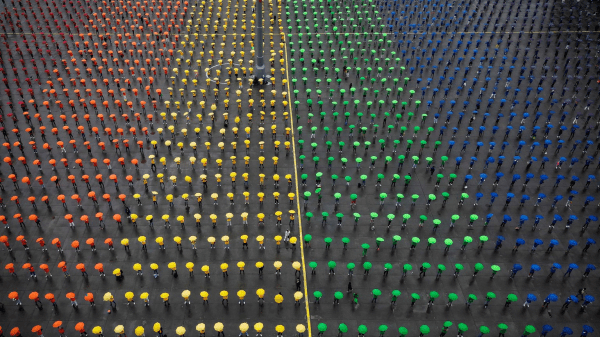
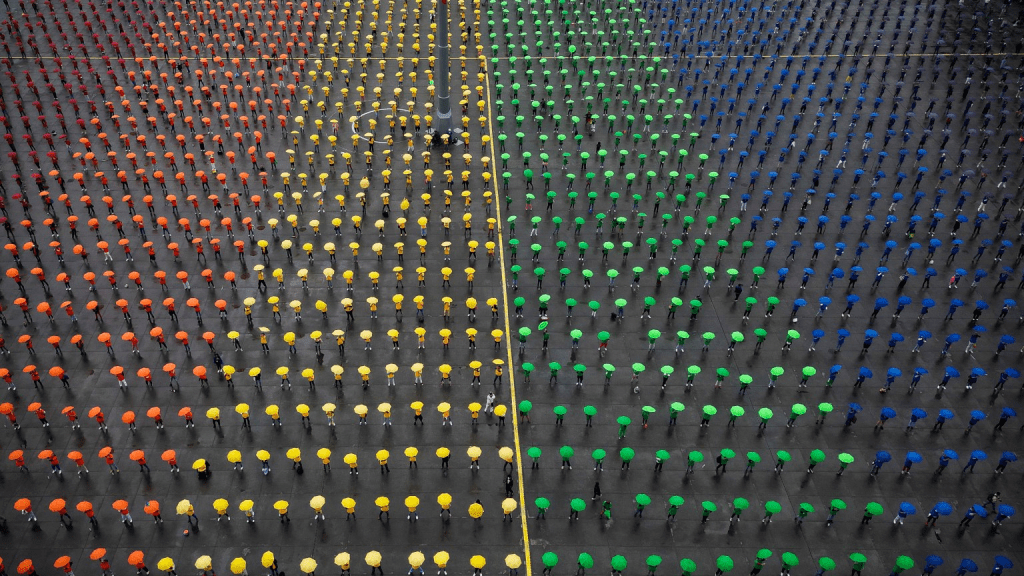
On Sunday (22 June), in celebration of Pride, more than 5000 LGBTQ+ activists and allies gathered in Mexico City’s Zócalo Public Square to form what is believed to be the “world’s largest human LGBTQ+ flag”.
As rain showered down, participants held up colourful umbrellas in their matching coloured t-shirts to create the Pride flag formation.
Also in the formation was Mexico City Mayor, Clara Brugada, who said during the event, as reported by The Latin Times: “Mexico City is and will continue to be the city of rights and freedoms. This monumental image we draw with our bodies and colours will be a powerful message to the country and the world.
“Mexico City is the capital of pride, diversity, peace, and transformation.”
The show of solidarity, which lasted two hours, was organised by Mexico City’s government, and is the largest event of its kind in Mexican history.
Shots of the formation were captured by drone, with the images and videos going viral on social media. Many expressed their joy at seeing such unity in the city, with one comment under a video of the display reading: “I will forever be proud to be a Mexican”.
Last year, in a historical moment, Claudia Sheinbaum became the first woman to be elected president of Mexico. Sheinbaum, who is also the first Jewish president in Mexico, has expressed want to combat gender-based violence and improve rights for LGBTQ+ people.
A church leader in Indianapolis is doubling down on a sermon delivered at the Sure Foundation Baptist Church in the state’s capital city last week that called on gay people to “blow yourself in the back of the head,” among other incendiary statements.
Church leader Justin Zhong endorsed the remarks delivered by lay pastor Stephen Falco during a Men’s Preaching Night service on June 29, including his assertion that, “There’s nothing good to be proud about being a f*g. You ought to blow yourself in the head in the back of the head. You’re so disgusting.”
The church posted the sermon to YouTube, and it was widely denounced by members of the LGBTQ+ community and allies who called the hate-filled screed “theologically irresponsible” and “pastorally dangerous.”
YouTube has since removed the video for violating its terms of service. A portion of the sermon was reposted by radio station 93 WIBC Indianapolis.
“Why do I hate sodomites, why do I hate f*gs? Because they attack children, they’re coming after your children, they are attacking them in schools today, and not only schools in public places, and they’re proud about it!” Falco said during the Pride month sermon titled “Pray the gay away.”
Another man identified in the same video as “Brother Wayne” followed Falco at the pulpit with a sermon he called “Worthy of Being Beaten,” according to the Indianapolis Star. He blamed society’s moral decline on a lack of discipline and physical punishment, calling beatings a deterrent that have been lost in American culture, while aiming his harshest rhetoric at immigrants and the LGBTQ+ community.
“I don’t even understand why we’re deporting these illegal criminals who are murderers, who are doing drug trafficking, sex trafficking, human trafficking. They’re putting them on a plane, and they’re sending them over to a prison in another country,” he said. “I say we put them to death right here. I say we beat them right here.”
Brother Wayne said of gay people, “I think they should be put to death. You know what, I’ll go further. I think they should be beaten in public first for all their sick and demented, just [slur] and the things they’re doing to our schools, to our government, to our institutions, to our churches. These people should be beaten and stomped in the mud, and then they should take a gun and blow the back of their heads off.”
While not officially associated with the notorious New Independent Fundamental Baptist Church, which has long espoused the death penalty for gay people, Sure Foundation Baptist Church says their pastor, Aaron Thompson, is a new IFB church member from Vancouver, Washington.
Both churches are “KJV only”, referring to their literal interpretation of the gospel from the King James Bible.
“The Bible is crystal clear that sodomites – homosexuals – deserve the death penalty carried out by a government that actually cares about the law of God,” said church leader Zhong in Falco’s defense.
“I will not apologize for preaching the Word of God. I will not apologize for stating facts. I will not negotiate with terrorists, among whom the LGBTHIV crowd is full of domestic terrorists,” Zhong said, before citing multiple verses from the Bible to make his church’s case on Facebook.
A sermon by Falco in March even directed ire at Donald Trump for appearing religious to secure political support while having a life of pride, perversion, blasphemy, and mockery of Jesus Christ.
He cited Trump’s declaration that he would date his own daughter if they weren’t related.
“Unless Donald Trump gets saved, which I hope he does … God will judge him for it and he will go to hell.”
In his June sermon, Falco also wished death on former President Joe Biden, whom he described as “a wicked reprobate.”
“I have prayed for the death of former President Biden many times,” he boasted.
But Falco’s most outlandish and threatening rhetoric was reserved for the LGBTQ+ community, which he shouted down as “evil” and “disgusting”.
Allies and activists rallied in the community’s defense, including an association of Black churches and activists.
“Such messages are not only theologically irresponsible but pastorally dangerous,” faith-based civil rights group Concerned Clergy of Indianapolis said in a statement. “The pulpit must never be used as a weapon to dehumanize, isolate, or incite fear.”
Equality Indiana called Falco’s sermon inflammatory and extremist, saying it could inspire violence against the community.
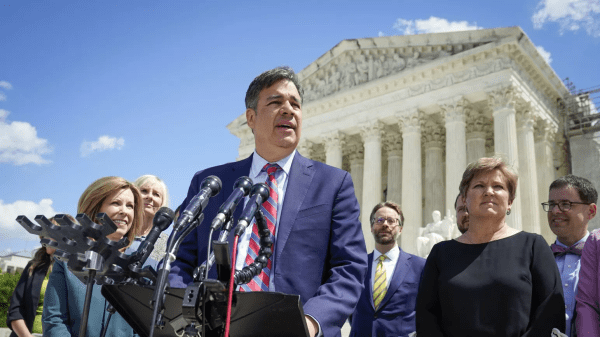
The attorney general of Idaho issued an opinion telling schools not to allow teachers to post signs that say “Everyone is Welcome Here,” claiming that the message that public education is for everyone regardless of race, gender, sexual orientation, or other categories is Democratic in nature and therefore illegally partisan.
“These signs are part of an ideological/social movement which started in Twin Cities, Minnesota, following the 2016 election,” Idaho Attorney General Raúl Labrador (R) said in guidance issued to a school. “Since that time, the signs have been used by the Democratic party as a political statement.”
.Labrador also noted that the state Democratic Party is selling signs that say “Everyone is Welcome Here,” but state Democrats say that they only started selling those signs at cost in order to draw attention to conservatives’ early attempts to ban them.
The conflict centers on Idaho’s H.B. 41, which took effect last week and bans school employees from displaying flags or banners that show “opinions, emotions, beliefs or thoughts about politics, economics, society, faith or religion.”
Earlier this year, the state’s West Ada School District banned Sarah Inama, a teacher at Lewis and Clark Middle School, from displaying a sign that says, “Everyone is Welcome Here.” It showed a drawing of people’s hands with different skin tones, each with a heart on it.
The district also ordered her to take down another sign that read, “In this room everyone is welcome, important, accepted, respected, encouraged, valued, equal” on top of a background of rainbow colors. The rainbow colors included seven stripes, which differs from the six-striped rainbow Pride flag.
The controversy over the signs garnered national headlines in March, and the state attorney general’s office looked into how the law would apply in such cases, issuing an opinion last week.
The attorney general determined that these specific signs would violate H.B. 41 and claimed that the statements in the signs are part of a political movement and not, as defenders of the signs argued, generally agreed-upon beliefs about the nature of public education.
Labrador’s guidance hyperlinked a 2017 news story about a group of women who protested racist graffiti that appeared at a local high school the day after the president was elected to his first term, according to the Idaho Capital-Sun, which posted the attorney general’s opinion. The women carried signs that read, “All are Welcome Here.”
The guidance then claimed that Inama started posting the “Everyone is Welcome Here” sign in 2017, “during the height of the above-referenced social movement.”
In March, Inama disagreed that the message is political or partisan.
“I don’t agree. I don’t agree that this is a personal opinion,” she told KTVB at the time. “I feel like this is the basis of public education.”
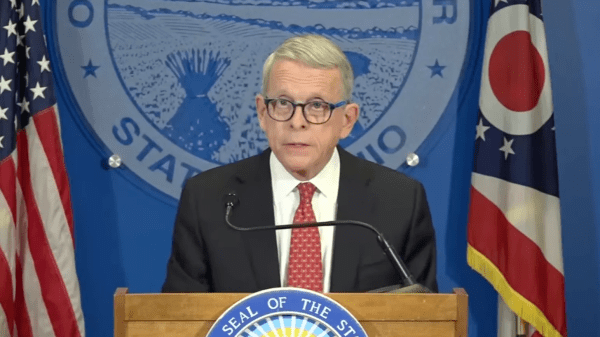
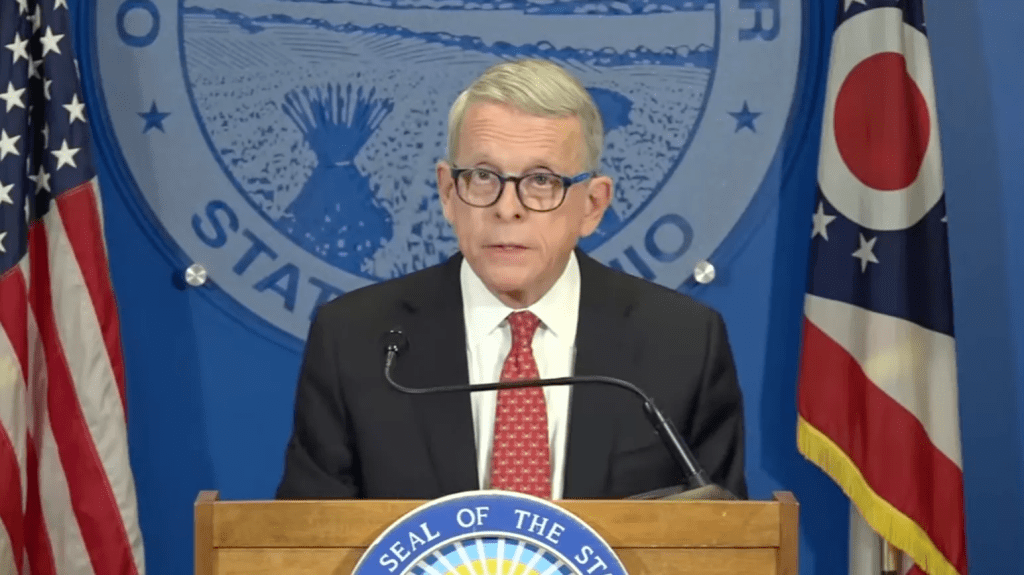
Ohio Gov. Mike DeWine (R) vetoed three anti-LGBTQ+ provisions in the state’s latest budget bill yesterday, in a partial victory for civil rights that still leaves several assaults on LGBTQ+ identity signed into law.
The budget passed by Republicans over Democrats’ objections included a raft of measures targeting the LGBTQ+ community, including a prohibition on flying the Pride flag on state property; defunding shelters that welcome trans youth; language defining sex in the state as binary; removing library books related to sexual orientation or gender identity from areas accessed by minors; and denying Medicaid funding for mental health services for transgender people.
DeWine vetoed the prohibition on the Pride flag, the defunding of youth shelters, and the mandate on library materials.
“The budget is supposed to be a reflection of Ohio’s shared values,” Equality Ohio said in a statement shared with the Columbus Dispatch after the governor vetoed the provisions. The group said lawmakers tried to make the bill “a vehicle for cruelty.”
“But because of community action—because we showed up, we sent emails, we made calls, and we told your stories — some of that cruelty was stopped in its tracks,” the organization said.
DeWine, a lifelong conservative and former United States senator, was circumspect in explaining the reasoning behind his vetoes.
On the subject of youth shelters, DeWine told reporters, “We want homeless shelters to be open for everyone. That’s kind of it.”
Of the library provision, which ordered books addressing LGBTQ+ identity kept “out of sight” of minors, the governor said, “As parents or grandparents, no one wants their child to have a book or something that is inappropriate, something that is obscene. But I just felt that the language did not work.”
The provision banning the Pride flag would have limited flags flown on state properties to the American flag, the Ohio flag, the POW/MIA flag, and flags of official state agencies.
Wins for MAGA Republicans in the GOP-dominated Ohio House and Senate included copycat language from the president’s “gender ideology” executive order mandating the government recognize only two biological sexes, male and female, as well as a ban on Medicaid funding for mental health services for transgender people.
How the latter would be enforced in a mental health setting has yet to be tested and will likely be challenged in court.
DeWine also let stand a prohibition on distributing menstrual products in men’s public restrooms.
Republican leaders can override any of DeWine’s line-item vetoes between now and the end of the two-year legislative session in December 2026. The GOP holds overwhelming and veto-proof majorities in both the House and Senate.
In January 2024, Republicans overrode DeWine’s veto of a bill banning gender-affirming care for minors and trans women and girls from participating in school sports in the state.
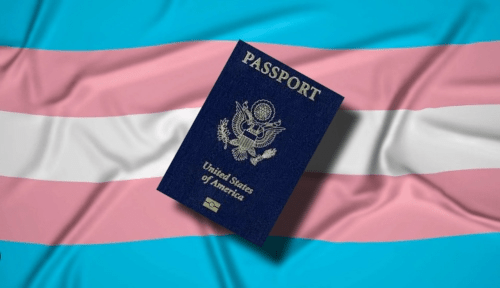
After two weeks of noncompliance with a court order from a class action lawsuit, the State Department’s help page, updated two days ago, indicates that transgender people can get a passport with their authentic gender at least temporarily, as Orr. Vs. Trump moves through the legal process.
On June 17, 2025, U.S. District Judge Julia Kobick in Boston expanded a preliminary injunction she issued in April that allowed six transgender and nonbinary individuals who challenged the policy to obtain passports consistent with their gender identities or with an “X” sex designation while the lawsuit moves forward, Reuters Reports.
Kobick did so after concluding the policy the U.S. Department of State adopted pursuant to an executive order Trump signed likely discriminated on the basis of sex and was rooted in an irrational prejudice toward transgender Americans that violated the U.S. Constitution’s Fifth Amendment.
Support for marriage equality varies greatly around the world, with Western European countries most heavily in favor, according to a new Pew Research Center analysis.
Pew has conducted surveys in 32 countries in the past two years. Support was highest in Sweden, where 92 percent of respondents favored equal marriage rights for same-sex couples. Other countries Western Europe were not far behind, with 89 percent support in the Netherlands, 87 percent in Spain, 82 percent in France, and 80 percent in Germany. Each of those countries has legalized same-sex marriage.
In Italy, where legalization is being debated but hasn’t yet happened, 73 percent of respondents endorsed marriage equality. In the United Kingdom, support stood at 74 percent, and all parts of the U.K. have enacted marriage equality.
The situation was much different in the Eastern European countries Pew has surveyed, with just 41 percent support in Poland and 31 percent in Hungary.
In North America, 79 percent of Canadians and 63 percent of both U.S. residents and Mexicans backed marriage equality. In the U.S., there were stark differences along party lines. Eighty-two percent of Democrats and Democratic-leaning independents were supportive, compared to 44 percent of Republicans and Republican leaners. Age differences showed up in the U.S. too, with 73 percent of respondents under 40 being supportive, compared to 57 percent of those 40 and older.
In the two South American countries surveyed, there was majority endorsement of marriage equality — 67 percent in Argentina and 53 percent in Brazil. Both countries have legalized same-sex marriage.
Surveys of the Asia-Pacific region showed 75 percent support of equal marriage rights in Australia, which OK’d marriage equality in 2017. In Taiwan, the only Asian country with marriage equality, 45 percent of respondents were in favor and 43 percent still opposed, with the rest undecided. There was majority support in Japan, Vietnam, Hong Kong, Cambodia, and India; the latter’s highest court “recently rejected a petition to legalize same-sex marriage,” Pew notes. The survey there was conducted before the ruling. Indonesia had the lowest amount of support among Asian countries, with 5 percent.
In Africa and the Middle East, Pew found 38 percent of both South Africans and Israelis in favor of marriage equality, but just 9 percent of Kenyans and 2 percent of Nigerians. Nigeria came in lowest of all the countries surveyed.
Around the world, Pew found that younger people were more likely to support marriage equality than older ones, women more likely than men, and liberals more likely than conservatives. The ideological split is greatest in the U.S., with 90 percent of liberals endorsing marriage equality and just 36 percent of conservatives. Globally, people with higher levels of education and income were more supportive than those with lower levels.
Virginia officials have agreed not to fully enforce a 2020 law banning conversion therapy for minors as part of an agreement with a faith-based conservative group that sued over the law, authorities said earlier this week.
The Virginia Department of Health Professions, represented by the state’s office of the attorney general, entered into a consent decree with the Founding Freedoms Law Center last month, saying officials will not discipline counselors who engage in talk conversion therapy.
Shaun Kenney, a spokesperson with the Virginia Attorney General’s Office, said on Tuesday his office was satisfied with the consensus.
“This court action fixes a constitutional problem with the existing law by allowing talk therapy between willing counselors and willing patients, including those struggling with gender dysphoria,” Kenney said in a statement. “Talk therapy with voluntary participants was punishable before this judgment was entered. This result—which merely permits talk therapy within the standards of care while preserving the remainder of the law—respects the religious liberty and free speech rights of both counselors and patients.”
A Henrico Circuit Court judge signed the consent decree in June. Two professional counselors represented by the law center sued the state’s health department and counseling board last September, arguing that the law violated their right to religious freedom.
The term “conversion therapy” refers to a scientifically discredited practice of using therapy in an attempt to convert LGBTQ people to heterosexuality.
The practice has been banned in 23 states and the District of Columbia, according to the Movement Advancement Project, an LGBTQ rights think tank.
The practice has been a matter of dispute in several states. A ruling is expected any day from the Wisconsin Supreme Court over whether a legislative committee’s rejection of a state agency rule that would ban the practice of “conversion therapy” for LGBTQ people was unconstitutional.
The U.S. Supreme Court decided in March to take up a case from Colorado to determine whether state and local governments can enforce laws banning conversion therapy for LGBTQ children.
According to the law center, the Virginia consent decree applies not only to the two counselors but to all counselors in Virginia.
“We are grateful to the Defendants in this case and to the Attorney General, who did the right thing by siding with the Constitution,” the law center said in a statement.
Democratic Senate Majority Leader Scott Surovell, who backed the 2020 bill, blasted the decree.
“This was a statute that was enacted to save lives,” he told reporters during a Zoom session on Tuesday. “All the research, all the professional psychiatric organizations have condemned conversion therapy. They say it doesn’t work, and they say it’s counterproductive.”
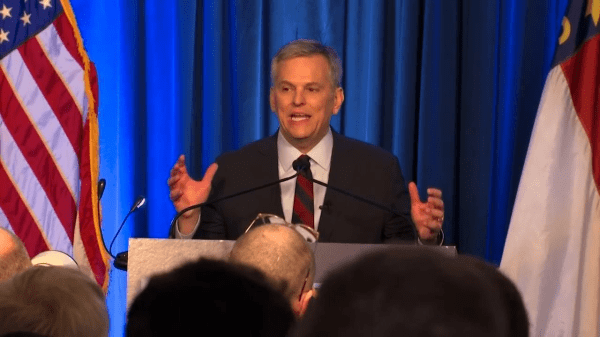
Criticizing the state legislature for failing to pass a new state budget because lawmakers are too focused on culture war political fights, Gov. Josh Stein on Thursday vetoed four bills targeting diversity and gender issues.
Senate Bill 558, Senate Bill 227, House Bill 171 all deal with efforts to crack down on pro-diversity efforts in public schools and state government agencies. Supporters have cited Republican President Donald Trump’s efforts to attack diversity, equity and inclusion programs in federal government and say North Carolina similarly needs to eliminate DEI.
The fourth bill, House Bill 805, started as an effort to help people take down private photos or videos of themselves from the internet and passed the state House unanimously. But the state Senate then turned the bill into a grab-bag of social conservative issues about transgender people and other issues related to gender and LGBTQ rights, and the House also agreed to pass that new version of the bill which Stein has now vetoed in addition to the DEI bills.
Meanwhile, when the state’s new fiscal year began this week, state lawmakers were on vacation without having passed a new budget. They’ve made no progress on negotiations for a spending plan and, just before the legislature adjourned, House Speaker Destin Hall told reporters the GOP lawmakers had such strong disagreements on how to fund state government that it’s possible no budget deal gets passed at all until sometime next year.
Stein said that his vetoes highlight his belief that the Republican-led legislature has its priorities all wrong.
“At a time when teachers, law enforcement, and state employees need pay raises and people need shorter lines at the DMV, the legislature failed to pass a budget and, instead, wants to distract us by stoking culture wars that further divide us,” Stein wrote. “These mean-spirited bills would marginalize vulnerable people and also undermine the quality of public services and public education. Therefore, I am vetoing them. I stand ready to work with the legislature when it gets serious about protecting people and addressing North Carolinians’ pressing concerns.”
State House Majority Leader Rep. Brendan Jones, R-Columbus, has been a key proponent of the anti-DEI measures and criticized Stein’s veto Thursday.
“I find it odd that Gov. Stein is against merit based hiring in state government,” Jones said. “I look forward to overriding this veto.”
The vetoes come a day after Stein also vetoed three other bills including a Duke Energy-backed bill to let the utility giant avoid climate goals and change the way it charges North Carolinians.
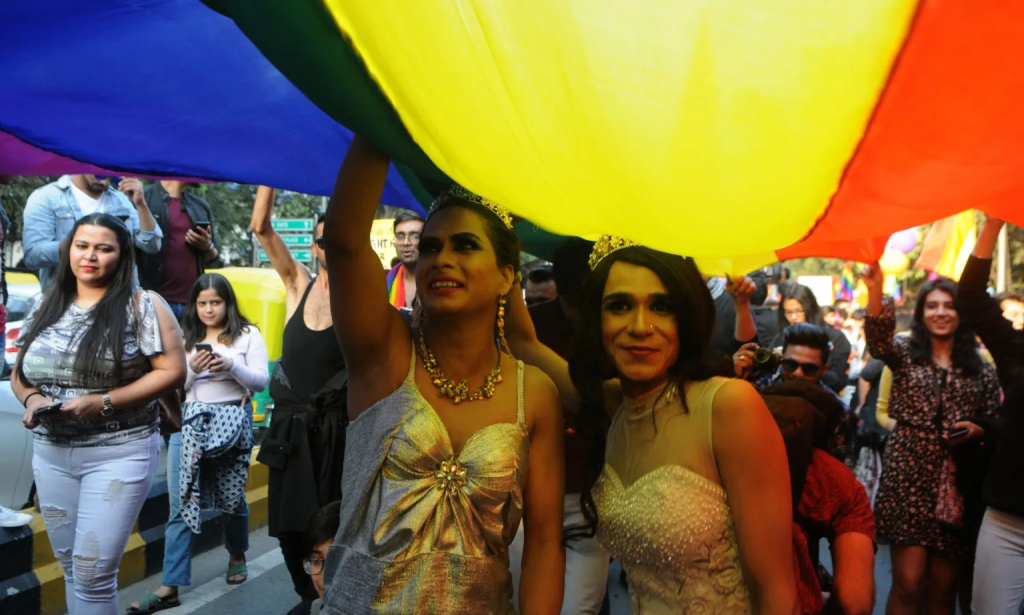
In a landmark ruling for the country, after rejecting claims that womanhood was preserved only for those who can bear children, the High Court of Andhra Pradesh ruled that trans women were “legally entitled” to recognition as women.
Presiding over the case, justice Venkata Jyothirmai Pratapa decided that tying the definition of women to pregnancy was “legally unsustainable” and contradicted India’s constitution, which emphasises equality before the law.
Quoting a Supreme Court decision from 2014, which legally recognised the rights of “third gender” individuals, Pratapa said that prohibiting trans women’s right to identify as women “amounted to discrimination”.
The case was brought to the high court in 2022 after transgender woman Pokala Shabana looked to use a section of the Indian penal code to seek protection from her in-laws, whom, she said, had been abusive towards her.
Her husband’s parents petitioned the court to deny her use of Section 498A, which protects women from cruelty by a husband or relatives, arguing that it only applied to cisgender women. They claimed that trans women don’t meet the legal definition of women under Indian law because they cannot get pregnant and said Shabana’s allegations of harassment lacked evidence.
However, the judge said that articles 14, 15 and 21 of the constitution, which guarantee a variety of discrimination protections, including the right to life and personal liberty, meant trans women’s rights to be recognised as women superseded the law.
“A trans woman, born male and later transitioning to female, is legally entitled to recognition as a woman,” he wrote in his ruling. “Denying such protection by questioning their womanhood amounts to discrimination.”
Trans activist and artist Kalki Subramaniam told the Washington Blade that she was relieved and delighted to see the court “upholding our basic human right to be identified as what we want.” She went on to say: “For [the] transgender community, especially trans women, this verdict means a lot.”
The Indian government has been under mounting pressure to modernise its laws and policies on LGBTQ+ rights. Same-sex marriage is still illegal, despite growing support for its legalisation.
Prime minister Narendra Modi’s government have previously labelled same-sex marriage an “elitist” viewpoint that “seriously affects the interests of every citizen”.
An affidavit establishing the government’s views on same-sex unions, in 2023, proclaimed that marriage was valid only between “biological males and females [and that] this definition [was] socially, culturally and legally ingrained into the very idea and concept of marriage and ought not to be disturbed or diluted by judicial interpretation”.
Pride Month is not quite over yet! Just in time for some more LGBTQ friendliness is this list from Big 7 Enjoy Travel. They rank the top 30 LGBTQ friendly cities on the planet.
For a city to rank highly as LGBTQ+ friendly, first and foremost, it needs to protect LGBTQ+ people with laws and legislation. Then, it needs a vibrant gay nightlife and dating scene, whether within a gay village or across the city. Either way, there needs to be a safe community for LGBTQ+ people, as well as open-minded citizens and low levels of hate crime.
Ranking criteria:
Gay Index Rating – measures how safe a country is for LGBT people, considering the legal situation and living conditions
Equality Index Rating – measures the status of LGBT rights, laws, and freedoms as well as public attitudes towards LGBT people
The final scores show the Top 30 LGBTQ+ Friendly Cities in the World! Here’s your ultimate gay-friendly travel list…
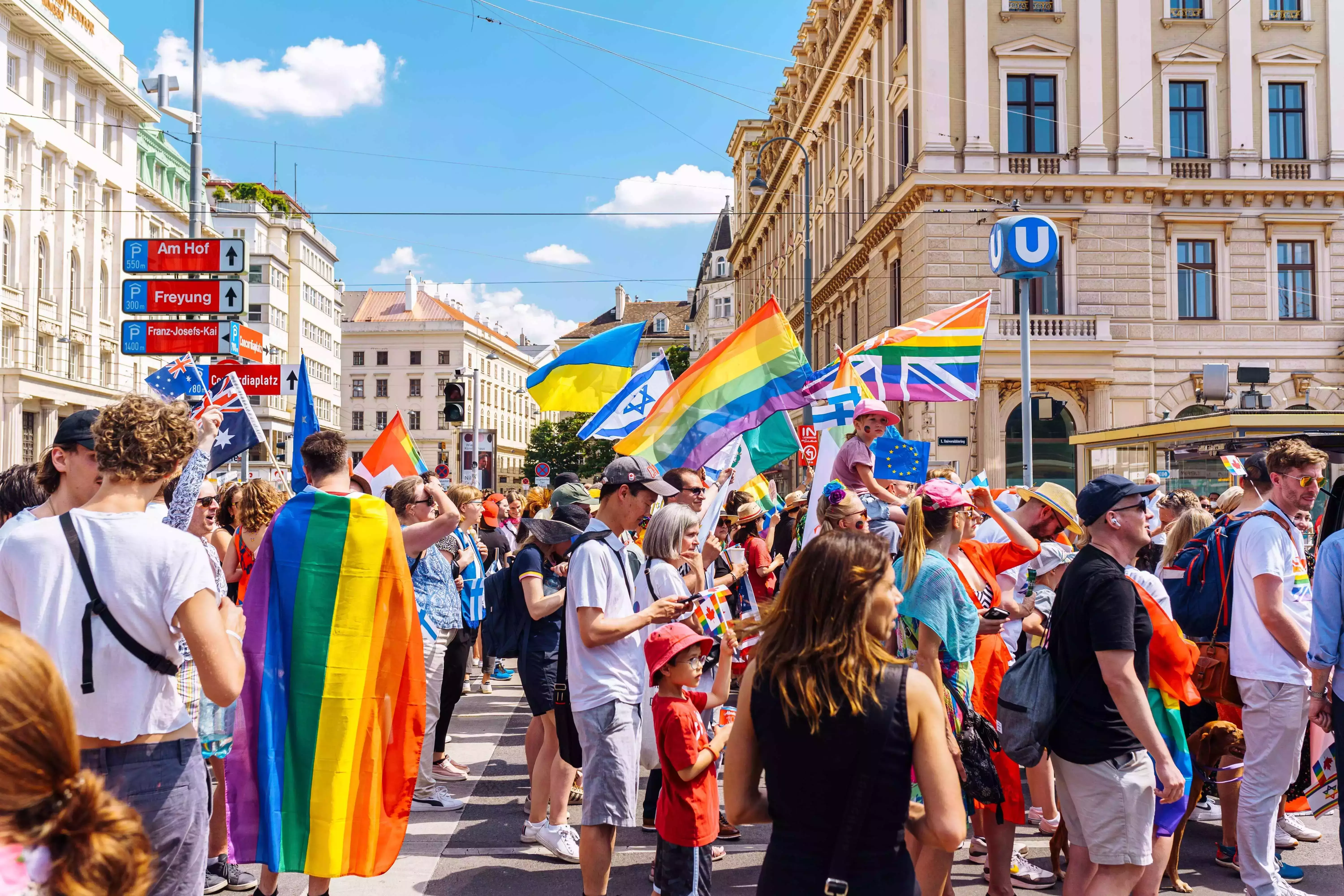
30. Vienna, Austria
Vienna is widely known for its gender, disability, LGBTQ and racial inclusivity and equality, with many parades, pride events and specialist causes. While Vienna doesn’t have a specific gay village or district, its Naschmarkt area is full of gay bars and clubs, making it a hotspot for LGBTQ+ members.
Vienna has also hosted the EuroPride and hosts an annual citywide Pride parade in June. Vienna is also an LGBTI Core Group member and has a reasonably high Gay Index Rating, making it a safe and appealing place for LGBTQ+ members. It’s safe to say that Vienna is a welcoming and inclusive city for not just LGBTQ+ people, but for everyone, no matter your sexuality, gender, religion or ethnic group.
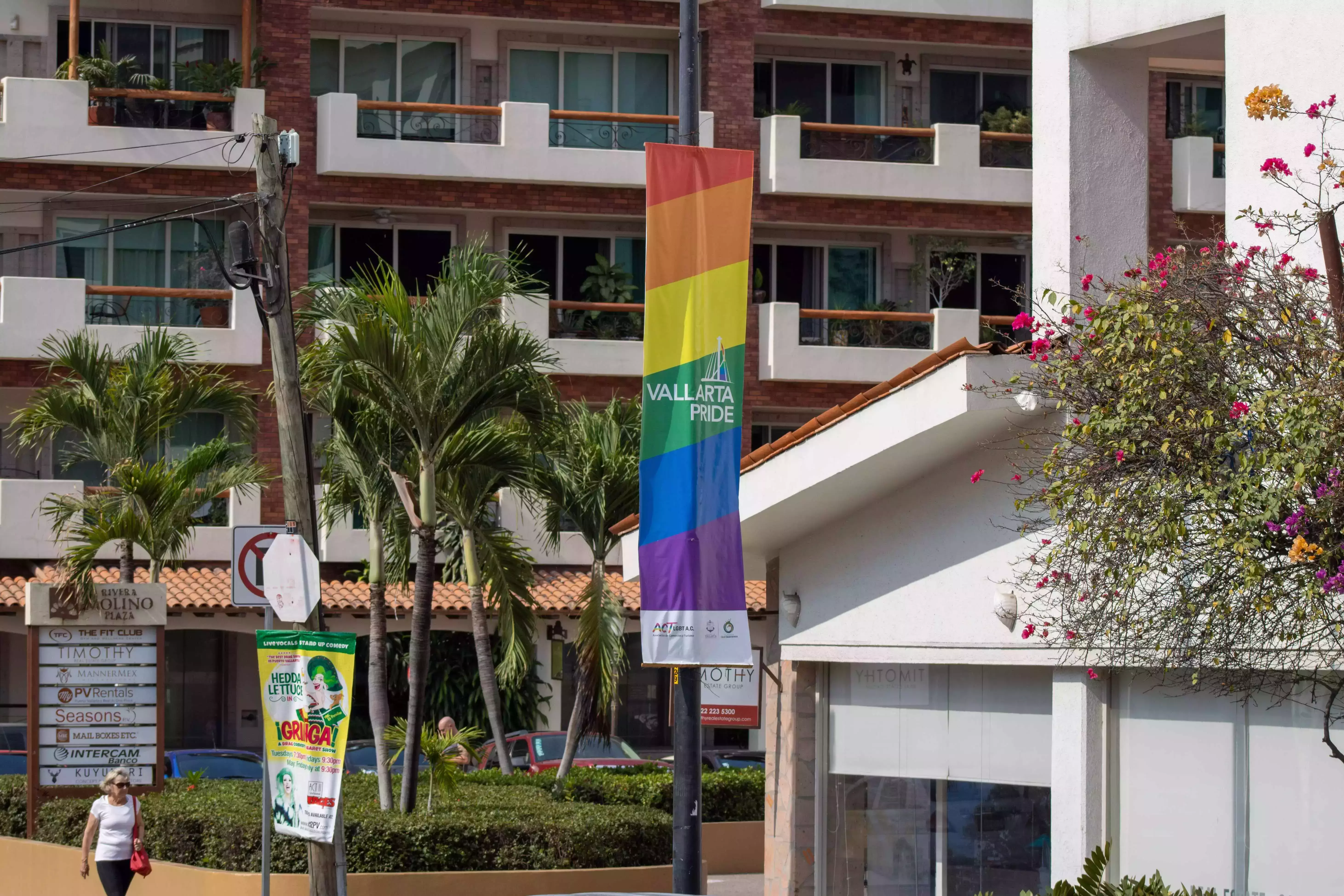
29. Puerto Vallarta, Mexico
You may not have heard of this city against its larger and more tourist-centred neighbours of Mexico City and Cancun, but Puerto Vallarta deserves to be celebrated for its strong LGBTQ+ representation and inclusivity. According to our rankings, Puerto Vallarta scored highly in terms of Gay Index Rating, and attendance to the city’s annual Pride event is significant.
Puerto Vallarta has been cited as the ‘gay capital of Mexico’, thanks to its bustling Zona Romantica area, which is heavily centred around LGBTQ+, with vibrant gay bars, inclusive hotels and lively clubs. While you’re likely to find LGBTQ+ friendly areas across Mexico, Puerto Vallarta is one of the best places to celebrate being a member of the community.
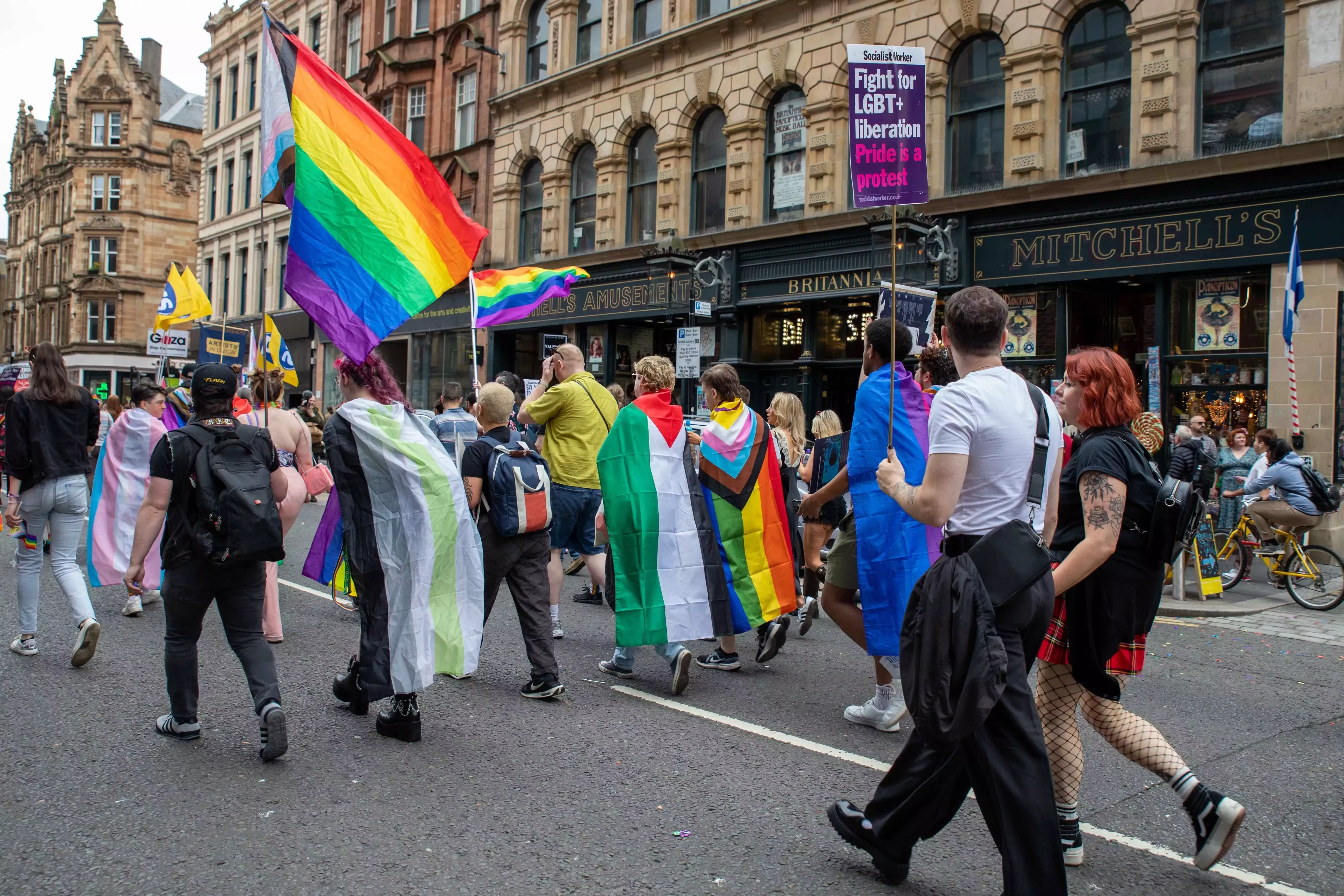
28. Glasgow, UK
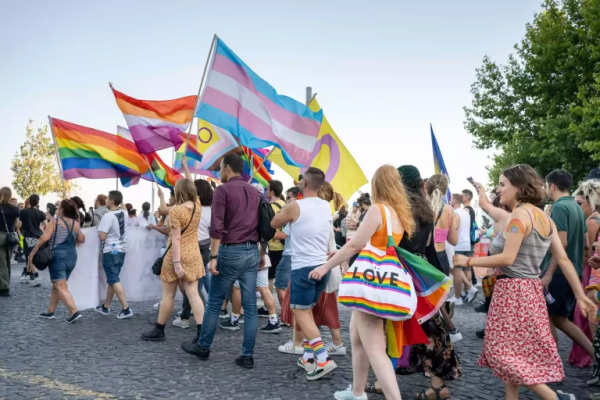
Glasgow, Scotland’s largest city, is a hub for inclusivity, with its lively Merchant City district being the LGTBQ+ capital. You can expect to find a variety of LGBTQ+ friendly bars and clubs, as well as a welcoming and open-minded atmosphere. Glasgow’s annual pride event amasses thousands of attendees each year, seeing proud members of the community come together to march and parade, surrounded by the signature rainbow flags.
Glasgow’s quality of life and general acceptance for the LGBTQ+ community is high, giving an indication of how strong its LGBTQ+ community and representation is. The city is also an LGBTI Core Group Member.
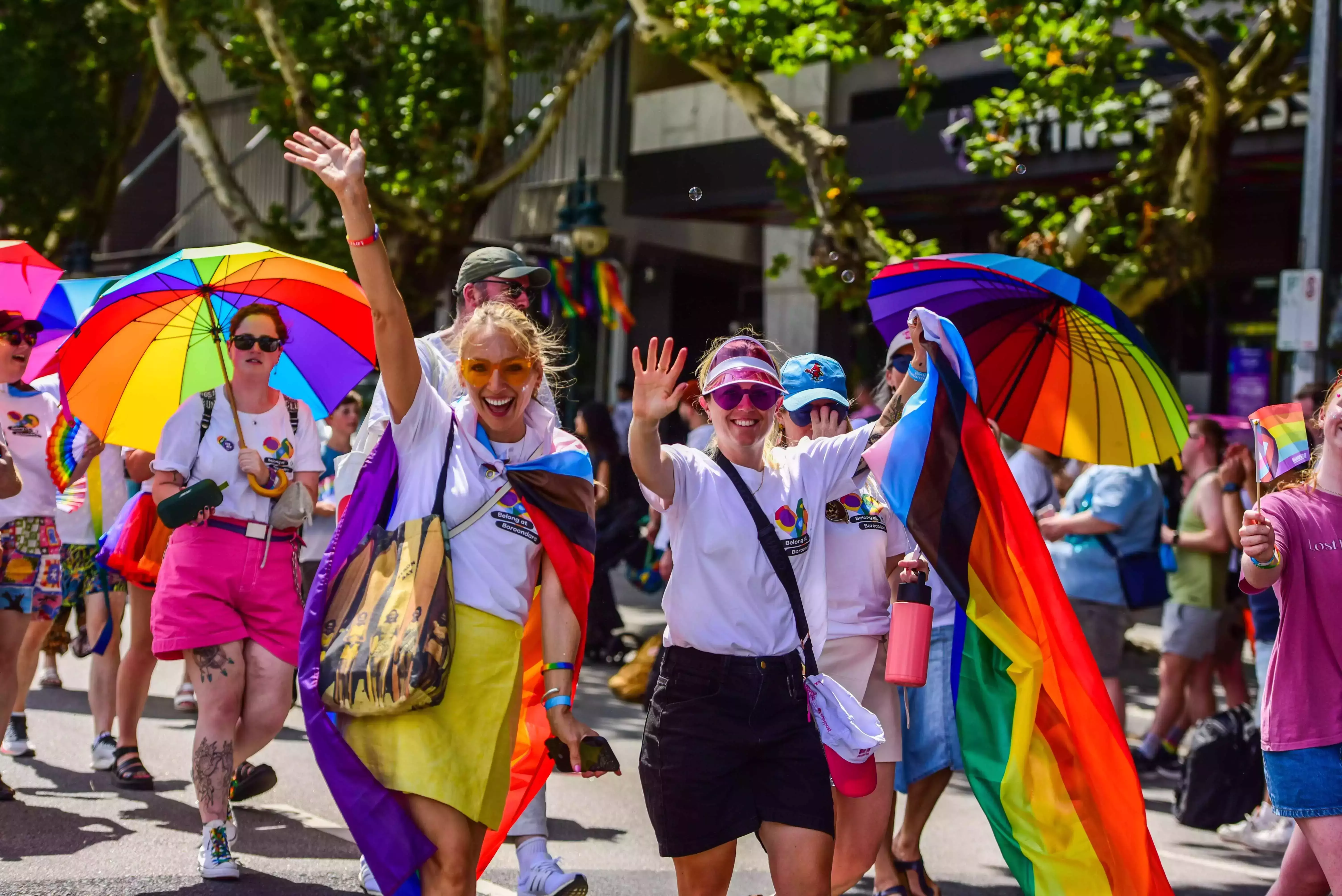
27. Melbourne, Australia
Melbourne is generally an accepting city for most types of groups within society, which gives an indication as to its welcoming and inclusive atmosphere. It scores highly on the Gay Index Rating, and is a member of the LGBTI Core Group, as well as scoring highly on the Equaldex Score. But, data aside, there is a thriving and welcoming community right at its core that appeals to all groups in society, whether members of the LGBTQ+ community or not.
Its annual Pride march has also surpassed 60,000 attendees in recent years. Melbourne’s Fitzroy area is considered to be the ‘gay village’, with a number of LGBTQ+ friendly bars and clubs and a buzzing atmosphere both before and after dark, but generally no matter where you go in Melbourne you’ll be met with a warm and friendly welcome.
26. Taipei, Taiwan
You may not commonly associate Taiwan with LGBTQ+ communities, but its capital Taipei has one of the largest LGBTQ+ presences, with a vibrant LGBTQ+ presence in its Ximen Red House area of the city, which features a lively and bustling scene with bars and clubs. Taipei is known for its inclusivity, and is perhaps a hidden gem amongst the most LGBTQ+ friendly cities, but definitely worth a visit. Taipei also hosts its annual Pride march, which is considered to be the largest of its kind in East Asia, seeing an attendance of more than 120,000 in recent years.
25. Barcelona, Spain
Barcelona, along with Madrid, are widely known as the LGBTQ+ capitals of Spain, with a high Gay Index Rating and a large Pride attendance across each city. Barcelona and the rest of Spain are highly regarded for their acceptance of the LGBTQ+ community, as Spain was one of the first countries in the world to legalise gay marriage in 2005. Barcelona has a thriving LGBTQ+ scene, with an abundance of gay bars, clubs and even beaches that cater to the LGBTQ + community – no matter where you go in Barcelona, you’ll be welcomed with open arms regardless of your sexual orientation or gender.
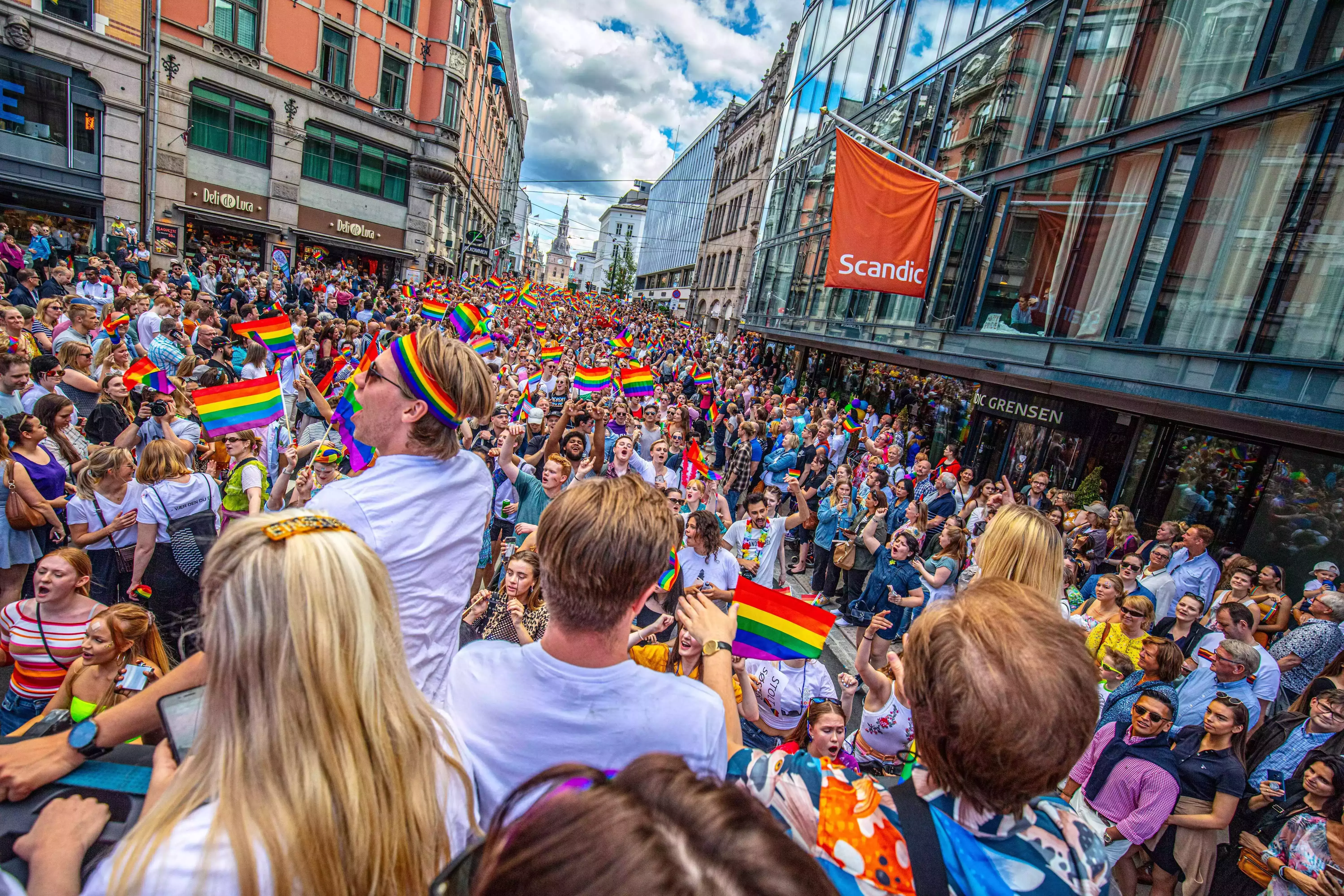
24. Oslo, Norway
Norway is commonly associated with being a liberal, inclusive and welcoming country, and its capital Oslo comes out on top in terms of LGBTQ+ representation and inclusivity. The city has high Equaldex Score and Gay Index Rating, so is a must-visit for members of the LGBTQ+ community. Did you know that Oslo also hosts an annual Pride event that has amassed around 90,000 attendees in recent years? Oslo’s main LGBTQ+ friendly area is Grünerløkka, where you’ll find a large collection of LGBTQ+ friendly bars, restaurants and clubs, although the city as a whole is welcoming and accepting no matter where you go.
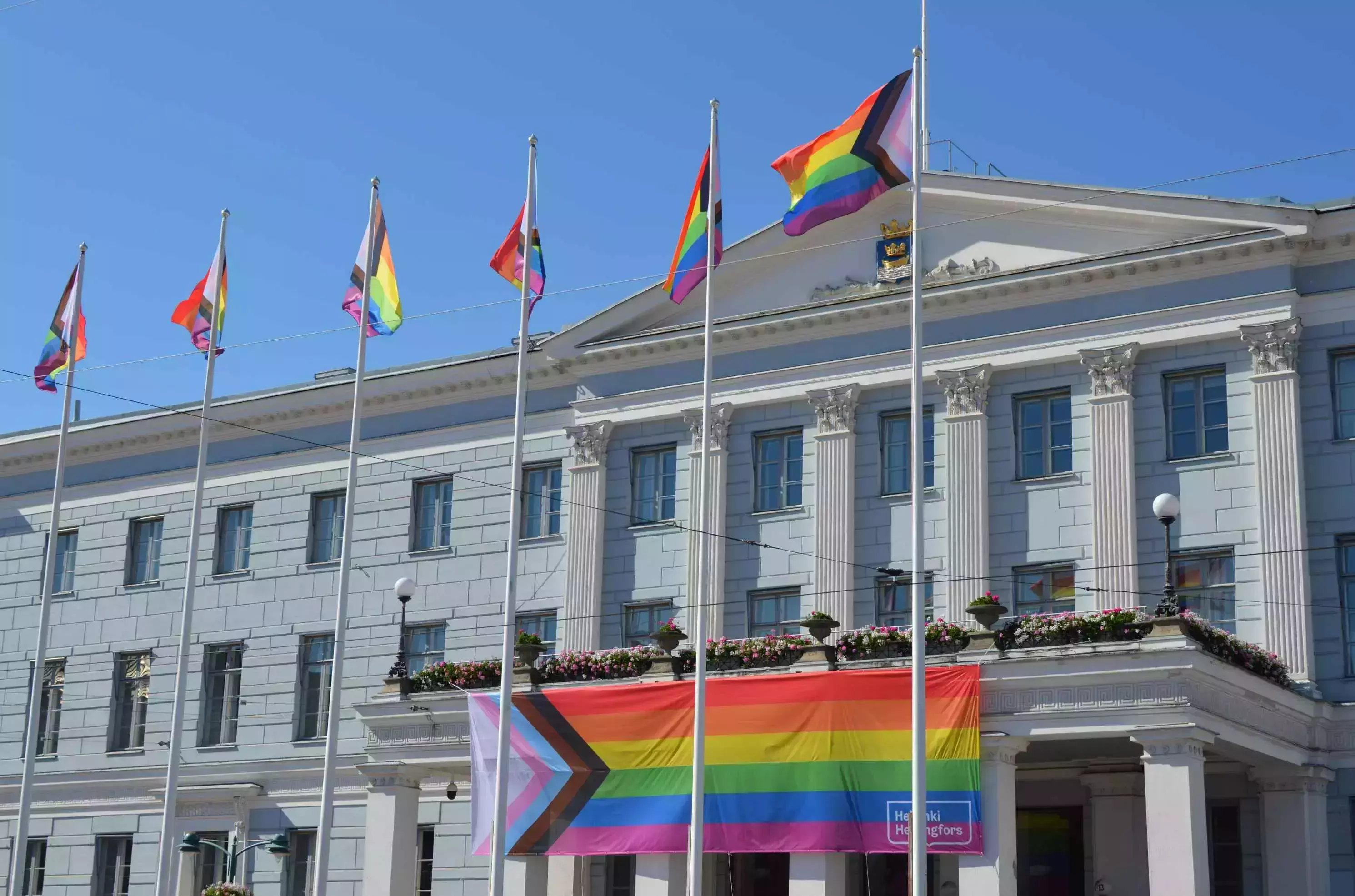
23. Helsinki, Finland
Scoring highly on both the Equaldex and Gay Index Rating, as well as having a large Pride attendance and overall LGBTQ+ presence, Helsinki is one of the best places to be if you want to feel welcomed with open arms in every corner of the city, no matter your sexual orientation, gender or who you identify as.
Helsinki’s annual Pride march and parade typically sees more than 100,000 attendees, giving an idea of how inclusive the city really is. Finland is known for being a progressive and liberal country, and same-sex marriage has been legal in the country since 2017, having been decriminalised since the early 1970s and views changing in the early 80s.
22. Montreal, Canada
Montreal is one of the LGBTQ+ capitals of Canada, celebrating the community with a designated ‘gay village’ district and a large attendance to the city’s annual Pride events. Montreal is considered a trailblazer in terms of promoting and accepting LGBTQ+ rights, as Quebec was the first province of Canada to ban discrimination around sexuality and sexual orientation in 1977. As with much of the rest of Canada, Montreal has since adopted a liberal and accepting stance on LGBTQ+ communities, and scores highly on both the Equaldex and Gay Index rankings.
21. Buenos Aires, Argentina
Argentina’s capital is often cited as the ‘gay capital of South America’, with a downtown district that is rife with gay bars, restaurants and clubs, and a high Gay Index Rating. Argentina was also the first Latin-American country to legalise same-sex marriage in 2010, and has since become the place to be in terms of inclusivity and LGBTQ+ rights.
Buenos Aires also has a large Pride attendance and citywide celebrations, with a thriving LGBTQ+ presence that makes the city rank highly for equality, inclusivity and representation. Aside from the obvious inclusivity that Buenos Aires offers, the city is a vibrant social hub and welcomes people from all social groups and communities.
20. Reykjavik, Iceland
Reykjavik has long been considered a haven for LGBTQ+ members and most groups in society, and although the city may be small, it packs a punch in terms of LGBTQ+ rights and representation. Reykjavik’s most recognisable street is so iconic thanks to its rainbow road, which indicates and highlights Reykjavik’s support for equality surrounding the LGBTQ+ community. Reykjavik’s Pride event is a large-scale affair, with thousands of locals and tourists attending to show their support. Reykjavik also has one of the highest Gay Index Ratings and Equaldex Scores.
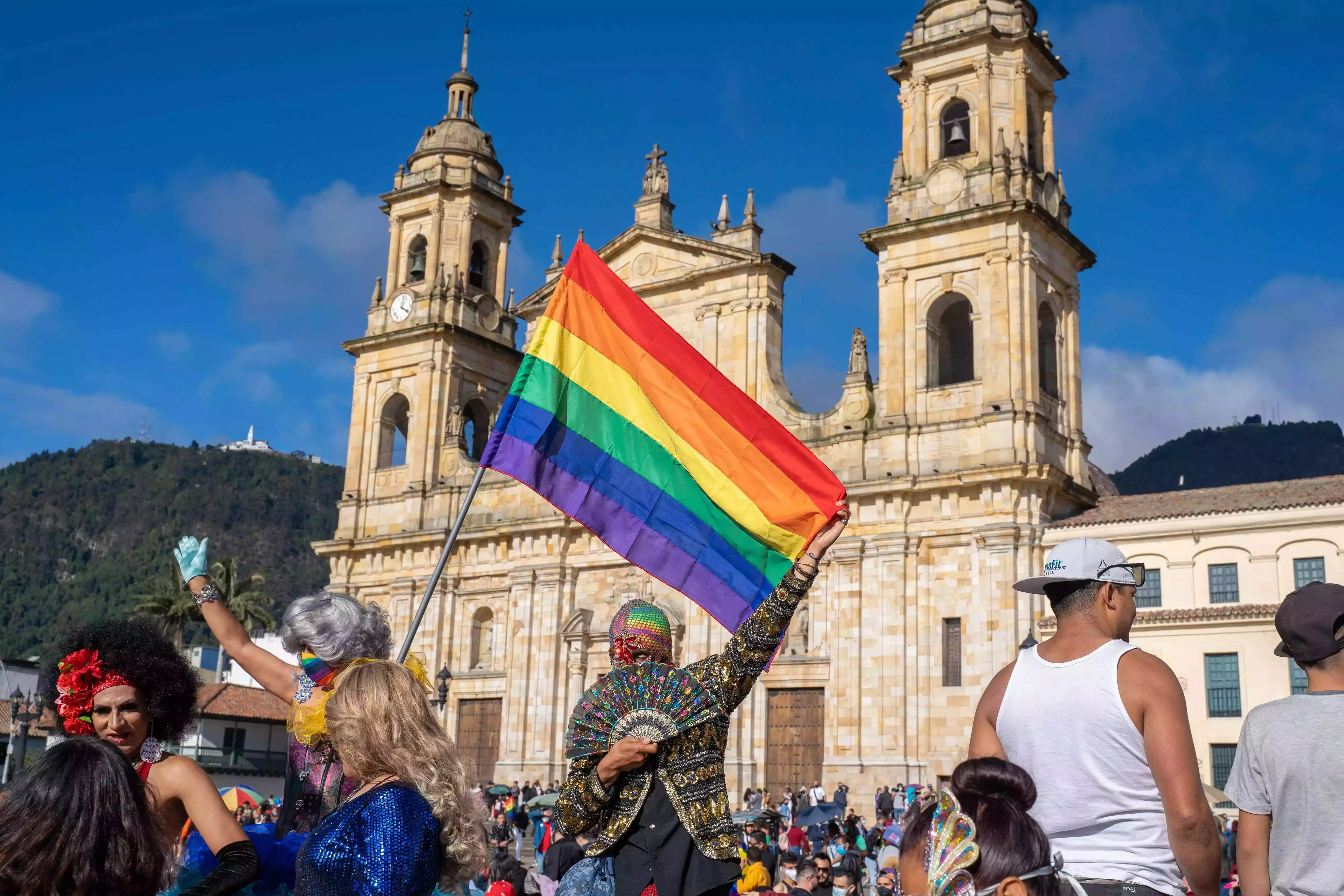
19. Bogotá, Colombia
Although Bogota has the lowest Equaldex score, it has a high Gay Index Rating and a vibrant gay village that features what is considered to be the largest gay club in South America, Theatron.
Bogota’s annual Pride event has also seen crowd sizes of more than 100,000 people, making it one of the largest Pride celebrations around. It’s clear that Bogota is a friendly, inclusive and welcoming place for every tourist, whether they’re part of the LGBTQ+ community or not.
18. Valletta, Malta
This small city packs an almighty punch in terms of LGBTQ+ inclusivity. Valletta ranks highly on both Gay Index Rating and Equaldex, with scores of 8.5 and 100, respectively, giving an idea of how supportive the city is for the rights of LGBTQ+. Valletta also sees a large turnout for its annual Pride festival and march, and has hosted the widely renowned EuroPride in 2023, adding to Valletta’s reputation as one of the most LGBTQ+ friendly cities in Europe.
17. Copenhagen, Denmark
The Scandinavian countries are known for their progressiveness, inclusivity, liberal stances and welcoming and accepting cultures, especially when it comes to LGBTQ+ rights and support. Copenhagen, Denmark’s capital, is known for its lively and thriving LGBTQ+ community, with many gay bars and clubs, as well as a large Pride event. Denmark was one of the first countries in Europe to legalise gay marriage in 2012, and has recognised and accepted homosexuality since the 1930s.
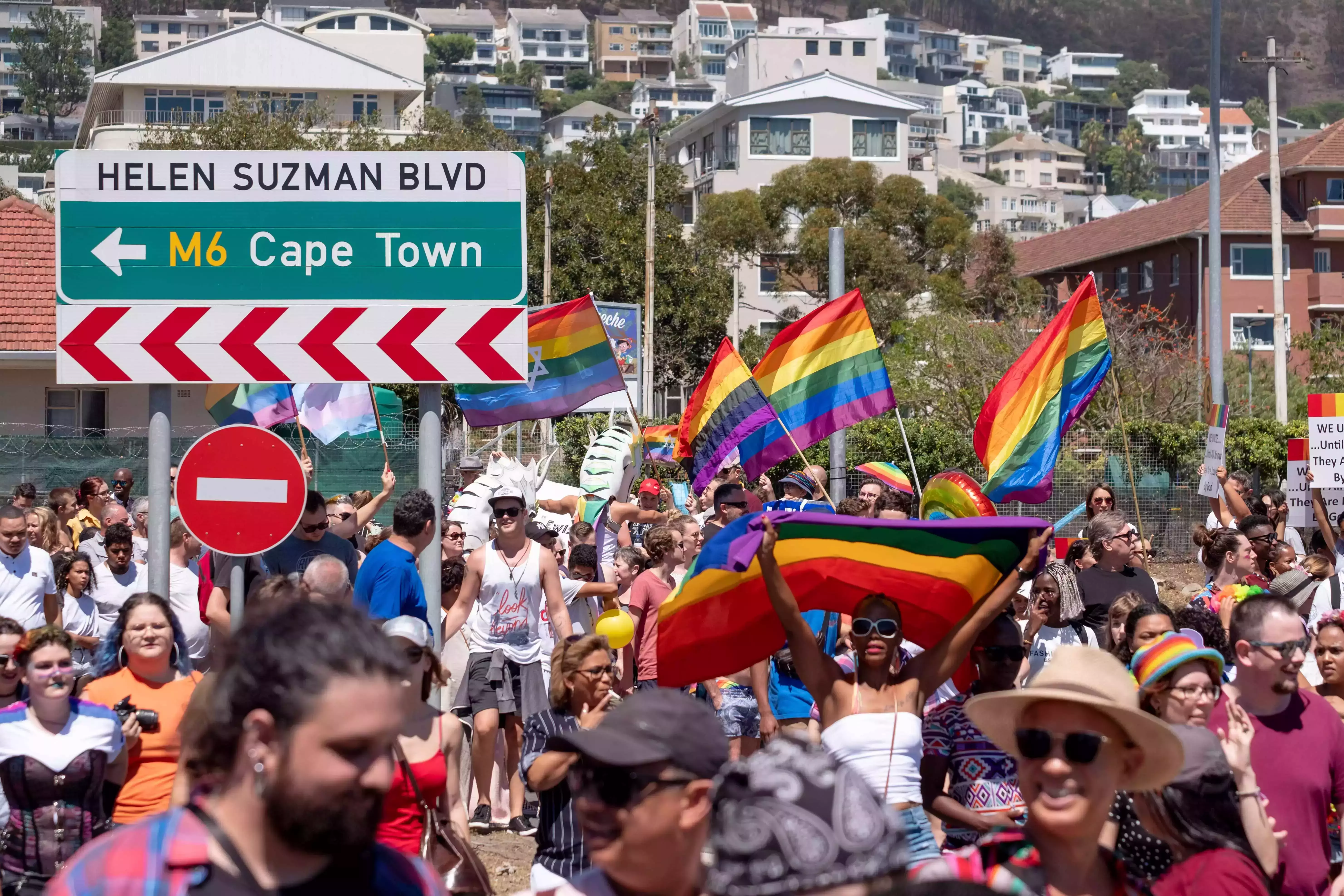
16. Cape Town, South Africa
South Africa is a trailblazer for LGBTQ+ rights on the continent, becoming the first country in Africa to legalise same sex marriage in 2006, and Cape Town is at the heart of this legacy. The progressive and inclusive stance makes the city both welcoming and fun for queer locals and visitors, with a schedule of gay-friendly events throughout the year. The coastal capital bursts into the colours of Pride every February/March, and other vibrant celebrations include the Mother City Queer Project and the Out in Africa Film Festival. The De Waterkant neighbourhood is the city’s LGBTQ+ hub, with gay-owned bars, gyms, shops, and cafes, as well as the iconic rainbow crossing – a visual representation of South Africa’s anti-discrimination laws.
15. Mexico City, Mexico
Mexico City was the first Latin American city to legalise same-sex marriage in 2007, and since then, the city has upheld their views and stances on LGBTQ+ support. The city celebrates with one of the world’s largest Pride events, having been attended by more than 1 million people in recent years.
Mexico City scores well on the Gay Index and Equaldex Rating, and its Zona Rosa region is one of the liveliest LGBTQ+ hubs around. It’s safe to say that you’ll be welcomed and supported as a member of the LGBTQ+ community in Mexico City.
14. Cologne, Germany
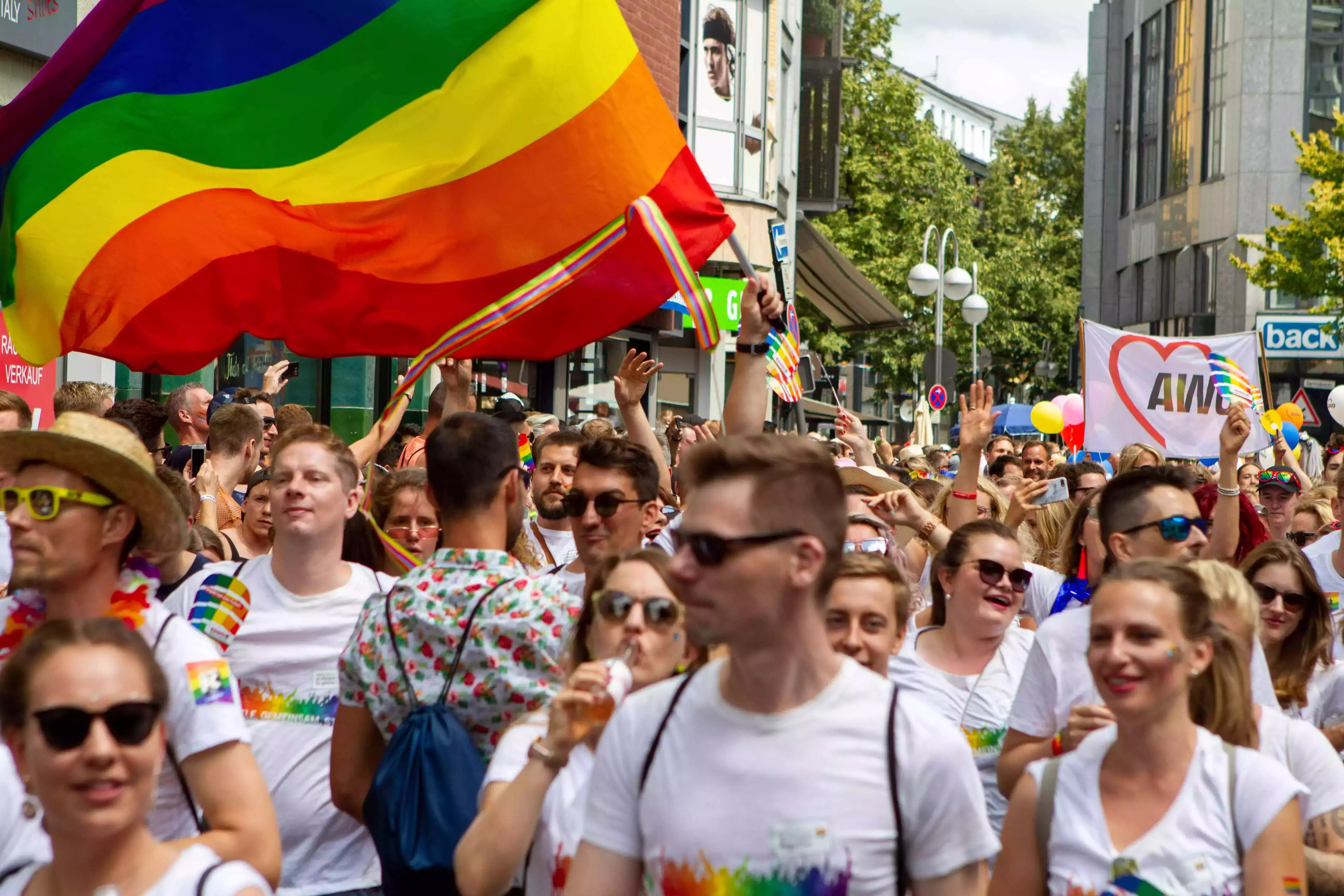
Although this city underperforms on the Gay Index Rating, its quality of life and inclusivity for members of the LGBTQ+ community far outweigh this. Cologne’s Pride is the largest in Germany and one of the largest in Europe, with over 1 million attendees in recent years.
Cologne is also often considered by many as the ‘gay capital of Germany’, thanks to its large-scale Pride attendance and modern and progressive views on the LGBTQ+ community and rights. Cologne is a vibrant and lively city, with a population that is accepting, friendly and welcoming to every tourist, no matter their social group or community.
13. Brighton, UK
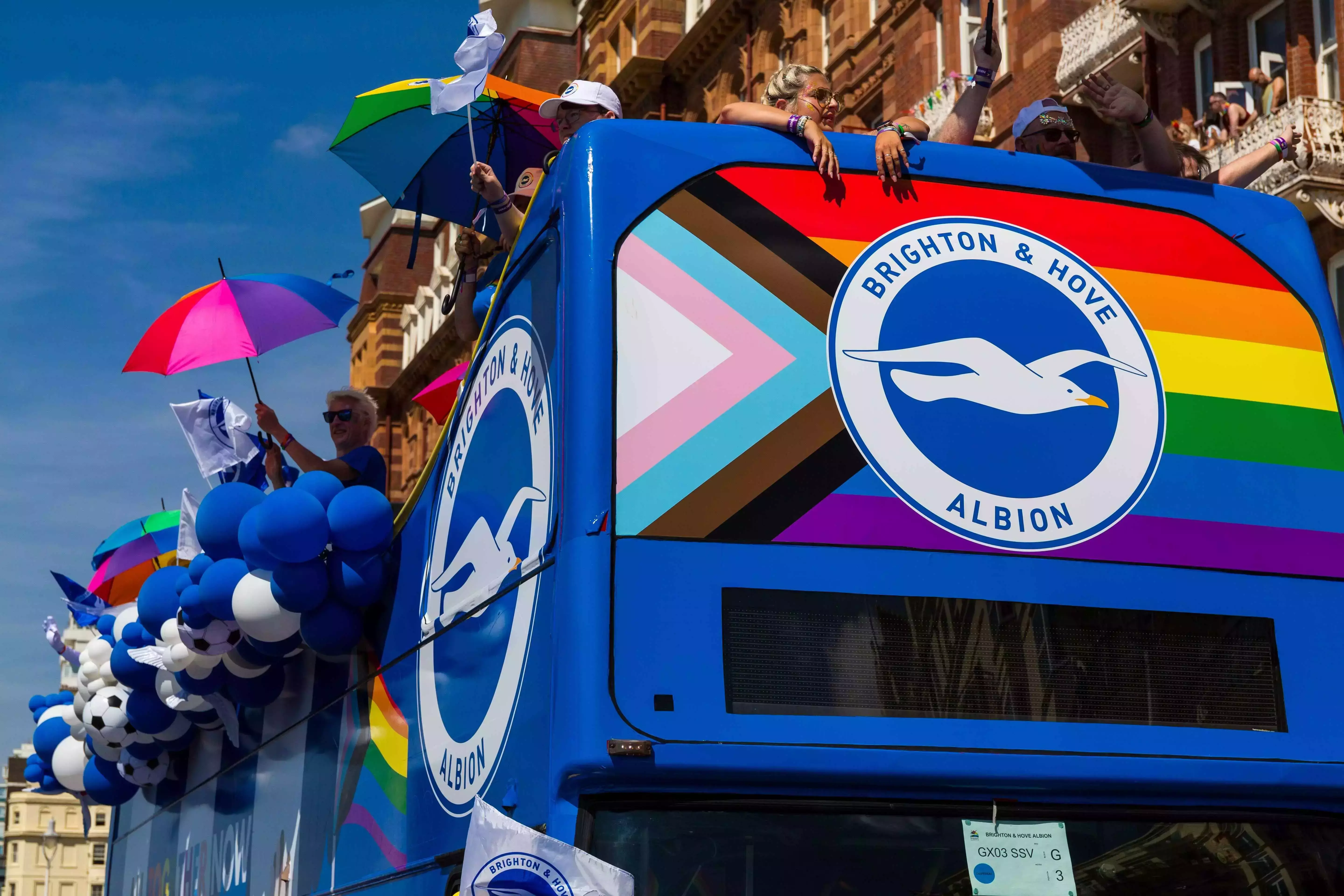
Brighton has a reputation in the UK for being the ‘gay capital’, with a strong sense of community, support and representation for all members of the LGBTQ+ community. Brighton has long had a reputation for its LGBTQ+ scene, dating back to the 1930s, when the city flourished as an inclusive and openly LGBTQ+ space.
The city has since embraced its LGBTQ+ population with an annual large-scale Pride event that sees more than 500,000 attendees. The city is well known for its Pride event, which has been cited as the best in the UK, and its resident gay village and LGBTQ+ district of Kemptown is rife with inclusive bars, clubs and spaces.
12. Paris, France
Paris really comes out on top with its diversity and inclusion for all groups in society. Paris’s annual pride event regularly attracts more than 700,000 attendees, and its vibrant and thriving Marais district is associated with a large LGBTQ+ population. Paris and France as a whole legalised same-sex marriage in 2013, making them one of the first countries/cities in Europe to do so.
11. São Paulo, Brazil
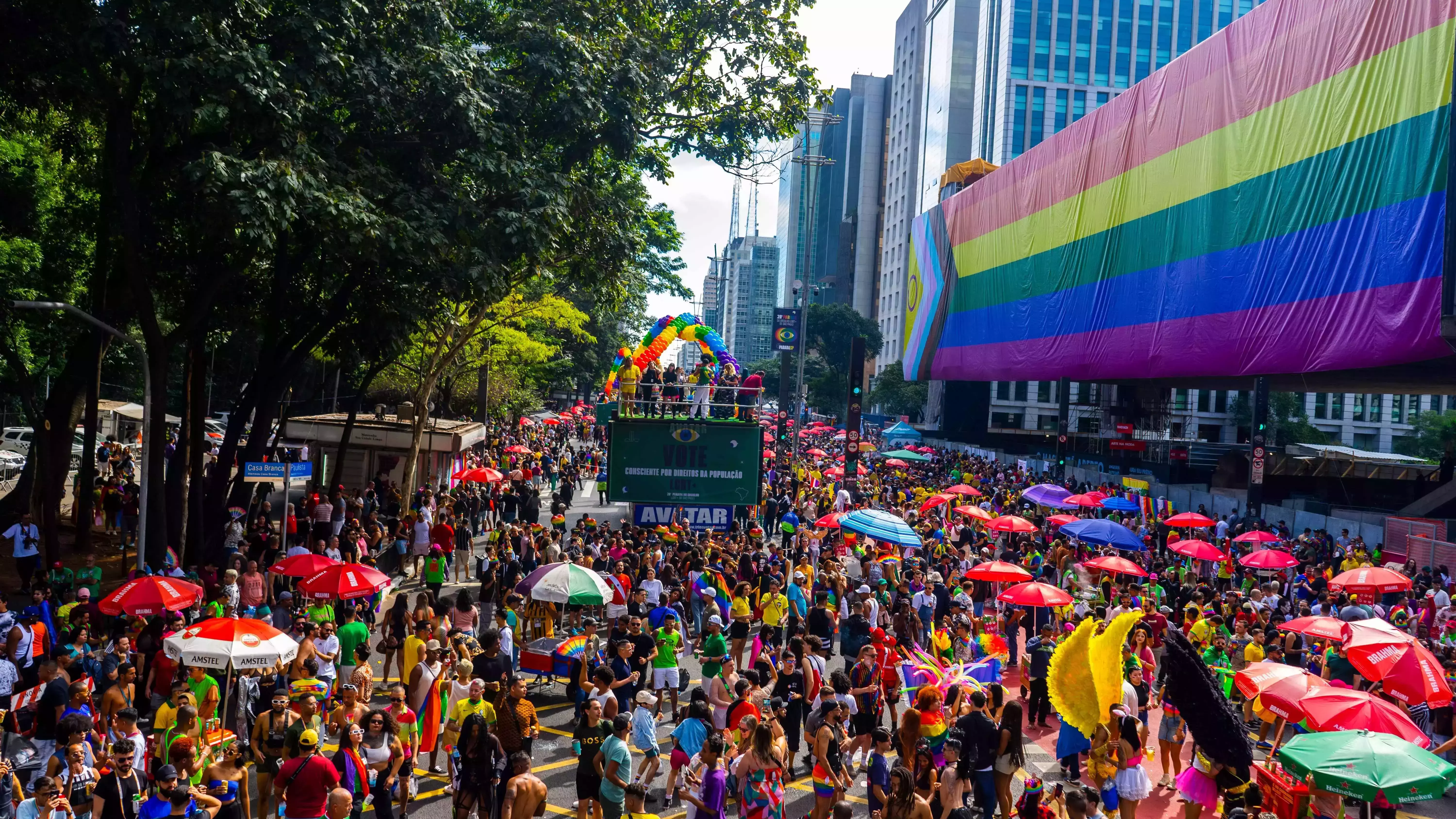
If there’s one thing Brazil knows how to do, it’s throw spectacular street parties and parades. São Paulo’s annual Pride is often considered to be the largest in the world, with more than three million attendees in recent years. São Paulo has also featured in the Guinness World Record for the size and scale of its Pride event.
What’s more, the city is a hub for all things LGBTQ+, with a lively district dedicated to welcoming and representing its LGBTQ+ population. Although the city has a relatively low Gay Index Rating and Equaldex Score, its citywide celebration of LGBTQ+ is enough to make it rank highly for best LGBTQ+ friendly cities.
10. Sydney, Australia
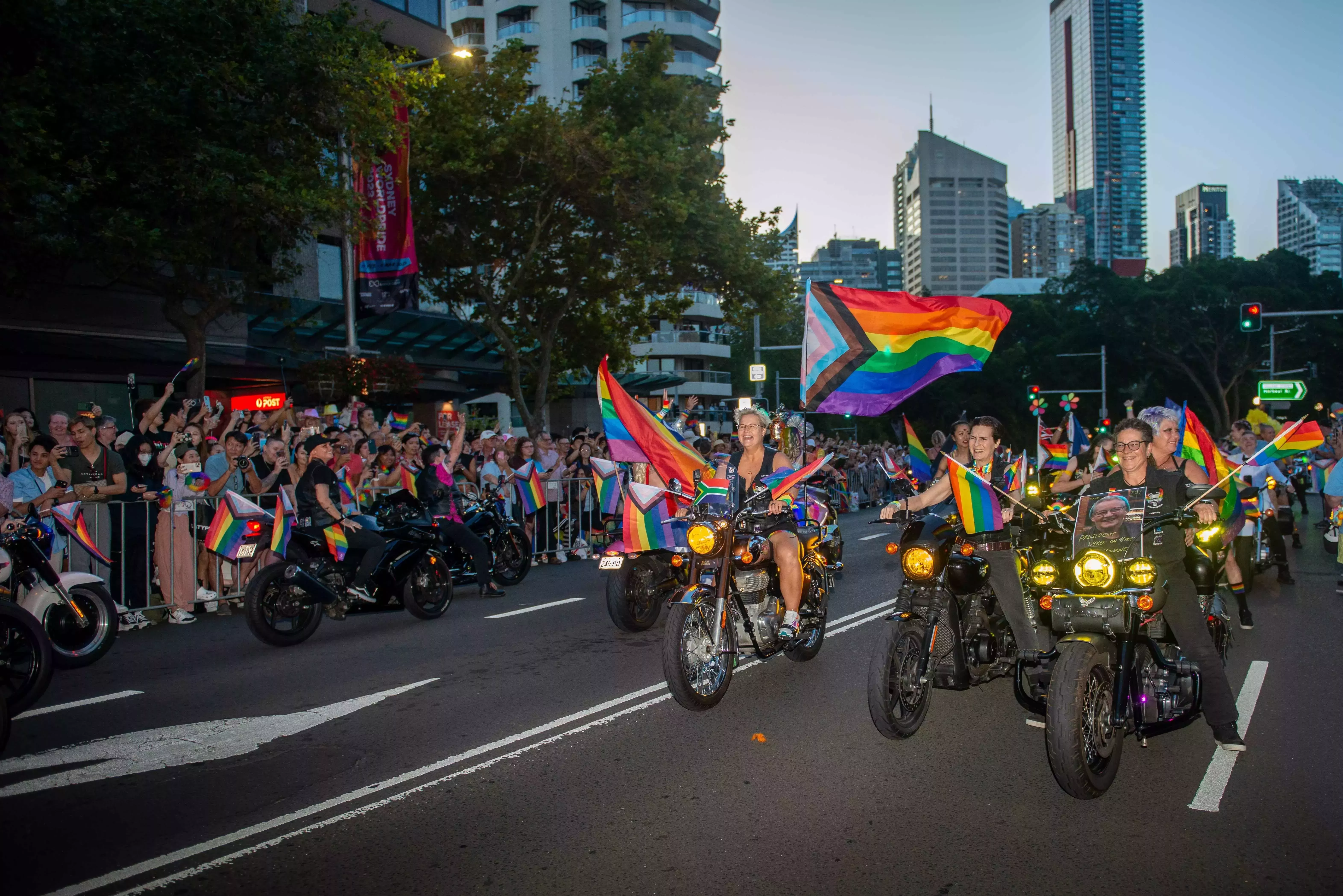
Sydney is one of the most LGBTQ+ friendly cities in the world, and the gay capital of Australia, with its annual Gay and Lesbian Mardi Gras festival leading the way in LGBTQ+ representation and support. Sydney’s Darlinghurst region is considered the gay hub of the city, and has a lengthy history of supporting and upholding LGBTQ+ community rights. Sydney ranks highly on both the Equaldex and Gay Index rankings, and it is a member of the Core LGBTI Group.
Sydney and Australia as a whole have a long history of protecting and supporting the rights of LGBTQ+ members, as homosexuality was decriminalised in the state of New South Wales in 1984, and same-sex marriage was legalised in Australia in 2017. Its annual Gay and Lesbian Mardi Gras event also sees attendees of more than 200,000, making it the largest Pride event in Australia and Oceania as a whole.
9. Toronto, Canada
Canada’s largest city hosts the country’s largest Pride event, with just shy of 3 million attendees in recent years, making it North America’s largest and most spectacular Pride Event. Toronto is a buzzing hub for queer peoples, and is one of the most LGBTQ+ friendly cities in the world. Its Church and Wellesley district is the focal point for the LGBTQ+ community, as it is rife with bars, clubs and spaces that are openly supportive.
In terms of statistics, Toronto has a Gay Index Score of 8 and an Equaldex Score of 100, making it one of the best cities for the community. Toronto and Canada as a whole’s LGBTQ+ history is lengthy, with homosexuality becoming decriminalised in the late 1960s, and same-sex marriage being legalised in 2003 in Ontario Province, with the rest following suit not long after.
8. San Francisco, USA
San Francisco is a trendy and diverse Californian city, considered the gay capital of the state. The city is often ranked highly among the world’s most LGBTQ+ friendly cities, and has a sprawling LGBTQ+ scene and district that makes it welcoming and appealing to all members of the community. The city’s annual Pride event is also one of the largest in the US and the world, with around 1 million attendees in recent years. San Francisco and California State are known for their more liberal and progressive views on several matters, not just gay rights, so it makes sense that San Francisco adopts the same inclusive views and atmosphere.
San Francisco ranks at 8.5 on the Gay Index Ranking and at 100 on the Equaldex, giving an indication of its support of LGBTQ+ rights and representation. San Francisco was also one of the first cities in the US to allow same-sex marriage in 2004, despite it not being legal statewide until 2013. Since this, San Francisco has been recognised as one of the LGBTQ+ capitals of the US.
7. Amsterdam, Netherlands
Did you know that the Netherlands was the first country in the world to legalise same-sex marriage in 2001? The city is home to some of the most progressive and liberal views on LGBTQ+ communities in the world. It also has one of the longest LGBTQ+ histories, with homosexuality apparently being decriminalised as far back as 1811, and gay bars and clubs being established in the late 1920s. Since then, Amsterdam and the Netherlands as a whole have become inclusive, supportive and proud of their resident LGBTQ+ communities.
Amsterdam itself has a Gay Index ranking of 8, and an Equaldex score of 100, and its lively Canal Parade Pride event sees attendee numbers of more than 500,000, making Amsterdam’s Pride scene one of the largest in Europe and the world. Amsterdam’s Reguliersdwarsstraat region is the most significant LGBTQ+ area in the city, with a collection of LGBTQ+ friendly establishments, bars, clubs and restaurants.
6. Berlin, Germany
Berlin has a lengthy history of supporting and protecting LGBTQ+ rights, and is one of Germany’s ‘gay capitals’, and certainly one of the ‘gay capitals’ of Europe. The city has, for a long time, recognised and respected the rights of LGBTQ+ members, with a thriving gay village and a strong sense of community and inclusivity across the city.
Berlin ranks highly on the Gay Index and has a high Equaldex score, demonstrating how inclusive and safe it is for proud LGBTQ+ members. Its annual Pride event attracts between 500,000-1 million attendees, with the whole city and tourists coming together to support the community and partake in parades and marches. Germany is known for its progressive and liberal stance on LGBTQ+ rights and protection, so it makes sense that Berlin is a thriving hub for community members.
5. Madrid, Spain
With a thriving LGBTQ+ culture, Europe’s largest Pride event with more than 2 million attendees, and a plethora of LGBTQ+ friendly bars, clubs and restaurants, Madrid is definitely the place to be. Spain was one of the first countries in the world to legalise same-sex marriage in 2005, and homosexuality was legalised in 1979.
Madrid has a thriving LGBTQ+ community and scene, and caters to the community in a number of inclusive ways. Its Pride event is one of the city’s most important events of the year, and sees well over 2 million people attend each year. Madrid also has one of the highest Gay Index scores and an Equaldex score of 100.
4. London, UK
London is associated with a thriving and strong LGBTQ+ presence, and a number of gay bars, restaurants and exclusive LGBTQ+ spaces. Soho is the beating heart of the LGBTQ+ community, with a wide range of LGBTQ+ friendly spaces, but most of London is accepting and inclusive towards the community. Not only does London score highly on both the Gay Index and Equaldex rankings, but since the late 1960s, views and laws surrounding same-sex activities have become much more liberal and accepting, with same-sex marriage becoming officially legal across the UK in 2013.
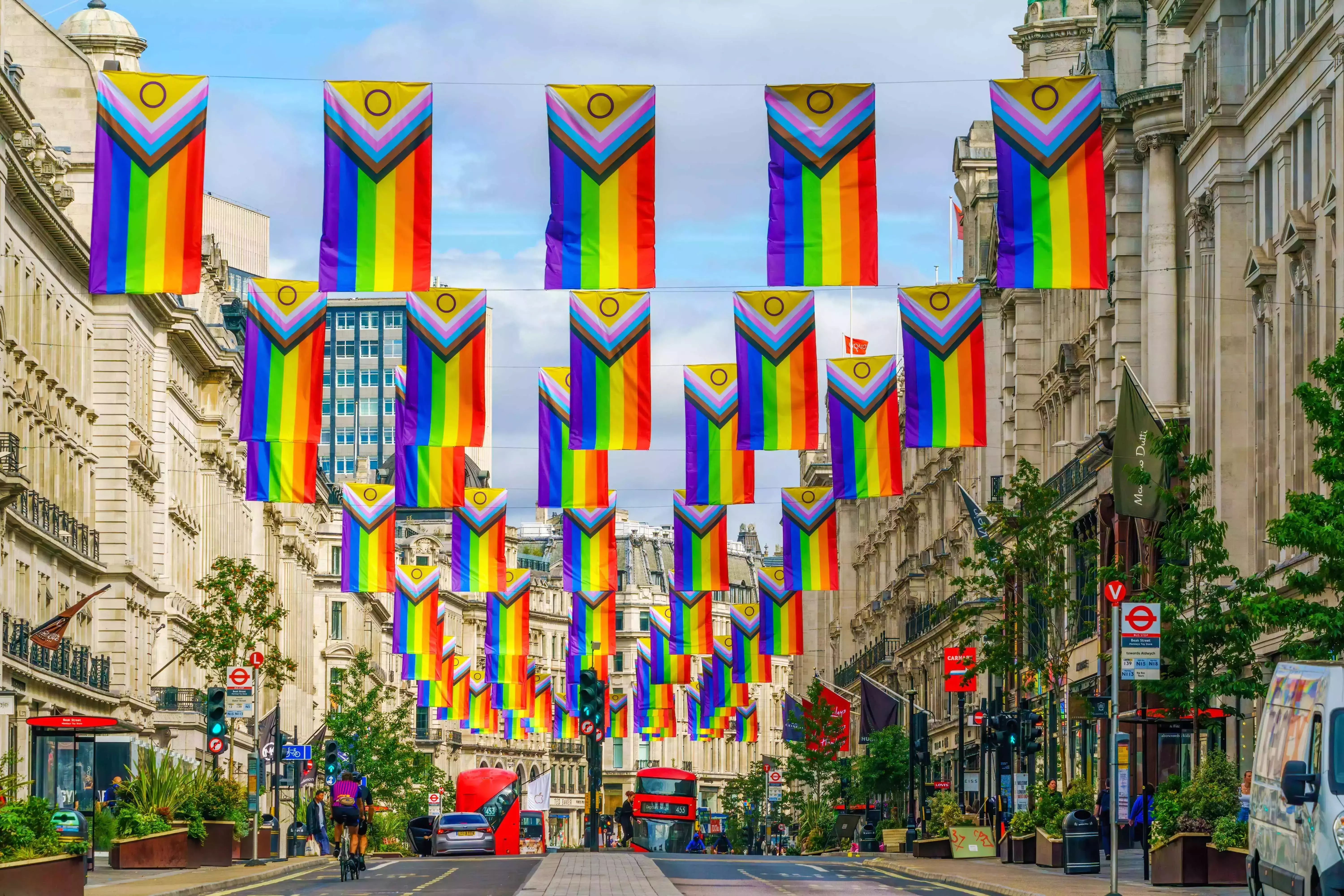
London’s annual Pride event sees a turnout of more than 1 million people, making it one of the largest Pride events in the world. London also has a lengthy and significant LGBTQ+ history, with activism, marches and events being at the forefront. It’s safe to say that London is not only the capital of the UK, but it is one of the capitals of the world when it comes to LGBTQ+ rights and acceptance.
3. Porto, Portugal
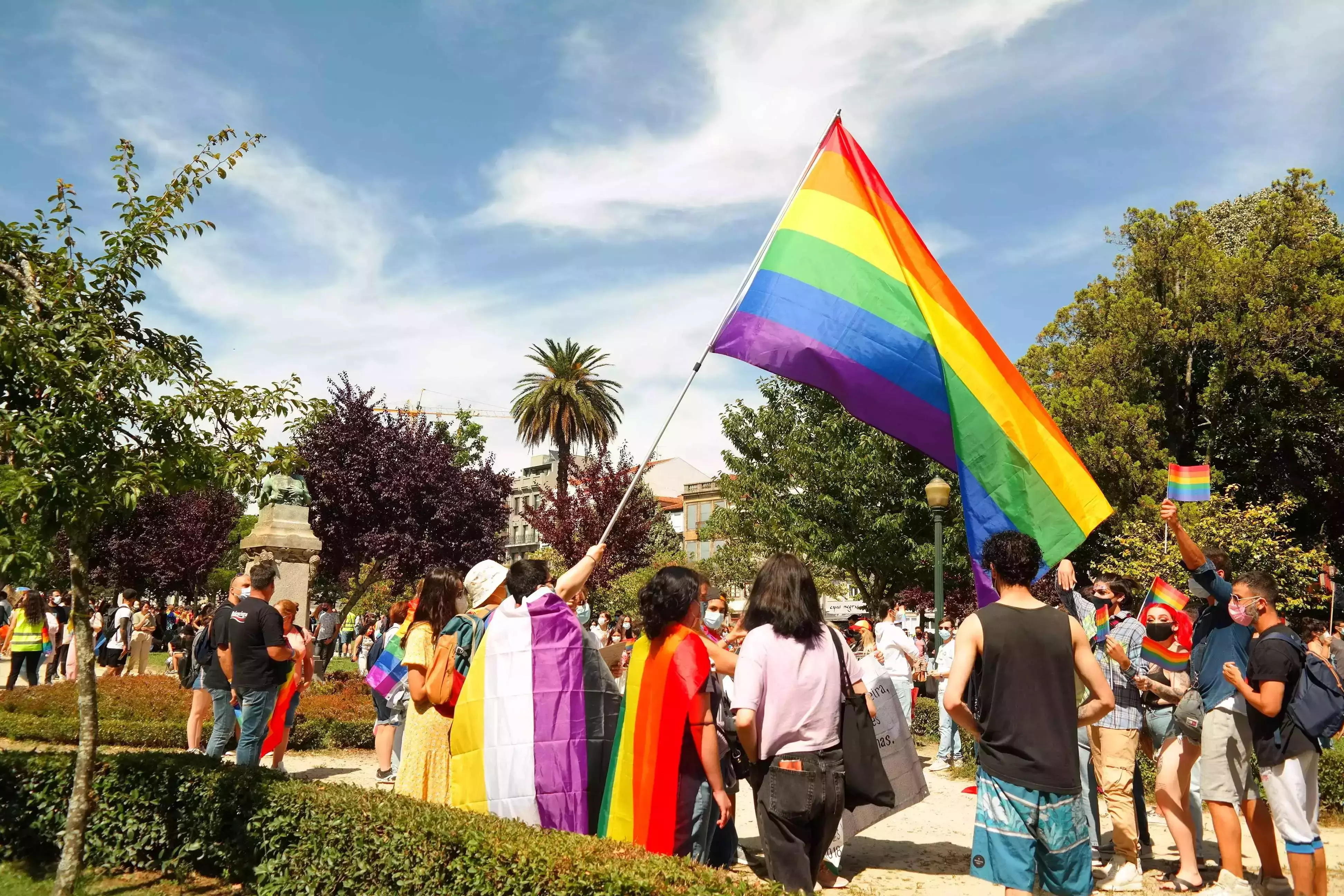
First and foremost, Portugal was one of the first countries to legalise same-sex marriage in 2010, with its cities of Lisbon and Porto becoming thriving LGBTQ+ hubs since.
,Porto’s main LGBTQ+ district is Galerias de Paris and several other spots around the city, but the city as a whole has an inclusive and accepting feel no matter where you go. Although Porto has one of the lowest Gay Index scores of 6.9, it makes up for it with its Pride celebration that sees a significant turnout and its high Equaldex score of 93.
2. Dublin, Ireland
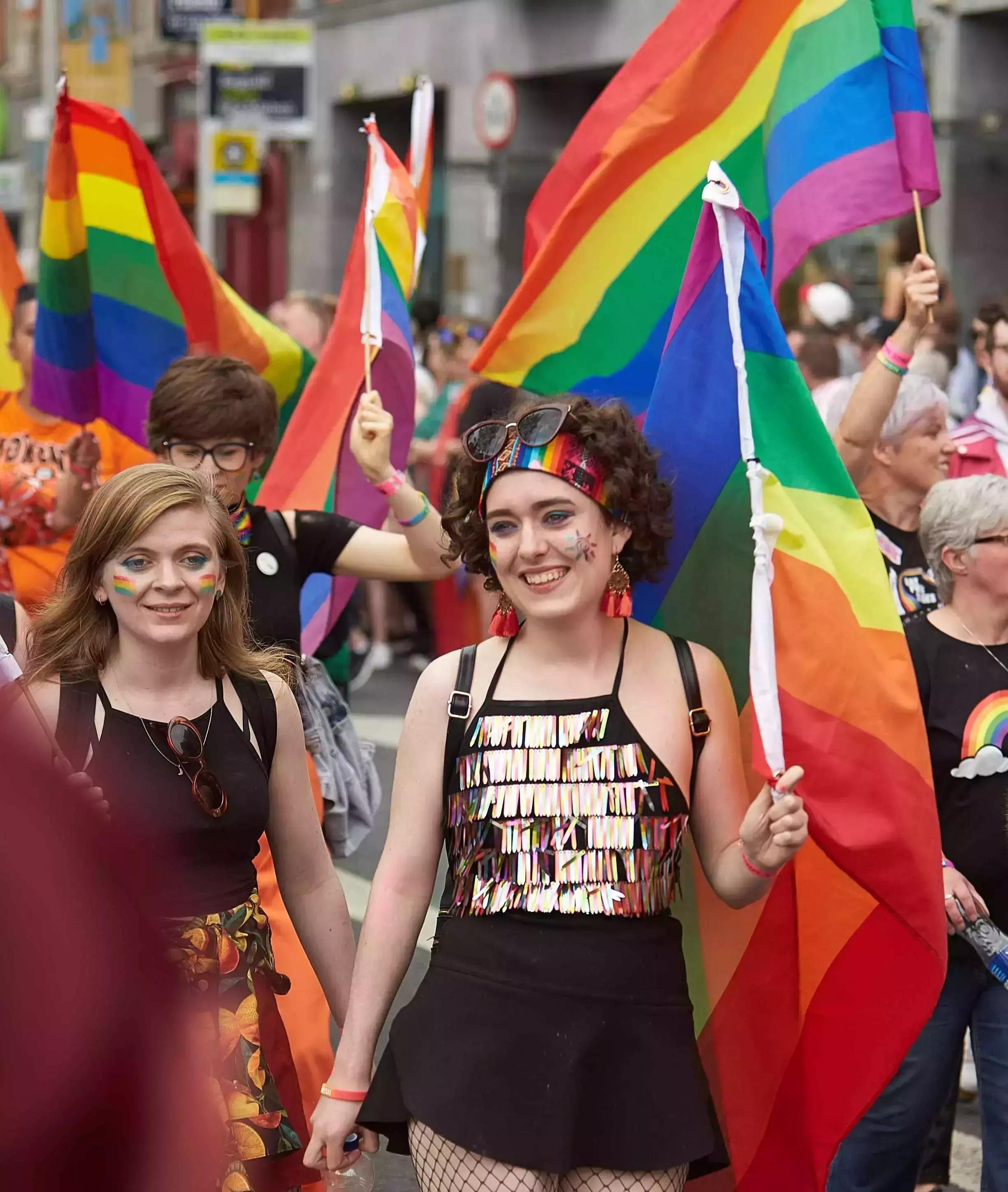
Dublin hasn’t always been the safe and accepting place for the LGBTQ+ community that it is now, but views and laws have drastically changed since homosexuality was decriminalised in 1993, and same-sex marriage was legalised by popular vote in 2015, making Ireland the first country in the world to legalise it in this way.
Dublin is now a thriving hub for all members of the community. The city’s progressive stances on LGBTQ+ make it all the more welcoming and inclusive to people of all backgrounds. To further Dublin’s changing views on LGBTQ+, its annual Pride event sees attendees of more than 70,000 take to the streets in solidarity for the community and its rights.
1. Lisbon, Portugal
Now we come to number 1, the world’s most LGBTQ+ friendly city: Lisbon. The city is a trailblazer in cultivating a safe, supportive, and fun community for queer people. It’s not just the capital that’s gay-friendly; Portugal decriminalised homosexuality in 1982 and was the eighth country in the world to legalise same-sex marriage in 2010.
The city’s chart-topping Equaldex score of 100 solidifies it as an inclusive powerhouse, and Lisbon celebrates in true festive style with a colourful, fun-filled Pride weekend in June. Lisbon also hosts the International Queer Film Festival.













 fleeredstates.blog
You must be logged in to post a comment.