Spokane passes LGBTQ+ rights ordinance to protect trans folks from the federal government

*This is reported by LGBTQNation.

The City Council of Spokane, Washington, has passed an ordinance enhancing protections for LGBTQ+ people, with a focus on protecting trans folks.

Council members voted 5-2 to implement the ordinance, which updates the city’s human rights code to define gender-affirming care and ensure equal protections for LGBTQ+ people.

A press release explained that both Spokane Municipal Code and state law already provide protections for LGBTQ+ people, but the ordinance adds language to “acknowledge the inherent risks faced by the LGBTQIA2S+ community in Spokane, particularly due to federal policies and interjurisdictional legal processes from states that do not recognize LGBTQIA2S+ rights or are working to deny such individuals access to essential medical care, including gender-affirming care.”

The policy “prohibits the city from collecting or disseminating information about anyone’s sex assigned at birth, unless it’s related to a criminal investigation.”

The ordinance also adds a definition of gender-affirming care to the human rights code’s glossary of terms and adds a section requiring city-provided healthcare to cover it. It also requires the Spokane Police Department to keep an LGBTQ+ liaison officer on staff.

“LGBTQIA2S+ people deserve the freedom to make their own health care decisions and deserve to feel safe in our community,” Council Member Zack Zappone said in a statement.  “That freedom and safety are under threat across the country. This ordinance ensures the City continues to protect LGBTQIA2S+ people and that they know that in Spokane, we all belong.”

“I want to thank all the powerful and heartfelt testimony in support of this ordinance that is about supporting safety, freedom, and dignity,” added Council Member Paul Dillon.  “Spokane is a city where diversity is not just accepted but celebrated, and this ordinance shows our commitment to our city motto that in Spokane, we all belong, especially in a time of targeting and discrimination…”

Councilmembers Jonathan Bingle and Michael Cathcart voted against the ordinance, with Bingle attempting to add five amendments, including measures to ban trans people from using the bathrooms and playing on sports teams that align with their genders and to ban those under 18 from receiving gender-affirming care through city insurance. None of the amendments passed.

During the city council meeting, Bingle defended his position, claiming he doesn’t want anyone in the city to be discriminated against, including those “who have sincerely held religious, moral, or ethical objections to this.”

“It’s a live and let live situation that I’m totally cool with,” he said. “I think that’s a great idea.”

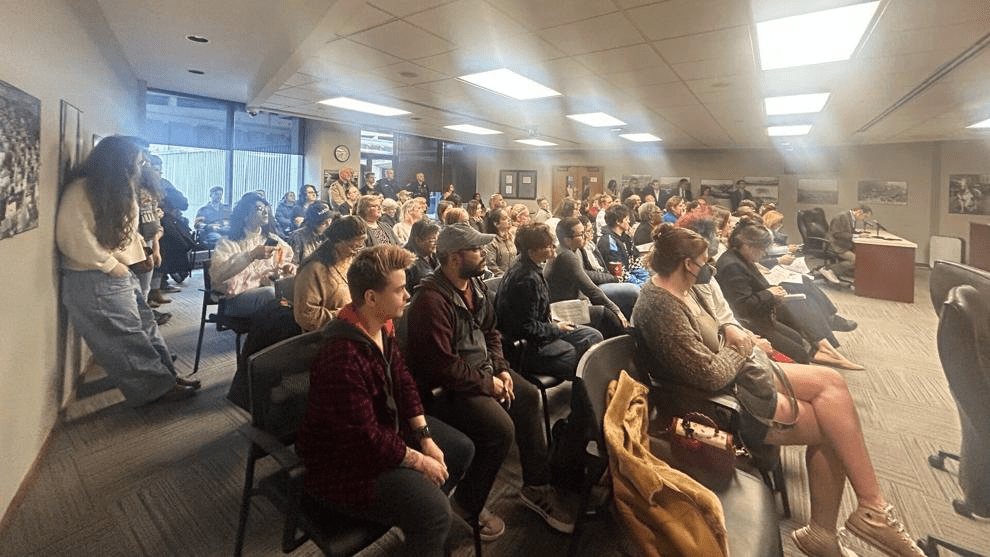
Dozens of people showed up at the meeting to advocate for passing the ordinance.

One mother of an adult trans son said she fled to Spokane from Idaho with her son and his wife after her son experienced horrific mistreatment by doctors in Idaho.

In Spokane, she said, they found support, dignity, and a “welcoming spirit.” But she said hostility has been growing in the city in the wake of the federal government’s anti-trans policies. “We are feeling the fear and stress we thought we left behind,” she said.

The ordinance, she said, “is not just about symbolism; it’s about real protections, real care, real safety for people who are just trying to live their lives.”

Democrats reintroduce landmark LGBTQ nondiscrimination bill

*This was reported by NewsNation.

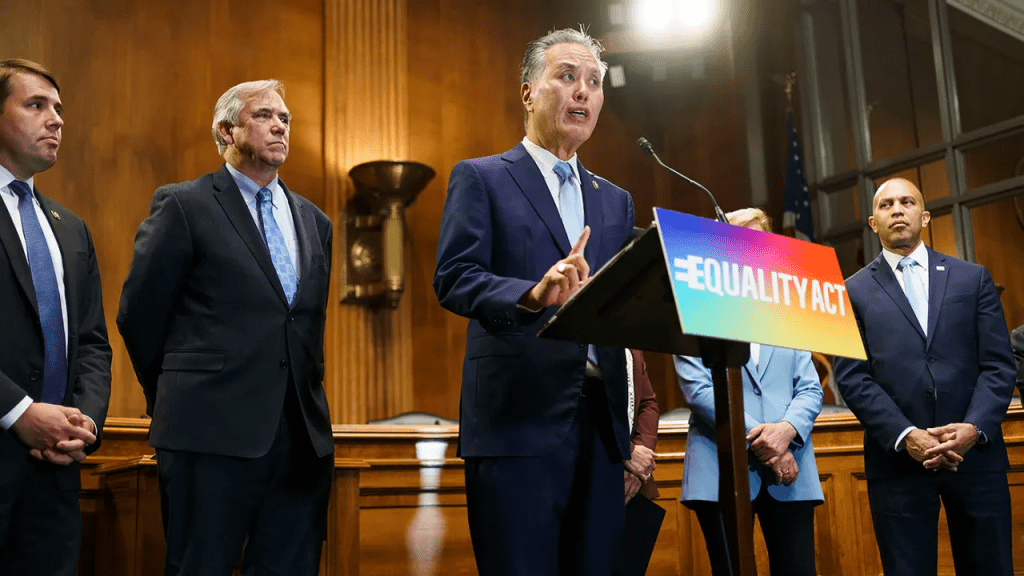
House and Senate Democrats on Tuesday reintroduced the Equality Act, a landmark civil rights bill that would make sexual orientation and gender identity protected classes. 

The measure, which would amend a federal law that already outlaws discrimination based on race, religion, sex and national origin, faces an uphill battle in a Congress controlled by Republicans, who have long opposed it over concerns it would trample religious freedom rights.

President Trump opposed the Equality Act during his first term, citing “poison pills that threaten to undermine parental and conscience rights.” While exploring a presidential run as a Reform Party candidate back in 2000, Trump said he liked the idea of extending anti-discrimination protections in the 1964 Civil Rights Act to gay people. 

“It’s only fair,” he told The Advocate then.  

A White House spokesperson did not say whether Trump would support the bill this time, though it appears unlikely. Since taking office in January, Trump has signed a flurry of executive orders targeting transgender Americans, including one that proclaims the federal government recognizes only two sexes, male and female. 

“Right now, the fear in our community is deep, and it is palpable,” Rep. Mark Takano (D-Calif.), the Equality Act’s primary sponsor in the House, said at a press conference Tuesday afternoon outside the Capitol. 

“The waves of attacks on LGBTQI+ Americans have swept from state legislatures into the chambers of Congress and the White House. We’re facing the most anti-LGBTQI+ presidential administration in recent history, and for that reason, we demand that our existence be not just recognized but protected; we demand not just the right to survive but to thrive,” said Takano, who recently took over as chair of the Congressional Equality Caucus, which advocates for LGBTQ rights in Congress. 

Most Americans support nondiscrimination protections for LGBTQ people, though that support has dipped slightly in recent years. A survey published last month by the Public Religion Research Institute, which has been tracking Americans’ support for LGBTQ anti-discrimination protections since 2015, found that 75 percent of adults support policies shielding LGBTQ Americans from discriminatory practices in housing, employment and public accommodation, down from its peak of 80 percent in 2022. 

At the same time, Americans have grown more supportive of policies restricting transgender rights, a recent Pew Research Center survey found, including ones that require athletes to compete on sports teams that match their birth sex and prevent doctors from administering gender-affirming care to minors. In the same survey, 56 percent of adults expressed support for policies aimed at protecting trans people from discrimination in jobs, housing and public spaces. 

“The bill that we’re here to talk about could not be more straightforward or commonsense,” Sen. Tammy Baldwin (D-Wis.), the first openly gay person elected to the Senate, said Tuesday. “The Equality Act simply puts into law what we all believe: that every American is created equal and should be treated equally under the law. This is a tenant of our nation’s founding.”  

In the absence of federal law, nondiscrimination protections for LGBTQ people vary by state, 27 of which lack explicit protections for discrimination based on sexual orientation or gender identity, according to Freedom for All Americans, which advocates for equal rights and protections. 

“If you are gay, lesbian or transgender — and let that sink in — it’s a patchwork of rights and protections depending on who you are and who you love,” Baldwin said Tuesday. “Will you be protected from being discriminated against by a bad landlord when you try to rent a house? Depends on where you live. Will you be protected from being discriminated against when you are trying to get a mortgage or a new credit card? Again, it depends upon where you live.” 

Democrats on Tuesday said they plan to have transparent one-on-one conversations with their Republican colleagues to garner bipartisan support for the bill, touting the strategy’s success in passing the Respect for Marriage Act in 2022. In that case, more than 50 Republicans in the House and Senate voted with Democrats to enshrine same-sex and interracial marriage rights in federal law. 

Allentown PA City Council votes to establish ‘safe haven’ for LGBTQ+ families, gender-affirming care

*This is reported by Eastern Progress.

Allentown City Council passed a resolution at its Wednesday night meeting to protect and grant refuge to the LGBTQ+ community in Allentown by proclaiming the city a “safe and welcoming haven.”

Resolution “R48” was initially discussed at City Council’s Human Resources, Administration, and Appointments committee meeting on April 9, where it received a favorable vote to move forward to the full council. 

The resolution responds to a “record number of discriminatory anti-trans legislative bills and executive orders being proposed and enacted throughout the country,” according to council documents. 

“As attacks against transgender and gender non-binary adults and youth across the United States continue, it is the responsibility of Allentown to ensure transgender and non-binary people, particularly youth, continue to be protected and welcomed,” the resolution states.

It emphasizes the importance of treating all individuals with fairness, respect, dignity, and full human rights, regardless of sexual orientation, gender identity, or expression. 

Not a single seat was empty at the council’s Wednesday night meeting in anticipation of the resolution’s passage, which had full council sponsorship. 

Multiple public commenters — including members of the LGBTQ+ community, psychologists specializing in transgender affirming care and state representatives — spoke in support of the resolution before council’s vote.

Amelia, a transgender woman, shared her personal experience receiving gender-affirming care in the city of Allentown and what she described as its life-changing impact. 

“Access to this treatment quite literally made my life as one worth living,” Amelia said. “It was the antidote for my dysphoria or gender misalignment that had plagued me since puberty.” 

Christine Hartigan, a licensed psychologist in Allentown specializing in transgender affirming care, also voiced her support for the resolution.

“We have a lot of research backing up what we do, and we know that limiting access to this care is incredibly detrimental to individuals, especially transgender individuals,” Hartigan said.

“They can lead to increased rates of anxiety, depression, substance use, and as several people have already mentioned, even suicide,” she continued. “So this is lifesaving care, and we know it works.”

State Rep. Josh Siegel, a Democrat representing Lehigh County, commended council’s efforts and emphasized the need for state-level protections. 

“I’ve introduced legislation at the state level to create a shield law around gender and affirming care in Pennsylvania and protect our prosecutors,” Siegel said. “Those bills will never see the light of day because our Republican Senate won’t move them.”

“It is more important than ever now that our local bodies, our counties and our cities speak with one voice to push back on this hateful narrative that the reason for people’s hardship in life is that trans kids wants to belong and play sports with their friends,” he continued.

Mayor Matt Tuerk, also present at the meeting, acknowledged the thousands of transgender people in Allentown and outlined policy changes underway. 

“Estimates across the country are that anywhere between 1 and 2% of the population identifies as transgender, which would make the number here in Allentown in the thousands,” Tuerk said. “There are thousands of people that you and I represent who are looking for safety, and that’s our fundamental duty as city leaders.” 

“We looked at the five bullet points that you put out there as policy that you’ve started to craft now at the city of Allentown that would prohibit criminal prosecution or administration penalty against individuals who are seeking gender affirming health care” he continued.

City Council unanimously voted to pass the resolution.

“We might not be able to change the world, but maybe we can change Allentown,” said Councilmember Ce-Ce Gerlach. 

Poland finally repealed the country’s last “LGBT-free” zone

*This is reported by LGBTQNation.

Ten years after the far-right Law and Justice Party was elected to power in Poland, and two years after their defeat in national elections, a last vestige of the party’s state-sanctioned anti-LGBTQ+ policies has finally been eliminated.

On Thursday, a council in the southeastern Polish town of Łańcut officially abolished the country’s last remaining ‘LGBT-free’ resolution.

The resolution, introduced by the previous government, was one among about 100 that declared local regions “LGBT-free” or banning “LGBT ideology,” barring the “promotion” of homosexuality and other minority sexual identities, especially in schools.

The declarations drew criticism from human rights groups as well as the European Union, which withheld funding from Poland on the grounds the resolutions were discriminatory and breached the multi-national bloc’s fundamental values.

The move resulted in the freezing of billions of Euros worth of funding to Poland.

In 2022, Poland’s Supreme Administrative Court ruled that the effect of the resolutions was a “violation of the dignity, honor, good name and closely related private life of a specific group of residents,” and deemed them unconstitutional.

The court held that Poland has a duty to protect all its citizens, including members of minority groups. In the aftermath, all of the local resolutions were repealed, leaving Łańcut the final holdout in the country.

“Councilors have been taught a lesson not to succumb to propaganda that appeals to their emotions,” said Jakub Gawron, an activist who ran the so-called Atlas of Hate, an interactive online map illustrating the regions with the “LGBT-free” declarations.

European leaders punished Poland for its anti-LGBTQ+ zones

In 2021, the European Commission warned five Polish regions that “declaring LGBTIQ-free/unwelcome territories, workplace or services constitutes an action that is against the values set out in Article 2 of the Treaty on European Union.” Municipalities with those discriminatory policies were notified that they wouldn’t receive funding for infrastructure, environmental initiatives, and other EU-sponsored projects.

Later in 2021, the EU Parliament formally condemned Poland for trying to create “LGBT-free” zones, with lawmakers comparing the policies to “Jew-free” zones that existed in the years before and during World War II.

By early 2020, roughly one-third of the country had established “LGBT-free zones.”

European Commission President Ursula von der Leyen said in a State of the Union address the same year that “LGBT-free zones” are “humanity-free zones.”

“They have no place in our Union,” von der Leyen told European lawmakers. “I will not rest when it comes to building a union of equality. A Union where you can be who you are and love who you want – without fear of recrimination or discrimination.”

She did not mention Poland by name.

Then-candidate for President Joe Biden re-tweeted von der Leyen’ message, adding “LGBTQ+ rights are human rights.”

“Let me be clear: LGBTQ+ rights are human rights — and ‘LGBT-free zones’ have no place in the European Union or anywhere in the world,” Biden posted to Twitter.

The repeal in Poland comes amid a wave of anti-LGBTQ+ legislation arising in the fellow EU member nation of Hungary, as well as Vladimir Putin’s continued crackdown on LGBTQ+ identity in Russia with his implementation of successively broader anti-“gay propaganda” laws.

LGBTQ refugees say Kenya’s reform plan risks leaving them out

*This is being reported by NBC News.

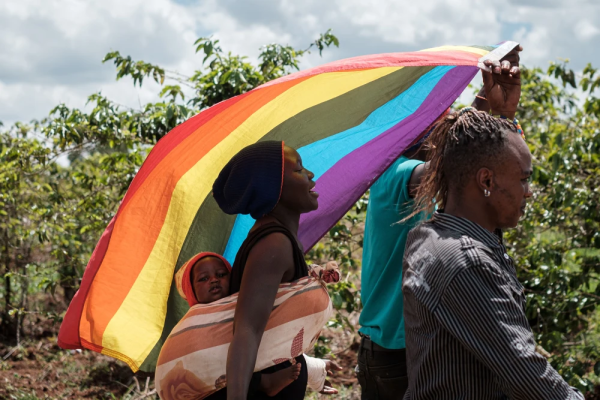
Already an outsider, Ugandan refugee Constance fears a plan to integrate hundreds of thousands of asylum seekers into Kenyan society will instead further alienate him and other LGBTQ refugees at a time of rising hostility.

The Shirika Plan, launched by President William Ruto last month, will transform two of the world’s largest refugee camps into open cities and allow the country’s more than 800,000 refugees to finally get jobs, health care and other services.

Under Shirika, which means “coming together” in Swahili, the nearly half-million refugees at the Kakuma camp in the north and the Dadaab camp near the Somali border can choose to leave the settlements to live alongside other Kenyans.

“The idea of integration is good, because it will guarantee refugees a free life and all rights, like any other Kenyan,” said Constance, who runs a safe house for Ugandan LGBTQ refugees. He did not give his last name for safety reasons.

But Constance said groups representing LGBTQ people have not been invited to public forums held in major cities to debate the plan, which was first floated in 2023.

“Unlike other refugees, we have serious concerns about security, health and housing that should be incorporated … But how will we voice these issues when we are not part of the process?” he said.

Kenya’s refugee commissioner John Burugu said all those affected by the Shirika Plan had been invited to comment.

“We have not locked any one or group out of the process,” Burugu told the Thomson Reuters Foundation by phone.

“You don’t have to physically attend the public participation forums. We have people, groups and organizations who submitted written memoranda, and we captured their views.”

But organizations defending the rights of LGBTQ refugees fear this vulnerable group is being ignored.

Chance for inclusion

The multi-year Shirika Plan has been lauded by the U.N. refugee agency UNHCR as an opportunity to improve the lives of refugees and create economic opportunities for Kenya.

Couple planning Puerto Vallarta wedding claims discrimination

*This is reported on LGBTQNation.

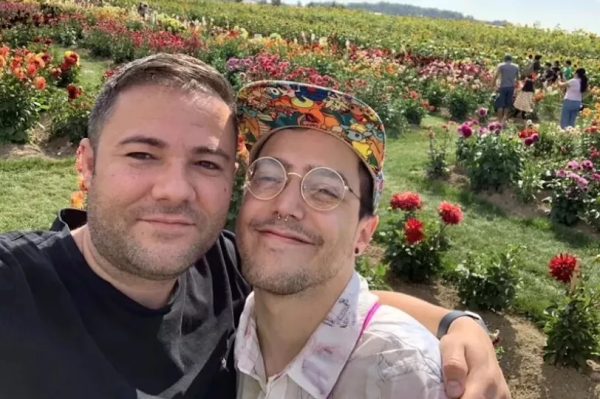
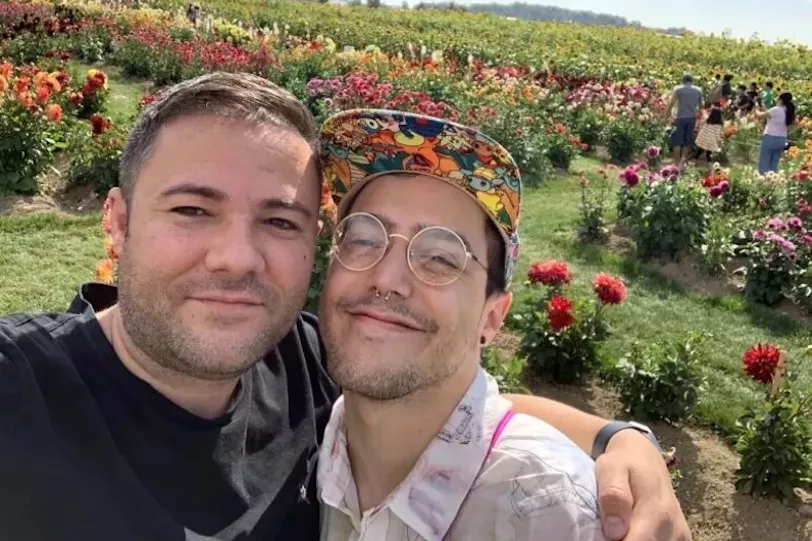
A Canadian couple planning a destination wedding in gay mecca Puerto Vallarta says they’ve been discriminated against by the beachside hotel where they’d hoped to tie the knot.

Jeremy Alexander and Ryan Sheepwash shared their experience in now-viral videos on Instagram and TikTok.

“Soooo disappointed that my fiancée and I got discriminated against for our wedding plans in Puerto Vallarta by #Sheraton!! Worst of all, they’ve probably done this to countless other same-sex couples.”

The pair had been planning their wedding for months, including a trip to PV to check out prospective venues. They say a tour of the Sheraton Buganvilias Resort won them over, with hospitable staff and a price within their range.

But the couple’s experience with the hotel’s wedding planner deteriorated over a succession of efforts to lock the wedding in. When a quote finally arrived after three months, Alexander and Sheepwash were provided with an outrageous estimate of the bill.

The invoice said 25 deluxe, all-inclusive ocean view rooms would set guests back $970 each; the hotel demanded a $36,000 deposit for half of the rooms.

“It’s not reasonable,” Alexander said. “No one can afford that.”

It was also much more than the hotel had initially quoted the couple. The Sheraton also said they couldn’t accommodate the couple until March of 2027.

Alexander and Sheepwash got engaged in Puerto Vallarta in February 2024.

Shocked at the estimate, the couple decided to ask a straight friend to “request a quote just to see apples to apples what it looks like.”

That inquiry for a hypothetical wedding, planned for the same dates Alexander and Sheepwash wanted, came with a different outcome: a “deluxe package” for 50 people was $8,500, or $254 per person per night, and required a deposit of just $1,700 — on the same dates Alexander and Sheepwash had requested.

“We just feel defeated,” said Sheepwash in the TikTok video. “It’s not fair because we love each other and we really want to get married, and we want to make it special and we want to make it perfect.”

“We felt we’d be indirectly complicit to the system if we’re aware of it and we’re not combating it,” Alexander told NBC News. “That was the major driving factor in us wanting to put the story out there.”

The hotel is a “third-party franchisee” of the Marriott corporation and declined to comment.

Marriott International said in a statement that the company has reached out to the couple “to learn more about their experience and are working with the property to offer a solution.”

“The Sheraton Buganvilias has been active in the LGBTQ community in Puerto Vallarta for years, not only hosting LGBTQ+ weddings and groups but also supporting Pride events in Puerto Vallarta,” the spokesperson said. “Marriott remains steadfast in our commitment to ensure guests are treated with respect and understanding.” 

“It’s very clear there’s an issue all the way to the top at this particular Sheraton of homophobia,” Alexander said. Marriott “would need to make some seriously impactful change before I’d be entertaining what they have to say there. They are part of a lot of queer travel alliances, and the actions have to line up with reality, and right now it doesn’t.”

Alexander and Sheepwash aren’t the first to experience the hotel’s discriminatory treatment. “Just Google it,” Alexander advises on Insta.

In 2019, Josh Rimer, a television host and Mr. Gay Canada 2019, and his then-fiancé were turned away from the hotel after choosing it to host their own wedding.  

And while researching the hotel, Sheepwash uncovered a TikTok video posted by Daniel Galecio, a wedding planner in Puerto Vallarta, who said the same Sheraton staff member who provided the couple’s inflated estimate told him the resort is currently unable to host same-sex weddings. 

“That hotel has a history of years of discrimination, and all the city knows — all the gays know,” Galecio said.

Marriage equality became legal nationally in Mexico in 2022.

Attorney General threatens doctors with 10 years in prison for providing gender-affirming care

*This is reported by LGBTQNation.

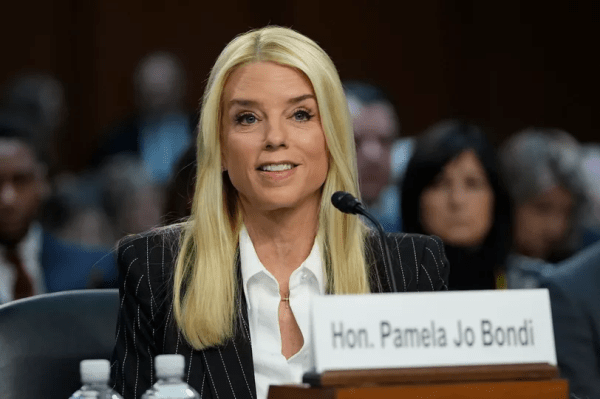
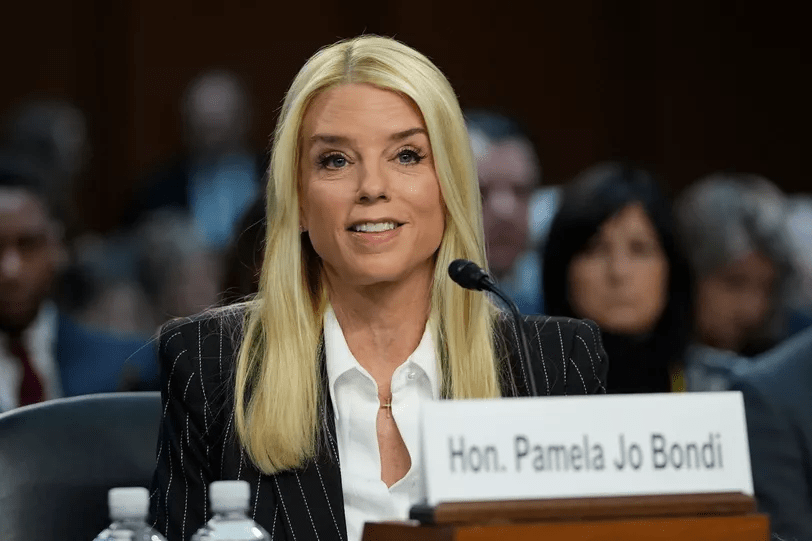
Attorney General Pam Bondi, who has a long history of opposing LGBTQ+ rights, issued a memo to the Department of Justice (DOJ) telling employees to investigate and prosecute cases of minors accessing gender-affirming care as female genital mutilation (FGM).

“The Department of Justice will not sit idly by while doctors, motivated by ideology, profits, or both, exploit and mutilate our children,” the memo states. “Under my watch, the Department will act decisively to protect our children and hold accountable those who mutilate them under the guise of care.”

“I am putting medical practitioners, hospitals, and clinics on notice: In the United States, it is a felony to perform, attempt to perform, or conspire to perform female genital mutilation on any person under the age of 18. That crime carries a maximum prison sentence of 10 years per count. I am directing all U.S. Attorneys to investigate all suspected cases of FGM—under the banner of so-called “gender-affirming care” or otherwise—and to prosecute all FGM offenses to the fullest extent possible.”

It’s unclear what that part of the memo will do, since gender-affirming genital surgery isn’t performed on minors in the U.S. Under federal law, FGM is defined as “partial or total removal of the external female genitalia or other injuries to the female genital organs for non-medical reasons.” The only case of gender-affirming care cited in the memo involved a mastectomy.

The memo goes on to say that the DOJ will go after “on- or off-label use of puberty blockers, sex hormones, or any other drug used to facilitate a child’s so-called ‘gender transition’” as a violation of consumer protection laws. Bondi directed the Civil Division’s Fraud Section to investigate the use of puberty blockers as a violation of the False Claims Act and accused hospitals of performing gender-affirming genital surgery on minors “while billing Medicaid for an entirely different procedure.”

The memo tells the department to ignore the medical recommendations of the World Professional Association for Transgender Health (WPATH), the medical organization that sets standards of care for the treatment of gender dysphoria, saying that the group “muzzled dissenting members,” a common accusation against scientific organizations that produce recommendations that the right doesn’t like.

The memo does not discuss circumcision or genital surgeries often performed on intersex children in order to make their bodies conform to stereotypes of what male or female genitalia should look like.

Gender-affirming care is supported by all major medical associations in the U.S., including the American Medical Association, the Endocrine Society, and the American Academy of Pediatrics, as safe and life-saving for young people with gender dysphoria.

Williamette University Constitutional Law professor Robin Maril said that Bondi’s memo doesn’t create any new laws, and the parts about fraud are already part of how the DOJ handles the law.

“The bulk of this is just showing how they’re going to use resources and investigate,” she told NBC News. “That’s not a law change. It’s meant to have a chilling effect on physicians providing access to necessary care, fearing that it will be characterized as chemical and surgical mutilation of children.”

The memo comes after the president signed an executive order in January to ban gender-affirming care, even though the president doesn’t have the authority to do so. The executive order told federal departments to look for ways to fight against gender-affirming care, even though Congress has not banned the practice despite bills to ban it being introduced several times over the past few years.

Several courts have already blocked the executive order from going into effect.

Also this week, Bondi convened the first meeting of the administration’s “anti-Christian bias” task force. She started the meeting by saying that President Joe Biden – a devout Catholic – had “abused and targeted Christians,” citing a 2023 FBI memo about threats posed by anti-choice protestors.

Kennedy Center’s events scheduled for LGBTQ+ pride celebration canceled, organizers say

*This is reported by the AP

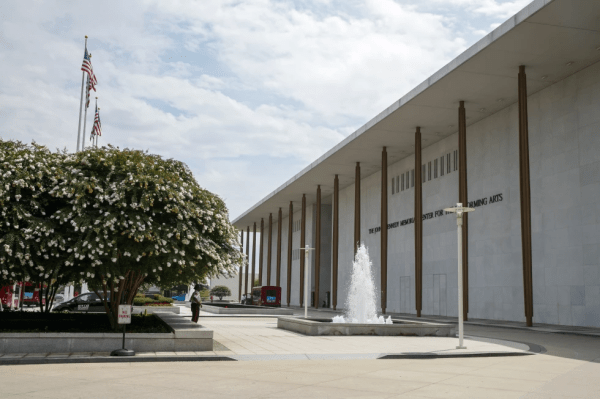
Organizers and the Kennedy Center have canceled a week’s worth of events celebrating LGBTQ+ rights for this summer’s World Pride festival in Washington, D.C., amid a shift in priorities and the ousting of leadership at one of the nation’s premier cultural institutions.

Multiple artists and producers involved in the center’s Tapestry of Pride schedule, which had been planned for June 5 to 8, told The Associated Press that their events had been quietly canceled or moved to other venues. And in the wake of the cancellations, Washington’s Capital Pride Alliance has disassociated itself from the Kennedy Center.

“We are a resilient community, and we have found other avenues to celebrate,” said June Crenshaw, deputy director of the alliance. “We are finding another path to the celebration … but the fact that we have to maneuver in this way is disappointing.”

The Kennedy Center’s website still lists Tapestry of Pride on its website with a general description and a link to the World Pride site. There are no other details.

The Kennedy Center did not respond to a request from the AP for comment.

The move comes on the heels of massive changes at the Kennedy Center, with President Donald Trump firing both the president and chairman in early February. Trump replaced most of the board with loyalists, who then elected him the new Kennedy Center chairman.

The World Pride event, held every two years, starts in just under a month — running from May 17 through June 8 with performances and celebrations planned across the capital city. But Trump administration policies on transgender rights and comments about Kennedy Center drag performances have sparked concern about what kind of reception attendees will receive.

“I know that D.C. as a community will be very excited to be hosting World Pride, but I know the community is a little bit different than the government,” said Michael Roest, founder and director of the International Pride Orchestra, which had its June 5 performance at the Kennedy Center abruptly canceled within days of Trump’s takeover.

Roest told the AP he was in the final stages of planning the Kennedy Center performance after months of emails and Zoom calls. He was waiting on a final contract when Trump posted on social media Feb. 7 of the leadership changes and his intention to transform the Kennedy Center’s programming.

Immediately the Kennedy Center became nonresponsive, Roest said. On Feb. 12, he said, he received a one-sentence email from a Kennedy Center staffer stating, “We are no longer able to advance your contract at this time.”

“They went from very eager to host to nothing,” he said. “We have not since heard a word from anybody at the Kennedy Center, but that’s not going to stop us.”

In the wake of the cancellation, Roest said he managed to move the International Pride Orchestra performance to the Strathmore theater in nearby Bethesda, Maryland.

Crenshaw said some other events, including a drag story time and a display of parts of the AIDS Memorial Quilt, would be moved to the World Pride welcome center in Chinatown.

Monica Alford, a veteran arts and culture journalist and event planner, was scheduled to organize an event June 8 as part of Tapestry of Pride, but said she also saw communication abruptly end within days of Trump’s takeover.

Alford has a long history with the Kennedy Center and organized the first-ever drag brunch on the Kennedy Center rooftop in 2024, and said she regarded the institution — and its recent expansion known as The Reach — as “my home base” and “a safe space for the queer community”

She said she was still finalizing the details of her event, which she described as “meant to be family-friendly, just like the drag brunch was family-friendly and classy and sophisticated.”

She said she mourns the loss of the partnership she nurtured with the Kennedy Center.

“We’re doing our community a disservice — not just the queer community but the entire community,” she said.

Roest said he never received an explanation as to why the performance was canceled so late in the planning stages. He said his orchestra would no longer consider performing at the Kennedy Center, and he believes most queer artists would make the same choice.

“There would need to be a very, very public statement of inclusivity from the administration, from that board, for us to consider that,” he said. “Otherwise it is a hostile performance space.”

NC councilman’s ‘nasty’ anti-LGBTQ comments spark protest in Catawba County

*This is reported by the Charlotte Observer.

Community members in Catawba County are planning a protest after backlash erupted over a scheduled Pride event, including anti-LGBTQ comments from a Newton city council member. The LGBTQ+ Democrats of Catawba County plan to protest at the Newton City Council meeting on May 6. The group rebranded and reorganized its event, formerly called the “2025 Newton Pride Takeover,” after what its leaders described as “nasty” Facebook comments led businesses to withdraw. The comments included discriminatory remarks from Council Member Jon McClure, said group president MacGregor VanBeurden. “That’s when it got really nasty and a lot of people I think felt emboldened by that,” VanBeurden said about McClure’s comments. “So we got a lot of hate, a lot of bad comments, and then our businesses started pulling out from the event. There were some really serious things said and it’s really blown up in the last week.” Newton is a city of more than 13,000 people about an hours drive northwest of Charlotte. McClure responded to a Facebook post announcing the Pride event with a video where a woman made false claims about transgender people. The councilman said in subsequent comments he does not support queer and transgender people. McClure did not respond to emails and phone calls from The Charlotte Observer requesting comment. Newton Mayor Jerry Hodge said in an interview with the Observer the city will allow people to speak about the issue during public comment like they would in any other meeting. “One council member does not speak for the entire council, and that may have been perceived as the case, but it is not,” he said about McClure’s comments. “We’ll be prepared to conduct a civil meeting for our citizens… and we will conduct the meeting within the realm of respect and dignity for all who speak.” Event rebrand The original Pride celebration, planned for the week of June 23rd, included a networking event, a queer karaoke night and a drag fundraiser, VanBeurden said. Facebook comments — from the councilman and others — prompted numerous businesses to pull out, VanBeurden said. But the show will go on. Since rebranding the event as the Newton Rainbow Celebration, numerous new businesses have signed on to participate. The event will include the networking event as well as a festival and drag event. One business that pulled out was local bar Pour Choices, which was supposed to host the queer karaoke night, VanBeurden said. Local boutique Emporium 23 also pulled out following the backlash but recommitted once the event was rebranded. About 20 local vendors signed up to participate in the celebration in just a few days, VanBeurden said. VanBeurden said it is important to him to remain resilient in the face of anti-LGBTQ rhetoric. “We’ve had a lot of progress made for lesbians, gays and bisexuals. We are nowhere near where we need to be, and there are still issues within our community from the outside world, but we’ve made a lot of progress,” he said. “I think that’s part of the reason that it’s so important is because as a gay man I have to stand up for other members of my community that are struggling even harder than I am.” That resilience includes the protest, which VanBeurden expects to draw turnout from the Carolinas LGBTQ+ Chamber of Commerce and the North Carolina Democratic Party. Catawba County isn’t the only area where LGBTQ+ events have faced pushback this year. In March, Union County commissioners voted to ban “obscene” and “sexualized” events in public parks, a move many interpreted as targeting Pride and drag events. In Monroe, two city council members also pushed for local rules to restrict drag performances, classifying them as “adult entertainment.” VanBeurden said rural and conservative areas remain critical battlegrounds in the fight for LGBTQ+ rights. “I think that the most effective way to make a change in any movement is to bring visibility and to show people that we exist and we exist outside of the big cities,” he said. “We exist in the middle of nowhere. We exist everywhere.”

HHS Plans to Cut the National Suicide Hotline’s Program for LGBTQ Youth

*This is reported by Mother Jones.

The federal government plans to eliminate services for LGBTQ youth who call 988, the national suicide and crisis hotline, according to a Health and Human Services budget draft leaked last week. The budget, first reported by the Washington Post, would go into effect in October if approved by Congress.

Since the hotline’s launch in 2022, callers have been able to speak with counselors trained to work with specific at-risk populations, including LGBTQ youth, who are four times more likely to attempt suicide than their peers.

The service for LGBTQ youth has received 1.3 million calls, texts, or chats since 2022. In February, the program received an average of 2,100 contacts per day.

“Here we are cutting off the nation’s lifeline to those in crisis,” says Paolo del Vecchio, former director of the Substance Abuse and Mental Health Administration’s Office of Recovery. “Due to the discriminatory practices of the Trump administration, they’re pulling that life preserver away from thousands and thousands of people.”

Mental health experts say that trained counselors provide key cultural competency to LGBTQ youth, understanding the stress caused by recent political attacks, the importance of using appropriate pronouns, and the ways in which the youth often face lack of family support and harassment.

“I worry deeply that we will see more LGBTQ young people reach a crisis state and not have anyone there to help them through that,” says Janson Wu, director of advocacy and government affairs at the Trevor Project, a LGBTQ suicide prevention organization. “I worry that LGBTQ young people will reach out to 988 and not receive a compassionate and welcoming voice on the other end—and that will only deepen their crisis.”

The Trevor Project, one of the handful of organizations that make up the LGBTQ+ Youth Subnetwork, responds to about half of 988’s calls and texts from LGBTQ youth. This year, the subnetwork received an estimated $50 million in federal funding.

Trump’s first months in office have been particularly harrowing for transgender youth. The president has signed executive orders restricting access to gender-affirming care for young people, barring transgender people from serving in the military, and threatening to prosecute teachers who support nonbinary students.

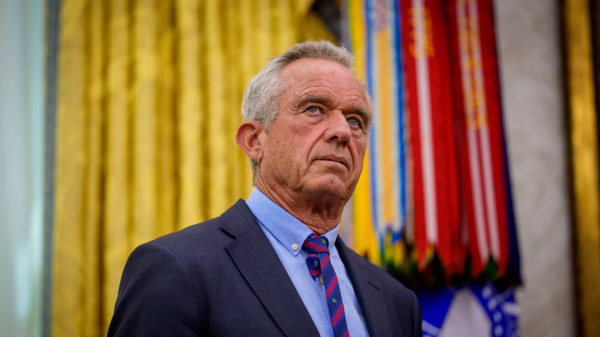
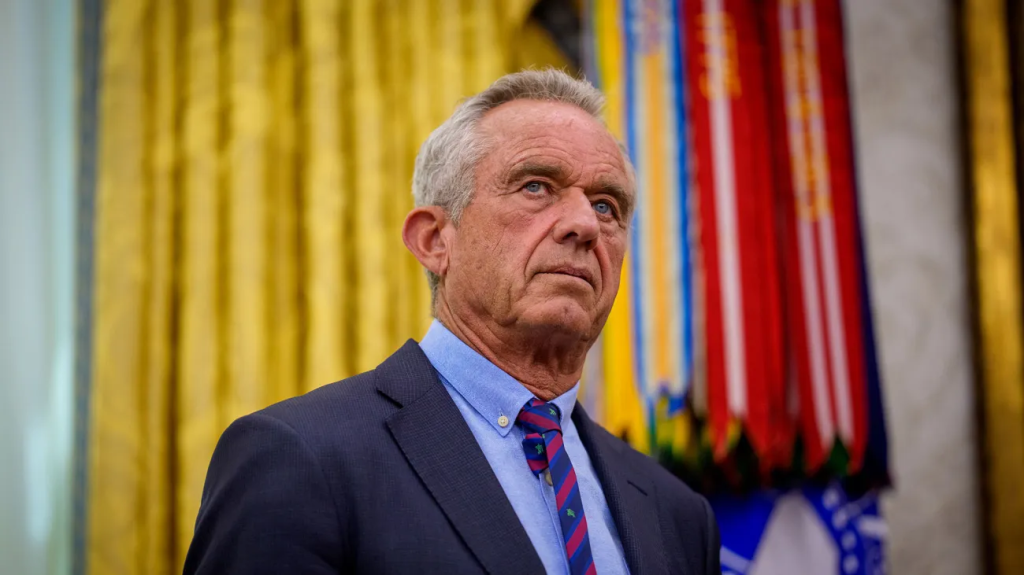
Under the leadership of health secretary Robert F. Kennedy Jr., HHS has already cut about a quarter of its workforce. SAMHSA has been eliminated, and mental health initiatives have been consolidated with disparate programs in a newly-created Administration for a Healthy America. The leaked budget proposes further sweeping cuts to HHS, including a 40 percent budget cut to the National Institutes of Health; elimination of funding for Head Start, the early childhood education program for low-income families; and a 44 percent funding cut to the Centers for Disease Control, including all the agency’s chronic disease programs.

Blog at WordPress.com.

Up ↑