GOP Ohio governor vetoes several anti-LGBTQ+ measures while letting others become law

Read more at LGBTQ Nation.

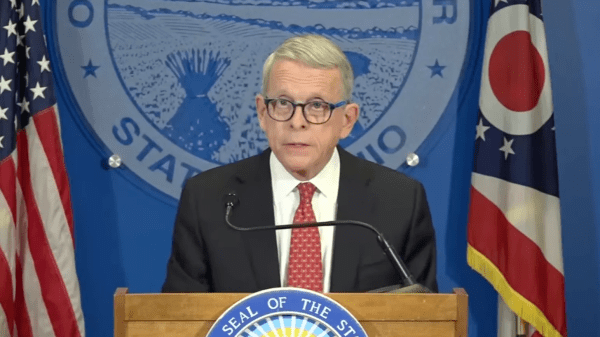
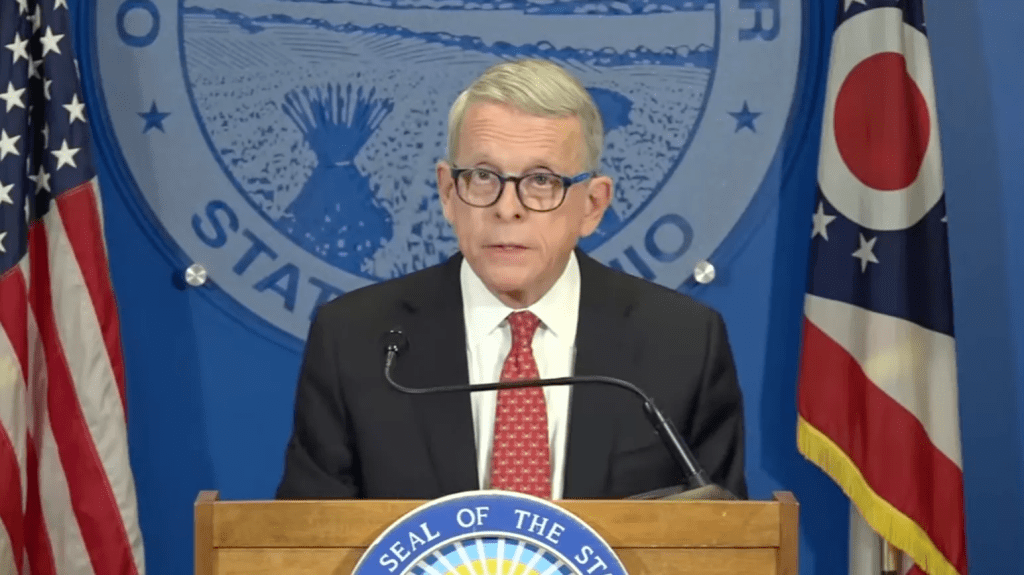
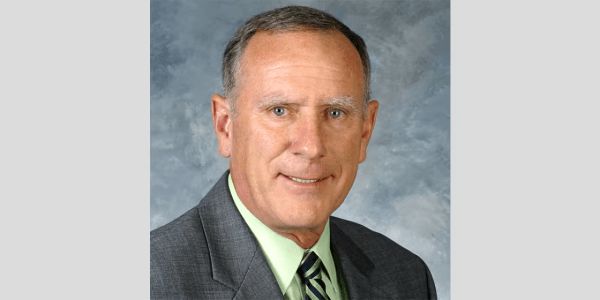
Ohio Gov. Mike DeWine (R) vetoed three anti-LGBTQ+ provisions in the state’s latest budget bill yesterday, in a partial victory for civil rights that still leaves several assaults on LGBTQ+ identity signed into law.

The budget passed by Republicans over Democrats’ objections included a raft of measures targeting the LGBTQ+ community, including a prohibition on flying the Pride flag on state property; defunding shelters that welcome trans youth; language defining sex in the state as binary; removing library books related to sexual orientation or gender identity from areas accessed by minors; and denying Medicaid funding for mental health services for transgender people.

DeWine vetoed the prohibition on the Pride flag, the defunding of youth shelters, and the mandate on library materials.

“The budget is supposed to be a reflection of Ohio’s shared values,” Equality Ohio said in a statement shared with the Columbus Dispatch after the governor vetoed the provisions. The group said lawmakers tried to make the bill “a vehicle for cruelty.”

“But because of community action—because we showed up, we sent emails, we made calls, and we told your stories — some of that cruelty was stopped in its tracks,” the organization said.

DeWine, a lifelong conservative and former United States senator, was circumspect in explaining the reasoning behind his vetoes.

On the subject of youth shelters, DeWine told reporters, “We want homeless shelters to be open for everyone. That’s kind of it.”

Of the library provision, which ordered books addressing LGBTQ+ identity kept “out of sight” of minors, the governor said, “As parents or grandparents, no one wants their child to have a book or something that is inappropriate, something that is obscene. But I just felt that the language did not work.”

The provision banning the Pride flag would have limited flags flown on state properties to the American flag, the Ohio flag, the POW/MIA flag, and flags of official state agencies.

Wins for MAGA Republicans in the GOP-dominated Ohio House and Senate included copycat language from the president’s “gender ideology” executive order mandating the government recognize only two biological sexes, male and female, as well as a ban on Medicaid funding for mental health services for transgender people.

How the latter would be enforced in a mental health setting has yet to be tested and will likely be challenged in court.

DeWine also let stand a prohibition on distributing menstrual products in men’s public restrooms.

Republican leaders can override any of DeWine’s line-item vetoes between now and the end of the two-year legislative session in December 2026. The GOP holds overwhelming and veto-proof majorities in both the House and Senate.

In January 2024, Republicans overrode DeWine’s veto of a bill banning gender-affirming care for minors and trans women and girls from participating in school sports in the state.

In November, DeWine signed a discriminatory “bathroom bill” into law restricting use of public school and college restrooms based on “biological sex.”

Bipartisan House coalition demands RFK Jr. reverse Trump’s plan to end LGBTQ+ suicide prevention hotline

*This is reported by The Advocate.

A bipartisan group of U.S. House lawmakers is urging Health and Human Services Secretary Robert F. Kennedy Jr. to block the Trump administration’s plan to eliminate the LGBTQ+ youth services within the 988 Suicide & Crisis Lifeline—an emergency support network that has served more than 1.3 million contacts since its full implementation in 2023.

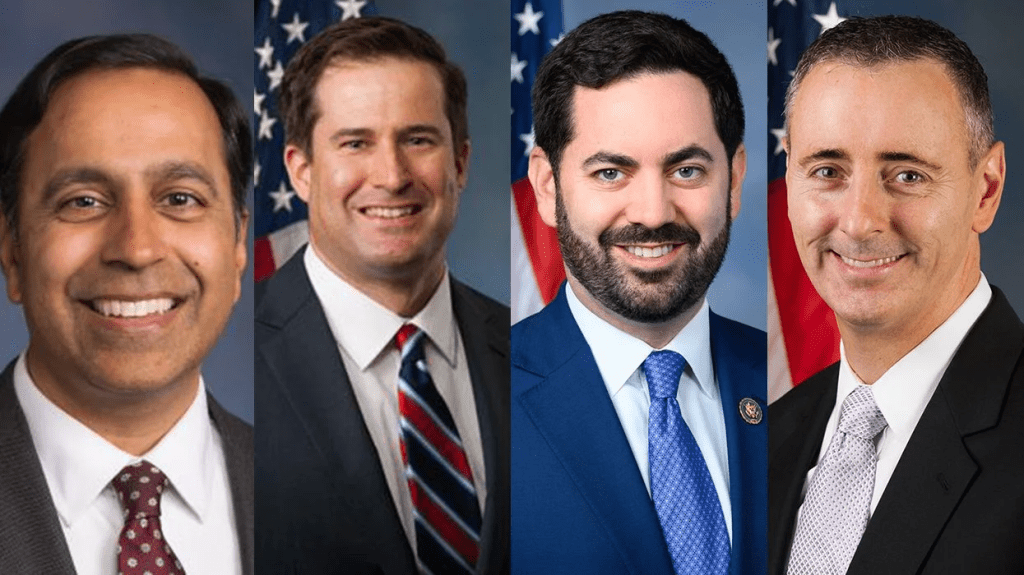
The Wednesday letter, signed by Reps. Raja Krishnamoorthi, a Democrat from IllinoisNew York Republican Michael Lawler, Massachusetts Democrat Seth Moulton, and Brian Fitzpatrick, a Republican from Pennsylvania, calls on Kennedy to stop a 30-day phaseout announced by the Substance Abuse and Mental Health Services Administration on June 17. According to internal agency guidance, the LGBTQ+-specific branch of the hotline, which allows callers to “press 3” to connect with affirming counselors, is set to be dismantled by July 17, according to SAMHSA.

“This is not some kind of hotline set by a liberal Democratic administration,” Krishnamoorthi said in an interview with The Advocate Thursday morning. “It was actually signed into law by President Trump. Various Republicans in the Senate and the House supported it.”

Since the line became fully operational in 2023, he noted, “it has received an astonishing 1.3 million calls, texts, and other forms of communication” and was “averaging 2,900 contacts every day” as recently as February.

Krishnamoorthi, who serves as a ranking member of the House Oversight Subcommittee on Health Care and Financial Services, raised the issue sharply during a Wednesday hearing on diversity, equity, and inclusion policy rollbacks. “In the name of expunging DEI, the Trump administration has lurched from the farcical to the cruel,” he said, highlighting the crisis line’s termination as an especially harmful example. “These actions are wrong, but do not compete in cruelty with the ending of a suicide hotline for LGBTQ youth.”

The LGBTQ+ subnetwork of 988 was developed under a bipartisan mandate to offer tailored support to high-risk groups, much like the veteran-specific track within the program. In addition to young people, it has provided critical services to adults experiencing distress related to anti-LGBTQ+ violence, legislation, and rejection.

At the hearing, Krishnamoorthi pressed conservative legal activist Daniel Lennington on whether he disputed Centers for Disease Control and Prevention data from the Trump administration showing LGBTQ+ youth face significantly higher suicide risk. Lennington replied he was “not aware of anything to do with the suicide hotline,” prompting Krishnamoorthi to respond, “That’s the problem—a lack of awareness.”

Krishnamoorthi told The Advocate that the decision to eliminate the program was driven by the Trump administration’s broader campaign against diversity and inclusion initiatives. “Eliminating this lifeline is cruelty because you are essentially discontinuing a service that saves lives,” he said. “In the name of fighting DEI, they’re going to cause a lot of young people to DIE.”

Krishnamoorthi warned that “especially now, during a time when the LGBTQ+ community at large feels tremendous pressure,” the need for the hotline may be “much higher than it was before.”

Krishnamoorthi emphasized the rare bipartisan nature of the letter to Kennedy. “It’s hard to get bipartisan letters, let alone legislation, on topics involving the LGBTQ+ community,” he said. “But this one touches a nerve. I think that young people, whoever they are, still occupy a soft corner in people’s hearts regardless of ideology.”

The Trump administration’s move, first reported in The Advocate in April, was confirmed in the FY2026 budget released during WorldPride in Washington, D.C. Mental health advocates and LGBTQ+ organizations have condemned the proposal as reckless and dangerous.

Mark Henson of The Trevor Project previously told The Advocate the 988 LGBTQ+ subnetwork is “a vital tool” that serves more than 60,000 young people each month. Without it, advocates warn, those calls may go unanswered—or be routed to general crisis lines lacking LGBTQ+ expertise.

In response to a question about his message to young LGBTQ+ people, Krishnamoorthi said he’s met with young people and their parents and understands their pain. “We’ve got to band together at the state level, at the local level to protect whatever rights we can. We must continue to fight for change in the future,” he said.

Krishmamoorthi added, “If we can rally around a group of people, it would be our young people.”

If you or someone you know needs mental health resources and support, please call, text, or chat with the 988 Suicide & Crisis Lifeline or visit 988lifeline.org for 24/7 access to free and confidential services. Trans Lifeline, designed for transgender or gender-nonconforming people, can be reached at (877) 565-8860. The lifeline also provides resources to help with other crises, such as domestic violence situations. The Trevor Project Lifeline, services at TheTrevorProject.org/Help or text START to 678678.

A 50-state look at the well-being of LGBTQ+ young people

*This is being reported by University Business.

The well-being of LGBTQ+ young people suffers not because of who they are but due to mistreatment and stigmatization, a leading suicide-prevention organization contends.

The Trevor Project has released a state-by-state analysis of the mental health of LGBTQ+ teens and young adults. The survey of 18,000 LGBTQ+ young people ages 13 to 24 examines suicide risk, access to care, discrimination, bullying and the impact of anti-LGBTQ+ policies, among other factors.

The Trump administration has impacted support and awareness for LGBTQ+ students across colleges and universities. A recent Dear Colleague letter has demanded institutions to dismantle diversity, equity and inclusion programs, which usually house support for LGBTQ students. GOP lawmakers across Florida, Texas and Iowa have also targeted academic programs related to gender studies.

Young people made the following statements about where they live:

I live in a community that is accepting of LGBTQ+ young people.

  • Arkansas: 36%
  • Hawaii: 88%
  • Idaho: 31%
  • Puerto Rico: 60%
  • Washington, D.C.: 97%

I or my family have considered leaving for another state because of LGBTQ-related topics politics and laws.

  • Connecticut: 19%
  • Kentucky: 56%
  • Montana: 53%
  • Texas: 58%
  • West Virginia: 46%

Percentage of LGBTQ+ youth who have seriously considered suicide in the past year:

  • Arizona: 39%
  • Colorado: 41%
  • Louisiana: 32%
  • Michigan: 37%
  • Vermont: 44%

LGBTQ+ young people were physically threatened or harmed:

  • Alaska: 16%
  • New York: 22%
  • Rhode Island: 17%
  • South Carolina: 25%
  • Wyoming: 29%


LGBTQ+ youth who reported experiencing symptoms of depression:

  • Alabama: 56%
  • Kansas: 49%
  • Maryland: 48%
  • Tennessee: 57%
  • Utah: 53%

LGBTQ+ young people who wanted and received mental health care:

  • Florida: 44%
  • Massachusetts: 58%
  • Mississippi: 41%
  • New Jersey: 55%
  • Wisconsin: 53%

Kentucky GOP Lawmakers Approve Bill to Reverse Governor’s Ban on Conversion Therapy

*This is being reported by Gayety.

Kentucky state Representative David Hale, a Republican, has introduced legislation aimed at overturning a 2024 executive order issued by Democratic Governor Andy Beshear that bans conversion therapy. This controversial practice, which attempts to change a person’s sexual orientation or gender identity, has been widely discredited by medical and psychological experts. Despite numerous opponents testifying against Hale’s bill, the lawmaker insists that his research supports the need for the legislation, although he declined to disclose the organizations that helped him draft the bill.

Governor Beshear’s Executive Order and Its Impact

In September 2024, Governor Beshear signed an executive order that outlaws conversion therapy for minors in Kentucky. The executive order not only prohibits state-funded programs from supporting the practice, but it also calls for licensing boards for counselors to consider disciplinary action against those who engage in conversion therapy. Beshear’s order aims to protect minors from a practice that has been shown to have detrimental effects on mental health.

At the time of signing the order, Beshear emphasized that conversion therapy “has no basis in medicine or science” and cited research linking the practice to increased rates of suicide and depression. “This is about doing what is right and protecting our children,” Beshear said in a statement. “Hate is not who we are as Kentuckians.”

Hale’s Proposed Bill and its Justifications

On February 15, 2025, Hale introduced House Bill 495, a measure designed to reverse Beshear’s executive order. Hale, who is known for his conservative stances, argues that his bill would protect counselors, therapists, and pastors who offer conversion therapy from government interference. He insists that parents should have the right to seek therapy that aligns with their beliefs and the needs of their children.

During a committee meeting, Hale claimed that his bill would protect mental health providers offering “therapy to relieve discomfort or distress caused by an individual’s sex or romantic or sexual attraction.” He further added that the bill would also safeguard practitioners who offer other forms of therapy, including pro-LGBTQ or gender-affirming care. Despite the claims, Hale did not specify which organizations assisted in drafting the bill’s language.

The bill, which was approved in a 15-4 party-line vote by the committee’s Republican members, is now one step closer to being debated by the full Kentucky legislature. Some Republicans on the committee argued that the bill would ensure mental health professionals could offer care that respects both LGBTQ+ individuals and those seeking therapy to change their sexual orientation.

Opposition Voices and Concerns

Numerous witnesses spoke out against Hale’s bill, citing the harm caused by conversion therapy and the damage it can do to vulnerable individuals. Eric Russ, a licensed clinical psychologist and executive director of the Kentucky Psychological Association, testified that the bill “directly threatens the trust between a mental health provider and our clients” by legitimizing practices that are widely considered harmful.

Rev. Brandon Long, an ordained minister and former victim of conversion therapy, shared his personal experience of being subjected to the practice after coming out as gay. He described how conversion therapy had attempted to alter his sexual orientation by blaming it on childhood trauma and demonic influence. “Conversion therapy weaponized sacred pastoral practices,” Long said, adding that it was “spiritual and psychological abuse.”

Chris Hartman, executive director of the Fairness Campaign, an LGBTQ+ rights group, questioned why the committee responsible for overseeing state government functions was involved in passing legislation related to mental health care.

Hale, who said he had found “no evidence” supporting the personal testimonies of those who spoke against his bill, went on to shake hands with several of the witnesses who had opposed it. Rev. Long refused to shake his hand, accusing Hale of dismissing their lived experiences and framing their testimony as lies.

Political Landscape and Future of the Bill

Hale’s bill is part of a broader culture war in Kentucky, where conservative lawmakers have made several attempts to restrict LGBTQ+ rights. In 2023, Kentucky Republicans successfully passed a ban on gender-affirming medical care, though it is currently on hold due to ongoing court challenges. While this ban focuses on medical care, it does not address gender-affirming psychological counseling.

Conversion therapy has been banned in 23 states, and the practice has faced widespread condemnation from major U.S. medical and psychological associations. Research has consistently shown that conversion therapy leads to increased emotional distress, including depression and suicidal thoughts, particularly among LGBTQ+ youth. According to the Trevor Project, nearly 21% of LGBTQ+ youth in Kentucky have reported being subjected to conversion therapy, with 83% of those experiences occurring before the age of 18.

A Divisive Issue for Kentucky’s Future

Hale’s bill comes at a time when Republicans hold supermajorities in both chambers of Kentucky’s legislature, which could threaten the future of Beshear’s executive order. If passed, the bill would reverse the protections set forth by Beshear, allowing the practice of conversion therapy to continue in the state.

As the bill moves through the legislative process, it is clear that the debate over conversion therapy is far from settled. Advocates for LGBTQ+ rights are committed to fighting the bill, while opponents argue that parents should have the freedom to choose therapeutic options that align with their values. With the state’s political climate increasingly polarized, Kentucky’s legislature is set to remain at the center of a larger national conversation about the rights of LGBTQ+ individuals and the role of government in regulating mental health practices.

For those struggling with issues related to conversion therapy, several resources are available, including the Trevor Project (1-866-488-7386) and the Trans Lifeline (1-877-565-8860). These organizations provide safe, confidential support for LGBTQ+ youth and adults.

Blog at WordPress.com.

Up ↑