
This blog originally appeared at YAHOO FINANCE.
The COVID-19 pandemic in 2020 sparked a significant wave of migration among Americans. Many residents of costly and densely populated areas saw an opportunity. With the shift to remote work and a growing preference for greater physical distance between neighbors, urban dwellers were able to relocate from places like New York and California to states such as Texas and Florida.
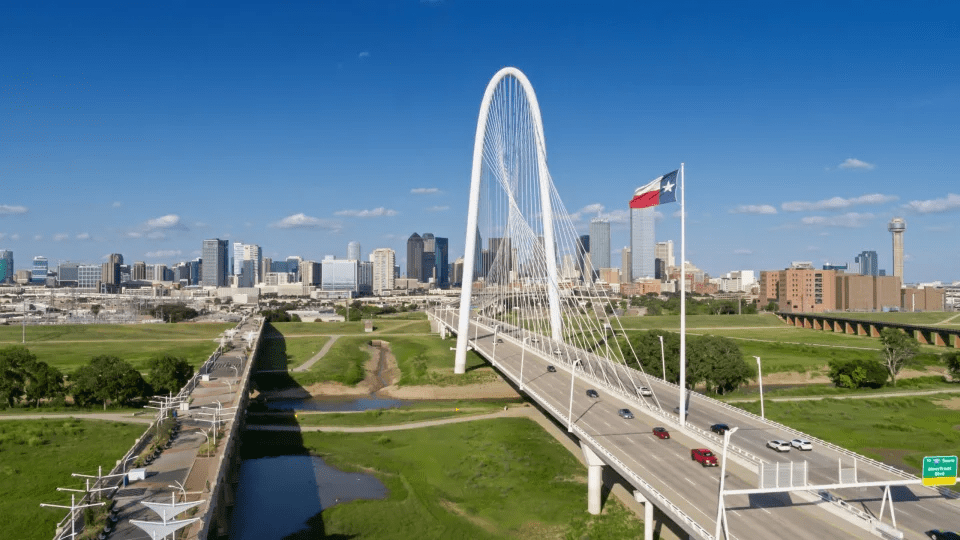
During the pandemic, Texas ranked second only to Florida in terms of states with the highest net migration rates. However, four years later, many who relocated to the Lone Star State are reconsidering their decision to uproot and move their families there.
I’ve observed several reasons why some individuals who moved to Texas post-pandemic might be experiencing regrets,” said Jolean Olson, a veteran in the Texas housing market at Olson Home Buyers. “While Texas offers numerous benefits, such as a lower cost of living, no state income tax, and a thriving job market, there are also challenges and downsides that have become apparent to some new residents.”
Next point: Here are some reasons people may regret moving to Texas post-pandemic.
Extreme Weather Conditions
“Texas has earned a reputation for its scorching summers and frequent severe weather events, including hurricanes, tornadoes, and flash floods, among others.
“Many new residents may not have anticipated the intensity of Texas summers, where temperatures often surpass 100 degrees Fahrenheit,” Olson remarked.
Moreover, Olson highlighted the impact of the severe winter storm that struck Texas in early 2021. This event led to shortages of essential resources like water and widespread power outages across the state. According to Olson, the storm underscored “the state’s susceptibility to extreme weather and its inadequate infrastructure to manage such emergencies.”
Infrastructure and Public Services
“The surge of new residents has strained Texas’s infrastructure and public services,” Olson explained.
Cities such as Austin, Dallas, and Houston have experienced escalating traffic congestion on both highways and local roads, leading to longer commute times and heightened frustration for drivers.
“Compared to other states, public transportation options in Texas are limited, which can pose a significant adjustment for individuals accustomed to more extensive transit networks,” Olson added.
Housing Market Pressures
“Although Texas has long been recognized for its affordable housing, the pandemic-driven influx has sharply increased home prices and rental rates,” Olson noted. “Many newcomers who anticipated affordable housing options are now contending with a competitive and costly market.”
Olson highlighted how the heightened housing market activity has led to more intense bidding wars, rising property taxes, and, in some cases, “disappointment for those unable to secure their desired homes within their budget.”
Higher Property Taxes
Purchasing a house is just the beginning of the challenges for property owners in Texas. Property taxes, as highlighted in WalletHub’s 2024 report, rank Texas seventh-highest in the nation. For new residents, this can come as a surprise, potentially offsetting the savings from Texas’s lack of state income tax. This scenario is especially pronounced for those relocating from states with significantly lower average property tax rates.
Cultural and Lifestyle Adjustments
Texas boasts a unique cultural identity that can be both captivating and challenging for newcomers to acclimate to.
“Texas has a distinct cultural identity that may not appeal to everyone,” Olson emphasized, noting that “the political atmosphere leans more conservative compared to states such as California or New York, which can be a substantial shift for individuals with differing perspectives.”
Furthermore, Olson pointed out that life in Texas, especially outside its major cities, “tends to be more suburban and less cosmopolitan, which might not meet the expectations of those coming from more urbanized areas.”
Employment Market Realities
Securing a suitable job that aligns with one’s skills and provides a sufficient income for a family can be challenging in Texas, despite the state’s reputation for a robust and thriving job market.
“Many newcomers have discovered that the available job opportunities don’t always align with their skill sets or salary expectations,” noted Olson. “Competition for higher-paying positions has also intensified due to the influx of new residents, making it more difficult for some to land their desired roles.”
Education System Concerns
According to Olson, the quality of public education in Texas varies significantly. “While some districts excel, others suffer from underfunding and lower educational outcomes,” she noted.
Depending on the location within Texas, the school system can be a point of disappointment. “Families moving here with school-aged children might find the public education options in their chosen communities lacking, which can lead to added stress and even relocation within the state,” Olson explained.
Overall, while Texas has many positives, Olson emphasized the importance of considering various factors before deciding to move there. “Texas offers numerous advantages, but potential residents should carefully weigh these against the challenges,” she advised. “Understanding the complete picture of life in Texas, beyond the initial allure, is crucial for making an informed decision.”
“As a real estate professional, I always recommend thorough research and ideally visiting the areas under consideration to ensure they align with your expectations and needs,” Olson concluded.
 fleeredstates.blog
You must be logged in to post a comment.