
Read more at Out in New Jersey.
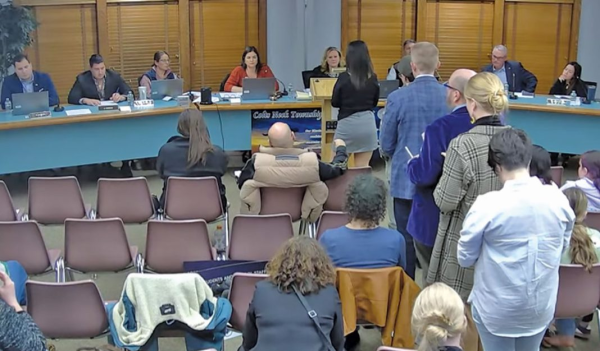
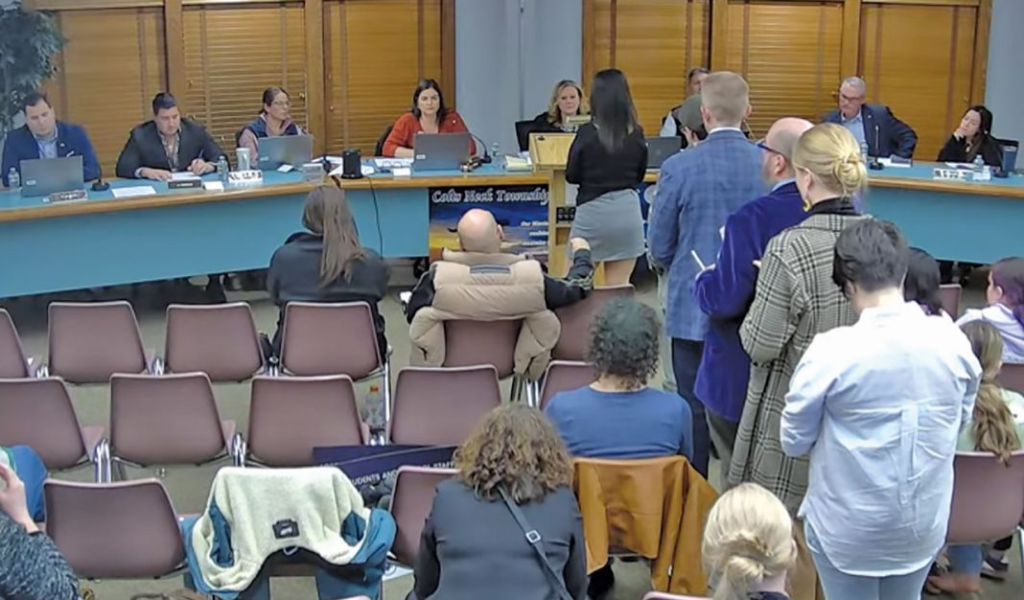
The Colts Neck Township Schools Board of Education on Nov. 19 unanimously passed a “Parental Bill of Rights,” which among other things allows parents to obtain information surrounding their child’s gender identity and allows them to opt their child out of lessons they find morally objectionable.
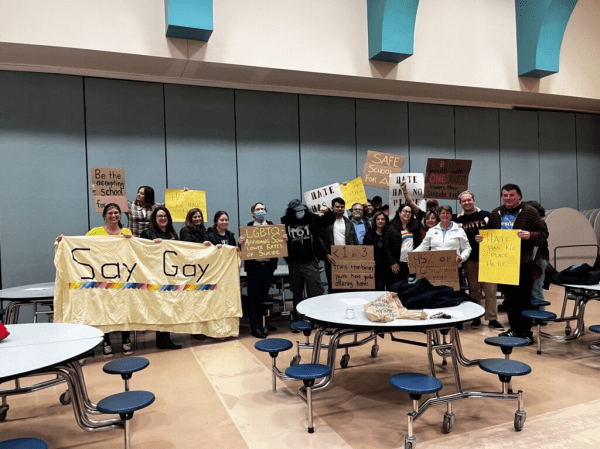
The adoption of the policy for the preschool through eighth-grade school district was seen as a victory for parents who believe they should have a say in what their child is learning, but drew criticism from LGBTQ advocates who believe the policy is discriminatory and will hurt students who are sexual or gender minorities.
Lucas Manrique, a mental health professional who spoke during the public comment portion of the meeting before the vote took place, said the BOE’s policy would “operate in direct opposition” to New Jersey Department of Education Policy 5756, which provides guidance to schools on how to treat transgender and gender nonconforming students.
“It is my ethical responsibility as a therapist to provide testimony where I see the potential for harm,” said Manrique, who identified himself as a licensed associate counselor and a nationally certified counselor from Middlesex County.
“5756 was created to protect young people by preventing forced outing. Outing students without their consent is psychologically damaging, is discrimination, and is illegal in New Jersey. I implore you to recognize that as a body, it is your responsibility to protect every student and reinforce the rights protected by law,” he said.
However, Val Mendez of Marlboro said she strongly supports the policy. She said that she cares deeply about transparency and that schools should not be a replacement for parents.
“What I appreciate most about this … is that it’s not about politics; it’s about restoring trust, strengthening communication, and ensuring that parents and schools work together,” said Mendez, who emphasized she was speaking as a parent and not as a member of any board to which she belongs.
The policy contains eight articles and outlines parents’ and legal guardians’ rights in the school district. The parts of the policy that sparked the most controversy deal with sexuality and gender, including resources and curricula containing LGBTQ content.
Article 3.3 of the policy addresses the issue of gender identity. It says that the BOE affirms the rights of a child’s parents or legal guardians to ask staff members and receive from them “truthful and to the extent known information” about their child, including changes to their child’s gender identity, pronouns, and name. A child’s legal caretakers, according to the policy, are also entitled to know the sports teams and activities “organized by sex” in which their child is participating and what “sex-specific” facility, such as a bathroom or locker room, their child is using.
Article 4.1 of the policy entitles parents or legal guardians to excuse their child from any “instructions in health, family life education or sex education” that conflict with their “conscience, or sincerely held moral or religious beliefs.”
Article 4.2 of the policy allows a child’s legal caretakers to prevent their child from exposure to a resource or curriculum content that they believe “substantially interferes” with their child’s religious development.
And Article 4.3 allows parents or legal guardians to prevent their child from participating in surveys, questionnaires, or research projects involving personal family information, beliefs, sexual behavior, mental health, or other “sensitive areas.”
Other school districts in the state have written similar policies that have been met with legal challenges. New Jersey Attorney General Matthew J. Platkin filed lawsuits alleging the policies violate the state’s Law Against Discrimination against at least three school districts. The attorney general’s office declined to comment on the matter in Colts Neck. A spokesperson for the LGBTQ civil rights organization Garden State Equality said the organization is “carefully considering any and all possibilities.” A spokesperson for the American Civil Liberties Union of New Jersey said the organization is looking into the policy.
Shawn Hyland, director of advocacy at the New Jersey Family Policy Center, which describes itself on its website as a “Christ-centered organization” and has offices in Trenton and Warren, thanked the board for considering what he called a “common-sense policy.”
“Thank you for recognizing that the parents in Colts Neck genuinely want what’s best for their children and that school policies should reflect that reality. Parents are not only taxpayers; they’re the primary stakeholder in public education. They nurture, protect, and guide their children every day, and they deserve transparency. Let me be clear: Parents are not the problem,” he said.
However, that is not always the case, according to Manrique, who said The Trevor Project, a national nonprofit organization focused on suicide prevention and crisis intervention for LGBTQ youth, found that in 2024, 40 percent of unhoused LGBTQ youth reported that they were kicked out of their parents’ home or were abandoned because of their LGBTQ identity. Also, 35 percent of homeless youth reported attempting suicide, Manrique said.
Still, Hyland said it is “deeply offensive” to suggest moms and dads should have no right to know what curriculum is being taught, to access student records, to be notified of health-related decisions, and to opt out of “intrusive surveys.”
“It is both unethical and dangerous to advocate for that extreme position, yet sadly some do.” Hyland said, adding that the BOE’s policy does not create rights; it simply recognizes the rights already protected under existing federal law. He added that “keeping secrets from parents” violates the federal Family Educational Rights and Privacy Act and the Protection of Pupil Rights Amendment.
Hyland said 77 percent of New Jersey adults believe parents should be fully informed about what’s happening in school. “This is not a fringe position; it’s a mainstream conviction,” he said.
However, Dr. Brian Kaufman, a psychologist with expertise in adolescent development and human sexuality from Asbury Park, told the board that outing students before they are prepared “could lead to the indelible stain of blood on your hands. You can always choose to introduce additional conversations and lessons, but you cannot undo the physical and emotional trauma that results from ignorance.”
Kaufman directs a nonprofit organization called “Rainbow Quest.” Its mission, stated on its website, is to distribute “affirming and educational resources to promote social and intercultural skills.” The organization offers training workshops for educators and therapists and “community-building” events that are intended to “reduce bullying, discrimination, and intolerance and help build and maintain healthy, safe communities, homes, schools, and workplaces.”
He said the organization also aims to educate about “historical and cross-cultural heroes who advanced humankind, LGBTQ role models.
“We rarely learn about these heroes’ sexual orientation or gender identities in school, but every election cycle, we can’t avoid being bombarded with angry, ignorant rhetoric that portrays LGBTQ+ community members as inferior, deviant, and less deserving of respect and love than their gender-conforming peers.”
The exclusion of positive content about LGBTQ people and their contributions to society “leaves the public with a one-sided, negative perception of our gender-diverse youth,” Kaufman said, adding that much more is known now about human sexuality and gender than in the past.
Larissa Garcia, community organizer for GSE, who also identified herself as a Middlesex County resident, read a statement to the board from GSE Senior Director of Advocacy and Organizing Lauren Albrecht.
In it, Albrecht criticized the BOE and its policy committee chairman, Robert Scales, saying she is “keenly aware” of the board’s “disingenuously named ‘Parental Bill of Rights.’” Albrecht said Scales previously told her when she contacted the district months ago about the policy to register a complaint about it that it was dishonest of her to do so without reading it.
“I knew what it would say due to my professional experience and knowledge, and that coupled with the fact that I field regularly occurring calls from families in your district who are concerned by your board’s actions, which is an unusual occurrence for community members from a specific school district to regularly reach out to us about your board’s words, your board’s votes, and what your board members post on social media, about the tone and the climate that has been created for LGBTQ students in your schools by these words and actions,” Albrecht’s statement said.
She continued by saying she has since seen the policy and said it was “verbatim” the same as other policies introduced around the country by “right-wing extremists.”
Albrecht said the policy begs the question: “‘What is the end game here?’ What is the message that Colts Neck is trying to send to LGBTQ students and the school staff who serve them? Parents have always had rights. That has not changed nor been altered. And LGBTQ students have the right to be safe and supported at school so that they can focus on learning and just being kids. Just because you can introduce a policy like this, and you can, because the law still stands, absolutely does not mean that you should.”
Before the vote was taken, BOE President Angelique Volpe read a statement that said the policy’s adoption makes the board’s position “unmistakably clear” that the rights of parents will stay at the forefront of every decision the board makes.
“Parents are the primary authority in their children’s education, and this district will never sideline that role,” Volpe said. “Every child in Colts Neck will be protected, respected, and treated equally without exception, and we will not permit any sexual content, ideology, or identity to take priority over the rights of our families or the educational mission of our schools. No group’s sexuality will override the values or rights of others. Period.
“This board stands firm, united and unwavering. Our commitment to academic excellence, child safety, and parental authority is absolute, and we will defend these principles without hesitation.”


 fleeredstates.blog
You must be logged in to post a comment.