On Friday, the Trump administration began massive layoffs throughout the Department of Health and Human Services (HHS). As part of that, they completely removed the Office of Population Affairs, which was responsible for a wealth of public health programs, including specific initiatives for the LGBTQ+ community.
“This wasn’t a budget decision — it was ideological,” a former member of the Biden administration told The Advocate. “These are the programs that centered reproductive and queer health, and now they’re gone.”
Donald Trump has welcomed the government shutdown as an opportunity to cut what he has called “Democrat Agencies” to shrink the government. The process is being led by Russ Vought, the head of the Office of Management and Budget (OMB) and key author of Project 2025, which advocated for such cuts. However, he has also tried to blame those government cuts on the Democrats.
Vought took to X/Twitter on Friday to announce the start of the “Reduction in Force,” or RIF. His office confirmed via Politico that federal employees were being permanently fired, not temporarily furloughed for the duration of the shutdown: “Can confirm RIFs have begun and they are substantial. These are RIFs, not furloughs.”
Adrian Shanker, who served as deputy assistant secretary for Health Policy during the Biden administration, told The Advocate that while the Office of Population Affairs often had its programs politicized, this is “the first time that the office itself is being cut.”
The Office of Population Affairs manages a huge range of public health initiatives. Those include Title X family planning services and grants; programs for adolescents that cover issues such as pregnancy prevention, mental health, and substance abuse; the Embryo Adoption Awareness and Services program; screenings and treatment for sexually transmitted infections and information on preventing the spread of HIV; and LGBTQ+ health initiatives, including information on gender-affirming care.
As well as restricting programming targeted specifically at the LGBTQ+ community, these cuts will restrict access to family planning programs that LGBTQ+ people are more likely to make use of to grow their families.
The cuts to the Office of Population Affairs will leave us lacking when it comes to sex education and with less support for LGBTQ+ youth, Shanker noted, saying it “leaves us more vulnerable to health inequities and worsened health outcomes.”
Wider cuts to the HHS will have broader effects as the CDC is losing over a thousand employees, including the elimination of entire departments. “CDC is over. It was killed,” said Dr. Demetre Daskalakis, the out gay former director of the CDC’s National Center on Immunization and Respiratory Diseases, after 1000 scientists, doctors, and public health officials were fired from HHS on Friday. Daskalakis, an infectious diseases expert, resigned in protest of the administration’s war on science-based public health earlier this year.
“This administration only knows how to break things. They have made America at risk for outbreaks and attacks by nefarious players. People should be scared.”
Previous federal layoffs have been litigated in court, with some resulting in court rulings that the people cannot be fired, while other courts have allowed the dismissals to proceed. That process, if it occurs here, will take time, during which public health will suffer a setback.
“Without these people in place, it’s unlikely that a lot of these programs will be able to continue even after the government reopens,” predicted Shanker.
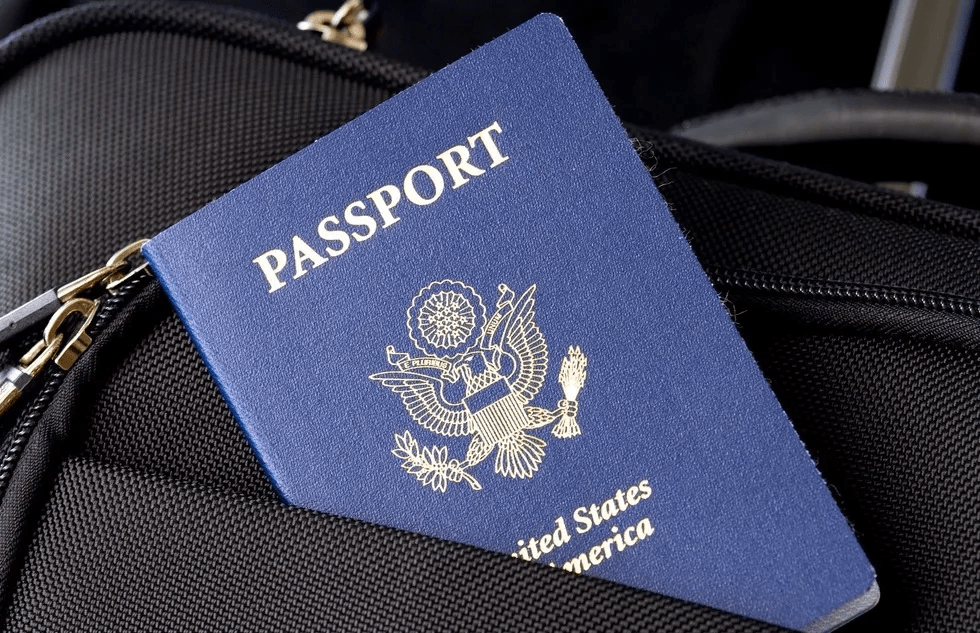
Sex Field Requirements: Effective Oct. 14, 2025, CBP systems will only accept “M” (Male) or “F” (Female) in the sex field of APIS transmissions. Any other characters will result in an “X Response-Insufficient Information” error, requiring airlines to resubmit the passenger data with corrected information.
U.S. Passport Format Validation: Starting Oct. 6, 2025, CBP will implement stricter validation for U.S. passport numbers transmitted through APIS.
Implementation Timeline
Sept. 17, 2025: Testing environment (EDU) available for sex field validation changes.
Sept. 24, 2025: Testing environment available for U.S. passport format validation.
Oct. 6, 2025: U.S. passport format validation goes live in production.
Oct. 14, 2025: Sex field validation goes live in production.
U.S. Passport Number Format Requirements
Valid U.S. passport numbers must follow one of these formats:
Option 1: Numeric Format
Nine numeric digits
Must have a numerical value of 4XXXXXXXX or higher
Option 2: Alpha-Numeric Format
Nine characters total
First character must be A, X, Y, or Z
Followed by exactly eight numeric digits
The leading alpha characters indicate passport type:
A: Regular passport
X: Diplomatic passport
Y: Official passport
Z: Service passport
Impact on Business Travel
Employer Considerations:
Review travel policies and booking procedures with travel management companies;
Ensure corporate travel booking systems capture accurate passenger information;
Brief frequent business travelers on the importance of providing exact passport details; and
Consider potential delays if incorrect information requires resubmission.
Employees Considerations:
Double-check that passport information matches exactly what is on the physical document when booking travel;
Verify that airlines have the correct sex designation as listed on the passport;
Allow additional time for potential rebooking if passenger information errors occur; and
Ensure the U.S. passport number format is valid if traveling on a U.S. passport.
Carrier Responsibilities
Airlines remain responsible for comparing travel documents passengers present with the information transmitted to CBP. Airline carriers must ensure accuracy in all APIS data submissions, including traveler sex designation and passport number formatting.
Practical Considerations
Document Verification: Provide passport information exactly as it appears on travel documents.
Sex Designation Accuracy: Ensure the sex designation transmitted to CBP matches exactly what appears on passports, regardless of personal identification.
Passport Updates: Consider whether passport updates may be necessary to ensure smooth travel.
Early Booking: Complete travel bookings in advance to allow time for any necessary corrections.
Travel Management: Work with experienced travel agencies familiar with APIS requirements.
Communication: Ensure clear communication between travelers, booking agents, and airlines regarding exact document details.
Special Considerations
Document Inconsistencies: If travelers’ passports contains a sex designation that differs from their current identification, airlines must still transmit the information exactly as it appears on their passport documents. CBP systems will only accept the “M” or “F” designation that matches travel documents.
Non-Binary Passport Designations: Passports issued with “X” or other non-binary markers will be rejected by CBP systems, requiring resubmission with valid documentation showing “M” or “F” designation.
Passport Updates: Travelers experiencing documentation inconsistencies may wish to consult with the relevant passport issuing authority about available options for updating travel documents.
Takeaways
The implementation of these changes may cause initial adjustment periods. Business travelers and employers should work closely with their travel management companies to enhance compliance with these new requirements. Providing accurate and complete travel documentation remains essential for efficient international travel.
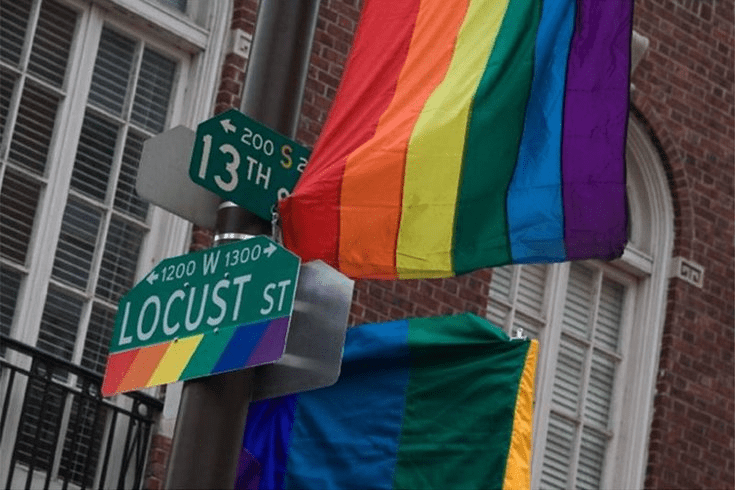
Philadelphia’s tourism agencies are planning to have a queer-friendly information center that will highlight LGBTQ+ events, restaurants and businesses to visitors coming to the city during a busy 2026.
The Philly Pride Visitor Center, operated by the Philadelphia Visitor Center and Visit Philadelphia, will open at 12th and Locust streets in the Gayborhood in January. Organizers said it will help travelers who are here for the World Cup, MLB All-Star Game and numerous celebrations for the 250th anniversary of the signing of the Declaration of Independence.
The center will offer itinerary planning, ticketing, travel advice and souvenirs from queer-owned businesses. It will also feature exhibits on some of the city’s queer history, including the first LGBTQ+ sit-in at Dewey’s restaurant in 1965 and the Annual Reminders demonstrations outside Independence Hall from 1965 to 1969. The historical content was curated with community input in partnership with Mark Segal, founder of Philadelphia Gay News.
“Our city helped launch the fight for representation in media, shaped national policy, and created safe, visible spaces for our community,” Segal said in a statement. “Now, with the opening of the Philly Pride Visitor Center, Philadelphia proudly honors that legacy and reaffirms its commitment to those who call this community home.”
Visit Philadelphia said it was one of the first supporters for creating the Stonewall National Monument Visitor Center in New York City, which was the first queer institution of its kind in the National Park System. Leaders said they’re eager to bring this support back home.
“For more than 20 years, Visit Philadelphia has worked to show LGBTQ+ travelers that they belong here,” said Angela Val, president and CEO of Visit Philadelphia. “This new center gives visitors and residents a place to connect with Philadelphia’s LGBTQ+ history, discover affirming businesses and see how this city helped shape a national movement. It is both a resource hub and a testament to Philadelphia’s role in advancing LGBTQ+ rights.”
Visit Philadelphia and the Visitor Center said that the move is both an investment in its values and reflective of the strong support from queer tourists.
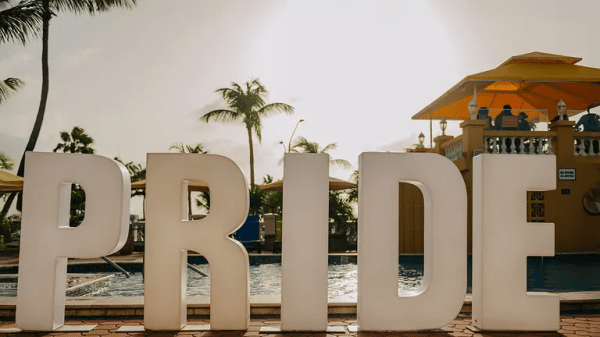
In July, St. Lucia’s courts struck down laws that criminalized consensual same-sex relations, mirroring similar 2022 rulings that eliminated discriminatory laws in Antigua and Barbuda, Barbados and St. Kitts and Nevis.
These developments represent major advances for English-speaking Caribbean islands, which have long carried some of the most discriminatory laws in the Western Hemisphere. It’s also good news for LGBTQ+ travelers, according to travel advisor Scott Wismont, founder of Rainbow Getaways.
“This evolution means we now have a much broader portfolio of destinations we can confidently recommend,” he said. “We can better guide clients to places where they will feel safe and celebrated.”
Reason to Celebrate
Resorts in St. Lucia were among the first in the tourism sector to praise the recent ruling.
“This year’s St. Lucia Pride carries such profound significance, marking the first since this historic shift toward equal rights for the LGBTQ community,” said Benjamin DiCosta, vice president of marketing and communication for Windjammer Landing Resort & Residences. “To witness the pride flag raised officially for the very first time in St. Lucia was a powerful and moving moment.”
Other St. Lucia hoteliers echoed positive sentiments.
“We have always welcomed LGBTQ+ travelers at both Anse Chastanet and Jade Mountain,” said Karolin Troubetzkoy, executive director of marketing and operations at both resorts. “We wholeheartedly welcome St. Lucia’s recent step to decriminalize same-sex relations. It’s a meaningful and long-overdue development that reinforces the message of inclusion and respect.”
A Region in Transition
Anti-LGBTQ+ laws are a holdout from the British colonial era, notes Thomas Julian, partner and head of Caribbean programs at Holborn Assets, a global financial services company with LGBTQ+ people among its clients.
“These laws, as are all the anti-LBGTQ laws in the Caribbean, are artifacts of the colonial era and are seldom, if ever, enforced,” he said. “However, the fact that they are still on the books is a travesty to justice, society and humanity. My hope is that now that these countries are moving forward and modernizing legislatively, they will do so policy-wise as well, and permit LGBTQ couples and families to apply together via their respective passport programs, which are what I sell.”
Mark Brantley, the premier of Nevis, is among the tourism leaders praising recent progress.
“The colonial-era laws criminalizing same-sex relationships were struck down by our courts as unconstitutional, a ruling that brings Nevis into alignment with both our values and our laws,” he said. “Across the English-speaking Caribbean, and particularly here in Nevis, there is a clear and prevailing sentiment of welcome for all travelers.” Dean Fenton, U.S. director of tourism for Antigua and Barbuda, strikes a similar tone.
“Antigua and Barbuda proudly welcomes all travelers, including those from the LGBTQ+ community,” he said. “While same-sex marriage is not yet legally recognized, symbolic ceremonies are celebrated on the island, and many of our hotels and resorts are well-versed in providing inclusive experiences.”
The Cayman Islands Department of Tourism, meanwhile, issued a statement confirming its goal of celebrating “diversity in all its forms” and its pride in being “a place where all visitors are welcome” — an attitude reflected in events such as Cayman Pride, which takes place every June, and the destination’s legal recognition of same-sex civil unions, which provide benefits similar to those of marriage.
Inclusivity as a Competitive Advantage
Decriminalization is an important step. But even after recent court rulings, Caribbean destinations still vary widely in terms of legal protections and rights for LGBTQ+ residents and visitors; not all recognize LGBTQ+ marriage or offer anti-discrimination protection, for example.
Some have a longer record of inclusivity than others, such as Puerto Rico, where same-sex marriage and same-sex adoption are legal and anti-discrimination legislation is in place. Discover Puerto Rico, the island’s destination marketing organization, even maintains a detailed LGBTQ+ travel section on its website.
“Puerto Rico has a vibrant LGBTQ+ culture that is not only visible but celebrated,” said José Arana, group marketing director for Discover Puerto Rico. “This is setting an example for the region, showing that when destinations embrace equality, they create an environment where all travelers feel welcome.”
Queer-friendly islands enjoy a distinct advantage in the tourism sector, he adds.
“Destinations that prioritize inclusivity have a clear competitive edge because they are opening their doors to a broader audience,” he explained. “Moreover, destinations that are safe and welcoming for LGBTQ+ travelers are often safe and welcoming for everyone, including women and solo travelers, making them more appealing across the board.”
May-Ling Chun, director of tourism for St. Maarten, agrees.
“Inclusive destinations certainly benefit from appealing to a wider potential customer base, and we recognize that being welcoming to LGBTQ+ travelers is both a reflection of our values and a strength in today’s competitive tourism market,” she said. “While every nation in the Caribbean has its own cultural context, there is an increasing recognition that inclusivity is essential for both social and economic growth.”
Aruba, Curacao and St. Barts also rank high for inclusivity, with same-sex marriage among the legally protected rights. Hoteliers in those destinations showcase their welcoming attitudes in a variety of ways. Dreams Curaçao Resort, Spa & Casino, for example, is accredited with the International LGBTQ+ Travel Association (IGLTA).
“By embracing diversity and welcoming every guest, Aruba not only gains a distinctive advantage, but also reaffirms its promise to be a place where everyone feels at home,” said Jurgen van Schaijk, the hotel’s owner and managing director.
Acceptance of diversity is rooted in the public mindset in St. Barts, according to Alexandra Questel, president of the St. Barts Tourism Committee.
“St. Barts’ commitment to inclusivity isn’t just a policy; it’s part of our culture and way of life,” she said. “That openness resonates with visitors, whether they identify as LGBTQ+ or simply appreciate destinations that celebrate diversity.”
The Role of Travel Advisors
Travel advisors play a crucial role in guiding LGBTQ+ clients toward positive Caribbean vacation experiences, notes Wismont of Rainbow Getaways.
“Many clients view the Caribbean as a singular, homogenous destination, unaware of the vast differences in cultural norms, legal frameworks and local attitudes from one island to the next,” he said. “This is precisely where the expertise of an advisor becomes indispensable. We curate an experience that aligns with their need for safety and acceptance.”
Even in destinations such as Jamaica, where male same-sex intimacy is still illegal, it’s possible to find a welcoming, upscale experience, according to Wismont.
“The case of Jamaica is more complex,” he said. “While the country as a whole has a challenging reputation, we have seen an encouraging trend of resorts making an explicit commitment to being safe and affirming spaces for LGBTQ+ guests.”
Among the queer-friendliest hotels in Jamaica is Round Hill Hotel and Villas, according to Wismont. Josef Forstmayr, the hotel’s managing director, agrees about the island’s positive momentum, as evidenced by his involvement in local hotel associations and the Jamaica Tourist Board.
“That shows I’m not being marginalized just because I happen to be gay,” Forstmayr said. “It speaks volumes about the open-minded thinking of the political directorate — as long as you don’t put them on the spot when it comes to public opinion. That’s where we fail.”
The ability of hotels such as Round Hill to provide a welcoming environment for LGBTQ+ travelers underscores the need for effective staff training. Forstmayr says diversity, non-discrimination and non-harassment is addressed early on with new hires.
Alaia Belize, an Autograph Collection property in Belize, takes a similar approach.
“We believe that true hospitality means creating a space where every traveler feels safe, celebrated and completely at home,” said Maria Novelo, marketing and communications manager for the hotel. “We are proud to carry forward a culture of inclusivity that welcomes LGBTQ+ guests with the same warmth and respect we extend to all.”
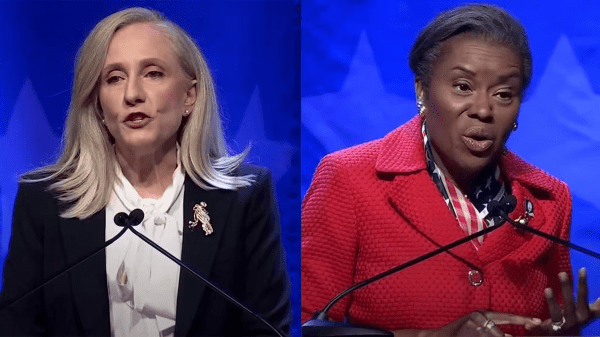
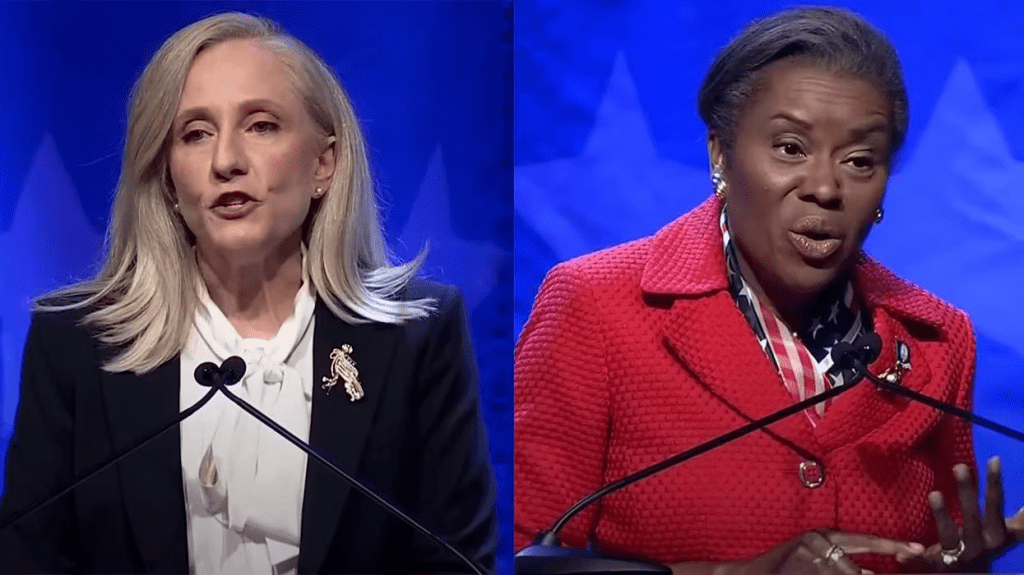
In a combative and chaotic debate Thursday nigh, in Norfolk, Virginia, Lt. Gov. Winsome Earle-Sears, the Republican candidate for governor, declared that opposing marriage equality and allowing employers to fire people for being gay “is not discrimination,” igniting a firestorm that has reverberated through Virginia politics and beyond.
The statement came during the only scheduled debate between Earle-Sears and Democratic nominee Abigail Spanberger, a former CIA officer and three-term member of Congress. The event, held at Norfolk State University and broadcast by TV station WAVY, was frequently interrupted by Earle-Sears’s outbursts, prompting moderators to repeatedly ask her to stop speaking over her opponent. “Please don’t interrupt,” one moderator said after Earle-Sears cut into Spanberger’s answer. Another warned, “Ms. Earle-Sears, we’re not going to be able to get to as many topics if we keep having to give Ms. Spanberger time.”
Spanberger, who leads in most polls, calmly cited Earle-Sears’s long record of opposing LGBTQ+ rights, including her refusal to support marriage equality or workplace protections for queer Virginians. “My opponent has previously said that she does not think gay couples should be allowed to marry,” Spanberger said. “She’s also said she thinks it’s OK for someone to be fired from their job for being gay.”
Before Spanberger could finish, Earle-Sears interjected, “That’s not discrimination.”
The remark drew immediate backlash online. The Human Rights Campaign, the nation’s largest LGBTQ+ civil rights organization, condemned the comment. Sam Lau, one of the organization’s spokespersons, said, “Yes, Lt. Gov. Earle-Sears, that is indeed discrimination. Vote for Abigail Spanberger.”
The Democratic Party of Virginia called the debate performance “atrocious,” and state Sen. Louise Lucas, who attended the event, wrote that Earle-Sears “took a page out of Donald Trump’s debate playbook — interrupt, interrupt, interrupt — anything to avoid real answers or substance.”
Even some Republicans criticized the lieutenant governor’s behavior. Former GOP U.S. Rep. Barbara Comstock said Earle-Sears “demonstrates her bigotry once again,” noting that she “wouldn’t stop babbling and talking over everyone when it wasn’t her time.”
Following the debate, the Spanberger campaign released a statement emphasizing Earle-Sears’s “decades-long, extreme record of opposing marriage equality and equal rights for all Virginians.” The campaign cited her opposition to bipartisan legislation protecting marriage equality that even Republican Gov. Glenn Youngkin signed, noting that she left a handwritten note on the bill stating she was “morally opposed.”
“Virginia families deserve better than a leader who refuses to protect their rights under the law,” Spanberger said in a statement. “The Lieutenant Governor last night showed Virginians that she is more focused on dividing people than solving problems. No company wants to grow in a state where the Governor excuses discrimination and supports firing workers because of who they are. Her comments tell businesses and families that Virginia is closed to the talent, investment, and innovation that keeps our economy strong.”
Democratic National Committee spokesperson Albert Fujii released this statement: “Winsome Earle-Sears is too extreme for Virginia. Her homophobic comments at last night’s debate are disqualifying and prove once again how out of step she is with Virginians. Virginians deserve a leader who will ensure Virginia is welcoming and affordable to everyone — and that champion is Abigail Spanberger. The DNC will keep fighting tooth and nail to ensure Abigail Spanberger wins big in November — the stakes could not be higher.”
Mark Bray, an assistant professor of history at Rutgers University who was nicknamed “Dr. Antifa” by students, left the U.S. for Spain Thursday night due to death threats he has received after he was accused of antifa membership.
The campus chapter of Turning Point USA and other conservative groups accused Bray of involvement with antifa and started a petition to get him fired, The Associated Press reported.
Bray has studied the history of the left and is considered an expert in anti-fascist movements but denies any involvement with antifa, which the Trump administration has labeled as a terrorist organization
“I am not now, nor have I ever been, part of any kind of antifascist or anti-racist organization – I just haven’t. I’m a professor,” Bray told The Guardian.
He took off on Thursday for Spain from Newark Liberty International Airport with his family, according to his social media, after initially being told his reservation had been canceled.
Conservative students labeled Bray a danger to campus.
“You have a teacher that so often promotes political violence, especially in his book ‘Antifa: The Anti-Fascist Handbook,’ which talks about militant fascism, which is on term with political violence,” student Megyn Doyle told Fox News.
The Hill has reached out to Rutgers for comment.
Conservatives said Bray donated to antifa when he committed 50 percent “of the author’s proceeds would go to the International Anti-Fascist Defense fund” from his 2017 book.
He countered those funds go “to help with the legal or medical costs of people facing charges for organizing pertaining to anti-fascism or anti-racism” and that the antifa group referenced does not have a centralized committee or leader, according to The Guardian.
Bray said the threats to him picked up with the petition and President Trump’s executive order to designate antifa as a terrorist group, prompting him to leave the country.
In his order, Trump said antifa is a “domestic terrorist organization” and gave the government authority to investigate anyone who provides “material support” to the group.
“Individuals associated with and acting on behalf of Antifa further coordinate with other organizations and entities for the purpose of spreading, fomenting, and advancing political violence and suppressing lawful political speech,” the order states. “This organized effort designed to achieve policy objectives by coercion and intimidation is domestic terrorism.”
When Bray first tried to leave the country with his family on Wednesday, they were not allowed on the plane and their reservation was canceled.
“‘Someone’ cancelled my family’s flight out of the country at the last second,” Bray posted on Bluesky. “We got our boarding passes. We checked our bags. Went through security. Then at our gate our reservation ‘disappeared.’”
The news he was trying to leave the country was first reported by NJ.com. The airline rescheduled them for the Thursday flight, which they successfully boarded.
Turning Point says it doesn’t support threats or doxing to any person, but students who have rallied in support of Bray are calling for its Rutgers chapter to be shut down.
“The Rutgers chapter of Turning Point USA (TPUSA) has been continuously promoting hate speech and inciting violence against our community. This disturbing behavior has created a toxic environment that has already led to tragic consequences,” a petition against the chapter reads.
The Hill has reached out to Turning Point for comment.
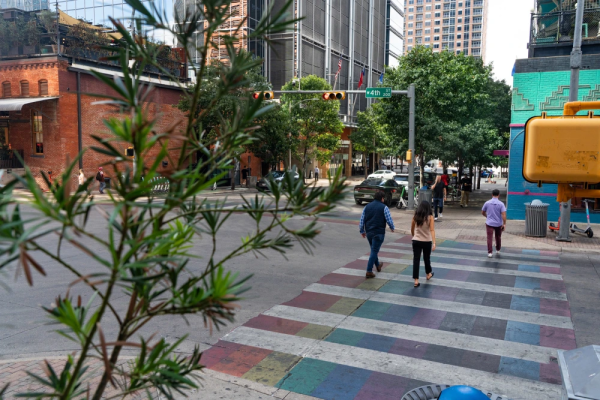
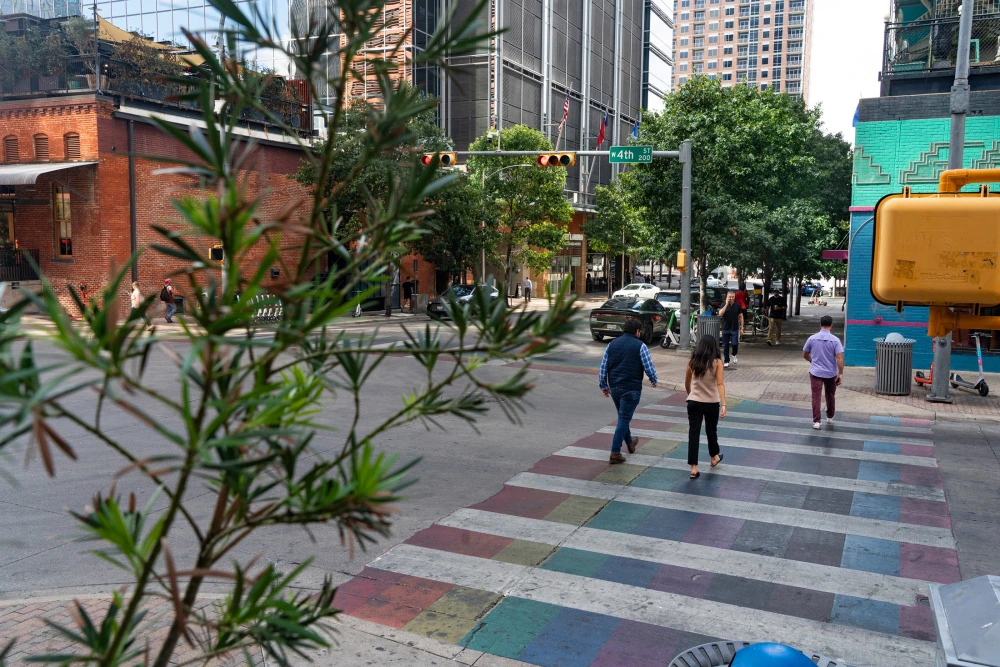
Texas Gov. Greg Abbott is calling for the removal of rainbow crosswalks and other symbols of pride from public roads across Texas, saying they pose safety concerns and misuse taxpayer dollars.
“Texans expect their taxpayer dollars to be used wisely, not advance political agendas on Texas roadways,” Abbott said in a statement Wednesday.
He directed the Texas Department of Transportation to ensure all cities and counties “remove any and all political ideologies from our streets” within 30 days. Any city that does not comply, he said, could risk the “withholding or denial of state and federal road funding and suspension of agreements with TxDOT.”
“To keep Texans moving safely and free from distraction, we must maintain a safe and consistent transportation network across Texas,” Abbott said.
Advocates say the rainbow crosswalks in Dallas’ Oak Lawn neighborhood have always been privately funded.
“No taxpayer dollars were used. We didn’t want to access those funds, even if we were able to,” said Valerie Jackson, chair‑elect of the North Texas LGBTQ Chamber of Commerce.
Jackson said the project was funded through private donations and community events such as wine walks. She added that organizers worked with Texas Department of Transportation and the City of Dallas to ensure the designs met state safety standards.
“We agree with the governor and the administration that public safety is paramount, and we would not move forward with this project and the experience that we’ve had over the last five years by endangering people,” Jackson said.
Annise Parker, the former Houston mayor and one of the first openly LGBTQ mayors of a major American city, said she was “surprised that the governor has so little to do that erasing rainbow crosswalks has become his priority.”
“I trust that businesses and individuals across Texas will proudly display rainbow flags in response and continue to focus on real issues,” she told NBC News.
Parker is currently running for Harris County judge.
A couple from Woburn, Massachusetts has lost their license to foster children after they refused to sign a gender affirming policy form from the Department of Children and Families (DCF).
Lydia and Heath Marvin have three kids in their teens, but they have fostered eight different children under the age of 4 since 2020. Their most recent foster child was a baby with complex medical needs who stayed with them for 15 months.
“Our Christian faith, it really drives us toward that. James says that true undefiled religion is to care for the fatherless,” said Heath.
The couple said they were prepared to care for more foster children until DCF pulled their license to foster in April.
Foster parents cite religious beliefs
That’s because the Marvins refused to sign the agency’s LGBTQIA+ Non-Discrimination Policy because of their Christian faith. Starting in 2022, the policy said that foster families must affirm the LGBTQIA+ identity of foster children.
“We asked, is there any sort of accommodation, can you waive this at all? We will absolutely love and support and care for any child in our home but we simply can’t agree to go against our Christian faith in this area. And, were ultimately told you must sign the form as is or you will be delicensed,” Lydia said.
The Marvins appealed the loss of their license, but lost. They’re considering their options but two other Christian foster families are plaintiffs in a federal lawsuit filed by the Massachusetts Family Institute and Alliance Defending Freedom against DCF.
The lawsuit alleges the policy forces parents to “accept[ ] a child’s assertion of their LGBTQIA+ identity”, “address[ ] children by their names and pronouns,” and “support[ ] gender-neutral practices regarding clothes and physical appearance.”
“There is a speech component and also a religious liberty component to the lawsuit,” said Sam Whiting, an attorney with the Massachusetts Family Institute.
Letter from Trump administration
Last week, the Trump administration sent a letter to DCF, addressing the lawsuit and specifically mentioning the Marvins.
“These policies and developments are deeply troubling, clearly contrary to the purpose of child welfare programs, and in direct violation of First Amendment protections,” wrote Andrew Gradison, Acting Assistant Secretary for the Administration for Children and Families.
LGBTQ+ advocates argue the policy was developed to protect kids. Massachusetts foster parents also receive a monthly stipend.
“The state has an obligation to children to make sure that they’re safe and well protected. And foster parents, they’re not parents. Foster parents are temporary. They’re a stop gap to make sure children can safely go back to their families of origin,” said Polly Crozier, Director of Family Advocacy at GLBTQ Legal Advocates and Defenders.
Data collection by DCF is poor but a report by the Massachusetts Commission on LGBTQ youth suggests that roughly 30 percent of foster children in the state could identify as LGBTQ, similar to data collected in California and New York.
The Marvins argue that DCF has been flexible about child placements in the past for a number of reasons.
“We would love and care and support any child but if there was an issue where we knew that we would have a different position than DCF, we would just be open and talk to them about it,” Heath said.
A DCF spokesperson said in a statement to WBZ-TV, “The Department does not comment on matters related to pending litigation.”
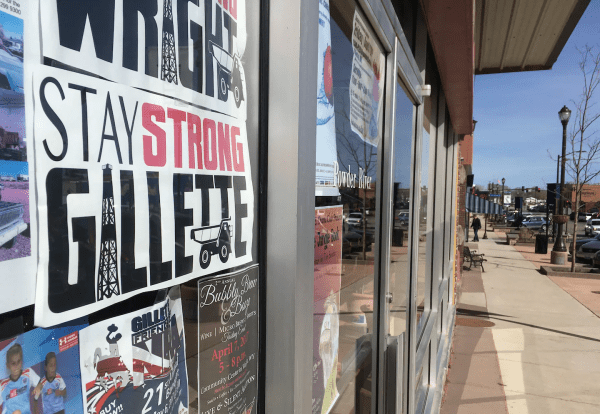
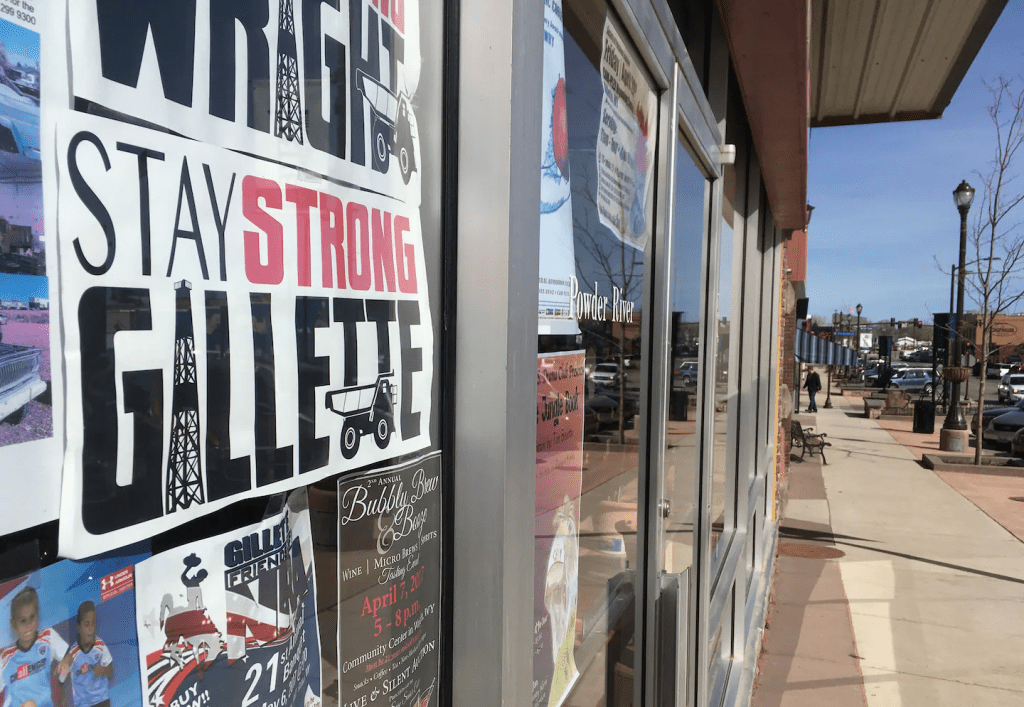
Librarian Terri Lesley said she endured years of “pure hell” fighting to keep embattled books on the public library shelves of Gillette, a deeply conservative coal town in northeastern Wyoming.
After getting fired, Lesley fought two more years alleging public officials wrongfully terminated her for refusing to bow to their demands for censorship — all while being threatened, failing to find another librarian job and suffering so much stress she lost sleep and hair.
Now, the 62-year-old’s legal fight is over. On Wednesday, Lesley, who worked for Campbell County Public Library System for 27 years, including 11 as executive director, agreed to settle her federal lawsuit against Campbell County, the county’s library board and several officials for $700,000. In a 78-page complaint filed in April in the U.S. District Court for Wyoming, she accused them of helping to wage a years-long campaign to bully her into removing books about race and LGBTQ+ people from the library. After she refused, she said they fired her, which led to her lawsuit.
“I wanted to take a stand on it and try to put up a barrier from it happening to other librarians,” Lesley said Thursday in an interview. “I thought, ‘If I don’t do this thing, it’s just going to keep happening.’”
Campbell County, the county’s public library board, county commissioners and the lawyers who defended them against Lesley’s suit did not respond to requests for comment from The Washington Post. In court filings, they denied Lesley’s allegations and said she was fired because of “concerns with her performance,” not in retaliation for engaging in constitutionally protected activity. They described her lawsuit as “an improper run-on narrative combining fact, fable, self-praise, and a self-heroic, tale.”
The controversy in Campbell County happened amid a larger movement to target content available in public libraries around the country, particularly those aimed at children and having to do with race, gender or sexual identity. For years, the number of “book challenges” — efforts to remove or restrict access to books — remained flat. But in 2021, challenges spiked 1,300 percent to more than 3,900, according to American Library Association data. They increased each of the next two years to more than 9,000 in 2023 before falling to about 5,800 last year.
School libraries experienced the same thing during that stretch, leading the free-speech nonprofit PEN America to declare book censorship in the United States “rampant and common” and “unprecedented in modern times.”
“Not since the 1950s McCarthy era of the Red Scare has censorship become so entrenched in schools,” the group said Wednesday in a news release, referring to the period when anti-Communist paranoia intensified to a fever pitch.
Campbell County was part of the first wave of the “book-banning craze engulfing the country” in 2021 when several residents demanded county commissioners and library board trustees censor young adult and children’s books with LGBTQ+ content, according to Lesley’s lawsuit.
Those critics denounced books such as “This Book Is Gay” and “Not My Idea: A Book About Whiteness” as pornographic, obscene or racist. When Lesley resisted pressure to transfer such books out of the young adult and children’s sections or remove them from the library altogether, they targeted her for roughly two years, threatening her and accusing of criminal activity and endangering children, according to her lawsuit.
Instead of defending Lesley from that “campaign of fear and hate,” two county commissioners and four library board trustees allegedly joined it. In doing so, commissioners and trustees alienated LGBTQ+ people and propagated the hateful ideology that they are “dangers, abnormal, unwelcome, and their voices should be suppressed,” the suit states.
Over the next two years, Lesley kept resisting attempts to remove or restrict various books with LGBTQ+ themes, saying at library board meetings that doing so constituted censorship and violated the First Amendment, the suit states. Several lawyers agreed with that legal interpretation, which they shared with board trustees and county commissioners, according to the suit.
At one library board meeting, one of Lesley’s critics held up a sign that read “[Campbell County Public Library] Knowingly Encourages SEX for Minors and that’s a crime,” the suit alleges.
Amid the controversy, the American Library Association in March 2022 announced Lesley had won the John Phillip Immroth Memorial Award that recognizes “notable contributions to intellectual freedom and demonstrations of personal courage in defense of freedom of expression.”
Over the next five months, four of five library board members were replaced by county commissioners with ones more inclined to remove or restrict LGBTQ+ books, the suit states.
In July 2023, the library board voted to terminate Lesley.
“Their actions not only devastated Ms. Lesley professionally and personally, but also undermined the very mission of [the library system] and inflicted harm on the broader community,” the suit states. “For this, they must be held responsible.”
Lesley said she continues to be harmed by officials’ actions. More than two years after being fired, she hasn’t gotten a job in her field. A resident of Gillette since the second grade, she’s unwilling to move. She sought remote work in the field that wouldn’t require face-to-face interactions with patrons, but none of her efforts panned out.
Still, Lesley said she doesn’t regret standing up for what she believes was right, even if she’s paid a heavy price. She said she hopes the $700,000 settlement — more than five times what the county paid her annually — deters officials elsewhere from meddling with which books go on library shelves and where.
“They’ll see what happened here and maybe reconsider going down that road,” she said, with a pause, “is what I’m hoping for.”
Life for LGBTQ+ people has gotten worse since Donald Trump was elected for a second term — and they’re been forced to make major changes to protect themselves.
Since the November election, the majority (57 percent) of LGBTQ+ people — including 84 percent of transgender and nonbinary people — have made significant life decisions, according to a new report from the Movement Advancement Project. This includes considering or actually moving to a different state, considering or actually finding a different job, attempting to update legal name or gender markers on identity documents, and crossing state lines to receive medical care.
While nearly half of all trans people (43 percent) and one quarter of all LGBTQ+ people (25 percent) have considered moving to a different state, only 9 percent of trans people and 5 percent of all LGBTQ+ people report they’ve actually moved since November.
Part of what is forcing their hands is the increased discrimination and violence against queer people, as 60 percent of LGBTQ+ people, including 82 percent of trans and nonbinary people, report that they or an immediate family member have had at least one negative experience related to being LGBTQ+ since the November, 2024 election.
Trans respondents reported these experiences nearly twice as often as all LGBTQ+ respondents, with 56 percent saying they or an immediate family member have been discriminated against due to being LGBTQ+, and 53 percent saying they have been harassed online.
Six in 10 LGBTQ+ people say they are worried about the impacts of Trump’s anti-LGBTQ+ policies on them or their families. For trans people, the number is nine in 10. Trans people are also significantly more likely to say they are “very worried,” with 60 percent agreeing compared to 36 percent of all LGBTQ+ people.
“As political attacks on LGBTQ people by federal, state, and local governments continue into the future, it is likely that these impacts will only accumulate,” the report concludes. “While the survey illustrates some of the many ways LGBTQ people are taking action to protect not only themselves but also their broader community, it is vital that people beyond LGBTQ people join in these efforts to protect their LGBTQ neighbors, friends, and family members, and to stop the ongoing attacks on LGBTQ people.”





 fleeredstates.blog
You must be logged in to post a comment.