
Read more at WFAA.
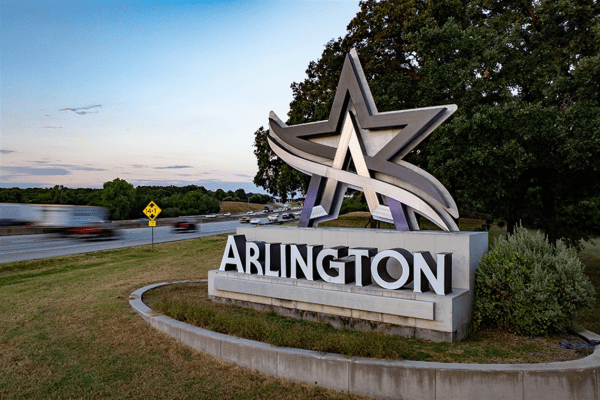
The Arlington City Council voted Tuesday night not to reinstate local anti-discrimination protections for LGBTQ residents and others.
As a result, the city’s entire anti-discrimination ordinance will remain suspended for the time being, including provisions that previously protected people based on sexual orientation, gender identity, race, religion and other characteristics.
The measure failed 5-4. Mayor Jim Ross joined Councilmembers Nikkie Hunter, Andrew Piel and Barbara Odom-Wesley in voting to bring back the ordinance. Councilmembers Mauricio Galante, Raul Gonzalez, Rebecca Boxall, Long Pham and Bowie Hogg voted against reinstatement.
“I’ve had heated discussions with community leaders on both sides of the fence and it hasn’t been easy,” Ross said. “Ultimately, tweaking this in some way, shape or form is necessary. I also believe reinstating this ordinance in its entirety is necessary. We have to let our community in Arlington know – you matter to us.”
Ross asked what kind of message they are sending to their children by removing these protections.
“I would not be able to live with myself if I didn’t vote yes on this ordinance,” he said.
There was no other vote on the ordinance Tuesday night, meaning the rest of its protections remain suspended for now.
Those who voted against reinstatement argued that state and federal laws already prohibit much discrimination, making the local ordinance unnecessary.
Councilmember Rebecca Boxall described the 2021 ordinance as “bad policy,” saying it was a symbolic gesture at best and unenforceable at the city level. She argued existing laws give everyone the same protections.
“We already have the protections under our federal and state laws,” she said.
Councilmember Bowie Hogg added that allegations of discrimination should be addressed at the state or federal level rather than by city government.
Supporters of reinstatement rejected that position, saying federal and state laws are not enough.
“We have zero tolerance for discrimination,” Councilmember Barbara Odom-Wesley said.
She argued local safeguards remain necessary because laws alone cannot regulate people’s hearts or guarantee people are treated with respect.
During the public hearing portion of the meeting, 34 speakers urged the council to restore the protections, while 11 spoke in opposition. Many supporters described the ordinance as a critical safeguard for their dignity and safety.
“This is my life on the line, and I don’t want to have to leave,” one resident said.
Nathan Smith, director of public affairs & community engagement at the HELP Center for LGBT Health & Wellness, was one of many speakers against the proposal at the meeting.
“I have no idea why you started us down this path,” Smith told council members. “You’ve been handed legal opinions stating funding is not at threat.”
Arlington resident Katie Duran told council members that if they oppose the non-discrimination ordinance, they’re saying to other families that they can be born in Arlington, but based on who they are, they can’t stay here.
“We are the dream city, we are not the discrimination city,” Duran said. “Why is this even up for discussion? We’re talking about human rights. Show that you actually do care about the citizens of Arlington and reinstate the protections.”
Some speakers argued that there were already state and federal laws covering protections against discrimination, and that there was no need to duplicate those protections in a city ordinance.
The city began debating the change months ago after the Trump administration said it would revoke federal grants from cities that they say violate federal anti-discrimination laws by providing access to “opportunities, benefits, or advantages” based on protected characteristics such as race, gender, or sexual orientation.
In October, the city delayed a vote on a proposal to remove the protections from the city’s anti-discrimination ordinance, saying it needed additional legal counsel. The vote was delayed again in November after a council member experienced a death in the family.
If the protections are removed, it would make Arlington one of the first, if not the first, U.S. cities to take that step, WFAA previously reported.
Ross previously told WFAA that he will vote to keep the city’s current anti-discrimination ordinance intact. He said the city is working to balance residents’ concerns with financial considerations.
“It’s a difficult process. I think we’ve come up with a solution. We’re fine-tuning that as we speak,” Ross said. “I want everybody in Arlington to feel like we’re taking care of them, but when you’re talking hundreds of millions of dollars, it’s tough.”
LGBTQ+ advocates have previously packed city council meetings to oppose the proposal, WFAA previously reported.
“We’re never gonna sit back while civil rights are being stripped away,” DeeJay Johannessen, CEO of the Help Center for LGBTQ+ Health, who is leading a citywide campaign urging residents to oppose the change, previously told WFAA.
Conservative advocacy groups, such as Texas Values, support the change.
“Texas Values recommended that the Arlington City Council remove the terms ‘sexual orientation’ and ‘gender identity’ from the ordinance in order to comply with federal directives, as well as newly enacted state law such as the Texas Women’s Privacy Act (S.B. 8), which went into effect last week,” the organization said in a statement.
 fleeredstates.blog
You must be logged in to post a comment.