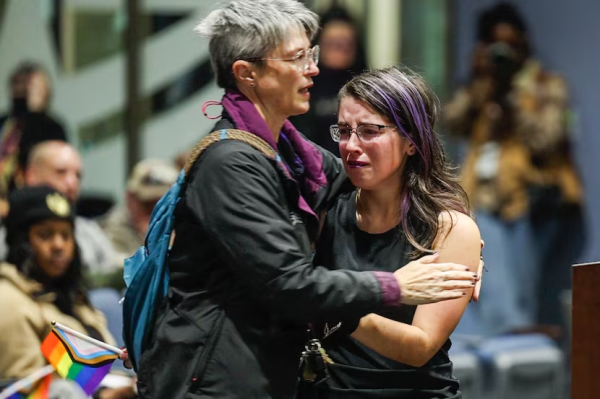
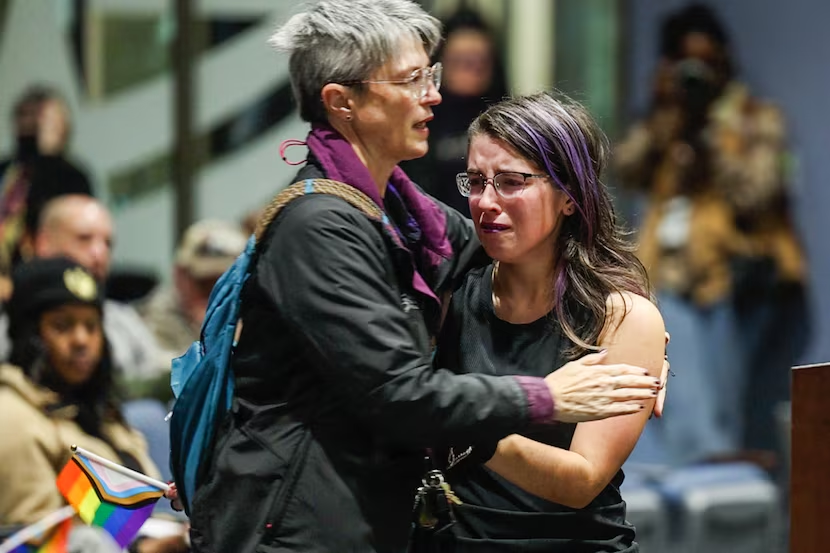
Organizers of Arlington Pride announced Friday they will cancel next year’s event after the City Council rejected a plan to ban discrimination against gay and transgender residents.
The head of the HELP Center for LGBT Health and Wellness said in a statement the organization would not invite visitors to a city that does not offer “the most basic protections.”
“Pride is about safety, celebration, and community,” said DeeJay Johannessen, CEO of the HELP Center, which has offices in Arlington and Fort Worth. “Without local anti-discrimination safeguards, we cannot guarantee those values for our attendees, performers, or partners.”
Arlington Pride began in 2021 and quickly grew to one of the largest celebrations of its kind in North Texas, drawing more than 15,000 people to downtown in June this year. The all-day festival featured performances by RuPaul’s Drag Race queens, live music, an art show and local food vendors.The decision to suspend the event comes only three days after City Council members scrapped a plan to enshrine protections for LGBTQ residents into a city ordinance. The 5-4 vote followed months of debate, delayed votes and impassioned pleas from the LGBTQ community and allies to restore protections.
Initially passed unanimously in 2021, the ordinance prohibited discrimination based on sexual orientation and gender identity for housing, employment and public services. Discrimination against race, religion, national origin, sex and disability was also banned.
In September, the City Council temporarily suspended the ordinance over fears that Arlington risked losing more than $60 million in federal funding after President Donald Trump pledged to withhold money from cities with diversity, equity and inclusion, or DEI, programs. The president’s order has sown widespread confusion among cities that are unsure what qualifies as DEI.
For now, this means Arlington is no longer investigating complaints from people who say they faced discrimination by a landlord, business owner or employer. The vote makes Arlington one of the first cities in the country, if not the first, to repeal a nondiscrimination ordinance over fears of clashing with the Trump administration.
Some Arlington council members said they did not think the city could enforce its anti-discrimination ordinance. Council member Rebecca Boxall, who voted against restoring the ordinance, called it “bad policy.”
“From the very beginning, it was unenforceable at the city level,” said Boxall, who represents downtown Arlington. “The way I looked at it, and a lot of you mentioned protections, it does not offer protection. So in that respect, it’s just misleading. It’s just plain misleading.”
Federal law protects Americans from being discriminated against in public places based on disability, race, color, religion or national origin, but does not explicitly provide protections based on sexual orientation or gender identity.
More than 20 states and nearly 400 cities across the country have policies banning discrimination based on sexual orientation and gender identity, according to the Movement Advancement Project, a nonprofit research organization that tracks legislation related to LGBTQ issues. Texas has no such policy. Dallas, Fort Worth and Plano include LGBTQ residents in their anti-discrimination ordinances.
Mayor Jim Ross, who voted to restore protections, pledged to continue working on the issue and said the council will revisit the ordinance in coming weeks.
“Arlington is one of the most welcoming places,” Ross said. “We want everyone to know they can feel safe and comfortable here.”
On social media, responses to the cancellation of the 2026 Pride festival were mixed. Some said they did not want to spend time or money in a community that did not protect them, but others said this should drive an even larger event. Pride began in 1970 in a handful of U.S. cities to commemorate the one-year anniversary of the police raids on the Stonewall Inn in New York.
“Don’t you think now more than ever,” one person asked on Instagram, “we should host a louder, more exuberant pride?”
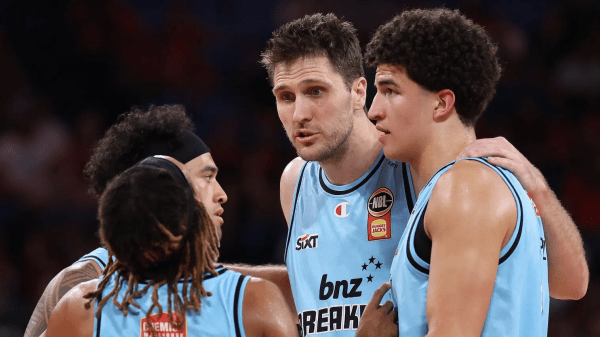
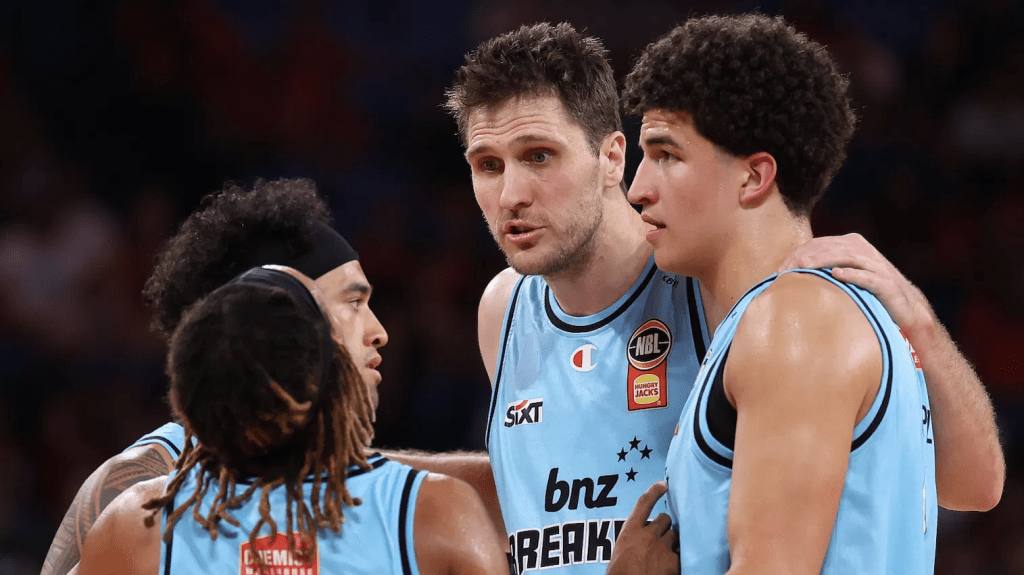
If you are an LGBTQ fan of the New Zealand Breakers of Australia’s National Basketball League, your favorite team won’t be wearing a Pride rainbow in 2026.
The NBL holds a Pride Round annually to celebrate the diversity of LGBTQ basketball fans worldwide, but the Breakers decided as a team to forgo wearing any Pride symbols, rainbows or colors this season that could be construed as supporting the gay community.
“In line with the league’s voluntary participation policy to wear the patch, the players discussed the matter as a team,” a team source said. “Some players raised religious and cultural concerns about wearing the insignia.”
The NBL’s Pride Round is from January 21 to February 1, 2026. The Breakers appear to be the only team that decided to skip honoring LGBTQ fans; the resulting uproar has spilled over to social media platforms like Instagram.
Many people have shared their disappointment with the players on the team in the comments section of any post involving the Breakers.
“Long-term member, won’t be anymore. Disgusted at the team, not supporting inclusion. Should all be ashamed,” someone wrote.
Another fan resounded the sentiment: “Been with the Breakers through thick and thin, but you’ve lost me on this one.”
It’s refreshing to see people stand with LGBTQ fans during a Pride controversy, as a handful of homophobes are often quick to complain anytime a pro sports franchise celebrates Pride.
Statistical analysis suggests that Australia is very supportive of gay people, with a study in 2023 reporting that seven percent more people in Australia support gay couples having children than an average of the rest of the world.
What makes the Breakers’ boycott of Pride even more disappointing is the fact that the team will be playing against the only openly gay player in the NBL during the Pride Round.
Isaac Humphries plays for the Adelaide 36ers, and he will face the Breakers in January during what could have been their Pride Night. Humphries went viral in 2022 when he came out in front of his teammates and talked about the difficulties of his journey.
Keeping the gay away from the Breakers certainly hasn’t given the team any sort of ability to win games this season. They are currently ninth in the NBL standings as of this writing. May their lack of support continue to deliver bad mojo for the rest of the year and beyond!
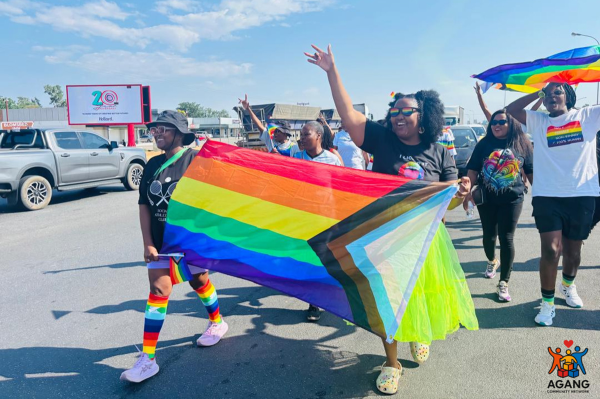
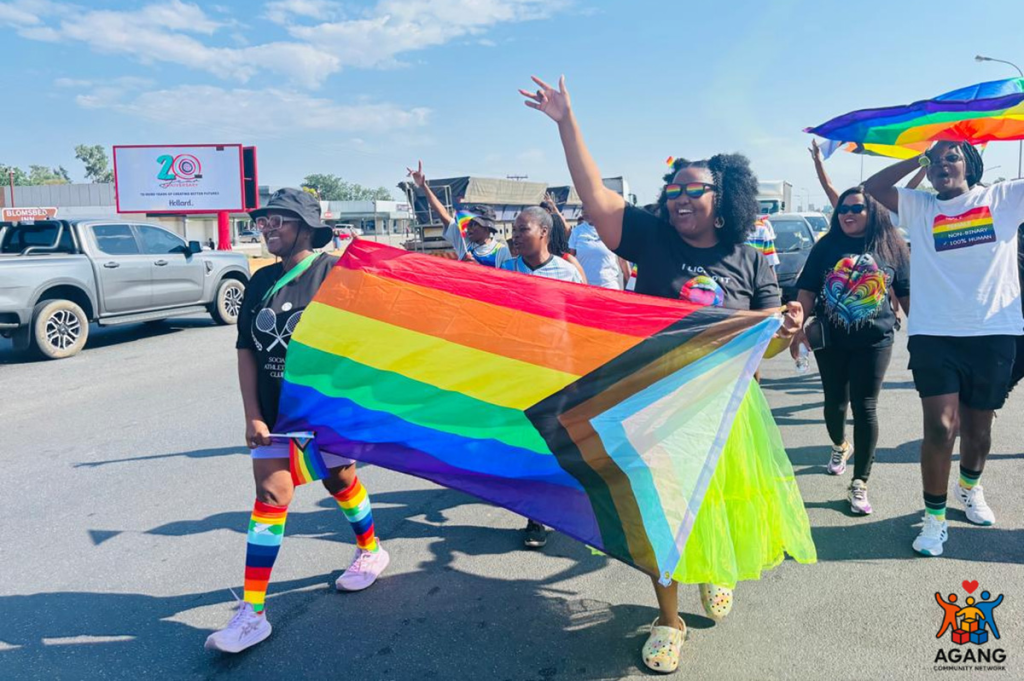
“When the sun rose on 1 Nov., 2025, Pride morning in Palapye, the open space where the march was scheduled to begin was empty. I stood there trying to look calm, but inside, my chest felt tight. I was worried that no one would come. It was the first-ever Pride in Palapye, a semi-urban village where cultural norms, religious beliefs, and tradition are deeply woven into everyday life.
I kept asking myself if we were being naive. Maybe people weren’t ready. Perhaps fear was going to win. For the first 30 minutes, it was me, a couple of religious leaders and a handful of parents. That was it. The silence was loud, and every second felt like it stretched into hours. I expected to see the queer community showing up in numbers, draped in color and excitement. Instead, only the wind was moving.
But slowly, gently, just like courage often arrives, people started to show up with a rainbow flag appearing from behind a tree and a hesitant wave from someone standing at a distance.
That’s when I understood that people weren’t late, just that they were afraid. And their fear made sense. Showing up openly in a small community like Palapye is a radical act. It disrupts silence. It challenges norms. It forces visibility. Visibility is powerful, but it is never easy. We marched with courage, pulling from the deepest parts of ourselves. We marched with laughter that cracked through the tension. We marched not because it was easy, but because it was necessary,” narrates activist Seipone Boitshwarelo from AGANG Community Network, which focuses on families and friends of LGBTIQ+ people in Botswana. She is also a BW PRIDE Awards nominee for the Healing and Justice Award, a category which acknowledges contributions to wellness, mental health, and healing for the LGBTIQ+ community across Botswana.
Queer Pride is Botswana Pride!
Pride is both a celebration and a political statement. It came about as a response to systemic oppression, particularly the criminalization and marginalization of LGBTIQ+ people globally, including in Botswana at some point. It is part of the recognition, equality, and assertion of human rights. It also reminds us that liberation and equality are not automatically universal, and continued activism is necessary. A reminder of the famous saying by Fannie Lou Hamer, “Nobody is free until everybody’s free.”
The 2023 Constitutional Review process made one thing evident, which is that Botswana still struggles to acknowledge the existence of LGBTIQ+ people as full citizens. Instead of creating a democratic space for every voice, the process sidelined and erased an entire community. In Bradley Fortuin’s analysis of the Constitutional review and its final report, he highlighted how this erasure directly contradicts past court decisions that explicitly affirmed the right of LGBTIQ+ people to participate fully and openly in civic life. When the state chooses to ignore court orders and ignore communities, it becomes clear that visibility must be reclaimed through alternative means. This is why AGANG Community Network embarked on Palapye Pride. It is a radical insistence on belonging, rooted in community and strengthened through intersectionality with families, friends, and allies who refuse to let our stories be erased.
Motho ke motho ka batho!
One of the most strategic decisions made by the AGANG Community Network was to engage parents, religious leaders, and local community members, recognizing their value in inclusion and support. Thus, their presence in the march was not symbolic, but it was intentional.
Funding for human rights and LGBTIQ+ advocacy has been negatively impacted since January 2025, and current funding is highly competitive, uneven and scarce, especially for grassroots organizations in Botswana. The Palapye Pride event was not funded, but community members still showed up and donated water, a sound system, and someone even printed materials. This event happened because individuals believed in its value and essence. It was a reminder that activism is not always measured in budgets but in willingness and that “motho ke motho ka batho!” (“A person is a person because of other people!”).
Freedom of association for all
In March 2016, in the the Attorney General of Botswana v. Rammoge and 19 Others case, also known as the LEGABIBO registration case, the Botswana Court of Appeal stated that “members of the gay, lesbian, and transgender community, although no doubt a small minority, and unacceptable to some on religious or other grounds, form part of the rich diversity of any nation and are fully entitled in Botswana, as in any other progressive state, to the constitutional protection of their dignity.” Freedom of association, assembly, and expression is a foundation for civic and democratic participation, as it allows all citizens to organize around shared interests, raise their collective voice, and influence societal and cultural change, as well as legislative reform.
The Botswana courts, shortly after in 2021, declared that criminalizing same-sex sexual relations is unconstitutional because they violated rights to privacy, liberty, dignity, equality, and nondiscrimination. Despite these legal wins, social stigma, cultural, and religious opposition continue to affect the daily lived experience of LGBTIQ+ people in Botswana.
The continuation of a declaration
AGANG Community Network is committed to continuing this work and creating safe and supportive spaces for LGBTIQ+ people, their families, friend, and allies. Pride is not just a day of fun. It is a movement, a declaration of queer existence and recognition of allyship. It is healing and reconciliation while amplifying queer joy.
The streets of Buenos Aires were filled with sounds of celebration and protest on Saturday as Argentina’s largest Pride march rolled from the city’s central Plaza de Mayo to the National Congress building.
Hundreds of thousands turned out in support of the LGBTQ+ community and against right-wing Argentine President Javier Milei’s public attacks on it.
The political backdrop for the march was a resounding victory last week for Milei’s party, La Libertad Avanza (LLA), in legislative elections. Low voter turnout may have contributed to a strong showing that took pollsters and the opposition by surprise.
LLA won more than 40 percent of the vote nationwide and 15 of 24 districts, providing the Trump-aligned leader with a veto-proof number of votes in the legislature. It also promised delivery of Trump’s $20 billion bailout for Milei to address Argentina’s ailing economy.
Attendees on Saturday marched under the slogan “Against hate and violence: more pride and unity,” as they navigated packed downtown streets and boulevards toward the capital building.
“These days, with the current government, there is a lot of hate. You can see it in the streets and on social media,” Nahuel Vassallo, a 22-year-old university student, told the Buenos Aires Times. “That’s why standing here to defend our rights and who we are is so key.”
Milei has charted a course of division and blame similar to Trump’s.
Earlier this year, he took the international far-right’s “war on woke” to the World Economic Forum in Davos, Switzerland, with a fiery speech declaring that LGBTQ+ “gender ideology constitutes plain and simple child abuse.”
“They are pedophiles,” he said of the LGBTQ+ community.
“The mental virus of woke ideology” is “the great epidemic of our time that must be cured,” he added. “This is the cancer we need to get rid of,” along with “feminism, diversity, inclusion, abortion, environmentalism, and gender ideology.”
Milei responded by amending the country’s Gender Identity Law by decree. The groundbreaking measure, passed in 2012, dropped requirements for any diagnosis or treatment for someone to prove their gender identity, depathologizing transgender identity. The amended legislation banned gender-affirming hormone treatments and surgeries for trans people under 18.
Argentina has a history of pro-LGBTQ+ legislation that is under attack by Milei and his far-right supporters. The country was the first in Latin America to legalize same-sex marriage in 2012.
According to the latest report from the National Observatory on LGBT+ Hate Crimes, hate crime incidence is up 70 percent in the first six months of 2025 vs. the same period last year. Perhaps more worrying, security forces perpetrated more than half, double the number last year.
Viviana Cardano, from the ATE state-workers union, said the LGBT+ community had suffered under Milei’s divisive politics.
“Today we are all here to reject the policies of this new government and the persecution that the LGBTQ+ community has been suffering since Milei’s statements in Davos,” she said on Saturday.
Among the thousands of signs at the march, one read: “There is no pride without justice.”
A Texas man accused of threatening to commit a shooting at a local pride event has been arrested by the Federal Bureau of Investigation, according to court documents obtained by CBS News.
Joshua Cole of Anson, Texas, allegedly commented on a Facebook post containing details of an upcoming gay pride event in nearby Abilene, “fk their parade” and said he wanted to “pay them back for taking out Charlie Kirk,” according to an affidavit filed in the U.S. District Court for the Northern District of Texas on Sept. 19 — nine days after the conservative activist was shot and killed in Utah.
Posting under the name “Jay Dubya,” Cole also allegedly wrote, “there’s only like 30 of em we can send a clear message to the rest of them.”
When the Abilene Police Department made a traffic stop on Cole, he admitted he runs a Facebook account under the name Jay Dubya, and that he was behind the comments, the criminal complaint alleged. He told officers that he did not believe that the gay pride event should be allowed, according to the court document, but denied that he was going to shoot parade participants.
Cole also admitted that he has a firearm. It wasn’t clear whether he legally owns it.
“The threats were not conditional. The threats were specific,” FBI Special Agent Samuel C. Venuti wrote in the affidavit. “The threats were also specific to a particular set of victims: people participating in the gay pride parade tomorrow. With this level of specificity, COLE’s comments were not mere idle or careless talk, exaggeration, or something said in only a joking manner.”
Venuti wrote that he visited Cole’s former employer who told him Cole had recently quit his job and “stormed out of the facility in anger.” He had worked for the employer for over a year, Venuti wrote, and was described by coworkers as a “hot head.”
“We want to reassure our community that the safety of everyone at Pride has always been, and will continue to be our top priority,” Abilene Pride Alliance posted on Facebook over a week after the incident. “The swift action and continued diligence of APD and federal partners reflect their commitment to protecting our city and ensuring that Pride remains a safe, inclusive and celebratory space for all.”
Abilene Pride Alliance said in the post that the organization asked for help to strengthen security at Pride and received over $4,000 in donations.
“We want to reassure our community that the safety of everyone at Pride has always been, and will continue to be our top priority,” the post reads. “The swift action and continued diligence of APD and federal partners reflect their commitment to protecting our city and ensuring that Pride remains a safe, inclusive and celebratory space for all.”
CBS News reached out to an attorney listed for Cole. He was booked into Taylor County Jail in Abilene on Sept. 19. He was previously arrested in 2019 on a terroristic threat charge, according to jail records.
Jail records show Cole was released from Taylor County Jail on Sept. 24. The next day, the court concluded that Cole must be detained pending trial for reasons including his prior criminal history, that the weight of evidence against him is strong and that his release poses “serious danger to any person or the community.”
It wasn’t immediately clear whether Cole had been released prior to the decision or whether he was transferred to another facility.
The tree-lined neighborhood near Nollendorfplatz square in central Berlinis as gay today as it was a century ago.
It’s where Christopher Isherwood wrote novels chronicling the rise of the Nazis amid the city’s rich queer nightlife that inspired the musical Cabaret.
Every summer, the neighborhood throws its own smaller-scale LGBTQ+ Pride event separate from the city’s main annual parade taking place this weekend.
It’s just one of more than 200 Pride events taking place in Germany this year. But with far-right extremist groups staging anti-Pride protests, many Pride attendees fear for their safety.
Sipping on a cocktail as the street party gets underway, 62-year-old Georg Schmidt says he’s relieved that this event is a relaxed affair. He says he attended a different local pride parade last month across town in the district of Marzahn and the mood there was tense.
“There was a massive police presence to shield us from anti-Pride protests. We only felt safe because the police kept us apart,” Schmidt says.
Sabine Volk, a researcher at the Institute for Research on Far Right Extremism at the University of Tübingen,says these groups attract young men who promote what they call traditional family values — a kind of pride that has little to do with rainbow flags.
“The key slogan is that the German flag and Germany itself is already colorful enough,” Volk says. “And the overall message is that queer life does not have a place in Germany.”
But it’s not just far-right extremists who are exacting about flags.
Speaking on public broadcaster ARD, Merz signaled his support for the rule at Germany’s parliament, the Bundestag, with the words, “the Bundestag is not a circus tent” — a remark to which many have taken umbrage.
Merz backs his colleague’s argument that the lower house must maintain neutrality and cannot support events with a political agenda.
Opposition Green Party lawmaker Nyke Slawik criticized the move. “Declaring the rainbow a political symbol is highly problematic” stressing that “queer people are not an ideology; they are people!” Slawik told public broadcaster ZDF.
Slawik argues they are people increasingly in need of protection. Germany’s federal police report an almost tenfold increase in reported queerphobic hate crimes since 2010 and they believe the majority of cases go unreported.
The issue is not divided by party political lines; criticism of Merz’s choice of words has come from within his own party. Sönke Siegmann, the chair of the Christian Democrats’ LGBTQ+ Association, says some within his party are still catching up on terminology.
“If you say queer in my party, most people take a deep breath and say: ‘Oh, that’s a left-wing term,’ ” Siegmann observes. He says he has spoken with Merz since he made his “circus tent” comments.
“We explained to him what queer really means and two days later when asked in Parliament about LBGTQ+ hate crimes and what his government will do about them, Merz actually used the term queer,” Siegmann says.
Back inthe Nollendorfplatz area, rainbow flags fly every month of the year. But local resident Chris Kelly says the mood here is not as “live and let live” as it once was. He recently opened a boutique that sells high-end garments made from industrial strength rubber. He says business is good and he has a broad customer base, but it was almost impossible trying to find premises for the boutique.
“We found plenty of suitable spaces to rent and our finances are solid, but a lot of landlords rejected us, saying they didn’t want people like us,” Kelly remembers. “Real estate agents had warned us, but I was flabbergasted to encounter such prejudice in Berlin’s queerest, gayest neighborhood.”
Kelly’s store is located just down the street from Romeo and Romeo, a gay bar whose owner was attacked last month. Kelly says he too gets more verbal abuse than he used to and he hears again and again of attacks on members of the LGBTQ+ community.
“I’m almost 40 and have seen so much progress like equal marriage,” Kelly says. “But something is changing. Hatred towards people like me is becoming mainstream again.”
Kelly points out that a few doors down in the other direction is where the legendary nightclub Eldorado stood until the Nazis closed it down in 1933, eventually sending its queer clientele to concentration camps.
As preparations for Berlin’s main Pride parade get underway, the city police say they’ve received a permit request for a counterdemonstration protesting “against Pride terror and identity disorders.”
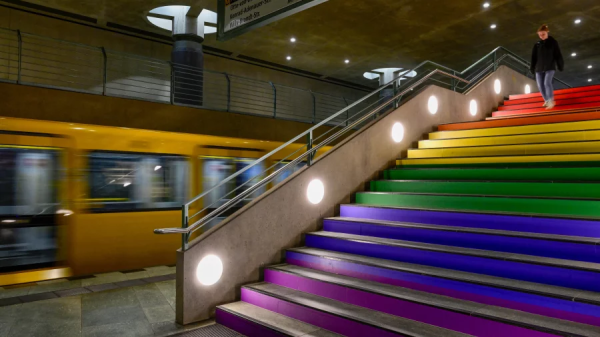
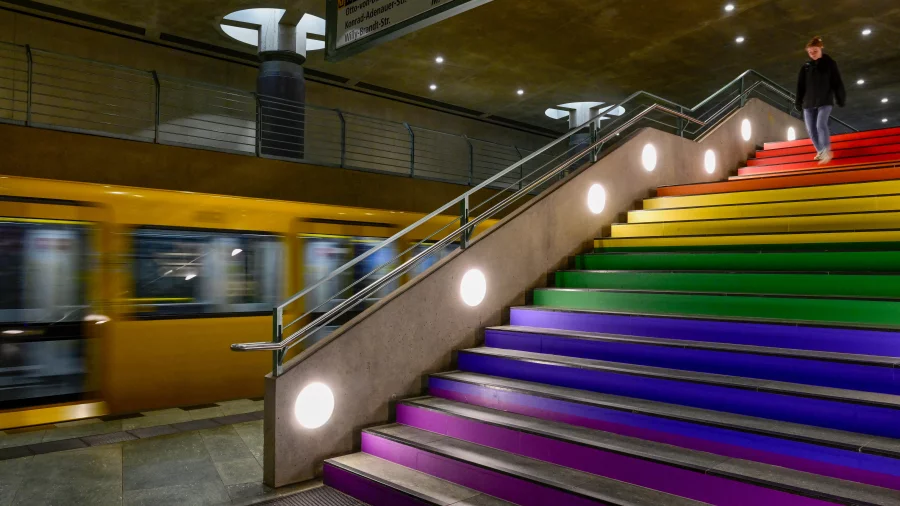
In reaction to the Bundestag president’s decision not to fly the rainbow flag on top of parliament this year, Berlin’s transport authority has decorated its Bundestag subway station stop in rainbow colors, writing on Instagram: “So our Bundestag is ready for Pride.”
Kelly urges people to attend Pride and stand up to a new generation of the far-right. He has no desire to say Goodbye to Berlin and the neighborhood around Nollendorfplatz, as Isherwood was forced to do.
Pride Month is not quite over yet! Just in time for some more LGBTQ friendliness is this list from Big 7 Enjoy Travel. They rank the top 30 LGBTQ friendly cities on the planet.
For a city to rank highly as LGBTQ+ friendly, first and foremost, it needs to protect LGBTQ+ people with laws and legislation. Then, it needs a vibrant gay nightlife and dating scene, whether within a gay village or across the city. Either way, there needs to be a safe community for LGBTQ+ people, as well as open-minded citizens and low levels of hate crime.
Ranking criteria:
Gay Index Rating – measures how safe a country is for LGBT people, considering the legal situation and living conditions
Equality Index Rating – measures the status of LGBT rights, laws, and freedoms as well as public attitudes towards LGBT people
The final scores show the Top 30 LGBTQ+ Friendly Cities in the World! Here’s your ultimate gay-friendly travel list…
30. Vienna, Austria
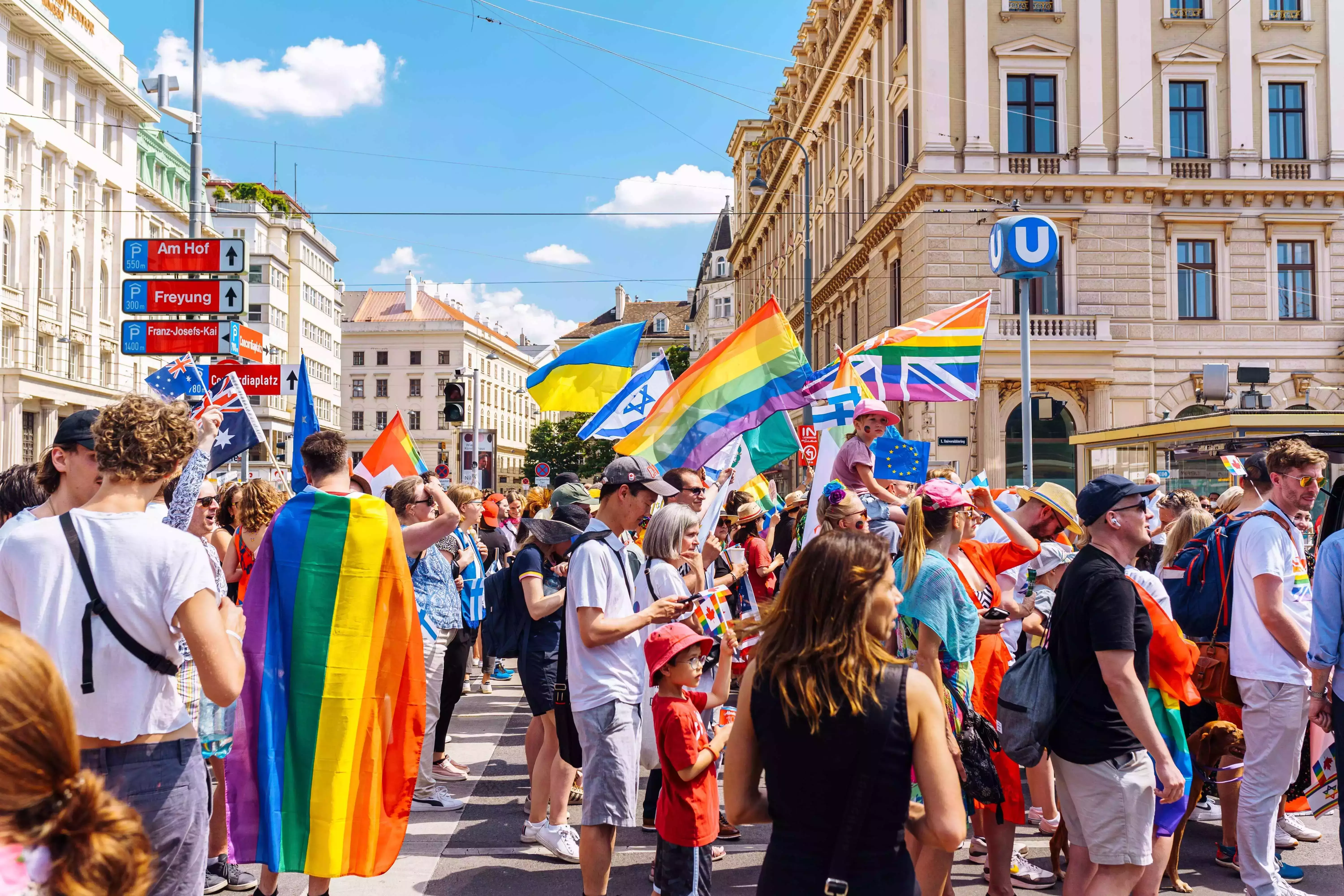
Vienna is widely known for its gender, disability, LGBTQ and racial inclusivity and equality, with many parades, pride events and specialist causes. While Vienna doesn’t have a specific gay village or district, its Naschmarkt area is full of gay bars and clubs, making it a hotspot for LGBTQ+ members.
Vienna has also hosted the EuroPride and hosts an annual citywide Pride parade in June. Vienna is also an LGBTI Core Group member and has a reasonably high Gay Index Rating, making it a safe and appealing place for LGBTQ+ members. It’s safe to say that Vienna is a welcoming and inclusive city for not just LGBTQ+ people, but for everyone, no matter your sexuality, gender, religion or ethnic group.
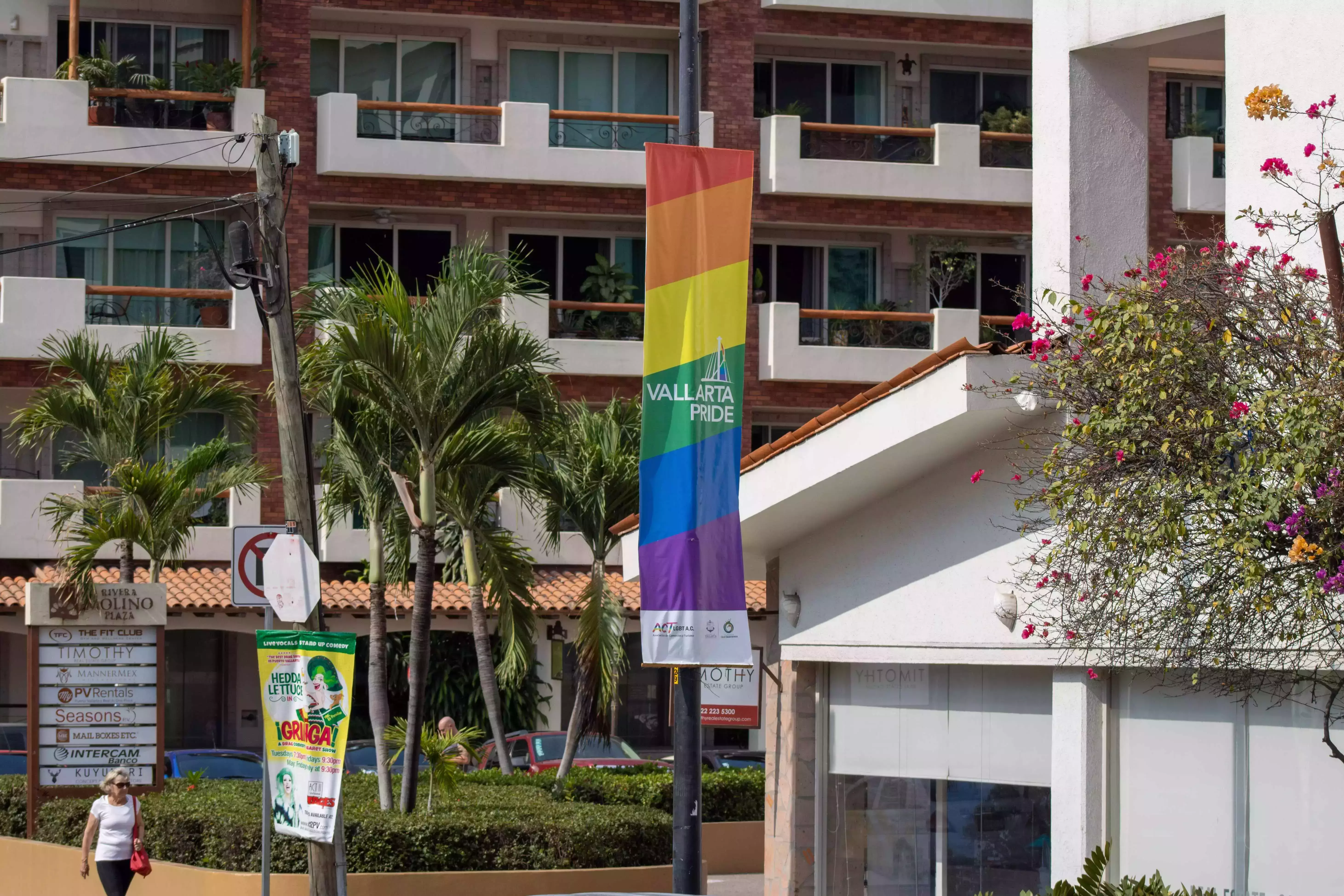
29. Puerto Vallarta, Mexico
You may not have heard of this city against its larger and more tourist-centred neighbours of Mexico City and Cancun, but Puerto Vallarta deserves to be celebrated for its strong LGBTQ+ representation and inclusivity. According to our rankings, Puerto Vallarta scored highly in terms of Gay Index Rating, and attendance to the city’s annual Pride event is significant.
Puerto Vallarta has been cited as the ‘gay capital of Mexico’, thanks to its bustling Zona Romantica area, which is heavily centred around LGBTQ+, with vibrant gay bars, inclusive hotels and lively clubs. While you’re likely to find LGBTQ+ friendly areas across Mexico, Puerto Vallarta is one of the best places to celebrate being a member of the community.
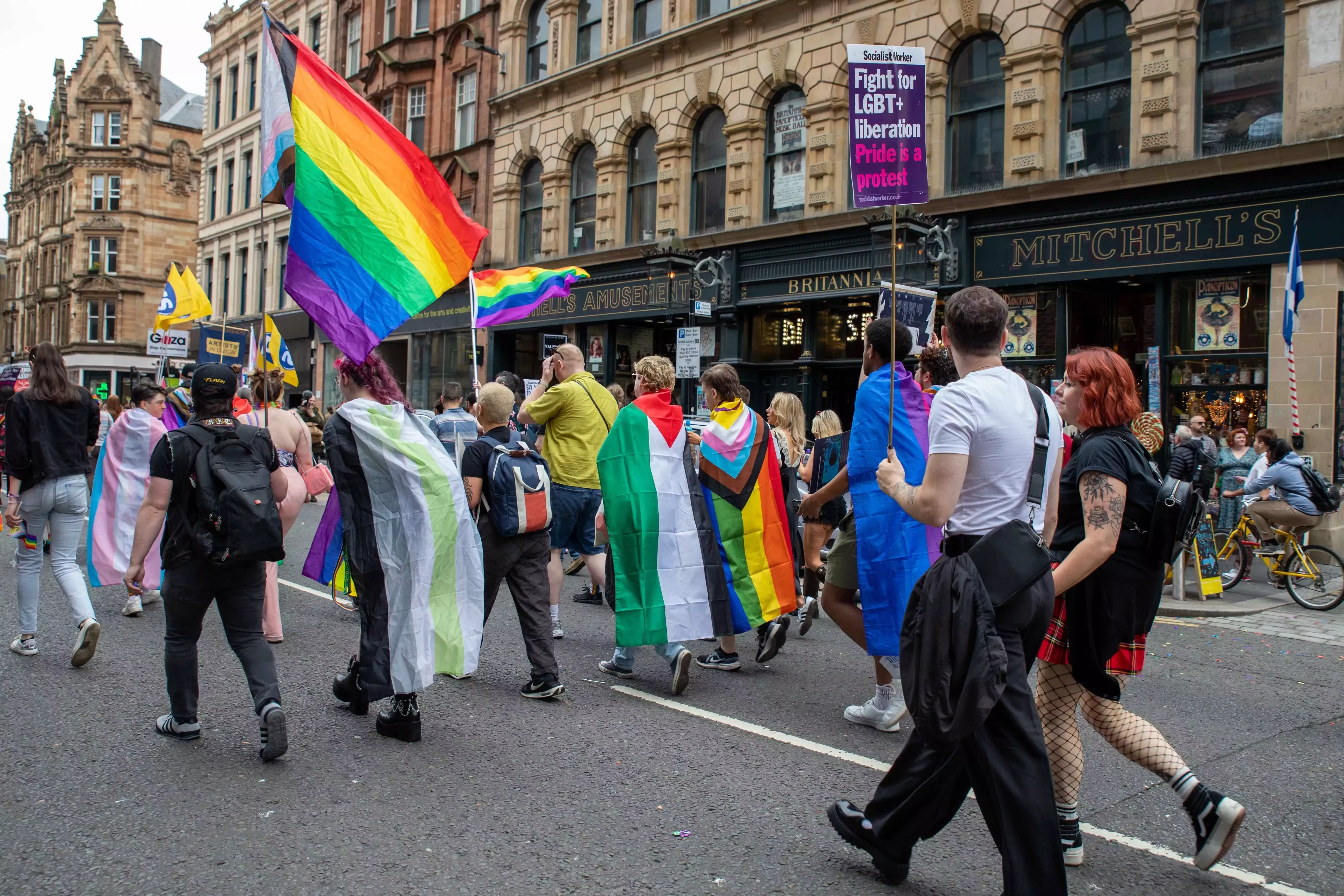
28. Glasgow, UK
Glasgow, Scotland’s largest city, is a hub for inclusivity, with its lively Merchant City district being the LGTBQ+ capital. You can expect to find a variety of LGBTQ+ friendly bars and clubs, as well as a welcoming and open-minded atmosphere. Glasgow’s annual pride event amasses thousands of attendees each year, seeing proud members of the community come together to march and parade, surrounded by the signature rainbow flags.
Glasgow’s quality of life and general acceptance for the LGBTQ+ community is high, giving an indication of how strong its LGBTQ+ community and representation is. The city is also an LGBTI Core Group Member.
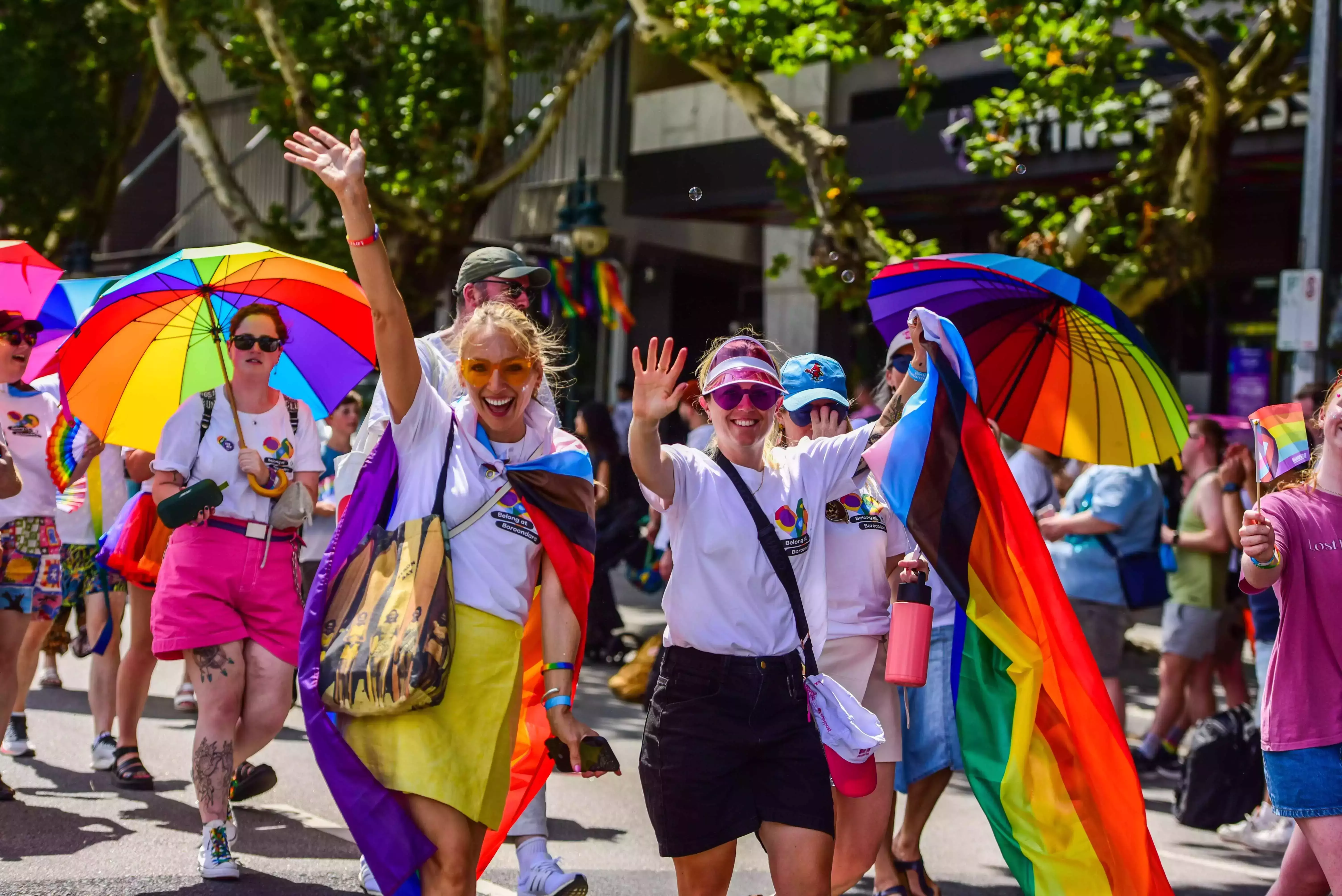
27. Melbourne, Australia
Melbourne is generally an accepting city for most types of groups within society, which gives an indication as to its welcoming and inclusive atmosphere. It scores highly on the Gay Index Rating, and is a member of the LGBTI Core Group, as well as scoring highly on the Equaldex Score. But, data aside, there is a thriving and welcoming community right at its core that appeals to all groups in society, whether members of the LGBTQ+ community or not.
Its annual Pride march has also surpassed 60,000 attendees in recent years. Melbourne’s Fitzroy area is considered to be the ‘gay village’, with a number of LGBTQ+ friendly bars and clubs and a buzzing atmosphere both before and after dark, but generally no matter where you go in Melbourne you’ll be met with a warm and friendly welcome.
26. Taipei, Taiwan
You may not commonly associate Taiwan with LGBTQ+ communities, but its capital Taipei has one of the largest LGBTQ+ presences, with a vibrant LGBTQ+ presence in its Ximen Red House area of the city, which features a lively and bustling scene with bars and clubs. Taipei is known for its inclusivity, and is perhaps a hidden gem amongst the most LGBTQ+ friendly cities, but definitely worth a visit. Taipei also hosts its annual Pride march, which is considered to be the largest of its kind in East Asia, seeing an attendance of more than 120,000 in recent years.
25. Barcelona, Spain
Barcelona, along with Madrid, are widely known as the LGBTQ+ capitals of Spain, with a high Gay Index Rating and a large Pride attendance across each city. Barcelona and the rest of Spain are highly regarded for their acceptance of the LGBTQ+ community, as Spain was one of the first countries in the world to legalise gay marriage in 2005. Barcelona has a thriving LGBTQ+ scene, with an abundance of gay bars, clubs and even beaches that cater to the LGBTQ + community – no matter where you go in Barcelona, you’ll be welcomed with open arms regardless of your sexual orientation or gender.
24. Oslo, Norway
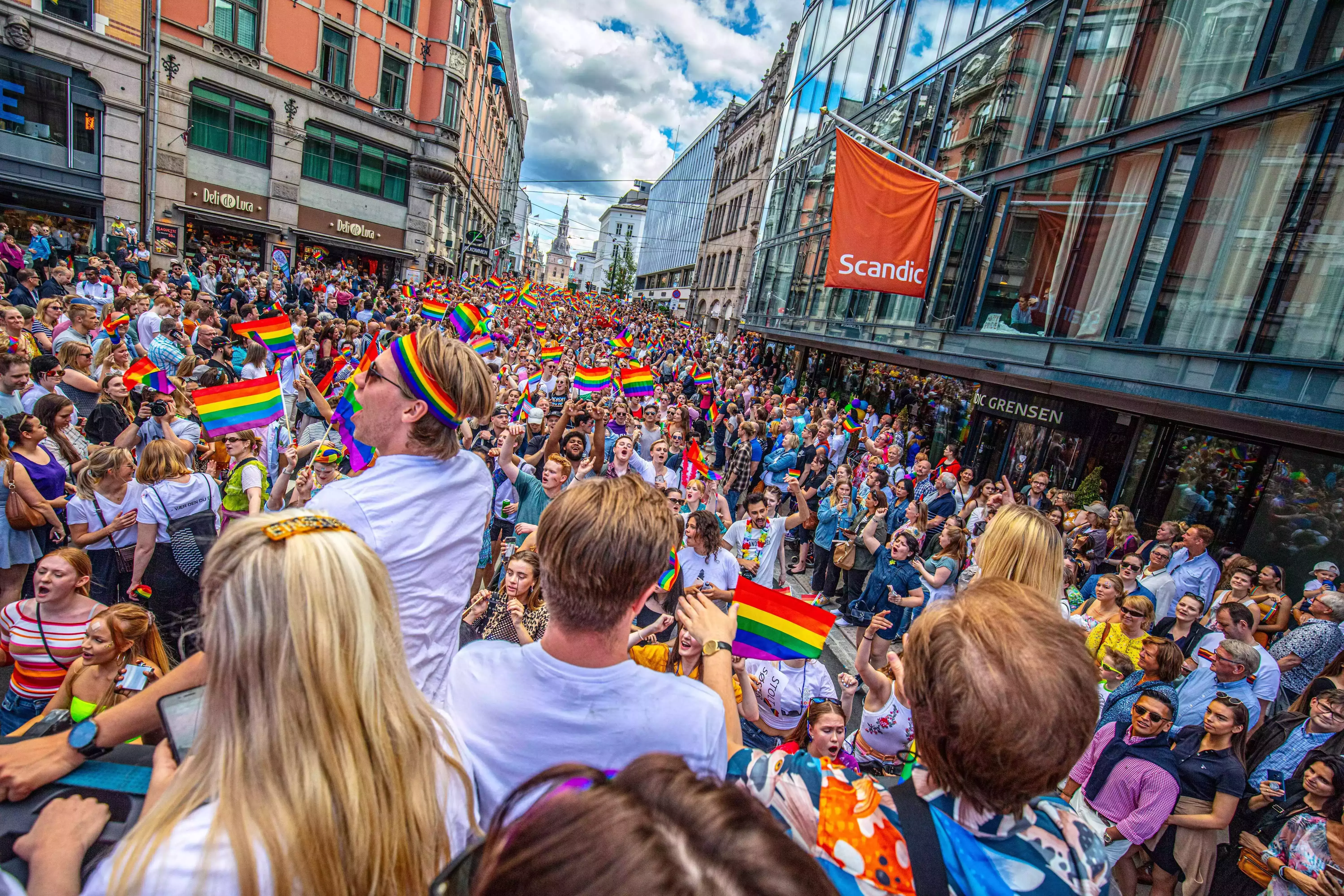
Norway is commonly associated with being a liberal, inclusive and welcoming country, and its capital Oslo comes out on top in terms of LGBTQ+ representation and inclusivity. The city has high Equaldex Score and Gay Index Rating, so is a must-visit for members of the LGBTQ+ community. Did you know that Oslo also hosts an annual Pride event that has amassed around 90,000 attendees in recent years? Oslo’s main LGBTQ+ friendly area is Grünerløkka, where you’ll find a large collection of LGBTQ+ friendly bars, restaurants and clubs, although the city as a whole is welcoming and accepting no matter where you go.
23. Helsinki, Finland
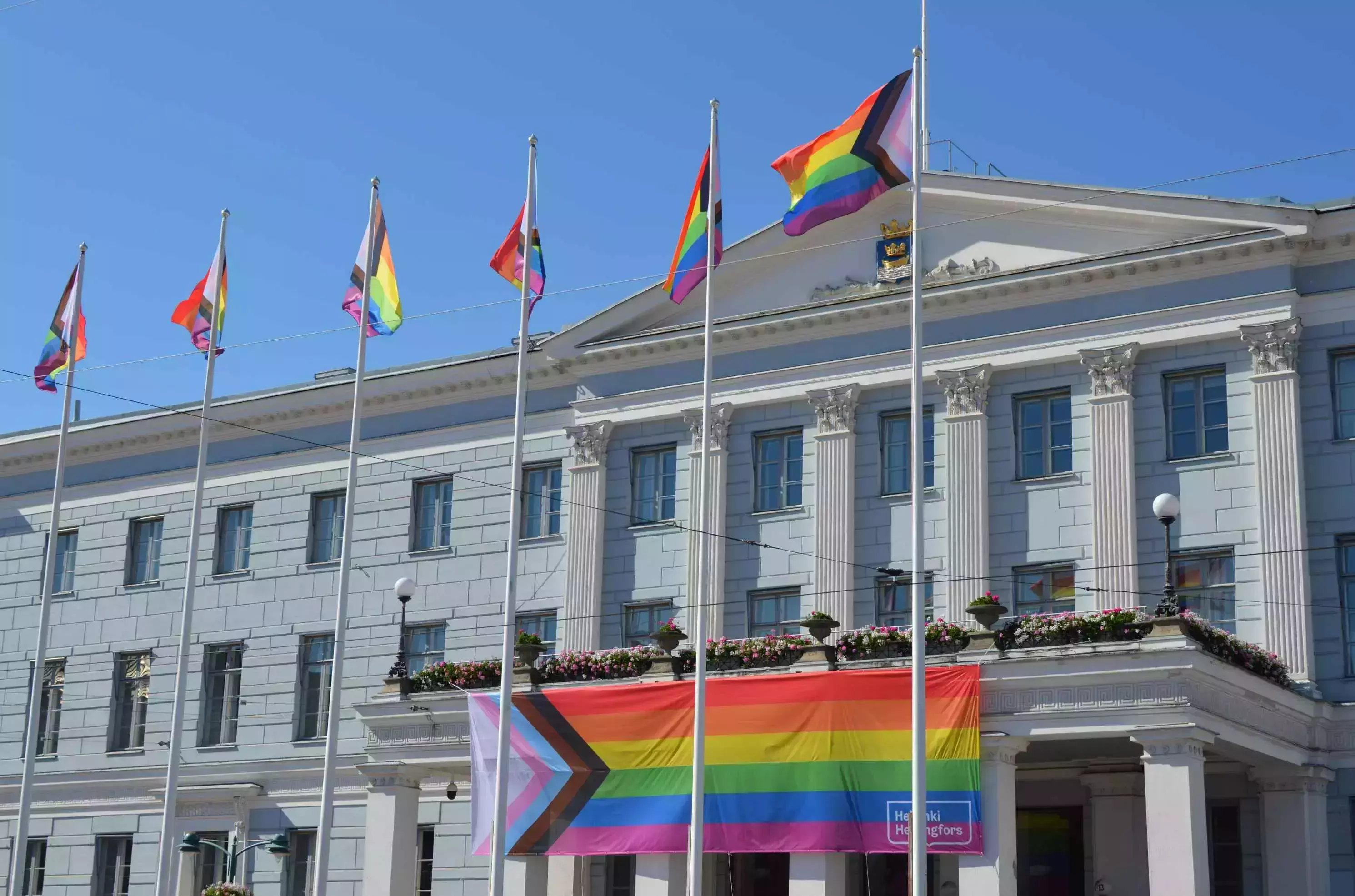
Scoring highly on both the Equaldex and Gay Index Rating, as well as having a large Pride attendance and overall LGBTQ+ presence, Helsinki is one of the best places to be if you want to feel welcomed with open arms in every corner of the city, no matter your sexual orientation, gender or who you identify as.
Helsinki’s annual Pride march and parade typically sees more than 100,000 attendees, giving an idea of how inclusive the city really is. Finland is known for being a progressive and liberal country, and same-sex marriage has been legal in the country since 2017, having been decriminalised since the early 1970s and views changing in the early 80s.
22. Montreal, Canada
Montreal is one of the LGBTQ+ capitals of Canada, celebrating the community with a designated ‘gay village’ district and a large attendance to the city’s annual Pride events. Montreal is considered a trailblazer in terms of promoting and accepting LGBTQ+ rights, as Quebec was the first province of Canada to ban discrimination around sexuality and sexual orientation in 1977. As with much of the rest of Canada, Montreal has since adopted a liberal and accepting stance on LGBTQ+ communities, and scores highly on both the Equaldex and Gay Index rankings.
21. Buenos Aires, Argentina
Argentina’s capital is often cited as the ‘gay capital of South America’, with a downtown district that is rife with gay bars, restaurants and clubs, and a high Gay Index Rating. Argentina was also the first Latin-American country to legalise same-sex marriage in 2010, and has since become the place to be in terms of inclusivity and LGBTQ+ rights.
Buenos Aires also has a large Pride attendance and citywide celebrations, with a thriving LGBTQ+ presence that makes the city rank highly for equality, inclusivity and representation. Aside from the obvious inclusivity that Buenos Aires offers, the city is a vibrant social hub and welcomes people from all social groups and communities.
20. Reykjavik, Iceland
Reykjavik has long been considered a haven for LGBTQ+ members and most groups in society, and although the city may be small, it packs a punch in terms of LGBTQ+ rights and representation. Reykjavik’s most recognisable street is so iconic thanks to its rainbow road, which indicates and highlights Reykjavik’s support for equality surrounding the LGBTQ+ community. Reykjavik’s Pride event is a large-scale affair, with thousands of locals and tourists attending to show their support. Reykjavik also has one of the highest Gay Index Ratings and Equaldex Scores.
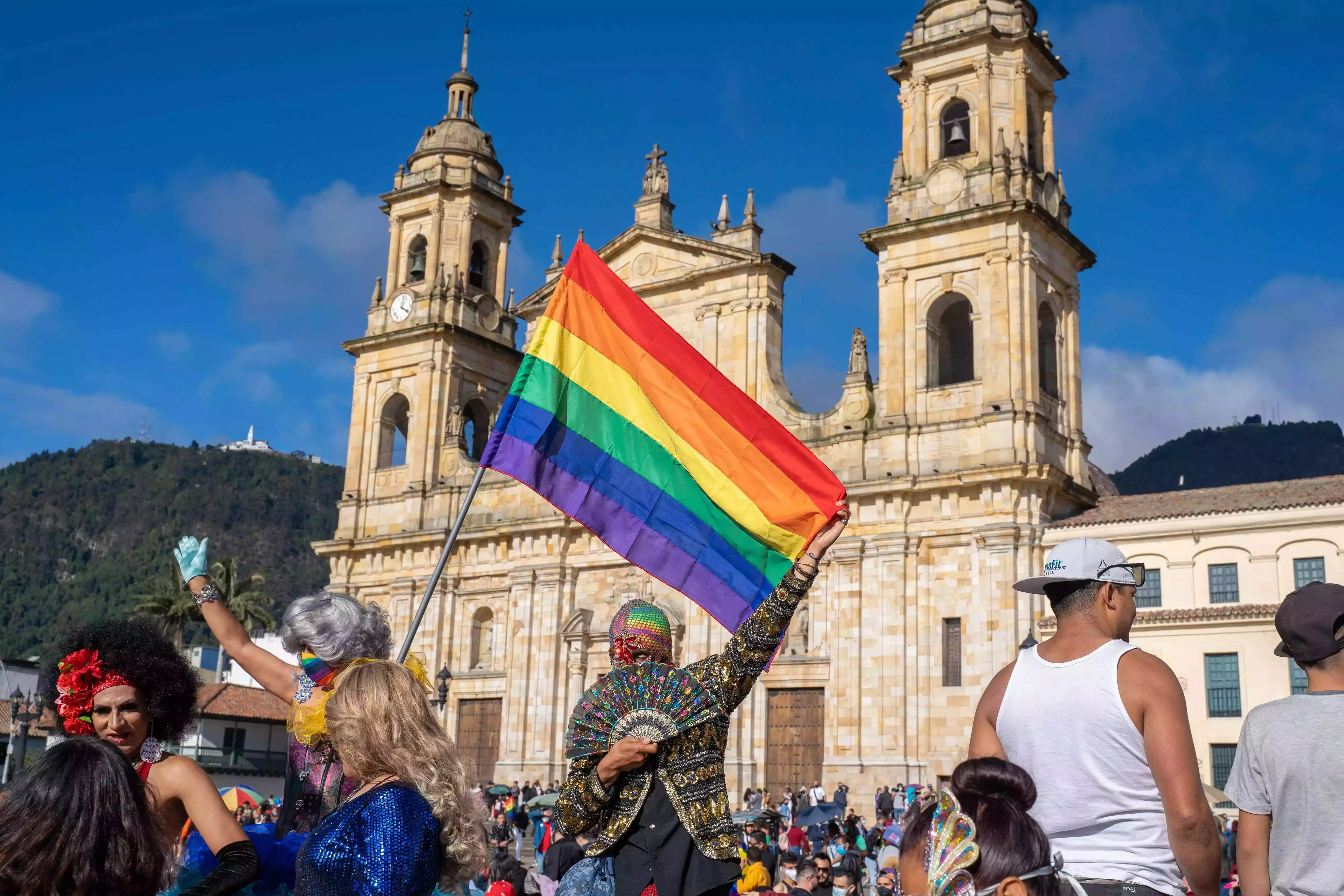
19. Bogotá, Colombia
Although Bogota has the lowest Equaldex score, it has a high Gay Index Rating and a vibrant gay village that features what is considered to be the largest gay club in South America, Theatron.
Bogota’s annual Pride event has also seen crowd sizes of more than 100,000 people, making it one of the largest Pride celebrations around. It’s clear that Bogota is a friendly, inclusive and welcoming place for every tourist, whether they’re part of the LGBTQ+ community or not.
18. Valletta, Malta
This small city packs an almighty punch in terms of LGBTQ+ inclusivity. Valletta ranks highly on both Gay Index Rating and Equaldex, with scores of 8.5 and 100, respectively, giving an idea of how supportive the city is for the rights of LGBTQ+. Valletta also sees a large turnout for its annual Pride festival and march, and has hosted the widely renowned EuroPride in 2023, adding to Valletta’s reputation as one of the most LGBTQ+ friendly cities in Europe.
17. Copenhagen, Denmark
The Scandinavian countries are known for their progressiveness, inclusivity, liberal stances and welcoming and accepting cultures, especially when it comes to LGBTQ+ rights and support. Copenhagen, Denmark’s capital, is known for its lively and thriving LGBTQ+ community, with many gay bars and clubs, as well as a large Pride event. Denmark was one of the first countries in Europe to legalise gay marriage in 2012, and has recognised and accepted homosexuality since the 1930s.
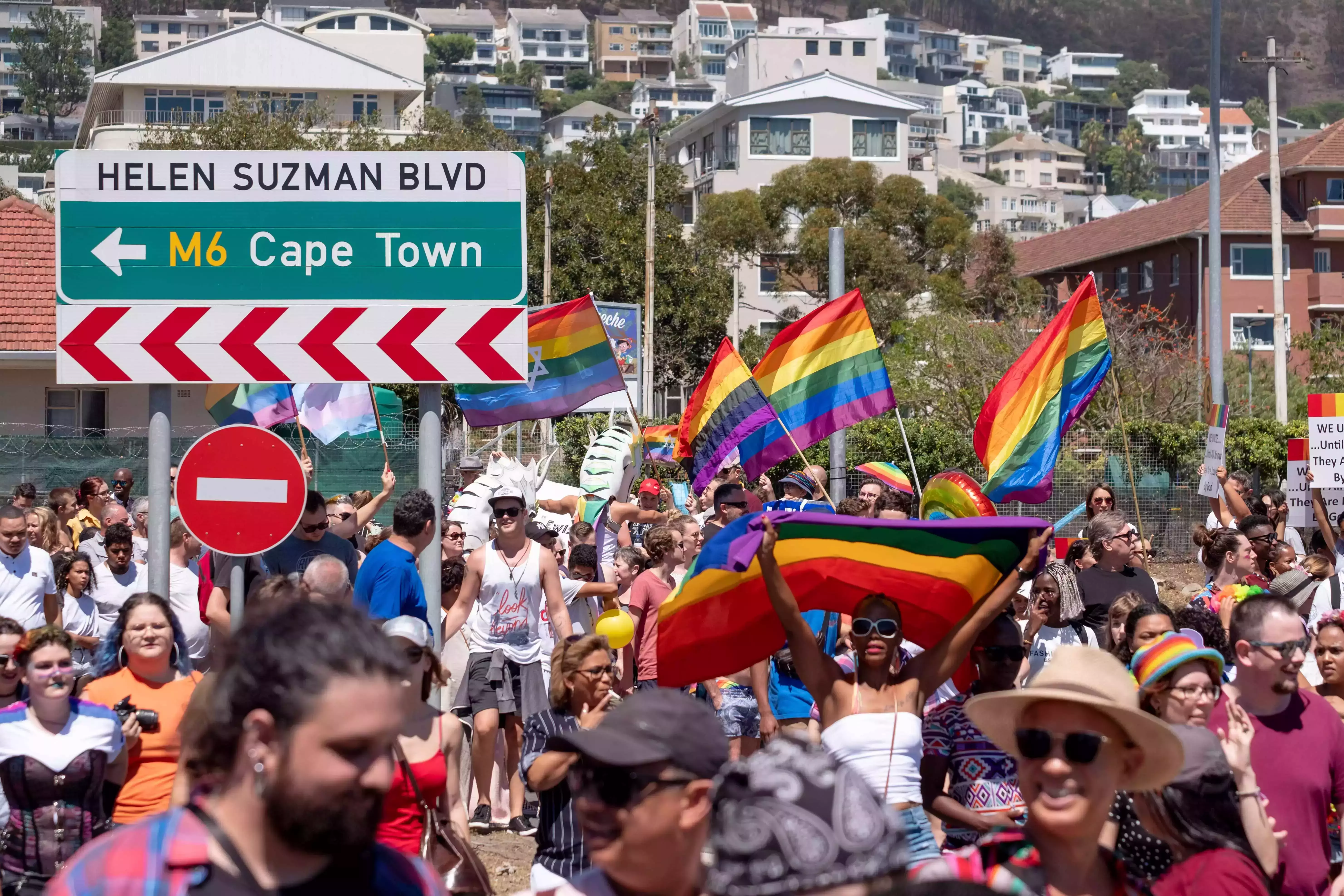
16. Cape Town, South Africa
South Africa is a trailblazer for LGBTQ+ rights on the continent, becoming the first country in Africa to legalise same sex marriage in 2006, and Cape Town is at the heart of this legacy. The progressive and inclusive stance makes the city both welcoming and fun for queer locals and visitors, with a schedule of gay-friendly events throughout the year. The coastal capital bursts into the colours of Pride every February/March, and other vibrant celebrations include the Mother City Queer Project and the Out in Africa Film Festival. The De Waterkant neighbourhood is the city’s LGBTQ+ hub, with gay-owned bars, gyms, shops, and cafes, as well as the iconic rainbow crossing – a visual representation of South Africa’s anti-discrimination laws.
15. Mexico City, Mexico
Mexico City was the first Latin American city to legalise same-sex marriage in 2007, and since then, the city has upheld their views and stances on LGBTQ+ support. The city celebrates with one of the world’s largest Pride events, having been attended by more than 1 million people in recent years.
Mexico City scores well on the Gay Index and Equaldex Rating, and its Zona Rosa region is one of the liveliest LGBTQ+ hubs around. It’s safe to say that you’ll be welcomed and supported as a member of the LGBTQ+ community in Mexico City.
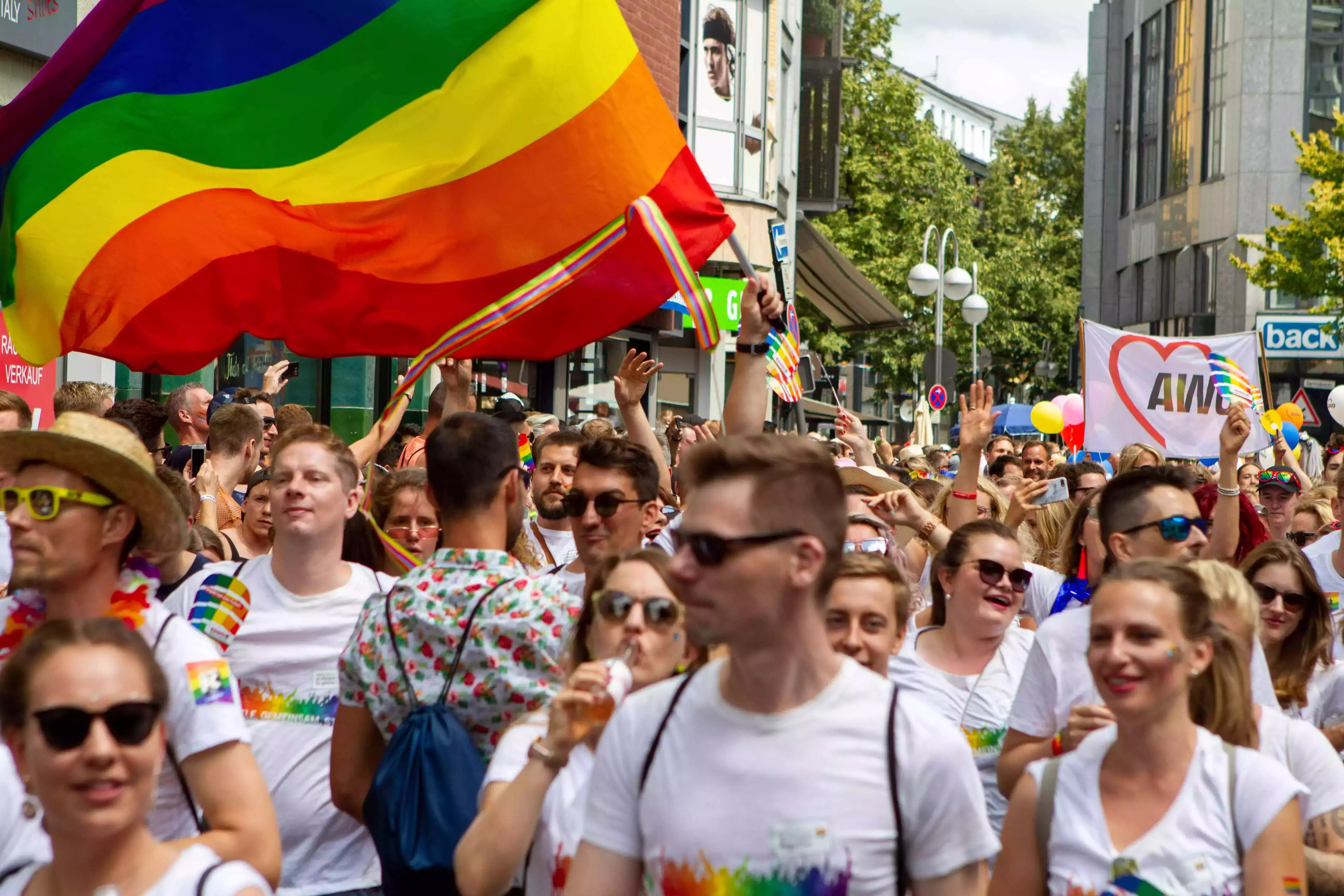
14. Cologne, Germany
Although this city underperforms on the Gay Index Rating, its quality of life and inclusivity for members of the LGBTQ+ community far outweigh this. Cologne’s Pride is the largest in Germany and one of the largest in Europe, with over 1 million attendees in recent years.
Cologne is also often considered by many as the ‘gay capital of Germany’, thanks to its large-scale Pride attendance and modern and progressive views on the LGBTQ+ community and rights. Cologne is a vibrant and lively city, with a population that is accepting, friendly and welcoming to every tourist, no matter their social group or community.
13. Brighton, UK
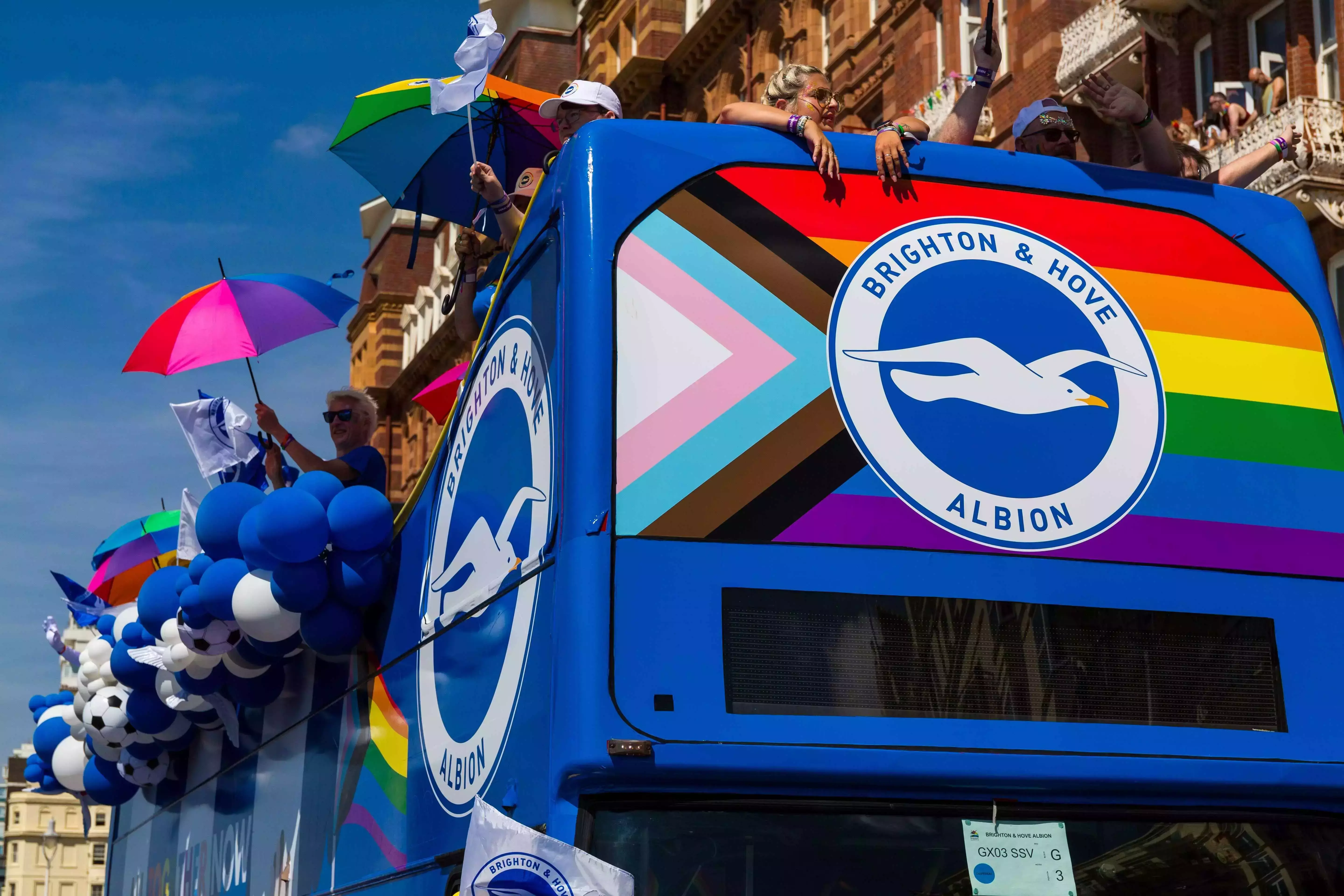
Brighton has a reputation in the UK for being the ‘gay capital’, with a strong sense of community, support and representation for all members of the LGBTQ+ community. Brighton has long had a reputation for its LGBTQ+ scene, dating back to the 1930s, when the city flourished as an inclusive and openly LGBTQ+ space.
The city has since embraced its LGBTQ+ population with an annual large-scale Pride event that sees more than 500,000 attendees. The city is well known for its Pride event, which has been cited as the best in the UK, and its resident gay village and LGBTQ+ district of Kemptown is rife with inclusive bars, clubs and spaces.
12. Paris, France
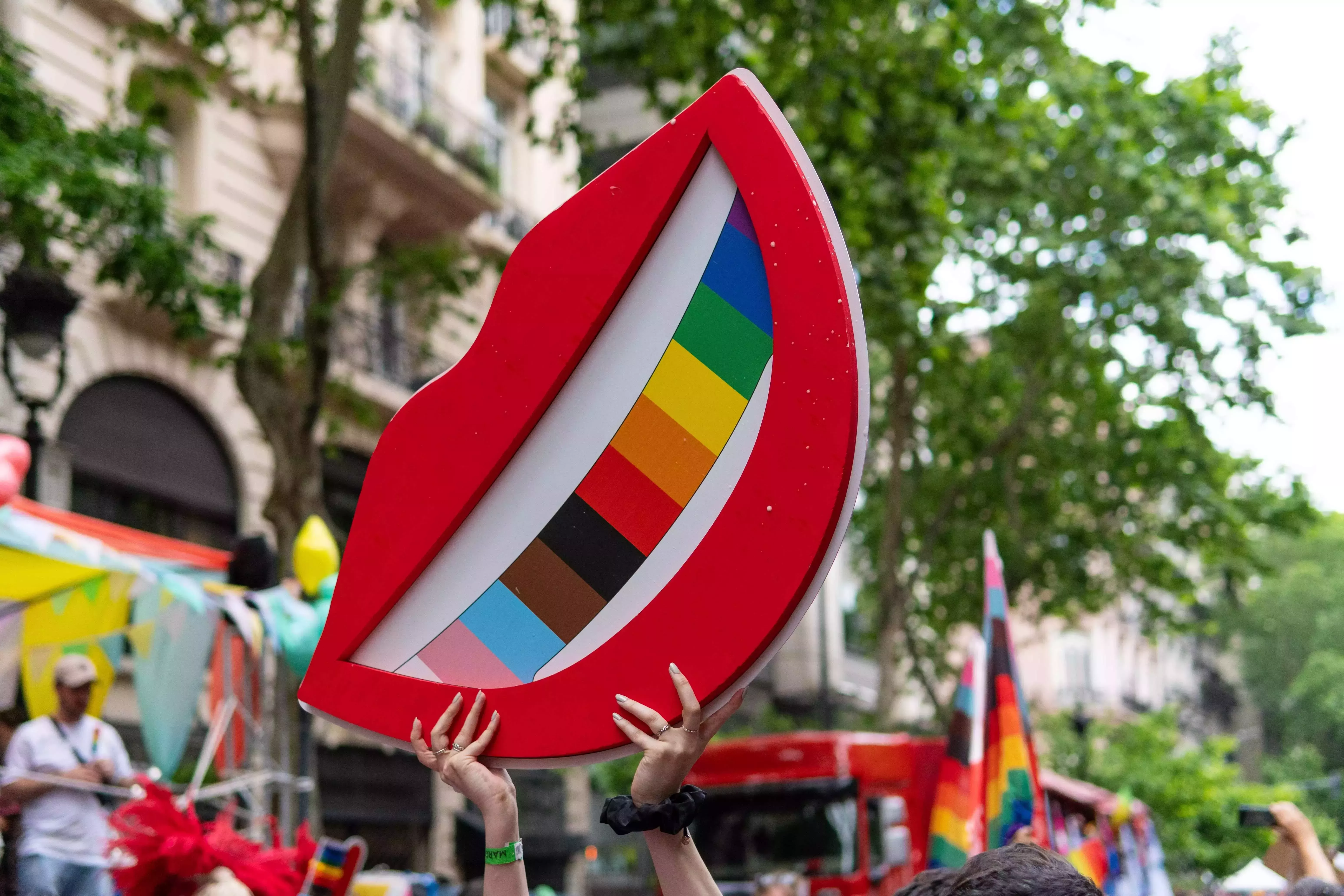
Paris really comes out on top with its diversity and inclusion for all groups in society. Paris’s annual pride event regularly attracts more than 700,000 attendees, and its vibrant and thriving Marais district is associated with a large LGBTQ+ population. Paris and France as a whole legalised same-sex marriage in 2013, making them one of the first countries/cities in Europe to do so.
11. São Paulo, Brazil
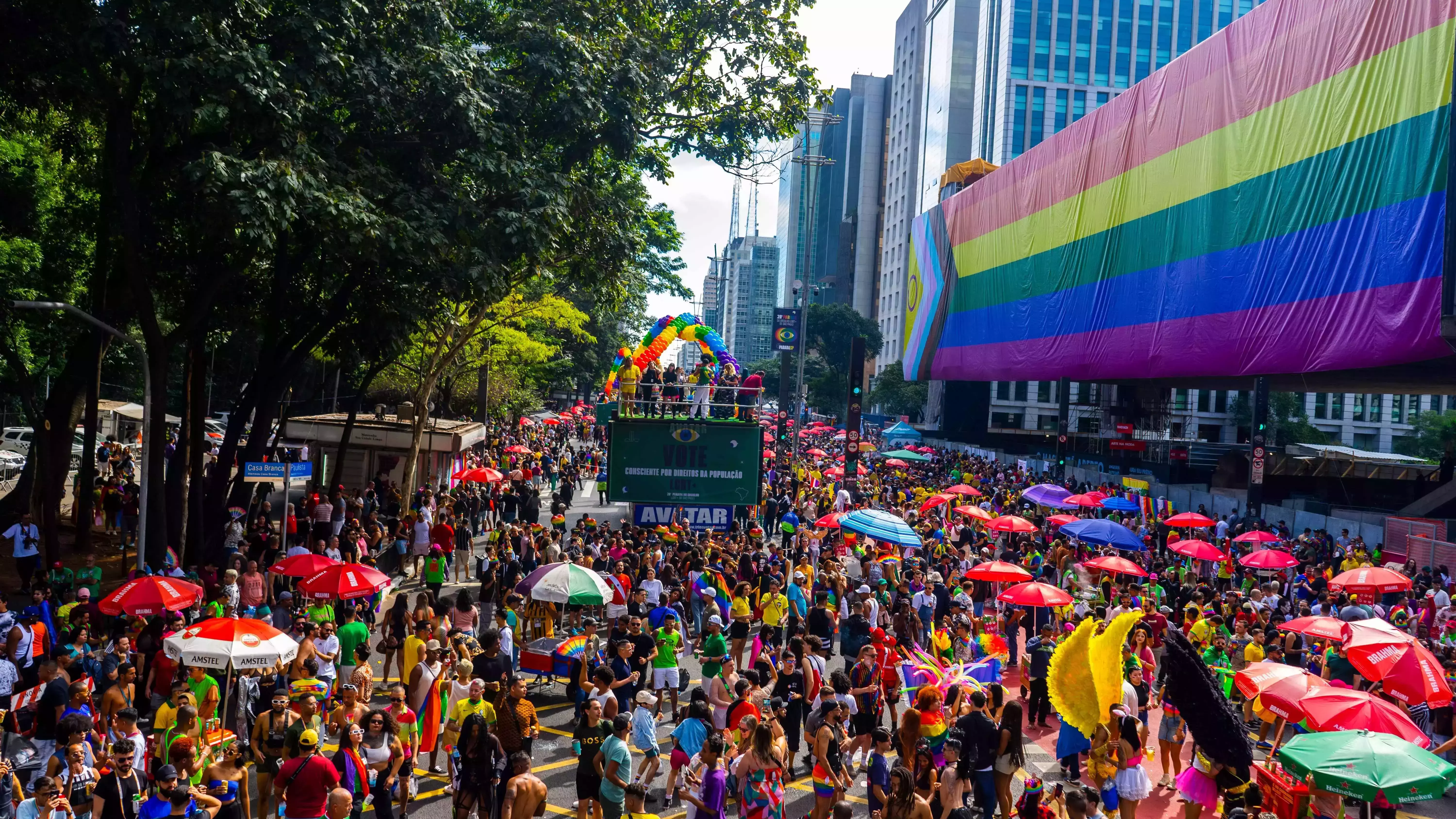
If there’s one thing Brazil knows how to do, it’s throw spectacular street parties and parades. São Paulo’s annual Pride is often considered to be the largest in the world, with more than three million attendees in recent years. São Paulo has also featured in the Guinness World Record for the size and scale of its Pride event.
What’s more, the city is a hub for all things LGBTQ+, with a lively district dedicated to welcoming and representing its LGBTQ+ population. Although the city has a relatively low Gay Index Rating and Equaldex Score, its citywide celebration of LGBTQ+ is enough to make it rank highly for best LGBTQ+ friendly cities.
10. Sydney, Australia
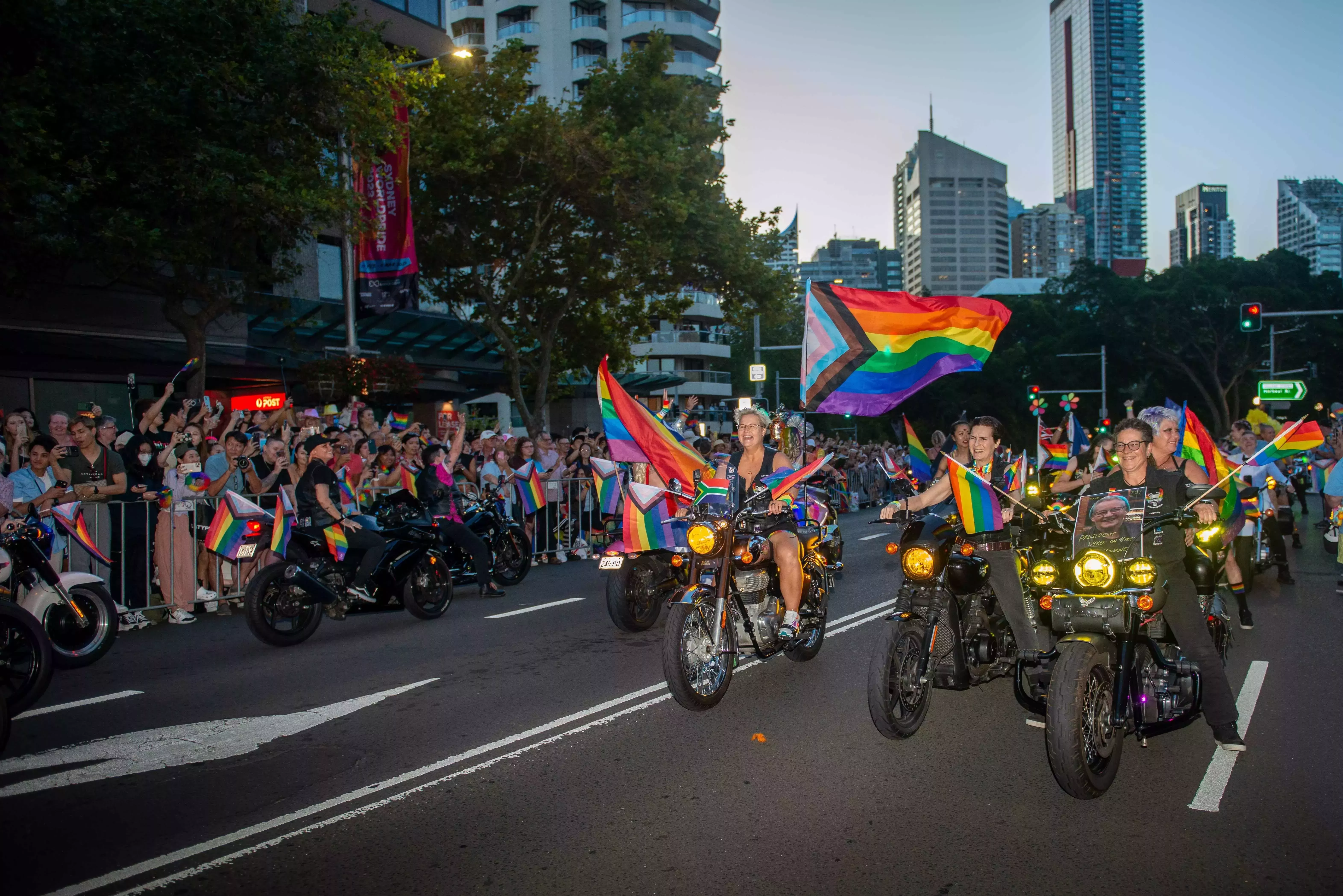
Sydney is one of the most LGBTQ+ friendly cities in the world, and the gay capital of Australia, with its annual Gay and Lesbian Mardi Gras festival leading the way in LGBTQ+ representation and support. Sydney’s Darlinghurst region is considered the gay hub of the city, and has a lengthy history of supporting and upholding LGBTQ+ community rights. Sydney ranks highly on both the Equaldex and Gay Index rankings, and it is a member of the Core LGBTI Group.
Sydney and Australia as a whole have a long history of protecting and supporting the rights of LGBTQ+ members, as homosexuality was decriminalised in the state of New South Wales in 1984, and same-sex marriage was legalised in Australia in 2017. Its annual Gay and Lesbian Mardi Gras event also sees attendees of more than 200,000, making it the largest Pride event in Australia and Oceania as a whole.
9. Toronto, Canada
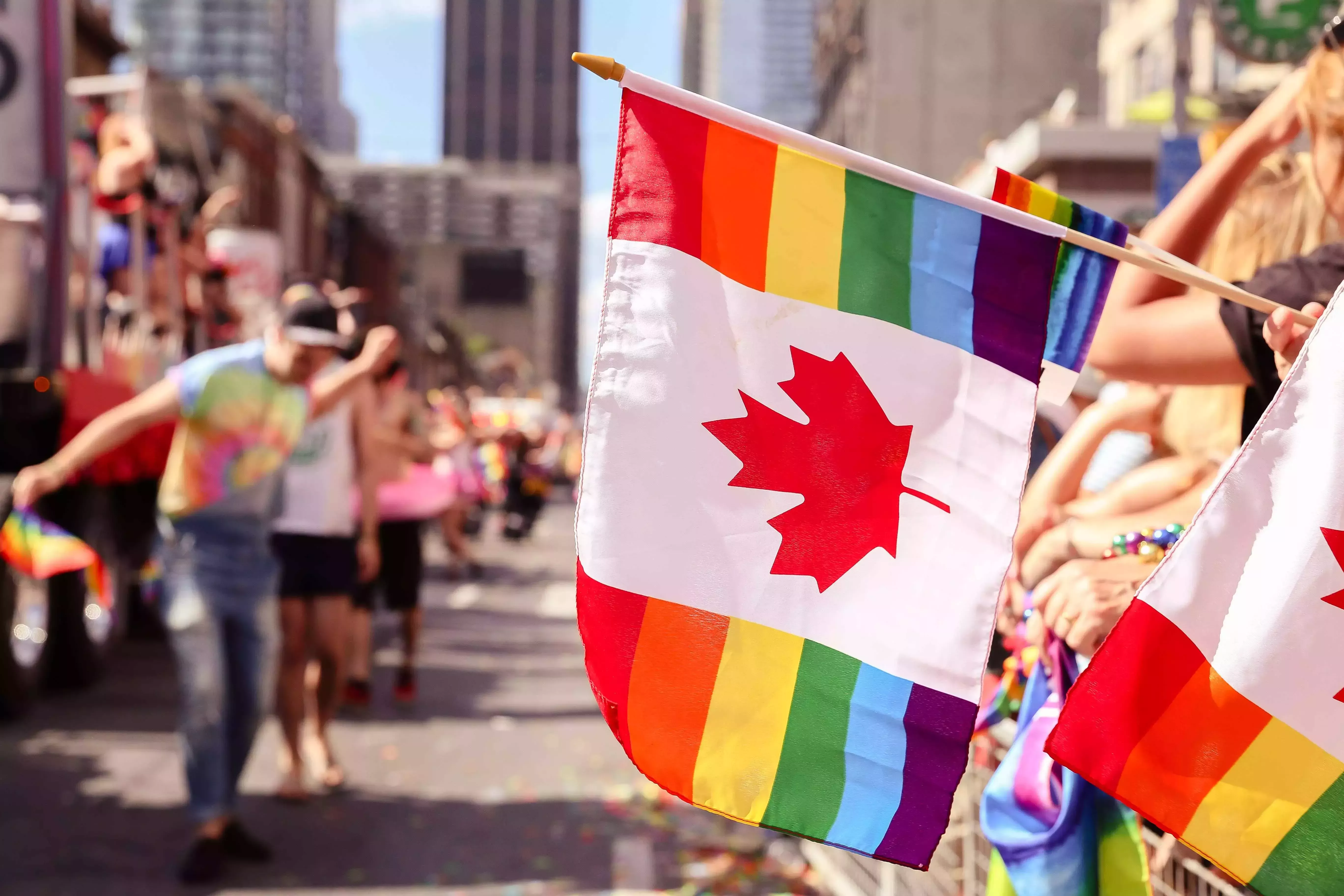
Canada’s largest city hosts the country’s largest Pride event, with just shy of 3 million attendees in recent years, making it North America’s largest and most spectacular Pride Event. Toronto is a buzzing hub for queer peoples, and is one of the most LGBTQ+ friendly cities in the world. Its Church and Wellesley district is the focal point for the LGBTQ+ community, as it is rife with bars, clubs and spaces that are openly supportive.
In terms of statistics, Toronto has a Gay Index Score of 8 and an Equaldex Score of 100, making it one of the best cities for the community. Toronto and Canada as a whole’s LGBTQ+ history is lengthy, with homosexuality becoming decriminalised in the late 1960s, and same-sex marriage being legalised in 2003 in Ontario Province, with the rest following suit not long after.
8. San Francisco, USA
San Francisco is a trendy and diverse Californian city, considered the gay capital of the state. The city is often ranked highly among the world’s most LGBTQ+ friendly cities, and has a sprawling LGBTQ+ scene and district that makes it welcoming and appealing to all members of the community. The city’s annual Pride event is also one of the largest in the US and the world, with around 1 million attendees in recent years. San Francisco and California State are known for their more liberal and progressive views on several matters, not just gay rights, so it makes sense that San Francisco adopts the same inclusive views and atmosphere.
San Francisco ranks at 8.5 on the Gay Index Ranking and at 100 on the Equaldex, giving an indication of its support of LGBTQ+ rights and representation. San Francisco was also one of the first cities in the US to allow same-sex marriage in 2004, despite it not being legal statewide until 2013. Since this, San Francisco has been recognised as one of the LGBTQ+ capitals of the US.
7. Amsterdam, Netherlands
Did you know that the Netherlands was the first country in the world to legalise same-sex marriage in 2001? The city is home to some of the most progressive and liberal views on LGBTQ+ communities in the world. It also has one of the longest LGBTQ+ histories, with homosexuality apparently being decriminalised as far back as 1811, and gay bars and clubs being established in the late 1920s. Since then, Amsterdam and the Netherlands as a whole have become inclusive, supportive and proud of their resident LGBTQ+ communities.
Amsterdam itself has a Gay Index ranking of 8, and an Equaldex score of 100, and its lively Canal Parade Pride event sees attendee numbers of more than 500,000, making Amsterdam’s Pride scene one of the largest in Europe and the world. Amsterdam’s Reguliersdwarsstraat region is the most significant LGBTQ+ area in the city, with a collection of LGBTQ+ friendly establishments, bars, clubs and restaurants.
6. Berlin, Germany
Berlin has a lengthy history of supporting and protecting LGBTQ+ rights, and is one of Germany’s ‘gay capitals’, and certainly one of the ‘gay capitals’ of Europe. The city has, for a long time, recognised and respected the rights of LGBTQ+ members, with a thriving gay village and a strong sense of community and inclusivity across the city.
Berlin ranks highly on the Gay Index and has a high Equaldex score, demonstrating how inclusive and safe it is for proud LGBTQ+ members. Its annual Pride event attracts between 500,000-1 million attendees, with the whole city and tourists coming together to support the community and partake in parades and marches. Germany is known for its progressive and liberal stance on LGBTQ+ rights and protection, so it makes sense that Berlin is a thriving hub for community members.
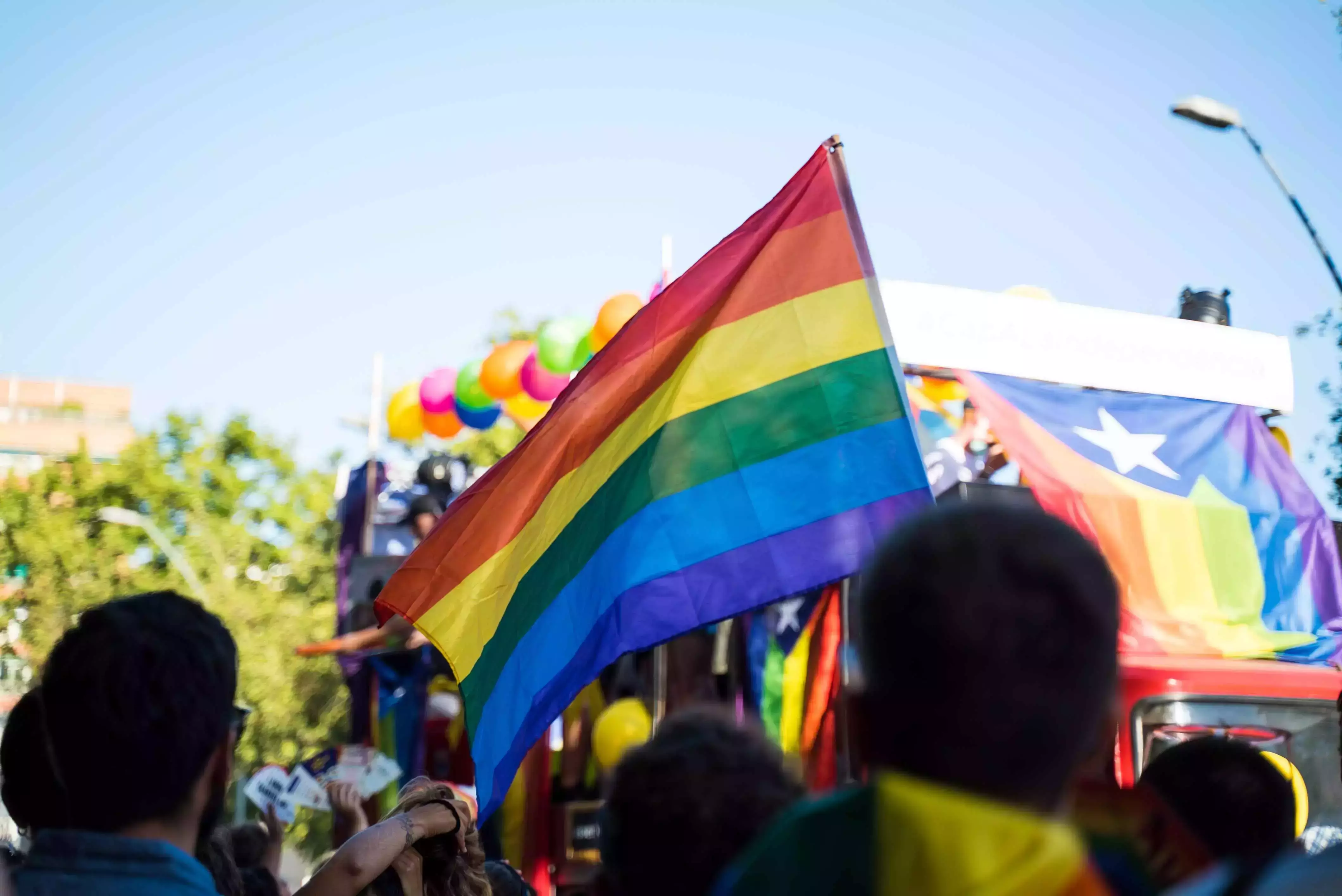
5. Madrid, Spain
With a thriving LGBTQ+ culture, Europe’s largest Pride event with more than 2 million attendees, and a plethora of LGBTQ+ friendly bars, clubs and restaurants, Madrid is definitely the place to be. Spain was one of the first countries in the world to legalise same-sex marriage in 2005, and homosexuality was legalised in 1979.
Madrid has a thriving LGBTQ+ community and scene, and caters to the community in a number of inclusive ways. Its Pride event is one of the city’s most important events of the year, and sees well over 2 million people attend each year. Madrid also has one of the highest Gay Index scores and an Equaldex score of 100.
4. London, UK
London is associated with a thriving and strong LGBTQ+ presence, and a number of gay bars, restaurants and exclusive LGBTQ+ spaces. Soho is the beating heart of the LGBTQ+ community, with a wide range of LGBTQ+ friendly spaces, but most of London is accepting and inclusive towards the community. Not only does London score highly on both the Gay Index and Equaldex rankings, but since the late 1960s, views and laws surrounding same-sex activities have become much more liberal and accepting, with same-sex marriage becoming officially legal across the UK in 2013.
London’s annual Pride event sees a turnout of more than 1 million people, making it one of the largest Pride events in the world. London also has a lengthy and significant LGBTQ+ history, with activism, marches and events being at the forefront. It’s safe to say that London is not only the capital of the UK, but it is one of the capitals of the world when it comes to LGBTQ+ rights and acceptance.
3. Porto, Portugal
First and foremost, Portugal was one of the first countries to legalise same-sex marriage in 2010, with its cities of Lisbon and Porto becoming thriving LGBTQ+ hubs since.
,Porto’s main LGBTQ+ district is Galerias de Paris and several other spots around the city, but the city as a whole has an inclusive and accepting feel no matter where you go. Although Porto has one of the lowest Gay Index scores of 6.9, it makes up for it with its Pride celebration that sees a significant turnout and its high Equaldex score of 93.
2. Dublin, Ireland
Dublin hasn’t always been the safe and accepting place for the LGBTQ+ community that it is now, but views and laws have drastically changed since homosexuality was decriminalised in 1993, and same-sex marriage was legalised by popular vote in 2015, making Ireland the first country in the world to legalise it in this way.
Dublin is now a thriving hub for all members of the community. The city’s progressive stances on LGBTQ+ make it all the more welcoming and inclusive to people of all backgrounds. To further Dublin’s changing views on LGBTQ+, its annual Pride event sees attendees of more than 70,000 take to the streets in solidarity for the community and its rights.
1. Lisbon, Portugal
Now we come to number 1, the world’s most LGBTQ+ friendly city: Lisbon. The city is a trailblazer in cultivating a safe, supportive, and fun community for queer people. It’s not just the capital that’s gay-friendly; Portugal decriminalised homosexuality in 1982 and was the eighth country in the world to legalise same-sex marriage in 2010.
The city’s chart-topping Equaldex score of 100 solidifies it as an inclusive powerhouse, and Lisbon celebrates in true festive style with a colourful, fun-filled Pride weekend in June. Lisbon also hosts the International Queer Film Festival.
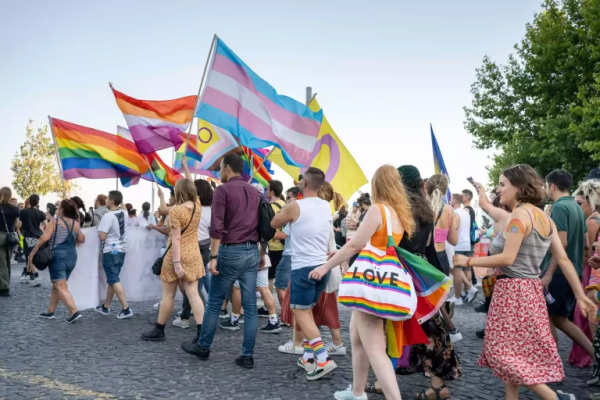
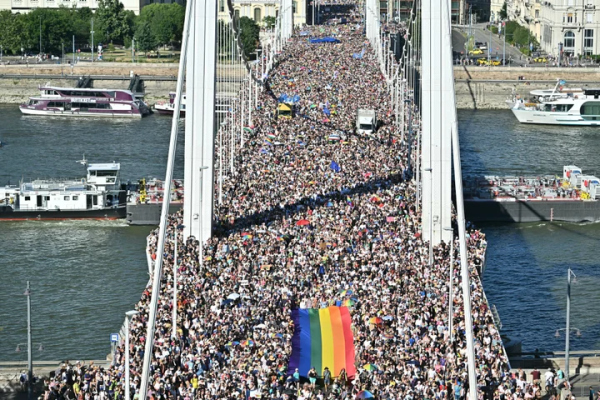
Around 100,000 people defied a government ban and police orders Saturday to march in what organizers called the largest LGBTQ+ Pride event in Hungary’s history in an open rebuke of Prime Minister Viktor Orbán’s government.
Marchers gambled with potential police intervention and heavy fines to participate in the 30th annual Budapest Pride, which was outlawed in March by Orbán’s right-wing populist governing party.
The march began at Budapest City Hall and wound through the city center before crossing the capital’s Erzsébet Bridge over the Danube River. Police diverted the crowd from its planned route to keep it separated from a small group of far-right counterprotesters, while members of Hungary’s LGBTQ+ community and masses of supporters danced to music and waved rainbow and anti-government flags.
One marcher, Blanka Molnár, said it was “a fantastic feeling” that more people had attended the Pride march than ever before despite it being outlawed. She said it was “increasingly important” for Hungarians, “even those who have never been to Pride before,” to push back against the government’s policies.
“This isn’t just about LGBQT+ rights, it’s also about the right to assemble and about standing up for each other and not allowing (the government) to oppress us,” she said.
The massive size of the march, which the government for months had insisted would no longer be permitted in Hungary, was seen as a major blow to Orbán’s prestige, as the European Union’s longest-serving leader’s popularity slumps in the polls where a new opposition force has taken the lead.
Orbán and his party have insisted that Pride, a celebration of LGBTQ+ visibility and struggle for equal rights, was a violation of children’s rights to moral and spiritual development — rights that a recent constitutional amendment declared took precedence over other fundamental protections including the right to peacefully assemble.
The law fast-tracked through parliament in March made it an offense to hold or attend events that “depict or promote” homosexuality to minors underage 18. Orbán earlier made clear that Budapest Pride was the explicit target of the law.
Authorities installed additional cameras throughout the city center before the march, and were expected to use facial recognition tools to identify individuals who attend the banned event. According to the new law, being caught attending Pride could result in fines of up to 200,000 Hungarian forints ($586).
Marcher András Faludy said the “hysteria” that has emerged in Hungary over the Pride march in recent months was “damn pathetic. It’s nonsense.”
“I could use an uglier word because I’m extremely angry, but I won’t,” he added.
The ban was the latest crackdown on LGBTQ+ rights by Orbán’s government, which has already effectively banned both same-sex adoption and same-sex marriage and disallowed transgender individuals from changing their sex in official documents.
Police rejected several requests by organizers in recent weeks to register the Pride march, citing the recent law. But Budapest Mayor Gergely Karácsony joined with organizers and declared it would be held as a separate municipal event — something he said doesn’t require police approval.
But Hungary’s government remained firm, insisting that holding the Pride march, even if it’s sponsored by the city, would be unlawful. Hungary’s justice minister this week warned Karácsony that organizing Pride or encouraging people to attend would be punishable by up to a year in prison.
Many marchers expressed their belief that the Pride march represented a struggle not just for the protections of the rights of sexual minorities, but for the democratic future of their country.
Participant Zsófia Szekér said the number of attendees showed that a major part of society desired a new direction for Hungary.
“I think we can only achieve change if so many people take to the streets,” she said.
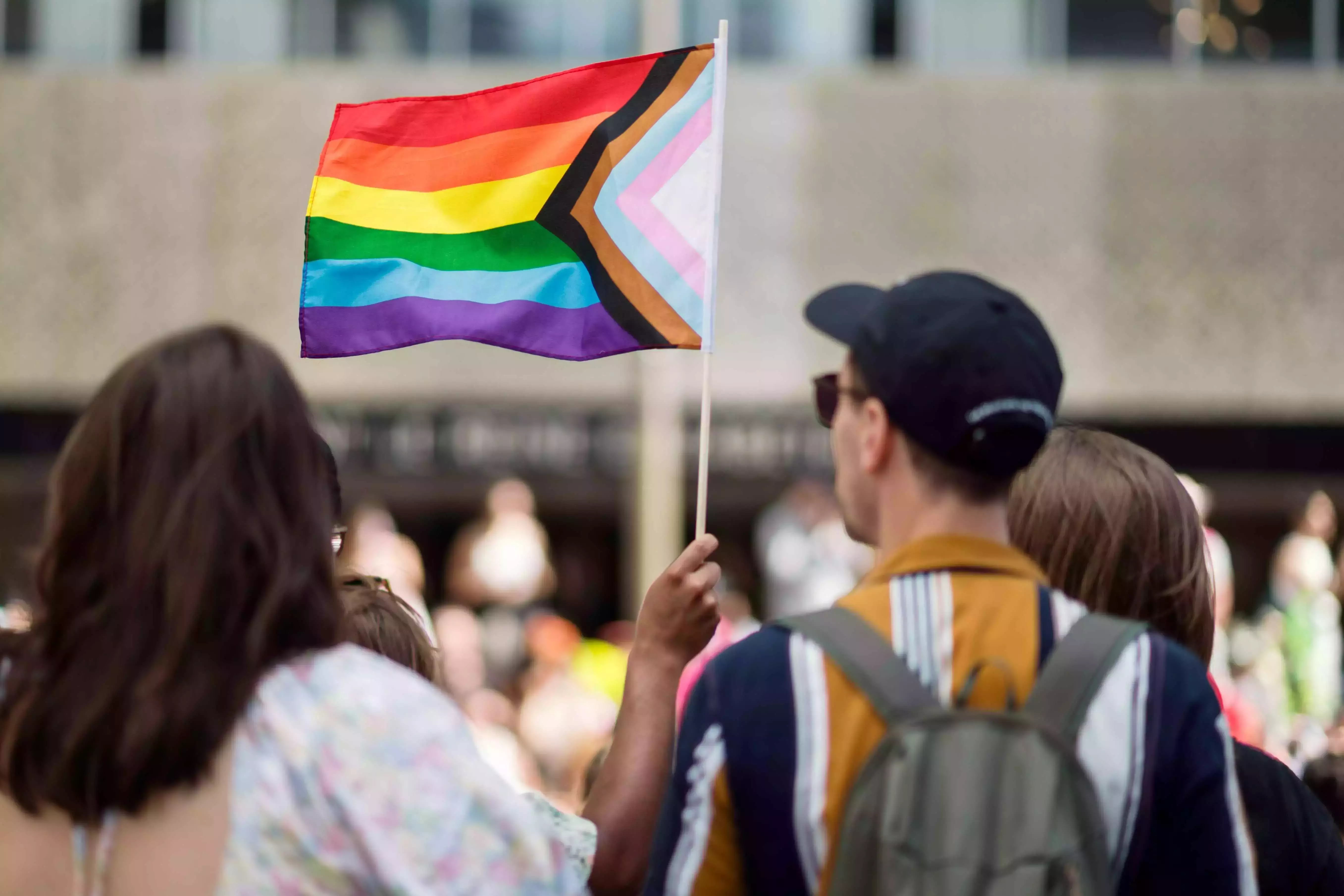
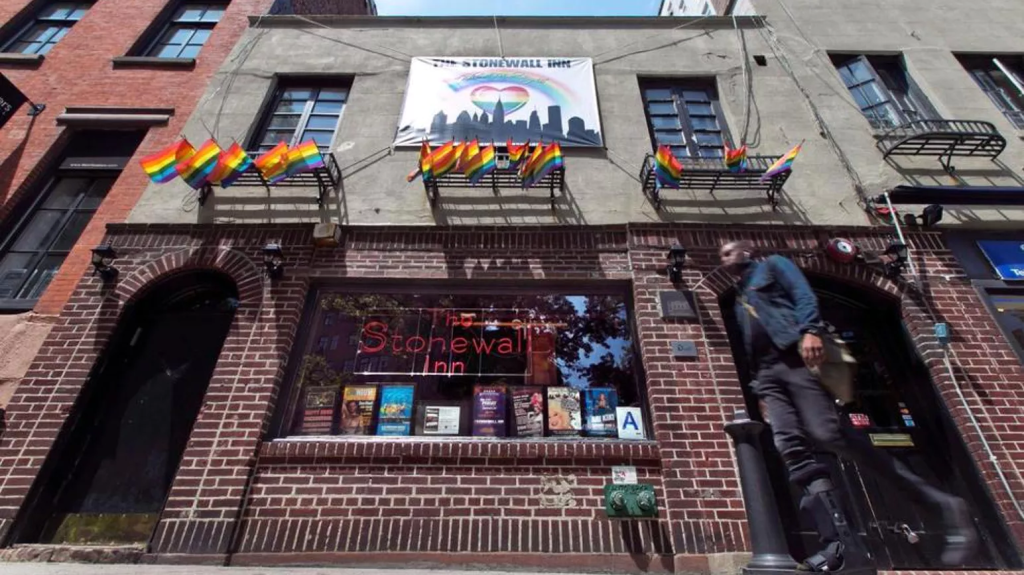
For the past nine years, the transgender flag was included among those that flew around the Stonewall National Monument in Christopher Park during Pride Month. However, the National Park Service(NPS) will no longer be displaying the Transgender Pride flag or the Progress Pride flag, stating a change of protocol as the reason.
The New York City monument commemorating the Stonewall Uprising of 1969 is the first U.S. National Monument dedicated to LGBTQ+ rights, having been designated as such in 2016 by then-President Barack Obama. It has since become tradition for the monument, located in a park across the street from the Stonewall Inn, to be adorned with various Pride flags, including the trans flag. NPS funds the installation of these flags. This year, however, NPS told photographer, advocate, and installation creator Steven Love Mendez that the park will not allow Trans or Progress Pride flags this year.
The censorious move comes after the Trump administration wiped all references to trans and nonbinary people from the monument’s website in February, as part of his wider initiative to purge trans and nonbinary people from all references and resources provided by the federal government. The removal of trans people from a monument in which a transgender person was considered a key figure has led to outrage, with many coming to the monument to protest.
Speaking to CBS, Mendez comments, “It’s a terrible action for them to take.” he continues, “I used to be listed as an LGBTQ activist, and now it says ‘Steven Menendez, LGB activist,’” Menendez said. “They took out the Q and the T.”
The trans-exclusionary initialism of “LGB” is sometimes used by transphobes to encourage a social and ideological split between gay, lesbian, and bisexual people and transgender people, based on their differing gender experiences.
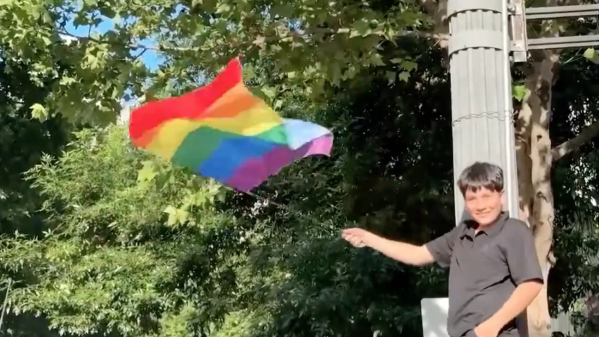
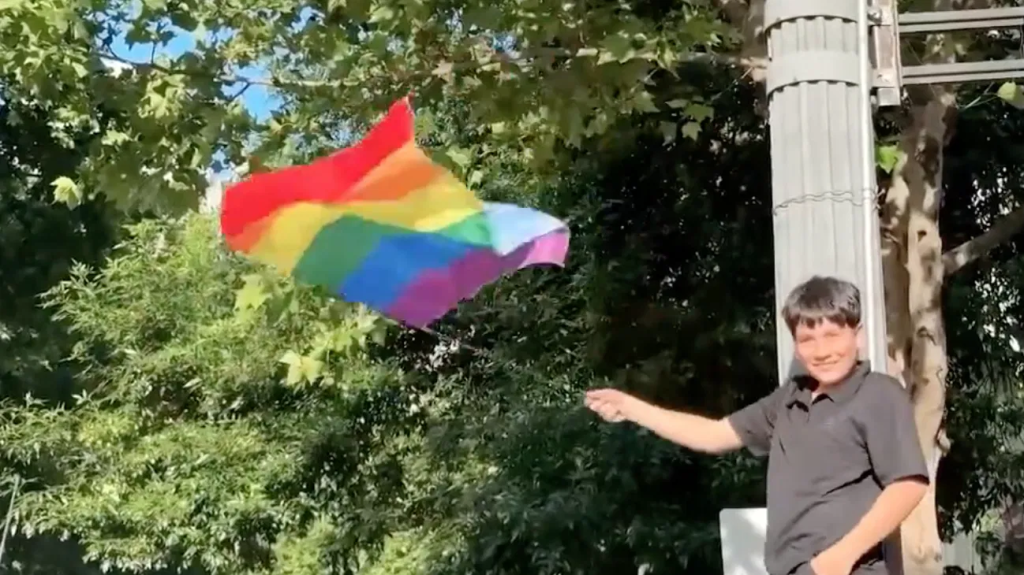
Upon learning of the monument’s trans erasure, many New Yorkers and tourists came to the monument to set up unauthorized pride flags in protest, including smaller trans flags planted in the soil.
Jay Edinin of Queens, New York, was one of the people who brought his own flag and told CBS, “I’m not going to stand by and watch us be erased from our own history, from our own communities, and from the visibility that we desperately need right now.”
Willa Kingsford of Portland, Oregon, stated, “I think it’s absurd. I think it’s petty,”
Patty Carter of Los Angeles, California, stated, “It’s horrible. They’re changing all of our history.”
The Stonewall Riots, to which the monument is dedicated, to began on June 28, 1969. During that time law enforcement commonly raided queer bars since New York had outlawed homosexuality and “cross-dressing.” During the raid at the Stonewall Inn, the LGBTQ+ community decided they had reached their tipping point and fought back against law enforcement. The resulting six days riots were said to have marked the beginning of the LGBTQ+ rights movement and became the reason why Pride Month is celebrated in June.
Two of the most notable figures in this uprising were Marsha P. Johnson and Sylvia Rivera, both trans women. It is believed that Johnson instigated the riot by throwing a brick at a police officer. Rivera is also considered to be a key instigator; she is said to be one of the first people to fight back against the police, to which many quote her as saying, “I’m not missing a minute of this—it’s the revolution!”











 fleeredstates.blog
You must be logged in to post a comment.