Slovakia Enshrines Only Two Sexes in Constitution, Restricting Adoption and Surrogacy for LGBTQ People

Read more at Gayety.

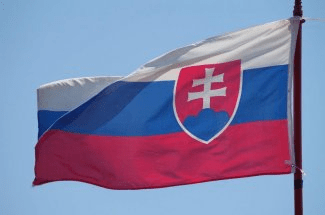
Slovakia’s parliament, has approved a sweeping constitutional amendment that legally recognizes only two sexes—male and female, and imposes new limits on adoption and surrogacy, sparking alarm from human rights groups and LGBTQ+ advocates.

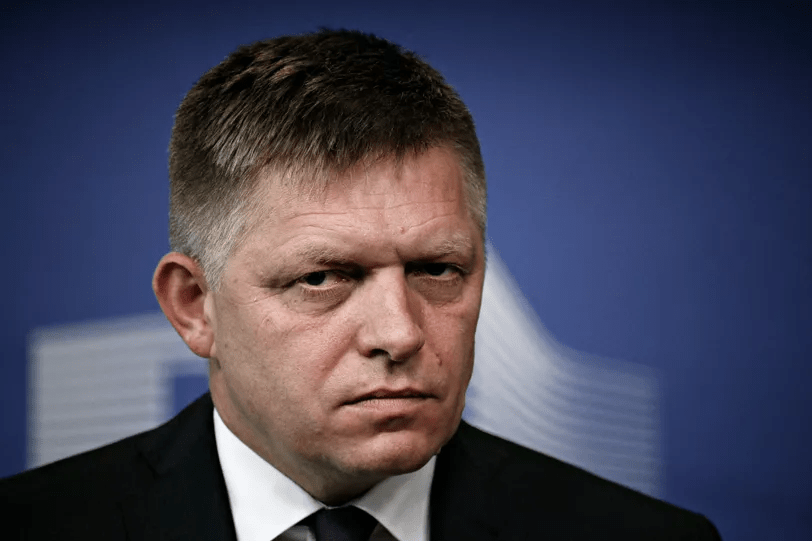
The amendment, passed in a narrow 90‑vote majority in the 150‑seat National Council, also restricts adoption to married heterosexual couples and bans surrogate pregnancies. It was framed by Prime Minister Robert Fico’s government as a defense of “sovereignty in cultural and ethical matters” and traditional values. Fico heralded the vote as “a great dam against progressivism.”

The constitutional change marks one of the most significant curbs yet on LGBTQ+ and reproductive rights in the country, critics say, aligning Slovakia more closely with Hungary’s conservative trajectory, and raising concerns about violations of international commitments and human rights.

What the Law Does

  • Defining Sex and Gender: The amendment states explicitly that only two sexes—male and female—are recognized under Slovak law. Legal definitions of gender identity beyond that framework are excluded.
  • Adoption Restrictions: Only married heterosexual couples will now be able to adopt children. Same‑sex couples are excluded from adoption rights under the new wording.
  • Ban on Surrogacy: The law prohibits surrogate pregnancies.
  • Assertion of “National Identity”: The amendment declares that Slovakia retains sovereignty over issues of national identity, culture, and state ethics, even potentially above European Union law in certain areas.

Passage and Political Dynamics

The vote was precariously close. Fico’s coalition controls fewer than the 90 votes required for constitutional amendments, but 12 opposition lawmakers from conservative parties defected last minute, providing the margin required for passage.

Some opposition figures expressed outrage, describing defectors as traitors, alleging the vote was a political maneuver to distract from declining public approval and other unpopular measures.

President Peter Pellegrini said he would sign the amendment into law, framing the constitutional majority as a signal of political consensus in deeply polarized times.

Responses and Broader Implications

Human rights organizations were quick to condemn the change. Critics warn it will lengthen the legal limbo for trans, non‑binary, and intersex people, reduce access to gender recognition, and further institutionalize discrimination.

There are also worries it will lead to clashes with EU law, which guarantees certain protections for minority and LGBTQ+ populations. Legal scholars suggest the amendments may violate international treaties and could become the subject of legal challenges.

For Slovak LGBTQ+ individuals, the change is deeply personal. It removes recognition for anyone who doesn’t fit neatly into “male” or “female,” and restricts family formation for non‑heterosexual parents.
Slovakia Postpones Anti-LGBTQ Law Indefinitely

Read more at Barron’s.

The Slovak government on Wednesday indefinitely postponed a proposed constitutional amendment that would limit the rights of same-sex couples and toughen rules surrounding gender transition.

The amendment would also see national law take precedence over European Union law.

The government admitted to “not having secured enough votes” to pass the contentious text in parliament and postponed it indefinitely.

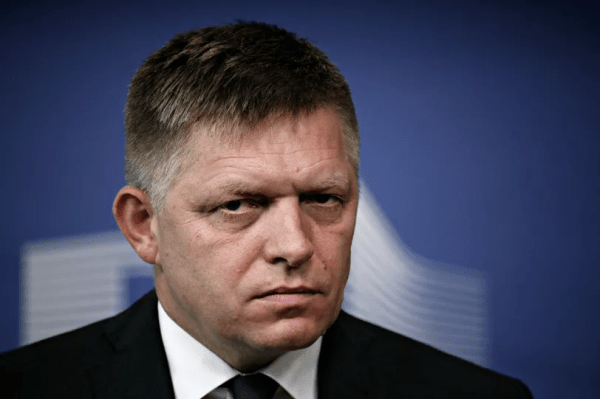
Following the amendment’s publication in late January, nationalist Prime Minister Robert Fico invoked “the traditions, the cultural and spiritual heritage of our ancestors” to construct a “constitutional barrier against progressive politics” and restore “common sense”.

“There are two sexes, male and female”, defined at birth, the proposal states — an echo of US President Donald Trump’s inauguration speech.

“Sex cannot be modified except for serious reasons, according to procedures that will be established by law,” it continues.

The amendment only authorises adoption for married couples, with rare exceptions.

It also states that Slovakia’s “sovereignty” regarding “cultural and ethical questions” should override EU law.

Slovakia could ban gay couples from adopting & nonbinary people from existing

*This is reported by LGBTQ Nation.

Slovakia is considering changes to its constitution to limit LGBTQ+ people’s rights.

This past Wednesday, lawmakers voted to advance the amendments that, if adopted, would limit adoption to only heterosexual married couples and define all people as only being male or female.

The Christian-majority Central European nation currently does not recognize same-sex relationships at all, and its constitution was amended in 2014 to state that marriage “is a unique union between a man and a woman.” But anyone can adopt a child under current Slovak law.

Slovakia also does not recognize nonbinary people under the law, according to Amnesty International. The proposed constitutional amendments would write that lack of recognition into the constitution, making it harder for the legislature to change it later.

Other changes that were advanced on Wednesday include allowing healthcare providers to refuse abortion care and requiring parental approval for sex education in schools. The legislature is also considering lower gestational limits for abortion and a ban on in-vitro fertilization and surrogacy.

“This swathe of amendments is an attempt to buttress an increasingly hostile environment for LGBTIQ+ people, undermine gender equality, rule of law, and broader human rights protections in Slovakia,” said Director of Amnesty International Slovakia Rado Sloboda. “Constitutionalizing the possibility to refuse abortion care on ‘conscientious objection’ grounds would put people’s health and lives at grave risk.”

“If passed, these draconian measures would further undermine gender equality and deepen the crackdown on LGBTIQ+ people’s rights, mirroring the dangerous practices of other countries in the region, such as Hungary and Poland. Members of the Slovak Parliament must vote to reject this multi-pronged assault on human rights.”

Bloomberg reports that 81 lawmakers supported the changes in the first reading yesterday, and they will require at least 90 votes to pass the next round of voting. The nation’s parliament has 150 members.

Slovakia is a European Union member state, and the rollbacks of LGBTQ+ and reproductive rights could lead to tensions with European Union laws.

Prime Minister Robert Fico of the left-nationalist Direction—Social Democracy party returned to power in 2023 with a socially conservative platform.

Blog at WordPress.com.

Up ↑