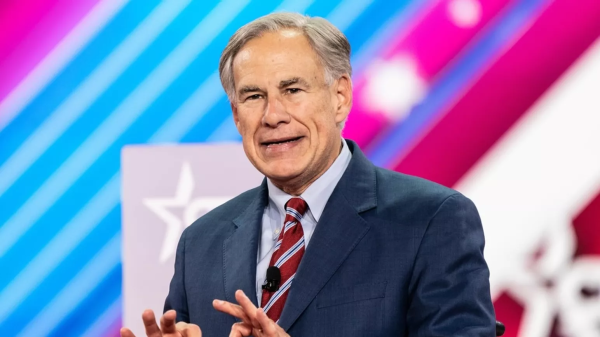
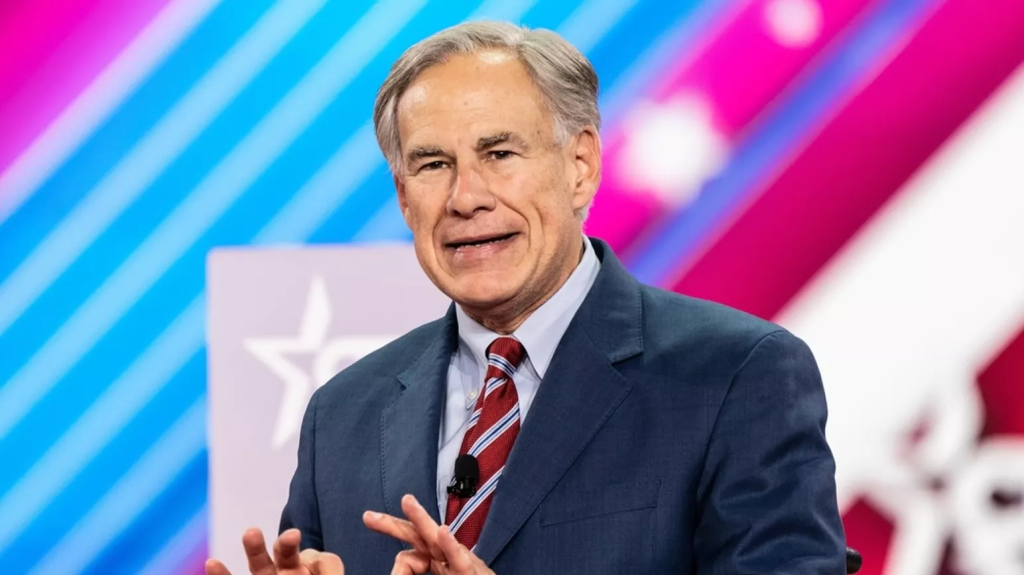
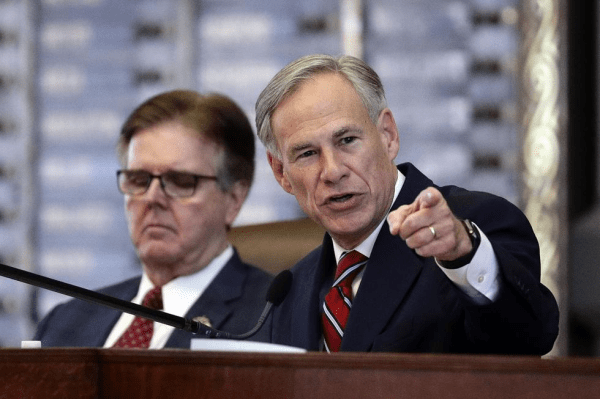
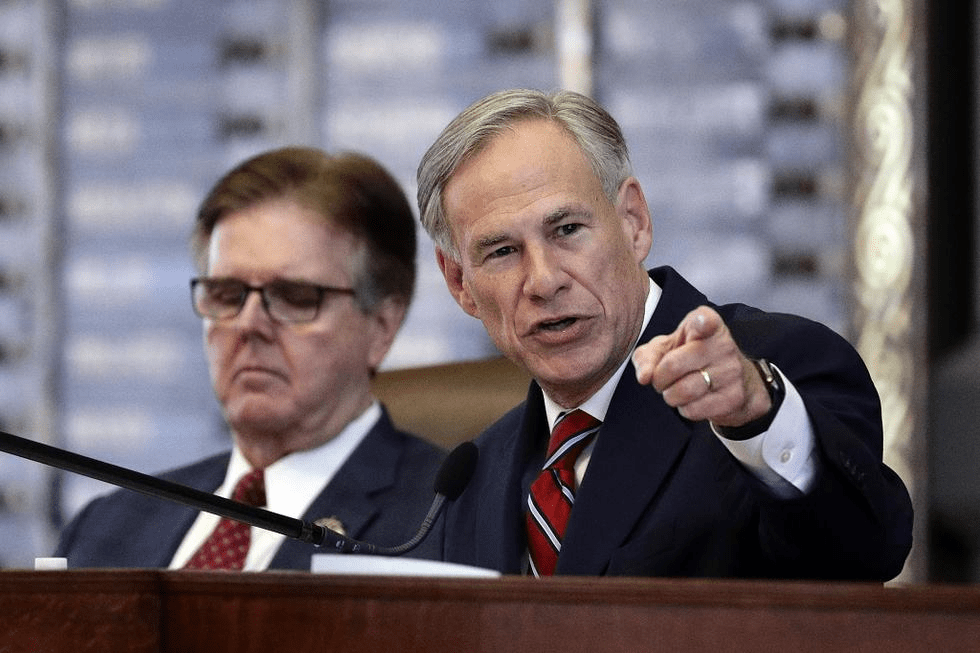
Texas Gov. Greg Abbott (R) has called a special legislative session to address the deadly floods that have left 134 people dead and 101 others missing. However, in preparation for the session, state GOP lawmakers have filed 82 measures, none of which address the flooding. Instead, they seek to ban transgender women from using women’s facilities (and Abbott personally supports the idea).
In Abbott’s proclamation for the special session, he laid out 18 priorities. The first four addressed the need for improved emergency warning, communication, and aid systems. The other priorities included further restricting abortions and election access, gerrymandering the state electoral map to favor Republicans, and “legislation protecting women’s privacy in sex-segregated spaces.”
The state constitution says legislators can only file bills related to the governor’s priorities, but Republican legislators haven’t filed any bills related to the deadly floods, KXAN reported.
Instead, Republican state Rep. Valoree Swanson filed H.B. 32, which would require people only to use facilities in public schools, state universities, government-owned buildings, jails, and family violence shelters that match the “biological sex” assigned on their original birth certificate. Texas recently changed its laws to forbid transgender people from changing the gender markers on their birth certificates and driver’s licenses.
Anyone who allows the proposed law to be violated could be subject to civil fines from $5,000 to $25,000, as well as additional penalties. Swanson filed a similar bill during the previous legislative session, but it failed to pass after missing several legislative deadlines, Chron reported.
Three other special session bills, H.B. 37, 65, and 70, would punish any person or internet service provider who aids or abets the distribution of abortion medication.
H.B. 38, introduced by Democratic state Rep. Jessica Gonzalez (who is also chair of the Texas House LGBTQ Ca ucus), would prohibit workplace, housing, and public accommodations discrimination against LGBTQ+ people, but there’s no way it’ll pass the state’s Republican-majority legislative chambers. It’s also unclear how the bill relates to Abbott’s list of priorities.
“I am proud to have filed H.B. 38 in preparation for the upcoming special session of our legislature,” González wrote in a statement on Tuesday. “H.B. 38 is a comprehensive nondiscrimination bill that would codify equal protection for the LGBTQ+ community and military veterans in employment, housing, and public accommodations.”
June 26, 2015 was a milestone day in the United States when the SCOTUS decision was announced in the case of Obergefell v Hodges. A narrow 5-4 ruling brought nationwide marriage equality for LGBTQ people much sooner than many expected it. I certainly did not even think it would occur in my lifetime. The nation was split down the middle on the topic. A piecemeal approach was commonplace, with some states making it legal before the ruling, and others staunchly opposed to it in their state constitutions. Yet, a conservative justice saw fit to challenge the status quo and actually base a ruling on the US Constitution for a change, rather than political ideology.
We had already been married for almost 4 years at that point. We were living in Texas in July 2011 and my boyfriend at the time decided to ask me to marry him (now her, but that is another story for another day). We had been living together nearly 10 years. Going to Canada was floated as an idea. I had family in New Jersey and Andrew Cuomo in New York had just its own marriage equality law June 24 that year to take effect in July. So, New York it was! I had become an internet wedding planner of my own wedding by then to be wed on October 09, 2011, one day difference from our “10th anniversary”. It was tedious. It was stressful. It was fun. It was one of the best days of my life. I will never do it again. Sorry boys and girls.
While our own wedding anniversary of 14 years is coming this fall, I sit here writing this and worried that we will have to go through even more bullshit to not only keep our marriage legally intact, but to ensure future generations maintain their right to due process and equality under the law. We have a Supreme Court who has already shown it has the balls to revisit and repeal established forward thinking case law precedent. See, Roe v Wade’s death as a result of Dobbs v. Jackson Women’s Health Organization. Chief Justice Roberts and Justices Thomas, and Alito, who each wrote a dissenting opinion in Obergefell v Hodges are still proudly part of the conservative super majority on the bench. Yes, there is a Respect for Marriage Act that was finally passed in 2022 to help reaffirm O v H.
But we also have a President and House who are willing to turn back time. We have state legislators, who are now firing the opening salvo towards repeal of marriage equality. House reps in 9 states in 2025 proposed resolutions urging SCOTUS to repeal O v H. Those resolutions were passed in North Dakota and Idaho. 4 other states introduced bills, which failed, to introduce covenant marriage to their books, which would have created an exclusive category for opposite sex couples.
I hope everyone enjoys their anniversary, whether you were married today or at another point in time. But please remain vigilant and pay fucking attention to what is going on around you. Your rights can always be removed with the stroke of a pen. And sometimes that pen needs to be shoved into an uncomfortable place.
This is us. Climate change was on full display.
John Turner-McClelland is the editor of several blogs including FleeRedStates. He is a licensed real estate agent in Texas and North Carolina. He was on a Vice News panel once and was allowed to speak for 5 seconds on air. He has been a proud liberal LGBTQ activist and former elected official for a few decades or so. Yes, he is still married.
On Wednesday, an Austin-based group broke ground on a new affordable housing development geared toward LGBTQ+ senior citizens.
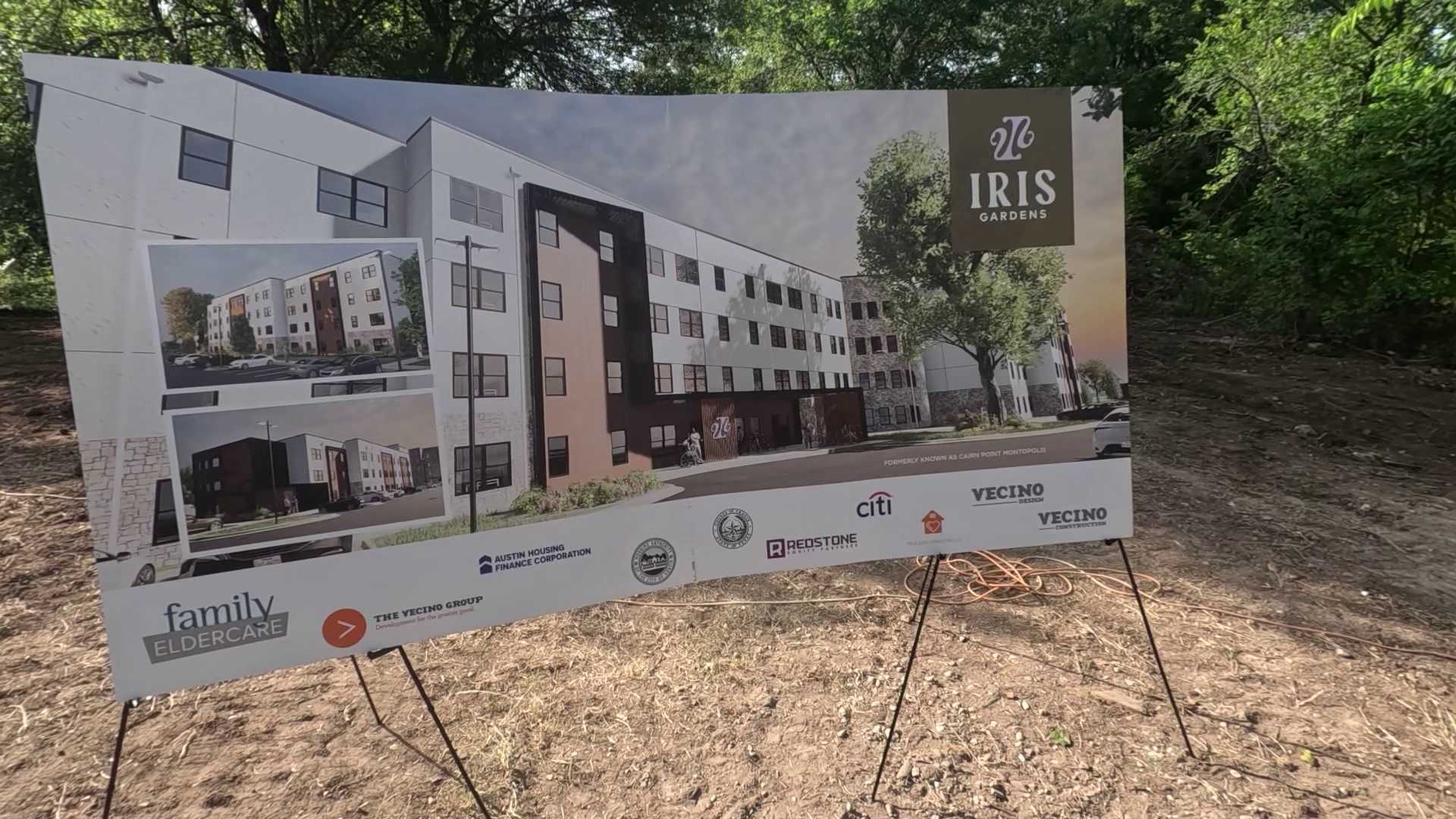
The development, which will be known as Iris Gardens, is located at 1013 Montopolis Drive in southeast Austin. It will consist of 150 units for people aged 55 and older and will be considered a first of its kind for Austin through a partnership with Family Eldercare and the national housing developer, Vecino Group.
It will also offer on-site services, including mental wellness and social connection programs.
“This project just felt like it was the right thing to do,” Family Eldercare CEO Dr. Aaron Alarcon said.
Alarcon said people who are at or below the 30% to 60% area median income will be accepted. The goal is to give people who live at the complex a safe and affordable space.
At the moment, there’s an uptick of elderly people experiencing homelessness, according to Austin’s Homeless Strategy Officer David Gray.
“Oftentimes, what happens is seniors are on a fixed income, but the cost of living in our city and in our county is going up,” Gray said.
Gray said his office plans to lend a helping hand to reduce barriers and will have a list of people set to move in. Those barriers include moving expenses, helping get identification and clearing old debt.
When it comes to adding more affordable housing in Austin, Gray noted that the city is on track to to add 1,200 units by 2026 as part of its homeless response system.
Other barriers people face as they try to gain access to affordable housing are criminal backgrounds and evictions. Gray said that one tool with landlords is to reduce screening criteria by looking past criminal history and past evictions.
However, when it comes to Iris Gardens, Gray said the city wanted to focus on a community that was not being properly served.
“While this is the groundbreaking for this development, this is not the first [and] this is not going to be the last. And we’re really excited to have more of these celebrations in the future,” Gray said.
Other organizations, like Rainbow Connections ATX, will also help with outreach.
“I feel that this is necessary; it’s a long time coming,” said Annie Saldivar, project manager for Rainbow Connections ATX.
The four-story building has a price tag of $51 million, with money coming from the Austin Housing Finance Corporation, Travis County, CITI Bank and Redstone Equity.
AUSTIN, Texas — On Wednesday, an Austin-based group broke ground on a new affordable housing development geared toward LGBTQ+ senior citizens.
The development, which will be known as Iris Gardens, is located at 1013 Montopolis Drive in southeast Austin. It will consist of 150 units for people aged 55 and older and will be considered a first of its kind for Austin through a partnership with Family Eldercare and the national housing developer, Vecino Group.
It will also offer on-site services, including mental wellness and social connection programs.
“This project just felt like it was the right thing to do,” Family Eldercare CEO Dr. Aaron Alarcon said.
Alarcon said people who are at or below the 30% to 60% area median income will be accepted. The goal is to give people who live at the complex a safe and affordable space.
At the moment, there’s an uptick of elderly people experiencing homelessness, according to Austin’s Homeless Strategy Officer David Gray.
“Oftentimes, what happens is seniors are on a fixed income, but the cost of living in our city and in our county is going up,” Gray said.
Gray said his office plans to lend a helping hand to reduce barriers and will have a list of people set to move in. Those barriers include moving expenses, helping get identification and clearing old debt.
When it comes to adding more affordable housing in Austin, Gray noted that the city is on track to to add 1,200 units by 2026 as part of its homeless response system.
Other barriers people face as they try to gain access to affordable housing are criminal backgrounds and evictions. Gray said that one tool with landlords is to reduce screening criteria by looking past criminal history and past evictions.
However, when it comes to Iris Gardens, Gray said the city wanted to focus on a community that was not being properly served.
“While this is the groundbreaking for this development, this is not the first [and] this is not going to be the last. And we’re really excited to have more of these celebrations in the future,” Gray said.
Other organizations, like Rainbow Connections ATX, will also help with outreach.
“I feel that this is necessary; it’s a long time coming,” said Annie Saldivar, project manager for Rainbow Connections ATX.
The four-story building has a price tag of $51 million, with money coming from the Austin Housing Finance Corporation, Travis County, CITI Bank and Redstone Equity.
The development is set to be completed by spring 2027.
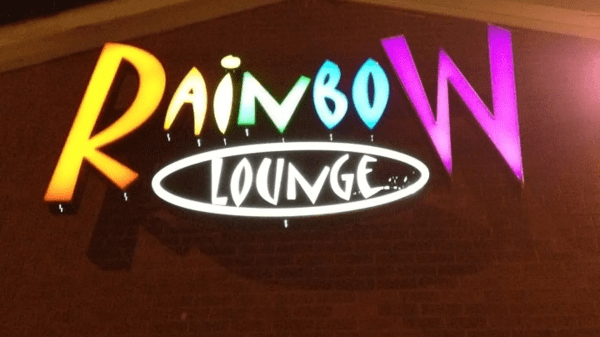
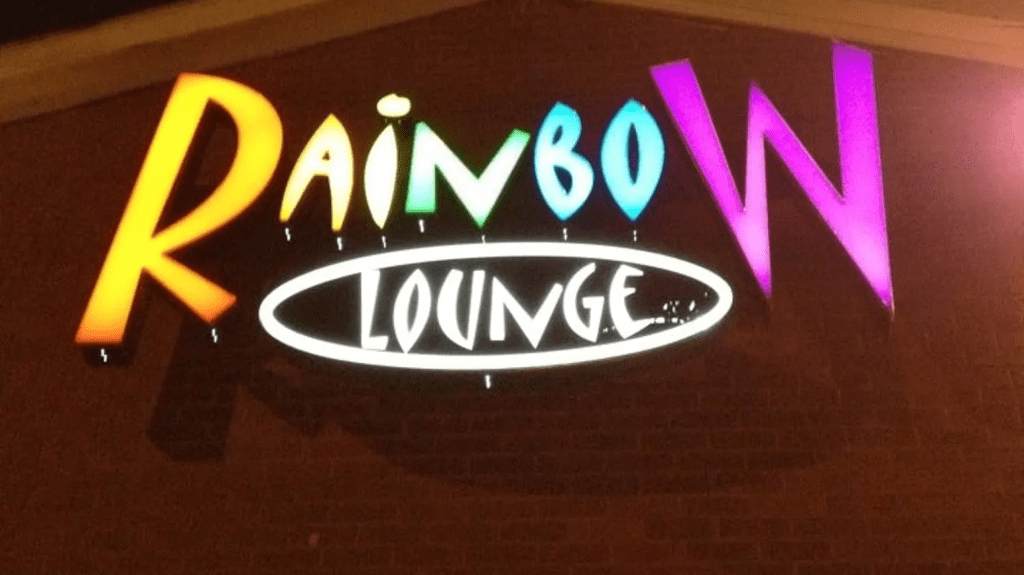
After a year-long effort to install an official historical marker recognizing the LGBTQ+ community at the Rainbow Lounge — a gay bar in Fort Worth, Texas that was targeted in an infamous 2009 police raid — the effort was ultimately thwarted by Republican Tarrant County Judge Tim O’Hare.
The site for the historical marker, 651 S. Jennings Avenue, was the location of the Rainbow Lounge. Shortly after opening, on June 28, 2009, Fort Worth police and Texas Alcoholic Beverage Commission agents raided the bar without prior notice, using excessive force and arresting patrons for “public intoxication.” The raid resulted in one man being hospitalized for brain bleeding, and another suffering broken ribs.
The raid, which occurred on the 40th anniversary of the Stonewall Riots, mobilized the Dallas-Fort Worth area LGBTQ+ community and garnered national publicity, ultimately leading to sweeping reforms of the city’s anti-discrimination laws and the implementation of diversity training for local legal officials.
Unfortunately, the Rainbow Lounge burned down in June 2017. To this day, the site lies abandoned as leasing issues prevent the bar from being rebuilt. Investigators never stated the cause of the fire; arson was never officially ruled out.
Todd Camp, who runs Fort Worth LGBTQ+ history group, Yesterqueer, told The Fort Worth Reportthat the city approved of a historical marker after Camp gave a presentation on local queer history to city staff.
Everything seemed to be moving accordingly, however, Tarrant County Judge Tim O’Hare issued a letter to the historic commission claiming the application for the historical marker was improperly submitted and did not go through the Tarrant County Historical Commission’s “thorough approval process.” Before a state marker can be submitted to the state for approval, it must undergo a review process from the local county’s historical society.
While O’Hare argued that the process “bypassed established precedent” for approval, former Tarrant County Historical Commission chair Coletta Strickland told The Fort Worth Report that this wasn’t the case.
“There was nothing untoward or out of the ordinary that was done for this application,” Strickland said.
Nevertheless, O’Hare wrote in a letter opposing the gay bar’s historical marker, “Allowing the marker to proceed under these circumstances risks generating unnecessary controversy and undermining the credibility of both the local and state historical commissions.”
While his letter didn’t directly attack LGBTQ+ people, a statement from the judge’s chief of staff Ruth Ray said that O’Hare does not support a historical marker glorifying radical gender ideology and drag performances.
“People visit public spaces for recreation and relaxation, often with their children. As the vast majority of our nation agrees, transgenderism should not be pushed on our children,” Ray said.
O’Hare has a history of opposing LGBTQ+ rights and having far-right political beliefs. As a Tarrant County judge, he has led efforts to cut funding for non-profits that work with at-risk children, citing their views on racial inequality and LGBTQ+ rights.
There are over 16,000 historical markers that can be found in all 254 of Texas’s counties to commemorate elementary schools, historic mansions, plantations, Black historic locations, and even ones dedicated to historical female figures from Texas.
Despite this large number and the size of the state, there is currently only one officially designated LGBTQ+ historical marker in Texas: “The Crossroads” in the Oak Lawn neighborhood of Dallas, recognizing its significance as the heart of the city’s LGBTQ+ community.
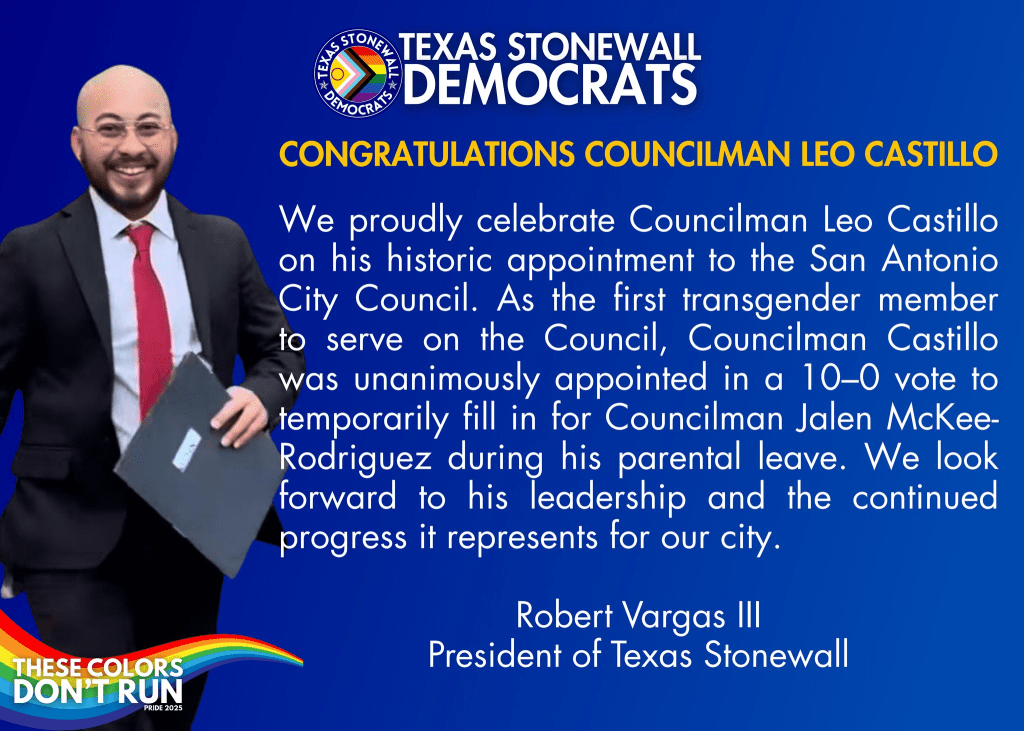
An East Side San Antonio council district will make history again with its incoming, temporary council member.
City Council voted 10-0 to select Leo Castillo, a social media and marketing manager for Thrive Youth Center, to serve as the interim District 2 council member while Councilman Jalen McKee-Rodriguez is out on his upcoming parental leave.
McKee-Rodriguez, who was the first openly gay man elected to the San Antonio City Council, believes Castillo will be the first openly transgender man to serve as a public official in Texas.
At least two transgender women have held public office in Texas before: former New Hope Mayor Jess Herbst and former Judge Phyllis Frye.
“Today is a huge win for our community and another reason to celebrate Pride Month,” McKee-Rodriguez said during the council meeting on Thursday. “At a time when our community is under attack, especially the trans community, this is going to be a — this was a historic vote.”
“I think this just definitely highlights the fact that, you know, trans people are people, and we deserve every opportunity like anybody else,” Castillo told reporters afterward. “And so I’m just really excited to sit with that and celebrate that with my community.”
Castillo was sworn in after Thursday’s vote but will not officially take the seat until Aug. 1. McKee-Rodriguez is expected to return to the council by the end of September.
Castillo and McKee-Rodriguez met at the University of Texas at San Antonio almost nine years ago, and Castillo has been a political volunteer for McKee-Rodriguez.
“It’s just been really incredible just following Jalen along on his journey. And so I thought, ‘you know what, I think I’d be the best person to step up,’” he said.
McKee-Rodriguez said it “just so happens” that Castillo is a member of the LGBTQ+ community
“Leo’s been a very strong member of our community,” McKee-Rodriguez said. “He’s been an advocate who’s organized around many of the same issues that I’ve organized around, including public safety reform, civic engagement, and LGBTQIA rights.”
No-fuss appointment
Though 12 other people applied for the position, including several who had run against McKee-Rodriguez in the past, Castillo cruised to his appointment.
After a first round of short interviews on Wednesday, the council could have chosen up to three finalists for further consideration. But after just 15 minutes of closed-door discussion, they tapped Castillo as the lone finalist.
Thursday’s interview process took roughly 10 minutes before the council officially appointed Castillo as the interim council member.
District 1 Councilwoman Sukh Kaur was away from her seat for the final vote, but she had supported his selection at Wednesday’s meeting.
Alicia Williams, McKee-Rodriguez’s director of constituent services, also told council members that the district staff preferred Castillo for the role, saying he had worked alongside the office “with consistency, humility, and deep care for the people of the district.”
These were the other applicants for the temporary position:
Ruben Arciniega — Certification specialist, ran for D2 council seat in 2019
Brian Benavidez — Owner of bike tour company
Joseph Bravo — Former chief of staff for former D7 Councilwoman Ana Sandoval
Dori Brown — Accountant, ran for D2 council seat in 2021
Chris Dawkins — President of marketing and advertising company, ran for D2 council seat in 2021
Eric Estrada — Nonprofit executive director
Anslem Gentle — Security consultant
Jennifer Martinez — Financial services executive
Stephen Parker — Retired, ran for city council in 1991
Rose Requenez-Hill — Retired, president of Government Hill Alliance, ran for D2 council seat in 2023 and 2025
Carla Sisco — IT business relationship manager, ran for D2 council seat in 2025
Kizzie Thomas — Educator, ran for D2 council seat in 2025
Decision to take leave
McKee-Rodriguez and his husband are expecting their first child, a baby girl, in July, during the council’s traditional recess.
Shortly after his re-election, McKee-Rodriguez announced he planned to take eight weeks of parental leave in August and September.
That falls during the hectic city budget process, when council members hammer out the details of the city’s multi-billion-dollar spending plan. McKee-Rodriguez has said he wants his district to have a voice if he can’t be there full-time.
“And so for me, it was most important that District 2 have a stable voice that was most aligned with mine and that they know that they can trust and rely on. And so… I’ve gotten a lot of positive feedback from that,” he told KSAT of his decision to take leave..
The situation appears to be unique in the city’s history.
“We are not aware of any previous temporary appointment to fill a seat during parental leave,” city spokesman Brian Chasnoff told KSAT after McKee-Rodriguez’s initial announcement.
The last time a council member temporarily vacated their seat was former District 10 Councilman Clayton Perry in the wake of a 2022 drunken hit-and-run crash.
Just over two weeks after Perry went on a leave of absence, the council chose former Councilman Mike Gallagher to fill in for him, following a similar selection process. Gallagher ended up serving six weeks before Perry returned to finish out his term.
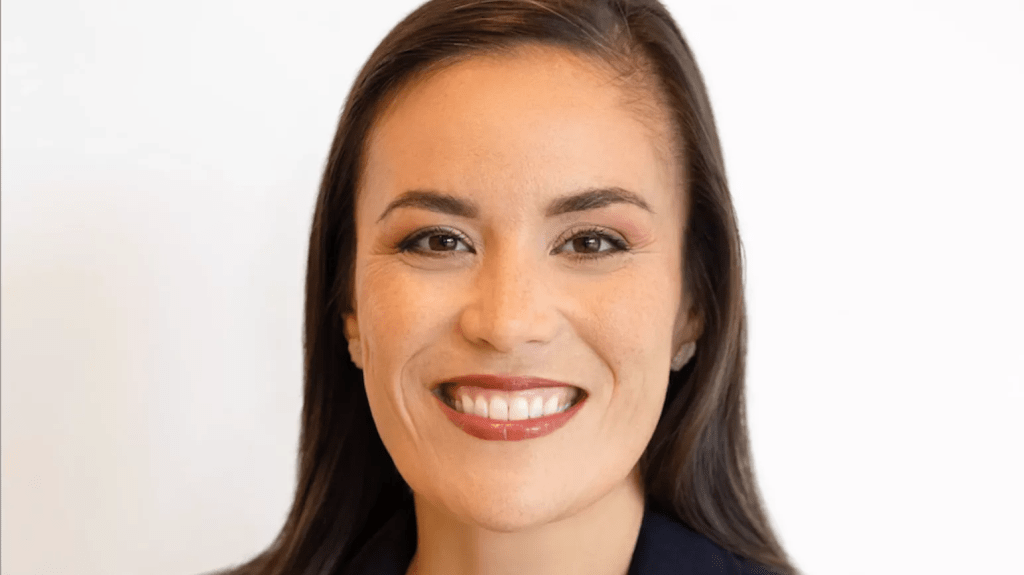
Air Force veteran Gina Ortiz Jones has become the first out LGBTQ+ person elected as mayor of San Antonio, Texas. After beating conservative Rolando Pablos in a runoff election on Saturday, she will also become the third woman to hold the office.
“It was my name on the ballot,” she told supporters at a victory rally that night, “but you and I know decency was on the ballot, kindness was on the ballot, compassion was on the ballot, and San Antonio showed up and showed out.”
She added, “So I look forward to being a mayor for all.”
The win followed a contentious battle between Jones and Pablos, who is known for his close ties with anti-LGBTQ+ Texas Gov. Greg Abbott (R). Jones called Pablos “Abbott’s puppet” and Pablos accused her of using the name Ortiz to appeal to the city’s Latino majority even though she is Filipino-American.
In response, Ortiz called him “racist” and said she’s “proud of my identity.”
“As we think about what’s going on in this moment in time… [we] reminded folks what San Antonio stands for. We reminded them that our city is about compassion and it’s about leading with everybody in mind.”
Jones also brought Brandon, a transgender drill instructor in the United States Air Force, to the stage. She told the crowd he is being kicked out due to the president’s anti-trans executive orders.
“Leadership matters. Leaders do three things: They create opportunities, they protect opportunities, or they erase opportunities… It’s unfortunate that the United States Air Force is not going to benefit from your talents because of bigotry,” she told him.
“Our country, I think we’re going through a blip right now, but San Antonio has had the opportunity to say. you know what, we’re going to move past this.”
Jones ran under the slogan, “There is no time to waste.” A two-time candidate for Congress, Iraq War veteran, Defense Intelligence Agency analyst, and an Under Secretary of the Air Force in the Biden administration, she has certainly done a lot with hers.
She came out to family and friends at 15 and served as an Air Force captain in Iraq under Don’t Ask, Don’t Tell. “I learned a long time ago, transparency leads to accountability, and accountability leads to trust,” she said.
Jones most recently served as Under Secretary of the Air Force, where she managed a $173 billion budget and led 600,000 people.
“That job came down to asking yourself two questions every single day,” she recently told LGBTQ Nation, “which is 1) Do my folks have what they need to be successful to do the nation’s work? And 2) Are we making smart investments? I think those are ultimately the questions that a mayor has to ask.”
Jones has voiced tackling poverty as a big priority, since almost 20 percent of San Antonio residents live below the poverty line – a number that has held steady since the 1980s.
A first-generation American, Jones grew up in San Antonio, and her mother is from the Philippines. She raised Jones and her sister as a single mother. They lived in subsidized housing and relied on reduced lunch programs.
In a 2020 interview with LGBTQ Nation, Jones emphasized that these programs were not handouts for her family, but rather critical investments in their future.
In the Air Force, she served as an intelligence officer. She has spent almost fifteen years working in national security, including serving as the Director for Investment at the Office of the U.S. Trade Representative under President Barack Obama.
“I’ve seen firsthand the importance of American leadership,” she also told LGBTQ Nation. “I know how important our example is in so many ways.” She emphasized “the importance of electing good, competent people that can lead in times of crisis and not cause them or exacerbate them.”
While largely avoiding the same level of heated pushback of years’ past, Texas lawmakers passed several bills that give LGBTQ+ people in Texas, specifically transgender residents, less opportunity to receive care and maintain their identities in state records.
Texas legislators filed over 100 anti-trans bills through the session, some containing provisions that have been shot down in years’ prior while others proposed new restrictions. Less than 10 were ultimately approved by lawmakers.
The new bills that are likely to be signed by Gov. Greg Abbott represent a yearslong movement from state conservatives to find new ways to restrict the presence of trans and LGBTQ+ Texans, advocates say. The bills that failed may also be resurrected by lawmakers in future sessions. Here’s what to know.
State definitions of man and woman
Several bills filed in the Legislature aimed to craft legal definitions of sex and gender in addition to their target goals — but House Bill 229 makes that goal its sole purpose, establishing state definitions for male and female and applying those definitions across statute.
HB 229 defines a woman as “an individual whose biological reproductive system is developed to produce ova,” and a man as “an individual whose biological reproductive system is developed to fertilize the ova of a female.”
Most immediately, the bill will bolster an already existing block from stateagencies on changes to gender markers on state documents, which was backed by a nonbinding opinion from Attorney General Ken Paxton in March. The bill may also force those who have already switched their documents to match their identified gender to have changes reverted when they are renewed.
The longer-term effects of HB 229 are still not immediately apparent, as references to man and woman are used hundreds of times in statute and may ripple into other laws affecting people’s lives. Texas joins 13 other states that have also crafted their own definitions, and several other bills that also passed in the state have individual definitions for related terms like “biological sex.”
President Donald Trump issued an executive order named “Defending Women From Gender Ideology Extremism” in January providing federal definitions of male and female. Similarly, HB 229 has been dubbed the “Women’s Bill of Rights” by supporters, claiming it protects women in the state from men invading their spaces.
Abbott released an executive order of his own shortly after Trump’s affirming the president’s directive, but did not provide his own definitions. In a May post on social media, the governor said he would immediately sign HB 229 into law.
New requirements for medical records and insurance coverage
Tightening the ability to change the gender on state records like drivers’ licenses has been a key issue for conservative lawmakers for years, and while HB 229 sets a precedent in disallowing new changes, another bill creates new requirements entirely. Senate Bill 1188 creates a new section on all state medical records listing patients’ assigned sex at birth and any physical sexual development disorders. It also bans changes to those gender markers for any reason other than clerical errors, and creates civil penalties for medical professionals who do change them.
House Democrats opposing the measure during floor discussion worried that SB 1188 may scare medical providers into inputting vague or inaccurate health information out of fear of fiscal or legal retribution. The bill does allow the new section to include information on a patients’ gender identity, however health care services must opt-in to provide it.
The bill also creates restrictions on where health care providers can store patient data and the physical servers they use to store them, and new regulations on how artificial intelligence can be used to create diagnoses.
SB 1188 is not the only bill opponents have said will create a chilling effect on the LGBTQ+ community. Some bills may be more immediate in blocking options people have to do things like change their state records, but others like SB 1188 and Senate Bill 1257 may reduce what resources are available. SB 1257 was signed by Abbott in May and mandates that insurance companies provide coverage for gender detransitioning care if they already cover gender transition care.
Proponents of the law claim it enforces responsibility onto insurance companies. The law is not a ban on gender-affirming care, however opponents worry it may act as one by incentivizing insurance companies to pull coverage altogether rather than take on potential new costs.
SB 1257 is the first legal mandate for detransition care in the United States, making Texas a testing ground for insurance companies’ appetite to keep or pull coverage. Similar bills in Arizona, Florida and Tennessee did not pass out of their respective state legislatures in 2024.
Less protections and resources for LGBTQ+ youth
Medical gender transition care for minors was banned in Texas by the Legislature in 2023, a restriction that was upheld by the state Supreme Court in 2024. House Bill 18, primarily an overhaul of rural health care including a rural pediatric mental health care program, bans minors from accessing its resources for gender-affirming mental health counseling “inconsistent with the child’s biological sex.”
The current gender transition care ban for minors does not include mental health services, only puberty blockers, hormone therapy and surgery, which is rare for those under 18. Another proposal headed to Abbott’s desk, House Bill 1106, asserts that parents who do not recognize or affirm their child’s gender identity cannot be held liable for abuse or neglect because of that lack of recognition.
More restrictions on LGBTQ+ presence in schools
Access to materials and resources related to LGBTQ+ subjects are also being restricted by legislators through two key bills primarily aimed at schools. Senate Bill 12 bans Texas schools from teaching about sexual orientation or gender identity and forbids student clubs “based on” those subjects.
The bill would prevent clubs like Gay-Straight Alliances and pride clubs, which are often tailored toward anti-bullying initiatives in schools. Opponents of the bill claim a ban on those clubs would cut off LGBTQ+ students from communities and resources that can save lives.
“One of the deadliest things that our youth go through is experiencing the perception at least of isolation, and GSAs are a powerful way that we can combat that and make sure that our youth are getting support,” said Ash Hall, ACLU Texas’ policy and advocacy strategist for LGBTQIA+ rights.
While SB 12 restricts instruction and student groups, Senate Bill 13 gives school boards and new advisory councils greater oversight to remove books from school libraries that go against “local community values.” Some lawmakers and advocates worry school boards and advisory councils would be able to restrict books containing LGBTQ+ material.
A third bill, Senate Bill 18, would have banned “drag-time story hours” at municipal libraries and cut funding to those who host them, however that bill was unintentionally killed by Lt. Gov. Dan Patrick after a procedural error at the end of the Senate’s deadline to pass bills.
Bills that failed to pass
The small set of bills passed by legislators shift the state’s treatment of LGBTQ+ Texans significantly, but still represent a fraction of what lawmakers proposed. House Bill 239, this session’s bathroom ban bill, was one of the over 100 bills that did not survive and was never heard by lawmakers despite half of the House signing on as coauthors. House Bill 2704 sought a similar ban through private lawsuits rather than criminal charges, but was never picked up by lawmakers.
Also left unheard was House Bill 3817, filed by Rep. Tom Oliverson, R-Cypress, which would have created a new felony charge for “gender identity fraud” if a person represented themselves as a gender besides the one they were assigned at birth to state agencies or employers.
Advocates like Johnathan Gooch, communications director for Equality Texas, say that the Legislature has kept its course on anti-trans legislation for the last few sessions, and that bills that didn’t get picked up by legislators may be at the forefront of future sessions.
“We’re hearing rhetoric that we’ve heard for a very long time and just more, more bills, a variety of new ways to narrow the rights of trans people,” Gooch said. “It just doesn’t come as a mistake that the number of bills is escalating.”
Actor Jonathan Joss, best known as the voice of John Redcorn in King of the Hill, has died following a fatal shooting in San Antonio, Texas. He was 59. The tragic news was first reported by TMZ, citing a dispute between neighbors as the initial cause of the altercation.
Joss, also known for his role as Ken Hotate on Parks and Recreation, was shot on the afternoon of June 1 near his home on Dorsey Drive. According to a police report from the San Antonio Police Department, officers were dispatched to the scene in response to an active shooting. When they arrived, they found Joss with gunshot wounds to the neck and torso. Witnesses say three shots were fired. He later succumbed to his injuries.
The suspect, identified as Sigfredo Ceja Alvarez, was alleged to have shot Joss after what appeared to be an altercation. Though early police statements cited a disagreement as a possible motive, Joss’s husband, Tristan Kern de Gonzales, has since claimed the shooting was a hate crime fueled by ongoing homophobic harassment.
In a heartfelt public statement shared via Joss’s official Facebook page, Tristan detailed the harrowing moments leading up to the shooting. He wrote that the two were at the site of their former home, which had burned down earlier in January. While retrieving mail, the couple came across the skull and harness of one of their beloved dogs, sparking visible grief.
“We began yelling and crying in response to the pain of what we saw,” Tristan said. “While we were doing this, a man approached us. He started yelling violent homophobic slurs at us. He then raised a gun from his lap and fired.” Tristan claimed Joss saved his life by pushing him out of the way.
Tristan went on to describe years of harassment from individuals in the area and repeated threats to burn their home down, which he says were reported to law enforcement but not acted upon.
The San Antonio Police Department, however, has publicly stated that there is currently “no evidence to indicate that Mr. Joss’s murder was related to his sexual orientation.” The statement posted to X (formerly Twitter) emphasized that SAPD investigators “handle these allegations very seriously” and will reclassify the charges if new evidence supports a hate crime motive.
Still, the area’s residents noted that Joss had struggled publicly in recent months. SAPD confirmed that they had responded to at least 40 calls involving Joss’s residence since January 2024, ranging from mental health checks to neighborhood disturbances and a house fire. Yet between February and the fatal June incident, no additional calls were logged.
Despite these complexities, many neighbors expressed sadness over Joss’s death. One long-time resident told San Antonio News,
“He was just very loud, very loud. But we knew how he was… we wouldn’t disturb him. Even if he looked at us, talked mess to us, we just ignored him because we knew that’s how he was.”
For fans around the world, Joss will be remembered as a cultural icon who gave voice to underrepresented communities. His performances — rich, bold, and deeply human — left a mark on television history. His husband’s words paint a picture of a man who, despite personal struggles, deeply valued love, community, and legacy.
“He gave me more love in our time together than most people ever get,” Tristan said. “Jonathan saved my life. I will carry that forward. I will protect what he built.”
Joss’s death is currently under active investigation.
Democrats took to the floor of the Texas House on Saturday to label a ban on clubs that support gay teens the work of “monsters” and to say the ban endangers children and strips them of their dignity.
The Democratic representatives grew emotional in opposition to a bill that would ban K-12 student clubs focused on sexuality and gender identity.
Senate Bill 12, authored by Sen. Brandon Creighton, won final legislative passage Saturday after lawmakers in both chambers adopted the conference committee reports that specifically clarified that schools will be banned from authorizing or sponsoring student clubs based on sexual orientation or gender identity.
Backers proclaimed that the bill enshrines a parent’s rights and puts the parent not just at the table, but at the head of the table where the child’s best interests are decided. They also targeted diversity, equity and inclusion (DEI) policies, claiming that they project ideologies on students and put too much focus on race, sexuality and gender identity instead of the quality of education.
Rep. Gene Wu, D-Houston, emphasized that these clubs exist because of a long history of oppression against the LGBTQ+ community. He warned against demonizing students and teachers for discussing gender and sexuality.
“The real monsters are not kids trying to figure out who they are,” Wu said during the House discussion. “The monsters are not the teachers who love them and encourage them and support them. They are not the books that provide them with some amount of comfort and information. The real monsters are here.”
Lawmakers shared personal stories about LGBTQ+ youth. Rep. Rafael Anchía said his daughter was a vice president of a pride club at her school. He stressed that these clubs “are no more about sex than 4-H or ROTC or the basketball team.”
“It wasn’t a sex club,” Anchía said. “They’d get together and they’d watch movies. They’d color. They’d go to musicals. It was about a kid who felt weird who found her people and everything about it was good. I don’t know why grown-ups in this body are so triggered with my daughter getting together with her classmates in a school-sponsored activity.”
Anchía also told the Texas Tribune he “didn’t sign up for five anti-LGBT bills this session.”
Rep. Jolanda Jones, D-Houston, shared her experience as a Black woman and a lesbian, saying she didn’t come out until the age of 50 because she knew “the world wasn’t safe.” She warned that banning LGBTQ+ clubs could worsen bullying.
“And we have the nerve to say that we care about mental health,” Jones said. “We’ve passed bill after bill about access to care, about youth suicide, about prevention and treatment. But this bill makes kids sicker, sadder, more alone. This bill doesn’t protect children. It endangers them. It doesn’t give parents more rights. It strips children of their dignity.”
SB 12 is often referred to as the “Parental Bill of Rights” because it claims to give parents more control over their children’s schools. But Rep. Erin Zwiener, D-Driftwood, addressed those who are “afraid that your kids or your grandkids might grow up queer,” warning that the bill could harm family relationships.
“Getting silence in schools from the LGBTQ community, which is what this bill is designed to do, will not stop your kids from being gay,” Zwiener said. “It will just make them afraid to come out. It will make them afraid to live their lives as their full selves. It will make them afraid to tell you when they figure out that they’re LGBTQ and it might damage your relationship with them forever.”
Rep. Nicole Collier, D-Fort Worth, argued that allowing religious organizations in schools but banning “clubs that allow students to be who they are, is a double standard that flies in the face of the principles you say you support.”
“An LGBTQ person can’t change who they are any more than the fact that I can’t change that I’m Black,” Collier said. “What you’re saying to students today is that you will be accepted as long as you are who we say you should be.”
If signed by the governor, the bill will become law on Sept. 1.
The Texas Senate has sent legislation to Gov. Greg Abbott (R) that would strictly define genders across state law based on male and female reproductive organs — potentially creating new hurdles for transgender and intersex Texans whose gender identity would revert to the sex they were assigned at birth in state records.
Abbott spokesman Andrew Mahaleris confirmed to The Hill on Wednesday that the governor plans to approve the measure.
“The State of Texas recognizes only two sexes — male and female,” Mahaleris said. “Governor Abbott looks forward to reaffirming this universal truth and signing HB 229 into law.”
Supporters of the legislation said that it follows a directive Abbot issued earlier this year that state government in “Texas recognizes only two sexes — male and female.”
Abbott cited in the directive an executive order that President Trump signed shortly after his January inauguration that designates male and female as the only sexes recognized by the federal government and on a biological basis.
“All Texas agencies must ensure that agency rules, internal policies, employment practices, and other actions comply with the law and the biological reality that there are only two sexes—male and female,” Abbott wrote in his January letter to state agencies.
The latest Senate-approved bill, dubbed the “Women’s Bill of Rights,” defines sex as “an individual’s biological sex, either male or female.” Under the legislation, a woman or female is an “individual whose biological reproductive system is developed to produce ova” and a male or man is “someone whose reproductive system is developed to fertilize the ova of a female.”
Additionally, it defines “mother” as “a parent of the female sex.”
Critics of the measure argue that the bill oversimplifies sex, gender and a broad spectrum of personal experiences.
“If a law forces non-binary Texans, who are real people, into categories that don’t reflect their lived experiences or identities … that would actually become discrimination in practice,” state Sen. José Menéndez (D) said during the floor debate on the bill before its passage. “That’s a concern that I have.”
State Sen. Mayes Middleton (R), who sponsored the bill, said that it would preserve women’s designated spaces, like restrooms and prisons, based on “biological reality.” He noted that it carries no criminal or civil penalties.
“For our entire history we never had to define this because common sense dictated we didn’t, but unfortunately, that seems to have changed,” he said in the floor debate.
Abbott has previously pushed back against past criticism for signing laws that target LGBTQ people. He approved legislation in 2023 and 2021 to bar transgender athletes from competing in women’s and girls sports in Texas schools and colleges.











 fleeredstates.blog
You must be logged in to post a comment.