A Texas town disbanded its diversity committee following a protest march by the Proud Boys

This blog originally appeared at LGBTQ NATION.

But was the diversity committee merely a façade from the start?

When the municipal government of Frisco, Texas, issued its first-ever Pride declaration in June 2022, the moment garnered attention for an unexpected reason: it attracted the Proud Boys.

The far-right extremist group, known for its violent opposition to LGBTQ+ expression—particularly drag shows and Pride events—targeted the occasion. In Frisco, members of the Proud Boys harassed a prominent organizer, following him and other supporters to a celebratory gathering at a local restaurant after the proclamation.

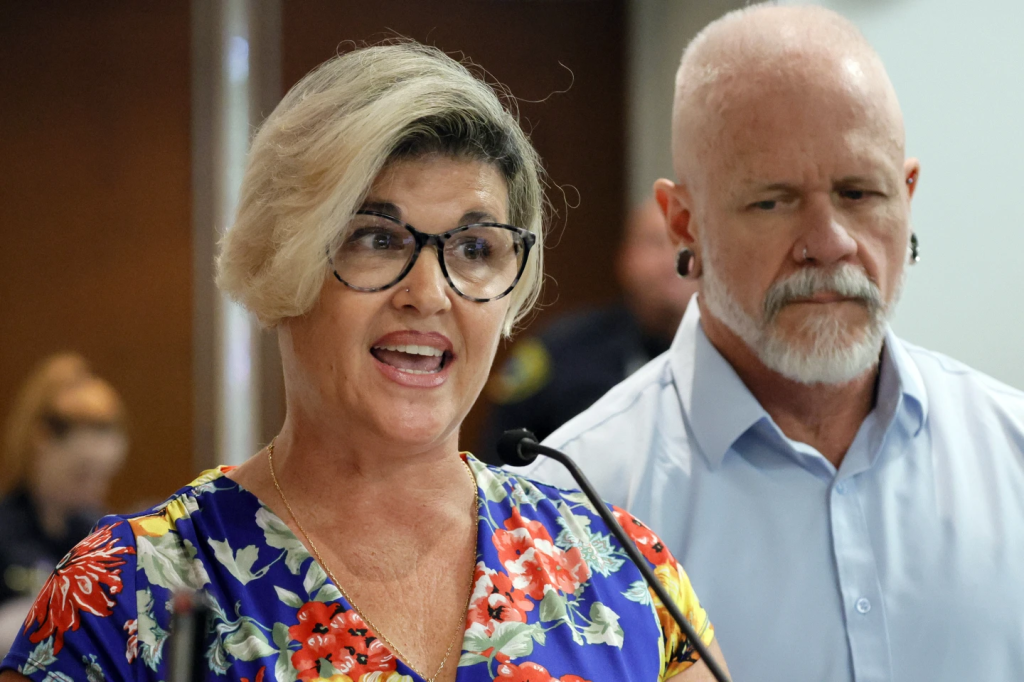
Justin Culpepper, 36, co-founder of the nonprofit Pride Frisco alongside his spouse, recounted that the Proud Boys had threatened to physically assault him. “I went into the restaurant, and the people who worked there protected me,” he recalled.

Jon Culpepper, 45, described the event as “traumatic,” but Justin Culpepper has been reluctant to discuss it with the media, fearing that it would give undue attention to the extremists. Instead, Justin reserved most of his criticism for the lack of response from the police and city government. He told LGBTQ Nation, “When you bring these concerns to the city council and the police chief, the reaction is to erase LGBTQ people or minimize our existence to avoid provoking the Proud Boys, rather than asking, ‘Why the f**k do we have Proud Boys in our city, and what are we doing about it?’”

He continued, “Why hasn’t the mayor or city council denounced these people or their actions? Even if they don’t, why not elevate positive things, like a Pride proclamation?”

In contrast to other communities that have responded to far-right group incursions with condemnation and displays of unity, Frisco has taken a different path. Since the incident, not only has the city government refused to officially acknowledge Pride again, but they have also dismantled much of their previous diversity initiative. According to the Culpeppers, the city only supported them when it was politically convenient. Now, under pressure from Texas Republicans and following a broader national trend, Frisco’s leaders appear to be sweeping the LGBTQ+ community under the rug.

“When it comes to LGBTQ people, Frisco politicians act like we have cooties,” Justin remarked. “They don’t want to be seen with us in public or be on record supporting our positions, out of fear it’ll be used against them.”

Part of the Dallas-Fort Worth metroplex, Frisco has grown to over 200,000 residents, often ranking as one of the fastest-growing cities in the U.S. Pride Frisco, which hosted its first annual Pride event in 2022, has garnered around 5,000 supporters from the region, reflecting the area’s increasing diversity. The Culpeppers moved to Frisco in 2018 and founded Pride Frisco three years later. In addition to their LGBTQ+ advocacy, the couple runs a real estate brokerage and property management business. Jon is a licensed real estate broker and co-owner of an IT software consulting firm.
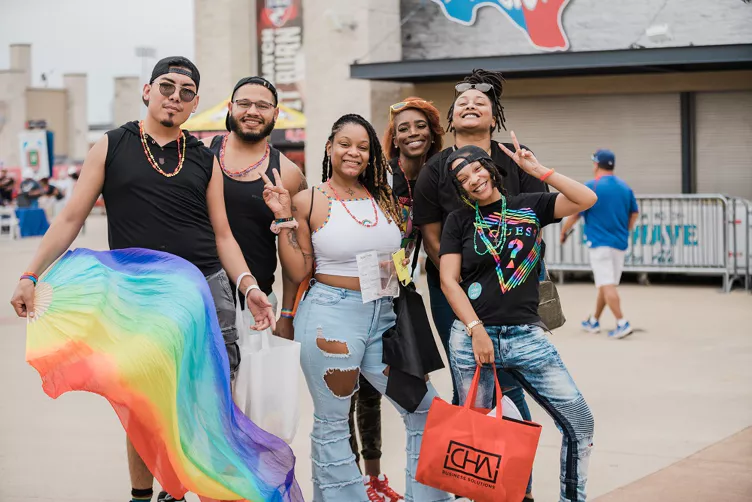
The Culpeppers explained that Pride Frisco offers crucial support to LGBTQ+ individuals who may not have easy access to Dallas’s urban core. Since its inception, the organization has focused on providing regular events that go beyond the annual Pride celebration, including gender marker and name change clinics for transgender residents. Their long-term goal is to persuade Frisco to help establish a physical LGBTQ+ resource center.

“We look at the unmet needs of the community,” Justin said, emphasizing the importance of education for those new to LGBTQ+ life. “The fundamental thing you need is good information, because that empowers decision-makers.”

Despite Pride Frisco’s rapid growth, official recognition from Frisco’s government has been inconsistent, and at times, even misleading.

In 2020, Mayor Jeff Cheney launched the Mayor’s Inclusion Committee, eventually inviting Justin to join. Like many cities eager to show their commitment to diversity, equity, and inclusion (DEI) after nationwide civil rights protests, Frisco’s initial enthusiasm was short-lived. The Inclusion Committee was soon plagued by internal disputes, and when Justin suggested supporting DEI initiatives in Frisco’s public schools, he was told to “keep the chat focused on Frisco Inclusion work.”

According to Jon, the committee lacked real power and was merely a tool for the city to display its commitment to diversity when convenient. For instance, the Inclusion Committee was listed in the region’s successful 2022 bid to host FIFA Soccer for the 2026 World Cup.

“They used the committee to show they were working on diversity,” Jon said, “but now they’re quietly trying to get rid of it.”

By 2023, the city’s token support for diversity, including the Pride proclamation, was fading, especially as DEI initiatives faced mounting pressure from Texas Republicans. When Pride Frisco applied for another proclamation in 2023, the city cited a new rule preventing repeat proclamations within the same year. In 2024, procedural excuses were used again to deny the proclamation, even though the city continues to recognize events like Bicycle Month and Garden Week annually.

A public information request revealed the Inclusion Committee had no formal meeting minutes or complete list of members, leading many to believe the committee was never officially recognized by the Frisco City Council. It existed only as a façade, disappearing after the Proud Boys march in the city.

“We’ve seen this across the country,” said Callie Butcher, a Dallas-based attorney involved in LGBTQ+ rights cases. “There’s a political movement against diversity, equity, and inclusion, often targeting equity.”

This trend extends beyond Texas. Other cities, like Rowlett, have faced similar battles over DEI commissions, and the issue has become part of a larger national attack on DEI efforts, led by Republican lawmakers. Texas recently passed S.B. 17, banning DEI offices at state-run universities, echoing similar legislation in states like Florida and North Carolina.

Sarah Kate Ellis, CEO and President of GLAAD, highlighted the damaging impact of such efforts. “Instead of erasing our efforts, they should be uplifted,” she said. “Frisco is not only erasing DEI initiatives but ignoring the contributions of local LGBTQ organizers.”

While Texas’ new law doesn’t directly affect city-run DEI committees, it has created an environment where city governments feel pressured to distance themselves from anything resembling DEI.

In May 2023, Frisco City Council replaced the Inclusion Committee with a new Frisco Multicultural Committee, under the arts department. The proclamation for this new committee made no mention of the LGBTQ+ community, raising further concerns.

Despite this, Pride Frisco remains committed to advocating for an LGBTQ+ community center and is preparing for the next Pride festival at Frisco’s Toyota Stadium on October 6.


The megachurch led by a pastor closely associated with Trump settles a case involving allegations of covering up sex abuse.

This blog originally appeared at LGBTQ NEWS.

The church reportedly delayed a police investigation and then harassed a member after her child was sexually assaulted.

Gateway Church, an evangelical megachurch located in Southlake, Texas, has reached a legal settlement concerning allegations that five church pastors and a youth leader covered up a child sexual assault perpetrated by another church member. The pastors reportedly failed to report the assault to law enforcement or the child’s mother, delayed investigating the incident, and subjected both the victim and her mother — devoted church members — to punitive measures.

This settlement follows the recent resignation of Robert Morris, the church’s founder and a former member of Donald Trump’s evangelical executive advisory board. Morris stepped down shortly after publicly acknowledging that he had molested a 12-year-old girl during his tenure as a 20-year-old pastor.

In August 2020, an unnamed mother filed a recently settled lawsuit on behalf of her daughter. According to The Christian Post, both frequently attended worship services, church-sponsored functions, and participated in various ministries. The alleged sexual assault by an unnamed church member took place around March 14, 2018, at the member’s residence.

The recently settled lawsuit, filed in August 2020 by an unnamed mother on behalf of her daughter, detailed concerning allegations involving Church youth leader Logan Edwards. Edwards reportedly learned of the assault from conversations with the alleged assaulter and two other young church members, as stated in the lawsuit. Despite this knowledge, five church pastors — Kelly Jones, Rebecca Wilson, Samantha Golden, Mondo Davis, and Sion Alford — allegedly took no legal action. They reportedly spoke multiple times with the accused member and their parents but did not file a formal complaint with child protective or law enforcement agencies, nor did they inform the victim’s mother about the alleged assault.

“When the mother discovered the assault, she reported it to the Haltom City Police Department,” the lawsuit stated. Subsequently, the pastors allegedly engaged in efforts to conceal, distort, and discredit the assault accusations during the police investigation. This purported concealment, according to the lawsuit, allowed significant evidence of the alleged criminal assault to degrade, hampering law enforcement’s ability to conduct an accurate investigation.

Additionally, church leaders purportedly encouraged Gateway members to ostracize the minor’s mother and removed her from ministries where she had served diligently. As a result, the mother and daughter reportedly experienced profound shame, embarrassment, and emotional distress.

Although the lawsuit sought damages ranging from $200,000 to $5,000,000, the church settled for an undisclosed amount on April 18. The church emphasized it admitted no liability and settled solely to “buy peace,” according to a public statement.

Previously, the church reportedly settled a 2016 lawsuit involving allegations that church leaders destroyed video footage showing a boy sexually assaulting another in the church’s child care program, as reported by WFAA.

Last month, Gateway Church’s founder, Robert Morris, publicly admitted to molesting a 12-year-old girl on Christmas night in 1982 when he was 20 years old and staying with her family. Morris, who was married with a young son at the time of the molestation, is now 62 years old. He resigned shortly after his admission garnered national attention.

Read more

Reasons Why Some Regret Their Move to Texas After the Pandemic

This blog originally appeared at YAHOO FINANCE.

The COVID-19 pandemic in 2020 sparked a significant wave of migration among Americans. Many residents of costly and densely populated areas saw an opportunity. With the shift to remote work and a growing preference for greater physical distance between neighbors, urban dwellers were able to relocate from places like New York and California to states such as Texas and Florida.

During the pandemic, Texas ranked second only to Florida in terms of states with the highest net migration rates. However, four years later, many who relocated to the Lone Star State are reconsidering their decision to uproot and move their families there.

I’ve observed several reasons why some individuals who moved to Texas post-pandemic might be experiencing regrets,” said Jolean Olson, a veteran in the Texas housing market at Olson Home Buyers. “While Texas offers numerous benefits, such as a lower cost of living, no state income tax, and a thriving job market, there are also challenges and downsides that have become apparent to some new residents.”

Next point: Here are some reasons people may regret moving to Texas post-pandemic.

Extreme Weather Conditions

“Texas has earned a reputation for its scorching summers and frequent severe weather events, including hurricanes, tornadoes, and flash floods, among others.

“Many new residents may not have anticipated the intensity of Texas summers, where temperatures often surpass 100 degrees Fahrenheit,” Olson remarked.

Moreover, Olson highlighted the impact of the severe winter storm that struck Texas in early 2021. This event led to shortages of essential resources like water and widespread power outages across the state. According to Olson, the storm underscored “the state’s susceptibility to extreme weather and its inadequate infrastructure to manage such emergencies.”

Infrastructure and Public Services

“The surge of new residents has strained Texas’s infrastructure and public services,” Olson explained.

Cities such as Austin, Dallas, and Houston have experienced escalating traffic congestion on both highways and local roads, leading to longer commute times and heightened frustration for drivers.

“Compared to other states, public transportation options in Texas are limited, which can pose a significant adjustment for individuals accustomed to more extensive transit networks,” Olson added.

Housing Market Pressures

“Although Texas has long been recognized for its affordable housing, the pandemic-driven influx has sharply increased home prices and rental rates,” Olson noted. “Many newcomers who anticipated affordable housing options are now contending with a competitive and costly market.”

Olson highlighted how the heightened housing market activity has led to more intense bidding wars, rising property taxes, and, in some cases, “disappointment for those unable to secure their desired homes within their budget.”

Higher Property Taxes

Purchasing a house is just the beginning of the challenges for property owners in Texas. Property taxes, as highlighted in WalletHub’s 2024 report, rank Texas seventh-highest in the nation. For new residents, this can come as a surprise, potentially offsetting the savings from Texas’s lack of state income tax. This scenario is especially pronounced for those relocating from states with significantly lower average property tax rates.

Cultural and Lifestyle Adjustments

Texas boasts a unique cultural identity that can be both captivating and challenging for newcomers to acclimate to.

“Texas has a distinct cultural identity that may not appeal to everyone,” Olson emphasized, noting that “the political atmosphere leans more conservative compared to states such as California or New York, which can be a substantial shift for individuals with differing perspectives.”

Furthermore, Olson pointed out that life in Texas, especially outside its major cities, “tends to be more suburban and less cosmopolitan, which might not meet the expectations of those coming from more urbanized areas.”

Employment Market Realities

Securing a suitable job that aligns with one’s skills and provides a sufficient income for a family can be challenging in Texas, despite the state’s reputation for a robust and thriving job market.

“Many newcomers have discovered that the available job opportunities don’t always align with their skill sets or salary expectations,” noted Olson. “Competition for higher-paying positions has also intensified due to the influx of new residents, making it more difficult for some to land their desired roles.”

Education System Concerns

According to Olson, the quality of public education in Texas varies significantly. “While some districts excel, others suffer from underfunding and lower educational outcomes,” she noted.

Depending on the location within Texas, the school system can be a point of disappointment. “Families moving here with school-aged children might find the public education options in their chosen communities lacking, which can lead to added stress and even relocation within the state,” Olson explained.

Overall, while Texas has many positives, Olson emphasized the importance of considering various factors before deciding to move there. “Texas offers numerous advantages, but potential residents should carefully weigh these against the challenges,” she advised. “Understanding the complete picture of life in Texas, beyond the initial allure, is crucial for making an informed decision.”

“As a real estate professional, I always recommend thorough research and ideally visiting the areas under consideration to ensure they align with your expectations and needs,” Olson concluded.

https://finance.yahoo.com/news/why-many-regret-moving-texas-170009198.html?guccounter=1&guce_referrer=aHR0cDovL20uZmFjZWJvb2suY29tLw&guce_referrer_sig=AQAAAEx-buRShvjrUCtko65f-JHKRFqezdoSXcL7x9gf7wCwWe4fN4QT7GEzJCuQtuO3_dNDIyxt-qK9DugdXCBz_f53ozPUD2NIvPe1e37S2UmuftTLI9bVE4dIo_lNqIIvljcDmVlBWSJLW0JqPCZXbkqwt6-1ACkhcXPwbdgbP7K3

Supreme Court to decide whether states can restrict gender-affirming care for minors | CNN Politics

This blog originally appeared at CNN.

Supreme Court to rule on states’ ability to limit gender-affirming care for minors

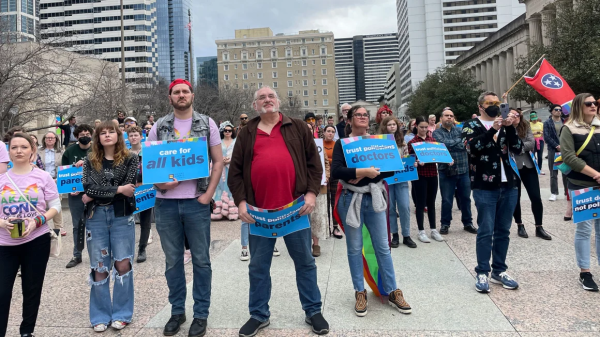
CNN – The Supreme Court agreed on Monday to hear the Biden administration’s challenge to Tennessee’s transgender care ban, addressing the contentious issue of gender-affirming care in depth for the first time.

The Tennessee law, enacted last year, prohibits hormone therapy and puberty blockers for minors and imposes civil penalties on doctors who violate these prohibitions. This law is part of a growing trend of state legislation targeting transgender care.

According to the Human Rights Campaign, nearly half of U.S. states have enacted bans on transgender care for minors.

The case is scheduled to be heard this fall.

“The Supreme Court was always going to have to resolve how state bans on gender-affirming medical care can be reconciled with its approach to sex-based discrimination,” said Steve Vladeck, CNN Supreme Court analyst and professor at the University of Texas School of Law. “Today’s grant sets up this issue as one of the early blockbusters for the Court’s upcoming term.”

Laws in Kentucky and Tennessee were challenged by the Biden administration and families of transgender minors. However, the Supreme Court only agreed to hear the Biden administration’s challenge against the Tennessee law.

In September, the 6th US Circuit Court of Appeals in Cincinnati reversed a district court ruling that had blocked the enforcement of the gender-affirming care ban. This decision allowed the ban to take effect.

Republican lawmakers supporting the ban argue that decisions about gender-affirming care should be made once an individual reaches adulthood. Opponents contend that these laws not only violate the civil rights of transgender youth but also infringe on parents’ rights to make medical decisions for their children.

Tennessee’s law prohibits medical providers from performing procedures that “enable a minor to identify with, or live as, a purported identity inconsistent with the minor’s sex” or “treat purported discomfort or distress from a discordance between the minor’s sex and asserted identity.”

Legal battles over similar bans have been progressing through federal courts for over a year. In April, the Supreme Court temporarily allowed Idaho officials to enforce a strict statewide ban on gender-affirming care for most minors, though it did not resolve the underlying legal questions.

Several advocacy groups for transgender youth have urged the Supreme Court to strike down Tennessee’s law.

“It’s simple: Everyone deserves access to the medical care that they need, and transgender and non-binary young people are no exception,” said Kelley Robinson, president of the Human Rights Campaign. “No politician should be able to interfere in decisions that are best made between families and doctors, particularly when that care is necessary and best practice.”

Lucas Cameron-Vaughn, an attorney with the American Civil Liberties Union of Tennessee, criticized state lawmakers for using the bans to “fuel divisions for their own political gain.”

“It’s crucial to recognize that for trans youth and their families, this isn’t about politics,” Cameron-Vaughn said. “It’s about the fundamental freedom to access vital, life-saving healthcare.”

Tennessee Attorney General Jonathan Skrmetti, a Republican, expressed his eagerness to defend the law.

“This case will bring much-needed clarity to whether the Constitution contains special protections for gender identity,” he said.

Paxton halts Biden’s Title IX rule safeguarding LGBTQ+ students in Texas

This blog originally appeared at KXAN.

Paxton blocks Biden’s Title IX rule protecting LGBTQ+ students in Texas

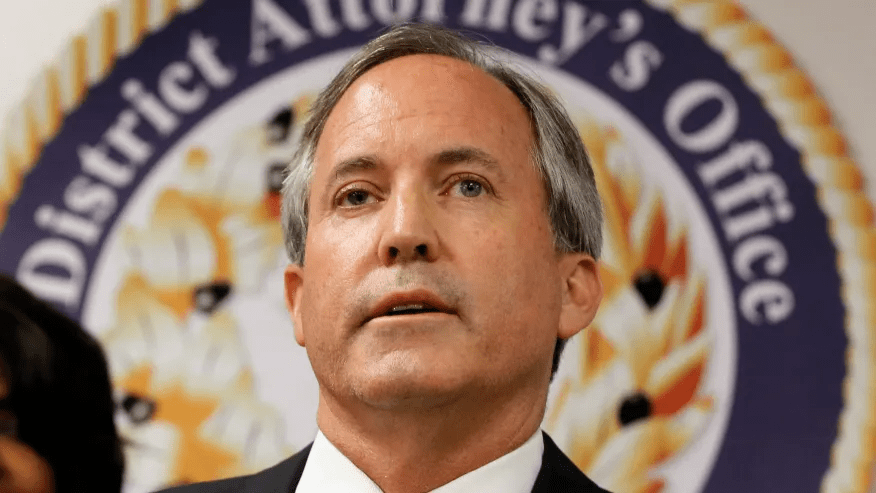
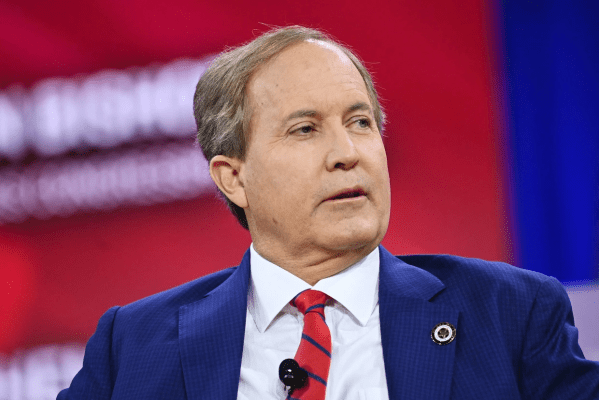
FILE – Texas Attorney General Ken Paxton speaks at a news conference in Dallas on June 22, 2017. Paxton says he’s investigating a key Boeing supplier that is already under scrutiny by federal regulators over the quality of its work on Boeing planes, Friday, March 29, 2024. (AP Photo/Tony Gutierrez, File)

AUSTIN (KXAN) — Texas Attorney General Ken Paxton has blocked the Biden Administration’s Title IX rule aimed at protecting LGBTQ+ students from sex-based discrimination and harassment, according to a Tuesday release from Paxton’s office.

The rule was designed to protect all students and employees from sex discrimination, including providing comprehensive protections against sexual violence and other forms of sex-based harassment.

In the release, Paxton claimed a “major” victory against the Biden Administration’s Department of Education’s attempt to amend Title IX, alleging it would force Texas schools to adopt radical “transgender” policies that violate state and federal law.

“Joe Biden’s unlawful effort to weaponize Title IX for his extremist agenda has been stopped in its tracks,” Paxton stated. “Threatening to withhold education funding by forcing states to accept ‘transgender’ policies that put women in danger was plainly illegal. Texas has prevailed on behalf of the entire Nation.”

The Biden Administration’s changes to Title IX are scheduled to take effect nationwide on Aug. 1, except in states where it has been blocked.

Texas risks losing billions in federal funds over LGBTQ directive, Democrats say

Democrats warn that Texas could forfeit billions in federal funds due to Abbott’s LGBTQ directive.

Texas colleges and universities face the imminent risk of losing billions in federal funding if they adhere to Governor Greg Abbott’s directive to disregard a new federal rule strengthening nondiscrimination protections for LGBTQ students, according to Democrats who addressed a state education board on Monday.

In a letter of congressional inquiry to Texas’s Higher Education Coordinating Board, which oversees public post-secondary education, four House Democrats from Texas cautioned that public colleges could jeopardize students’ civil rights and forfeit government funding by following Abbott’s orders to ignore amendments to Title IX. This federal civil rights law prohibits sex discrimination in schools and educational programs receiving federal funding and was updated by the Education Department in April to include protections based on sexual orientation and gender identity.

The rule, set to take effect on August 1, has faced temporary injunctions in ten states led by Republicans, including Texas, where Abbott labeled the changes as “illegal” in an April letter to President Biden.

Led by Rep. Jasmine Crockett (D-Texas) and signed by Democratic Reps. Sylvia Garcia, Al Green, and Sheila Jackson Lee, the letter accused Abbott and other officials of using educational institutions as “political pawns.”

“If Texas educational institutions fail to adjust their policies in accordance with the forthcoming Title IX revisions, the consequences would be devastating,” the lawmakers wrote. “Losing billions of dollars of federal funding would prevent institutions from offering scholarships crucial for students to afford and access higher education. Hundreds of thousands of potential Texas students would face a threat to their educational opportunities.”

Democrats argued that failure to comply with the Biden administration’s rule, which also strengthens protections for pregnant students and changes how schools handle sexual misconduct claims, could undermine students’ civil rights. They referenced a recent lawsuit by University of Texas at Austin professors challenging provisions allowing student absences for out-of-state abortions and mandating respect for transgender and gender-nonconforming students’ pronouns.

“A federal judge recently sided with Texas Attorney General Ken Paxton (R) by blocking similar changes proposed by the Biden administration last year,” the letter noted. Despite Title IX being a federal law, enforcement methods vary by administration, impacting schools that receive federal funding.

Efforts by House and Senate Republicans to challenge the rule through disapproval resolutions and lawsuits in numerous Republican-led states remain ongoing, reflecting broader opposition to the Biden administration’s regulatory changes.

Florida medical marijuana patients get an unexpected email praising DeSantis | AP News

This blog originally appeared at AP NEWS.

Mother of Transgender Girl Athlete Says Florida’s Investigation Has Ruined Her Daughter’s Life

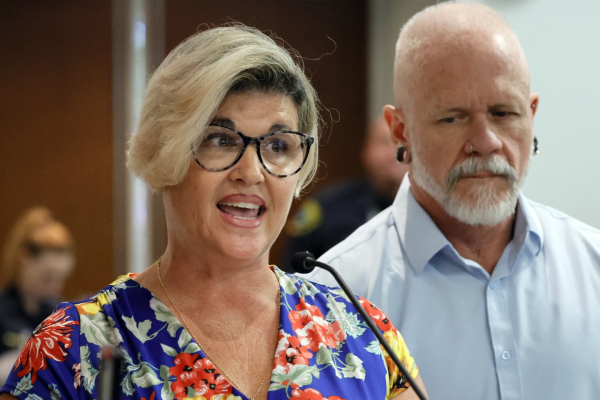
FORT LAUDERDALE, Fla. (AP) — A Florida public school employee, who faces termination for allowing her transgender daughter to play on a girls’ high school volleyball team, criticized those who outed her child, stating on Tuesday that the resulting investigation has devastated her daughter’s life.

Jessica Norton explained that her daughter was thriving at Monarch High School in suburban Fort Lauderdale until an anonymous tipster informed a Broward County school board member in November that the 16-year-old was participating on the girls’ varsity volleyball team, allegedly in violation of state law. The 2021 Fairness in Women’s Sports Act prohibits students assigned male at birth from competing in girls’ sports.

The tip triggered a school district investigation, resulting in Norton potentially losing her job as a computer information specialist at Monarch for permitting her daughter to play. Investigators also reported that Norton failed to revert her child’s gender designation in school records from “female” to “male,” as mandated by district policy.

Norton informed the school board on Tuesday that her daughter had been an elected freshman and sophomore class president, was chosen as the student body’s director of philanthropy, and was a homecoming princess. However, these accomplishments ceased when the investigation commenced, leading the girl to leave Monarch High School.

“They destroyed her high school career and her lifelong memories,” Norton lamented. “I saw the light in my daughter’s eyes gleam with future plans of organizing and attending prom, participating in and leading senior class traditions, speaking at graduation, and going off to college with the confidence and joy that any student like her would have after a successful and encouraging high school experience. And 203 days ago, I watched as that life was extinguished.”

Currently, the girl attends school online.

None of the board’s nine members responded to Norton, a seven-year district employee who had received exemplary evaluations prior to November.

The treatment of transgender children has become a contentious issue nationwide over the past few years. Florida is one of at least 25 states that have implemented bans on gender-affirming care for minors and one of at least 24 states that have enacted laws prohibiting transgender women and girls from participating in certain women’s and girls’ sports.

The board was scheduled to vote on Tuesday regarding Superintendent Howard Hepburn’s recommendation to terminate Norton’s employment, but this decision has been postponed for at least a month. A district committee had recommended a 10-day suspension for Norton, but Hepburn overruled it without providing an explanation. The board could choose to fire Norton, suspend her, or take no action.

Monarch Principal James Cecil and three other administrators were temporarily reassigned when the investigation began but were reinstated following student protests. The state’s athletic commission fined the school $16,500.

Broward is one of Florida’s most politically liberal counties, with twice as many Democrats as Republicans, and it has a significant LGBTQ+ community. The countywide school district is the nation’s fifth-largest, serving nearly 255,000 students across 327 schools.

According to the district investigative report, board member Daniel Foganholi contacted the district’s police department after receiving the anonymous tip. Republican Gov. Ron DeSantis appointed Foganholi last year following the disqualification of the elected board member.

Since 2021, DeSantis has enacted the Fairness in Women’s Sports Act and other legislation targeting the transgender community. The Nortons are plaintiffs in a federal lawsuit challenging the act.

Foganholi did not respond to emails seeking comment last week and on Monday.

Norton’s child began taking puberty blockers at age 11 and estrogen but has not undergone gender-affirming surgery, which is rarely performed on minors.

Her parents assert that she often sat on the bench for Monarch’s volleyball team and does not have athletic advantages from being born male. When investigators asked Principal Cecil to describe the child, he said, “She looks like a girl to me. … she seems very small, very skinny.”

In response to Foganholi’s complaint, Broward schools assigned two officers to investigate. The state education department also appointed an investigator.

The investigation involved pulling and securing school records for Norton’s daughter, interviewing officials at Monarch and the daughter’s previous schools to determine who knew about her being transgender and when and how her records were changed. Investigators also interviewed Norton and three Monarch volleyball players.

Norton, who has two older children, said she enrolled her youngest child in kindergarten as a boy in 2013, four years before starting her employment with the district. The child transitioned to a girl in first grade, and this was known by other parents and children, so it was never a complete secret.

When her child was in second grade, Norton asked a school employee to change the child’s gender on school records. She claimed then-Superintendent Robert Runcie told her that was the procedure. Runcie, who left the district in 2021 after an unrelated controversy, was not contacted.

The district maintains that such changes are only permissible if the parent first amends the child’s birth certificate. Norton amended her child’s birth certificate in 2021, after she began working for the district. The district asserts that Norton should have reverted her child’s gender to male on school records in 2017 upon learning the policy.

Norton told investigators she didn’t comply because the amended records were accurate—her child is a girl.

Aware of the new state law barring transgender girls from playing girls’ sports when her daughter entered high school in 2022, detectives asked why she allowed her daughter to play volleyball and marked “female” on a permission form asking the child’s “sex at birth.”

“Because she’s my child and she wanted to play,” Norton replied. Norton also coached the junior varsity volleyball team.

Investigators interviewed Monarch volleyball players, who said the team did not change clothes or shower together, so they were never disrobed with Norton’s daughter. All three players knew or suspected Norton’s daughter was transgender but were not bothered by her participation. The Knights had a 13-7 record last season.

“I didn’t really have a problem with it because I didn’t think she was a threat or anything to anyone else,” one girl told investigators.

Trans Teen in Minnesota Has a Broken Jaw After Alleged Attack Outside a School Bathroom | THEM

This blog originally appeared at THEM.

Authorities in Minnetonka, Minnesota are currently investigating the reported assault on 17-year-old Cobalt Sovereign as a potential hate crime.

The following contains graphic descriptions of violence against a transgender child.

Last week, a 17-year-old transgender student in Minnesota found herself hospitalized following an attack by a classmate in the school restroom. The disturbing incident, captured on video, unfolded at Hopkins High School in Minnetonka, MN.

Cobalt Sovereign, a junior at the school, recounted to NBC affiliate KARE that on May 30, she encountered verbal abuse from a fellow student while attempting to use the restroom. Despite the availability of gender-neutral facilities, Sovereign, who prefers she/they pronouns, opted for the boys’ restroom due to convenience, though it caused considerable discomfort.

Recalling the ordeal, Sovereign shared how the assailant peered over the stall and hurled derogatory slurs, including the use of the word “faggot,” which was allegedly repeated several times. Upon leaving the restroom, Sovereign was confronted by three students, one of whom initiated an unprovoked attack. Subsequent examination revealed Sovereign suffered a broken jaw in two places, with a shattered molar and potential traumatic brain injury (TBI). Hospitalized for two days, Sovereign continues to grapple with the physical and psychological aftermath, including recurring nightmares.

Hopkins High School promptly addressed the situation, initiating disciplinary measures against the alleged attacker. Further legal action rests with the Hennepin County attorney’s office, while local authorities are investigating the incident as a possible hate crime. Citing student privacy laws, the identity of the alleged perpetrator remains undisclosed.

Reflecting on the incident, Cobalt’s brother, Wilder Sovereign, expressed dismay over the escalation of transphobia, emphasizing the severity of the assault as an unprecedented manifestation within their community.

At Hopkins High on Wednesday, another segment of Sovereign’s community gathered in solidarity, demanding justice and accountability. Local LGBTQ+ organizations, such as the Queer Equity Institute, mobilized alongside Minnesota Rep. Leigh Finke, the state’s pioneering openly transgender legislator.

Addressing the assembly, Finke underscored the fundamental right to restroom usage without fear of violence, lamenting the fact that such a basic act has become perilous for marginalized communities. “The simplest act imaginable for a human is to just pee in peace, and our community is beaten and killed because that’s what we are trying to do,” Finke articulated, emphasizing the pervasive nature of such incidents. “We are here at Hopkins because this happened here, but this happens everywhere.”

In an Instagram post shared on Wednesday, Rep. Leigh Finke drew attention to what they described as “frightening similarities” between the violence endured by Cobalt Sovereign and the February assault on Oklahoma teenager Nex Benedict. While officials have stated that Benedict’s subsequent death was attributed to suicide, purportedly linked to medications found in their system, this narrative has been met with skepticism by some LGBTQ+ advocates, who demand further investigation.

Highlighting the disparities in official response, Finke expressed concern over the lack of immediate action taken by the school following both incidents. “The school did not call an ambulance. The school did not file a police report. Students and families were not notified. It wasn’t until our rally was announced yesterday that authorities began to move,” Finke wrote, juxtaposing the contrasting reactions to the two attacks. “Cobalt lived. Thank goddess. Nex did not. Please help us make sure there is no next time.”

Texas Supreme Court rejects call to clarify exceptions to state abortion bans | Courthouse News Service

This blog originally appeared at COURTHOUSE NEWS SERVICE.

The high court, siding with the state, concluded that the laws adequately specify the circumstances under which an abortion to save the life of the mother is allowed.

AUSTIN, Texas (CN) — In a highly anticipated decision, the Texas Supreme Court ruled on Friday that the state’s total abortion ban permits the procedure if the pregnancy poses a risk of serious bodily impairment or death.

“Texas law permits a life-saving abortion,” wrote Justice Jane Bland in her 38-page majority opinion. “Under the Human Life Protection Act, a physician may perform an abortion if, exercising reasonable medical judgment, the physician determines that a woman has a life-threatening physical condition that places her at risk of death or serious physical impairment unless an abortion is performed.”

The unanimous opinion from the all-Republican high court vacated a lower court injunction that had blocked the state from enforcing the ban against doctors performing life-saving abortions, establishing a new standard for physicians to follow. The state had filed an accelerated appeal to the Texas Supreme Court, which stayed the injunction.

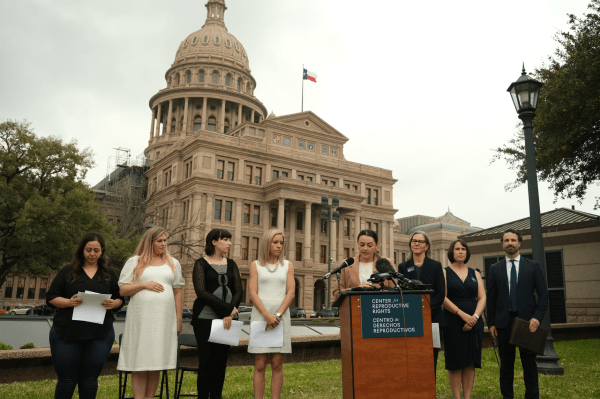
The lawsuit at the center of this case began over a year ago when five women who experienced life-threatening pregnancy complications, along with two doctors, sued Texas Attorney General Ken Paxton and the Texas Medical Board. Represented by the Center for Reproductive Rights, they sought clarity on the law. As the lawsuit gained attention, an additional 15 women with similar experiences joined. The plaintiffs argued that the laws as written deprived them of their right to equal protection under the state constitution.

The lawsuit challenges three laws: the Human Life Protection Act, the Texas Heartbeat Act, and a 1925 abortion ban that was revived following the U.S. Supreme Court’s reversal of Roe v. Wade in 2022.

The Human Life Protection Act and the 1925 ban impose both civil and criminal penalties for anyone found to have performed an abortion. Doctors face up to 99 years in prison, a minimum fine of $100,000, and the loss of their medical license if found guilty. The Texas Heartbeat Act, also known as Senate Bill 8, imposes a civil private right of action, allowing any citizen to sue anyone they believe performed or facilitated an abortion for a minimum of $10,000.

Molly Duane, senior staff attorney for the Center for Reproductive Rights and lead attorney in the case, described the court’s ruling as providing a “feeble answer” to the question of when a person in Texas can receive an abortion under the medical exception. Despite the ruling, she believes it falls far short of what is necessary to ensure the safety of pregnant individuals.

“I am disturbed that the court rejected so many of our clients’ claims to a constitutional right to life, health, and fertility,” Duane said on Friday. “These are women who came to court citing risks to their physical and mental health and continuing a pregnancy that would never result in a new baby joining their families. But now we know the courthouse doors are closed to them.”

The Center for Reproductive Rights argued that the exceptions in the state’s three abortion bans are too vague, causing doctors to avoid providing necessary care due to fear of prosecution. To address this, the group requested that courts establish a standard allowing the procedure when a doctor has a “good faith belief” that an abortion is necessary to save the mother’s life or prevent severe bodily impairment.

However, Justice Bland pushed back against the Center’s request to clarify what “reasonable medical judgment” means under the statute. The Center argued that a “good faith belief” standard would create uniformity in the standard of care among doctors, whereas “reasonable medical judgment” could vary from one physician to another.

While acknowledging that not all doctors would reach the same conclusion, the state must demonstrate that a reasonable physician would not have determined that a woman with pregnancy complications required a life-saving abortion.

“The Center’s ask is for a court to substitute a different standard for the one that is expressly written in the statute,” Bland wrote in Friday’s opinion. “This is a call for amending the law, not for interpreting it.”

The 20 women central to the case were not directly mentioned in Bland’s opinion. Instead, the court focused on explaining why it believes the exception to the laws, as written, is sufficient.

Justice Bland did, however, address lead plaintiff Amanda Zurawski’s experience, using it as an example of how the law should function. During her second trimester, Zurawski’s pregnancy became nonviable when the membrane surrounding her daughter, Willow, prematurely ruptured. Despite being informed by doctors that she faced a serious risk of infection, they refused to terminate the pregnancy because Willow still had a heartbeat, fearing prosecution. After being sent home, infection set in, causing damage to Zurawski’s reproductive organs and placing her life in jeopardy.

“Ms. Zurawski’s agonizing wait to be ill ‘enough’ for induction, her development of sepsis, and her permanent physical injury are not the results the law commands,” wrote Bland.

Zurawski said Friday that the ruling felt like a gut punch.

“The Texas Supreme Court had the opportunity to provide clarity, but they didn’t, and we are right back where we started. While this feels like the end of Zurawski v. Texas, it is not the last that you will be hearing from us in this fight for justice,” Zurawski said.

All but one of the plaintiffs’ claims survived the court’s ruling. Damla Karsan, an obstetrician from Houston, was found to have standing to sue the state because she was threatened with enforcement by Texas Attorney General Ken Paxton.

The threat came after a judge in Austin issued an order allowing Kate Cox, a mother of two from Dallas, to terminate her nonviable pregnancy. Karsan was set to provide the procedure when Paxton sent letters to three hospitals, warning they could be held liable if Karsan was allowed to perform the abortion at their facilities. The Center for Reproductive Rights is still determining how it will proceed with this final claim.

While the court did not provide guidance on the state’s abortion laws, it left open the possibility for the Texas Medical Board to intervene. The board is currently considering new guidance for physicians to clarify when a patient qualifies for the exception. However, this has sparked controversy, with abortion rights advocates arguing that the proposed plans do not sufficiently protect women.

In a statement praising the ruling, Paxton said he would continue to defend the state’s pro-life laws.

“Today, the Supreme Court of Texas unanimously upheld the Human Life Protection Act, one of our state’s pro-life laws,” Paxton said. “I will continue to defend the laws enacted by the Legislature and uphold the values of the people of Texas by doing everything in my power to protect mothers and babies.”

For abortion rights advocates, federal action remains the only viable solution to what they see as dangerous state laws. During Friday’s press call, Nancy Northup, president and CEO of the Center for Reproductive Rights, renewed calls for a law legalizing abortion nationwide.

“It is clear that the state of Texas and many other states are not going to protect their own pregnant people,” Northup said. “The federal government must step in and reestablish a nationwide right to abortion.”

Biden’s Title IX protections for LGBTQ students struck down by Texas court | NBCNews

This blog originally appeared at NBC NEWS.

A judge ruled on a guidance indicating that schools could lose federal funding if they discriminate against students based on gender identity or sexual orientation.

A federal judge in Texas on Tuesday determined that the Biden administration improperly attempted to reinterpret federal law prohibiting sex discrimination in schools by extending it to include LGBTQ students.

U.S. District Judge Reed O’Connor in Fort Worth, Texas, ruled in favor of a lawsuit filed by the state’s Republican Attorney General Ken Paxton. He declared that legal guidance issued by the U.S. Department of Education three years ago was invalid, asserting that the agency lacked the authority to implement it and that it could not be enforced in Texas.

The non-binding guidance indicated that schools could be denied federal funding if they discriminated against students based on gender identity or sexual orientation, such as by requiring students to use facilities that correspond to their sex assigned at birth.

A federal judge in Tennessee had already blocked the Education Department from enforcing this guidance in 20 Republican-led states that had also sued to overturn it in 2022. The Biden administration is currently appealing that decision.

The guidance was issued in response to a landmark 2020 U.S. Supreme Court ruling that extended federal workplace sex discrimination protections to LGBTQ employees. The Education Department argued that the same logic applied under Title IX, as both laws use similar language.

However, O’Connor, in a 112-page ruling, stated that the Education Department did not have the authority to apply that Supreme Court ruling to Title IX of the Education Amendments of 1972.

“To allow Defendants’ unlawful action to stand would be to functionally rewrite Title IX in a way that shockingly transforms American education and usurps a major question from Congress,” wrote O’Connor, an appointee of Republican former President George W. Bush.

The Department of Education and the U.S. Department of Justice did not immediately respond to requests for comment.

In a statement, Paxton said the ruling thwarts Democratic President Joe Biden’s “effort to weaponize Title IX for his extremist agenda.”

“Threatening to withhold education funding by forcing states to accept ‘transgender’ policies that put women in danger was plainly illegal,” Paxton stated.

In April, the Education Department adopted formal, binding regulations applying Title IX to LGBTQ students. Tuesday’s decision does not impact those rules, which Texas and other states are currently challenging in court. However, it does indicate that these regulations could be susceptible to future legal challenges.

Blog at WordPress.com.

Up ↑