Trump two-gender edict would upend “X” identity on passports

This article first appeared on CNN.com

The federal government is set to only recognize two sexes, male and female, under an executive order that President Donald Trump is soon expected to sign.

The order would reverse efforts by the Biden administration to broaden gender identity designations, including on passports.

“As of today, it will henceforth be the official policy of the United States government that there are only two genders, male and female,” Trump said during his inaugural address Monday, taking an early step to fulfill one of his culture war campaign promises.

The order, a Trump administration official told reporters Monday, is aimed at “defending women from gender ideology extremism and restoring biological truths to the federal government.” Male and female “are sexes that are not changeable, and they are grounded in fundamental and incontrovertible reality,” the official said.

The federal government would also shift from using the term “gender” to “sex,” and that sex would be “an individual’s immutable biological classification,” the official said.

All government agencies would ensure that official documents, including passports and visas, “reflect sex accurately,” the official said. Also, departments running federal prisons, migrant shelters, rape shelters and other “intimate spaces” would be directed to protect single-sex spaces for privacy. And employee records would also adhere to the executive order, as would federal departments’ messaging.

“Agencies are no longer going to promote gender ideology through communication forms and other messages,” the official said, adding that grants and contracts would be reviewed to ensure that “federal funds shall not be used to promote gender ideology.”
Reversing Biden expansion

Trump’s executive order would dismantle efforts by the Biden administration to be more inclusive of Americans’ gender identification.

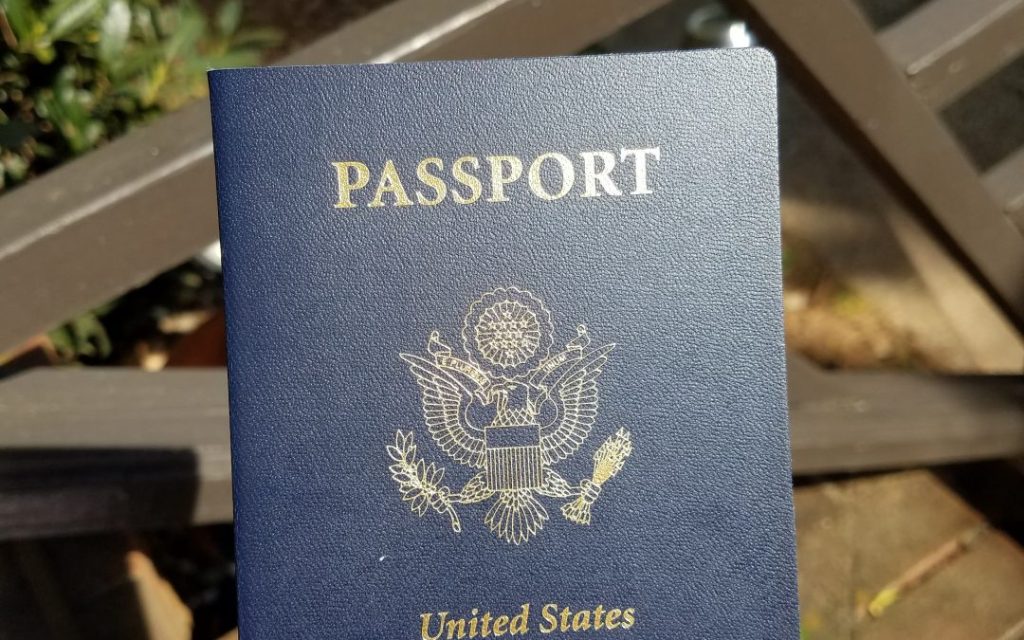
As of 2022, US citizens have been able to select “X” as their gender marker on passports. One’s marker does not need to match the gender on citizenship documents or photo ID, nor is medical documentation needed to change one’s gender, according to the State Department.

“We promote the freedom, dignity, and equality of all people – including LGBTQI+ individuals,” the department’s website says. “We are demonstrating this commitment to better serve all U.S. citizens, regardless of gender identity.”

Later that year, Americans were able to start changing their sex identification with the Social Security Administration without needing to provide medical certification. However, Social Security’s record systems still require a designation of male or female, though the administration said it was exploring policy and systems updates to support an “X” designation.

“The Social Security Administration’s Equity Action Plan includes a commitment to decrease administrative burdens and ensure people who identify as gender diverse or transgender have options in the Social Security number card application process,” said Kilolo Kijakazi, the administration’s acting commissioner at the time.
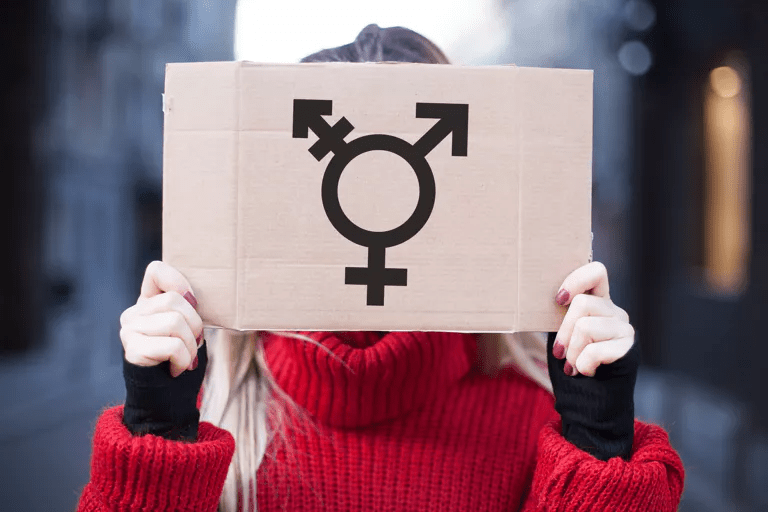
What Trump’s Presidency Could Mean for Trans People: Potential Policies and Warning Signs to Watch

This blog is originally appeared at LGBTQ Nation

Why Allies Must Act: Defending Trans Rights Protects Everyone’s Freedoms

As the election dust settles, the focus shifts to practical realities. For transgender people like me, a pressing question looms: What actions will this new Trump administration take?

It’s tempting to jump to extreme conclusions—like the idea of being rounded up and placed in camps. But it likely won’t look like that. There won’t be “camps,” nor will there be overt “rounding up.” Instead, the approach will be more subtle, and that subtlety is precisely what makes it so dangerous.

The quiet nature of these changes will make them easier for cisgender people to overlook. However, their awareness is vital—not only for our survival but for their own protection, as the erosion of trans rights often signals broader attacks on freedoms that could ultimately affect everyone.

The groundwork for trans oppression is already being laid. In recent years, Republicans have pursued anti-trans legislation with alarming intensity, proposing over 1,000 laws targeting everything from medical care and bathroom usage to IDs, sports, and even how we dress. Trump has vowed to push similar policies at the federal level, and Project 2025 outlines an even more expansive agenda.

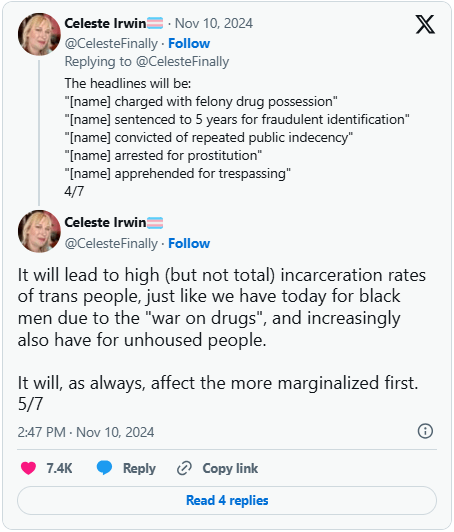
To understand what trans oppression under Trump might look like, we can look to other marginalized groups. For instance, the mass incarceration of Black men wasn’t achieved through blatant decrees like “round them up” but through systemic oppression: harsh laws with disproportionate penalties, over-policing, and economic barriers that strip away basic human needs. Trans people have already faced similar tactics, such as laws criminalizing “cross-dressing” to police our existence.

Under another Trump administration, this oppression might escalate. It could involve banning hormone replacement therapy and criminalizing those who seek it out. Policies might mandate that gender markers on IDs match sex assigned at birth, penalizing those of us who continue to live authentically with fraud or perjury charges. Involuntary commitment to mental institutions could even be a reality.

These measures, even if sporadically enforced, create an ever-present climate of fear—a psychological toll that leaves us constantly bracing for the next law, the next crackdown, the next violation of our humanity. And in this hostile environment, the silence or complacency of cisgender allies would make it all the easier for these oppressive systems to thrive.

The coming years will likely see escalating attacks on trans people, particularly the most marginalized among us—trans women of color, disabled trans people, and others who already face significant barriers. These policies will make it harder for them to access stable employment and lead precarious lives, amplifying systemic inequities.

We cannot wait for something as blatant as a “lock up all the trans people” decree. The oppression will come in quieter, more insidious forms: laws and policies that restrict our rights to healthcare, employment, and basic expression. Even if trans people comply with these laws, the result will still be a kind of prison—a life stripped of autonomy and dignity.

If you are cisgender, we need your help. Not just because it’s the right thing to do, but because these attacks on trans rights will eventually pave the way for attacks on your rights. Consider abortion access: for decades, conservatives framed their arguments around “protecting life” to avoid addressing bodily autonomy directly. But the fight against gender-affirming care removes that pretense altogether. By banning medically supported, evidence-based care simply because they don’t like it, lawmakers set a dangerous precedent that could extend to other healthcare decisions.

Your body could be next.

Employment and education are also at risk. Imagine a national “Don’t Say Gay/Trans” policy that bars teachers like me—who are openly transgender—from the profession. Policies like these won’t stop at targeting trans people. Deadnaming and misgendering trans students could morph into strict gendered dress codes for everyone, eroding freedom of expression for all students. What starts as an attack on trans rights often metastasizes into broader assaults on personal liberties.

As we approach January 20th, now is the time to act:

  • Get involved: Connect with your local LGBTQ+ center and see how you can support their efforts.
  • Stay informed: Follow trans journalists and activists to keep up with the latest developments.
  • Advocate: Write to your representatives in both parties, showing them that you stand with trans people.
  • Speak out: Use your voice, wear supportive messages, and engage your cisgender friends to build awareness.
  • Support trans people directly: Check in with your trans friends, especially now, as they navigate a political climate fueled by over $200 million of anti-trans rhetoric during the election. Let them know you’re there for them.

This isn’t just about protecting trans people—it’s about preserving freedom and dignity for everyone. Together, we can resist these threats and build a future where everyone has the right to live authentically.

Key Points on Trump’s Radical Anti-LGBTQ+ Agenda for a Potential Second Term

This blog is originally appeared at THEM.

Donald Trump triumphed over Kamala Harris early Wednesday morning in a presidential election marked by the Republican candidate’s anti-trans and anti-immigrant rhetoric.

On what may go down as one of the darkest days in U.S. history, a twice-impeached former president, who is both an accused rapist and a convicted felon, has been elected to the White House once again.

Donald Trump defeated Vice President Kamala Harris early Wednesday morning in an election dominated by the Republican candidate’s anti-trans and anti-immigrant rhetoric. Trump secured crucial battleground states—North Carolina, Georgia, Pennsylvania, and Wisconsin—after weeks of polling that showed him and Harris in a tight race.

“Trump was expected to declare victory even if he had lost, but his actual win now paves the way for what promises to be one of the most extreme presidential agendas in U.S. history. The consequences of another Trump presidency will be particularly dire for LGBTQ+ Americans, with his campaign platform outlining a full-scale assault on queer rights. On his 2024 campaign website, Trump vowed to implement a federal ban on gender-affirming care for minors and to redefine gender at the federal level, recognizing only male and female as legitimate genders—based solely on birth assignment. His platform also called for national “Don’t Say Gay” policies targeting LGBTQ+ students in schools and vowed to “keep men out of women’s sports.” Trump’s running mate, J.D. Vance, a former senator, introduced a bill that would imprison doctors who provide gender-affirming care to trans youth.

These policies would continue the trajectory of Trump’s first term, which was marked by a relentless assault on the LGBTQ+ community. Among the most significant actions were the ban on transgender people serving in the military, the removal of LGBTQ+ references from federal websites, the rollback of protections for trans students, and the opposition to workplace protections for LGBTQ+ employees. His administration also implemented a ban on people living with HIV from military deployment, disbanded the Presidential Advisory Council on HIV/AIDS, and cut global funding for HIV prevention and treatment.

During his 2024 campaign, LGBTQ+ Americans were once again bombarded with anti-LGBTQ+ messaging. Trump ran on a platform of staunch opposition to trans rights, supported by millions of dollars in ads from right-wing groups that portrayed the trans community as a threat to public safety and decency. One of the most widely circulated ads of the election cycle declared: ‘Kamala is for they/them. President Trump is for you.’ In his first and only debate with Harris, Trump made headlines by falsely claiming that she supported ‘transgender operations on illegal aliens in prison’—a statement LGBTQ+ advocates later clarified was a misrepresentation of the legal requirement to provide medically necessary care to incarcerated individuals. He also falsely accused Harris’ running mate, Tim Walz, of being ‘very heavy into transgender issues.'”

As advocates have consistently warned, the impact of Trump returning to the White House will be devastating for many vulnerable and marginalized groups. While Trump has repeatedly wavered on whether he supports national restrictions on abortion and contraception following the 2022 overturning of Roe v. Wade, his running mate, J.D. Vance, has made it clear that he ‘would like abortion to be illegal nationally.’ Trump has also floated the idea of defunding schools that teach the history and legacy of slavery, and he has persistently called for the disbanding of the Department of Education. Furthermore, his mass deportation agenda, aimed at expelling thousands of undocumented workers from the U.S., would reportedly cost the federal government millions of dollars each year.

In addition to these proposals, Trump’s allies—such as House Speaker Mike Johnson—have signaled plans to launch another attempt to repeal and replace the Affordable Care Act. This could jeopardize critical healthcare protections for seniors, pregnant patients, people with disabilities, and LGBTQ+ individuals, potentially leaving millions without access to vital services.

While it will be months before a second Trump administration fully takes shape, the public already has a clear sense of how he plans to govern. Throughout his volatile presidential campaign, Trump vowed to act as a dictator ‘on day one,’ promising to dismiss Jack Smith, the special prosecutor overseeing numerous criminal cases against him. In recent weeks, he has suggested using the National Guard to target American citizens, even fantasizing about journalists being shot, while repeatedly labeling those who oppose his fascistic views as the ‘enemy from within.’ Trump has also reportedly offered key positions in his administration to figures like Elon Musk and Robert F. Kennedy Jr.—the latter being an outspoken conspiracy theorist who has advocated for banning vaccines and removing fluoride from public drinking water.

In response to the looming threat of a second Trump term, some LGBTQ+ U.S. residents—particularly families of trans youth—have already fled the country out of fear for their safety and well-being. However, many others who would be directly impacted by his policies will not have the privilege of leaving. As during his first presidency, LGBTQ+ advocates are expected to continue their fight through the courts, the legislature, and public protests, standing firm against a wave of harmful policies that threaten their rights and freedoms.

Federal Bill Advancing to Require Schools to Disclose Trans Students’ Identities Passes Key Committee Vote

This blog originally appeared at LGBTQ NATION.

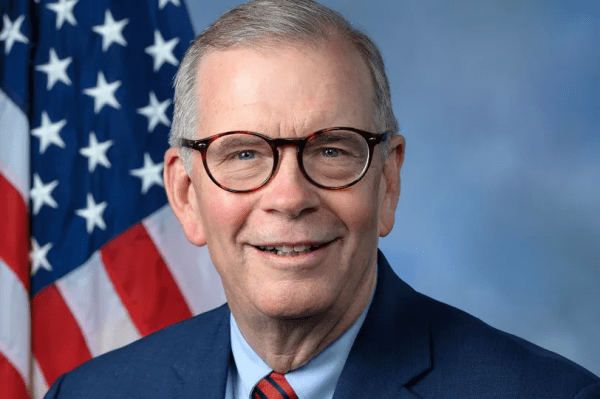
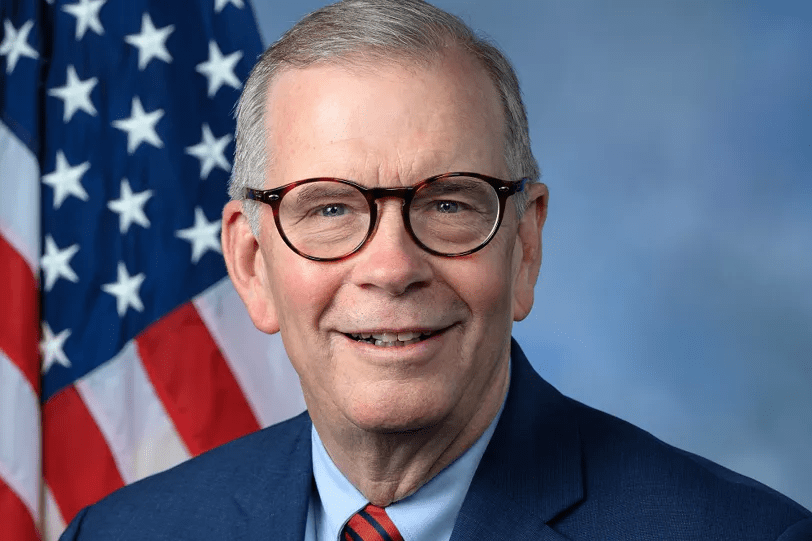
A House committee has advanced a controversial bill, H.R. 736, known as the “PROTECT Kids Act,” which would require schools to disclose transgender students’ identities to their parents if the students request to use different pronouns, a new name, or facilities aligned with their gender identity. The bill, introduced by Rep. Tim Walberg (R-MI) and Sen. Tim Scott (R-SC), would enforce this policy on all elementary and middle schools that receive federal funding, threatening to withhold funds from any school that does not comply.

Rep. Walberg, who has a history of supporting Uganda’s anti-LGBTQ+ laws, stated that parents should be informed of all decisions affecting their children. He argues that the bill would “safeguard parental rights by requiring parental consent and will help mitigate under-the-radar activism in our schools.” However, critics, including Rep. Mark Pocan (D-WI), chair of the Congressional Equality Caucus, have condemned the bill as an attack on transgender students, warning that it could put vulnerable kids at risk, particularly those without supportive families.

The bill passed the House Committee on Education and the Workforce with a 22-12 vote and will now proceed to the House floor for consideration. While it may pass the Republican-controlled House, it faces significant opposition in the Democratic Senate, and President Joe Biden is unlikely to sign it into law, as it contradicts his administration’s policies on LGBTQ+ rights.

Leaked Memo: Trans Floridians No Longer Allowed to Update Gender on Driver’s Licenses | Them

This blog originally appeared at THEM.

The memo also stated that gender is a synonym for sex, which is “determined by innate and immutable biological characteristics.”

Florida officials have quietly revoked a policy that allowed transgender residents to change the gender marker on their driver’s licenses, coinciding with other efforts to halt the state’s legal recognition of trans people.

A leaked memo dated January 26 from Robert Kynoch, deputy executive director of the Florida Department of Highway Safety and Motor Vehicles (DHSMV), indicates that the department has immediately ended its policy of reissuing licenses to update gender markers, a practice in place since 2018. Instead, “gender” will once again be considered “a synonym for ‘sex,’” which Kynoch claimed is “determined by innate and immutable biological characteristics.”

Independent journalist and legal analyst Alejandra Caraballo, who posted a screenshot of the memo on X (formerly Twitter) Monday night, was the first to publicize the policy change. Although no DHSMV representative has publicly commented on the memo’s veracity, Florida Rep. Anna Eskamani appeared to confirm its authenticity on Tuesday. Eskamani stated that as of January 30, DHSMV computer systems already appear to disallow changes to a registered driver’s gender.

“This is another gross example of how every state agency has been weaponized to attack trans people,” Eskamani wrote.

Florida Democratic Party (FDP) leaders echoed this sentiment. “Florida Republicans’ obsession with trans people has to stop,” FDP chair Nikki Fried said in a statement on Tuesday. Fried specifically called out Gov. Ron DeSantis and described a pattern of similar, covert rule changes throughout his administration.

“We’ve seen state agencies continually weaponized under Ron DeSantis, and this rule change at DHSMV serves the same purpose as the rest — allowing right-wing extremists to get the wildly unpopular policies they want without having to go on the record as voting for them,” Fried stated.

LGBTQ+ Democratic Caucus president Nathan Bruemmer concurred, saying, “Our government agencies must remember that their responsibility is to serve Floridians — not the failed agenda of a power-hungry Governor who is out of touch with the people of Florida.”

Kynoch’s letter also warned of possible civil and criminal fraud charges for “misrepresenting one’s gender” on official identification. This is a concern for trans Floridians needing renewals, but those with valid IDs shouldn’t panic yet, Southern Legal Counsel attorney Simone Chriss told NBC affiliate WTVJ.

“There’s no reason for individuals who currently have a driver’s license or identification card that reflects their gender identity to be concerned,” Chriss explained. “The DHSMV or the police have no authority to suspend or revoke their licenses.”

The new DHSMV policy seems like an overture to new Republican-sponsored bills in the Florida legislature, which, if passed, would effectively end legal recognition of trans identities in the state. These proposals, similar to Kynoch’s letter, define “sex” strictly as a genetic binary and would require Floridians to sign an affidavit declaring their “biological sex” as a driver’s license requirement.

Ironically, because federal law still recognizes “gender” as a lived experience rather than a genetic binary, the DHSMV rule change may place Florida’s ID policies in conflict with the Real ID Act. Florida is also grappling with an actual ID fraud and identity theft crisis, but instead of addressing these issues, the focus seems to be on persecuting queer people.

https://www.them.us/story/trans-floridians-will-no-longer-be-allowed-to-change-their-gender-markers-leaked-memo

Blog at WordPress.com.

Up ↑