2025 LGBTQ rights update: Many bright spots in Asia amid the gloom

Read more at Erasing 76 Crimes.

East and Southeast Asia

Japan: The long slow march to eventual same-sex marriage continued in Japan in 2025, with resolution still looking a year or more away. Three more high courts ruled on the constitutionality of the same-sex marriage ban. Those in Nagoya and Osaka found the ban unconstitutional, but a Tokyo high court ruled it constitutional. Together with three other courts that found the ban unconstitutional, that creates a circuit split that will have to be resolved by the supreme court, where a case has already been filed.

A further case has also been filed to the supreme court by a transgender woman who is seeking to have her legal gender changed without ending her marriage to her wife. Lower courts in Kyoto and Osaka ruled against her this year.

In what’s perhaps a bad sign for all this, the supreme court ruled against a married binational same-sex couple who were seeking a residence visa for the non-Japanese partner.

But that hasn’t stopped other progress on relationship recognition. Following last year’s supreme court ruling that same-sex partners should be entitled to surviving family benefits for victims of crime, the government announced in January that dozens of laws that applied to common-law couples would now apply to same-sex couples. These included domestic violence laws, leases and rents, and disaster support, but excluded over 120 laws such as social security and pensions. And the government proposed an assisted reproduction bill that specifically excludes same-sex couples and bans surrogacy.

And Okinawa prefecture enacted a same-sex partnership registry in 2025, while Nagasaki has announced plans to introduce one in 2026. That’ll bring the total to 32/47 prefectures and more than 500 municipalities representing more than 90% of the population.

Japan elected its first female prime minister this year, and she’s a conservative hardliner who has expressed strong opposition to same-sex marriage, so the odds of legislative advancements look slim for the next few years.

China: The government’s attitude toward the LGBTQ community turned icy again this year, with a deepening crackdown on queer expression, including ordering the removal of gay networking apps from app stores, censorship of foreign films to remove queer characters, and arrests of gay erotica writers.

In Hong Kong, the government failed to meet a court-imposed deadline to enact a civil partnership bill, after the legislature voted down the government’s very weak bill in September by a 71-14 margin. It’s unclear what couples can do from here.

Earlier in the year, a Hong Kong court ruled that banning trans people from using gender appropriate toilets was unconstitutional.

Taiwan: The government introduced bills that would open assisted reproduction to single women and same-sex couples, although it does not include surrogacy, which it says will be considered later.

A lawsuit was filed challenging the surgery requirement to change legal gender.

Taiwan was supposed to host WorldPride this year, but it withdrew back in 2022 when WorldPride ordered that it should not use the name “Taiwan” in the event name. The event was instead held in Washington, DC.

South Korea: A life partnership bill was proposed but has not advanced at all in the legislature. Meanwhile, two couples filed a case at the supreme court seeking same-sex marriage rights. And the government announced it would count same-sex couples as “spouses” in its next census.

The newly appointed minister for gender equality said she would make passing a long-stalled anti-discrimination bill, with protections for LGBT people, a priority. So far, no news on that front.

Thailand: Last year’s same-sex marriage and adoption law came into effect in January 2025, making Thailand the first place in southeast Asia to legalize it. Still, married couples continue to face legal discrimination when it comes to accessing surrogacy and residency permits for binational couples.

But a promised gender recognition law never materialized.

Vietnam: The government cracked down on some gay events this year, following a change in leadership of the Communist Party. Talk of expanding LGBT rights and possible same-sex marriage is likely dead for a while.

A long-stalled gender affirmation bill did not advance in 2025.

The government reduced the number of crimes that are eligible for the death penalty from 18 to 10, which it is explicitly pitching as a step toward abolition.

Indonesia: Multiple raids took plays on gay events and gay bars, in what looks like a deepening crackdown on queer people. A bill was also introduced that would ban LGBTQ behavior online.

Indonesia’s new criminal code moves the death penalty from the primary form of punishment to an alternative punishment, which is a baby step toward abolition.

Malaysia: You guessed it, crackdowns on gay events here, too.

Kelantan state amended its shariah-based criminal code to remove sections on sodomy, which the constitutional court said were redundant considering it’s already covered under federal law.

One bright spot – the government is beginning a study in the new year on full abolition of the death penalty. It took a step toward this in 2023 by abolishing mandatory death penalties from its criminal code.

Singapore: Parliament passed a workplace discrimination law that specifically excludes protections for LGBTQ people.

The high court dismissed an appeal seeking abolition of mandatory death penalties from the criminal code, but plaintiffs have said they will appeal.

Philippines: The supreme court ruled that homosexuality was grounds for annulment of a marriage.

Aklan province passed a non-discrimination ordinance.

Timor-Leste: The country joined the ASEAN bloc, and also the Southeast Asian Nuclear Weapons Free Zone.

Central and South Asia

Kazakhstan: The nation enacted a Russia-inspired “LGBT propaganda” law, which includes punishments of a fine and ten days in prison.

Krygyzstan: The government attempted to reintroduce the death penalty for sex crimes involving children this year – which seems to me like a common pretext for a witch hunt against queer people. Fortunately, the president submitted the proposed constitutional amendments to the constitutional court, which ruled that they were unconstitutional, as the current constitution explicitly prohibits reintroducing the death penalty, and doing so would violate Kyrgyzstan’s obligations under international treaties it has signed.

Kyrgyzstan also signed, but has not ratified the Treaty on the Prohibition of Nuclear Weapons.

Afghanistan: In July, the International Criminal Court issued warrants for two Taliban leaders for their alleged crimes against women, girls, and the LGBTQ community – the first time the ICC has sought warrants for crimes against LGBTQ people.

Pakistan: The government introduced a bill to eliminate the death penalty for two crimes, part of an association agreement with the European Union.

India: The central government took steps to ensure equality for same-sex couples under a number of laws and programs – though it still opposes same-sex marriage. The government was ordered to review all laws and promote equality when the supreme court shot down a marriage case in 2023. The court also considered and refused a petition to revisit that decision this year. Still, lots of other laws are being challenged in the courts by queer couples, including a domestic violence law which is phrased such that it only applies to husband-and-wife pairs, and equal income tax treatment.

Also this year, the court directed the government to review how it is implementing rights for trans people and to review sex education to ensure it is inclusive. A separate case was filed at the supreme court seeking distinct legal recognition for intersex people, as apart from transgender people. The high court of Andra Pradesh state ruled that transgender women are women under domestic violence law. The Kerala high court ruled that the state must issue a birth certificate to a child of a trans person that identifies its parents as “parents,” not “mother and father.” A judge in Madras ruled that same-sex couples have a right to a family life together, and cannot be forcibly separated by disapproving parents.

Karnataka state passed a hate crime and hate speech law that includes protections for LGBT people, and issued new regulations banning anti-LGBTQ discrimination in child protection services. Tamil Nadu state has made LGBTQ sensitivity training mandatory for all doctors.

Bangladesh: I must’ve edited a dozen or more stories about violent attacks on queer people in Bangladesh at 76crimes.com this year.

Bhutan: The government issued a set of film regulations that includes a prohibition on incitement to hatred or violence based on sexual orientation or gender.

Nepal: We still haven’t gotten a final decision from the supreme court on same-sex marriage, but the leading LGBT organization has counted 17 same-sex couples who’ve gotten married in the country since the 2023 ruling legalized it. Nevertheless, Wikipedia editors continue to claim that Nepal is not a same-sex marriage country.

The first gender-affirming surgery was performed in the country in June, and it is now considered available there.

Sri Lanka: There has been no progress on a bill to decriminalize gay sex – and the local Catholic bishop is whipping up conspiracy-based opposition to it. Last year, the island passed a Women Empowerment Act that included a prohibition on discrimination based on sexual orientation or gender identity.

Middle East

Israel: Well, at least the war in Gaza has mostly cooled down this year, although it’s clear that the suffering continues and it looks like we’ve just reached a pause in hostilities rather than a cessation.

On LGBT issues, Israel registered its first adoption by a same-sex couple in January. Same-sex adoption had been legal on paper for years, but in practice, the administration threw up so many roadblocks, it couldn’t happen until a supreme court ruling last year ordered the government to stop putting same-sex couples at the back of the adoption queue.

The opposition brought a bill to create civil (secular) marriage (including same-sex marriage) and a couples registry to a vote in the Knesset last week, but despite getting some cross-party support, it failed to pass.

Israel is expected to go to vote on a new Knesset by October 2026, and polling is currently very tight between the government and opposition blocs, but ten months is a long time in Israeli politics. While we can all hope that Netanyahu and his allies are given a thumping defeat next year – anything would be better than this government’s record on Palestinian and LGBTQ rights – the opposition may not be able to deliver same-sex marriage, as its current leading figure has stated his opposition to it in the past.

Lebanon: The state ratified the Convention on the Rights of Persons with Disabilities.

Oman: The country ratified the International Covenant on Civil and Political Rights, effective Feb 2026. This is a pretty major development, as international jurisprudence holds that the ICCPR requires decriminalization of sodomy.
NYC to distribute $2 million in emergency funding to organizations serving transgender people

Read more at Gay City News.

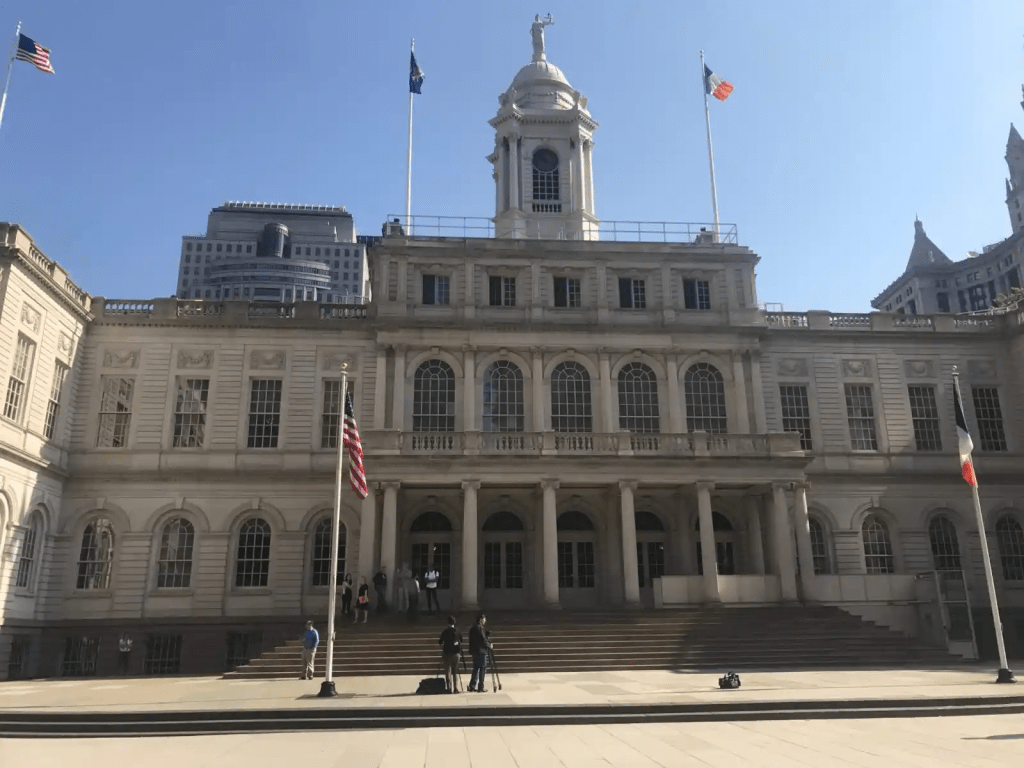
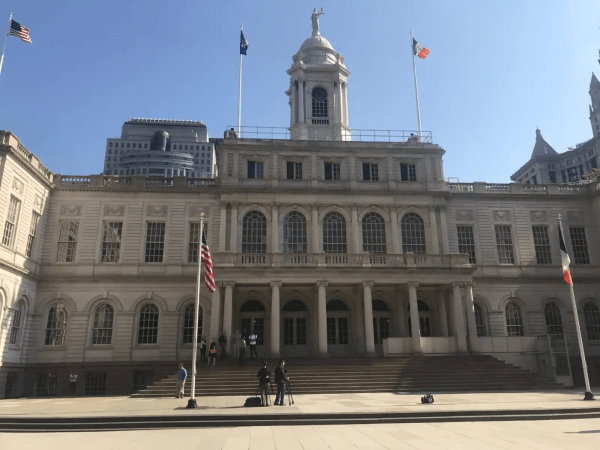
With less than 48 hours remaining in office, outgoing Mayor Eric Adams rolled out a plan to distribute $2 million in what the city is describing as “emergency funding” to 20 organizations serving transgender, gender non-conforming, and non-binary individuals in a bid to counteract federal budget cuts.

The Department of Health and Mental Hygiene will administer the funding across organizations delivering the most pressing community services, including in the areas of health and wellness, legal advocacy, youth and family support, safety and crisis response, community building, and economic empowerment, according to the mayor’s office.

Organizations are eligible to receive up to $92,000, which can be used for staff, travel, supplies, and services — so long as most of the clients are transgender, gender non-conforming, or non-binary.

Organizations seeking to apply for the grant must fill out an application by Monday, Jan. 5 at 5 p.m.

CitizensNYC, a non-profit which helps cut through red tape and act as an intermediary between the city and applicants to disburse city funding to various organizations in a timely manner, is partnering with the city to help facilitate the funding, though the city will ultimately determine which organizations receive it.

The funding follows a tumultuous year during which the Trump administration repeatedly moved to slash funding for LGBTQ community services in New York City and elsewhere.

After President Donald Trump issued several executive orders early this year targeting funding for LGBTQ organizations and other groups, federal agencies warned non-profits that their budgets could be slashed if they served transgender individuals or conducted what officials described as “equity-related” work. Lambda Legal, which led a lawsuit against the Trump administration in February, later won a court order restoring $6 million in funding for nine nonprofits serving LGBTQ people and individuals living with HIV.

In September, the Trump administration announced it was cancelling around $36 million in funding for the city as punishment for its policies protecting transgender individuals — a move that prompted the city to sue the Trump administration.

Most recently, the Trump administration issued multiple proposed rules that would require healthcare providers participating in Medicare and Medicaid programs to stop providing gender-affirming care for youth.

“We saw a need after federal budget cuts, and we are responding to it,” First Deputy Mayor Randy Mastro said in a written statement. “There are essential services at stake for this community. Therefore, it was an imperative for us to take action and fill that need.”

In a written statement, Adams said the city is “putting our money where our values are and stepping up to serve those who need our care.”

Dr. Michelle Morse, the acting city health commissioner, said the federal government’s attacks on trans and gender non-conforming individuals are “unconscionable.”

“Supporting New York’s community organizations that provide lifesaving services and are eligible for the emergency funds is a key part of the Health Department’s commitment to supporting the health and well-being of all New Yorkers,” Morse explained.

The mayor’s announcement comes roughly three months after Adams sparked widespread criticism when he attacked trans-inclusive bathroom policies in a series of comments. At the time, Adams said he opposed what he described as “girls and boys using the same restroom,” saying he would evaluate his “authority” to change laws on that issue, but ultimately conceded he lacked the power to do so.

California Policy on Disclosing Student Gender Identity Blocked by Judge

Read more at Newsweek.

A federal judge in California has struck down a state policy that prevented teachers from informing parents when their child identified as a different gender at school, calling the rule unconstitutional and a violation of parental and teachers’ rights.

U.S. District Judge Roger Benitez, sitting in San Diego, ruled Monday that California’s policy—meant to protect LGBTQ students’ privacy—improperly restricted communication between parents and educators. The decision delivers a major setback to state officials and LGBTQ advocacy groups that had defended the policy as essential to student safety.

Why It Matters

The ruling stems from a 2023 lawsuit filed by Escondido Unified School District teachers Elizabeth Mirabelli and Lori Ann West, who challenged a district policy requiring staff to keep a student’s gender identity confidential from parents. The pair, represented by the Thomas More Society, a religious liberty law firm, argued that the rule forced them to violate their faith and the trust of parents.

The ruling directly conflicts with California’s Safety Act (AB 1955), signed by Governor Gavin Newsom in 2024, which banned schools from disclosing students’ gender identity or pronouns to parents without the students’ consent.

What To Know

In a 40-page opinion, Benitez said the rules “place a communication barrier between parents and teachers” and “harm the child who needs parental guidance.” He added that such policies deprive parents of their 14th Amendment right to direct the care and upbringing of their children and infringe upon teachers’ First Amendment rights.

“Parental involvement is essential to the healthy maturation of schoolchildren,” Benitez wrote, according to Courthouse News Service. “California’s public school system parental exclusion policies place a communication barrier between parents and teachers… That, this court will not do.”

Benitez’s ruling also issued a permanent injunction, blocking school districts from reinstating similar “gender secrecy” policies. He acknowledged the state’s intent to protect LGBTQ youth from possible abuse or rejection at home but concluded that the policy was overly broad and not narrowly tailored to that goal.

“When the state drops an elephant in the middle of its classrooms,” he wrote, “it is not a defense to say that the elephants are too heavy to move.”

In his order, Benitez framed the issue as a constitutional matter rather than a cultural one.

“Historically, school teachers informed parents of physical injuries or questions about a student’s health and well-being,” he wrote. “But for something as significant as a student’s expressed change of gender, California public school parents end up left in the dark.”

The decision intensifies a legal and political struggle over how schools handle issues of gender identity. Supporters of the Safety Act cited Centers for Disease Control and Prevention data showing that about 25 percent of transgender youth attempted suicide in 2023, underscoring the risks of forced disclosure. LGBTQ groups, including the American Civil Liberties Union and Equality California, have argued that involuntary outing can lead to family rejection, homelessness or self-harm.

Conservative lawmakers and parental rights groups have opposed such secrecy policies. Tech executive Elon Musk also criticized California’s gender identity disclosure law, saying it was among the reasons he decided to move the headquarters of SpaceX and X (formerly Twitter) from California to Texas.

What People Are Saying

Elizabeth Mirabelli and Lori West, in a joint statement shared on Monday: “We are profoundly grateful for today’s ruling. This has been a long and difficult journey, and we are humbled by the support we’ve received along the way. We want to extend our deepest thanks to Thomas More Society and to everyone who stood by us, prayed for us, and encouraged us from the very beginning.”

California State Senator Scott Wiener, on X days before the ruling: “I’ve passed some of the strongest protections for trans people in the country—from safeguarding gender-affirming care to protecting youth and families fleeing hostile states. As the federal government ramps up its attacks, I will always stand between trans people and harm.”

What Happens Next

The California Attorney General’s Office has not said whether it will appeal the ruling to the Ninth Circuit. For now, the court’s decision halts enforcement of policies that restrict teachers from sharing students’ gender information with parents across California’s public schools.

Malaysia’s LGBTQ Community Lives In Fear As Raids Drive Them Underground

Read more at South China Morning Post.

In Chow Kit, a crowded district of Kuala Lumpur forever caught between progress and prejudice, Amy* moves quietly through narrow alleys – a transgender outreach worker tending to lives the city prefers not to see.

Her evenings begin with small rituals: a backpack filled with condoms, test kits and pamphlets; a quick text to let her friends know that she is safe.

Then, when she steps out, much of her work happens in passing conversations – careful not to draw too much attention.

“The girls know they’re high-risk,” Amy said of the transgender sex workers she visits. “They want to stay healthy. But also … they just want to live.”

Yet even basic healthcare work can feel dangerous when you’re constantly looking over your shoulder. And furtiveness comes naturally if your very existence can be construed as a crime. Some of the women worry about being seen entering clinics for fear of who might recognise them.

“When people are scared to be seen, they stop showing up,” Amy told This Week in Asia. “Fear doesn’t just affect our lives; it affects public health.”

Malaysia does not legally recognise LGBTQ identities. Same-sex relations are federally banned under colonial-era anti-sodomy legislation, while parallel Islamic laws in Muslim-majority states prohibit cross-dressing and “posing” as another gender.

Such laws are often used not to intimidate as much as to prosecute. Over the years, Amy has watched how enforcement ebbs and flows – and how it always seemingly comes back stronger.

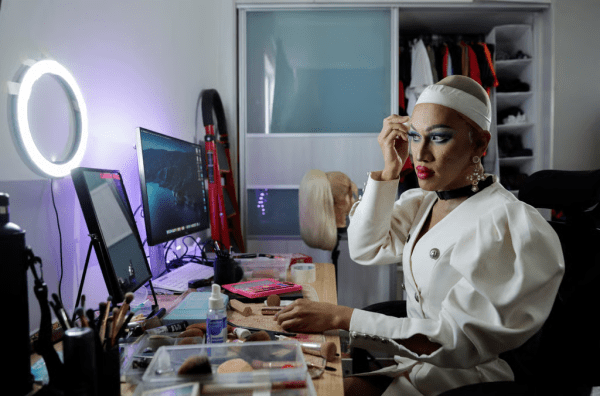
Few know that cycle better than Erina*, 55, a transwoman who spent decades performing in Kuala Lumpur’s drag circuit. She remembers when the scene was small but defiant, when glitter and high heels meant joy instead of danger.

“There was a time when we could perform without constantly looking over our shoulders,” she said. “It wasn’t easy, but there was space. That space has shrunk.”

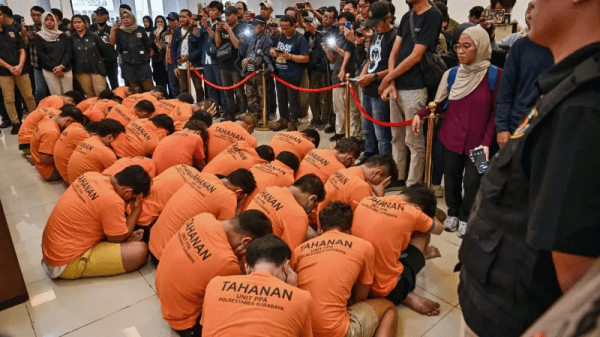
The contraction feels literal now. Venues where she once worked have closed. Others stopped booking drag performers, terrified of raids. The most recent ones, on November 28 and 29, still ripple through the LGBTQ community. Police and religious officers stormed two men-only spas in Chow Kit and Penang, detaining hundreds.

It was the largest crackdown on queer spaces since a Halloween-themed party raid in 2022, activists say.

‘Shells of people’

Police later released the men who were rounded up in Kuala Lumpur, saying they had found no evidence of exploitation, coercion or “abnormal sexual activity”. Muslim detainees remained under investigation by Islamic authorities, however.

In Penang, the spa owner was fined 8,000 ringgit (US$1,960) after pleading guilty to owning obscene material and exposing others to HIV. Several other men were charged with offences ranging from gross indecency to possessing pornography.

For the community, the raids came as a shock. “People are now more afraid to go out,” Erina said. “Honestly, we’re not asking for special treatment … we’re asking to live without fear.”

Community groups rallied in support of the detainees. Members of Jejaka – a network supporting gay and bisexual men in Malaysia – gathered outside the police station in Kuala Lumpur where the men were being held, joined by volunteers, lawyers and family members calling for their release. They also pooled resources to provide legal aid, food and temporary housing.

In a statement, the group condemned the raids, arguing that the law used to justify them was “a relic of colonial morality” wielded to “target, stigmatise and endanger LGBTQ communities”.

“People are hiding,” said Pang Khee Teik, co-founder of LGBTQ organisation Seksualiti Merdeka (Sexuality Independence). Discriminatory laws had reduced members of the community to “shells” of people who “are navigating life with constant vigilance”, he said.

“It’s very sad to see that this is what we have done to our fellow Malaysians in the name of protecting ‘morality’.”

Amir*, a gay man in his twenties, remembers the brief sense of liberation he felt dancing in a club before what he called “the infamous raid”.

“It felt empowering,” he told This Week in Asia. “For a moment, I forgot I was in Malaysia. That’s how free it felt.”

Now, such gatherings are invite-only, with locations shared selectively through personal networks, often at the last minute. Amir says he has stopped going after the raids.

“This is Malaysia,” he said. “Hatred towards the LGBTQ community isn’t just normalised, it’s encouraged.”

Upholding morality

Authorities insist enforcement actions are necessary to uphold public morality. Days after the raids, members of the Malay nationalist group Pekida gathered outside one spa, plastering stickers and planting banners describing the venues as “immoral”.

Home Minister Saifuddin Nasution Ismail later said Malaysia might “revisit” certain provisions of its Penal Code, but only in ways consistent with “religious and moral values”.

Prime Minister Anwar Ibrahim has ruled out legal recognition of LGBTQ rights during his tenure.

Advocates say the result of the crackdown has been a deepening atmosphere of fear. In June, police raided what NGOs said was an HIV awareness event in Kelantan, calling it a “gay sex party”. Authorities have also cracked down on cultural symbols, seizing rainbow-themed Swatch watches and banning books deemed to “promote” LGBTQ lifestyles.

Through it all, Amy keeps walking her route through Chow Kit, never knowing when the next knock on a clinic door might provoke suspicion, or when a familiar face might vanish for weeks.

*Name changed to protect interviewee’s identity

Texas unveils “tip line” to report & send pictures of suspected trans women using the restroom

Read more at LGBTQ Nation.

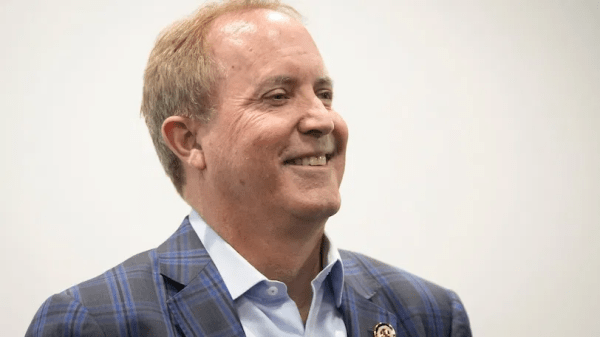
Texas’ virulently anti-trans attorney general, Ken Paxton (R), has launched a tip line that allows people to report on suspected trans people they believe are violating the state’s new bathroom ban.

In a statement announcing the tip line, Paxton said the Texas Women’s Privacy Act – which requires people in public buildings to use bathrooms based on sex assigned at birth – “was passed to ensure that women and girls in Texas are protected from mentally ill men wanting to violate their basic right to privacy.”

“It’s absolute insanity that action like this is even needed,” he claimed, “but unfortunately, in the day and age of radical leftism, it is.”

In reality, research has shown no evidence that allowing trans women access to single-sex spaces like bathrooms poses a safety risk to cisgender women.

In fact, forcing trans people to use facilities that do not align with their gender identity can result in “high rates of harassment and violence against transgender people as well as cisgender people, particularly women who do not conform to traditional ideas of femininity,” according to the Movement Advancement Project. A 2021 study from UCLA’s Williams Institute found that trans people are four times more likely than cis people to be victims of violent crime.

Nevertheless, the enactment of the legislation marks the culmination of a 10-year effort by Texas Republicans. The law does not allow an individual to be punished or fined by the state; rather, it fines the institution that allowed the infraction $25,000, plus an additional $125,000 per day for additional violations.

The law also requires the attorney general’s office to investigate complaints, but first, complaints must be filed with the accused agency. “Together, we will uproot and bring justice to any state agency or political subdivision that opens the door for men to violate women’s privacy, dignity, and safety,” Paxton said.

Paxton’s tip line requires folks to submit the original complaint that was filed with the accused agency in addition to filling out the online form and providing “evidence” that a trans person used the restroom. Perhaps most concerning, it also includes an option to submit up to five photos, even though taking pictures in restrooms is illegal.

Brian Klosterboer, senior staff attorney for the American Civil Liberties Union of Texas, said the tip line “wrongly encourages Texans to violate each other’s privacy in bathrooms.”

“The Attorney General has tried for years to vilify and dehumanize transgender Texans,” Klosterboer said, “but he can’t strip away every person’s right to privacy and right to live our lives free from gender stereotyping.”

Critics of the law have worried that it will spark violent over-policing by the institutions at risk of these massive fines. This policing will affect both trans and cis people who don’t fit strict gender norms.

The law has already been used in ways that lawmakers may not have intended. Students at the University of Texas San Antonio (UTSA), for example, are being forced out of their current dorm rooms and made to relocate because of the ban.

At UTSA, mixed-gender dorms include pairs of rooms separated by a shared bathroom; often, those rooms are occupied by people of different genders. Any students sharing a bathroom between their rooms with someone of a different sex assigned at birth are being forcibly rehoused to comply with the new law.

On December 6, transgender protestors with a group called the 6W Project visited the Texas Capitol and attempted to use the restrooms that aligned with their gender identities to make a point about the lack of enforcement mechanisms in the law.

At first, they easily entered the bathrooms of their choice, then proceeded to give speeches in the Capitol Rotunda, The Texas Tribune reported. But when they attempted to use the restrooms a second time, officers stopped them and asked to see their IDs.

Officers claimed in a statement that the ID requests were voluntary, though those who did not show their IDs were barred from entering the bathroom. The officers did allow two trans women with female markers on their IDs to enter the women’s restrooms. Officers also reportedly only guarded the women’s restroom and not the men’s.

“I think that the Texas government just established that they have no consistent enforceable standards for this law,” protester Matilda Miller told the Texas Tribune.

“What we did was not radical, it was not profound,” added 6W Project co-founder Ry Vazquez. “People use the restroom every day in a public setting, and for it to become what it is now, where it is now an active threat to someone who is not prepared, is utterly abysmal.”

House passes bill criminalizing gender-affirming care for minors

Read more at CNN.

The House on Wednesday voted to pass a bill that could imprison health care providers for providing gender-affirming care for minors.

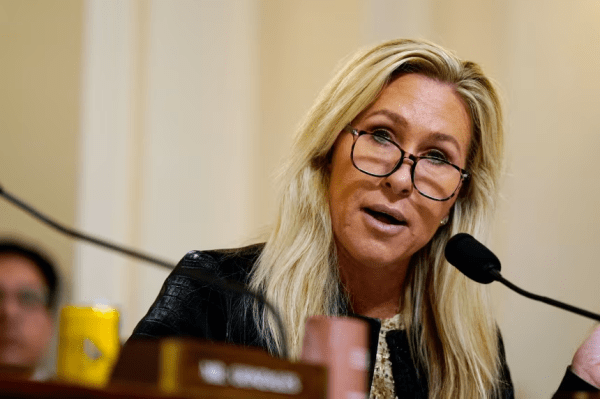
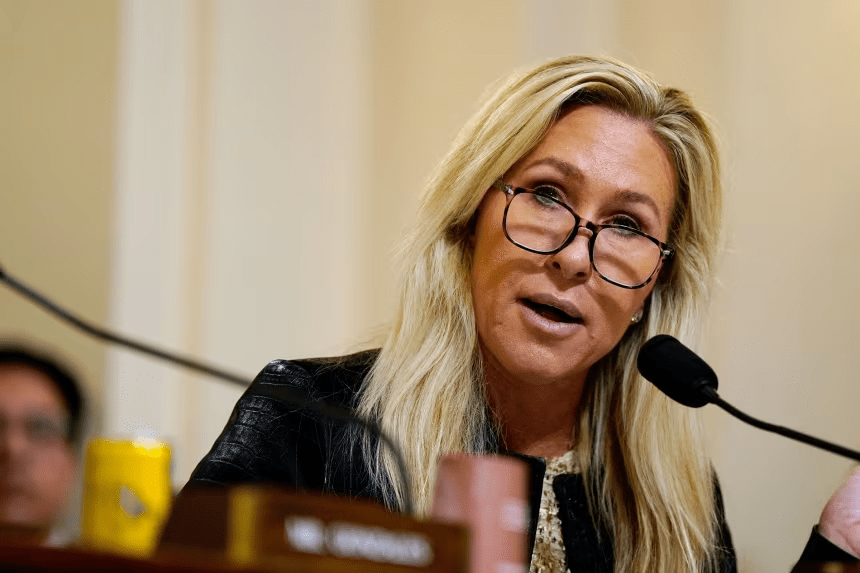
The bill — titled the “Protect Children’s Innocence Act” and sponsored by Rep. Marjorie Taylor Greene of Georgia — would make it a class C felony to treat minors with gender-affirming care like surgeries and puberty blockers. If enacted, the bill could imprison doctors who provide such care for up to ten years.

It’s unclear whether the GOP-led Senate will take up the measure, though it is unlikely it would get enough Democratic support to pass out of that chamber.

The House vote was 216-211. Three Democrats supported the measure, while four Republicans were opposed.

Greene said last week she secured floor consideration of her bill as part of a deal with leaders who wanted her to drop her opposition to advancing a critical defense policy bill.

Civil rights groups including the American Civil Liberties Union described Greene’s bill as “the most extreme anti-trans legislation ever considered by Congress.”

Ahead of the vote, Democratic Rep. Sarah McBride criticized congressional Republicans as being “obsessed with trans people.”

“I actually think they think more about trans people than trans people think about trans people,” said McBride, who is the first out transgender member of Congress.

“They are consumed with this, and they are extreme on it,” the Delaware Democrat added.

A second bill, sponsored by GOP Rep. Dan Crenshaw of Texas, prohibits federal Medicaid funding for “gender transition procedures for minors.” The House is expected to vote on that bill on Thursday.

McBride said Wednesday that Republicans were “trying to politicize a misunderstood community and misunderstood care.”

“No one’s healthcare should be politicized,” she said.

Pam Bondi Directs FBI to Offer Cash Bounty for Promoters of “Radical Gender Ideology”

Read more at Them.

The Justice Department has instructed the Federal Bureau of Investigation to crack down on supposed “domestic terrorist” organizations, the definition of which includes those who promote “radical gender ideology.” Part of that crackdown involves the establishment of a cash reward system for providing information on leaders of so-called “domestic terrorist organizations.”

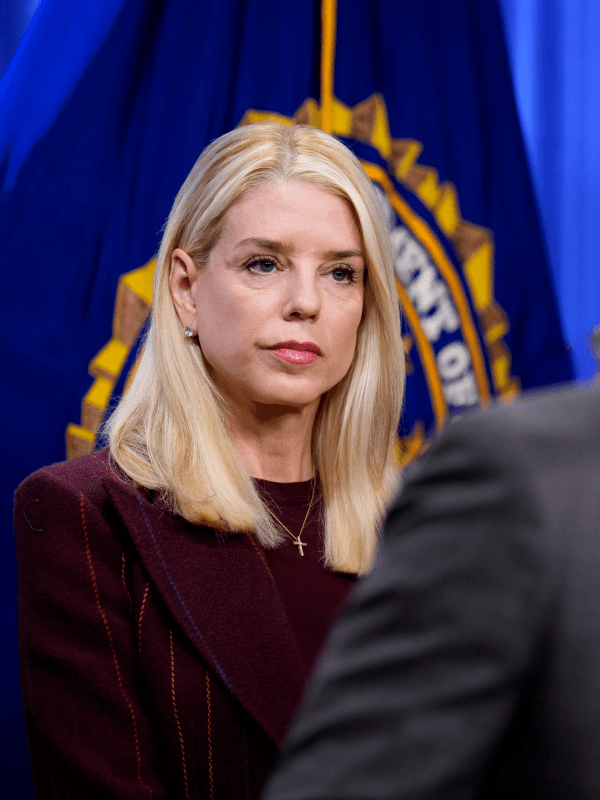
U.S. Attorney General Pam Bondi issued a memorandum to federal prosecutors and law enforcement agencies on December 4, in accordance with NSPM-7, President Donald Trump’s September directive ordering the investigation of “domestic terrorist” organizations. At the time, NSPM-7 did not come with any enforcement mechanisms; Bondi’s memo provides specific instructions to prosecutors and law enforcement agencies.

The Bondi memo was leaked on December 8, and on Tuesday, LGBTQ Nation first reported on the fact that the memo includes “radical gender ideology” as part of its definition of “domestic terrorism.” In additional to “radical gender ideology,” the memo also defines potential domestic terrorist ideologies as “extreme views in favor of mass migration and open borders… anti-Americanism, anti-capitalism, or anti-Christianity… hostility towards traditional views on family, religion, and morality,” and more. Under the Trump administration, “radical gender ideology” has been used as a catchall phrase to encompass issues related to trans and nonbinary communities.

The memo encourages prosecutors to “be particularly mindful of the potential applicability” of charges such as “picketing or parading with intent to obstruct the administration of justice,” “obstruction during civil disorders,” and “providing material support for terrorist activity.” In other words, the memo encourages prosecutors to press charges against certain forms of protest, or for providing supposed aid to organizations that promote what the government is now defining as “terrorist activity.”

The material support statute, in particular, has been used to significantly hinder the work of humanitarian groups, and has been widely criticized for prohibiting free speech. According to the ACLU, material support is defined as any “service,” “training,” “expert advice or assistance,” or “personnel” — an incredibly vague definition that has been used to surveil people and groups without basis since the implementation of the Patriot Act in 2001. Contemporarily, Hina Shamsi, the director of the ACLU’s national security project, wrote about the worrying implications of NSPM-7 on the ACLU’s website in October, stating, “If anyone needed proof that ‘terrorism’ and ‘political violence’ are slippery and fraught categories subject to political, ideological, and racial manipulation and bias — well, this is it.”

The Bondi memo also specifically instructs federal law enforcement agencies to “review their files and holdings for Antifa and Antifa-related intelligence,” and deliver those materials to the FBI within 14 days of its issuance. The FBI is also set to “compile a list of groups of entities engaged in acts that may constitute domestic terrorism” within 30 days of issuance. The FBI will also “disseminate an intelligence bulletin on Antifa and Antifa-aligned anarchist violent extremist groups,” including information on “structures, funding sources, and tactics.” Lastly, the memo directs the FBI to better publicize its domestic terrorism tip line, and will “establish a cash reward system for information that leads to the successful identification and arrest of individuals in the leadership of domestic terrorist organizations.”

The language contained in the Bondi memo is reminiscent of that found in a September report from independent journalist Ken Klippenstein. In the report, two anonymous national security experts claimed that the FBI intended to categorize trans people as “Nihilistic Violent Extremists,” a threat category that was created earlier this year. The FBI defines “Nihilistic Violent Extremism” as “criminal conduct… in furtherance of political, social, or religious goals that derive primarily from a hatred of society at large and a desire to bring about its collapse by sowing indiscriminate chaos.” This also ties neatly into the ongoing right-wing attempts to scapegoat trans people for mass shootings and other forms of gun violence, including the assassination of Charlie Kirk.

Notably, all of the federal government’s messaging about “domestic terrorism” ignores the fact that the vast majority of research points to the fact that the bulk of domestic terrorists in the U.S. are aligned with the right-wing.

Trump administration attacks LGBTQ asylum seekers

Read more at Out in New Jersey.

The Trump administration has set a cap of just 7,500 refugee admissions for 2026, a 94% reduction from the Biden administration’s 125,000-person target, according to a Presidential Determination published Oct. 31 in the Federal Register. A new report from UCLA’s Williams Institute warns the cuts will disproportionately harm LGBTQ refugees worldwide.

At least 62 countries currently maintain laws criminalizing consensual same-sex activity. Thousands of vulnerable individuals face extended waits in dangerous transit countries, according to the report.

LGBTQ refugees encounter unique obstacles under the reduced cap. Many are single adults who fled family persecution and lack reunification pathways that prioritize other refugees. Officials sometimes fail to recognize persecution based on sexual orientation or gender identity, while refugees may fear disclosing their status. Extended waits create economic vulnerability, forcing many into exploitative work situations.

“The lack of reliable data on LGBTQI+ refugees makes the impact of this new cap even harder to measure,” Ari Shaw, director of international programs at the Williams Institute, said in a news release. “Without accurate data, policymakers and service providers cannot fully assess or respond to the needs of LGBTQI+ refugees.”

The Trump administration has not yet appointed a special envoy for LGBTQ rights, eliminating a key referral pathway established under Biden for at-risk individuals, according to the report.

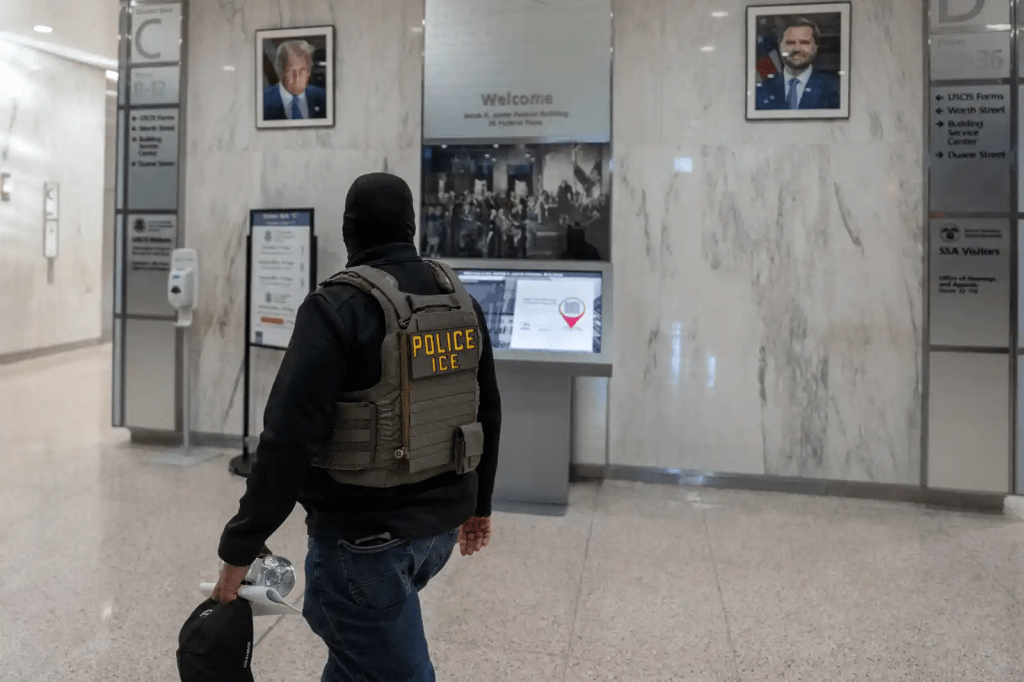
LGBTQ immigrants face more asylum rejections, though some still win cases

Read more at Gay City News.

In the midst of the Trump administration’s attacks on both the LGBTQ community and immigrants, the non-profit organization Immigration Equality is working to ensure that queer asylum seekers and refugees have access to legal services.

Immigration Equality, which has represented LGBTQ immigrants since it was founded in 1994, has been a haven for individuals who come from countries where they are persecuted for their identity. They offer both direct representation and a program where asylum seekers’ cases are vetted and matched with pro-bono lawyers. 

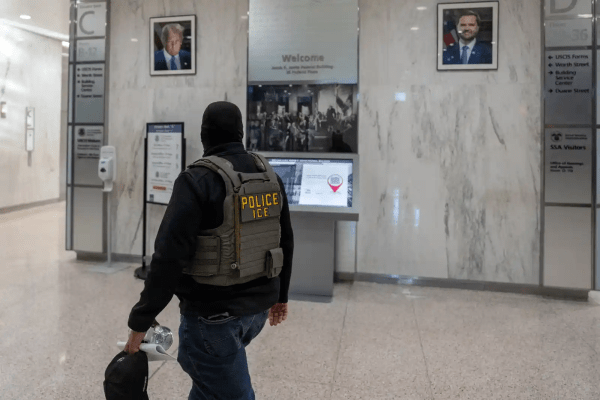
But since the Trump administration’s recent attacks on immigrants, the process of filing these individuals’ cases and fighting for their safety has become significantly more difficult. Immigration Equality’s director of law and policy, Bridget Crawford, noted in an interview with Gay City News that Trump has been attacking all cases, not just a certain few. 

“A lot of what the Trump administration seems to be focused on is not efficient, fair adjudication of claims,” she said. “It seems to be focused on eliminating the claims altogether and preventing people from making them, or quickly dispensing with them without due process.”

Alongside blocking initial claims from being made and removing more than one-third of immigration judges, the appellate courts are also shifting their decisions to move less favorably toward immigrants, despite many of these cases having overwhelming evidence that they meet the requirements for refugee status and protection. 

All of these obstacles have resulted in an uptick in Immigration Equality’s cases being denied, and these issues are being further inflamed after Trump recently announced the pause of many immigrant cases, following the shooting of two West Virginia National Guard members. 

But Crawford made sure to note that despite these hardships, Immigration Equality is still winning cases.

“We still have many people, both trans and LGB, who are successful in their claims,” she said. “The reality is that under the law, as it is written, and the precedent as it’s been established for decades, these are very strong claims — people continue to win because they meet the definition of asylum under our law.”

These policies have invoked fear in immigrants pursuing a case, as they are scared of not having their case heard and fear showing up for their case and being put into detention centers, despite following all the correct procedures. Being LGBTQ amplifies this fear.

“As an LGBTQ+ advocacy organization, we have long witnessed mistreatment of our population in the immigration detention system,” Crawford said. A 2024 report published by Immigration Equality revealed that under both Democratic and Republican administrations, there were consistent reports of “sexual harassment, verbal and sexual abuse, physical abuse, prolonged solitary confinement, and inadequate medical care.”

The few protections that were in place to prevent this abuse have gradually been gutted, according to Crawford. These included internal watchdog agencies like the Civil Rights Civil Liberties (CRCL). In the past, if someone filed a complaint of mistreatment, it would be investigated by these internal agencies. Recently, though, these complaints have not been looked into. 

Against the backdrop of the Trump administration’s restrictive immigration policies, the work of Immigration Equality is  their clients find hope in them, Immigration Equality finds hope in its clients.

“They are the reason we all went into this work in the first place,” said Crawford. “We have these incredible stories of bravery and perseverance that serve as a source of inspiration for all of us. So many of our clients have survived so much worse, and we look to them for a sense of perspective.”

Blog at WordPress.com.

Up ↑