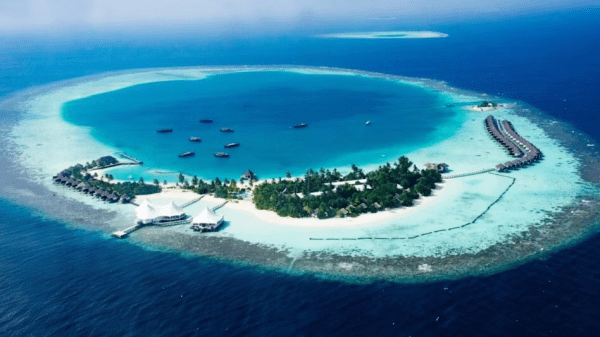
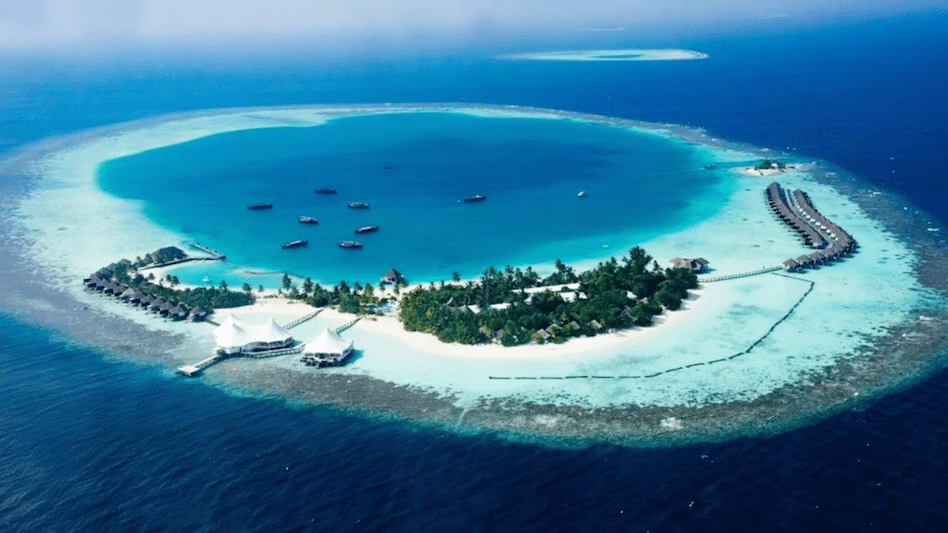
In a bid to attract high-value global investors and reduce its reliance on tourism, the Maldives has launched its first-ever investor visa program, allowing foreign nationals to secure long-term residency through investment in premium real estate.
The agreement to establish the program was signed with Henley & Partners during the Maldives–Singapore Business Forum 2025, held on Sentosa Island. It aligns with President Dr. Mohamed Muizzu’s Vision 2040 strategy to build a resilient and diversified economy.
Real estate at the core of the new residency route
Under the new scheme, investors will be granted long-term residence in return for investment in approved real estate projects. The program will be backed by a strict due diligence process to ensure only reputable and eligible applicants are accepted, with final approvals resting with the Maldivian government.
Henley & Partners, which has designed similar programs globally, will advise the government on policy structure, compliance, and implementation. The firm has facilitated over USD 15 billion in foreign direct investment worldwide.
“The residence by investment program will provide state-of-the-art properties with the utmost privacy and exclusivity,” said Philippe Amarante, Managing Partner and Head of Government Advisory EMEA at Henley & Partners. “As a safe, stable, and peaceful island nation, the Maldives presents the ultimate hedge against geopolitical conflict or global pandemics.”
Government aims for long-term economic impact
Economic Development and Trade Minister Mohamed Saeed said the program aims to position the Maldives not only as a top-tier travel destination but also as a long-term investment hub.
“With this program, we aim to extend that legacy to discerning global investors who see value in our people, our potential, and our future,” said Saeed.
The government expects the initiative to stimulate growth in hospitality, services, and infrastructure, while supporting job creation and financial stability.
Henley & Partners will help finalise the policy framework and real estate listings. The program is expected to launch once regulatory approvals are in place.
There are many reasons to fall in love with Puerto Vallarta. For me, it was the sunsets, the jungle-lined beaches, the food scene and a beauty that goes much deeper than just the beach. But ask a queer traveler why Vallarta stands apart, and you’ll likely hear something more personal. They may tell you it feels like coming home.
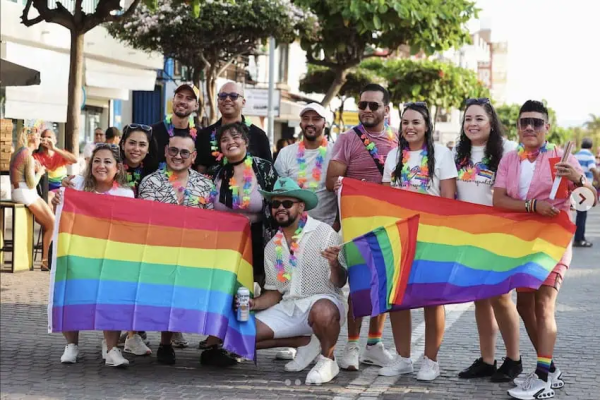
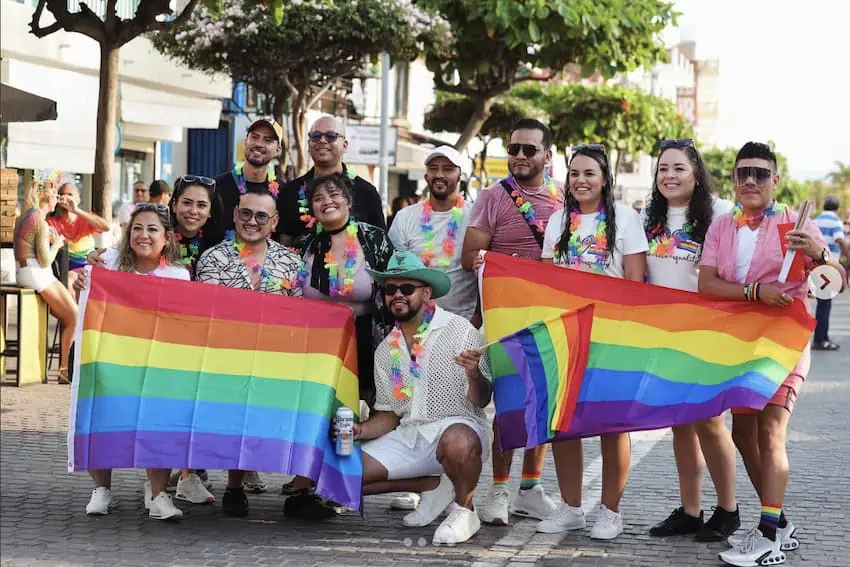
Today, Puerto Vallarta is recognized as the LGBTQ capital of Mexico, a place where rainbow flags hang as proudly as the bougainvillea spilling over the balconies. The city’s Zona Romantica neighborhood is a full-blown “gayborhood,” buzzing with queer-owned cafes, boutique hotels, beach clubs and late-night dance floors. But the path to queer paradise didn’t appear overnight. It was carved by decades of quiet courage, community resilience and one very big Pride parade.
According to Javier Jiménez, president of Vallarta Pride, the turning point came in the late 1990s, when LGBTQ immigrants began arriving in large numbers, particularly from San Francisco and Los Angeles. “Along with the LGBTQ community, they began looking for safe and friendly places to meet,” he says. “Bars like Balcones and Paco Paco became social hubs for the community.”
Then came the tipping point: the 2002 opening of Blue Chairs, Mexico’s first openly LGBTQ hotel. Blue Chairs was more than just a place to sleep. It was a declaration that queer travelers belonged here. “From that moment on, says Jiménez, “Puerto Vallarta took firm steps toward becoming the best LGBTQ destination in Mexico and Latin America.”
Early entrepreneurs like Francisco Ruíz, John Crocket Moore, Frank Muts and the Greys — Gregory and Don — were instrumental in building the infrastructure for a thriving queer economy in nightlife, hospitality, arts and tourism. These business ventures were acts of defiance and vision.
“They showed the rest of the population that this was a present and active community that contributed to the economy and the destination’s promotion,” says Jiménez.
The numbers back it up. What began as a handful of LGBTQ bars has blossomed into more than 50, according to the Puerto Vallarta Tourism Board. The first Vallarta Pride parade had 40 participants and three floats. Jiménez says today there are more than 2,000 people and 50 floats that roll through the street each year. What was once a niche tourism segment has become a main engine of Vallarta’s economic lifeblood.
“It is estimated that 40 cents of every peso comes from the community,” Jiménez adds. LGBTQ tourism has also spurred a boom in construction, particularly in the southern part of the city. Condo towers, boutique hotels and mixed-use developments have transformed the skyline, many of them funded, owned or designed with queer travelers in mind.
But Vallarta’s queer identity goes deeper than hotel rooftops and themed parties. Though, let’s be real; the White Parties and Bear Week go off. There’s a thriving ecosystem of queer artists, chefs, activists, and business owners who keep the cultural heart beating. Galleries line the streets of Zona Romantica. Activists rally behind causes from HIV awareness to trans rights. The local Pride committee is run by a coalition of community leaders who live here year-round.
“Beyond nightlife, the LGBTQ community in Puerto Vallarta finds countless art galleries, a vast and exquisite gastronomic offering and tours to the rivers and mountains,” says Javier Jiménez. “It also boasts strong local activities that have forged a strong and proud community.”
A big part of what makes Vallarta unique is its sense of welcome, and not just for tourists. Locals, says Jiménez, have embraced the queer community, both socially and economically. “In general, the people of Puerto Vallarta are very friendly and open-minded,” he says. “Perhaps also helped by the community’s contribution to the city’s development.”
Still, travelers should be aware that even paradise has its risks. In recent months, the U.S. Consulate General in Guadalajara confirmed several reports of U.S. citizens being kidnapped after meeting individuals on dating apps in the Puerto Vallarta and Nuevo Nayarit areas. In some cases, victims and their families were extorted for ransom. While these incidents are deeply concerning, it’s important to note that similar crimes have occurred in cities around ht world. Caution is always advised when meeting strangers, particularly in unfamiliar places. Meet in public, let someone know where you’re going, and trust your instincts whether you’re in Vallarta, Berlin or Bangkok.
Of course, nowhere is without its blind spots. Jiménez is quick to point out that even in a place as seemingly inclusive as Vallarta, progress must be guarded. “Based on recent examples like what is happening in the U.S., where the LGBTQ community believed its rights were secure and these have recently been diminishing, the community must remain present,” he warns. “Defending what it has achieved, and actively participating in political and social spheres.”
Still, for first-time queer travelers, Puerto Vallarta offers freedom without fear. From wedding ceremonies on the beach, a sunset cocktail at Mantamar, or simply holding hands while strolling the Malecon, there’s a feeling here that is easy to recognize. It’s safety. It’s joy. It’s family.
And that’s the thing about Puerto Vallarta. You come for the views, the food and the party. At least, I did. But I, like so many others from all walks of life, stay because Puerto Vallarta feels like you’ve found your place in the sun.
Saugatuck and Douglas, also known as “The Art Coast of Michigan,” are neighboring resort towns separated by a mere 1.3 miles. Affectionately known as “Provincetown of the Midwest,” they share the same inclusive vibe, natural scenery, arts culture, and active queer community. They are must-visits for the gay community for romantic weekend escapes, fun vacations, or to just be yourself. Check out our guide to find the most welcoming places and LGBTQ+ friendly experiences in Saugatuck/Douglas.
How to Get There: Planes, Trains, and Automobiles
You know it’s “small town USA” when there are no major airports, train stations, or bus terminals in town. Regardless of how you choose to travel, your time spent in Saugatuck/Douglas is worth every moment of the journey.
Planes: The nearest major airport is Gerald R. Ford International Airport in Grand Rapids, about a 45-minute drive from Saugatuck/Douglas. From the airport, you can rent a car or use a shuttle service.
Trains: Amtrak provides rail services to nearby cities like Holland, which is only a short drive from Saugatuck. From the train station, you can use local transport to reach Saugatuck/Douglas.
Automobiles: Depending upon where you’re traveling from, you may just opt for a road trip. The roads leading to Saugatuck have beautiful scenery, especially the views of Lake Michigan.
Buses: Budget-friendly transportation that allows you to “leave the driving to us,” the closest bus station to Saugatuck/Douglas is in Holland, about a 12 mile drive away.
How LGBTQ+ Welcoming Is Saugatuck/Douglas
Saugatuck/Douglas are small towns with big hearts for the queer community. They are a slice of paradise where everyone is celebrated. These lakeside towns have a knack for making every visitor feel like a local, with their friendly faces and open arms. The idea of LGBTQ+ friendliness is a genuine lifestyle here. The local businesses fly rainbow flags like badges of honor, creating spaces where everyone, regardless of sexual orientation or identity, can just be themselves. Saugatuck/Douglas is where the gay community is a vital part of what makes these towns whole.
Pride Events in Saugatuck/Douglas
Community Pride Care-A-Van Car Parade – It’s a party on wheels! The Community Pride Care-A-Van Car Parade is a rolling rainbow of fun with cars decked out in all the colors of the rainbow, honking and waving as they parade through the streets of Saugatuck in June.
Saugatuck/Douglas Pride Festival – Also called Pride in the Park, this family-friendly event is held in Berry Park in Douglas where the Care-A-Van Parade ends. It has everything from live music and performances to vendors and food. So, put on your dancin’ shoes, have some barbecue, and sip on a cold one as you mix and mingle with the queer community.
History Of Saugatuck/Douglas
Saugatuck/Douglas trace back to the early 19th century when they were first settled by Europeans. Originally known as Kalamazoo Village, the towns were significant ports and lumbering centers on the Kalamazoo River. In the late 1800s, Saugatuck/Douglas became notable resort towns, attracting visitors with their Lake Michigan beaches and dune landscapes. Over time, the towns’ focus shifted from industry to tourism and the arts. Today, these coastal towns are celebrated for their inclusive and diverse communities, making them welcoming destinations for queer travelers.
Photo by Canopy Gap from Unsplash
LGBTQ+ Friendly Places to Stay in Saugatuck/Douglas
Quaint bed and breakfasts, cozy cottages, boutique hotels, or rustic cabins, whatever accommodations suit your fancy, there are plenty of choices for the LGBTQ+ traveler. Check out some of our favorites.
The Lakeshore Resort– The Lakeshore Resort has easy access to the beach for sunbathing or taking a swim in Lake Michigan. With its comfortable cabins and rooms, barbecue and picnic areas, it’s a great choice for a laid-back, beachy vacation, and lakeside fun at its finest.
The Kirby Hotel– Historic charm and modern luxury collide at the Kirby Hotel, offering a chic and comfortable stay. Stylish décor and welcoming feel, make it a favorite for adding a touch of elegance to a getaway. Located in the heart of Saugatuck, it’s an ideal spot for exploring the town’s artsy vibe.
Hidden Garden Cottages & Suites– Looking to kick back after a day of Saugatuck adventures? Hidden Gardens Cottages and Suites is set among beautiful gardens, making it feel like a secret spot just waiting to be discovered. Unique, quirky charm is its hallmark, creating a relaxed, homey space.
Saugatuck Retro Resort– The Saugatuck Retro Resort takes you on a nostalgic trip with its fun, vintage-themed touch. Colorful décor, classic cars, and a throwback atmosphere make it a must if you love a “blast from the past.” Featuring a cool, retro pool area it’s perfect for lounging and soaking up the sun old-school style.
Recommended Restaurants In Saugatuck/Douglas
Known for its fresh, locally-sourced seafood and iconic Michigan fruit pies that are a must-try, Saugatuck/Douglas is a foodie’s delight. Whether you’re in the mood for a casual, al fresco lunch at a café or a sophisticated dinner at an upscale restaurant, Saugatuck’s culinary scene has it all. Here are some of our favorite spots to find exactly what you’re in the mood for.
Coast 236 – Coast 236 is breezy, beach-inspired dining that’s both fun and relaxing. The menu, featuring fresh and locally-sourced ingredients, brings a taste of the seaside right to your table. If it’s a sunny lunch or a romantic dinner, Coast 236 serves up yummy dishes.
The Belvedere Inn & Restaurant – With a menu that’s a seasonal, creative fusion of local and international flavors, The Belvedere Inn & Restaurant is a food lover’s paradise. The atmosphere is upbeat yet intimate, perfect for both a quiet dinner or gathering with friends.
Scooter’s Café & Pizzeria – Scooter’s Café & Pizzeria is a great spot for lunch, dinner, or grabbing late-night bites and drinks. Their specialty is hand-tossed pizzas, but the menu doesn’t stop there. It also includes pasta, wings, salads, sandwiches, and more, all available for takeout or free delivery.
Photo by Documerica from Unsplash
Things To Do & See In Saugatuck/Douglas
Saugatuck/Douglas are artsy towns, with galleries and studios where you can admire or purchase local art. They’re also beach towns where you can indulge in water activities like sailing, fishing, or just lounging on their beautiful beaches. Whatever your pleasure, you can find it here. Here are some of our favorites.
Saugatuck Dune Rides – Buckle up for a bumpy, laughter-filled ride as you explore the scenic sand dunes of Saugatuck with fun and knowledgeable guides. It’s a mix of natural beauty, local history, and a dash of excitement, perfect for families and thrill-seekers alike.
The Star of Saugatuck Boat Cruise – Aboard this paddlewheel boat, you glide along the river, soaking up the sun and the breeze. The cruise has scenic views and light-hearted narration that adds fun to the journey, making it a nice mix of relaxation and discovery.
Saugatuck Center for the Arts – Explore art exhibits, enjoy live shows from concerts to plays, and participate in interactive workshops where art and performances come to life. It’s the go-to place to experience the local arts scene.
Oval Beach – Named one of the Top 25 Beaches in the World by Condé Nast Magazine, Oval Beach is where the gay community comes together to sunbathe and socialize. OutTraveler rated it the fourth best Inland Gay Beach in the country.
Where To Shop & Stroll In Saugatuck/Douglas
Shopping and strolling blend seamlessly into one enjoyable experience. With the towns’ compact, walkable streets lined with all kinds of shops, galleries, and cafes, Suagatuck/Douglas caters to all of your whims.
Downtown Saugatuck – The streets of downtown are rows of boutiques and galleries, each with its own character. It’s easy to spend a day exploring these shops, where you can find everything from local art to souvenirs.
Butler Street– On Butler Street, you find shops that are as unique as the town itself. Local art takes center stage in small galleries, and specialty stores have everything from artisanal foods to handcrafted jewelry. The street has a small-town charm, where shopping feels like a stroll through a friendly neighborhood.
Saugatuck Antique Pavilion – Take a walk down memory lane through 24,000 square feet of the Saugatuck Antique Pavilion that’s loaded with throw-back goodies, from old-school vinyl records to classic furniture, and everything else you can imagine. When you’re finished, you can head next door to the Saugatuck Brewing Company for a cold beer.
LGBTQ+ Bars, Clubs and Nightlife In Saugatuck/Douglas
No visit to Saugatuck/Douglas is complete without experiencing a few of the many LGBTQ+ friendly bars and nightspots where everyone is welcomed.
The Dunes Resort – When you’re ready to let your hair down and cut loose, The Dunes Resort in Douglas, is where gay meets Studio 54, and you can “dance like nobody’s watching.” Drag shows and themed parties add to the fun, for a crowd that’s ready to party.
Guardian Brewing Company – At Guardian Brewing Company, every visit is an adventure in craft beer tasting, with a constantly changing lineup of unique brews. This LGBTQ+ owned brewery pairs a casual, friendly vibe with a passion for innovative beer-making. It’s a great spot to chill, chat, and drink a cold one.
Photo by Krystal Fuller from Unsplash
Annual Events and Festivals in Saugatuck/Douglas
Like many small towns, Saugatuck/Douglas likes to celebrate the things they’re famous for through their annual events and festivals. Here are some of the best.
Venetian Festival – Saugatuck’s summer highlight, featuring boat parades and a festival, the Venetian Festival buzzes with live music, games, and food stalls, making it a feast for the senses. The town comes alive with a party-like atmosphere for this waterfront celebration
Saugatuck Film Festival – Showcasing films from local and international filmmakers, the Saugatuck Film Festival is a major draw for movie buffs. With screenings, discussions, and the chance to mingle with filmmakers and fellow film lovers, it’s a great way to experience the world of cinema.
Art in Douglas Fall Gallery Stroll – Local galleries open their doors for a night of art exploration and appreciation. The event combines art viewing with casual strolls around town, often complemented by light refreshments and the chance to meet the artists.
Explore Saugatuck/Douglas and Discover Your Ultimate Queer Escape
For the LGBTQ+ traveler, the towns of Saugatuck and Douglas are more than just a getaway, they provide a space to celebrate and be yourself, surrounded by a community that embraces diversity. Each day is an opportunity to create new memories in a setting that feels both adventurous and like a home away from home. The combination of natural beauty, welcoming community, and a laid-back vibe, creates more than just a vacation destination, it’s a true escape from the hustle and bustle of everyday life. You’re going to find that these twin cities have a way of staying with you, long after your vacation ends.
A town in eastern Germany is offering two weeks free accommodation to encourage people to relocate there in a bid to boost its population.
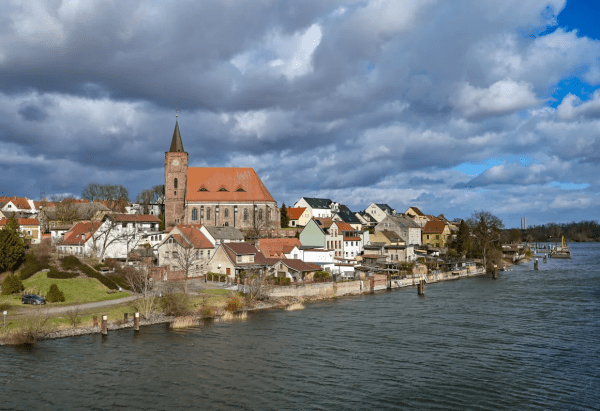
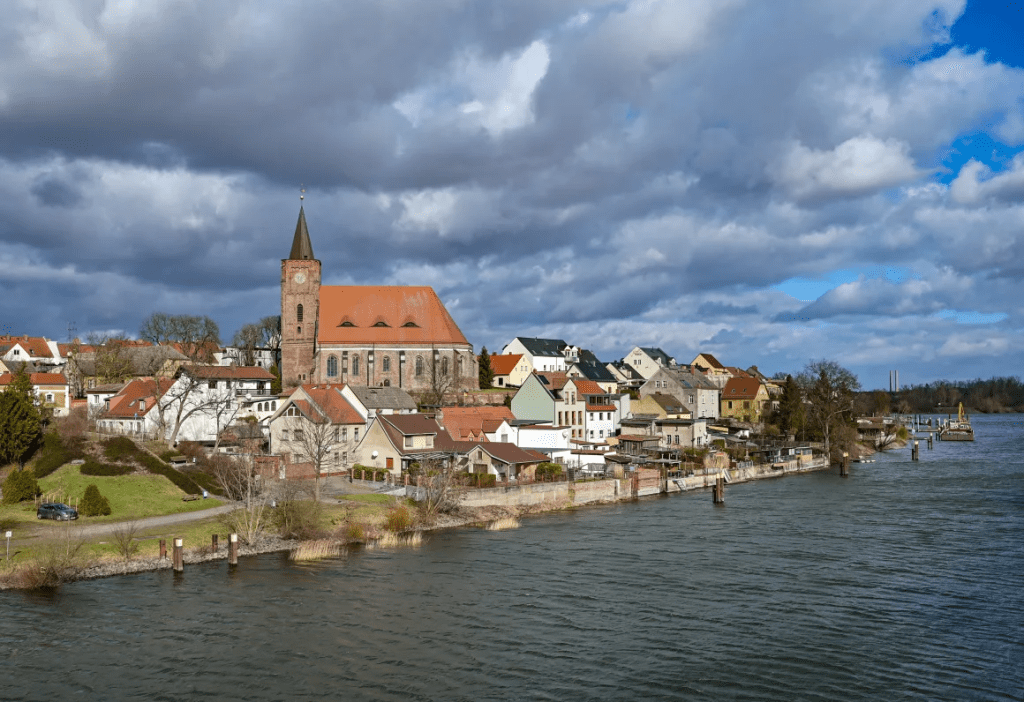
Eisenhüttenstadt, which sits on the border with Poland around 60 miles from the German capital Berlin, is offering a 14-day trial stay for potential new residents, according to a statement from the local council on May 13.
“The project is aimed at anyone interested in moving to Eisenhüttenstadt—such as commuters, those interested in returning to the town, skilled workers, or self-employed individuals seeking a change of scenery,” it said, with applications open until the beginning of July.
Selected participants will live for free in a furnished apartment from September 6-20 as part of an “innovative immigration project” named “Make Plans Now,” said the council.
They “will have the opportunity to get to know the life, work and community of (Eisenhüttenstadt) in a 14-day living trial — for free and in the middle of the town,” reads the statement.
In order to help participants get a feel for the town, the council will lay on a number of activities including a tour, a factory tour and various outings.
The council will also encourage participants to stay permanently, with local businesses offering internships, job shadowing and interview opportunities.
Founded in 1950, Eisenhüttenstadt, which can be translated as Steel Mill Town, was the first fully planned town built under the socialist government of the former East Germany.
Sitting on the banks of the Oder River, socialist planners built the town around a huge steelworks.
Previously known as Stalinstadt, or Stalin Town, after former Soviet leader Joseph Stalin, it was renamed after East and West Germany reunified following the fall of the Berlin Wall in 1989.
Like many towns and cities in the former East Germany, it has seen its population decline since reunification, from a peak of more than 50,000 to the current level of around 24,000, local official Julia Basan told local media outlet RBB24.
The scheme aims to attract more permanent residents, particularly skilled workers, said Basan.
Today, Eisenhüttenstadt is home to the largest integrated steelworks in eastern Germany, which employs 2,500 people, as well as being a hub for metals processing.
Many of the socialist-era buildings are listed as historical monuments and the openness of the town’s layout is striking, attracting visitors interested in architecture.
One recent new arrival said that the architecture was responsible for his decision to move to the town.
It was “a complete coincidence,” the man said in a video posted on the town hall Instagram account.
“We were travelling to Ratzdorf with friends and drove through Karl-Marx-Straße. And I saw these houses, this architecture that completely blew me away and I said to my wife, ‘I’m going to move here,’” he said.
The man later organized a tour of the town with a local historian to learn more.
“After the tour we were so blown away by this architecture, that was actually the trigger,” he said.
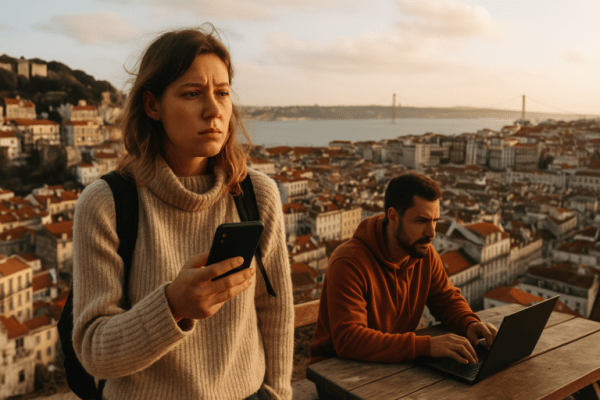
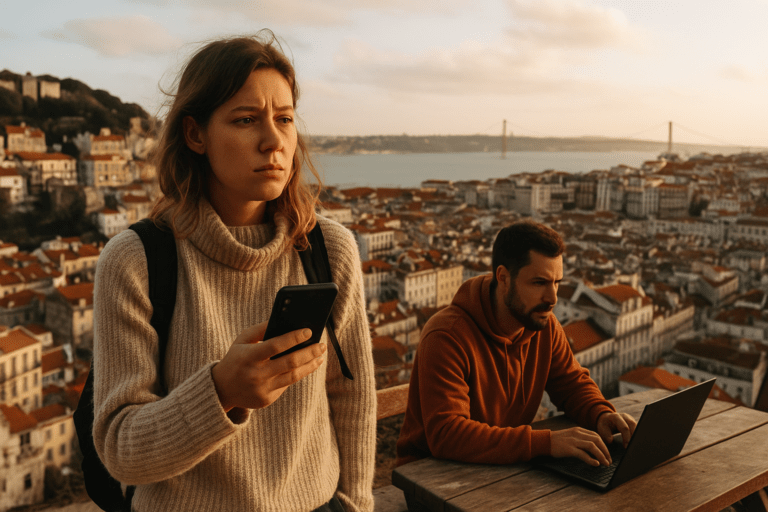
Over the past decade, I’ve lived and worked all over the world — from bustling cities to sleepy beach towns. Being a digital nomad sounds glamorous (and it is sometimes), but it also means you have to keep moving as places change.
And lately, I’ve noticed a big shift: many digital nomads are quietly leaving some of the old hotspots behind. Places that used to be thriving hubs are now feeling… well, a little stale, crowded, or overpriced.
So why is this happening — and where are the new hotspots everyone’s talking about? Let’s dive in.
Why digital nomads are leaving the old favorites
When I first started traveling, certain cities were on every digital nomad’s bucket list. Think Bali, Chiang Mai, Lisbon, Medellín. These places had it all: cheap cost of living, great internet, good weather, and a ready-made community of like-minded people.
But over time, a few things have changed:
1. Rising costs
Let’s be real: many of the original “cheap” places aren’t so cheap anymore. Take Bali, for example. Ten years ago, you could rent a decent villa for $400 a month. Now? It’s not unusual to pay $1,000 or more — and that’s before you even factor in co-working spaces, eating out, or transportation.
Lisbon, once a haven for budget-conscious remote workers, has become one of Europe’s most expensive cities relative to local wages. Prices skyrocketed after a flood of digital nomads and foreign investors entered the market.
When your income stays the same but your cost of living doubles, it’s only natural to start looking elsewhere.
2. Overcrowding and “Instagram fatigue”
When a place becomes the destination for digital nomads, it quickly loses its charm. Cafes get packed. Internet speeds slow down. Traffic becomes a nightmare.
And honestly? A lot of these places start to feel like Instagram theme parks — more about capturing the perfect latte art shot than actually living well. Many long-term nomads are craving authenticity again. They want real experiences, not just curated content for social media.
3. Visa headaches
Governments are catching on to the digital nomad trend — but not always in a friendly way. Some places have tightened visa restrictions or introduced new taxes aimed at foreigners. Others are rolling out digital nomad visas, but with strict income requirements that don’t fit everyone.
It’s making the decision of where to settle even more complicated.
So, where are digital nomads going instead?
Luckily, there are still amazing spots around the world where you can live well, work efficiently, and avoid the chaos. Here are a few places seeing a lot more love lately:
1. Mexico City, Mexico
Mexico has been quietly becoming a new favorite — especially for nomads from North America.
Mexico City offers an incredible lifestyle:
Affordable rent (outside the fancy expat neighborhoods)
Fast internet
Amazing food
A vibrant, creative energy that’s hard to match anywhere else
You get big-city conveniences without the big-city price tag (at least for now).
Bonus: Mexico offers a six-month tourist visa to most nationalities, so you have more breathing room to settle in without visa stress.
2. Tbilisi, Georgia
If you want somewhere totally different but still affordable, Georgia should be on your radar.
Tbilisi has a growing digital nomad scene thanks to:
Low living costs
Fast, cheap mobile data and internet
A warm, welcoming culture
One-year visa-free stays for many nationalities
The city is a fascinating blend of old and new, with medieval streets alongside modern co-working spaces. Plus, the food and wine are incredible.
3. Da Nang, Vietnam
Southeast Asia isn’t dead — it’s just moving to new places.
Da Nang, Vietnam, is picking up steam as a quieter, more livable alternative to Bali or Chiang Mai. You get:
Affordable beachside living
A growing café and remote work culture
Good internet
A relaxed vibe without the Bali-style crowds
And Vietnam offers relatively easy long-term visa options compared to neighboring countries, although things change often, so it’s worth checking before you go.
4. Madeira, Portugal
Lisbon is getting crowded, but Portugal has a hidden gem: Madeira. This island is now actively marketing itself to remote workers, even creating a dedicated “Digital Nomad Village” in Ponta do Sol.
Madeira offers:
Mild weather year-round
Gorgeous natural scenery
Strong internet
A calmer pace of life than mainland cities
If you want Europe without the chaos, Madeira is definitely worth a look.
5. Buenos Aires, Argentina
Argentina’s economy has had its challenges, but for digital nomads earning in dollars or euros, Buenos Aires is incredibly affordable right now.
You can enjoy:
World-class steak and wine
Stylish apartments for a fraction of the price you’d pay elsewhere
A rich cultural scene (tango, theaters, live music)
A very cosmopolitan vibe
The downside? Inflation and political instability. But if you’re adaptable, it’s a fantastic place to spend a few months.
Final thoughts
As someone who’s been a digital nomad for over 10 years, I can tell you: the dream isn’t dying — it’s just evolving. It’s less about finding the next Bali or Chiang Mai, and more about finding a place that suits your lifestyle now. Maybe you want a bit more authenticity. Maybe you want better value. Maybe you just want somewhere quieter to actually get some work done.
The best thing about being a digital nomad today? You have more options than ever. And sometimes, the places you haven’t heard hyped up yet are the ones where you’ll find your best adventures.
Here’s to finding your next great base — and making it your own.
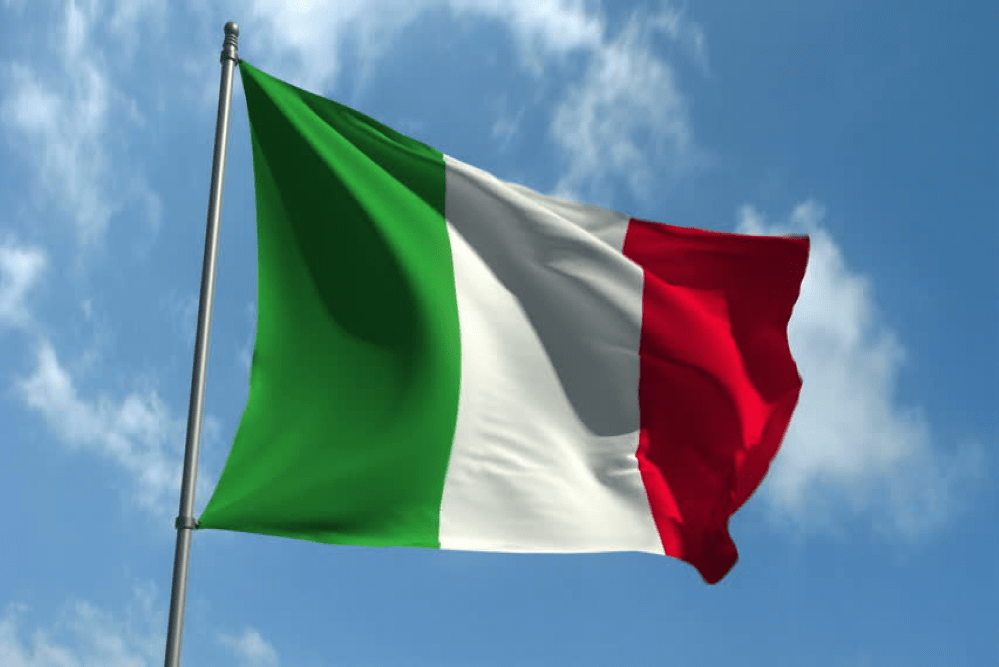
Italy’s government tightened its citizenship laws on Friday, preventing people from delving deep back into their family history to try to claim a much sought-after Italian passport.
Under existing rules, anyone who can prove they had an Italian ancestor who was alive after March 17, 1861, when the Kingdom of Italy was created, can seek citizenship.
However, Foreign Minister Antonio Tajani said the system was being abused, with would-be Italians swamping consulates abroad for requests for passports, which provide visa-free entry to more countries than almost any other nationality.
As a result, in future only individuals with at least one parent or grandparent born in Italy, a European Union member state, will automatically qualify for citizenship by descent.
“Being an Italian citizen is a serious thing. It’s not a game to get a passport that allows you to go shopping in Miami,” Tajani told a press conference.
The foreign ministry said there had been a surge in people abroad being granted citizenship, particularly in South America, where millions of Italians emigrated in the 19th and 20th centuries, often to escape grinding poverty back home.
Between 2014 and 2024, the number of Italians living abroad rose by 40%, from 4.6 million to 6.4 million, many registering thanks to their newfound nationality. In Argentina alone, citizenship recognitions jumped to 30,000 in 2024 from 20,000 in 2023, while Brazil saw a rise to 20,000 from 14,000.
Tajani said companies were making a fortune by helping people track down their long-forgotten ancestors and seek birth certificates needed for applications – clogging up municipal offices with their demands for documentation.
“We are striking down very hard against those who want to make money from the opportunity of becoming an Italian citizen,” Tajani said, adding that in future, nationality requests would be handled directly in Rome to free up overburdened consulates.
Italy has a population of around 59 million, which has been shrinking for the past decade. The foreign ministry has estimated that under the old rules, 60 to 80 million people worldwide were eligible for citizenship.
Prime Minister Giorgia Meloni has previously suggested that Italy could overcome its demographic decline by seeking Christians of Italian ancestry from nations like Venezuela.
Critics of ancestry-based citizenship say it is grossly unfair, offering nationality to people who had no meaningful connection with Italy.
By contrast, the children of migrants born and raised in Italy who speak Italian fluently, have to wait until they are 18 before being able to apply for a passport.
German and Finnish authorities have taken similar steps, and Belgium is planning to do the same, as the Trump administration removes some protections for sexual minorities.
The Netherlands has tightened its travel advice to the United States for LGBTQ+ people, highlighting an unease among European nations about Washington’s policies toward sexual minorities.
The Dutch foreign ministry’s travel advice portal now notes that people belonging to a sexual minority should take into account that “laws and customs in the US towards LGBTQI+ people may differ from those in the Netherlands.”
Dutch public broadcaster NOS points out that the travel advisory previously stated that U.S. laws were “comparable to those in the Netherlands,” with its liberal, progressive stance on LGBTQ+ rights.
Following the Dutch notice, the Belgian government announced that it is also working on adjusting the travel advice in light of stricter border controls and changing attitudes toward transgender people and the wider LGBTQ+ community, Flemish public broadcaster VRT reported.
German and Finnish authorities have also tightened their travel warnings for the U.S. after President Donald Trump took steps to remove some protections for sexual minorities, such as only accepting M or F (male or female) as gender identification on passports and visas.
”It reflects a sad and completely needless reality,” Dutch MEP Kim van Sparrentak, from the Greens group, told POLITICO.
Van Sparrentak, who also heads the European Parliament’s LGBTIQ+ intergroup, stressed that the liberal European fears are “not only for people traveling to the U.S. but for a large part of the U.S. population too, trans and intersex people in particular.”
*This is being reported by CNBC. We are also unsure if it applied to legally married same sex couples, since Croatia has a different law with similar rights for same sex couples under the Life Partnership Act, which is not marriage equality.
Forget a penny for your thoughts; what about 13 cents for a house in Croatia?
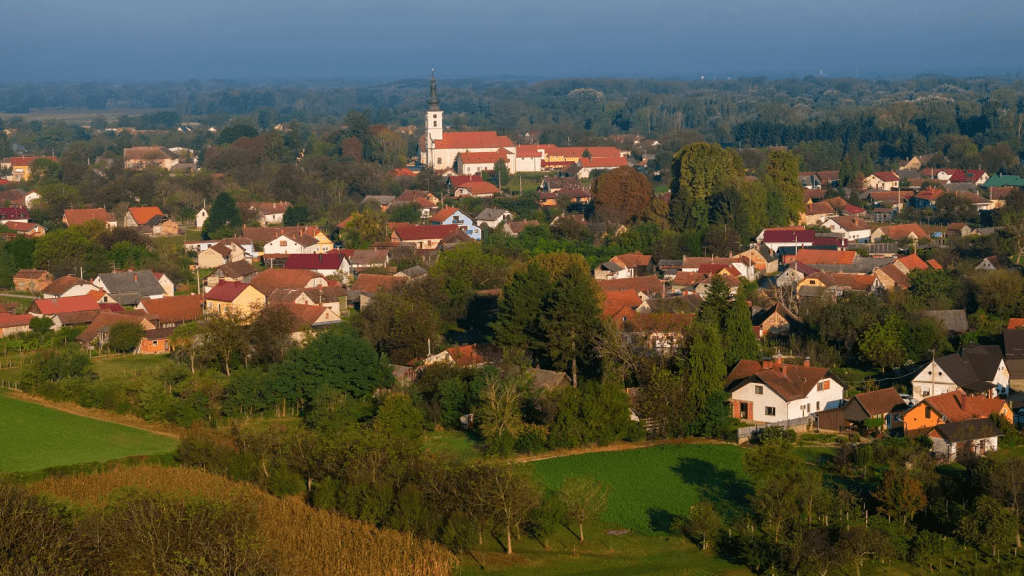
Legrad, a town in northern Croatia, has been trying to get more people to settle in the area by offering houses for pennies. It’s an initiative they started in 2018.
The small town, with around 2,000 people, borders Hungary and has seen its population dwindle since the collapse of the Austro-Hungarian empire in 1918.
In January, government officials announced another batch of houses is ready for sale at just 13 cents.
To be eligible to buy one of the houses, applicants must be under 45 years old, in a marital or extramarital partnership, and have no criminal record.
Most notably, if you want to snag one of these low-cost homes, applicants can’t already own property — though officials don’t specify if that means in Croatia or anywhere else in the world.
Local Croatian media outlet HRT reported that since the program started in 2018, there are more children today than there were five years ago, and as a result, they’re even building a new daycare center.
“A total of five houses ready for occupancy have been sold. Three families have already moved in, and what delights us is that all three families welcomed a new member during their move-in. This has increased the number of children in the daycare center,” Ivan Sabolić, the mayor of Legrad, told HRT.
In 2021, Legrad put up 19 empty houses and abandoned construction sites for sale at the price of 1 kuna, Croatia’s currency at the time. Seventeen were sold, according to Reuters. The houses were in various states of disrepair, so to help out, the municipality said it would pay $25,000 kuna (about $3,558) for any necessary renovations.
For new residents who wanted to buy a privately owned home, the town offered to cover 20% of the price or up to 35,000 kuna (about $5,056). It’s unclear if the town will offer the same incentives this time around.
Denmark is advising its transgender and nonbinary citizens to proceed with caution when traveling to the U.S., according to a new advisory.
An update made Thursday to the Danish foreign ministry’s webpage on travel to the U.S. recommends trans people contact the U.S. embassy in Copenhagen before visiting the country, which under the new Trump administration has enacted several policies targeting transgender rights.
The advisory does not explicitly mention President Trump or his administration but comes as the State Department suspended a policy allowing trans, nonbinary and intersex Americans to update the sex designations on their passports, causing confusion and concern among travelers over whether it is safe for them to fly. The department previously allowed U.S. passport holders to self-select their sex designations, including an “unspecified” gender marker denoted by the letter X.
Seven trans and nonbinary Americans are challenging the new policy, which stems from a Jan. 20 executive order declaring the U.S. recognizes only two sexes — male and female — in federal court.
“If your passport has the gender designation X or you have changed gender, it is recommended to contact the U.S. embassy prior to travel for guidance on how to proceed,” reads the advisory from the Danish foreign ministry.
The addition comes one week after Finland issued a similar advisory for transgender residents seeking visas to the U.S.
“If the gender listed on the applicant’s passport does not match the gender assigned at birth, the US authorities may deny the application for a travel permit or visa,” Finland’s Ministry of Foreign Affairs said, citing Trump’s executive order. “Please check the entry requirements with the US authorities in advance.”
Other countries, including Germany and the United Kingdom, recently issued travel advisories to the U.S. after reports of citizens being detained at the border.
Last year, the U.S. fell out of the top 20 for the first time in the report’s history, landing at No. 23. The 2025 report, published Thursday, shows Americans dropping another level down to No. 24.
Several organizations conduct the annual report that ranks countries from the most to least overall happiness. Once again, Nordic countries lead the list, dominating the top 4 spots.
The World Happiness Report also shares illuminating information such as the fact that declining joy and social trust is a contributor to a rise of political polarization in the U.S. and parts of Europe.
Here’s what to know what about this year’s report, including the global rankings and how researchers calculate joy.
Who are the 25 happiest countries?
Finland
Denmark
Iceland
Sweden
Netherlands
Costa Rica
Norway
Israel
Luxembourg
Mexico
Australia
New Zealand
Switzerland
Belgium
Ireland
Lithuania
Austria
Canada
Slovenia
Czechia
United Arab Emirates
Germany
United Kingdom
United States
Belize
Costa Rica and Mexico enter the top 10 for first time
Costa Rica and Mexico both made their top 10 debut on the World Happiness Report this year, coming in at the No. 6 and No. 10 spots, respectively.
European nations Lithuania (No. 16), Slovenia (No. 19) and Czechia (No. 20) are continuing upward trends, according to the report.
The report also listed three nations that have improved happiness since the ranking began in 2012: Serbia (No. 31), Bulgaria (No. 81), and Georgia (No. 91).
What increases happiness in countries?
Several factors are linked to overall wellbeing, from meal sharing to income and employment status, according to the report.
The report states that households of four to five people typically enjoy the highest happiness levels in Mexico and Europe, though many people in Europe live on their own. Researchers also suggest that social connections are vital for young adults to avoid the toxic effects of stress.
The report suggests that countries where acts of generosity and kindness are frequent often lead to less despair related deaths such as suicide or drug overdose.
What is the World Happiness Report?
The World Happiness Report is a partnership between Gallup, the University of Oxford’s Wellbeing Research Centre, the UN Sustainable Development Solutions Network and the WHR (World Happiness Report) Editorial Board offering insight on happiness levels globally.
“The World Happiness Report reflects a worldwide demand for more attention to happiness and well-being as criteria for government policy,” according to its website. “It reviews the state of happiness in the world today and shows how the science of happiness explains personal and national variations in happiness.”
How do World Happiness Report researchers measure happiness?
The poll gathers responses from over 100,000 people from all around the world.
People in different countries rank their happiness by imagining a ladder with 10 steps. The first and lowest step of the ladder represents the worst of the worst a person’s life can be. The tenth and highest step represents a person’s best life. Researchers then ask people which step they believe they’re on.
World Happiness Report: What factors impact happiness?
The UN’s Sustainable Development Solutions Network lists six factors that can explain the different levels of happiness.
Social Support: This is the best predictor of happiness. If people feel like they have at least one person they can reach out to when they’re in need, they are more likely to feel secure.
GDP per capita: This is how much a country produces divided by its population.
A healthy life expectancy: Researchers look at the physical and mental health of a country’s population.
Freedom to make life choices: This plays a key role in how happy one feels.
Generosity: This factor looks at how charitable a country’s people are.
Perception of Corruption: How corrupt are a country’s government and business policies? This factor looks at both and researchers use what they find to estimate happiness levels.







 fleeredstates.blog
You must be logged in to post a comment.