
Read more at QNotes Carolinas.
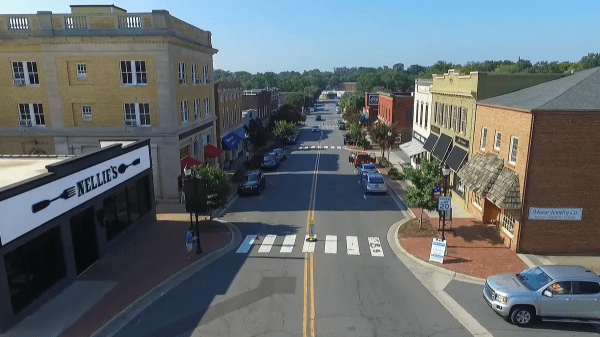
Karen Hinkley, an attorney in Belmont, filed a lawsuit in Gaston County on October 30 claiming the city of Belmont violated North Carolina’s open-government laws when the city council removed workplace protections for LGBTQ employees in March.
The City of Belmont, a suburban community with a population around 15,000, is generally viewed as more politically moderate than the rest of Gaston County, where Donald Trump received about 62% of the vote in 2024.
In June 2020 Belmont added protections based on sexual orientation and gender identity for its employees after a statewide moratorium on local nondiscrimination ordinances was due to expire. Several other cities such as Asheville, Charlotte, and Durham also added protections for LGBTQ residents and employees around this time.
The lawsuit centers on a March 3 vote in which the city council unanimously approved a new personnel policy that no longer includes explicit nondiscrimination protections based on sexual orientation and gender identity. The Gaston Gazette reported that “After several unsuccessful public records requests for documentation of behind-the-scenes conversations among City council members, Hinkley filed a lawsuit.”
North Carolina’s Open Meetings Law states that it “is the public policy of North Carolina that the hearings, deliberations, and actions of public bodies be conducted openly.”
According to the suit, city officials discussed the policy change outside of public meetings and used private text messages to coordinate the decision, violating North Carolina’s Open Meetings Law and Public Records Law. Hinkley argues that these private exchanges and the lack of transparency denied residents their legal right to witness how local policies are made.
The Gazette also reported that Hinckley “spoke about the policy change during public comment at a meeting on April 7. The video recording of that meeting began late and lacked audio for about 30 minutes, she said in the lawsuit, and minutes of the meeting misrepresented her comments. To Hinkley, the paraphrased notes about her comments in the official minutes of that meeting make it sound like she was supporting the removal of the protective language when the opposite is true,” she said.
Belmont city officials have not publicly commented on the lawsuit.
If the lawsuit is successful, the case could require Belmont to revisit its decision and restore LGBTQ protections, while also serving as a reminder that local governments must conduct business openly and transparently, and that secret policymaking, even on sensitive issues, can carry legal repercussions.
 fleeredstates.blog
You must be logged in to post a comment.