
This blog originally appeared at KHOU 11.
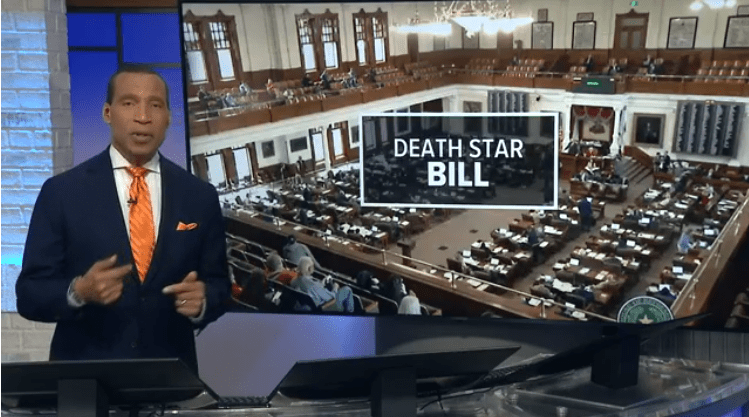
Proponents of House Bill 2127 say the bill is aimed at reining in city and county leaders that exceed their authority.
House Bill 2127, also referred to as the Texas Regulatory Consistency Act, has generated both support and opposition. Supporters of the bill argue that its purpose is to establish consistent regulations across the state, which would contribute to maintaining a thriving Texas economy. They believe that uniformity in regulations would facilitate business growth, attract investments, and simplify compliance for companies operating in multiple jurisdictions.
However, opponents of the bill express concerns that it could have unintended consequences and potentially restrict the authority of local governments. They argue that local communities should have the autonomy to address specific issues that are relevant to their region, such as noise complaints, drought restrictions, and labor rights. Limiting local governments’ ability to create regulations tailored to their unique needs and circumstances may be seen as undermining local democracy and impeding their ability to address local concerns effectively.
The debate surrounding House Bill 2127 highlights the tension between statewide consistency and local autonomy. Balancing these competing interests is a complex task, as policymakers strive to strike a balance between statewide economic considerations and the ability of local governments to respond to local challenges and protect the interests of their communities.
click here to see full blog: https://www.khou.com/article/news/politics/texas-death-star-bill-hb-2127/285-799570c5-5add-47c7-988e-bc034c36f7d2
 fleeredstates.blog