
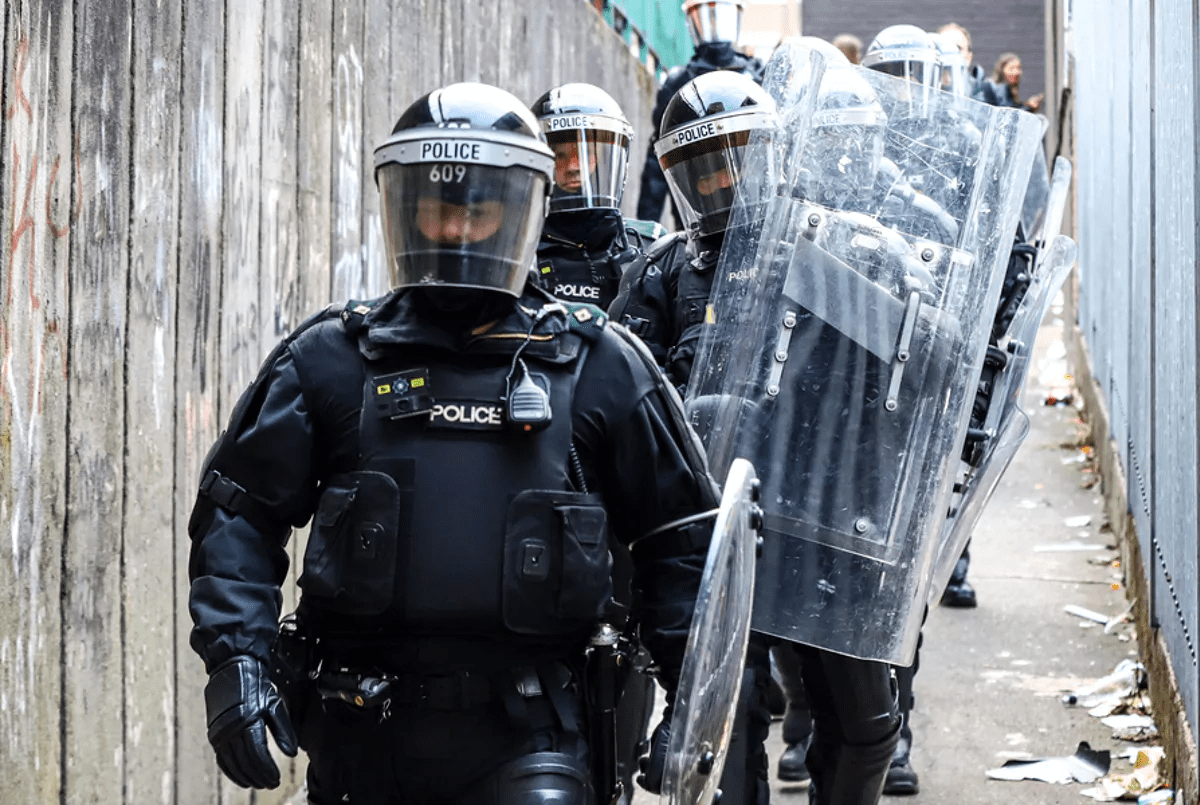
In a recent incident, an anonymous complaint regarding a frequently banned LGBTQ+ book prompted local police to conduct a search in a Massachusetts classroom, citing concerns about “obscene” and “pornographic” material. The American Civil Liberties Union (ACLU) has strongly criticized this incident.
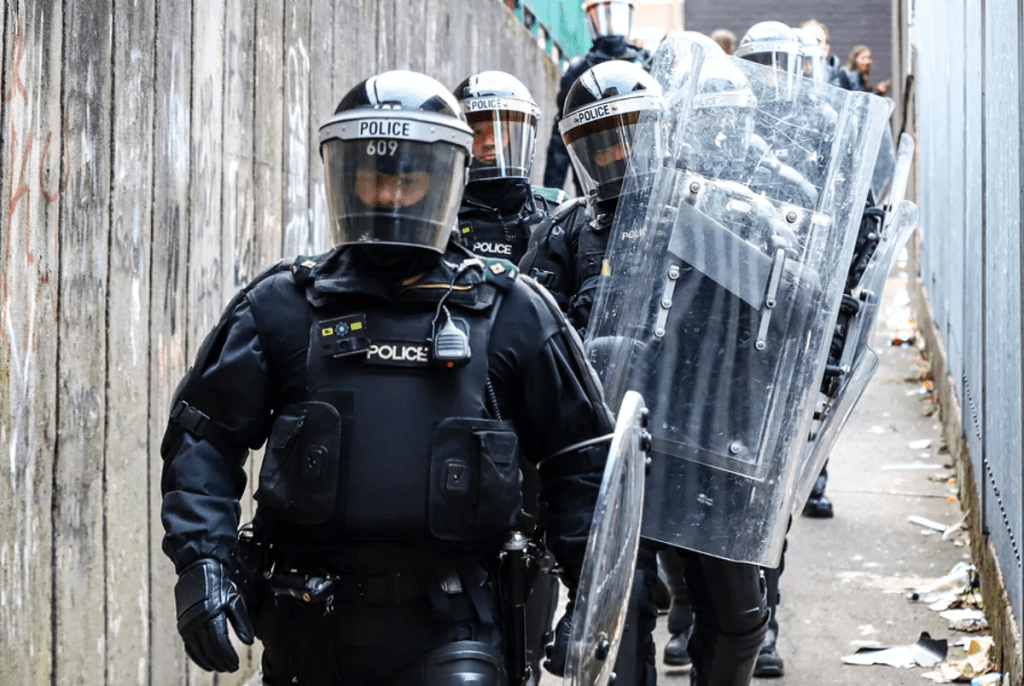
“Police going into schools and searching for books is the sort of thing you hear about in communist China and Russia,” Ruth A. Bourquin, senior and managing attorney for the ACLU of Massachusetts, told The Berkshire Eagle this week. “What are we doing?”
The Great Barrington Police Department and the Berkshire District Attorney’s Office initiated an investigation to determine if Maia Kobabe’s “Gender Queer” contains pornographic material. The inquiry was prompted by a complaint received on December 8, asserting that the book was present in an eighth-grade classroom at W.E.B. Du Bois Regional Middle School.
Upon receiving notification of the investigation, Superintendent Peter Dillon was informed by the police. Principal Miles Wheat, accompanied by a plainclothes officer, conducted a search for the book in the classroom after school on December 8. The English teacher, reportedly unaware of the impending search, was present during the search. Despite the use of a body camera by the officer, the book was not found.
District Attorney Timothy Shugrue announced that Great Barrington Police had concluded their investigation, stating that the complaint did not involve criminal activity. Consequently, the matter was closed, and any further action was referred back to the Berkshire Hills Regional School District. The superintendent assured the District Attorney’s Office that the issue would be reviewed according to the school district’s policies, treating it as a school department matter.
Teachers, parents, and students in the community expressed outrage over the incident. More than 100 students at Monument Mountain Regional High School staged a walkout in protest. Massachusetts Gov. Maura Healey (D) released a statement supporting the walkout, asserting that “book banning has no place” in the state.
In a Facebook post, the teacher whose classroom was searched wrote, “How on earth is a cop more qualified to decide what books are OK to be in an educational setting for teens?”
According to The Berkshire Eagle, the police argued they had a duty to investigate the complaint about Gender Queer. However, the ACLU of Massachusetts expressed deep concern about this notion.
“They say anytime someone could call they have an obligation to go marching into places wearing a body cam, and you know, interrogating people,” Bourquin said, adding that state laws are “pretty clear about police not having roles in this situation.” Obscenity laws, she explained, have been “carefully crafted to ensure not tromping on constitutional free speech rights.”
Bourquin informed the paper that the ACLU has requested the officer’s body camera footage and other records related to the investigation.
Justin Silverman, executive director of the New England First Amendment Coalition, explained that obscenity laws test whether a book has value beyond sexual arousal. This “very specific” requirement is not necessarily something the average person or police officer might understand.
Silverman said that he’s concerned about the precedent the Great Barrington Police may have set amid the national rise in book bans primarily targeting books by Black and LGBTQ+ authors. “While it might be rare now, it doesn’t mean that it will be rare in the future,” Silverman said. “I think the school and the police department have to come forth with a policy to make sure that this doesn’t happen again.”
In a statement, the Berkshire Hills Regional School Committee and Superintendent Peter Dillon apologized for the incident.
“The recent incident at the middle school has challenged and impacted our community,” the statement read. “Faced with an unprecedented police investigation of what should be a purely educational issue, we tried our best to serve the interests of students, families, teachers, and staff. In hindsight, we would have approached that moment differently. We are sorry. We can do better to refine and support our existing policies. We are committed to supporting all our students, particularly vulnerable populations.”
 fleeredstates.blog
You must be logged in to post a comment.