
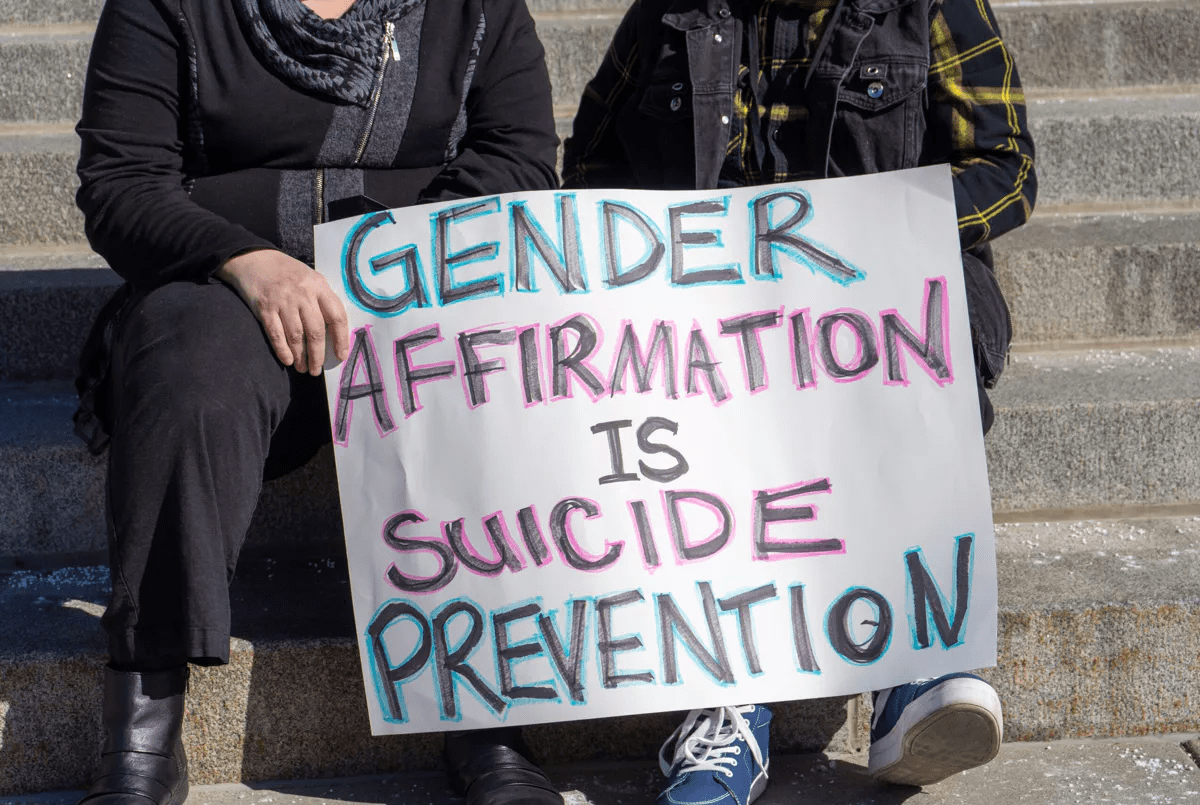
This blog originally appeared at LGBTQ NATION.
The state legislature is poised to override a veto from Democratic Governor Laura Kelly, highlighting political tensions and democratic principles.
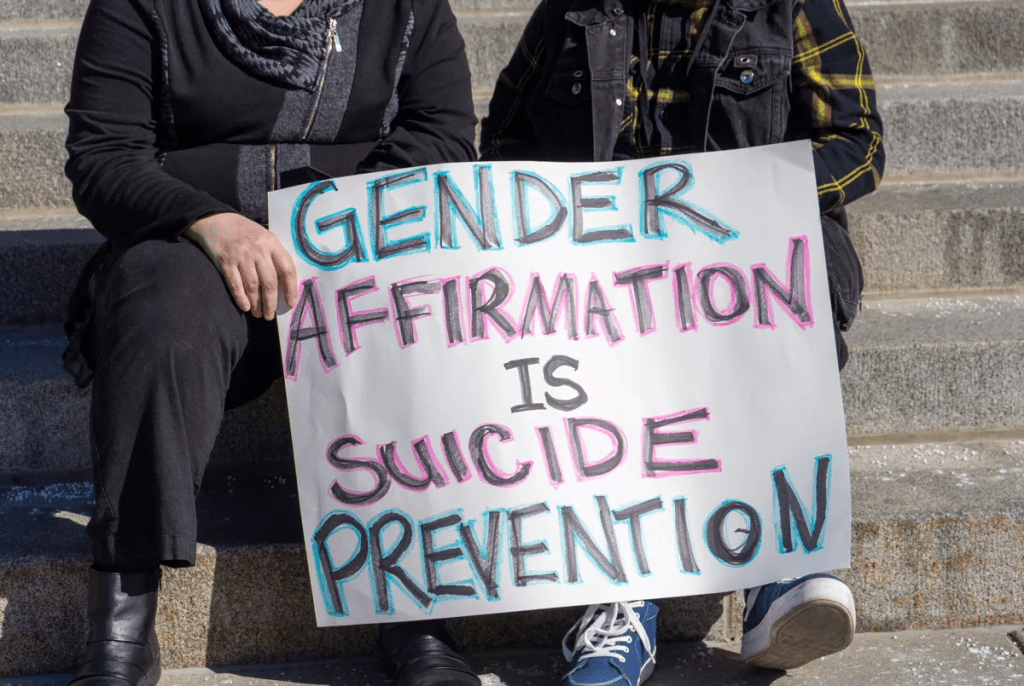
The Kansas legislature’s Republican members are on the brink of turning their state into the 25th to prohibit medical care for transgender youth by proceeding with an override vote. Despite Governor Laura Kelly (D) anticipated veto, the Republican party commands supermajorities in both the Kansas House and Senate.
“Today, the Senate demonstrated a steadfast commitment to safeguarding children by emphasizing that extreme transgender ideology and the medical alteration of minors are neither lawful nor embraced in Kansas,” remarked State Senate President Ty Masterson (R) subsequent to Wednesday’s vote, which forwarded Senate Bill 233 to the governor for consideration.
Governor Kelly has affirmed her intention to veto the bill.
If approved, the legislation will prohibit transgender individuals under 18 from accessing crucial medical treatments, such as gender-affirming surgeries and puberty blockers. While gender-affirming surgery is rarely performed on minors, puberty blockers, which delay the onset of puberty, offer transgender youth and their families valuable time for self-discovery before irreversible changes occur. Studies have shown that puberty blockers can significantly decrease the lifelong risk of suicide among transgender individuals.
With the anticipated override, Kansas is set to become the third state this year to outlaw gender-affirming care for minors, joining four other states where similar laws are currently entangled in legal proceedings.
Senate Minority Leader Dinah Sykes (D) appealed to Republicans to demonstrate compassion and empathy by voting against the bill. She emphasized the distress of families with transgender children, expressing concern that the legislation would exacerbate their fears and anxieties.
Sykes addressed Kansans directly, assuring them that some lawmakers empathize with their plight and understand the importance of receiving necessary care to live authentically. She underscored the detrimental impact the law would have on transgender individuals and their families if enacted.
In the previous year, Governor Kelly vetoed a comparable bill alongside another proposal aimed at restricting transgender women and girls from participating in female school sports. However, moderate GOP members refrained from supporting overrides initiated by their far-right counterparts.
This time, the votes in favor of advancing Senate Bill 233 suggest that the Republican supermajorities in both the state House and Senate will succeed in passing the anti-trans legislation.
Like in other conservative-leaning states that have banned gender-affirming care for minors, opponents of the law are expected to challenge it in court. Legal outcomes have been mixed thus far, with federal appeals courts divided on the constitutionality of such bans. Ultimately, the Supreme Court, which currently leans conservative with a 6-3 majority, may ultimately decide on the matter.
 fleeredstates.blog
You must be logged in to post a comment.