
Moving overseas is a whirlwind of logistics, from packing boxes to visa applications. Amidst the chaos, you might encounter a term that sounds like a fancy pastry: “apostille.” But it’s far from edible; it’s a crucial authentication for your documents. So, when exactly do you need an apostille stamp for your international move?
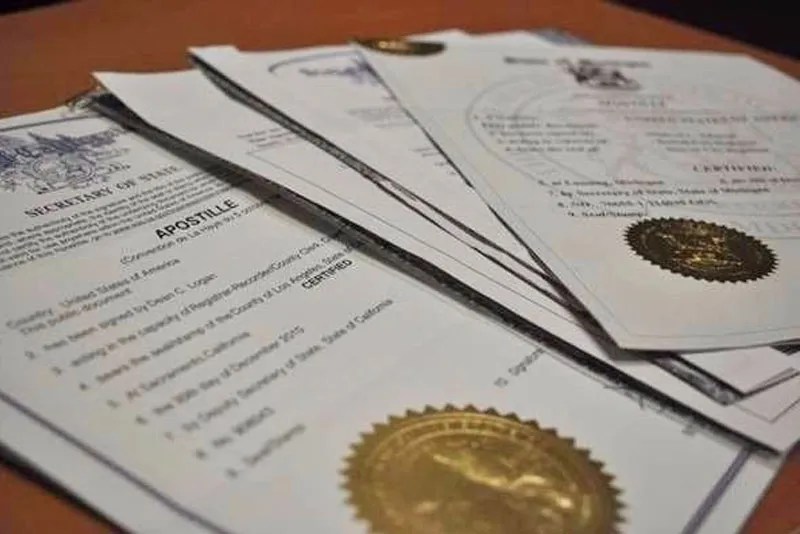
The simple answer: whenever you need to prove the authenticity of a public document issued in one country for use in another country that is a member of the Hague Apostille Convention. This convention streamlines the legalization process, making it easier for documents to be recognized internationally.
Think of it as a global stamp of approval. But what kinds of documents might require this stamp when you’re relocating?
Common Documents Needing an Apostille:
- Birth Certificates: Essential for proving your identity and family relationships, especially when registering children in a new country or applying for residency.
- Marriage Certificates: Necessary for legal recognition of your marriage abroad, especially for visa applications or property purchases.
- Divorce Decrees: Required for legal recognition of your marital status in your new country.
- Educational Documents (Diplomas, Transcripts): Often needed for employment or further education in your destination country.
- Background Checks/Police Clearances: Frequently requested for visa applications or employment.
- Power of Attorney: If you’re authorizing someone to act on your behalf in your home country while you’re abroad, an apostille is vital.
- Business Documents: If you’re relocating your business or starting a new one, articles of incorporation, certificates of good standing, and other business-related documents might require an apostille.
Why is an Apostille Necessary?
Foreign governments need assurance that your documents are genuine. An apostille confirms that the signature, seal, or stamp on the document is authentic and was issued by a competent authority. Without it, your documents might be rejected, delaying your move or hindering your ability to access essential services.
The Process:
The process of obtaining an apostille varies by country and even by state within the US. Typically, you’ll need to:
- Identify the issuing authority: Determine which government agency issued the document (e.g., state registrar for birth certificates, secretary of state for business documents).
- Obtain a certified copy: Ensure you have a certified copy of the original document.
- Submit the document to the designated authority: In the US, this is usually the Secretary of State’s office.
- Pay the required fee: Apostille services usually involve a fee.
Planning Ahead is Key:
Don’t wait until the last minute to obtain your apostilles. The process can take time, and delays can disrupt your moving plans. Research the specific requirements of your destination country and start the process well in advance.
By understanding when and why you need an apostille, you can navigate the bureaucratic hurdles of moving overseas with greater ease, ensuring your documents are recognized and accepted in your new home.
*We are providing this as information only. Please consult an attorney and/or government officials for more detailed information on when this may be necessary.
 fleeredstates.blog
Leave a comment