
*This is being reported by the Washington Blade.
Argentina has undergone significant changes in its economic and social policies since President Javier Milei’s inauguration in December 2023. These changes have had a significant impact on various sectors of society, especially retirees and the LGBTQ community.
Mercedes Caracciolo, a 79-year-old sociologist and lesbian activist, shared her experience with the Washington Blade on how the new measures have affected her quality of life.
“Since Milei’s arrival in government, which began with a brutal devaluation, I am more careful in my spending than I was before,” she said.
Although Caracciolo has additional income from rental properties, she recognizes the situation is much more critical for those who exclusively depend on a pension.
With more than 7 million people receiving pensions, many find themselves “scratching the poverty line” due to the loss of purchasing power. The libertarian government’s economic policies have drastically affected their welfare, leading to a wave of protests across the country.
The reduction of social programs and the lack of LGBTQ-specific public policies have deepened the difficulties that seniors already face. The loss of economic stability particularly affects those who have historically lived on the margins, with fewer job opportunities and limited access to a decent retirement. Many older LGBTQ people, who have spent their lives unable to form traditional families, now find themselves without a support network and with an increasingly less present State.
The advance of conservative discourses has also generated a climate of insecurity and fear.
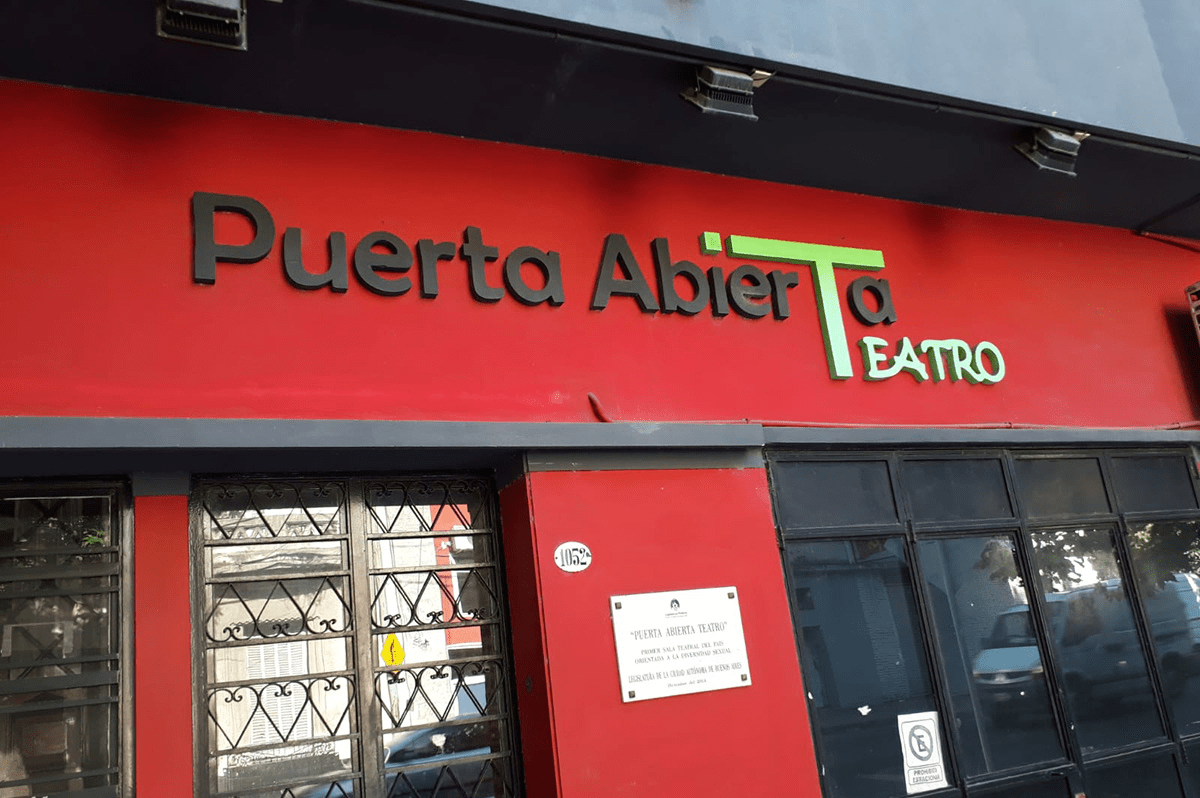
“There is no more sense of security and stability in old age,” Graciela Balestra, a psychologist who is the president of Puerta Abierta a la Diversidad, the first home for LGBTQ seniors in Argentina, explained. “Many LGBTQ+ retirees fear that there are fewer and fewer rights. They see what is happening in Argentina and globally with the advance of the right wing, and they feel that what they worked so hard to achieve is in jeopardy.”
In addition to economic difficulties, the LGBTQ community has faced additional challenges.
Caracciolo noted many supportive spaces have had their government subsidies reduced or eliminated, weakening community networks essential to the well-being of LGBTQ seniors.
“Community networks are also weakened because many of them require state support for certain types of expenses,” she noted.
Balestra warned about the psychological impact.
“Obviously it impacted mental health. There is much more anxiety, there is fear. People who say ‘I’m afraid they’ll kill me’ or ‘I’m afraid to show myself,’” she said. “Before, they used to walk down the street holding hands with their partner, and now they don’t do it anymore. A lot of hopelessness.”
For Balestra, the concern goes beyond the LGBTQ community.
“The economic issue, the rights issue, the fear that something similar to the dictatorship will return. All of this is very scary. And besides, the hopelessness of believing that this is going to continue, that it is not going to change even in the next elections,” she said.
Civil society organizations have denounced an “adjustment” in policies related to gender and diversity that Milei’s government has undertaken. Pride marches in Argentina have become a stage for protests against the president’s policies, especially over his speeches that activists consider hateful towards the LGBTQ community.
Balestra stresses the fear is not only individual, but collective.
“Human rights no longer exist anywhere, women no longer have the place they used to have, they are once again objectified, machismo is on the rise again,” she said. “This brings a lot of despair to older people.”
Despite the climate of uncertainty, Balestra emphasizes resistence forces are still in force.
“We continue working, as always,” she said. “For 25 years at Puerta Abierta we have been doing reflection groups, cultural workshops, social meetings, all with respect to being able to make LGBT people aware of their rights. We never stop meeting, but lately we are talking more and more about these things that we had already left a little behind. The issue of coming out, fear, visibility. Now we have to talk about it again.”

 fleeredstates.blog
Leave a comment