A blog for LGBTQIA+ migrating to more welcoming states or counties
Author: Bob McCranie
I am so proud to run Texas Pride Realty Group. We set out on a mission in 2009 to serve the diverse communities of Texas and to hire kick-ass agents who practice the highest ethics and professionalism. I believe that the agent's role is to help the consumer make well-educated decisions, even if those decisions lead away from a purchase or sale.
I believe that education is vital in this industry. I currently have over 1300 hours of real estate courses on my transcript with the State of Texas. Additionally, I am a Real Estate Business Coach at Tom Ferry International, the largest-real-estate specific coaching company in the world. I coach agents in the US and Canada, and have coached clients in Australia, New Zealand, Brazil, and Switzerland. I also have knowledge of the UK and Irish markets.
Opening Texas Pride Realty was always a goal of mine and I am working night and day to be sure it is successful. The best way to do that is to be sure clients are satisfied and agents are busy. What better legacy could someone leave in this industry than a group of well-trained, high-quality brokers who do your job better than you?
Conservative activists in California are frustrated that their bill, which would have mandated that schools accept transgender students, did not receive enough signatures to be included on the ballot in November.
“We would have easily qualified for the ballot if we had a little more time and a little more money,” the initiative’s leader, Roseville school board member Jonathan Zachreson, told the LA Times.
If the bill had been approved, schools would have been obligated to notify parents if a student adopted a new pronoun or nickname while attending class, or if they requested to use facilities unrelated to their official sex. The bill also forbade the state from providing kids with care that is gender affirming.
Although some states have already implemented similar policies, California has traditionally supported young people who identify as transgender. Governor Gavin Newsom (D) signed legislation in 2022 designating the state as a safe haven for transgender minors and their families.
According to Zachreson, the measure’s campaign gathered $200,000 to assist in obtaining the 546,651 signatures required for it to be placed on the ballot. However, the campaign had only collected 400,000 signatures before yesterday’s deadline.
The activists wanted the ballot measure to be named the “Protect Kids of California Act of 2024,” despite the fact that their initiative would have jeopardized the safety of trans children with unsupportive parents who might abuse or kick them out of the house if they discover they have not been adhering to their assigned sex while attending school. Earlier this year, the activists sued California Attorney General Rob Bonta (D) for naming their ballot measure the “Restricts Rights of Transgender Youth Initiative.”
The judge dismissed the case after originally siding with Bonta, stating that the measure’s name, “Restrict Rights of Transgender Youth Initiative,” accurately describes it.
LGBTQ+ activists, meanwhile, applauded the measure’s defeat.
Equality California Executive Director Tony Hoang released a statement saying, “We are relieved that anti-LGBTQ+ extremists have failed to reach the required signature threshold to qualify their anti-transgender ballot initiatives to the November 2024 ballot.” “Equality California will not stop fighting for the rights of LGBTQ+ youth around the globe and opposing any and all attempts by radical organizations to discriminate against them.”
Once the death threats began, the drag queen felt she had “no choice” but to file a lawsuit.
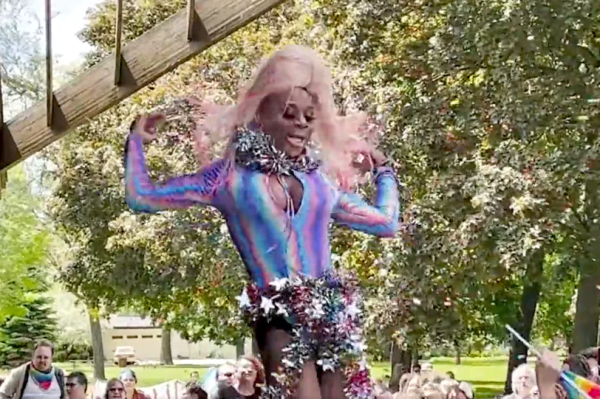
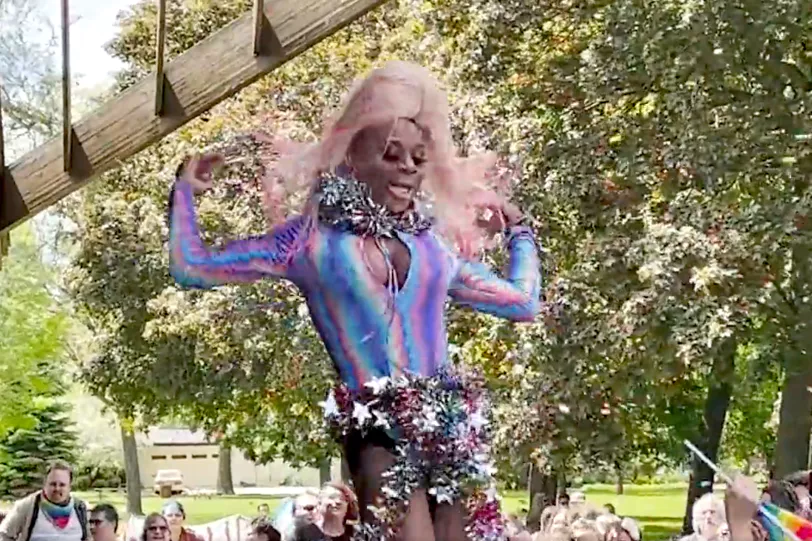
The right was protesting drag shows across the nation during Pride Month in 2022, calling the queens “groomers” and worse. To “prove” that drag queens shouldn’t be permitted to perform in public, conservative influencer Summer Bushnell shared a doctored video of a drag queen purportedly exposing herself to children.
She is now required to pay $1.1 million in damages for slandering drag performer Mona Liza Million, who, when not in drag, goes by Eric Posey.
In 2022, Bushnell wrote on Facebook, “Why did no one arrest the man in a dress who flashed his genitalia to minors and people in the crowd?” in reference to Posey’s Pride performance in Idaho. “There is video and no one commented on it. I’ll provide a hazy video to demonstrate it.
It turns out that the reason “no one said anything about it” is that it never did. Posey was completely clothed in the “blurred video” she shared, but it was obscured enough for the thousands of viewers to miss that fact.
After reading Bushnell’s post, people began reporting Posey to the Coeur d’Alene, Idaho, police. None of the allegations, according to the police, came from anybody who were present while Posey performed.
The City of Coeur d’Alene Prosecuting Attorney’s Office issued a statement following their assessment of the original, unblurred footage, stating that the evidence did not support the charges of indecent exposure or other crimes. As a result, prosecution is dismissed.
However, that did not quiet the internet backlash. Posey said at trial that he got death threats and that images from Bushnell’s doctored video of him became a symbol utilized by the right in their quest to get drag shows outlawed.
Conservative influencers such as Chaya Raichik, the creator of Libs of TikTok, have dedicated their careers to accusing LGBTQ+ individuals, particularly drag artists, of “grooming” youngsters. However, Bushnell’s attempt to make the same accusation was met with opposition. Posey made the decision to sue her for slander.
In September 2022, he stated in a press statement, “It is now my turn to speak after three months of silence.” “Provocateurs have persisted in circulating the manipulated video of my performance even after I was found not guilty, spreading hate speech against the LGBTQIA+ community throughout the state and damaging my reputation.”
“I am forced to pursue legal action in order to punish the people who spread the lies accountable for their deeds. I’m hoping that this civil lawsuit will end the divisive misinformation efforts being carried out in Idaho.
This summer, Coeur d’Alene’s Pride in the Park garnered national notice when police detained 31 members of the Patriot Front, a group that supports white supremacists, as they attempted to disrupt the celebration. Bushnell, according to Posey, tried to take advantage of that attention.
Bushnell’s attorney attempted to claim that although his client’s acts were “almost” defamatory, they didn’t quite fit the criteria.
Bushnell’s admission that she never saw Posey expose himself was even worse for the defense. In other words, she knew she was lying and wasn’t in error.
After the decision on Friday, Posey declared, “The judicial system did what needed to be done.” Imagine yourself alone and in a dark hole, feeling as though everyone is ignoring you. However, you found yourself surrounded by warriors—true Idahoans, not transplants—who were native to this land. I am lucky to be surrounded by those who have encouraged and uplifted me.
The jury debated for three and a half hours this past Friday during the five-day trial, according to The Guardian. The judge informed the jury that they were unable to compel Bushnell to remove the Facebook post and issue a public apology. The video is still accessible on the social media network.
He’s seeking to acquire more access to children’ medical records.
Missouri Attorney General Andrew Bailey is continuing his battle against gender-affirming care for trans adolescents, now targeting social workers and therapists who work with LGBTQ+ youth for inquiry.
According to Missouri Independent, Bailey has acquired unredacted and loosely redacted medical records of trans children through the state inquiry into the Washington University Transgender Center at St. Louis Children’s Hospital.
He’s also attempting to acquire access from the university’s digital medical records system. Bailey previously imposed harsh limitations on gender-affirming care via an emergency ruling that was overturned last May and investigated Planned Parenthood to get access to medical data of children who got gender-affirming care from the organization.
Katy Erker-Lynch is the executive director of PROMO, an LGBTQ+ advocacy group in Missouri. She claimed that “the attorney general has created a hostile environment for medical providers where they are afraid to stay and practice medicine.”
Bailey has allegedly talked to 57 healthcare professionals as a part of the probe. One of those people is licensed clinical social worker Kelly Storck, who spoke with senior investigator Nick McBroom. McBroom brought with him a file of letters Storck had written to Washington University Transgender Care, supporting patients who desired to get gender-affirming care at the hospital.
McBroom asked Storck to describe in detail her methodology for prescribing gender-affirming, but she declined to. The case was subsequently concluded but left Storck with residual skepticism.
“I still have a lot of distrust about who initiated it and who was in my documents,” she stated.
Levi is a 17-year-old trans teenager who received care at the clinic. His mother, Becky Hormuth, claimed the probe was invasive and disturbing to the family’s lives.
“The state has already basically disrupted our lives,” Hormuth said. “They’ve disrupted our families, our children’s lives with the legislation that has passed. Then for him to continue going on is even more invasive and damaging.”
According to Hormuth, “the state has already essentially disrupted our lives.” “The legislation that has been passed has caused disruptions in our families and our children’s lives.” Therefore, it is even more intrusive and harmful for him to carry on.
Bailey enacted an emergency order extending Missouri’s restriction on gender-affirming care for minors to transgender adults after the state approved a law prohibiting it for minors. He argued in the policy document that gender-affirming care for transgender individuals can “pose very serious side effects” and “lack solid evidentiary support.” After state politicians intervened, he revoked the rule.
In June 2023, Missouri Governor Mike Parson (R) enacted the prohibition. Despite a swift legal appeal, the judge upheld the ban’s implementation.
At the same time as the decision, several communities have decided to outlaw the flags on government land.
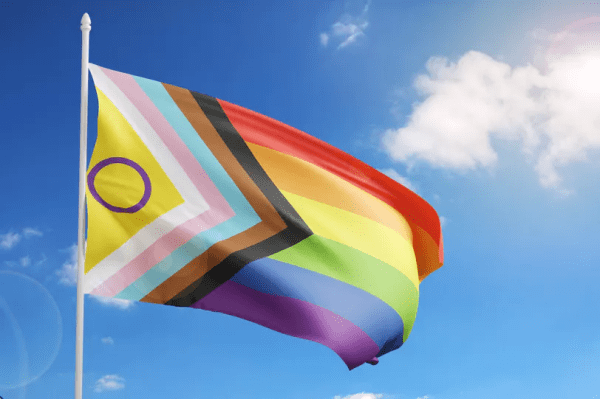
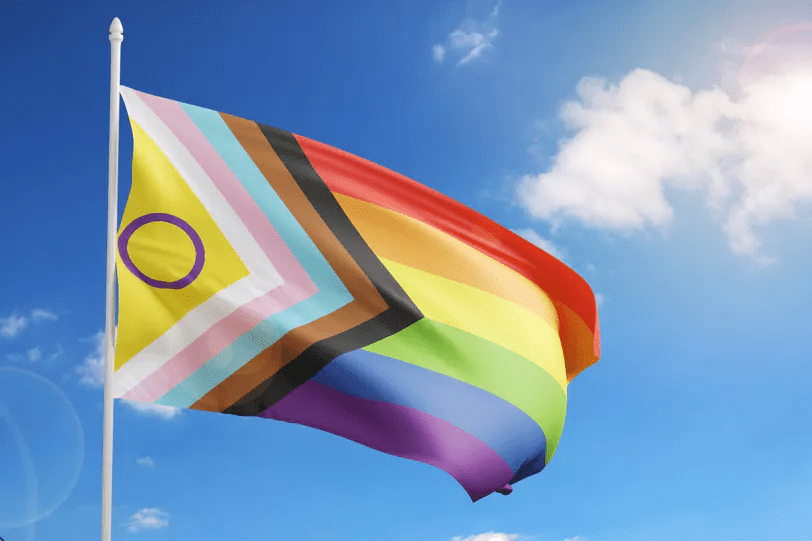
Williamstown, Massachusetts people voted 175 to 90 in favor of passing a bylaw permitting the Progress Pride flag to be flown atop municipal flagpoles. The vote took place during a city board meeting, and it coincides with other cities’ bans on the flying of rainbow-colored Pride flags from public buildings.
The 7,513-person town’s board discussed last Thursday how to change a bylaw pertaining to the town’s flag policy. Residents’ opinions regarding whether the flag, which specifically honors transgender people and people of color in the LGBTQ+ community, should be allowed under the amendment were taken into consideration by the board.
According to Jack Has, a member of the Gender Sexuality Alliance at Mount Greylock Regional High School, “for many, the flag is a symbol that, in our town, they belong.” iberkshires.com reports that he was one of eight speakers who remarked in favor of the flags.
When Justin Adkins moved to Williamstown in 2007, he told another supporter that he felt like the only other transgender person in the city. Since then, more LGBTQ+ families have relocated to the town because, as Adkins pointed out, they feel that it is an accepting community.
Adkins stated, “When I moved here, most people had never met a trans person.” That is not the case now. Many of the folks in this room may freely express who they are now.
“LGBTQ-plus youth still face a world where their basic being is questioned and legislated.… Flying a flag is, really, the least we can do,” Adkins added.
The bylaw’s opponents were concerned that changing the bylaw might ultimately lead to a large number of requests for flags supporting specific causes, such as banners supporting the Black Lives Matter anti-racist movement, “Free Palestine,” or “Back the Blue” (referring to the police).
Robert McCarthy, an older local, stated, “You have the right—every single group in this town has the right to put up any flag you want.” It can be placed on your house, yard, or place of business. I urge everyone with a plan to raise the flag. If you would like to fly your own flags, that is great, but please do not fly them atop city poles. Let’s keep the American flag and the POW/MIA flag alone.
The town’s decision was made concurrently with other communities’ votes to outlaw the flying of flags from public buildings. The people who live in Huntington Beach, California decided in March to outlaw Pride flags on municipal land. The town of Enfield, Connecticut, forbade the flying of the flag on any building owned by the town in January, citing the possibility that doing so would someday allow terrorist organizations to fly their own banners.
However, many cities allow their government spaces to display the Pride flag. In January, the town of Norwich, Ontario in Canada voted to reverse its Pride fag ban.
Most of the extreme bills have failed to pass, but trans adults are closely monitoring statehouses with heightened anxiety.
This year, states have attempted to restrict transgender people from using public bathrooms and updating identity documents like driver’s licenses. Legislators in multiple states are working to redefine sex based on reproductive capacity and to exclude gender identity from discrimination protections.
So far, these bills aiming to weaken civil rights protections for trans people and bar them from public facilities haven’t made significant progress. According to the ACLU, only five anti-LGBTQ+ bills have been enacted into law this year. Additionally, several states notorious for advancing such legislation, like Florida, Utah, and West Virginia, have concluded their legislative sessions for the year.
Nonetheless, these efforts could have disastrous impacts on the lives of trans adults. Medical health professionals are concerned about the long-term physical and mental health effects of ongoing political attempts to restrict LGBTQ+ rights. Additionally, many of the active bills could create gaps in medical care for trans people during this period of heightened anxiety.
Currently, Ashton Colby is experiencing a state of chronic stress. As a 31-year-old white transgender man living near Columbus, Ohio, he has felt intense whiplash due to the unexpected changes in state policies on gender-affirming care over the past few months.
“With my fundamental, basic humanity being publicly debated and scrutinized, I feel gutted, dehumanized, and completely misunderstood for all that I am,” he said.
Colby has been stressed for years about anti-trans policies, but he never imagined that trans adults might be forced to go without medical care. In Ohio, that nearly happened. Republican Governor Mike DeWine proposed restricting gender-affirming care for adults instead of supporting a statewide ban on minors’ care. However, after public outcry, the state’s health agency announced it would not implement those restrictions for adults.
Colby initially feared he would lose his medical provider of eight years and considered moving to Denver. He also worries that if Republicans win the White House and Congress this year, his ability to access necessary documentation and his rights as a trans person will be at risk.
Dr. Carl Streed, president of the U.S. Professional Association for Transgender Health (USPATH), constantly contemplates the negative health outcomes for trans people who do not feel safe in society. He believes anti-trans policies will exacerbate isolation during what the surgeon general has called an epidemic of isolation and loneliness in the United States.
“These policies that restrict people’s public life are effectively directly harming them, both in terms of immediate issues around mental health, connection to community, accessing care in urgent situations, but long-term, we’re going to see worse health outcomes in probably the next five, ten years, if not sooner,” he said.
What do those worse health outcomes look like? Increased isolation and inability to participate in public life and engage in-person with the community lead to poorer cardiovascular fitness and a higher likelihood of high cholesterol and hypertension. This, in turn, increases the risk of heart attacks and strokes. Isolation is also associated with worse cognitive function and decreased memory, according to Streed.
“They’re definitely creating a complex patchwork of restricted public spaces,” remarked Streed, a primary care physician at the Boston Medical Center. “But the concern is that these are national discussions. What unfolds in Florida becomes a topic I discuss with my patients in the examination room.”
Transgender individuals in states without healthcare or public space restrictions may still feel anxious about such policies in other states, he noted. These restrictions can impact them even when visiting friends and family.
As of this year, the ACLU is monitoring around 200 active anti-LGBTQ+ bills in various state legislatures. While some bills have been defeated, the transgender community, along with much of the broader LGBTQ+ community, continues to experience heightened fear and anxiety.
Simone Chriss, an attorney with the Southern Legal Counsel in Florida and director of the organization’s transgender rights initiative, highlighted during a press call in February that Florida has implemented a series of often perplexing anti-LGBTQ+ policies designed to instill fear.
“The intention is to instill fear and confusion, making us uncertain about our rights, leading us to err on the side of caution. The vagueness and ambiguity are deliberate,” she asserted. Chriss addressed a gathering of advocates, locals, and members of the press at an emergency “town hall” aimed at clarifying the legal implications and debunking myths surrounding Florida’s new driver’s license policy.
Angelique Godwin, an Afro-Latina transgender woman and advocate with Equality Florida, shared with The 19th how transgender individuals in Florida have been rallying around each other amid increasing limitations on their everyday lives. Last spring, Godwin faced a setback in her healthcare access when Gov. Ron DeSantis signed a law barring patients from receiving gender-affirming care from nurse practitioners. Subsequently, she encountered difficulty refilling her prescription for estradiol valerate, an essential component of her gender-affirming care. This confusion stemmed from pharmacies refusing service to patients in the aftermath of the law’s enactment, a challenge also faced by other transgender individuals in Florida.
“Fortunately, I had a stash, my own little reserve of medications. But for people close to me who were affected, they had no access,” she explained. “It came out of nowhere for them.”
Later, Godwin discovered a facility in Tampa with a doctor who operated on a sliding-scale payment system, enabling her to continue her care. She also obtained coverage through the federal government’s health insurance marketplace, which provided further assistance. Additionally, she managed to maintain appointments with her regular doctor for mental health visits despite the new law.
Additional gaps in care have been filled by mutual aid grants and organizations like Folx Health, an LGBTQ+ telehealth provider. Folx mandates an in-person doctor’s visit, during which patients review and sign a consent form to ensure care aligns with state regulations.
“During those initial three months from June to August, many people faced challenges. However, since then, most of the individuals I’m acquainted with who are in Florida have remained.”
About 30 bills aiming to limit transgender individuals’ access to healthcare are currently progressing through state legislatures, according to the ACLU. These bills seek to prohibit gender-affirming care, including puberty blockers and hormone therapy, for transgender youth. Additionally, they aim to block insurance or Medicaid coverage for such care and impose restrictions on access to these services for incarcerated transgender individuals.
Accessing gender-affirming care is already challenging for transgender individuals in many parts of the country, even without additional state-level restrictions. For numerous trans individuals, obtaining essential healthcare necessitates traveling across state borders.
Dr. Angela Rodriguez, a plastic surgeon specializing in transgender care in San Francisco, frequently treats patients who journey to California. This isn’t solely due to a lack of trans-affirming care elsewhere; she’s had transgender individuals travel from places like Alabama, where finding quality dental or primary care is challenging.
Over the past few years, she has heard a recurring concern from patients from out of state: Who will provide ongoing care for them in the future?
“I have patients who choose to return, flying all the way from the East Coast, because they don’t feel comfortable discussing their needs with a local physician,” she noted. She collaborates with patients traveling from other states to ensure they have a support network in California to assist them post-surgery, whether it’s a loved one or a friend.
Dr. Johanna Olson-Kennedy, the president-elect of USPATH and a practitioner at Children’s Hospital Los Angeles, highlighted the deteriorating mental health of her adolescent and young adult trans patients due to the recent bans on gender-affirming care for minors in certain states. Additionally, her patients express concerns about their safety and ability to exist publicly, especially regarding the use of public restrooms. With extreme bathroom bans in states like Florida and Utah, coupled with eight other states prohibiting trans individuals from using restrooms aligning with their gender identity in school settings, the fears among trans youth are compounded.
“I don’t think people fully grasp the mental health toll of the pandemic, let alone the added weight of these laws,” she remarked. Olson-Kennedy emphasized that many of her patients, who are mostly preparing for college or graduate school, are opting to avoid states implementing anti-trans legislation when considering their educational pursuits.
Olson-Kennedy herself finds social media to be an unsafe space. As a provider of gender-affirming care, she faces hostility and politicization from Republican lawmakers, lobbyists, and far-right media figures.
“You should be shot when you leave your clinic because you can only handle so much hearing.” That’s not something that medical school curriculums teach. Pediatricians and children’s hospitals have never dealt with anything like this before.
Olson-Kennedy stated that more individuals should be aware of what gender-affirming care entails. She explained that the care is given over an extended period of time, with parents and guardians participating for kids, and it addresses the extreme hopelessness that many trans persons experience as a result of gender dysphoria.
“I wish people could see above their personal discomfort and ignorance and truly acknowledge the medical necessity of this therapy. It saves and transforms people’s lives, and it’s incredibly significant,” she remarked.
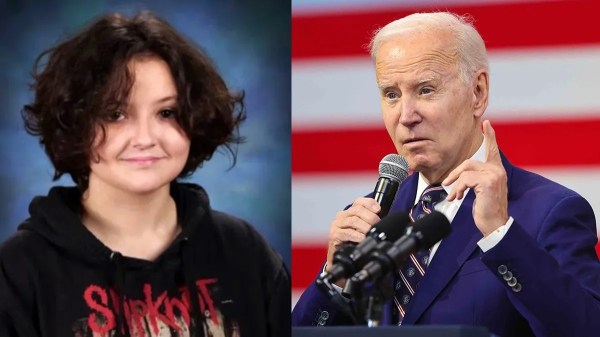
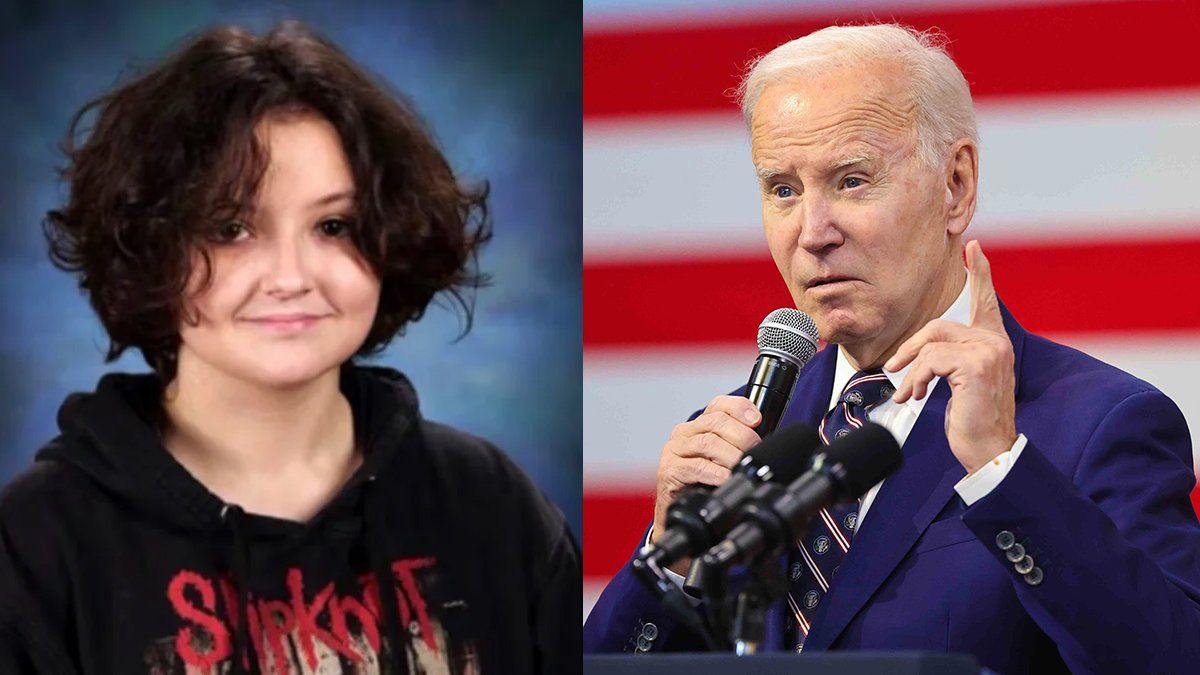
President Joe Biden highlighted the teenager’s passing and urged an end to bullying.
President Joe Biden released a statement from the White House on Thursday in response to the untimely murder of 16-year-old Nex Benedict of Oklahoma. He expressed his sympathies, along with those of the First Lady, and urged the country to address the bullying problem that he described as affecting LGBTQ+ youth.
The Chief Medical Examiner’s office in Oklahoma reports that Benedict, a transgender and nonbinary student at Owasso High School, committed himself by overdosing on two popular prescription and over-the-counter drugs, which caused toxicity.
Biden stated, “Jill and I are devastated by Nex Benedict’s tragic passing. “Every young person has the fundamental right to be free to be themselves, to feel safe and supported in their communities and at school. We ought to still be here with Nex Benedict today—a young person who only wanted to be accepted.
The president made his remarks in the face of growing dissatisfaction and doubt regarding the medical examiner’s one-page summary of Benedict’s death report. The medical examiner’s office has ten business days, per state law, to deliver the complete autopsy report. The summary, according to advocates and community people, does not adequately address the bullying and assault that occurred before to Benedict’s death, highlighting the fact that tragedies of this nature are inextricably linked to the conditions that give rise to them.
GLAAD has issued a warning against oversimplifying Benedict’s tragic story and brought attention to the structural problems with bullying and prejudice that LGBTQ+ kids face.
In response to the news of Benedict’s likely cause of death, Peggy Rajski, interim CEO and creator of The Trevor Project, a nonprofit that offers support and crisis counseling to LGBTQ+ children, released a statement.
“We are incredibly saddened to discover that Nex Benedict took his own life following severe harassment and assaults at their educational institution,” Rajski stated. Although this terrible tragedy has captured the attention of the country, we also know that it is, sadly, not unusual. LGBTQ+ youth have a suicide death rate that is more than four times higher than that of their peers. This isn’t due of any innate identification trait; rather, it’s a result of the extreme pressures, rejection, and hostility that many of them encounter in society.
Rajski went on, “Research by The Trevor Project indicates that having at least one accepting adult in an LGBTQ+ young person’s life significantly lowers their likelihood of attempting suicide. Ex’s death is a tragic reminder that we all have a role to play in reducing and eventually eradicating LGBTQ+ youth suicide.” Supporting young people who are living in their truth, whether as a teacher, caregiver, neighbor, or friend, is a life-saving and affirming act of allyship.
In his supportive letter, Biden mentioned the difficulties LGBTQ+ adolescents confront.
Some of the bravest Americans I know are nonbinary and transgender individuals. However, Biden stated that no one should need bravery in order to be themselves.
Benedict’s story has brought attention to the serious effects of bullying, especially when it comes to pupils who identify as LGBTQ+. Benedict was beaten in a school restroom just before he passed away, an event that highlighted the ongoing harassment he experienced because of his gender identity. Benedict admitted to the policeman on the footage obtained after the attack that he was bullied a lot.
In his speech, Biden reaffirmed his administration’s support for LGBTQ+ safety and rights, saying, “I will always have your back.”
Biden stated, “Parents and schools must take reports of bullying seriously.” He continued, “In memory of Nex, we must all recommit to our work to end discrimination and address the suicide crisis impacting too many nonbinary and transgender children.”
For 24/7 access to free and confidential services, please phone, text, or chat with the 988 Suicide & Crisis Lifeline at 988lifeline.org if you or someone you know needs mental health resources and support. For those who identify as transgender or gender nonconforming, Trans Lifeline can be contacted at (877) 565-8860. In addition, the lifeline offers support for other crises, like those involving domestic abuse. (866) 488-7386 is the Trevor Project Lifeline number for LGBTQ+ youth (age 24 and under). Additionally, users can text START to 678678 or use the chat services at TheTrevorProject.org/Help.
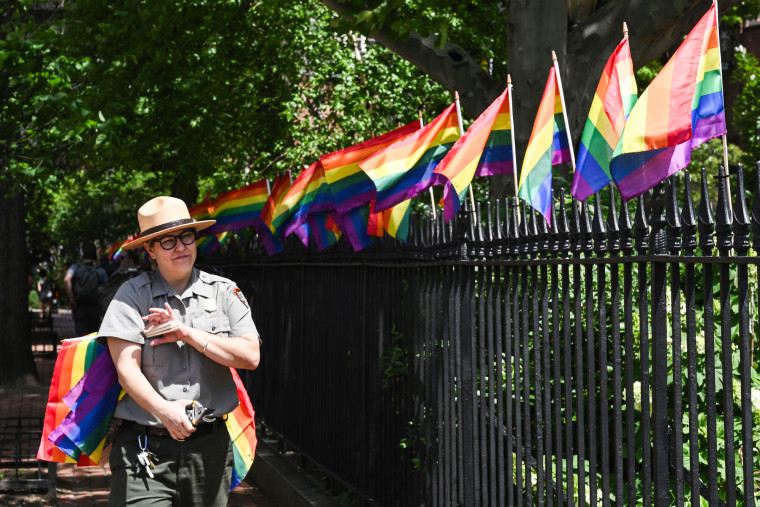
In recent years, uniformed park rangers have marched in some of the country’s largest Pride parades, including those in New York City and San Francisco.
A park ranger at the Stonewall National Monument in New York City in 2019. (Angela Weiss / AFP – Getty Images file)
Pride revelers will likely see fewer, if any, National Park rangers marching in uniform at LGBTQ Pride events across the country this year.
The National Park Service is effectively prohibiting uniformed employees from participating in public events that “could be construed as agency support for a particular issue, position, or political party,” according to internal memos and documents shared with NBC News. This restriction would extend to Pride marches, according to those documents.
The memo, which an NPS spokesperson described as a “reminder” of existing guidelines, marks a departure from the agency’s traditional enforcement of the policy and has caused confusion among staff. The NPS, which oversees the country’s national parks and monuments, has long permitted uniformed rangers to participate in LGBTQ Pride marches, including some of the largest events in New York City and San Francisco. In these cities, uniformed police officers, firefighters, military service members, and other government employees are also commonly seen in attendance. Notably, a ranger from the Stonewall National Monument — commemorating the historic 1969 uprising pivotal to the gay rights movement — has participated in many Pride events in uniform.
The NPS spokesperson confirmed the authenticity of three internal documents shared with NBC News: the initial memo clarifying the agency’s existing policy, a follow-up Q&A document, and an email sent to staff on Monday. However, the spokesperson did not confirm that the policy amounted to an outright ban.
“Official NPS participation in community events directly related to a park’s mission can be approved by the park superintendent, as long as it complies with applicable laws, rules, regulations, and NPS policies,” the spokesperson said in an email to NBC News on Tuesday.
Another NPS staffer, involved in this year’s employee Pride march planning and who has previously participated in uniform in a Pride parade and multiple Pride events nationwide, told NBC News they were “appalled” by the agency’s “lack of professionalism” and mishandling of the policy clarification. The employee, who requested anonymity due to fear of job loss for speaking to the media, emphasized the importance of the agency’s participation in Pride events. This participation honors the thousands of LGBTQ employees fired or forced to resign from the federal government during the Lavender Scare of the late 1940s to ’60s and serves as crucial outreach to a historically underrepresented community in the nation’s parks.
“I see Pride as a key service to the public, and stepping away from that as a political statement,” the employee said. “Denying this decades-long tradition is cowardly and validates the far-right provocateurs who are trying to question the existence of queer people in political discourse.”
The debate surrounding the uniform policy and its potential impact on Pride involvement started on May 9, when Frank Lands, NPS’ deputy director of operations, stated in a memo to all staff that the service had received numerous requests from employees seeking to participate in various non-NPS events in uniform. Additionally, there were requests to wear ornaments such as pins, ribbons, and buttons on their uniforms.
The surge in requests led NPS to reevaluate its policy, with plans to update it later this year, as outlined in the memo initially reported by Politico’s Environment & Energy News. In the interim, Lands advised employees to adhere to the existing uniform policy, abstaining from “participating in or attending any demonstration or public event wherein the wearing of the uniform could be construed as agency support for a particular issue, position, or political party.” He also reiterated the current policy’s restriction on ornaments, permitting only the NPS-issued badge, name bar, American flag pin, and, for dress uniforms, a collar insignia.
While Lands did not explicitly reference Pride events, an internal follow-up Q&A document, provided to NBC News by the anonymous employee and corroborated by another involved with NPS’ LGBTQ employee resource group, clarified that out-of-park Pride events are encompassed within the prohibition.
The Q&A document also addresses the question: “Isn’t a Pride event more related to identity than a political issue or cause?” The response in the document states, “When considering First Amendment implications, the courts do not differentiate between events that celebrate or endorse an ‘identity’ and events that advocate for a ‘cause.’ Parades and similar events are regarded as a means of communication, both for the organizers and participants, so the participation of uniformed employees would be perceived as communication on behalf of the NPS.”
According to Lands’ email, the majority of the internal inquiries from employees regarding the clarification have centered on questions such as “What has prompted this change?” and “Why is this happening now?”
In his message, Lands clarified, “To put it plainly, there has been no alteration in policy. We issued this reminder because an increasing number of employees have sought to participate in non-NPS events while in uniform, advocating for various causes and topics. Past interpretations of our uniform policy lacked consistency and were not subjected to the thorough review we are currently undertaking.”
When NBC News inquired about whether prior involvement of uniformed employees in public Pride parades aligned with policy, the NPS spokesperson echoed Lands’ email nearly verbatim in response.
The NPS employee involved in organizing the Pride march participation expressed disappointment with Lands’ email, noting its lack of apology or resignation.
LGBTQ staff, employee resource groups, and employees involved in community outreach “deserve an apology for the grief, turmoil, and distraction caused by this situation, especially considering their commitment to the work and mission of the Park Service.”
The NPS staffer involved in Pride planning expressed uncertainty about the waiver process for uniformed employees marching in Pride parades, stating that there has been no clarity on the matter. Internal emails shared by the employee indicate that park superintendents are seeking approval from their managers for such waivers, suggesting that superintendents cannot approve waivers independently as the spokesperson implied. Additionally, the employee noted that they had never previously encountered such an approval process for participating in Pride events in uniform.
Amid a backdrop of heightened political hostility towards LGBTQ individuals, the NPS policy clarification comes at a crucial time. Conservative lawmakers nationwide have introduced over 500 bills targeting the LGBTQ community this year alone, as reported by the American Civil Liberties Union. Furthermore, in the past month, various government agencies including the FBI, Department of Homeland Security, and State Department have issued warnings about potential terrorist threats against events during Pride Month, traditionally celebrated in June. Additionally, Pride events have increasingly faced threats from various groups, including white nationalist organizations, highlighting the ongoing challenges to LGBTQ rights and safety.
The NPS employee engaged with the LGBTQ employee resource group is fielding inquiries about the policy from colleagues across the country.
“People are asking, ‘Can we still join Pride parades? What’s the future of our participation?’ With Pride Month just nine days away, and many having planned for months, the main concern is, ‘How is being queer linked to a specific issue, position, or political party?’ We’re not getting a clear answer. It’s about identity, not ideology, and there’s a significant confusion between the two.”
Democrats objected to the bill, arguing that it would worsen mental health issues among LGBTQ+ youth.
H.B. 122, which prohibits discussions of gender and sexuality in public schools, has been approved by the Louisiana Legislature. The bill is set to be signed into law by Republican Governor Jeff Landry.
H.B. 122 prohibits discussions of gender identity and sexual orientation across all grade levels in public schools. It restricts such discussions in grades K-12 as well as in extracurricular and athletic settings, with approved curriculum topics being the only exception to the law.
State Rep. Dodie Horton (R) introduced the bill, which passed the state senate with a vote of 28-7 yesterday. It had previously been approved by the state house in April with a vote of 69-28.
As per the Louisiana Illuminator, Horton acknowledged in committee that her bill would also prohibit discussions on heterosexuality and cisgender identity. She further argued against teachers engaging in conversations about “lifestyle choices” with their students.
“When my bill was presented in committee, I emphasized that engaging in sexualized personal discussions between educators and students in our classrooms is not appropriate. Such discussions can deprive our children of their innocence and exert undue influence over their impressionable young minds,” Horton stated.
State Sen. Beth Mizell (R) sponsored the bill in the state senate. When questioned about the potential negative impact on students, she asserted that it was not the bill’s intended consequence. Mizell then argued that parents might not trust LGBTQ+ school staff unless they’re prohibited from discussing their personal lives.
“It’s important to provide a safe environment where parents can have confidence,” stated Mizell. “For example, if there’s an LGBTQ employee, parents might feel reassured knowing that person can’t discuss their sexual orientation with their child. Similarly, just as I wouldn’t want a promiscuous male or female teacher discussing their sexual partners with my child, parents should have that assurance.”
State Senator Royce Duplessis (D) criticized the bill, stating that it “oppresses and stigmatizes young people who are struggling.”
“I don’t see a necessity for this bill,” remarked Duplessis.
The bill faced opposition from LGBTQ+ advocates.
“Being LGBTQ+ or discussing LGBTQ+ issues and individuals is entirely appropriate. Moreover, withholding access to crucial medical care for transgender and non-binary youth poses serious risks to their lives,” stated Cathryn Oakley of HRC in a statement last year regarding the introduction of a similar bill in the legislature.
The provision in the bill that prohibits discussing “sexual orientation or gender identity” during extracurricular activities could potentially lead to the dissolution of LGBTQ+ student organizations, like GSAs, in Louisiana public schools.
The state senate is set to deliberate on H.B. 121 next week, proposed by state Rep. Raymond Crews (R). This legislation aims to prohibit transgender and nonbinary youth in public K-12 schools from using names and pronouns that differ from those assigned at birth unless parental consent is obtained.
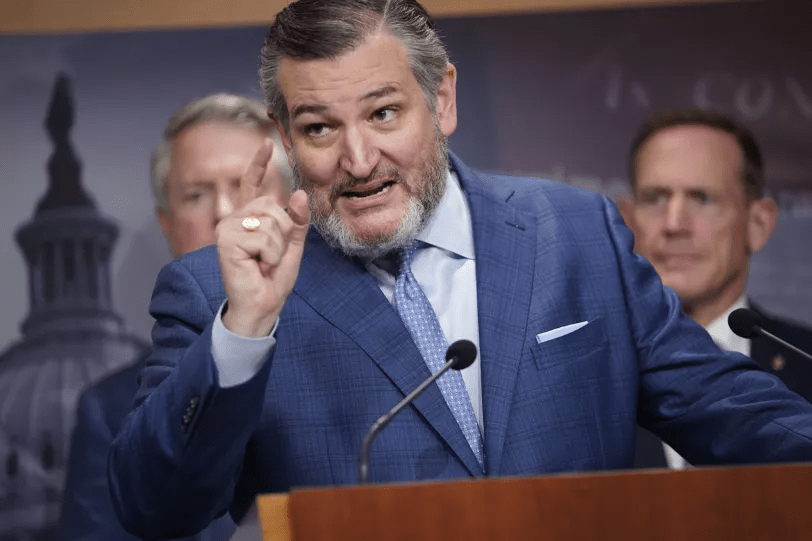
Cruz repeatedly interrupted Judge Sarah Netburn, accusing her of being a “political activist” as she attempted to explain her application of the law.
Senators Ted Cruz (R-TX) and John Kennedy (R-LA) angrily questioned U.S. Magistrate Judge Sarah Netburn, a Biden judicial nominee, over her recognition of a trans inmate as a woman.
“I think you’re radical, and you have no business being a judge,” Cruz stated.
The inmate, July Justine Shelby, stirred controversy in the hearing because she was a sex offender transferred to a women’s prison.
“The facts of the case were that the petitioner had last engaged in a contact offense 30 years ago and had not engaged in any contact offense since. Additionally, the medical evidence indicated that for the last five years, the petitioner was sober and hormonally entirely female,” Netburn explained at the confirmation hearing.
She was transferred to a women’s prison instead of a men’s prison because she is a woman. Judge Netburn cited Estelle v. Gamble, explaining that her rights under the Eighth Amendment were being violated.
The two senators repeatedly interrupted Netburn’s statements, disregarding the facts of the case and focusing on the inmate’s offense history, while accusing Netburn of being a “political activist.”
Three wardens and a district judge supported Netburn’s recommendation to house Shelby in a women’s prison, considering the violence Shelby faced in previous incarcerations and her medical needs as a transgender individual.
Transgender individuals who are registered sex offenders are at higher risk of experiencing heightened police violence and becoming victims of sexual and physical assault by other inmates while in prison.
Shelby is currently housed alongside other female violent offenders, including cisgender women who have been convicted of similar offenses, in women’s prisons.
Shelby has a criminal history that includes giving child pornography to other sex offenders and raping and molesting two youngsters, a 17-year-old female and a 9-year-old boy.
Kennedy and Cruz repeatedly emphasized Shelby’s height, potentially insinuating that her tall stature may suggest she is not female.
Cruz stated, “You’ve taken a 6’2″ serial rapist, a serial child rapist with male genitalia, and he said, ‘You know, I’d like to be in a women’s prison.’ And your response was, ‘That sounds great to me.'” He continued, “Let me inquire, do the other women in that prison have any rights?”
Netburn asserted, “Every individual who is incarcerated has the right to feel safe in their environment.”
Senator Laphonza Butler (D-CA) permitted Netburn to complete her response to Cruz’s inquiries as he repeatedly interrupted her.
“The petitioner had not committed any acts of violence, whether physical or sexual, while in custody,” Netburn stated. “All three wardens overseeing the petitioner’s case requested her transfer to a women’s facility due to her severe medical requirements. Moreover, the Bureau of Prisons’ longstanding medical provider testified during a two-day hearing in my courtroom and advocated for the petitioner’s transfer based on her significant medical needs.”
“The Transgender Executive Council, responsible for determining transgender transfer requests, never indicated that the petitioner couldn’t be transferred due to any risk of violence,” stated Netburn. “Their denial of her request was based on the requirement for her to maintain her hormone levels.”
“The petitioner had achieved full female hormone levels prior to incarceration. When the district judge in Indiana requested her placement in a women’s facility, her hormone levels were entirely female. The decision by the Transgender Executive Council to deny her transfer request was consistently based on the requirement for hormone consistency and stability, aligning with the standards for cisgender women,” Netburn clarified.
Cruz and Kennedy verbally admonished Butler for granting them additional time to question Netburn.
Conservative media outlets have disseminated the story but often omitted the full transcript of both lines of questioning. Instead, they selectively quote sections where Netburn is compelled to provide incomplete answers.
Cruz also falsely asserted that Netburn contradicted her initial report, which highlighted Shelby’s vulnerability to sexual violence. In her testimony, she referenced Shelby’s potential for perpetrating sexual violence herself.
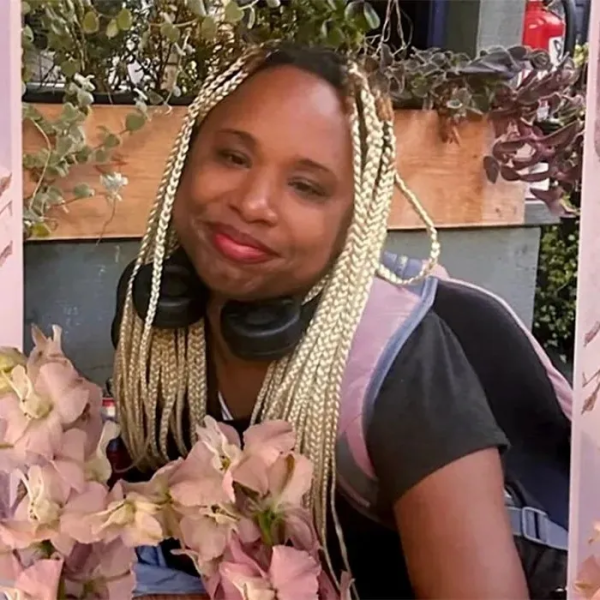
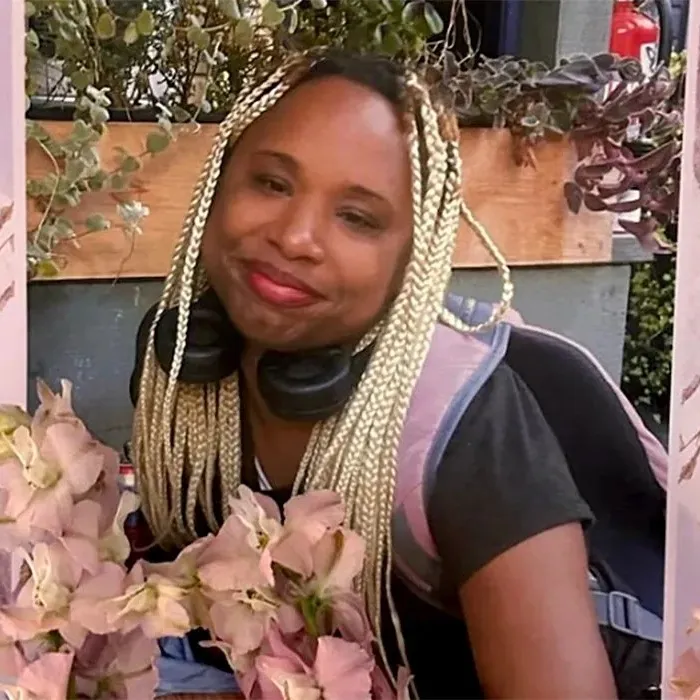
Michelle Henry, a beacon in San Francisco’s transgender community, tragically lost her life.
The San Francisco LGBTQ+ community is grieving the loss of a transgender woman who was killed on May 15th.
“Michelle’s passing is an immense loss for our community,” said Rebecca Rolfe, executive director of the organization, in an email statement. “There are no words to express the depth of our collective grief right now. We extend our gratitude to those who cherished Michelle, and our thoughts are with everyone who had the privilege of truly knowing, loving, and caring for her.”
On Tuesday, friends and family gathered to honor Henry at a memorial vigil held at San Francisco’s bar, Mother. The LGBT Center is currently creating an altar to honor her memory.
Veronica Pritipaul, a navigation specialist at the LGBT Center, described Henry as a “beacon of light in our community” who dedicated her life to transgender liberation. “With her passing, we have not only lost a beloved sister, but also a mentor and steadfast advocate for the trans community,” Pritipaul told the Reporter.
Jackson Asher, a close friend, remembered Henry as “incredibly loving” and a constant source of support over the years. “She was there for me at my lowest points, especially during my struggles with addiction,” Asher recalled. “Her love was unwavering, and her vibrant energy drew people to her.”
Friends suspect that Henry’s death may have been a hate crime targeting a transgender person. However, the San Francisco Police Department is currently not investigating the incident as a bias-motivated killing. “At this time, we do not have evidence indicating that this incident is hate-related,” police stated in a release.
Authorities have arrested 33-year-old Raymani Yuhashi, who faces charges of murder with premeditation, according to the Reporter. As of May 21, Yuhashi’s name did not appear in the county jail’s online records.
Henry’s death has been classified as a homicide, confirmed by David Serrano Sewell, executive director of the city’s Office of the Chief Medical Examiner, according to the Reporter.
A spokesperson for the San Francisco District Attorney’s office stated that the investigation is ongoing. “The police had sufficient cause to make an arrest based on evidence gathered at the scene. However, further investigation is necessary to make informed decisions about criminal charges,” the representative informed the Reporter. “Once the investigation concludes, all evidence will be thoroughly evaluated. If we determine we can meet the burden of proof, appropriate charges will be filed.”
The district attorney’s office extended condolences to Henry’s family and friends, offering support through their Victim Services Division as they navigate this difficult time.
Henry is at least the 15th trans or gender nonconforming person killed this year due to violent incidents, as reported by the Human Rights Campaign (HRC). The HRC’s current database, which lists 14 individuals, has yet to be updated to include Henry’s death. Nearly four out of five of those killed this year have been people of color, with almost a third being Black trans women. The majority of these deaths involved firearms.
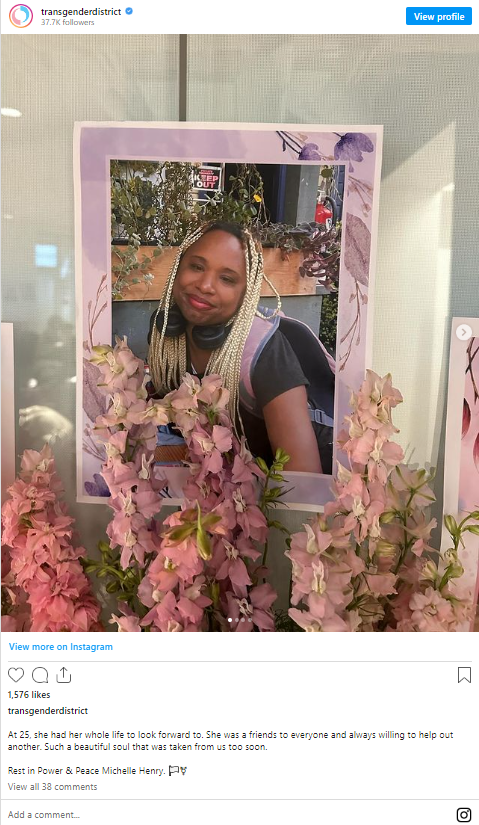
As the LGBTQ+ community grieves another tragic loss, San Francisco’s Transgender District honored Henry in an Instagram post, describing her as a “beautiful soul taken from us too soon.” “At 25, she had her whole life ahead of her,” the post reads. “She was a friend to everyone and always ready to lend a helping hand.”
Honey Mahogany, recently named director of the city’s Office of Transgender Initiatives, described Henry as a “beloved member of our community.” Mahogany emphasized that her tragic death serves as a stark reminder that, even in San Francisco, ongoing advocacy is crucial to ensure the safety and welfare of all transgender individuals.








 fleeredstates.blog
You must be logged in to post a comment.