A blog for LGBTQIA+ migrating to more welcoming states or counties
Author: Bob McCranie
I am so proud to run Texas Pride Realty Group. We set out on a mission in 2009 to serve the diverse communities of Texas and to hire kick-ass agents who practice the highest ethics and professionalism. I believe that the agent's role is to help the consumer make well-educated decisions, even if those decisions lead away from a purchase or sale.
I believe that education is vital in this industry. I currently have over 1300 hours of real estate courses on my transcript with the State of Texas. Additionally, I am a Real Estate Business Coach at Tom Ferry International, the largest-real-estate specific coaching company in the world. I coach agents in the US and Canada, and have coached clients in Australia, New Zealand, Brazil, and Switzerland. I also have knowledge of the UK and Irish markets.
Opening Texas Pride Realty was always a goal of mine and I am working night and day to be sure it is successful. The best way to do that is to be sure clients are satisfied and agents are busy. What better legacy could someone leave in this industry than a group of well-trained, high-quality brokers who do your job better than you?
Authorities have taken three teenagers into custody in connection with the death of Franco.
This is a developing story. It contains descriptions of violence against a trans person.
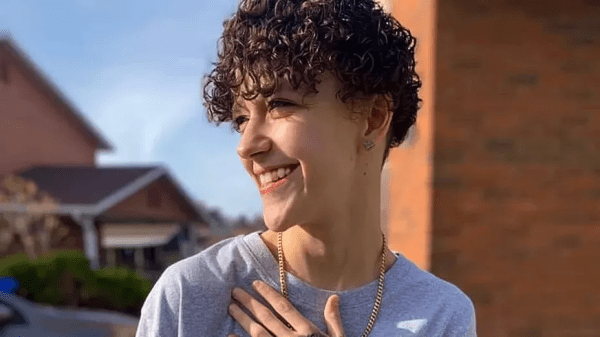
According to the local CBS affiliate 2KUTV, the lifeless body of Alex Franco, a 21-year-old transgender man, was discovered on Tuesday morning in a secluded area of Utah, succumbing to a gunshot wound.
Reports suggest that Franco was abducted on Sunday afternoon. His girlfriend, Alyssa Henry, last saw him outside her Taylorsville residence, situated in the Salt Lake City metropolitan vicinity. Henry recounted to 2KUTV that Franco was conversing inside a white Jeep with acquaintances of theirs, purportedly arranged to provide transportation to the park for the couple. However, a gunshot emanated from within the vehicle, which swiftly departed. Authorities located Franco’s remains on Tuesday, bearing a lone gunshot injury, in a remote desert sector of Utah County, as detailed by the Taylorsville Police Department.
Subsequently, two teenage boys, aged 17 and 15, were apprehended in connection to the incident and presented in court on Wednesday. Another 17-year-old was detained early Thursday morning, as reported by local news outlet Fox 13. According to court statements cited by the station, the trio purportedly engaged in a dispute with Franco while attempting to sell him a firearm; Taylorsville Police disclosed that the teenagers had intended to rob Franco of the money allocated for the purchase of the weapon.
Law enforcement officials informed the news outlet that the three youths have been incarcerated at the Salt Lake Valley Detention Center, facing multiple felony charges. Their next court appearance is scheduled for March 27.
In a vigil held on Tuesday night, Franco’s loved ones congregated to honor his memory. Chloe Goold, a close friend, characterized him as someone who “illuminated every room he entered,” according to 2KUTV. Vinnie Franco, Alex’s grandfather, took to Facebook on Tuesday to pay tribute to his grandson, recalling how Alex had cared for him during times of incapacity and expressing joy for Alex’s journey of self-realization as a transgender individual.
To cover the funeral expenses of Franco, his family initiated a crowdfunding campaign, with any surplus funds allocated toward aiding the mental health recovery of grieving siblings.
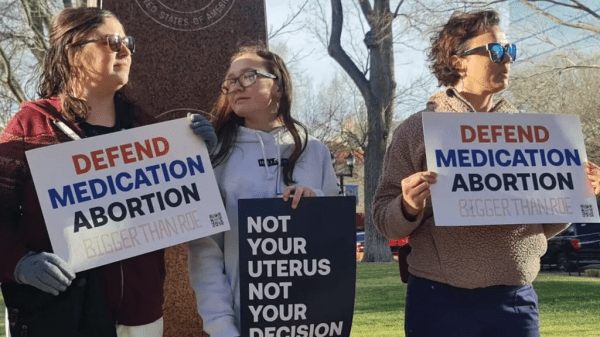
The recent Texas abortion pill ruling not only sets a precedent for reproductive rights but also raises concerns about the broader implications for medication access. This decision has ignited discussions about the potential threats it poses to various drugs beyond reproductive health, signaling a pivotal moment in the ongoing debate over healthcare policy
Experts warn that a recent Texas court ruling on abortion pills could jeopardize the approval process for nearly every drug in the United States, posing a significant threat to the country’s regulatory framework.
On Friday, a Texas judge nullified the Food and Drug Administration’s authorization of mifepristone, one of the two drugs employed in medication abortions. This action has sparked concerns among legal experts regarding potential challenges to other approved medications in the United States and the potential dampening effect on the development of future drugs.
According to Lawrence Gostin, a professor of global health law at Georgetown University, “This could have precedential value that could extend beyond abortion medication to encompass standard drugs regularly under FDA review.”
In response, the Justice Department has lodged an appeal against the ruling, with officials from the Biden Administration cautioning that it could disrupt the entire FDA approval process.
On April 8th, Texas Judge Matthew Kacsmaryk issued a ruling ordering the removal of mifepristone from the market within seven days, asserting that the FDA had violated federal regulations allowing accelerated approval for certain drugs. The order is scheduled to come into effect on Friday.
In his 67-page opinion, the judge stated, “FDA acquiesced on its legitimate safety concerns—in violation of its statutory duty—based on plainly unsound reasoning and studies that did not support its conclusions.”
Opponents of mifepristone’s FDA approval, primarily anti-abortion activists, have alleged that the agency’s decision was politically motivated and failed to adhere to proper protocols.
Legal analysts have criticized the Texas ruling, denouncing it as deeply flawed for cherry-picking evidence and incorporating partisan language, such as referring to “unborn humans” instead of “fetus.”
“I perceive the decision more as an ideological or religious manifesto posing as a legal opinion,” remarked Scott Lassman, a lawyer with over three decades of experience in FDA law and policy.
Under the Food, Drug, and Cosmetic Act of 1938, the FDA is empowered to assess the safety and efficacy of drugs, and traditionally, courts have deferred to the agency in matters concerning scientific and medical judgments, noted Mr. Lassman.
Regarding mifepristone specifically, Lawrence Gostin of Georgetown University emphasized its “impeccable” health and safety track record, having undergone thorough evaluation by the FDA.
Experts point out that common medical procedures like colonoscopies, as well as drugs like penicillin and Viagra, carry higher complication and mortality rates.
However, Judge Kacsmaryk’s ruling establishes a precedent wherein any individual lacking medical expertise could contest such scientific evidence, according to experts.
“Attempting to undermine the scientific judgments made by seasoned FDA scientists sets a dangerous precedent,” cautioned Mr. Gostin.
This week, over 300 pharmaceutical executives have urged for the reversal of the Texas decision, asserting its disregard for scientific evidence.
The pharmaceutical industry may now be apprehensive about facing further legal challenges to their products, especially those that have become politicized issues in the United States, such as gender-affirming care and Covid-19 vaccines, noted I. Glenn Cohen, a professor at Harvard Law School.
“There’s a possibility in any domain, but … it’s likely to have the most severe repercussions for medications that are sometimes vital for marginalized groups,” he remarked.
Experts suggest that those seeking to contest politically contentious treatments may consider filing lawsuits once more in Judge Kacsmaryk’s district in Amarillo, Texas.
“From what it seems, this judge holds notably strong ideological and religious convictions, which could position him as a prime venue for challenging more politically charged drug approvals,” commented Mr. Lassman.
Legal experts caution that the ramifications may not be limited to the FDA alone; they could also impact the ability of other US regulatory bodies, such as the Environmental Protection Agency and the Centers for Disease Control and Prevention, to make scientifically sound decisions safeguarding public health.
“If these agencies are hindered in utilizing the most robust scientific evidence available, it could greatly compromise the safety and well-being of Americans,” remarked Mr. Gostin.
Anti-abortion activists are strategizing a covert approach aimed at potentially enacting a nationwide ban on abortion in the United States. Their backdoor strategy poses significant implications for reproductive rights and legal precedents, prompting heightened scrutiny and debate over the future of abortion access in the country
Anti-abortion activists in the United States, including allies of former President Donald Trump, are pursuing a strategy to institute a nationwide abortion ban. This plan circumvents Congressional approval and public opinion, relying instead on Mr. Trump’s potential re-election in November and the utilization of an obscure 19th-century law.
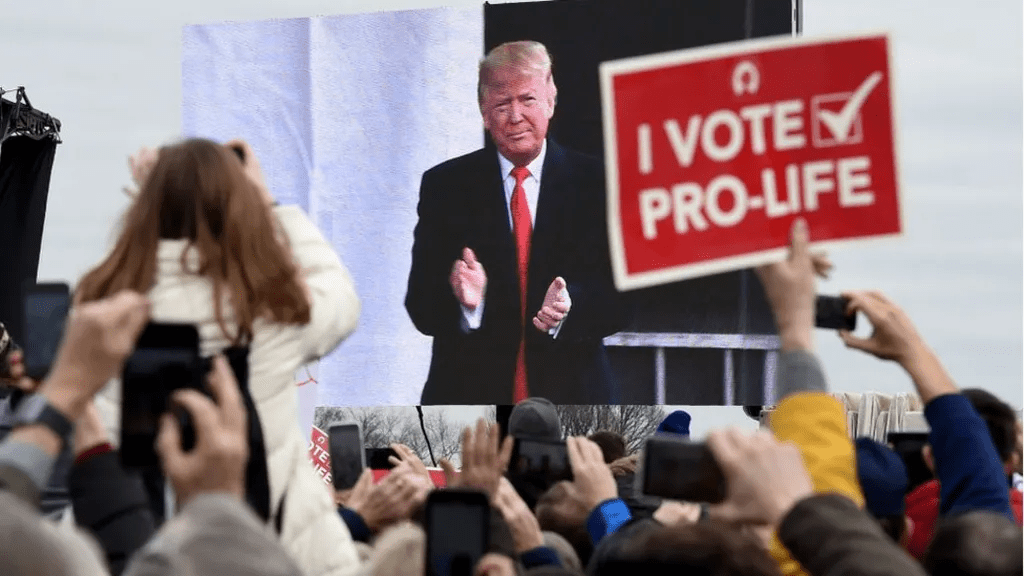
During this year’s annual “Pro-Life Summit” held on January 20th, attendees were treated to a keynote address delivered by Marjorie Dannenfelser, the head of Susan B. Anthony Pro-Life America, one of the nation’s most influential anti-abortion organizations.
Ms. Dannenfelser is widely recognized for persuading Donald Trump to nominate three anti-abortion justices to the Supreme Court during his presidency. In June 2022, these appointees played a pivotal role in overturning Roe v. Wade, effectively revoking the nationwide right to abortion.
The overturning of Roe v. Wade marked a significant triumph for the anti-abortion movement, with activists heralding it as a generational victory that paved the way for an abortion-free future. However, in the nearly two years since, their efforts have encountered notable obstacles. Despite concerted efforts, public opinion in America has consistently favored maintaining access to abortion, even in traditionally conservative states.
The movement’s ultimate objective—a federal abortion ban—has proven elusive, a formidable challenge in a politically divided Congress that struggles to find consensus on legislative priorities.
This political reality hasn’t escaped the notice of anti-abortion advocates. Speaking to a captivated audience in the grand ballroom of a Washington DC hotel, comprised of the movement’s most ardent supporters, Ms. Dannenfelser devoted a significant portion of her speech to instilling hope.
“It’s not lost on any of us, right? That it’s been difficult,” she acknowledged. “We’re all aware.”
However, anti-abortion activists may possess a trump card. Conservative leaders, including allies of Mr. Trump, have devised a new strategy to criminalize abortion. Experts suggest that this plan could succeed if the former president returns to the White House.
“If Trump wins, there’s potential for a de facto nationwide ban he could seek to enforce immediately,” explained Mary Ziegler, a prominent law professor specializing in the US abortion discourse at the University of California, Davis. “It’s rooted in the Comstock Act.”
A 150-year-old law
Enacted in 1873, the Comstock Act, spearheaded by anti-vice advocate Anthony Comstock, criminalized the transmission or receipt of materials deemed “obscene, lewd, or lascivious.” Notably, the statute explicitly addressed birth control and abortion, prohibiting materials intended for “the prevention of conception or procuring of abortion.”
Over the ensuing century, judicial interpretations gradually narrowed the law’s application. In 1971, Congress substantially relaxed Comstock’s restrictions on contraceptives, and two years later, the Supreme Court affirmed a constitutional right to abortion through Roe v. Wade. Consequently, the act was largely perceived as an unenforceable relic, lying dormant for five decades.
However, the Comstock Act is now experiencing a resurgence within conservative circles.
Without the protections of Roe v. Wade ensuring abortion access, the reasoning is clear. Under an expansive interpretation of the law, the mailing of any abortion-related materials—whether through the United States Postal Service or private carriers like UPS and FedEx—would constitute a violation.
By obstructing the delivery of medications and tools essential for the procedure to hospitals and clinics, the Comstock Act could effectively impede abortions without the need for Congress to enact new legislation.
“Its language is remarkably broad,” explained Rachel Rebouché, dean and professor of law at Temple University Law School and a noted authority in reproductive health law. “If interpreted literally, the Comstock Act could indirectly impose a ban on abortion, as all supplies for abortion clinics are typically delivered by mail.”
The conservative strategy
Anti-abortion activists and prominent conservative organizations are gearing up for this tactic, formulating legal arguments and political maneuvers to reinterpret the Comstock Act as a viable tool for enforcing an abortion ban.
Josh Craddock, a lawyer and scholar affiliated with the conservative James Wilson Institute, has been vocal in his opposition to abortion. He noted that fellow anti-abortion activists have rallied around the Comstock Act, hailing it as “one of the most promising avenues for advancing the pro-life agenda in America today.”
“It doesn’t hinge on Congress taking action or the Supreme Court making a ruling; there’s existing federal law safeguarding unborn life,” he asserted. “It’s quite straightforward.”
This week, the Comstock Act will be brought before the Supreme Court as part of arguments presented by a coalition of anti-abortion activists and medical professionals seeking the withdrawal of federal approval for the abortion medication mifepristone.
Furthermore, the conservative Heritage Foundation has specifically referenced the Comstock Act in its strategic blueprint for the upcoming Republican administration, known as Project 2025.
In light of the Supreme Court’s decision to overturn Roe v. Wade, the Foundation asserts that there are no longer any barriers to enforcing this statute. “The Department of Justice in the next conservative Administration should therefore announce its intent to enforce federal law against providers and distributors of such pills,” it stated, referring to abortion pills.
The abortion segment of Project 2025 was developed by former Trump administration official Roger Severino, who declined to comment when contacted by the BBC. Notably, the project boasts the participation of leading anti-abortion organizations on its advisory board, including SBA Pro-Life America led by Ms. Dannenfelser and Students for Life headed by Kristan Hawkins.
Can it work?
Anti-abortion activists find the legal framework of the Comstock strategy compelling. However, translating it into action hinges on a federal government’s willingness to enforce the law after years of dormancy.
Nevertheless, experts argue that this is not only feasible but also probable, especially with Mr. Trump in the White House.
“All it requires is an administrative determination from the Department of Justice to pursue individuals for breaching the Comstock Act,” explained David Cohen, a law professor at Drexel University specializing in abortion law. “The barriers to implementation are minimal, apart from securing an electoral victory.”
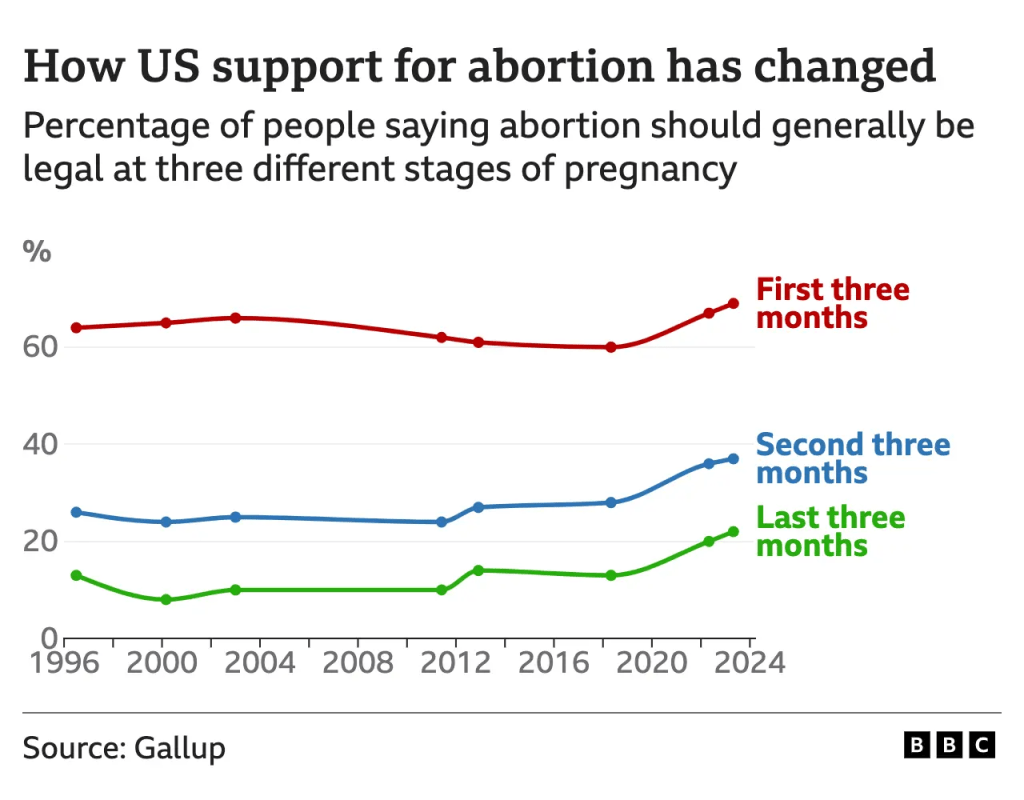
Enforcing the Comstock Act in this manner would likely trigger a flurry of legal disputes, potentially culminating in a Supreme Court review. A federal ban on abortion would have far-reaching consequences and could face significant public opposition. A recent Gallup poll indicates that approximately 69% of voters believe abortion should be legal during the first three months of pregnancy, which is when the majority of abortions occur.
A political liability
Some critics argue that anti-abortion activists have deliberately kept their Comstock strategy under wraps.
“They [Republicans] understand that this approach is unpopular,” remarked Ryan Stitzlein, vice president of government relations at the pro-choice organization Reproductive Freedom for All (formerly NARAL). “Therefore, they resort to methods of obfuscation or concealment.”
In New Mexico, where efforts to establish abortion-free “sanctuary cities” have invoked the Comstock Act, activists primarily reference its statute numbers—18 USC 1461 and 1462.
Similarly, in Project 2025, while the law is directly quoted, the term “Comstock” is conspicuously absent from the 920-page document, with only the statute numbers being cited.
Jonathan Mitchell, an anti-abortion attorney who has been an advocate for the Comstock strategy, recently advised anti-abortion groups to maintain a low profile until the election, according to reports from the New York Times.
Reportedly, Mitchell, who has previously represented Mr. Trump, expressed a desire for the former president to remain unaware of the Comstock strategy, stating, “because I just don’t want him to shoot off his mouth.” Despite attempts to contact him, Mitchell did not provide a response to the BBC’s request for comment.
All eyes on the White House
If Mr. Trump returns to the White House next year, his endorsement of the Comstock Act will be crucial for any significant enforcement of the law.
Thus far, he has made no public remarks regarding the statute, and his stance on abortion more broadly remains somewhat ambiguous.
While Mr. Trump previously declared himself “the most pro-life president ever,” he has recently displayed public frustration with stringent abortion restrictions, expressing a desire for compromise on legislation.
In a September interview on NBC’s Meet the Press, he remarked, “It could be state, or it could be federal. I don’t, frankly, care.”
However, last week, Mr. Trump indicated support for a federal ban on abortions after 15 weeks of pregnancy, with exceptions for rape, incest, and the life of the mother.
Experts suggest that if re-elected, Mr. Trump is likely to approach abortion policy in a manner similar to his first term, deferring to conservative activists in his circle.
“The past approach has been that Trump delegates responsibility to individuals who are very conservative,” explained Mary Ziegler of the University of California.
Those advocating for the Comstock strategy are not fringe figures but rather former Trump administration officials and other allies of the former president.
According to the Heritage Foundation, the first Trump administration heavily relied on its policy agenda, embracing nearly two-thirds of its proposals within a year in office.
“While it doesn’t guarantee Trump’s support, it does lend credibility to those asserting it,” Ms. Ziegler noted. “These are individuals deeply embedded in Trump’s circle who have his ear.”
Alejandra Caraballo alleges that X is shielding right-wing extremists while stifling the voices of transgender individuals.
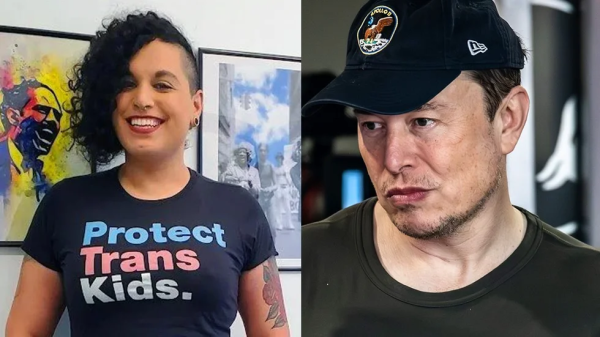
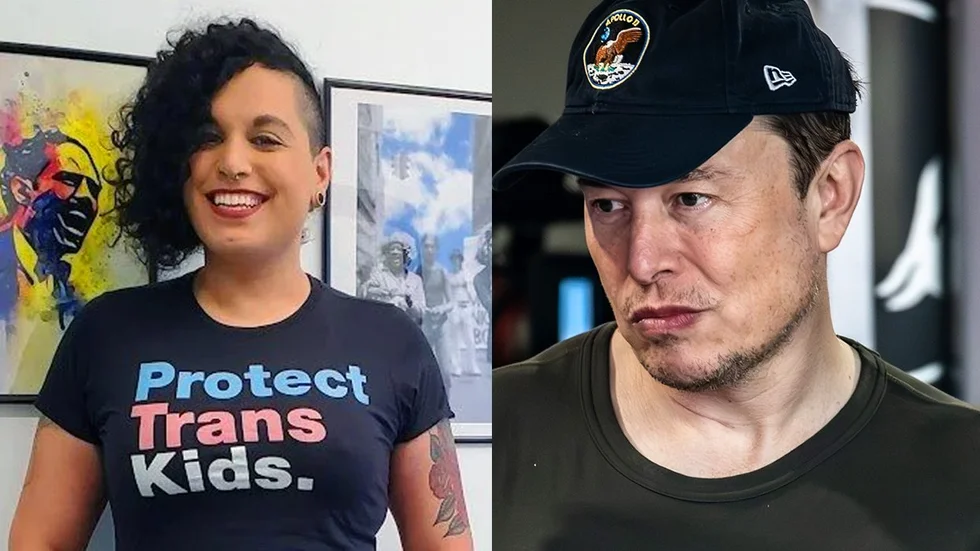
Alejandra Caraballo, a transgender attorney and clinical instructor at Harvard Law School’s Cyberlaw Clinic, appears to have received a permanent ban from X (formerly Twitter) for disseminating information regarding the alleged identity of a neo-Nazi figure, sparking questions about the platform’s content moderation policies under Elon Musk’s ownership. This development has reignited debates concerning free speech, hate speech, and the handling of far-right ideologies on the platform.
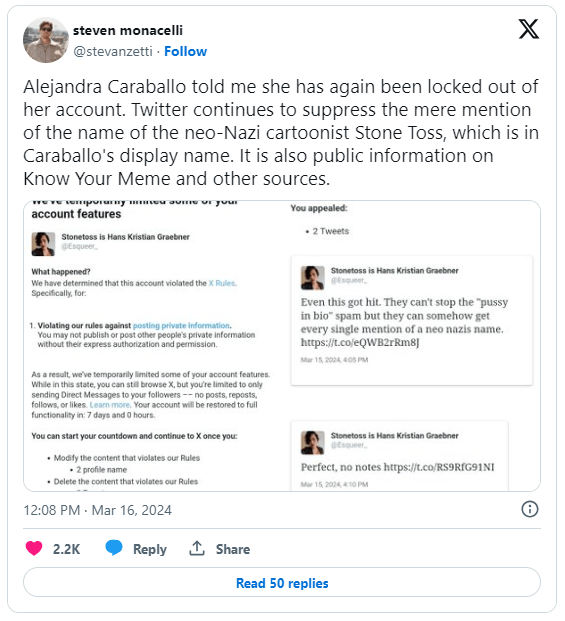
Caraballo’s permanent suspension was confirmed on Tuesday morning. Earlier, she had faced a temporary suspension after modifying her profile name to include that of a notorious right-wing extremist known for creating content steeped in racism and anti-Semitic themes.
The extremist in question, known for producing comic illustrations under the alias StoneToss, was purportedly revealed to be a 34-year-old former security guard and IT worker from Texas named Hans Kristian Graebener by a group of activists, the Anonymous Comrades Collective and Late-Night Anti-Fascists, as reported by Wired on March 12. Critics point out that StoneToss’s content frequently contains elements of anti-Semitism, transphobia, racism, homophobia, and other forms of bigotry. Following the online posting of the individual’s name and photo by the activist group, some X users reported instances of suspension.
Journalist Steven Monacelli remarked on the atypical enforcement actions taken against Caraballo, observing, “Alejandra Caraballo’s account has been restricted, and her display name altered to remove reference to the neo-Nazi cartoonist Stone Toss. This level of enforcement is unprecedented in my experience. It appears Musk is going to great lengths to shield Stone Toss.”
Monacelli added, “Alejandra Caraballo has been suspended, rendering her account inaccessible, all due to sharing the name of the racist and antisemitic cartoonist Stone Toss.”
Another user on X criticized the platform’s decision, stating, “Alejandra Caraballo @Esqueer_ has been suspended yet again, this time indefinitely, simply for discussing publicly available information regarding a Nazi. X’s actions are becoming increasingly authoritarian. Freedom of speech seems conditional on Elon’s approval.” This sentiment underscores mounting concerns about the direction of X under Musk’s leadership, particularly regarding content moderation and political discourse.
Caraballo expressed to The Advocate, “Elon is personally instructing Twitter to shield StoneToss. The excessive measures suggest a haphazard and reactive approach.”
X’s policy regarding private information explicitly acknowledges that mentioning someone’s name is considered publicly available information and does not breach its guidelines. The measures taken against Caraballo have raised questions about the consistency and impartiality of X’s policy enforcement, especially concerning politically sensitive content.
Caraballo condemned Twitter’s explicit protection of neo-Nazis as morally reprehensible, highlighting how “the individual responsible for the neo-Nazi StoneToss comics directly appealed to his followers, who had a direct line to Elon. They heeded the call, prompting Twitter to crack down on anyone mentioning the name.”
Following the alleged identification of the creator on social media, StoneToss utilized X to rally his followers and address Musk directly, expressing opposition to what he perceived as attempts to silence him and others on the platform. He asserted, “One of you has a direct line to @elonmusk – and you need to use it,” adding, “This is not only about myself but also about others I know personally. There exists a whole community of artists who cannot create art anymore due to Twitter users organizing to punish them in real life for doing so.” He proposed that minor policy adjustments could alleviate the situation for far-right creators who have been driven away from other platforms.
Caraballo posted a screenshot of a violation notice indicating her account suspension for allegedly violating X’s rules on abusive behavior following a user report. According to the notice, modifying one’s profile name in a manner deemed as targeted harassment by the company constitutes a violation of the rules.
“I’m not surprised by their actions,” Caraballo remarked. “They seize any excuse to ban individuals Elon dislikes, particularly targeting trans people,” she added. “Andy Ngo has been actively seeking my suspension, and Elon now follows him.”
Previously, Musk had made derogatory remarks about Caraballo, referring to her as “crazy” in response to a post by Chaya Raichik, the creator of the anti-LGBTQ+ hate account Libs of TikTok.
Caraballo’s suspension coincides with broader discussions about X’s policies under Musk’s ownership, particularly regarding the treatment of LGBTQ+ users and the platform’s stance on hate speech. Caraballo had been outspoken in criticizing X’s management of far-right content and policy adjustments that she argued were detrimental to the transgender community.
In early March, X faced significant backlash for reversing its policy on anti-trans hate speech, which aimed to reduce the visibility of posts misgendering or deadnaming users upon report by the affected individual. The policy reversal, influenced by complaints from right-wing users and influencers, underscored the platform’s inconsistent commitment to safeguarding LGBTQ+ users from harassment. Critics, including advocacy groups and individual users, denounced the change, highlighting broader concerns about X’s policies under Musk’s leadership.
According to GLAAD’s Social Media Safety Index, X ranks as the worst platform for LGBTQ+ user safety.
The Advocate sought insight from the individual known as StoneToss but received no response. When asked for comment regarding Caraballo’s suspension, X replied, “Busy now, please check back later.”
However, late Tuesday night, Musk claimed he was unaware of the reasons behind Caraballo’s suspension in response to a post from Libs of TikTok.
“I’m uncertain why this account was suspended, but under our new policy, permanent suspensions are exceedingly rare and would necessitate numerous repeated infractions (unless blatantly a spam/scam account),” he stated.
Four hours later, Musk responded to another tweet from Libs of TikTok, stating, “The team has informed me that there were multiple instances of doxxing violations by this account, despite repeated warnings. The suspension is only for a few days initially, but the duration will increase with each subsequent violation.”
Caraballo expressed that her suspension hampers her efforts to bring national attention to overlooked stories and coverage of anti-LGBTQ+ legislation, but she affirmed her commitment to continue her work.
“I still have other platforms, so I’ll persevere regardless. Twitter’s relevance has dwindled significantly as it has devolved into a hub of hate and spam bots,” Caraballo remarked.
The two are also accused of stealing tens of thousands of dollars and buying a car with the man’s credit card.
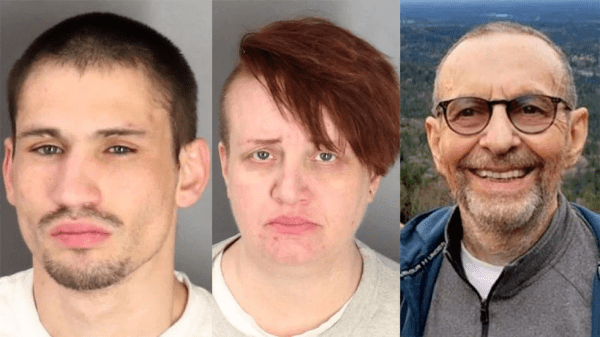
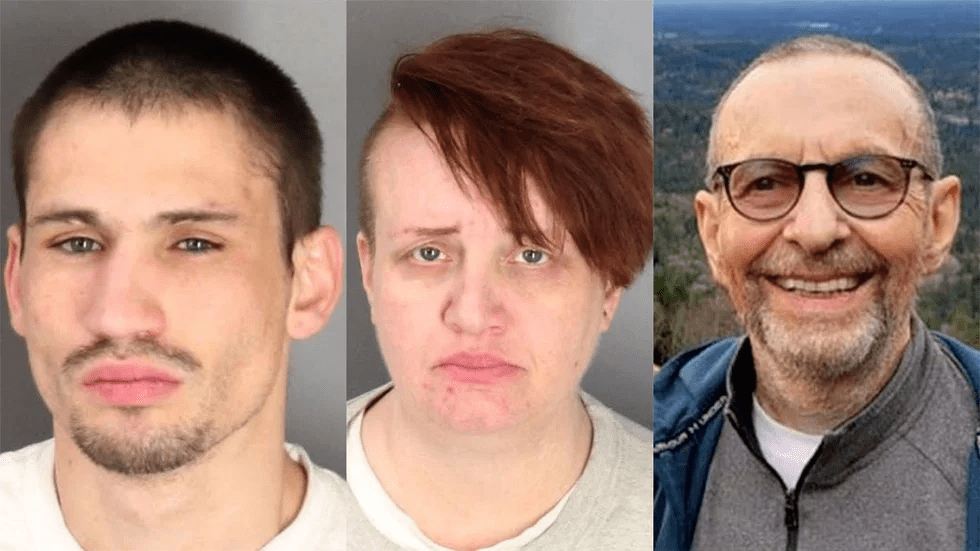
Two individuals accused of fatally poisoning and stabbing a retired university professor in Washington State, whom they initially encountered on the gay dating and hookup app Scruff, have been apprehended by the police.
Philip Brewer, aged 32, and Christina Hardy, aged 47, were arrested in California on Thursday in connection to the robbery and murder of Curtis Engeland, aged 74, from Mercer Island, Wash. Engeland was reported missing by his family on February 24, and his body was discovered on March 7 near Cosmopolis, Wash.
Brewer and Hardy face charges of first-degree murder, first-degree kidnapping, first-degree theft, and identity theft.
According to court documents obtained by various media outlets, including the Daily Mail, the duo allegedly devised a plan to eliminate the victim and take over his residence, while also seizing control of his financial assets and indulging in lavish purchases shortly after his demise.
According to court documents, Brewer and Engeland initially connected on Scruff in January and arranged their first date at a Starbucks during the same month. Later, the pair had another date at Engeland’s residence on Mercer Island to watch a movie, during which Engeland fell asleep. Upon awakening, he discovered Brewer missing along with his cell phone, car keys, safe deposit box keys, credit cards, and money. Engeland promptly contacted the authorities to report the thefts.
Over the ensuing weeks, court records indicate that tens of thousands of dollars were drained from Engeland’s accounts. Notably, it’s alleged that one significant expense was the acquisition of a $25,000 car using Engeland’s credit card.
Police suspect that Brewer and Hardy confronted Engeland at his home on February 23, administering a fatal dose of fentanyl via injection, stabbing him in the neck, and then disposing of his body in Cosmopolis. Following the crime, the duo purportedly took up residence in Engeland’s home and deliberately sent misleading text messages to themselves in order to confuse law enforcement. These messages were also sent to Engeland’s acquaintances, indicating that he would be absent for “the next three to six weeks” and that part of his house was being rented out to someone named “Christina” during his absence.
One of Engeland’s friends, who was romantically involved with him and planning to move in, received a text message at 3 a.m. the following day. He informed investigators that he found the timing and content of the text “suspicious,” as stated in court documents. This prompted him to report Engeland missing and mention that Brewer and Hardy were now residing in his home.
Upon police arrival at the residence, Brewer, Hardy, and her son were found present. They informed the authorities that Engeland had left but had granted them permission to utilize his residence and vehicle during his absence. As Engeland’s siblings arrived during the interview, they too expressed concern over the texts they had received, highlighting that their brother, a retired English professor, consistently communicated in grammatically correct sentences. At the insistence of the siblings, Brewer, Hardy, and her son vacated the premises, prompting an immediate commencement of the police investigation.
Shortly afterward, Engeland’s vehicle was discovered in a supermarket parking lot, with a bloodstained box found in the truck bed.
A significant breakthrough occurred the following Thursday when a man was apprehended for speeding by the California Highway Patrol near the desert town of Blythe on the Arizona border. The individual claimed to be in a relationship with Hardy’s daughter and asserted that he was fleeing from Brewer and Hardy, who were residing with him. He alleged that the pair had confessed to poisoning and stabbing Engeland, then disposing of the body. Police were informed by the fleeing individual that Brewer and Hardy intended to abduct Hardy’s daughter to return her to Washington, as they anticipated incarceration and wished for her to care for Hardy’s other children.
Brewer and Hardy were apprehended on the same day in California and are scheduled for extradition to Washington to face trial.
Mercer Island Police Chief Ed Holmes expressed condolences to Engeland’s family, stating, “First and foremost, we must acknowledge Mr. Engeland’s family – when this incident was first reported to police as a missing person, we hoped for a better outcome. The family remained determined to help our investigation over the past few weeks, and we hope some comfort can be found through the hard work being done to bring justice for Curtis and his loved ones.”
Laurie Goeken, Engeland’s neighbor for more than a decade, revealed to radio station KIRO that Engeland had been living alone since his husband passed away several years prior.
“He was not just a neighbor but also a cherished friend, a truly remarkable individual,” Goeken expressed to KIRO. “Engeland had a passion for gardening and hiking, embodying a truly special spirit.”
Goeken emphasized the collective concern among those who knew Engeland regarding his sudden disappearance.
“The disappearance of Engeland raised immediate suspicion among us,” Goeken remarked. “It was highly out of character for him. He held a deep affection for his cats, whom he adored. Whenever he was away, we would care for his cats, and he would reciprocate. Leaving them unattended was something he would never do.”
GLAAD is criticizing Meta for its ongoing failure to effectively moderate anti-trans content on its platforms.
Amid an intensifying debate regarding social media’s responsibility in protecting LGBTQ+ individuals, GLAAD, a leading advocate for LGBTQ+ rights and representation, has strongly rebuked Meta for its ongoing inadequacy in moderating anti-transgender hate content. The rebuke was issued on Friday following Meta’s response to a decision by its Oversight Board concerning a concerning case of anti-trans content on one of its platforms.
Roughly eight weeks ago, the Oversight Board, vested with the authority to render non-binding yet precedent-establishing judgments on content moderation across Meta’s platforms like Facebook, Instagram, and Threads, reversed the company’s initial verdict to permit a post containing hateful rhetoric targeting transgender individuals to persist online.
Meta initially deemed a Facebook post, which appeared innocuous at first glance but contained imagery and text hinting at harm directed towards a gender identity-defined group, as non-violative. However, upon reevaluation, Meta recognized the content as infringing its Hate Speech policy, which prohibits content advocating harm or suicide against individuals or groups based on protected characteristics, including gender identity.
The post in question, which encouraged harm to trans people, highlighted a broader issue of Meta’s systemic failure to enforce its community standards against anti-LGBTQ hate speech, GLAAD noted.
Meta’s response to the Oversight Board’s ruling stated that it is “assessing feasibility” for more effectively moderating content representing gender identity through symbolic imagery without depicting human figures, as reported by Meta’s Transparency Center. However, GLAAD and other LGBTQ+ advocacy organizations view this response as insufficient, emphasizing the need for tangible action, which Meta has yet to provide despite months of demands.
Jenni Olson, senior director of the GLAAD Social Media Safety Program, voiced frustration over the timing of Meta’s Friday afternoon statement, issued just before the 60-day deadline set by the Oversight Board for public responses to its rulings.
GLAAD’s concerns were previously expressed in a June 2023 open letter, co-signed by over 250 LGBTQ+ celebrities, influencers, and allies, addressed to Meta CEO Mark Zuckerberg and other social media leaders. The letter denounced the widespread dissemination of anti-trans hate and harmful misinformation about transgender healthcare on the company’s platforms. It underscored the tangible repercussions, such as threats against healthcare providers and patients fueled by online hate and misinformation. Despite this direct call for action, Meta has not publicly outlined a plan to tackle these systemic issues.
GLAAD’s criticism is grounded in thorough research, including insights from its 2023 Social Media Safety Index. This index assesses the policies and practices of major social media platforms concerning LGBTQ+ user safety. According to GLAAD, the report exposes deficiencies in policy enforcement and moderator training regarding LGBTQ+ content. These shortcomings contribute to an environment where anti-LGBTQ+ rhetoric not only endures but flourishes.
Sarah Kate Ellis, President and CEO of GLAAD, stated in a press release, “Meta’s continuous lapses in enforcing their own policies against anti-LGBTQ, particularly anti-trans hate, are utterly unacceptable.”
Ellis added, “The company has eroded the trust of its LGBTQ users, and genuine action is needed to start rebuilding it.”
Friends and family have turned to social media to honor and remember his life.
This article discusses the passing of an individual who identified as Black and transgender.
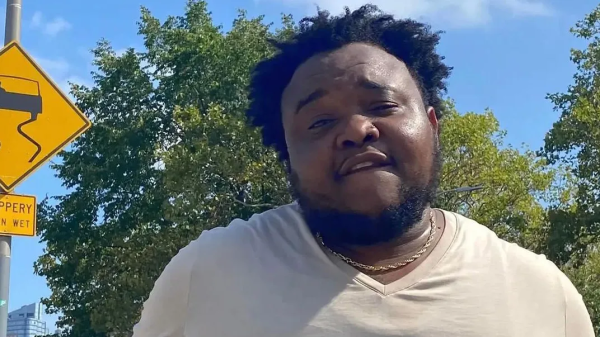
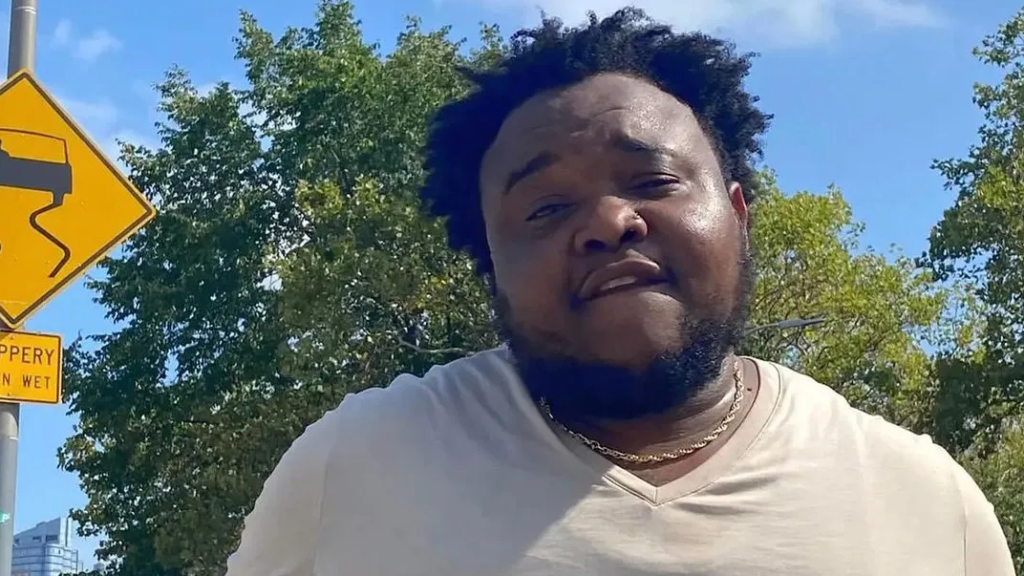
Last week, Righteous Torrence “Chevy” Hill, a cherished member of Atlanta’s LGBTQ+ community, tragically lost his life. He was 35 years old.
While details surrounding Hill’s passing remain unclear, an outpouring of tributes has flooded social media platforms. Affectionately known as “Chevy” and “TK” among loved ones, Hill was the proprietor of Evollusion, a salon that aimed to provide a sanctuary where the barbershop experience transformed into a space of safety and affirmation for young Black queer individuals, as highlighted by the Atlanta-based Black trans advocacy organization, Solutions Not Punishment Collaborative (SnapCo). On March 3, the salon took to Facebook to announce Hill’s passing, expressing gratitude for the heartfelt messages and shared memories that have provided solace during this difficult time. The post read, “The kind words and shared memories make our hearts smile and ease the pain. We know the awesome person Righteous was, but seeing the place he holds in your hearts brings some joy to our difficult days.”
In an Instagram post on Tuesday, model and activist Yves Mathieu honored Hill’s memory and shed light on his life. Mathieu reflected on the challenges faced by young Black queer boys/kids in navigating the barbershop experience, noting that Hill recognized this and endeavored to create a safe space where individuals could receive both the affirming style they desired and a sense of security. Mathieu praised Hill for successfully cultivating such an environment.
On Thursday, SnapCo took to Instagram to announce Hill’s homegoing service, describing him as “a soul who radiated love and light.”
SnapCo executive director Toni Michelle stated to Them that despite the lack of details surrounding Hill’s murder, they are providing support for Hill’s friends and chosen family in Atlanta as they mourn.
“We must pledge to protect one another, and practice that commitment,” she emphasized, adding, “Gun violence is plaguing our community, and anti-trans rhetoric and legislation fuel the violence that Black and trans people face each day. We pray that justice for Chevy, as well as the people who knew and cherished him the most, will be served in our lifetime.”
Michelle concluded her statement by urging individuals to sign SnapCo’s pledge to protect Black people and trans people.
The Attorney General’s office of the state has stated that the child was taken out of custody due to the development of a severe eating disorder, stemming from their parents’ refusal to acknowledge the child’s transgender identity.
On Monday, the Supreme Court declined to review the appeal of two Indiana parents who lost custody of their transgender child in 2021. The parents, who hold the belief that children should be raised according to their assigned sex at birth, had their case dating back to 2019. Mary and Jeremy Cox from Anderson, Indiana, revealed that their then 14-year-old child identified as a trans girl. Despite being devout Christians, the Coxes refused to acknowledge their child’s identity, leading to prolonged conflict. Attorneys for the Department of Child Services (DCS) stated that this conflict ultimately resulted in the child developing a severe eating disorder, leading to both parents losing custody in 2021.
In 2022, the Indiana Court of Appeals upheld the decision by the Department of Child Services (DCS) to remove a child from her parents’ care. The court found that her eating disorder stemmed directly from emotional distress and lack of support at home. According to the ruling, Mary Cox made comments to her child such as “[child’s preferred name] is the bitch that killed my son.” The court concluded that a custody order was necessary to safeguard the child’s physical and emotional well-being, emphasizing that while the Coxes are entitled to their religious beliefs, they cannot exercise them in a manner that harms their child.
On Monday, the Supreme Court declined to hear the Coxes’ petition, affirming the 2022 Court of Appeals decision. The Court provided no explanation for its rejection. Attempts to obtain comment from the Indiana Attorney General’s office were unsuccessful prior to publication.
Recent studies suggest that rates of disordered eating are elevated among transgender individuals compared to cisgender people, particularly affecting trans youth aged 18-22. As noted by essayist Aerin Cho in a 2021 piece for Them, eating disorders can serve as a means of exerting control over one’s body, especially for young trans individuals facing parental reinforcement of shame and negative body image. Research also indicates a correlation between parental shaming and abuse and increased rates of eating disorders, irrespective of transgender identity.
The Coxes faced another setback in court following the failure of a bill they supported, which was grounded in arguments for parental religious freedom. The bill, HB 1407, championed by the couple, did not advance through the state legislature last year and was shelved in committee in 2023. HB 1407 aimed to affirm Indiana parents’ authority to oversee the upbringing, education, healthcare, and mental health of their children without interference from the government.
The Supreme Court’s decision coincides with the beginning of LGBTQ Health Awareness Week, organized annually by the National Coalition for LGBTQ Health. This year, the event spans from March 18 to 22. Additionally, on Monday, the Court rejected the appeal of Couy Griffin, co-founder of the right-wing activist group “Cowboys for Trump,” who was ousted from public office in New Mexico after his involvement in the failed coup attempt on January 6, 2021.
Ordained individuals are not obligated by law to officiate marriages that conflict with their beliefs. However, initially, there was no law mandating their involvement in such ceremonies.
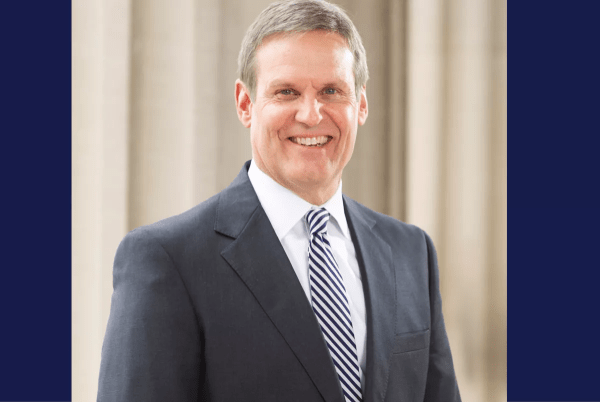
Governor Bill Lee of Tennessee (R) has approved a bill affirming that individuals cannot be compelled to officiate a marriage if it conflicts with their conscience or religious convictions.
H.B. 878 specifically addresses “solemnization,” referring to the act of conducting a wedding ceremony. Under Tennessee law, those authorized to solemnize a marriage encompass religious leaders, judges, county clerks, notary publics, as well as certain mayors and legislative members.
Advocates for LGBTQ+ rights argue that the legislation aims to grant officials the ability to discriminate against LGBTQ+ couples. However, according to state Representative Monty Fritts (R), the bill’s primary House sponsor, its purpose is to prevent instances of elder abuse, where young individuals marry elderly persons to gain access to their financial assets.
When the legislation was introduced last year, there were concerns that clerks could potentially refuse to grant marriage licenses to certain couples, including same-sex couples. However, according to state Senator Mark Pody (R), the bill’s primary sponsor, it does not permit government officials to deny marriage licenses to same-sex couples. Pody has a history of advocating against LGBTQ+ rights, having previously proposed legislation to allow state officials to disregard the legalization of marriage equality by the U.S. Supreme Court in 2015, and supporting transphobic bathroom bans.
Officiant Eric A. Patton clarified that “solemnization” does not involve issuing a marriage license. He emphasized that when a clerk issues a license, they are not performing the marriage ceremony.
Critics argue that the legislation serves no purpose other than to enable discrimination, as there is currently no requirement in Tennessee for ordained individuals to officiate marriages they object to.
Patton suggested that the legislation might be an attempt to challenge marriage equality laws. He expressed concerns that the vague wording of the bill could invite lawsuits similar to those involving Kim Davis, who famously refused to issue marriage licenses to same-sex couples in Kentucky.
Governor Lee has not issued a statement regarding his decision to sign the legislation. Previously, he signed several anti-LGBTQ+ bills, including bans on drag performances, gender-affirming care, and trans athletes participating in women’s and girls’ sports teams.
In January 2023, Governor Lee announced the rejection of $8.8 million in federal funds allocated for HIV prevention and treatment by the Centers for Disease Control and Prevention. Some of these funds supported programs associated with transgender healthcare. This decision, made amidst pressure from right-wing media, resulted in the loss of critical federal funding for the state’s healthcare initiatives.
This teacher wore a dress on Sprit Day, didn’t break any LISD guidelines, and got forced out of his job.
Rachmad Tjachyadi, seen here in a 2015 photo, was described as a “beloved” chemistry teacher. He announced his resignation this week after being placed on leave for wearing a dress to the school’s Spirit Day, despite not violating any district policy
Following a leave of absence prompted by wearing a dress on Spirit Day, a teacher from Hebron High School has chosen to resign.
Expressing gratitude in a letter forwarded by Lewisville ISD to KERA, Rachmad Tjachyadi thanked the Hebron Hawks community for their unwavering support during recent weeks. Tjachyadi cited love for the school and its students as the primary motivation behind the decision not to return, emphasizing that any adult disagreements overshadowing student welfare warranted stepping away.
The controversy erupted after a video surfaced on the conservative social media platform Libs of TikTok, showing the chemistry teacher in a pink dress at school. Despite a reported petition with over 20,000 signatures in support of “Mt. T,” the district confirmed there were no specific policies regarding staff attire during themed days following a thorough review.
Acknowledging the support from Lewisville ISD and the findings of the investigation, Tjachyadi highlighted the impact of external negativity on his decision. Emphasizing ownership of the decision to depart from Hebron, Tjachyadi expressed appreciation for the solidarity shown by colleagues, students, and the district.
The resignation has left uncertainty regarding potential reinstatement efforts, as demonstrated by a rally and disruption at a recent Lewisville ISD board briefing. Some protesters indicated intentions to return at the next board meeting on March 18 in support of “Mr. T.”
In a letter addressed to parents, Hebron High School principal Amy Broughton announced the school’s search for a permanent replacement for Tjachyadi. While acknowledging the difficulty of the situation, Broughton stressed the importance of respecting Tjachyadi’s decision and offering unwavering support.







 fleeredstates.blog
You must be logged in to post a comment.