A blog for LGBTQIA+ migrating to more welcoming states or counties
Author: Bob McCranie
I am so proud to run Texas Pride Realty Group. We set out on a mission in 2009 to serve the diverse communities of Texas and to hire kick-ass agents who practice the highest ethics and professionalism. I believe that the agent's role is to help the consumer make well-educated decisions, even if those decisions lead away from a purchase or sale.
I believe that education is vital in this industry. I currently have over 1300 hours of real estate courses on my transcript with the State of Texas. Additionally, I am a Real Estate Business Coach at Tom Ferry International, the largest-real-estate specific coaching company in the world. I coach agents in the US and Canada, and have coached clients in Australia, New Zealand, Brazil, and Switzerland. I also have knowledge of the UK and Irish markets.
Opening Texas Pride Realty was always a goal of mine and I am working night and day to be sure it is successful. The best way to do that is to be sure clients are satisfied and agents are busy. What better legacy could someone leave in this industry than a group of well-trained, high-quality brokers who do your job better than you?
The forthcoming inclusive curriculum is scheduled for implementation in the academic year of 2025–2026, aiming to provide a more diverse and equitable educational experience for all students. Additionally, it seeks to foster a greater sense of belonging and understanding among learners from various backgrounds.
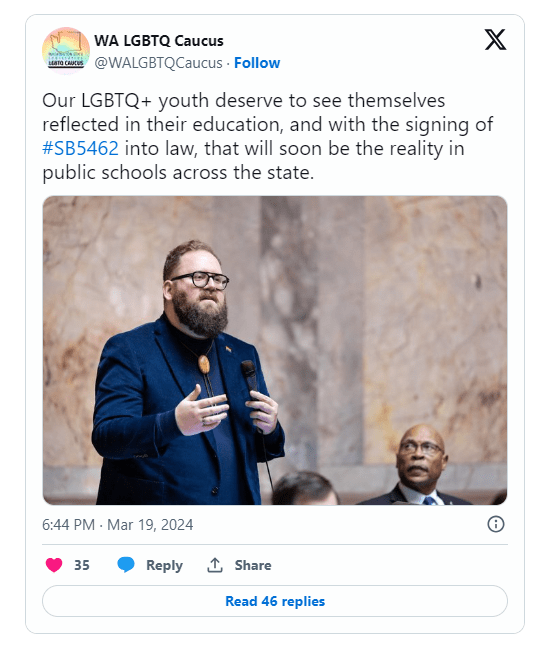
Washington state Governor Jay Inslee (D) has officially enacted a bill mandating the inclusion of LGBTQ+ history in school curricula across the state.
Initially proposed in January, S.B. 5462 necessitates that school districts integrate inclusive content and adopt materials that encompass the histories, contributions, and viewpoints of historically marginalized and underrepresented communities. This encompasses individuals from diverse racial, ethnic, religious backgrounds, those with diverse learning needs, disabilities, LGBTQ individuals, as well as those from various socioeconomic and immigration backgrounds, as outlined in the bill.
According to the new legislation, the Washington Office of the Superintendent of Public Instruction and the Washington State School Directors’ Association are tasked with developing the inclusive curriculum by June 1, 2025, to be implemented in the 2025–2026 academic year.
The Washington State LGBTQ Caucus expressed its support for the bill in a recent post, affirming that the inclusion of LGBTQ+ history in public education is essential for the representation and affirmation of LGBTQ+ youth. With the enactment of #SB5462, this representation will soon be realized in schools statewide.
According to reports from KOMO News, Sen. Marko Liias (D), the bill’s sponsor, and Danni Askini, Executive Director of National Programs for the Gender Justice League, highlighted studies indicating that students who find representation in their school curriculum tend to have improved attendance and academic performance.
However, Brian Noble, Executive Director of the Family Policy Institute of Washington, voiced opposition to the bill, expressing concerns about what he perceived as the potential “sexualization of children.”
In response, Askini disputed this assertion, arguing that merely acknowledging LGBTQ+ individuals in educational materials is no more about discussing explicit sexual matters than mentioning mothers is about sexual reproduction.
Askini emphasized that recognizing the existence of LGBTQ+ individuals does not inherently sexualize anyone or promote sexual behavior. She also stressed the importance of including LGBTQ+ parents in discussions about education, pointing out that they make up a significant portion of the population and should be reflected in the curriculum.
She rejected the notion that LGBTQ+ people are separate from the broader community, labeling it as “absolutely false.” Acknowledging the diversity within communities, she asserted, does not equate to advocating for particular behaviors or beliefs.
Law enforcement evacuated both the Lancaster Public Library and two nearby city blocks after discovering a suspicious package.
A Drag Queen Story Hour event scheduled at a Pennsylvania library faced cancellation over the weekend following numerous bomb threats. Police evacuated the building and surrounding blocks due to a suspicious package.
The event, “Drag Story Hour with Miss Amie,” organized by Lancaster Pride at the Lancaster Public Library, had been met with vehement local opposition, particularly from anti-LGBTQ+ groups. This opposition intensified after Lancaster County Commissioners Ray D’Agostino and Josh Parsons, both Republicans, expressed their disapproval on social media. Protestors attended county commissioners’ meetings for two consecutive weeks to voice their concerns. Additionally, a member of the county’s Moms for Liberty chapter secured a permit for a prayer vigil before the event. On Friday evening, several people participated in a prayer service led by local pastors in a plaza near the library.
Amidst the controversy, the event garnered a surge in support with more attendees signing up. Consequently, security measures were heightened in response to the increased attention.
However, on Saturday, the police issued an evacuation order for the library and the adjacent blocks after a police dog alerted to a package delivered to the library the previous day during a security check. Lancaster Pride swiftly announced the cancellation of the drag story hour event.
A city spokesperson later confirmed that the package contents were found to be harmless, but the city received additional written threats via email. Police are currently investigating these additional reported threats, as per the Associated Press.
Expressing disappointment over the cancellation, Lancaster Pride director Tiffany Shirley lamented, “It just breaks my heart that we were trying to make a safe, fun event for our children, and because people disagree and don’t think we should exist, (they) had to ruin it for everybody.”
Lissa Holland, the executive director of the Lancaster Public Library, voiced frustration, stating, “I’m really sad, very disappointed, and angry that leaders of this county turned this into saving the children from the library, and we are having to cancel this event because of safety threats.”
Christopher Paolini, scheduled to participate in drag as Miss Amie Vanité, expressed sadness over the situation, saying, “It was supposed to be fun, happy, great, loving, and caring kind—all the good things. And somebody had to go and create what was a safe space and make it dangerous, not just for children. But for everybody.”
The targeting of the Lancaster Public Library’s event is part of a broader trend amid a rise in anti-LGBTQ+ rhetoric, both online and from right-wing politicians and media figures in recent years. Conservatives have falsely labeled drag queen story hour events and family-friendly Pride performances as “indoctrination” and “grooming,” leading to protests and disruptions at libraries and other venues across the country, sometimes by armed members of far-right hate groups. Recent reports have linked anti-LGBTQ+ influencer Chaya Raichik’s social media posts to actual threats directed at schools, libraries, hospitals, and individuals she targeted through her influential Libs of TikTok account.
Despite the challenges, Paolini remains resolute, telling local reporters, “It just hurts my heart that it came to this. I’m not going to stop what I’m doing. This program is too important for too many people.”
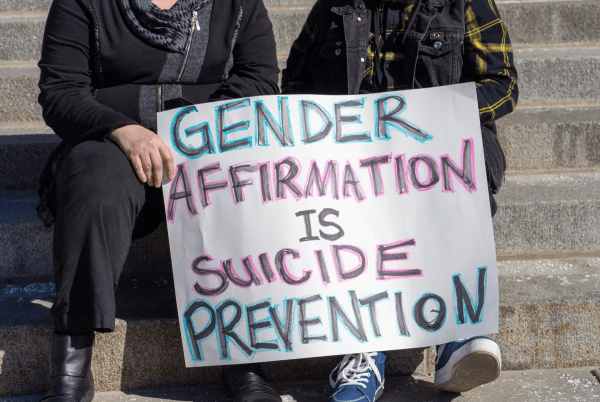
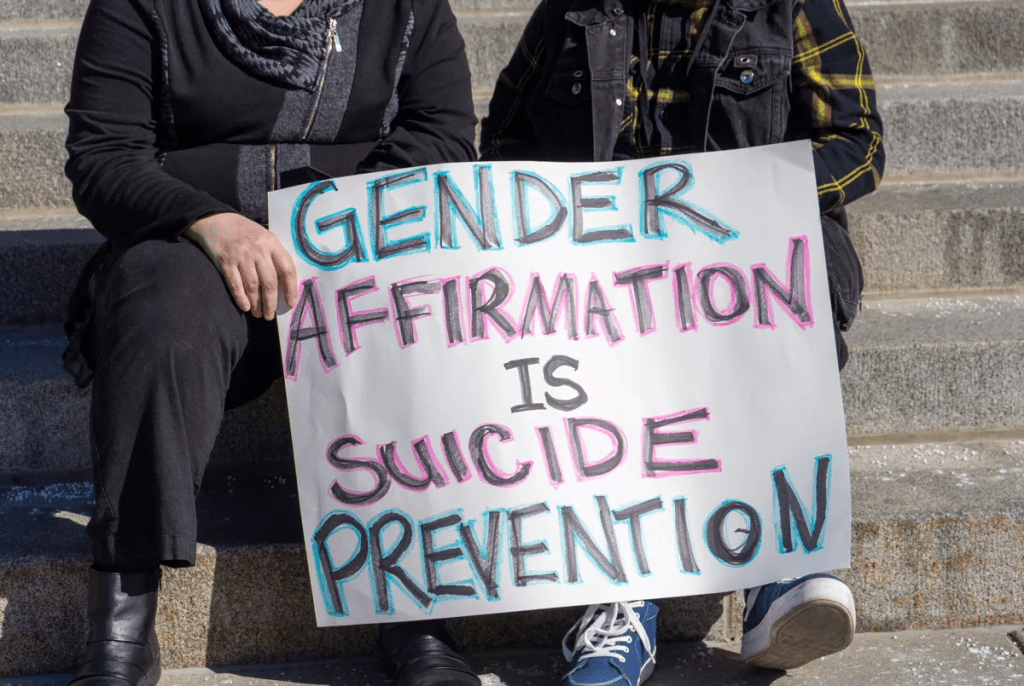
Critics argue that banning gender-affirming care harms trans youth, likening it to a “body count.” They stress that these laws worsen mental and physical health by denying necessary support and medical treatments. Such restrictions violate human rights and perpetuate discrimination, endangering the well-being of transgender individuals.
Last Friday, Governor Mark Gordon of Wyoming signed Senate File 99 into law, making Wyoming the 24th state to ban or limit gender-affirming care for minors. This law imposes penalties on medical professionals, including pharmacists, who provide minors with puberty blockers, hormone replacement therapy, or gender-affirming surgeries. Such penalties include revoking medical licenses and prohibiting practice in the state.
With healthcare providers mandated to cease such care, many fear this law will compel numerous transgender youth to abandon their transition, with detrimental effects on their mental well-being.
In a nuanced statement, Governor Gordon expressed support for the bill’s child protections but voiced concerns about government intrusion into family matters. This sentiment was echoed by Gillian Branstetter of the National Center for Transgender Equality, who criticized politicians for meddling in private healthcare decisions and exploiting children for political gain.
Contrary to supporters’ claims that gender-affirming care is experimental and unsafe, these treatments have a long history of safe use in cisgender children for conditions like cancer and early-onset puberty.
Opponents of the law, such as the American Civil Liberties Union (ACLU) of Wyoming, argue that it denies critical support to struggling transgender youth, pushing them into further isolation and endangerment. They vow to continue advocating for transgender rights and support.
Currently, 23 other states have enacted similar laws restricting or banning gender-affirming care for minors, prompting some families with transgender children to relocate to more accepting states. In contrast, 14 states and Washington, D.C. have implemented “shield” laws protecting minors’ access to gender-affirming care and safeguarding their privacy from out-of-state inquiries.
Medical professionals are worried about the long-term physical and mental effects of anti-LGBTQ legislation.
This year, various states have endeavored to prohibit transgender individuals from using public restrooms and updating identity documents such as driver’s licenses. Legislators across multiple states are pushing to amend state statutes to define sex based on reproductive capability and to omit gender identity from discrimination safeguards.
Thus far, these bills aimed at undermining civil rights protections for transgender people and barring them from public facilities have faced limited success. According to the ACLU, only five anti-LGBTQ+ bills have been enacted into law this year, and several states notorious for promoting such legislation—like Florida, Utah, and West Virginia—have concluded their legislative sessions for the year.
Nevertheless, these endeavors could have dire consequences for the lives of transgender adults, prompting concerns among medical professionals about the long-term physical and mental health implications of the ongoing political campaign to curtail LGBTQ+ rights. Furthermore, many of the active bills could lead to gaps in medical care for transgender individuals during a period of heightened anxiety.
Currently, Ashton Colby finds himself enduring chronic stress. As a 31-year-old transgender man of White ethnicity residing near Columbus, Ohio, he has experienced significant turmoil as state policies regarding gender-affirming care have unexpectedly shifted in recent months.
He expressed, “With my fundamental, basic humanity being up on the public chopping block and up for debate, in so many ways, I feel gutted and dehumanized and completely misunderstood for all that I am.”
Colby, burdened by stress for years over anti-trans policies, never imagined the possibility of trans adults being denied medical care. In Ohio, such a scenario nearly materialized when Republican governor Mike DeWine proposed restrictions on gender-affirming care for adults in lieu of supporting a statewide ban on minors’ care. However, following public outcry, the state’s health agency declared it would not implement those restrictions for adults.
Initially fearing the loss of his medical provider of eight years, Colby contemplated relocating to Denver. He also harbors concerns that his access to necessary documentation and his rights as a transgender individual could be jeopardized if Republicans secure victories in the White House and Congress this year.
Dr. Carl Streed, president of the U.S. Professional Association for Transgender Health (USPATH), constantly reflects on the adverse health outcomes resulting from trans individuals feeling unsafe while navigating society. He believes that anti-trans policies will exacerbate feelings of isolation during what the surgeon general has termed an epidemic of isolation and loneliness in the United States.
“These policies that restrict people’s public life are effectively directly harming them, both in terms of immediate issues around mental health, connection to community, accessing care in urgent situations, but long-term, we’re going to see worse health outcomes in probably the next five, ten years, if not sooner,” he stated.
These worse health outcomes could include increased isolation and the inability to engage in public life and in-person community interactions, leading to diminished cardiovascular fitness and a higher risk of heart attacks and strokes due to elevated cholesterol and hypertension levels. Streed also noted that isolation is linked to impaired cognitive function and reduced memory.
“They’re definitely creating quite the checkerboard of restricted public spaces,” remarked Streed, a primary care physician at Boston Medical Center. “But the issue is, these are national discourses. What happens in Florida is a conversation I have with my patients in the exam room.”
Transgender individuals in states without healthcare restrictions or limitations on accessing public spaces are understandably anxious about such policies in other states, he noted. These restrictions can still impact them while visiting friends and family.
The ACLU is currently monitoring approximately 200 active anti-LGBTQ+ bills advancing through state legislatures this year. Although many bills have been defeated, fear and apprehension within the transgender community, and much of the larger LGBTQ+ community, remain alarmingly high.
In Florida, a series of often convoluted anti-LGBTQ+ policies are designed to instill fear, according to Simone Chriss, an attorney with the Southern Legal Counsel in Florida and director of the organization’s transgender rights initiative. Speaking on a press call in February, she described the intent as creating fear and confusion to obscure individuals’ rights, leading them to err on the side of caution.
Angelique Godwin, an Afro-Latina transgender woman and advocate with Equality Florida, shared with The 19th how transgender Floridians have supported each other amidst mounting restrictions on daily life. Godwin recounted losing access to healthcare last spring when Gov. Ron DeSantis signed a law preventing patients from accessing gender-affirming care from nurse practitioners. Additionally, she faced challenges refilling her prescription for estradiol valerate following the law’s passage, as pharmacies refused service amid the ensuing confusion.
“Thankfully, I had a stash, I had my own little reserve of medications for myself. But there were people close to me that were affected by that who had no access,” she recounted.
Godwin eventually found a facility in Tampa with a doctor offering care on a sliding-scale payment system, maintained coverage through the federal government’s health insurance marketplace, and continued appointments with her regular doctor for mental health visits under the new law.
Mutual aid grants and organizations like Folx Health, an LGBTQ+ telehealth provider, have helped fill gaps in care. Folx requires an in-person doctor’s visit, during which patients review and sign a consent form for care compliant with state laws.
“Those first three months from June to August, a lot of people struggled. Since then, most of the people I know that are here in Florida are still here,” she observed.
Approximately 30 bills seeking to restrict transgender youth and adults’ access to healthcare are still progressing through statehouses, per the ACLU. These bills would prohibit gender-affirming care—such as puberty blockers and hormone therapy—for transgender youth, block insurance or Medicaid coverage for gender-affirming care, and limit access to such care for incarcerated transgender individuals.
Even in states without restrictions on gender-affirming care, accessing it remains challenging for many transgender people across the country. For some, accessing essential healthcare necessitates traveling across state lines.
Dr. Angela Rodriguez, a plastic surgeon specializing in transgender care based in San Francisco, often treats patients who travel to California. She has encountered patients from Alabama, where finding a good dentist or primary care physician is difficult.
She noted a common concern among out-of-state patients over the last several years: who will care for them in the long run?
“I have patients that elect to come back, fly all the way from the East Coast because they don’t feel comfortable talking to a local physician,” she said. She ensures that patients traveling from out of state have a support system, such as a loved one or friend in California who can assist them after a surgical procedure.
Dr. Johanna Olson-Kennedy, the president-elect of USPATH who works with adolescents and young adult patients at Children’s Hospital Los Angeles, observed that the mental health of her young transgender patients has deteriorated as states ban gender-affirming care for minors. Her patients also express concerns about existing in public in certain states and whether they can safely use public restrooms. Florida and Utah have enacted extreme public bathroom bans, while eight other states prohibit transgender individuals from using restrooms aligning with their gender identity in schools.
“I don’t think people have even really grasped the mental health toll of the pandemic, but to have this added on top of it is truly an immense burden for adolescents,” she remarked. A majority of her patients are preparing for college and graduate school — and a significant portion of them intend to steer clear of pursuing higher education in states enacting anti-trans legislation.
Olson-Kennedy herself doesn’t feel secure on social media. As a provider of gender-affirming care, it’s often a hostile environment for her and her colleagues, as their work has been politicized by Republican lawmakers, lobbyists, and far-right media personalities.
“You can only handle so much of hearing threats of violence when you leave your clinic,” she noted. “That’s not something they teach you in medical school… This is uncharted territory for children’s hospitals and pediatricians.”
Olson-Kennedy emphasized the need for more people to comprehend the significance of gender-affirming care. This care is administered over an extended period, with parents and guardians involved for minors, she explained, and it addresses the profound despair caused by gender dysphoria experienced by many transgender individuals.
“I wish people could set aside their discomfort and lack of understanding and truly acknowledge that this care is medically necessary. It’s incredibly important, and it transforms and saves lives,” she stressed.
They are indignant that their ballot initiative is being characterized based on its actions rather than the purported ultimate outcome they assert it will achieve.
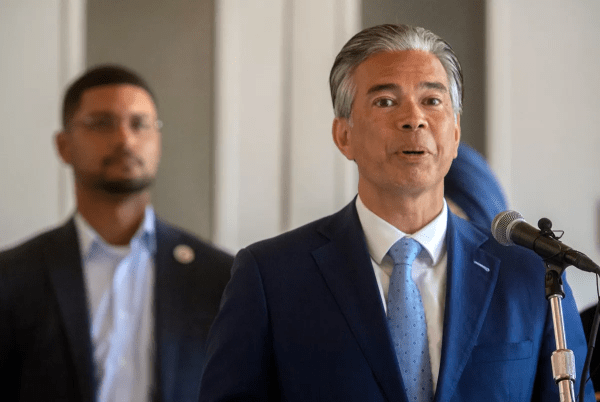
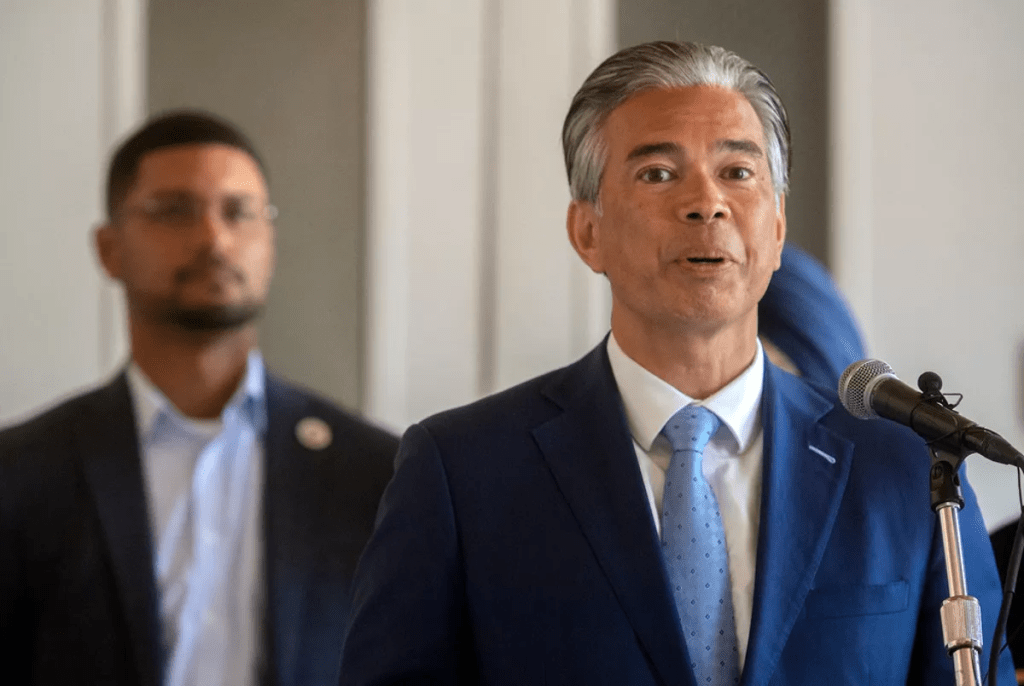
A coalition of conservative parents’ organizations is taking legal action against California Attorney General Rob Bonta for precisely identifying an initiative opposed to transgender rights, which they are seeking to include on the November ballot in California.
Protect Kids California, a group advocating for parental rights, is presently gathering signatures for what they have labeled the “Protect Kids of California Act of 2024.”
Bonta’s office, vested with the authority to assign official titles and summaries to proposed initiatives, has rebranded the proposal as the “Restricts Rights of Transgender Youth Initiative.”
“The Attorney General’s Office is tasked with providing official titles and summaries outlining the primary purpose and key points of all proposed initiatives submitted according to procedural requirements under California law,” stated the attorney general’s office ahead of an April trial date. “We approach this responsibility with utmost seriousness and stand by our title and summary for this measure.”
The initiative dubbed the Protect Kids of California Act of 2024 would mandate schools to inform parents if children express a desire to identify with a different gender, prevent transgender girls from participating in school sports consistent with their gender, and require all students to engage in activities and use facilities at school according to their assigned sex at birth.
In their lawsuit against Bonta, the Protect Kids group argues that “As part of his duties as Attorney General, Rob Bonta was required to provide a neutral and accurate title and summary for the initiative,” contending that “the title and summary mislead voters and mischaracterize the ballot initiative’s intent and impact.”
Emily Rae, senior counsel at the Liberty Justice Center, co-filing the lawsuit against Bonta, emphasized, “Regardless of the perspective or content of a ballot initiative, Californians are owed a neutral title and summary of that initiative as part of their core political speech. Ultimately, Rob Bonta owes it to Californians to uphold his duty as Attorney General — without injecting bias or prejudice into the matter.”
The parents’ rights group references polling data to support their stance, including a Rasmussen survey revealing 68% of California voters and 65% of Democrats favor schools informing parents if their child identifies with a gender different from their biological sex. Another poll by Gallup identified opposition to transgender athletes competing on teams matching their gender, with 93% of Republicans, 67% of independents, and 48% of Democrats in disagreement, alongside a comparable proportion from a Harvard/Harris poll advocating against transgender children receiving puberty blockers.
However, the Protect Kids group notably omits polling from the Public Policy Institute of California, which indicates 70% of likely California voters support the federal Equality Act, prohibiting discrimination based on sex, sexual orientation, and gender identity.
According to the California Secretary of State, the “Restricts Rights of Transgender Youth Initiative” requires 546,651 signatures to be eligible for the November 2024 ballot.
In a conversation with LGBTQ Nation, she discussed her farm, Atlanta’s status as a Black cultural hub, and an unexpected similarity she shares with Marjorie Taylor Greene.
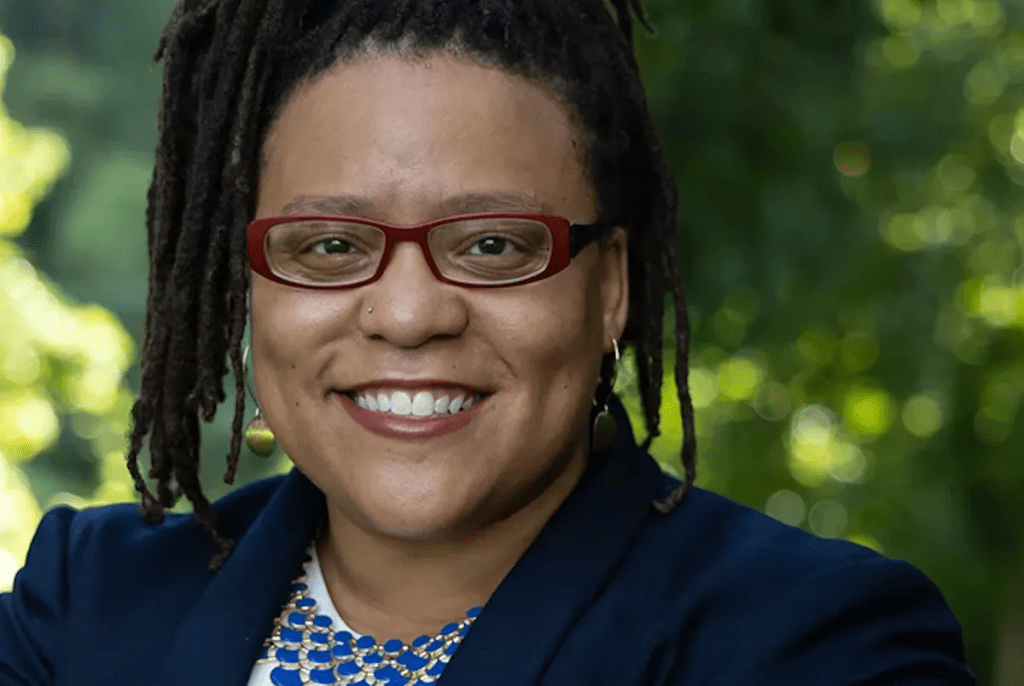
Elected in January 2021, State Senator Kim Jackson of Georgia made history as the state’s first openly LGBTQ+ senator. Now seeking a second term, Jackson, 39, balances her political role with her position as Vicar at the Episcopal Church of the Common Ground, where she collaborates with the unhoused community in downtown Atlanta. Her spouse serves as an imam at a local mosque. Together, they reside on a small farm on the outskirts of Atlanta with their three-year-old son, whose fascination with trucks surpasses his grasp of formal introductions. Reflecting on their diverse Stone Mountain neighborhood, Jackson notes its multiculturalism despite the looming presence of Confederate monuments dedicated to figures like Stonewall Jackson, Robert E. Lee, and Jefferson Davis.
LGBTQ Nation: As co-chair of the Georgia House Mental Health caucus, how do you see discriminatory legislation, such as bans on gender-affirming care for LGBTQ+ kids, impacting mental well-being in Georgia and nationwide?
Sen. Kim Jackson: I recently spoke with two impacted young people who shared their experiences with this legislation. Their responses were heartbreaking; some seek necessary medications out of state, while others have attempted suicide. It’s clear: these laws are endangering our youth, and it’s devastating.
In your speech addressing systemic racism to colleagues, you highlighted the absurdity of racist beliefs. Can you elaborate on that?
I aimed to point out the hypocrisy in denying systemic racism while acknowledging its evident impacts. While no one in our legislature openly admits to racist beliefs, the systemic racism is undeniable.
Georgia, particularly Atlanta, is often heralded as a cultural hub. Is this portrayal accurate, especially in terms of Black representation?
Absolutely. Atlanta remains a beacon for Black culture in the South, particularly for the LGBTQ+ community. While Black queer representation is notable in Atlanta politics, disparities persist, with more political power held by cisgender white individuals.
Regarding your experiences in the predominantly white male Georgia legislature, what’s something surprising?
Well, they all look alike! (Laughs) But on a serious note, while I’m both a state senator and an ordained priest, my approach prioritizes love, compassion, and inclusion, unlike some conservative colleagues who lean towards exclusion and hate.
You and Congresswoman Marjorie Taylor Greene shared a distressing experience of being swatted. Can you tell us more about it?
Yes, my family and I were swatted one day after Christmas. It was a terrifying experience, with multiple police cruisers surrounding our home. Unfortunately, there have been no leads on who did it or why.
You and your wife, both spiritual leaders, met in seminary. Can you share how she proposed?
She surprised me at work, getting down on one knee with rings in hand. It was a beautiful moment, and I’ll always cherish it.
Your small farm plays a significant role in your life. What do you hope to achieve with it?
Our farm not only provides fresh produce but also fosters community connections. Educating people about food sources, particularly youth, is vital. Small farms like ours contribute to sustainable, local food systems, which is crucial in today’s world.
Lastly, what’s the most rewarding aspect of serving your constituents?
The unwavering support from my district, which elected me despite societal norms. Their trust in me to represent them authentically is incredibly gratifying, and together, we’ve made history.
The posts characterize transgender individuals as “suffering from mental illness,” “associated with Satanism,” “viewed as sexual predators,” “labeled as pedophiles,” “portrayed as terrorists,” and “branded as perverts.”
According to a recent report by the LGBTQ+ media advocacy group GLAAD, Meta, the parent company of Facebook, Instagram, and Threads, has neglected to uphold its own regulations concerning anti-transgender hate content. This failure extends to posts generated by influential political figures and media outlets. The report reveals a multitude of instances where trans individuals are denigrated with slurs like “tr***y” and branded as “mentally ill,” “satanic,” “sexual predators,” “pedophiles,” “terrorists,” and “perverts.” The Washington Post highlighted examples, such as an image depicting a group of people stoning a person identified as transgender to death and another portraying a masked individual armed with a gun standing atop a demon painted in the colors of the transgender flag.
Additional documented posts asserted that transgender individuals aim to “sexualize, sterilize, and harm children.” Others deliberately misgendered transgender celebrities, ridiculed victims of transgender suicide, endorsed violence against medical professionals providing gender-affirming care, advocated for conversion therapy, and called for the “elimination” of transgender individuals.
These posts originated from accounts associated with right-wing outlets such as The Daily Wire, Gays Against Groomers, Chaya Raichik’s Libs of TikTok, The Babylon Bee, and One Million Moms.
Such posts blatantly violate Meta’s declared policies against anti-LGBTQ+ hate speech and “dehumanizing speech” that undermines the dignity of marginalized groups, promotes bullying or harassment, or suggests that a protected group should not exist.
In June 2023, over 250 LGBTQ+ celebrities, public figures, and allies, including Elliot Page, Laverne Cox, Jamie Lee Curtis, Janelle Monáe, Gabrielle Union, Judd Apatow, Ariana Grande, and Jonathan Van Ness, penned an open letter facilitated by GLAAD and the Human Rights Campaign, urging Meta and other social media platforms to take stronger action against the pervasive spread of anti-transgender hate speech. However, the recent report indicates that Meta has not made sufficient efforts to combat this onslaught.
Facebook’s Oversight Board acknowledged in September 2023 that the issue lies not in Meta’s policies but in their enforcement, criticizing the company’s repeated failure to take appropriate action against harmful content despite numerous warnings. GLAAD condemned Meta’s neglect in safeguarding users from hate speech, highlighting Meta’s own acknowledgment of the role hate speech plays in fostering an environment of intimidation and exclusion, and its failure to address this effectively.
Furthermore, some LGBTQ+ content creators on Meta have accused the company of limiting their content’s reach due to new restrictions on political content, including discussions of politicians and queer social issues.
Despite soaring revenues, Meta has been criticized for downsizing crucial trust and safety teams while increasingly relying on ineffective AI systems for content moderation. These enforcement failures have drawn repeated criticism and concern from the Oversight Board, with reports suggesting that some users’ reports on harmful content are not being reviewed at all.
A legislator voiced alarm over state law deeming self-expression harmful to minors, sparking a debate on the balance between personal freedom and safeguarding youth.
The Republican-dominated legislature of Kansas has passed a bill that opponents argue might outlaw minors’ access to LGBTQ+ content online.
Modeling after legislations in Texas, Arkansas, Indiana, Louisiana, Mississippi, Montana, Utah, and Virginia in recent times, S.B. 394 aims to block minors from reaching adult-oriented websites. This bill mandates websites hosting material deemed “harmful to minors” to confirm that Kansas visitors are at least 18 years old. Concerns have been raised regarding the possibility of privacy infringement, as visitors would be required to furnish their government-issued identification.
According to the Associated Press, State Representative Ken Collins, one of the two Kansas Republicans who opposed the bill, expressed concerns that the data used for age verification could be acquired by parties with intentions to misuse it for fraudulent activities.
Accompanied by privacy apprehensions, LGBTQ+ advocates and certain Kansas Democrats are concerned that the state’s definition of material deemed “harmful to minors” could potentially lead to a broad interpretation of the proposed law, effectively prohibiting young people’s access to any LGBTQ+ content online. According to current state statutes, “harmful to minors” material encompasses “sexual conduct,” which includes aspects such as “acts of masturbation, homosexuality, [and] sexual intercourse.”
Rep. Collins pointed out that S.B. 394 leaves ambiguity regarding the scope of its restrictions, while Rep. Brandon Woodard (D) of Kansas argued that, under state law, simply being LGBTQ+ is categorized as harmful to minors.
In a Threads post discussing the bill, Alejandra Caraballo, a trans activist and clinical instructor at Harvard Law’s Cyberlaw Clinic, highlighted that Kansas residents might soon require their state IDs to access content featuring LGBTQ+ individuals.
Notably, S.B. 394 is more stringent compared to similar laws in other states, as it targets websites with 25% adult content rather than the 1/3 threshold observed elsewhere, as noted by Boing Boing. The proposed law mandates fines of up to $10,000 for sites failing to verify the ages of Kansas users and permits parents to sue for a minimum of $50,000 in damages if minors access “harmful content.”
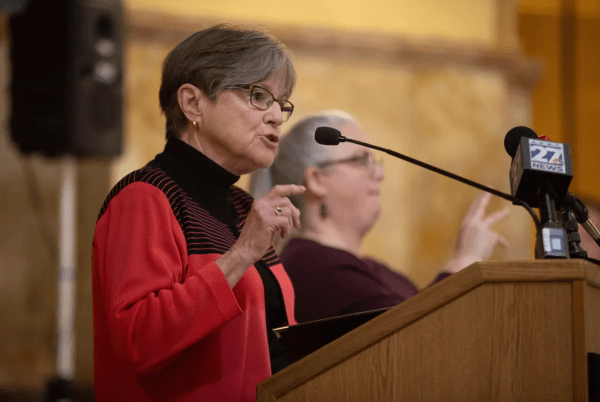
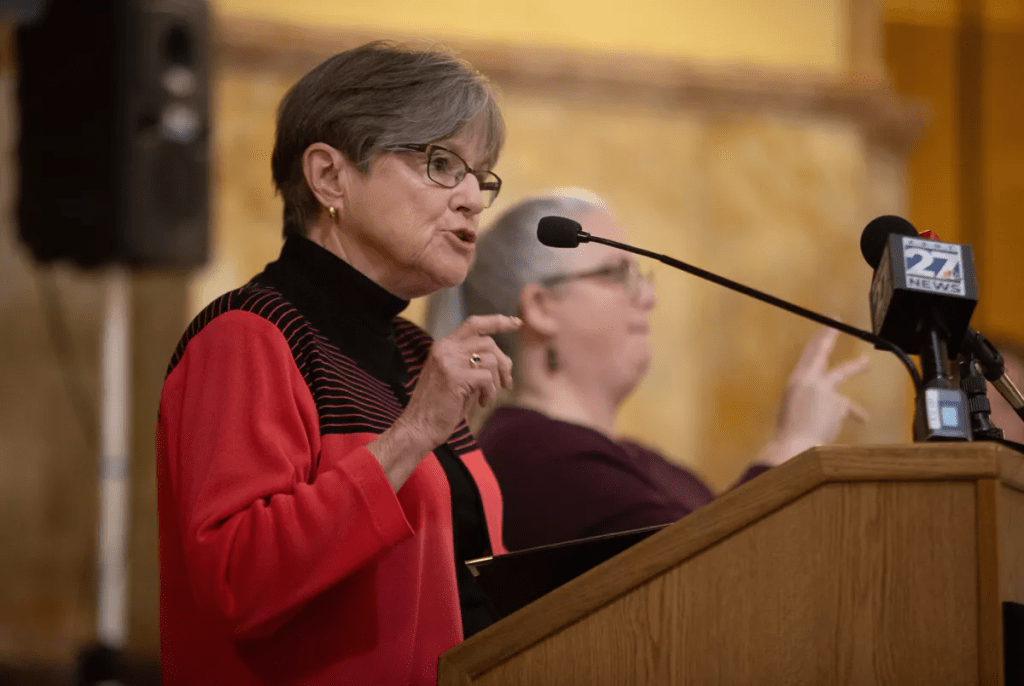
The bill was passed in the state’s House of Representatives with a vote of 92–31 on Tuesday, following unanimous approval in the Kansas Senate last month. While Governor Laura Kelly (D) has not indicated her stance on signing the bill, given the overwhelming support for S.B. 394 in the state legislature, lawmakers likely possess sufficient votes to override a potential veto.
Critics argue that the proposed law may infringe upon the First Amendment’s free speech protections. However, a similar law in Texas was upheld by the Fifth Circuit Court of Appeals last year. The court determined that Texas’s law did not violate the First Amendment, asserting that the state has a legitimate interest in preventing minors from accessing pornography.
The state legislature is poised to override a veto from Democratic Governor Laura Kelly, highlighting political tensions and democratic principles.
The Kansas legislature’s Republican members are on the brink of turning their state into the 25th to prohibit medical care for transgender youth by proceeding with an override vote. Despite Governor Laura Kelly (D) anticipated veto, the Republican party commands supermajorities in both the Kansas House and Senate.
“Today, the Senate demonstrated a steadfast commitment to safeguarding children by emphasizing that extreme transgender ideology and the medical alteration of minors are neither lawful nor embraced in Kansas,” remarked State Senate President Ty Masterson (R) subsequent to Wednesday’s vote, which forwarded Senate Bill 233 to the governor for consideration.
Governor Kelly has affirmed her intention to veto the bill.
If approved, the legislation will prohibit transgender individuals under 18 from accessing crucial medical treatments, such as gender-affirming surgeries and puberty blockers. While gender-affirming surgery is rarely performed on minors, puberty blockers, which delay the onset of puberty, offer transgender youth and their families valuable time for self-discovery before irreversible changes occur. Studies have shown that puberty blockers can significantly decrease the lifelong risk of suicide among transgender individuals.
With the anticipated override, Kansas is set to become the third state this year to outlaw gender-affirming care for minors, joining four other states where similar laws are currently entangled in legal proceedings.
Senate Minority Leader Dinah Sykes (D) appealed to Republicans to demonstrate compassion and empathy by voting against the bill. She emphasized the distress of families with transgender children, expressing concern that the legislation would exacerbate their fears and anxieties.
Sykes addressed Kansans directly, assuring them that some lawmakers empathize with their plight and understand the importance of receiving necessary care to live authentically. She underscored the detrimental impact the law would have on transgender individuals and their families if enacted.
In the previous year, Governor Kelly vetoed a comparable bill alongside another proposal aimed at restricting transgender women and girls from participating in female school sports. However, moderate GOP members refrained from supporting overrides initiated by their far-right counterparts.
This time, the votes in favor of advancing Senate Bill 233 suggest that the Republican supermajorities in both the state House and Senate will succeed in passing the anti-trans legislation.
Like in other conservative-leaning states that have banned gender-affirming care for minors, opponents of the law are expected to challenge it in court. Legal outcomes have been mixed thus far, with federal appeals courts divided on the constitutionality of such bans. Ultimately, the Supreme Court, which currently leans conservative with a 6-3 majority, may ultimately decide on the matter.
When the Supreme Court Overturned Roe v. Wade: The Impact Unleashed – Opening the Floodgates for Abortion-Related Lawsuits and Legal Turbulence.
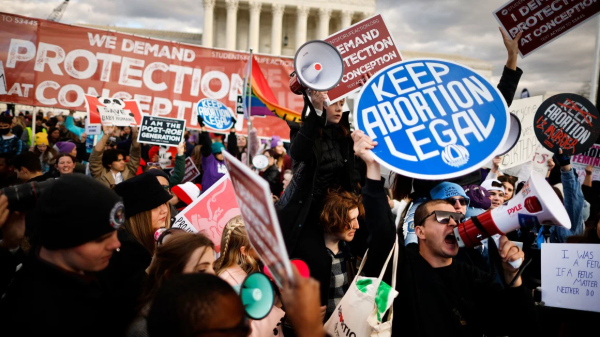
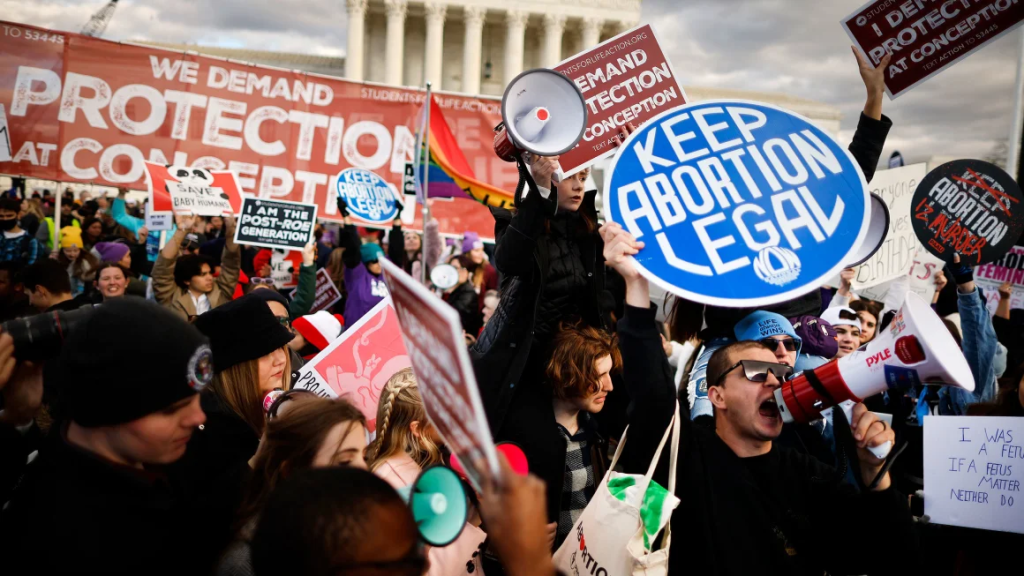
Abortion-rights supporters stage a counter protest during the 50th annual March for Life rally on the National Mall on January 20, 2023 in Washington, DC.
On Tuesday, the Supreme Court is set to review its inaugural abortion case following the 2022 overturning of Roe v. Wade, marking a significant shift in reproductive rights in America.
The impact of the justices’ ruling is palpable across the nation:
Fourteen states have implemented complete bans on abortion, while seven others have enacted significant limitations on abortion access.
Certain states prohibiting abortion are actively preventing the transportation of abortion medication across their borders. Additionally, they are endeavoring to thwart a federal statute permitting emergency room doctors to terminate pregnancies when medically warranted.
A decision by the Alabama Supreme Court affecting in vitro fertilization—a method aimed at initiating rather than terminating pregnancy—has been criticized by opponents, including President Joe Biden, who attribute it to the Supreme Court’s erosion of women’s privacy rights following the overturning of Roe v. Wade.
Abortion has surged to the forefront of election-year debates, with Democrats banking on continued public concern over restrictions to bolster their candidates. Meanwhile, Republican presidential contender Donald Trump has floated the idea of a nationwide abortion ban at 15 weeks of pregnancy.
Simultaneously, public trust in the Supreme Court has deteriorated.
This culturally charged atmosphere will set the stage as the justices deliberate on Tuesday regarding the controversy surrounding Food and Drug Administration (FDA) regulations for accessing the abortion pill mifepristone. A faction of anti-abortion physicians has filed a lawsuit against the FDA, contesting the agency’s safety assessment of the drug and alleging the improper removal of “critical safeguards” for its usage.
The group aims to restrict women’s access to the pill, which forms part of a two-drug regimen for terminating early-stage pregnancies and has become the most prevalent method of abortion in America. Key points of contention include a 2016 provision extending the drug’s usage window to 10 weeks of pregnancy from seven, and a 2021 change allowing women to obtain their prescription via mail rather than in-person.
Since the Dobbs v. Jackson Women’s Health Organization case, which overturned Roe v. Wade, medication-induced abortion has led to an unexpected increase in abortions. Last year saw over 1 million abortions performed in the US, marking the highest rate in over a decade and a 10% rise from 2020.
In its defense of the FDA, the Biden administration strategically avoids mentioning the Dobbs decision in its written brief for the new case, perhaps to sidestep constitutional contention and emphasize broader concerns regarding federal regulation and expertise. Instead, the focus remains on the drug approval process.
“The government acknowledges that this case represents the first instance in which any court has curtailed access to an FDA-approved drug by questioning the FDA’s expert judgment regarding the necessary conditions for ensuring its safe use,” stated Solicitor General Elizabeth Prelogar to the justices, referencing a federal appellate court’s 2023 ruling against the FDA.
Prelogar further noted that since mifepristone was first approved for market in 2000, over 5 million American women have utilized it to terminate their pregnancies.
However, various groups submitting “friend of the court” briefs invoke the Dobbs case and its aftermath in America since the Supreme Court dismantled nearly fifty years of abortion rights precedent.
Backing the FDA, New York, along with 22 states and the District of Columbia, underscore the broader disruption to reproductive healthcare since Dobbs, highlighting a significant surge in telemedicine-based medication abortion in the first year post-Dobbs.
On the opposing side, the Susan B. Anthony Pro-Life America and the United States Conference of Catholic Bishops draw from the Dobbs opinion to bolster their arguments against the FDA, citing the Dobbs majority’s assertion that “Abortion is a unique act.”
The lawyers representing the anti-abortion groups informed the justices, citing previous court decisions, that “This Court acknowledges that ‘(a)bortion is inherently different from other medical procedures, because no other procedure involves the purposeful termination of a potential life.'”
A patient prepares to take mifepristone at Alamo Women’s Clinic in Carbondale, Illinois, in April 2023.
Expect more abortion debates at the Supreme Court, retired Justice Breyer says
Since June 24, 2022, when it nullified the constitutional right enshrined in the 1973 Roe v. Wade decision, the composition of the court slated to hear the mifepristone case has seen minimal change.
Following the retirement of Justice Stephen Breyer a few months after the ruling, Justice Ketanji Brown Jackson succeeded him, becoming the first Black woman to serve on the high court. The succession of these two liberal, Democratic-appointed justices preserved the 6-3 conservative-liberal majority that has been reshaping American law.
In the year following the Dobbs ruling, the justices overturned yet another pivotal decision, a 1978 ruling regarding racial affirmative action in higher education institutions.
Meanwhile, Justice Samuel Alito, author of the Dobbs opinion, and other justices have expressed skepticism towards various social milestones, including the 2015 Obergefell v. Hodges decision affirming the right to same-sex marriage.
The ideological divide within the court mirrors political rifts: all six conservative justices were appointed by Republican presidents, with three nominated by Trump, who has boasted about his influence on the Dobbs decision; the remaining three liberal justices were appointed by Democrats.
Breyer, a dissenter in the Dobbs case, criticized the majority in his recent book, published on Tuesday, for suggesting that court cases concerning abortion could be brought to an end.
“The Dobbs majority’s expectation that legislatures, not courts, will address the abortion issue will not come to fruition. Different states will enact varying laws and enforce them differently,” Breyer wrote, outlining numerous potential issues that could reach the Supreme Court in the coming years.
He further stated, “Whether the Constitution guarantees a woman’s right to an abortion necessary for her life, physical health, or mental health; whether it provides abortion rights for victims of rape or incest; whether states can prohibit the mailing of abortion-inducing medications; whether states can prosecute individuals within their borders aiding or abetting out-of-state abortions; and other abortion-related queries may result in further court cases, not solely legislative determinations (many of which may also be subject to judicial review).”
How the case got to the Supreme Court
The upcoming Supreme Court case scheduled for Tuesday has spurred planned protests, setting the stage for a scene reminiscent of traditional abortion rights cases outside the marble-columned court. However, FDA v. Alliance for Hippocratic Medicine carries broader implications that could impact the regulation and accessibility of all drugs.
Last year, US District Judge Matthew Kacsmaryk ruled in favor of the Alliance in its lawsuit against the initial FDA approval of mifepristone in 2000 and subsequent regulations that expanded women’s access to the drug.
Although the 5th US Circuit Court of Appeals reversed Kacsmaryk’s decision regarding the 2000 approval, deeming it untimely, it concurred that the FDA’s relaxation of requirements in 2016 and 2021 lacked sufficient justification.
The 2016 changes included extending the gestational age limit to 10 weeks of pregnancy, reducing the mandatory number of in-person medical visits, and permitting non-physician healthcare providers to prescribe the drug. In 2021, the FDA determined that the in-person dispensing requirement was no longer necessary, allowing prescriptions to be obtained via mail.
As the case heads to appeal, Justice Department lawyers representing the FDA argue that the changes were based on extensive studies and scientific review over the years. Regarding the 2021 decision to eliminate the in-person dispensing requirement, they stated, “The agency concluded, based in part on actual experience during the pandemic, that the requirement was no longer necessary to ensure mifepristone’s safe use.”
A key contention in the case is whether the anti-abortion physicians challenging the FDA have legal “standing” to bring the case. The FDA argues that these physicians, who do not prescribe mifepristone, lack sufficient injury to establish standing.
However, the challengers argue that as they handle emergency room duties, they would be compelled to care for women experiencing complications from medication abortion. They assert that the loosening of restrictions in 2016 and 2021 has increased the likelihood of dangerous conditions such as ectopic pregnancies.
Erin Hawley, lead lawyer for the Alliance for Hippocratic Medicine, argued in a court filing, “In removing crucial safeguards for the use of abortion drugs, FDA expressly counted on OB/GYN hospitalists and emergency-room doctors to manage abortion-drug complications. When faced with these emergencies, (the doctors) have no choice but to provide immediate treatment, even though this kind of participation in an elective abortion harms their consciences and injures them in other ways.”
The Department of Justice counters these arguments, stating that hypothetical scenarios cannot establish imminent injury required for legal standing and that the challengers have not provided evidence of any instances where their members were forced to provide such care.










 fleeredstates.blog
You must be logged in to post a comment.