A blog for LGBTQIA+ migrating to more welcoming states or counties
Author: Bob McCranie
I am so proud to run Texas Pride Realty Group. We set out on a mission in 2009 to serve the diverse communities of Texas and to hire kick-ass agents who practice the highest ethics and professionalism. I believe that the agent's role is to help the consumer make well-educated decisions, even if those decisions lead away from a purchase or sale.
I believe that education is vital in this industry. I currently have over 1300 hours of real estate courses on my transcript with the State of Texas. Additionally, I am a Real Estate Business Coach at Tom Ferry International, the largest-real-estate specific coaching company in the world. I coach agents in the US and Canada, and have coached clients in Australia, New Zealand, Brazil, and Switzerland. I also have knowledge of the UK and Irish markets.
Opening Texas Pride Realty was always a goal of mine and I am working night and day to be sure it is successful. The best way to do that is to be sure clients are satisfied and agents are busy. What better legacy could someone leave in this industry than a group of well-trained, high-quality brokers who do your job better than you?
If these two bills are enacted together, they would make it a criminal offense for transgender individuals to be in proximity to a minor or a school, treating it as an act of indecent exposure.
In January, a West Virginia Republican legislator introduced three anti-trans bills, one proposing to label trans individuals as “obscene matter” and another aiming to effectively criminalize the public existence of transgender people, as reported by Jurist.
State Senator Mike Azinger introduced Senate Bills 194, 195, and 197 on January 10, all specifically directed at transgender individuals.
Senate Bill 195 proposes changes to West Virginia’s indecent exposure law, aiming to criminalize involvement in what it terms as “obscene matter.” This includes instances that a “reasonable person” deems lacking in serious literary, artistic, political, or scientific value. The bill explicitly cites “transgender exposure, performances, or display to any minor” as an example of displays considered “obscene or sexually explicit.” Essentially, if Senate Bill 195 is enacted, a transgender individual could potentially be charged with obscenity simply for existing in public spaces where minors might be present.
Simultaneously, Senate Bill 197 makes it a criminal offense to have “obscene matter” near minors or within 2,500 feet of any public school facility supervised by the state board. The bill specifically highlights “transgender exposure, performances, or display to any minor” as an instance of obscene matter. According to the proposed law, public school staff failing to report a student’s exposure to obscene matter, including the mere existence of transgender individuals, could face prosecution with a potential fine of up to $500 or imprisonment for up to a year.
West Virginia prohibited gender-affirming care for individuals under 18 in the Spring of 2023. However, Senate Bill 194 goes further by extending the ban on gender-affirming care to trans individuals up to the age of 21. Moreover, it forbids treatment for gender dysphoria unless it aligns with a “cure,” indirectly endorsing conversion therapy.
All three bills are presently awaiting consideration in committee.
In a conversation with independent journalist Erin Reed, who focuses on reporting anti-LGBTQ+ legislation for her blog Erin in the Morning, LGBTQ+ organizer Ash Orr characterized the bill as a clear effort to both criminalize and erase the transgender community in West Virginia.
Orr conveyed to Reed, “The reality is that trans individuals, regardless of age, lead fulfilling and joyful lives—challenging the inaccurate narrative fabricated by extremist politicians. [Senate Bill 194] undermines fundamental values of privacy and autonomy over our bodies, relying on deceptive or entirely untrue notions.”
In March of the previous year, West Virginia prohibited gender-affirming care for minors, with an exception allowing doctors to prescribe medical therapy if a teenager is deemed at risk of suicide, as reported by the Associated Press. The Human Rights Campaign notes that 22 states have enacted laws or policies prohibiting gender-affirming care for minors.
In the past year, there were over 500 legislative proposals aimed at limiting LGBTQ+ rights. In 2023, only three states and Washington, DC did not entertain a bill targeting the rights of queer and trans individuals. The Trans Legislation Tracker reports that for 2024, 275 bills are already under consideration, including 176 carried over from the previous year.
If your goal for 2024 is to buy or sell a home, it’s crucial to grasp the current housing market dynamics, define your objectives, and collaborate with industry professionals to align your homeownership vision for the upcoming year.
In the past year, economic conditions significantly influenced both the housing market and individual finances. Therefore, gaining a comprehensive understanding of the present market and articulating your objectives is essential when contemplating a home purchase or sale. Danielle Hale, Chief Economist at Realtor.com, provides insights into this crucial perspective.
“The key to making a good decision in this challenging housing market is to be laser focused on what you need now and in the years ahead, so that you can stay in your home long enough that buying is a sound financial decision.”
As you set your goals for 2024, consider the following factors:
1. Know Your Why
Clarify your motivation for making a move in 2024. Whether your needs have evolved, your current home falls short, or you’re entering homeownership for the first time, identifying your “why” is crucial. Collaborate with a knowledgeable advisor to ensure your move aligns with your goals, providing a lasting sense of accomplishment.
2. Figure Out What Your Next Home Needs To Look Like
Clearly define your dream home before making a move in 2024. While the inventory has increased, collaborating with a real estate professional is essential to navigate the market and find your ideal property. Balancing your desires with budget considerations is crucial, understanding your essentials and areas where flexibility is possible simplifies the process of discovering a home that aligns with your needs.
3. Determine if You’re Ready To Buy
Prioritize understanding your budget and available savings before delving into the homebuying process in 2024. Collaborate early with a local agent and a lender to plan for your down payment, obtain pre-approval for a home loan, and evaluate current home equity if you’re selling. This proactive approach ensures you’re well-prepared to make informed decisions in the competitive real estate market.
A Professional Will Guide You Through Every Step of the Process
Navigating the complexities of buying or selling a home may seem overwhelming, but it doesn’t have to be a roadblock to your 2024 goals. Rely on a trusted real estate expert to provide the guidance, facts, and advice needed to navigate today’s housing market effectively. Their expertise ensures you make informed decisions and achieve your homeownership aspirations.
Bottom Line
Absolutely! Let’s connect and strategize to turn your homeownership dreams into reality in 2024.
The Alliance Defending Freedom, with 15 victories in Supreme Court cases, notably overturning Roe v. Wade, is detailed in an analysis by New Yorker writer David Kirkpatrick, shedding light on the group’s impact and their upcoming objectives.
Presenting as the host, Terry Gross:
Welcome to FRESH AIR. I’m Terry Gross. In an article titled “The Next Targets For The Group That Overturned Roe” in The New Yorker, my guest David Kirkpatrick explores the Alliance Defending Freedom (ADF), deemed the most influential arm of the Christian conservative movement. A prominent activist legal group, the ADF has achieved significant success in the courts, with victories such as overturning Roe v. Wade among its 15 Supreme Court cases. Kirkpatrick also highlights the ADF’s influence in areas like allowing employer-sponsored health insurance to exclude birth control, rolling back limits on government support for religious organizations, challenging pandemic-related public health rules, and establishing the right of a baker to refuse making a cake for a same-sex wedding.
The ADF’s current objectives involve either restricting access to the abortion pill, mifepristone, or advocating for its complete ban. Additionally, they aim to limit the authority of the FDA, the agency that approved the pill. The organization is also focused on curtailing LGBTQ rights, particularly those of children and adults who identify as transgender. Later in our discussion, we’ll delve into David Kirkpatrick’s recent interview with a Hamas leader regarding the attack on Israel. Kirkpatrick, a staff writer at The New Yorker, spent 22 years as a reporter for The New York Times. His coverage ranged from the Christian conservative movement to the Arab Spring, and during the Trump administration, he investigated potential ethically questionable connections between administration members and several Gulf nations, including Saudi Arabia. The interview was recorded yesterday morning.
Welcome back to FRESH AIR, David Kirkpatrick. It appears that the Alliance Defending Freedom (ADF) isn’t widely recognized. Is this intentional? Are they actively seeking to evade public scrutiny?
DAVID KIRKPATRICK: I believe they are becoming more open to public scrutiny. In recent years, there has been a shift in their strategy, moving away from exclusively appealing to the Christian conservative community and now aiming to engage with a broader, more mainstream audience.
GROSS: The Justice Department is appealing the mifepristone ruling. Tell us what the ruling was and the argument that the ADF made.
KIRKPATRICK: The ADF presented a notable argument. Mifepristone, a key component in approximately half of the abortions conducted in the United States, has received approval for over two decades spanning administrations of both political parties. The ADF represented a group of doctors in a Texas district court who asserted that it went against their conscience to potentially treat the adverse effects of this pill. They successfully persuaded the Texas district court judge that the pill’s approval was in error. Furthermore, the judge ruled not only that the FDA had erroneously approved it but also that it should not be shipped across state lines by mail. This decision came at a time when, due to the pandemic, the FDA, under the Biden administration, had sanctioned telemedicine prescriptions and mail-order delivery of the medication.
Did they emerge victorious on all those fronts?
KIRKPATRICK: Indeed, at the district court level, they secured a comprehensive triumph, exceeding, I believe, even their own expectations. However, a stay was promptly issued, and the case has now progressed to an appellate court, with an upcoming appearance before the Supreme Court.
GROSS: The judge, Matthew Kacsmaryk, who ruled in favor of the ADF in the lower court, is a Trump appointee and former deputy general counsel of the First Liberty Institute, a conservative Christian advocacy organization that has received grants from the ADF. Does this raise concerns about a conflict of interest?
KIRKPATRICK: Typically, discussions about a judge’s past work don’t center on conflict of interest concerns. The key consideration is often seen as forum shopping. ADF might argue that their choice of Texas was due to the location of the involved doctors, and Judge Matthew Kacsmaryk happened to preside over that district. Realistically, though, it appears they strategically identified a jurisdiction where the judge’s legal background made him predisposed to sympathize with their stance. The organization he previously worked for maintains a close alliance with ADF. Through my research, I discovered that he recently had an ADF intern in his chambers and is expecting another student from an ADF law program to join as a clerk. This suggests they had.
rewrite: GROSS: So what are they pushing for now? What is the ADF pushing for now for mifepristone? Do they want a total ban?
KIRKPATRICK: Well, the ADF is certainly aiming for a total ban. During my reporting, I gained access to an internal conference call within their fundraising department shortly after the initial district court hearing in Texas. At that time, they openly acknowledged that their most ambitious goal, the complete revocation of FDA approval for mifepristone, was a considerable long shot. Undoing an FDA decision, especially one made two decades ago, by a district court judge is highly uncommon and unlikely. Nevertheless, that is precisely what they achieved, and they are currently working to defend that outcome at the Supreme Court level.
GROSS: From the tape you mentioned, you quoted the head of development saying, “this is a massive pushback on the FDA and the Biden administration from a regulatory standpoint. And so, you know, there’s just a ton of corruption in the bureaucratic state, and pushing back on these agencies is a big deal.” It appears that part of their objective is to challenge the so-called bureaucratic or administrative state, aligning with a significant conservative goal, reminiscent of the objectives advocated by Steve Bannon.
KIRKPATRICK: In the United States, there’s a tendency for groups on the left to focus on left-leaning causes, and similarly, groups on the right emphasize right-leaning issues. This alignment is a reflection of our partisan system. For instance, someone may initially be concerned about global warming on the left and eventually become passionate about the right to abortion. A similar progression occurs on the right. With the ADF, we are witnessing a 30-year-old organization that originated at a time when there was minimal Christian conservative legal advocacy. They entered a landscape where there was a constitutional right to abortion and significant separation between church and state. Their mission was to challenge and overturn both aspects. Three decades later, they have achieved remarkable success with both Supreme Court precedents overturned. Now, as they seek the next battle, they are also expanding their outreach to a broader audience, a common strategy for any group aiming to sustain growth and financial support over time.
GROSS: To what extent did the ADF contribute to the overturning of Roe v. Wade, both in the lead-up to the decision and during the Supreme Court case?
rewrite: KIRKPATRICK: It was enormous. I mean, one reason why I felt comfortable saying that they are now the most influential part of the Christian conservative movement is they’re not just, you know, taking on a client who comes to them needing help, they’re actually reaching out to legislatures in states around the country and saying, we’d like to help you draft some legislation. In this case, they helped the state of Mississippi draft the abortion ban, which was later challenged in the case that ultimately overturned Roe. Then they acted as lawyers for Mississippi, defending that all the way up to the Supreme Court. And even before that, they’d been laying the groundwork for this for decades, you know, blocking and tackling and trying to establish earlier precedents that, little by little, would winnow down the scope of Roe – to establish, for example, the right of a state to have parental notification laws or waiting periods or notifications for women seeking abortions, all of which over time gradually helped pave the road to the overturning of Roe.
GROSS: Are they actively seeking to overturn the decision that legalized gay marriage?
KIRKPATRICK: It’s an intriguing question. When I discussed this with Kristen Waggoner, who leads the organization, I pressed her on it because the cases they’ve pursued closely resemble the type of legal challenges one might bring if there were a long-term legislative strategy to overturn Obergefell. They opposed Obergefell and maintain that it was incorrectly decided. She stated that they are not currently seeking to overturn Obergefell. However, she continues to believe it was wrongly decided, and the ADF perceives it as having various negative consequences for the broader culture. While liberals may see Obergefell as a recognition of the evolving sentiments in American public opinion, the ADF holds a different perspective.
Conservatives tend to believe that Obergefell played a role in shaping public opinion, asserting that the widespread acceptance of same-sex marriage, especially compared to the state of the country two decades ago, is a consequence of the Obergefell decision. Among the current standing decisions and precedents, none is more objectionable to the ADF and its allies than Obergefell.
GROSS: What other initiatives is the ADF undertaking to curtail LGBTQ rights?
KIRKPATRICK: Currently, a significant focus for them revolves around transgender youth, particularly in the realm of sports. They have found success, particularly in cases involving the question of whether a girl born as a girl faces a disadvantage when compelled to compete against a girl born as a boy in a track meet. They were among the first, if not the first, to bring such cases to court, specifically addressing the rights of girls born as girls. This has sparked a nationwide surge in legislation in over 22 states to regulate these situations, and they continue to advocate for their stance in various legal battles. Additionally, they are actively involved in other matters, such as schools addressing students according to their chosen pronouns, potentially conflicting with parental preferences, and discussions surrounding regulations on medical care for minors undergoing transition. These are all areas where the ADF is currently highly engaged.
GROSS: Let’s take a brief pause, and we’ll continue our conversation. For those just tuning in, I’m speaking with David Kirkpatrick, a staff writer for The New Yorker. His article, “The Next Targets For The Group That Overturned Roe,” explores the Alliance Defending Freedom. Stay with us. This is FRESH AIR.
(AUDIO CLIP FROM JULIAN LANGE’S “IOWA TAKEN”)
GROSS: Welcome back to FRESH AIR. Let’s resume the conversation from my interview recorded yesterday with David Kirkpatrick, a staff writer for The New Yorker. Our discussion revolves around the Alliance Defending Freedom, an activist Christian conservative legal group. The article in focus is titled “The Next Targets For The Group That Overturned Roe.”
In your portrayal of Kristen Waggoner’s perspective within the ADF, it seems she envisions a scenario where traditional beliefs on marriage and gender are under threat. The mention of concerns about dissenters being compelled to salute rainbow flags, teachers influencing children’s beliefs on gender, and the inclusion of trans females in shelters for battered women suggests a broader perspective on societal shifts. I’m curious to explore more nuances in the ADF’s viewpoint. How does the organization articulate its stance on navigating the evolving landscape of societal values and individual rights? Additionally, are there specific instances or legal cases that you found particularly emblematic of the ADF’s concerns in this regard?
KIRKPATRICK: Yes, I believe it captures their perspective. It’s important to take a moment to empathize with their standpoint. Consider if you adhere to a sexual ethics viewpoint prevalent in the United States and much of the world until the 1970s, where marriage is seen as between a man and a woman, with the purpose of procreation. From that perspective, it might feel like there has been a significant and dramatic shift against these beliefs. Waking up in 2023 to a constitutional right not only to gay sodomy but also to same-sex marriage, along with schools increasingly promoting comfort with diverse sexual orientations and even suggesting exploration of gender identity for children, can be perceived as a challenging and unsettling time for those holding more traditional views on sexuality.
Now, how does the ADF perceive this situation? They often describe it using terms like “totalitarian.” Waggoner conveyed to me her concerns about what she characterized as a majoritarian, authoritarian shift, where the prevailing liberal view on sexual ethics, now a majority in America, is perceived as being forcefully imposed on dissenting individuals. This perspective aligns with their belief that they are currently championing the free expression of what they see as an embattled minority.
GROSS: I’d like to note that you mentioned “gay sodomy” because one of the cases related to gay rights involved overturning a sodomy law in Texas. I assume that’s the reason for using that particular expression.
KIRKPATRICK: Yes, indeed. I’m 53 years old, and during my college years, there was a Supreme Court precedent that endorsed the right of states to criminalize gay sodomy. It wasn’t until 2003 that this precedent was overturned. So, I can recall a time when the legal landscape and constitutional stance on this issue were quite different.
GROSS: The ADF employs the rhetoric of the civil rights movement but directs it towards causes that run counter to the values advocated by the civil rights movement and civil liberties groups. Would you agree with that characterization?
KIRKPATRICK: Well, the ADF wouldn’t characterize it in that manner. From their perspective, and it’s important to note this is a conservative viewpoint, the civil rights movement, as interpreted by liberals, is seen as centered around expanding individual personal freedoms. This includes the right to abortion, the freedom to express any sexual orientation, and the ability to explore gender identity freely – all considered aspects of personal freedom and part of the broader civil rights movement. However, the ADF’s stance is rooted in the belief that some of these issues involve ideological considerations related to sexual ethics. They argue that, at this point in American history, the liberal viewpoint on sexual ethics has become the majority, even dominant, perspective. In this context, they assert that they are, in a way, following the example set by the early history of the ACLU, which advocated for minority perspectives and protected free speech rights. This is certainly how they prefer to present themselves currently. Ultimately, whether listeners find this portrayal as overstated or not is a matter for individual interpretation.
GROSS: How do critics of the ADF respond to their strategy of asserting support for the rights of a minority group, specifically those who resist LGBTQ rights?
KIRKPATRICK: Essentially, critics argue that it’s a form of double talk, emphasizing the freedom to discriminate over the freedom from discrimination. They see it as an inversion of priorities, asserting that it leads to an inevitable clash. In a world where expressing racist views to discriminate is unacceptable, opponents of the ADF contend that refusing service to a same-sex couple is analogous to a restaurant owner refusing to serve a Black customer. The fundamental conflict lies in the tension between one person’s freedom of expression and another person’s right to equality.
GROSS: You obtained access to leaked recordings, including a talk by Jeffrey Ventrella, a senior counsel and senior vice president of academic affairs and training at the ADF. Ventrella designed the curriculum for various ADF training programs, including the Blackstone Legal Fellowship, aimed at instructing law students in the Christian conservative principles and strategies of the ADF. The internal lecture, titled “Lordship and Liberty,” explores the role of Christianity in America, and you have an excerpt from this talk given at the Blackstone Fellowship.
(AUDIO CLIP FROM RECORDED LECTURE)
JEFFERY VENTRELLA: Jesus Christ is Lord. This is the foundational and ultimate declaration that Christians make regarding the entirety of reality, politics included. Believers currently assert by faith what will eventually become evident to everyone. All earthly authorities are subordinate to the sovereignty of Jesus Christ, necessitating our steadfast presence in the courts, judiciary, and academia. In simpler terms, as someone else once expressed it, to request Christianity to stay out of certain domains is to request God not to be God, given that He is the sovereign Lord. We are obliged to advocate for these principles, to uphold just laws that truly contribute to the well-being of humanity as a whole. As attorneys, we possess the expertise needed for such advocacy.
GROSS: That recording featured Jeffrey Ventrella, a senior counsel and senior vice president of academic affairs and training at the Alliance Defending Freedom. The leaked tape was provided to you by a group known as Documented.
KIRKPATRICK: Indeed, that is accurate.
GROSS: Is he suggesting that the ADF aims to establish a Christian nation in the United States?
KIRKPATRICK: According to them, no. They strongly reject the notion that they are advocating for a theocracy. They would vehemently emphasize that their interpretation of biblical teachings includes principles of tolerance. Interestingly, what they express is not entirely dissimilar to messages heard in certain left-leaning or progressive churches in New York. Both sides may assert that the Bible guides their understanding of justice, social welfare, and even tax policies. The controversial aspect lies in the tone and emphasis of how these ethical beliefs influence political engagement.
You know, when he addresses a private audience of Christian conservative lawyers, the message doesn’t come across as pluralistic. The tone suggests that, while Christianity was indeed the dominant religion at the time of the founding and influenced the thoughts of many founders about the Constitution, there’s not much emphasis on pluralism as liberals or even some liberal churches would stress today. Their stance is unapologetic, asserting that Christianity serves as their blueprint for the world, defining what it means to be a believer. While they may argue that this doesn’t necessarily entail imposing their beliefs on others, in the contemporary pluralistic and secular culture, such sentiments can sound disconnected.
GROSS: Let’s pause briefly, and we’ll delve deeper into our discussion. For those just joining us, I’m Terry Gross, and my guest is David Kirkpatrick, a staff writer for The New Yorker. Our conversation centers on the Alliance Defending Freedom, an activist Christian conservative legal group, explored in Kirkpatrick’s article titled “The Next Targets For The Group That Overturned Roe.” Stay with us; we’ll also touch on Kirkpatrick’s recent interview with a leader of Hamas. This is FRESH AIR.
(SOUNDBITE OF MUSIC)
GROSS: Welcome back to FRESH AIR. I’m Terry Gross. Let’s resume the conversation from my interview recorded yesterday with David Kirkpatrick, discussing the Alliance Defending Freedom, characterized as the most influential arm of the Christian conservative movement. Kirkpatrick’s article, “The Next Targets For The Group That Overturned Roe,” delves into the ADF’s initiatives, notably its success in the courts, including the overturning of Roe v. Wade. Now, they’re focused on endeavors such as restricting access to the abortion pill mifepristone and curbing LGBTQ rights.
Some notable individuals have either taught or participated in the educational programs offered by the ADF’s educational branch. Could you share the names of some of these prominent figures?
KIRKPATRICK: Perhaps the most intriguing figure is Supreme Court Justice Amy Coney Barrett, who has taught at ADF on multiple occasions. Interestingly, during her confirmation hearings, she stated to the Judiciary Committee that she might not be fully aware of all ADF’s positions and didn’t extensively research the stances of every organization she visited for lectures. Another noteworthy lecturer from around the same time is Senator Josh Hawley, whose wife serves as a lawyer for ADF.
GROSS: There are connections between the ADF and two influential congressmen – Steve Scalise, who previously sought the position of House speaker but was unsuccessful, and Jim Jordan, currently aspiring to become the House speaker. Last fall, they jointly hosted an ADF reception for recently elected lawmakers. Could you elaborate on their ties to the ADF?
KIRKPATRICK: I don’t have explicit information on a specific connection between either of them and the ADF. However, what seems apparent is that the ADF has increasingly become a significant player within the conservative and Christian conservative spheres. Beyond legal advocacy, they engage in what could be described as strategic influence, providing guidance to legislators across various states, shaping legislation that aligns with their preferred principles.
In recent years, they’ve extended their influence to the federal level, engaging with the United States Congress. Through initiatives like their ambassadors program, non-legal civilian supporters of ADF have the opportunity to learn about the organization’s principles and contribute to their promotion in their communities. ADF also collaborates with a network of churches and ministries nationwide, offering legal guidance. They’ve evolved beyond being merely a law firm and now operate more as a movement. Given this broader scope, it’s understandable why prominent Republican leaders in Congress might find it advantageous to align themselves with the ADF in hosting a reception for new lawmakers.
GROSS: Can we observe a significant number of the lawyers or judges trained by ADF currently engaged in legal defense or active in the courts?
KIRKPATRICK: Absolutely. I believe you are referring to their fellowship program, the Blackstone Fellowship, which targets first-year law students during the summer between their first and second year. This program has grown significantly, accommodating around 125 law students annually. Graduates of this fellowship often proceed to clerk for federal or state judges, or pursue roles in government. As a result, many clerks currently working for federal judges have undergone ADF’s training, creating a notable connection when these judges preside over ADF-related cases.
GROSS: In recent months, two federal judges concluded legal disputes by instructing involved parties to undergo ADF training specifically focused on the First Amendment. One instance involved a lawsuit against Southwest Airlines initiated by a flight attendant alleging termination due to her anti-abortion stance. Southwest is contesting the case. How did the involvement of ADF training influence the resolution?
KIRKPATRICK: In that particular case, the judge endorsed a settlement stipulating that Southwest’s attorneys undergo instruction on the First Amendment from ADF. However, Southwest is currently challenging this decision on appeal, and the outcome remains uncertain. I found it noteworthy because ADF is generally viewed as a partisan organization, advocating on contentious issues where there’s significant disagreement among Americans. Here, a federal judge directed Southwest’s legal representatives to seek guidance on the First Amendment from ADF, which struck me as extraordinary.
GROSS: In the recent Supreme Court term, individuals who had undergone ADF’s training program served as law clerks for Justices Amy Coney Barrett and Sam Alito. They played a role in the case involving a web designer who refused to create a website for a same-sex wedding, if I recall correctly.
KIRKPATRICK: Yes, for a same-sex wedding.
GROSS: Additionally, they were involved in the case concerning the Justice Department’s appeal to halt the mifepristone ban. So their influence extends quite significantly.
KIRKPATRICK: Indeed, I considered it a significant indicator of the mainstream acceptance and success achieved by the Blackstone Fellowship and ADF. While Justices Samuel Alito and Amy Coney Barrett likely had well-established positions on the matter before hiring those clerks, it underscores the proximity of ADF’s ideology to the influential centers of legal authority in the nation.
GROSS: Well, we need to take another break here, so let me reintroduce you. My guest is David Kirkpatrick, a staff writer for The New Yorker. In a recent article, he writes about the Alliance Defending Freedom. The article’s called “The Next Targets For The Group That Overturned Roe.” He also has a new article in which he interviews one of the leaders of Hamas, and we’re going to talk about that after we take a short break. This is FRESH AIR.
(SOUNDBITE OF SOLANGE’S TRACK, “WEARY”)
Yes, Mousa Abu Marzouk has been a longtime member of Hamas and is currently living in exile in Qatar.
Certainly. He played a key role as one of the earliest political leaders of Hamas when the group was formed in 1987.
GROSS: I found it surprising to learn that he only became aware of the Israeli invasion after it had already occurred on Saturday morning. Why was he not informed in advance?
KIRKPATRICK: Well, you’ve got to remember that Hamas is acutely aware of Israeli surveillance. They’re probably also aware that wherever their exiled leaders are – in this case, in Doha – they also are going to be under a lot of surveillance. So if they want – if Hamas wants any hope of preserving the secrecy around a campaign like the one they launched on October 7, they’ve got to be very, very quiet about it, and they can’t be blabbing about that to their political leaders abroad. You know, it’s also true that the Hamas political leaders and military leaders are sometimes complicated to sort out. You know, you – the – they say that the political leaders set the strategy and direction and the military leaders execute it. But it’s also a little bit true that the political leaders are, in some cases, speaking and defending decisions made by the military leaders. So it’s a complicated relationship between the two sides of the group.
GROSS: Did he offer any insights into how Hamas evaded Israeli intelligence and the Israeli military?
KIRKPATRICK: No, he did not. In fact, at certain points, he sounded almost surprised by their own success. You know, Hamas, like the rest of the world, believes that Israel has one of the most formidable intelligence services, and plenty of Hamas plots have been foiled by Israeli spying. And he told us that he was honestly quite surprised to see just how successful and how far their fighters were able to get.
GROSS: He said that Hamas was ready to release women, children and the elderly who were being held captive by Hamas, in addition to releasing citizens of other countries if Israel ceased its military campaign. How do you interpret that?
KIRKPATRICK: He presented it as a gesture of magnanimity, basically. You know, we’re civilized people, we’ll release these noncombatants. I think more realistically, it was an effort to begin negotiations. You know, he was saying, look, if you stop the bombing, we’ll release these prisoners. And I have to believe that Hamas is hoping they will get something in exchange for their many hostages.
DISGUSTING: What was his rationale for the assaults?
KIRKPATRICK: We extensively questioned him, focusing less on the justification and more on the timing. From his perspective, Hamas operates as a resistance group with the goal of liberating Palestine, the Palestinian people, and ending the occupation. According to him, their attacks on Israel align with this objective, as they perceive themselves as a group dedicated to confronting and opposing Israel.
On the flip side, Israel has a longstanding presence in the region, and many of their grievances have persisted over time. We extensively questioned him about the timing of their actions. What stood out to me, and somewhat surprised me, was the sense of desperation, even though he didn’t explicitly use that term. My interpretation was that they find themselves in a situation where the Israeli government is veering further to the right than ever before. The messages coming from the Israeli government indicate a new level of disregard for the Palestinian cause, which is concerning from the Palestinian perspective. Simultaneously, various Arab states, once supporters or allies of the Palestinian cause, have started to establish relations with Israel. During the Trump administration, several Gulf states took this step, and now even Saudi Arabia, a key remaining Arab state, is evidently moving toward recognizing Israel.
And I must mention, a significant aspect of the policies adopted by this right-leaning Israeli government involves the promotion and defense of expanding settlements, particularly in instances of violence between settlers in the West Bank and Palestinians. The repercussions have been severe, with a considerable number of Palestinians losing their lives—approximately 200 in this year alone. Additionally, there have been instances where ministers from the Netanyahu government visited the Al-Aqsa Mosque, a move perceived by Palestinians as an attempt to augment the Jewish presence at this sacred Muslim site. All these developments are disheartening. Abu Marzouk conveyed to us that they are contending with numerous pressures, having made efforts for years to explore various avenues of coexistence with Israel, all of which have proven unsuccessful.
GROSS: Did he express any opinion on whether the Israel-Hamas conflict could escalate into a broader regional war?
KIRKPATRICK: We inquired about that too. There has been considerable focus on Hezbollah, the Lebanese militant group that also advocates for the Palestinian cause. Would they escalate the situation?
GROSS: And both Hezbollah and Hamas receive funding from Iran.
KIRKPATRICK: Yes, to a much greater extent. Hezbollah is more directly and completely aligned with Iran, sharing the Shiite affiliation with the Iranian government. There has been considerable speculation about whether they might escalate hostilities against Israel on an additional front, potentially expanding it into a broader war, a two-front conflict, or even involving Iran. Abu Marzouk, however, was remarkably categorical in denying any such escalation. Essentially, he stated that while they may wish for a regional war and conflict against Israel, it’s not a plausible scenario. He firmly expressed his expectation that Hezbollah would adhere to its existing cease-fire with Israel, ruling out the likelihood of a larger regional conflict. While some may view this as a strategic statement in the context of war where misinformation is common, the fact that he acknowledged their desire for such a conflict makes the denial seem credible for now.
GROSS: He conveyed that one of his concerns is that, despite the ongoing conflict between Israel and Hamas, it might postpone the normalization of relations between the Saudis and Israelis. However, he emphasized that it won’t necessarily jeopardize the future of that relationship.
KIRKPATRICK: Considering the immense impact of Israeli retaliation on the Palestinian population in Gaza, with a significantly higher number of Palestinian casualties compared to Israelis at this early stage of the conflict, and recognizing that the Israeli response is just commencing, it’s evident that Palestinians in Gaza are enduring and will continue to endure considerable suffering. Consequently, we frequently questioned Abu Marzouk about the justification for this, asking what they stand to gain. In the Western context, there’s speculation about whether they are attempting to obstruct the potential recognition of Israel by Saudi Arabia, given the growing indications of diplomatic relations between the two. I was taken aback by how candid he was, stating that he didn’t even believe they could prevent it. Essentially, he asserted that it’s inevitable, and their best hope is to possibly delay the process.
GROSS: What was the process for securing an interview with him?
KIRKPATRICK: My colleague, Adam Rasgon, played a key role in securing the interview. Having previously worked for The Jerusalem Post and The New York Times in Jerusalem, with a close focus on Palestinian affairs, he promptly reached out to Abu Marzouk after the recent attack to understand his perspective. I had interviewed Abu Marzouk years ago during my time as the Times bureau chief in Cairo, so I recognized the potential for an intriguing interview. I was keen to collaborate with Adam, who initiated the initial contact.
GROSS: What significance does his position hold within Hamas?
KIRKPATRICK: He’s been a senior figure in Hamas from the very beginning. I mean, he was in on the ground floor when the organization was founded in 1987, when it first came together, and, at different times, I think, has been their top political leader. So he’s certainly a significant voice within the organization.
GROSS: You engaged in a conversation with someone associated with a group responsible for a horrendous attack on Israelis, involving the slaughter of innocent people, including young concertgoers, the elderly, and babies. How do you manage to remain composed during the interview and determine what questions to ask without letting anger overwhelm you?
KIRKPATRICK: We gave careful consideration to the ethical implications, especially when giving a platform to someone associated with an organization that has carried out a heinous attack, resulting in the loss of civilian lives and violations of international law. Our approach aimed to avoid merely providing a platform for his statements. Instead, we conducted a reported dialogue, asking the questions that many readers would want answers to, such as the reasons behind Hamas’s actions and what they hope to achieve, considering the unlikely prospect of meaningful, long-term change and the significant impact on Palestinian civilians. Our focus remained on these critical inquiries.
And we approached him because these are the individuals who possess the information needed to address those inquiries. These questions are of paramount importance to our readers and the global community right now, and the only individuals with the potential to provide insights are the leaders of Hamas. To uncover these details, engaging in a thoughtful, unbiased conversation is crucial. It’s about striking a balance—ensuring a careful and fair dialogue that doesn’t merely hand him a microphone but allows his perspective to be heard in a measured way.
GROSS: David Kirkpatrick, a staff writer for The New Yorker, is my guest. You can find the article he co-wrote about his interview with Mousa Abu Marzouk, one of the leaders of Hamas, on The New Yorker website. More from our recorded interview yesterday coming up after a break. This is FRESH AIR.
(AUDIO CLIP FROM TODD SICKAFOOSE’S “BARNACLE”)
GROSS: Welcome back to FRESH AIR. Let’s return to my conversation recorded yesterday with David Kirkpatrick, a staff writer for The New Yorker. Recently, he and Adam Rasgon published an article on The New Yorker website discussing their interview with Mousa Abu Marzouk, a senior political leader of Hamas.
Marzouk’s statement about exploring coexistence with Israel seems contradictory to Hamas’s stated goal of the destruction of Israel. The coexistence claim may be part of their public relations or diplomatic strategy, but it contrasts with their long-standing objective.
KIRKPATRICK: The situation is more nuanced than a straightforward answer. In recent years, Hamas has exhibited signs suggesting a willingness to coexist with Israel. They’ve engaged in negotiations through intermediaries for work permits, fishing rights, and other measures to improve the conditions in Gaza. There have been political statements that appear, to some extent, to retract the antisemitic elements from their original charter. They’ve hinted at accepting Israel in the long term and participated in elections with the Palestinian Authority, which, established by the Oslo Accords, inherently supports a two-state solution. So, in their actions, there does appear to be some level of willingness to coexist with Israel. It’s not entirely inaccurate.
Simultaneously, they have consistently maintained their advocacy for genuine Palestinian independence, the right of all Palestinian refugees worldwide to return, and they have not relinquished their weapons. It’s a more intricate situation. Some Israelis now contend that Hamas’s rhetoric of coexistence was deceitful, a ploy to instill a false sense of confidence and security while secretly preparing for the recent attack. Abu Marzouk counters this by asserting that they genuinely attempted coexistence, but the lack of substantial progress toward genuine Palestinian self-determination hindered their efforts.
GROSS: Surely he must be aware that an invasion of Israel by Hamas would provoke a massive response. The ongoing bombing campaign has already led to the deaths of thousands of Gazans, and it seems likely he anticipated such consequences. With borders closed and people directed to flee their homes, those seeking safety have faced deadly attacks both in the south and along evacuation routes. Homes are being destroyed, and the aftermath will leave many without a place to return. Do you think he acknowledges any responsibility for the dire situation faced by the very people he aims to defend, considering the substantial hardships they are enduring?
KIRKPATRICK: Yes, it’s worth noting that his older brother was killed in an airstrike shortly before our interview. I first met him a decade ago, and we spoke this week. I believe he is aware of the significant toll on Gazans. He expressed the view that Gazans were willing to endure this cost, emphasizing their commitment to the struggle and their readiness to pay an even higher price to end the Israeli occupation. While the people in Gaza lack a voice in this situation, it’s challenging to fathom the position of a Hamas leader who has brought such retaliation upon the people of Gaza.
GROSS: There are reports of a 45-minute phone call between the leader of Iran and Mohammed bin Salman, the leader of Saudi Arabia, marking their first-ever conversation. What do you interpret as the meaning and significance of this development?
KIRKPATRICK: I believe it signals a mutual desire from both sides to steer clear of a regional war at the moment.
GROSS: That’s an encouraging sign.
KIRKPATRICK: It’s a hopeful sign, but let’s not get carried away. We’re still facing a situation where Iran is on the verge of nuclear weapons development, well within reach. Meanwhile, Saudi Arabia is seeking assistance from the United States to develop nuclear power, ostensibly for peaceful energy purposes. However, they openly express the need for nuclear parity with Iran for self-defense. While the two leaders spoke during this Israeli-Palestinian conflict, expressing a desire to avoid war between themselves, we must recognize the looming potential for a new arms race in the region. So, despite this positive development, caution is warranted.
GROSS: Thank you for sharing your insights with us.
KIRKPATRICK: My pleasure.
GROSS: I conducted my interview with David Kirkpatrick yesterday. You can find his article, “What Was Hamas Thinking?” co-written with Adam Rasgon, on The New Yorker website. Additionally, Kirkpatrick has an article on the Christian conservative legal group Alliance Defending Freedom, available on the website and in print in The New Yorker.
Tomorrow on FRESH AIR, we’ll have Greta Lee, the lead in the movie “Past Lives.” Our film critic Justin Chang hails it as an exquisitely thoughtful and moving film, describing it as the most affecting love story he’s witnessed in quite some time. Greta Lee’s extensive credits include roles in TV shows such as “Russian Doll,” “Girls,” “Inside Amy Schumer,” and “High Maintenance.” She is currently a prominent cast member on the series “The Morning Show.”
(AUDIO CLIP FROM AARON GOLDBERG’S “TROCANDO EM MIUDOS”)
GROSS: Executive production for FRESH AIR is led by Danny Miller. Our technical director and engineer is Audrey Bentham. Amy Salit, Phyllis Myers, Roberta Shorrock, Sam Briger, Lauren Krenzel, Heidi Saman, Ann Marie Baldonado, Therese Madden, Seth Kelley, and Susan Nyakundi are responsible for producing and editing our interviews and reviews. Molly Seavy-Nesper serves as our digital media producer, while Thea Chaloner directed today’s show. Tonya Mosley is our co-host. I’m Terry Gross.
In under 48 hours following the ban on the ‘global LGBTQ+ movement’ for alleged extremism, LGBTQ+-friendly bars experienced police raids.
A still from the documentary Queendom, in which Russian queer performance artist Gena Marvin challenged the gender norms of the Putin regime through a series of daring public performances. Photograph: Publicity image
Scarcely after Russia declared the “international LGBT public movement” as extremist, masked police conducted a raid on a bar in central Moscow where Vasili and his friends used to gather for LGBTQ+ parties on Friday nights.
“It was an ordinary Friday evening until the police suddenly stormed in,” recounted Vasili, who requested a name change due to safety concerns.
Vasili detailed how he and approximately 100 others were instructed to face a wall while the police conducted searches for drugs and photographed their passports.
“The police alleged it was a drug raid, but everyone knew they targeted the club because it was a queer night,” he expressed. “Standing against that wall, you realize how limited your rights are as a gay person in this country.”
On the evening of December 1, at least two other LGBTQ+-friendly establishments in the Russian capital were subjected to raids, occurring within less than 48 hours of the country’s top court, in a landmark ruling, outlawing the “global LGBTQ+ movement” as an extremist organization.
Although sexual minorities have confronted enduring social exclusion and prejudice in both the Soviet Union and its Russian successor, the Kremlin initiated its legal assault on Russia’s LGBTQ+ community in 2013. This began when Vladimir Putin signed the infamous law prohibiting the “propaganda of nontraditional sexual relations” among minors.
However, in major cities like Moscow and St. Petersburg, gay Russians and their allies managed to find avenues for self-expression despite prevailing laws. A lively LGBTQ+ party scene flourished, to which authorities largely turned a blind eye.
“Before the [Ukraine] war, there was a recognition that within one’s home or at a queer gathering, you could still be true to yourself,” remarked Karen Shainyan, a prominent Russian gay rights advocate and journalist.
“We genuinely believed that attitudes towards sexual minorities were getting better, with more people openly discussing queer topics,” Shainyan, who initiated a popular LGBTQ+-themed YouTube channel in 2019, further commented.
Surveys also suggested that positive sentiments toward the queer community were slowly improving over the last five years, progress that Shainyan is concerned might be reversed.
“The conflict in Ukraine altered everything,” he remarked.
Since Putin’s full-scale invasion of Ukraine in 2022, the Russian leader has initiated a renewed campaign to champion what he terms “traditional values,” with anti-gay rhetoric becoming a cornerstone of his political agenda.
Shainyan stated that the Kremlin is explicitly connecting the suppression of LGBTQ+ expression to its rationale for the war. The government asserts to its citizens that Russia is not only engaged in a conflict with Ukraine but is also part of a broader, existential struggle against Western liberal values, often characterized as “satanic.”
In the preceding year, Putin enacted a law prohibiting “LGBT propaganda” among adults, criminalizing any action deemed an effort to endorse what Russia terms “non-traditional sexual relations” — whether in film, online, advertising, or public spaces. Following the implementation of this law, bookstores and cinemas removed all content featuring LGBTQ+ themes.
The real-world repercussions of labeling the “international LGBT public movement” as “extremist” at the end of November are still not entirely evident.
Historically, the authorities have employed the extremist designation to pursue legal action against human rights organizations, religious groups, and political opposition figures, including associates of Kremlin critic Alexei Navalny and members of the Jehovah’s Witnesses. Some individuals in these groups have been handed extended prison sentences.
According to human rights activists, the language used in the ruling, which targets the “international LGBT public movement” as a broad and ambiguous umbrella term rather than a specific entity, provides Russian authorities with the latitude to target any individual or organization they deem to be associated with the “movement.”
Activists mentioned that there will be less overt consequences as well, with institutional oppression adversely affecting the mental well-being of the queer community.
“The rapidity of the crackdown is difficult to comprehend,” remarked the Russian queer performance artist Gena Marvin.
Prior to the conflict in Ukraine, Marvin defied the gender norms set by the Putin regime and confronted the Russian state’s homophobic stance through a series of bold public performances, documented in the critically acclaimed film “Queendom.”
In her final performance in Russia shortly after the commencement of the war, she strolled through the streets of Moscow, adorned in barbed wire, delivering a potent statement against the conflict.
“We have entered a grim new era where some Russians are branded outlaws from the day they are born,” remarked Marvin.
Both Marvin and Shainyan departed the country following the commencement of the war and are currently residing in other parts of Europe. On the day of the extremism ruling on November 30, Shainyan co-founded a LGBTQ+-focused media outlet named “I Just Got Lucky” with the aim of “uniting Russian queers and providing them with a platform of support.”
Numerous individuals from the queer community are actively seeking avenues to leave the country, as stated by Evelina Chaika, who leads the NGO Equal Post, an organization that assists queer Russians in the relocation process.
Chaika mentioned that her organization recorded a sixfold surge in relocation requests following the “extremist” ruling by the supreme court.
“We currently receive an average of 12 requests per hour on how to leave Russia, which amounts to more than 100 requests a day,” she stated.
Those opting to depart for the Western countries often encounter an uncertain and arduous journey. Harlem, who leads LGBTQ World Beside, an organization specialized in assisting queer individuals with the asylum process in the Netherlands, mentioned, “The asylum process for Russian LGBTQ+ members in Europe is very challenging and can easily take over a year.”
Harlem, who altered his name due to safety concerns after arriving in the Netherlands, shared this information with The Guardian during the funeral in Amsterdam for Mikhail Zubchenko. Zubchenko, a 24-year-old queer Russian, tragically took his own life while awaiting the processing of his asylum application in a Dutch refugee camp.
Zubchenko became the fourth Russian LGBTQ+ asylum seeker to take their own life in the Netherlands last year, highlighting the especially precarious circumstances faced by sexual minorities in refugee camps, according to Harlem.
“LGBTQ+ refugees are highly vulnerable; many had to hastily flee the country for safety reasons, leaving everything behind,” noted Harlem, a gay man who personally left Russia seven years ago.
“We observe that many individuals in the community are experiencing significant mental distress due to the prolonged asylum process, challenging living conditions, and the escalating oppressive situation back home,” expressed Harlem.
The recent extremism ruling in Moscow will compound the stress for those awaiting a decision from their host country.
“You understand the critical importance of these interviews,” remarked Dzam, who departed from a Muslim-majority region in Russia where he faced threats to his life. “If you don’t succeed in the asylum process, you can’t simply go back home. There is no life there for you,” he emphasized.
However, most of Russia’s LGBTQ+ community either cannot or choose not to leave their homes.
“This is my country. I don’t know where else to go,” expressed Vasili, who was still dealing with emotional recovery from the police raid.
Vasili made the decision to cease attending LGBTQ+ events and only discuss his sexuality with his closest friends.
“Many in this country do not endorse the war in Ukraine but choose to remain silent to avoid trouble,” he commented. “It will be the same for my sexuality. I will just pretend not to be me.”
The outcome of the Iowa caucuses solidifies the top echelon, or more precisely, the top two tiers: Donald Trump secured the win, and following a notable gap, Ron DeSantis and Nikki Haley essentially ended up in a tie for the second position.
On January 15, former President Donald Trump emerged victorious in the Iowa Republican presidential caucuses, marking his triumph in the initial election contest of 2024. (Video: Blair Guild/The Washington Post, Photo: Jabin Botsford/The Washington Post)
During the evening, we have been juxtaposing Trump’s 2024 performance with the combined performance of Trump and Sen. Ted Cruz (R-Tex.) eight years prior. This comparison remained consistent, as Trump’s county-level performance deviated by an average of merely 2 percentage points from the combined performance in 2016.
He improved by two points. In 59 out of Iowa’s 99 counties, he surpassed the Trump-Cruz support from 2016. Currently, he is on track to secure victory in all three counties where he performed least favorably in 2016.
Despite facing competition from several other Republicans, Trump garnered greater support in 27 counties compared to his performance in the 2020 general election.
On average, his performance in Iowa’s counties tonight was only about 5 points lower than it was in November 2020.
The average remained consistent in both suburban and rural counties. Similar to his performance in 2016, Trump exhibited stronger results in rural counties. However, in a notable shift, he also garnered over half the vote on average in suburban counties this time. As anticipated, both Haley and DeSantis performed better in suburban counties compared to rural ones.
It’s a matter of fine distinctions, really. Trump is anticipated to secure victory in every county except one: Johnson County, where, due to its high percentage of college-educated residents, Trump faced notable challenges in 2016.
Nikki Haley is currently ahead by a single vote in that area.
For the third instance in the past year, the Supreme Court declined a chance to significantly worsen the situation for transgender youth.
Protesters advocating for transgender rights outside the Supreme Court building in 2019.
For the third occasion in the past year, the Supreme Court surprisingly declined a case seeking to curtail the rights of young transgender individuals in a significant portion of the country.
On Tuesday, the Court declared its decision not to consider Metropolitan School District v. A.C., a case questioning whether public school districts can mandate transgender students to use bathrooms corresponding to their assigned birth sex rather than their gender identity.
In the A.C. case, the United States Court of Appeals for the Seventh Circuit sided with three transgender students, allowing them to use bathrooms that align with their gender identity. With the Supreme Court opting not to review this case, the Seventh Circuit’s decision will remain in effect, at least for the time being. The Seventh Circuit holds authority over federal legal matters in Illinois, Indiana, and Wisconsin.
Despite meeting the usual criteria the justices typically use to determine which cases to consider, the Court declined to take up this case. Notably, the issue of whether transgender students have the right to use bathrooms aligning with their gender identity has generated division among federal appeals courts, prompting the Supreme Court to often intervene and address such conflicts.
The opposition to transgender rights was also advocated by Republican attorney Paul Clement, a highly influential figure with considerable sway over the conservative wing of the Court, who previously served as the US Solicitor General.
A.C. marks the second occasion in slightly over a month where the Court has abstained from a significant LGBTQ rights dispute causing discord among lower court judges. In December, the Court similarly declared that it would not review Tingley v. Ferguson, a case challenging Washington state’s limitations on “conversion therapy” — a practice attempting to convert LGBTQ individuals into cisgender heterosexuals or hinder them from expressing their authentic sexual orientation or gender identity.
The lower court, which affirmed Washington’s restrictions, emphasized in its opinion that “every significant medical, psychiatric, psychological, and professional mental health organization opposes the utilization of conversion therapy.
Furthermore, in April of the previous year, in a case known as West Virginia v. B.P.J., the Court chose not to remove a transgender student from her middle school girl’s cross-country team. A lower court had halted a West Virginia state law preventing her from competing with other girls, and the Supreme Court declined a petition to temporarily reinstate that law during the ongoing litigation. (There remains a possibility that this case may return to the justices in the future.)
These rulings are unexpected for three main reasons. First, Republican appointees hold six out of the nine seats on the Supreme Court, and this Court has typically been highly receptive to concerns raised by the religious right. As recently as last June, the Court decided that a conservative Christian website designer possesses a constitutional right to discriminate against LGBTQ customers.
Moreover, both A.C. and Tingley met the standard criteria that justices typically employ to decide which cases to consider. In each instance, lower courts were in disagreement regarding the interpretation of federal law concerning LGBTQ rights.
Furthermore, in all three cases, the anti-LGBTQ side presented a plausible argument asserting that current law aligns with their desired result. The Tingley case hinges on conflicting language in a 2018 Supreme Court decision, which could be interpreted to endorse either outcome in Tingley. Meanwhile, the A.C. and B.P.J. cases pose questions that the Court left unresolved in its pivotal LGBTQ rights decision in Bostock v. Clayton County (2020).
In essence, it seems that, for the time being, the Court is avoiding cases related to transgender rights.
Cases involving transgender rights related to bathrooms and sports pose particularly intricate questions under the existing legal framework.
In the case of Bostock, the question revolved around whether a federal law prohibiting workplace discrimination based on “sex” also encompasses discrimination against LGBTQ individuals. Six justices determined that it does, and the Court affirmed that “it is impossible to discriminate against a person for being homosexual or transgender without discriminating against that individual based on sex.” For instance, if an employer dismisses a male employee for dating a man while allowing female employees to date men, it constitutes ordinary sex discrimination, as the employer permits women to engage in an activity not allowed for men.
Likewise, Bostock established that if an employer punishes an “employee who was identified as female at birth” for presenting as a man or participating in stereotypically male behavior, while not penalizing “a person identified as male at birth” for the same actions, it constitutes sex discrimination prohibited by federal law.
Although this marked a historic triumph for transgender rights, it also left unanswered one of the crucial questions in such cases: whether the legal concept of “gender” is distinct from the “status as either male or female [as] determined by reproductive biology.” Bostock, indeed, was decided under the assumption that the term “sex” exclusively pertains to “biological distinctions between male and female.”
Nevertheless, even under the assumption that the law pertains solely to “biological” sex, Bostock still determined that most forms of discrimination against transgender individuals contravene that law. This is because such discrimination inherently involves treating men (or individuals assigned male at birth) differently from women (or individuals assigned female at birth).
Federal law, nevertheless, allows for sex discrimination in specific restricted situations. For instance, the law prohibiting sex discrimination in most educational institutions permits these institutions to have “separate living facilities for the different
Likewise, longstanding interpretations of federal prohibitions against sex discrimination acknowledge the allowance of sex-segregated sports teams, as otherwise, women-only teams would not be viable.
Cases such as A.C. and B.P.J., in essence, pose a question that Bostock did not conclusively address. Bostock did not take a definitive stance on whether a transgender man is considered a man. In contrast, the Seventh Circuit had to determine, in deciding the A.C. case, “who counts as a ‘boy’ for the boys’ rooms, and who counts as a ‘girl’ for the girls’ rooms.”
If you seek a more in-depth examination of the legal arguments supporting and opposing the obligation for schools to treat transgender girls and boys equivalently to their cisgender counterparts, I delved into those arguments in greater detail in this piece. Presently, it’s worth noting that the Supreme Court seems resolute in avoiding a definitive resolution to this question, despite the ongoing divergence of opinions in lower courts on how it should be addressed.
In the state, Republican legislators have already submitted a minimum of twelve bills that LGBTQ advocates argue could adversely impact the community.
Individuals display signs during a collaborative board meeting of the Florida Board of Medicine and the Florida Board of Osteopathic Medicine in Lake Buena Vista in the year 2022.
The legislative session in Florida commenced just this week, and within the first few days of the new year, Republican lawmakers have already presented more bills aimed at the LGBTQ community than there are days elapsed.
Certain bills, such as one seeking to alter the state’s definition of sex and another intending to criminalize “lewd or lascivious grooming,” stand out as some of the most extreme among the hundreds introduced in state Legislatures this year. Additionally, there’s a proposal to prevent government employees from being compelled to use their colleagues’ requested pronouns, and another bill aims to shield children from “harmful material” online. However, the ambiguous nature of what constitutes harmful material raises concerns among advocates, as it could potentially encompass LGBTQ content.
Moreover, a proposal put forth by Republican state Senator Jason Brodeur aims to classify almost all public allegations of anti-LGBTQ bias as “defamation per se.” This legislation would prohibit journalists from defending such claims by referencing the subject’s “constitutionally protected religious expression or beliefs” or scientific beliefs. Those found liable in successful lawsuits would face damages of no less than $35,000.
“Florida has consistently led in introducing new challenges to freedom and equality, and this year’s array of bills continues the trend,” remarked Brandon Wolf, a representative for the Human Rights Campaign, an LGBTQ advocacy group, and a survivor of the Pulse nightclub mass shooting in Orlando, Florida. “During this session, we anticipate heightened assaults on education, medical freedom, and the basic right of transgender individuals to live authentically.”
One of the most far-reaching bills comes from Republican Representative Dean Black, introducing a comprehensive measure that mandates Floridians to submit an affidavit confirming that their driver’s license or other state ID aligns with the sex indicated on their original birth certificate. Consequently, transgender individuals in Florida would be compelled to surrender any existing ID reflecting their gender identity and would be barred from obtaining such identification in the future.
Additionally, Black’s proposal mandates that any health insurance policy in the state covering transition-related “prescriptions or procedures” must also include coverage for “treatment to detransition” from such procedures. The bill further necessitates the inclusion of so-called conversion therapy in health insurance policies, compelling coverage for mental health services that aim to address a person’s perception that their gender is inconsistent with their sex assigned at birth, thereby affirming their birth sex.
Furthermore, the legislation would compel any school district or state agency engaged in collecting vital statistics for anti-discrimination compliance or accurate data on public health, crime, economics, or other purposes to include the identification of individuals’ birth sex in the dataset. This provision has the potential to impose limitations on the comprehensive collection of data concerning transgender individuals.
Black stated that the purpose of the bill is to address the “defining question of this decade: ‘What constitutes a woman?'”
“In truth, this legislation merely seeks to formalize what is already universally accepted but has unfortunately been manipulated by an extremist political movement determined to alter the laws of nature to suit their distorted agenda,” Black declared in a press statement.
Gillian Branstetter, a communications strategist with the American Civil Liberties Union, noted that Florida is not the inaugural state to contemplate a measure restricting transgender individuals from obtaining driver’s licenses reflecting their gender identity. Montana, North Dakota, Kansas, and Tennessee have already implemented comparable laws, with the ACLU presently involved in legal action against Kansas’ restriction. Additionally, Nebraska and Oklahoma have instituted executive orders that similarly define sex within state law.
Branstetter asserted that the bills represent a “clear attempt” to counter the Supreme Court’s decision in Bostock v. Clayton County, which established that federal employment law safeguards LGBTQ individuals from discrimination. Justice Neil Gorsuch’s opinion explicitly clarified that discrimination grounded in sex encompasses both sexual orientation and gender identity.
“In essence, these bills are designed to provide extensive authority to the state to erase the existence of ‘transgender,'” Branstetter stated.
A new proposal introduced by Republican Representative Taylor Yarkosky criminalizes “lewd or lascivious grooming,” categorizing it as an offense. The bill defines this as an individual “preparing or encouraging a child to participate in sexual activity through overtly sexually themed communication with the child or engaging in conduct with or in the presence of the child without permission from the child’s parent or legal guardian.”
While the bill doesn’t explicitly mention LGBTQ individuals, one of its Republican sponsors has publicly voiced criticism of all-ages drag performances. Additionally, the term “grooming” has been recently employed by some conservative officials to characterize LGBTQ
Florida’s series of legislative measures extends a trend that has persisted for several years. In the previous year, state Republican legislators presented 10 bills specifically addressing LGBTQ individuals, and four of them were enacted into law. Among these was a measure that extended the reach of Florida’s Parental Rights in Education Act, commonly criticized as the “Don’t Say Gay” law.
“Florida might serve as a testing ground for anti-LGBTQ+ hostility, but it is not isolated,” remarked Wolf, the advocate from the Human Rights Campaign. “The bills originating from the state are indicative of a broader agenda orchestrated by a national extremist network seeking to enforce these measures nationwide.”
Last year, conservative legislators introduced an unprecedented number of bills aimed at LGBTQ individuals, surpassing 500 filings nationwide, as reported by the ACLU. An analysis by NBC News revealed that seventy-five of these bills were enacted into law.
As of last month, Branstetter mentioned that the ACLU has documented 212 bills of such nature for the year 2024.
The Texas Supreme Court has overturned a lower court’s decision that permitted Kate Cox, a pregnant woman facing a diagnosis of a fatal fetal condition, to undergo an abortion.
In a seven-page decision issued on Monday, the Texas Supreme Court deemed the temporary restraining order issued by Travis County District Judge Maya Guerra Gamble last week, which permitted Kate Cox to undergo the abortion, as an error.
Texas state Attorney General Ken Paxton (R) halted Judge Maya Guerra Gamble’s decision regarding Kate Cox’s medical emergency. Paxton appealed to the state Supreme Court, which temporarily suspended the lower court’s ruling on Friday.
According to the court ruling, a woman qualifying for the medical-necessity exception is not required to seek a court order for an abortion. The law stipulates that it is the responsibility of a doctor to determine if a woman is facing a life-threatening condition during pregnancy, warranting an abortion to preserve her life or prevent impairment of a major bodily function.
“The law entrusts physicians, rather than judges, with both the discretion and the responsibility to exercise their reasonable medical judgment based on the unique facts and circumstances of each patient.”
The court additionally determined that Dr. Damla Karsan, Cox’s physician, “sought court approval for the abortion but did not, or at least could not, provide the court with evidence that Ms. Cox’s condition meets the criteria specified by the exception.”
“In its ruling, the court emphasized that these laws represent the legislative policy decision, and the judiciary is obligated to respect and uphold that choice.”
Under state law, a physician conducting an abortion procedure could face a potential life sentence.
At 31 years old, Cox has left the state to undergo an abortion procedure amidst the legal turbulence surrounding her case.
Nancy Northup, the President and CEO of the Center for Reproductive Rights, which has been advocating for Cox, informed The Hill about her client’s departure from the state. Northup highlighted that Cox had visited the emergency room four times during her 20-week pregnancy.
In a statement, Northup expressed, “Kate’s case has demonstrated the perilous nature of abortion bans for individuals carrying pregnancies, revealing the inadequacy of exceptions. She earnestly sought to receive care in her local environment and recuperate at home with family support. While Kate had the option to leave the state, many others do not, and a circumstance like this could be life-threatening.”
A mother of two children, Cox pursued an abortion upon learning that her fetus had been diagnosed with Trisomy 18, a chromosomal anomaly associated with miscarriage, stillbirth, or the infant’s death within hours, days, or weeks after birth.
Continuing the pregnancy to term would have posed a risk to her future fertility, and both she and her husband expressed a desire to expand their family with more children.
Cox’s situation marks the inaugural instance of a pregnant woman seeking a court order for an abortion procedure following the overturning of Roe v. Wade last year. In response to the reversal, Texas and several other Republican-led states have introduced or enforced their own abortion bans and restrictions.
Thailand Advances Towards Recognizing Same-Sex Marriages
Thailand is set to become the next Asian country to achieve marriage equality as the government cabinet recently approved a bill to legalize same-sex weddings.
The legislation is scheduled to be debated in Parliament later this week.
The proposed amendment to the Civil and Commercial Code seeks to replace “men and women” and “husband and wife” with “individuals” and “marriage partners.” Following this, there will be efforts to amend the pension fund law to formally recognize same-sex couples.
In recent years, Thailand has faced challenges in passing marriage equality legislation despite being recognized as one of the most LGBTQ+-friendly countries. The new government, however, has committed to fulfilling this promise, actively campaigning on the issue and aiming to revive and pass the legislation.
Marriage equality took center stage in the recent election, with Prime Minister Srettha Thavisin advocating for it. In a recent news conference, Srettha emphasized that the proposed change would grant LGBTQ+ couples the “exact same equal rights” as heterosexual couples.
The bill will undergo multiple rounds of debate before potential passage. Upon approval, it will then be presented to King Maha Vajiralongkorn for consent, marking the final step before becoming law.
Thai citizens widely favor marriage equality, with 60% expressing support and 32% in opposition, aligning with the government’s push to legalize same-sex marriage.
The European Union will support families regardless of how the child was conceived or born.
The European Union has voted to endorse parenthood, inclusive of same-sex parents, across the continent.
The European Certificate of Parenthood will acknowledge parenthood irrespective of the method of conception, birth, or family structure, ensuring associated rights to education, healthcare, custody, and succession.
The decision upholds the rights of same-sex parents throughout the EU, irrespective of individual country policies, provided the child is born in a member state.
Nations can establish their regulations on recognizing certain forms of parenthood, such as surrogacy. However, once a certificate is approved in one member country, it must be acknowledged in all of them. States can only reject a parenthood certificate if it is “manifestly incompatible with public order” in specified cases.
The European Certificate of Parenthood will not serve as a replacement for national documents. Instead, it will be accessible online and available for citizens across all EU countries. Once issued, it must be recognized and honored.
“No child should face discrimination based on their lineage or birth circumstances. Presently, children can legally lose parental recognition when crossing into another Member State. This is unacceptable,” emphasized Maria-Manuel Leitão-Marques, a Member of the European Parliament from Portugal. “With this vote, we are moving closer to the objective of ensuring that parenthood recognized in one Member State holds true across all Member States.”
The measure would safeguard over two million children.
“This provision is necessary to safeguard the fundamental rights of minors regardless of the sexual orientation of their parents and regardless of how they were born,” said Italian MEP Sabrina Pignedoli. “Anyone who is a father or mother in one Member State will, in fact, be automatically recognized in all other Member States and will, therefore, be able to move freely with their children throughout Europe.”
“Today, unfortunately, this is not the case in Hungary, Poland, or Bulgaria, countries that do not recognize parenthood established in another state in the cases of LGBT parents,” Pignedoli continued. “Even in Italy, as is known, there is strong discrimination, and the judicial authority often has to intervene to re-establish the rights recognized abroad.”
In Italy, as in other conservative countries, anti-abortion and anti-LGBTQ+ groups opposed the measure.
After receiving approval from the European Parliament, the measure must now secure unanimous passage from the governments of all member countries.

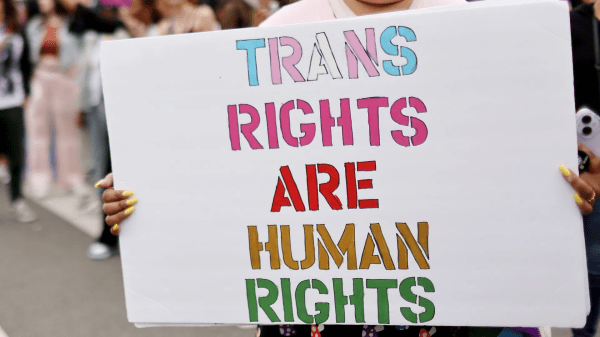
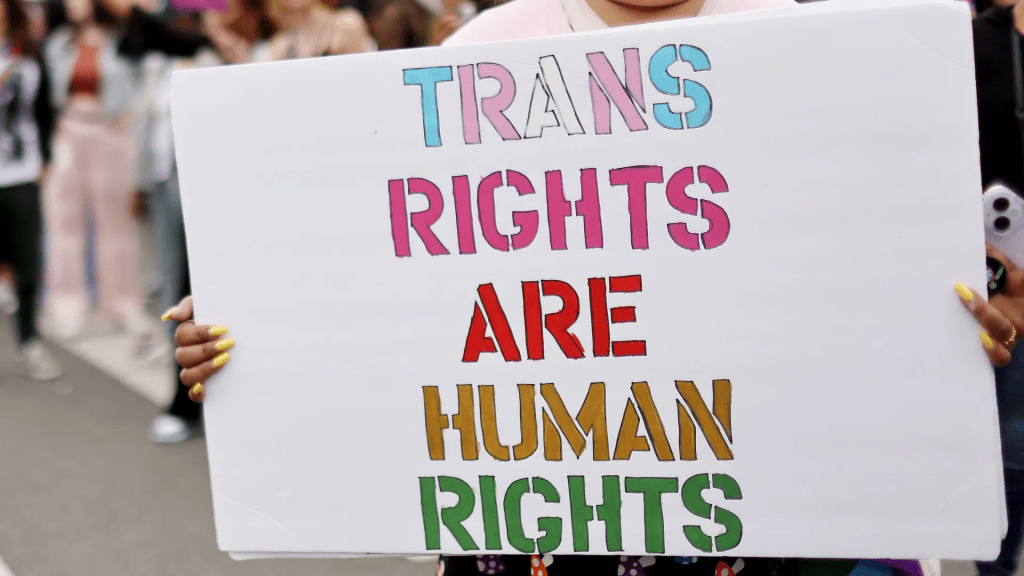


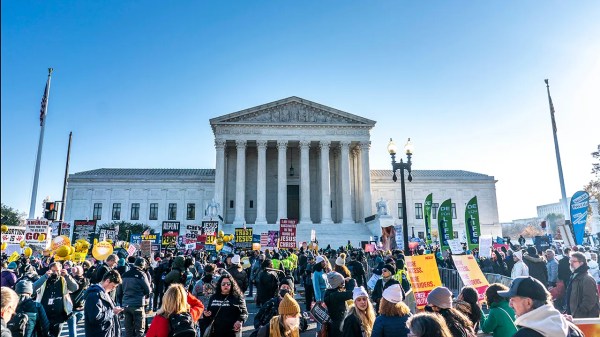
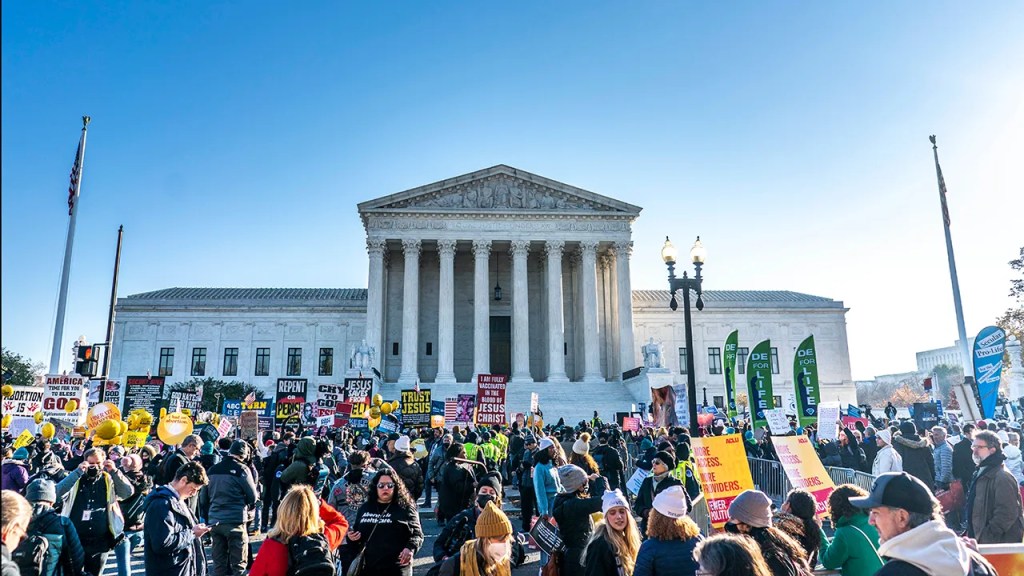





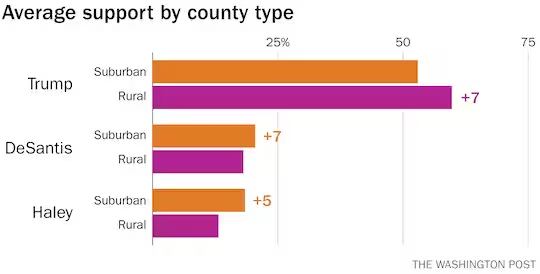
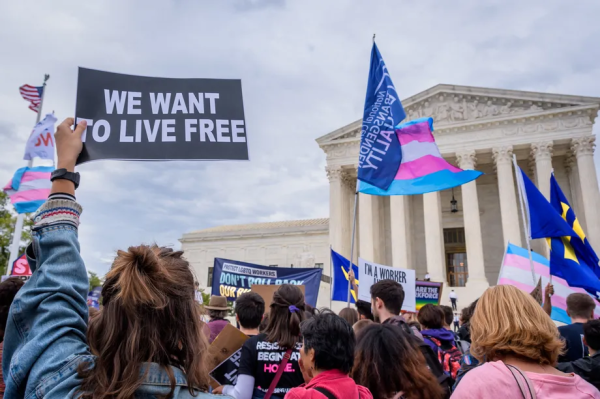
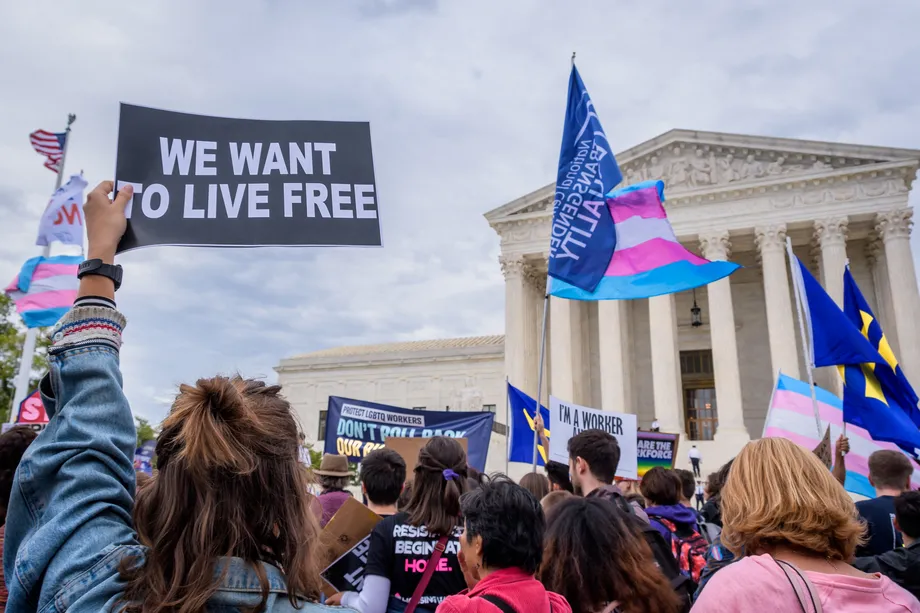
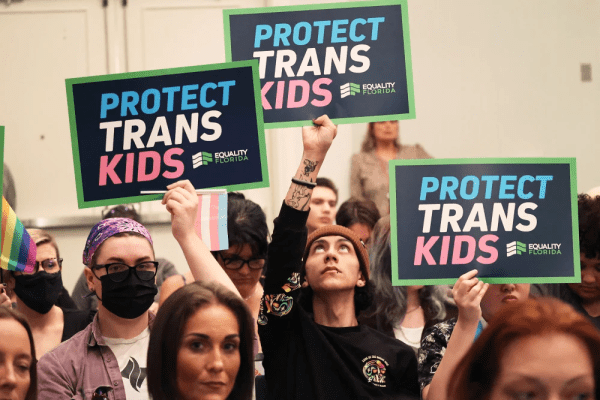
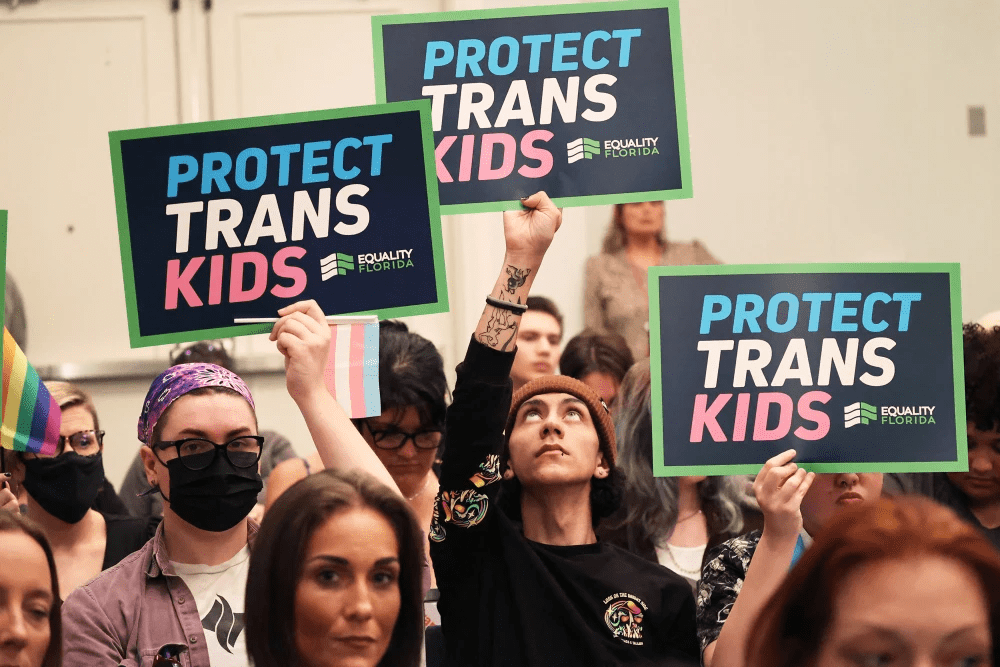






 fleeredstates.blog
You must be logged in to post a comment.