Judge Strikes Down Arkansas Ban On Gender-Affirming Care For Trans Youth

This blog originally appeared at Huff Post.

The ban would have prohibited doctors from providing gender-affirming hormone treatment, puberty blockers or surgery to anyone under 18.

The ruling by a federal judge in Arkansas declared the state’s ban on gender-affirming care for children as unconstitutional. This ban was the first of its kind in the United States and had attracted significant attention as other Republican-led states were considering implementing similar restrictions.

The ban in Arkansas aimed to prohibit healthcare providers from offering gender-affirming treatments, including hormone therapy and puberty blockers, to transgender minors. However, the judge’s ruling deemed the ban unconstitutional, citing that it violated the Equal Protection Clause and the due process rights of transgender individuals.

This decision marks a significant legal development in the ongoing debate surrounding transgender rights and healthcare access for transgender minors. It may have implications for similar bans that were being considered or implemented in other states, potentially setting a precedent for future legal challenges.

It’s important to note that as an AI language model, I don’t have real-time information or the ability to provide the latest news updates. Therefore, for the most accurate and up-to-date information on this topic, I recommend referring to reliable news sources or conducting a search for recent developments on the subject.

U.S. District Judge Jay Moody issued a permanent injunction against the Arkansas law, which would have prohibited doctors from providing gender-affirming hormone treatment, puberty blockers or surgery to anyone under 18.

Arkansas’ law, which Moody temporarily blocked in 2021, also would have prohibited doctors from referring patients elsewhere for such care.

Republican lawmakers in Arkansas enacted the ban in 2021, overriding a veto by former GOP Gov. Asa Hutchinson. Hutchinson, who left office in January, said the law went too far by cutting off treatments for children currently receiving such care.

The ruling affects only the Arkansas ban but may carry implications for the fates of similar prohibitions, or discourage attempts to enact them, in other states.

At least 19 other states have enacted laws restricting or banning gender-affirming care for minors following Arkansas’ law, and federal judges have temporarily blocked similar bans in Alabama and Indiana. Three states have banned or restricted the care through regulations or administrative orders.

Florida’s law goes beyond banning the treatments for youth, by also prohibiting the use of state money for gender-affirming care and placing new restrictions on adults seeking treatment. A federal judge has blocked Florida from enforcing its ban on three children who have challenged the law.

Children’s hospitals around the country have faced harassment and threats of violence for providing such care.

The state has argued that the prohibition is within its authority to regulate the medical profession. People opposed to such treatments for children argue they are too young to make such decisions about their futures. Major medical groups, including the American Medical Association and the American Academy of Pediatrics, oppose the bans and experts say treatments are safe if properly administered.

The state is likely to appeal Moody’s decision to the 8th U.S. Circuit Court of Appeals, which last year upheld the judge’s temporary order blocking the law.

Gov. Sarah Huckabee Sanders, Hutchinson’s successor, in March signed legislation attempting to effectively reinstate Arkansas’ ban by making it easier to sue providers of gender-affirming care for children. That law doesn’t take effect until later this summer.

A roughly two-week trial before Moody included testimony from one of the transgender youths challenging the state’s ban. The teenager testified in October that the hormone therapy he has received has transformed his life and that the ban would force him to leave the state.

click here to see full blog: https://www.huffpost.com/entry/bc-us-transgender-health-arkansas_n_64920d16e4b041b71a127211
The 10 Most Affordable Small Towns Where You’d Actually Like To Live, 2023 Edition

This blog originally appeared at Realtor.com

At some point, many city dwellers realize they’ve had enough of the tiny, exorbitantly priced apartments, the noise and gridlock, the angry drivers, and the packed sidewalks. They find themselves longing for a simpler life—perhaps even putting down roots in small-town America, where they’re not always in a rush and a walk through town is sure to include at least a few friendly faces.

As you’ve probably heard, small- and medium-sized communities, farther from the country’s historic coastal population centers, have had quite a housing renaissance in the past few years. While mortgage rates were near zero and workers had more flexibility to work remotely during the COVID-19 pandemic, many descended on pretty, tranquil, formerly affordable, smaller towns—and that caused some prices to skyrocket.

But here’s the news: It’s not too late to trade in big-city bustle for small-town serenity without busting your budget. The Realtor.com® data team found America’s most affordably priced, small towns that also have lots to offer residents. These aren’t just nice places with low-priced real estate. These are places where you might actually love to live.

“I drive down the street and see 10 people I know,” says Kelsey Janssen, a Realtor® and associate broker at Coldwell Banker Town & Country Realty of Kearney, NE, one of the top spots on our list. “Even people who don’t know you wave here.”

Janssen says she has clients who have come from California, or neighboring Colorado, and they’re blown away by how friendly everyone is—on top of how much more affordable the homes are.

Some of these smaller communities have carved a niche for themselves, whether it’s live music, like in Branson, MO, or the old-world German charm of New Ulm, MN. Each has a different flavor.

To find these desirable small towns, the Realtor.com data team looked at real estate in every U.S. “micropolitan area,” the collection of counties with a population between 10,000 and 50,000. (With the surrounding areas included, a micropolitan area can technically have a population as large as 200,000, but we’re focusing on the core town within.) Then we pulled together U.S. Census Bureau data detailing the dining, entertainment, recreation, and quality-of-life business establishments in the area, and calculated their rate per 100,000. We ranked the towns using an equal combination of those categories, as well as home list prices.

We limited our list to places where the median list price per square foot is less than 150% of the national average, and we selected only the highest-ranking micropolitan area in any given state, to ensure geographic diversity.

Here’s our list of the most affordable small towns with big quality of life.

1. Cortland NY

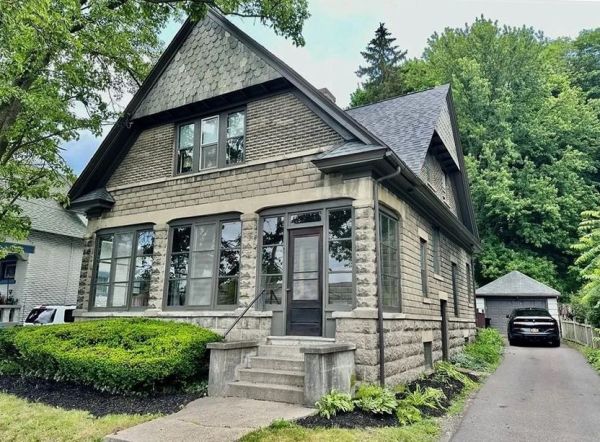
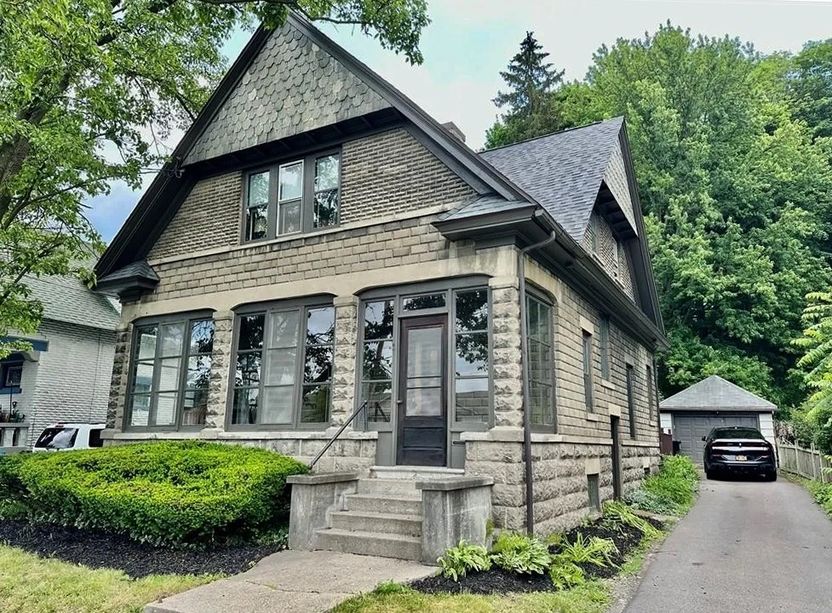
A home for sale in Cortland, NY

Median list price: $159,250

Our No. 1 affordable small town with lots of big-city appeal is Cortland. The residents of the town in central New York have quick access to some larger cities, sitting about 35 minutes north of Ithaca and 45 minutes south of Syracuse. And the median list price is just about one-third of the national median in May. You get a lot for your money here.

Cortland, which has a history dating to the late 18th century, is surrounded by tree-covered hills, which transform into a patchwork of orange, gold, and crimson in the fall, which sets the mood for the annual Great Cortland Pumpkin Festival.

“The community events are just wonderful here,” says Jason Hage, a local real estate broker at Hage Real Estate.

“You’ve got the Pumpkin Festival and also the  We have two or three parades a year,” he adds. “Every Wednesday night from June through August, we have Homer Fireman Field Days. at the Homer elementary school. It’s such a cool thing to be able to hang out there with your neighbors and check out live music.”

Cortland, like any good small town, has a Main Street dotted with restaurants, bars, coffee shops, vintage boutiques, and tattoo parlors. Other local attractions that boost Cortland’s small-town bona fides include the Cortland Repertory Theatre, offering up a range of performances, and The 1890 House Museum, where residents can learn about the town’s history and architecture.

For the more adventurous Cortlanders, Greek Peak Mountain Resort is where to go for downhill skiing and snowboarding, as well as snowshoeing and cross-country skiing—and it’s only 15 minutes outside of town.

click here to see full blog: https://www.realtor.com/news/trends/small-american-towns-with-affordable-real-estate-and-lots-of-quality-of-life-attractions/?identityID=57d0587439de4b80070006a5&MID=2023_0620_ArticleNL&RID=4185881482&cid=eml_promo_Marketing_NonPRSL_ArticleNL_cons.16738582_2023_0620_ArticleNL-hero-blogs_trends

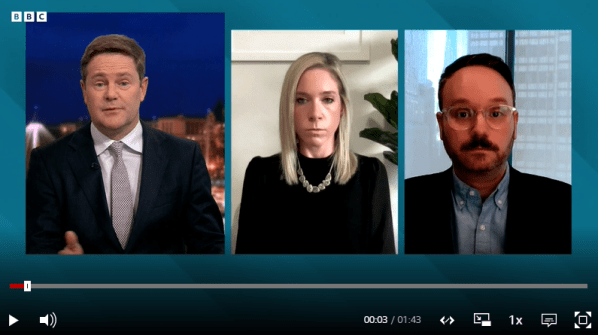
BBC News: She was denied an abortion in Texas – then she almost died

This blog originally appeared at BBC News.

A Texas law that bans all abortions except in dire medical circumstances is one of the strictest introduced since the right to the procedure was overturned. Critics say it is forcing many women, and their doctors, to choose between breaking the law and making the right decision for their health.

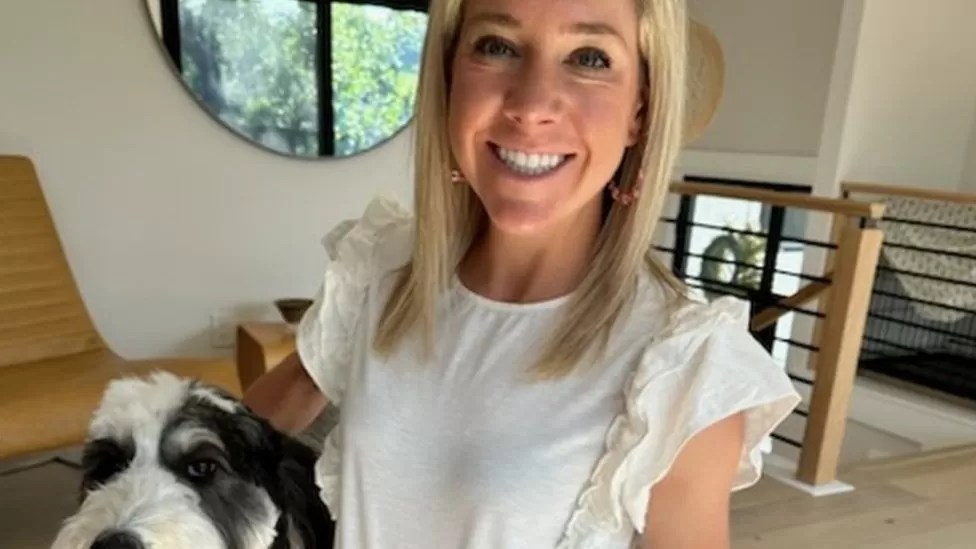
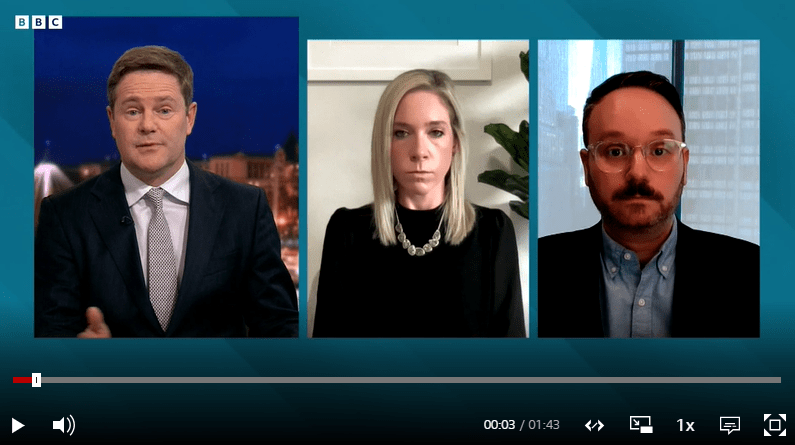
Amanda Zurawski says Texas’s abortion bans are “dystopian”

Amanda Zurawski and her husband Josh had recently purchased their dream home in Austin, Texas, a sought-after area with beautiful views. Excitedly awaiting the arrival of their first child, they envisioned a joyous moving day. However, their reality was far from what they expected. Amanda’s life was endangered when she was denied an abortion, just after being discharged from the hospital.

Reflecting on that day, Amanda shared with the BBC, “It felt like I was living in a dystopian world. In the United States, as a pregnant person, you should not be afraid for your life because of the laws.”

Since the Supreme Court’s decision to overturn Roe v Wade, granting states the power to ban abortions, 13 states have passed near-total bans. Texas, the largest state and one of the strictest, prohibits all abortions from the moment of conception, with exceptions only for a “life-threatening physical condition” or “a serious risk of substantial impairment of a major bodily function.” Violating this law can result in a hefty fine of $100,000 (£78,000) and even life imprisonment.

When Amanda discovered she was expecting a daughter, she and her husband were filled with joy. Unfortunately, on the same day she was compiling the guest list for her baby shower, she received devastating news. She was diagnosed with cervical insufficiency, a condition that weakens the cervical tissue and causes premature dilation. The doctors informed her that her unborn daughter would not survive. This heartbreaking situation placed Amanda directly in the crosshairs of Texas’s abortion ban, compounding their grief.

“She was a baby that we desperately, desperately wanted,” she said.

Texas abortion law: ‘I waited for my daughter to die so I wouldn’t die’

click here to see video: https://www.bbc.com/news/world-us-canada-65935189

Pentagon officials say GOP’s bigoted bills are hurting the military

This blog originally appeared at MSNBC.

Multiple defense officials have recently voiced concerns about the negative impact of anti-LGBTQ+ laws on military recruitment and retention. These officials have emphasized that discriminatory policies can hinder the military’s ability to attract and retain talented individuals from diverse backgrounds, including LGBTQ+ individuals. Such laws can create a hostile and unwelcoming environment, leading potential recruits to choose other career paths or discouraging current service members from reenlisting. The statements from these defense officials highlight the importance of fostering inclusivity and equality within the military to ensure its strength and effectiveness.


It is true that there are differing views within the conservative movement regarding the United States military’s diversity and inclusion efforts. While some conservatives have criticized these efforts, claiming they contribute to perceived weakness, others recognize the importance of inclusivity in the military for recruitment and retention purposes.

Senator Tommy Tuberville’s remarks, suggesting a lenient attitude towards white nationalists in the military, received criticism for downplaying concerns about extremism within the ranks. It is important to note that military leaders have consistently emphasized the value of diversity and inclusion initiatives as they contribute to a stronger and more effective force. These efforts are seen as crucial for attracting and retaining talented individuals from various backgrounds who can contribute to the mission and success of the military.

The stance taken by Senator Tuberville is not representative of all conservatives or their views on diversity and inclusion in the military. It is a complex and nuanced topic with varying opinions within the conservative movement.

If service members are thinking and concerned about the experience their kids are having, they’re not going to be focused on their jobs.

ALEX WAGNER, ASST. AIR FORCE SECRETARY

Civilian lawmakers in the Republican Party, many of whom have never served and show no discernible credibility on how to run a modern-day military operation, are some of the loudest critics claiming such measures are a waste of time or injurious to morale. 

(Check out my MSNBC colleague Steve Benen’s excellent post on the GOP’s anti-diversity crusade against the military from January.)

Fortunately, people better equipped to make these judgments are speaking up. Pentagon officials have been setting the record straight this week.

At the Center for a New American Security’s annual National Security Conference on Tuesday, a high-ranking Air Force official explained that the nationwide wave of anti-LGBTQ laws passed by conservative lawmakers could hurt the military’s readiness. 

“When I’m forced to move families from installations because their school will do nothing when their LGBT kid is being bullied — that worries me, because that’s distracting from the mission, that’s detracting from our readiness,” said Alex Wagner, assistant Air Force secretary for manpower and reserve affairs. Defense One, a news site focused on national security, was the first outlet to report the comments

“If service members are thinking and concerned about the experience their kids are having, they’re not going to be focused on their jobs,” Wagner said. “They’re not gonna be focused on their mission.”

Seems logical, right? If military folks are worried about weirdo lawmakers obsessively finding ways to target their kids, they’re not going to be able to do the important stuff we expect them to do … like, y’know, protecting the nation.

The hits kept coming.

At a Department of Defense Pride Month event on Wednesday, Space Force Chief Operating Officer Lt. Gen. DeAnna Burt pointed out that “more than 400 anti-LGBTQ+ laws have been introduced at the state level” since January.

“That number is rising and demonstrates a trend that could be dangerous for our service members, their families and the readiness of the force as a whole,” she said.

click here to see full blog: https://www.msnbc.com/the-reidout/reidout-blog/pentagon-officials-say-gops-bigoted-bills-are-hurting-military-rcna88445?fbclid=IwAR0WF91gKs28BvpuMzWrqQ77Xmn8O1W2OQQUy_vZocDzmASUzDsJ5tD47oM

Ireland will pay you $90,000 to move to a beautiful island home

This blog originally appeared at CNN Travel.

CNN Travel aims to provide comprehensive coverage and assistance for various travel-related topics and concerns. They offer guides and articles to help readers navigate different aspects of travel, such as tipping etiquette, choosing currency options for card payments, and providing a roundup of the week’s news. Whether you need practical advice, travel recommendations, or the latest updates, CNN Travel aims to provide reliable information to meet your vacation needs.

Inis Mór is the largest of Galway’s Aran Islands, off Ireland’s west coast.

Editor’s Note: Sign up for Unlocking the World, CNN Travel’s weekly newsletter. Get the latest news in aviation, food and drink, where to stay and other travel developments.

Irish island homes

New opportunities are afoot for those dreaming of fixing up a rural idyll far from the chaos of modern life. Ireland has just announced a scheme to revitalize more than 20 of the idyllic islands that lie off its western seaboard, including Inis Mór, whose breathtaking landscape you might recognize from the Hollywood hit “The Banshees of Inisherin,” as well as 10 Irish-speaking Gaeltacht islands.

Increased grants of up to €84,000 (nearly $92,000) will soon be offered to people willing to refurbish vacant or derelict homes and then live in them, with Vacant Home Officers now on the case to identify eligible properties. Would-be islanders should be aware that while there are no restrictions on who can buy property in Ireland, owning a place doesn’t guarantee you the right to live there. The government website has the latest deets on the Our Living Islands policy and the existing refurbishment scheme.

Airplane seats

Plus-size travelers are hitting out at “discriminatory” and inconsistent airline policies that often mean they are forced to buy additional seats. Travel influencer Jae’lynn Chaney is calling for more standardization, telling CNN Travel, “At the bare minimum, we need every airline to have a policy that tells people of size how to navigate their airline.”

And in China, Hainan Airlines has faced a backlash after imposing weight restrictions on flight attendants.

Australian airline Qantas has revealed what economy seats will look like on its upcoming record-breaking 19-hour flights between New York and Sydney. The airline promises that its specially designed Airbus A350s will offer passengers more legroom and space to move around the cabin compared with standard flights.

And if the very thought of that is making you a bit crampy, check out our video with five tips on avoiding pain during a long flight.

Our animal friends

young bear was spotted enjoying a swim alongside beachgoers in Florida on June 11, before hitting the shore and taking off. Woodlands are of course a bear’s usual habitat, and the National Park Service has these safety tips if you encounter one, including not pushing “a slower friend down.”

City leaders in Paris are trying to find out if there’s a way for humans and rats to live peaceably alongside each other. No news as yet on whether that includes rodents living under chefs’ hats à la “Ratatouille.”

If cohabitation with birds is more your thing, our partners at CNN Underscored, a product reviews and recommendations guide owned by CNN, have put together a beginner’s guide to bird-watching. Here’s what you need to know.

click here to see full blog: https://edition.cnn.com/travel/travel-news-ireland-homes-grants/index.html

Texas governor signs bill to ban DEI offices at state public colleges

This blog originally appeared at CNN Politics.


As of my knowledge cutoff in September 2021, there have been discussions and debates regarding the banning of diversity, equity, and inclusion (DEI) offices at state public colleges in Texas. However, I do not have information on the specific details or the status of any bill related to this topic being signed by the Texas governor.

It’s important to note that legislation and political developments can change over time, and it’s advisable to refer to the most recent news sources or official statements for the latest information on this matter.

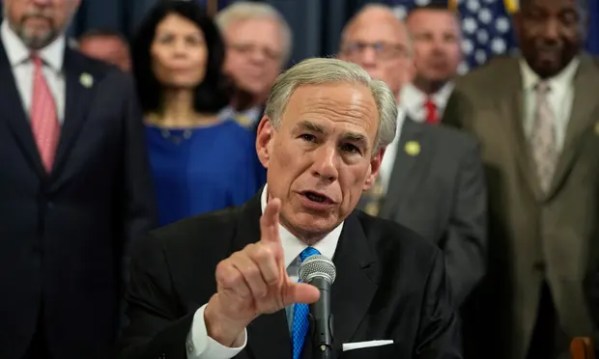
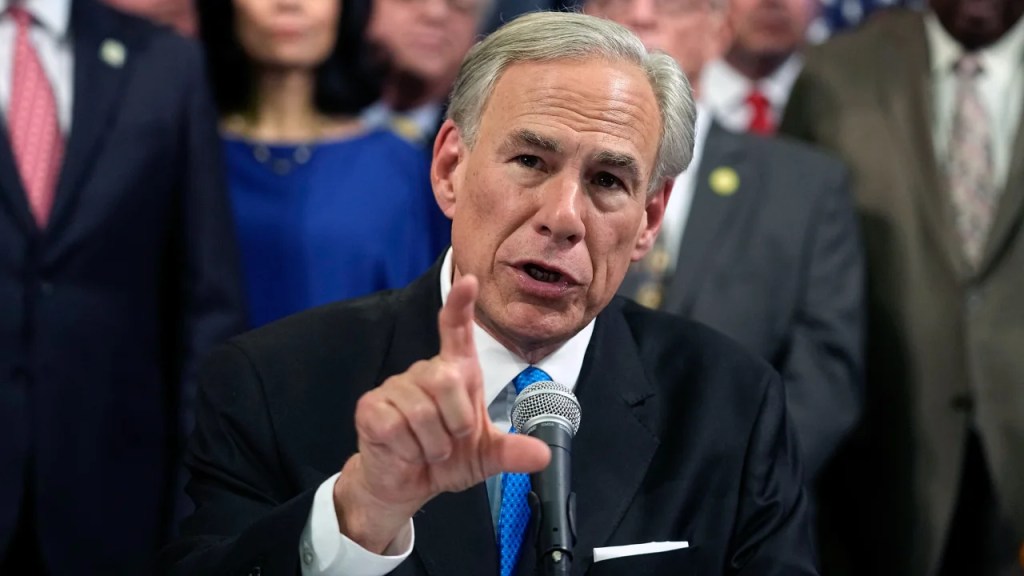
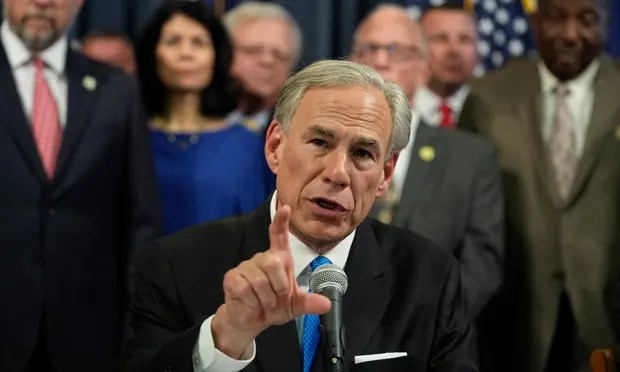
Texas Gov. Greg Abbott speaks after signing a bill at the Texas Capitol in Austin on June 6, 2023.

(CNN) – As of my knowledge cutoff in September 2021, it seems that Texas Governor Greg Abbott has signed a bill banning diversity, equity, and inclusion (DEI) offices at public colleges and universities in the state. The bill, known as SB 17, was passed by the state legislature with supporters arguing that DEI efforts promote racial profiling and that cutting funds for such programs would save taxpayers money. Critics of the bill have raised concerns about discrimination and the potential impact on attracting diverse students.

According to the information provided, SB 17 prohibits higher education institutions from establishing or maintaining DEI offices and also bans mandatory diversity training for students and employees. However, it is important to note that the bill does not restrict academic instruction related to race and diversity, and there are exceptions for equity measures required by court order or federal law.

Please note that this information is based on the details provided, and it’s always advisable to refer to the most recent news sources or official statements for the latest updates on this matter.

click here to see full blog: https://edition.cnn.com/2023/06/15/politics/greg-abbott-texas-dei-office-ban-colleges/index.html

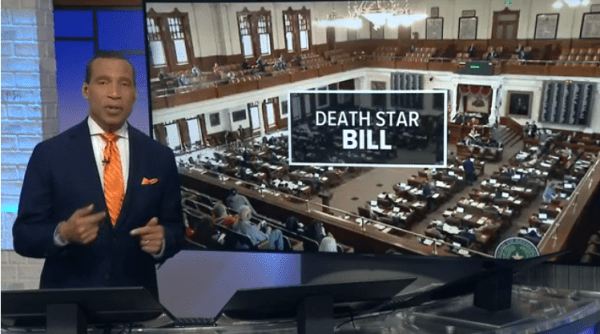
Death Star Bill aimed at expanding state authority signed into law

This blog originally appeared at KHOU 11.

Proponents of House Bill 2127 say the bill is aimed at reining in city and county leaders that exceed their authority.

House Bill 2127, also referred to as the Texas Regulatory Consistency Act, has generated both support and opposition. Supporters of the bill argue that its purpose is to establish consistent regulations across the state, which would contribute to maintaining a thriving Texas economy. They believe that uniformity in regulations would facilitate business growth, attract investments, and simplify compliance for companies operating in multiple jurisdictions.

However, opponents of the bill express concerns that it could have unintended consequences and potentially restrict the authority of local governments. They argue that local communities should have the autonomy to address specific issues that are relevant to their region, such as noise complaints, drought restrictions, and labor rights. Limiting local governments’ ability to create regulations tailored to their unique needs and circumstances may be seen as undermining local democracy and impeding their ability to address local concerns effectively.

The debate surrounding House Bill 2127 highlights the tension between statewide consistency and local autonomy. Balancing these competing interests is a complex task, as policymakers strive to strike a balance between statewide economic considerations and the ability of local governments to respond to local challenges and protect the interests of their communities.

click here to see full blog: https://www.khou.com/article/news/politics/texas-death-star-bill-hb-2127/285-799570c5-5add-47c7-988e-bc034c36f7d2

Greg Abbott signs law banning diversity offices in Texas higher education

This blog originally appeared at Support The Guardian.

The governor signed the bill prohibiting diversity, equity and inclusion offices in addition to another codifying tenure restrictions.

Greg Abbott’s office argued that DEI programs ‘push policies that expressly favor some demographic groups to the detriment of others’. Photograph: Eric Gay/AP

Texas Governor Greg Abbott has signed SB 17, a bill that will effectively ban diversity, equity, and inclusion (DEI) offices and initiatives in higher education institutions across the state. The new law mandates the closure of DEI offices in state colleges starting from January 2024. It also puts an end to activities that promote certain groups of individuals over others based on factors such as race, ethnicity, and gender.

Furthermore, the bill prohibits job applicants at Texas universities from making diversity statements, and it prohibits mandatory DEI training for any purpose. This legislation reflects a shift in the state’s approach to DEI efforts within the higher education system.

The impact of this law is a matter of ongoing debate. Supporters argue that it promotes equal treatment and prevents preferential treatment based on certain characteristics. On the other hand, critics contend that it undermines efforts to address systemic inequalities and promote diversity and inclusion within academic institutions.

It’s important to note that this law specifically applies to higher education institutions in Texas and does not have a direct impact on DEI initiatives in other sectors or within private institutions.

“Education is the greatest equalizer in our nation, and Texas is home to world class and innovative colleges and universities. The decisions we make for higher education today determine our Texas of tomorrow,” said the Republican state senator Brandon Creighton, who introduced the bill in March.

https://b6e53c7903577bf8e8ff2aa208e47325.safeframe.googlesyndication.com/safeframe/1-0-40/html/container.html

“Now that these bills are law, institutes of higher education are better equipped to prepare the next generation of leaders, and keep Texas the economic engine of the nation,” he added.

Creighton went on to explain that what sets the bill apart from other proposals is “that the legislation delivers strong enforcement with mandates to return Texas colleges and universities to their core mission: educate and innovate”.

He condemned DEI offices, saying that they have “failed to make progress advancing or increasing diversity”.

click here to see full blog: https://www.theguardian.com/us-news/2023/jun/14/new-texas-bans-law-diversity-offices-state-higher-education

This cis woman and her disabled child were ousted from a Kansas library bathroom due to anti-trans ban

This blog originally appeared at Reckon.

In a concerning incident in Kansas, a cisgender woman and her disabled child were reportedly forced to leave a library bathroom due to the implementation of an anti-transgender bathroom ban. The incident highlights the impact that such discriminatory policies can have on individuals who do not fit the narrow definitions imposed by these bans.

Karen Wild and her son Ellis Dunville. Photo courtesy of The Wichita Eagle (Michelle Zenarosa)

On May 20, a woman in Kansas was instructed to leave the restroom for helping her disabled son.

Karen Wild is the mother to her son Ellis Dunville, who is on the autism spectrum, has a seizure disorder and is nonverbal. Part of her weekly routine is visiting the Wichita Public Library to meet up with Dunville’s grandmother, who helps Wild take care of him.

This incident comes weeks after the state signed SB180, which is informally known as the “Women’s Bill of Rights”. The law is intended to “ensure current protections for women’s spaces are not eroded,” said Republican Rep. Brenda Landwehr during the House Committee hearing on Mar. 31.

click here to see full blog: https://www.reckon.news/lgbtq/2023/06/this-cis-woman-and-her-disabled-child-were-ousted-from-a-kansas-library-bathroom-due-to-anti-trans-ban.html?fbclid=IwAR3O01yCO1cAjKxjLWFWcbq3LBQNV_bofvnD8feA8srrPyh9StenclFBTgI

Protesters brawl as Southern California school district decides whether to recognize Pride Month

This blog originally appeared at AP News.

GLENDALE, Calif. (AP) — Protesters briefly scuffled and punches flew Tuesday as a Southern California school district decided whether to recognize June as Pride month.

Conservative groups and LGBTQ+ rights supporters protest as police try to maintain order outside the Glendale Unified School District offices in Glendale, Calif., Tuesday, June 6, 2023. Several hundred people gathered in the parking lot of the district headquarters, split between those who support or oppose teaching about exposing youngsters to LGBTQ+ issues in schools. (Keith Birmingham/The Orange County Register via AP)

Several hundred people gathered in the parking lot of the Glendale Unified School District headquarters, split between those who support or oppose exposing youngsters to LGBTQ+ issues in schools.

Some opponents wore T-shirts emblazoned with: “Leave our kids alone.”

It was the same slogan used by some demonstrators last Friday outside Saticoy Elementary School in Los Angeles to protest a planned Pride assembly.

As in Glendale, police officers had to separate groups of protesters and counterprotesters who came to blows.

Across the nation, Pride month celebrations are kicking off amid rising backlash in some places against LGBTQ+ rights. Community parade organizers, school districts and even professional sports terms have faced protests for flying rainbow flags and honoring drag performers. While some Republican-led states are limiting classroom conversations about gender and sexuality and banning gender-affirming care, some Democratic cities and states are seeking to expand LGBTQ+ rights and to honor the community’s contributions.

click here to see full blog: https://apnews.com/article/glendale-school-district-pride-month-protests-fighting-adcb1e4f9051256a4f35fb3174137229

Blog at WordPress.com.

Up ↑