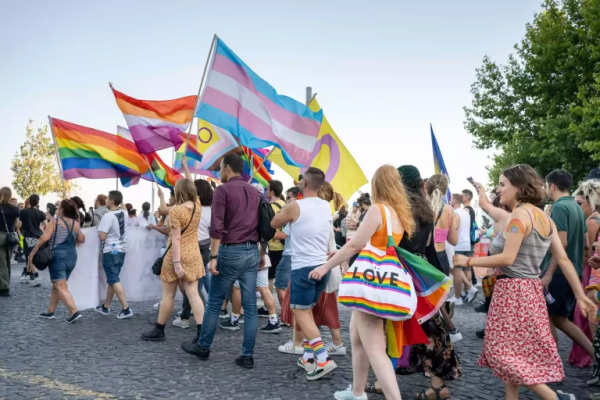
Lisbon Portugal ranks as the top LGBTQ friendly city in the world

Pride Month is not quite over yet! Just in time for some more LGBTQ friendliness is this list from Big 7 Enjoy Travel. They rank the top 30 LGBTQ friendly cities on the planet.

For a city to rank highly as LGBTQ+ friendly, first and foremost, it needs to protect LGBTQ+ people with laws and legislation. Then, it needs a vibrant gay nightlife and dating scene, whether within a gay village or across the city. Either way, there needs to be a safe community for LGBTQ+ people, as well as open-minded citizens and low levels of hate crime.

Ranking criteria:

  • Gay Index Rating – measures how safe a country is for LGBT people, considering the legal situation and living conditions
  • Equality Index Rating – measures the status of LGBT rights, laws, and freedoms as well as public attitudes towards LGBT people
  • Is the city’s country a member of the United Nations LGBTI Core Group?
  • How big is their Pride celebration?
  • Does that city have a gay village/gay community?

The final scores show the Top 30 LGBTQ+ Friendly Cities in the World! Here’s your ultimate gay-friendly travel list…

30. Vienna, Austria

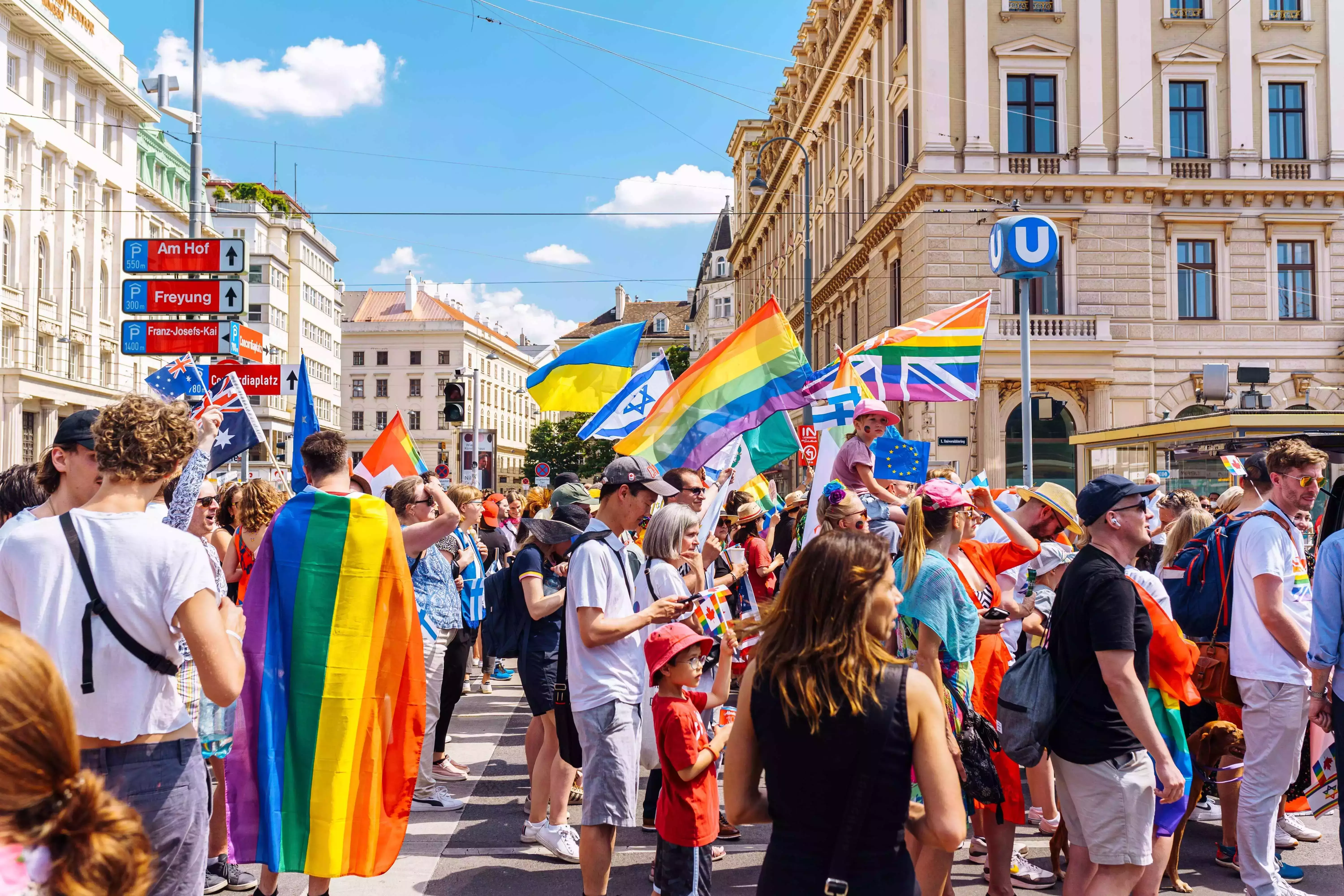
Vienna is widely known for its gender, disability, LGBTQ and racial inclusivity and equality, with many parades, pride events and specialist causes. While Vienna doesn’t have a specific gay village or district, its Naschmarkt area is full of gay bars and clubs, making it a hotspot for LGBTQ+ members. 

 Vienna has also hosted the EuroPride and hosts an annual citywide Pride parade in June. Vienna is also an LGBTI Core Group member and has a reasonably high Gay Index Rating, making it a safe and appealing place for LGBTQ+ members. It’s safe to say that Vienna is a welcoming and inclusive city for not just LGBTQ+ people, but for everyone, no matter your sexuality, gender, religion or ethnic group.
29. Puerto Vallarta, Mexico

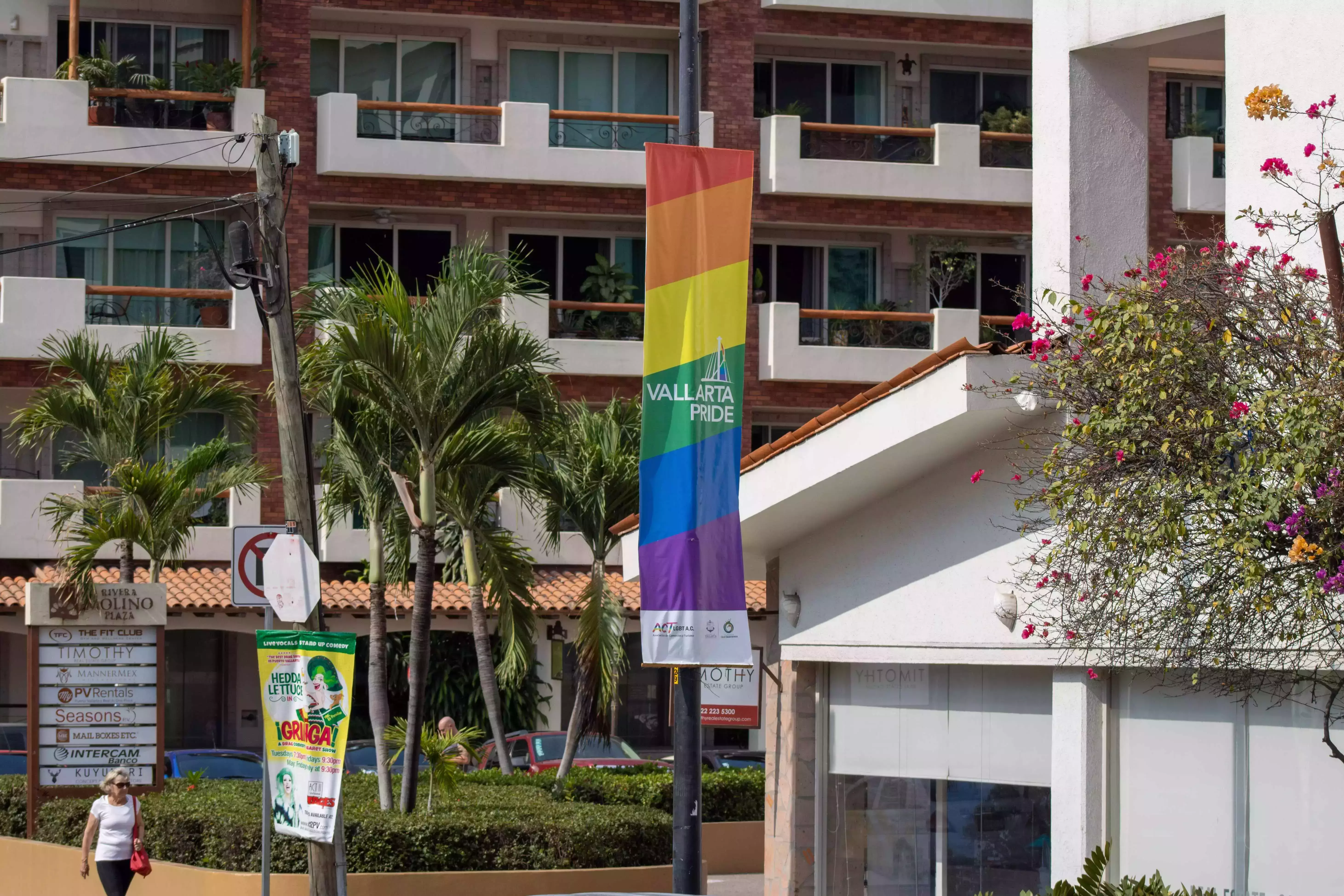
You may not have heard of this city against its larger and more tourist-centred neighbours of Mexico City and Cancun, but Puerto Vallarta deserves to be celebrated for its strong LGBTQ+ representation and inclusivity. According to our rankings, Puerto Vallarta scored highly in terms of Gay Index Rating, and attendance to the city’s annual Pride event is significant.

 Puerto Vallarta has been cited as the ‘gay capital of Mexico’, thanks to its bustling Zona Romantica area, which is heavily centred around LGBTQ+, with vibrant gay bars, inclusive hotels and lively clubs. While you’re likely to find LGBTQ+ friendly areas across Mexico, Puerto Vallarta is one of the best places to celebrate being a member of the community.
28. Glasgow, UK 

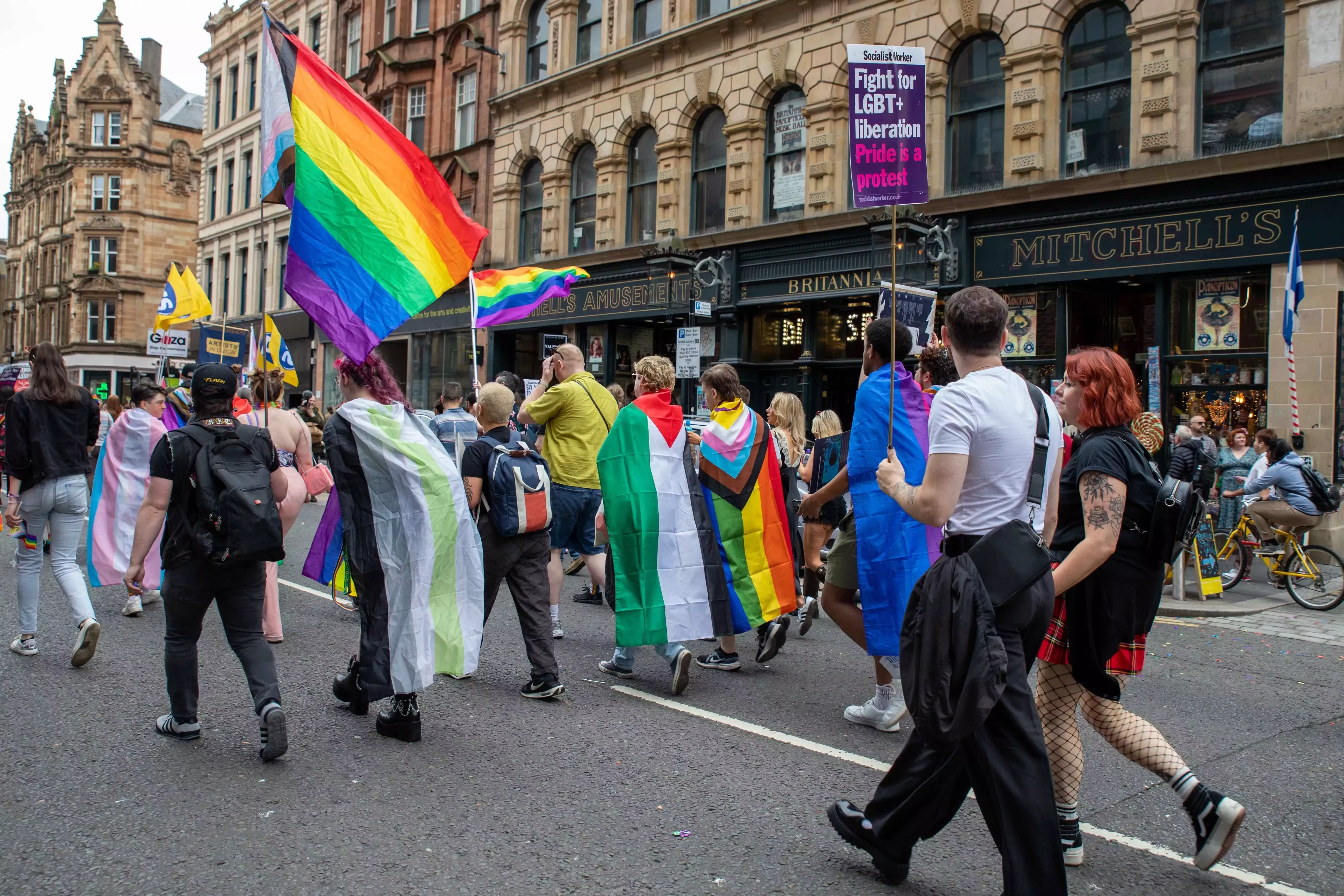
Glasgow, Scotland’s largest city, is a hub for inclusivity, with its lively Merchant City district being the LGTBQ+ capital. You can expect to find a variety of LGBTQ+ friendly bars and clubs, as well as a welcoming and open-minded atmosphere. Glasgow’s annual pride event amasses thousands of attendees each year, seeing proud members of the community come together to march and parade, surrounded by the signature rainbow flags. 

 Glasgow’s quality of life and general acceptance for the LGBTQ+ community is high, giving an indication of how strong its LGBTQ+ community and representation is. The city is also an LGBTI Core Group Member. 
27. Melbourne, Australia

Melbourne is generally an accepting city for most types of groups within society, which gives an indication as to its welcoming and inclusive atmosphere. It scores highly on the Gay Index Rating, and is a member of the LGBTI Core Group, as well as scoring highly on the Equaldex Score. But, data aside, there is a thriving and welcoming community right at its core that appeals to all groups in society, whether members of the LGBTQ+ community or not.

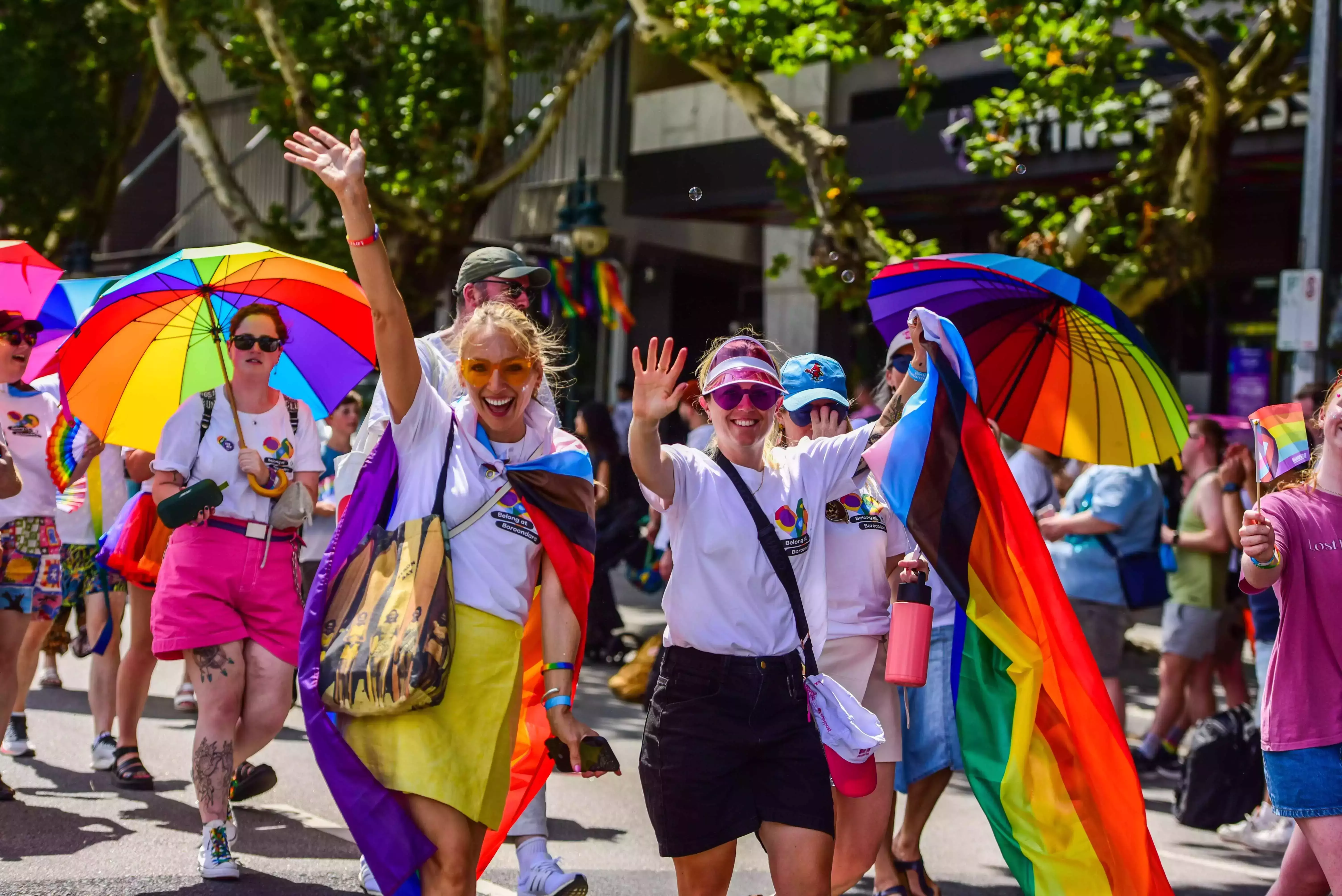
Its annual Pride march has also surpassed 60,000 attendees in recent years. Melbourne’s Fitzroy area is considered to be the ‘gay village’, with a number of LGBTQ+ friendly bars and clubs and a buzzing atmosphere both before and after dark, but generally no matter where you go in Melbourne you’ll be met with a warm and friendly welcome. 
26. Taipei, Taiwan

You may not commonly associate Taiwan with LGBTQ+ communities, but its capital Taipei has one of the largest LGBTQ+ presences, with a vibrant LGBTQ+ presence in its Ximen Red House area of the city, which features a lively and bustling scene with bars and clubs. Taipei is known for its inclusivity, and is perhaps a hidden gem amongst the most LGBTQ+ friendly cities, but definitely worth a visit. Taipei also hosts its annual Pride march, which is considered to be the largest of its kind in East Asia, seeing an attendance of more than 120,000 in recent years. 

25. Barcelona, Spain

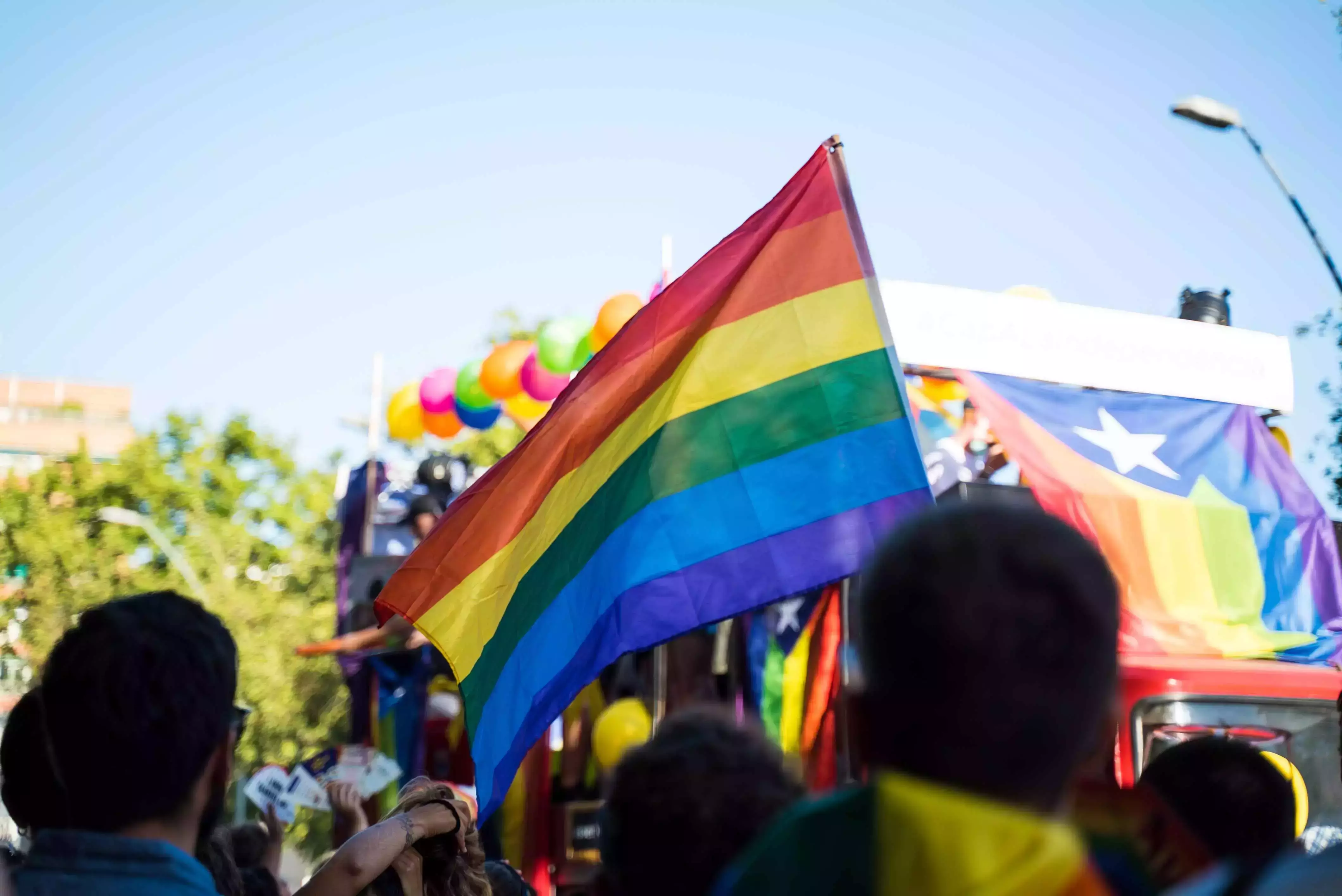
Barcelona, along with Madrid, are widely known as the LGBTQ+ capitals of Spain, with a high Gay Index Rating and a large Pride attendance across each city. Barcelona and the rest of Spain are highly regarded for their acceptance of the LGBTQ+ community, as Spain was one of the first countries in the world to legalise gay marriage in 2005. Barcelona has a thriving LGBTQ+ scene, with an abundance of gay bars, clubs and even beaches that cater to the LGBTQ + community – no matter where you go in Barcelona, you’ll be welcomed with open arms regardless of your sexual orientation or gender. 
24. Oslo, Norway

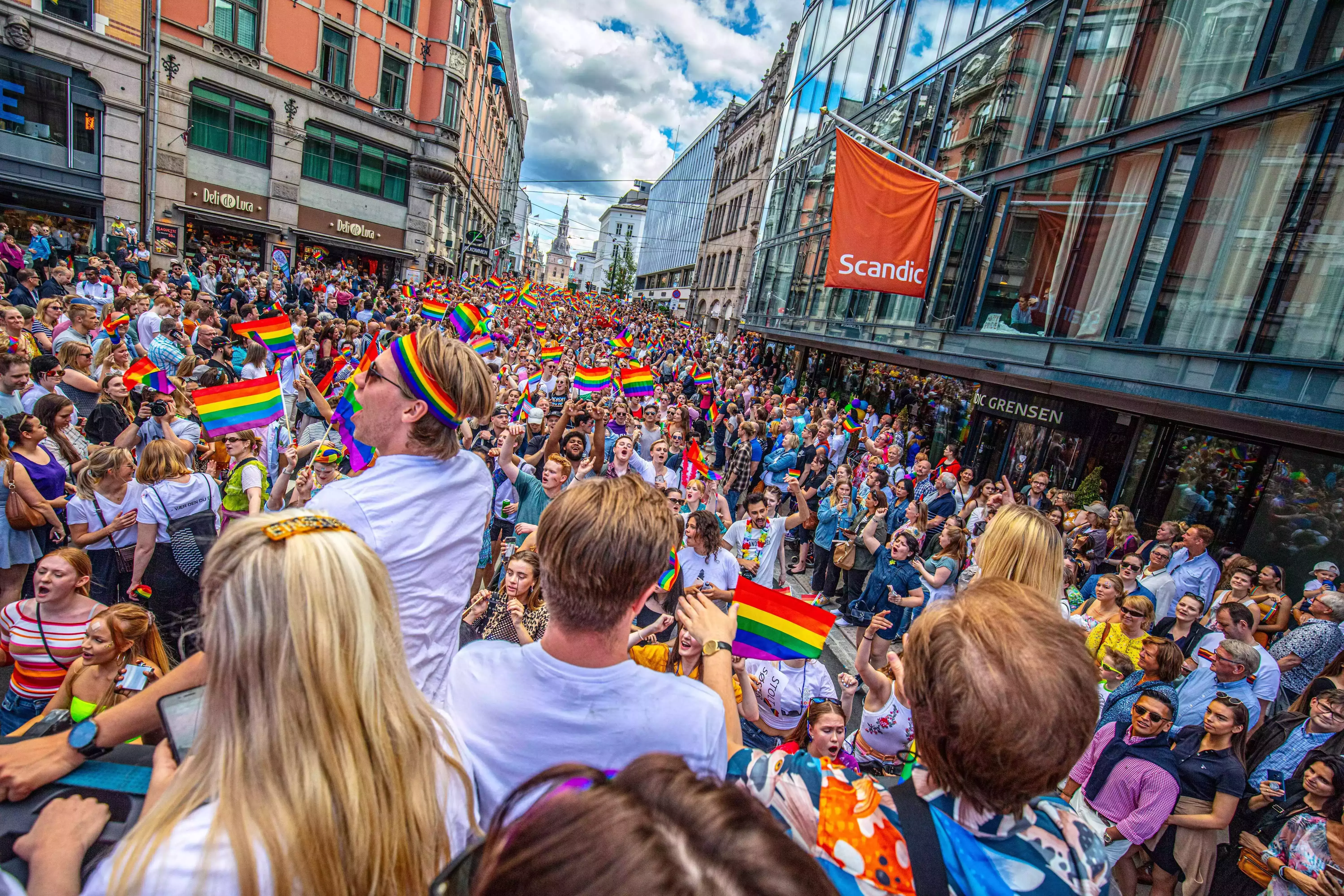
Norway is commonly associated with being a liberal, inclusive and welcoming country, and its capital Oslo comes out on top in terms of LGBTQ+ representation and inclusivity. The city has high Equaldex Score and Gay Index Rating, so is a must-visit for members of the LGBTQ+ community. Did you know that Oslo also hosts an annual Pride event that has amassed around 90,000 attendees in recent years? Oslo’s main LGBTQ+ friendly area is Grünerløkka, where you’ll find a large collection of LGBTQ+ friendly bars, restaurants and clubs, although the city as a whole is welcoming and accepting no matter where you go.  
23. Helsinki, Finland

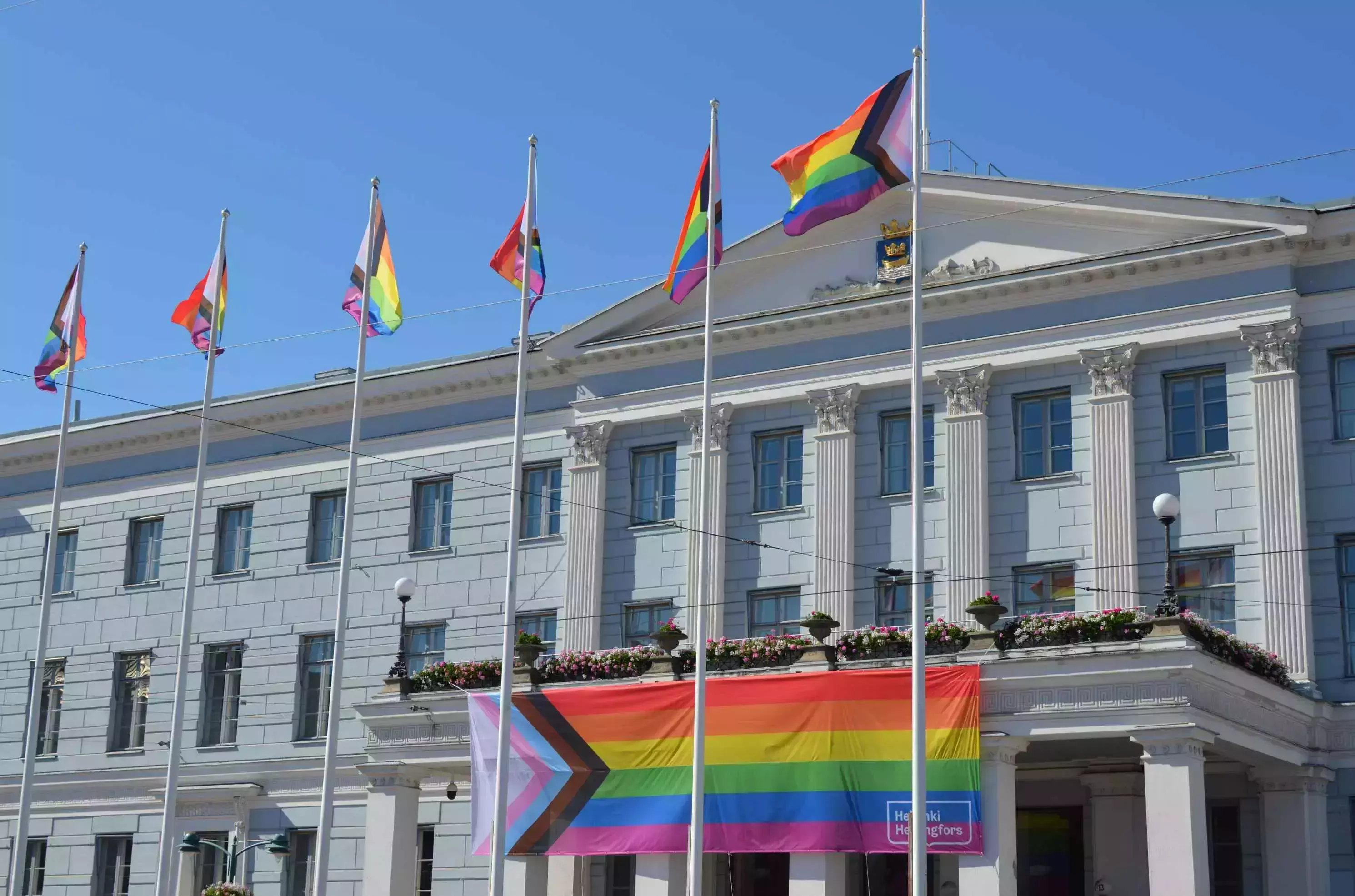
Scoring highly on both the Equaldex and Gay Index Rating, as well as having a large Pride attendance and overall LGBTQ+ presence, Helsinki is one of the best places to be if you want to feel welcomed with open arms in every corner of the city, no matter your sexual orientation, gender or who you identify as. 

Helsinki’s annual Pride march and parade typically sees more than 100,000 attendees, giving an idea of how inclusive the city really is. Finland is known for being a progressive and liberal country, and same-sex marriage has been legal in the country since 2017, having been decriminalised since the early 1970s and views changing in the early 80s.
22. Montreal, Canada

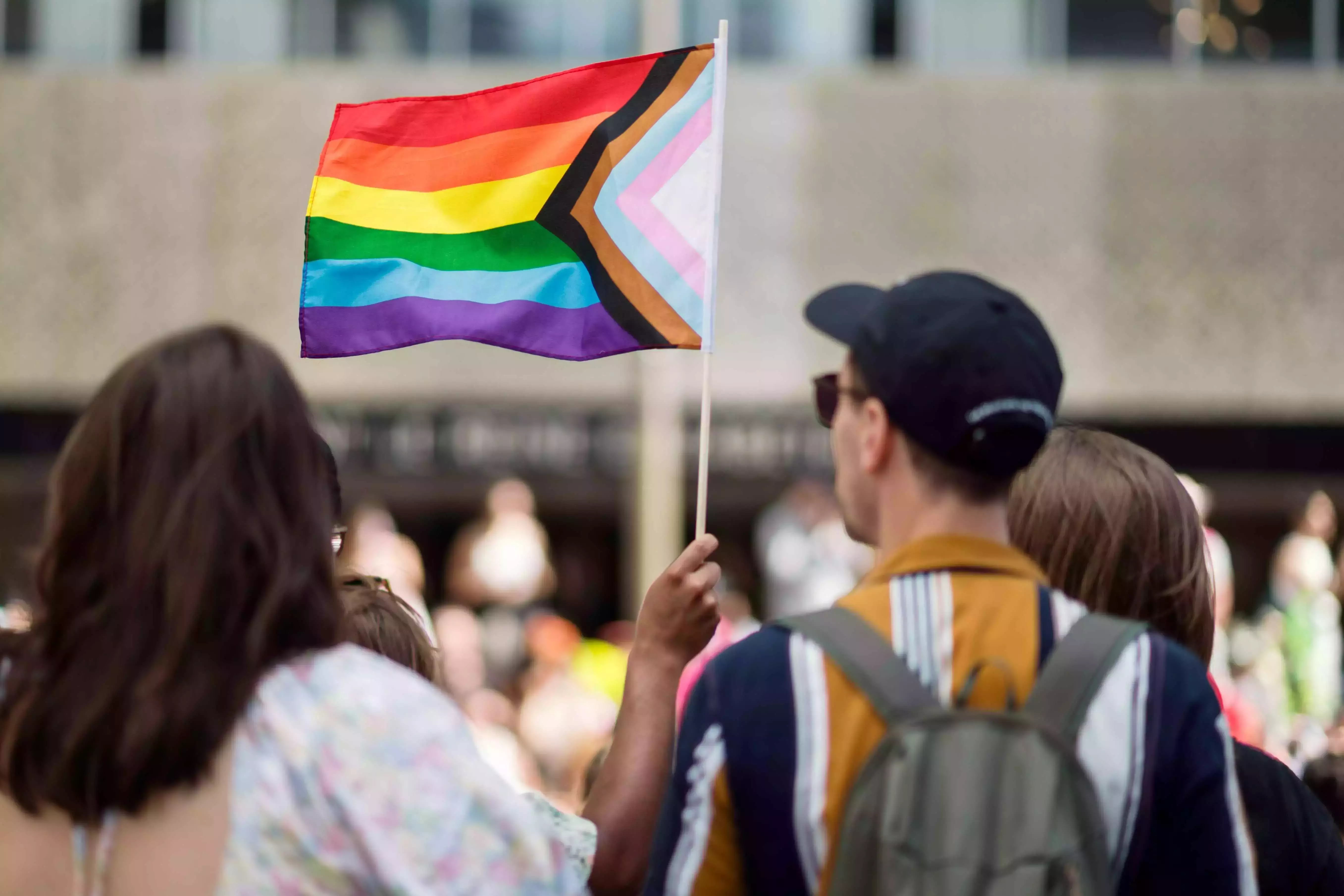
Montreal is one of the LGBTQ+ capitals of Canada, celebrating the community with a designated ‘gay village’ district and a large attendance to the city’s annual Pride events. Montreal is considered a trailblazer in terms of promoting and accepting LGBTQ+ rights, as Quebec was the first province of Canada to ban discrimination around sexuality and sexual orientation in 1977. As with much of the rest of Canada, Montreal has since adopted a liberal and accepting stance on LGBTQ+ communities, and scores highly on both the Equaldex and Gay Index rankings. 
21. Buenos Aires, Argentina

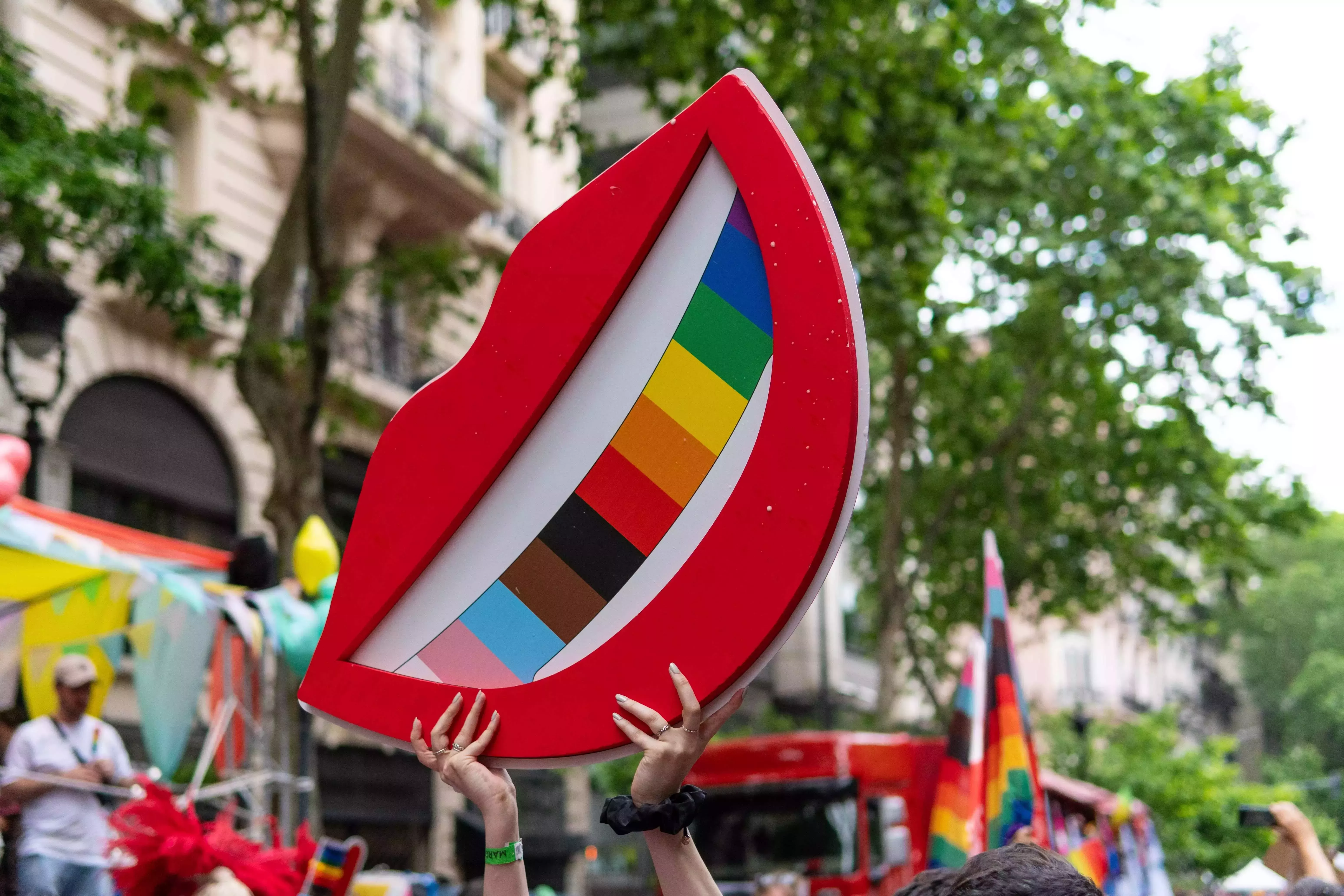
Argentina’s capital is often cited as the ‘gay capital of South America’, with a downtown district that is rife with gay bars, restaurants and clubs, and a high Gay Index Rating. Argentina was also the first Latin-American country to legalise same-sex marriage in 2010, and has since become the place to be in terms of inclusivity and LGBTQ+ rights.

Buenos Aires also has a large Pride attendance and citywide celebrations, with a thriving LGBTQ+ presence that makes the city rank highly for equality, inclusivity and representation. Aside from the obvious inclusivity that Buenos Aires offers, the city is a vibrant social hub and welcomes people from all social groups and communities.
20. Reykjavik, Iceland

Reykjavik has long been considered a haven for LGBTQ+ members and most groups in society, and although the city may be small, it packs a punch in terms of LGBTQ+ rights and representation. Reykjavik’s most recognisable street is so iconic thanks to its rainbow road, which indicates and highlights Reykjavik’s support for equality surrounding the LGBTQ+ community. Reykjavik’s Pride event is a large-scale affair, with thousands of locals and tourists attending to show their support. Reykjavik also has one of the highest Gay Index Ratings and Equaldex Scores. 

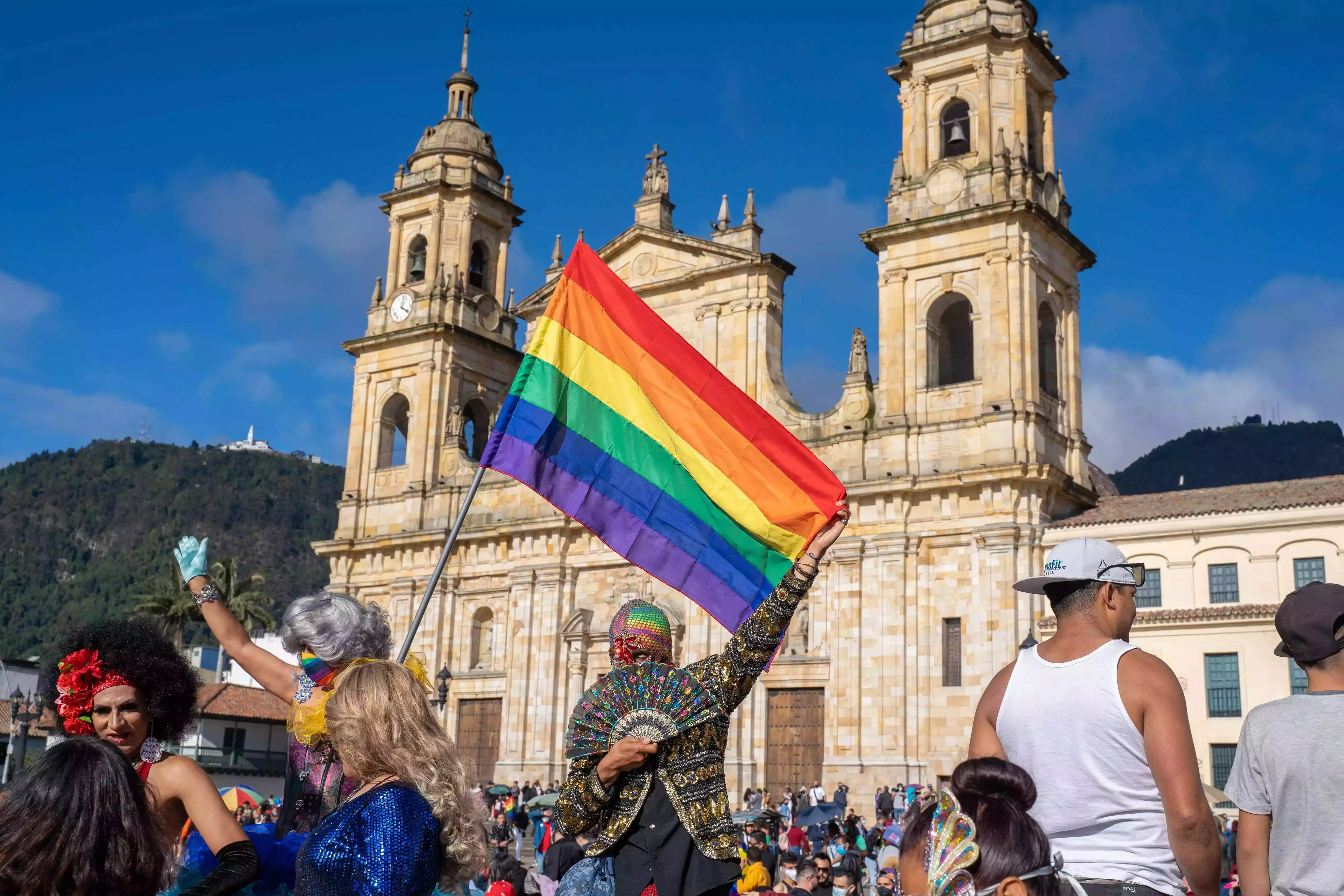
19. Bogotá, Colombia

Although Bogota has the lowest Equaldex score, it has a high Gay Index Rating and a vibrant gay village that features what is considered to be the largest gay club in South America, Theatron.

Bogota’s annual Pride event has also seen crowd sizes of more than 100,000 people, making it one of the largest Pride celebrations around. It’s clear that Bogota is a friendly, inclusive and welcoming place for every tourist, whether they’re part of the LGBTQ+ community or not.
18. Valletta, Malta

This small city packs an almighty punch in terms of LGBTQ+ inclusivity. Valletta ranks highly on both Gay Index Rating and Equaldex, with scores of 8.5 and 100, respectively, giving an idea of how supportive the city is for the rights of LGBTQ+. Valletta also sees a large turnout for its annual Pride festival and march, and has hosted the widely renowned EuroPride in 2023, adding to Valletta’s reputation as one of the most LGBTQ+ friendly cities in Europe. 

17. Copenhagen, Denmark

The Scandinavian countries are known for their progressiveness, inclusivity, liberal stances and welcoming and accepting cultures, especially when it comes to LGBTQ+ rights and support. Copenhagen, Denmark’s capital, is known for its lively and thriving LGBTQ+ community, with many gay bars and clubs, as well as a large Pride event. Denmark was one of the first countries in Europe to legalise gay marriage in 2012, and has recognised and accepted homosexuality since the 1930s. 
16. Cape Town, South Africa

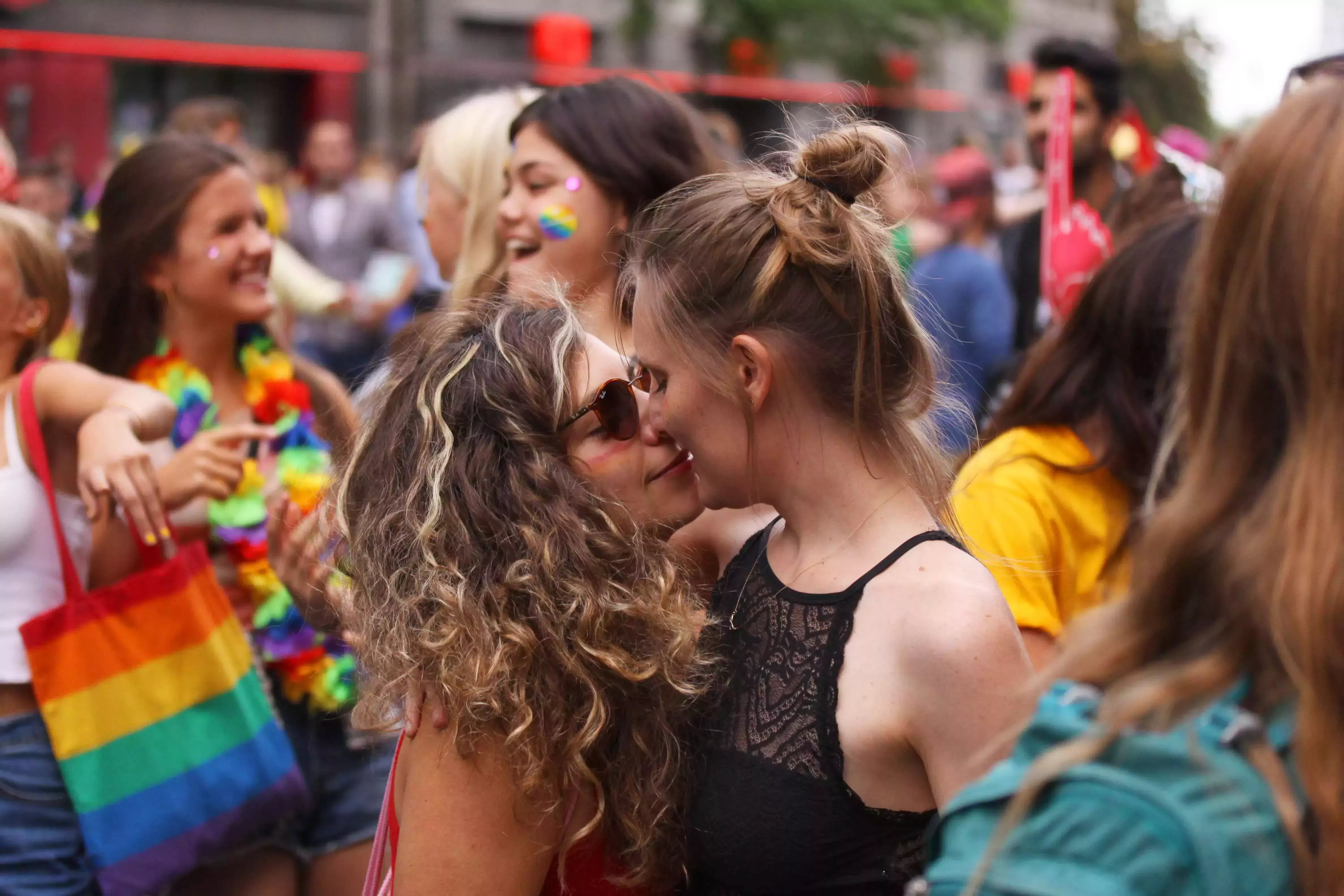
South Africa is a trailblazer for LGBTQ+ rights on the continent, becoming the first country in Africa to legalise same sex marriage in 2006, and Cape Town is at the heart of this legacy. The progressive and inclusive stance makes the city both welcoming and fun for queer locals and visitors, with a schedule of gay-friendly events throughout the year. The coastal capital bursts into the colours of Pride every February/March, and other vibrant celebrations include the Mother City Queer Project and the Out in Africa Film Festival. The De Waterkant neighbourhood is the city’s LGBTQ+ hub, with gay-owned bars, gyms, shops, and cafes, as well as the iconic rainbow crossing – a visual representation of South Africa’s anti-discrimination laws.
15. Mexico City, Mexico

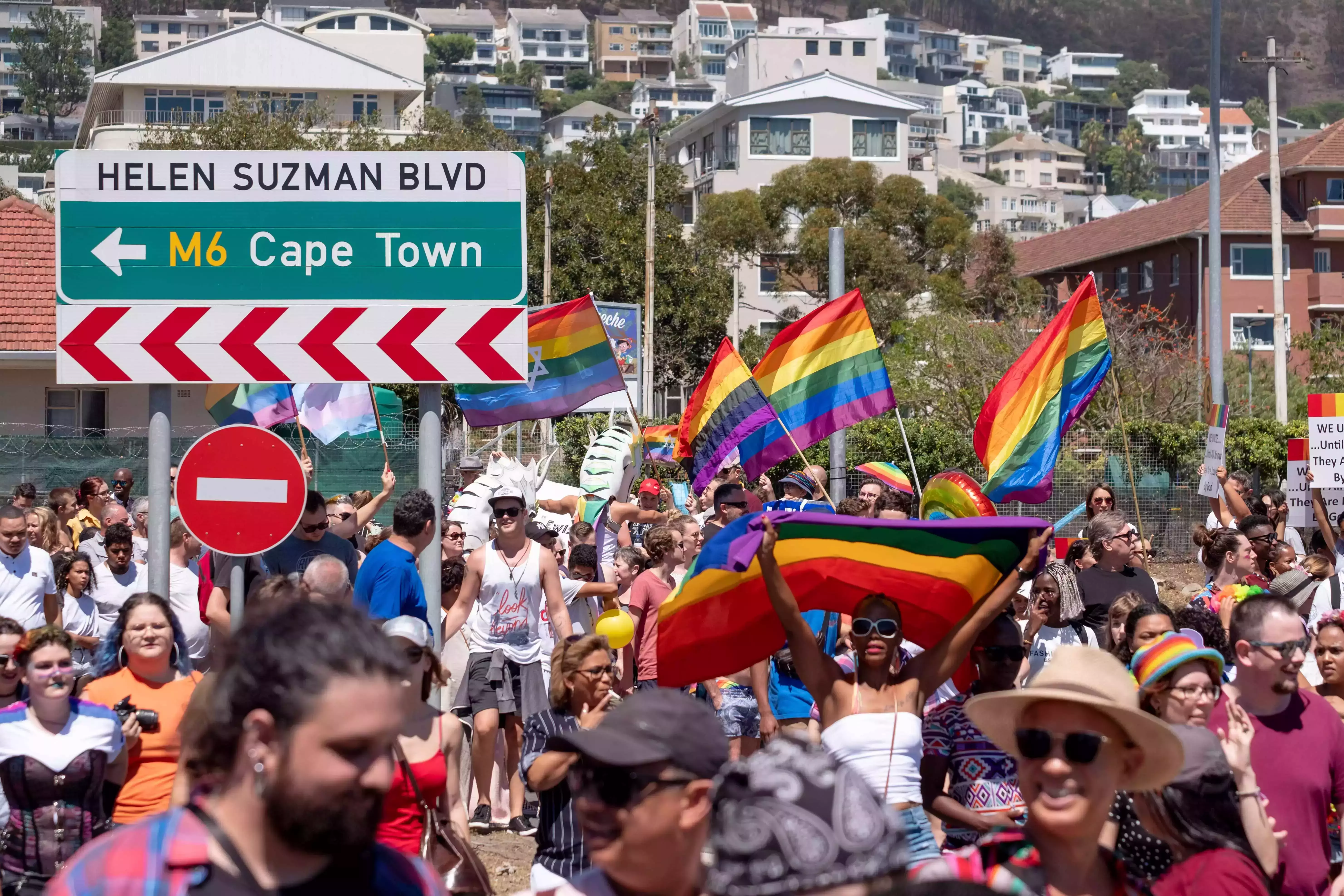
Mexico City was the first Latin American city to legalise same-sex marriage in 2007, and since then, the city has upheld their views and stances on LGBTQ+ support. The city celebrates with one of the world’s largest Pride events, having been attended by more than 1 million people in recent years.

Mexico City scores well on the Gay Index and Equaldex Rating, and its Zona Rosa region is one of the liveliest LGBTQ+ hubs around. It’s safe to say that you’ll be welcomed and supported as a member of the LGBTQ+ community in Mexico City.

14. Cologne, Germany

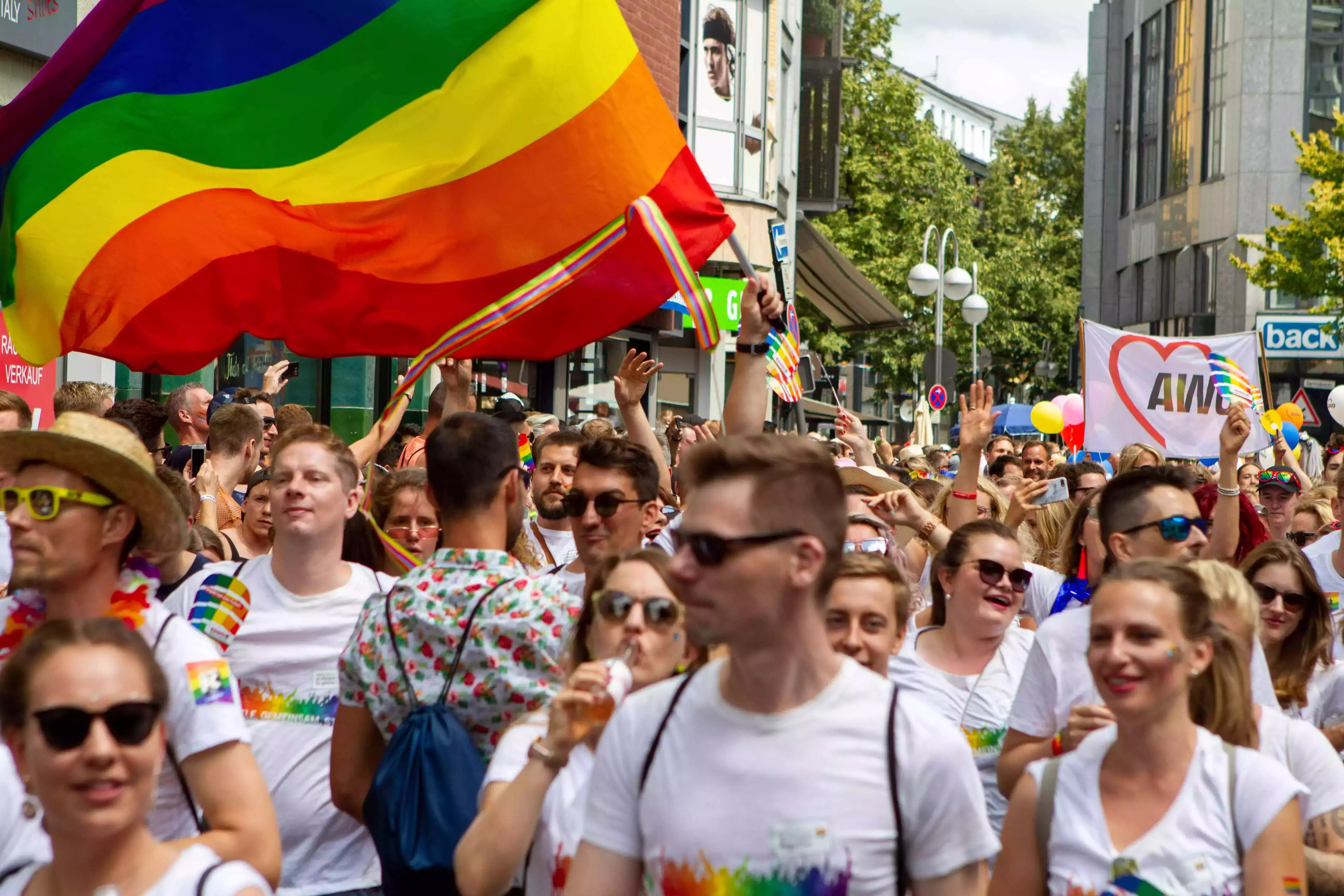
Although this city underperforms on the Gay Index Rating, its quality of life and inclusivity for members of the LGBTQ+ community far outweigh this. Cologne’s Pride is the largest in Germany and one of the largest in Europe, with over 1 million attendees in recent years.

Cologne is also often considered by many as the ‘gay capital of Germany’, thanks to its large-scale Pride attendance and modern and progressive views on the LGBTQ+ community and rights. Cologne is a vibrant and lively city, with a population that is accepting, friendly and welcoming to every tourist, no matter their social group or community.
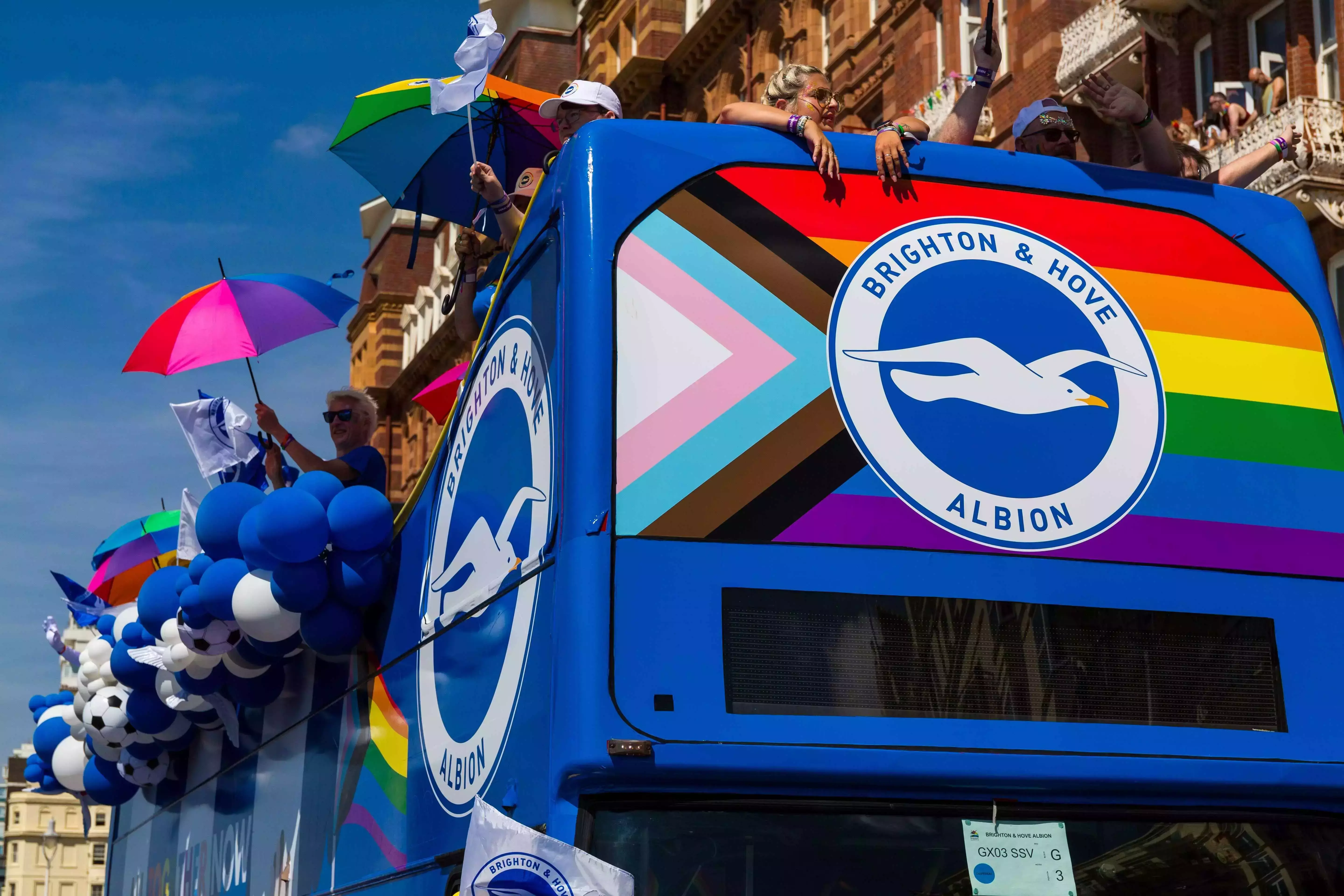
13. Brighton, UK

Brighton has a reputation in the UK for being the ‘gay capital’, with a strong sense of community, support and representation for all members of the LGBTQ+ community. Brighton has long had a reputation for its LGBTQ+ scene, dating back to the 1930s, when the city flourished as an inclusive and openly LGBTQ+ space.

The city has since embraced its LGBTQ+ population with an annual large-scale Pride event that sees more than 500,000 attendees. The city is well known for its Pride event, which has been cited as the best in the UK, and its resident gay village and LGBTQ+ district of Kemptown is rife with inclusive bars, clubs and spaces.
12. Paris, France

Paris really comes out on top with its diversity and inclusion for all groups in society. Paris’s annual pride event regularly attracts more than 700,000 attendees, and its vibrant and thriving Marais district is associated with a large LGBTQ+ population. Paris and France as a whole legalised same-sex marriage in 2013, making them one of the first countries/cities in Europe to do so.

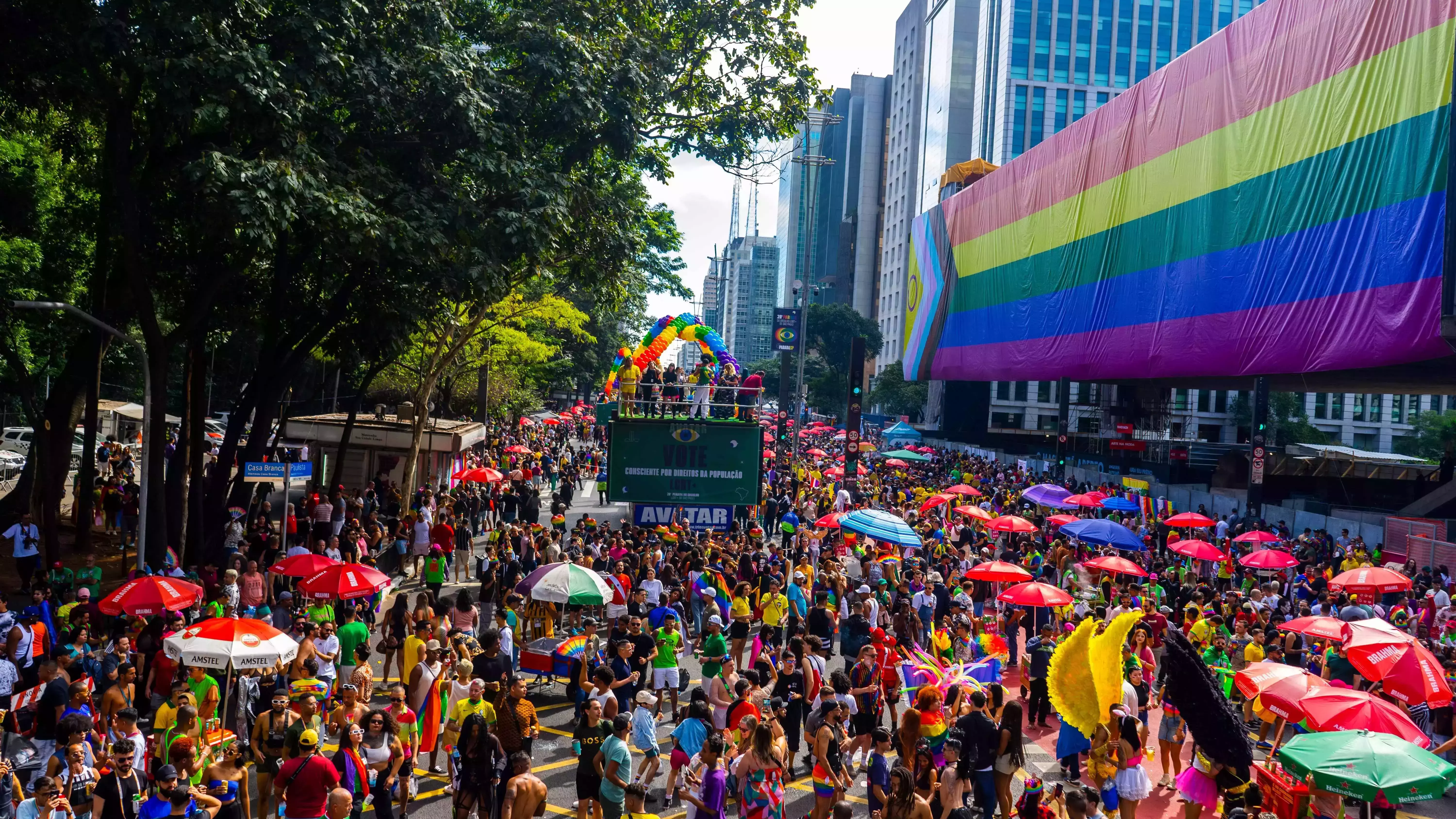
11. São Paulo, Brazil

If there’s one thing Brazil knows how to do, it’s throw spectacular street parties and parades. São Paulo’s annual Pride is often considered to be the largest in the world, with more than three million attendees in recent years. São Paulo has also featured in the Guinness World Record for the size and scale of its Pride event. 

What’s more, the city is a hub for all things LGBTQ+, with a lively district dedicated to welcoming and representing its LGBTQ+ population. Although the city has a relatively low Gay Index Rating and Equaldex Score, its citywide celebration of LGBTQ+ is enough to make it rank highly for best LGBTQ+ friendly cities. 
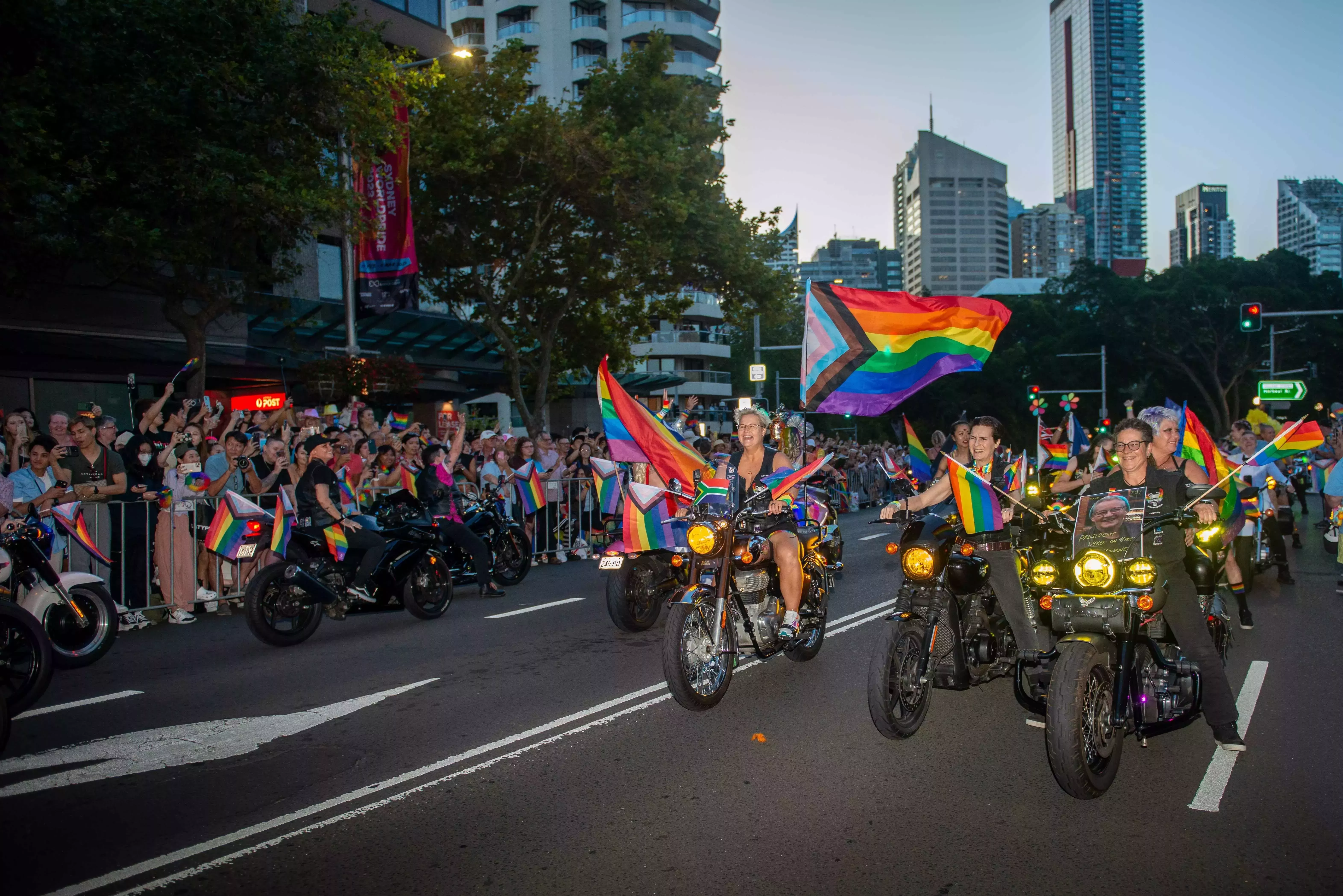
10. Sydney, Australia

Sydney is one of the most LGBTQ+ friendly cities in the world, and the gay capital of Australia, with its annual Gay and Lesbian Mardi Gras festival leading the way in LGBTQ+ representation and support. Sydney’s Darlinghurst region is considered the gay hub of the city, and has a lengthy history of supporting and upholding LGBTQ+ community rights. Sydney ranks highly on both the Equaldex and Gay Index rankings, and it is a member of the Core LGBTI Group. 

 Sydney and Australia as a whole have a long history of protecting and supporting the rights of LGBTQ+ members, as homosexuality was decriminalised in the state of New South Wales in 1984, and same-sex marriage was legalised in Australia in 2017. Its annual Gay and Lesbian Mardi Gras event also sees attendees of more than 200,000, making it the largest Pride event in Australia and Oceania as a whole. 
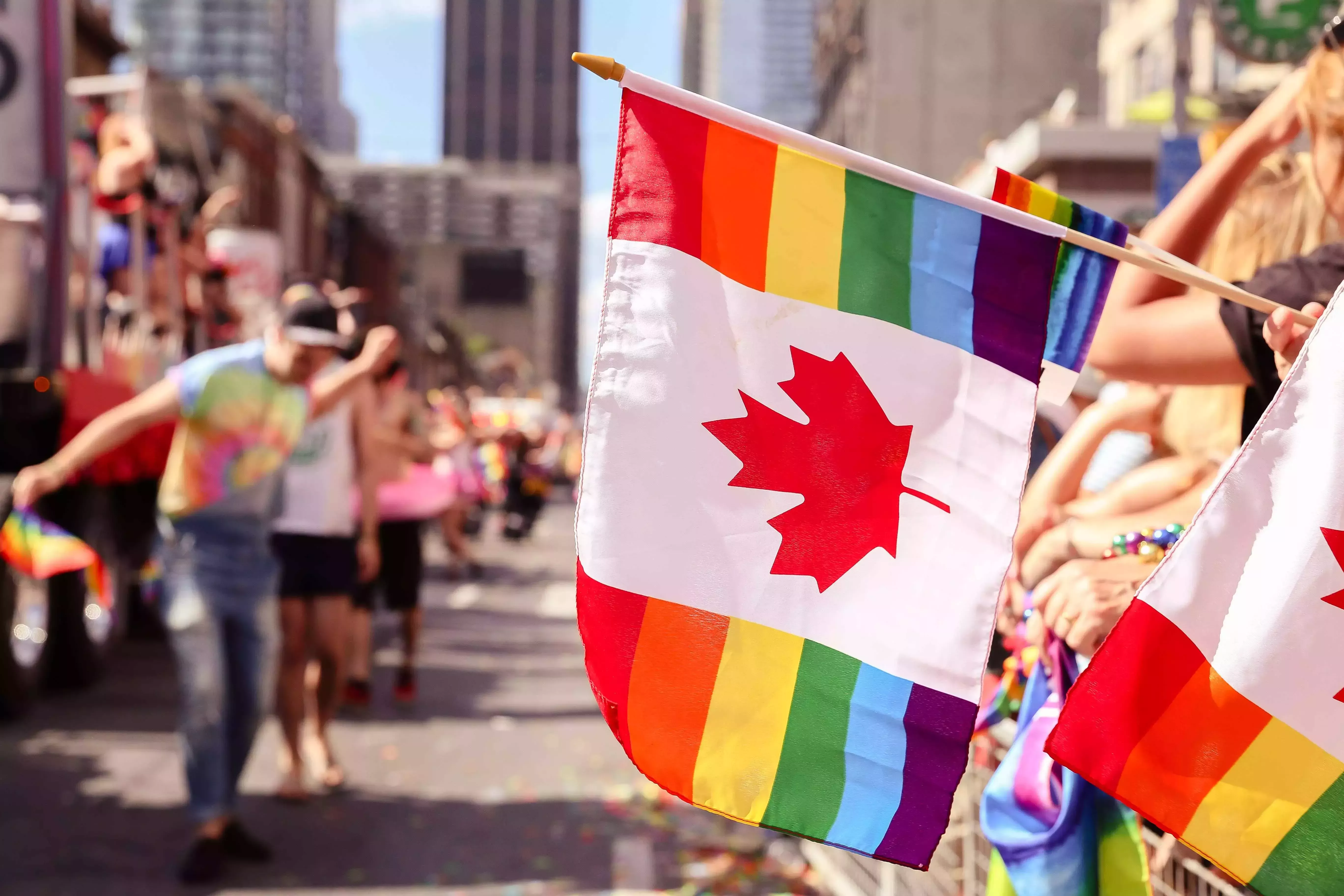
9. Toronto, Canada 

Canada’s largest city hosts the country’s largest Pride event, with just shy of 3 million attendees in recent years, making it North America’s largest and most spectacular Pride Event. Toronto is a buzzing hub for queer peoples, and is one of the most LGBTQ+ friendly cities in the world. Its Church and Wellesley district is the focal point for the LGBTQ+ community, as it is rife with bars, clubs and spaces that are openly supportive. 

In terms of statistics, Toronto has a Gay Index Score of 8 and an Equaldex Score of 100, making it one of the best cities for the community. Toronto and Canada as a whole’s LGBTQ+ history is lengthy, with homosexuality becoming decriminalised in the late 1960s, and same-sex marriage being legalised in 2003 in Ontario Province, with the rest following suit not long after.
8. San Francisco, USA

San Francisco is a trendy and diverse Californian city, considered the gay capital of the state. The city is often ranked highly among the world’s most LGBTQ+ friendly cities, and has a sprawling LGBTQ+ scene and district that makes it welcoming and appealing to all members of the community. The city’s annual Pride event is also one of the largest in the US and the world, with around 1 million attendees in recent years. San Francisco and California State are known for their more liberal and progressive views on several matters, not just gay rights, so it makes sense that San Francisco adopts the same inclusive views and atmosphere. 

San Francisco ranks at 8.5 on the Gay Index Ranking and at 100 on the Equaldex, giving an indication of its support of LGBTQ+ rights and representation. San Francisco was also one of the first cities in the US to allow same-sex marriage in 2004, despite it not being legal statewide until 2013. Since this, San Francisco has been recognised as one of the LGBTQ+ capitals of the US. 

7. Amsterdam, Netherlands

Did you know that the Netherlands was the first country in the world to legalise same-sex marriage in 2001? The city is home to some of the most progressive and liberal views on LGBTQ+ communities in the world. It also has one of the longest LGBTQ+ histories, with homosexuality apparently being decriminalised as far back as 1811, and gay bars and clubs being established in the late 1920s. Since then, Amsterdam and the Netherlands as a whole have become inclusive, supportive and proud of their resident LGBTQ+ communities. 

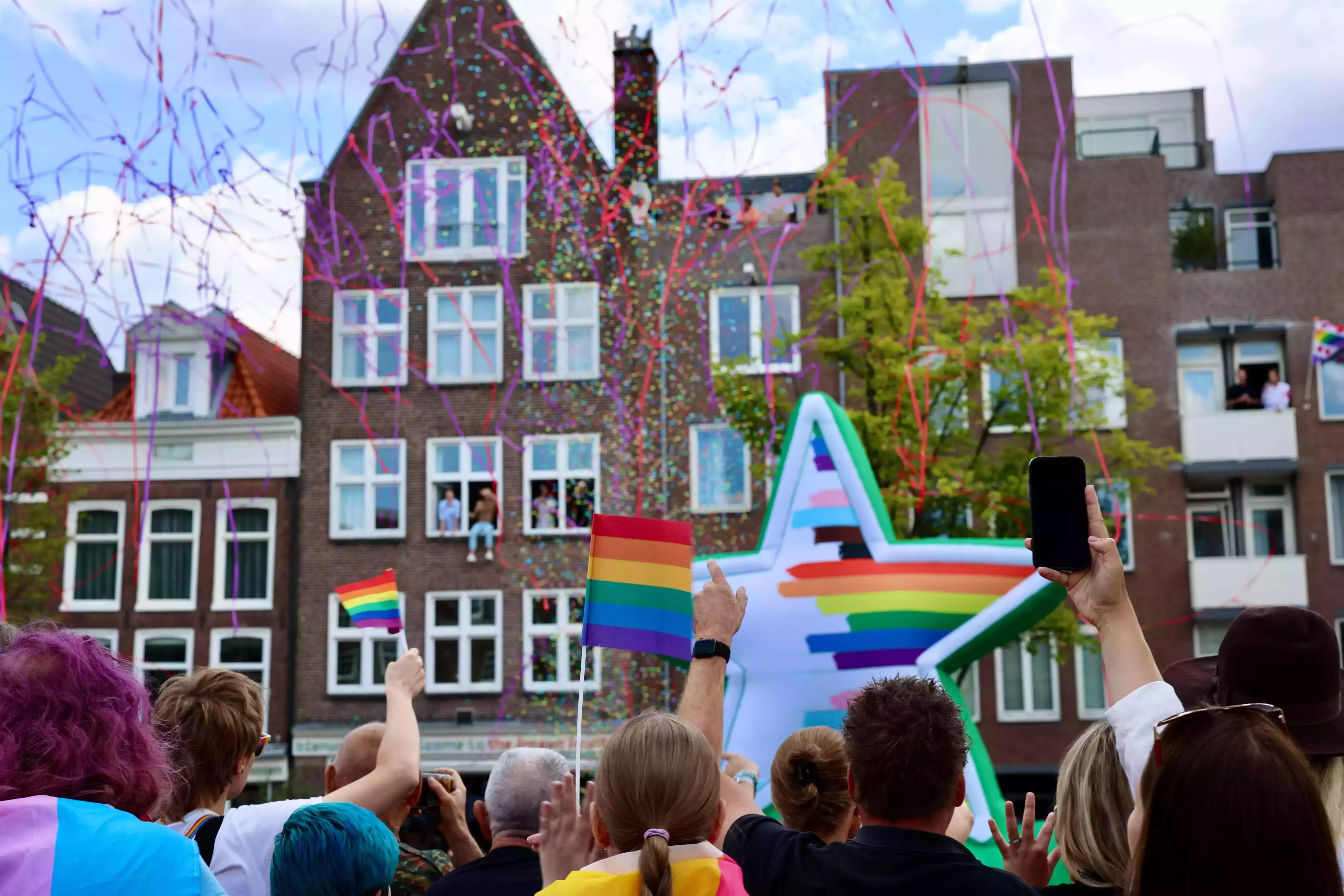
 Amsterdam itself has a Gay Index ranking of 8, and an Equaldex score of 100, and its lively Canal Parade Pride event sees attendee numbers of more than 500,000, making Amsterdam’s Pride scene one of the largest in Europe and the world. Amsterdam’s Reguliersdwarsstraat region is the most significant LGBTQ+ area in the city, with a collection of LGBTQ+ friendly establishments, bars, clubs and restaurants. 
6. Berlin, Germany

Berlin has a lengthy history of supporting and protecting LGBTQ+ rights, and is one of Germany’s ‘gay capitals’, and certainly one of the ‘gay capitals’ of Europe. The city has, for a long time, recognised and respected the rights of LGBTQ+ members, with a thriving gay village and a strong sense of community and inclusivity across the city. 

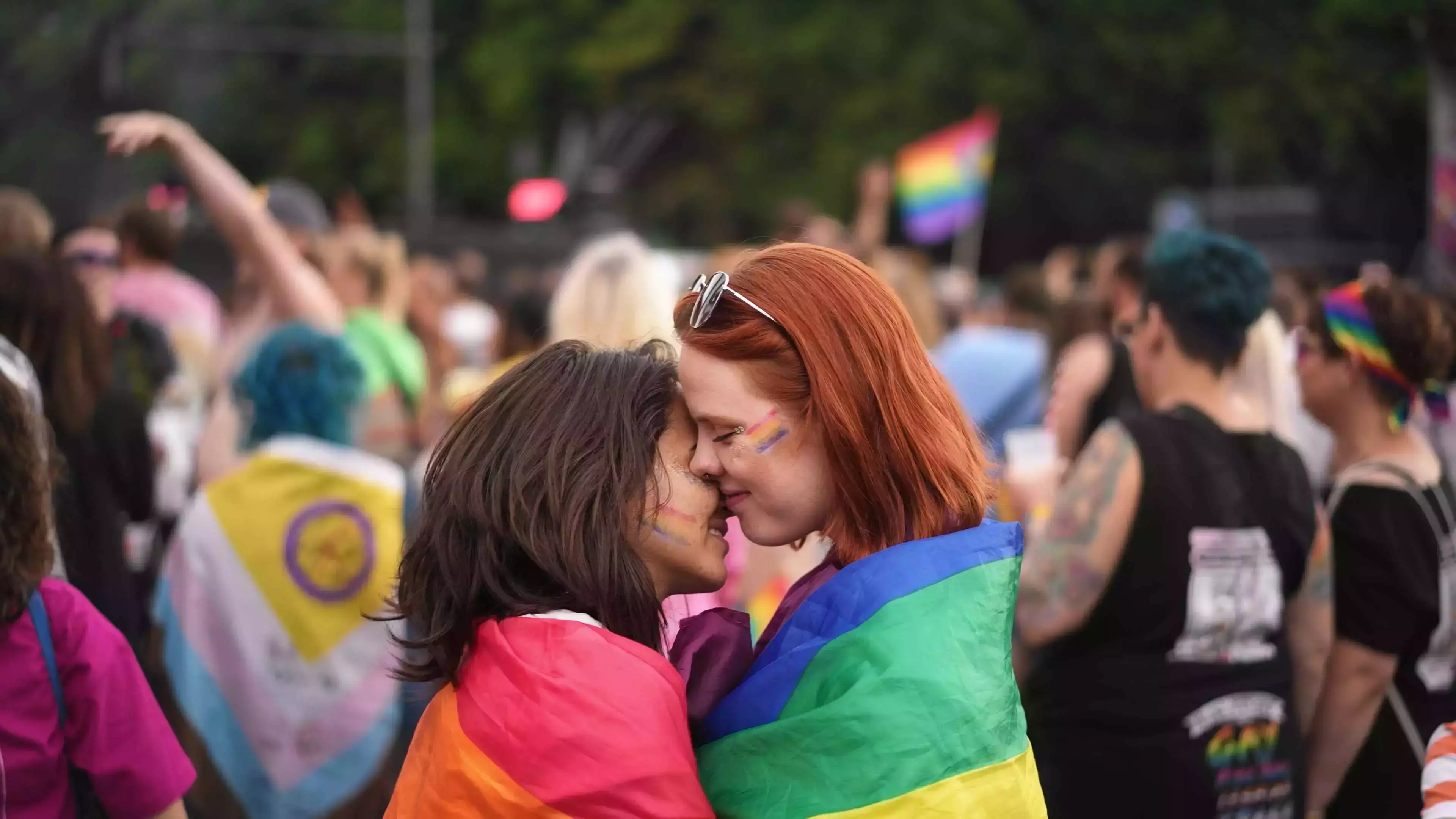
Berlin ranks highly on the Gay Index and has a high Equaldex score, demonstrating how inclusive and safe it is for proud LGBTQ+ members. Its annual Pride event attracts between 500,000-1 million attendees, with the whole city and tourists coming together to support the community and partake in parades and marches. Germany is known for its progressive and liberal stance on LGBTQ+ rights and protection, so it makes sense that Berlin is a thriving hub for community members. 
5. Madrid, Spain

With a thriving LGBTQ+ culture, Europe’s largest Pride event with more than 2 million attendees, and a plethora of LGBTQ+ friendly bars, clubs and restaurants, Madrid is definitely the place to be. Spain was one of the first countries in the world to legalise same-sex marriage in 2005, and homosexuality was legalised in 1979. 

Madrid has a thriving LGBTQ+ community and scene, and caters to the community in a number of inclusive ways. Its Pride event is one of the city’s most important events of the year, and sees well over 2 million people attend each year. Madrid also has one of the highest Gay Index scores and an Equaldex score of 100. 
4. London, UK

London is associated with a thriving and strong LGBTQ+ presence, and a number of gay bars, restaurants and exclusive LGBTQ+ spaces. Soho is the beating heart of the LGBTQ+ community, with a wide range of LGBTQ+ friendly spaces, but most of London is accepting and inclusive towards the community. Not only does London score highly on both the Gay Index and Equaldex rankings, but since the late 1960s, views and laws surrounding same-sex activities have become much more liberal and accepting, with same-sex marriage becoming officially legal across the UK in 2013. 

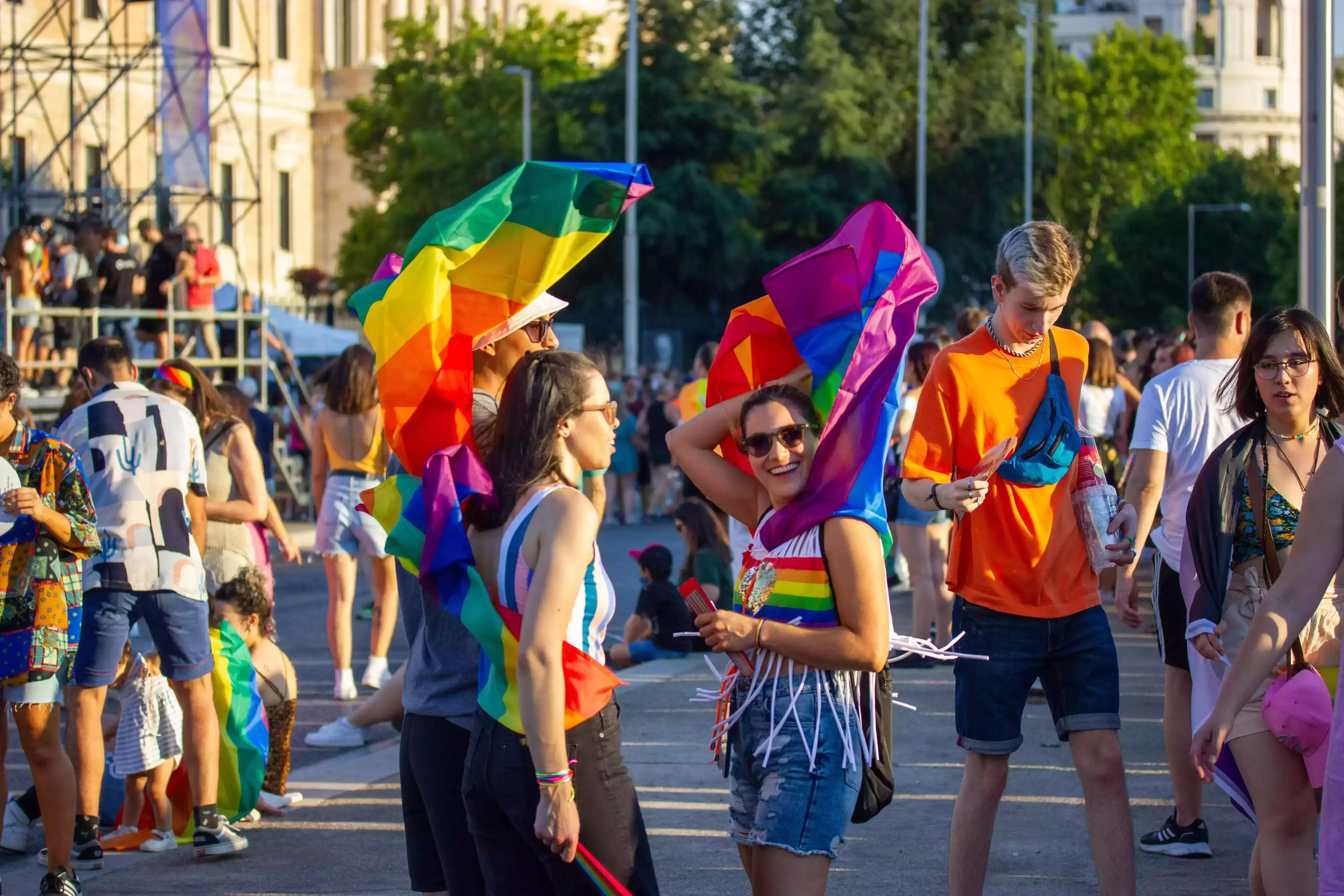
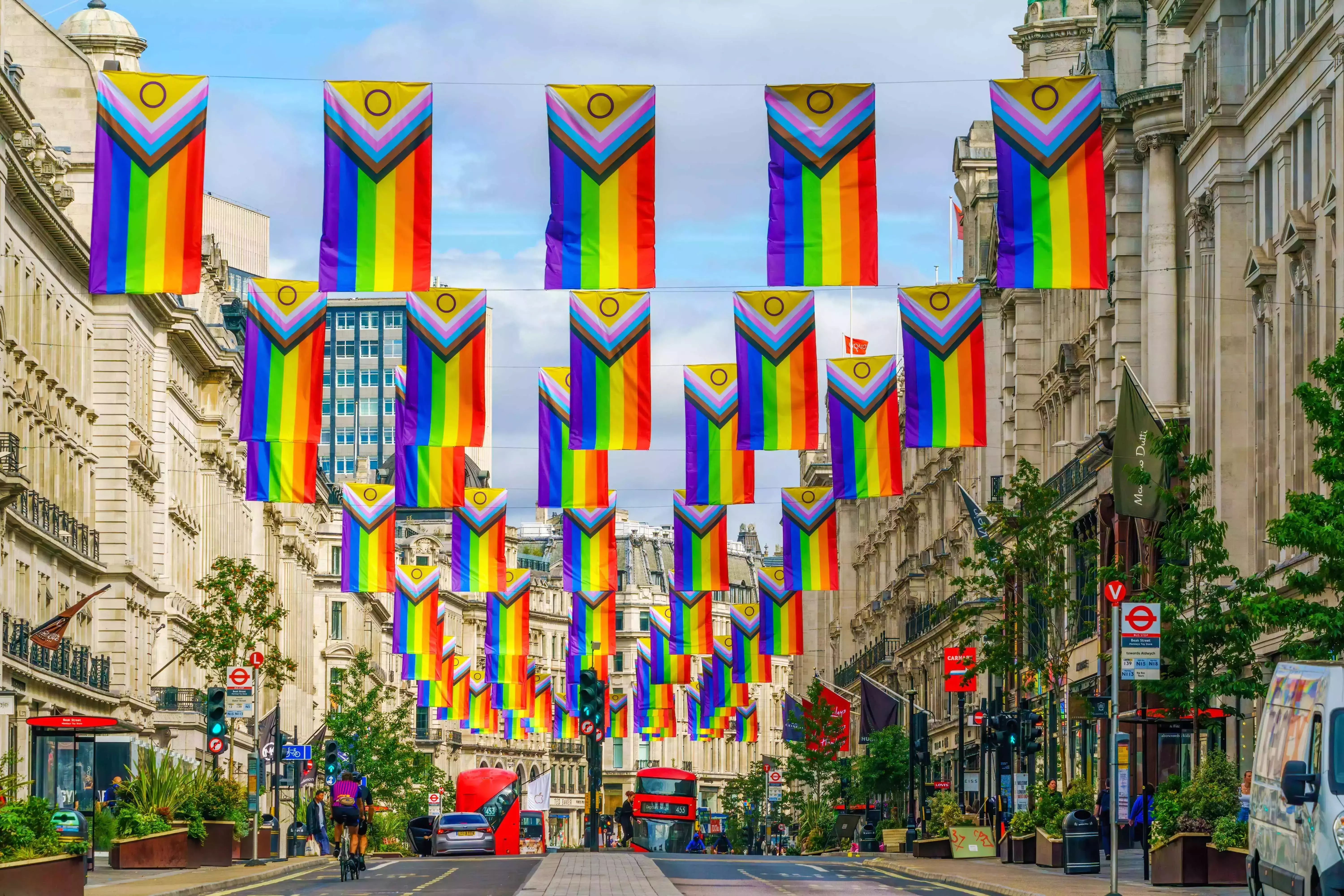
London’s annual Pride event sees a turnout of more than 1 million people, making it one of the largest Pride events in the world. London also has a lengthy and significant LGBTQ+ history, with activism, marches and events being at the forefront. It’s safe to say that London is not only the capital of the UK, but it is one of the capitals of the world when it comes to LGBTQ+ rights and acceptance.
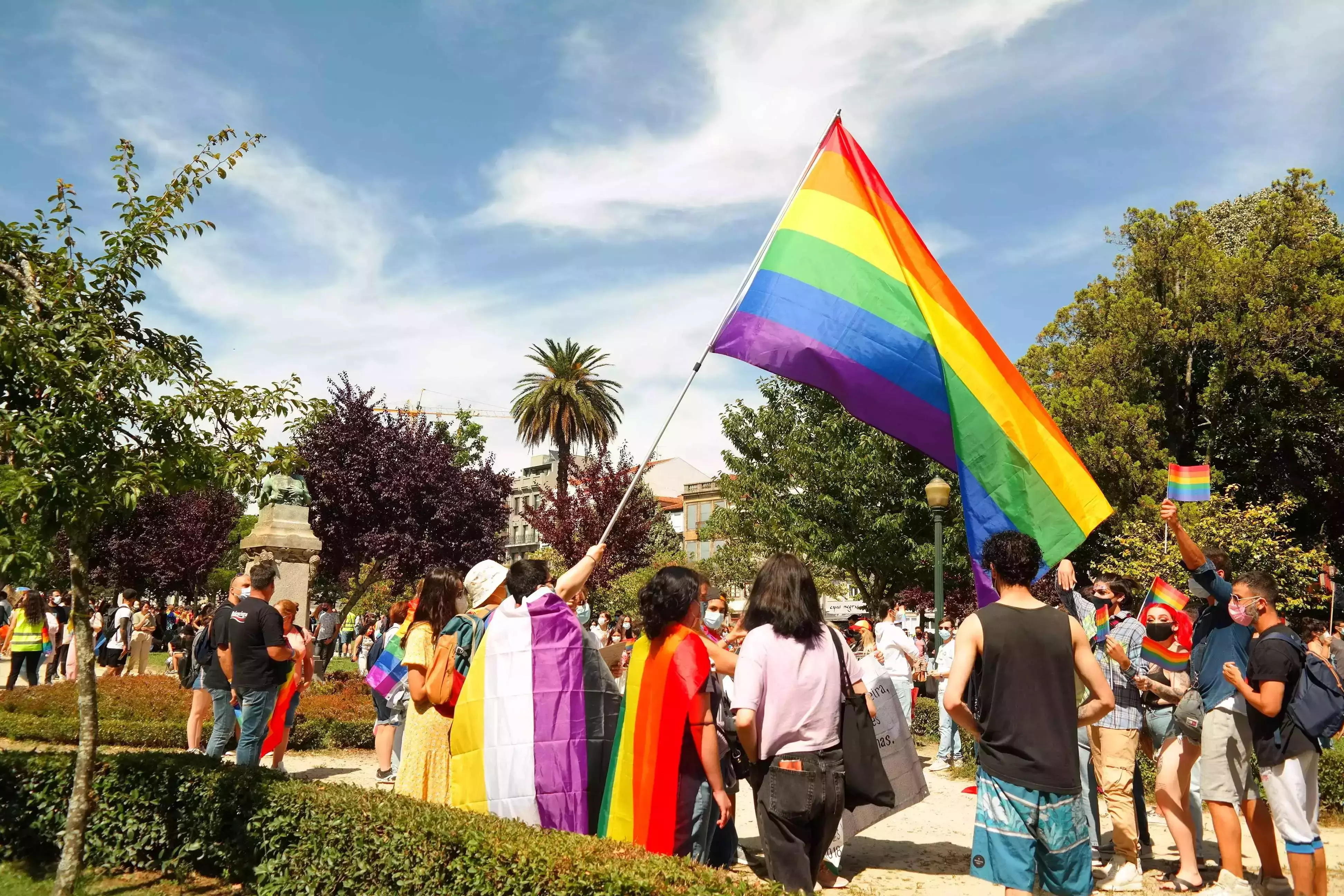
3. Porto, Portugal

First and foremost, Portugal was one of the first countries to legalise same-sex marriage in 2010, with its cities of Lisbon and Porto becoming thriving LGBTQ+ hubs since.

,Porto’s main LGBTQ+ district is Galerias de Paris and several other spots around the city, but the city as a whole has an inclusive and accepting feel no matter where you go. Although Porto has one of the lowest Gay Index scores of 6.9, it makes up for it with its Pride celebration that sees a significant turnout and its high Equaldex score of 93. 
2. Dublin, Ireland

Dublin hasn’t always been the safe and accepting place for the LGBTQ+ community that it is now, but views and laws have drastically changed since homosexuality was decriminalised in 1993, and same-sex marriage was legalised by popular vote in 2015, making Ireland the first country in the world to legalise it in this way. 

Dublin is now a thriving hub for all members of the community. The city’s progressive stances on LGBTQ+ make it all the more welcoming and inclusive to people of all backgrounds. To further Dublin’s changing views on LGBTQ+, its annual Pride event sees attendees of more than 70,000 take to the streets in solidarity for the community and its rights. 
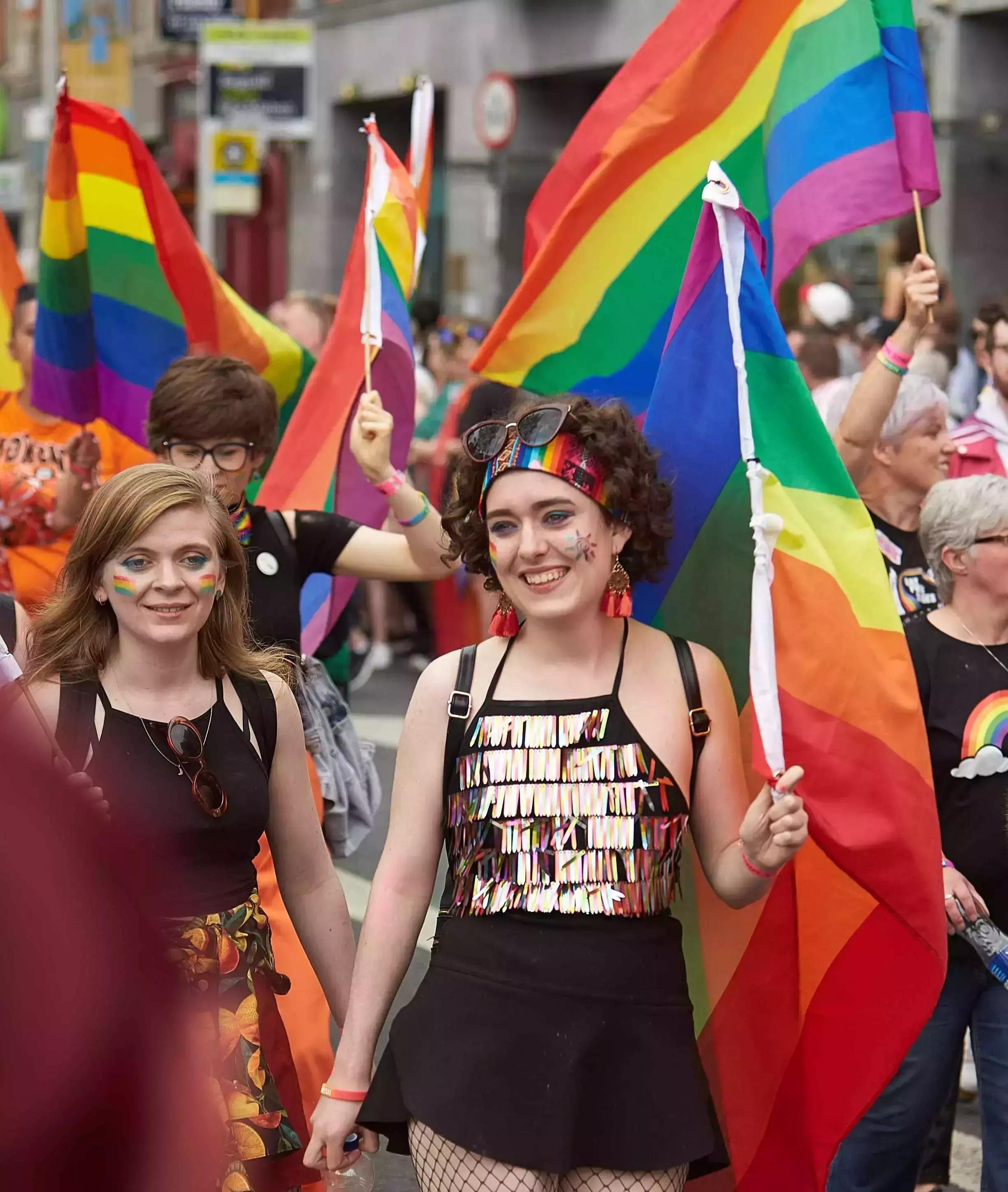
1. Lisbon, Portugal

Now we come to number 1, the world’s most LGBTQ+ friendly city: Lisbon. The city is a trailblazer in cultivating a safe, supportive, and fun community for queer people. It’s not just the capital that’s gay-friendly; Portugal decriminalised homosexuality in 1982 and was the eighth country in the world to legalise same-sex marriage in 2010. 

The city’s chart-topping Equaldex score of 100 solidifies it as an inclusive powerhouse, and Lisbon celebrates in true festive style with a colourful, fun-filled Pride weekend in June. Lisbon also hosts the International Queer Film Festival.
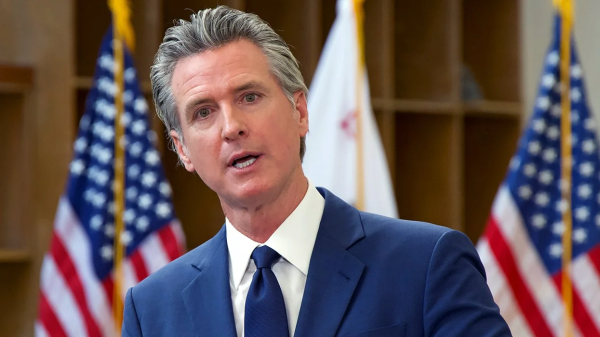
Gavin Newsom cut LGBTQ+ health funding. The CA legislature is set to restore $40 million

*This is reported by The Advocate.

The California legislature is expected to restore $40 million in the state budget for LGBTQ+ health programs that was cut by Democratic Gov. Gavin Newsom.

Lawmakers are set to approve their revisions to the governor’s budget today, according to the Bay Area Reporter, which will restore funding for the California Department of Public Health’s Office of Health Equity (OHE). Newsom had eliminated the funds in his revised budget proposal released last month, drawing heavy condemnation from both lawmakers and LGBTQ+ groups.

The office funds several programs for LGBTQ+ youth, women, and transgender people through its Gender Health Equity Section (GHES), which is “dedicated to eliminating systemic bias that impacts health outcomes based on gender, gender identity, and sexual orientation.” In pausing funds, the governor also paused enrollment for undocumented adults in state healthcare programs.

The Los Angeles LGBT Center, which has been a recipient of some of the funds, including $1.9 million in 2022 for its Audre Lorde Health Program, sharply criticized Newsom’s proposed budget. CEO Joe Hollendoner said in a statement that the cuts were “a betrayal of queer and trans Californians.”

“Let’s be clear: balancing the state budget on the backs of vulnerable queer communities is a moral failure,” he said. “In cutting this funding, Governor Newsom has chosen to sacrifice the health and dignity of those already navigating intersecting barriers of misogyny, racism, transphobia, and xenophobia — including undocumented LGBTQ+ people. These cuts, along with the pausing of enrollment for adult undocumented Californians, are a clear attack on our healthcare system and the people who depend on it.”

The governor must still approve the legislature’s revisions to the state budget, which has has until June 30 to sign into law. Newsom, who is set to negotiate with lawmakers over the next few days, has not indicated whether or not he will agree to leave the funds.

California’s public schools are now prohibited from forcibly outing queer students

This blog originally appeared at LGBTQ NATION.

“LGBTQ+ students across California can breathe a sigh of relief,” stated one LGBTQ+ organization, following the passage of this groundbreaking law.

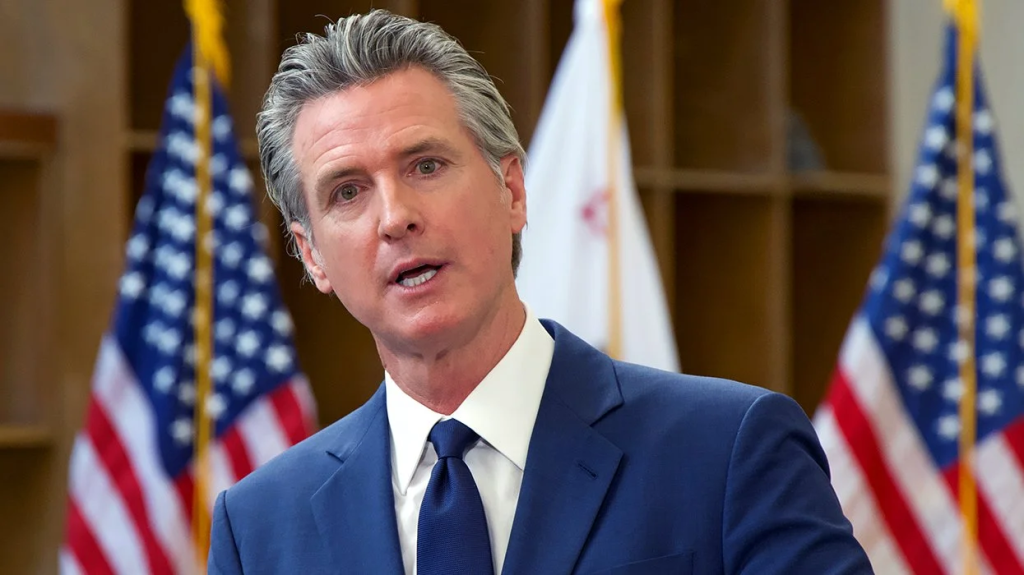
California Governor Gavin Newsom (D) has signed a pioneering law banning forced outings in state public schools.

The SAFETY Act prohibits school district policies that mandate educators to inform parents if their child requests to use pronouns or facilities different from the gender assigned at birth.

The law, which takes effect immediately, also protects teachers and administrators from retaliation if they choose not to follow district directives to out queer students to their parents. Additionally, it provides funding for resources to assist parents and families of queer students in having supportive conversations about their identities, ensuring that these discussions occur in a way that makes the children feel safe and respected.

The SAFETY Act — Support Academic Futures & Educators for Today’s Youth — passed the state Assembly in June by a vote of 60-15.

Forced outing policies have proliferated in California since 2023, with more than a dozen school districts implementing rules to notify parents and guardians of students who identify as trans or a gender different from the one listed on their birth certificate.

“The very personal decision for a student to come out should be on their own terms to whoever they choose to share that information with when they are ready,” said the bill’s author, San Diego Assemblyman Chris Ward (D), in a statement. “Teachers should not be the gender police.”

“In California, LGBTQ+ students — like all students — have the right to a safe and welcoming school environment,” Becca Cramer-Mowder with ACLU California Action said in a statement.

“With the Governor’s signature, our state becomes the first in the country to ensure protections against forced outing in school are clearly enshrined in statute,” she added. “LGBTQ+ students and their families deserve to decide on their own terms when and how to have conversations about coming out.”

Eight red states have enacted legislation mandating schools out trans students, while another five have passed laws promoting parental notification, according to the Movement Advancement Project.

In California, the policies have become a lightning rod, particularly in conservative inland areas of the state.

In April, a defiant conservative majority on the board of the Murrieta Valley Unified School District in Riverside County voted to ignore an order from the state to rescind a parental notification policy. A packed audience in the ruby red district cheered the result when it occurred.

Similar battles are being waged in other Riverside County school districts, including Temecula and Chino, both hotbeds of “parental rights” activism.

“We will continue to stand strong, linked arms all over California, to ensure the government does not infringe on parental rights — period,” Chino Valley School Board President Sonja Shaw said earlier this year.

A state investigation in Murrieta was prompted after two teachers filed a complaint. One was filed by 6th and 7th grade teacher Karen Poznanski, who is also a district parent with a nonbinary child.

“This policy, whether enforced or not, hindered our LGBTQ+ students from living authentically,” Poznanski told The Los Angeles Times. “Moreover, it not only compromised their privacy and dignity, but also perpetuated harm and discrimination against LGBTQ+ individuals and their families.”

In a statement, the state LGBTQ+ advocacy organization Equality California said, “We are grateful to Governor Newsom for demonstrating his unwavering commitment to the LGBTQ+ community by signing the SAFETY Act into law. Over the past year, more than a dozen extremist school boards across California have considered or passed these harmful policies that openly discriminate against transgender students and prevent them from safely being themselves at school.”

“The SAFETY Act could not be more timely or necessary, and LGBTQ+ students across California can breathe a sigh of relief following today’s action by the Governor,” the statement continued. “LGBTQ+ youth across California can now have these important family conversations when they are ready and in ways that strengthen the relationship between parent and child, not as a result of extremist politicians intruding into the parent-child relationship.”

Florida’s surgeon general defies scientific consensus amid measles outbreak | The Washington Post

This blog originally appeared at THE WASHINGTON POST.

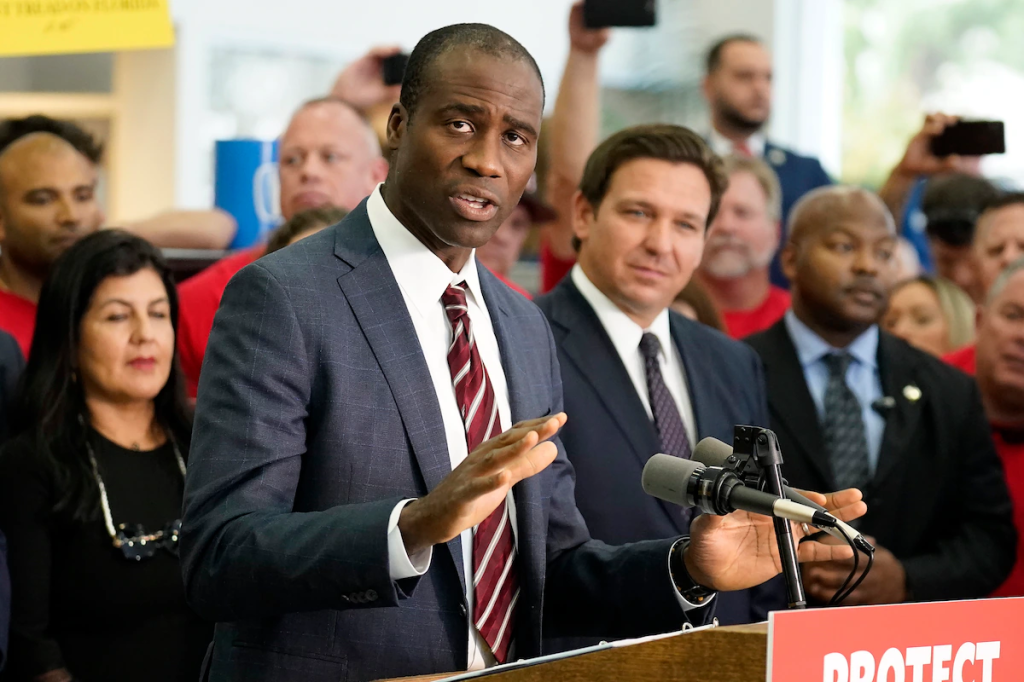
Florida Surgeon General Joseph Ladapo in 2021.

As a Florida elementary school grapples with a growing measles outbreak, the state’s top health official is providing advice that contradicts scientific consensus, potentially putting unvaccinated children at risk of contracting one of the most contagious pathogens on Earth, according to clinicians and public health experts.

In a letter to parents at a Fort Lauderdale-area school following six confirmed measles cases, Florida Surgeon General Joseph A. Ladapo failed to urge parents to vaccinate their children or to keep unvaccinated students home as a precaution.

Instead of following the “normal” recommendation that parents keep unvaccinated children home for up to 21 days — the incubation period for measles — Ladapo stated that the state health department “is deferring to parents or guardians to make decisions about school attendance.”

Ladapo’s controversial decision continues a pattern of defying public health norms, especially regarding vaccines. Last month, he called for halting the use of mRNA coronavirus vaccines, a move widely condemned by the public health community.

Ben Hoffman, president of the American Academy of Pediatrics, criticized Florida’s guidance, stating that it contradicts longstanding and widely accepted public health recommendations for measles, a disease that can lead to severe complications, including death.

“It contradicts everything I’ve ever heard and read,” Hoffman stated. “It goes against our policy and what the Centers for Disease Control and Prevention would recommend.”

In 2024, measles outbreaks have surged, with the CDC recording at least 26 cases across 12 states, doubling the count from the previous year. Apart from the six cases identified in the Florida school, instances have been documented in Arizona, California, Georgia, Maryland, Minnesota, Missouri, New Jersey, New York City, Ohio, Pennsylvania, and Virginia.

The surge in measles outbreaks is attributed to the increasing number of parents seeking exemptions from childhood vaccinations. This trend has emerged in the wake of political opposition to COVID-19 mandates and widespread dissemination of misinformation regarding vaccine safety.

In January, the CDC issued a caution to healthcare providers to remain vigilant for additional measles cases. Contagion can occur from four days before the onset of a rash until four days after.

Because measles virus particles can persist in the air and on surfaces for up to two hours after an infected individual departs, up to 90 percent of non-immune individuals may contract measles if exposed. Those who have been infected or have received both doses of the MMR vaccine are 98 percent protected and highly unlikely to contract the disease. This is why public health officials usually recommend vaccination during outbreaks.

“The measles outbreak in Florida schools is a result of too many parents failing to ensure their children are protected by the safe and effective measles vaccine,” explained John P. Moore, a professor of microbiology and immunology at Weill Cornell Medical College. “And why is that? It’s because anti-vaccine sentiment in Florida is propagated from the top of the public health hierarchy: Joseph Ladapo.”

When requested for comment, the Florida health department provided a link to Ladapo’s letter.

Ladapo’s reluctance to utilize public health measures mirrors the efforts of conservative and libertarian factions to weaken public health’s capacity to control diseases such as the highly contagious measles. In an outbreak in Ohio that commenced in late 2022, most of the 85 afflicted children were eligible for vaccination, but their parents opted against it, according to officials. In 2021, the state legislature curtailed health officials’ authority to mandate quarantine for individuals suspected of having an infectious disease.

Ladapo’s communication with parents arrives amidst increased concern regarding the public health impacts of anti-vaccine sentiment, an ongoing issue that has resulted in declines in childhood immunization rates in various areas across the United States. Federal data released last year revealed that the percentage of kindergartners exempted from at least one state-required childhood vaccination reached its highest level yet during the 2022-2023 school year, standing at 3 percent.

According to Paul Offit, a pediatric infectious diseases expert at Children’s Hospital of Philadelphia, Ladapo’s neglect to promote vaccination puts children at risk.

“In light of the data showing measles as the most contagious vaccine-preventable disease, surpassing even influenza or COVID, is Ladapo attempting to suggest otherwise?” Offit questioned in an email.

Measles is highly contagious, spreading swiftly, particularly affecting young children who receive their first dose of the vaccine between 12 to 15 months of age. The CDC advises two doses of the MMR vaccine, with the second typically administered between 4 to 6 years old.

When measles vaccination coverage falls below 95 percent, it undermines herd immunity, facilitating the virus’s rapid spread. While Florida’s overall vaccination coverage stands at 90.6 percent, it doesn’t pinpoint areas with potentially lower coverage rates.

If unvaccinated individuals fail to adhere to public health guidelines and stay home from school during the contagious period, the outbreak could escalate dramatically, posing a significant community risk. Patsy Stinchfield, President of the National Foundation for Infectious Diseases and a nurse practitioner in Minneapolis, has firsthand experience managing measles outbreaks, including the 2017 outbreak in Minnesota, which impacted 75 individuals, predominantly unvaccinated children.

Approximately 1 in 5 unvaccinated individuals in the United States who contract measles require hospitalization, as reported by the CDC. Among children, up to 1 out of 20 develop pneumonia, which is the leading cause of death from measles in this age group. Additionally, around 1 child out of every 1,000 with measles experiences brain swelling, which can result in seizures and long-term consequences such as deafness or intellectual disability. Unvaccinated infants who contract measles face an even graver risk, with 1 in 600 developing a fatal neurological complication that may remain latent for years.

This week, officials at Manatee Bay Elementary School, located approximately 20 miles west of Fort Lauderdale, confirmed six cases of measles. According to Broward County Schools Superintendent Peter B. Licata, out of the school’s 1,067 students, 33 have not been vaccinated with the MMR vaccine. During a school board meeting on Wednesday, Licata provided this information. Additionally, a district official mentioned that the district has organized “four vaccination opportunities,” comprising two sessions held at the school and two at other venues within the community.

Florida health officials reported the first case on Friday, involving a third-grade child with no travel history abroad.

School officials redirected inquiries to the Broward County school district, which stated it is adhering to guidance from the state health department.

Proposed California law could force social media companies to censor LGBTQ+ content

This blog originally appeared at LGBTQ Nation.

A new California social media law could harm LGBTQ+ youth, according to an internet civil liberties group. The group, the Electronic Frontier Foundation (EFF), has advised California Attorney General Rob Bonta (D) not to approve the proposed law for an upcoming voter referendum.

Two advocates have called it “a misguided and unconstitutional proposal.”

The law, entitled “The Common Sense Initiative to Protect California Kids Online,” seeks to protect minors from specific online “injuries” by allowing people to sue social media companies for $5,000 per violation, up to $1 million per child, according to The Sacramento Bee.

“It would be up to the courts to decide the merits of a parent’s claim,” explains James Steyer, the CEO and founder of Common Sense Media, a nonprofit that provides information on the suitability of tech platforms for children. “Tech companies have avoided any accountability for their profit-driven actions and it is time to change that, either through the Legislature or through the ballot.”

But the proposal currently doesn’t specifically list which “injuries” are covered or how social media companies could avoid inflicting them. That non-specificity concerns the EFF because they worry that the law could be used to censor LGBTQ+ content as “harmful.”


In a letter to Bonta, the EFF policy analyst Joe Mullin and senior staff attorney Aaron Mackey wrote that the proposed law violates social media companies’ constitutionally protected free speech rights and would result in the censoring of LGBTQ+ content.

“For example, elected officials in both California and other states have said that access to LGBTQ+ content harms children,” Mullin and Mackey wrote. “Lawsuits would likely push online services to restrict access to medical, health, and sexual information that many LGBTQ+ children need.”

Mullin and Mackey’s concern isn’t unprecedented. In fact, groups like the American Civil Liberties Union ACLU and the parents of transgender youth worry that a similar proposed federal law, the Kids Online Safety Act (KOSA), could compel social media companies to censor LGBTQ+ content to avoid possible lawsuits.

Specifically, the ACLU and parents of trans youth worry that state attorneys general who consider queerness a social fad or a form of mental illness that causes kids to harm themselves, participate in risky sexual behavior, and increase their risks for depression, suicide, or drug use would use KOSA to sue social media platforms companies.

“[The proposed state law] is a misguided and unconstitutional proposal that will restrict all Californians’ access to online information,” Mullin and Mackey added.

Pharmacies are allegedly disclosing private data to law enforcement without a warrant, according to lawmakers.

Democrats argue that it could aid prosecutors in states with strict abortion restrictions or bans.

Pharmacies disclose prescription records to law enforcement.

Lawmakers reveal that Americans’ prescription drug records are being shared with law enforcement without customer consent or a judge’s warrant in certain instances.


Democrats express concern over the disclosure, fearing that the policies of prominent retail pharmacy chains, permitted under federal regulations, might aid prosecutors in states with abortion restrictions to pursue individuals assisting women traveling for abortion procedures.


Lawmakers are urging Health and Human Services Secretary Xavier Becerra to enhance regulations, proposing that pharmacies should only disclose medical records to investigators upon judicial approval, seeking tighter control over the release of such sensitive information.


HHS has announced its efforts to finalize a rule that would reinforce current privacy regulations, especially safeguarding records linked to reproductive health.


“In our discussions with major pharmacies, it became evident that law enforcement agencies annually acquire the prescription records of numerous Americans in a clandestine manner, lacking a warrant,” they stated. “In numerous instances, pharmacies are disclosing confidential medical records without scrutiny by legal authorities. Despite the legal permission for pharmacies to notify customers about government requests for their data, most opt not to do so.”

Containers of abortion medications mifepristone (left) and misoprostol (right) at a clinic in Des Moines, Iowa, on September 22, 2010.


A letter, initially reported by The Washington Post, comes after an extensive congressional inquiry by Democrats into medical privacy following the U.S. Supreme Court’s decision to overturn Roe vs. Wade. It was endorsed by Senate Commerce Committee Chairman Ron Wyden, D-Oregon, and Democratic Representatives Pramila Jayapal of Washington and Sara Jacobs of California.


Pharmacies cited in the letter assert compliance with privacy laws and federal health regulations, which presently don’t necessitate a warrant signed by a judge. Frequently, law enforcement provides subpoenas endorsed by a government agency but not subjected to judicial review.

The CVS Pharmacy logo is visible on the building in Los Angeles, dated November 13, 2023.

CVS Health, one of the mentioned pharmacies, has proposed that regulators consider requiring a warrant or judge-issued subpoena. The company emphasizes that it depends on a legal team to ensure that all requests comply with the law.


“By law, we are obligated to keep most investigative requests from regulatory agencies and law enforcement confidential,” CVS stated in a response to ABC News. “For requests without a confidentiality directive, we assess on a case-by-case basis whether it is appropriate to inform the individual who is the subject of the request.”


According to the letter addressed to Becerra, pharmacies are contending with tens of thousands of requests annually, predominantly linked to civil litigation rather than criminal cases.


The matter is expected to gain heightened importance for Democrats as states continue to grapple with differing perspectives on abortion access, with some jurisdictions enacting laws targeting what they term “abortion trafficking,” or aiding a woman in traveling out of state for an abortion.

A generic image representing a medical prescription.


Federal regulations permit the prescription of mifepristone for patients up to 10 weeks of gestation, allowing them to pick it up at a local pharmacy under specific guidelines. Although the patient must be in a state where abortion is legal to obtain the drug, pharmacy access has helped abortion providers in states like California, Colorado, and Illinois serve more patients through virtual clinics.


Anti-abortion rights groups have filed lawsuits in an attempt to remove mifepristone from the market. The Supreme Court recently agreed to hear the case, with a likely ruling expected by next summer.


Lawmakers and privacy experts are concerned that large pharmacy chains, with access to a person’s medical records across multiple states, could be exploited by prosecutors seeking to target individuals assisting women in traveling for abortions.


Lawmakers are urging the Biden administration to mandate, under the Health Insurance Portability and Accountability Act (HIPAA), that pharmacies require a warrant before sharing sensitive information. They also advocate for notifying customers, unless a judge deems it would impede an investigation.


Forty-four out of 50 US states exacerbate inequality with ‘upside-down’ taxes.

Recent studies reveal that the poorest fifth of households pay, on average, a tax rate 60% higher than the top 1% of households.

An analysis has determined that 44 out of the 50 US states contribute to inequality by imposing a lower share of income taxes on the wealthy compared to lower-income individuals.

The latest research reveals that state and local tax systems are ‘upside-down,’ with inadequate or absent personal income taxes in several states enabling wealthier Americans to evade taxes. This imbalance is exacerbated by a dependence on regressive sales and excise taxes, which disproportionately affect lower-income individuals.

When surveying public opinion on a fair tax code, the consensus is overwhelmingly against the idea that the wealthiest should pay the least,” remarked Carl Davis, Research Director of the Institute on Taxation and Economic Policy (ITEP), the organization behind the analysis.


“But despite this public sentiment, a significant disparity exists between what citizens desire and the tax systems currently in place in most states. It’s a concerning mismatch between public preferences and the actions taken by state legislators,” highlighted Carl Davis, Research Director of the Institute on Taxation and Economic Policy (ITEP).


“Out of the 50 states, along with the District of Columbia, merely six states boast tax systems designed to alleviate rather than exacerbate inequality. On average, the poorest fifth of individuals face a tax rate 60% higher than the top 1% of households in the majority of states,” emphasized the report.


“The ultra-wealthy receive notably favorable treatment from the tax system, with the top 1% contributing less than any other income group in 42 states. Additionally, in 36 states, the most impoverished residents are subjected to a higher tax rate than any other demographic,” highlighted the analysis.

Ranked in order of regressive taxation, the states with the most inequitable tax systems are Florida, Washington, Tennessee, Pennsylvania, and Nevada. Conversely, the least regressive jurisdictions are the District of Columbia, Minnesota, Vermont, New York, and California.

State-level policies, including tax cuts benefiting the affluent under the guise of stimulating economic activity, have exacerbated this issue, according to the report. In recent decades, inequality in the US has surpassed that of comparable countries. While certain pandemic-era measures, like a child tax credit, temporarily alleviated the burden on the poorest, many of these interventions have expired.


“But we know this doesn’t have to be the case,” stated Aidan Davis, ITEP’s state policy director.


“There’s a clear path to reverse regressive tax systems, and we’ve seen several states come close to achieving it. The regressive state tax laws we witness today are a deliberate policy choice, and it’s evident that lawmakers have better options available,” expressed Aidan Davis, ITEP’s state policy director.

This article was updated on January 11, 2024. Due to inaccurate information provided to us, an earlier version incorrectly listed New Jersey as the fifth least regressive tax jurisdiction according to the ITEP report, when it should be California.

About 300 individuals participated in a “guerrilla drag show” as a form of protest against an anti-transgender event.

This blog originally appeared at LGBTQ Nation.

“I dislike the necessity of being present to demonstrate our existence…yet, I also appreciate witnessing so many individuals standing up for this community,” expressed one of the performers.


Approximately 300 individuals attended a “guerrilla drag show” held this week outside an event featuring anti-transgender speakers. The anti-trans event, organized by the conservative student group Turning Point USA, occurred on Cal Poly’s campus in San Luis Obispo, California. It included speeches by de-transition advocate Chloe Cole and Canadian anti-LGBTQ+ activist Chris Elston.

Cole and Elston are currently part of a speaking tour titled “A Dad & A Detransitioner’s Take on the Transgender Movement.” Promoted by Turning Point on Instagram, the event claimed that the speakers would “explain what the transgender movement really is, the truth about it, and the myths that surround it!”

Chloe Cole, a detransitioner with right-wing views, has emerged as a strong advocate for anti-trans laws and policies. Chris Elston, known for wearing sandwich-board signs with anti-trans slogans, gained attention in 2020 and 2021 by displaying a billboard and wearing a sign that declared “I (heart) J.K. Rowling.” He also engaged in confrontations with women whom he perceived as overly supportive of trans rights.

To counter the anti-trans event hosted by Turning Point USA, the Cal Poly Drag Club organized a drag show outside the venue.

“The Drag Club stands as a beacon for the queer community and our allies. We’re appalled by Turning Point USA’s anti-trans agenda on our campus. In protest, we’re hosting a guerrilla drag show to embrace the love and queer joy present here…”

“Unlike the 300 attendees at the drag show, only 100 were present inside to hear the anti-trans speakers, as reported by San Luis Obispo’s The Tribune.”

“Video footage of the drag show captures hundreds of students cheering and dancing joyfully as they witness the performances.”


“I dislike having to be present to affirm our existence and demonstrate our pride, success, and resilience as trans individuals. However, I appreciate the overwhelming support shown by so many people for our community,” expressed Vinny Torres, drag club vice president and performer known as Skinny Mocha. “It’s a mix of emotions, but the solidarity is heartening.”


A university spokesperson responded to upset students who accused the school of insufficient action against Turning Point’s event, asserting the institution’s position.

“We acknowledge the concerns about specific guest speakers at Cal Poly,” stated spokesperson Matt Lazier. “However, it is not the university’s responsibility to determine who can or cannot share their perspectives on campus.”

California governor signs bills to enhance the state’s protections for LGBTQ people

This blog originally appeared at NBC News.

The governor of California has approved legislation aimed at strengthening the state’s safeguards for LGBTQ individuals.

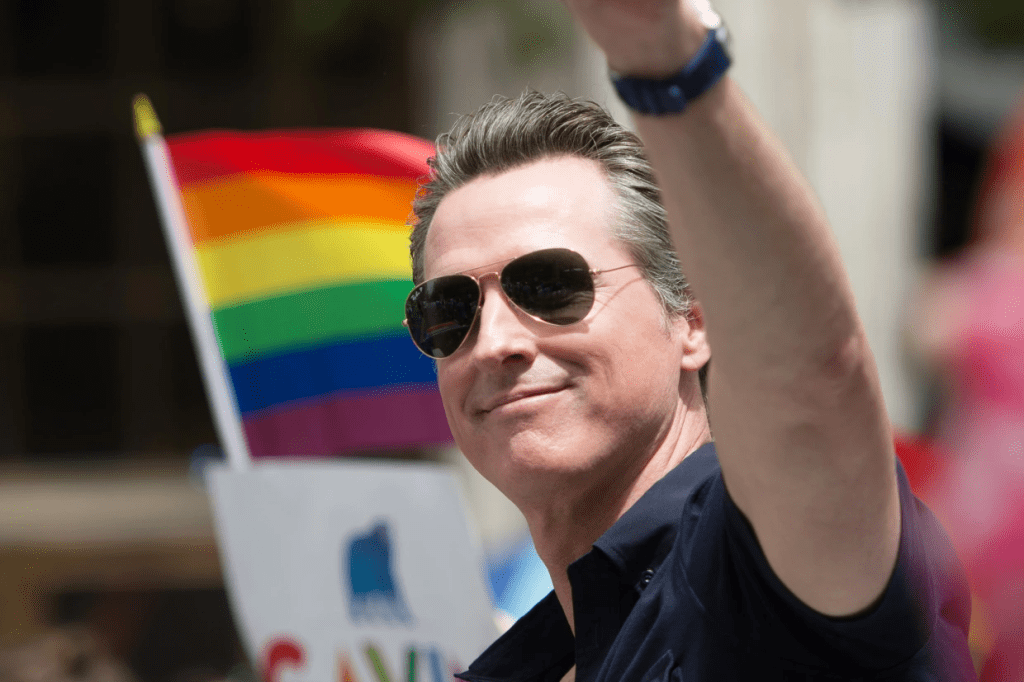
Gavin Newsom during the San Francisco Pride parade in 2017.

California Governor Gavin Newsom signed a series of bills on Saturday, with the intention of enhancing the state’s protections for LGBTQ individuals. This action followed a contentious veto issued by the governor the previous day, which drew criticism from advocates.

The recently enacted laws encompass measures aimed at supporting LGBTQ youth. Among these, one law establishes timelines for mandatory cultural competency training for public school teachers and staff. Another law establishes an advisory task force dedicated to identifying the needs of LGBTQ students and promoting supportive initiatives. Additionally, a third law mandates that families demonstrate the ability and willingness to address the needs of a child in foster care, irrespective of their sexual orientation or gender identity.

In a statement, Governor Newsom emphasized California’s commitment to maintaining comprehensive laws for the protection and support of the LGBTQ+ community. He expressed that the newly enacted measures aim to safeguard vulnerable youth, foster acceptance, and cultivate more supportive environments within schools and communities.

Governor Newsom also approved a bill mandating that schools catering to students in the first through twelfth grades must provide at least one gender-neutral bathroom by the year 2026.

The legislation was prompted by a Southern California school district that implemented a policy mandating schools to inform parents when their children alter their pronouns or use a restroom associated with a gender different from the one documented in official records. The policy was temporarily halted by a judge following a lawsuit by California Attorney General Rob Bonta against the Chino Valley Unified School District, with the legal proceedings still underway.


The governor vetoed a bill on Friday that proposed judges should take into account a parent’s affirmation of their child’s gender identity when determining custody and visitation arrangements.

Assembly member Lori Wilson, a Democrat who authored the bill and has an adult son who came out as transgender during adolescence, was among the LGBTQ advocates expressing criticism for the governor’s decision.

“I’ve been disheartened over the last few years as I watched the rising hate and heard the vitriol toward the trans community. My intent with this bill was to give them a voice, particularly in the family court system where a non-affirming parent could have a detrimental impact on the mental health and well-being of a child,” Wilson said in a statement.

Newsom said existing laws already require courts to consider health, safety, and welfare when determining the best interests of a child in custody cases, including the parent’s affirmation of the child’s gender identity.

The veto comes amid intense political battles across the country over transgender rights, including efforts to impose bans on gender-affirming care, bar trans athletes from girls and women’s sports, and require schools to notify parents if their children ask to use different pronouns or change their gender identity.

Leaving Texas: Why People Are Exiting the Lone Star State

While some homebuyers seek the American dream in Texas, many are leaving the state to find it elsewhere.

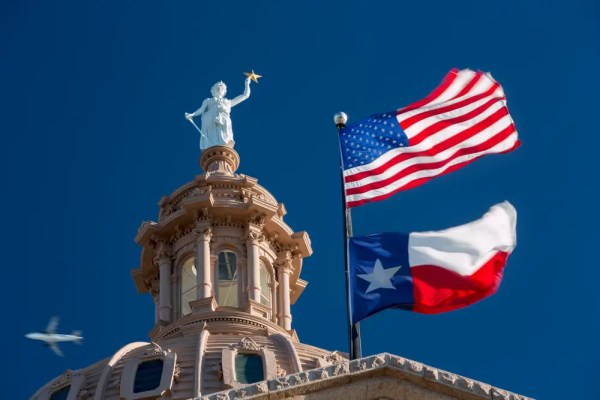
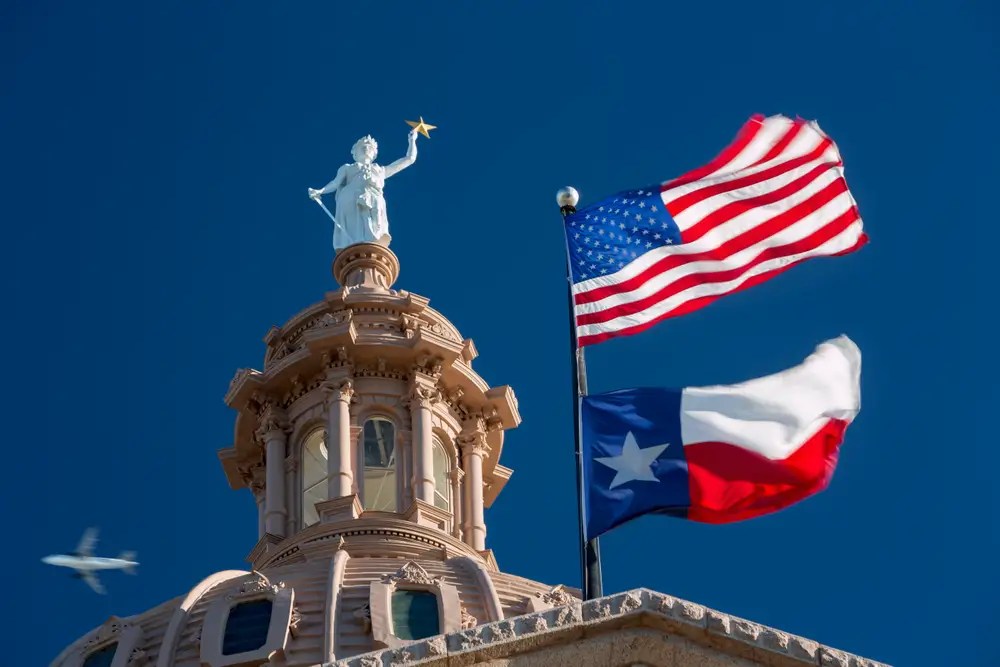
The Texas state capitol in Austin.
  • Texas experienced a surge in popularity during the pandemic that drove home prices up 30%, data suggests.
  • The political freedom some sought in the state has encouraged others to leave.
  • Have you left or do you plan to leave Texas? Business Insider wants to hear from you.

“Lifelong Texan here. I am definitely preparing an exit strategy,” one anonymous user posted on a Reddit thread about leaving Texas. “From the heat to the stripping away of human rights, I’m just done.”

Another poster struck a similar chord. “I’ve been in Texas most of my life, and my husband and I were always planning on retiring here (in about 5 years from now),” they wrote. “But between this intense heat, crazy politics, and cost of living, we’ve decided to leave for good and head to Knoxville.”

While individuals have been relocating to the Lone Star state to leverage its comparatively affordable real estate, political environment, and employment prospects, these very characteristics are prompting others to depart. Between 2021 and 2022, over 494,000 people exited Texas (although the state experienced a net population gain of 174,261). This trend might escalate as housing expenses soar and the political scene in the state becomes increasingly polarized.

Housing costs have some looking for affordability elsewhere

Texas witnessed a spike in popularity during the pandemic, leading to a 30% increase in home prices from 2019, as per data from Realtor.com. Simultaneously, residents are contending with property taxes that rank among the highest in the country.

The relocation path from California to Texas became the most popular in the United States from 2021 to 2022, with nearly 108,000 individuals opting for this move in search of more affordable housing. However, there is one significant drawback.

“The property-tax percentage rate is higher,” Marie Bailey, a Realtor who moved from El Segundo, California, to Prosper, Texas, in 2017, previously told Business Insider. “Every time a prospective client calls me, it’s one of the first things I talk about.”

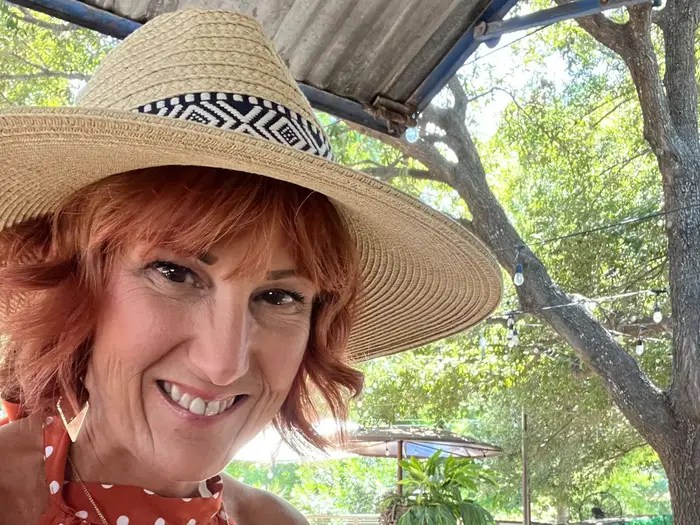
Marie Bailey and her family moved to Prosper, Texas in 2017, where she is now a realtor helping other Californians make the move to The Lone Star State. 

As Texas begins to lose its status as a budget-friendly and affordable housing option, a growing number of residents are redirecting their attention to the Midwest.

Texans are increasingly turning to the Midwest, which has gained popularity due to being the most budget-friendly region, according to Hannah Jones, an economic research analyst at Realtor.com. The trend of buyers seeking affordability is on the rise, marking a notable shift in preferences.

The political freedom many moved to the state for is driving others away

When selecting a place to reside, politics hold equal importance to housing affordability for numerous Americans.

A survey conducted in 2022 by the mortgage marketplace LendingTree, which included 1,545 participants, revealed that 39% of respondents have either moved or would contemplate relocating to another state if their political beliefs did not align with the majority.

Jackie Burse, a self-identified Conservative, is one of the many Californians who have sought out Texas for its political environment. Burse told BI in September that it played a crucial role in her decision to relocate to Texas in 2021.

Jackie Burse grabbing a drink.

According to Burse, Texas provides a space where individuals can hold diverse beliefs without facing condemnation, a contrast to her experience in California.

In contrast to Burse’s perspective, Bob McCranie, a real estate broker based in Dallas, expressed to KXAN News in July that the lack of inclusivity in Texas has led to an unwelcoming environment.

“What we all want as human beings is to feel a level of safety, and if your state is making you feel unsafe, there’s no reason to stay,” McCranie said. “I can’t believe somebody could look at, let’s say, California or New York versus Texas and Florida and say that LGBTQ people feel more welcome in Florida and Texas.”

Click here to see full blog: https://www.businessinsider.com/leaving-texas-political-freedom-property-taxes-housing-costs-2023-11

Blog at WordPress.com.

Up ↑