Today (March 10), the Florida House passed the sweeping and dangerously vague “Anti-Diversity in Local Government” bill (HB 1001 / SB 1134) by a vote of 77-37, sending another bill rooted in anti-LGBTQ animus to Governor Ron DeSantis’s desk. Five Republicans joined House Democrats in opposing the legislation, including Representatives Hillary Cassel (R-Hollywood), Will Robinson (R-Bradenton), Chip LaMarca (R-Lighthouse Point), Jim Mooney (R-Key Largo), and Paula Stark (R-St. Cloud).
The legislation is designed to intimidate cities and counties that celebrate and support the diverse communities they serve. Written in broad and ambiguous language, the bill is the most extreme of its kind in the country, creating confusion and fear for local governments that recognize LGBTQ residents and other communities that contribute to the strength and vibrancy of Florida’s cities.
The bill advanced after a highly contentious legislative process that exposed its broad application and sweeping penalties for a perceived violation. Local elected leaders from across Florida – including mayors, commissioners, and county officials – stood alongside thousands of residents to oppose the legislation and warn lawmakers about the harm it would cause to their communities.
Debate over the bill made expressly clear that LGBTQ people were a central target of the legislation. The public record, the bill sponsors’ own statements, and hours of legislative debate revealed the animus driving the effort to pressure local governments into pulling back from recognizing or resourcing programs targeting LGBTQ residents and other historically marginalized communities.
Despite the sponsors’ stated intent to dismantle diversity programs — with House sponsor Representative Dean Black declaring that “Florida is where DEI goes to D-I-E” — sustained public pressure over two years opposing the bill forced lawmakers to concede dozens of carve-outs to avert repeal, defunding, and harm to numerous local policies, programs, and events. For the LGBTQ community, this included amendments to protect and preserve the Pulse Memorial in Orlando and amendments ensuring local governments can continue to permit Pride festivals, even while navigating new restrictions on supporting or promoting them.
Equality Florida’s Executive Director, Stratton Pollitzer, provided the following response:
“This bill is dangerous, vague by design, and part of a broader political agenda of censorship and government overreach. Once again, Florida lawmakers have manufactured a sweeping anti-LGBTQ law — legislation intended to bully local governments and have a chilling effect on how they celebrate and support the diverse communities they serve.
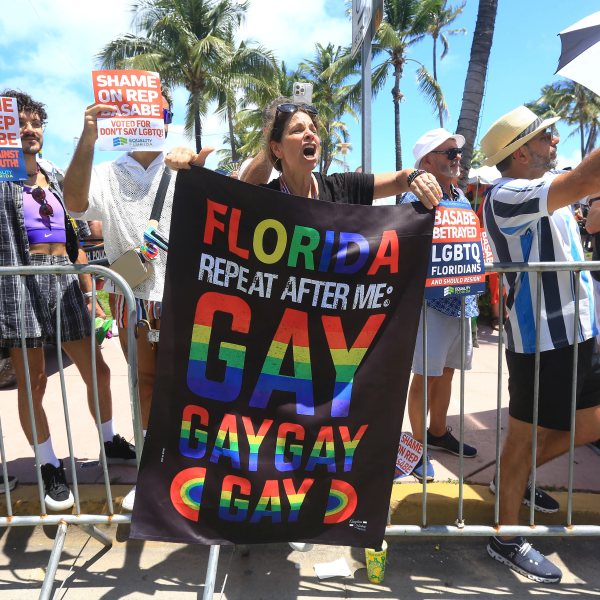
Florida’s LGBTQ community knows all too well how to fight back against unjust laws. Just as we did following the passage of Florida’s notorious ‘Don’t Say Gay or Trans’ law, we will fight every step of the way to limit the impact of this legislation, including in the courts.
Mayors and local elected officials from every corner of the state stood shoulder-to-shoulder with thousands of Floridians who showed up to oppose this legislation. We will continue to partner with local leaders who are committed to celebrating their LGBTQ residents and all of the diverse communities that make Florida strong.
The LGBTQ community is resilient. We stand alongside other impacted communities, firm in our resolve that no law can erase our presence or silence the millions of Floridians who believe in dignity, equality, diversity, and inclusion. Pride celebrations will continue. Communities will continue to gather. And LGBTQ people will remain visible in every part of Florida.”
House Speaker Daniel Perez has stated clearly that this bill does not ban Pride festivals or parades in Florida, while acknowledging new restrictions on supporting or promoting them.*
Implementation of the bill is marked for January 2027. As the bill heads to the Governor, it will now be up to cities and counties to determine how to navigate its sweeping scope and vagueness.
Equality Florida will continue working with local leaders, community organizations, and legal partners to monitor how the law is implemented and to challenge any attempts to use it to silence or erase LGBTQ communities.
The Florida Senate on March 4 voted 25-11 to approve an “Anti-Diversity in Local Government” bill that critics have called a sweeping and extreme measure that, among other things, could repeal local LGBTQ rights protections.
According to Equality Florida, a statewide LGBTQ advocacy organization, if approved by the Florida House of Representatives and signed by Republican Gov. Ron DeSantis, the bill “would ban, repeal, and defund any local government programming, policy, or activity that provides ‘preferential treatment or special benefits’ or is designed or implemented’ with respect to race, color, sex, ethnicity, sexual orientation, or gender identity.”
In a March 4 statement, Equality Florda added that the bill would also threaten city and county officials with removal from office “for activities vaguely labeled as DEI,” with only limited exceptions.
The Florida House was scheduled to vote on the bill on Monday, March 9, with opponents hopeful that a broad coalition of both Democratic and Republican lawmakers would secure enough votes to defeat the bill.
“Once again, Gov. DeSantis and Florida lawmakers are advancing one of the most sweeping and extreme bills in the country — this time threatening decades of local progress supporting diverse communities, including the LGBTQ community,” said Equality Florida Senior Political Director Joe Saunders. “This legislation is a sledgehammer aimed at cities and counties that recognize and address the diversity of the people they serve,” he said.
Among the LGBTQ organizations that could be adversely impacted by the bill is the highly acclaimed Stonewall National Museum, Archives and Library located in Fort Lauderdale.
Robert Kesten, the Stonewall organization’s president and CEO, told the Washington Blade the organization receives some funding from Broward County, in which Fort Lauderdale is located, and the city of Fort Lauderdale has provided support by purchasing tables at some of the museum’s fundraising events.
“Based on this legislation, hose things would be gone,” he said. “We also are based in a government building. So, we don’t know what potential side effects that could have.” He noted that the building in question is owned by Broward County and leased by Fort Lauderdale, with the bill’s vaguely worded provision making it unclear whether Stonewall would be forced to leave its building.
“It’s unknown, and we’re really in unchartered waters,” he said.
Two bills in Florida advanced out of committee last week that would give the state attorney general more power to investigate and press felony charges against health care professionals who provide gender-affirming care in the state, including against therapists who discuss gender issues with minor patients and pharmacists who fill prescriptions that may be used as gender-affirming care.
Last week, the Criminal Justice Subcommittee passed H.B. 743 in a 12-5 vote, Florida Politics reports. The bill would allow state Attorney General James Uthmeier to sue health care practitioners for up to $100,000 per violation for providing gender-affirming care to minors. Mainstream medical organizations support gender-affirming care for trans kids because it has been shown to be life-saving and safe.
S.B. 1010 would make it a felony for doctors, school counselors, or psychologists to advise minors on gender-affirming care or “aid or abet” another health care professional in helping minors get gender-affirming care. The bill gained near-unanimous support from the state senate’s Committee on Children, Families, and Elder Affairs, according to the Florida Phoenix.
If that version of the bill passes, medical professionals could get a $100,000 fine per violation and up to five years in prison.
“We have to uphold the principles and standards that made this country great, biblical, constitutional law, and order at all costs. And sometimes that stings,” state Rep. Taylor Yarkowsky said at last week’s hearing.
The bill’s sponsor, state Rep. Lauren Melo (R), stressed that pharmacists would be punished under her bill, something she says is necessary because, she claimed, health care professionals are “committing fraud” by prescribing gender-affirming care medications but recording the purpose of the medications as something other than gender-affirming care.
“What we’re seeing is there’s coding that’s actually being used that is becoming the problem, and hundreds of thousands of dollars is spent per child for them to transition and codes are being misrepresented where they are saying that it’s an indoctrination disorder instead of saying it’s a gender identity disorder,” she said.
Democrats stressed that the bill could have unintentional side effects. State Rep. Kelly Skidmore (D) said that the bill is not about gender-affirming care but is being pushed by state Attorney General Uthmeier to expand his power.
“It is about giving one individual and maybe his successors authority that they don’t deserve and they cannot manage,” she said, referring to Uthmeier’s involvement in the Hope Florida scandal, where state Republicans are accused of laundering money and committing fraud. “They’ve proven that they cannot be trusted. This is a terrible bill.”
State Rep. Mike Gottlieb (D) said that doctors might be scared from prescribing hormonal medications to people with severe menstrual symptoms lest a pharmacist misinterpret the reason for the prescription.
“You’re going to see doctors not wanting to prescribe those kinds of medications because they’re now subject to a $100,000 penalty,” he said. “We’re really not considering what we’re doing and some of the collateral harms that it’s having.”
Behavioral health care professional Savannah Thompson told WUSF that the bill would make it more difficult for doctors to even talk to trans patients.
“This could increase the feelings of fear from my clients who are under 18, but it also can increase the likelihood that these professionals won’t be able to talk with their clients, honestly and openly, to give them the care and the support that they deserve and need,” she said.
The City of St. Petersburg, Florida, has unveiled 11 Pride-themed bike racks to replace the rainbow crosswalks Gov. Ron DeSantis (R) forced officials to remove.
“Pride on the streets!” declared a social media post from the city and its mayor, Ken Welch (D), who called the bike racks “a vibrant way to honor the Pride street murals that were removed earlier this year due to state requirements.”
The post includes a video of construction workers installing the colorful racks, some of which are rainbow for the Pride flag and others that are the colors of the Trans Pride flag.
Folks celebrated the move in the comments, calling the new displays “amazing,” “clever,” “awesome,” “beautiful,” and “a smarter path forward.”
“Love our little inclusive, Sunshine City,” one person wrote.
“Now that’s what I’m talking about!” said another.
The state of Florida has become the epicenter of Republicans’ rainbow crosswalk crackdown. The DeSantis administration has heeded warnings from federal Transportation Secretary Sean Duffy, who has falsely claimed Pride art is distracting to drivers.
Duffy wrote in a July 1 letter to the nation’s governors that all non-freeway intersections and crosswalks must be kept “free from distractions.” In a subsequent X post, he said, “Taxpayers expect their dollars to fund safe streets, not rainbow crosswalks.”
In response, DeSantis signed a law directing the Florida Department of Transportation (FDOT) “to ensure compliance with FDOT’s uniform system for traffic control devices,” according to a July statement from a department spokesperson. The law effectively bans all pavement art and murals like rainbow crosswalks, regardless of their political message.
The DeSantis administration has been aggressive about ensuring the crosswalks are erased, despite protests and resistance from local leaders.
St. Petersburg officials ultimately complied with the order to remove its crosswalks upon the threat of losing state funding, but Mayor Welch made it clear in August that he would not stand down from defending progressive values.
In a press conference, Welch called the order to remove the crosswalks an attempt by the state “to usurp local values and priorities and instead mandate what our values should be.”
“We’ve seen the attempts to stifle our ability to express and celebrate our community values,” he added. “Yet time and time again, our community has risen to the occasion. And this latest challenge will be no exception.”
A post from the city’s official social media account said the murals that had to be removed – which included one declaring, Black History Matters – “reflect the soul of our community.”
“That message can’t be erased. This is our city, our voice, and our story… Together, we’ll continue building a community that is resilient, inclusive, and united.”
The study found that crashes involving pedestrians or cyclists drop 50% at painted intersections. It also reported a 25% decrease in conflicts between drivers and pedestrians, a 27% increase in drivers immediately yielding to pedestrians, and a 38% decrease in pedestrians crossing when the walk signal was not lit at intersections involving public art. The data also revealed that injuries resulting from crashes drop 37% in painted intersections.
State Representative David Borrero (HB 347) and Senator Clay Yarborough (SB 426) filed the first anti-LGBTQ bill of Florida’s 2026 legislative session — the Pride Flag Ban. The legislation seeks to prohibit state and local government buildings from displaying any flag representing “race, gender, or sexual orientation,” including the Pride flag. The bill also attempts to strip cities and counties of the power to design or adopt their own municipal flags, while carving out protections for “historical” flags — including Confederate symbols. This proposal follows a summer of state action to remove LGBTQ visibility, when Governor Ron DeSantis ordered the removal of rainbow crosswalks and street murals in cities across Florida. Now being introduced for the fourth year, the legislation has been widely rejected three years in a row.
Statement from Joe Saunders, Senior Political Director, Equality Florida:
“This bill is a direct attack on LGBTQ visibility and a textbook example of government overreach and censorship. The Pride flag is a symbol of safety, inclusion, and community for millions of Floridians. After DeSantis spent the summer ripping up rainbow crosswalks and street murals for his own political agenda, legislative extremists are now attempting to finish the job by banning Pride flags in public facilities. These bills prevent local cities and counties from using flags to recognize their own communities or make them welcoming to residents and tourists. Floridians deserve leaders focused on solving real problems, not weaponizing government to erase LGBTQ people from public life. We’ve defeated this bill before, and we will defeat it again.”
*Editor’s note: The following blog is purely informational and sourced by Savvy Nomad’s website itself. Flee Red States does not endorse any particular company, nor have we validated its claims. We suggest you always consult professionals such as a CPA or attorney before going through with changes such as these.We’re also aware they are suggesting a red state as your domicile.
For many modern professionals, location is no longer a limitation. The rise of remote work and the digital nomad lifestyle has made it possible to live anywhere in the world—yet many people still find themselves burdened by high state income taxes and complicated residency laws. This is where Savvy Nomad steps in. Designed for the globally minded U.S. citizen, Savvy Nomad offers a simple and fully legal way to minimize state taxes while maintaining compliance with federal requirements.
Understanding the Concept of Domicile
At the heart of Savvy Nomad’s service is the concept of changing your state of domicile. Your domicile determines where you’re subject to state taxes, where you vote, and even what estate laws apply to you. Many U.S. states impose significant income taxes, but others—such as Florida—do not. By establishing Florida as your legal domicile, you can eliminate your state income tax burden altogether while continuing to meet all federal obligations.
How Savvy Nomad Simplifies the Process
Traditionally, changing your domicile involves confusing forms, proof of residency requirements, and sometimes in-person bureaucracy. Savvy Nomad has streamlined this into a fast, online process. Their platform handles the legal documentation, registrations, and declarations needed to make your Florida domicile official. Users can even complete the process in about 15 minutes through the SavvyNomad app—something that could normally take weeks on your own.
To further simplify life, the service includes comprehensive mail forwarding, giving you a Florida address for official correspondence. This helps prove residency and ensures you receive important mail no matter where you’re traveling.
Financial and Lifestyle Benefits
The most obvious benefit is financial—no state income tax means keeping more of your hard-earned money. But there’s more than just savings. With extra disposable income and reduced administrative stress, users can fully embrace the flexibility of a nomadic lifestyle. Imagine running your business from a beach in Bali or a café in Lisbon—without worrying about state tax filings back home.
Savvy Nomad emphasizes compliance. Their team handles filings correctly and ensures users stay aligned with all relevant U.S. laws. For those with unique income or business structures, Savvy Nomad even connects users with certified CPAs who can identify additional tax credits and optimization opportunities.
Legality and Flexibility
Changing your domicile through Savvy Nomad is entirely legitimate. The company compares it to “snowbirds” who spend winters in Florida but remain residents there year-round for tax purposes. You’ll still file your federal taxes as usual; the only difference is that your state-level tax obligations will now be tied to Florida. And if you ever decide to move back to your original state, the transition is straightforward under state-specific guidelines.
The Bottom Line
Savvy Nomad provides more than a tax-saving strategy—it’s a lifestyle-enabling service. By taking the hassle out of domicile changes, it empowers remote workers to reclaim both their money and their freedom. In just minutes online, anyone can establish a Florida domicile, stay compliant with U.S. tax laws, and unlock a world of global flexibility.
About 100 people in Orlando, Florida, protested the recent painting over of a rainbow crosswalk created in memory of the 49 victims of the 2016 Pulse nightclub tragedy. State crews from the Florida Department of Transportation (FDOT) painted over the crosswalk without notifying city officials, at the behest of Florida Gov. Ron DeSantis (R) and orders from the current presidential administration.
Local resident Dallas Perdue used chalk to recreate the crosswalk’s colored rectangles, but rain washed the chalk off by Thursday evening. “I was just fixing what shouldn’t have been, y’know, painted over in the first place,” Perdue told WFTV.
In July, Transportation Secretary Sean Duffy urged governors to remove any political messages, artwork, and markings on intersections not directly related to pedestrian or driver safety. He wrote on social media, “Taxpayers expect their dollars to fund safe streets, not rainbow crosswalks.”
A local activist told WFTV that the commemorative crosswalk followed all FDOT regulations and rules when it was first installed.
Florida Rep. Randy Fine (R) told the news station, “I think there are appropriate places to memorialize people. I don’t think a public street is the place to promote a woke agenda.” He has previously referred to LGBTQ+ people as “perverts who wish to groom our children” and supported numerous anti-LGBTQ+ bills, according to GLAAD.
Activists told the news station that they would continue to fight for the crosswalk’s restoration to its former rainbow colors.
Gov. DeSantis wrote via X, “We will not allow our state roads to be commandeered for political purposes.” He has told cities that if they don’t paint over any municipal rainbow crosswalks, FDOT will do it for them. FDOT painted over the Pulse crosswalk during Thursday’s early morning hours.
Pulse survivor Brandon Wolf told the new station, “The cowards threatened by our lives should feel lucky they didn’t have to bury the ones they love — then watch the state come & bury their memory.”
In a literal erasure of LGBTQ+ identity in South Florida, the city of Boynton Beach has complied with recent orders from Gov. Ron DeSantis (R) and the Trump administration to eliminate a rainbow crosswalk in the beachside city.
Video reveals a road crew painting over the once-colorful intersection at East Ocean Avenue and Southeast First Street on Wednesday morning. It’s now painted black.
Boynton Beach has “removed the inclusionary-painted intersection on the 100 block of East Ocean Avenue to ensure full compliance with state and federal transportation mandates and address safety concerns,” a statement from the city read. “The decision follows recent guidance from the U.S. Transportation Secretary and the Florida Department of Transportation.”
The Pride commemoration was first unveiled in June 2021.
The rainbow intersection has been vandalized before. During Pride month in 2023, surveillance video captured a motorcyclist burning out over the mural, leaving black tread marks across it. He then stopped to record the damage he caused.
The Pride erasure comes just days after a coordinated campaign by the Florida governor and the federal Transportation Department to remove rainbow intersections across the state.
On July 1, former Road Rules reality star and current Secretary of Transportation Sean Duffy issued a social media edict to all U.S. governors to remove the crosswalk art.
“Taxpayers expect their dollars to fund safe streets, not rainbow crosswalks,” Duffy declared. “Political banners have no place on public roads. I’m reminding recipients of @USDOT roadway funding that it’s limited to features advancing safety, and nothing else. It’s that simple.”
In the order and subsequent interviews, Duffy implies the Pride crosswalks are causing chaos on the roads and have led to traffic fatalities.
“Far too many Americans die each year to traffic fatalities to take our eye off the ball,” Duffy told the far-right Daily Signal.
“Roads are for safety,” he said somewhat incongruously, “not political messages or artwork.”
Duffy didn’t specify what percentage of the 39,345 traffic deaths in the U.S. in 2024 were caused by rainbow crosswalks.
Other cities in South Florida with rainbow intersections, including Delray Beach, Fort Lauderdale, and West Palm Beach, face the same state and federal mandates. It wasn’t immediately clear whether or how they would comply.
Other Pride crosswalks in the state have also been subject to vandalism, some repeatedly.
Florida Transportation Secretary Jared Perdue enthusiastically endorsed the federal mandate the day after it was issued.
“Florida’s proactive efforts to ensure we keep our transportation facilities free & clear of political ideologies were cemented into law by @GovRonDeSantis,” Perdue posted to socials. “Great to now have our federal partners also aligned behind this same common-sense policy.”
Rand Hoch, president of the Palm Beach County Human Rights Council, called the orders “blackmail”.
“This is just another example of the president and the governor blackmailing local governments by telling them they’re going to withhold funding so they can try to publicly erase the LGBTQ+ community,” he told the Sun-Sentinel. “This seems to be a priority of these administrations.”
Despite the public erasure, Hoch, who was present at the 2021 unveiling of the Boynton Beach Pride intersection, said LGBTQ+ people “are not going to disappear.”
A lot of states are passing laws that target the LGBTQ+ community — but these 15 are the absolute worst.
Over 1,000 anti-LGBTQ+ laws have been proposed across every state legislature in the U.S. over the past two years, according to the American Civil Liberties Union, and 126 have passed into law. Less than two months into the 2025 legislative session, 390 laws targeting LGBTQ+ people have been proposed.
While marriage equality and anti-discrimination protections based on sexual orientation and gender identity are still guaranteed federally by U.S. Supreme Court rulings (for now), LGBTQ+ people are still concerned about their rights being taken away, especially when only 15 states have “shield laws” protecting access to gender-affirming care and abortion.
Based on laws surrounding marriage, family rights, health care, education, and youth collected by the Movement Advancement Project, here are the 15 worst states for LGBTQ+ people.
Pride Parade in Huntsville, Alabama (October 1, 2022)
Nondiscrimination laws: Alabama does not have nondiscrimination laws in employment, housing, health care, education, public accommodations, or credit/lending. Its state code incorrectly defines sex as exclusively male or female, and it prohibits transgender people from using public facilities that align with their identities.
Marriage equality and parental rights: Alabama does not have adoption or foster care nondiscrimination protections for LGBTQ+ parents. It does not have second-parent adoption for unmarried couples, confirmatory adoption, nor recognition for parents using assisted reproductive technologies. It also does not have family leave laws that encompass LGBTQ+ people.
Education and youth policies: Alabama has a “Don’t Say Gay” law restricting discussion of LGBTQ+ identities in classrooms. It has banned trans students from participating in sports or using school facilities based on their identities, and it requires staff to forcibly out LGBTQ+ students to their guardians. The state also has a “religious exemption” law for Child Welfare Services.
Healthcare access and rights: Alabama has banned life-saving gender-affirming care for youth, though it permits the discredited and harmful practice of so-called conversion therapy for youth. Health insurance companies, including Medicaid, are not required to provide coverage related to gender transition or fertility treatments. The state also has a “religious exemption” law for healthcare providers.
Criminal justice: Alabama’s hate crime laws do not encompass sexual orientation and gender identity, and it has not banned the so-called “LGBTQ+ panic” defense.
Arkansas
Danielsen_Photography / Shutterstock.com
3rd annual Pride Walk at Hot Springs National Park, Arkansas (June, 4 2021)
Nondiscrimination laws: Arkansas does not have nondiscrimination laws in employment, housing, health care, education, public accommodations, or credit/lending. The state bans cities and local ordinances from passing nondiscrimination laws, and it has law about “adult” performances that could be used to target or restrict drag.
Marriage equality and parental rights: Arkansas does not have adoption or foster care nondiscrimination protections for LGBTQ+ parents. It does not have second-parent adoption for unmarried couples, confirmatory adoption, nor recognition for parents using assisted reproductive technologies. It also does not have family leave laws that encompass LGBTQ+ people.
Education and youth policies: Arkansas has a “Don’t Say Gay” law restricting discussion of LGBTQ+ identities in classrooms. It has banned trans students from participating in sports or using school facilities based on their identities, and it requires staff to forcibly out LGBTQ+ students to their guardians.
Healthcare access and rights: Arkansas has banned life-saving gender-affirming care for youth, though it permits the discredited and harmful practice of so-called conversion therapy for youth. Medicaid is forbidden from providing coverage related to gender transition to minors, and insurance companies are not required to cover fertility treatments. The state also has a “religious exemption” law for healthcare providers.
Criminal justice: Arkansas’ hate crime laws do not encompass sexual orientation and gender identity, and it has not banned the so-called “LGBTQ+ panic” defense. It has an HIV criminalization law that may require sex offender registration.
Florida
Chris_Harris / Shutterstock.com
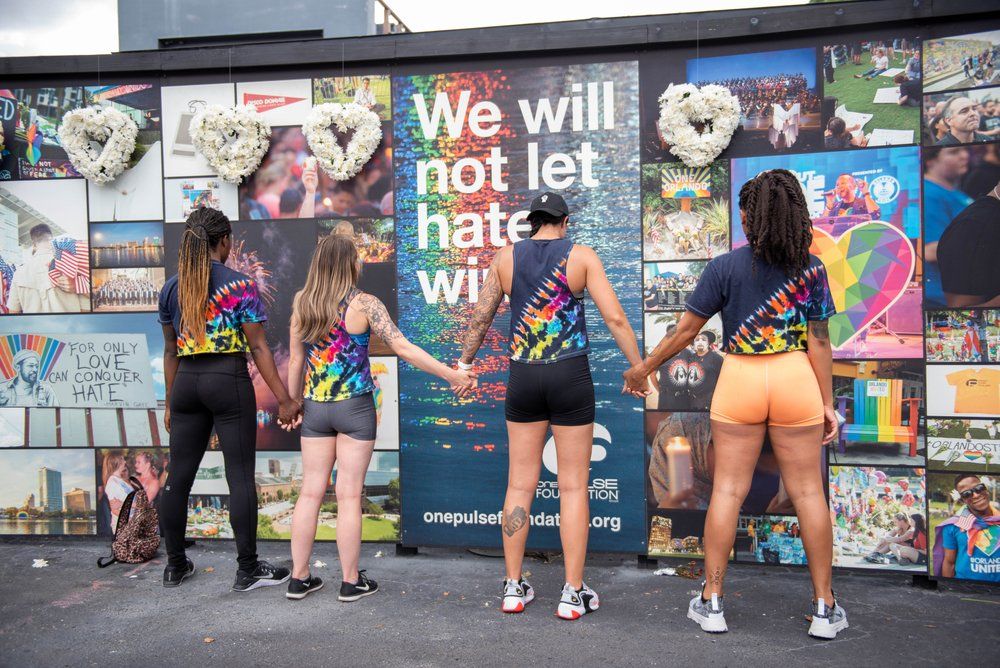
Mourners pay their respects to the fallen at the Pulse Nightclub memorial on the 5th anniversary of the Pulse mass shooting in Orlando, Florida (June 12, 2021)
Nondiscrimination laws: Florida has nondiscrimination laws in employment, housing, and public accommodations, but not in credit/lending, health care, nor education. The state prohibits transgender people from using public facilities that align with their identities, and it does not allow updating gender markers on driver’s licenses or birth certificates. It has law about “adult” performances that could be used to target or restrict drag
Marriage equality and parental rights: Florida does not have adoption or foster care nondiscrimination protections for LGBTQ+ parents. It does not have second-parent adoption for unmarried couples, confirmatory adoption, nor recognition for parents using assisted reproductive technologies. It also does not have family leave laws that encompass LGBTQ+ people.
Education and youth policies: Florida originated the “Don’t Say Gay” laws restricting discussion of LGBTQ+ identities in classrooms. It has banned trans students from participating in sports or using school facilities based on their identities, and it requires staff to forcibly out LGBTQ+ students to their guardians.
Healthcare access and rights: Florida has banned life-saving gender-affirming care for youth, though it permits the discredited and harmful practice of so-called conversion therapy for youth. Medicaid is forbidden from providing coverage related to gender transition for all ages, and insurance companies are not required to cover fertility treatments. The state also has a “religious exemption” law for healthcare providers.
Criminal justice: Florida’s hate crime laws only encompass sexual orientation, not gender identity. It has not banned the so-called “LGBTQ+ panic” defense, and it has an HIV criminalization law.
Idaho
Venture Out Media / Shutterstock.com
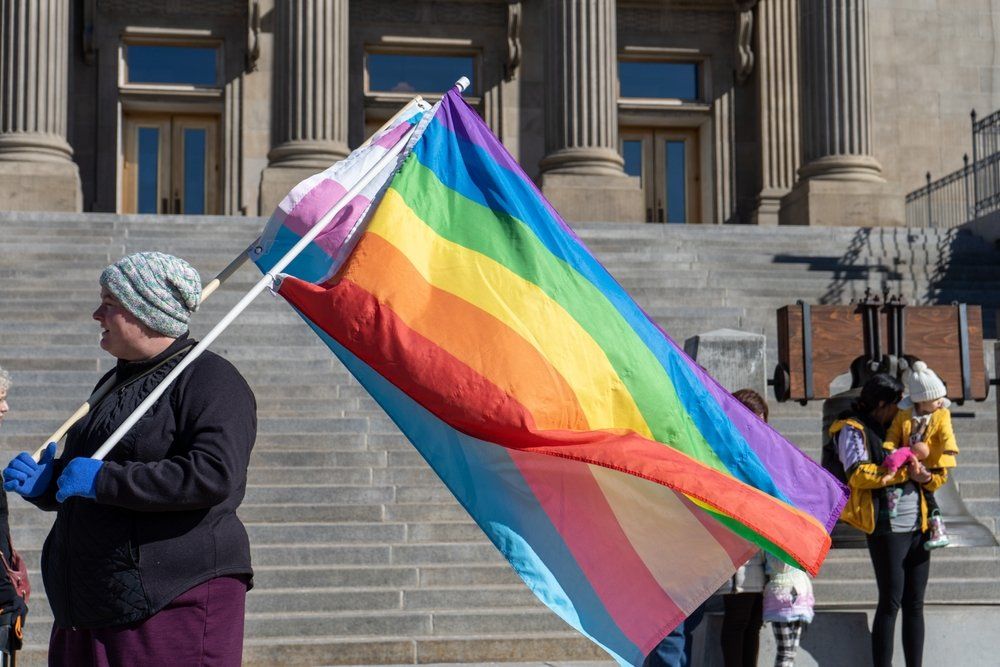
Rally in support of transgender youth and gender-affirming care in Boise, Idaho (February 24, 2023)
Nondiscrimination laws: Idaho has nondiscrimination laws in employment, housing, and public accommodations, but not in credit/lending, education, health care, nor for state employees. Its state code incorrectly defines sex as exclusively male or female.
Marriage equality and parental rights: Idaho does not have adoption or foster care nondiscrimination protections for LGBTQ+ parents. It has second-parent adoption for unmarried couples, but not confirmatory adoption nor recognition for parents using assisted reproductive technologies. It also does not have family leave laws that encompass LGBTQ+ people.
Education and youth policies: Idaho has banned trans students from participating in sports or using school facilities based on their identities, and it requires staff to forcibly out LGBTQ+ students to their guardians. The state also has a “religious exemption” law for Child Welfare Services, though it has protections for LGBTQ+ youth in the Child Welfare System.
Healthcare access and rights: Idaho has banned life-saving gender-affirming care for youth, though it permits the discredited and harmful practice of so-called conversion therapy for youth. Medicaid is forbidden from providing coverage related to gender transition for all ages, and insurance companies are not required to cover fertility treatments. The state also has a “religious exemption” law for healthcare providers.
Criminal justice: Idaho’s hate crime laws do not encompass sexual orientation and gender identity. It has not banned the so-called “LGBTQ+ panic” defense, and it has an HIV criminalization law.
Indiana
Umut Tolga Pehlivan / Shutterstock.com
Indiana University Bloomington Students walking at Indy Pride in Indianapolis, Indiana (June 4, 2008)
Nondiscrimination laws: Indiana has weaker nondiscrimination laws in employment, housing, and public accommodations, but not in credit/lending, education, nor health care. The state also has a broad “religious exemption” law.
Marriage equality and parental rights: Indiana has adoption or foster care nondiscrimination protections based on sexual orientation, but not gender identity. It has second-parent adoption for unmarried couples, but not confirmatory adoption nor recognition for parents using assisted reproductive technologies. It also does not have family leave laws that encompass LGBTQ+ people.
Education and youth policies: Indiana has a “Don’t Say Gay” law restricting discussion of LGBTQ+ identities in classrooms. It has banned trans students from participating in sports or using school facilities based on their identities, and it requires staff to forcibly out LGBTQ+ students to their guardians.
Healthcare access and rights: Indiana has banned life-saving gender-affirming care for youth, though it permits the discredited and harmful practice of so-called conversion therapy for youth. Medicaid and state health insurance plans are not required to provide coverage related to gender transition or fertility treatments, but it has trans-inclusive health benefits for state employees.
Criminal justice: Indiana’s hate crime laws do not encompass sexual orientation and gender identity, and it has not banned the so-called “LGBTQ+ panic” defense. It has an HIV criminalization law that may require sex offender registration.
Louisiana
Scott Colesby / Shutterstock.com
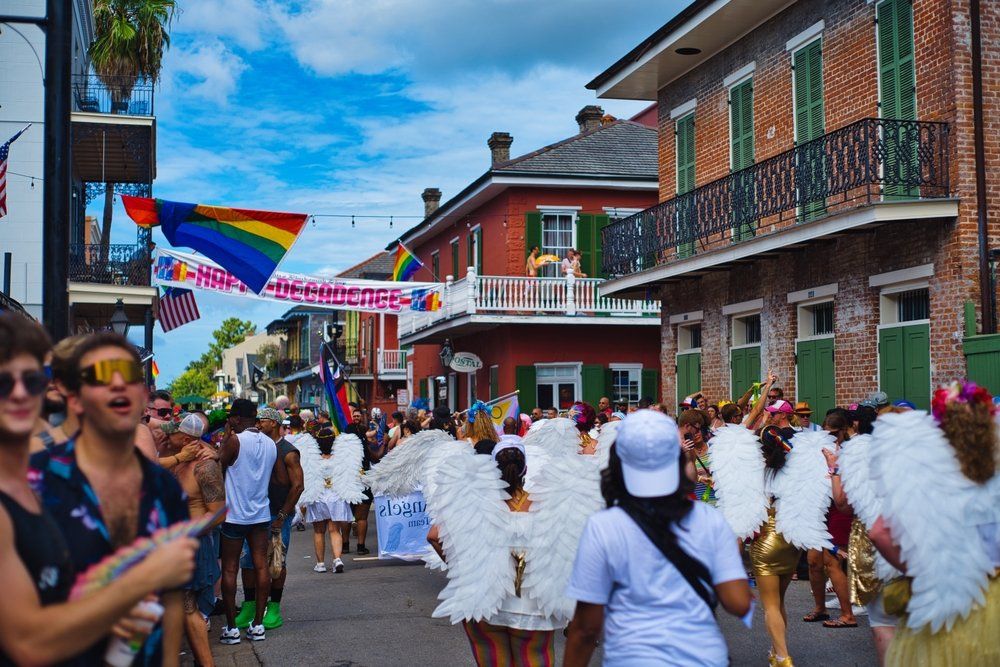
Southern Decadence Parade march through the French Quarter in New Orleans, Louisiana (September 1, 2024)
Nondiscrimination laws: Louisiana does not have nondiscrimination laws in employment, housing, health care, education, public accommodations, or credit/lending. Its state code incorrectly defines sex as exclusively male or female, and it prohibits transgender people from using public facilities that align with their identities. The state also has a broad “religious exemption” law.
Marriage equality and parental rights: Louisiana does not have adoption or foster care nondiscrimination protections for LGBTQ+ parents. It does not have second-parent adoption for unmarried couples, confirmatory adoption, nor recognition for parents using assisted reproductive technologies. It also does not have family leave laws that encompass LGBTQ+ people.
Education and youth policies: Louisiana has a “Don’t Say Gay” law restricting discussion of LGBTQ+ identities in classrooms. It has banned trans students from participating in sports or using school facilities based on their identities, and it requires staff to forcibly out LGBTQ+ students to their guardians.
Healthcare access and rights: Louisiana has banned life-saving gender-affirming care for youth, though it permits the discredited and harmful practice of so-called conversion therapy for youth. Health insurance companies, including Medicaid, are not required to provide coverage related to gender transition or fertility treatments, and state employees do not have trans-inclusive benefits.
Criminal justice: Louisiana’s hate crime laws only encompass sexual orientation, not gender identity. It has not banned the so-called “LGBTQ+ panic” defense, and it has an HIV criminalization law that may require sex offender registration.
Mississippi
Carmen K. Sisson / Shutterstock.com
A rainbow flag supporting Pride month flies a the Biloxi VA Medical Center in Biloxi, Mississippi (June 5, 2023)
Nondiscrimination laws: Mississippi does not have nondiscrimination laws in employment, housing, health care, education, public accommodations, or credit/lending. Its state code incorrectly defines sex as exclusively male or female, and it prohibits transgender people from using public facilities that align with their identities. The state also has a broad “religious exemption” law.
Marriage equality and parental rights: Mississippi does not have adoption or foster care nondiscrimination protections for LGBTQ+ parents. It has second-parent adoption for unmarried couples, but not confirmatory adoption nor recognition for parents using assisted reproductive technologies. It also does not have family leave laws that encompass LGBTQ+ people.
Education and youth policies: Mississippi has a “Don’t Say Gay” law restricting discussion of LGBTQ+ identities in classrooms. It has banned trans students from participating in sports or using school facilities based on their identities, and it requires staff to forcibly out LGBTQ+ students to their guardians. The state also has a “religious exemption” law for Child Welfare Services.
Healthcare access and rights: Mississippi has banned life-saving gender-affirming care for youth, though it permits the discredited and harmful practice of so-called conversion therapy for youth. Medicaid is forbidden from providing coverage related to gender transition for youth, and insurance companies are not required to cover fertility treatments. The state also has a “religious exemption” law for healthcare providers.
Criminal justice: Mississippi’s hate crime laws do not encompass sexual orientation and gender identity. It has not banned the so-called “LGBTQ+ panic” defense, and it has an HIV criminalization law.
Missouri
Ryanzo W. Perez / Shutterstock.com
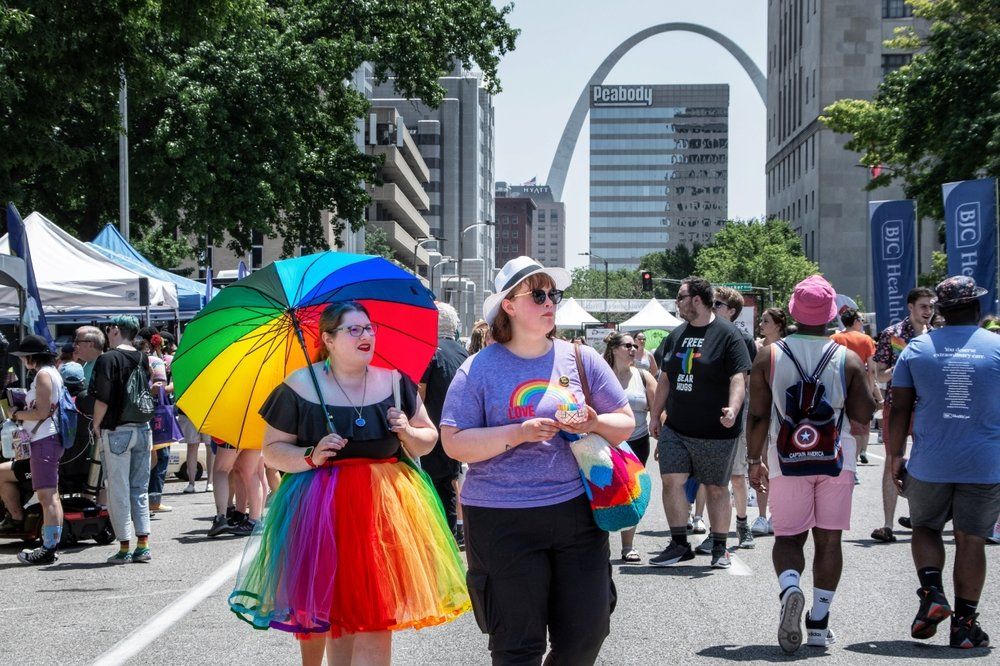
A view down one of the streets filled with celebrants during Saint Louis PrideFest in Missouri (June 24, 2023)
Nondiscrimination laws: Missouri has weaker nondiscrimination laws in housing, and public accommodations, but not in employment, credit/lending, education, nor health care. The state also has a broad “religious exemption” law.
Marriage equality and parental rights: Missouri’sadoption or foster care nondiscrimination protections only encompass sexual orientation, not gender identity. It does not have second-parent adoption for unmarried couples, confirmatory adoption, nor recognition for parents using assisted reproductive technologies. It also does not have family leave laws that encompass LGBTQ+ people.
Education and youth policies: Missouri has banned schools and districts from passing nondiscrimination or anti-bullying policies protecting LGBTQ+ students. It has banned trans students from participating in sports based on their identities, but not from using facilities that align with their identities.
Healthcare access and rights: Missouri has banned life-saving gender-affirming care for youth, though it permits the discredited and harmful practice of so-called conversion therapy for youth. Medicaid is forbidden from providing coverage related to gender transition for all ages, and insurance companies are not required to cover fertility treatments. The state also has a “religious exemption” law for healthcare providers.
Criminal justice: Missouri’s hate crime laws encompass sexual orientation and gender identity, though it has not banned the so-called “LGBTQ+ panic” defense, and it has an HIV criminalization law.
Montana
Cavan-Images / Shutterstock.com
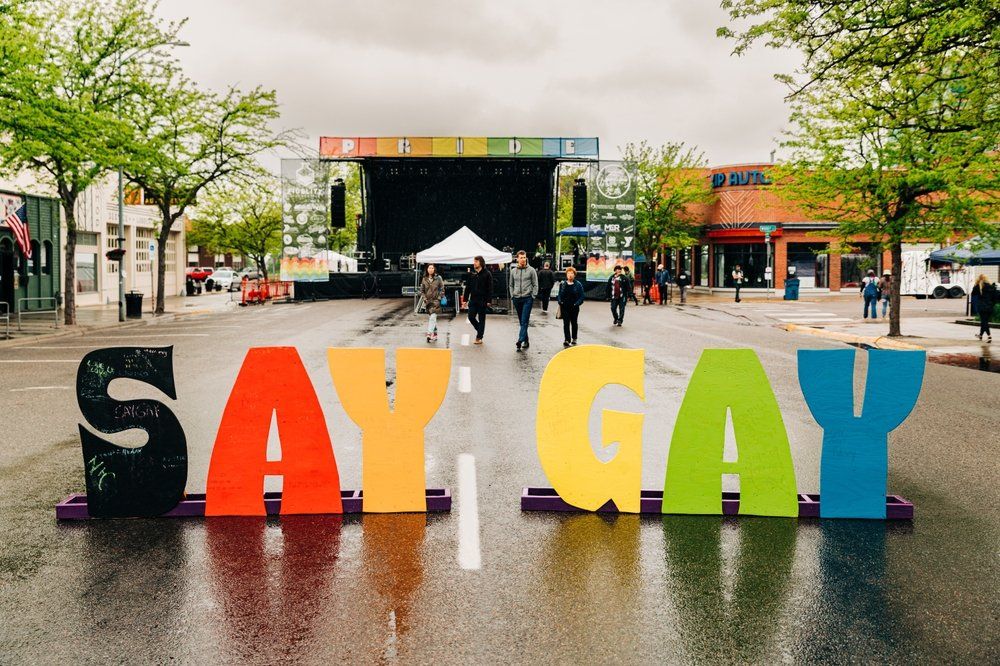
“Say Gay” sign at Missoula Pride in Montana (March 29, 2024)
Nondiscrimination laws: Montana does not have nondiscrimination laws in employment, housing, health care, education, public accommodations, or credit/lending.Its state code incorrectly defines sex as exclusively male or female, and it has a broad “religious exemption” law. The state has also explicitly restricted drag performances, and does not allow updating gender markers on birth certificates
Marriage equality and parental rights: Montana’sadoption or foster care nondiscrimination protections only encompass sexual orientation, not gender identity. It has second-parent adoption for unmarried couples, but not confirmatory adoption nor recognition for parents using assisted reproductive technologies. It also does not have family leave laws that encompass LGBTQ+ people.
Education and youth policies: Montana requires that parents be notified of LGBTQ+ curricula so they can opt out. It has banned trans students from participating in sports based on their identities, but not from using facilities that align with their identities. The state requires staff to forcibly out LGBTQ+ students to their guardians.
Healthcare access and rights: Montana has banned life-saving gender-affirming care for youth, though it permits the discredited and harmful practice of so-called conversion therapy for youth. Health insurance companies and Medicaid are required to cover care related to gender transition, and there is some coverage for fertility treatments. However, the state has a “religious exemption” law for healthcare providers.
Criminal justice: Montana’s hate crime laws do not encompass sexual orientation and gender identity. It has not banned the so-called “LGBTQ+ panic” defense, and it has an HIV criminalization law.
Oklahoma
Kit Leong / Shutterstock.com
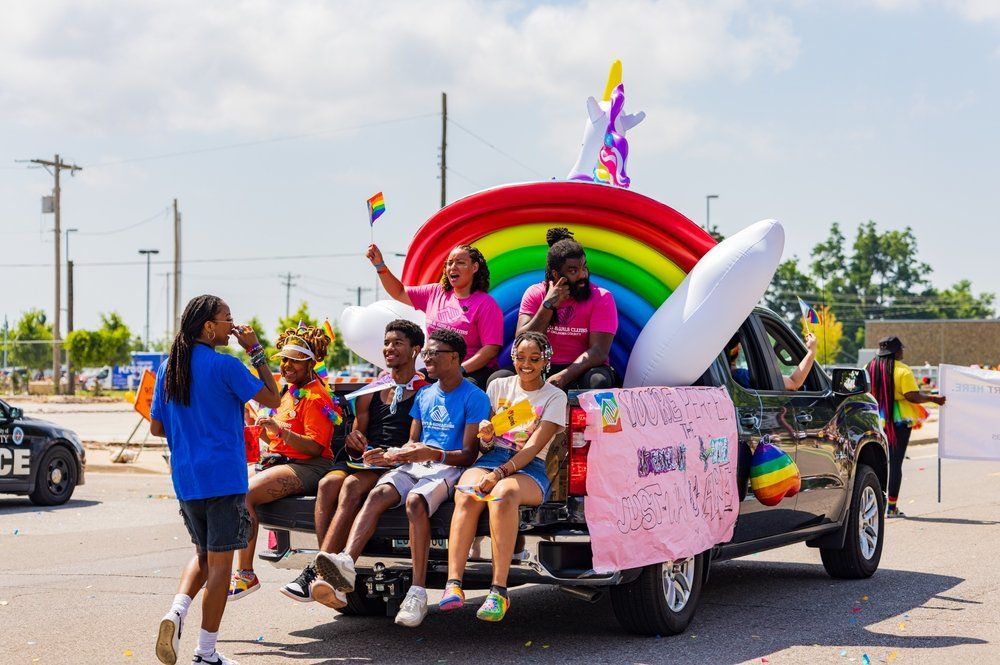
Pride Parade in Oklahoma (June 26, 2023)
Nondiscrimination laws: Oklahoma does not have nondiscrimination laws in employment, housing, health care, education, public accommodations, or credit/lending. Its state code incorrectly defines sex as exclusively male or female, and it prohibits updated gender markers on birth certificates. It also has a broad “religious exemption” law.
Marriage equality and parental rights: Oklahoma does not have adoption or foster care nondiscrimination protections for LGBTQ+ parents. It has second-parent adoption for unmarried couples, but not confirmatory adoption nor recognition for parents using assisted reproductive technologies. It also does not have family leave laws that encompass LGBTQ+ people.
Education and youth policies: Oklahoma has a weaker version of a “Don’t Say Gay” law that restricts the discussion of “homosexuality” in specific school subjects. It has banned trans students from participating in sports or using school facilities based on their identities. The state also has a “religious exemption” law for Child Welfare Services, though it has protections for LGBTQ+ youth in the Child Welfare System.
Healthcare access and rights: Oklahoma has banned life-saving gender-affirming care for youth, though it permits the discredited and harmful practice of so-called conversion therapy for youth. Health insurance companies, including Medicaid, are not required to provide coverage related to gender transition or fertility treatments, and state employees are not permitted trans-inclusive benefits.
Criminal justice: Oklahoma’s hate crime laws do not encompass sexual orientation and gender identity. It has not banned the so-called “LGBTQ+ panic” defense, and it has an HIV criminalization law.
South Carolina
Shuttershock creative
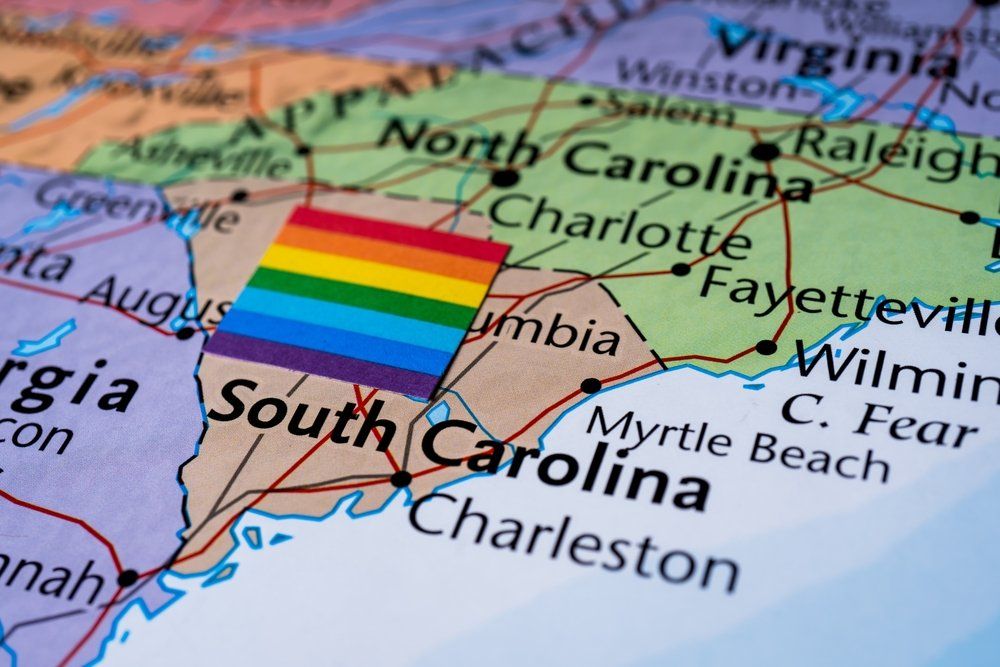
Rainbow flag on a map of South Carolina
Nondiscrimination laws: South Carolinadoes not have nondiscrimination laws in employment, housing, health care, education, public accommodations, or credit/lending. It has a broad “religious exemption” law.
Marriage equality and parental rights: South Carolina‘sadoption or foster care nondiscrimination protections only encompass sexual orientation, not gender identity. It does not have second-parent adoption for unmarried couples, confirmatory adoption, nor recognition for parents using assisted reproductive technologies. It also does not have family leave laws that encompass LGBTQ+ people.
Education and youth policies: South Carolinahas banned trans students from participating in sports based on their identities, but not from using facilities that align with their identities. The state requires staff to forcibly out LGBTQ+ students to their guardians. The state also has a “religious exemption” law for Child Welfare Services.
Healthcare access and rights: South Carolina has banned life-saving gender-affirming care for youth, though it permits the discredited and harmful practice of so-called conversion therapy for youth. Medicaid is forbidden from providing coverage related to gender transition for all ages, and insurance companies are not required to cover fertility treatments. The state also has a “religious exemption” law for healthcare providers.
Criminal justice: South Carolina‘s hate crime laws do not encompass sexual orientation and gender identity. It has not banned the so-called “LGBTQ+ panic” defense, and it has an HIV criminalization law.
South Dakota
Shuttershock creative
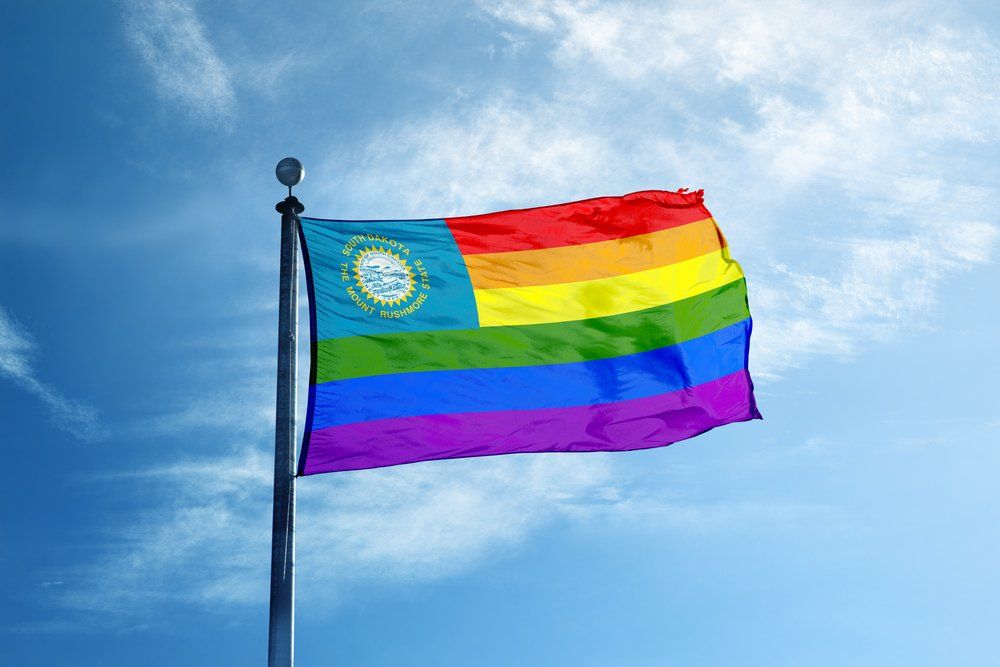
South Dakota state flag with rainbow stripes
Nondiscrimination laws: South Dakota does not have nondiscrimination laws in employment, housing, health care, education, public accommodations, or credit/lending. It has a broad “religious exemption” law.
Marriage equality and parental rights: South Dakota’sadoption or foster care nondiscrimination protections encompass sexual orientation and gender identity. However, it does not have second-parent adoption for unmarried couples, confirmatory adoption, nor recognition for parents using assisted reproductive technologies. It also does not have family leave laws that encompass LGBTQ+ people.
Education and youth policies: South Dakotahas banned schools and districts from passing nondiscrimination or anti-bullying policies protecting LGBTQ+ students. It has banned trans students from participating in sports based on their identities, but not from using facilities that align with their identities. The state also has a “religious exemption” law for Child Welfare Services, though it has protections for LGBTQ+ youth in the Child Welfare System.
Healthcare access and rights: South Dakota has banned life-saving gender-affirming care for youth, though it permits the discredited and harmful practice of so-called conversion therapy for youth. Health insurance companies, including Medicaid, are not required to provide coverage related to gender transition or fertility treatments, and state employees are not permitted trans-inclusive benefits.
Criminal justice: South Dakota‘s hate crime laws do not encompass sexual orientation and gender identity, and it has not banned the so-called “LGBTQ+ panic” defense. It has an HIV criminalization law that may require sex offender registration.
Tennessee
evenfh / Shutterstock.com
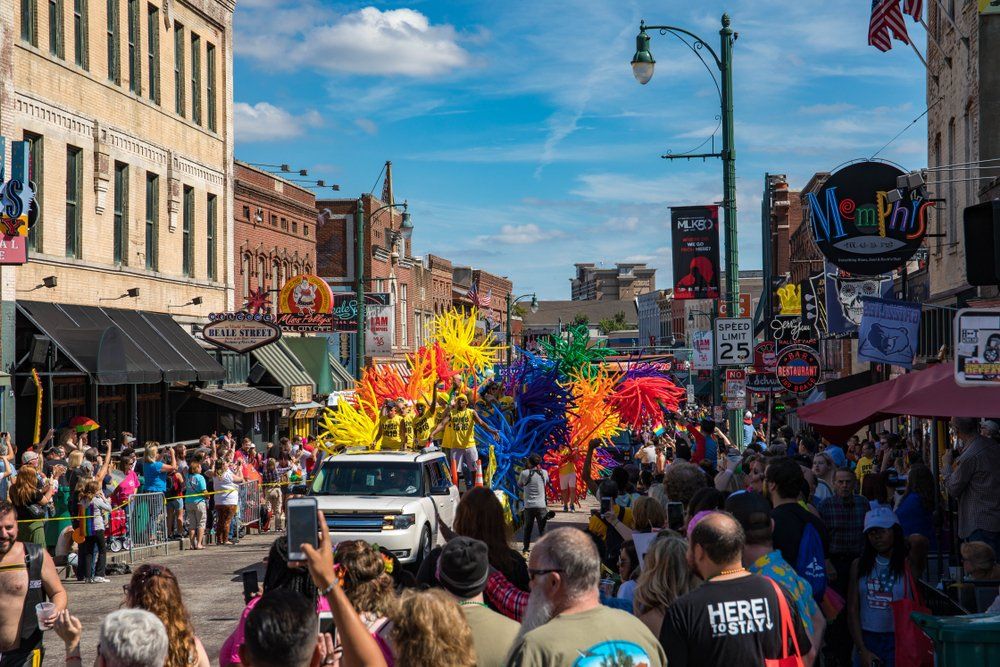
Pride Parade on Beale Street in Memphis, Tennessee (September 28, 2018)
Nondiscrimination laws: Tennessee does not have nondiscrimination laws in employment, housing, health care, education, public accommodations, or credit/lending. It instead bans cities and local ordinances from passing nondiscrimination laws. State code incorrectly defines sex as exclusively male or female, and it does not allow updating gender markers on driver’s licenses or birth certificates. The state has a broad “religious exemption” law that even allows officials to deny marriage licenses based on their personal beliefs. It has also explicitly restricted drag performances.
Marriage equality and parental rights: Tennessee’sadoption or foster care nondiscrimination protections encompass sexual orientation and gender identity. However, it does not have second-parent adoption for unmarried couples, confirmatory adoption, nor recognition for parents using assisted reproductive technologies. It also does not have family leave laws that encompass LGBTQ+ people.
Education and youth policies: Tennessee requires that parents be notified of LGBTQ+ curricula so they can opt out. It has banned trans students from participating in sports based on their identities and from using facilities that align with their identities. The state requires staff to forcibly out LGBTQ+ students to their guardians. The state also has a “religious exemption” law for Child Welfare Services, though it has protections for LGBTQ+ youth in the Child Welfare System.
Healthcare access and rights: Tennessee has banned life-saving gender-affirming care for youth, though it permits the discredited and harmful practice of so-called conversion therapy for youth. Medicaid is forbidden from providing coverage related to gender transition for all ages, and insurance companies are not required to cover fertility treatments. The state also has a “religious exemption” law for healthcare providers, and state employees are not permitted trans-inclusive benefits.
Criminal justice: Tennessee’s hate crime laws encompass sexual orientation and gender identity, though it has not banned the so-called “LGBTQ+ panic” defense, and it has an HIV criminalization law that may require sex offender registration.
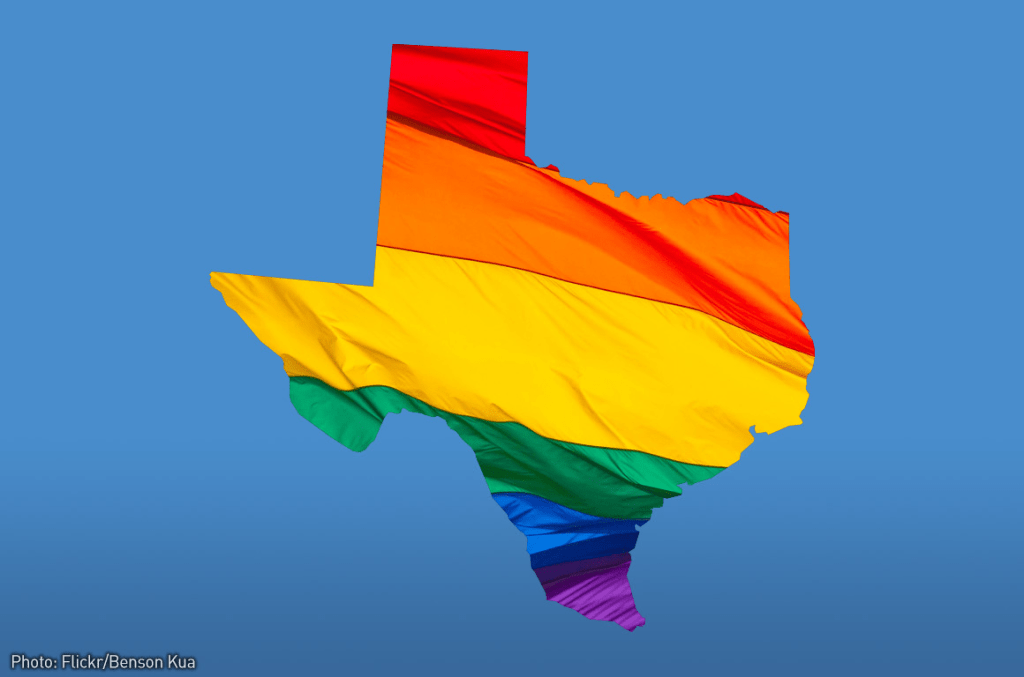
Nondiscrimination laws: Texas has nondiscrimination laws in employment and for state employees, but not in housing, public accommodations, credit/lending, education, nor health care. The state does not allow updating gender markers on driver’s licenses or birth certificates, and it has a broad “religious exemption” law.
Marriage equality and parental rights: Texas does not have adoption or foster care nondiscrimination protections for LGBTQ+ parents. It does not have second-parent adoption for unmarried couples, confirmatory adoption, nor recognition for parents using assisted reproductive technologies. It also does not have family leave laws that encompass LGBTQ+ people.
Education and youth policies: Texas has a weaker version of a “Don’t Say Gay” law that restricts the discussion of “homosexuality” in specific school subjects. It has banned trans students from participating in sports based on their identities, but not from using facilities that align with their identities. The state also has a “religious exemption” law for Child Welfare Services without protections for LGBTQ+ youth.
Healthcare access and rights: Texas has banned life-saving gender-affirming care for youth, though it permits the discredited and harmful practice of so-called conversion therapy for youth. Medicaid is forbidden from providing coverage related to gender transition for all ages, and insurance companies are not required to cover fertility treatments. State employees are not permitted trans-inclusive benefits.
Criminal justice: Texas’s hate crime laws only encompass sexual orientation, not gender identity. It has not banned the so-called “LGBTQ+ panic” defense.
Wyoming
Shuttershock creative
Double rainbow against a black sky in Wyoming
Nondiscrimination laws: Wyoming does not have nondiscrimination laws in employment, housing, health care, education, public accommodations, or credit/lending.
Marriage equality and parental rights: Wyoming does not have adoption or foster care nondiscrimination protections for LGBTQ+ parents. It does not have second-parent adoption for unmarried couples, nor confirmatory adoption. It also does not have family leave laws that encompass LGBTQ+ people. However, it does have recognition for parents using assisted reproductive technologies.
Education and youth policies: Wyoming has a weaker version of a “Don’t Say Gay” law that restricts the discussion of “homosexuality” in specific school subjects. It has banned trans students from participating in sports based on their identities, but not from using facilities that align with their identities.
Healthcare access and rights: Wyoming has banned life-saving gender-affirming care for youth, though it permits the discredited and harmful practice of so-called conversion therapy for youth. Health insurance companies, including Medicaid, are not required to provide coverage related to gender transition or fertility treatments.
Criminal justice: Wyoming’s hate crime laws do not encompass sexual orientation and gender identity, and it has not banned the so-called “LGBTQ+ panic” defense.
Dishonorable mentions
BluIz70 / Shutterstock.com
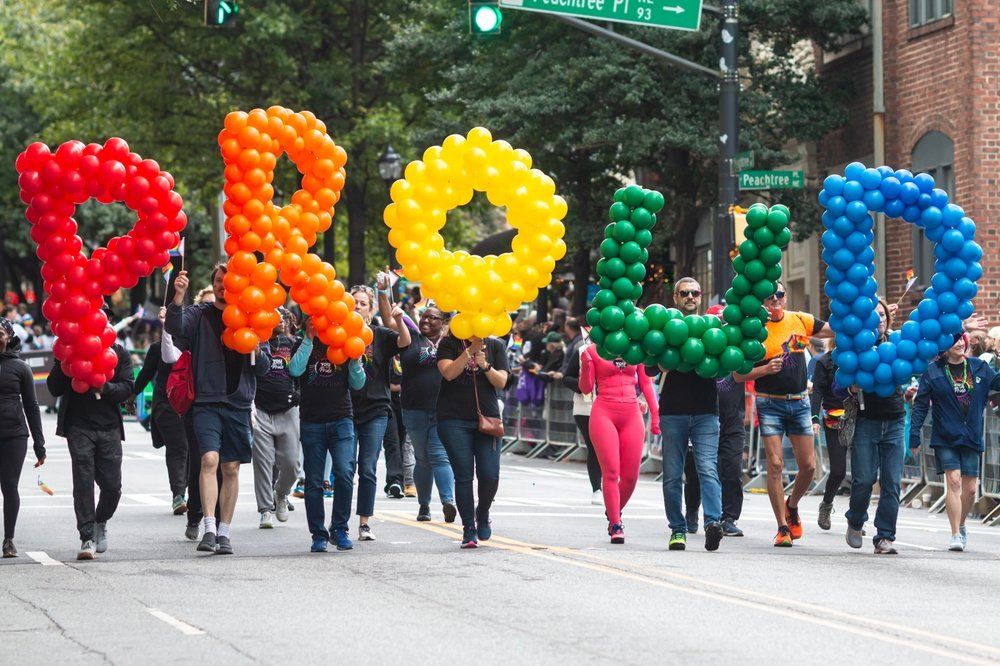
People carry large balloon letters that spell out “Proud” as they walk in the annual pride parade in Atlanta, Georgia (October 15, 2023)
Other states that ranked below average include: Alaska, Arizona, Georgia, Iowa, Kansas, Kentucky, Nebraska, North Carolina, North Dakota, Ohio, Utah, and West Virginia.
A Florida woman is suing the city council that suspended her after her history of obscene, racist and homophobic tweets was uncovered and published in a local paper.
The councilwoman, Judi Fike, was appointed to her seat in Groveland, Florida last year and is running for a full term.
Fike responded to the local paper’s story with an apology “to anyone who was hurt” by the posts, while maintaining that their publication was a timed “political attack” just weeks ahead of her August primary.
“I will not let that tactic work,” she said.
The collection of Fike’s offensive screeds extends back to at least 2015, and reveal deep-seated animus toward Black and LGBTQ+ people.
Just hours after the Pulse nightclub shooting in June 2016 in nearby Orlando, Fike posted to Facebook, “Duh….why would the shooter target a gay club? My answer…Easier than marching them up steps to push off the roof..some sarcasm, some truth…”
In 2015, Fike posted to her “Widow Fike” account on Twitter (now X), “Can we divert our attention back to real news? The #LGBT freak show has had its run.”
Fike owns and operates a catering company called The Black Napkin.
Last week, the city council confronted Fike with the posts in an open meeting, displaying screenshots as Fike watched, the Orlando Sentinel reports.
Groveland Vice Mayor Barbara Gaines, who is Black, said the posts included “racist” portrayals of then-President Barack Obama as a monkey.
“This is a picture of President Ronald Reagan babysitting Barack Obama, except it is an ape, a baboon, a monkey or whatever you call it,” Gaines said.
In several tweets shared at the meeting, Fike obsesses over the word “thug”.
“#thug the new n word,’ she posted in 2015. “Thug life = thug treatment = no pity from me,” she wrote in 2019. In 2022, Fike shared a meme that read, “What’s the magic word to get what you want? Racist!”
Groveland, Florida has a fraught history of racism against Black people. In 1949, false allegations of rape against four black teenagers known as “The Groveland Four” led to the extrajudicial killing of two of the teens and the wrongful imprisonment of two others. They were posthumously pardoned in 2019.
In her defense over the Pulse nightclub post, Fike claimed for council members that her message was about a presidential candidate in 2016 aligning with a community in the Middle East who were “pushing gay individuals off of buildings.”
“It was meant as a support of the community, not against the community,” she said. “It might have been written in poor taste, but I want to clarify that for you because that was going on at the time.”
Fike went further about other posts, denying responsibility altogether.
“Those are indeed manipulated, and so I’ll just let that rest,” she said at the meeting. “They are not my words. Some are, there are some copies, but what Barbara just showed were absolutely not products of mine.”
Council members were not swayed and voted her suspended until an investigation is complete.
Two days later, Fike responded with a lawsuit.
“The city does not have the legal authority to suspend or remove any of its members, period,” said Lake County Commissioner Anthony Sabatini, who is representing Fike. “It just simply does not have that authority. Most cities don’t.”
Groveland Mayor Kevin Keogh said he was more concerned with Fike’s response to the allegations than the resurfaced posts themselves.
“It has to do with the non-truthful nature of your response,” he told Fike, before voting with colleagues to suspend her.
















 fleeredstates.blog
You must be logged in to post a comment.