DeSantis signs bill to defund DEI programs at Florida public colleges – CNNPolitics

This blog originally appeared at CNN Politics.

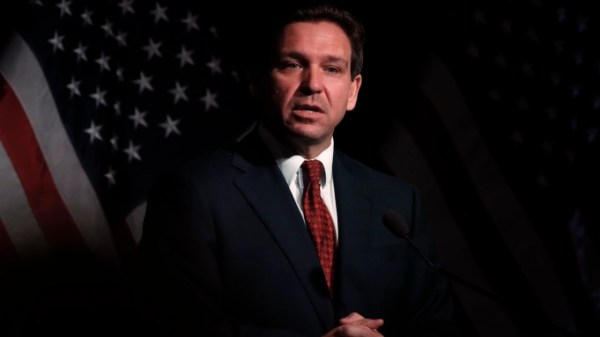
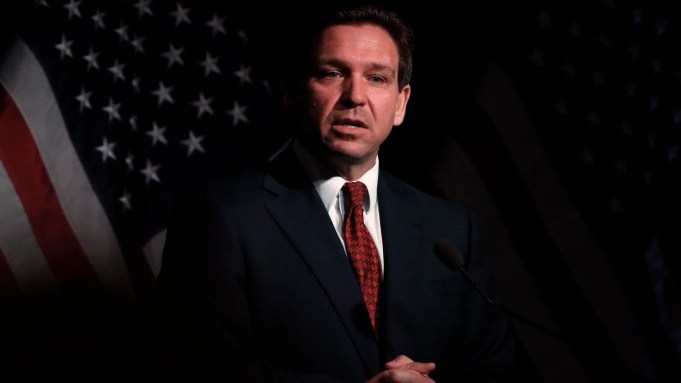
(CNN)Florida Gov. Ron DeSantis on Monday signed legislation to defund diversity, equity and inclusion programs at all state universities, which he called a “distraction from the core mission.”

“This is better viewed as standing for discrimination, exclusion and indoctrination, and that has no place in our public institutions,” DeSantis said at a news conference in Sarasota.

“If you want to do things like gender ideology, go to (the University of California) Berkeley,” DeSantis added. “There’s nothing wrong with that, per se, but for us with our tax dollars, we want to focus on the classical mission of what a university is supposed to be.”

Florida Gov. Ron DeSantis on Monday signed legislation to defund diversity, equity and inclusion programs at all state universities, which he called a “distraction from the core mission.”

Under the law, Florida state universities are barred from spending state or federal funds to promote, support or maintain any programs that “advocate for diversity, equity, and inclusion, or promote or engage in political or social activism.”

“What this does is reorient our universities back to their traditional mission and part of that traditional mission is to treat people as individuals, not to try to divvy them up based on any type of superficial characteristics,” DeSantis said.

CLICK HERE TO READ MORE

Texas Legislature Bans Transgender Medical Care for Children

This blog originally appeared at The New York Times.

Despite facing strong opposition from Democrats and drawing loud protests at the Capitol this month, the Texas Legislature made a decisive move on Wednesday by voting to approve a controversial bill that effectively bans hormone and puberty blocking treatments, as well as surgeries, for transgender children. If the bill is signed into law, Texas will mark a significant milestone as the largest state to prohibit transition medical care for minors.

The final version of the bill includes a limited exemption for transgender children who were already receiving medical treatment prior to the bill’s passage. However, these individuals would still be required to gradually “wean” themselves off the medications over an unspecified period of time, adding an additional layer of complexity and uncertainty to their healthcare journey.

The scope of the legislation extends beyond prohibiting medical procedures. It would also prevent doctors from performing mastectomies or surgeries that may result in sterilization, remove healthy tissue or body parts, or prescribing medications that could induce temporary or permanent infertility in transgender youth. The bill now awaits its fate as it heads to the governor’s desk for final approval.

This bill is just one among several proposals being considered by the Republican-dominated Legislature this year, as they attempt to regulate various aspects of the lives of transgender individuals. In another move, the State House recently advanced a separate measure that would require athletes in public colleges to compete based on the sex listed on their birth certificate at the time of their birth, further adding to the mounting challenges faced by transgender athletes.

Representative Dade Phelan took the final vote for Senate Bill 14 in the Texas House in Austin on Friday.Credit…Mikala Compton/Austin American-Statesman, via Associated Press

The passage of these bills reflects an ongoing ideological battle surrounding LGBTQ+ rights, as conservative lawmakers continue to champion legislation that targets transgender individuals. The resulting implications for the transgender community in Texas are significant, raising concerns about access to essential medical care, bodily autonomy, and the overall well-being of transgender youth.

As the nation closely watches the fate of these bills, their impact extends beyond the borders of Texas, potentially setting a precedent and influencing discussions around transgender rights and healthcare for minors across the country.

CLICK HERE TO READ MORE

Houston’s only lesbian bar denied insurance for hosting drag shows

This blog originally appeared at CHRON.

Julie Mabry, owner of Pearl Bar in Houston, warned that insurers are “adding drag in as a risk factor.”

Julie Mabry remembers walking with her sister into the Bonham Exchange, San Antonio’s iconic queer bar, for the first time in 1989. “I just saw a completely different person. She was just happy, she was in a great mood,” Mabry said. 

Mabry had watched her sister struggle for years before that night: “From a very young age, my sister’s identity was more like a boy,” Mabry explained. “And we didn’t have these terms, we didn’t have this knowledge when we were kids. It’s just how she was born.” 

After watching her fight through years of isolation and addiction, Mabry says the memory of her sister’s happiness that night in San Antonio inspired her to open Pearl Bar, the only remaining lesbian-specific bar in Houston.

Julie Mabry, owner of Pearl Bar, poses for a photograph at the bar Tuesday, Sept. 15, 2020, in Houston. The Human Rights Campaign awarded Pearl Bar, Houston’s only lesbian bar, funding to help preserve it during the COVID-19 pandemic.

“It became something I was obsessed with. The idea was to provide an environment for people like my sister so she could have something to do so she wasn’t [using drugs], or going through things where she hated herself, because people on the outside didn’t see her as normal. That was the purpose of Pearl Bar,” said Mabry. 

CLICK HERE TO READ MORE

Tampa Pride Event Canceled Over Gov. Ron DeSantis’ Anti-LGBTQ+ Laws

This blog originally appeared at Huff Post.

Florida just enacted a slew of new restrictions on LGBTQ+ rights.

Due to the recent enactment of several anti-LGBTQ+ bills by Governor Ron DeSantis, an LGBTQ+ pride event known as Tampa Pride on the River has been canceled. The event, which includes drag performances, will not take place in September as planned due to a new law in Florida that specifically targets drag shows visible to minors at public venues. This cancellation highlights the impact of the legislation on the LGBTQ+ community and their ability to express their identities freely.

“In the end, we didn’t want to take any chances,” West told the Tampa Bay Times on Thursday.

“Really, I’m sorry,” West told WFLA, an NBC affiliate.

The event usually draws around 20,000 people to downtown Tampa for food, drinks and entertainment in an area without any fencing, according to a St. Petersburg CBS affiliate.

CLICK HERE TO READ THE ORIGINAL BLOG

Behind the scenes in 2000 when Supreme Court liberals thought Nazi references in gay rights dissent were distracting – CNN Politics

This blog originally appeared at CNN Politics.

In a historic gay rights case, Supreme Court Justice John Paul Stevens began drafting an impassioned dissent that likened the majority’s decision to Nazi persecution. In a private first draft of his opinion, Stevens made a thought-provoking connection, stating, “What is this but a constitutionally prescribed pink triangle?” The reference to the pink triangle, a symbol forcibly worn by gay prisoners during the Holocaust, aimed to highlight the discriminatory nature of the ruling.

However, the other liberal dissenting justices, including David Souter, Ruth Bader Ginsburg, and Stephen Breyer, expressed reservations about Stevens’ approach. In a series of personal memos, they cautioned that his strong emotions and comparison to Nazi persecution could potentially undermine the persuasive force of their legal arguments. They recognized the importance of presenting a solid legal foundation to support their dissenting views, emphasizing the need to convince their fellow justices and shape public opinion through reasoned analysis rather than inflammatory rhetoric.

Memo from Justice Stephen Breyer urging the removal of “pink triangle” references from a dissent.

While Stevens’ initial draft underscored the gravity of the case and the deep emotions it evoked, his colleagues’ concerns about maintaining a persuasive legal argument prevailed. Ultimately, the dissenting justices refined their opinions, focusing on the constitutional principles and precedents at stake, aiming to sway both the court and the public through reasoned discourse. This internal dialogue among the liberal justices serves as a testament to the complexity and strategic considerations involved in crafting dissenting opinions that can effectively shape the direction of legal discourse and influence societal perceptions of LGBTQ+ rights.

Were the Boy Scouts discriminating against gay people?

Back in 2000, the Boy Scouts controversy was one of the most contentious of the session. “This case is about the freedom of a voluntary association to choose its own leaders,” the Scouts’ lawyer told the justices during oral arguments. “Boy Scouting is so closely identified with traditional moral values that the phrase, he’s a real Boy Scout, has entered the language.”

CLICK HERE TO READ MORE

The staggering fine print of Texas and Florida’s new anti-trans bills

This blog originally appeared at VOX.

Two sweeping bans on gender-affirming care for trans teens could have devastating implications.

Two of the largest conservative-leaning states, Texas and Florida, are on the verge of implementing new bans on gender-affirming healthcare for transgender children. In Texas, the legislature recently passed a bill prohibiting gender-affirming care, including hormone treatments and surgeries, for individuals under 18. While trans teens already undergoing hormone treatments will be allowed to continue temporarily, they are required to gradually cease the treatments. Governor Greg Abbott is expected to sign the bill into law. Similarly, Florida Governor Ron DeSantis signed a similar ban that imposes felony penalties on healthcare providers offering gender-affirming care to minors. This law includes a provision concerning custody disputes for children receiving gender-affirming care, raising concerns that it may override rulings from other states.

These bans are part of a coordinated national campaign by the GOP to undermine LGBTQ rights within state legislatures. Florida has already passed more anti-LGBTQ legislation this session than it did in the past seven years, while Texas is on track to surpass its previous record with more than double the number of similarly restrictive laws. Cathryn Oakley, the State Legislative Director and Senior Counsel at the Human Rights Campaign, highlights the alarming trend.

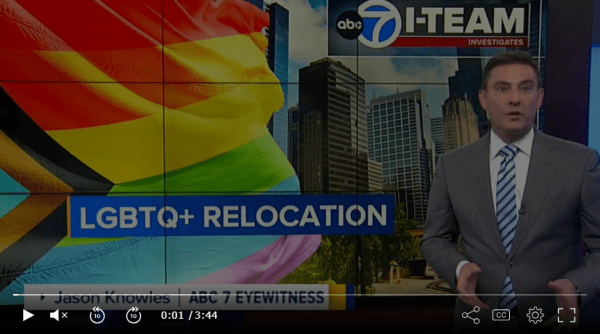
The implementation of these bans could potentially uproot many families with transgender children in Texas and Florida, forcing them to consider relocating to more accepting environments. Removing access to gender-affirming care has profound and life-altering impacts on these families, as noted by Oakley. The well-being and safety of their children become paramount concerns. Families with the means to do so have been contemplating moving to states where their children can receive the necessary care and protection.

The consequences of these bans extend beyond immediate access to healthcare. The emotional toll on trans youth and their families is immense, as they face a hostile legislative landscape that disregards their identities and rights. These measures reflect a broader trend of conservative lawmakers prioritizing their political agendas over the well-being and lives of LGBTQ individuals. As these bans become enacted, trans families and their allies continue to advocate for inclusivity, understanding, and equal treatment, emphasizing the urgent need for education and awareness surrounding the experiences of transgender and non-binary communities.

Supporters of trans rights rally on the steps of the Texas Capitol ahead of an advocacy day of meetings with state representatives. Julia Robinson for The Washington Post via Getty Images

What’s in the Florida law

Advocates are challenging parts of the Florida law on an emergency basis in court, arguing that it violates parents’ fundamental rights to make medical decisions for their children and that it violates the Constitution by discriminating against transgender children. A hearing in the case is scheduled for Friday.

CLICK HERE TO READ THE ORIGINAL BLOG

Poll finds most voters agree that anti-LGBTQ bills are result of ‘political theater’

This blog originally appeared at TAI News.

Polling conducted by Data for Progress shows 72% of Democrats, 65% of independents and 55% of Republicans think there is too much legislation targeting LGBTQ rights.

Human Rights Campaign organized a rally and march on Sunday, May 1, 2016 from the Mississippi Capitol in Jackson to the Governor’s Mansion to protest HB 1523 which was signed into law in April.

Read more: Poll finds most voters agree that anti-LGBTQ bills are result of ‘political theater’

A recent poll conducted by Data for Progress reveals that a majority of likely voters believe Republican lawmakers are going too far with legislation targeting civil rights for transgender and LGBTQ individuals. The poll shows that 64% of respondents, including a majority of Democrats, independents, and even Republicans, agree that the large number of bills (429 in total) targeting the rights of trans and gay people is excessive and seen as political theater. Additionally, the poll highlights that 11 states have already passed restrictions on gender-affirming care for minors, while anti-trans legislation has been introduced in 47 states this year.

The poll conducted by Data for Progress also indicated that a clear majority of likely voters support pro-trans positions. About 57% of respondents agreed that transgender identities are a natural phenomenon throughout history and that it’s normal for individuals to identify outside traditional gender norms. Additionally, 69% of respondents believed that transgender adults should have the freedom to change their bodies as they wish.

While support for these statements was higher among Democrats and independents, even 55% of Republicans agreed that trans adults should be allowed to change their bodies. However, only 34% of Republicans believed that trans identities are natural.

The poll also highlighted a need for better understanding of trans issues among the public. Respondents significantly overestimated the percentage of trans and nonbinary individuals in the U.S., with an average estimate of 21% compared to the actual 1.6%. Additionally, misconceptions persisted about regret in transition, with respondents guessing that 29% of those who transition later regret their decision, while the actual rate is only 1-8%.

Interestingly, the poll showed that personal connections played a role in shaping support for trans and nonbinary people. Knowing a trans or nonbinary person increased the likelihood of support for their rights and understanding their experiences.

The poll was conducted through a web panel survey of 1,220 likely voters across the U.S. and took place from March 24 to March 26. It had a margin of error of ±3%. The results highlight the significant divide in public opinion regarding LGBTQ rights and the need for ongoing education and awareness efforts.

“Among those who do not know a trans or nonbinary person, 45 percent view them as a threat to children and 32 percent see them as a threat to heterosexual families,” the report’s authors wrote. “However, among those who do know a trans or nonbinary person, these figures drop to 27 percent and 16 percent, respectively.”

According to the poll, only 33% of respondents stated that they personally knew someone who identifies as trans or nonbinary, while 58% said they did not know anyone with those identities. Among Democrats, the number of respondents who knew someone who is trans or nonbinary was 36%, while it was 39% for independents and 25% for Republicans.

The report’s authors highlighted that 56% of likely Democratic voters agreed that the party could energize its base by taking a strong stance against anti-LGBTQ+ legislation. However, 37% of likely Democratic voters believed that the party was already doing enough on LGBTQ+ rights.

The authors emphasized the importance of educating the American public about the experiences of trans and LGBTQ+ communities, suggesting that increased awareness and understanding could lead to greater support for efforts aimed at protecting their rights.

CLICK HERE TO READ THE ORIGINAL POST

Texas bills affecting LGBTQ people: Here’s what you need to know | The Texas Tribune

This blog originally appeared at The Texas Tribune.

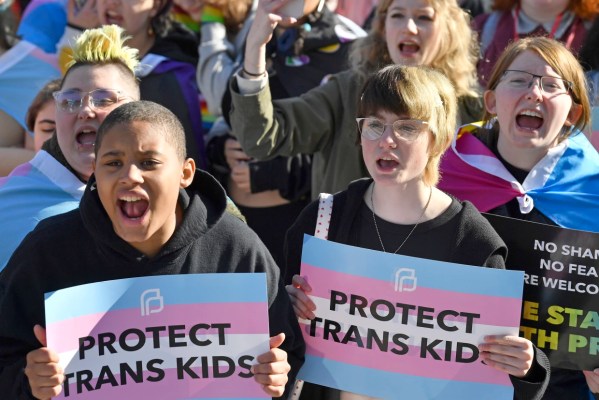
Texas lawmakers this year are debating whether to block transgender kids’ access to transition-related health care, classify businesses that host drag shows as sexually oriented establishments and limit public school lessons on sexuality and gender identity.

BY WILLIAM MELHADO AND ALEX NGUYEN

Members of Austin’s LGBTQ community gather on the steps of the Texas Capitol in 2017 to celebrate the anniversary of the 1969 Stonewall riots. Republican lawmakers are pushing bills that could upend the lives of LGBTQ people this year. Credit: Austin Price for The Texas Tribune

Sign up for The Brief, The Texas Tribune’s daily newsletter that keeps readers up to speed on the most essential Texas news.

For mental health support for LGBTQ youth, call the Trevor Project’s 24/7 toll-free support line at 866-488-7386. For trans peer support, call the Trans Lifeline at 877-565-8860. You can also reach a trained crisis counselor through the Suicide and Crisis Lifeline by calling or texting 988.


In the current legislative session, Texas lawmakers are deliberating on multiple bills that could significantly impact the lives of gay and transgender individuals in the state. Republican legislators have introduced bills aiming to limit the teaching of sexuality and gender identity in schools, regulate drag performances, and restrict access to healthcare for transgender children.

These bills emerge within a larger context of conservative lawmakers capitalizing on the rise of Christian nationalism within right-wing circles. Some legislators are actively pursuing bills that they believe can establish a model for integrating Christianity into the public sphere, inspired by a growing acceptance of Christian nationalist ideals.

Tensions between LGBTQ Texans and GOP officials have intensified as the Texas legislature considers a series of bills that could have far-reaching implications for the LGBTQ community. Republican lawmakers have introduced legislation aiming to restrict the teaching of sexuality and gender identity in schools, regulate drag performances, and limit healthcare options for transgender children.

Of particular concern this year is the focus on children and young adults. Lt. Gov. Dan Patrick has made it a priority to pass measures that curtail discussions about LGBTQ individuals in schools, restrict transgender students’ participation in college sports teams, and control medical treatments for transgender youth. Governor Greg Abbott has also vowed to prohibit what he deems as “woke agendas” in schools. Several of these bills have already been passed in the Senate and now await consideration in the House before potentially reaching the governor’s desk.

LGBTQ activists and Democratic lawmakers have been engaged in a determined fight against these bills for months, arguing that they seek to suppress queer expression and infringe upon the rights of LGBTQ individuals.

The potential impact, even if only a few of these bills become law, is expected to be substantial. A report by the Trevor Project, a national LGBTQ youth suicide-prevention organization, highlights the negative consequences of such legislation. The report reveals that 71% of LGBTQ youth surveyed stated that debates over bills affecting their lives have a detrimental impact on their mental health, with 86% of transgender youth reporting negative mental health repercussions. This alarming data underscores the harm caused by legislation that targets the LGBTQ community.

As the battle over these bills continues, the rights and well-being of LGBTQ Texans hang in the balance. The outcome of these legislative efforts will have significant implications for the community’s inclusion, equality, and mental health.

“Texas has become one of the most dangerous and hostile places for transgender youth and transgender people and their families in America,”

Andrea Segovia, senior field and policy adviser of the Transgender Education Network of Texas, told reporters in February.

The clash comes at a time when 72% of Texans support anti-discrimination protections for LGBTQ people, according to a 2021 survey from the Public Religion Research Institute.

Here are the legislative proposals:

CLICK HERE TO READ THE ORIGINAL POST

Human Rights Campaign Working to Defeat 340 Anti-LGBTQ+ Bills at State Level Already, 150 of Which Target Transgender People – Highest Number on Record – Human Rights Campaign

This blog originally appeared at Human Rights Campaign.

“We’re Ensuring That These Anti-LGBTQ+ Extremists Who Are Doubling Down on a Political Agenda Do Not Win. We Are Ensuring that We Show Them That We Are Greater Than All of Their Hate”

WASHINGTON, D.C. — The Human Rights Campaign (HRC) recently held a virtual briefing to address the alarming surge of anti-LGBTQ+ bills introduced in state legislatures nationwide. Within just the first two months of 2023, HRC has identified and is monitoring a staggering total of 340 bills that aim to undermine LGBTQ+ rights. Of those, an alarming 150 bills specifically target transgender individuals, representing the highest number of bills focused on transgender rights in a single year thus far.

Notable developments this year include the introduction of 90 bills seeking to restrict access to age-appropriate and medically necessary healthcare for transgender youth, with two of these bills already being signed into law in Utah and South Dakota. Additionally, the number of bills proposing bathroom bans surpasses previous years’ figures, and 28 anti-LGBTQ+ bills have progressed through at least one legislative chamber, with 10 of them directly targeting transgender individuals. These developments underscore the urgent need for continued advocacy and support to protect the rights and well-being of the LGBTQ+ community.

In 2022, a concerning number of discriminatory anti-LGBTQ+ bills were introduced in state legislatures, with 315 bills in total, and 29 of them passing into law. However, the success rate of these efforts remained low, with less than 10% of the bills achieving their discriminatory goals. A significant portion of these bills, 149 in total, targeted the transgender and non-binary community, particularly focusing on children.

During the briefing, speakers highlighted the rejection of extremist candidates in the 2022 midterm elections, who had relentlessly attacked and smeared transgender youth. This demonstrated a clear disapproval of such tactics by voters. Nevertheless, far-right radicals have persisted in their attempts to ban LGBTQ+ events, spaces, and culture, including drag performances, contributing to an environment of hostility and violence towards the LGBTQ+ community. This was evident in incidents like the tragic Club Q shooting in Colorado Springs.

The briefing featured a range of speakers, including HRC President Kelley Robinson, HRC State Legislative Director and Senior Counsel Cathryn Oakley, Olivia Hunt from the National Center for Transgender Equality, Florida State Senator Shevrin Jones, 12-year-old transgender advocate Libby Gonzales from Texas, Kelly Carter Merrill, a parent of a transgender child from Virginia, and Dr. Stephen M. Rosenthal, Medical Director of the Child and Adolescent Gender Center at the University of California San Francisco. They discussed the impact of anti-LGBTQ+ legislative attacks on the community, the role of lawmakers in fueling extremism and hostility, and HRC’s strategy to combat the anticipated surge of anti-LGBTQ+ bills in the current year.

“Last year we came together to defeat 91% of the anti-LGBTQ+ bills,” said HRC President Kelley Robinson. “This year we are going to do it again. We see how hateful rhetoric and misinformation about who we are and what we stand for ultimately can translate into real-world violence, real-world harm for our people. We saw that in the aftermath of the Club Q shooting in Colorado. So this year we’re holding politicians to account. We’re ensuring that these anti-LGBTQ+ extremists who are doubling down on a political agenda do not win. We are ensuring that we show them that we are greater than all of their hate. We have the public on our side. We have the strategy on our side, and we have our lives on the line.”

“2023 is shaping up to be historically bad. So far we’re at 340 bad bills introduced across the country, including the most anti-transgender bills ever filed,” added HRC State Legislative Director and Senior Counsel Cathryn Oakley. “It couldn’t be any more clear that this is about discrimination. This is about young folks being prohibited from being able to live healthy, full lives.”

“It really feels like my legislators want everyone to believe that kids like me don’t really exist. They keep trying to convince everyone that I’m some kind of scary monster, or that I have something wrong with me,” said Libby Gonzales, a 12-year old transgender student in Texas. “I’m tired and scared every time I go to the Capital. I think maybe this time it will make an impact, but every session is worse than the last. The people leading our government should want every kid to have a great childhood. Instead, they’re the biggest bullies, continuing to take away my ability to play sports with my friends, and now they want to take away my health care, and call my parents, who love and protect me, child abusers.”

“These relentless attacks on transgender people are causing real harm even in the states where legislation fails or where leaders are standing up for voters and making it clear they’re not supporting these attacks on trans people, particularly on trans youth,” said National Transgender Center for Equality Policy Director Olivia Hunt. “75% of all LGBTQ+ youth say that hate crimes and threats of violence cause stress and anxiety, and that’s not surprising because they’re trying to live their lives.”

“The Governor and lawmakers are turning transgender kids – our state’s most vulnerable population – into a political football,” added Florida State Senator Shevrin D. Jones. “It’s 2023, not 1963. Standing back is not an option. Just talking about the problem is not an option. We cannot sit back and just watch because these policies that are coming to Florida today will be in Texas tomorrow, will be in Arizona next week, and will be in Tennessee the week after.”

“Most people in our community in Hanover County have been loving and accepting of our son’s journey. It makes sense to our neighbors who know us. They saw the positive shift in his life after he came out. Most people in our community support policies that would protect him in school,” said Kelly Carter Merrill, the mother of a 14-year old transgender boy living in Virginia. “But a minority of anti-trans extremists in our community feel emboldened by the national rhetoric to bring vile and often violent rhetoric to our school board meetings. All we want is for our child to be treated with dignity and respect at school, and while our child has found supportive friends, teachers, and activities at school, the anti-trans rhetoric is seeping into his school experience.”

“There have been bomb threats against at least two children’s hospitals, including ours,” said Dr. Stephen Rosenthal, Medical Director of the Child and Adolescent Gender Center at the University of California San Francisco. “There is a lot of misinformation that seems to be the basis of targets towards providers, and that’s another extremely stressful and unpleasant aspect of all of this. There’s a lot of effort that has to be made between medical providers and the public-interfacing aspect of our work, so that we can make sure that we’re able to continue to provide the resources and to do it in a way so that these resources are accessible to those that need them.”

The recent briefing by the Human Rights Campaign (HRC) follows the conclusion of the 2022 state legislative sessions, during which a record-breaking 315 discriminatory anti-LGBTQ+ bills were introduced, with 29 of them ultimately becoming law. As the largest civil rights organization in the United States advocating for equality for lesbian, gay, bisexual, transgender, and queer people, HRC envisions a society where LGBTQ+ individuals are fully embraced as valued members in all aspects of life, including their homes, workplaces, and communities.

CLICK HERE TO READ THE ORIGINAL POST

Tennessee leads charge in passing laws targeting LGBTQ rights

This blog originally appeared at The Washington Post.

In recent times, Republican lawmakers have been at the forefront of a significant surge in legislation aimed at undermining the rights of LGBTQ individuals across the nation. Among the states leading this movement is Tennessee, which has consistently passed similar legislation and emerged as one of the most restrictive states in terms of LGBTQ rights.

Notably, Tennessee was on the verge of implementing extensive restrictions on drag performances, making it the first state to do so. Several other states were also considering similar bills, indicating a broader trend. However, the enforcement of the law was temporarily blocked by a federal judge.

Over the past few years, Tennessee has enacted no fewer than 13 laws that curtail LGBTQ rights, surpassing all other states in terms of such legislation during this period, as revealed by data analysis from two organizations monitoring such developments. Georgia and Arkansas followed closely behind with at least nine similar laws enacted, while Alabama implemented six.

This year, there has been a significant acceleration in the efforts of Republican-controlled legislatures across the country to pass bills specifically targeting transgender rights. In fact, the number of introduced bills since January alone has exceeded the combined total of those introduced from 2018 to 2022, according to data analyzed by the Washington Post and the ACLU.

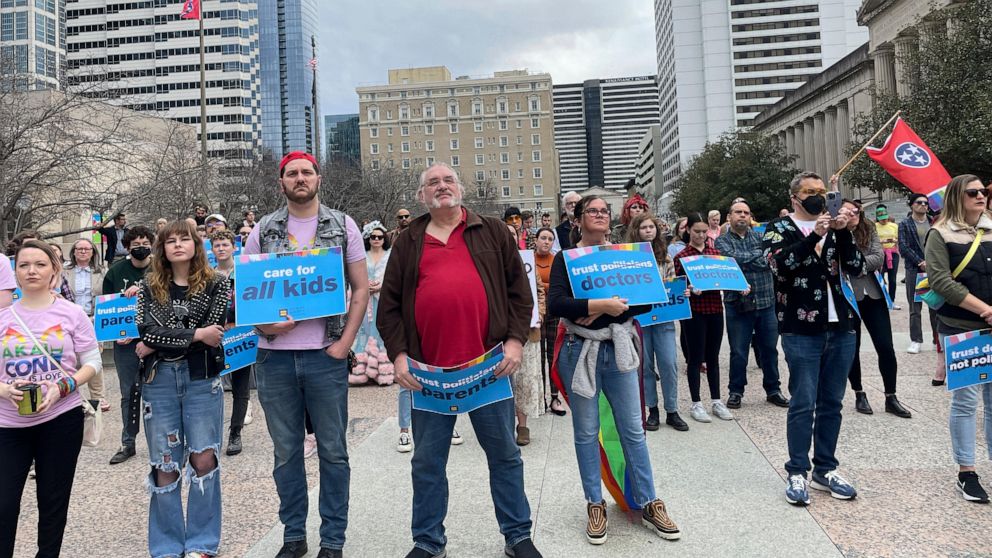
Advocates gather for a rally in February at the Tennessee Capitol complex in Nashville to oppose bills that target the LGBTQ community. (Jonathan Mattise/AP)

These trends highlight the ongoing challenges faced by the LGBTQ community and the urgent need for continued advocacy and support to protect their rights and ensure equal treatment under the law.

Amidst the current wave of legislation targeting LGBTQ rights, Tennessee has emerged as a state distinguished by both the frequency and severity of its laws. In recent years, the state has passed three distinct transgender bathroom bills. Of particular note is a unique measure enacted in 2021, which mandated businesses to display warning signs outside restrooms if they allowed transgender individuals to use facilities that aligned with their gender identity rather than their assigned sex at birth.

The Republican majority in the Tennessee legislature has consistently demonstrated its power and willingness to suppress opposition from liberal voices. This was evident in their recent decision to expel a Democratic lawmaker following his protests advocating for gun control in the aftermath of a tragic mass shooting at a Nashville school.

When defending the laws that restrict LGBTQ rights, GOP legislators in Tennessee have often cited the aim of protecting children. This same argument was echoed when the restrictions on drag shows were passed and signed into law last month.

The justification of safeguarding children has become a recurring theme for proponents of these laws, even as critics argue that they disproportionately harm and marginalize LGBTQ individuals. The clash between those seeking to limit rights and those advocating for equality and inclusion underscores the ongoing ideological divisions surrounding LGBTQ issues in Tennessee and across the nation.

“I’ve seen videos of sexually graphic performances where children are present, and it is absolutely despicable,” state Senate Majority Leader Jack Johnson said in a statement after the drag bill was signed. “This is a common-sense protection that provides clarity regarding what performances are not appropriate for children.”

Critics say Republicans are trying to push boundaries on an issue that they believe resonates with their base. The bills have also gained prominence and political traction as conservative activist groups and media figures have relocated to the state in recent years, keeping gay and trans rights as a top priority for lawmakers.

“It has become a social issues arms race for the GOP in Tennessee,” said Kent Syler, a political science professor at Middle Tennessee State University. “It’s a winning formula that has helped Republicans win primaries. So, they keep returning to it, which means they have to top what they did last session with something more extreme.”

Critics, including Democrats and activists, contend that the emphasis on curtailing LGBTQ rights in Tennessee has diverted attention away from more urgent matters. They accuse prominent Republicans of displaying hypocrisy in their actions. For instance, Governor Bill Lee faced backlash for signing the anti-drag bill into law, particularly when a high school yearbook photo resurfaced, depicting him dressed in a cheerleader uniform and wig. Governor Lee, however, dismissed any equivalence between his incident and the drag shows targeted by the bill.

In a similar vein, Lieutenant Governor Randy McNally issued an apology after he was discovered to have made flirtatious comments on provocative photos of men through his Instagram account. This behavior further fueled accusations of hypocrisy among Republican lawmakers who support legislation restricting LGBTQ rights.

Such incidents serve as ammunition for critics who argue that those in power are not upholding the principles they claim to champion. Democrats and activists maintain that these actions undermine the credibility of lawmakers and draw attention away from pressing issues that require attention and action.

The controversies surrounding Governor Lee and Lieutenant Governor McNally highlight the ongoing tension between those advocating for LGBTQ rights and lawmakers who promote restrictive measures. These incidents contribute to the broader debate surrounding the treatment of LGBTQ individuals and the commitment of political leaders to principles of equality and fairness.

“The only wins with these bills are the political wins for a very small handful of people,” said state Rep. John Ray Clemmons (D). “It’s depressing and devastating. It weighs on you heavily when you can’t beat this stuff back.”

Opponents of the Republican-led legislation in Tennessee have faced an uphill battle in their attempts to resist a movement that appears relentless and unyielding. With Republicans in control of both the legislature and the governor’s mansion, the opposition has encountered significant obstacles and achieved limited success in challenging the prevailing agenda.

The dominance of the Republican party in Tennessee has resulted in a political landscape where dissenting voices struggle to make significant headway against the momentum of the conservative agenda. Despite efforts to push back against the legislation, opponents find themselves facing an uphill battle with little indication that the movement will lose steam.

This reality underscores the significant challenges faced by those seeking to protect and advance LGBTQ rights in a state where the political power dynamics heavily favor the Republican party. The opposition’s ability to influence policy and bring about substantial change remains constrained in a landscape where the prevailing movement appears unrelenting and impervious to resistance.

Click Here to Read the Original Blog

Blog at WordPress.com.

Up ↑