20 Most Visited Countries by Digital Nomads in 2023

This blog originally appeared at MAPPR.

The ascent of digital nomadism in the wake of the COVID-19 pandemic has been nothing short of remarkable. A growing number of individuals worldwide now have the flexibility to work remotely and explore the globe, and certain destinations are particularly well-suited for this lifestyle.

In this article, we’ll delve into the 20 countries that have become top destinations for digital nomads in 2023, based on findings from a recent survey. These countries are frequently chosen for their cultural and geographical appeal, pleasant climates, and the presence of conveniences that support remote work, such as high-speed internet connectivity and coworking facilities.

Initially, let’s examine the countries of origin for the majority of digital nomads, as depicted in the table below. Subsequently, we’ll explore the most frequented countries and cities by digital nomads in 2023.

Where are digital nomads from?

The Most Visited Countries by Digital Nomads

20. Poland


Poland boasts medieval architecture, a multifaceted history, delectable dishes such as kielbasa and pierogies, and the distinction of hosting the world’s largest castle. When coupled with its relatively affordable cost of living compared to other European countries, it’s no surprise that Poland ranks among the top destinations for digital nomads.

Best Digital Nomad Cities in Poland

Warsaw

As the capital and largest city of Poland, Warsaw stands out as a prime destination for digital nomads in the country. Many digital nomads highlight its advantages, including safety, walkability, and high-speed internet access.

Krakow

Krakow, Poland’s second-largest city and one of its oldest, is another popular destination among digital nomads. While the city may not be the most female or LGBTQ-friendly in Europe, nomads appreciate its walkability, relative safety, and abundance of coworking spaces.

19. Turkey

Turkey’s geographical location, bridging the continents of Europe and Asia, adds to its unique and attractive appeal for various types of travelers. This multifaceted country is part of both the Black Sea and Mediterranean regions and boasts a rich history shaped by numerous civilizations and empires.

Best Digital Nomad Cities in Turkey

Istanbul

Formerly known as Constantinople, Istanbul occupies a unique position astride the Bosphorus Strait, serving as a bridge between Europe and Asia. This city stands apart from any other in the world, offering a plethora of activities such as sunset cruises along the Bosphorus, visits to iconic landmarks like the Hagia Sophia, and tantalizing Turkish food tours that provide endless opportunities for exploration and enjoyment.

Antalya

For digital nomads seeking a sun-soaked coastal escape with less urban hustle and bustle, Antalya in Turkey is a top contender. What makes this city particularly enticing are its vibrant atmosphere, proximity to beautiful beaches, and welcoming attitude towards foreigners.

18. Colombia

Colombia, the first South American country on this list, offers a harmonious fusion of natural splendor, vibrant culture, and bustling urban centers. It boasts the title of one of the world’s most biodiverse nations, is the birthplace of cumbia music and dance, and houses thriving tech hubs like Medellín.

Best Digital Nomad Cities in Colombia

Medellín

Medellín, a city in Colombia, enjoys a well-deserved reputation among digital nomads as a must-visit destination in South America. Dubbed the “City of Eternal Spring” due to its consistently delightful weather, it offers an enticing blend of affordable living costs and numerous work-friendly spaces, making it a top choice for digital nomads.

Bogotá

Bogotá, the capital of Colombia, sits at an impressive elevation of 2,640 meters (8,660 ft) above sea level. Renowned for its historical importance, vibrant arts and culinary scenes, and budget-friendly cost of living, it remains a cherished destination for digital nomads in Colombia.

17. Australia

Certainly, Australia might have its share of perilous wildlife, but it’s equally famous for its endearing kangaroos, koalas, and wombats. This Oceania nation holds the 17th spot among countries frequented by digital nomads in 2023. Let’s explore the top cities to visit in Australia.

Best Digital Nomad Cities in Australia

Melbourne

Melbourne, a sprawling metropolis situated in the Australian state of Victoria, boasts a reputation for its temperate climate, vibrant culinary landscape, and its role as host to numerous sporting events. Digital nomads are drawn to Melbourne for its safety, lively nightlife, and abundant workspaces.

Sydney

The Sydney Opera House, an iconic architectural masterpiece, is globally renowned, and the city’s pristine beaches are a major draw. Sydney appeals to digital nomads with its pleasant climate, widespread availability of free Wi-Fi, and its LGBTQ-friendly atmosphere.

16. Vietnam

Vietnam, one of the world’s ancient nations, is highly favored by digital nomads. This Southeast Asian country boasts an incredibly affordable cost of living, stunning jungle and coastal scenery, and one of the most adored cuisines worldwide.

Best Digital Nomad Cities in Vietnam

Da Nang

Da Nang, situated along Vietnam’s South Central Coast and renowned for its extensive sandy beaches and close proximity to the tourist hub of Hoi An, is a city highly favored by digital nomads. Its appeal lies in its safety, affordable cost of living, and welcoming atmosphere for foreigners.

Phu Quoc

Phu Quoc, an island situated near the southern tip of Vietnam renowned for its fish sauce, is also an exquisite tropical destination with an affordable cost of living. Despite not offering the best internet connectivity or a plethora of workspaces, digital nomads find this location highly enjoyable.

Click here to see full blog: https://www.mappr.co/most-visited-countries-digital-nomads/

Americans who renounced citizenship sue US over ‘astronomical’ fees | US news | The Guardian

This blog originally appeared at The Guardian.

Former U.S. citizens file a lawsuit against the U.S. government, claiming that the ‘renunciation fee’ of $2,350 is ‘unreasonable, whimsical, and unlawful.’

The suit accuses the US of wrongfully profiting from the ‘exorbitant’ fee it charges those who voluntarily cease to be Americans.


Individuals who have renounced their U.S. citizenship are collectively suing the U.S. government, alleging that the fees associated with renunciation are excessively high and violate the Constitution.

A class-action lawsuit was filed on Wednesday by four former U.S. citizens in a federal court in Washington D.C. The suit alleges that the U.S. government has been unjustly profiting from the exorbitant fee it charges individuals who voluntarily renounce their U.S. citizenship. Since 2014, U.S. citizens living abroad who wish to renounce their citizenship or who are unable to meet the demanding U.S. tax requirements have been required to pay a “renunciation fee” of $2,350.

The lawsuit contends that this fee is “arbitrary, capricious, and illegal” because, among other reasons, it has been utilized to finance government functions entirely unrelated to the renunciation process, thus violating federal law.

Exact figures are unavailable, but estimates suggest that there are between 5 million and 9 million U.S. citizens residing overseas. This group includes expatriates who relocated for work or to pursue a different life abroad, as well as “accidental Americans” – individuals born in the U.S. who automatically obtained citizenship but have never resided in the country for an extended period.

The United States imposes some of the most onerous requirements on its citizens living abroad, rivaled only by Eritrea. Notably, it mandates that all U.S. citizens, regardless of their place of residence, must submit annual tax returns to the Internal Revenue Service.

Click here to see full blog: https://www.theguardian.com/us-news/2023/oct/04/renounce-american-citizenship-passport-fee-lawsuit

Heartstopper Suddenly Pulled From Library

This blog originally appeared at Bookstr.

Columbia-Marion County Public Library pulls Heartstopper from shelves after parents complain of inappropriate content.

Heartstopper, the graphic novel series by Alice Oseman, has received constant positive reviews and praise since its release. Especially with the release of the Netflix show, and season two premiering at the start of August, it’s been a roaring success. So, it would likely be a popular graphic novel for libraries to keep in stock. But a Mississippi public library has just pulled it from its shelves.

What’s Heartstopper About?

Heartstopper by Alice Oseman is similar to many other cutesy high school romances. The difference is that it’s LGBTQ+, with the main couple being two boys, Nick and Charlie. The series follows them as they fall in love, uncover their own sexualities, and deal with other issues that come with growing up. There’s a large cast of characters in the series, all exploring their own issues, and many romances along the way. It also includes a few scenes with kissing and other romantic gestures. Since it is a graphic novel, most of these moments are illustrated.

What Were the Complaints?

Residents in Marion County were concerned about the romantic moments within the book. They argued that these scenes went too far for children. Heartstopper is marketed to the young adult market, so they’re worried it’s too much for that audience. Even if the book is going to stay in the library, they at least want it pulled from the children’s section.

“I looked at the back of the book and uncovered that it had some kind of sexual situations… It was a LGBTQ book.”Heather McMurry, Marion County resident

Many residents came together to explain their concerns to the library. While this book has always been incredibly popular among younger ages, the parents were still concerned about the content.

What Was the Library’s Response?

Despite the book’s popularity, the Columbia-Marion County Public Library took the concerns seriously. They reconsidered its placement at their library.

“We did check reviews, we did check what other libraries had it, and we based it on our policies and acquired it that way,”Ryda Worthy, the library director for the South Mississippi Regional Library

The library acquired the book series after initial requests for it to be stocked there by a patron. But as a wider range of residents discovered the book, there were more concerns. Heartstopper has been banned in many libraries before, although if it’s because of the romantic themes or if it’s because it’s LGBTQ+, depends on the library. Regardless, the romantic themes seem to have unsettled parents and librarians in many different districts of the country. Heartstopper is one of the most popular LGBTQ+ books for younger audiences, and that popularity can always drag negative attention from those against it as well.


Thankfully, the library’s removal of the book is temporary. It may return to shelves later once the library decides what they want to do with it. But as of right now, it’s up in the air. Since many other libraries have banned it permanently, it wouldn’t be a surprise if Columbia-Marion County Public Library did ban it permanently. Hopefully, residents of the community who do support the book will rise up in its defense. But as it stands now, it most likely it will not return to the library.

Iraq bans the word “homosexual” on all media platforms and offers an alternative

This blog originally appeared at CBS News.

Iraq’s Media and Communications Commission has issued a directive instructing all media and social media platforms in the country to refrain from using the terms “homosexual” or “homosexuality” and instead use “sexual deviancy.”

Supporters of Iraqi Shiite cleric Muqtada al-Sadr burn posters depicting an LGBTQ+ flag during a protest in Karbala, Iraq, June 29, 2023, sparked by the burning of a Quran in Sweden.

The decision, reported widely by Iraq’s state and private news outlets, was made to safeguard societal values and public order, the commission said, noting that the terms “homosexuality, homosexual, and Gender” hold undesirable connotations within Iraqi society.

While no specific penalties were immediately established for noncompliance with the new directive, a government representative indicated that fines could be introduced.

Iraq’s national penal code does not contain explicit provisions criminalizing homosexuality, though the country’s judiciary authorities often invoke provisions in laws related to the preservation of “public morals” to prosecute people for same-sex acts. The legal ambiguity has resulted in discrimination, abuse and even fatal attacks against the LGBTQ community in Iraq, and rights group Amnesty International said the new directive could make things worse.

Aya Majzoub, the organization’s Deputy Director for the Middle East and North Africa, in a statement, called the Iraqi media regulator’s order “the latest in a series of attacks on freedom of expression under the guise of respect for ‘public morals,'” blasting it as a “dangerous move that can fuel discrimination and violent attacks against members of the LGBTI community.” 

Amnesty called on Iraqi authorities to “immediately overturn this decision and ensure they respect the right to freedom of expression and non-discrimination for everyone in the country, regardless of their gender or sexual orientation.”  

Attitudes toward LGBTQ people across the Arab world are shaped by a combination of cultural and religious factors. Islamic texts, including the Quran and the hadiths, the latter of which are a recollection of quotes attributed to the Prophet Muhammad, denounce same-sex relationships.

Some hadiths advocate for the death penalty in cases of public engagement in homosexual activities.

Many Muslim-majority nations have long resisted efforts to advance LGBTQ rights, including by opposing global initiatives at the United Nations. A coalition of 57 U.N. member states, many of which have Muslim majorities, previously cosponsored a statement opposing LGBTQ rights at the U.N. General Assembly, and in 2016, 51 Muslim-majority states prevented 11 gay and transgender advocacy organizations from participating in a high-level U.N. meeting on combating AIDS.

The degree of punishment for homosexuality varies from country to country. In seven nations, including Saudi Arabia, Yemen, Iran, Mauritania, and the United Arab Emirates, homosexual acts are still punishable by death.

Afghanistan reintroduced the death penalty for homosexual acts after the Taliban retook control of the country in 2021.

Even in predominantly Muslim countries where homosexuality is legal, such as Jordan, LGBTQ venues are often targeted and shut down, and patrons are often subjected to violence and hostility.

‘Heartstopper’ books temporarily removed from Mississippi public library

This blog originally appeared at NBC News.

The LGBTQ young adult graphic novel series was taken off the shelves in a Marion County library following resident complaints.

A public library in Mississippi has removed a popular LGBTQ graphic novel series from its bookshelves following resident complaints. 

The Columbia-Marion County Public Library held a meeting Wednesday where residents shared concerns over the young adult “Heartstopper” books. The books are centered on the love story between two British teenage boys. 

Following the meeting, the books were temporarily removed and will remain off the shelves until the library’s board of supervisors makes a final decision. 

Marion County resident and parent Heather McMurry, who attended Wednesday’s meeting, said the book should be “pulled from the children’s section.” 

Books from the “Heartstopper” graphic novel series at the public library in Marion County, Miss.

In an interview with NBC affiliate WDAM of Laurel, Mississippi, McMurry said she first noticed the book when she was in the library with her children. 

“I looked at the back of the book and uncovered that it had some kind of sexual situations,” she said. “It was a LGBTQ book.”

McMurry then shared with others in the community a page from the book that depicts two teenage boys kissing, WDAM-TV reported. 

“I don’t think what I saw was appropriate for our children,” a resident who saw the page said during the meeting. 

No one at the packed meeting spoke in favor of the book series, WDAM-TV reported. 

Ryda Worthy, the library director for the South Mississippi Regional Library, of which the Columbia-Marion County Public Library is a part, said the “Heartstopper” series was added to the library’s offerings following a request by a patron. 

“We did check reviews, we did check what other libraries had it, and we based it on our policies and acquired it that way,” Worthy told WDAM-TV.

Joe Locke and Kit Connor in “Heartstopper.”

Alice Oseman’s “Heartstopper” series is made up of four young adult graphic novels. The books follow teens Nick and Charlie as they navigate the ups and downs of first love, friendships, coming out and mental health. The books were adapted into a wildly popular Netflix series, which is now in its second season. 

The Columbia-Marion County Public Library’s temporary removal of the “Heartstopper” series is part of a nationwide increase in book challenges and censorship, particularly when it comes to titles with LGBTQ themes. 

The American Library Association’s annual book censorship report found 1,269 challenges had been made against more than 2,500 books in 2022, the most attempted bans since the association began tracking such efforts in 2001. Among the 13 books listed as the “Most Challenged Books” by the association, seven titles, including three of the top four, faced challenges because of their LGBTQ content.

A Light in the Desert | | Santa Fe Reporter

This blog originally appeared at Santa Fe Reporter.

As surrounding states pass laws limiting access to gender-affirming services, New Mexico provides refuge

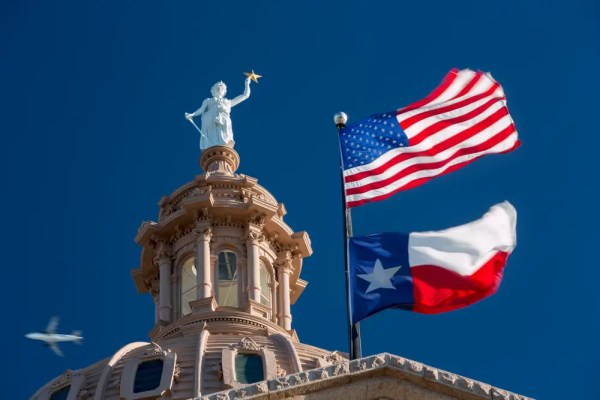
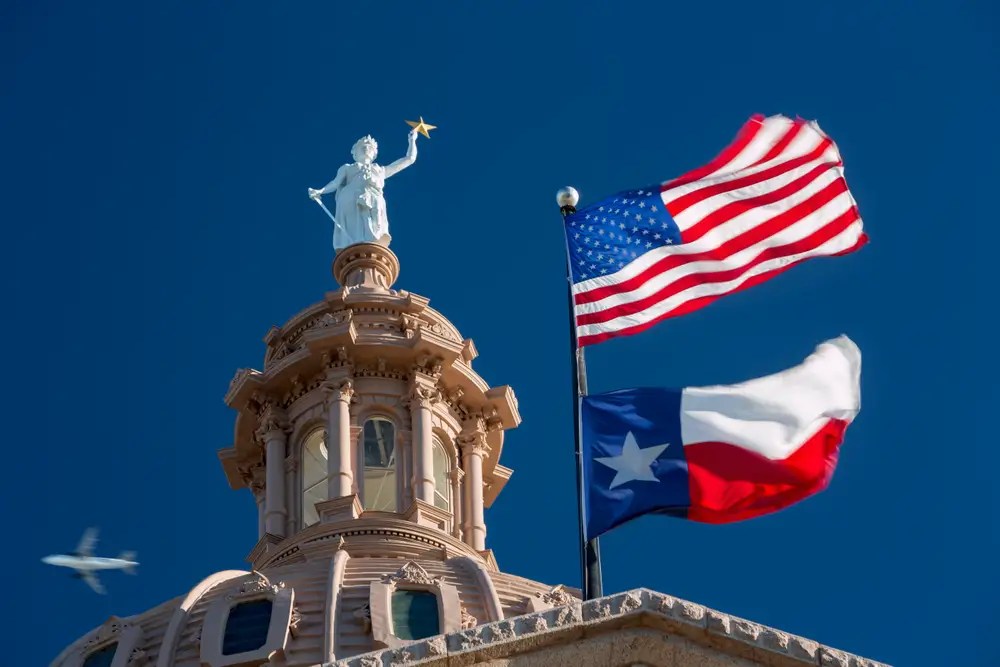
The phone began ringing during the initial week of June, to be precise, on June 3rd, just one day after Texas Governor Greg Abbott signed a prohibition on gender-affirming care for minors into law.

On that particular day, Marshall Martinez, the Executive Director of Equality New Mexico, mentioned that he received a minimum of five phone calls from individuals residing across the state border. In each case, they posed the identical query: “I’m relocating my family to New Mexico; what essential information should I be aware of?”

The phone calls have persisted throughout the summer.

Despite legal actions taken by families, physicians, and the American Civil Liberties Union (ACLU), and a temporary pause granted by a state district judge, the Texas Supreme Court reversed that ruling last week, and the law officially came into effect on Friday, September 1st.

Texas has now become one of over 20 states that have implemented legislation prohibiting or restricting gender-affirming care for minors. Some other states have adjusted their policies to create obstacles and discrimination against LGBTQ+ individuals. Given this situation, New Mexico is emerging as a sanctuary due to the recent enactment of laws that uphold rights and care within the state, particularly in response to the U.S. Supreme Court’s reversal of Roe v. Wade in June 2022.

The decision initiated a process of unraveling abortion rights nationwide, along with access to gender-affirming healthcare.

The altered legal landscape in New Mexico has led advocates and healthcare providers in the state to prepare for an increase in out-of-state visitors, potentially even new residents.

However, leaders within well-established resource organizations caution that the limited resources in other states could place excessive strain on the available services here.

Adrien Lawyer, co-director of the Transgender Resource Center of New Mexico, says the state has begun to experience “a very specific pressure” on providers and resources as a result of what is happening in Texas.

“I think it just goes to show that you can’t control these things this way,” Lawyer tells SFR. “Folks are still going to seek this care, but then it just puts a strain on systems that are already strained in a chronically under-resourced state like New Mexico. It just hurts everybody.”

Click here to see full blog: https://www.sfreporter.com/news/coverstories/2023/09/06/a-light-in-the-desert/

Maldives

This blog originally appeared at Nomad.

Paradise found

The Maldives, a stunning archipelago scattered across the azure Indian Ocean, paints a picture of paradise that invites a myriad of travelers, and the burgeoning tribe of digital nomads is no exception. This captivating cluster of over a thousand islands offers a tropical sanctuary where wanderlust and Wi-Fi coexist.

Overview
  1. I. The basics
  2. II. Living in The Maldives as a digital nomad
  3. III. Cities to consider
  4. IV. Off the beaten track
  5. V. Visas and legal requirements for digital nomads in The Maldives 
  6. VI. Tips for a smooth landing in The Maldives 
  7. VII. In summary

In the Maldives, the concept of remote work takes on a refreshing, sea-salt infused perspective. Forget about your cramped urban workspace; here, you’ll find boundless horizons and the soothing rhythm of ocean waves accompanying your daily tasks. And rest assured, the country’s connectivity matches its breathtaking scenery, ensuring your workflow remains uninterrupted by the alluring surroundings.

Each island tells its own story, offering insights into local hospitality, culinary delights, and hidden treasures waiting to be discovered. The Maldivian people, the true stewards of this paradise, weave a vibrant tapestry of culture and camaraderie, welcoming newcomers into their extended family.

In this idyllic setting, the art of balancing work and leisure is mastered like nowhere else. You might find yourself engrossed in projects one moment and plunging into the world of vibrant marine life the next. It’s a delicate dance, a harmonious blend of productivity and pleasure, set against the backdrop of unrivaled natural beauty.

Whether you’re in pursuit of breathtaking sunsets, exploring the vibrant underwater realms, or simply savoring the tranquil island vibes in between emails, the Maldives offers a unique fusion of relaxation and adventure. It’s more than just a tropical paradise; it’s a sanctuary for the wandering nomad, inviting you to transform this extraordinary canvas into your own masterpiece.

Click here to see full blog: https://nomad.digital/asia/maldives/

Stop Hate In Real Estate: National Press Conference

This blog originally appeared at Stop Hate In Reals Estate.

Our nation was built “…by the people, for the people” and we are “created equal…with unalienable rights that are among these are life, liberty and pursuit of happiness.” Yet there are times, like today, when discrimination and hatred of others become louder and more invasive. Currently:

*A third of Americans endorse some for of the tenants of the “Great Replacement” theory (University of Massachusetts)
*Only 31% of Americans are satisfied with the state of race relations (Gallup)
*81% of Americans say Black people face at least some discrimination (Pew Research Center)
*76% of Americans say Hispanic people face at least some discrimination (Pew Research Center)
*71% of Americans say AANHPI people face at least some discrimination (Pew Research Center)
*4 in 10 women have experienced discrimination at work because of their gender (Pew Research Center)
*HRC, the leading LGBTQ+ advocacy organization declared a “National State of Emergency” for LGBTQ+ Americans because of the onslaught on anti-LGBTQ+ bills being signed into law in states across the nation. (HRC)

Far too many are being impacted by the current wave of hate and discrimination. This includes those being forced to leave, or consider, leaving their homes, friends, families and jobs for safer communities. Whether it be a record number of anti-LGBTQ+ bills, unprecedented anti-Asian and anti Hispanic hate crimes or opposition to the Black Lives Matter efforts, the vocal minority is loud.

Yet we know that:

*91% of Americans believe LGBTQ+ people should have the freedom to live their life and not be discriminated against (GLAAD)
*80% of Americans want to work for a company that values diversity, equity and inclusion (CNBC/SurveyMonkey Workforce Survey)
*We believe that the overwhelming majority of real estate professionals are against hate. They recognize the vocal minority is driving a wedge between us all and creating an inhospitable environment in communities around the nation.

We also believe in the power of our real estate industry and recognize our leadership stance affords us the opportunity to drive positive change. We are more than 1.5 million strong, we contribute between 15-18% to the U.S. gross domestic product (NAHB) and we are leaders and influencers in our communities.
It is time for the majority – the real estate majority – to be a catalyst for change and eliminate hate in our nation.

Day of Action! Stand with NYC Libraries Against Book Bans and for the #FreedomToRead

This blog originally appeared at New York Public Library.

Join New York City libraries on Wednesday, October 4, for a city-wide Day of Action to stand against censorship in all forms as part of Banned Books Week.

Join Us! Wednesday, October 4, 2023

Stand with New York City libraries to protect the #FreedomToRead! The New York Public Library, Brooklyn Public Library, and Queens Public Library are dedicated to free and open access to information and knowledge—a mission that is directly opposed to censorship. 

Unfortunately, over the past several years, there has been an alarming increase in book bans and challenges across the country. The American Library Association (ALA) reported that last year, the United States saw the highest number of attempted book bans since they started keeping records more than 20 years ago. Preliminary ALA data for 2023 shows we are again on track for a record number of censorship attempts, including a higher number of challenges to public libraries. The majority of the banned or challenged books feature LGBTQ+ voices and people of color.

Free people have the right to read freely. Books can build bridges, introduce us to new perspectives, and show us we are not alone. Join us on October 4 to celebrate the power of books, reading, and public libraries—and stand for the #FreedomToRead!

Ways to Participate

At 10 AM on Wednesday, October 4, show your support for libraries and the freedom to read on Twitter, Instagram, Facebook, and more. Use the hashtag #FreedomToRead to share why open access to books, information, and knowledge is important to you or your community. Feel free to include a book that’s meaningful to you! Use the sample posts below, or write your own. Tag NYC libraries in your posts as well: @bklynlibrary, @nypl, @QPLNYC.

Option 1: Share a Photo of a Book

  1. Take a picture of a book that is meaningful to you.
  2. Post the picture on your social media platform(s) of choice.
  3. Use #FreedomToRead to join fellow readers in New York and beyond in standing against censorship and book banning.

Sample Social Media Posts

I’m joining @bklynlibrary @nypl @QPLNYC to stand against book bans and censorship. Here’s the book I’m reading, what are you reading? #FreedomToRead 

Books like this have the power to change lives. That’s why I am standing for the #FreedomToRead this Banned Books Week to oppose censorship of all kinds. Share your favorite book!

Option 2: Share Your Support

  1. Download one of the graphics below. 
  2. Share it on social media with hashtag #FreedomToRead!

Sample Social Media Posts

During this Banned Books Week, we stand with NYC public libraries to support the #FreedomToRead! Stand against book bans—everyone should be able to read whatever they want. 

This Banned Books Week, I’m standing against censorship of all kinds and celebrating the right to read what I want. #FreedomtoRead

Click here to see Social Media Graphics: https://www.nypl.org/spotlight/banned-books/day-of-action

Florida school district orders removal of all books with gay characters before slightly backing off

This blog originally appeared at NBC News.

The Charlotte County school district will now allow certain exceptions for high school libraries.

Florida Gov. Ron DeSantis holds the Florida Parental Rights in Education bill after having signed it at Classical Preparatory School in Spring Hill on March 28, 2022.

In Fort Lauderdale, Florida, high-ranking officials in a school district have mandated the removal of all books and materials featuring LGBTQ characters and themes from both classrooms and campus libraries. This decision was made in accordance with a state law supported by Governor Ron DeSantis, which opponents have nicknamed “Don’t Say Gay.”

At a July meeting, Charlotte County Schools Superintendent Mark Vianello and the school board’s attorney, Michael McKinley, addressed queries from the district’s librarians. They inquired if the legislation, officially known as the Florida Parental Rights in Education Act, mandated the removal of books featuring gay characters but devoid of explicit sexual content.

According to a district memo obtained through a public information request by the Florida Freedom to Read Project, the pair replied, “Books with LBGTQ+ characters are not to be included in classroom libraries or school library media centers.” The nonprofit organization, which opposes the law, shared the memo with The Associated Press on Wednesday.

Subsequently, the district made some concessions, permitting a few exceptions in high school libraries. Nevertheless, Charlotte County’s policy remains among the most stringent measures enforced among the state’s 67 countywide school districts to comply with the legislation.

The legislation was initially approved by the Legislature and ratified by Governor DeSantis in 2022, with further enhancements made in the spring. Charlotte County, located in southwest Florida between Fort Myers and Sarasota, has approximately 17,000 students attending its public schools. During the 2022 elections, Governor DeSantis, a Republican presidential nominee contender, secured 70% of the vote in the county as he comfortably won re-election.

The school district did not provide a response to calls made by the AP on Wednesday. The district informed the news website Popular Information, which initially disclosed the memo, that while the document is not an exact transcript of the meeting, it does accurately capture the essence of the discussion.

DeSantis and fellow Republicans have consistently argued that the legislation is sensible, emphasizing that discussions related to sexual orientation and gender identity should be initiated by parents, not teachers, in their interactions with their children. The governor has underscored cultural matters as a central aspect of his presidential campaign, notably confronting the Walt Disney Co. following its public stance against the legislation.

Florida Freedom to Read said Charlotte’s policy is “evidence that fear over thoughtful decision making is winning the day.” But the group says Florida Department of Education officials are to blame for any district confusion or overreach.

“Their failure to lead and use their power to benefit the future of Florida is a disservice to all Floridians, no matter their political leanings,” the group said in a statement. “Parents want politics out of education. We want all students to feel safe and included, so they can focus on their education while in school. Removing all representation of LGBTQ+ people in literature goes against our very principles of living in a free and just, pluralistic society.”

The department did not provide any response to a call and email made on Wednesday requesting comment.

At the meeting in July, librarians were informed by Vianello and McKinley that any reference to sexual orientation or gender identity is forbidden from prekindergarten through middle school and even in high school, “unless supported by the state academic standards.”

The librarians inquired whether this implied the removal of a book, even if it featured a secondary character who is gay, a main character with two moms, or a gay best friend. Vianello and McKinley affirmed with a “Yes,” and further clarified that this prohibition extended to books brought to school by children, even if the content was non-pornographic or not explicit.

“These characters and themes cannot exist,” they responded, according to the memo.

The school district released a statement to Popular Information this week, providing clarification on certain statements made by the superintendent and attorney. According to the statement, some materials featuring LGBTQ themes or characters will remain accessible in high school libraries.

“Books featuring LGBTQ characters are accessible in the media center for grades 9-12. While they may not be utilized for classroom instruction, these books are available for individual study and can be borrowed by students,” the statement said.

Blog at WordPress.com.

Up ↑