Massachusetts foster parents lose license after refusing to sign gender affirming policy: “We simply can’t agree to go against our Christian faith”

Read more at CBS News.

A couple from Woburn, Massachusetts has lost their license to foster children after they refused to sign a gender affirming policy form from the Department of Children and Families (DCF).

Lydia and Heath Marvin have three kids in their teens, but they have fostered eight different children under the age of 4 since 2020. Their most recent foster child was a baby with complex medical needs who stayed with them for 15 months.

“Our Christian faith, it really drives us toward that. James says that true undefiled religion is to care for the fatherless,” said Heath.

The couple said they were prepared to care for more foster children until DCF pulled their license to foster in April.

Foster parents cite religious beliefs

That’s because the Marvins refused to sign the agency’s LGBTQIA+ Non-Discrimination Policy because of their Christian faith. Starting in 2022, the policy said that foster families must affirm the LGBTQIA+ identity of foster children.

“We asked, is there any sort of accommodation, can you waive this at all? We will absolutely love and support and care for any child in our home but we simply can’t agree to go against our Christian faith in this area. And, were ultimately told you must sign the form as is or you will be delicensed,” Lydia said.

The Marvins appealed the loss of their license, but lost. They’re considering their options but two other Christian foster families are plaintiffs in a federal lawsuit filed by the Massachusetts Family Institute and Alliance Defending Freedom against DCF.

The lawsuit alleges the policy forces parents to “accept[ ] a child’s assertion of their LGBTQIA+ identity”, “address[ ] children by their names and pronouns,” and “support[ ] gender-neutral practices regarding clothes and physical appearance.”

“There is a speech component and also a religious liberty component to the lawsuit,” said Sam Whiting, an attorney with the Massachusetts Family Institute.

Letter from Trump administration

Last week, the Trump administration sent a letter to DCF, addressing the lawsuit and specifically mentioning the Marvins.

“These policies and developments are deeply troubling, clearly contrary to the purpose of child welfare programs, and in direct violation of First Amendment protections,” wrote Andrew Gradison, Acting Assistant Secretary for the Administration for Children and Families.

LGBTQ+ advocates argue the policy was developed to protect kids. Massachusetts foster parents also receive a monthly stipend.

“The state has an obligation to children to make sure that they’re safe and well protected. And foster parents, they’re not parents. Foster parents are temporary. They’re a stop gap to make sure children can safely go back to their families of origin,” said Polly Crozier, Director of Family Advocacy at GLBTQ Legal Advocates and Defenders.

Data collection by DCF is poor but a report by the Massachusetts Commission on LGBTQ youth suggests that roughly 30 percent of foster children in the state could identify as LGBTQ, similar to data collected in California and New York.

The Marvins argue that DCF has been flexible about child placements in the past for a number of reasons.

“We would love and care and support any child but if there was an issue where we knew that we would have a different position than DCF, we would just be open and talk to them about it,” Heath said.

A DCF spokesperson said in a statement to WBZ-TV, “The Department does not comment on matters related to pending litigation.” 

Do foster parents have to affirm LGBTQ+ kids? Massachusetts says ‘yes.’

Read more at WGBH.

A pair of Christian couples in Massachusetts are suing the state, saying their rights were violated when they lost their foster licenses over their views on gender and sexuality.

The couples — Audrey and Nick Jones, in Worcester County, and Greg and Marianelly Schrock, in Middlesex County — argue their First Amendment rights to freedom of religious exercise and freedom of speech are being violated in the lawsuit filed in federal court this month.

Their argument hinges on a state requirement that foster parents sign an agreement that they will “support, respect, and affirm the foster child’s sexual orientation, gender identity, and gender expression” — and that refusing to do so forced them out of the foster parent role.

The case comes as Massachusetts faces a dire shortage of families willing to serve as foster parents. The Joneses and Schrocks would provide a loving home for any child — including a gay or transgender child, their attorney told GBH News.

But, as Audrey Jones told their licensing agent, she and her husband “cannot support a child dating someone of the same sex or affirm a child who wanted to use different pronouns.” They argue the policy is unconstitutionally restrictive and ultimately harms foster children who have no place to go.

LGBTQ+ advocates told GBH News they were saddened and outraged by the case and worry it will test the strength of anti-discrimination laws. They specifically point to the vulnerability of LGBTQ+ youth in foster care: Nationally, 40% have run away or have been kicked out of their homes for being LGBTQ+, and LGBTQ+ youth who are in foster care are three times more likely to attempt suicide than LGBTQ+ youth who are not, according to the Trevor Project.

“These are already traumatized kids facing additional trauma because of their identity — and this isn’t about the foster parents,” said Tanya Neslusan, the executive director of MassEquality. “When you are parenting children, it is never about the parents — it is about the children and making sure that their needs are prioritized. And if you can’t in good conscience do that, then that’s really what it comes down to.”

This lawsuit follows a similar case filed two years ago by Mike and Kitty Burke, a Catholic couple from Southampton. They sued after being denied a foster care license because they would “not be affirming to a child who identified as LGBTQIA,” per court filings. Attorneys for the state recently asked the court to dismiss that case since the Burkes have since moved to Florida.

“Because it’s a state-run system, the state has to have some leeway to make some decisions about … what it means to keep a child emotionally safe and healthy while that child is in state custody.”

Josh Gupta-Kagan, Columbia Law School

Mallory Sleight, an attorney on the Jones-Schrock case who works for the Alliance Defending Freedom’s parental rights team, says her organization has been contacted by six Massachusetts families about this issue. The Joneses and Schrocks, she says, previously served as foster parents without issue and want their licenses back. But she said requiring them to sign the agreement violates their religious beliefs.

“DCF has said that these families are required to agree ahead of time that they would use any chosen pronouns,” she said. “And by using chosen pronouns, you are agreeing that a boy is in fact a girl, or a girl is in a fact a boy. And biblically, these families simply do not hold that belief. And by speaking that belief, especially to a child, they are violating their own religious convictions.”

Legal experts say this case follows more than a century of legal battles and legislation about the role religion can play in the foster care system — and, in the last few years, how that overlaps with LGBTQ+ foster children. Experts agreed that the U.S. Supreme Court’s recent openness to religious discrimination lawsuits could give the plaintiffs reason to hope.

In the lawsuit, the families suggested a less restrictive policy that would give the Department of Children and Families discretion about which children are placed with which parents. Department leadership could choose to not revoke foster parents’ licenses and instead just give social workers leeway to not place gender non-conforming children with such parents — a stance the Boston Globe Editorial board endorsed last week.

“If the department wants to, the department can specifically match them with children that they think would be good fits for their homes. So that could be religious children — because there are religious foster children who would love to be with religious foster parents who they could go to church with and be in Sunday school and read the Bible with,” Sleight told GBH News.

“By using chosen pronouns, you are agreeing that a boy is in fact a girl, or a girl is in a fact a boy. And biblically, these families simply do not hold that belief.”

Mallory Sleight, an attorney representing the Joneses and Schrocks

Still, some experts doubt the merits of the case. They say the rights of the legal parent or guardian and the child’s right to health and safety will outweigh the rights of a foster parent acting as a temporary caretaker.

“This is not like going to speak in the town square,” said Josh Gupta-Kagan, a Columbia Law School professor who focuses on children and families issues. “Because it’s a state-run system, the state has to have some leeway to make some decisions about … what it means to keep a child emotionally safe and healthy while that child is in state custody.”

And advocates say they want LGBTQ+ children to feel safe and comfortable in their foster homes.

“We would hope that the goal of every foster parent coming into the system to help … we hope that everyone comes in thinking: ‘I will affirm every child no matter their race, their gender identity, their sexual and their sexual orientation,’” said Shaplaie Brooks, executive director of the Massachusetts Commission on LGBTQ Youth.

Brooks said the Department of Children and Families has been “moving the needle” on helping LGBTQ+ youth in the foster care system — but says that big steps still need to be taken. Her commission has been helping support couples fostering LGBTQ+ children, connecting them with gender-affirming care resources.

“Especially as of late … DCF has tried to center the needs of each child as best as possible in their care,” she said.

In fact, Gupta-Kagan imagines a hypothetical lawsuit if the policy didn’t exist and the state allowed foster parents to not affirm or support LGBTQ+ youth — a lawsuit “that the state is not fulfilling its obligation to keep children in its custody safe.”

A spokesperson for DCF told GBH News it does not comment on pending litigation. State attorneys have not responded to the complaint in court, and an initial hearing hasn’t been set yet in the case.

Massachusetts lesbian Gov. Maura Healey signs abortion and gender-affirming care shield law

Read more at The Advocate.
Massachusetts has enacted an even stronger shield law for abortion and gender-affirming care.

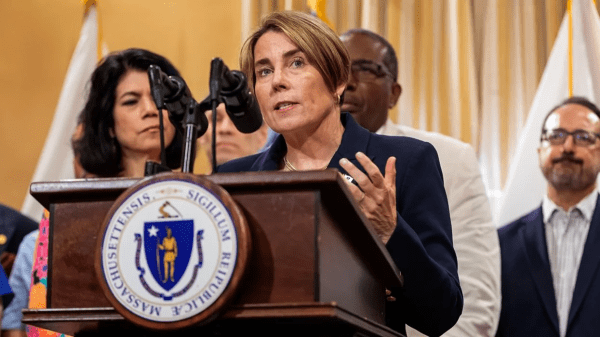
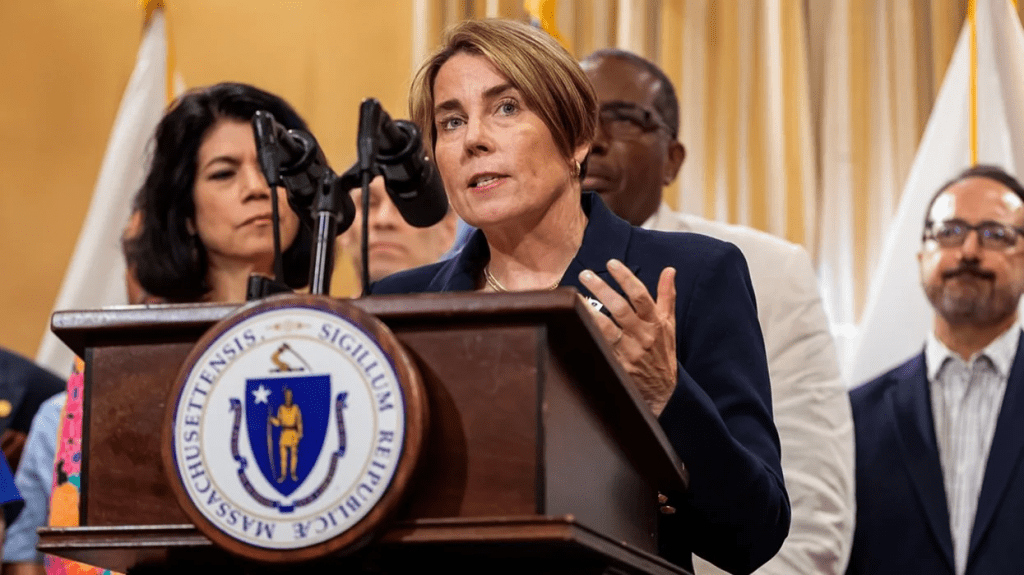
Democratic Gov. Maura Healey, the first out lesbian governor in the U.S., signed the Shield Act 2.0 into law Thursday. The bill further strengthens protections for patients and providers of reproductive healthcare, while explicitly mandating that abortions be performed when deemed medically necessary.

“Massachusetts will always be a state where patients can access high-quality health care and providers are able to do their jobs without government interference,” Healey said in a statement. “From the moment Roe was overturned, we stepped up to pass strong protections for patients and providers, and with President Trump and his allies continuing their assaults on health care, we’re taking those protections to the next level. No one is going to prevent the people of Massachusetts from getting the health care they need.”

The state’s original shield law, enacted by Democratic Gov. Charlie Baker in July, 2022, prohibits states that have banned the life-saving treatment from punishing those who travel to Massachusetts to receive it by preventing the release of information or the arrest and extradition of someone based on another state’s court orders.

The new law further prevents the disclosure of sensitive data, such as a physician’s name, and prohibits local law enforcement from cooperating with other jurisdictions in their investigations. It also directs the Department of Public Health to create an advisory group to help guide businesses as they implement privacy protections for storing or managing electronic medical records.

“Massachusetts is home to the best health care providers in the country, and we aren’t going to let them be intimidated or punished for providing lifesaving care,” said Lieutenant Governor Kim Driscoll. “Together with the Legislature, we are reminding the entire country yet again that Massachusetts is a place where everyone can safely access the health care they need and deserve.”

Massachusetts replacing Sun Belt as retirement paradise

Read more at Boston Agent Magazine.

The Bay State attracted 20% of interstate retirees in 2024, surpassing traditional snowbird destinations like Florida. That’s according to a new study from AInvest that used data from sources like the U.S. Census Bureau and U.S. News & World Report to analyze trends among older homebuyers.

The AI investment company identified several reasons that retirees are increasingly choosing to move to Massachusetts, including excellent healthcare, relative safety from climate-related risks, cultural and outdoor appeal and opportunity for investment.

In suburbs like Worcester or Salem, homes fetch median prices of $400,000–$500,000. These prices are significantly more affordable than Boston’s median home price of over $800,000 and offer rental yields around 5%.

“A seismic demographic shift is reshaping U.S. real estate markets, as retirees increasingly prioritize affordability, healthcare access and climate resilience over sun-soaked climates,” researchers said in the report. “This trend opens compelling opportunities for investors to capitalize on undervalued regions poised for growth.”

What states are the best for LGBTQ+ people? These are the top 15

Read more at The Advocate.

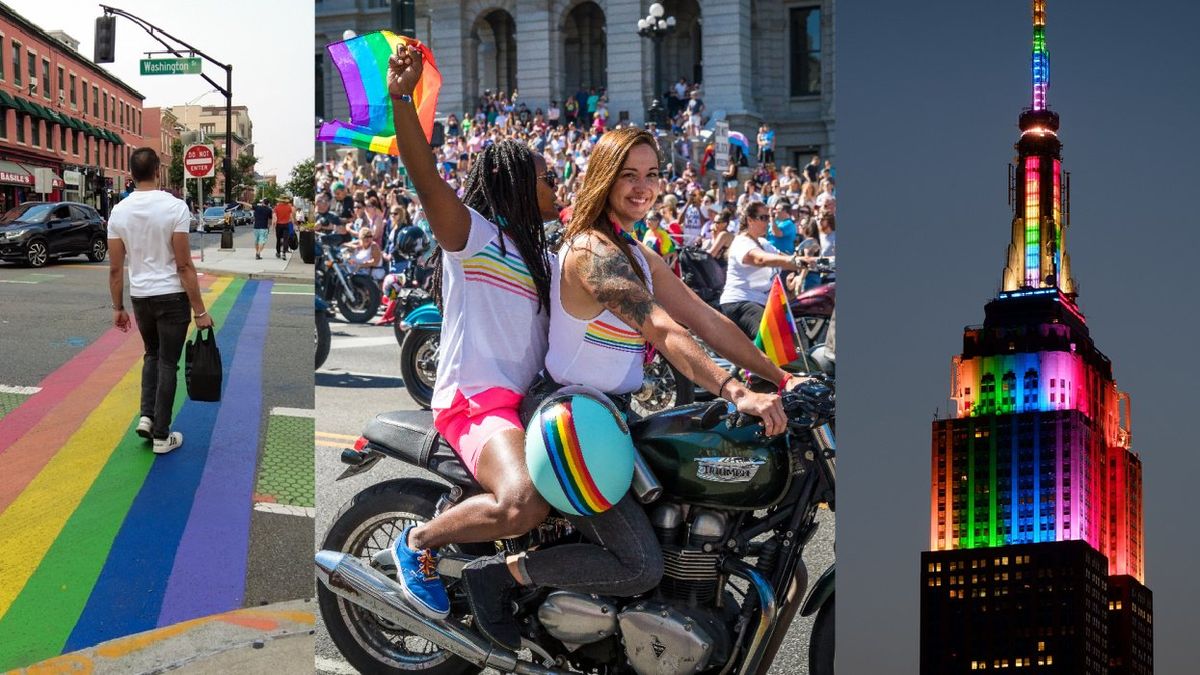
\u200bRainbow crosswalk in Hoboken (L); Women on motorcycles at Denver Pride (M); Empire State Building in rainbow colors (R)

Kirkam / Shutterstock.com; Philipp Salveter / Shutterstock.com; anaglic / Shutterstock.com

Rainbow LGBTQ+ Pride crosswalk in Hoboken, New Jersey (L); Women on motorcycles at Pride celebration in Denver, Colorado (M); Empire State Building in NYC lit up in rainbow colors (R)

    Legislative attacks on the LGBTQ+ community have been pushed everywhere from city councils to the White House — but there are still some areas that are safe.

    Over 1,000 anti-LGBTQ+ laws have been proposed across every state legislature in the U.S. over the past two years, according to the American Civil Liberties Union, and 126 have passed into law. Less than two months into the 2025 legislative session, 390 laws targeting LGBTQ+ people have been proposed.

    Still, marriage equality and anti-discrimination protections based on sexual orientation and gender identity are still guaranteed federally by U.S. Supreme Court rulings (for now). On top of that, at least 15 states have “shield laws” protecting access to gender-affirming care and abortion.

    Based on laws surrounding marriage, family rights, health care, education, and youth collected by the Movement Advancement Project, here are the 15 best states for LGBTQ+ people.

    Related: What states are the most dangerous for LGBTQ+ people? Here are the worst 15

    California

    West Hollywood Pride balloons

    GrandAve / Shutterstock.com

    Pride celebration in West Hollywood, California – June 9, 2019

      Nondiscrimination laws: California has nondiscrimination laws in employment, housing, health care, education, public accommodations, and credit/lending.

      Marriage equality and parental rights: California has adoption and foster care nondiscrimination protections for LGBTQ+ parents, second-parent adoption for unmarried couples and confirmatory adoption, and recognition for parents using assisted reproductive technologies. It also has family leave laws, which include LGBTQ-inclusive definitions.

      Education and youth policies: California does not restrict discussion of LGBTQ+ identities in classrooms, and instead requires curriculum to be LGBTQ-inclusive, which parents are not required to be notified of. It does not prevent transgender students from participating in sports or using school facilities based on their identities, and it does not require staff to forcibly out LGBTQ+ students to their guardians.

      Healthcare access and rights: California has “shield” laws protecting access to gender-affirming care for youth, as well as abortion. The state has also banned so-called conversion therapy for youth. Health insurance companies, including Medicaid, are not allowed to deny coverage related to gender transition. However, they are not required to cover fertility treatments.

      Criminal justice: California’s hate crime laws encompass sexual orientation and gender identity, and it has banned the so-called “LGBTQ+ panic” defense. While the state does not criminalize HIV, it does have sentencing enhancements for sex-related convictions for those with HIV.

      Colorado

      Women on motorcycles at Denver Pride celebration

      Philipp Salveter / Shutterstock.com

      Women on motorcycles at Pride celebration in Denver, Colorado, USA – June 16th 2019

        Nondiscrimination laws: Colorado has nondiscrimination laws in employment, housing, education, health care, public accommodations, and credit/lending.

        Marriage equality and parental rights: Colorado has adoption and foster care nondiscrimination protections for LGBTQ+ parents, second-parent adoption for unmarried couples and confirmatory adoption, and recognition for parents using assisted reproductive technologies. It also has family leave laws, which include LGBTQ-inclusive definitions.

        Education and youth policies: Colorado does not prevent transgender students from participating in sports or using school facilities based on their identities, and it does not require staff to forcibly out LGBTQ+ students to their guardians. It does not restrict discussion of LGBTQ+ identities in classrooms, and instead requires curriculum to be LGBTQ-inclusive, which parents are not required to be notified of.

        Healthcare access and rights: Colorado has “shield” laws protecting access to gender-affirming care for youth, as well as abortion. The state has also banned so-called conversion therapy for youth. Health insurance companies, including Medicaid, are not allowed to deny coverage related to gender transition. However, state employees who are transgender do not have inclusive health benefits. Insurance companies are also not required to cover fertility treatments.

        Criminal justice: The state’s hate crime laws encompass sexual orientation and gender identity, and it has banned the so-called “LGBTQ+ panic” defense. Like California, Colorado does not criminalize HIV, but it does have sentencing enhancements for sex-related convictions for those with HIV.

        Connecticut
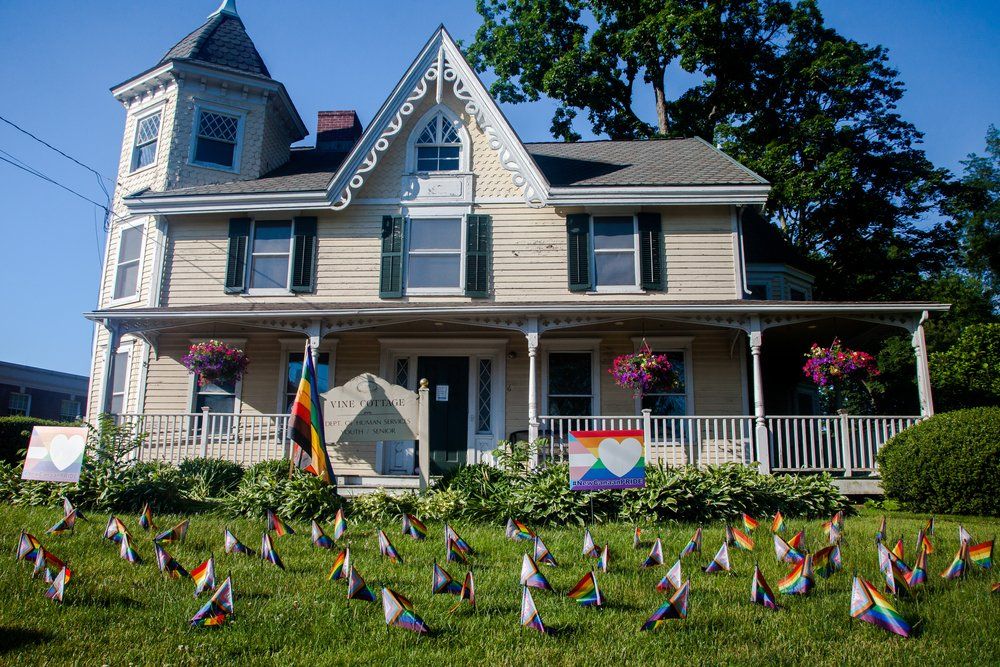
        Pride flags outside Vine Cottage CT

        Miro Vrlik Photography / Shutterstock.com

        LGBTQ+ Pride flags outside Vine Cottage in New Canaan, Connecticut – June 13, 2021

          Nondiscrimination laws: Connecticut has nondiscrimination laws in employment, housing, education, public accommodations, and credit/lending. It does not have nondiscrimination laws for private healthcare, and it does have a broad “Religious Exemption” law.

          Marriage equality and parental rights: Connecticut has adoption and foster care nondiscrimination protections for LGBTQ+ parents, second-parent adoption for unmarried couples and confirmatory adoption, and recognition for parents using assisted reproductive technologies. It also has family leave laws, but their LGBTQ-inclusive definitions are not as robust as those of California or Colorado.

          Education and youth policies: Connecticut does not restrict discussion of LGBTQ+ identities in classrooms, but it does not have LGBTQ-inclusive curriculum. It does not prevent transgender students from participating in sports or using school facilities based on their identities, and it does not require staff to forcibly out LGBTQ+ students to their guardians.

          Healthcare access and rights: Connecticut has “shield” laws protecting access to gender-affirming care for youth, as well as abortion. The state has also banned so-called conversion therapy for youth. Health insurance companies, including Medicaid, are not allowed to deny coverage related to gender transition. Private insurance is required to cover some fertility treatments, but Medicaid is not.Criminal justice:Connecticut’s hate crime law encompasses sexual orientation but not gender identity. It also does not have nondiscrimination laws for LGBTQ+ people in jury selection.

          Illinois
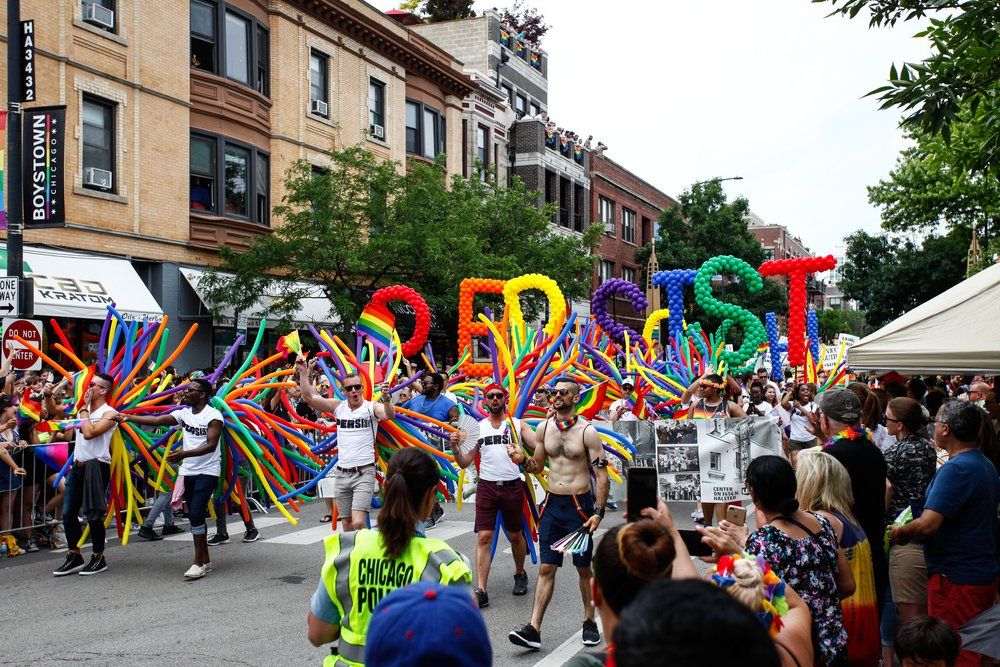
          "Persist" balloons at Chicago

          Dominique Robinson / Shutterstock.com

          LGBTQ+ Pride in Chicago, Illinois – June 30th 2019

            Nondiscrimination laws: Illinois has nondiscrimination laws in employment, housing, health care, education, public accommodations, and credit/lending. However, it does have a broad “Religious Exemption” law.

            Marriage equality and parental rights: Illinois has adoption and foster care nondiscrimination protections for LGBTQ+ parents, second-parent adoption for unmarried couples, and recognition for parents using assisted reproductive technologies. It also has family leave laws, which include LGBTQ-inclusive definitions. It does not have confirmatory adoption.

            Education and youth policies: Illinois does not restrict discussion of LGBTQ+ identities in classrooms, and instead requires curriculum to be LGBTQ-inclusive, which parents are not required to be notified of. It does not prevent transgender students from participating in sports or using school facilities based on their identities, and it does not require staff to forcibly out LGBTQ+ students to their guardians.

            Healthcare access and rights: Illinois has “shield” laws protecting access to gender-affirming care for youth, as well as abortion. The state has also banned so-called conversion therapy for youth. Health insurance companies, including Medicaid, are not allowed to deny coverage related to gender transition or fertility treatments.

            Criminal justice: Illinois’ hate crime laws encompass sexual orientation and gender identity, and it has banned the so-called “LGBTQ+ panic” defense.

            Maine
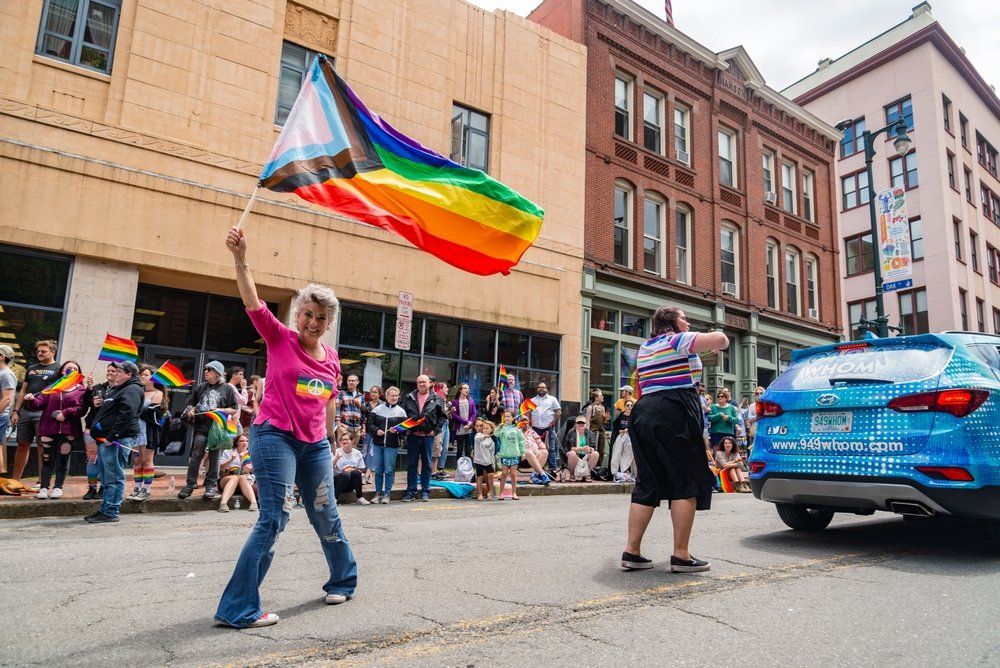
            Woman waving flag at Pride in Portland, Maine

            Enrico Della Pietra / Shutterstock.com

            LGBTQ+ Pride in Portland, Maine – June 18, 2022

              Nondiscrimination laws: Maine has nondiscrimination laws in employment, housing, health care, education, public accommodations, and credit/lending.

              Marriage equality and parental rights: Maine has adoption and foster care nondiscrimination protections for LGBTQ+ parents, second-parent adoption for unmarried couples and confirmatory adoption, and recognition for parents using assisted reproductive technologies. It also has family leave laws, which include LGBTQ-inclusive definitions.

              Education and youth policies: Maine does not restrict discussion of LGBTQ+ identities in classrooms, but it does not have LGBTQ-inclusive curriculum. It does not prevent transgender students from participating in sports or using school facilities based on their identities, and it does not require staff to forcibly out LGBTQ+ students to their guardians.

              Healthcare access and rights: Maine has “shield” laws protecting access to gender-affirming care for youth, as well as abortion. The state has also banned so-called conversion therapy for youth. Health insurance companies, including Medicaid, are not allowed to deny coverage related to gender transition. Private insurance is required to cover some fertility treatments, but Medicaid is not.Criminal justice:Maine’s hate crime laws encompass sexual orientation and gender identity, and it has banned the so-called “LGBTQ+ panic” defense.

              Maryland
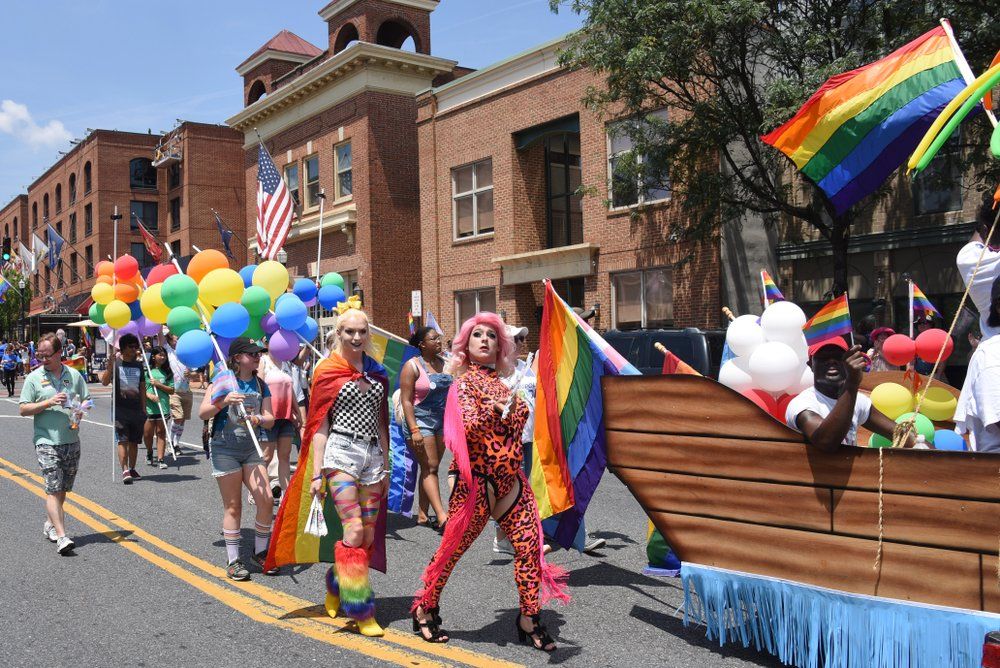
              Marchers and floats in the first Annapolis Pride parade

              Keri Delaney / Shutterstock.com

              The inaugural Pride Parade in Annapolis, Maryland – June 29, 2019

                Nondiscrimination laws: Maryland has nondiscrimination laws in employment, housing, health care, education, public accommodations, and credit/lending.

                Marriage equality and parental rights: Maryland has adoption and foster care nondiscrimination protections for LGBTQ+ parents, confirmatory adoption, and recognition for parents using assisted reproductive technologies. It does not second-parent adoption for unmarried couples. It also has family leave laws, but their LGBTQ-inclusive definitions are not as robust as others.

                Education and youth policies: Maryland does not restrict discussion of LGBTQ+ identities in classrooms, but it does not have LGBTQ-inclusive curriculum. It does not prevent transgender students from participating in sports or using school facilities based on their identities, and it does not require staff to forcibly out LGBTQ+ students to their guardians.

                Healthcare access and rights: Maryland has “shield” laws protecting access to gender-affirming care for youth, as well as abortion. The state has also banned so-called conversion therapy for youth. Health insurance companies, including Medicaid, are not allowed to deny coverage related to gender transition. Private insurance is required to cover some fertility treatments, but Medicaid is not.

                Criminal justice: Maryland’s hate crime laws encompass sexual orientation and gender identity, and it has banned the so-called “LGBTQ+ panic” defense. It does have a law criminalizing the transmission of HIV.

                Massachusetts
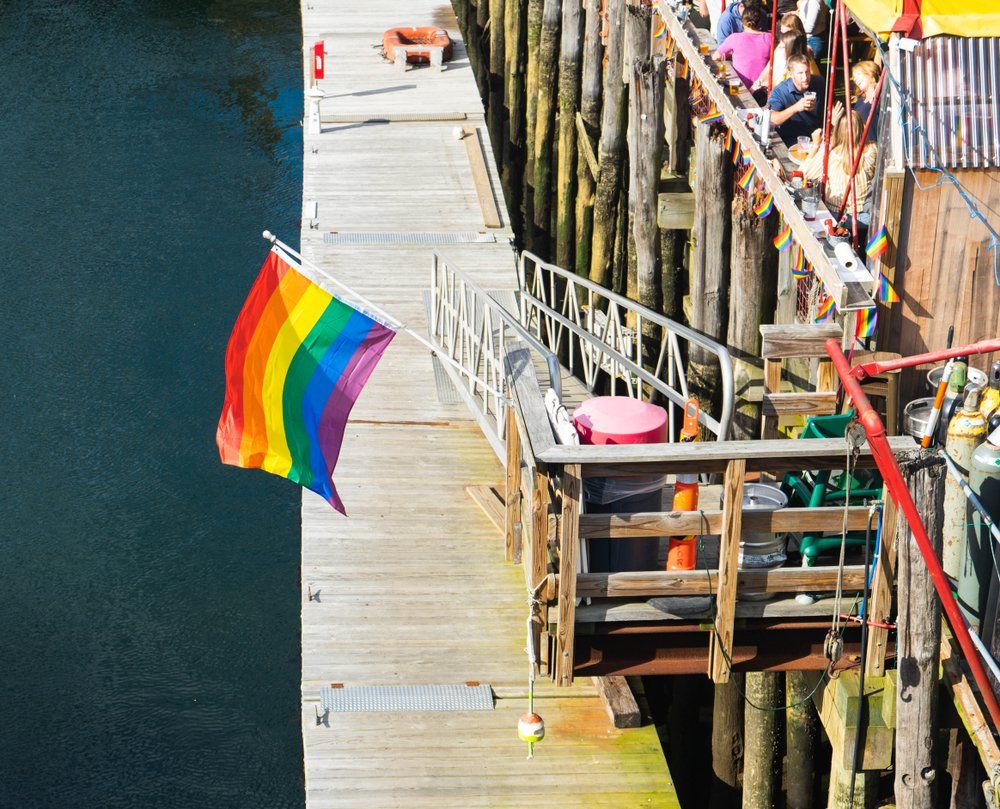
                Pride flag over Boston Seaport

                Michael Moloney / Shutterstock.com

                LGBTQ+ Pride flag waving in the wind over the Boston Seaport – JUNE 2, 2019

                  Nondiscrimination laws: Massachusetts has nondiscrimination laws in employment, housing, education, public accommodations, and credit/lending. It has nondiscrimination laws for gender identity in private healthcare, but not for sexual orientation.

                  Marriage equality and parental rights: Massachusetts has adoption and foster care nondiscrimination protections for LGBTQ+ parents, second-parent adoption for unmarried couples, and recognition for parents using assisted reproductive technologies. It also has family leave laws, which include LGBTQ-inclusive definitions. It does not have confirmatory adoption.

                  Education and youth policies: Massachusetts does not restrict discussion of LGBTQ+ identities in classrooms, but it does not have LGBTQ-inclusive curriculum. It does not prevent transgender students from participating in sports or using school facilities based on their identities, and it does not require staff to forcibly out LGBTQ+ students to their guardians.

                  Healthcare access and rights: Massachusetts has “shield” laws protecting access to gender-affirming care for youth, as well as abortion. The state has also banned so-called conversion therapy for youth. Health insurance companies, including Medicaid, are not allowed to deny coverage related to gender transition. Private insurance is required to cover some fertility treatments, but Medicaid is not.

                  Criminal justice: Maryland’s hate crime laws encompass sexual orientation and gender identity, but it has not banned the so-called “LGBTQ+ panic” defense. It does not have nondiscrimination protections based on gender identity for jury selection.

                  Minnesota

                  Lowry Avenue Bridge in Minneapolis lit in Rainbow Colors

                  Shuttershock Creative

                  Lowry Avenue Bridge in Minneapolis lit in Rainbow Colors in Honor of Orlando Victims

                    Nondiscrimination laws: Minnesota has nondiscrimination laws in employment, housing, health care, education, public accommodations, and credit/lending.

                    Marriage equality and parental rights: Minnesota has adoption and foster care nondiscrimination protections for LGBTQ+ parents. It does have family leave laws, which include LGBTQ-inclusive definitions. It does not have second-parent adoption for unmarried couples, confirmatory adoption, nor recognition for parents using assisted reproductive technologies.

                    Education and youth policies: Minnesota does not restrict discussion of LGBTQ+ identities in classrooms, but it does not have LGBTQ-inclusive curriculum. It does not prevent transgender students from participating in sports or using school facilities based on their identities, and it does not require staff to forcibly out LGBTQ+ students to their guardians.

                    Healthcare access and rights: Minnesota has “shield” laws protecting access to gender-affirming care for youth, as well as abortion. The state has also banned so-called conversion therapy for youth. Health insurance companies, including Medicaid, are not allowed to deny coverage related to gender transition. However, they are not required to cover fertility treatments.

                    Criminal justice: Minnesota’s hate crime laws encompass sexual orientation and gender identity, and it has banned the so-called “LGBTQ+ panic” defense.

                    Nevada
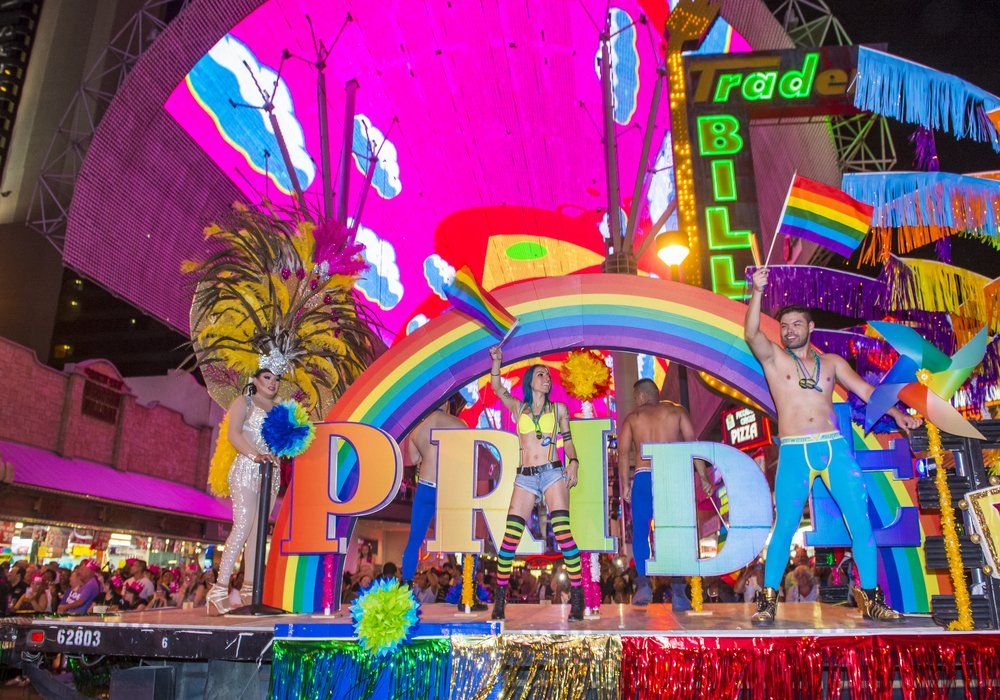
                    Las Vegas Pride parade float

                    Kobby Dagan / Shutterstock

                    LGBTQ+ Pride parade in Las Vegas, Nevada – October 21 , 2016

                      Nondiscrimination laws: Nevada has nondiscrimination laws in employment, housing, health care, education, public accommodations, and credit/lending.

                      Marriage equality and parental rights: Nevada has adoption and foster care nondiscrimination protections for LGBTQ+ parents, second-parent adoption for unmarried couples, and recognition for parents using assisted reproductive technologies. It also has family leave laws, which include LGBTQ-inclusive definitions. It does not have confirmatory adoption.

                      Education and youth policies: Nevada does not restrict discussion of LGBTQ+ identities in classrooms, and instead requires curriculum to be LGBTQ-inclusive, which parents are not required to be notified of. It does not prevent transgender students from participating in sports or using school facilities based on their identities, but it does not require staff to forcibly out students who change their gender identity to their guardians

                      Healthcare access and rights: Nevada does not have shield laws for gender-affirming care and abortion. The state has also banned so-called conversion therapy for youth. Health insurance companies, including Medicaid, are not allowed to deny coverage related to gender transition. However, they are not required to cover fertility treatments.

                      Criminal justice: Nevada’s hate crime laws encompass sexual orientation and gender identity, and it has banned the so-called “LGBTQ+ panic” defense. It does not have nondiscrimination protections based on gender identity for jury selection.

                      New Jersey
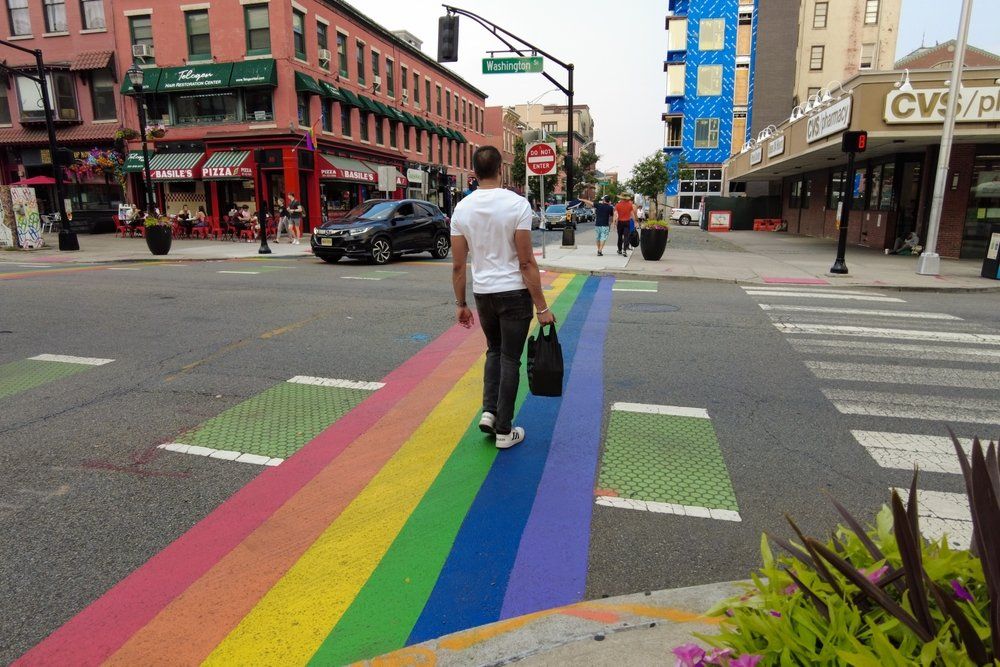
                      Rainbow crosswalk in Hoboken, New Jersey

                      Kirkam / Shutterstock.com

                      Rainbow LGBTQ+ Pride crosswalk in Hoboken, New Jersey, – June 25, 2023

                        Nondiscrimination laws: New Jersey has nondiscrimination laws in employment, housing, education, public accommodations, and credit/lending. It has nondiscrimination laws for gender identity in private healthcare, but not for sexual orientation.

                        Marriage equality and parental rights: New Jersey has adoption and foster care nondiscrimination protections for LGBTQ+ parents, and second-parent adoption for unmarried couples and confirmatory adoption. It also has family leave laws, which include LGBTQ-inclusive definitions. It does not have recognition for parents using assisted reproductive technologies.

                        Education and youth policies: New Jersey does not restrict discussion of LGBTQ+ identities in classrooms, and instead requires curriculum to be LGBTQ-inclusive, which parents are not required to be notified of. It does not prevent transgender students from participating in sports or using school facilities based on their identities, and it does not require staff to forcibly out LGBTQ+ students to their guardians.

                        Healthcare access and rights: New Jersey has “shield” laws protecting access to gender-affirming care for youth, as well as abortion. The state has also banned so-called conversion therapy for youth. Health insurance companies, including Medicaid, are not allowed to deny coverage related to gender transition. Private insurance is required to cover some fertility treatments, but Medicaid is not.

                        Criminal justice: New Jersey’s hate crime laws encompass sexual orientation and gender identity, and it has banned the so-called “LGBTQ+ panic” defense. It does not have nondiscrimination laws for LGBTQ+ people in jury selection.

                        New York
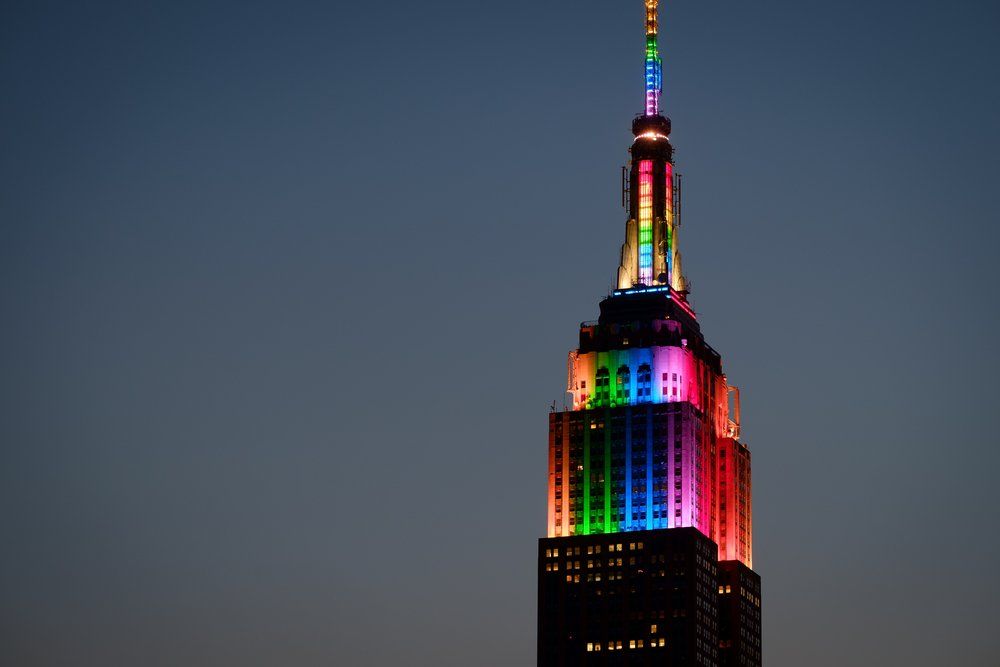
                        Empire State Building in rainbow colors

                        anaglic / Shutterstock.com

                        Empire State Building in rainbow colors in honor of the Orlando shooting victims, New York City – June 26, 2016

                          Nondiscrimination laws: New York has nondiscrimination laws in employment, housing, health care, education, public accommodations, and credit/lending.

                          Marriage equality and parental rights: New York has adoption and foster care nondiscrimination protections for LGBTQ+ parents, second-parent adoption for unmarried couples, and recognition for parents using assisted reproductive technologies. It also has family leave laws, which include LGBTQ-inclusive definitions. It does not have confirmatory adoption.

                          Education and youth policies: New York does not restrict discussion of LGBTQ+ identities in classrooms, but it does not have LGBTQ-inclusive curriculum. It does not prevent transgender students from participating in sports or using school facilities based on their identities, and it does not require staff to forcibly out LGBTQ+ students to their guardians.

                          Healthcare access and rights: New York has “shield” laws protecting access to gender-affirming care for youth, as well as abortion. The state has also banned so-called conversion therapy for youth. Health insurance companies, including Medicaid, are not allowed to deny coverage related to gender transition. Private insurance and Medicaid are also required to cover some fertility treatments.

                          Criminal justice: New York’s hate crime laws encompass sexual orientation and gender identity, and it has banned the so-called “LGBTQ+ panic” defense.

                          Oregon
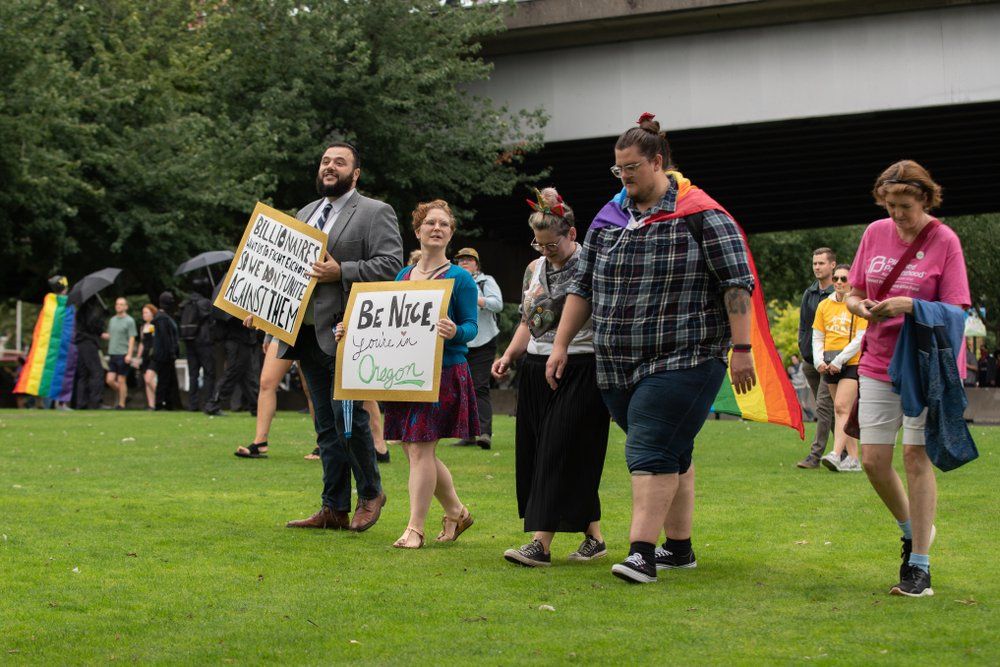
                          Protestors wear rainbow flag capes and carry a sign reading "Be nice, you're in Oregon"

                          Alexander Oganezov / Shutterstock.com

                          Protestors wear rainbow flag capes and carry a sign reading “Be nice, you’re in Oregon” at anti-fascism protest in Portland, Oregon – August 17, 2019

                            Nondiscrimination laws: Oregon has nondiscrimination laws in employment, housing, health care, education, and public accommodations. It does not have nondiscrimination laws in credit/lending.

                            Marriage equality and parental rights: Oregon has adoption and foster care nondiscrimination protections for LGBTQ+ parents and second-parent adoption for unmarried couples. It does have family leave laws, which include LGBTQ-inclusive definitions. It does not have confirmatory adoption, nor recognition for parents using assisted reproductive technologies.

                            Education and youth policies: Oregon does not prevent transgender students from participating in sports or using school facilities based on their identities, and it does not require staff to forcibly out LGBTQ+ students to their guardians. It does not restrict discussion of LGBTQ+ identities in classrooms, and instead requires curriculum to be LGBTQ-inclusive, which parents are not required to be notified of.

                            Healthcare access and rights: Oregon has “shield” laws protecting access to gender-affirming care for youth, as well as abortion. The state has also banned so-called conversion therapy for youth. Health insurance companies, including Medicaid, are not allowed to deny coverage related to gender transition. However, they are not required to cover fertility treatments.

                            Criminal justice: Oregon’s hate crime laws encompass sexual orientation and gender identity, and it has banned the so-called “LGBTQ+ panic” defense.

                            Rhode Island
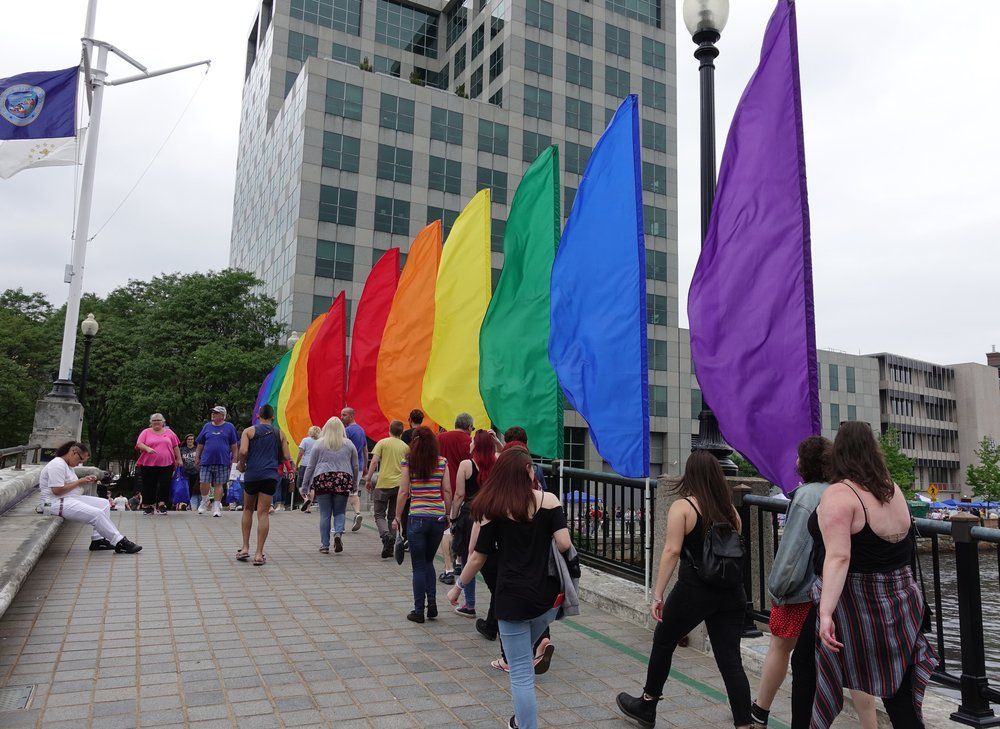
                            Rainbow flags on bridge over water in Providence, Rhode Island

                            Anthony Ricci / Shutterstock.com

                            Pride festival in downtown Providence, Rhode Island – June 17, 2017

                              Nondiscrimination laws: Rhode Island has nondiscrimination laws in employment, housing, education, public accommodations, and credit/lending. It has nondiscrimination laws for gender identity in private healthcare, but not for sexual orientation. It also has a broad “Religious Exemption” law.

                              Marriage equality and parental rights: Rhode Island has adoption and foster care nondiscrimination protections for LGBTQ+ parents, second-parent adoption for unmarried couples and confirmatory adoption, and recognition for parents using assisted reproductive technologies. It also has family leave laws, but their LGBTQ-inclusive definitions are not as robust as others.

                              Education and youth policies: Rhode Island does not restrict discussion of LGBTQ+ identities in classrooms, but it does not have LGBTQ-inclusive curriculum. It does not prevent transgender students from participating in sports or using school facilities based on their identities, and it does not require staff to forcibly out LGBTQ+ students to their guardians.

                              Healthcare access and rights: Rhode Island has “shield” laws protecting access to gender-affirming care for youth, as well as abortion. The state has also banned so-called conversion therapy for youth. Health insurance companies, including Medicaid, are not allowed to deny coverage related to gender transition. Private insurance is required to cover some fertility treatments, but Medicaid is not.

                              Criminal justice: Rhode Island’s hate crime laws encompass sexual orientation and gender identity, and it has banned the so-called “LGBTQ+ panic” defense. It does not have nondiscrimination laws for LGBTQ+ people in jury selection.

                              Vermont
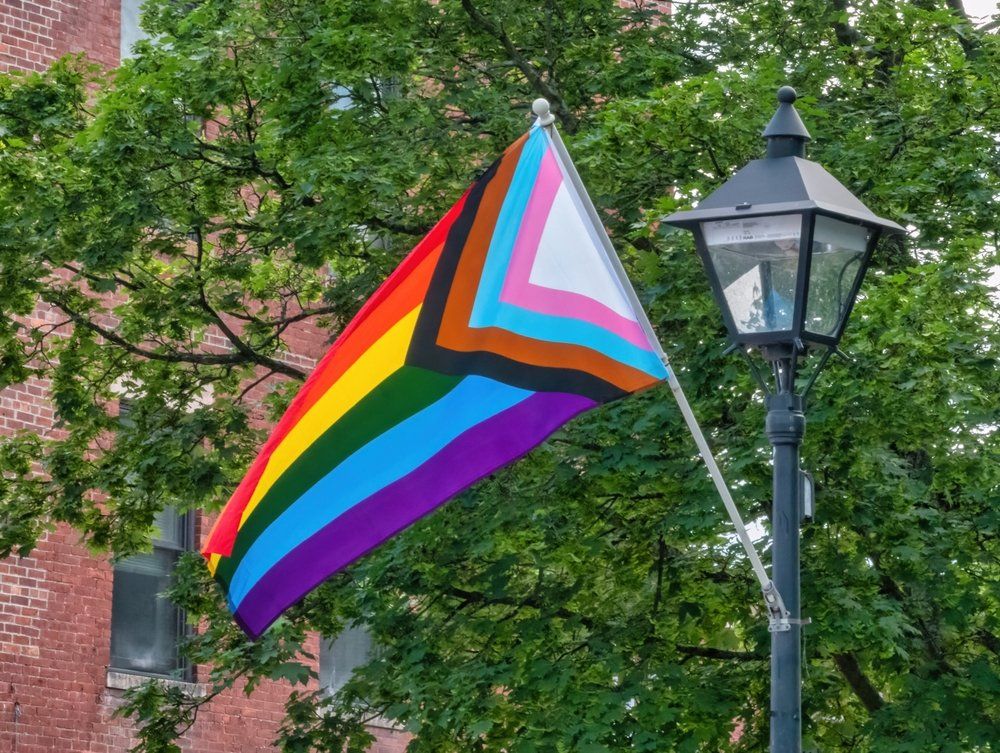
                              Pride flag on lamppost in Montpelier, Vermont

                              Charles Patrick Ewing / Shutterstock.com

                              LGBTQ+ Pride flag on lamppost in Montpelier, Vermont – June 11, 2022

                                Nondiscrimination laws: Vermont has nondiscrimination laws in employment, housing, health care, education, public accommodations, and credit/lending.

                                Marriage equality and parental rights: Vermont has adoption and foster care nondiscrimination protections for LGBTQ+ parents, second-parent adoption for unmarried couples, and recognition for parents using assisted reproductive technologies. It also has family leave laws, which include LGBTQ-inclusive definitions. It does not have confirmatory adoption.

                                Education and youth policies: Vermont does not restrict discussion of LGBTQ+ identities in classrooms, but it does not have LGBTQ-inclusive curriculum. It does not prevent transgender students from participating in sports or using school facilities based on their identities, and it does not require staff to forcibly out LGBTQ+ students to their guardians.

                                Healthcare access and rights: Vermont has “shield” laws protecting access to gender-affirming care for youth, as well as abortion. The state has also banned so-called conversion therapy for youth. Health insurance companies, including Medicaid, are not allowed to deny coverage related to gender transition. However, state employees who are transgender do not have inclusive health benefits. Insurance companies are also not required to cover fertility treatments.

                                Criminal justice: Vermont’s hate crime laws encompass sexual orientation and gender identity, and it has banned the so-called “LGBTQ+ panic” defense. It does not have nondiscrimination laws for LGBTQ+ people in jury selection.

                                Washington
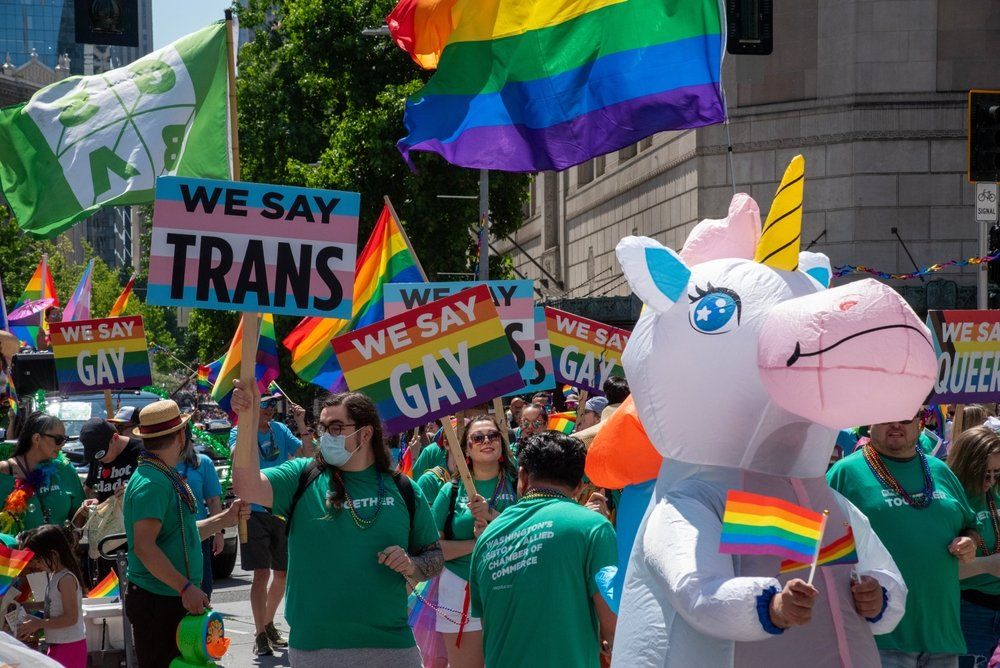
                                People carrying "We say trans" and "We say gay" signs at Seattle Pride

                                SeaRick1 / Shutterstock.com

                                People carrying rainbow signs reading “We say trans” and “We say gay” at LGBTQ+ Pride in Seattle, Washington – June 25, 2023

                                  Nondiscrimination laws: Washington has nondiscrimination laws in employment, housing, health care, education, public accommodations, and credit/lending.

                                  Marriage equality and parental rights: Washington has adoption and foster care nondiscrimination protections for LGBTQ+ parents and recognition for parents using assisted reproductive technologies.. It does have family leave laws, which include LGBTQ-inclusive definitions. It does not have second-parent adoption for unmarried couples, nor confirmatory adoption.

                                  Education and youth policies: Washington does not restrict discussion of LGBTQ+ identities in classrooms, and instead requires curriculum to be LGBTQ-inclusive, which parents are not required to be notified of. It does not prevent transgender students from participating in sports or using school facilities based on their identities, and it does not require staff to forcibly out LGBTQ+ students to their guardians.

                                  Healthcare access and rights: Washington has “shield” laws protecting access to gender-affirming care for youth, as well as abortion. The state has also banned so-called conversion therapy for youth. Health insurance companies, including Medicaid, are not allowed to deny coverage related to gender transition. However, they are not required to cover fertility treatments.

                                  Criminal justice: Washington’s hate crime laws encompass sexual orientation and gender identity, and it has banned the so-called “LGBTQ+ panic” defense. It does have a law criminalizing the transmission of HIV.

                                  Honorable mentions
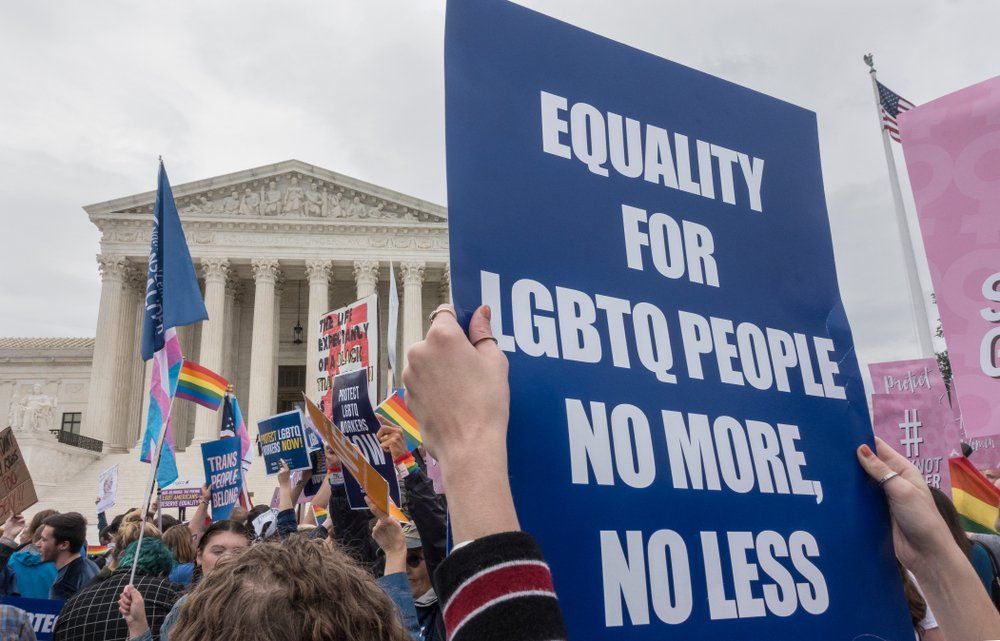
                                  Sign outside SCOTUS reading "Equality for LGBTQ people no more, no less"

                                  Bob Korn / Shutterstock.com

                                  Rally for LGBTQ rights outside Supreme Court in Washington, D.C. – OCT. 8, 2019

                                    Washington, D.C. also ranked high on MAP’s assessment, though it does not currently have statehood.

                                    Other states that ranked above average include: Delaware, Hawaii, Michigan, New Hampshire, New Mexico, and Virginia.

                                    How a vacant Boston school was transformed into thriving housing for LGBTQ+ seniors

                                    *This is reported by NBC News.

                                    An old school building in Boston’s Hyde Park neighborhood, once vacant and “creepy,” is now buzzing with life while teaching new lessons in community and inclusion.

                                    Exactly one year after opening its doors, The Pryde has transformed the historic 1902 structure into New England’s first LGBTQ+ welcoming affordable senior housing community.

                                    Karmen Cheung, Pennrose New England Regional VP, recalled the building’s previous state.

                                    “I remember walking in and doing a tour of the building when it was vacant for the first time,” Cheung said. “It was actually kind of creepy, cold, dark.”

                                    The vision, however, was clear: to turn an historic building into an independent living space where LGBTQ+ seniors could feel a strong sense of belonging. The result is a vibrant community that residents like Brian Salvaggio deeply appreciate.

                                    “It’s bright, it’s open, it’s lively,” Salvaggio said. “It’s really the first group of people that’s lived here, so you feel part of something.”

                                    For many residents, The Pryde offers a much-needed haven.

                                    “As we get older and we want more community around us and we want more support around us, that’s really what brought us here,” resident Pat Xavier said.

                                    The 100% accessible building addresses a critical need for a generation of LGBTQ+ elders who grew up without the legal protections and societal acceptance now afforded to younger generations, according to Gretchen Van Ness, executive director of LGBTQ Senior Housing.

                                    “This generation of LGBTQ elders has faced such losses that they come into their elder years with a much smaller safety net than a lot of other folks are lucky to have,” Van Ness said.

                                    The journey to create The Pryde was a dedicated nine-and-a-half-year collaboration between LGBTQ Senior Housing and Pennrose Management. Throughout the renovation, developers diligently preserved the building’s historic charm, retaining elements like original chalkboards and bell systems.

                                    “Every unit is actually a little different because of those historic pieces,” Cheung said.

                                    The Pryde is open to anyone over 62 who qualifies for affordable housing, though demand has far outstripped availability.

                                    “We are 100% occupied,” Van Ness said. “This community is full and it’s hopping and there’s a million things going on.”

                                    For residents, the most significant impact is the feeling of safety and liberation from discrimination and isolation.

                                    “That’s just a wonderful feeling because, you know, there’s no more hiding,” Brian Salvaggio said. “Not at our age. We want to be who we are and enjoy the time we have.”

                                    After a year of operation, residents and representatives alike believe The Pryde stands as a powerful blueprint for LGBTQ+ senior living communities everywhere, demonstrating how inclusive spaces can transform lives.

                                    What are the safest places for gay and trans people? See where your state ranks

                                    *This is reported by USA Today.

                                    As Oklahoman legislators push to restrict trans rights and overturn the 2015 Supreme Court decision legalizing gay marriage, Zane Eaves says his identity as a transgender man has put a target on his back in his home state.

                                    One of 18,900 trans adults in Oklahoma, Eaves has received death threats as has his wife of 10 years and their two children.

                                    “All the hatred and political stuff going on” are driving this Oklahoma lifer from the place he was born and raised, Eaves, 35, said. He has only crossed the state line three times in his life, but in recent weeks, he made the difficult decision to move his family to North Carolina to be closer to friends and allies. 

                                    “I am just trying to stay alive and keep my marriage,” Eaves said.

                                    Oklahoma ranks 44th in the nation on a list released Monday of the most and least welcoming states for lesbian, gay, bisexual, transgender and queer Americans.

                                    More and more, the question of where LGBTQ+ people feel safe is one of blue vs. red, according to advocacy group Out Leadership.

                                    LGBTQ+ equality fell across the board for the third straight year, according to Out Leadership’s State LGBTQ+ Business Climate Index shared exclusively with USA TODAY. But the sharpest declines came in Republican-led states. 

                                    While progressive strongholds championed supportive policies and protections, conservative states elected a slate of leaders who openly oppose gay and trans rights and sponsored an unprecedented wave of anti-LGBTQ+ legislation, Out Leadership CEO and founder Todd Sears said.

                                    So-called “Don’t Say Gay” bills, religious exemptions and other legislation tanked the rankings of 19 red states in the Out Leadership index, according to Sears. 

                                    Today, the divide between states that roll out the welcome mat and less hospitable parts of the country is wider than ever, he said.  

                                    The least and most welcoming LGBTQ+ states

                                    Each year for the last seven, Out Leadership has released the State LGBTQ+ Business Climate Index to gauge the overall climate for gay and transgender people state by state, mapping out where they will face the most and the least discrimination and hardship. 

                                    Out Leadership’s index measures the impact of state government policies and prevalent attitudes about the LGBTQ+ community, weighing factors such as support for young people and families, health access and safety, political and religious attitudes, work environment and employment and nondiscrimination protections.

                                    The Northeast had six of the 10 highest-ranked states, while the Southeast had six of the lowest-ranked.

                                    Massachusetts, led by the nation’s first openly lesbian governor, Democrat Maura Healey and New York, which guaranteed gender-affirming care and LGBTQ+ refugee protections, tied for first place in this year’s index, with Connecticut and New Jersey close behind.

                                    The least LGBTQ+ friendly state was Arkansas, which ranked last for the third straight year. South Carolina, Louisiana, South Dakota and Alabama also received low scores.

                                    The states that had the largest gains in the index were Kentucky and Michigan, which Out Leadership attributed to “pro-equality” leadership from governors Andy Beshear and Gretchen Whitmer, both Democrats. The steepest declines were in Ohio, Florida and Utah, all led by Republican governors.

                                    Where are the safest places to live?

                                    The Out Leadership index was created as a LGBTQ+ inclusion reference guide for business leaders. But gay and trans people soon began using it to figure out where they should – and should not – live and work, never more so than now as rights rollbacks from the Trump administration and red statehouses hit close to home.

                                    Opposition to transgender rights was a central plank in Trump’s presidential campaign and since taking office he has signed a series of executive orders recognizing only male and female genders, keeping trans athletes out of women’s sports, banning trans people from serving in the military and restricting federal funding for gender-affirming care for trans people under age 19. 

                                    Even states seen as safer for LGBTQ+ people have been navigating these edicts around trans athletes. Trump threatened to cut federal funding to California if a trans girl competed in a state track and field event held Saturday.

                                    AB Hernandez, a junior from Jurupa Valley High School in Riverside County, shared first place in the high jump and triple jump and second in the long jump. She shared the awards podium with her cisgender competitors under a new rule drafted by state athletics officials days before the event to mollify critics.

                                    Republican-led states have been in the vanguard of anti-trans legislation, causing greater geographic polarization and prompting fears among LGBTQ+ residents, even those who live in liberal cities.

                                    Jordan McGuire, a 27-year-old gay man in North Dakota, said the years he spent living in the Deep South taught him about the repressive discrimination routinely faced by gay and genderqueer people. 

                                    At the same time, socially progressive cities in conservative states like Fargo and Grand Forks are no longer the safe havens they once were, he said. 

                                    Now that his fiancee is transitioning to female, the couple is exploring a move to a “sanctuary” state that will be safer for them. 

                                    “It feels like five or 10 years ago, trans people were not under the same microscope they are now and that has definitely influenced our move,” McGuire said. “Yeah, people were prejudiced but it wasn’t a witch hunt. They weren’t looking for people in bathrooms and schools. But now things are so polarized.”

                                    That rising anxiety was captured in a post-election survey from UCLA’s Williams Institute which found that nearly half of transgender people had already fled unsupportive communities and nearly 1 in 4 were considering uprooting their lives. 

                                    The most frequently cited reasons for wanting to move were concerns about LGBTQ+ rights – 76% – the sociopolitical climate – 71% – anti-trans rhetoric and climate – 60% – and anti-trans laws and policies – 47%. 

                                    LGBTQ+ Americans on the move

                                    Interest in relocating to friendlier states is even higher today than it was after Trump’s reelection, say nonprofit workers who aid trans and gender-diverse people relocate to more liberal states with broader protections. 

                                    So far in 2025, Rainbow Railroad in Canada has received more than 3,000 requests from LGBTQ+ people living in the United States, up more than 1,000% from the same time last year, according to communications director Timothy Chan.

                                    Nearly all requested international relocation support. For now, Rainbow Railroad can’t aid Americans with resettlement services because of immigration restrictions, Chan said. 

                                    TRACTION has heard from a record number of people from states as far away as Texas, Oklahoma and Arkansas with many of them reporting being threatened or feeling unsafe in their homes and neighborhoods, said Michael Woodward, the executive director of the trans-led organization in Washington state. 

                                    Trans and gender-diverse people historically face financial hardship due to systemic oppression and discrimination, and need assistance finding jobs and housing as well as with interstate moving expenses that can run tens of thousands, Woodward said.

                                    TRACTION used to get a few applications a week until Trump won a second term. In the two weeks following the election, “we received as many requests for assistance as we’d received in the entire life of the project thus far,” he said. 

                                    After the inauguration, TRACTION started getting three to five applications every day. With one employee and a handful of volunteers, his organization is struggling to keep up with demand, Woodward said.

                                    A hotel kicked a lesbian out of a women’s restroom for being “a man.” Now it’s changing its story.

                                    *This is published in LGBTQ Nation.

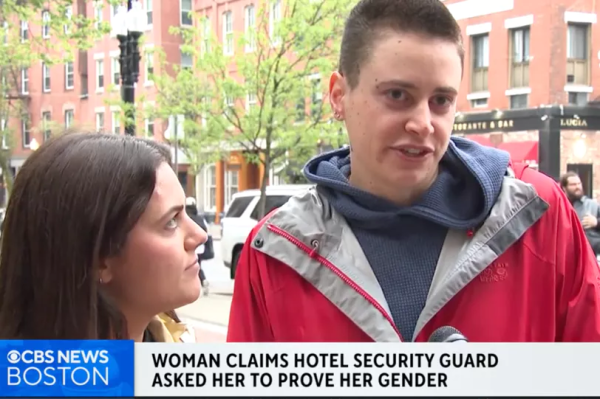
                                    After defending the actions of a security guard who threw a lesbian couple out of a women’s restroom and accused one of them of being a man, a five-star hotel in Boston has suspended the guard and admitted he acted in error.

                                    In addition to sidelining the staff member, the Liberty Hotel on Boston’s Beacon Hill said all staff are being retrained “on inclusive practices and guest interaction protocols.” The hotel is also donating to a local LGBTQ+ organization, WBZ News reports.

                                    “The Liberty Hotel is and always will be an ally of the LGBTQ+ community and a place where everyone is welcome and celebrated,” the hotel said in a statement. “We will continue to educate and train our team to ensure that everyone feels safe and accepted within our four walls, and guests who do not show tolerance and acceptance towards others will be removed.”

                                    The hotel’s statement issued Tuesday was in stark contrast to their initial reaction to the incident on Saturday during a Kentucky Derby viewing party, when the guard stormed into the women’s restroom in the hotel lobby and began banging on stall doors. He accused one of the lesbian partners of being a man.

                                    “All of a sudden there was banging on the door,” said one of the women, Ansley Baker.

                                    “I pulled my shorts up. I hadn’t even tied them. One of the security guards was there telling me to get out of the bathroom, that I was a man in the women’s bathroom. I said, ‘I’m a woman.’”

                                    Baker’s partner, Liz Victor, was waiting by the sinks and heard the commotion.

                                    “I looked down and I saw her shoes, and that’s when I was like, ‘What is going on?”

                                    As Baker was escorted out, the women said, other women in line for the restroom hurled insults at her, calling Baker “a creep” and demanding she be removed. The security guard then demanded to see the women’s IDs to prove their gender.

                                    After a heated exchange, the couple was told to leave the hotel.

                                    In their initial statement issued Monday, the Liberty Hotel accused the two women of sharing one stall.

                                    “An incident occurred at the Liberty Hotel on Saturday, May 3 where several women alerted security of two adults sharing a bathroom stall,” the hotel wrote. “The bathroom was cleared out as two adults in one stall are not permitted. After leaving the bathroom, a member of the couple from the stall put their hands on our security team and it was then that they were removed from the premises.”

                                    “The Liberty Hotel has a zero-tolerance policy for any physical altercations on our property,” the hotel continued. “The safety of our guests and staff is our priority, and this event is under investigation.”

                                    With the investigation complete, the hotel has changed its story.

                                    The couple vehemently denied being in the same stall. 

                                    “If that’s what he thought the issue was once he opened the stall door, obviously there was only one person in there, so it should’ve been case closed,” Victor said. “Let her tie up her shorts and go about her day.”

                                    The couple said they went public hoping to make a difference for others experiencing the same kind of treatment.

                                    “We know we’re not the only ones that face this kind of thing and just hope it doesn’t happen again and that other people who go through this receive the same support,” said Baker. 

                                    Victor added, “It was a very scary situation, but trans women experience this every single day in the U.S. and across the world.” 

                                    Since 2016, Massachusetts state law has allowed all people to use restrooms and locker rooms that are most aligned with their gender identity.

                                    Salem, MA City Council unanimously declares trans sanctuary city status

                                    *This was reported by Boston Spirit Magazine in April

                                    This past Friday, the Salem City Council unanimously passed a resolution to make the City of Salem a sanctuary city for transgender and nonbinary individuals. In its proclamation, the council notes this status in necessary because “the federal government’s continued actions have encouraged discrimination towards transgender persons by state and local governments, schools, hospitals, businesses, other public and private institutions.”

                                    “The City Council of the City of Salem hereby reiterates its commitment to uphold transgender rights and equal protections for transgender community members under the Constitutions, Laws, Ordinances and Regulations of the United States, the Commonwealth of Massachusetts, and the City of Salem and declares itself a sanctuary city and a place of safety for transgender and gender non-conforming people,” states the proclamation in part.

                                    The proclamation goes on to affirm:

                                    “that the City of Salem recognizes the importance of gender-affirming healthcare as a matter of health, privacy, and equality, and to ensure that those rights are upheld for all residents and visitors within the City of Salem.

                                    “that the City of Salem will ensure a safe and supportive environment for all students regardless of gender identity or expression in the Salem Public Schools, including the protection of teachers and other city employees who help to foster such an environment,” and

                                    “that the City of Salem shall endeavor to work with the Salem Human Rights Coalition; to further identify equity shortcomings for the city’s transgender and gender non-conforming community within municipal government, operations, and practices, to ensure the full protection of said community’s residents and visitors.”

                                    Greenfield (Mass.) City Council passes ‘sanctuary city’ resolution for trans, gender-diverse people

                                    *This is reported by the Greenfield Recorder.

                                    City Council voted 9-0, with one abstention, to approve a resolution declaring Greenfield a “sanctuary city” for transgender and gender-diverse people Wednesday evening.

                                    The vote followed more than two hours of public comment, with more than 20 residents voicing their support.

                                    The resolution, which was initially proposed by resident Trystan Greist, was written in anticipation of a federal rollback on LGBTQ rights. Prior to the passage of the resolution, councilors had expressed plans to pass an ordinance in the near future vowing support for the trans community, which would codify it into municipal law.

                                    “There’s absolutely no reason that we shouldn’t do this and a million reasons why we should,” Precinct 2 Councilor Rachel Gordon said. “My only concern is that it’s just a resolution. … I think it’s really important as a community and a council that we then make this into an ordinance that has real teeth so that people have as much protection as possible.”

                                    Among the dozens of resolution supporters — some carrying signs and pinning trans flags to their clothes — was Greist, who explained that while the resolution might not have any legal backing, it could serve as a determining factor for trans and gender-diverse individuals deciding whether to move to Greenfield.

                                    “The reason I wrote [this resolution] wasn’t just for the trans people living in the region — and there are a lot of us, and there are more coming — but it’s for all of the trans families in the nation that are currently under siege,” Greist explained. “We need to put out that we’re here and that we’re welcoming and that we’re safe. To be perfectly honest, I’m hoping that if enough cities in Massachusetts pass resolutions like this, we will eventually become a trans sanctuary state.”

                                    Some residents and activists who spoke in support of the resolution shared their concerns over the state of the trans and broader queer communities, with some expressing fear that the “X” gender marker on their licenses would put targets on their backs in other states.

                                    Others shared experiences of having their pride flags removed from their properties, or facing other forms of discrimination and intimidation because of their gender identities.

                                    “My wife is from here, and when we closed on our house on High Street, before we unlocked our door, the first things that we did were we hung our pride flag on the porch and stamped our Black Lives Matter sign into the front yard,” resident Lev BenEzra said. “Since that time, our pride flag has been ripped down from our porch not once, not twice, but three different times, and yanked in such a manner that the person had to have climbed up onto our porch.”

                                    Other residents, such as Trystan Greist’s spouse Arjuna Greist, quoted pastor and Holocaust survivor Martin Niemöller’s famous poem “First They Came,” to argue that even those outside the trans community have a moral obligation to take a stand against mistreatment and discrimination.

                                    “‘First they came for the socialists’ — we all know the poem. We hear the powerful lesson that we must speak up for any group under attack by a fascist regime, if only to ensure that someone is left to help when they inevitably come for us,” Arjuna Greist said. “We have an opportunity today, here in Greenfield and all over our state and country, to write our own poem together.”

                                    Prior to his vote, At-Large Councilor John Garrett, who also works as a high school history teacher, spoke to Arjuna Greist’s reference to the poem in his remarks. He said the comments “chilled him” and gave historical context to a moral obligation against neutrality.

                                    City Council President Lora Wondolowski, one of the resolution’s early supporters, expressed enthusiasm and pride for the community’s support of the resolution.

                                    “I’m really moved. I knew it would be emotional to hear the stories and I still feel it deep in my heart. When my ex-wife and I moved to Greenfield over 20 years ago, we didn’t know if we’d be welcomed here. I’ve had Slurpees thrown at me from moving cars, and I’ve also seen the best and had neighbors who I never thought would be supportive be really supportive of our family,” Wondolowski said. “This resolution allows us to be full-throated in our support of the community.”

                                    Blog at WordPress.com.

                                    Up ↑