The Uphill Battle to “Say Gay” Amid Civil Rights Threats

This blog originally appeared at Rwebel Magazine.

Amidst civil rights threats, the fight to openly discuss and embrace LGBTQ+ identities remains an uphill battle. The struggle to “say gay” and affirm diverse sexual orientations requires continued advocacy and resilience. By challenging discriminatory policies and promoting inclusive dialogue, we can work towards a more accepting society.

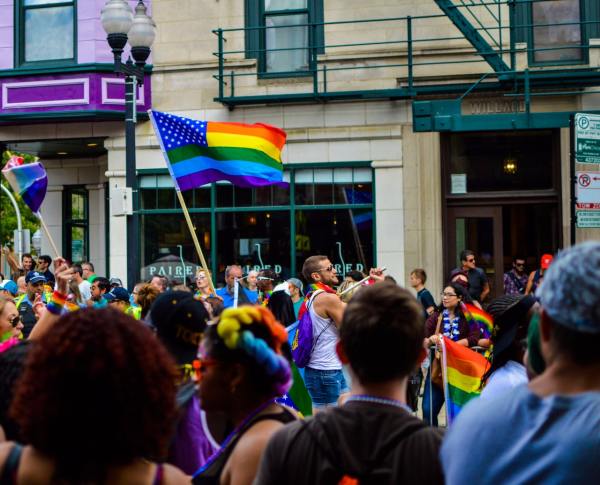
Pride month may be coming to an end, but the fight for queer rights is ongoing. Two days ago, Vice President Kamala Harris visited the site of Stonewall, the historic birthplace of the gay rights movement. On this day in 1969, there was a police raid on the Stonewall Inn in New York City. This raid marked a pattern of repeated harassment against the LGBT+ communities who patronized the bar. As a result, a multi-day riot ensued.

Although trans activist Marsha P. Johnson is credited as throwing the first brick, she said in an interview that “the riots had already started” prior to her arrival. According to them.us, there are competing accounts of who threw the first brick or Molotov cocktail at Stonewall. Nonetheless, Johnson’s impact is felt in the queer community and even beyond.

She and other activists like Sylvia Rivera, and Stormé DeLarverie were active during the riots. Fifty-four years later, their legacies are worth revisiting. Despite major strides like gay marriage and the end of sodomy laws, there has been a heavy backlash against the LGBT+ community in recent years.

Bob McCranie, leader of Texas Pride Realty Group, said that of the 140 anti-gay and anti-trans bills presented to the Texas legislature, nine of them got through. While that number may seem small, he added, “It impacts our ability to live, to get healthcare, to run our businesses.”

When he came out in 1992, it would be eleven years before McCranie could live as a “legal person,” in his words. In 2003, the reversal of Lawrence v. Texas marked a new day for gay rights.

It would be another eleven years before gay marriage would become legal, through the Obergefell v Hodges case in 2014. Alas, these protections are now in danger. When the historic reversal of Roe v. Wade happened, the 14th Amendment came under judicial threat. McCranie stated, “We just saw the 14th Amendment get knocked away with the Roe v. Wade ruling.”

As a result, other civil liberties have come under the spotlight. Following the reversal of Roe v. Wade, Justice Clarence Thomas called for renewed interest in three other rulings: Griswold v. Connecticut (contraception access), Obergefell v. Hodges (gay marriage), and Lawrence v. Texas (same-sex relationships), Politico reported. Two of these rulings affect the LGBT+ community.

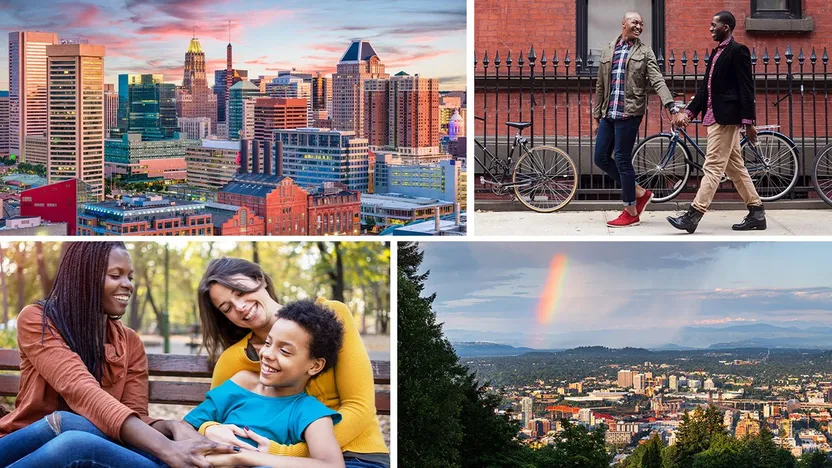
“If we become illegal people again…what does that do for us living in these states?” McCranie asked. To fight these regressive laws, McCranie founded Texas Pride Realty Group, which helps get people out of anti-LGBT+ states and relocates them to sanctuary states and countries. According to McCranie, sanctuary states and anti-LGBT+ states are divided along party lines.

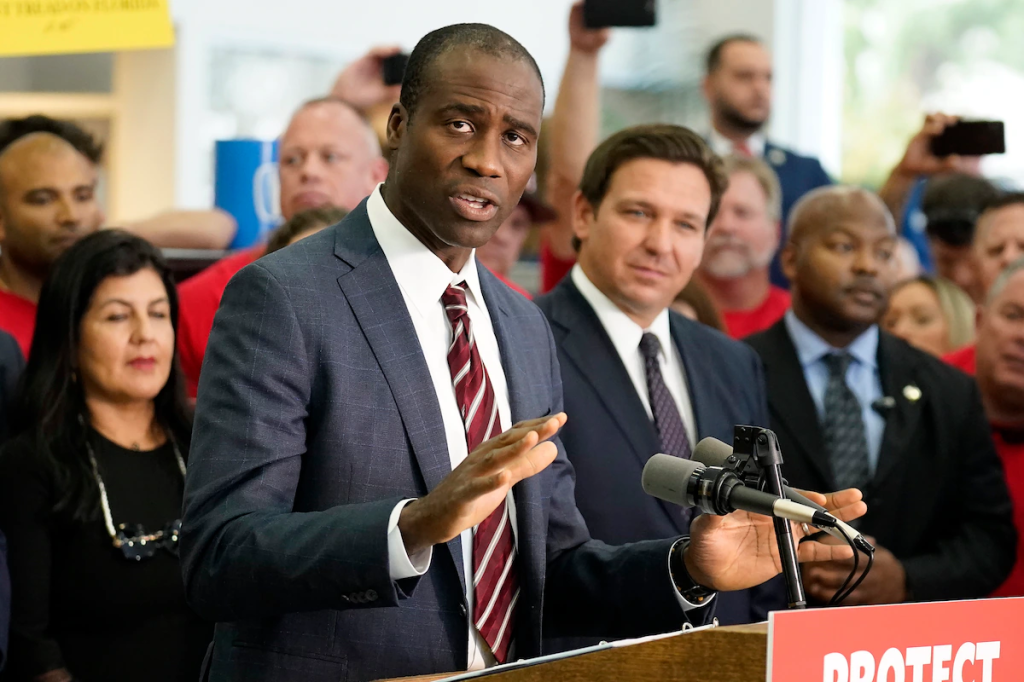
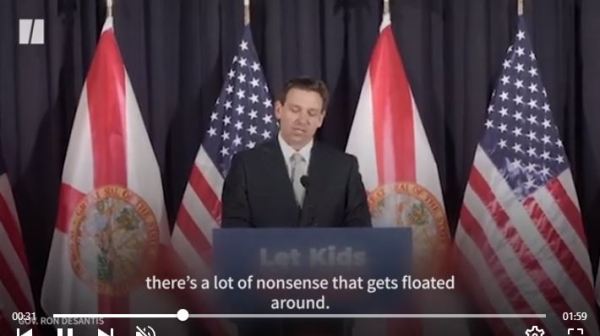
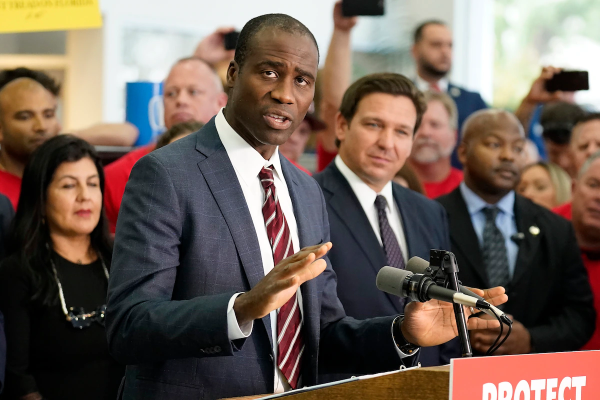
So, typically blue states have been welcoming for the most part, and traditionally red states have been enacting harm. These states include Texas, where McCranie is from, and Florida. To McCranie, Governors Ron DeSantis and Greg Abbott are competing to see who can be the most harmful.

Abbott has called on Texas citizens to report parents of trans kids for abuse if they are providing gender-affirming care for their children. Simultaneously, DeSantis wanted to restrict Medicaid coverage for those seeking gender-affirming care.

As DeSantis vyes for a Presidential seat, he appeals to the same far-right base that elected and supported Donald Trump. McCranie mentioned that activists underestimated Senate Minority Leader Mitch McConnell’s decision to take away former President Barack Obama’s ability to appoint a Supreme Court justice and then turn around and grant that right to former President Trump.

This was all strategic, Bob mentioned. In my view, the trans bans, book bans, and abortion bans are part of the Republican strategy to revert the country to the right. We must resist that. 

Bob said, “When I came out in 1992, I was an illegal person…it’s not my intention to go back to that.”

click here to see full blog: https://rwebel.com/blog/dont-say-gay-pride-lgbt-rights-us/

New York Passes Bill to Shield Abortion Providers Sending Pills Into States With Bans

This blog originally appeared at The New York Times.

The measure is one of several recently enacted by states aiming to expand access to medication abortion for patients who live where it is outlawed.

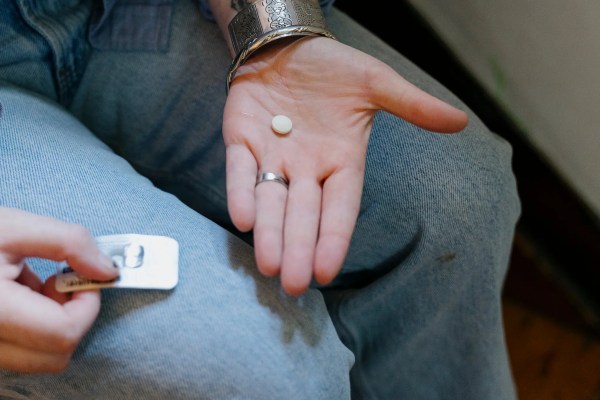
Under new legislation, New York’s courts and officials would not cooperate if another state with an abortion ban tries to prosecute or sue a New York health care provider who offers telemedicine abortion to a patient in the state with the ban.Credit…Kelly Burgess for The New York Times.

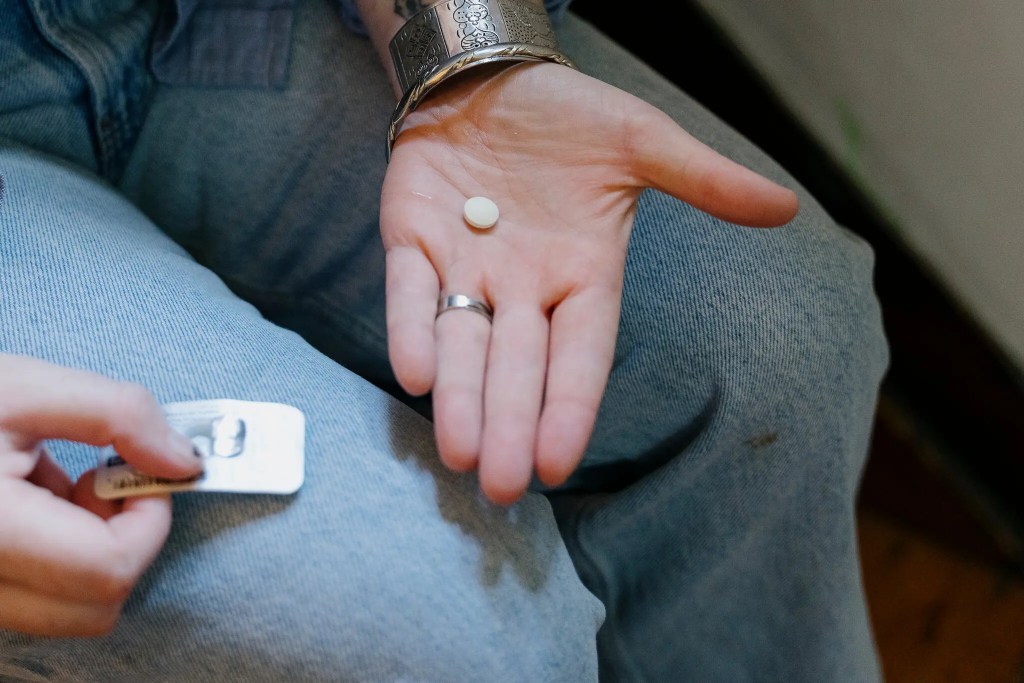
On Tuesday, the New York State Legislature approved a groundbreaking legislation that grants legal protection to doctors in New York to prescribe and deliver abortion pills to patients residing in states where abortion is prohibited. This measure, coupled with similar laws in several other Democrat-controlled states, has the potential to significantly expand access to medication abortions. It enables more patients in states with restrictive abortion laws to terminate their pregnancies at home, eliminating the need to travel to states where abortion is legal.

The New York bill now awaits the approval of Governor Kathy Hochul, who has expressed her support for the concept of a shield law. The legislation stipulates that New York courts and officials will not cooperate with any attempts by states with abortion bans to prosecute, sue, or penalize healthcare providers in New York who offer telemedicine abortions to patients in those states, as long as the providers adhere to New York law. The bill passed the State Assembly with a vote of 99 to 45 on Tuesday evening, following its approval in the Senate by a vote of 39 to 22 last month.

Since the Supreme Court’s decision last year to end the nationwide right to abortion, various states have enacted telemedicine abortion shield laws, including Massachusetts, Colorado, Vermont, and Washington. However, New York’s legislation is expected to have a particularly notable impact. Multiple providers in New York have expressed their intention to send abortion pills to patients in all states with abortion restrictions, and some providers are speaking publicly about it, which is a step that providers in other states with shield laws have not taken thus far.

The 10 Most Affordable Small Towns Where You’d Actually Like To Live, 2023 Edition

This blog originally appeared at Realtor.com

At some point, many city dwellers realize they’ve had enough of the tiny, exorbitantly priced apartments, the noise and gridlock, the angry drivers, and the packed sidewalks. They find themselves longing for a simpler life—perhaps even putting down roots in small-town America, where they’re not always in a rush and a walk through town is sure to include at least a few friendly faces.

As you’ve probably heard, small- and medium-sized communities, farther from the country’s historic coastal population centers, have had quite a housing renaissance in the past few years. While mortgage rates were near zero and workers had more flexibility to work remotely during the COVID-19 pandemic, many descended on pretty, tranquil, formerly affordable, smaller towns—and that caused some prices to skyrocket.

But here’s the news: It’s not too late to trade in big-city bustle for small-town serenity without busting your budget. The Realtor.com® data team found America’s most affordably priced, small towns that also have lots to offer residents. These aren’t just nice places with low-priced real estate. These are places where you might actually love to live.

“I drive down the street and see 10 people I know,” says Kelsey Janssen, a Realtor® and associate broker at Coldwell Banker Town & Country Realty of Kearney, NE, one of the top spots on our list. “Even people who don’t know you wave here.”

Janssen says she has clients who have come from California, or neighboring Colorado, and they’re blown away by how friendly everyone is—on top of how much more affordable the homes are.

Some of these smaller communities have carved a niche for themselves, whether it’s live music, like in Branson, MO, or the old-world German charm of New Ulm, MN. Each has a different flavor.

To find these desirable small towns, the Realtor.com data team looked at real estate in every U.S. “micropolitan area,” the collection of counties with a population between 10,000 and 50,000. (With the surrounding areas included, a micropolitan area can technically have a population as large as 200,000, but we’re focusing on the core town within.) Then we pulled together U.S. Census Bureau data detailing the dining, entertainment, recreation, and quality-of-life business establishments in the area, and calculated their rate per 100,000. We ranked the towns using an equal combination of those categories, as well as home list prices.

We limited our list to places where the median list price per square foot is less than 150% of the national average, and we selected only the highest-ranking micropolitan area in any given state, to ensure geographic diversity.

Here’s our list of the most affordable small towns with big quality of life.

1. Cortland NY

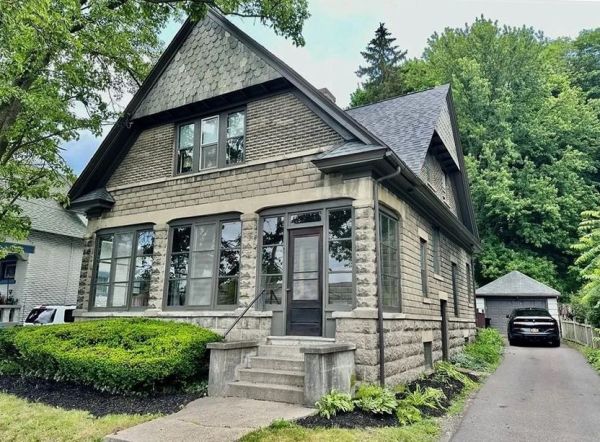
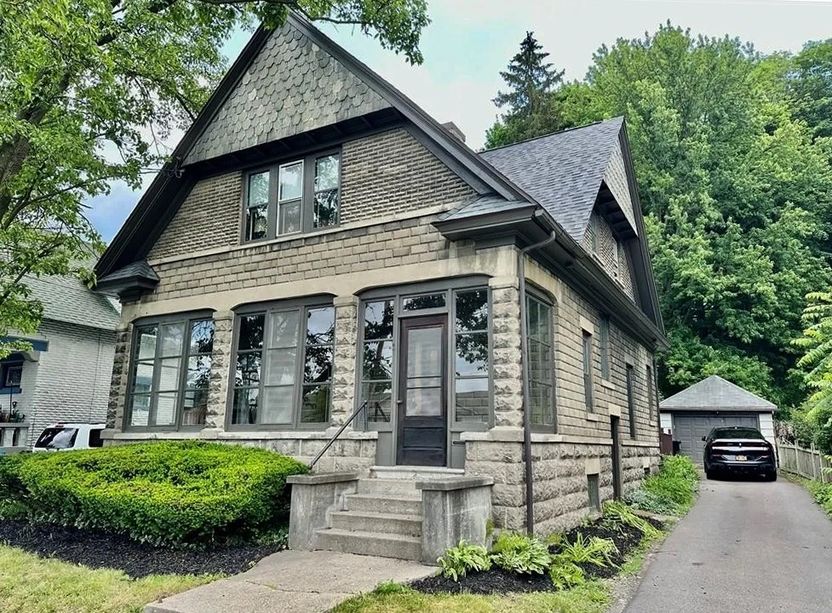
A home for sale in Cortland, NY

Median list price: $159,250

Our No. 1 affordable small town with lots of big-city appeal is Cortland. The residents of the town in central New York have quick access to some larger cities, sitting about 35 minutes north of Ithaca and 45 minutes south of Syracuse. And the median list price is just about one-third of the national median in May. You get a lot for your money here.

Cortland, which has a history dating to the late 18th century, is surrounded by tree-covered hills, which transform into a patchwork of orange, gold, and crimson in the fall, which sets the mood for the annual Great Cortland Pumpkin Festival.

“The community events are just wonderful here,” says Jason Hage, a local real estate broker at Hage Real Estate.

“You’ve got the Pumpkin Festival and also the  We have two or three parades a year,” he adds. “Every Wednesday night from June through August, we have Homer Fireman Field Days. at the Homer elementary school. It’s such a cool thing to be able to hang out there with your neighbors and check out live music.”

Cortland, like any good small town, has a Main Street dotted with restaurants, bars, coffee shops, vintage boutiques, and tattoo parlors. Other local attractions that boost Cortland’s small-town bona fides include the Cortland Repertory Theatre, offering up a range of performances, and The 1890 House Museum, where residents can learn about the town’s history and architecture.

For the more adventurous Cortlanders, Greek Peak Mountain Resort is where to go for downhill skiing and snowboarding, as well as snowshoeing and cross-country skiing—and it’s only 15 minutes outside of town.

click here to see full blog: https://www.realtor.com/news/trends/small-american-towns-with-affordable-real-estate-and-lots-of-quality-of-life-attractions/?identityID=57d0587439de4b80070006a5&MID=2023_0620_ArticleNL&RID=4185881482&cid=eml_promo_Marketing_NonPRSL_ArticleNL_cons.16738582_2023_0620_ArticleNL-hero-blogs_trends

The Best US States for LGBTQ Couples: Where to Live and Thrive – queer voices

This blog originally appeared at Queer Voices.

In terms of LGBTQ rights and acceptance, the United States has made significant progress, but the level of LGBTQ-friendliness can vary across states. In this article, we will discuss five states that are considered the best for LGBTQ couples, taking into account factors such as anti-discrimination laws, marriage equality, and LGBTQ community resources.

California:

California is known for its welcoming environment for LGBTQ individuals and couples. The state legalized same-sex marriage early on and has strict anti-discrimination laws. Cities like San Francisco have vibrant LGBTQ communities and host large-scale pride events.

New York:

New York has a rich history of LGBTQ activism and a sizable LGBTQ population. The state legalized same-sex marriage in 2011 and has strong anti-discrimination laws. New York City, particularly neighborhoods like Chelsea and Greenwich Village, is known for its LGBTQ-friendly atmosphere and iconic landmarks.

Virginia:

Although not typically mentioned among LGBTQ-friendly states, Virginia has made significant progress recently. The Virginia Values Act protects LGBTQ individuals from discrimination, and the state has a growing LGBTQ community with events like Hampton Roads Pride and Virginia PrideFest.

Massachusetts:

Massachusetts holds the distinction of being the first state to legalize same-sex marriage in 2004. It has a robust network of LGBTQ community centers, progressive anti-discrimination laws, and a vibrant LGBTQ tourism industry. Boston, in particular, has a thriving LGBTQ population.

Washington:

Washington state legalized same-sex marriage in 2012 and has enacted progressive legislation to protect LGBTQ rights. Seattle, in particular, has a strong LGBTQ community with ample resources and support services. The state is also known for its progressive politics and environmental activism.

It is important for LGBTQ couples to carefully consider their options and prioritize their needs when choosing a place to live or visit in the United States. The states mentioned above offer a welcoming environment, legal protections, vibrant LGBTQ communities, and an abundance of resources and support services.

CLICK HERE TO READ MORE FROM THE ORIGINAL BLOG

Target Removes Some LGBTQ Merchandise From Stores Ahead Of June Pride Month

This blog originally appeared at Huff Post.

The retailer is making changes to its LGBTQ merchandise nationwide after an intense backlash from some customers including violent confrontations with its workers.

NEW YORK (AP) — Target is removing certain items from its stores and making other changes to its LGBTQ merchandise nationwide ahead of Pride month, after an intense backlash from some customers including violent confrontations with its workers.

“Since introducing this year’s collection, we’ve experienced threats impacting our team members’ sense of safety and well-being while at work,” Target said in a statement Tuesday. ”Given these volatile circumstances, we are making adjustments to our plans, including removing items that have been at the center of the most significant confrontational behavior.”

In response to customer backlash, retail giant Target has made adjustments to the placement of its Pride merchandise in select Southern stores. While the company did not specify the exact items being removed, there has been significant attention drawn to certain products, including “tuck friendly” women’s swimsuits designed to accommodate trans women and occult- and satanic-themed LGBTQ clothing and accessories from London-based company Abprallen.

Target’s Pride merchandise, typically released in early May to coincide with Pride month in June, has sparked controversy and faced scrutiny from shoppers in Southern areas. As a result, the company decided to relocate the merchandise from the front of the stores to the back.

The decision to alter the placement of the Pride merchandise comes amidst ongoing debates and tensions surrounding LGBTQ+ inclusivity and representation. While Target has not provided specific details about the items being removed, the attention garnered by the “tuck friendly” swimsuits highlights the importance of accommodating diverse needs and identities within the trans community.

Additionally, designs from Abprallen, known for their occult- and satanic-themed LGBTQ clothing and accessories, have drawn criticism and further contributed to the controversy surrounding Target’s Pride merchandise. The inclusion of such designs has sparked discussions about the boundaries of expression and the balance between representation and potential offense.

Target’s decision to relocate the Pride merchandise reflects the complex landscape of inclusivity and public sentiment across different regions. By responding to customer feedback and adapting their approach, the company aims to address concerns and maintain a welcoming environment for all shoppers.

CLICK HERE TO READ MORE

The 10 Best—and Cheapest—Cities for LGBTQ Homebuyers, 2022 – REALTOR.com

This blog originally appeared at Realtor.com

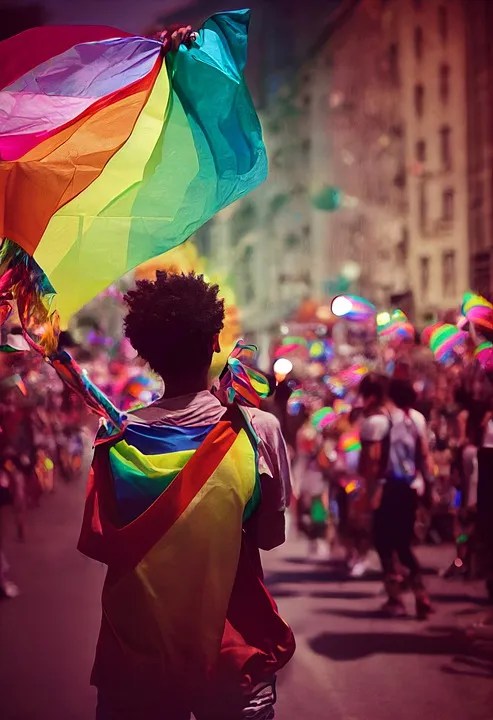
Pride Month means it’s time to celebrate all things that encourage the dignity, equality, and increased recognition of the LGBTQ community. So go ahead and wave that big, beautiful rainbow flag—and, just maybe, zero in on a place to buy a great new home.

It’s also the perfect time to pause and recognize that while the United States has come a long way from the 1969 Stonewall riots, which sparked the modern gay rights movement, 2022 is on track to break the record for the number of anti-LGBTQ bills introduced in states across the country, with at least 320 highly restrictive bills pending in state legislatures, according to the rights group Freedom for All Americans.

So, as we do each year, Realtor.com® searched for the most LGBTQ-friendly and affordable cities for homebuyers. We looked well past the big coastal cities famous for their thriving gay scenes—and wildly exorbitant home prices—like New York and San Francisco. Instead, we set our sights on smaller cities that are gay-friendly and budget-friendly, where housing is still modestly priced and the overall community and laws are more welcoming and favorable to lesbian, gay, bisexual, transgender, and queer individuals. All of these places have tons of fun things to do—and prices that are still (relatively) within reach.

Read Full Article – https://www.realtor.com/news/trends/the-most-affordable-lgbtq-friendly-places-to-live/


If you’re ready to look for a better state or county for you and your family (or family of choice), reach out to us at www.FleeRedStates.com

Blog at WordPress.com.

Up ↑