Join Connor Kobilarcsik, an experienced real estate agent with deep roots in the Ohio market, as he takes you through a detailed look at the Cleveland real estate landscape. In this video, you’ll learn:
Current Market Trends: Stay up-to-date on home prices, interest rates, and available inventory.
Hot Neighborhoods: Discover the most sought-after areas in Cleveland and what makes them unique.
Investment Opportunities: Get insights into potential investment strategies and whether now is the right time to buy.
Expert Tips for Buyers and Sellers: Navigate the real estate process with advice from a seasoned professional.
Whether you’re a first-time homebuyer, a seasoned investor, or just curious about Cleveland’s market, this video is packed with valuable insights from a local expert. Don’t miss out!
He also claims that “liberals” have contaminated America’s foundation.
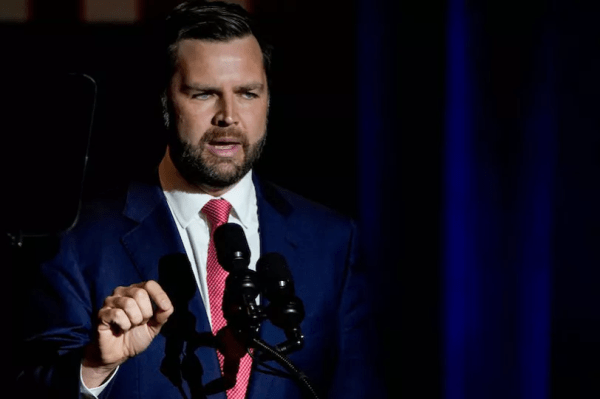
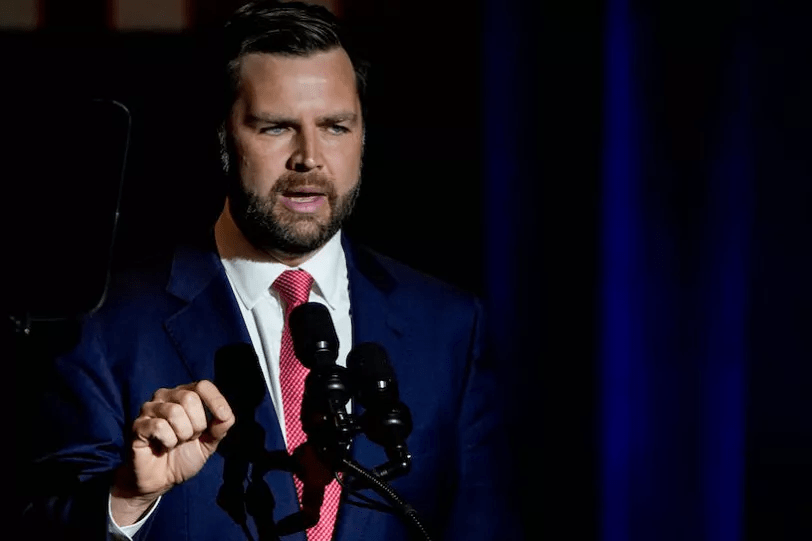
Vice presidential candidate JD Vance addressed supporters at a rally held inside Middletown High School on Monday, July 22, 2024. The Ohio senator is running as the vice presidential candidate alongside former President Donald Trump.
Republican vice presidential nominee Sen. J.D. Vance (R-OH) likened Democrats and left-leaning liberals to “wolves” that need to be eliminated and to gardeners who have poisoned American soil in his foreword to Dawn’s Early Light: Taking Back Washington to Save America, authored by Kevin Roberts. Roberts employs similarly violent and dehumanizing language throughout the book.
Roberts, president of the right-wing Heritage Foundation and the architect of Project 2025—a blueprint for dismantling federal agencies and reversing longstanding civil rights under a potential second term for Donald Trump—drives the book’s controversial message.
Vance opens his 1,091-word foreword to Roberts’ book by referencing Pulp Fiction, a 1994 Quentin Tarantino film known for portraying its three gay characters as violent kidnappers, rapists, and BDSM enthusiasts.
Near the end of his foreword, Vance writes, “We need an offensive conservatism, not merely one that tries to prevent the left from doing things we don’t like.” He then employs a garden metaphor to vilify liberals as gardeners who have poisoned American soil, echoing Trump’s claim that immigrants are “poisoning the blood of our country.”
Vance describes his analogy: “Imagine a well-maintained garden in a patch of sunlight. It has some imperfections, of course, and many weeds… In an effort to eliminate the bad, a well-meaning gardener treats the garden with a chemical solution. This kills many of the weeds, but it also kills many of the good things. Undeterred, the gardener keeps adding the solution. Eventually, the soil is inhospitable.”
In this analogy, Vance explains, “modern liberalism is the gardener, the garden is our country, and the voices discouraging the gardener were conservatives. We were right, of course: in an effort to correct problems—some real, some imagined—we made a lot of mistakes as a country in the 1960s and 1970s.”
While Vance does not specify these mistakes, it’s notable that the 1960s marked the height of the first U.S. Civil Rights Movement, leading to landmark legislation that outlawed segregation, discriminatory voting practices, and workplace, educational, housing, and public accommodation discrimination based on race, color, religion, sex, or national origin. The era also saw significant anti-war, pro-worker, women’s liberation, and LGBTQ+ rights movements, as well as the introduction of birth control pills, which gave women greater control over their reproductive rights.
Vance returns to his garden metaphor, stating, “To bring the garden back to health, it is not enough to undo the mistakes of the past… It needs to be recultivated. The old conservative movement argued if you just got government out of the way, natural forces would resolve problems—we are no longer in this situation and must take a different approach.”
He continues, “As Kevin Roberts writes, ‘It’s fine to take a laissez-faire approach when you are in the safety of the sunshine. But when the twilight descends and you hear the wolves, you’ve got to circle the wagons and load the muskets.’”
Vance emphasizes Roberts’ violent rhetoric with urgency, writing, “We are now all realizing that it’s time to circle the wagons and load the muskets. In the fights that lay ahead, [Roberts’] ideas are an essential weapon.”
While some might interpret Vance’s pioneer imagery—referring to covered wagons and old-timey firearms—merely as historical references, the metaphor of wolves as deadly predators poses a more primal threat. Vance is aware of the right-wing’s affinity for gun rights, and similar imagery has been used by other conservatives to “defend” traditional values.
Roberts himself has called for a “Second American Revolution,” a modern-day repeat of the historic conflict that resulted in significant American casualties. Though Roberts describes this revolution as “bloodless,” he adds it will only be so “if the Left allows it to be.”
Roberts’ suggestions have generated such controversy that Trump has denied any association with Project 2025, while the Heritage Foundation has claimed to have shut it down, despite ongoing recruitment for a second Trump administration. Roberts’ ideas have become so unpopular that he has postponed his book’s release until after the election.
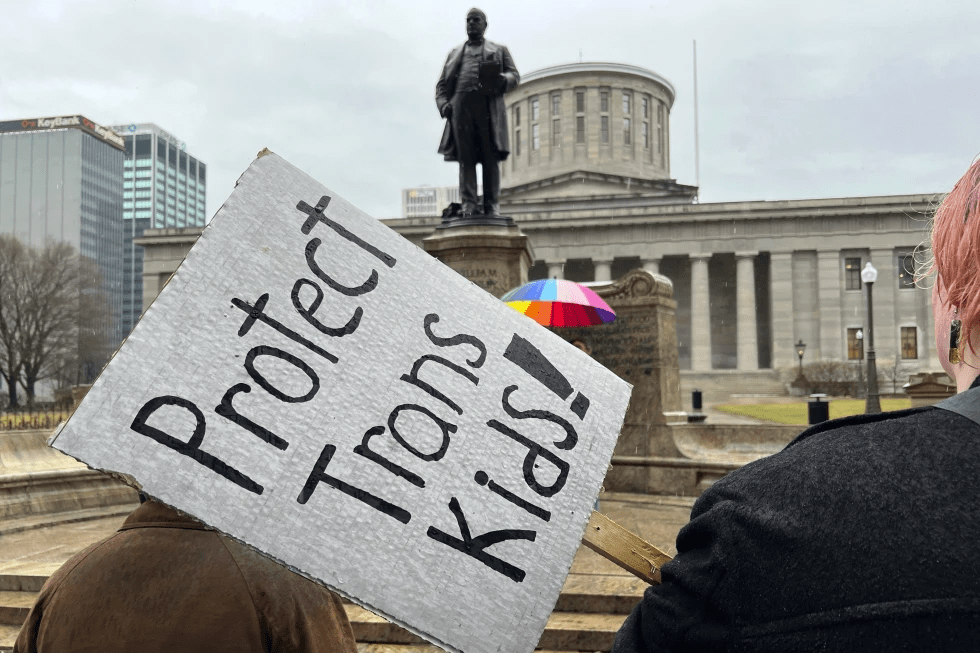
COLUMBUS, Ohio (AP) — On Tuesday, a county judge ruled that an Ohio law restricting gender-affirming health care for minors can go into effect.
The American Civil Liberties Union of Ohio has announced plans to file an immediate appeal.
The law prohibits transgender surgeries and hormone treatments for individuals under 18, except for those already undergoing such treatments where discontinuation could pose a risk, as determined by a doctor. It also imposes limitations on the types of mental health services available to minors.
Passed by state lawmakers in January, the law also bans transgender athletes from participating in girls’ and women’s sports, following an override of a veto by Republican Governor Mike DeWine.
In his ruling, Franklin County Judge Michael Holbrook stated that the ban “reasonably limits parents’ rights to make decisions about their children’s medical care” in line with the state’s legitimate interest in regulating medical practices and treatments.
The organizations challenging the law argue that it denies essential health care to transgender youth and specifically discriminates against their access to such care. The lawsuit also contends that combining the two bans breaches Ohio’s single-subject rule for legislation.
“This decision is not only a blow to our courageous clients but also to countless transgender youth and their families throughout the state who depend on this essential, life-saving health care,” said Freda Levenson, Legal Director at ACLU of Ohio.
In response, the office of Republican Ohio Attorney General Dave Yost stated that “this case has always centered on the legislature’s authority to enact laws aimed at protecting children from making irreversible medical and surgical decisions about their bodies.”
Ohio Governor Mike DeWine vetoed the law at the end of 2023 after visiting children’s hospitals and speaking with families affected by gender dysphoria. DeWine described his decision as thoughtful, limited, and “pro-life,” highlighting the suicide risks associated with not receiving appropriate treatment for gender dysphoria.
DeWine also announced plans to implement an administrative ban on transgender surgeries for individuals under 18 and to enhance state regulation and monitoring of gender-affirming treatments for both children and adults. He hoped these measures would address concerns from Republican colleagues in the Ohio Statehouse. However, the administration quickly abandoned this plan after transgender adults expressed significant worries about how such regulations could impact their lives and health.
Following DeWine’s veto, Ohio lawmakers remained resolute, successfully overriding it and making Ohio the 23rd state to enact a ban on gender-affirming health care for transgender youth.
Most of the extreme bills have failed to pass, but trans adults are closely monitoring statehouses with heightened anxiety.
This year, states have attempted to restrict transgender people from using public bathrooms and updating identity documents like driver’s licenses. Legislators in multiple states are working to redefine sex based on reproductive capacity and to exclude gender identity from discrimination protections.
So far, these bills aiming to weaken civil rights protections for trans people and bar them from public facilities haven’t made significant progress. According to the ACLU, only five anti-LGBTQ+ bills have been enacted into law this year. Additionally, several states notorious for advancing such legislation, like Florida, Utah, and West Virginia, have concluded their legislative sessions for the year.
Nonetheless, these efforts could have disastrous impacts on the lives of trans adults. Medical health professionals are concerned about the long-term physical and mental health effects of ongoing political attempts to restrict LGBTQ+ rights. Additionally, many of the active bills could create gaps in medical care for trans people during this period of heightened anxiety.
Currently, Ashton Colby is experiencing a state of chronic stress. As a 31-year-old white transgender man living near Columbus, Ohio, he has felt intense whiplash due to the unexpected changes in state policies on gender-affirming care over the past few months.
“With my fundamental, basic humanity being publicly debated and scrutinized, I feel gutted, dehumanized, and completely misunderstood for all that I am,” he said.
Colby has been stressed for years about anti-trans policies, but he never imagined that trans adults might be forced to go without medical care. In Ohio, that nearly happened. Republican Governor Mike DeWine proposed restricting gender-affirming care for adults instead of supporting a statewide ban on minors’ care. However, after public outcry, the state’s health agency announced it would not implement those restrictions for adults.
Colby initially feared he would lose his medical provider of eight years and considered moving to Denver. He also worries that if Republicans win the White House and Congress this year, his ability to access necessary documentation and his rights as a trans person will be at risk.
Dr. Carl Streed, president of the U.S. Professional Association for Transgender Health (USPATH), constantly contemplates the negative health outcomes for trans people who do not feel safe in society. He believes anti-trans policies will exacerbate isolation during what the surgeon general has called an epidemic of isolation and loneliness in the United States.
“These policies that restrict people’s public life are effectively directly harming them, both in terms of immediate issues around mental health, connection to community, accessing care in urgent situations, but long-term, we’re going to see worse health outcomes in probably the next five, ten years, if not sooner,” he said.
What do those worse health outcomes look like? Increased isolation and inability to participate in public life and engage in-person with the community lead to poorer cardiovascular fitness and a higher likelihood of high cholesterol and hypertension. This, in turn, increases the risk of heart attacks and strokes. Isolation is also associated with worse cognitive function and decreased memory, according to Streed.
“They’re definitely creating a complex patchwork of restricted public spaces,” remarked Streed, a primary care physician at the Boston Medical Center. “But the concern is that these are national discussions. What unfolds in Florida becomes a topic I discuss with my patients in the examination room.”
Transgender individuals in states without healthcare or public space restrictions may still feel anxious about such policies in other states, he noted. These restrictions can impact them even when visiting friends and family.
As of this year, the ACLU is monitoring around 200 active anti-LGBTQ+ bills in various state legislatures. While some bills have been defeated, the transgender community, along with much of the broader LGBTQ+ community, continues to experience heightened fear and anxiety.
Simone Chriss, an attorney with the Southern Legal Counsel in Florida and director of the organization’s transgender rights initiative, highlighted during a press call in February that Florida has implemented a series of often perplexing anti-LGBTQ+ policies designed to instill fear.
“The intention is to instill fear and confusion, making us uncertain about our rights, leading us to err on the side of caution. The vagueness and ambiguity are deliberate,” she asserted. Chriss addressed a gathering of advocates, locals, and members of the press at an emergency “town hall” aimed at clarifying the legal implications and debunking myths surrounding Florida’s new driver’s license policy.
Angelique Godwin, an Afro-Latina transgender woman and advocate with Equality Florida, shared with The 19th how transgender individuals in Florida have been rallying around each other amid increasing limitations on their everyday lives. Last spring, Godwin faced a setback in her healthcare access when Gov. Ron DeSantis signed a law barring patients from receiving gender-affirming care from nurse practitioners. Subsequently, she encountered difficulty refilling her prescription for estradiol valerate, an essential component of her gender-affirming care. This confusion stemmed from pharmacies refusing service to patients in the aftermath of the law’s enactment, a challenge also faced by other transgender individuals in Florida.
“Fortunately, I had a stash, my own little reserve of medications. But for people close to me who were affected, they had no access,” she explained. “It came out of nowhere for them.”
Later, Godwin discovered a facility in Tampa with a doctor who operated on a sliding-scale payment system, enabling her to continue her care. She also obtained coverage through the federal government’s health insurance marketplace, which provided further assistance. Additionally, she managed to maintain appointments with her regular doctor for mental health visits despite the new law.
Additional gaps in care have been filled by mutual aid grants and organizations like Folx Health, an LGBTQ+ telehealth provider. Folx mandates an in-person doctor’s visit, during which patients review and sign a consent form to ensure care aligns with state regulations.
“During those initial three months from June to August, many people faced challenges. However, since then, most of the individuals I’m acquainted with who are in Florida have remained.”
About 30 bills aiming to limit transgender individuals’ access to healthcare are currently progressing through state legislatures, according to the ACLU. These bills seek to prohibit gender-affirming care, including puberty blockers and hormone therapy, for transgender youth. Additionally, they aim to block insurance or Medicaid coverage for such care and impose restrictions on access to these services for incarcerated transgender individuals.
Accessing gender-affirming care is already challenging for transgender individuals in many parts of the country, even without additional state-level restrictions. For numerous trans individuals, obtaining essential healthcare necessitates traveling across state borders.
Dr. Angela Rodriguez, a plastic surgeon specializing in transgender care in San Francisco, frequently treats patients who journey to California. This isn’t solely due to a lack of trans-affirming care elsewhere; she’s had transgender individuals travel from places like Alabama, where finding quality dental or primary care is challenging.
Over the past few years, she has heard a recurring concern from patients from out of state: Who will provide ongoing care for them in the future?
“I have patients who choose to return, flying all the way from the East Coast, because they don’t feel comfortable discussing their needs with a local physician,” she noted. She collaborates with patients traveling from other states to ensure they have a support network in California to assist them post-surgery, whether it’s a loved one or a friend.
Dr. Johanna Olson-Kennedy, the president-elect of USPATH and a practitioner at Children’s Hospital Los Angeles, highlighted the deteriorating mental health of her adolescent and young adult trans patients due to the recent bans on gender-affirming care for minors in certain states. Additionally, her patients express concerns about their safety and ability to exist publicly, especially regarding the use of public restrooms. With extreme bathroom bans in states like Florida and Utah, coupled with eight other states prohibiting trans individuals from using restrooms aligning with their gender identity in school settings, the fears among trans youth are compounded.
“I don’t think people fully grasp the mental health toll of the pandemic, let alone the added weight of these laws,” she remarked. Olson-Kennedy emphasized that many of her patients, who are mostly preparing for college or graduate school, are opting to avoid states implementing anti-trans legislation when considering their educational pursuits.
Olson-Kennedy herself finds social media to be an unsafe space. As a provider of gender-affirming care, she faces hostility and politicization from Republican lawmakers, lobbyists, and far-right media figures.
“You should be shot when you leave your clinic because you can only handle so much hearing.” That’s not something that medical school curriculums teach. Pediatricians and children’s hospitals have never dealt with anything like this before.
Olson-Kennedy stated that more individuals should be aware of what gender-affirming care entails. She explained that the care is given over an extended period of time, with parents and guardians participating for kids, and it addresses the extreme hopelessness that many trans persons experience as a result of gender dysphoria.
“I wish people could see above their personal discomfort and ignorance and truly acknowledge the medical necessity of this therapy. It saves and transforms people’s lives, and it’s incredibly significant,” she remarked.
As a Florida elementary school grapples with a growing measles outbreak, the state’s top health official is providing advice that contradicts scientific consensus, potentially putting unvaccinated children at risk of contracting one of the most contagious pathogens on Earth, according to clinicians and public health experts.
In a letter to parents at a Fort Lauderdale-area school following six confirmed measles cases, Florida Surgeon General Joseph A. Ladapo failed to urge parents to vaccinate their children or to keep unvaccinated students home as a precaution.
Instead of following the “normal” recommendation that parents keep unvaccinated children home for up to 21 days — the incubation period for measles — Ladapo stated that the state health department “is deferring to parents or guardians to make decisions about school attendance.”
Ladapo’s controversial decision continues a pattern of defying public health norms, especially regarding vaccines. Last month, he called for halting the use of mRNA coronavirus vaccines, a move widely condemned by the public health community.
Ben Hoffman, president of the American Academy of Pediatrics, criticized Florida’s guidance, stating that it contradicts longstanding and widely accepted public health recommendations for measles, a disease that can lead to severe complications, including death.
“It contradicts everything I’ve ever heard and read,” Hoffman stated. “It goes against our policy and what the Centers for Disease Control and Prevention would recommend.”
In 2024, measles outbreaks have surged, with the CDC recording at least 26 cases across 12 states, doubling the count from the previous year. Apart from the six cases identified in the Florida school, instances have been documented in Arizona, California, Georgia, Maryland, Minnesota, Missouri, New Jersey, New York City, Ohio, Pennsylvania, and Virginia.
The surge in measles outbreaks is attributed to the increasing number of parents seeking exemptions from childhood vaccinations. This trend has emerged in the wake of political opposition to COVID-19 mandates and widespread dissemination of misinformation regarding vaccine safety.
In January, the CDC issued a caution to healthcare providers to remain vigilant for additional measles cases. Contagion can occur from four days before the onset of a rash until four days after.
Because measles virus particles can persist in the air and on surfaces for up to two hours after an infected individual departs, up to 90 percent of non-immune individuals may contract measles if exposed. Those who have been infected or have received both doses of the MMR vaccine are 98 percent protected and highly unlikely to contract the disease. This is why public health officials usually recommend vaccination during outbreaks.
“The measles outbreak in Florida schools is a result of too many parents failing to ensure their children are protected by the safe and effective measles vaccine,” explained John P. Moore, a professor of microbiology and immunology at Weill Cornell Medical College. “And why is that? It’s because anti-vaccine sentiment in Florida is propagated from the top of the public health hierarchy: Joseph Ladapo.”
When requested for comment, the Florida health department provided a link to Ladapo’s letter.
Ladapo’s reluctance to utilize public health measures mirrors the efforts of conservative and libertarian factions to weaken public health’s capacity to control diseases such as the highly contagious measles. In an outbreak in Ohio that commenced in late 2022, most of the 85 afflicted children were eligible for vaccination, but their parents opted against it, according to officials. In 2021, the state legislature curtailed health officials’ authority to mandate quarantine for individuals suspected of having an infectious disease.
Ladapo’s communication with parents arrives amidst increased concern regarding the public health impacts of anti-vaccine sentiment, an ongoing issue that has resulted in declines in childhood immunization rates in various areas across the United States. Federal data released last year revealed that the percentage of kindergartners exempted from at least one state-required childhood vaccination reached its highest level yet during the 2022-2023 school year, standing at 3 percent.
According to Paul Offit, a pediatric infectious diseases expert at Children’s Hospital of Philadelphia, Ladapo’s neglect to promote vaccination puts children at risk.
“In light of the data showing measles as the most contagious vaccine-preventable disease, surpassing even influenza or COVID, is Ladapo attempting to suggest otherwise?” Offit questioned in an email.
Measles is highly contagious, spreading swiftly, particularly affecting young children who receive their first dose of the vaccine between 12 to 15 months of age. The CDC advises two doses of the MMR vaccine, with the second typically administered between 4 to 6 years old.
When measles vaccination coverage falls below 95 percent, it undermines herd immunity, facilitating the virus’s rapid spread. While Florida’s overall vaccination coverage stands at 90.6 percent, it doesn’t pinpoint areas with potentially lower coverage rates.
If unvaccinated individuals fail to adhere to public health guidelines and stay home from school during the contagious period, the outbreak could escalate dramatically, posing a significant community risk. Patsy Stinchfield, President of the National Foundation for Infectious Diseases and a nurse practitioner in Minneapolis, has firsthand experience managing measles outbreaks, including the 2017 outbreak in Minnesota, which impacted 75 individuals, predominantly unvaccinated children.
Approximately 1 in 5 unvaccinated individuals in the United States who contract measles require hospitalization, as reported by the CDC. Among children, up to 1 out of 20 develop pneumonia, which is the leading cause of death from measles in this age group. Additionally, around 1 child out of every 1,000 with measles experiences brain swelling, which can result in seizures and long-term consequences such as deafness or intellectual disability. Unvaccinated infants who contract measles face an even graver risk, with 1 in 600 developing a fatal neurological complication that may remain latent for years.
This week, officials at Manatee Bay Elementary School, located approximately 20 miles west of Fort Lauderdale, confirmed six cases of measles. According to Broward County Schools Superintendent Peter B. Licata, out of the school’s 1,067 students, 33 have not been vaccinated with the MMR vaccine. During a school board meeting on Wednesday, Licata provided this information. Additionally, a district official mentioned that the district has organized “four vaccination opportunities,” comprising two sessions held at the school and two at other venues within the community.
Florida health officials reported the first case on Friday, involving a third-grade child with no travel history abroad.
School officials redirected inquiries to the Broward County school district, which stated it is adhering to guidance from the state health department.
The regulation safeguards rights to gender-affirming care and asserts that LGBTQ+ identity is not a disorder or illness.
In a 6-1 vote this past Monday, the Columbia, Missouri City Council officially designated the city as a sanctuary for LGBTQ+ individuals. The council meeting was well-attended, with numerous supporters backing the initiative.
Councilmember Roy Lovelady remarked, “We received input from every district in Columbia.”
The ordinance asserts Columbia as a supportive environment for individuals advocating for LGBTQ+ rights. It deems the enforcement of a 2023 state law prohibiting gender-affirming care as the least prioritized for law enforcement within the city. Furthermore, it outlines protocols for collaborating with other jurisdictions attempting to prosecute individuals seeking or facilitating gender-affirming care.
“The City Council asserts that LGBTQ identity is not a disorder, ailment, sickness, deficiency, or inadequacy, and pledges to seek methods to enhance societal outcomes for LGBTQ residents of Columbia,” states the ordinance.
City councilmember Nick Knoth expressed, “It’s regrettable that we must even contemplate this.”
“The LGBTQ+ community is already a minority group in the United States, so having our voices acknowledged, that sense of recognition and safety, is profoundly significant,” emphasized NClusion+ co-founder Anthony Plogger. “It’s absolutely essential.”
According to ABC 17, numerous transgender students from the University of Missouri shared accounts of being bullied and expressed that the ordinance would provide them with a greater sense of security.
“At a meeting, a transgender man recounted the incident of Noah Ruiz, a young transgender man from Camden, Ohio, who was assaulted by three cisgender men in July 2022 after using a women’s restroom,” the transgender individual stated. “Despite explaining to them that he was instructed by the facility owner to use the women’s restroom due to his assigned female gender at birth, his attackers did not relent. Instead, they hurled homophobic slurs at him while assaulting him.”
Councilmember Don Waterman cast the sole dissenting vote against the ordinance. While he expressed agreement with its objectives, he voiced skepticism regarding its effectiveness in mitigating bullying or hate crimes within the city.
“I don’t perceive a necessity for this ordinance,” he stated.
Opponents of the ordinance argued that it would infringe upon their freedom to express their religious beliefs.
Audio from a Twitter Space, initially intended for a small audience, featured Republican legislators from Ohio and Michigan.
In audio released Friday evening, senators and representatives from Ohio and Michigan revealed the “endgame” is to ban transgender care “for everyone.”
The recording was inadvertently made public, capturing discussions where legislators revealed the ultimate goal of their anti-trans legislation – to ban transgender care “for everyone.” The Space, which had measures to remove uninvited participants, hosted several Michigan senators and representatives, along with Ohio Representative Gary Click, who sponsored the contentious gender-affirming care ban in the state. Throughout the conversation, the legislators openly discussed their plans and strategies for targeting transgender care. Towards the conclusion of the Space, the dialogue shifted to a plan for the “endgame,” involving discussions among Republican legislators and anti-trans activist Prisha Mosley about various strategies aimed at “banning this for everyone,” specifically referring to gender-affirming care.
Representative Brad Paquette of Michigan hosted the Space, providing a platform for an unstructured conversation about potential developments in Michigan and the ongoing strategy for anti-trans legislation in Ohio. Notable participants included Representative Gary Click, along with Michigan Representatives Josh Schriver and Tom Kunse, as well as Senators Lana Theis and Jonathan Lindsey.
Although the initial part of the Space predominantly addressed transgender care for youth, around the 49-minute mark, the conversation shifted to focus on transgender adults. Representative Shriver posed a question, stating, “In terms of endgame, why are we allowing these practices for anyone? If we are going to stop this for anyone under 18, why not apply it for anyone over 18? It’s harmful across the board, and that’s something we need to take into consideration in terms of the endgame.”
Representative Click subsequently replied, “That’s a very astute observation. I think legislatively, we have to take incremental steps.”
He then shifted to Governor DeWine’s efforts to address transgender adult care clinics, remarking, “The other thing is Planned Parenthoods; they pass out hormones like candy, he’s put a stop to that. That’s one of the places a lot of adults go. There’s also Euphoria and Plume.”
Governor DeWine’s regulations extend beyond typical transgender bans in the United States and have the potential to lead to the widespread closure of gender-affirming care clinics for transgender adults. Similar regulations were implemented in Florida, resulting in the elimination of 80% of all transgender care through burdensome requirements imposed on clinics, including the mandate for in-person care and restrictions on nurse practitioners providing it. In Missouri, there were attempts to impose targeted restrictions on gender-affirming care providers, leading to the closure of many clinics. Notably, the regulations concerning transgender adults in Missouri were halted by a court ruling.
Following this discussion, Representative Shriver persisted in asserting that adults consenting to gender-affirming care should be prohibited. He went to the extent of drawing comparisons to consent for “self-mutilation” and “euthanasia.” He reiterated, stating, “we have to be looking at the endgame simultaneously, maybe even using that to move the window to say that this isn’t just wrong 0-18, it’s wrong for everyone and we shouldn’t be allowing that to happen.”
Representative Click affirmed the strategy, stating, “We have to take one step at a time, do it incrementally.”
The dialogue extended further as Prisha Mosley, an anti-trans detransitioner and right-wing political figure, commended the discussion, expressing, “I did want to say that I’ve kind of been waiting for a state or a representative or anyone to be brave enough to address that… you cannot consent to a lie. Most of these doctors are straight up lying about the effects and saying it’ll magically cure every bad feeling you’ve ever had and that you can magically change sex.”
Towards the conclusion of the conversation, Representative Shriver suggests they should “prohibit this for all individuals,” prompting Representative Paquette to reply, “We’ll chat offline about all this good stuff.”
More and more, anti-trans groups and politicians are directing their efforts towards transgender adults. In a recent critique of the World Health Organization panel on trans care, the anti-trans group Society for Evidence in Gender Medicine (SEGM) did not advocate for access to trans care for those aged 18-25. Leor Sapir, affiliated with the Manhattan Institute, a right-wing think tank, argued that permitting “adults to do what they want” regarding gender-affirming care no longer aligns with “the libertarian position.” Additionally, bills and laws targeting transgender adults are becoming increasingly prevalent, including bathroom bans in Utah and Florida, medical care restrictions for incarcerated trans adults, and numerous bills aiming to ban gender-affirming care for various age groups, including adults.
Never before have elected representatives explicitly outlined the strategy of banning care for transgender adults as clearly as in these recordings. Representative Gary Click is affiliated with the Heritage Foundation and the Center for Christian Virtue, both well-known for their involvement in the formulation and drafting of anti-trans legislation. These newly revealed recordings offer a significant glimpse into the endgame of anti-trans legislation: the complete exclusion of transgender people from public life by prohibiting care at any age.
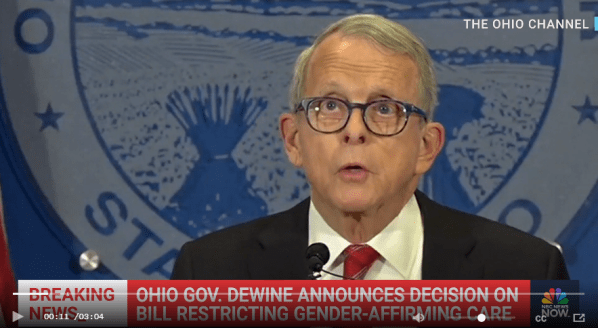
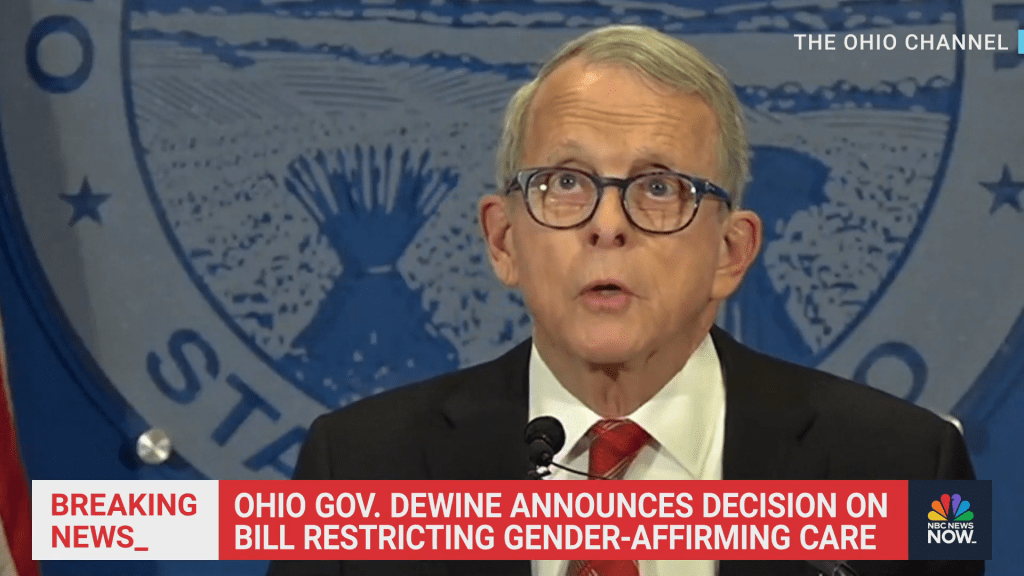
Governor Mike DeWine, during a press conference in Columbus, emphasized that his veto of House Bill 68 was driven by the overarching goal of “protecting human life.” The bill, if enacted, would have imposed restrictions on both transition-related care for minors and the participation of transgender girls on school sports teams.
“If you choose to target our communities, be prepared to face competition from within our community.”
A transgender woman is seeking to replace an Ohio legislator who endorsed the state’s anti-drag bill. If successful, she would also become the first openly transgender individual to hold a position in the state’s House of Representatives.
Arienne Childrey is presently the sole candidate in the unopposed March 19 Democratic primary election for the representation of Ohio’s District 84. The 40-year-old shared with the local Cincinnati outlet CityBeat that her decision to run was driven by the intention to challenge state Rep. Angela King (R).
During the previous summer, King and her fellow Republican state Rep. Josh Williams presented House Bill 245. This bill aimed to alter the legal definition of “adult cabaret performances” in the state, encompassing “performers or entertainers who exhibit a gender identity that is different from the performer’s or entertainer’s gender assigned at birth using clothing, makeup, prosthetic or imitation genitals or breasts, or other physical markers.”
The introduced legislation is among numerous bills in state legislatures nationwide that seek to prohibit drag performances in the presence of children. During testimony last month, King referenced a video of a drag performance that occurred in her community.
While King asserted that under HB 245, transgender individuals would still have the freedom to “express their gender as they go to a grocery store, the post office, and live their daily lives,” critics argue that the bill would disproportionately impact the transgender community. In a statement during the summer, Densil Porteus, the executive director of Stonewall Columbus, mentioned that the proposed law “aims to give power to others as to when they believe gender impersonation/drag is being performed.”
As highlighted by writer Joy Ellison in an August editorial for Matter, the current version of the bill explicitly states that transgender entertainers would face a prohibition on performing in locations other than adult venues in Ohio.
Childrey, a resident of Ohio since 2014 and the founder of Northwest Ohio Trans Advocacy, expressed to CityBeat that she couldn’t passively observe King running unopposed in the imminent November election.
“If you’re going to target our communities, then you’ll need to contend with someone from within our community,” she asserted.
“It’s long overdue for us to have someone at the Statehouse genuinely dedicated to addressing those issues—matters that truly affect people and can enhance our lives—rather than someone more focused on causing harm rather than providing assistance,” she added.
Childrey stands against Ohio’s recently enacted prohibition on gender-affirming care. Additionally, her campaign emphasizes education-related matters such as boosting teacher salaries, expanding broadband access in rural areas, and fortifying unions throughout the state.
“Arienne’s dedication to public service and her ability to persevere in the face of challenges set a compelling example for everyone,” stated the transgender advocacy organization TransOhio. “As she confronts the hurdles that come with this groundbreaking journey, we also want to recognize the importance of her candidacy and the influence it will have in paving the way for future generations of trans leaders.”
“The only thing that could bring me more joy than being the first trans woman elected in the state of Ohio,” Childrey expressed, “is to not be the only trans person elected in the state of Ohio.”
“We are not the parents whom they wish to grant rights.
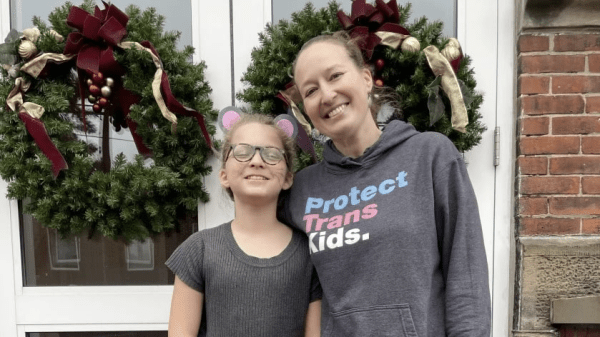
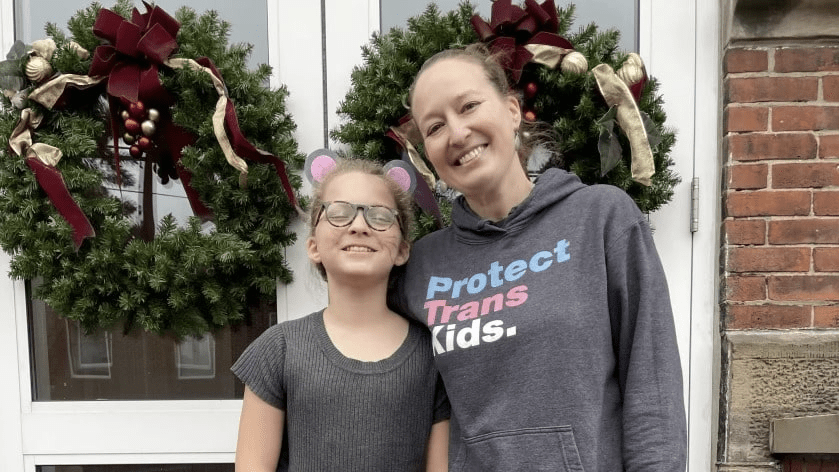
Blaze, a 12-year-old transgender girl, stands with her parent Dani Beale in front of the Unitarian Universalist Church in Kent. They relocated from Ohio to Western New York due to the state legislature’s decision to prohibit gender-affirming healthcare for transgender youth.
This month, legislators approved House Bill 68, prohibiting gender-affirming healthcare for transgender minors and restricting the participation of trans girls on girls’ and women’s scholastic sports teams.
Governor Mike DeWine has not yet signed the bill into law.
Dani Beale and her family, including 12-year-old transgender daughter Blaze, relocated from Ohio to Western New York due to what they perceive as the anti-trans measures taken by Ohio lawmakers.
Beale expressed that her family felt compelled to relocate when Republican lawmakers introduced the legislation that eventually became HB 68 earlier this year.
“We began to observe the language in the bills, and we realized that we wouldn’t have a choice if we were going to care for our child in the way we believe is necessary for her,” Beale explained.
“The moment that hit me was when Blaze said, ‘I don’t want to live in a state that doesn’t want me.’ That really struck me when she said those words out loud,” she expressed.
Blaze conveyed that she, along with other trans individuals, senses being singled out by lawmakers.
“This has been blown way out of proportion. It’s like 2% of people are trans,” she said. “It’s not affecting a lot of people, but the people that it is affecting, it’s affecting them so much.”
Medical care is the chief concern.
The Saving Adolescents from Experimentation Act (SAFE Act) prohibits gender-affirming healthcare, encompassing puberty blockers and hormone replacement therapies. Detractors argue that it essentially outlaws counseling for transgender youth. This act was consolidated into HB 68 along with the Save Women’s Sports Act, which prohibits transgender girls from participating in girls’ and women’s scholastic sports.
Ohio is currently contemplating a range of restrictions, including the “bathroom bill,” which would prevent students from using restrooms or locker rooms assigned to a sex other than that listed on their birth certificate.
According to Dani Beale, the various proposed bills in Ohio, especially those like the “bathroom bill,” are discriminatory towards her child. However, the primary concern for her family was the potential restriction of medical care. They felt the need to ensure their child could receive proper medical care without facing penalties or risks to their ability to parent, and the legislative environment in Ohio raised concerns in this regard.
Beale and other advocates reference support from institutions like the National Institutes of Health, the American Medical Association, and various other groups endorsing gender-affirming care. They argue that such care has been safely administered for decades.
Beale emphasized that gender-affirming care is the appropriate treatment for Blaze.
“What puberty blockers do is essentially hit pause, preventing puberty and allowing us a few more years to have conversations with her, for her to grow up and explore her identity, ensuring this is the path we want to take,” she explained.
“Individuals can form their opinions on our parenting choices, but when it comes to legislation dictating what I, as a parent, can decide for my child, that’s a significant concern. Particularly in a state where parental rights are highly valued by many, yet we, as parents, are not granted those rights,” Beale expressed.
The politics of gender
Blaze recognized her gender identity as a girl at an early age.
“I’ve known since I could remember that being a boy wasn’t really who I am,” she expressed.
However, she isn’t overly focused on gender.
She emphasized that her identity as a trans person or part of the LGBTQ community has never defined her personality. She’d rather be recognized for her interests and activities, such as playing the euphonium, being part of a basketball team, and her previous involvement in a jump rope team. For her, these are the aspects she wants people to associate with her, rather than her past gender identity, as it doesn’t hold significance in defining who she is.
She thinks that the legislature is overly fixated on the politics of gender, overlooking her humanity in the process.
“I wish they could see beyond my name and gender, delving deep to recognize that I’m not just a trans girl; I am simply a human.” 🔥












 fleeredstates.blog
You must be logged in to post a comment.