Safe Destinations for LGBTQ Travelers

Read more at Travel Pulse.

Safety is an important aspect for LGBTQ travelers in ways that differ from their straight traveling counterparts. Local, regional, or national laws can affect them, including penalties for outward signs of affection up to regulations that make same-sex relations a crime.

Additionally, cultural attitudes toward queer people may result in hostile behavior that is never welcome, least of all while on a vacation. So, here’s a roundup of some less-known welcoming places, near and far, where LGBTQ travelers can venture to and feel welcomed and celebrated.

Providence, R.I.

Sometimes overlooked because Boston is an hour away, this state capitol is full of history and college students. The whole downtown area is incredibly walkable and overflowing with rainbow flags. Rarely have I visited an U.S. city and felt more welcome and celebrated as a gay man. The city’s annual “RI Pridefest” vendor mart is the largest in the northeast; this year it featured an incredible 275 businesses. 2026 was also the 50th anniversary of Pride here, and the 25th anniversary of the city’s iconic nighttime Pride parade, where illumination is the theme. There are unbelievable block parties around the city each June, when it seems like the entire population is part of the LGBTQ community.

Bellevue, Wash.

This Seattle-area city has been recognized by the Human Rights Campaign as one of the most queer-friendly cities in the country. Bellevue features easy access to the outdoors, with more than 100 parks and 14 miles of waterfront. The walkable city center boasts luxury hotels, award-winning dining, and premier retail. And events such as Paws & Pride and groups like Queer Mountaineers foster a genuine sense of community, making it easy for travelers and community members to connect.

Baja California

Long regarded asone of Mexico’s most welcoming regions for LGBTQ visitors, the area has a deeply cosmopolitan culture shaped by its proximity to San Diego and Los Angeles. Tijuana is the world’s most visited border city and a creative and culinary powerhouse, newly recognized by the Michelin Guide, with a vibrant queer scene. Plaza Santa Cecilia is lined with gay bars, drag shows and dance clubs, and home to La Marcha del Orgullo, the city’s annual Pride march. There’s also a thriving craft beer scene, standout cultural institutions and unique attractions from the oceanfront bullring to the city’s Taco Museum. Rosarito hosts its own annual Pride parade and offers a laid-back coastal playground known for surfing, diving, kayaking, and zip lining, plus the state’s only artificial reef.

Richmond, Va

Diversity Richmond hosts Virginia Pridefest each September during Virginia Pride Month. It is the largest LGBTQ party in the area, with a lineup of great performances and fun activities that are inclusive for the whole family. The city has scored a perfect 100 on the Municipal Equality Index from the Human Rights Campaign for several years in a row. Here, the Virginia Values Act and Human Rights Act provides for comprehensive LGBTQ nondiscrimination protections (employment, housing, public accommodations). Visitors should check out Babes of Carytown, established in 1978 and is the oldest Lesbian Bar on the East Coast, as well as Gold Lion Community Café, a queer‑owned, LGBTQ-affirming café and community hub known for its welcoming vibe, inclusive events like drag brunches, and “everyone belongs” atmosphere.

Guerneville, Calif.

Located in the Russian River Valley, this redwood-lined river town is a welcoming retreat for queer travelers, celebrated for its inclusive spirit, visible queer community, and relaxed come-as-you-are atmosphere. Stay at LGBTQ-friendly properties such as the boon hotel + spa, and Dawn Ranch, along with lively local gathering spots like Rainbow Cattle Company, one of Northern California’s most iconic gay bars. The destination is also home to values-driven wine experiences, including Equality Vines, the world’s first cause-driven wine portfolio dedicated to equality, with deep Sonoma County roots.

Guadalajara

The capital of Mexico’s Jalisco state is widely regarded as one of the country’s cultural epicenters and has increasingly emerged as a welcoming destination for queer travelers seeking authenticity and a sense of community. The well-established LGBTQ scene here is particularly experienced in neighborhoods like Americana and Chapultepec, where inclusive nightlife, creative spaces, and queer-friendly businesses contribute to the open atmosphere. Guadalajara also hosts one of the largest Pride celebrations in the country. , reflecting the city’s role as a hub for LGBTQ culture in western Mexico. Plus, travelers can easily visit the UNESCO-listed agave landscapes surrounding the town of Tequila, and dive into history, the culinary scene, and a dynamic arts community.

Manchester

This U.K. gem boasts a visible, established community and LGBTQ spaces that operate year‑round instead of only around major events. Visitors can experience this across everyday cultural, social and neighborhood life, from independent businesses to museums, tours and nightlife. Manchester offers a range of inclusive experiences that allow visitors to engage more deeply with LGBTQ culture and history, including Queer Lit, now home to Europe’s largest collection of LGBTQ titles, and the LGBT+ Free Walking Tour, which explores the city through lived stories and spaces. For those interested in culture and social history, the People’s History Museum offers important context on Manchester’s role in protest and social change, with its recent Re/Assemble exhibition examining what is widely considered the largest LGBTQ+ demonstration in British history.

Norfolk Island

Australia’s Norfolk Island was the first place in the country to introduce same sex marriage—the act was passed by the island’s legislative Assembly in 2014. And going back further, Australia’s first gay love letter was written on the island in 1846 between two convicts and survives to this day! Considered an external territory of Australia, Norfolk Island was once inhabited by Polynesian and Micronesian communities and also bears the remains of European penal colonies. Norfolk is home to 32 km of coastline to explore, with ample opportunities for water sports like snorkeling, surfing, and fishing. After a long day of exploring, treat yourself to one of the many self-care experiences available on the island, like a hot rock massage, a yoga session, or an evening of stargazing. Norfolk is also a foodie’s paradise, with rich soils producing fresh, seasonal fruits and vegetables served in world-class restaurants across the island.

St. Maarten

This Caribbean Island is very much having a moment. The island’s unique Dutch-French governance plays a key role in shaping its welcoming environment. The dual influence of the Dutch side, Sint Maarten, and the French side, Saint-Martin, has helped cultivate a culture that is open, diverse, and globally minded. Beyond policy, St. Maarten’s community made up of more than 120 nationalities contributes to a naturally inclusive, judgment-free atmosphere. For queer travelers, it offers the ease of the Caribbean paired with a level of openness not always found in the region. St. Maarten is a compelling choice for queer travelers seeking both comfort and confidence in where they vacation.

Perth

Western Australia’s largest city is a great vacation destination for queer travelers in 2026; visitors now will have a review of what will be the home of the 2030 GAY XIII Games. From March 9-16, 2030, the region will see thousands of competitors take part in up to 36 sporting and six cultural events. A celebration of inclusion and diversity, the event is open to participants regardless of gender, sexuality, or any other factor. Sporting events include aquatics, track and field, cycling, basketball, and football.

The ultimate guide to getting the most out of traveling with joy and safety while trans

Read more at GayCities.

Since Trump took office last year, traveling as a trans person has felt terrifying.  

I used to travel by plane frequently. As a consultant, I was in a new state at least quarterly for client visits and onsite training. But last year, things changed for me, as they did for many others.

When I changed my name (over 10 years ago), I did not change my gender marker. The name on my ID is “Rex” while my gender marker shows “F”. The reasoning on my name change petition marks “the petitioner seeks to conform their name to their gender identity.”

I’ve heard stories from friends and community members whose passports were reissued with their name or gender marker unconsensually reverted to their assigned sex at birth. 

In Kansastransgender individuals received letters from the state informing them that their driver’s licenses were no longer valid due to the passing of SB 244. TSA has also removed its “Guidance for Transgender, Non-binary, and Gender Non-conforming Passengers” page.

These actions don’t just invalidate and dehumanize transgender, nonbinary, and gender-expansive (TGX+) people. They also increase the risk of harassment and violence by forcibly outing us.

Last year, I traveled out of state for work only one time. I took the one hour flight from Los Angeles to Las Vegas for a conference. As I went through security, I wondered, “When they check my ID, will they look at my gender marker this time?” “Will it flag an additional security check?” “What will happen if they find out that I’m trans?”

Last year, Lambda Legal held a Know Your Rights: Passports webinar in response to over 1,000 requests from TGX+ folks seeking information on passports and travel. This webinar helped demystify some of the fears circling in the TGX+ community (such as clarifying that current non-expired passports with an “X” gender marker remain valid until replaced or expired).

It also encouraged deeper consideration of traveling while TGX+.

As I consider travel this year and beyond, I’ve developed some personal travel guidelines to help keep me safe. Organizations can adopt these to support the safety of their TGX+ employees, too.

Here are some considerations for TGX+ individuals while traveling…

1. Always travel together.

There is safety in numbers. Travel with a trusted friend or colleague and use the buddy system at crucial checkpoints (security, restrooms, etc.).

2. Consider all options.

What is the best mode of transportation for you? Car? Train? Plane? For me, traveling by plane feels the most precarious, and I am not willing to do it without support from a trusted source. Take time to consider which travel options are the safest and most suitable for your needs.

3. Make a safety plan.

Ensure you create a safety plan that includes considerations for where you are traveling, a point person who knows all your travel details, and an emergency contact who is available if necessary (this can be a person or a reputable organization such as Lambda Legal). For planning support, check out the Travel While Trans database.

4. Always bring documents.

When traveling, carry your identification (e.g., passport) and court-ordered official documents stating any name and gender marker changes. Before traveling, make copies of all documents and forms of identification. Keep one copy at home, and give another to a trusted confidant in case your documents get lost or confiscated. Contact Lambda Legal if any issues arise during travel.

While I’ve heard plenty of stories from other trans, nonbinary, and gender expansive folks who have traveled nationally and internationally without issues over the past year, I feel the need to be prepared to support my safety in the worst-case scenario.

We shouldn’t have to make these considerations, but they are important steps to take for the safety and well-being of TGX folks. Trans people deserve to exist without fear. The more equipped we are, and the more support we have to navigate the current climate, the more we can create a future that centers our joy, which is what traveling should truly be about.

How to Flee the U.S. Safely: Golden Visas, Healthcare & LGBTQ Rights | Dan Brotman Flee Red States

Are you thinking about leaving the United States for safety, stability, or a better quality of life? In this powerful conversation, we sit down with Dan Brotman, an American expat based in Montreal who specializes in investment migration—including Golden Visas, Digital Nomad Visas, and residency-by-investment options tailored to the LGBTQ+ community.

With an academic background in immigration policy, multiple citizenships, and years of frontline experience helping people relocate, Dan brings unmatched insight into how Americans can legally, safely, and strategically build a future outside the U.S.
Follow Dan on Instagram: @danbrotman
linktr.ee/danbrotman

🏡 IN THIS VIDEO, WE COVER:

🌍 Why Americans—Especially LGBTQ+ People—Are Exploring Life Abroad

We discuss political extremism, threats to civil rights, financial instability, and what it means to live somewhere your rights are not up for debate.

💶 Golden Visas & Migration Pathways

Dan explains the residency-by-investment programs opening doors across Europe, Latin America, and beyond—and why securing a visa before your “red line” is crossed is essential.

❤️‍🩹 Healthcare Without Fear

Real stories from Spain, Uruguay, and Canada:

€80/month private healthcare in Spain

A 5-day ICU stay for $19

An emergency room visit in Canada that cost $0

A U.S. insurance premium high enough to rent an apartment in Valencia

🧠 Financial Relief & Peace of Mind

We explore how predictable, low-cost healthcare abroad reduces anxiety for families who worry about a single medical emergency derailing their finances.

🎓 Education & Opportunity

Why families are sending their children to Europe—especially the Netherlands—for nearly free, world-class university education.

🏳️‍🌈 Rights, Safety & Community

Dan discusses LGBTQ+ rights, abortion access, universal healthcare, and gun laws in Canada—issues considered settled and not weaponized politically.

🚨 Red Lines & Safety Planning

We explore how LGBTQ+ people can assess danger, decide their personal boundaries, and obtain the documentation needed to leave quickly if the situation in the U.S. deteriorates.

This is an essential conversation for anyone considering relocation for safety, rights, opportunity, or long-term stability.

🔔 Subscribe for more guides on LGBTQ+ migration, Golden Visa pathways, and global relocation options.

Supreme Court reinstates Trump administration’s transgender passport policy

Read more at The Hill.

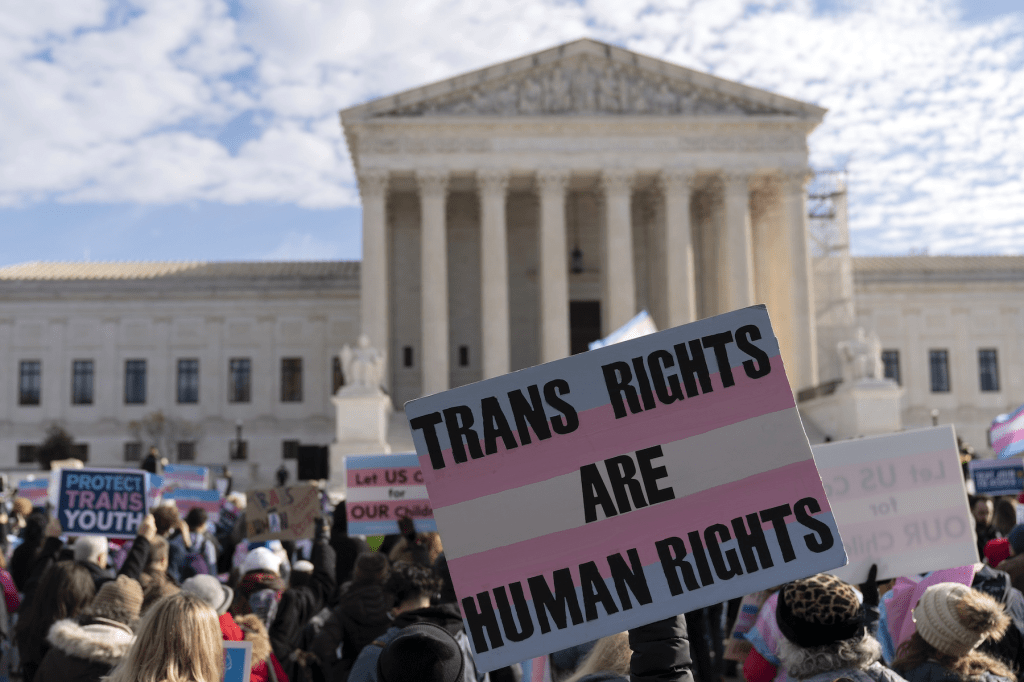
The Supreme Court on Thursday ruled President Trump’s State Department can prohibit transgender Americans from listing their gender identity on their passports, for now. 

It hands another legal victory for Trump in his efforts to eviscerate what his administration calls “gender ideology.” The Justice Department brought the emergency appeal after lower courts blocked the passport policy for being rooted in “irrational prejudice.” 

“Displaying passport holders’ sex at birth no more offends equal protection principles than displaying their country of birth—in both cases, the Government is merely attesting to a historical fact without subjecting anyone to differential treatment,” the majority wrote in its unsigned ruling

The ruling appeared to be along the court’s 6-3 ideological lines, though the justices do not have to publicly disclose their votes. 

In dissent, the court’s liberals called the ruling “pointless but painful perversion.” 

“Such senseless sidestepping of the obvious equitable outcome has become an unfortunate pattern,” wrote Justice Ketanji Brown Jackson, joined by Justices Elena Kagan and Sonia Sotomayor. 

“So, too, has my own refusal to look the other way when basic principles are selectively discarded,” the dissent continued. 

Solicitor General D. John Sauer called lower rulings blocking the administration’s policy “untenable,” casting them as infringing on Trump’s constitutional authority over foreign affairs. 

“The President’s choice to revert to prior policy and rely on biological sex—a choice that bound the State Department—should be the last place for novel equal-protection claims or Administrative Procedure Act objections,” Sauer wrote in court filings. 

The State Department policy requires passport holders to use their sex assigned at birth as their sex designation, prohibiting transgender people from matching it with their gender identity. The policy also removed the option for people to select “X,” leaving male and female as the only two options. 

“This new policy puts transgender, nonbinary, and intersex people in potential danger whenever they use a passport,” American Civil Liberties Union (ACLU) attorney Chase Strangio warned in court filings. 

Strangio and the ACLU represent transgender and nonbinary Americans who are suing over the State Department’s changes. 

They argue it violates federal law and constitutional equal protection rights, convincing a federal district judge appointed by former President Biden and later the 1st U.S. Circuit Court of Appeals to halt the policy.  

It marked the latest case implicating Trump’s Day 1 executive order that cracks down on what he calls “gender ideology” to reach the Supreme Court. Previously, the justices issued emergency orders allowing the administration to enforce its transgender troops ban and cancel diversity-linked health grants. 

Virgin Islands make history by allowing trans & intersex people to change their gender markers

Read more at LGBTQ Nation.

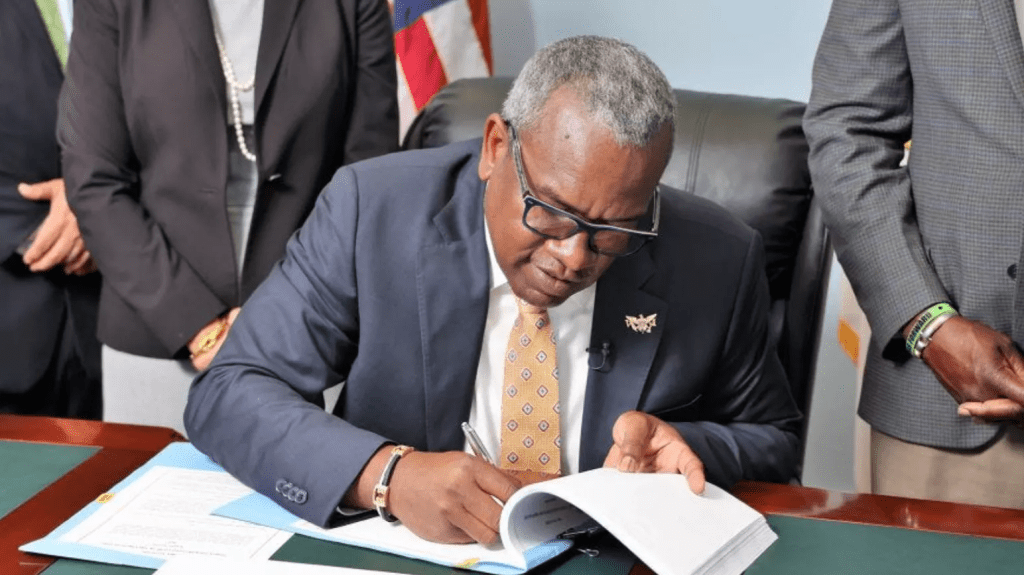
U.S. Virgin Islands (USVI) Gov. Albert Bryan Jr. (D) submitted a bill to the legislature last year that would have allowed trans and intersex people in the territory to change the gender marker on their official documents. The measure didn’t advance past a committee hearing.

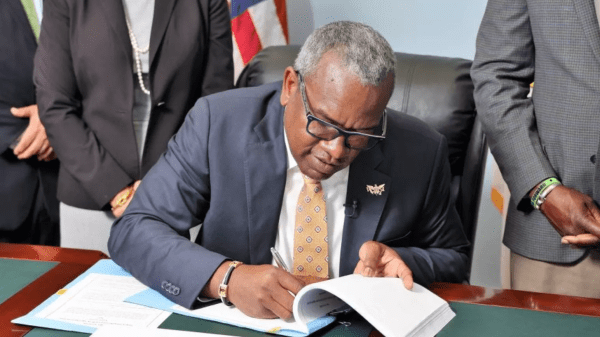
So, last Wednesday, the governor enacted the policy anyway by signing an executive order, making the change to USVI policy. His order marked the first instance ever of official recognition of trans people in the territory, according to Transitics.

“Virgin Islanders have reached out to our administration seeking a way to have their documents reflect who they truly are,” Gov. Bryan said in a statement following the signing ceremony. “This Executive Order provides a fair and compassionate process where none existed before. It ensures that our government recognizes and respects the lived realities of all our residents.”

Intersex Virgin Islanders and trans individuals with a court order stating they’ve had “surgical, hormonal, or other treatment for the purpose of gender transition,” can now easily revise the gender markers on both their birth certificates and government-issued ID cards.

The Virgin Islands counts itself as one of the friendlier territories for the trans community. It’s the only U.S. territory that prohibits discrimination based on sexual orientation and gender identity, and there have been no known attempts to restrict gender-affirming care in the USVI. There are no restrictions on trans student-athletes in girls’ sports in the territory’s schools, and no bathroom bans relating to gender identity.

Six states and no U.S. territories deny citizens the ability to change a gender marker on birth certificates, including Texas, Florida, Tennessee, Iowa, Kansas, and Oklahoma. That number drops to four for state IDs.

Revised documents on island will now use the term “gender” rather than “sex” for the new designations.

Under the new process, an individual aged 18 or older, or a parent or guardian on behalf of a minor, may request a gender marker change from the issuing agency in writing.

One of two alternative documents must accompany the request: a statement, “signed under penalty of perjury,” from a licensed healthcare provider who has treated or evaluated the individual, confirming they have an “intersex condition” and that a gender designation change is appropriate; or, a judicial order from the Virgin Islands or another jurisdiction granting a gender change designation may be submitted in lieu of a healthcare provider’s statement.

A requirement for a healthcare provider’s attestation that an applicant has had surgery or gender-affirming care was deemed unfair by critics of Bryan’s 2024 legislative proposal, who called it a burden on individuals lacking health insurance.

The governor noted his action aligns the Virgin Islands with at least 25 states, Puerto Rico, and the District of Columbia, which have adopted administrative procedures for amending gender designations on birth certificates, and more than 30 states, Puerto Rico, and D.C., which have similar processes for driver’s licenses.

“Our administration remains committed to fairness, dignity, and respect for every Virgin Islander,” Gov. Bryan added. “This Executive Order brings the Virgin Islands in line with modern standards of inclusion and ensures that all residents have access to accurate and affirming government identification.”

Changing your domicile in the US while working abroad.

*Editor’s note: The following blog is purely informational and sourced by Savvy Nomad’s website itself. Flee Red States does not endorse any particular company, nor have we validated its claims. We suggest you always consult professionals such as a CPA or attorney before going through with changes such as these. We’re also aware they are suggesting a red state as your domicile.

For many modern professionals, location is no longer a limitation. The rise of remote work and the digital nomad lifestyle has made it possible to live anywhere in the world—yet many people still find themselves burdened by high state income taxes and complicated residency laws. This is where Savvy Nomad steps in. Designed for the globally minded U.S. citizen, Savvy Nomad offers a simple and fully legal way to minimize state taxes while maintaining compliance with federal requirements.

Understanding the Concept of Domicile

At the heart of Savvy Nomad’s service is the concept of changing your state of domicile. Your domicile determines where you’re subject to state taxes, where you vote, and even what estate laws apply to you. Many U.S. states impose significant income taxes, but others—such as Florida—do not. By establishing Florida as your legal domicile, you can eliminate your state income tax burden altogether while continuing to meet all federal obligations.

How Savvy Nomad Simplifies the Process

Traditionally, changing your domicile involves confusing forms, proof of residency requirements, and sometimes in-person bureaucracy. Savvy Nomad has streamlined this into a fast, online process. Their platform handles the legal documentation, registrations, and declarations needed to make your Florida domicile official. Users can even complete the process in about 15 minutes through the SavvyNomad app—something that could normally take weeks on your own.

To further simplify life, the service includes comprehensive mail forwarding, giving you a Florida address for official correspondence. This helps prove residency and ensures you receive important mail no matter where you’re traveling.

Financial and Lifestyle Benefits

The most obvious benefit is financial—no state income tax means keeping more of your hard-earned money. But there’s more than just savings. With extra disposable income and reduced administrative stress, users can fully embrace the flexibility of a nomadic lifestyle. Imagine running your business from a beach in Bali or a café in Lisbon—without worrying about state tax filings back home.

Savvy Nomad emphasizes compliance. Their team handles filings correctly and ensures users stay aligned with all relevant U.S. laws. For those with unique income or business structures, Savvy Nomad even connects users with certified CPAs who can identify additional tax credits and optimization opportunities.

Legality and Flexibility

Changing your domicile through Savvy Nomad is entirely legitimate. The company compares it to “snowbirds” who spend winters in Florida but remain residents there year-round for tax purposes. You’ll still file your federal taxes as usual; the only difference is that your state-level tax obligations will now be tied to Florida. And if you ever decide to move back to your original state, the transition is straightforward under state-specific guidelines.

The Bottom Line

Savvy Nomad provides more than a tax-saving strategy—it’s a lifestyle-enabling service. By taking the hassle out of domicile changes, it empowers remote workers to reclaim both their money and their freedom. In just minutes online, anyone can establish a Florida domicile, stay compliant with U.S. tax laws, and unlock a world of global flexibility.

Philly to open LGBTQ+ visitor center in the Gayborhood ahead of 2026 events

Read more at the Philly Voice.

Philadelphia’s tourism agencies are planning to have a queer-friendly information center that will highlight LGBTQ+ events, restaurants and businesses to visitors coming to the city during a busy 2026. 

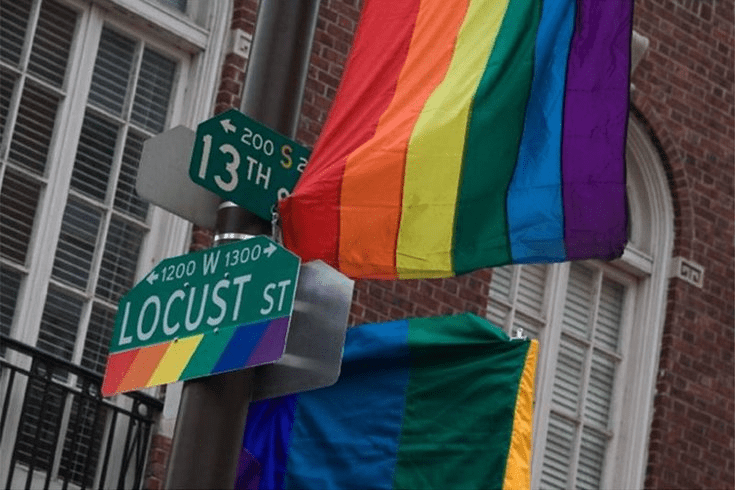
The Philly Pride Visitor Center, operated by the Philadelphia Visitor Center and Visit Philadelphia, will open at 12th and Locust streets in the Gayborhood in January. Organizers said it will help travelers who are here for the World Cup, MLB All-Star Game and numerous celebrations for the 250th anniversary of the signing of the Declaration of Independence. 

The center will offer itinerary planning, ticketing, travel advice and souvenirs from queer-owned businesses. It will also feature exhibits on some of the city’s queer history, including the first LGBTQ+ sit-in at Dewey’s restaurant in 1965 and the Annual Reminders demonstrations outside Independence Hall from 1965 to 1969. The historical content was curated with community input in partnership with Mark Segal, founder of Philadelphia Gay News. 

“Our city helped launch the fight for representation in media, shaped national policy, and created safe, visible spaces for our community,” Segal said in a statement. “Now, with the opening of the Philly Pride Visitor Center, Philadelphia proudly honors that legacy and reaffirms its commitment to those who call this community home.” 

Visit Philadelphia said it was one of the first supporters for creating the Stonewall National Monument Visitor Center in New York City, which was the first queer institution of its kind in the National Park System. Leaders said they’re eager to bring this support back home. 

“For more than 20 years, Visit Philadelphia has worked to show LGBTQ+ travelers that they belong here,” said Angela Val, president and CEO of Visit Philadelphia. “This new center gives visitors and residents a place to connect with Philadelphia’s LGBTQ+ history, discover affirming businesses and see how this city helped shape a national movement. It is both a resource hub and a testament to Philadelphia’s role in advancing LGBTQ+ rights.” 

Visit Philadelphia and the Visitor Center said that the move is both an investment in its values and reflective of the strong support from queer tourists.

How the Caribbean Is Becoming More Welcoming to LGBTQ+ Travelers

Read more at TravelAge West.

In July, St. Lucia’s courts struck down laws that criminalized consensual same-sex relations, mirroring similar 2022 rulings that eliminated discriminatory laws in Antigua and Barbuda, Barbados and St. Kitts and Nevis.

These developments represent major advances for English-speaking Caribbean islands, which have long carried some of the most discriminatory laws in the Western Hemisphere. It’s also good news for LGBTQ+ travelers, according to travel advisor Scott Wismont, founder of Rainbow Getaways.

“This evolution means we now have a much broader portfolio of destinations we can confidently recommend,” he said. “We can better guide clients to places where they will feel safe and celebrated.”

Reason to Celebrate

Resorts in St. Lucia were among the first in the tourism sector to praise the recent ruling.

“This year’s St. Lucia Pride carries such profound significance, marking the first since this historic shift toward equal rights for the LGBTQ community,” said Benjamin DiCosta, vice president of marketing and communication for Windjammer Landing Resort & Residences. “To witness the pride flag raised officially for the very first time in St. Lucia was a powerful and moving moment.”

Other St. Lucia hoteliers echoed positive sentiments.

“We have always welcomed LGBTQ+ travelers at both Anse Chastanet and Jade Mountain,” said Karolin Troubetzkoy, executive director of marketing and operations at both resorts. “We wholeheartedly welcome St. Lucia’s recent step to decriminalize same-sex relations. It’s a meaningful and long-overdue development that reinforces the message of inclusion and respect.”

A Region in Transition

Anti-LGBTQ+ laws are a holdout from the British colonial era, notes Thomas Julian, partner and head of Caribbean programs at Holborn Assets, a global financial services company with LGBTQ+ people among its clients.

“These laws, as are all the anti-LBGTQ laws in the Caribbean, are artifacts of the colonial era and are seldom, if ever, enforced,” he said. “However, the fact that they are still on the books is a travesty to justice, society and humanity. My hope is that now that these countries are moving forward and modernizing legislatively, they will do so policy-wise as well, and permit LGBTQ couples and families to apply together via their respective passport programs, which are what I sell.”

Mark Brantley, the premier of Nevis, is among the tourism leaders praising recent progress.

“The colonial-era laws criminalizing same-sex relationships were struck down by our courts as unconstitutional, a ruling that brings Nevis into alignment with both our values and our laws,” he said. “Across the English-speaking Caribbean, and particularly here in Nevis, there is a clear and prevailing sentiment of welcome for all travelers.”
Dean Fenton, U.S. director of tourism for Antigua and Barbuda, strikes a similar tone.

“Antigua and Barbuda proudly welcomes all travelers, including those from the LGBTQ+ community,” he said. “While same-sex marriage is not yet legally recognized, symbolic ceremonies are celebrated on the island, and many of our hotels and resorts are well-versed in providing inclusive experiences.”

The Cayman Islands Department of Tourism, meanwhile, issued a statement confirming its goal of celebrating “diversity in all its forms” and its pride in being “a place where all visitors are welcome” — an attitude reflected in events such as Cayman Pride, which takes place every June, and the destination’s legal recognition of same-sex civil unions, which provide benefits similar to those of marriage.

Inclusivity as a Competitive Advantage

Decriminalization is an important step. But even after recent court rulings, Caribbean destinations still vary widely in terms of legal protections and rights for LGBTQ+ residents and visitors; not all recognize LGBTQ+ marriage or offer anti-discrimination protection, for example.

Some have a longer record of inclusivity than others, such as Puerto Rico, where same-sex marriage and same-sex adoption are legal and anti-discrimination legislation is in place. Discover Puerto Rico, the island’s destination marketing organization, even maintains a detailed LGBTQ+ travel section on its website. 

“Puerto Rico has a vibrant LGBTQ+ culture that is not only visible but celebrated,” said José Arana, group marketing director for Discover Puerto Rico. “This is setting an example for the region, showing that when destinations embrace equality, they create an environment where all travelers feel welcome.”

Queer-friendly islands enjoy a distinct advantage in the tourism sector, he adds.

“Destinations that prioritize inclusivity have a clear competitive edge because they are opening their doors to a broader audience,” he explained. “Moreover, destinations that are safe and welcoming for LGBTQ+ travelers are often safe and welcoming for everyone, including women and solo travelers, making them more appealing across the board.”

May-Ling Chun, director of tourism for St. Maarten, agrees.

“Inclusive destinations certainly benefit from appealing to a wider potential customer base, and we recognize that being welcoming to LGBTQ+ travelers is both a reflection of our values and a strength in today’s competitive tourism market,” she said. “While every nation in the Caribbean has its own cultural context, there is an increasing recognition that inclusivity is essential for both social and economic growth.”

Aruba, Curacao and St. Barts also rank high for inclusivity, with same-sex marriage among the legally protected rights. Hoteliers in those destinations showcase their welcoming attitudes in a variety of ways. Dreams Curaçao Resort, Spa & Casino, for example, is accredited with the International LGBTQ+ Travel Association (IGLTA).

In Aruba, Amsterdam Manor Beach Resort has hosted pride events.

“By embracing diversity and welcoming every guest, Aruba not only gains a distinctive advantage, but also reaffirms its promise to be a place where everyone feels at home,” said Jurgen van Schaijk, the hotel’s owner and managing director.

Acceptance of diversity is rooted in the public mindset in St. Barts, according to Alexandra Questel, president of the St. Barts Tourism Committee.

“St. Barts’ commitment to inclusivity isn’t just a policy; it’s part of our culture and way of life,” she said. “That openness resonates with visitors, whether they identify as LGBTQ+ or simply appreciate destinations that celebrate diversity.”

The Role of Travel Advisors

Travel advisors play a crucial role in guiding LGBTQ+ clients toward positive Caribbean vacation experiences, notes Wismont of Rainbow Getaways.

“Many clients view the Caribbean as a singular, homogenous destination, unaware of the vast differences in cultural norms, legal frameworks and local attitudes from one island to the next,” he said. “This is precisely where the expertise of an advisor becomes indispensable. We curate an experience that aligns with their need for safety and acceptance.”

Even in destinations such as Jamaica, where male same-sex intimacy is still illegal, it’s possible to find a welcoming, upscale experience, according to Wismont.

“The case of Jamaica is more complex,” he said. “While the country as a whole has a challenging reputation, we have seen an encouraging trend of resorts making an explicit commitment to being safe and affirming spaces for LGBTQ+ guests.”

Among the queer-friendliest hotels in Jamaica is Round Hill Hotel and Villas, according to Wismont. Josef Forstmayr, the hotel’s managing director, agrees about the island’s positive momentum, as evidenced by his involvement in local hotel associations and the Jamaica Tourist Board.

“That shows I’m not being marginalized just because I happen to be gay,” Forstmayr said. “It speaks volumes about the open-minded thinking of the political directorate — as long as you don’t put them on the spot when it comes to public opinion. That’s where we fail.”

The ability of hotels such as Round Hill to provide a welcoming environment for LGBTQ+ travelers underscores the need for effective staff training. Forstmayr says diversity, non-discrimination and non-harassment is addressed early on with new hires.

Alaia Belize, an Autograph Collection property in Belize, takes a similar approach.

“We believe that true hospitality means creating a space where every traveler feels safe, celebrated and completely at home,” said Maria Novelo, marketing and communications manager for the hotel. “We are proud to carry forward a culture of inclusivity that welcomes LGBTQ+ guests with the same warmth and respect we extend to all.”

Canada Updates U.S. Travel Warning for LGBTQ+ Individuals

Read more at Travel Market Report.

Canada has updated its travel advisory for the U.S. to warn LGBTQ+ travelers of increased scrutiny while crossing the border.

On Sept. 29, 2025, the Government of Canada revised its travel advisory for Canadians entering the United States. The updates include new details for entry and exit requirements regarding passports, visas, and U.S. permanent residents, as well as changes to law and culture that could impact 2SLGBTQI+ persons.

The new advisory cautions that U.S. immigration authorities may reevaluate visa status or residency eligibility in some cases, particularly for those with prior violations or irregularities. It also highlights potential challenges for travelers whose passport gender markers — such as Canada’s “X” designation — may not be recognized in U.S. federal systems, which are reportedly transitioning to require sex assigned at birth in some documentation.

“While the Government of Canada issues passports with a “X” gender identifier, it cannot guarantee your entry or transit through other countries,” the advisory warns. “You might face entry restrictions in countries that do not recognize the “X” gender identifier. Before you leave, verify this information with the closest foreign representative for your destination.” 

According to the updated advisory: “Federal systems in the U.S. are changing to no longer accept markers of gender identity. Sex assigned at birth may now be requested by federal forms and processes, including:

  • visa applications
  • NEXUS applications
  • passenger manifests
  • passport applications
  • Social Security applications

“Laws also vary by state and municipality. Some states have enacted laws affecting 2SLGBTQI+ persons. Check relevant state and local laws.”

Before You Fly Abroad, Secure Your Phone Against Border Checks

Read more at PC Magazine.

Your smartphone probably holds more personal information about you than any other device you own. So the last thing you’d want to do is hand over all that data to a stranger, especially when you’re traveling internationally.

The 4th Amendment of the US Constitution prevents “unreasonable searches and seizures” of personal property but the US Customs and Border Protection (CBP) has special authority to search devices crossing US borders via air, land, or sea. According to the CBP, in 2024, electronic device searches affected .01% of travelers at US ports of entry. Of those subjected to searches, more than 36,000 were not US citizens.

Today, phone searches at the US border are happening more often than they did last year. With that in mind, I’ll answer a few frequently asked questions about device searches and offer you a pre-travel device protection checklist.

Will US Customs Agents Search Your Phone?

Before I give advice to travelers, let’s talk about why border security searches happen. Here’s what CBP has to say: “Border searches of electronic devices are often integral to determining an individual’s intentions upon entry to the United States and thus provide additional information relevant to admissibility of foreign nationals under US immigration laws.”

The statement above is pretty non-specific and quite broad, right? That’s why it’s important to take these searches seriously. There aren’t hard rules for what constitutes benign or malicious intentions. It’s entirely up to the border protection officer.


Do You Have to Let US Customs Agents Search Your Phone?

To answer the question above: It depends. Are you a US citizen? US citizens must be let back into the country, so if you refuse a search, agents can let you go home while keeping your phone. Foreign travelers can be turned away at the border if they refuse to comply. 

CBP says that if you are chosen for a device inspection and your phone is protected by a passcode or another form of security, “that device may be subject to exclusion, detention, or other appropriate action or disposition. Additionally, the traveler may face longer processing times to allow for CBP to access the contents of the device.”

What Are CBP Agents Looking for?

According to CBP, a “basic” electronic device search involves manually searching your phone. An agent can look through your device for just about any reason, but if they feel you or your data may be a “national security concern,” they’ll ramp up the search.

The next level calls for an “advanced” search, during which agents may connect other devices to your phone to view the data or make copies of it. You can read more about such investigations on the agency’s website.

Border security officers cannot access your live cloud data, so it’s smart to back up your devices to the cloud before crossing the border. More on that later.


What Should I Do if My Device Is Seized?

I checked with the Electronic Frontier Foundation’s guidelines for this answer, and I highly recommend reading the organization’s border search report and printing out their pocket guide for crossing the US border

If a CBP agent seizes your device, the EFF advises people to request Form 6051D, which is a custody receipt, to claim their device later. Again, US citizens do not have to comply with electronic device searches to enter the country, but foreign travelers do.

Assess Your Privacy Risks While Traveling

With a little preparation before you leave, you may be able to avoid hassle at the border. First, determine what you need to take with you. Do you really require multiple internet-connected devices on your trip? Depending on the nature of your travels, you may be able to get away with taking a burner phone with you instead of a smartphone packed with private data. A freshly wiped Chromebook or a tablet may also be a reasonable swap for a laptop in some circumstances.

Next, perform a personal risk assessment. Do you have a clean criminal record? Are you a US citizen? If you can answer yes to both questions, remember that the likelihood of a device search is pretty low. If you answered no to either of those queries, you may be picked for a search at the border, so be prepared. 

Now that we’ve discussed who you are, let’s talk about what you do. Are you an activist, journalist, lawyer, politician, or anyone else who is at high risk for surveillance due to your job or online posts? If so, I highly recommend taking the steps listed below to secure your devices before you leave. 


Before Crossing the Border, Do This

In the spirit of staying prepared, here are some suggestions for things to do to your devices before you travel into or out of the US:

  • Log Out of Your Accounts: If you plan to keep apps on your devices, log out of them first. Border officers may be able to search your devices, but they must be in airplane mode, as per the CBP’s rules. That means the agents can’t access your data stored in the cloud.
  • Back Up Your Computer and Phone: If you have a cloud storage account, back up your data to the cloud. That way, you have copies of everything you’re about to delete. It’s wise to make sure your device has the latest security updates, too, since those protections may make it harder for an officer to search the device thoroughly.
  • Deep Clean Your Devices: Remove any apps that you don’t want a border agent to ask you about. It’s a good idea to clear your browsing history, delete chat logs, and remove any sensitive contact information that you wouldn’t want someone else to find. Make sure to clear your Recently Deleted or Trash folders after you’ve removed the apps or files from your device.
  • Clear Your Messages: If you use a secure messaging app like Signal, remove yourself from group chats and turn on the disappearing texts feature.
  • Disguise Your Apps: Signal, WhatsApp, and other messaging services have very distinctive logos that may draw an officer’s attention. To combat this, you could change the look of the app’s logo on your devices’ home screens. For example, on my personal phone, Signal is represented by a picture of the Hamburglar. On iOS, the best way to change your icons is via the Shortcuts app. Android users will need to download an icon-changing app from the Google Play Store.
  • Disable Biometric Unlocks: Visit your phone’s Settings menu and disable face and fingerprint scanning, since officers can use those to force access to your device without much effort. This can be achieved by holding the phone up to a detainee’s face to open the device, or physically placing a person’s finger on the device reader to obtain a fingerprint scan. Keep in mind that though an officer cannot compel you to enter your passcode or PIN, if they seize your device, they have tools that may be able to eventually crack the lock.
  • Familiarize Yourself With Device Data Protection ModesAndroid and iOS have built-in remote-wiping features, so it’s easy to disable or delete all data from a confiscated phone remotely. Get to know these features in your device’s Settings menu. Also, create a shortcut on your home screen to quickly wipe the device if necessary. This allows you to simply tap the shortcut and disable or completely wipe your device, depending on your preferences.You can find powerful data protection offerings on Android and iOS within your phone’s settings menu. Look for Advanced Protection mode on Android devices, and Advanced Data Protection mode within your iCloud settings on iOS devices. It’s a good idea to turn these modes on and keep them active throughout your trip (and maybe forever). These settings enable end-to-end encryption for your cloud accounts, so even Apple or Google cannot access most of the data stored there.
  • Tell Someone Where You’re Going: It’s a good idea to let family, friends, or even coworkers know that you’re traveling internationally. Make sure that someone will check to find out where you are if things go wrong during a border crossing. If you aren’t a US citizen, I recommend writing down contact information for an attorney who specializes in immigration or border security cases and keeping that information with you at all times.

Stay Safe While Traveling Overseas

A device search at the US border is not guaranteed, but we know it’s happening more often than it has in the past, so it’s always wise to take a few precautions to protect your privacy. Check out our other relevant guides, including how to prepare for a protestturn off location services on your devices, and set up secret phone numbers. For more information about keeping your data to yourself, read our guide to completely disappearing online.

Blog at WordPress.com.

Up ↑