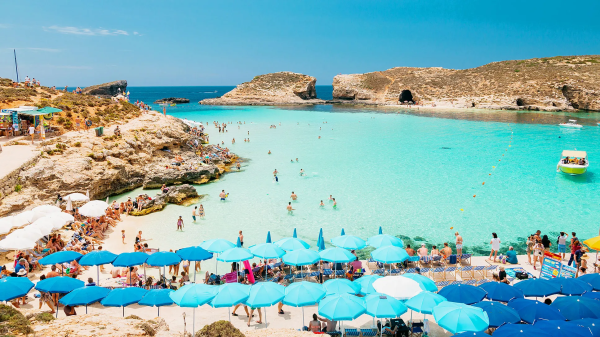
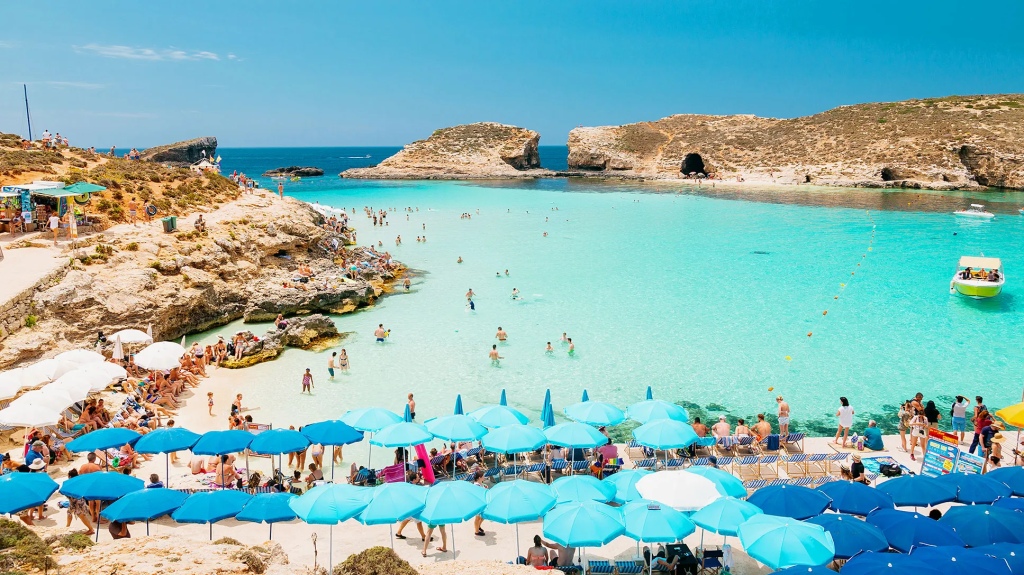
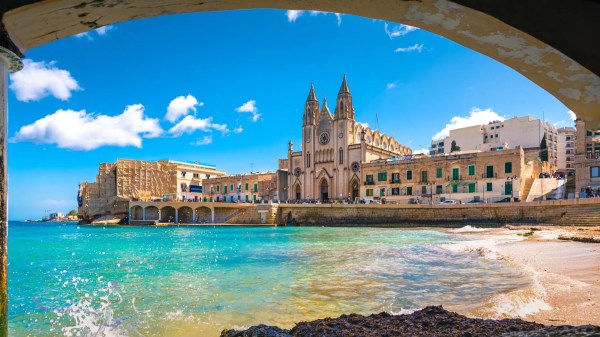
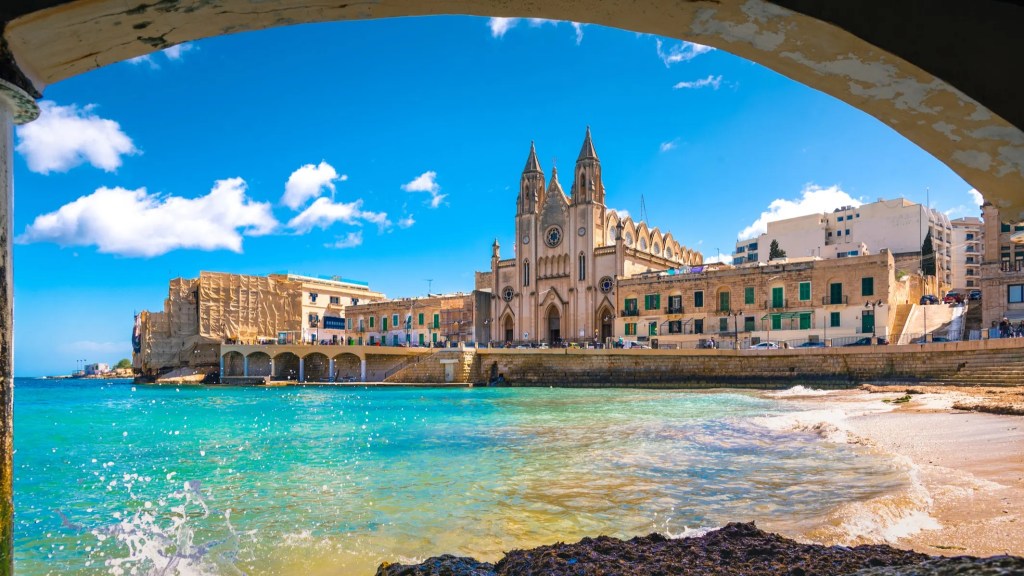
Moving to a new country is a big decision, and for LGBTQ Americans, finding a place that is not only welcoming but also legally protective is a top priority. While many European nations have made significant strides in LGBTQ+ rights, one country consistently stands out for its progressive laws and accepting culture: Malta. This tiny island nation in the heart of the Mediterranean has become a beacon of hope, earning a reputation as one of the most LGBTQ-friendly countries in the world.
Malta’s journey to becoming an LGBTQ+ rights leader is a remarkable story of rapid progress. For several years, it has topped the ILGA-Europe’s Rainbow Map, a ranking of 49 European countries based on their legal and policy practices for LGBTQ+ people. This isn’t a fluke; it’s the result of a concerted effort to enshrine equality into law. Same-sex sexual activity was decriminalized in 1973, but the most significant changes have happened in the last decade.
In 2014, Malta legalized civil unions, giving same-sex couples the same rights and responsibilities as married couples, including the right to adopt children. Just three years later, in 2017, the country took the monumental step of legalizing same-sex marriage, a move that replaced the traditional “husband and wife” with the gender-neutral term “spouses”. This wasn’t just a legal formality; it was a powerful statement of inclusion.
Beyond relationship recognition, Malta has also been a trailblazer in other areas. In 2016, it became the first country in the European Union to ban conversion therapy, a harmful and discredited practice [4]. The Gender Identity, Gender Expression and Sex Characteristics Act of 2015 allows transgender people to change their legal gender without the need for surgery or a medical diagnosis, a process based on self-determination [5]. The country also provides gender-affirming care and has banned intersex infant surgeries without medical necessity. These protections extend to employment, housing, and healthcare, ensuring that LGBTQ+ individuals are shielded from discrimination in their daily lives.
While a country’s legal framework is crucial, the lived experience is just as important. Malta’s culture, while traditionally Catholic, has shown a remarkable shift toward acceptance. Public displays of affection are generally well-received, and the LGBTQ+ community is active and visible. Valletta, the capital, and nearby Sliema are known for their vibrant scenes, with dedicated gay bars, clubs, and events, including a lively Pride celebration in September. Rabat has also been mentioned.
So How Do I Get There?
As with any country friendly to immigration, you have options. You can try out living there first simply by applying for a Digital Nomad visa, and become a full time paid blogger. There are other programs to establish residence, which include investing locally. You can buy or rent property as well.
For LGBTQ Americans considering a move abroad, Malta offers a compelling combination of legal protections, a high degree of social acceptance, and a beautiful, sunny, and historic location. The country’s commitment to equality is not just a passing trend; it’s a foundational principle that makes it an ideal place to call home.
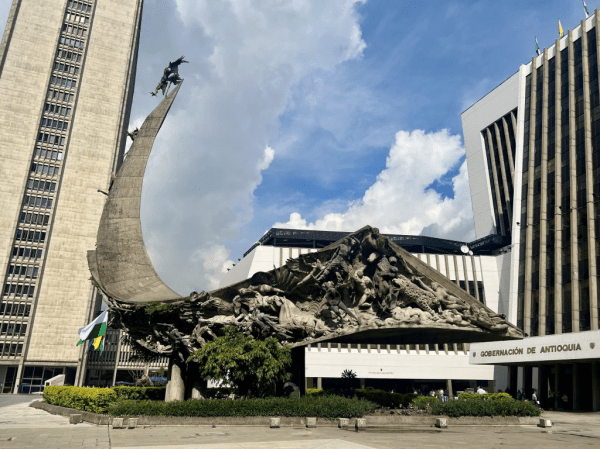
Uncover why Colombia is a must-visit for gay travelers. Explore destinations like Bogotá, Medellín, and Cartagena, plus learn about Colombian culture, cuisine, and essential safety tips for gay travelers.
As a frequent traveler to Colombia who has explored the country’s iconic destinations and scouted out its gay scenes firsthand, I’ll share my experiences and insights to help you plan the perfect trip. Whether you’re curious about the bustling gay nightlife in Bogotá, the charming streets of Cartagena, or the colorful vibes of Medellín, I’ve got you covered. My guide will combine practical tips making it easier for you to discover Colombia’s inclusivity, charm, and adventure.
Please read then entire guide from Tim at Out In Mexico.
Saugatuck and Douglas, also known as “The Art Coast of Michigan,” are neighboring resort towns separated by a mere 1.3 miles. Affectionately known as “Provincetown of the Midwest,” they share the same inclusive vibe, natural scenery, arts culture, and active queer community. They are must-visits for the gay community for romantic weekend escapes, fun vacations, or to just be yourself. Check out our guide to find the most welcoming places and LGBTQ+ friendly experiences in Saugatuck/Douglas.
How to Get There: Planes, Trains, and Automobiles
You know it’s “small town USA” when there are no major airports, train stations, or bus terminals in town. Regardless of how you choose to travel, your time spent in Saugatuck/Douglas is worth every moment of the journey.
Planes: The nearest major airport is Gerald R. Ford International Airport in Grand Rapids, about a 45-minute drive from Saugatuck/Douglas. From the airport, you can rent a car or use a shuttle service.
Trains: Amtrak provides rail services to nearby cities like Holland, which is only a short drive from Saugatuck. From the train station, you can use local transport to reach Saugatuck/Douglas.
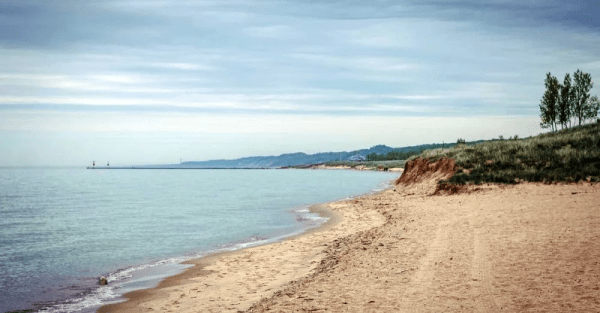
Automobiles: Depending upon where you’re traveling from, you may just opt for a road trip. The roads leading to Saugatuck have beautiful scenery, especially the views of Lake Michigan.
Buses: Budget-friendly transportation that allows you to “leave the driving to us,” the closest bus station to Saugatuck/Douglas is in Holland, about a 12 mile drive away.
How LGBTQ+ Welcoming Is Saugatuck/Douglas
Saugatuck/Douglas are small towns with big hearts for the queer community. They are a slice of paradise where everyone is celebrated. These lakeside towns have a knack for making every visitor feel like a local, with their friendly faces and open arms. The idea of LGBTQ+ friendliness is a genuine lifestyle here. The local businesses fly rainbow flags like badges of honor, creating spaces where everyone, regardless of sexual orientation or identity, can just be themselves. Saugatuck/Douglas is where the gay community is a vital part of what makes these towns whole.
Pride Events in Saugatuck/Douglas
Community Pride Care-A-Van Car Parade – It’s a party on wheels! The Community Pride Care-A-Van Car Parade is a rolling rainbow of fun with cars decked out in all the colors of the rainbow, honking and waving as they parade through the streets of Saugatuck in June.
Saugatuck/Douglas Pride Festival – Also called Pride in the Park, this family-friendly event is held in Berry Park in Douglas where the Care-A-Van Parade ends. It has everything from live music and performances to vendors and food. So, put on your dancin’ shoes, have some barbecue, and sip on a cold one as you mix and mingle with the queer community.
History Of Saugatuck/Douglas
Saugatuck/Douglas trace back to the early 19th century when they were first settled by Europeans. Originally known as Kalamazoo Village, the towns were significant ports and lumbering centers on the Kalamazoo River. In the late 1800s, Saugatuck/Douglas became notable resort towns, attracting visitors with their Lake Michigan beaches and dune landscapes. Over time, the towns’ focus shifted from industry to tourism and the arts. Today, these coastal towns are celebrated for their inclusive and diverse communities, making them welcoming destinations for queer travelers.
Photo by Canopy Gap from Unsplash
LGBTQ+ Friendly Places to Stay in Saugatuck/Douglas
Quaint bed and breakfasts, cozy cottages, boutique hotels, or rustic cabins, whatever accommodations suit your fancy, there are plenty of choices for the LGBTQ+ traveler. Check out some of our favorites.
The Lakeshore Resort– The Lakeshore Resort has easy access to the beach for sunbathing or taking a swim in Lake Michigan. With its comfortable cabins and rooms, barbecue and picnic areas, it’s a great choice for a laid-back, beachy vacation, and lakeside fun at its finest.
The Kirby Hotel– Historic charm and modern luxury collide at the Kirby Hotel, offering a chic and comfortable stay. Stylish décor and welcoming feel, make it a favorite for adding a touch of elegance to a getaway. Located in the heart of Saugatuck, it’s an ideal spot for exploring the town’s artsy vibe.
Hidden Garden Cottages & Suites– Looking to kick back after a day of Saugatuck adventures? Hidden Gardens Cottages and Suites is set among beautiful gardens, making it feel like a secret spot just waiting to be discovered. Unique, quirky charm is its hallmark, creating a relaxed, homey space.
Saugatuck Retro Resort– The Saugatuck Retro Resort takes you on a nostalgic trip with its fun, vintage-themed touch. Colorful décor, classic cars, and a throwback atmosphere make it a must if you love a “blast from the past.” Featuring a cool, retro pool area it’s perfect for lounging and soaking up the sun old-school style.
Recommended Restaurants In Saugatuck/Douglas
Known for its fresh, locally-sourced seafood and iconic Michigan fruit pies that are a must-try, Saugatuck/Douglas is a foodie’s delight. Whether you’re in the mood for a casual, al fresco lunch at a café or a sophisticated dinner at an upscale restaurant, Saugatuck’s culinary scene has it all. Here are some of our favorite spots to find exactly what you’re in the mood for.
Coast 236 – Coast 236 is breezy, beach-inspired dining that’s both fun and relaxing. The menu, featuring fresh and locally-sourced ingredients, brings a taste of the seaside right to your table. If it’s a sunny lunch or a romantic dinner, Coast 236 serves up yummy dishes.
The Belvedere Inn & Restaurant – With a menu that’s a seasonal, creative fusion of local and international flavors, The Belvedere Inn & Restaurant is a food lover’s paradise. The atmosphere is upbeat yet intimate, perfect for both a quiet dinner or gathering with friends.
Scooter’s Café & Pizzeria – Scooter’s Café & Pizzeria is a great spot for lunch, dinner, or grabbing late-night bites and drinks. Their specialty is hand-tossed pizzas, but the menu doesn’t stop there. It also includes pasta, wings, salads, sandwiches, and more, all available for takeout or free delivery.
Photo by Documerica from Unsplash
Things To Do & See In Saugatuck/Douglas
Saugatuck/Douglas are artsy towns, with galleries and studios where you can admire or purchase local art. They’re also beach towns where you can indulge in water activities like sailing, fishing, or just lounging on their beautiful beaches. Whatever your pleasure, you can find it here. Here are some of our favorites.
Saugatuck Dune Rides – Buckle up for a bumpy, laughter-filled ride as you explore the scenic sand dunes of Saugatuck with fun and knowledgeable guides. It’s a mix of natural beauty, local history, and a dash of excitement, perfect for families and thrill-seekers alike.
The Star of Saugatuck Boat Cruise – Aboard this paddlewheel boat, you glide along the river, soaking up the sun and the breeze. The cruise has scenic views and light-hearted narration that adds fun to the journey, making it a nice mix of relaxation and discovery.
Saugatuck Center for the Arts – Explore art exhibits, enjoy live shows from concerts to plays, and participate in interactive workshops where art and performances come to life. It’s the go-to place to experience the local arts scene.
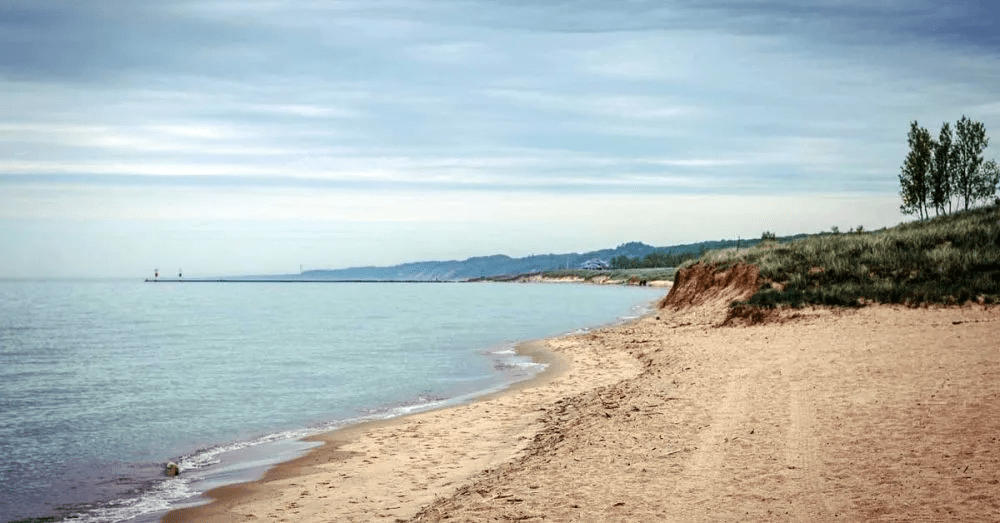
Oval Beach – Named one of the Top 25 Beaches in the World by Condé Nast Magazine, Oval Beach is where the gay community comes together to sunbathe and socialize. OutTraveler rated it the fourth best Inland Gay Beach in the country.
Where To Shop & Stroll In Saugatuck/Douglas
Shopping and strolling blend seamlessly into one enjoyable experience. With the towns’ compact, walkable streets lined with all kinds of shops, galleries, and cafes, Suagatuck/Douglas caters to all of your whims.
Downtown Saugatuck – The streets of downtown are rows of boutiques and galleries, each with its own character. It’s easy to spend a day exploring these shops, where you can find everything from local art to souvenirs.
Butler Street– On Butler Street, you find shops that are as unique as the town itself. Local art takes center stage in small galleries, and specialty stores have everything from artisanal foods to handcrafted jewelry. The street has a small-town charm, where shopping feels like a stroll through a friendly neighborhood.
Saugatuck Antique Pavilion – Take a walk down memory lane through 24,000 square feet of the Saugatuck Antique Pavilion that’s loaded with throw-back goodies, from old-school vinyl records to classic furniture, and everything else you can imagine. When you’re finished, you can head next door to the Saugatuck Brewing Company for a cold beer.
LGBTQ+ Bars, Clubs and Nightlife In Saugatuck/Douglas
No visit to Saugatuck/Douglas is complete without experiencing a few of the many LGBTQ+ friendly bars and nightspots where everyone is welcomed.
The Dunes Resort – When you’re ready to let your hair down and cut loose, The Dunes Resort in Douglas, is where gay meets Studio 54, and you can “dance like nobody’s watching.” Drag shows and themed parties add to the fun, for a crowd that’s ready to party.
Guardian Brewing Company – At Guardian Brewing Company, every visit is an adventure in craft beer tasting, with a constantly changing lineup of unique brews. This LGBTQ+ owned brewery pairs a casual, friendly vibe with a passion for innovative beer-making. It’s a great spot to chill, chat, and drink a cold one.
Photo by Krystal Fuller from Unsplash
Annual Events and Festivals in Saugatuck/Douglas
Like many small towns, Saugatuck/Douglas likes to celebrate the things they’re famous for through their annual events and festivals. Here are some of the best.
Venetian Festival – Saugatuck’s summer highlight, featuring boat parades and a festival, the Venetian Festival buzzes with live music, games, and food stalls, making it a feast for the senses. The town comes alive with a party-like atmosphere for this waterfront celebration
Saugatuck Film Festival – Showcasing films from local and international filmmakers, the Saugatuck Film Festival is a major draw for movie buffs. With screenings, discussions, and the chance to mingle with filmmakers and fellow film lovers, it’s a great way to experience the world of cinema.
Art in Douglas Fall Gallery Stroll – Local galleries open their doors for a night of art exploration and appreciation. The event combines art viewing with casual strolls around town, often complemented by light refreshments and the chance to meet the artists.
Explore Saugatuck/Douglas and Discover Your Ultimate Queer Escape
For the LGBTQ+ traveler, the towns of Saugatuck and Douglas are more than just a getaway, they provide a space to celebrate and be yourself, surrounded by a community that embraces diversity. Each day is an opportunity to create new memories in a setting that feels both adventurous and like a home away from home. The combination of natural beauty, welcoming community, and a laid-back vibe, creates more than just a vacation destination, it’s a true escape from the hustle and bustle of everyday life. You’re going to find that these twin cities have a way of staying with you, long after your vacation ends.
A federal judge on Tuesday blocked President Donald Trump’s administration from refusing to issue passports to transgender and nonbinary Americans nationwide that reflect their gender identities.
U.S. District Judge Julia Kobick in Boston expanded, opens new tab a preliminary injunction she issued in April that allowed six transgender and nonbinary individuals who challenged the policy to obtain passports consistent with their gender identities or with an “X” sex designation while the lawsuit moves forward.
Kobick did so after concluding the policy the U.S. Department of State adopted pursuant to an executive order Trump signed likely discriminated on the basis of sex and was rooted in an irrational prejudice toward transgender Americans that violated the U.S. Constitution’s Fifth Amendment.
While Kobick’s April ruling was limited in its scope, the judge, an appointee of Democratic President Joe Biden, on Tuesday granted the case class action status and halted the policy’s enforcement against transgender, nonbinary and intersex passport holders.
Kobick said granting class action status to two categories of passport holders was appropriate given that the administration’s actions affected them uniformly “by preventing them from obtaining passports with a sex marker consistent with their gender identity.”
Li Nowlin-Sohl, a lawyer for the plaintiffs at the American Civil Liberties Union, called the ruling “a critical victory against discrimination and for equal justice under the law.”
White House spokeswoman Anna Kelly in a statement called the decision “yet another attempt by a rogue judge to thwart President Trump’s agenda and push radical gender ideology that defies biological truth.”
The case is one of several concerning an executive order Trump signed after returning to office on January 20 directing the government to recognize only two biologically distinct sexes, male and female.
The order also directed the State Department to change its policies to only issue passports that “accurately reflect the holder’s sex.”
The State Department subsequently changed its passport policy to “request the applicant’s biological sex at birth,” rather than permit applicants to self-identify their sex, and to only allow them to be listed as male or female.
Prior to Trump, the State Department for more than three decades allowed people to update the sex designation on their passports.
In 2022, the Biden administration allowed passport applicants to choose “X” as a neutral sex marker on their passport applications, as well as being able to self-select “M” or “F” for male or female.
A former NSW police officer has described the terrifying ordeal she faced after she was detained, jailed overnight and deported from the United States – despite travelling there legally on a tourist visa to visit her US military husband.
Nikki Saroukos from south-west Sydney says she was “treated like a criminal”, denied her rights and subjected to invasive searches, humiliating treatment and a night in federal prison – simply for trying to spend time with her American partner stationed in Hawaii.
Now back in Australia and still reeling from the trauma, Mrs Saroukos and her mother are demanding answers – and warning others how easily international travel can turn into a nightmare.
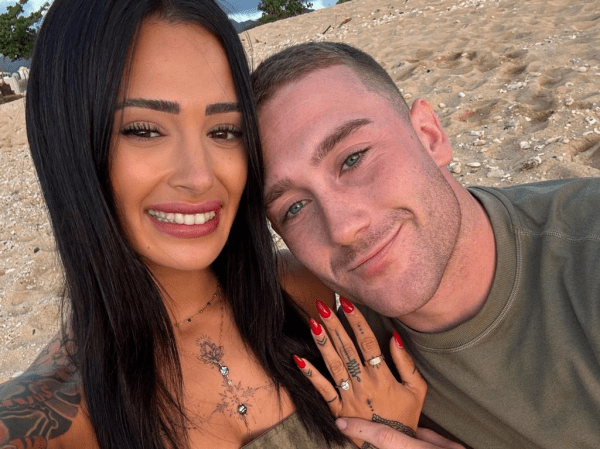
Mrs Saroukos has visited Hawaii three times in recent months under the ESTA visa waiver program to see her husband, a US Army lieutenant she married in December 2024 after a whirlwind long-distance romance. The couple met through a dating app and quickly knew they wanted to be together.
A former NSW police officer has described the terrifying ordeal she faced after she was detained, jailed overnight and deported from the United States – despite travelling there legally on a tourist visa to visit her US military husband.
Nikki Saroukos from south-west Sydney says she was “treated like a criminal”, denied her rights and subjected to invasive searches, humiliating treatment and a night in federal prison – simply for trying to spend time with her American partner stationed in Hawaii.
Now back in Australia and still reeling from the trauma, Mrs Saroukos and her mother are demanding answers – and warning others how easily international travel can turn into a nightmare.
Mrs Saroukos has visited Hawaii three times in recent months under the ESTA visa waiver program to see her husband, a US Army lieutenant she married in December 2024 after a whirlwind long-distance romance. The couple met through a dating app and quickly knew they wanted to be together.
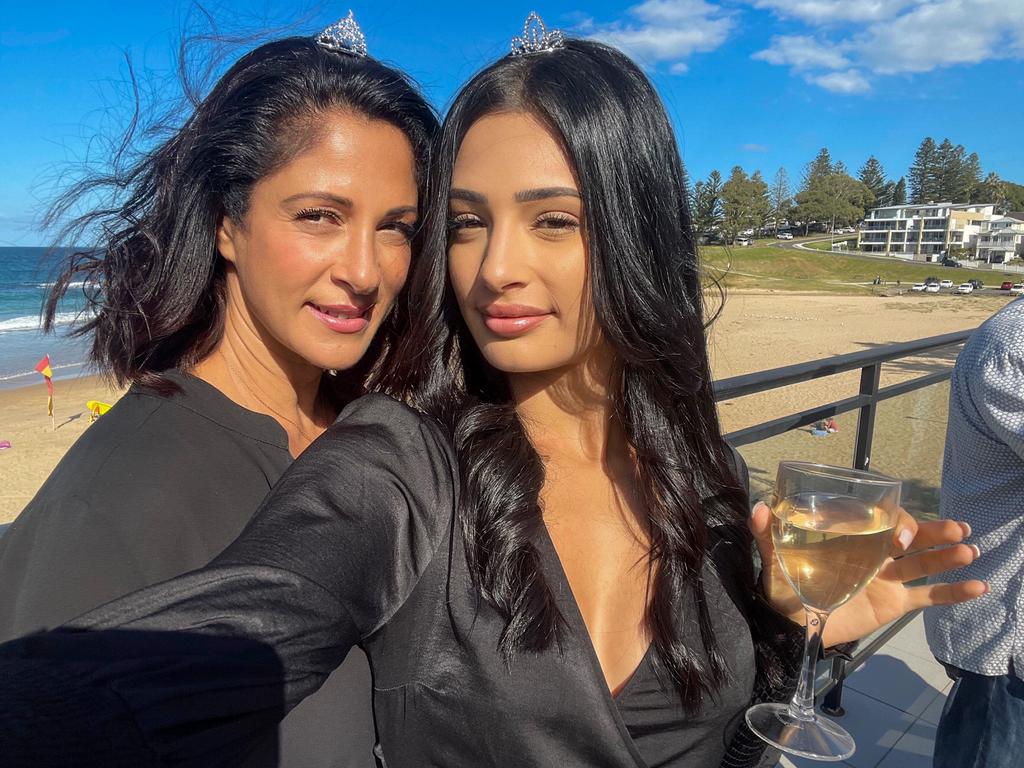
Mrs Saroukos and her mother (pictured left) were expecting a three week holiday to Honolulu. Picture: Supplied
He joined the army in 2022 and has been serving as a US Army lieutenant on the Pacific island and US state since August 2023.
“He’s serving their country,” Mrs Saroukos told news.com.au in an emotional interview.
“We sacrificed so much to make this work. To be mocked and detained like that – it’s appalling.”
Mrs Saroukos and her mother arrived to Daniel K Inouye International Airport in Honolulu last Sunday for what was supposed to be a routine three-week holiday when things took a sharp and unexpected turn at the customs desk.
“The officer began to look troubled at his computer to which my mum offered to provide more information,” she explained.
“From there he screamed – ‘Shut up and get to the back of the line, go now’ – at the top of his lungs.
“My fight or flight immediately kicked in. I’d seen horror stories about this stuff. I just bawled on the spot,” Mrs Saroukos recalled.
“We were in such a vulnerable position. We didn’t know their rules well and he was obviously carrying a gun.”
Mrs Saroukos, who lives with with anxiety and PTSD, and her mother were then taken to a holding area for questioning where she offered contact with her husband and to show her marriage certificate – to which they laughed in her face.
She said the pair were told, “Don’t say anything, don’t talk and don’t touch your phones,” by officers before their bags were tossed out and inspected along with their documents.
“I didn’t hide anything,” she said.
Her mother was free to go after the search but Mrs Saroukos was taken to a second location where she was subjected to further interrogation.
There, she was forced to surrender her phone and passwords, and questioned about her work as a former police officer.
“They questioned me about the demographic of my suburb and what crimes I was exposed to as a police officer,” she said.
“They were asking me about ice and meth and whether I knew how much was being imported from New Zealand.”
She said she had “now idea how to answere the questions.
“I was just dumbfounded,” she said.
“They took a 45-minute sworn statement where they grilled me on my stream of income, my marriage, my phone history.
“They were clutching at straws. They even asked why I had deleted Instagram three days prior, I was completely honest.”
After the statement concluded she was told to wait outside where she was then subjected to a DNA swab – which she was given no explanation for.
She was further forced to sign a document declaring she was not a part of a cartel and had no affiliation with gang members.
She also signed a document stating her husband was her next of kin and that he would be contacted and informed of her whereabouts – something she later learnt never happened.
After hours of questioning and a sworn statement, a supervisor informed her that her statement was deemed inadmissible and that she would not be entering the United States.
“I’ve never been so terrified in my life. I froze. They said ‘We’ll be sending you to jail.’ I was just shaking, sweating – I couldn’t believe it,” she said.
Mrs Saroukos said she was handcuffed, subjected to an in-depth cavity search and marched through the airport in full view of the public before being placed into a car and driven 10 minutes to a federal detention facility.
“The officers told me I wasn’t under arrest but I was cuffed and searched. My jewellery was taken and not secured. I felt stripped of all my dignity,” she said.
“I told the officer that from my understanding when you place someone in cuffs it’s an indication of arrest and you need to read them their rights.”
To which an officer replied, “It’s for our safety.”
When she asked a female officer whether she’d be safe inside the prison they told her, “I can’t answer that, I’ve never been there. I can assume you’d be safe to a degree.”
Upon arriving at the prison around 3.30pm, she was fingerprinted again, ordered to strip naked, squat and cough, and handed prison issued briefs and green outerwear.
“When they finished with the search there was a male officer standing outside who looked confused. He asked me why I was here to which I told him what had happened,” she said.
“He told me, ‘Wow. You should not be here right now, you have Trump to thank for that though.’”
When she asked if she would be fed, officers told her she had missed the cut off for dinner time and would not be provided any food today.
She was further forced to sign a waiver where she agreed she would not be making or receiving any phone calls – something her lawyer later informed her was against basic human rights.
Officers also told her that if she needed to take a shower she would not be provided with a towel and was to use a wet paper towel to clean herself.
“The entire time I was just thinking, ‘Shut up and do what they say and you’ll get out of here,’” she said.
Mrs Saroukos says she was taken to a shared cell where her roommate was a Fijian woman who was being held over similar circumstances.
“There were prisoners everywhere. I learned that I was being housed with convicted murderers,” she said.
“(Other inmates) told me I looked like a fish out of water and even gave me soap and a towel.
“As a former police officer it was such an irony to be on the other side of things. Those inmates treated me better than anyone else.”
Mrs Saroukos’ husband and mother had been waiting outside the airport for five hours with no information on her whereabouts.
“A Hawaiin Airlines ground manager told them that their ‘best guess is that she is there’ (the detention centre). That was all they had to go off,” she said.
Mrs Saroukos recalls that at 6am after only receiving an hour of sleep, she was woken by prison guards bashing on the metal cell doors.
“I just kept thinking that someone has to come save me and that this surely wasn’t really happening,” she said.
She was then told by officers that she would be leaving in ten minutes and was to clean her cell and discard any rubbish.
She was changed back into her own clothing before being transported back to the airport, again in handcuffs.
There, she was marched through crowds of people by officers before being taken to another holding room where she was finally given a small bottle of water, a muesli bar and a packet of chips.
“It was just so humiliating and embarrassing,” she said.
She was then informed she had a call from the Australian Embassy who had been closed over the weekend during the ordeal.
“They told me they couldn’t do anything and that no one had the power to help,” she said.
She asked the embassy to call her mother and let her know that she was being put on a 12.15pm flight back to Sydney.
“I couldn’t fly by myself, I was terrified.”
She was then finally allowed a three-minute phone call with her husband who was “inconsolable”.
“He was crying so much. When I asked if he had known where I was he told me ‘nobody told us anything’,” she said.
Mrs Saroukos was then escorted to the gate by two officers – one in front and one behind – who then handed her phone and passport to flight attendants.
Once in the air, she requested her phone to which a flight attendant said “You will get it given back when touch down and it will be handed over to Australian authorities.”
Upon landing in Australia, Mrs Saroukos was forced to stay on the plane where she expressed her concerns to an empathetic air hostess.
“She told me didn’t agree with what was happening.”
Once being free to de-board the plane, an Australia Customers Officer was waiting for her where he handed her an envelope with her belongings.
“He told me I was free to leave which I couldn’t believe,” she said.
Mrs Saroukos’ husband is planning to apply for an honourable discharge from the US Army as a result so that he can live and work in Australia.
“We don’t know yet what he’ll do here. We’re just too shaken up to even think about it,” she said.
“I never want to return to the United States.”
Mrs Saroukos and her family have now hired an immigration lawyer in the US to probe what can be done about her ordeal.
US Customs and Border Protection did not comment when contacted by news.com.au.
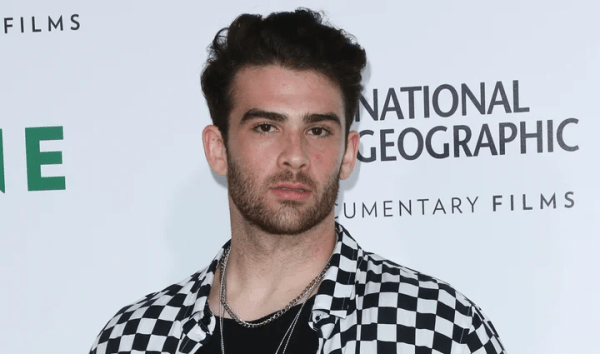
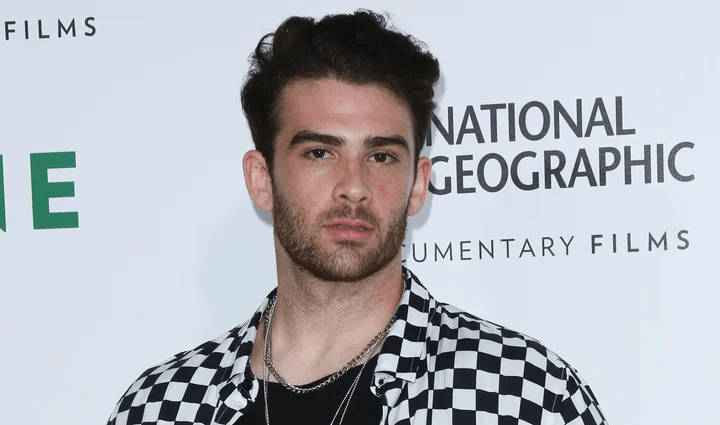
Hasan Piker, an online streamer and political commentator, was detained for several hours by Customs and Border Protection officers over the weekend and asked leading questions about what he thought of President Donald Trump and Hezbollah, among other topics, he said.
Piker discussed the surprise detention in a Monday afternoon stream on Twitch, telling his nearly 3 million followers he was questioned at O’Hare International Airport in Chicago after returning from a trip to France.
“They literally, they tried to straight-up get something out of me that I think they could use to basically detain me permanently,” he said.
“He kept asking over and over again, Hamas, Houthis, all this shit, trying to be like, ‘Oh, do you support them, do you like them? What do you think about them?’”
Piker conceded that he probably “yapped away” more than was in his own interest because he was hoping to cut the detention short, and also because he wanted to see what sort of information they were looking for.
“Instead of just pleading the Fifth as I’m supposed to do in situations like this, I just kept giving him answers,” he said.
“Knowing full well that they know exactly what they’re looking for, I saw no reason to hold back on certain things, so I said, ‘I don’t like Trump. What are you going to do? It’s protected by the First Amendment … [Trump] said he was going to end the wars. He hasn’t ended the wars. What the f**k is up with that?’”
Piker said he was bracing for the officer to ask for his phone. In preparation, he’d turned off Face ID on his iPhone and set it to only use a passcode to unlock, which CBP officers can’t legally compel you to provide if you’re detained.
Reflecting on his detention, Piker said he suspects his it was a deliberate attempt to sow fear in the media.
“The reason for why they’re doing that is, I think, to try to create an environment of fear,” he said. “To try to get people like myself, or at least others that would be in my shoes that don’t have that same level of security, to shut the fuck up.”
He later called it a “completely idiotic and ridiculous [tactic] not knowing that I’m a stubborn piece of shit, and that’s not going to work at all.”
A Customs and Border Protection spokesperson couldn’t immediately verify Piker’s detention, nor could they discuss why Piker might’ve been selected for additional questioning.
While Piker may be the highest-profile person detained by CBP on their return to the United States, he’s far from the only one.
In April, Amir Makled, a lawyer representing a pro-Palestinian student protester, was detained at the Detroit Metro Airport on his way back from a spring break trip abroad with his family.
Makled told HuffPost at the time that federal agents did seize his phone, though he stood his ground amid the 90-minute detention as he argued that, as a lawyer, his phone contained privileged work-related information.
“I don’t know if it was a fishing expedition or not,” he told HuffPost. “My gut tells me they were trying to see who I was associating with. But there’s no real way to tell.”
Piker didn’t immediately respond to a request for comment.
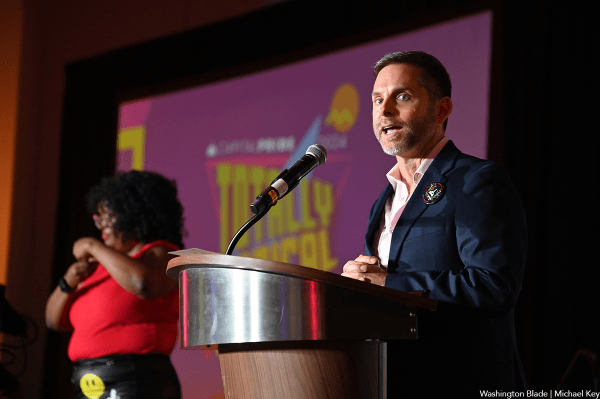
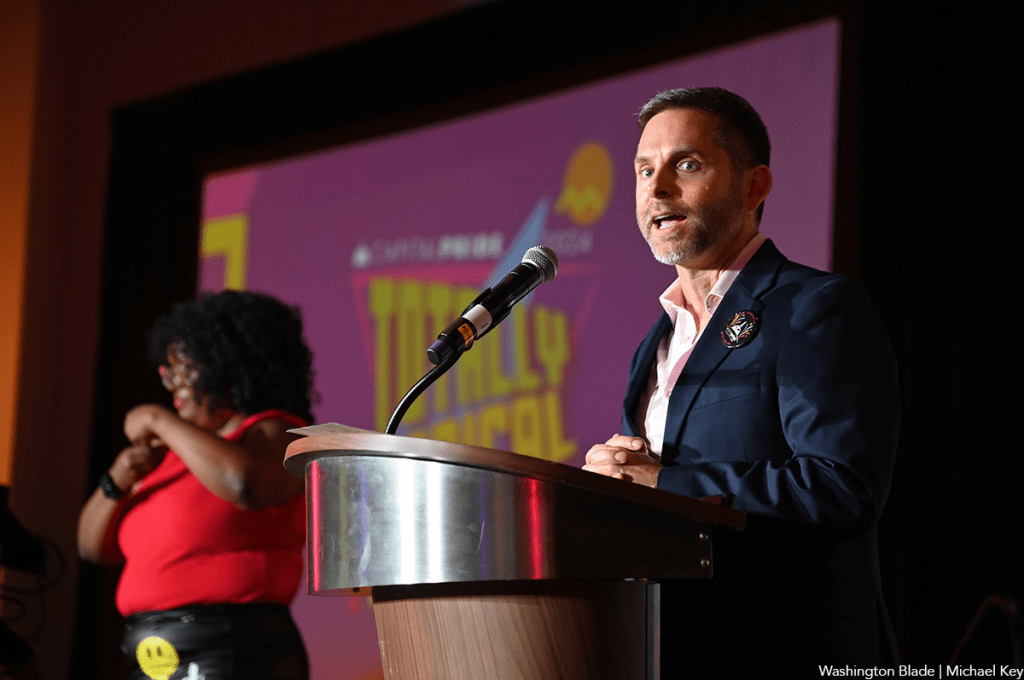
One of the lead organizers of WorldPride 2025, set to take place in D.C. May 17-June 8, told members of the Metropolitan Washington Council of Governments, known as COG, on April 9 that due to the recently implemented anti-trans policies of the Trump administration, it may be dangerous for trans people traveling from abroad to attend WorldPride in D.C, according to a report by WTOP News.
The WTOP report says the message of concern was delivered by Ryan Bos, executive director of D.C.’s Capital Pride Alliance, which is the lead organizer of WorldPride 2025. The news report says Bos spoke at a meeting of COG, which consists of local government officials from D.C. and the surrounding suburban counties in Maryland and Virginia.
“It’s possible that we may actually issue a statement telling trans folks internationally not to come, or if they come, they come at their own risk,” WTOP quoted Bos as saying.
“So, these are the things that we will be discussing with the D.C. government and our partners to determine how best to communicate that to ensure that we’re getting the resources to the folks that need it,” Bos said according to the WTOP report.
WTOP reported that some members of the COG board expressed concern over the news that it may be harmful for trans people to travel to the D.C. area for WorldPride.
“It’s really shameful that you all are having to consider making statements like that,” WTOP quoted Frederick County, Md., Executive Jessica Fitzwater as saying. “It’s really heartbreaking.”
D.C. Council member Charles Allen (D-Ward 6), who attended the COG meeting, told Bos, “I’m disheartened to hear that, but I hope you also recognize you’ve got partners in this room that want to be right there with you to make sure this is a wonderful, successful event, a safe event, that’s going to take place across the whole region,” WTOP reports.
Capital Pride Alliance, in response to a request for further comment on Bos’s remarks at the COG meeting, said in a brief statement that Bos’s presentation was limited to what “may happen.” The statement said no official decision has been made regarding a possible warning for trans people considering attending WorldPride.
German and Finnish authorities have taken similar steps, and Belgium is planning to do the same, as the Trump administration removes some protections for sexual minorities.
The Netherlands has tightened its travel advice to the United States for LGBTQ+ people, highlighting an unease among European nations about Washington’s policies toward sexual minorities.
The Dutch foreign ministry’s travel advice portal now notes that people belonging to a sexual minority should take into account that “laws and customs in the US towards LGBTQI+ people may differ from those in the Netherlands.”
Dutch public broadcaster NOS points out that the travel advisory previously stated that U.S. laws were “comparable to those in the Netherlands,” with its liberal, progressive stance on LGBTQ+ rights.
Following the Dutch notice, the Belgian government announced that it is also working on adjusting the travel advice in light of stricter border controls and changing attitudes toward transgender people and the wider LGBTQ+ community, Flemish public broadcaster VRT reported.
German and Finnish authorities have also tightened their travel warnings for the U.S. after President Donald Trump took steps to remove some protections for sexual minorities, such as only accepting M or F (male or female) as gender identification on passports and visas.
”It reflects a sad and completely needless reality,” Dutch MEP Kim van Sparrentak, from the Greens group, told POLITICO.
Van Sparrentak, who also heads the European Parliament’s LGBTIQ+ intergroup, stressed that the liberal European fears are “not only for people traveling to the U.S. but for a large part of the U.S. population too, trans and intersex people in particular.”
Denmark is advising its transgender and nonbinary citizens to proceed with caution when traveling to the U.S., according to a new advisory.
An update made Thursday to the Danish foreign ministry’s webpage on travel to the U.S. recommends trans people contact the U.S. embassy in Copenhagen before visiting the country, which under the new Trump administration has enacted several policies targeting transgender rights.
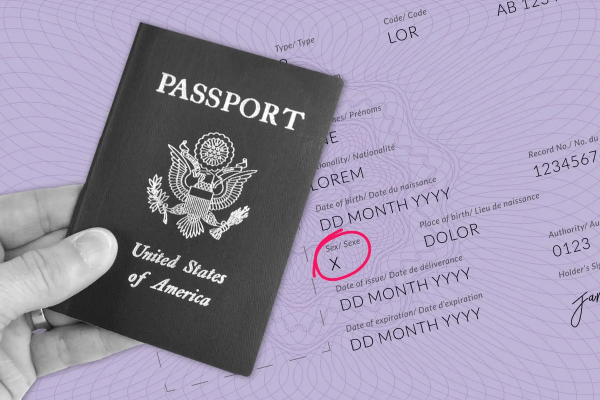
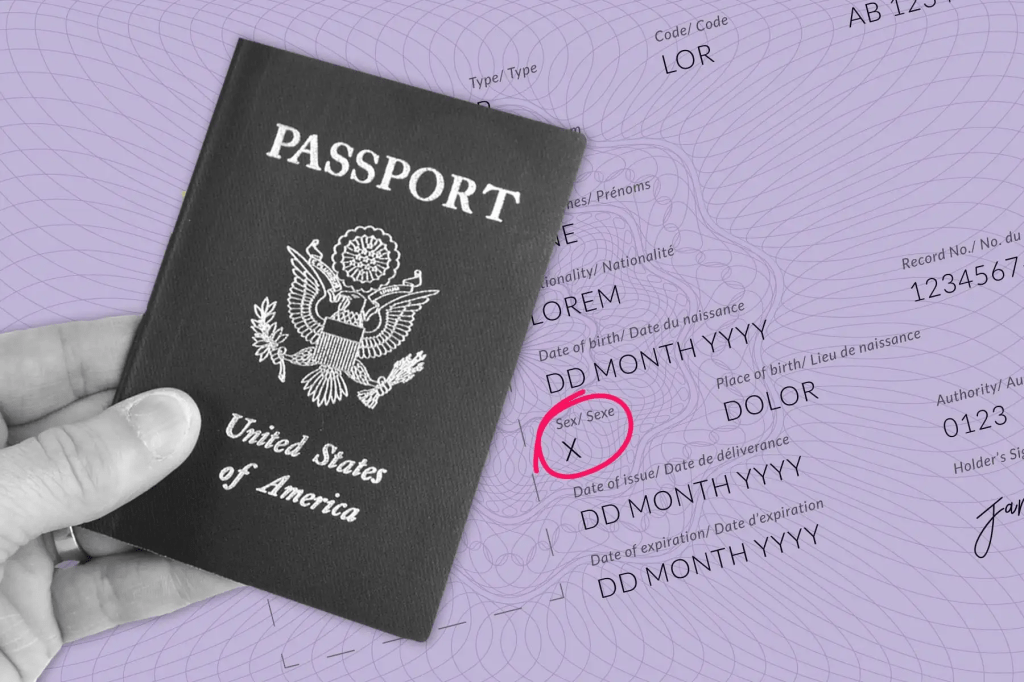
The advisory does not explicitly mention President Trump or his administration but comes as the State Department suspended a policy allowing trans, nonbinary and intersex Americans to update the sex designations on their passports, causing confusion and concern among travelers over whether it is safe for them to fly. The department previously allowed U.S. passport holders to self-select their sex designations, including an “unspecified” gender marker denoted by the letter X.
Seven trans and nonbinary Americans are challenging the new policy, which stems from a Jan. 20 executive order declaring the U.S. recognizes only two sexes — male and female — in federal court.
“If your passport has the gender designation X or you have changed gender, it is recommended to contact the U.S. embassy prior to travel for guidance on how to proceed,” reads the advisory from the Danish foreign ministry.
The addition comes one week after Finland issued a similar advisory for transgender residents seeking visas to the U.S.
“If the gender listed on the applicant’s passport does not match the gender assigned at birth, the US authorities may deny the application for a travel permit or visa,” Finland’s Ministry of Foreign Affairs said, citing Trump’s executive order. “Please check the entry requirements with the US authorities in advance.”
Other countries, including Germany and the United Kingdom, recently issued travel advisories to the U.S. after reports of citizens being detained at the border.
Making the decision to leave the United States can be a daunting decision for anyone who has never lived abroad before. You might wish to spend some time in another country for an extended period of time– more than your usual one to two week vacation. There are several countries, many of which who are friendly to LGBTQ+ rights, who allow for various types of visas that can extend your stay, before you decide to make a permanent move.
GetGoldenVisa.com just published a nice guide for choosing the right country to move to and how to move out of the US. The website focuses mostly on the Golden Visa, which allows investors to enter countries. There are other visa options such as student visas, and the digital nomad visa.




 fleeredstates.blog
You must be logged in to post a comment.