Trump two-gender edict would upend “X” identity on passports

This article first appeared on CNN.com

The federal government is set to only recognize two sexes, male and female, under an executive order that President Donald Trump is soon expected to sign.

The order would reverse efforts by the Biden administration to broaden gender identity designations, including on passports.

“As of today, it will henceforth be the official policy of the United States government that there are only two genders, male and female,” Trump said during his inaugural address Monday, taking an early step to fulfill one of his culture war campaign promises.

The order, a Trump administration official told reporters Monday, is aimed at “defending women from gender ideology extremism and restoring biological truths to the federal government.” Male and female “are sexes that are not changeable, and they are grounded in fundamental and incontrovertible reality,” the official said.

The federal government would also shift from using the term “gender” to “sex,” and that sex would be “an individual’s immutable biological classification,” the official said.

All government agencies would ensure that official documents, including passports and visas, “reflect sex accurately,” the official said. Also, departments running federal prisons, migrant shelters, rape shelters and other “intimate spaces” would be directed to protect single-sex spaces for privacy. And employee records would also adhere to the executive order, as would federal departments’ messaging.

“Agencies are no longer going to promote gender ideology through communication forms and other messages,” the official said, adding that grants and contracts would be reviewed to ensure that “federal funds shall not be used to promote gender ideology.”
Reversing Biden expansion

Trump’s executive order would dismantle efforts by the Biden administration to be more inclusive of Americans’ gender identification.

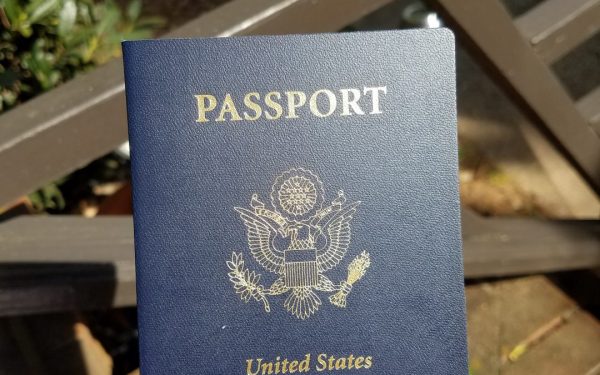
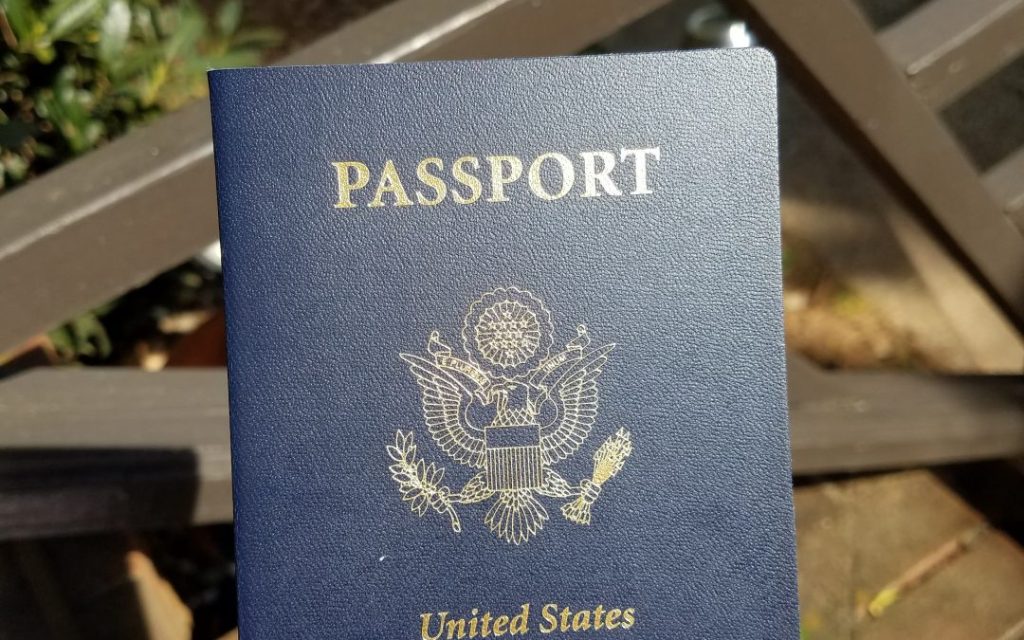
As of 2022, US citizens have been able to select “X” as their gender marker on passports. One’s marker does not need to match the gender on citizenship documents or photo ID, nor is medical documentation needed to change one’s gender, according to the State Department.

“We promote the freedom, dignity, and equality of all people – including LGBTQI+ individuals,” the department’s website says. “We are demonstrating this commitment to better serve all U.S. citizens, regardless of gender identity.”

Later that year, Americans were able to start changing their sex identification with the Social Security Administration without needing to provide medical certification. However, Social Security’s record systems still require a designation of male or female, though the administration said it was exploring policy and systems updates to support an “X” designation.

“The Social Security Administration’s Equity Action Plan includes a commitment to decrease administrative burdens and ensure people who identify as gender diverse or transgender have options in the Social Security number card application process,” said Kilolo Kijakazi, the administration’s acting commissioner at the time.
Mapped: U.S. States That Pay Above the Federal Minimum Wage

This blog is originally appeared at Visual Capitalist

U.S. States Paying Above the Federal Minimum Wage

This information was originally featured on our Voronoi app. Download it for free on iOS or Android to explore incredible data-driven charts from a variety of trusted sources.

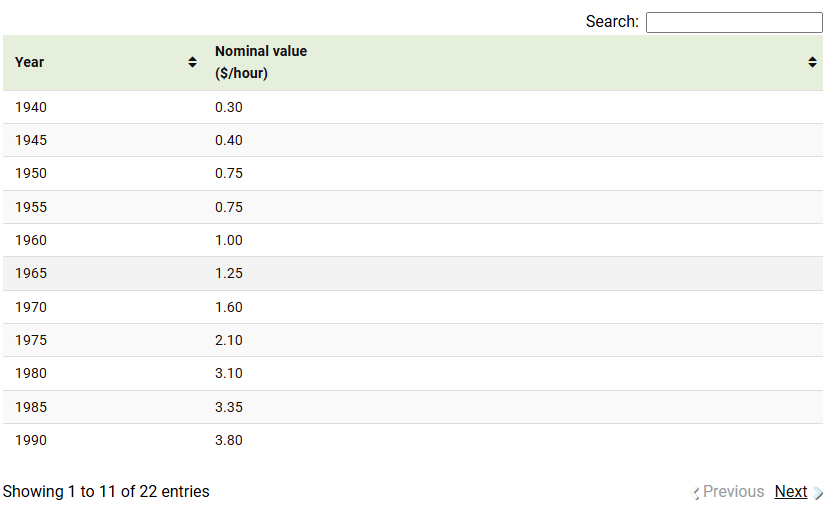
The federal minimum wage, set at $7.25 per hour, has seen a steady decline in its real value since its last increase 15 years ago.

While discussions about raising it continue, many states have proactively raised their own minimum wages.

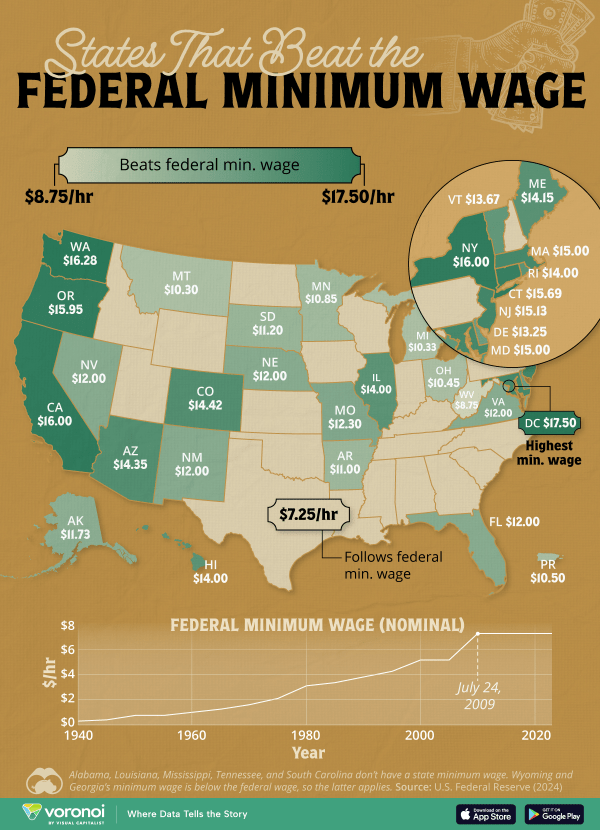
In this graphic, we highlight the U.S. states that offer wages above the federal minimum, along with their respective minimum wage rates. The data for this graphic is sourced from the Federal Reserve as of 2024.

Ranked: State Minimum Wages

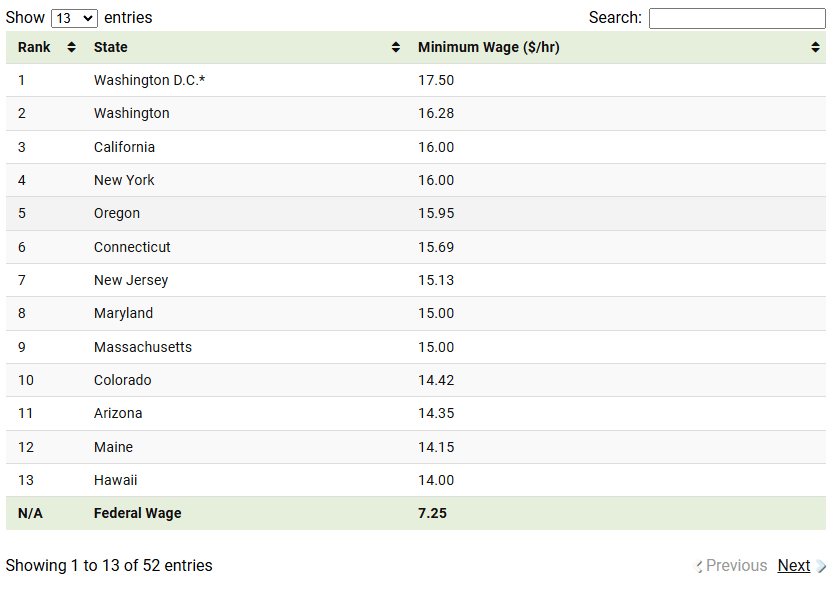
A total of thirty states have established minimum wages that exceed the federal minimum of $7.25 per hour.

*Federal district.

Among these states, Washington has the highest minimum wage at $16.28 per hour, closely followed by California at $16.00 per hour. Both states are known for their high cost of living, as illustrated by how little $100 can stretch in each.

However, the top spot nationwide belongs to Washington D.C., where the minimum wage is set at $17.50 per hour and is adjusted according to inflation.

Eighteen states either align with the federal minimum wage or lack a state minimum altogether, making the federal wage applicable in those areas.

Meanwhile, two states—Wyoming and Georgia—have established minimum wages below $7.25 per hour, which means the federal minimum wage applies instead.

What is the Minimum Wage Discourse?

The minimum wage debate in the U.S. centers around two primary opposing perspectives. Advocates for raising the minimum wage argue that doing so is essential for improving the living standards of low-wage workers, alleviating poverty, and addressing income inequality. They contend that moderate increases in the minimum wage have little effect on employment levels and can actually enhance consumer spending.

A significant aspect of their argument is that the federal minimum wage has gone without an increase for an extended period, marking the longest stretch since its establishment in 1938.

On the other hand, critics argue that substantial increases in the minimum wage could result in job losses, particularly affecting low-skilled and younger workers, which might inadvertently raise poverty rates for certain groups.

They contend that such hikes could price low-skilled workers out of the job market and negatively impact small businesses with narrow profit margins. Both sides reference economic studies to bolster their arguments, but the debate ultimately mirrors deeper societal values regarding fairness, opportunity, and the government’s role in the economy.

Since 2017, the Raise the Wage Act has been introduced in Congress annually to propose an increase in the federal minimum wage. However, none of these bills have successfully passed through the legislature thus far.

Learn More on the Voronoi App

Current proposals to “Raise the Wage” aim to elevate the minimum to $17/hour. In our feature on the Share of Workers Earning Less Than $17/Hour, we map out which states would experience the most significant changes.

Appeals Court Further Reduces the Reach of the Voting Rights Act

This blog originally appeared at THE NEW YORK TIMES.

In a departure from decades of precedent, the U.S. Court of Appeals for the Fifth Circuit ruled in a Texas case that minority groups cannot combine claims of vote dilution.

This week’s ruling, which limits the Voting Rights Act, directly affects the three states under the jurisdiction of the U.S. Court of Appeals for the Fifth Circuit, but its impact could be felt nationwide.

A federal appeals court has further restricted the 1965 Voting Rights Act, ruling that separate minority groups cannot unite to claim that a political map has been designed to dilute their collective voting power.

In a 12-to-6 decision on Thursday, the full Fifth Circuit Court of Appeals overturned nearly 40 years of legal precedent. The ruling also reversed decisions by both a three-judge panel from the same court and an earlier federal district court. Although the ruling applies only in Louisiana, Mississippi, and Texas—states under the court’s jurisdiction—it addresses a common issue in redistricting and has broader national significance.

The case centers on a district map for county commissioners in Galveston County, Texas. Mark Henry, the county judge who leads the Republican-controlled commissioner’s court responsible for drawing the map, hailed the decision as “a great win for the rule of law and the Constitution.” Henry is a defendant in the lawsuit.

The plaintiffs, including the Justice Department and groups like the N.A.A.C.P. and the League of United Latin American Citizens (LULAC), have not yet decided whether to appeal to the U.S. Supreme Court. However, the ruling leaves room for further legal challenges, as it directs the district court to reassess two other claims: that the county intentionally discriminated against minority voters and engaged in illegal racial gerrymandering. This means the map could still be ruled unlawful on those grounds.

“We still have a lifeline,” said Robert Quintero, president of the Galveston chapter of LULAC. “We won in this court before, and we hope the judge will apply the same wisdom he showed in the first ruling.”

Mark P. Gaber, a lawyer representing the Black and Latino voters involved in the case and part of the Washington-based Campaign Legal Center, stated that their claim of vote dilution remains robust.

Read more.

Elon Musk’s role in stirring unrest in Britain was just a preview. Look at what he has in store for America

This blog originally appeared at SUPPORT THE GUARDIAN.

The presidential election is just three months away. What if the billionaire disputes the outcome? What if he concludes that democracy no longer holds value?

Just over three years ago, an insurrectionist mob connected online, gathered in Washington, stormed the Capitol, and threatened the vice-president with a noose. But those were the “good old days.” We’re now in a different reality—one where billionaires are no longer restrained.

Back in 2020, tech platforms, still reeling from public backlash, at least pretended to care. Twitter had more than 4,000 employees in “trust and safety,” focused on removing dangerous content and monitoring foreign influence. Facebook, despite resisting pressure, eventually banned political ads that aimed to undermine voting, while researchers worked to identify and flag harmful disinformation.

Despite vast numbers of Americans believing the 2020 election was stolen, and a violent mob nearly staging a coup, things have only worsened in the four years since.

While Kamala Harris is enjoying her “hot girl summer” and liberal America breathes a sigh of relief, the U.S. should shift its gaze to Britain. There, rioters fill the streets, cars burn, and rampant racism spreads unchecked across multiple platforms. Lies, fueled by algorithms, circulate long before the truth emerges, only to be sanitized by politicians and media opportunists.

Just as Brexit foreshadowed Trump’s rise in 2016, Britain is once again a warning sign. The same patterns, tactics, and figures are appearing on both sides of the Atlantic—but now with even more dangerous technological weaknesses ready to be exploited.

For now, Britain’s streets are calm, and the violence suppressed. But in the U.S., where militias roam and open-carry laws are commonplace, the threat is much greater. No matter how well Harris performs in the polls, the U.S. is on the brink of an extraordinarily dangerous moment—no matter who wins the election.

As Trump and Bolsonaro have shown, it’s no longer just about winning elections or a single day. The period between election results and inauguration has become a volatile, anything-can-happen moment—not just for the U.S., but for the world.

In Britain, we’ve already seen the warning signs. This summer, we witnessed something unprecedented: a billionaire tech owner publicly challenging an elected leader, using his platform to undermine authority and incite violence. The 2024 summer riots in Britain were Elon Musk’s test run.

If Musk decides to “predict” a civil war in the U.S., what would that look like? He has already gotten away with it once. The sheer supranational power of this and the potential consequences should be terrifying. What happens if Musk contests an election result or deems democracy irrelevant? This isn’t science fiction—it’s a scenario just months away.

None of this is occurring in isolation. After 2016, there was a brief effort to understand how tech platforms had been exploited to spread lies and disinformation. But that moment has passed. A concerted, years-long effort by Republican operatives to politicize “misinformation” has succeeded. The term barely registers in U.S. tech circles today. Those who continue to raise the issue—academics, researchers, trust and safety teams—are labeled part of the “censorship industrial complex.”

A U.S. congressional committee led by Republican Jim Jordan, convinced that big tech silenced conservative voices, aggressively pursued emails from dozens of academics, chilling the entire field of research. Entire university departments, including the Stanford Internet Observatory’s election integrity unit, which played a key role in 2020, have collapsed.

Even the FBI was blocked from communicating with tech companies about an anticipated surge of foreign disinformation after a lawsuit from two attorneys general made its way to the Supreme Court. The New York Times reported that only recently has the FBI quietly resumed such efforts.

All of this has created the ideal conditions for tech platforms to quietly step back. Twitter—now X—has let go of at least half of its trust and safety team, but so have nearly all major tech companies. Thousands of employees once tasked with rooting out misinformation have been laid off by Meta, TikTok, Snap, and Discord.

Just last week, Facebook shut down one of its last transparency tools, CrowdTangle—a critical resource for understanding online activity during the tumultuous days surrounding the 2021 inauguration. Despite the protests of researchers and academics, Facebook axed it simply because they could.

Back in 2020, these efforts felt meager and inadequate against the growing threat. Now, they’ve disappeared just as the tools that spread misinformation are growing even more dangerous. OpenAI recently boasted about identifying an Iranian group that used ChatGPT for a U.S. election influence campaign, which might sound impressive if their trust and safety team hadn’t been disbanded in May after its co-founders resigned.

Musk, now the self-styled “Lord of Misrule,” has ripped off the pretense entirely. He’s shown that there’s no need to even act like you care. In his world, trust means mistrust, and safety means censorship. His goal is chaos—and it’s on the way.

(This article was amended on 22 August 2024 to correct a reference to the storming of the U.S. Capitol, which occurred just over three years ago, not four. The inauguration referenced should have been the 2021 inauguration, not 2020.)

Carole Cadwalladr, reporter and feature writer for the Observer

Read more.

Three Wisconsin counties are recognized among America’s ‘Healthiest Communities’ by U.S. News

This blog originally appeared at MILWAUKEE JOURNAL SENTINEL.

Exercise, a balanced diet, and safe habits play crucial roles in determining both the quality of life and life expectancy. However, did you know that your location also significantly impacts these metrics? U.S. News and World Report reveals that health outcomes are often shaped by factors such as a community’s economic performance, educational strength, housing availability, and affordability, among others.

In its latest “Healthiest Communities” report, U.S. News assessed nearly 3,000 counties across 92 metrics within 10 health categories—ranging from food and nutrition to housing, population health, education, and the economy—to identify the 500 healthiest counties in the nation. The analysis included factors such as housing affordability, food accessibility, and crime rates. Additionally, U.S. News ranked counties based on mental health, life expectancy, safety, and healthcare access.

Three southern Wisconsin counties secured top-25 positions in U.S. News’ rankings—Ozaukee and Waukesha counties were recognized as the 7th and 23rd healthiest counties overall, while Iowa County was ranked 17th for mental health.

Let’s take a closer look at how these Wisconsin communities achieved their impressive rankings.

Ozaukee County ranks among the healthiest in the U.S.

Home to Cedarburg, Mequon, and Port Washington, this northern neighbor of Milwaukee County was named the seventh-healthiest community in the nation by U.S. News.

Ozaukee County excelled in several categories, particularly in food and nutrition, population health, and infrastructure. The county boasts a food insecurity rate of just 4.4%, significantly lower than the national average of 11.5%. Moreover, its residents have lower rates of diabetes and obesity compared to state and national averages.

In terms of population health, Ozaukee County shines with a life expectancy of 81.3 years, which is 5.5 years longer than the national average of 75.8. Additionally, only about 4% of residents are uninsured, compared to 11.5% of Americans nationwide. Smoking rates are also lower, with only 11% of residents smoking compared to 19% nationally. The county also has a significantly lower rate of deaths of despair (suicide or drug/alcohol-related deaths), occurring at about half the national average. Residents here are more likely to engage in regular physical activity than both state and national averages.

Ozaukee County also surpasses national standards in infrastructure. Over 98% of residents have reliable internet access, compared to about 83% nationwide. The county is more walkable than average, and only 3.6% of residents have a commute longer than an hour, which is less than half the national average of 8.3%. Additionally, nearly three-quarters of Ozaukee residents live within walking distance of a library, museum, or park, compared to about 47% of Americans.

It’s important to note that Ozaukee County is one of Wisconsin’s wealthiest counties in terms of both per capita and median family income, according to U.S. Census data. U.S. News reports that the county’s median household income is just over $97,000, compared to the national median of just under $65,000. Clearly, wealth and privilege can significantly influence access to the resources and opportunities that contribute to a long and healthy life.

Waukesha County ranks among the top 25 healthiest counties in the U.S.

Continuing the trend, Wisconsin’s other wealthiest county secured the 25th spot on U.S. News’ list of the nation’s Healthiest Counties. Waukesha County excelled in the population health, economy, and infrastructure categories.

With a life expectancy of 80.7 years, Waukesha residents live nearly five years longer than the national average. Only 4.1% of residents are uninsured, compared to 11.5% nationwide. The county also boasts lower-than-average rates of smoking and heart disease, and its teen birth rate is just 3.3 per 1,000, significantly lower than the national rate of 21.7 per 1,000.

In terms of the economy, Waukesha County boasts an unemployment rate of just 2.6%, one percentage point lower than the national average. The median household income in the county is over $107,000, nearly $38,000 higher than the national average, and the poverty rate is a low 5%, compared to over 14% nationwide.

Similar to its neighbor Ozaukee, Waukesha County excels in infrastructure. Almost all residents have reliable internet access, while only about 83% of Americans can say the same. The rate of residents commuting over an hour to work is less than half the national average. The county is also rated as more walkable than average, with approximately 72% of residents living within walking distance of a library, museum, or park.

Iowa County is recognized as one of the best counties for mental health in the U.S.

Located in southwestern Wisconsin, Iowa County ranked 79th among the nation’s overall healthiest counties and 17th on U.S. News’ list of the Best Counties for Mental Health.

Home to Dodgeville, Mineral Point, and several major state parks, Iowa County scored 90 out of 100 points in U.S. News’ mental health category. In the county, 14.4% of adult residents report experiencing “frequent mental distress,” compared to just over 17% of U.S. adults. The county has a rate of 28.6 deaths of despair (suicide or drug/alcohol-related deaths) per 100,000 residents, significantly lower than the national rate of 63.5 per 100,000 and Wisconsin’s rate of 53.5 per 100,000.

Additionally, U.S. News found that 13% of Medicare beneficiaries in Iowa County have depression, compared to nearly 18% of beneficiaries nationwide and in Wisconsin.

What are the healthiest counties in Wisconsin?

These 10 Wisconsin counties ranked highest on U.S. News’s Healthiest Communities list:

  1. Ozaukee County (No. 7)
  2. Waukesha County (No. 23)
  3. Washington County (No. 46)
  4. St. Croix County (No. 65)
  5. Iowa County (No. 79)
  6. Calumet County (No. 89)
  7. Dane County (No. 97)
  8. Outagamie County (No. 120)
  9. Green County (No. 132)
  10. Portage County (No. 194)

Read more.

Trump ally Bernie Moreno wins the Republican primary for U.S. Senate in Ohio

This blog originally appeared at ADVOCATE.

He will face Democrat Sherrod Brown, who is supportive of LGBTQ rights, in November. Meanwhile, trans woman Arienne Childrey won her primary for the Ohio House.

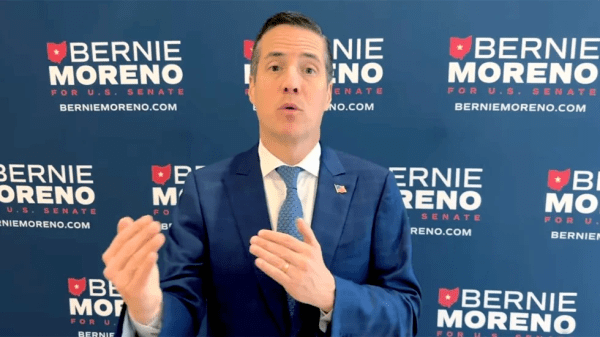
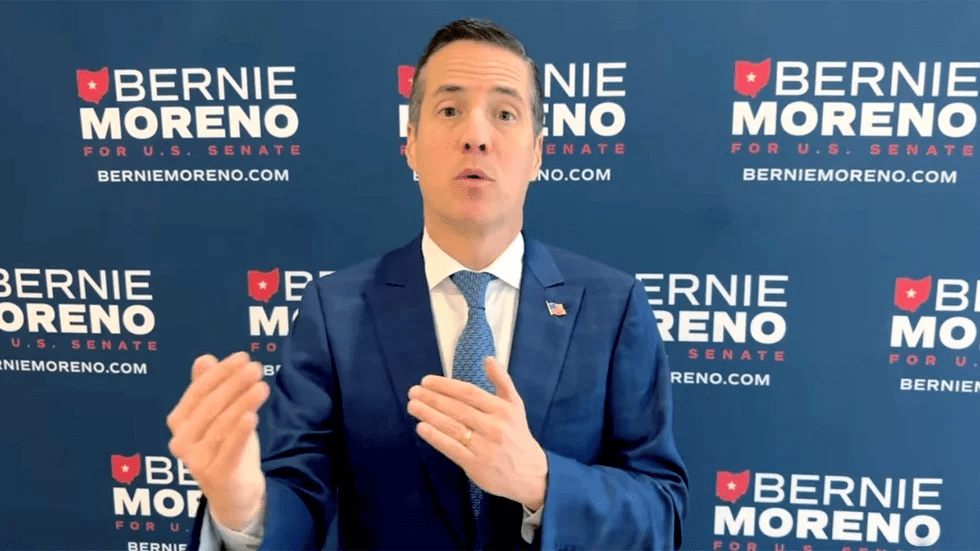
Bernie Moreno, an ally of Donald Trump, has secured the Republican nomination for U.S. Senate from Ohio and will challenge Democratic incumbent Sherrod Brown, a longtime supporter of LGBTQ+ rights, in November.

Moreno won Tuesday’s primary against two more traditional Republicans, state Sen. Matt Dolan and Ohio Secretary of State Frank LaRose. With 93 percent of the vote counted, Moreno had 50.5 percent, Dolan 32.8 percent, and LaRose 16.7 percent, according to The New York Times.

A car dealer and political newcomer, Moreno once expressed LGBTQ-friendly views, supporting the Gay Games held in Ohio in 2014 both financially and through an opinion column in Crain’s Cleveland Business. However, his recent public stances have shifted towards an anti-LGBTQ+ perspective.

He also faced scrutiny over a profile that briefly appeared on a dating website called Adult Friend Finder in 2008, which sought sexual liaisons with men, as reported by the Associated Press. Moreno’s team has stated to The Advocate, the AP, and other media that the profile was created as a prank by an intern at Moreno’s business.

Moreno was a critic of Trump just a few years ago and once said he could never vote for Trump, according to CNN’s KFile. However, now he and the former president are enthusiastically supporting each other.

Brown is one of the Republicans’ top targets this year, as Ohio is trending increasingly conservative and he is its only remaining statewide Democratic elected official, other than judges. He remains popular, however, while continuing to take progressive positions, including support for LGBTQ+ rights. He has consistently received perfect scores on the Human Rights Campaign’s Congressional Scorecard during his three terms in the Senate. He faced no opposition in the Democratic primary.

Leading up to the primary, a Democratic group ran ads highlighting Moreno’s conservatism and his connections to Trump. This suggests the party “viewed him as the weakest candidate against Brown,” CNN reports.

Several other states also held primaries on Tuesday, mainly for presidential preferences and some down-ballot races. In Ohio, transgender candidate Arienne Childrey, a Democrat, won her primary for the state House of Representatives in District 84, facing no opposition except for a write-in campaign. She had previously faced the threat of disqualification for not listing her deadname on official paperwork, but her county elections board ultimately decided not to disqualify her.

In November, Childrey will compete against Republican incumbent Angela King, who has sponsored a bill to ban drag shows in certain venues and subject performers to criminal penalties. King also supported legislation restricting gender-affirming care and trans participation in school sports, which passed after lawmakers overrode Governor Mike DeWine’s veto.

Another LGBTQ+ candidate for the Ohio House, gay man Eli Bohnert, lost the District 6 Democratic primary to Christine Cockley.

In Illinois, openly LGBTQ+ officeholders Eric Sorensen (U.S. House), Kelly Cassidy (Illinois House), and Mike Simmons (Illinois Senate) all ran unopposed in their primaries. All three are Democrats.

https://www.advocate.com/politics/bernie-moreno-ohio-republican-primary

Iowa Supreme Court Upholds Six-Week Abortion Ban | WashingtonPost

This blog originally appeared at WASHINGTON POST.

The ban, enacted last summer, was part of a broader effort by conservative states to restrict abortion following the U.S. Supreme Court’s decision to overturn Roe v. Wade.

Iowa’s Supreme Court on Friday upheld a six-week abortion ban, marking one of the latest rulings to restrict access to the procedure since the U.S. Supreme Court’s 2022 decision to end federal protections for abortion.

The measure prohibits abortions after six weeks of pregnancy, the point at which fetal cardiac activity can typically be detected. Planned Parenthood and other organizations had sued to block the law and initially secured a preliminary injunction from a lower court, temporarily maintaining legal access to abortion up to 22 weeks of pregnancy in the state.

In a 4-3 decision, the judges ruled that the law, passed by the Republican-led legislature in 2023, is constitutional. This decision reverses a temporary restraining order issued by a district court last year, allowing the ongoing lawsuit at that level to proceed.

The Supreme Court’s ruling once again alters the landscape of reproductive health in Iowa, where around 4,000 women sought abortions last year. Most women will now have to travel outside the state to terminate a pregnancy. The law includes limited exceptions for cases of rape, incest, or if the woman’s life is in danger.

Abortion providers in Iowa have been preparing for months in anticipation of the court’s ruling, according to Ruth Richardson, president of Planned Parenthood North Central States, which operates three abortion care facilities in Iowa.

In anticipation of a potential ban, Planned Parenthood has expanded its locations in neighboring states, doubling the number of patient beds in Omaha and moving to a larger site in Mankato, Minnesota.

During the court’s oral arguments on April 11, the justices questioned lawyers from both sides about previous rulings that first expanded and then limited the scope of abortion protections in the state. They also debated whether this case should have been sent back to a lower court for further review.

The law will restrict abortions to a timeframe in which many women are unaware they are pregnant. The exceptions apply only if a sexual assault is reported to law enforcement or a healthcare provider within 45 days for rape and 145 days for incest. Medical exceptions include cases of fetal abnormalities “incompatible with life” or if the pregnancy endangers the woman’s life.

Across the country, abortion continues to be a contentious issue at both the federal and state levels.

In an opinion Thursday, the U.S. Supreme Court permitted physicians in Idaho to resume performing emergency abortions while litigation continues in the lower courts. However, the ruling does not settle whether a long-standing federal law mandates that doctors nationwide perform the procedure when they believe a woman’s health is in danger.

And two weeks ago, the court unanimously preserved access to mifepristone, the medication now used in over 60 percent of U.S. abortions.

These decisions followed a pair of significant state judicial rulings this spring. Florida’s Supreme Court determined that abortion rights are not protected by the state’s constitution, paving the way for one of the country’s strictest bans to take effect on May 1. Meanwhile, Arizona’s Supreme Court revived an 1864 law prohibiting abortion except to save a mother’s life and punishing providers with jail time. However, amid a storm of condemnation, the legislature and governor repealed the law before it could take effect this summer.

A recent analysis by The Washington Post reveals that more than one in three women aged 15 to 44 now reside in states where abortion is fully or mostly prohibited, encompassing 18 states. Iowa’s legislature initially passed an abortion ban in 2018, which was permanently blocked by the courts. Last summer, Governor Kim Reynolds, a staunch Republican opponent of abortion, convened a special session of lawmakers to pass a new six-week ban. Although quickly enjoined by a district court judge, the regulatory process continued.

Critics, including legal experts, have raised concerns about the rules subsequently adopted by the state Board of Medicine, citing their vagueness and lack of specificity on when doctors can intervene to save a pregnant patient’s life and how providers who violate the law would be penalized.

The topic continues to be highly contentious within the state, despite a majority of Iowans supporting legal abortion in most situations. According to a Des Moines Register/Mediacom Iowa Poll from last year, 61 percent of residents believe abortion should be legal in most or all cases, while 35 percent are opposed.

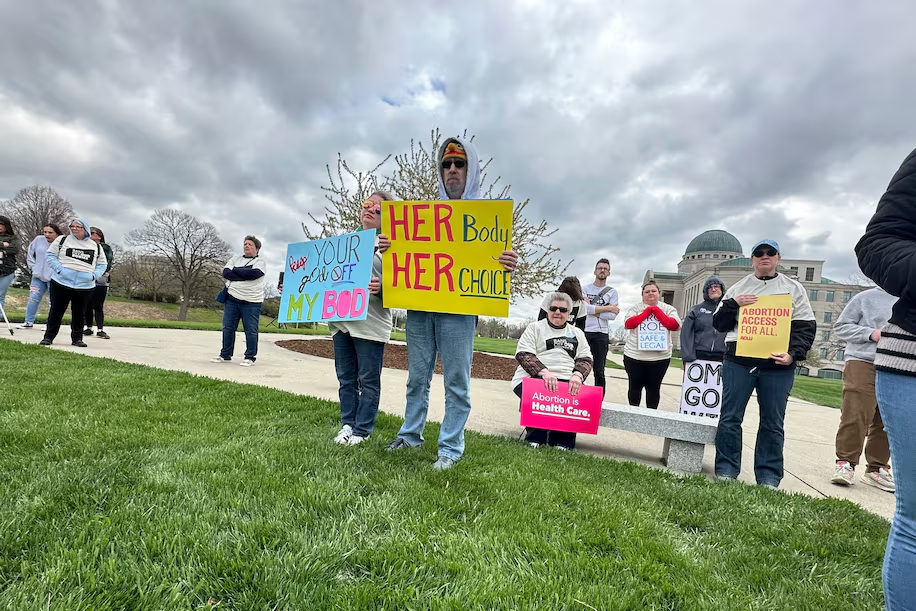
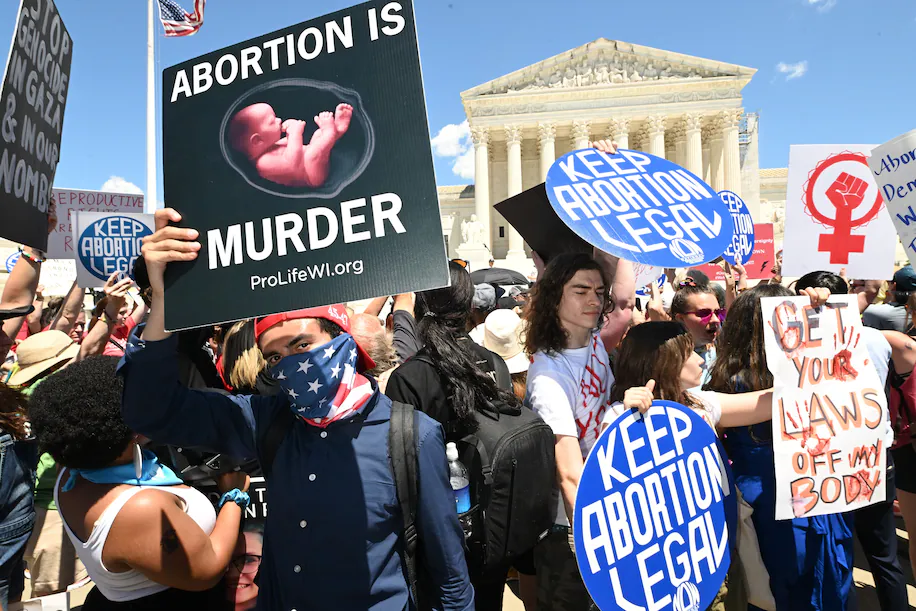
Over the weekend, hundreds of abortion opponents gathered at the Capitol in Des Moines ahead of the anticipated ruling.

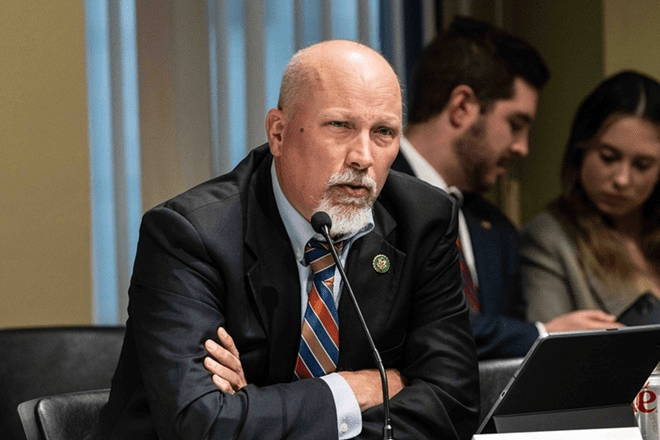
SAN ANTONIO NEWS: Congressman Chip Roy of San Antonio expresses desire to ‘ethnic cleanse’ white progressives

This blog originally appeared at SAN ANTONIO CURRENT.

In a tweet defending Donald Trump’s plan to deport 20 million migrants, Roy said he wants to deport “white progressive Democrats – with a special bonus for rich ones with an Ivy League degree.”

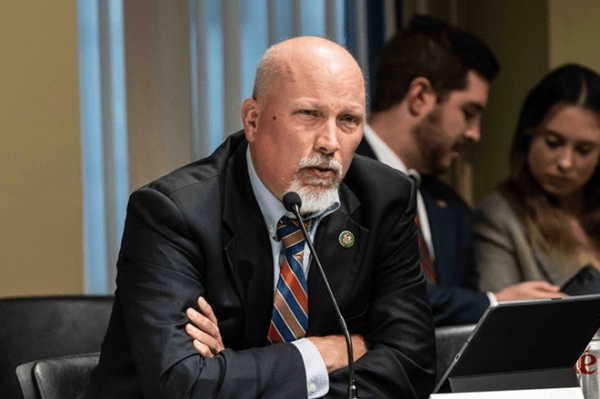
U.S. Rep. Chip Roy, a Republican representing a district covering parts of North San Antonio, advocated for the removal of progressives in a recent tirade posted on social media platform X.

The GOP congressman, known for his provocative remarks in politics, tweeted in support of Trump’s proposal to deport approximately 20 million migrants if elected president. Critics on social media have likened Trump’s plan to ethnic cleansing.

“I’ll tell you what – I do support ‘ethnic cleansing’ by deporting white progressive Democrats, especially those with Ivy League degrees and wealth,” Roy tweeted. “I have strong feelings about ‘those individuals.’

For context, Roy holds a bachelor’s degree from the University of Virginia and a law degree from the University of Texas at Austin—both prestigious institutions, though not Ivy League.

Roy’s remark was prompted by a tweet from Will Stancil, an attorney and research fellow at the Institute of Metropolitan Opportunity in Minneapolis, criticizing Trump’s deportation proposal.

“Deporting 20 million people is tantamount to ethnic cleansing,” Stancil tweeted. “That’s roughly the population of New York State or half of the Midwest. It represents 6% of the entire population—a person from every classroom, workplace, or street. It includes small children, working mothers, and entire families.”

While scholars have debated the definition of ethnic cleansing, it generally denotes the forced expulsion of a particular ethnic group or minority. Surprisingly, it is not recognized as an independent crime under international law, as per the United Nations.

Ethnic cleansing differs from genocide, which involves the systematic extermination of a specific ethnic group and constitutes a clear violation of international law.

Regardless, a remark suggesting “ethnic cleansing” by a sitting U.S. Congressman — even if intended humorously — sparked outrage on social media.

“Disgusting and racist! Shame on you!” tweeted user @DavidSmuts in response to Roy.

“Congressman, being so divisive all the time is harmful,” added user @isaiahmartin.

San Antonio U.S. Rep. Chip Roy Faces Backlash After Controversial “Ethnic Cleansing” Remark

In a tweet defending Donald Trump’s proposed deportation of 20 million migrants, U.S. Rep. Chip Roy, whose district covers parts of North San Antonio, sparked outrage with a call to “cleanse” progressives.

The GOP congressman, known for his provocative political style, tweeted in support of Trump’s deportation plans, which some critics on social media have likened to ethnic cleansing.

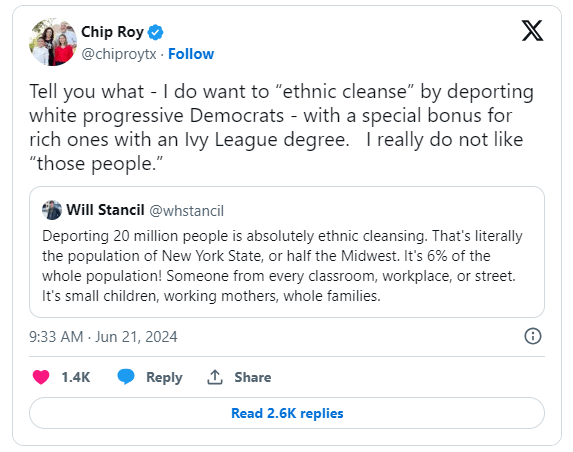
“Tell you what – I do want to ‘ethnic cleanse’ by deporting white progressive Democrats – with a special bonus for rich ones with an Ivy League degree,” Roy tweeted. “I really do not like ‘those people.'”

For the record, Roy holds degrees from the University of Virginia and the University of Texas at Austin, prestigious institutions though not Ivy League.

Roy’s comment was prompted by a tweet from Will Stancil, an attorney and research fellow at the Institute of Metropolitan Opportunity in Minneapolis, who strongly criticized Trump’s deportation proposal.

“Deporting 20 million people is absolutely ethnic cleansing,” Stancil wrote. “That’s literally the population of New York State, or half of the Midwest. It’s 6% of the whole population! Someone from every classroom, workplace, or street. It includes small children, working mothers, and whole families.”

While scholars debate the term “ethnic cleansing,” it generally refers to the forced removal of a specific ethnic group or minority and is not recognized as a standalone crime under international law by the United Nations. This differs from genocide, which involves the systematic extermination of an ethnic group and is a clear violation of international law.

Regardless, Roy’s reference to “ethnic cleansing”—even if intended humorously—prompted strong reactions on social media.

“Disgusting racist! Shame on you!” tweeted user @DavidSmuts in response to Roy.

“Congressman, being so divisive all the time isn’t healthy,” added user @isaiahmartin.

Some voices, however, supported Roy’s statement.

“We’re with you brother,” commented user @chrischownyk. “It’s time to take back our constitutional republic.”

This isn’t the first time Roy—a former chief of staff to U.S. Sen. Ted Cruz—has stirred controversy with outspoken remarks. Recently, he warned on the House Floor that Biden administration immigration policies could lead to the imposition of “Sharia Law” on Americans. In 2020, during Passover, Roy compared COVID stay-at-home orders to actions in “Nazi Germany” on a conservative talk show.

Roy faces reelection in November amid continued scrutiny of his outspoken style and controversial statements.

https://www.sacurrent.com/news/san-antonio-us-rep-chip-roy-says-he-wants-to-ethnic-cleanse-white-progressives-34866152?fbclid=IwZXh0bgNhZW0CMTEAAR3bvjHdw7qF15uDNa7j14-N_Q1GkhA5baF-poNCLLuAM4vaaLwXse2lci4_aem_WChhV_-hkbj4MMC9RQnFnQ&sfnsn=mo

SCOTUS Declines to Weigh in on Trans Students’ Bathroom Access Case | Them

This blog originally appeared at THEM.

A lower court ruling in favor of trans students will stand.

The Supreme Court has opted not to intervene in the ongoing dispute over transgender students’ rights to use bathrooms that match their gender identities. On Tuesday, the court declined an appeal from an Indiana school district seeking to overturn a ruling that required the district to permit trans boys to use the appropriate facilities.

In effect, this decision upholds a Seventh U.S. Circuit Court of Appeals ruling in favor of transgender students, requiring the Metropolitan School District in the Indianapolis suburb of Martinsville to continue allowing trans-inclusive restroom access.

The ACLU of Indiana initially filed a lawsuit in December 2021 on behalf of A.C., an anonymous transgender middle school student, and his parents. A.C. was required to use the girls’ restrooms or the single-person restroom in the nurse’s office, which was far from his classes. The ACLU of Indiana argued that these policies were unconstitutional, violating both the Fourteenth Amendment’s Equal Protection Clause and Title IX.

In April 2022, the plaintiffs were granted a preliminary injunction when a district court ruled to block the policy for the duration of the case. By August 2023, the Seventh Circuit ruled in favor of A.C., finding that the policies preventing him from using the boys’ restroom were indeed unconstitutional.

As The Hill noted, the Supreme Court has largely avoided directly weighing in on cases involving protections for trans youth, which often allows progressive lower court rulings to remain in place. In 2021, the Court declined to review a similar case in Virginia. Gavin Grimm, also represented by the ACLU, filed suit against his school district in 2015 after being required to use the girls’ restroom or the nurse’s bathroom. An appellate court found this policy unconstitutional in 2020, and the Supreme Court’s refusal to hear the case allowed that decision to stand.

Kenneth Falk, legal director of the ACLU of Indiana, expressed gratitude, stating that the organization was “thankful the Court allowed this momentous victory for the transgender youth of Indiana to stand.”

“In essence, this case is about safeguarding the fundamental right of every student to access a safe and inclusive learning environment. The policy at its core undermines the freedom of transgender youth to express their true selves,” Falk expressed in a press release. “We are committed to ongoing advocacy for transgender individuals and their families, standing firm wherever their legal equality is questioned.”

Kelley Robinson, President of the Human Rights Campaign, hailed the decision as a step in the right direction but stressed the ongoing need for further measures to safeguard transgender youth.

Robinson emphasized the universal importance of treating every child with kindness and respect, underscoring that while the decision is a positive affirmation of transgender students’ rights, significant efforts are still required to ensure comprehensive protection for all.

Blog at WordPress.com.

Up ↑