Florida’s surgeon general defies scientific consensus amid measles outbreak | The Washington Post

This blog originally appeared at THE WASHINGTON POST.

Florida Surgeon General Joseph Ladapo in 2021.

As a Florida elementary school grapples with a growing measles outbreak, the state’s top health official is providing advice that contradicts scientific consensus, potentially putting unvaccinated children at risk of contracting one of the most contagious pathogens on Earth, according to clinicians and public health experts.

In a letter to parents at a Fort Lauderdale-area school following six confirmed measles cases, Florida Surgeon General Joseph A. Ladapo failed to urge parents to vaccinate their children or to keep unvaccinated students home as a precaution.

Instead of following the “normal” recommendation that parents keep unvaccinated children home for up to 21 days — the incubation period for measles — Ladapo stated that the state health department “is deferring to parents or guardians to make decisions about school attendance.”

Ladapo’s controversial decision continues a pattern of defying public health norms, especially regarding vaccines. Last month, he called for halting the use of mRNA coronavirus vaccines, a move widely condemned by the public health community.

Ben Hoffman, president of the American Academy of Pediatrics, criticized Florida’s guidance, stating that it contradicts longstanding and widely accepted public health recommendations for measles, a disease that can lead to severe complications, including death.

“It contradicts everything I’ve ever heard and read,” Hoffman stated. “It goes against our policy and what the Centers for Disease Control and Prevention would recommend.”

In 2024, measles outbreaks have surged, with the CDC recording at least 26 cases across 12 states, doubling the count from the previous year. Apart from the six cases identified in the Florida school, instances have been documented in Arizona, California, Georgia, Maryland, Minnesota, Missouri, New Jersey, New York City, Ohio, Pennsylvania, and Virginia.

The surge in measles outbreaks is attributed to the increasing number of parents seeking exemptions from childhood vaccinations. This trend has emerged in the wake of political opposition to COVID-19 mandates and widespread dissemination of misinformation regarding vaccine safety.

In January, the CDC issued a caution to healthcare providers to remain vigilant for additional measles cases. Contagion can occur from four days before the onset of a rash until four days after.

Because measles virus particles can persist in the air and on surfaces for up to two hours after an infected individual departs, up to 90 percent of non-immune individuals may contract measles if exposed. Those who have been infected or have received both doses of the MMR vaccine are 98 percent protected and highly unlikely to contract the disease. This is why public health officials usually recommend vaccination during outbreaks.

“The measles outbreak in Florida schools is a result of too many parents failing to ensure their children are protected by the safe and effective measles vaccine,” explained John P. Moore, a professor of microbiology and immunology at Weill Cornell Medical College. “And why is that? It’s because anti-vaccine sentiment in Florida is propagated from the top of the public health hierarchy: Joseph Ladapo.”

When requested for comment, the Florida health department provided a link to Ladapo’s letter.

Ladapo’s reluctance to utilize public health measures mirrors the efforts of conservative and libertarian factions to weaken public health’s capacity to control diseases such as the highly contagious measles. In an outbreak in Ohio that commenced in late 2022, most of the 85 afflicted children were eligible for vaccination, but their parents opted against it, according to officials. In 2021, the state legislature curtailed health officials’ authority to mandate quarantine for individuals suspected of having an infectious disease.

Ladapo’s communication with parents arrives amidst increased concern regarding the public health impacts of anti-vaccine sentiment, an ongoing issue that has resulted in declines in childhood immunization rates in various areas across the United States. Federal data released last year revealed that the percentage of kindergartners exempted from at least one state-required childhood vaccination reached its highest level yet during the 2022-2023 school year, standing at 3 percent.

According to Paul Offit, a pediatric infectious diseases expert at Children’s Hospital of Philadelphia, Ladapo’s neglect to promote vaccination puts children at risk.

“In light of the data showing measles as the most contagious vaccine-preventable disease, surpassing even influenza or COVID, is Ladapo attempting to suggest otherwise?” Offit questioned in an email.

Measles is highly contagious, spreading swiftly, particularly affecting young children who receive their first dose of the vaccine between 12 to 15 months of age. The CDC advises two doses of the MMR vaccine, with the second typically administered between 4 to 6 years old.

When measles vaccination coverage falls below 95 percent, it undermines herd immunity, facilitating the virus’s rapid spread. While Florida’s overall vaccination coverage stands at 90.6 percent, it doesn’t pinpoint areas with potentially lower coverage rates.

If unvaccinated individuals fail to adhere to public health guidelines and stay home from school during the contagious period, the outbreak could escalate dramatically, posing a significant community risk. Patsy Stinchfield, President of the National Foundation for Infectious Diseases and a nurse practitioner in Minneapolis, has firsthand experience managing measles outbreaks, including the 2017 outbreak in Minnesota, which impacted 75 individuals, predominantly unvaccinated children.

Approximately 1 in 5 unvaccinated individuals in the United States who contract measles require hospitalization, as reported by the CDC. Among children, up to 1 out of 20 develop pneumonia, which is the leading cause of death from measles in this age group. Additionally, around 1 child out of every 1,000 with measles experiences brain swelling, which can result in seizures and long-term consequences such as deafness or intellectual disability. Unvaccinated infants who contract measles face an even graver risk, with 1 in 600 developing a fatal neurological complication that may remain latent for years.

This week, officials at Manatee Bay Elementary School, located approximately 20 miles west of Fort Lauderdale, confirmed six cases of measles. According to Broward County Schools Superintendent Peter B. Licata, out of the school’s 1,067 students, 33 have not been vaccinated with the MMR vaccine. During a school board meeting on Wednesday, Licata provided this information. Additionally, a district official mentioned that the district has organized “four vaccination opportunities,” comprising two sessions held at the school and two at other venues within the community.

Florida health officials reported the first case on Friday, involving a third-grade child with no travel history abroad.

School officials redirected inquiries to the Broward County school district, which stated it is adhering to guidance from the state health department.

Appeals court rules that state insurance must cover transgender health care | NPG.org

This blog originally appeared at HAWAII PUBLIC RADIO.

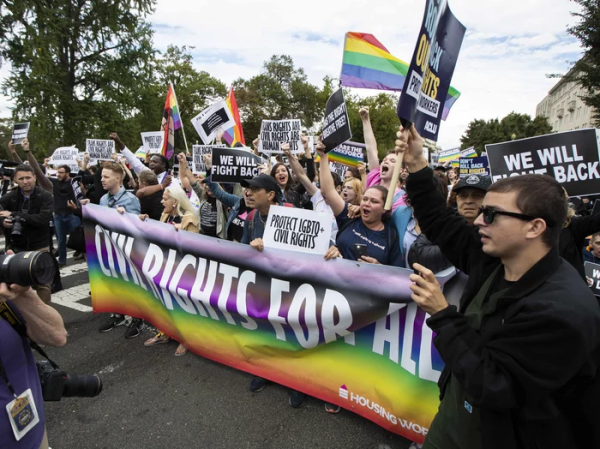
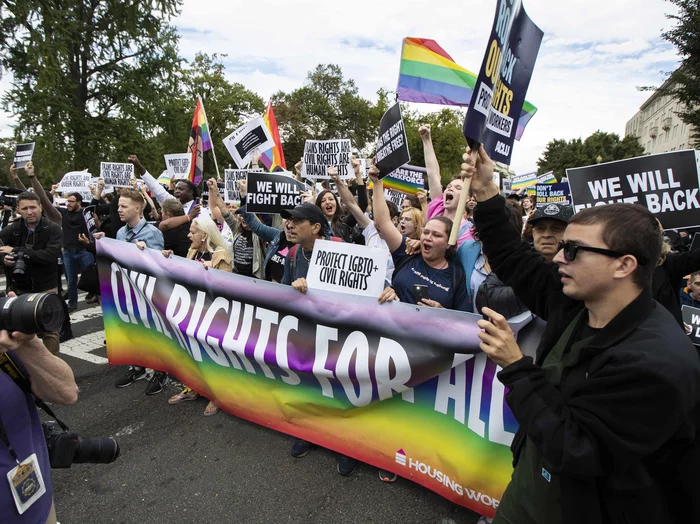
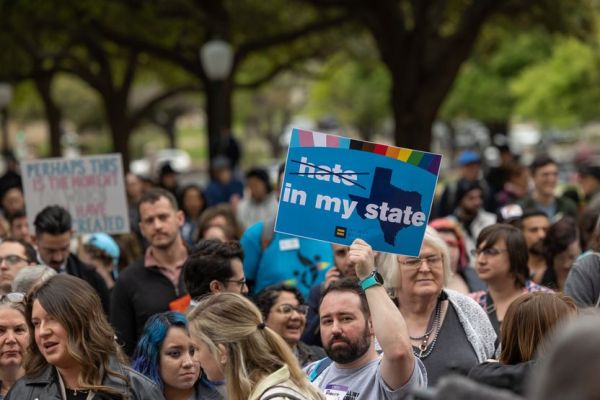
Cases concerning transgender rights have been making their way through the courts for years. Here, people demonstrated in support of trans rights in front of the Supreme Court in 2019.

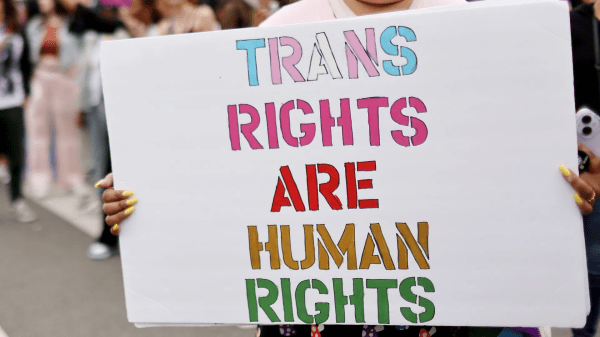
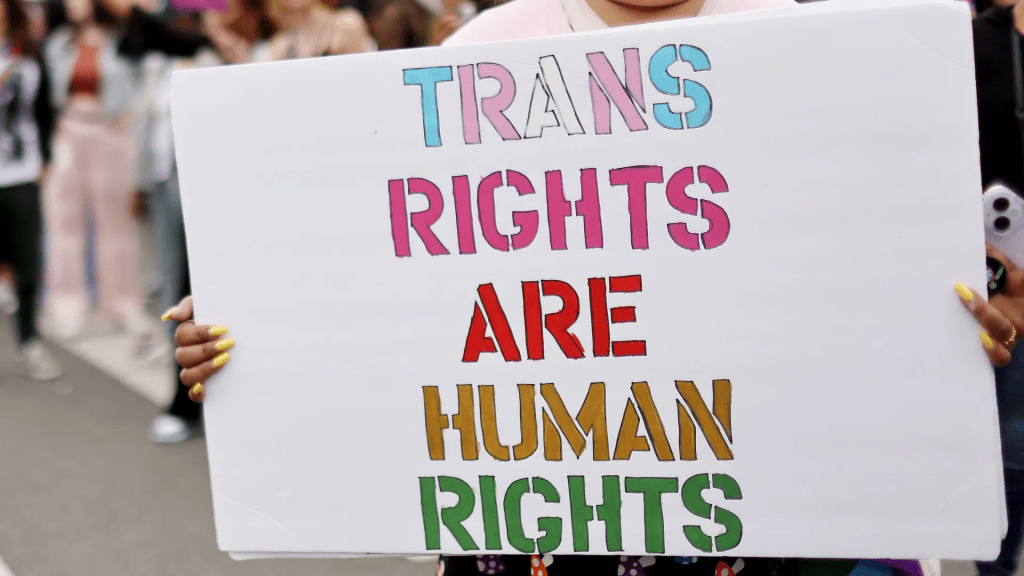
A federal appeals court decision on Monday mandated that state health insurance plans in North Carolina and West Virginia must offer coverage for gender-affirming care. Transgender advocates view this ruling as a significant triumph, particularly amid a surge in state legislative proposals aiming to limit the rights of transgender individuals.

The 4th Circuit Court of Appeals in Richmond, Virginia, rendered its decision on two cases, one of which was filed by transgender North Carolina state employees and their dependents. They were denied coverage for gender-affirming care.

The second lawsuit was filed by transgender individuals in West Virginia who are enrolled in Medicaid. While they could receive coverage for certain treatments such as hormones, they were denied coverage for surgery.

These cases were heard en banc by the 4th Circuit Court last fall, meaning that all the judges on that appeals court participated in the hearing.

During oral arguments, the judges raised questions about procedures like mastectomies. While these are covered for patients with breast cancer, they were not covered by the health insurance plans for transgender patients.

In an 8-6 decision, the majority of the 4th Circuit ruled that these patients were entitled to health insurance coverage for their care. Judge Roger Gregory, who wrote the majority opinion, labeled the denial of coverage as “obviously discriminatory.”

West Virginia Attorney General Patrick Morrisey, in response to the court’s decision against the state’s stance on gender-affirming surgeries in Medicaid, stated, “Decisions like this one, from a court dominated by Obama- and Biden-appointees, cannot stand: we’ll take this up to the Supreme Court and win.”

North Carolina State Treasurer Dale Folwell labeled the ruling as “unabashed judicial activism” in a statement.

The 4th Circuit comprises seven judges appointed by Republican presidents and eight judges appointed by Democratic presidents.

“We’re delighted that the court affirmed that discriminatory treatment has no place under the law,” said Tara Borelli, senior counsel with Lambda Legal, who presented the case for the plaintiffs.

Borelli points out that the policies have already been updated. Both state health programs have been required to cover transgender healthcare since lower federal district courts ruled in favor of the patients in 2022.

With the appeals court issuing its decision, Borelli emphasizes that it establishes a significant precedent. She urges other states across the country to closely observe this ruling.

Attorneys representing North Carolina and West Virginia contended that the denial of coverage was rooted in fiscal considerations aimed at saving taxpayer funds, rather than bias.

Borelli pointed out that appealing to the Supreme Court would incur additional costs for taxpayers.

The Supreme Court’s recent decisions regarding transgender issues are varied.

Earlier this month, the justices permitted Idaho’s prohibition on gender-affirming care for minors to be implemented.

However, the Court has chosen not to review other cases concerning transgender students’ access to bathrooms and participation in school sports. Observers interpret this as a reluctance to intervene in the contentious issue.

On Friday, the Biden administration implemented a regulation bolstering protections against discrimination for transgender patients nationwide. This regulation extends to all healthcare services, ensuring that transgender individuals, including those seeking treatment unrelated to their gender, such as a broken arm in the emergency room, are not subject to mistreatment.

A coalition of Republican-led states has vowed to contest the regulation in court.

Proposed legislation in West Virginia seeks to classify transgender individuals as “obscene matter” in a concerning move that raises legal and ethical questions about the rights and recognition of the transgender community.

If these two bills are enacted together, they would make it a criminal offense for transgender individuals to be in proximity to a minor or a school, treating it as an act of indecent exposure.

In January, a West Virginia Republican legislator introduced three anti-trans bills, one proposing to label trans individuals as “obscene matter” and another aiming to effectively criminalize the public existence of transgender people, as reported by Jurist.

State Senator Mike Azinger introduced Senate Bills 194, 195, and 197 on January 10, all specifically directed at transgender individuals.

Senate Bill 195 proposes changes to West Virginia’s indecent exposure law, aiming to criminalize involvement in what it terms as “obscene matter.” This includes instances that a “reasonable person” deems lacking in serious literary, artistic, political, or scientific value. The bill explicitly cites “transgender exposure, performances, or display to any minor” as an example of displays considered “obscene or sexually explicit.” Essentially, if Senate Bill 195 is enacted, a transgender individual could potentially be charged with obscenity simply for existing in public spaces where minors might be present.

Simultaneously, Senate Bill 197 makes it a criminal offense to have “obscene matter” near minors or within 2,500 feet of any public school facility supervised by the state board. The bill specifically highlights “transgender exposure, performances, or display to any minor” as an instance of obscene matter. According to the proposed law, public school staff failing to report a student’s exposure to obscene matter, including the mere existence of transgender individuals, could face prosecution with a potential fine of up to $500 or imprisonment for up to a year.

West Virginia prohibited gender-affirming care for individuals under 18 in the Spring of 2023. However, Senate Bill 194 goes further by extending the ban on gender-affirming care to trans individuals up to the age of 21. Moreover, it forbids treatment for gender dysphoria unless it aligns with a “cure,” indirectly endorsing conversion therapy.

All three bills are presently awaiting consideration in committee.

In a conversation with independent journalist Erin Reed, who focuses on reporting anti-LGBTQ+ legislation for her blog Erin in the Morning, LGBTQ+ organizer Ash Orr characterized the bill as a clear effort to both criminalize and erase the transgender community in West Virginia.

Orr conveyed to Reed, “The reality is that trans individuals, regardless of age, lead fulfilling and joyful lives—challenging the inaccurate narrative fabricated by extremist politicians. [Senate Bill 194] undermines fundamental values of privacy and autonomy over our bodies, relying on deceptive or entirely untrue notions.”

In March of the previous year, West Virginia prohibited gender-affirming care for minors, with an exception allowing doctors to prescribe medical therapy if a teenager is deemed at risk of suicide, as reported by the Associated Press. The Human Rights Campaign notes that 22 states have enacted laws or policies prohibiting gender-affirming care for minors.

In the past year, there were over 500 legislative proposals aimed at limiting LGBTQ+ rights. In 2023, only three states and Washington, DC did not entertain a bill targeting the rights of queer and trans individuals. The Trans Legislation Tracker reports that for 2024, 275 bills are already under consideration, including 176 carried over from the previous year.

The LGBTQ+ Migration: Why Many Are Leaving Everything Behind To Move Across the Country

This blog originally appeared at Realtor.com

Kristen Chapman, 52, doesn’t know anyone in Virginia. She doesn’t have a job lined up or a home there. But this summer, the Tennessee mother of three will uproot her family from Nashville and move 600 miles away to Richmond, VA, so that her transgender daughter can continue receiving the gender-affirming care that Chapman believes has saved her child’s life.

In March, Tennessee banned gender-affirming care for transgender minors.

“My youngest child cannot get care here legally. I no longer feel welcome here. I no longer feel safe here,” says Chapman, a social worker and artist, who identifies as queer. “I literally feel targeted, like someone painted a big X on our door and we have to get out.”

Chapman is part of a growing number of lesbian, gay, bisexual, transgender, and queer people and their families fleeing neighborhoods, cities, and states where they are worried about their safety. Some have faced harassment as anti-LGBTQ+ rhetoric has spread throughout the country. Others are desperate parents of children whose gender-affirming health care has been outlawed by their state governments. Most are relocating to blue and purple cities and states, where housing costs are often much higher but they feel welcomed.

Since June 5 of this year, more than 525 anti-LGBTQ+ bills have been introduced in 41 states, creating a new record, according to the Human Rights Campaign. More than 220 of those bills targeted transgender individuals with at least 20 states now banning gender-affirming care. More than 76 bills have become law, more than double last year, according to the HRC.

While there are no official estimates of how many LGBTQ+ people and families are relocating, it’s a growing number, says Anita R. Blue, a Realtor® in Houston and president-elect of the LGBTQ+ Real Estate Alliance. It’s an issue that’s increasingly spilling over into the housing market.

“Housing’s going to suffer,” says Blue. “People don’t want to live or buy a home in a state where they don’t feel safe.”

In 2020, several months into the COVID-19 pandemic, Chapman received a three-word email from her daughter. It said, “I am trans.”

What followed was about a year of doctor’s visits, tests, and mental health evaluations before her child, now 15, began receiving puberty blockers.

Chapman explains that her child was suicidal before receiving treatment. Now, if her daughter misses a treatment, she will go through puberty—as a boy.

“If I don’t get her to a state in August where she can receive a shot, then she literally could resume puberty immediately. Her voice could drop, and there’s no fixing that,” says Chapman. “The more she passes as a [cisgender woman], the safer she is. That was our big motivation to move quickly.”

She chose Richmond because she hopes that her husband, whom she is separated from, will be able to transfer his job to one of his company’s offices there to be close to their 15-year-old and 17-year-old autistic daughter. Their oldest is away at college. Chapman started a GoFundMe campaign to help pay for moving costs.

“I’m really angry. But the overwhelming feeling is I’m just heartbroken,” Chapman says through tears. “I’m exhausted, and I’m scared for my family. At this point, my children deserve to feel some peace and stability.”

LGBTQ+ people and their families are fleeing neighborhoods, cities, and states where they are worried about their safety.

Dallas-area real estate broker Bob McCranie has helped 27 clients worried about anti-LGBTQ+ harassment and legislation move out of Texas. Most are going to blue states, such as Illinois, Connecticut, Massachusetts, and Colorado, or even abroad.

Last year, he started FleeTexas.com, which was followed by FleeRedStates.com. The sites help connect homebuyers and sellers to LGBTQ+ real estate agents.

“There’s a migration going on right now,” says McCranie. “We’re trying to get people out of harm’s way and to a place that’s a little bit safer.”

But moving, especially cross-country, takes money.

Those leaving red states might find that home and rental prices, as well as everything else, are much higher in blue states. Transplants are often leaving behind their support networks and essentially starting over.

Callen Jones, a Realtor® with the Dalton Wade Real Estate Group and who is based in Tampa, FL, has seen many people leave Florida due to the state’s anti-LGBTQ+ laws. This spring Jones, who identifies as transgender, helped four people sell their homes. Jones’ clients, who were self-employed or worked remotely, relocated to the Midwest and Northeast.

Last year, Florida made headlines for banning classroom instruction on sexual orientation and gender identity in public schools for kindergarten through third grade. The law, which has since been expanded to higher grades, resulted in a teacher being investigated for showing her fifth-grade class the Disney movie “Strange World,” which has a gay character.

In May, Florida Gov. and Republican presidential candidate Ron DeSantis signed into law legislation to restrict gender-affirming health care for transgender minors. The law also allows children who undergo treatment to be placed in the state’s temporary custody.

“A lot of our folks who are openly LGBTQ and their parents are fearful,” says Jones. “Home is so vastly important to everyone, the ability to have a home and feel safe and feel settled. If you don’t feel safe, secure, and affirmed, you’re not going to be your best self.”

Nicole, who did not want to be fully identified, moved from the Fort Worth, TX, area to Denver with her husband and 14-year-old twin boys in mid-November.

One of their twins came out as bisexual in 2019 and then as transgender a year later. He began gender-affirming health care six months later.

In February of last year, Texas Gov. Greg Abbott directed the state’s Department of Family and Protective Services to investigate parents of transgender children receiving gender-affirming care. The order was successfully challenged in the courts but is now being appealed. On Sept. 1, it will become illegal for doctors in the state to provide gender-affirming care to those under 18.

“It was urgent that we needed to leave,” says Nicole. “The thought of both of [our kids] being taken from us because we support gender-affirming care was terrifying.”

She was advised to create a “safe” folder for affidavits from people who knew the family and could testify they were good parents. Their children were advised not to answer questions from adults they didn’t know unless Nicole and her husband were present.

“I couldn’t in good conscience stay any longer,” says Nicole.

The family chose Denver, despite not having family or friends there. They had searched online for LGBTQ+-friendly places, and Colorado kept coming up.

Their three-bedroom, two-bathroom house, which they purchased in 2019, took five months to sell. They barely broke even. In November, they moved into a rental house in Denver, which was considerably more expensive.

Nicole, who is a mortgage lender, was able to continue working remotely. Her husband is retired from the Air Force. Most importantly, their son is able to continue with his treatment.

“We didn’t realize how we were living down in Texas until we got up here. This massive weight was lifted, and the fear was gone,” she says. “We feel like we can take a deep breath.”

click here to see full blog: https://www.realtor.com/news/trends/the-lgbtq-migration-why-many-are-moving-across-the-country/?fbclid=IwAR36ua_pJmv0ptgQ3p5c31ZoRWbYGdhB9FJNhhb7NCqNvGM7j15HFr-pFBc

Here are the most affordable states for retirees | The Hill

This blog originally appeared at The Hill.

A new study identifies a rugged group of states — Wyoming, Utah, Montana and Idaho — as the most affordable destinations for American retirees. 

Clouds rise above the mountains of the Teton Range as seen from Grand Teton National Park in Jackson Hole, Wyoming on August 15, 2022.

If those places sound cold, consider some warmer states that rank nearly as high in cost of living and other affordability measures: Virginia (5th on the list), New Mexico (7th), Tennessee (10th), Georgia (12th) and South Carolina (15th). 


According to a study conducted by Seniorly, a senior-living site, states were ranked based on eight financial factors important to seniors who are planning to retire on a budget. It is worth noting that the study did not consider lifestyle or climate factors typically associated with retirees moving to warmer states in the South. Instead, it focused on housing costs and living expenses, taking into account recent inflation and retirement account volatility.

Census figures indicate that over 200,000 Americans relocated to new states for retirement in 2022. The most popular destinations were Florida, North Carolina, Michigan, Arizona, and Georgia. While Florida and Arizona have long been favored retirement destinations, it’s worth noting that they have become more crowded and less affordable in recent years.

Despite the desire for warmer climates, a significant majority of older Americans, approximately three-quarters, express a preference to stay in their current homes and communities, as revealed by an AARP survey. This sentiment is often driven by a sense of attachment to the places where they grew up and raised their families, as well as the difficulty associated with changing healthcare providers.

As retirees evaluate their options, they are increasingly considering housing costs and living expenses, recognizing the impact of inflation and market volatility on their retirement savings. While Florida and Arizona continue to be popular choices, retirees are also exploring alternatives that offer a balance of affordability and quality of life.

The Best US States for LGBTQ Couples: Where to Live and Thrive – queer voices

This blog originally appeared at Queer Voices.

In terms of LGBTQ rights and acceptance, the United States has made significant progress, but the level of LGBTQ-friendliness can vary across states. In this article, we will discuss five states that are considered the best for LGBTQ couples, taking into account factors such as anti-discrimination laws, marriage equality, and LGBTQ community resources.

California:

California is known for its welcoming environment for LGBTQ individuals and couples. The state legalized same-sex marriage early on and has strict anti-discrimination laws. Cities like San Francisco have vibrant LGBTQ communities and host large-scale pride events.

New York:

New York has a rich history of LGBTQ activism and a sizable LGBTQ population. The state legalized same-sex marriage in 2011 and has strong anti-discrimination laws. New York City, particularly neighborhoods like Chelsea and Greenwich Village, is known for its LGBTQ-friendly atmosphere and iconic landmarks.

Virginia:

Although not typically mentioned among LGBTQ-friendly states, Virginia has made significant progress recently. The Virginia Values Act protects LGBTQ individuals from discrimination, and the state has a growing LGBTQ community with events like Hampton Roads Pride and Virginia PrideFest.

Massachusetts:

Massachusetts holds the distinction of being the first state to legalize same-sex marriage in 2004. It has a robust network of LGBTQ community centers, progressive anti-discrimination laws, and a vibrant LGBTQ tourism industry. Boston, in particular, has a thriving LGBTQ population.

Washington:

Washington state legalized same-sex marriage in 2012 and has enacted progressive legislation to protect LGBTQ rights. Seattle, in particular, has a strong LGBTQ community with ample resources and support services. The state is also known for its progressive politics and environmental activism.

It is important for LGBTQ couples to carefully consider their options and prioritize their needs when choosing a place to live or visit in the United States. The states mentioned above offer a welcoming environment, legal protections, vibrant LGBTQ communities, and an abundance of resources and support services.

CLICK HERE TO READ MORE FROM THE ORIGINAL BLOG

Blog at WordPress.com.

Up ↑