Ohio Governor Approves Ban on Transgender Students Using Preferred Bathrooms
Texas Transgender Community Fights Back After Capitol Bathroom Ban
Residents of Odessa, Texas, are speaking out after the city council amended a local ordinance to ban transgender individuals from using public restrooms that align with their gender identity. Meanwhile, in Ohio, Republican Governor Mike DeWine has signed a law banning transgender students from using bathrooms that correspond to their gender identity. The new legislation mandates that students in K-12 schools, as well as colleges and universities, must use the restroom or facility designated for their sex assigned at birth.
The law clarifies that it does not prohibit schools from constructing single-occupancy restrooms and allows individuals of the opposite gender to enter a bathroom to assist someone else, if necessary.
MORE: Congressional Bathroom Ban Adds to Growing Transgender Policy Debate
Ohio now joins at least 14 other states in restricting transgender individuals from using bathrooms that match their gender identity, according to the Human Rights Campaign.
Supporters argue that the ban addresses concerns about student privacy and safety, while critics contend that it fuels baseless fears about transgender students and could put them at greater risk of discrimination or harm.
Governor DeWine’s office did not respond to ABC News’ request for comment prior to the bill’s signing. However, in the summer, he told reporters that he was reviewing the “specific language” of the legislation.
“I’m supportive of kids being able to use bathrooms that align with their gender assigned at birth for their protection, but I’ll need to review the specific language of the bill,” DeWine told reporters.
Transgender healthcare, bathroom access, sports participation, and other related issues have become central to the Republican legislative agenda across the country in recent years. This trend has led to a surge in anti-LGBTQ bills, with hundreds introduced during the 2024 legislative session alone, according to the American Civil Liberties Union.
DeWine has occasionally bucked the state’s Republican leadership on transgender matters. In December 2023, he vetoed a bill that would have banned gender-affirming care for transgender youth, including restrictions on puberty blockers, hormone therapy, and surgeries.
She had to slog through deep snow to remove them herself.
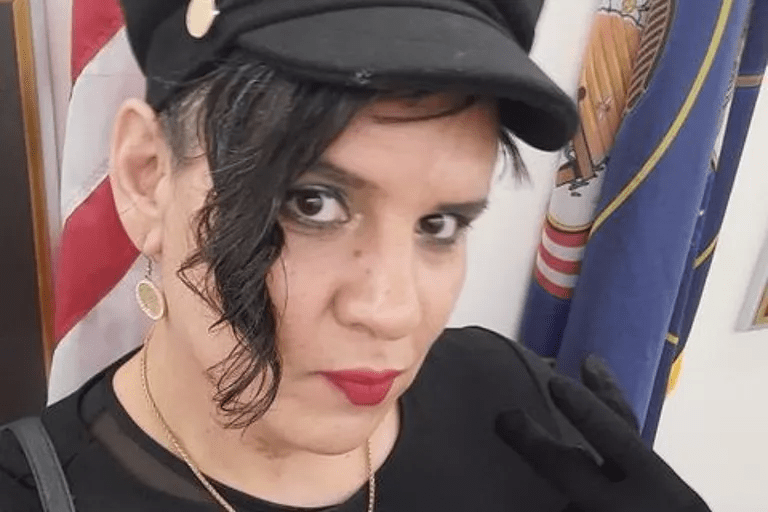
Hateful flyers circulated in Billings, Montana, falsely accusing local trans activist Adria Jawort of “grooming children,” according to local news outlet KTVQ. The flyers, which perpetuate the false narrative from the anti-trans right that all trans people are pedophiles, were posted near schools in Jawort’s neighborhood just days before Thanksgiving.
Jawort had to travel across town in heavy snow to remove the flyers herself.
“I was annoyed about it,” she told KTVQ, describing how the flyers misgendered her and made hateful claims about her life and sexuality. “I was just thinking, why am I doing this? Why do I have to do this? Why do people think this is okay?”
“The thing the flyer said, calling me a groomer and stuff, and basically labeling me as a danger to the community,” Jawort added. “It’s like one of the most awful things you can say. How does that become normalized?”
Billings police are currently investigating the incident. Lt. Matthew Lennick spoke on what constitutes hate speech: “Once someone transitions from making a general statement about their beliefs or another group to a targeted attack on an individual… a victim could take civil action against someone attempting to defame them.”
Possible criminal charges could include disorderly conduct, stalking, intimidation, or harassment, among others.
While Jawort knows the group responsible, she says she’s more frustrated by the ongoing attacks on state Rep. Zooey Zephyr (D-MT). Recently, Republicans unsuccessfully attempted to ban her from women’s bathrooms.
Jawort has been targeted before. Last year, a lecture she was set to give at a library was canceled after a drag ban, with staff citing concerns that hosting a transgender person posed “too much of a legal risk.” This led her to file a lawsuit against the state.
New Policy by Speaker Johnson Mandates Capitol Facilities Be “Reserved for Individuals of That Biological Sex”
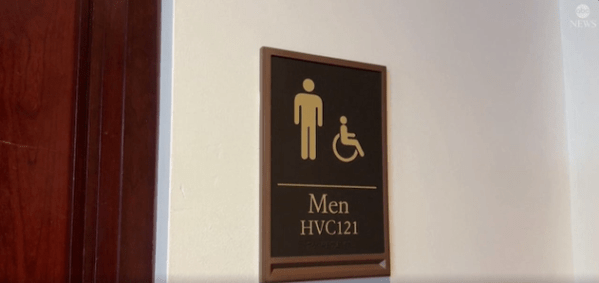
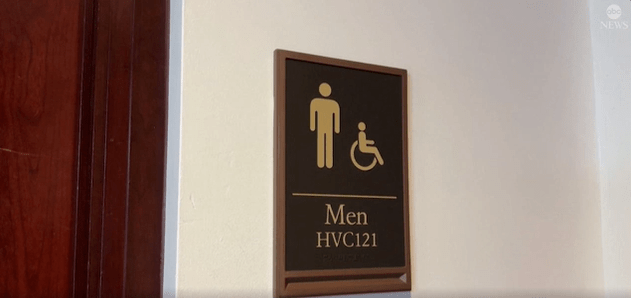
Speaker Mike Johnson Announces Policy Banning Transgender Women from Women’s Restrooms and Changing Facilities on Capitol Hill, Likely Targeting Rep. Sarah McBride
Speaker Mike Johnson Declares Capitol and House Office Building Single-Sex Facilities Reserved for Individuals of Biological Sex in Statement Released on Trans Day of Remembrance.
Speaker Mike Johnson Defends New Bathroom Policy, Targeting Rep. McBride, as GOP Figures Push for Bathroom Ban
Speaker Mike Johnson’s new policy, which reserves single-sex facilities in Capitol Hill for individuals of their biological sex, has sparked controversy, especially as it coincides with Trans Day of Remembrance. Johnson emphasized that each member of Congress has access to a private bathroom but insisted, “women deserve women’s only spaces.” In previous remarks, Johnson reiterated his belief that “a man cannot become a woman,” further fueling criticism of his long history of anti-LGBTQ+ statements.
The policy appears to specifically target Delaware Rep. Sarah McBride, the first out transgender woman elected to Congress. McBride has become a focal point of the debate as South Carolina Rep. Nancy Mace introduced a resolution for a formal bathroom ban in the House, directly aimed at McBride. Mace referred to herself as “[a] Full TERF” and dismissed McBride’s right to access women’s private spaces.
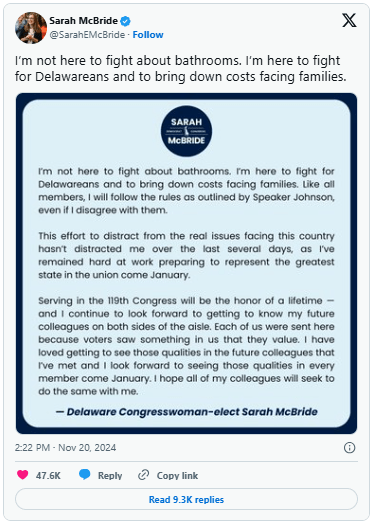
In response, McBride urged Democrats to disregard these anti-trans actions, framing them as a distraction from more pressing issues. “This is a blatant attempt from far right-wing extremists to distract from the fact that they have no real solutions to what Americans are facing. We should be focused on bringing down the cost of housing, health care, and child care, not manufacturing culture wars,” she said in a statement. McBride later posted on social media, emphasizing her focus on fighting for Delawareans rather than engaging in debates over bathrooms.
LGBTQ+ Advocates Warn Against Dismissing GOP Anti-Trans Policies as Distractions
While Rep. Sarah McBride has urged her fellow Democrats to focus on issues like healthcare and housing instead of engaging in culture wars, some LGBTQ+ advocates argue that the GOP’s anti-trans policies should not be ignored or treated solely as distractions. Jeff Main, cofounder of the trans-led nonprofit Point of Pride, emphasized that these proposals are real threats.
“In addition to being a distraction, these proposals are direct threats,” Main told CBS News Philadelphia. “It’s more than just access to a bathroom or healthcare. It’s about existing. It’s about our right to live authentically, safely, and with pride.” Main expressed concern over the broader implications of these policies for the trans community, stressing the importance of defending basic rights and safety.
Omar Guido Chávez, the 51-year-old owner of Sodoma NightClub, a popular LGBTQ+ gogo bar in Tijuana, Mexico, was discovered dismembered in the trunk of his own car on October 18.
Authorities have indicated that evidence linking the Sinaloa drug cartel to the crime was found in Chávez’s vehicle. While police have arrested two suspects, they are not treating the murder as a hate crime.
In the back seat of the car, investigators found a “narco-banner,” a message commonly used by drug cartels to convey threats and warnings.
On Friday, two suspects, identified in reports as “Gabriel N.” and “Juan Diego N.,” were taken into custody. Surveillance footage reportedly connected Gabriel N. to Chávez’s abandoned vehicle. The suspects allegedly attempted to flee when stopped by police for driving without headlights and seatbelts, running from the scene on foot.
Baja California homicide prosecutor Miguel Ángel Gaxiola stated there is no evidence suggesting that anti-LGBTQ+ bias played a role in the murder, noting that there were no prior threats against Chávez or the nightclub. Investigators believe the murder may be linked to ongoing conflicts between rival drug cartels.
In a heartfelt Instagram post, Sodoma NightClub expressed their sorrow over Chávez’s passing, remembering him as a beloved friend and outstanding leader. “We will always remember his smile, love for life, and noble heart,” the club wrote, extending condolences to his family and friends.
On the night of October 27, the nightclub hosted a showcase of guest artists as a tribute to Chávez.
Local LGBTQ+ organization Comunidad ABC shared an open letter on Facebook, calling on authorities to ensure the safety of all individuals in Baja California. The letter emphasized the need for thorough investigations, sensitivity towards diverse communities, and a commitment to preventing future tragedies. “We will not cease our pursuit of justice for Omar Guido and all victims of violence in our community,” it stated.
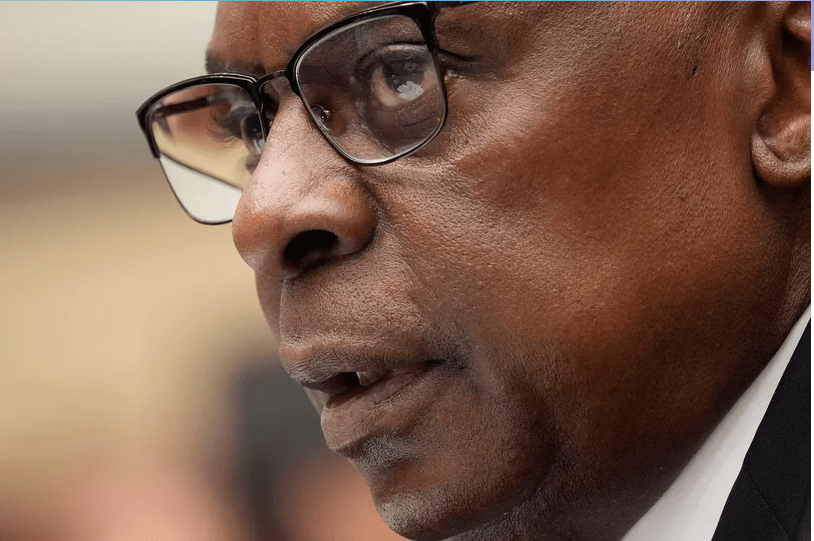
The Department of Defense has announced that 800 military members who were discharged under Don’t Ask, Don’t Tell (DADT) have received upgrades to honorable discharges.
Defense Secretary Lloyd Austin shared the news today, highlighting that just over a year ago, the Department began proactively reviewing the records of former service members discharged due to their sexual orientation under DADT. These individuals may have been eligible for an upgrade to their discharge status or a change to their reason for separation but had not yet applied for the change.
“After a year of exceptional work, the Military Department Review Boards directed relief in 96.8% of the 851 cases that they proactively reviewed,” Austin said.
This marks a significant step in addressing the injustices faced by LGBTQ+ service members during the DADT era.
Don’t Ask, Don’t Tell (DADT) was a 1990s policy that prohibited gay and bisexual individuals from serving openly in the military. Under this policy, service members couldn’t openly declare their sexual orientation, but the military was also barred from actively investigating, harassing, or discriminating against non-straight personnel. While it aimed to provide some level of protection, the policy still enforced secrecy and led to the discharge of countless LGBTQ+ service members.
An estimated 14,000 service members were separated under Don’t Ask, Don’t Tell (DADT) with less-than-honorable discharges before the policy was repealed in 2011. These discharges meant that veterans received fewer benefits from the Department of Veterans Affairs, including assistance with home loans, tuition, and healthcare.
Last year, a group of veterans filed a civil rights lawsuit against the Department of Defense, seeking to overturn their less-than-honorable discharges. The lawsuit argued that many veterans, discharged because of their actual or perceived sexual orientation, were given a discharge status or separation codes publicly linked to “homosexuality,” depriving them of the benefits they earned through their service.
Veterans with less-than-honorable discharges often face significant hurdles when applying for jobs, apartments, and loans, as they are required to present their DD-214 discharge papers — documents that can involuntarily out them as LGBTQ+ every time they are shown.
“This case is not about damages,” said Jocelyn Larkin, one of the lawyers involved in the lawsuit. “It’s about changing that piece of paper because the impact of changing it is so incredibly consequential for our clients.”
This past January, Reps. Robert Garcia (D-CA), Mark Pocan (D-WI), and Chris Pappas (D-NH) sent a letter to Secretary Austin urging him to expedite the process of upgrading less-than-honorable discharges for LGBTQ+ service members. They noted that many veterans who sought upgrades have experienced a prolonged, burdensome process that often required legal help, and that many were unaware they even had the option to seek an upgrade.
Today, Secretary Austin reported that 96% of the service members separated under DADT have now received honorable discharges. “We will continue to strive to do right by every American patriot who has honorably served their country,” Austin said.
To stay up-to-date on the latest news shaping LGBTQ+ communities worldwide, subscribe to the LGBTQ Nation newsletter.
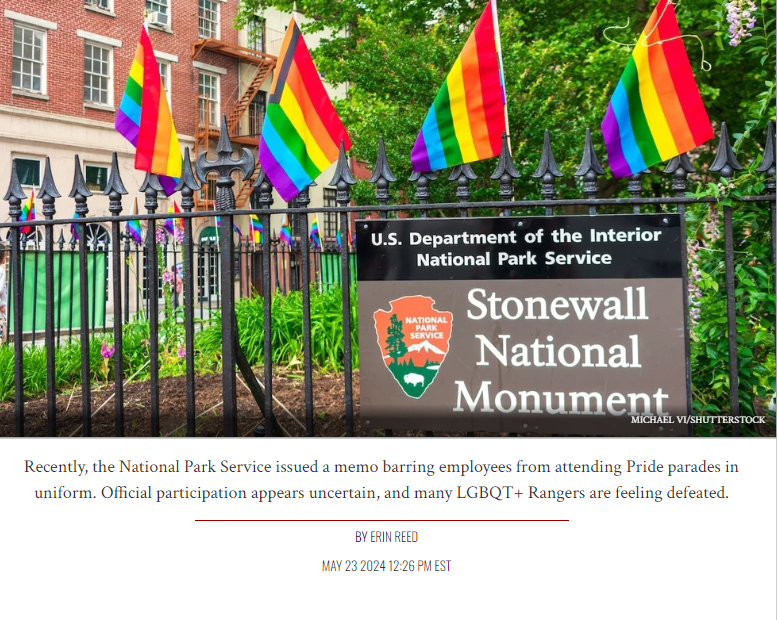
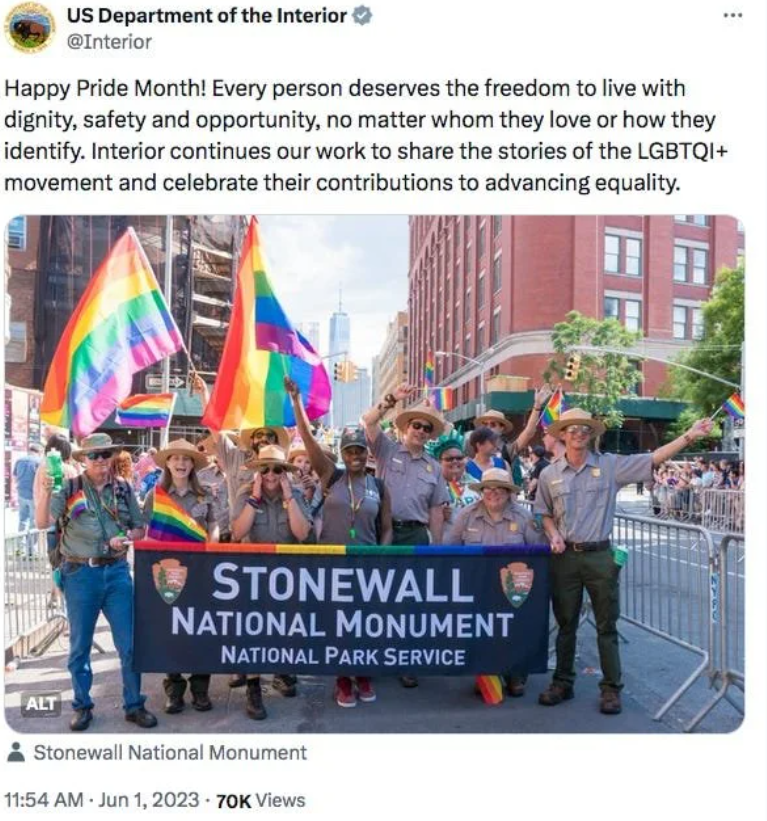
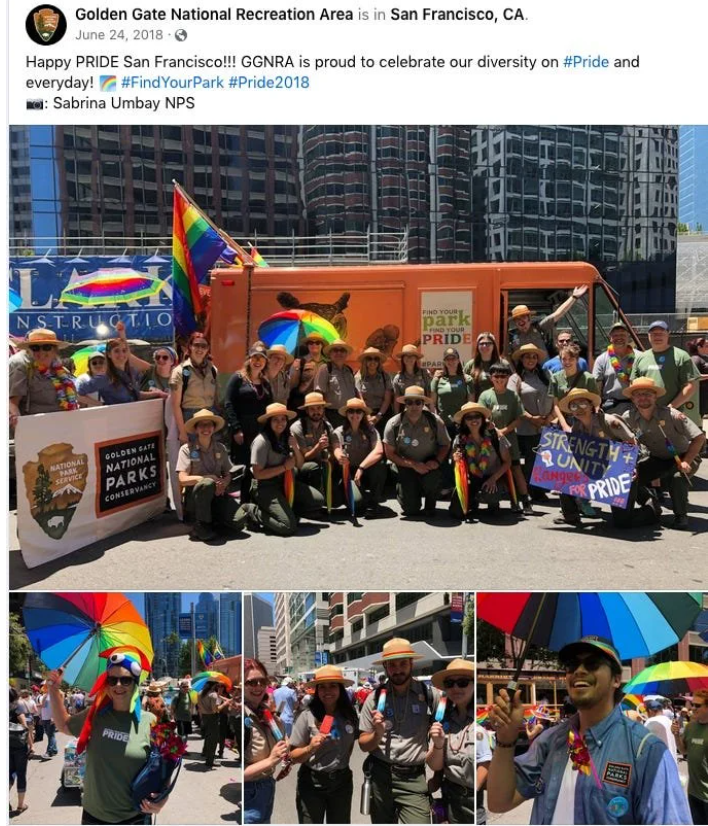
On May 17, the National Park Service (NPS) made an official ruling that park rangers and other employees are no longer allowed to attend Pride events and parades in uniform. This marks a reversal of a long-standing tradition of NPS participation in Pride parades across the U.S., including the presence of official delegations. Anonymous LGBTQ+ NPS employees have expressed feelings of betrayal, noting that participation in major city Pride events is now in question, as several parade applications remain unprocessed and approvals are unclear. The decision comes at a time of heightened scrutiny on LGBTQ+ issues nationwide, with increasing crackdowns on Pride flags and LGBTQ+ rights—largely driven by Republican lawmakers and appointees. This time, however, the policy change is being driven by the NPS itself, under the leadership of a director appointed by President Biden.
The new directive was first shared in an internal memo to NPS staff, which did not specifically mention Pride but highlighted that “requests from employees asking to participate in uniform in a variety of events and activities, including events not organized by the NPS,” are in conflict with agency policy. The memo cited a policy stating that NPS employees cannot wear their uniforms to events that might be interpreted as supporting “a particular issue, position, or political party.” LGBTQ+ employees, however, have criticized this application of the policy, arguing that Pride is about identity and diversity, not a political stance or issue. They pointed out that under the previous guidelines, NPS employees were able to participate in Pride events with approval, and that internal Employee Resource Group (ERG) documents, such as the “OUTsiders Guide to Pride,” had endorsed such participation for years.
In a follow-up statement, the NPS argued that the ERG guide conflicts with official policy and that discussions are underway to review it and other related documents. The agency also emphasized that its participation in Pride celebrations could be perceived as an endorsement of a particular “issue of public concern,” which they described as a justification for limiting official participation. In their view, what has long been seen as a celebration of diversity and inclusion is now categorized as a political statement, with the NPS deeming official participation in such events “extremely limited.”
The decision sparked immediate concern among National Park Service employees and LGBTQ+ advocates. Many pointed out that the NPS has a long history of participating in Pride parades across the country, even under the Trump administration, which was known for its efforts to restrict LGBTQ+ representation in federal agencies, including at embassies. Employees also highlighted the significant role the NPS plays in managing Stonewall National Monument, a site dedicated to LGBTQ+ history and civil rights. Notably, the founding documents of Stonewall National Monument explicitly state that its purpose is “to preserve and protect Christopher Park and the historic resources associated with it” and “to interpret the Stonewall National Historic Landmark’s resources and values related to the lesbian, gay, bisexual, and transgender civil rights movement.” This has raised questions about how the NPS can reconcile this mission with its new stance on Pride participation.
One NPS employee, speaking anonymously, revealed that several requests for Pride parade participation are currently “collecting dust” on desks, waiting for approval for representation in major city Pride events. When asked about the decision to categorize Pride festivals as an “issue of public concern,” the employee responded, “Pride is not political, it’s not a cause, you just are LGBTQ+. It’s a celebration of who we are.” They added, “Morale is just so low right now. There’s not a lot of fight left in us.”
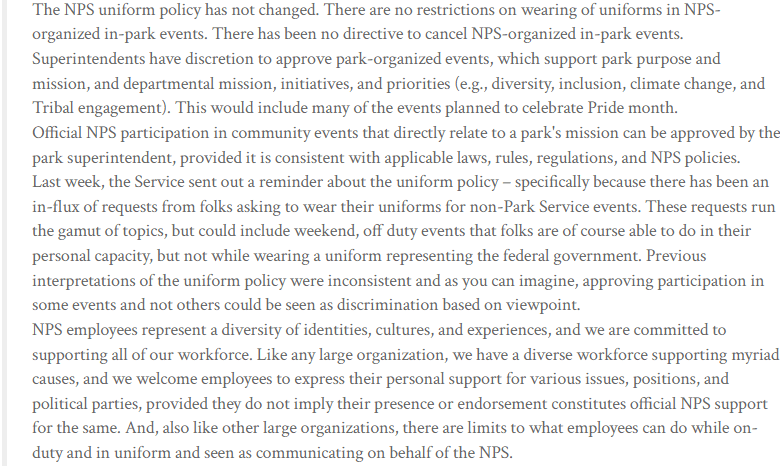
I reached out to an NPS spokesperson for clarification on whether the agency would continue participating in major city Pride events this year, as it has in previous years. The spokesperson responded that the policy “had not changed,” noting that “previous interpretations of the uniform policy were inconsistent” and that approving participation in some events while denying others could be perceived as “discrimination based on viewpoint.” While the spokesperson confirmed that in-park Pride events have not been canceled, they did not clarify whether NPS employees would continue to participate in major U.S. city Pride parades or celebrations. Attempts to follow up on this question went unanswered.
The characterization of Pride as a potentially “political” event raises concerns, particularly given the founding documents of Stonewall National Monument, which directly reference the “resources and values” of the LGBTQ+ community. NPS resources currently available on the site encourage people to “Celebrate Pride” and emphasize that “The LGBTQ experience is a vital facet of America’s rich and diverse past.” The resource underscores the importance of not making LGBTQ+ people invisible, stating, “By recovering the voices that have been erased and marginalized, the NPS embarks on an important project to capture and celebrate our multi-vocal past.” By barring employees from wearing Pride symbols or participating in Pride events, the NPS may unintentionally appear to be erasing and marginalizing its LGBTQ+ employees—contradicting its own stated mission.
National Park Service employees have marched in uniform in Pride parades for years. In 2014, for example, Christine Lenhertz, a member of the NPS, requested permission for a group of LGBTQ+ park employees to wear their uniforms while participating in a Pride parade. Initially denied, the group filed a complaint, prompting a ruling from the Office of the Solicitor for the Department of the Interior, which determined there was no reason to prevent them from marching in uniform. Since then, NPS contingents have regularly participated in Pride events across the country.
The future of Pride parade participation for NPS employees in uniform remains uncertain. While it seems that some Pride events within National Parks, like those at Stonewall, may still take place, external participation in major city Pride events appears to be on hold in at least some locations across the U.S. The possibility of individual or smaller LGBTQ+-affiliated Park Ranger contingents joining city Pride celebrations looks even less likely, with little hope of approval for participation.
You can read the full response from an NPS spokesperson to the request for comment here:
LGBTQ+ ballot initiatives have long served as a wedge issue, mobilizing conservative voters and influencing the rights and freedoms typically protected by law. The 2024 election follows this tradition, with LGBTQ+ civil rights once again being subjected to public debate.
In New York, voters will decide whether to include sexual orientation, gender identity, and gender expression in the state’s anti-discrimination amendment. Meanwhile, reproductive rights will also be up for a vote in 10 other states.
California, Colorado, and Hawaii voters will decide this November whether to repeal their states’ constitutional bans on same-sex marriage.
Since 1998, same-sex unions have consistently been the top issue on state referendums. In that time, 34 states have put the question to voters, with many passing constitutional amendments that prohibited same-sex marriage. These amendments were often used as a political tool to mobilize conservative voters, particularly in the 2004 election when 11 states approved such bans, helping to boost George W. Bush’s campaign.
Marriage equality consistently lost at the ballot box until 2012, when voters in Maine, Maryland, Minnesota, and Washington approved same-sex marriage, signaling a shift in public opinion that had been building since around 2009, when support for same-sex marriage crossed the 50% threshold in national polls.
In 2015, the Supreme Court’s landmark Obergefell v. Hodges decision struck down all state constitutional amendments banning same-sex marriage, declaring such bans unconstitutional. However, these amendments remain in place in several state constitutions. Activists are now pushing to repeal them, especially in light of concerns that the conservative-leaning Supreme Court could overturn Obergefell, as Justice Clarence Thomas hinted after the court struck down Roe v. Wade.
The Origins of Ballot Initiatives on LGBTQ+ Rights
California’s 1978 election introduced the first state ballot initiative related to LGBTQ+ rights—Proposition 6, also known as the Briggs Initiative. Sponsored by Orange County legislator John Briggs, the initiative sought to ban anyone who engaged in “public homosexual activity” from working in California public schools. The proposal was part of a broader wave of anti-gay activism spurred by Anita Bryant’s 1977 “Save Our Children” campaign in Florida, which successfully repealed Dade County’s anti-discrimination ordinance based on sexual orientation. Harvey Milk played a pivotal role in organizing the opposition to Prop 6, which was defeated by a 16-point margin.
Since then, other states have introduced ballot initiatives aimed at legalizing or banning discrimination based on sexual orientation or gender identity. Over time, voters have increasingly supported anti-discrimination measures. In 1988, Oregon voters overturned the governor’s authority to ban discrimination based on sexual orientation. In 2018, Massachusetts voters upheld a law prohibiting discrimination based on gender identity.
Maine and Oregon: Key States in the Fight for LGBTQ+ Rights
Maine and Oregon have consistently put LGBTQ+ rights to a vote. In Maine, voters initially blocked same-sex marriage in 2009, but then approved it by the same 53% margin in 2012. Maine also rejected anti-LGBTQ+ discrimination protections in 1998 and 2000, only to approve them in 2005. In Oregon, voters defeated a “don’t say gay” measure in 2000 by a narrow 5.7% margin.
Many states also used ballot measures to resist the inclusion of sexual orientation as a protected identity in anti-discrimination laws. In the 1990s, voters in Oregon, Idaho, and Maine approved such measures, protecting sexual orientation as a legally recognized identity.
The Impact of Other Ballot Measures on LGBTQ+ Rights
It’s not just LGBTQ+-specific ballot measures that impact the community. Other laws, such as voter ID requirements in Arkansas and North Carolina, disproportionately affect trans individuals and other marginalized LGBTQ+ people, limiting their ability to vote.
In addition to these referendums, the candidates voters elect at the state level will play a critical role in shaping LGBTQ+ rights. Republican-led legislatures have introduced or passed hundreds of bills targeting LGBTQ+ individuals, particularly in areas such as gender-affirming health care, bathroom access, inclusive education, and sports participation. Supporting state-level and local candidates who champion LGBTQ+ rights will have long-term implications, even if certain issues are not directly decided by referendum.
Civil Rights and Public Opinion
The fight for civil rights has a long history of being put to public referendum. Since 1868, issues related to race, sex, and disability have often been decided by voters, with initial support for discrimination gradually giving way to support for equality. While women’s rights gained public approval in the 1970s, LGBTQ+ rights did not see widespread support until the 2000s.
The question of whether civil rights should be determined by public opinion, rather than by courts or legislatures, has allowed forms of discrimination—such as racism, sexism, and homophobia—to become entrenched in law. Although public opinion on LGBTQ+ rights is often divided and fluid, most polls now show a majority in favor of anti-discrimination laws for LGBTQ+ individuals.
The Importance of Voting
With LGBTQ+ rights on the ballot this November, it’s more crucial than ever to vote. In addition to ballot measures, the elected officials who hold office at the state and local levels will have the power to pass or block pro-equality legislation, impacting LGBTQ+ rights for years to come. Whether through referendums or legislative action, LGBTQ+ rights remain at stake, and your vote matters.
Make your voice heard—not just on ballot measures, but by choosing candidates who will protect and advance equality for all.
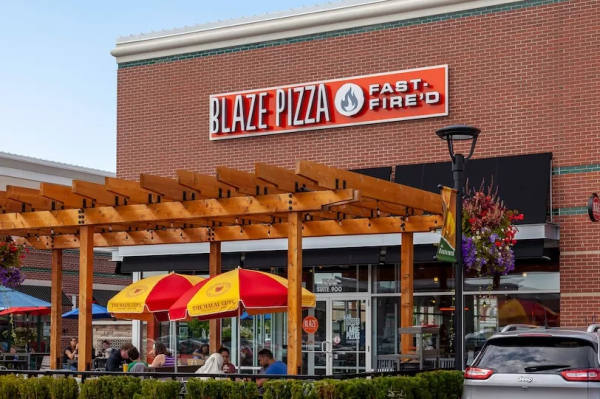
Police in Roseville, California, are searching for three suspects in connection with a hate crime at a Blaze Pizza restaurant, where workers were assaulted after one suspect tore down a Pride flag on display. The assault was captured on a smartphone video.
The incident took place at 10:50 p.m. on a Thursday when a food delivery driver entered the restaurant, noticed the Pride flag near the register, and threw it to the ground. When the store manager and employees confronted him, the man allegedly used a homophobic slur before leaving. He later returned with two other men, who then attacked the restaurant staff.
Haters yelled obscenties, sent a threatening letter, and vandalized their Pride flag and political signs. But the reaction has emboldened the targeted men.
A witness named Chance Chacon told KCRA that the manager and employee had defended the flag’s display, but then, when the three assailants returned, “It was like a mob. They were just kind of swinging at him.”
A video captured inside the restaurant shows one worker repeatedly shouting at the assailants, “Get the f**k out of here!” while another employee urges a co-worker to “Call the cops.”
The three men fled the scene before police arrived, but an ambulance later transported one employee on a stretcher. This worker was taken to the hospital, where he was briefly treated for a concussion and head trauma but has since been released.
A still image from the footage shows a shoeless, light-skinned suspect wearing a torn dark-colored t-shirt and hand wraps commonly used in mixed martial arts.
Police have asked for the public’s help in identifying the assailants involved in the September 20 incident. Anyone with information can submit an anonymous tip online or contact their non-emergency line at 916-774-5000.
Ruby Shields, a lesbian who owns a restaurant in the nearby town of Granite Bay, told The SacramentoBee that she doesn’t consider the area LGBTQ+ friendly. She has been too scared to display a rainbow flag at her own restaurant, and is often mistaken as the wife of her male business partner, even though she has a wife.
“We’ve been looked at with respect, but it’s always on the back of your mind, you know, ‘Should I be saying this?’” Shields said of not knowing whether to come out to restaurant patrons. “It’s not even something that I really even want to put out there because you never know. I mean, it’s horrible that it’s so close to home. Roseville is right down the street from where we’re at.”
This wouldn’t be the first time that an anti-LGBTQ+ person has committed violence in California after tearing down a Pride flag. Last August, Travis Ikeguchi — a 27-year-old man who posted anti-LGBTQ+, antisemitic, anti-vaccination Christian Nationalist content online — murdered Laura Ann Carleton, a 66-year-old LGBTQ+ ally and mother of nine, complained about the Pride flag hanging in front of her Cedar Glen, California business.
Police killed Ikeguchi shortly afterward.
Paul Feig — the director of Bridesmaids, Ghostbusters (2016), and other films — wrote, “We are all devastated for her husband Bort and her family and the LGBTQ+ community, for whom Lauri was such a true ally…. This intolerance has to end. Anyone using hateful language against the LGBTQ+ community has to realize their words matter, that their words can inspire violence against innocent loving people. Let’s all keep moving forward with tolerance and love. Let’s not let Lauri’s tragic death be in vain.”
Carleton’s friend, director Paul Feig, wrote of the incident, “Lauri Carleton was my friend. She was a wonderful person who did so much for the LGBTQ+ community as well as the community at large. What happened to her is an absolute tragedy. If people don’t think anti-gay & trans rhetoric isn’t dangerous, think again.”
Subscribe to the LGBTQ Nationnewsletter and be the first to know about the latest headlines shaping LGBTQ+ communities worldwide.
In a major win for LGBTQ+ rights, Thailand has become the first Southeast Asian country to legalize same-sex marriage.
The bill, passed by Parliament earlier this year, was signed into law by King Maha Vajiralongkorn on Tuesday through Royal Assent. The law will take effect in 120 days, with the first same-sex weddings anticipated in January.
Siritata Ninlapruek, an LGBTQ+ activist, expressed, “We are all delighted and excited. We’ve been fighting for our rights for over ten years, and now it’s finally happening.”
With this historic change, marriage laws in Thailand will no longer use gendered terms like “husband” and “wife,” replacing them with inclusive, gender-neutral terms like “partner.” Same-sex couples now enjoy the same legal rights as their heterosexual counterparts, including adoption and inheritance rights.
Waaddao Chumaporn, another LGBTQ+ rights advocate, told AFP, “The law is a monumental step towards equal rights in Thailand.”
Chumaporn is planning a mass wedding for over a thousand LGBTQ+ couples in Bangkok on January 22, the first day same-sex couples can legally marry.
Though Thailand is known for being more accepting of LGBTQ+ individuals compared to neighboring countries, the legalization of same-sex marriage comes after years of political challenges. LGBTQ+ advocates like Apiwat Apiwatsayree have been waiting for this moment for over a decade.
“We’ve been waiting for a long time,” said Apiwat, who plans to marry his partner of 17 years.
Human rights and LGBTQ+ organizations worldwide celebrated this achievement. Amnesty International’s Thailand Researcher, Chanatip Tatiyakaroonwong, remarked, “Thailand has taken a historic step towards becoming the first country in Southeast Asia to legalize marriage for LGBTI couples. This landmark moment is a reward for the tireless work of activists, civil society organizations, and lawmakers who have fought for this victory.”
Thai Prime Minister Srettha Thavisin made marriage equality a key issue during his tenure, driving the law forward.
Srettha shared on X, “Another important step for Thailand. The same-sex marriage law passes. Equality is concrete here in Thailand.”
For more updates on LGBTQ+ issues worldwide, subscribe to the LGBTQ Nation newsletter to stay informed about the latest headlines shaping LGBTQ+ communities globally.
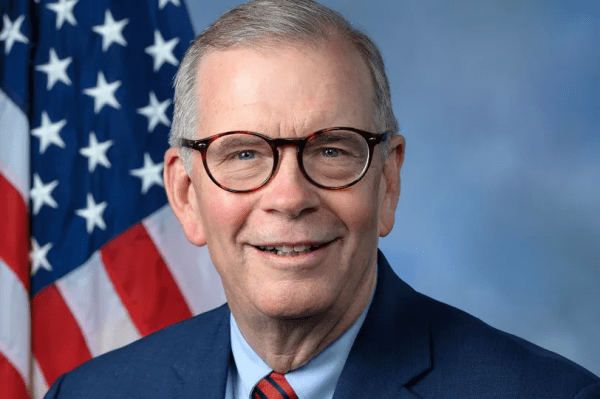
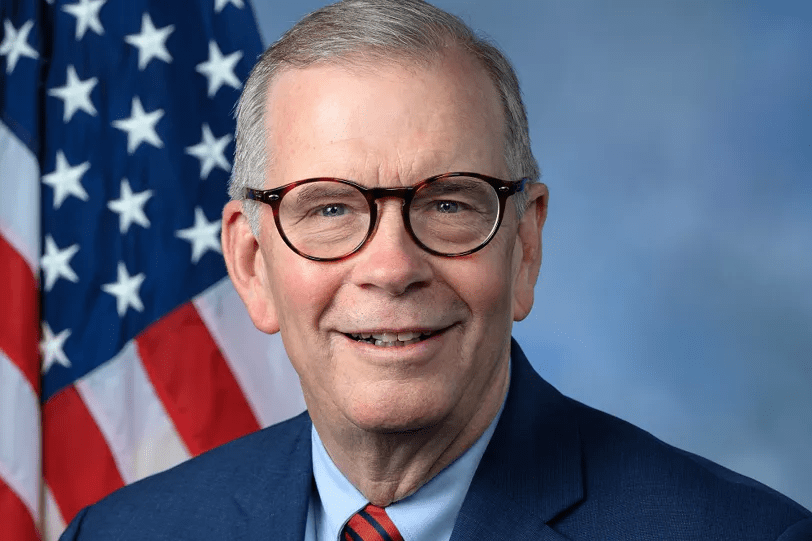
A House committee has advanced a controversial bill, H.R. 736, known as the “PROTECT Kids Act,” which would require schools to disclose transgender students’ identities to their parents if the students request to use different pronouns, a new name, or facilities aligned with their gender identity. The bill, introduced by Rep. Tim Walberg (R-MI) and Sen. Tim Scott (R-SC), would enforce this policy on all elementary and middle schools that receive federal funding, threatening to withhold funds from any school that does not comply.
Rep. Walberg, who has a history of supporting Uganda’s anti-LGBTQ+ laws, stated that parents should be informed of all decisions affecting their children. He argues that the bill would “safeguard parental rights by requiring parental consent and will help mitigate under-the-radar activism in our schools.” However, critics, including Rep. Mark Pocan (D-WI), chair of the Congressional Equality Caucus, have condemned the bill as an attack on transgender students, warning that it could put vulnerable kids at risk, particularly those without supportive families.
The bill passed the House Committee on Education and the Workforce with a 22-12 vote and will now proceed to the House floor for consideration. While it may pass the Republican-controlled House, it faces significant opposition in the Democratic Senate, and President Joe Biden is unlikely to sign it into law, as it contradicts his administration’s policies on LGBTQ+ rights.












You must be logged in to post a comment.