Idaho House passes resolution- again- asking SCOTUS to overturn marriage equality

Read more at LGBTQ Nation.

The Idaho House of Representatives passed a measure this week asking the Supreme Court to overturn its landmark 2015 decision legalizing same-sex marriage across the U.S. But the legislation lost three Republican votes compared to a similar measure that passed in the state House last year.

As the Idaho Statesman reports, House Joint Memorial 17 passed in a 44–26 vote Tuesday. The measure, introduced by State Rep. Tony Wisniewski (R), is a formal legislative request for the Supreme Court to overturn its 2015 decision in Overgefell v. Hodges. The measure argues that the decision establishing the constitutional right of same-sex couple to legally marry is “at odds with the Constitution of the United States and the principles upon which the United States is established.” In its Obergefell ruling, the measure argues, the Court applied a definition of liberty that would not have been recognized by the country’s founders. The decision, it says, “relies on the dangerous fiction of treating the Due Process Clause of the Fourteenth Amendment to the Constitution as a font of substantive rights” which “strays from the full meaning of the Constitution.”

House Joint Memorial 17 is identical to House Joint Memorial 1, which the Idaho House passed last year.

This time around, however, 17 Republican lawmakers joined House Democrats to vote against the measure, with three more Republican no votes than in 2025.

According to the Statesman, Republican Reps. Dori Healey and Mike Pohanka, who both voted for House Joint Memorial 1 last year, both voted against the 2026 measure. Grayson Stone, who is serving as a long-term substitute for Rep. Don Hall (R) and recently announced that he is running for Hall’s seat, also voted against the measure. Late last year, Hall replaced former Republican Rep. Lance Clow, who voted for House Joint Memorial 1. Hall resigned due to health issues earlier this year.

Stone reportedly acknowledged that his no vote might amount to “political suicide,” but cited the Bible as the reason for his vote.

“This entire argument is rooted in the Bible,” Stone said, according to the Statesman, noting that the Bible includes instructions on how to shave. “I just don’t understand why we have to apply the Bible to specific aspects of our life, but not all of it. So, I will be voting against this bill.”

Pohanka, meanwhile, noted that his own religious beliefs on same-sex marriage have not changed since he voted for the 2025 measure. However, he told the Statesman that he represents all his constituents and wants to get back to actually legislating.

“I thought we advanced [House Joint Memorial 1] last year,” he said. “This year, to me, it’s just going to cause hurt and pain and I don’t want to do that.”

Healey declined to comment on his vote, according to the Statesman.

House Joint Memorial 17 now advances to the Idaho Senate, which declined to vote on the 2025 measure. Even if the state senate approves House Joint Memorial 17, it would not compel the Supreme Court to act.

While conservative Justices Clarence Thomas and Samuel Alito have repeatedly signaled that they are eager to overturn Obergefell, last November the Court declined to hear a case challenging the decision. Fellow conservative Justice Amy Coney Barrett has also said that she thinks the court’s same-sex marriage ruling would remain in place because it affects many other rights, including medical, financial, family, and other social rights.

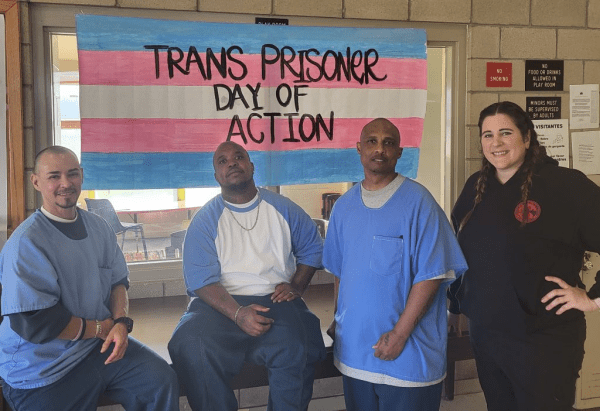
Trump admin directs prisons to wean trans inmates off of hormone therapy in defiance of court order

Read more at LGBTQ Nation.

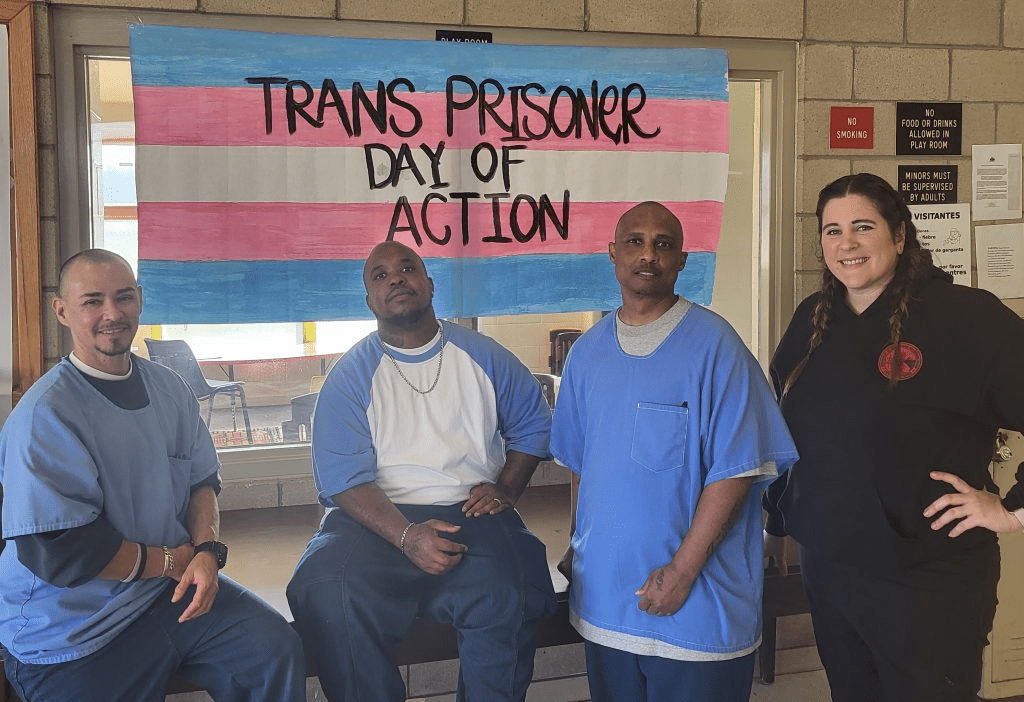
Recent guidance from the Trump administration requires federal prisons to begin reducing transgender inmates’ hormone therapy treatments.

Medical experts warn that the move will have dangerous medical and psychological consequences for incarcerated trans people, while legal experts say the guidance violates a federal judge’s preliminary injunction in a case challenging the administration’s anti-trans prison policies.

As Advocate reports, the Federal Bureau of Prisons (BOP) issued the new guidance in February. It not only bans prisons from providing hormone therapy to inmates who were not receiving it prior to incarceration, but also orders prisons to develop plans for tapering off treatment for those already receiving it.

Dr. Carl Streed, a Boston-based researcher specializing in transgender health, describes the guidance as “alarming.”

“It’s essentially saying that a form of evidence-based care will no longer be provided to people under the purview of the Bureau of Prisons,” Streed told Advocate. “That means the policy runs counter to best practices and arguably probably the law in terms of providing care to inmates because it’s setting up a different standard for them versus the standard out in the community.”

According to Streed, trans inmates receiving hormone therapy to treat gender dysphoria will experience a range of adverse health effects stemming from the drop in hormone levels if their treatment is decreased, including changes in cognition and mood, increased risk of cardiovascular disease, and metabolic issues. For those who have already undergone surgeries as part of their gender-affirming care, the risks are even more serious.

“They no longer produce adequate endogenous hormones to a level that would be good for their health if we were to take away their exogenous hormones,” Streed said. “Now we’re going to take away hormone therapy for them — they are put at much greater risk than anybody else.”

As Just Detention International communications director Jesse Lerner-Kinglake said in a statement, the new policy will almost certainly exacerbate the already dangerous conditions for trans inmates. Data from the Department of Justice indicates transgender inmates are 10 times more likely to be sexually assaulted than straight prisoners, and multiple court cases have found that housing transgender women in men’s facilities and denying gender-related healthcare are violations of the Eighth Amendment, which bans cruel and unusual punishment.

But on January 20, 2025, President Donald Trump signed a sweeping anti-trans executive order, which, among other directives, instructed Attorney General Pam Bondi to ensure that trans women are housed in men’s detention centers and that “no Federal funds are expended for any medical procedure, treatment, or drug for the purpose of conforming an inmate’s appearance to that of the opposite sex.”

Trans inmates, Lerner-Kinglake said, “already had a bullseye on their back — and the federal government knows it. The rates of sexual abuse facing the transgender community were astronomical before these new policies. It’s hard to imagine this already abysmal situation getting worse. And yet it will.”

The administration has already been blocked from implementing its ban on gender-affirming care in prisons. Last year, three transgender people currently incarcerated in federal custody filed a class action suit against the administration and the Federal Bureau of Prisons challenging those policies. In June 2025, a federal judge granted a temporary injunction requiring the BOP to continue providing gender-affirming care to trans inmates as the case proceeds.

It’s unclear whether the administration believes that merely weaning trans inmates off hormone therapy represents a legitimate workaround. But Shayna Medley, senior litigation staff attorney at Advocates for Trans Equality, told Advocate that the new BOP guidance violates that injunction.

“The February 19 guidance from the Bureau of Prisons directing tapering of hormone therapy for transgender people in custody is a direct violation of the injunction in Kingdom v. Trump, which requires the BOP to continue providing hormones to people in custody with a gender dysphoria diagnosis,” Medley said. Advocates for Trans Equality’s position, she said, is that the guidance “is currently enjoined by the existing injunction in the Kingdom v. Trump litigation.”

“Implementation would be in direct violation of the federal court’s order to continue providing hormone therapy to transgender people in BOP custody with a gender dysphoria diagnosis.”

Florida Passes Sweeping, Dangerous Anti-LGBTQ Bill

Read more at Equality Florida.

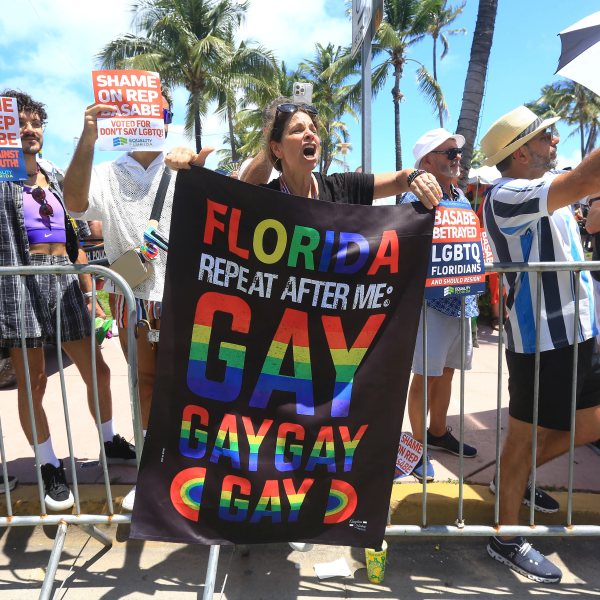
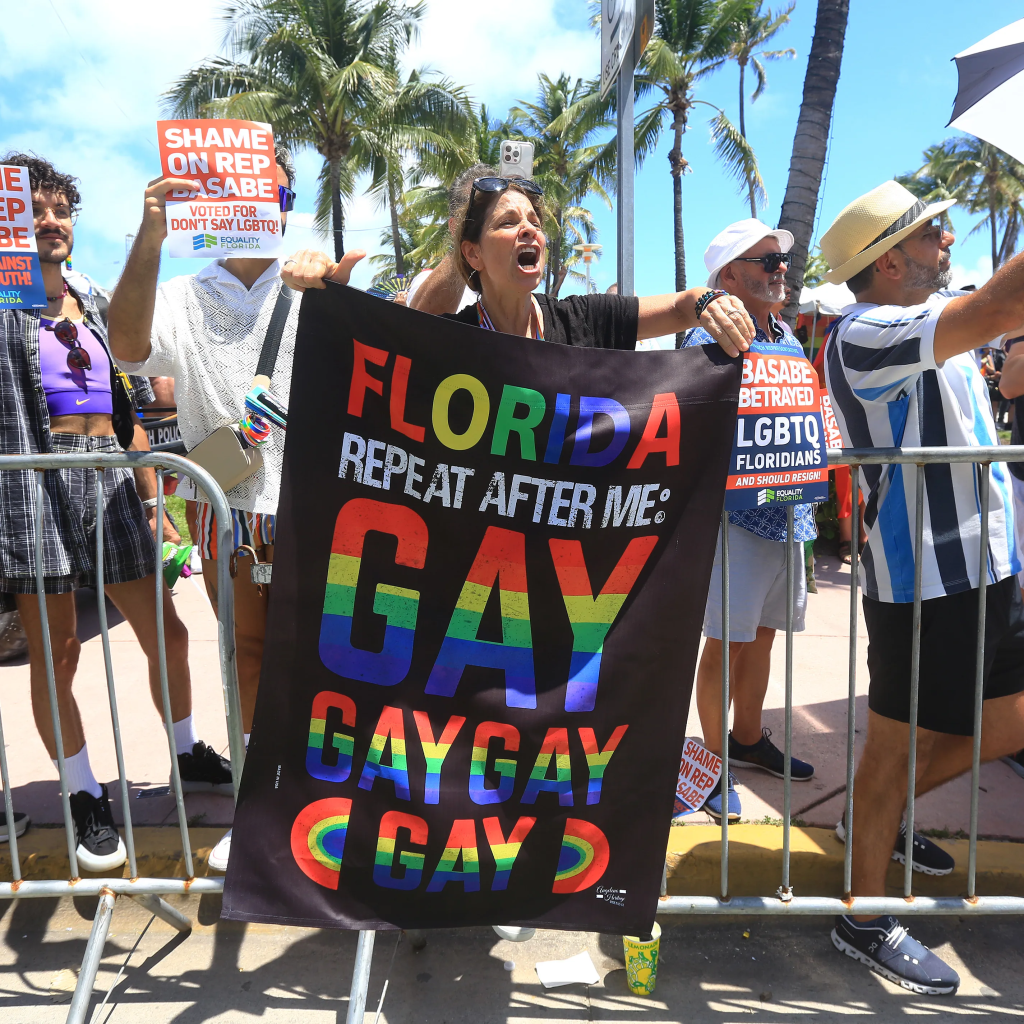
Today (March 10), the Florida House passed the sweeping and dangerously vague “Anti-Diversity in Local Government” bill (HB 1001 / SB 1134) by a vote of 77-37, sending another bill rooted in anti-LGBTQ animus to Governor Ron DeSantis’s desk. Five Republicans joined House Democrats in opposing the legislation, including Representatives Hillary Cassel (R-Hollywood), Will Robinson (R-Bradenton), Chip LaMarca (R-Lighthouse Point), Jim Mooney (R-Key Largo), and Paula Stark (R-St. Cloud). 

The legislation is designed to intimidate cities and counties that celebrate and support the diverse communities they serve. Written in broad and ambiguous language, the bill is the most extreme of its kind in the country, creating confusion and fear for local governments that recognize LGBTQ residents and other communities that contribute to the strength and vibrancy of Florida’s cities.

The bill advanced after a highly contentious legislative process that exposed its broad application and sweeping penalties for a perceived violation. Local elected leaders from across Florida – including mayors, commissioners, and county officials – stood alongside thousands of residents to oppose the legislation and warn lawmakers about the harm it would cause to their communities.

Debate over the bill made expressly clear that LGBTQ people were a central target of the legislation. The public record, the bill sponsors’ own statements, and hours of legislative debate revealed the animus driving the effort to pressure local governments into pulling back from recognizing or resourcing programs targeting LGBTQ residents and other historically marginalized communities.

Despite the sponsors’ stated intent to dismantle diversity programs — with House sponsor Representative Dean Black declaring that “Florida is where DEI goes to D-I-E” — sustained public pressure over two years opposing the bill forced lawmakers to concede dozens of carve-outs to avert repeal, defunding, and harm to numerous local policies, programs, and events. For the LGBTQ community, this included amendments to protect and preserve the Pulse Memorial in Orlando and amendments ensuring local governments can continue to permit Pride festivals, even while navigating new restrictions on supporting or promoting them.

Equality Florida’s Executive Director, Stratton Pollitzer, provided the following response:

“This bill is dangerous, vague by design, and part of a broader political agenda of censorship and government overreach. Once again, Florida lawmakers have manufactured a sweeping anti-LGBTQ law — legislation intended to bully local governments and ​have a chilling effect on how they celebrate and support the diverse communities they serve.

 Florida’s LGBTQ community knows all too well how to fight back against unjust laws. Just as we did following the passage of Florida’s notorious ‘Don’t Say Gay or Trans’ law, ​we will fight every step of the way to limit the impact of this legislation, including in the courts.

Mayors and local elected officials from every corner of the state stood shoulder-to-shoulder with thousands of Floridians who showed up to oppose this legislation. We will continue to partner with local leaders who are committed to celebrating their LGBTQ residents and all of the diverse communities that make Florida strong.

The LGBTQ community is resilient. We stand alongside other impacted communities, firm in our resolve that no law can erase our presence or silence the millions of Floridians who believe in dignity, equality, diversity, and inclusion. Pride celebrations will continue. Communities will continue to gather. And LGBTQ people will remain visible in every part of Florida.”

House Speaker Daniel Perez has stated clearly that this bill does not ban Pride festivals or parades in Florida, while acknowledging new restrictions on supporting or promoting them.*

Implementation of the bill is marked for January 2027. As the bill heads to the Governor, it will now be up to cities and counties to determine how to navigate its sweeping scope and vagueness.

Equality Florida will continue working with local leaders, community organizations, and legal partners to monitor how the law is implemented and to challenge any attempts to use it to silence or erase LGBTQ communities.

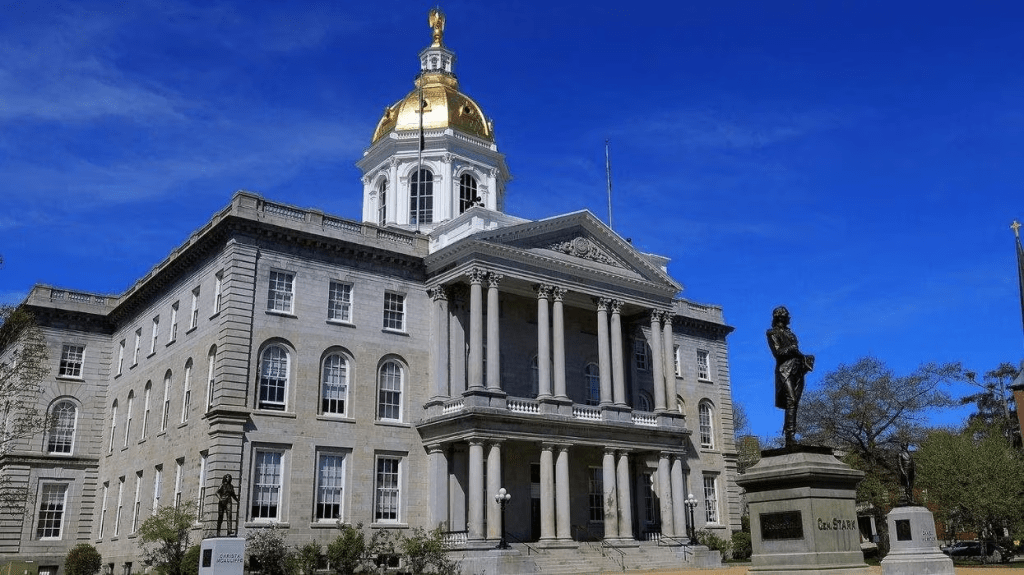
New Hampshire House advances transgender bathroom bill, breaking with New England

Read more at the Advocate.

In most of New England, the question of whether transgender people may use bathrooms consistent with their gender identity has largely been settled. In New Hampshirelawmakers are reopening it.

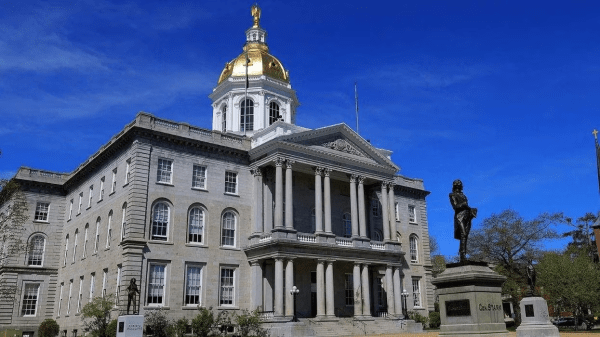
The Republican-controlled New Hampshire House voted 181–164 on Wednesday evening to pass House Bill 1442, legislation that would allow schools, government buildings, and some businesses to restrict bathrooms and locker rooms based on sex assigned at birth rather than gender identity. The bill now heads to the state Senate.

If enacted, the measure would place New Hampshire further out of step with the rest of the Northeast, where protections for trans residents in public accommodations remain broadly intact.

House Bill 1442 would require bathrooms and locker rooms in public schools and municipally owned buildings to be designated for male or female use based on sex. The bill also allows businesses and other places of public accommodation to require that multi-user restrooms be used according to what the legislation defines as a person’s “biological sex.”

The proposal goes further than many similar measures elsewhere by creating a new legal mechanism tied to restroom use. Under the bill, entering an area designated for females while classified as male under the statute could be considered “willful trespass.”

The legislation also establishes a statutory definition of sex that centers on biological characteristics such as chromosomes and reproductive anatomy, stating that a person’s gender identity does not determine access to spaces designated for males or females.

Supporters argue the legislation protects privacy in intimate spaces. Opponents say it singles out transgender people for exclusion and undermines civil rights protections that the state adopted less than a decade ago.

The vote follows several years of legislative attempts to pass similar restrictions, which repeatedly ran into gubernatorial vetoes.

Weeks ago, Gov. Kelly Ayotte, a Republican, vetoed a comparable proposal that would have allowed transgender people to be excluded from bathrooms, locker rooms, jails, and other gender-segregated spaces. It was the third time in as many years that a New Hampshire governor rejected similar legislation.

Ayotte said the earlier proposal was overly broad and risked creating an exclusionary environment.

Her predecessor, Chris Sununu, who is also a Republican, vetoed a similar measure in 2024, writing that lawmakers were attempting to address problems “that have not presented themselves.”

Yet the issue has returned to the legislature year after year.

Advocates say the persistence reflects a broader campaign targeting transgender rights in the state. According to the advocacy group 603 Equality, several bills introduced during the current legislative session attempt to regulate public facilities based on what lawmakers describe as “biological sex,” part of a wider slate of proposals affecting bathrooms, sports participation, and identification documents.

The group says House Bill 1442 is among the most “sweeping and cruel” of those proposals.

In 2018, New Hampshire added gender identity to its nondiscrimination law, becoming the final state in New England to extend those protections. At the time, the move appeared to complete a regional consensus on LGBTQ+ equality.

In recent years, however, that consensus has begun to fracture.

In 2025, Ayotte signed legislation banning gender-affirming medical care such as puberty blockers and hormone therapy for transgender minors, making New Hampshire the first state in New England to enact such a restriction.

Neighboring states, including MassachusettsVermontRhode Island, and Connecticut, maintain broad protections for transgender residents across public accommodations and health care.

Even Maine, which, like New Hampshire, has long been politically competitive and regularly elects Republicans to statewide office, has not enacted comparable restrictions on transgender rights. Instead, Maine has become the focus of a separate political fight: a proposed ballot measure backed by national conservative donors that would bar transgender girls from school sports and require schools to separate bathrooms and locker rooms based on sex assigned at birth.

Advocates say such policies place transgender people in untenable situations, forcing them to choose between using facilities inconsistent with their gender identity or risking confrontation.

Fla. Senate passes ‘Anti-Diversity’ bill that could repeal local LGBTQ protections

Read more at the Washington Blade.

The Florida Senate on March 4 voted 25-11 to approve an “Anti-Diversity in Local Government” bill that critics have called a sweeping and extreme measure that, among other things, could repeal local LGBTQ rights protections.

According to Equality Florida, a statewide LGBTQ advocacy organization, if approved by the Florida House of Representatives and signed by Republican Gov. Ron DeSantis, the bill “would ban, repeal, and defund any local government programming, policy, or activity that provides ‘preferential treatment or special benefits’ or is designed or implemented’ with respect to race, color, sex, ethnicity, sexual orientation, or gender identity.”

In a March 4 statement, Equality Florda added that the bill would also threaten city and county officials with removal from office “for activities vaguely labeled as DEI,” with only limited exceptions.

The Florida House was scheduled to vote on the bill on Monday, March 9, with opponents hopeful that a broad coalition of both Democratic and Republican lawmakers would secure enough votes to defeat the bill.

“Once again, Gov. DeSantis and Florida lawmakers are advancing one of the most sweeping and extreme bills in the country — this time threatening decades of local progress supporting diverse communities, including the LGBTQ community,” said Equality Florida Senior Political Director Joe Saunders. “This legislation is a sledgehammer aimed at cities and counties that recognize and address the diversity of the people they serve,” he said.

Among the LGBTQ organizations that could be adversely impacted by the bill is the highly acclaimed Stonewall National Museum, Archives and Library located in Fort Lauderdale.

Robert Kesten, the Stonewall organization’s president and CEO, told the Washington Blade the organization receives some funding from Broward County, in which Fort Lauderdale is located, and the city of Fort Lauderdale has provided support by purchasing tables at some of the museum’s fundraising events.

“Based on this legislation, hose things would be gone,” he said. “We also are based in a government building. So, we don’t know what potential side effects that could have.” He noted that the building in question is owned by Broward County and leased by Fort Lauderdale, with the bill’s vaguely worded provision making it unclear whether Stonewall would be forced to leave its building.

“It’s unknown, and we’re really in unchartered waters,” he said.

Iowa bill on parental rights and LGBTQ protections sparks debate

Read more at KCCI news.

A bill moving through the Iowa Legislature is sparking a heated debate over parental rights and LGBTQ protections, as House lawmakers voted 65 to 31 to pass it.

The bill states it would not be considered child abuse for parents to seek therapy aimed at helping a child live according to their biological sex and would allow parents to use pronouns that match the child’s sex or decline gender-affirming medical care.

Supporters say the bill protects parents’ ability to raise their kids. LGBTQ advocates warn the language could protect conversion therapy and expose kids to harmful treatment. Democratic Rep. Angel Ramirez expressed concern, saying, “I urge a no vote because we will have the blood of LGBTQ+ kids on our hands.”

The bill now goes to the Senate Judiciary Committee, where it has to be approved in the next two weeks to stay eligible for the rest of the session.

Supreme Court forces California to allow teachers to out trans kids

Read more at LGBTQ Nation.

The Supreme Court yesterday blocked a law in California that bans teachers from outing trans kids to their parents from going into effect. The decision was 6-3, with the six Republican appointees opposing trans rights and the three Democratic appointees taking the side of trans kids.

The case involves teachers from Escondido Union School District who claim that their Christian faith requires them to out trans kids to their parents. They argue that their “right to exercise [their] own religious beliefs” is being violated by the district policy, which was established in response to 2016 legal guidance from the California Department of Education advising districts not to out students.

Trans and nonbinary youth can be put at risk of parental rejection and homelessness if outed to their parents.

The teachers, who were later joined by several parents in their lawsuit, won their case in a lower court in December, where Bush-appointed Judge Roger Benitez said that California should “trust parents to do the right thing for their child” and let teachers out trans kids to their parents, even in cases where the child fears abuse, neglect, or homelessness as a result. Trans and nonbinary youth are much more likely to experience homelessness compared to cisgender youth.

In early January, a panel of judges on the Ninth Circuit U.S. Court of Appeals issued a stay to Benitez’s injunction, allowing California to enforce its trans youth protections as appeals work their way through the legal system.

But the teachers appealed to the Supreme Court, which sided with them and granted their emergency request for a stay.

The Court issued an 18-page unsigned ruling that said they believe that the parents are “likely to succeed on the merits” of their religious freedom claim, which was that there is a “right of parents to guide the religious development of their children” that also implies a right to know how their children are presenting their gender at school. The Court said that not outing kids to their parents is an even “greater… intrusion on the parents’ free exercise rights” than schools letting kids read books with LGBTQ+ characters, which the Court also ruled schools couldn’t do in its Mahmoud v. Taylor ruling last year.

In her dissent, Justice Elena Kagan wrote that this case shows how the “emergency docket can malfunction” because the case involved “novel legal questions” that the Court is ruling on with “inadequate briefing.”

“The Court is impatient: It already knows what it thinks, and insists on getting everything over quickly,” she wrote, noting that the federal appeals court hasn’t even ruled on the appeals in the case yet.

On the more substantive issues, Kagan wrote that the Constitution makes no mention of parental rights and that the conservatives on the Court relied on the Due Process Clause, which they usually read narrowly. She pointed out that the idea that women have a right to control their own bodies elicits “outright hostility” from her conservative colleagues when it’s suggested to be part of the Constitution’s due process protections. But now the same conservatives found that that clause gives parents the right to know how their children are presenting their genders at school.

She added that parents’ rights have to be balanced against the “critical interests in the care and education of children” that the state has, and that they needed to follow “ordinary processes” to address that balance.

Outing trans youth to their parents puts them at increased risk of homelessness, according to the Williams Institute. Not only that, they might still be exploring their identities and need to exercise control over their coming-out process.

“Transition isn’t a flick of a switch; it’s a complex, gradual, weaving journey of identity,” Connie Walden, a trans woman, wrote to the New York Times in 2023.

“My own transition started in high school. At what stage between my experimenting with makeup now and then to asking specific friends to call me Connie would I have officially, suddenly, socially transitioned? When should I have been robbed of the right to come out to my own family, to decide when to include them in my own process?”

“I recognize the pain of well-meaning parents who feel that their child kept such a large ‘secret’ from them. Yet with transition being a gradual process of experimentation, there is no big secret. There’s only kids slowly figuring out who they are, like all other kids.”

17 states consider cutting assistance for HIV meds as prices increase

Read more at LGBTQ Nation.

States across the U.S. have either implemented or are considering measures that limit access to life-saving medications for tens of thousands of low-income people living with HIV. The moves, experts warn, are likely to lead to economic and public health crises.

According to new data published this week by the National Alliance of State and Territorial AIDS Directors (NASTAD), 17 states and D.C. have already taken steps to cut costs for their AIDS Drug Assistance Programs (ADAP), while five others are considering similar measures.

Since 1996, federally funded ADAPs have helped low-income, uninsured, and underinsured people afford HIV and AIDS medication, primarily through federal grants via the Ryan White Comprehensive AIDS Resources Emergency Act of 1990.

But as NASTAD’s report notes, “Federal funding for ADAPs has remained relatively unchanged over the last decade, while client enrollment and healthcare costs, including prescription drug, insurance premium, and cost-sharing expenditures, have continued to increase.” According to nonprofit health policy research group KFF, congressionally allocated funding for ADAPs “has not kept pace with inflation, even before accounting for enrollment growth and increased costs.”

According to both NASTAD and KFF, the expiration of enhanced premium tax credits for the purchase of insurance through the Affordable Care Act marketplaces is another key factor driving up costs for ADAPs.

“Effectively, programs are being asked to do more with less federal funding,” Lindsey Dawson, associate director of HIV policy at KFF, told the New York Times.

That has led to 10 state ADAPs reporting budget deficits for the current fiscal year, while 19 ADAPs expect to face deficits in the upcoming fiscal year, according to NASTAD.

NASTAD reports that five states — including Pennsylvania, Kansas, Delaware, and Rhode Island — have already lowered income eligibility for the ADAP.

By far the most drastic change took effect in Florida on Sunday. The state’s move to reduce income eligibility for its ADAP from 400% of the federal poverty level to 130%. That means people living with HIV in Florida who make more than approximately $20,500 annually — down from around $64,000 prior to the change — are now ineligible to receive ADAP assistance for medication that can cost more than $5,000 per month. By one estimate, 16,000 people living with HIV in Florida are now at risk of losing access to HIV/AIDS medications.

Other states, including Arkansas, Louisiana, New Jersey, Virginia, and Washington, are similarly considering changes to financial eligibility criteria. Others have or are considering other measures, including reducing formularies (the list of drugs covered), annual spending caps, restricting or ending health insurance assistance, and implementing recertification requirements that will likely lead to disenrollment, according to KFF. NASTAD reports that Arkansas, Louisiana, and New Jersey are also considering implementing waitlists for assistance.

Such cost-cutting measures “could leave growing numbers of people with HIV ineligible for safety-net services,” according to KFF.

Esteban Wood, director of AIDS Healthcare Foundation, which is suing to block Florida’s ADAP changes, warned the New York Times this week that the changes represented not only a “moral disaster,” but would likely lead to both public health and economic disasters. HIV medications not only keep people living with the virus healthy, they also make it essentially impossible to transmit it, and cutting off access to those meds will inevitably lead to an increase in new infections. The Times also notes that if people begin rationing their pills, the likelihood that the virus becomes resistant to medication increases.

The untold costs of such outcomes will have to be absorbed by other parts of the U.S. public health system, according to the Times.

Republican TX AG sues chest binding company & claims its making “a fortune by hurting kids”

Read more at LGBTQ Nation.

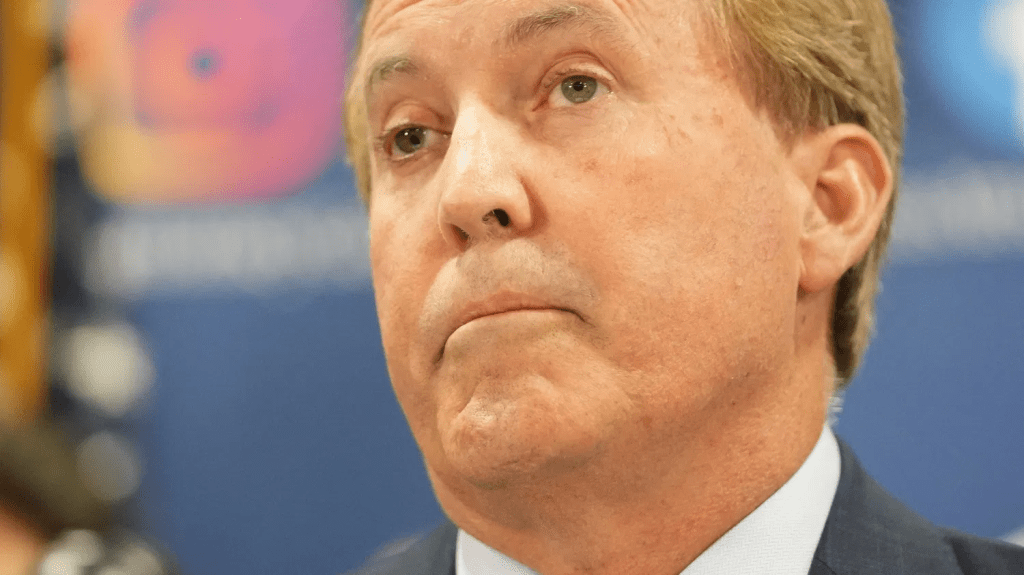
Texas Attorney General and U.S. Senate candidate Ken Paxton (R) is suing a New York-based company for marketing chest binders to minors.

Paxton has accused trans and nonbinary-inclusive youth undergarment brand Lola Olivia of violating his state’s consumer protection laws banning false, misleading, or deceptive advertising. The company, he claimed in a February 20 press release, sells chest binders “to Texas girls as young as nine-years-old to ‘transition’ them” without “informing them that they could be subjected to no less than twenty-eight different medical conditions.”

According to the World Professional Association for Transgender Health’s (WPATH) 2022 Standards of Care for the Health of Transgender and Gender Diverse People, trans masculine young people who bind their chests — described as a reversible, nonmedical practice that involves “compression of the breast tissue to create a flatter appearance” — report benefits including “increased comfort, improved safety, and lower rates of misgendering.” Risks such as back/chest pain, shortness of breath, and overheating are common. However, more serious risks, such as those Paxton cites in his lawsuit, like skin infections, respiratory infections, and rib fractures, are rare and more common among adults.

WPATH does recommend that healthcare professionals provide trans and gender diverse adolescents with “accurate and reliable information about the potential benefits and risks of chest binding,” and recommend the use of binders specifically designed for gender diverse people.

Paxton’s complaint includes multiple misrepresentations of medical research. Them notes it cites WPATH’s acknowledgement of certain risks associated with chest binding, but fails to note the infrequency of those risks among young people or the benefits when done properly.

The lawsuit also cites research published in the International Journal of Sexual Health last year, which found a “significant number of negative health implications” reported among trans and nonbinary people who bind. However, researchers also noted that “some studies also found positive effects on dysphoria, life satisfaction, and mental health,” and noted that several studies indicated a lack of knowledge about binding among healthcare providers. Researchers recommended further research “on long-term effects, safer methods, and promoting education” on chest binding.

The complaint also cites the U.S. Food and Drug Administration’s recent interpretation of chest binders as Class I medical devices under section 201(h) of the Federal Food, Drug, and Cosmetic Act because they are “intended for use in the diagnosis of disease or other conditions, or in the cure, mitigation, treatment, or prevention of disease, or to affect the structure or any function of the body.” Under this interpretation, Paxton alleges Lola Olivia is in violation of the Federal Food, Drug, and Cosmetic Act by not registering its products with the FDA. But the Dallas Voice notes that the FDA has said class 1 medical devices, which include items like manual stethoscopes and bedpans, “are generally exempt from premarket notification and approval.”

In his press release, Paxton falsely described “transitioning” minors as “child abuse” and accused Lola Olivia of making “a fortune by hurting kids.”

The lawsuit seeks a temporary restraining order, injunctive relief, and over $1,000,000 in monetary relief, including civil penalties.

Republican TX AG bans “radical” mental health workers from affirming trans youth: It’s “child abuse”

Read more at LGBTQ Nation.

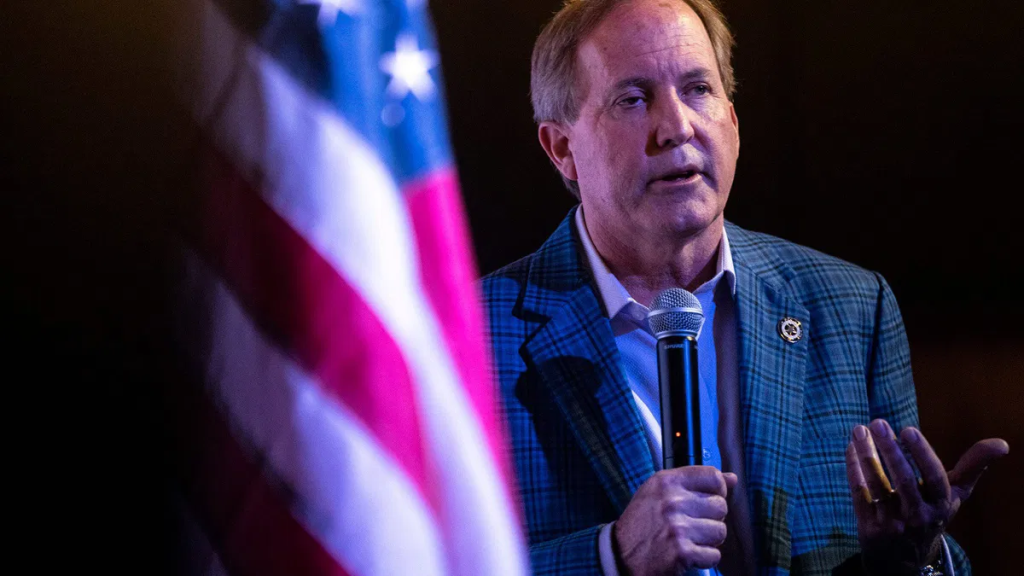
Texas Attorney General Ken Paxton (R) has declared that it is illegal for mental health care providers licensed by the state to affirm trans youth and that doing so is child abuse.

The virulently anti-trans official issued the opinion on Monday to explain that the state’s gender-affirming care ban applies to mental health care as well. In a press release, Paxton’s office referred to the practice of affirming someone’s gender as “‘transitioning’ our kids.”

“Any radical facilitating the ‘transitioning’ of our kids is committing child abuse,” Paxton said in a statement. “The law is clear that these radical procedures are illegal and in no world should Texans’ tax dollars be used to permanently harm children. This opinion should send a clear warning there will be consequences for any medical professional, whether a doctor or a therapist, who is illegally ‘transitioning’ Texas kids.”

Trans news site Transitics said the opinion can be interpreted as essentially requiring mental health professionals to either refuse to see young trans patients or else engage in conversion therapy. The opinion states that therapists have an obligation to help children with “overcoming” an “underlying… condition,” which in this case is gender dysphoria.

“Even if they want to, they can no longer affirm a trans kid’s identity, offer alternatives in another state, or encourage parents to accept their kids for who they are,” Aleksandra Vaca at Transitics explained. “Under Paxton’s opinion, doing anything other than push a child to accept being their assigned sex at birth will result in providers losing their license and/or being imprisoned. This is conversion therapy, which is recognized by the United Nations as being tantamount to torture.”

Paxton has spent his tenure as attorney general terrorizing the trans community. In 2022, he issued a non-binding opinion calling gender-affirming health care a form of child abuse, which led Gov. Greg Abbott (R) to order the Texas Department of Family and Protective Services (DFPS) to investigate for child abuse any parents who allow their trans children to access gender-affirming medical care prescribed by their doctors.

In a post at the time, Paxton called gender affirming care and puberty blockers – which have been shown to reduce lifetime suicide risk for transgender people who have access to them before puberty – “monstrous and tragic.”

Paxton has also argued it should be legal to discriminate against trans people at work, and he once tried to force a school to cancel its Pride week. He has sued for the right to discriminate against LGBTQ+ students, sued a group that highlighted the rise in hate speech on Elon Musk’s social media platform X, and sued the National Collegiate Athletic Association (NCAA) to force it to inspect every athlete’s gender before allowing them to play.

He has also said consensual encounters between consenting same-sex adults should be illegal, and that state workers can deny marriage licenses to same-sex couples. 

Paxton was previously impeached by the Texas House in 2023 for 16 counts of bribery but was later acquitted by the Texas Senate. The FBI also investigated him for years for securities fraud, but the Department of Justice eventually dropped its investigation. He also settled a state securities fraud case against him, paying $300,000 and participating in community service to avoid legal charges.

In July, it came to light that his wife filed for divorce from him due to adultery.

Paxton told his staff about an extramarital affair in September 2018 while holding hands with his wife, The Texas Tribune reported. But while he recommitted to their marriage during that confession, he continued to cheat on her, the publication reported, even going through great lengths to hide affairs from her: using burner phones, secret email addresses, and secret rideshare accounts to meet with his mistress.

Blog at WordPress.com.

Up ↑