There are many reasons to fall in love with Puerto Vallarta. For me, it was the sunsets, the jungle-lined beaches, the food scene and a beauty that goes much deeper than just the beach. But ask a queer traveler why Vallarta stands apart, and you’ll likely hear something more personal. They may tell you it feels like coming home.
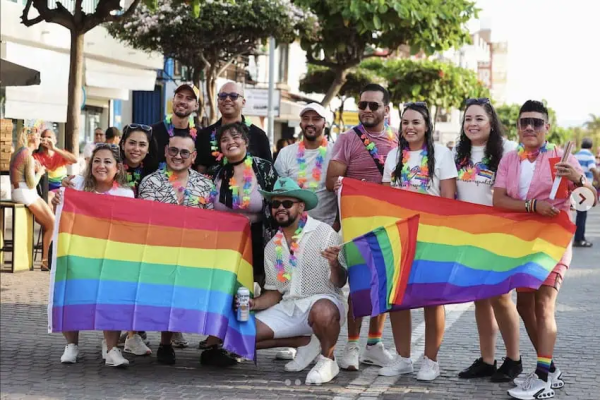
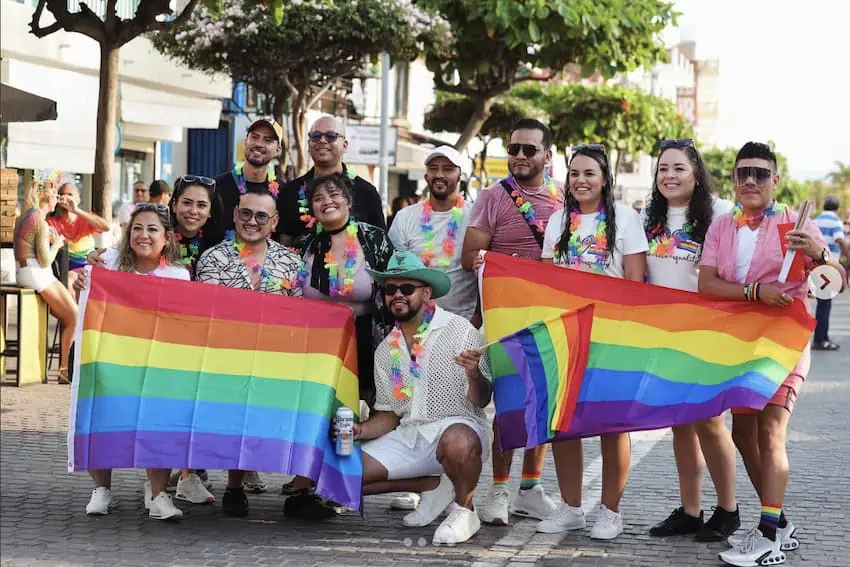
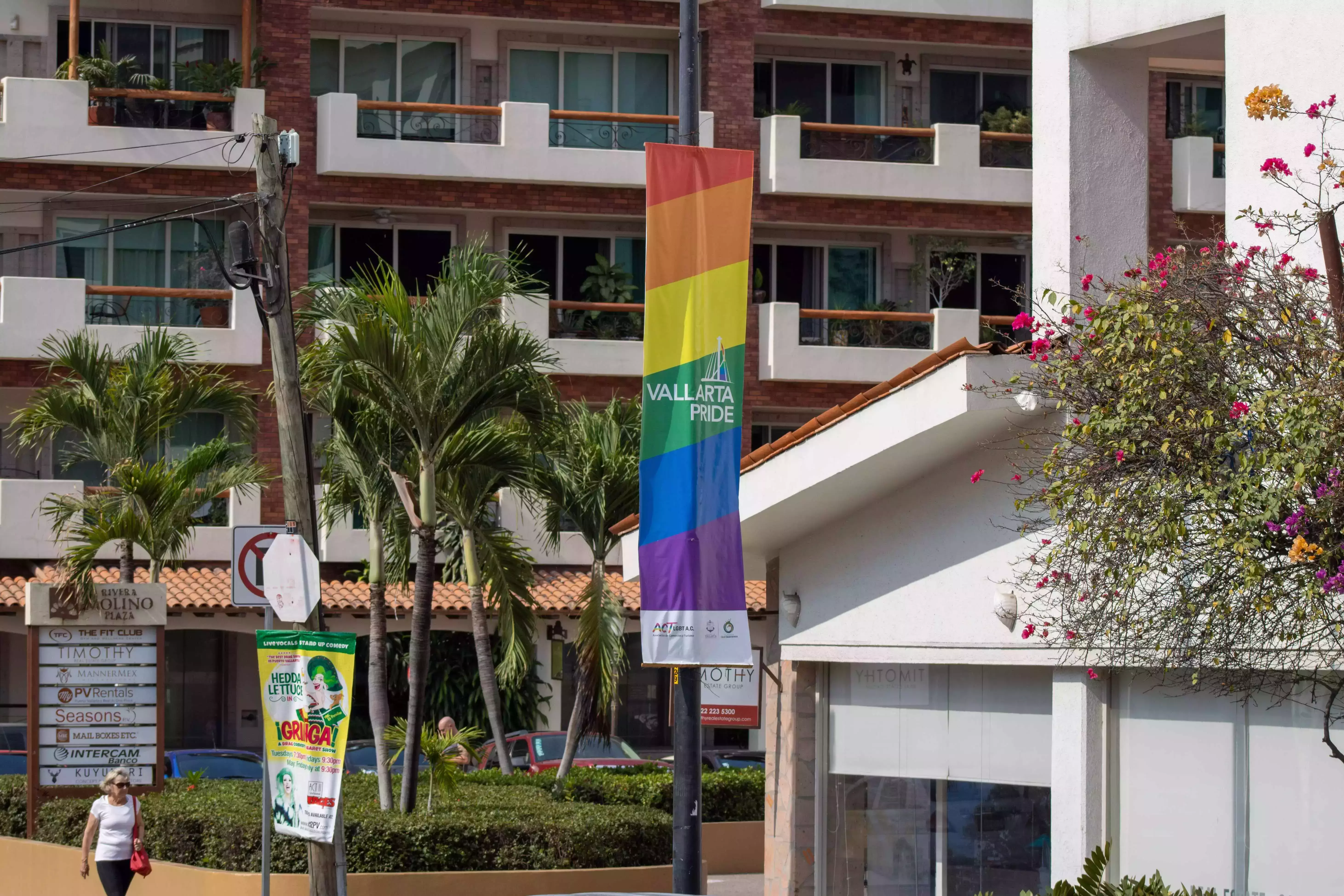
Today, Puerto Vallarta is recognized as the LGBTQ capital of Mexico, a place where rainbow flags hang as proudly as the bougainvillea spilling over the balconies. The city’s Zona Romantica neighborhood is a full-blown “gayborhood,” buzzing with queer-owned cafes, boutique hotels, beach clubs and late-night dance floors. But the path to queer paradise didn’t appear overnight. It was carved by decades of quiet courage, community resilience and one very big Pride parade.
According to Javier Jiménez, president of Vallarta Pride, the turning point came in the late 1990s, when LGBTQ immigrants began arriving in large numbers, particularly from San Francisco and Los Angeles. “Along with the LGBTQ community, they began looking for safe and friendly places to meet,” he says. “Bars like Balcones and Paco Paco became social hubs for the community.”
Then came the tipping point: the 2002 opening of Blue Chairs, Mexico’s first openly LGBTQ hotel. Blue Chairs was more than just a place to sleep. It was a declaration that queer travelers belonged here. “From that moment on, says Jiménez, “Puerto Vallarta took firm steps toward becoming the best LGBTQ destination in Mexico and Latin America.”
Early entrepreneurs like Francisco Ruíz, John Crocket Moore, Frank Muts and the Greys — Gregory and Don — were instrumental in building the infrastructure for a thriving queer economy in nightlife, hospitality, arts and tourism. These business ventures were acts of defiance and vision.
“They showed the rest of the population that this was a present and active community that contributed to the economy and the destination’s promotion,” says Jiménez.
The numbers back it up. What began as a handful of LGBTQ bars has blossomed into more than 50, according to the Puerto Vallarta Tourism Board. The first Vallarta Pride parade had 40 participants and three floats. Jiménez says today there are more than 2,000 people and 50 floats that roll through the street each year. What was once a niche tourism segment has become a main engine of Vallarta’s economic lifeblood.
“It is estimated that 40 cents of every peso comes from the community,” Jiménez adds. LGBTQ tourism has also spurred a boom in construction, particularly in the southern part of the city. Condo towers, boutique hotels and mixed-use developments have transformed the skyline, many of them funded, owned or designed with queer travelers in mind.
But Vallarta’s queer identity goes deeper than hotel rooftops and themed parties. Though, let’s be real; the White Parties and Bear Week go off. There’s a thriving ecosystem of queer artists, chefs, activists, and business owners who keep the cultural heart beating. Galleries line the streets of Zona Romantica. Activists rally behind causes from HIV awareness to trans rights. The local Pride committee is run by a coalition of community leaders who live here year-round.
“Beyond nightlife, the LGBTQ community in Puerto Vallarta finds countless art galleries, a vast and exquisite gastronomic offering and tours to the rivers and mountains,” says Javier Jiménez. “It also boasts strong local activities that have forged a strong and proud community.”
A big part of what makes Vallarta unique is its sense of welcome, and not just for tourists. Locals, says Jiménez, have embraced the queer community, both socially and economically. “In general, the people of Puerto Vallarta are very friendly and open-minded,” he says. “Perhaps also helped by the community’s contribution to the city’s development.”
Still, travelers should be aware that even paradise has its risks. In recent months, the U.S. Consulate General in Guadalajara confirmed several reports of U.S. citizens being kidnapped after meeting individuals on dating apps in the Puerto Vallarta and Nuevo Nayarit areas. In some cases, victims and their families were extorted for ransom. While these incidents are deeply concerning, it’s important to note that similar crimes have occurred in cities around ht world. Caution is always advised when meeting strangers, particularly in unfamiliar places. Meet in public, let someone know where you’re going, and trust your instincts whether you’re in Vallarta, Berlin or Bangkok.
Of course, nowhere is without its blind spots. Jiménez is quick to point out that even in a place as seemingly inclusive as Vallarta, progress must be guarded. “Based on recent examples like what is happening in the U.S., where the LGBTQ community believed its rights were secure and these have recently been diminishing, the community must remain present,” he warns. “Defending what it has achieved, and actively participating in political and social spheres.”
Still, for first-time queer travelers, Puerto Vallarta offers freedom without fear. From wedding ceremonies on the beach, a sunset cocktail at Mantamar, or simply holding hands while strolling the Malecon, there’s a feeling here that is easy to recognize. It’s safety. It’s joy. It’s family.
And that’s the thing about Puerto Vallarta. You come for the views, the food and the party. At least, I did. But I, like so many others from all walks of life, stay because Puerto Vallarta feels like you’ve found your place in the sun.
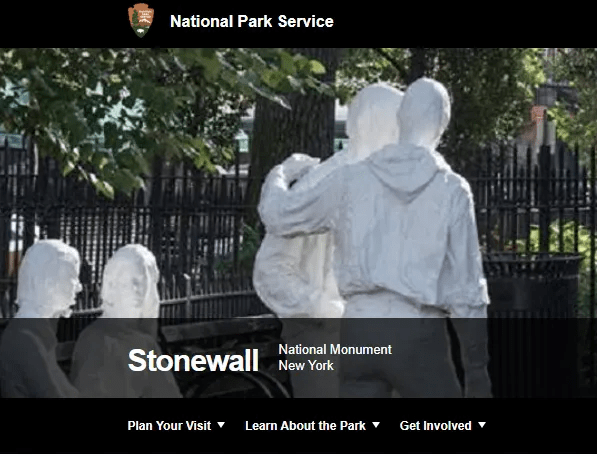
Earlier this year, the Trump administration digitally erased transgender people from the Stonewall National Monument, scrubbing them from the history they helped shape. The decision sparked widespread protests at the civil rights landmark and raised alarm about broader efforts to censor transgender people from the public record. Now, new signs suggest the administration has set its sights on another target: bisexual people. Key historical and cultural pages associated with the Stonewall site have been updated to describe the uprising as a milestone for “gay and lesbian rights,” quietly removing any mention of bisexual or transgender individuals.
Signs that the pages dedicated to Stonewall were being tampered with emerged early in Trump’s second presidency. Before the first update, the Stonewall National Monument page acknowledged that “before the 1960s, almost everything about living openly as a lesbian, gay, bisexual, transgender, or queer (LGBTQ+) person was illegal.” The revised version then stated, “almost everything about living openly as a lesbian, gay, bisexual (LGB) person was illegal.” Now, a new version of the page indicates that “Before the 1960s, almost everything about living authentically as a gay or lesbian person was illegal.”
You can see the changes here:
The changes were not limited to the front page. In the “History and Culture” section, the page once indicated “Stonewall was a milestone for LGBTQ civil rights that provided momentum for a movement.” Then it was changed to “Stonewall was a milestone for LGB civil rights that provided momentum for a movement” by the Trump administration. Now, the page says that it was a milestone for “gay and lesbian” civil rights. Likewise, the page now reads that living “openly as a member of the Stonewall comunity |SIC| was a violation of law,” rather than living as an openly LGBTQ+ person, as it had previously read.
The erasure is historically inaccurate. Stonewall was heavily led by transgender and gender-nonconforming leaders like Sylvia Rivera, Marsha P Johnson, and Zazu Nova. At Stonewall, Sylvia Rivera famously stated that while she did not “throw the first Molotov cocktail,” she did throw the second. Transgender woman Zazu Nova is among those credited with “throwing the first brick,” sparking the uprising. Marsha P. Johnson, another key figure in the protests that followed, played a critical role in shaping the movement.
Likewise, bisexual people played a pivotal role in the Pride movement that emerged from Stonewall. Brenda Howard, a bisexual rights activist often referred to as “the mother of Pride,” helped organize the rally that became the Christopher Street Liberation Day March on the first anniversary of the uprising. Both transgender and bisexual people have long viewed Stonewall as a civil rights milestone—and for good reason. Living openly as either in the 1960s carried enormous risk, and both communities were targeted in the police raid that sparked the movement.
These edits were not the only ones made to Stonewall since Trump took office. Individual pages dedicated to transgender figures instrumental in the Stonewall uprising were also altered to erase transgender references. The changes were often sloppy and rushed, revealing the haphazard nature of the effort. In one glaring example, Sylvia Rivera’s section originally stated, “At a young age, Sylvia began fighting for gay and transgender rights.” The revised version read, “gay and rights,” with the word “transgender” removed entirely, rendering the sentence nonsensical:
Bisexual, transgender, and queer people were at the forefront of the Stonewall movement. Though the language was still evolving, many of the patrons defied conventional categories of gender and sexuality, refusing to be neatly classified. Erasing them from Stonewall is not only historically false—it is a deliberate act of political revisionism. The recent removal of “bisexual” from official Pride histories is a warning: attacks on transgender people will never stop with us. They are part of a broader effort to narrow the scope of who is allowed to belong, to be seen, and even to be remembered.
Pride Month is not quite over yet! Just in time for some more LGBTQ friendliness is this list from Big 7 Enjoy Travel. They rank the top 30 LGBTQ friendly cities on the planet.
For a city to rank highly as LGBTQ+ friendly, first and foremost, it needs to protect LGBTQ+ people with laws and legislation. Then, it needs a vibrant gay nightlife and dating scene, whether within a gay village or across the city. Either way, there needs to be a safe community for LGBTQ+ people, as well as open-minded citizens and low levels of hate crime.
Ranking criteria:
Gay Index Rating – measures how safe a country is for LGBT people, considering the legal situation and living conditions
Equality Index Rating – measures the status of LGBT rights, laws, and freedoms as well as public attitudes towards LGBT people
The final scores show the Top 30 LGBTQ+ Friendly Cities in the World! Here’s your ultimate gay-friendly travel list…
30. Vienna, Austria
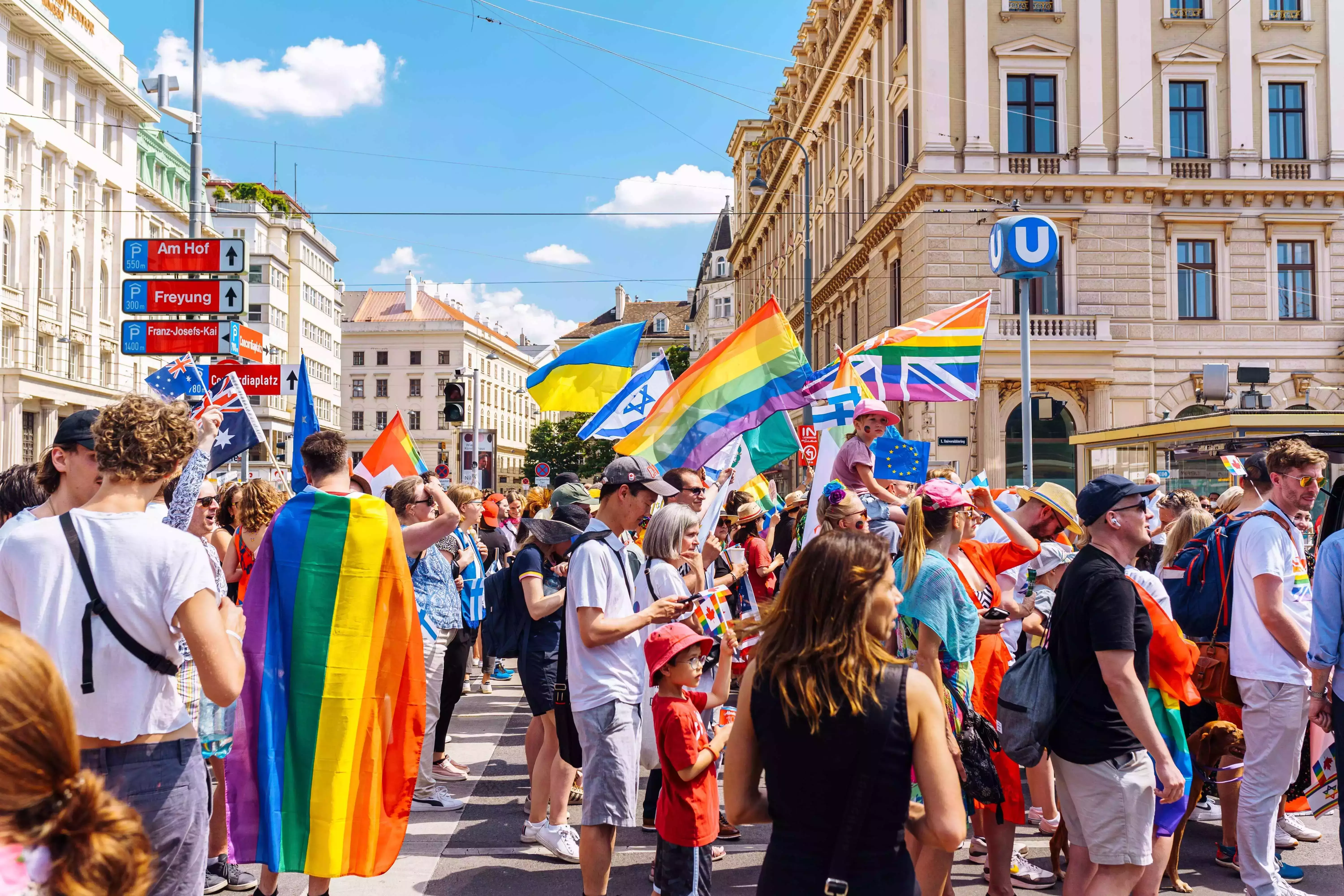
Vienna is widely known for its gender, disability, LGBTQ and racial inclusivity and equality, with many parades, pride events and specialist causes. While Vienna doesn’t have a specific gay village or district, its Naschmarkt area is full of gay bars and clubs, making it a hotspot for LGBTQ+ members.
Vienna has also hosted the EuroPride and hosts an annual citywide Pride parade in June. Vienna is also an LGBTI Core Group member and has a reasonably high Gay Index Rating, making it a safe and appealing place for LGBTQ+ members. It’s safe to say that Vienna is a welcoming and inclusive city for not just LGBTQ+ people, but for everyone, no matter your sexuality, gender, religion or ethnic group.
29. Puerto Vallarta, Mexico
You may not have heard of this city against its larger and more tourist-centred neighbours of Mexico City and Cancun, but Puerto Vallarta deserves to be celebrated for its strong LGBTQ+ representation and inclusivity. According to our rankings, Puerto Vallarta scored highly in terms of Gay Index Rating, and attendance to the city’s annual Pride event is significant.
Puerto Vallarta has been cited as the ‘gay capital of Mexico’, thanks to its bustling Zona Romantica area, which is heavily centred around LGBTQ+, with vibrant gay bars, inclusive hotels and lively clubs. While you’re likely to find LGBTQ+ friendly areas across Mexico, Puerto Vallarta is one of the best places to celebrate being a member of the community.
28. Glasgow, UK
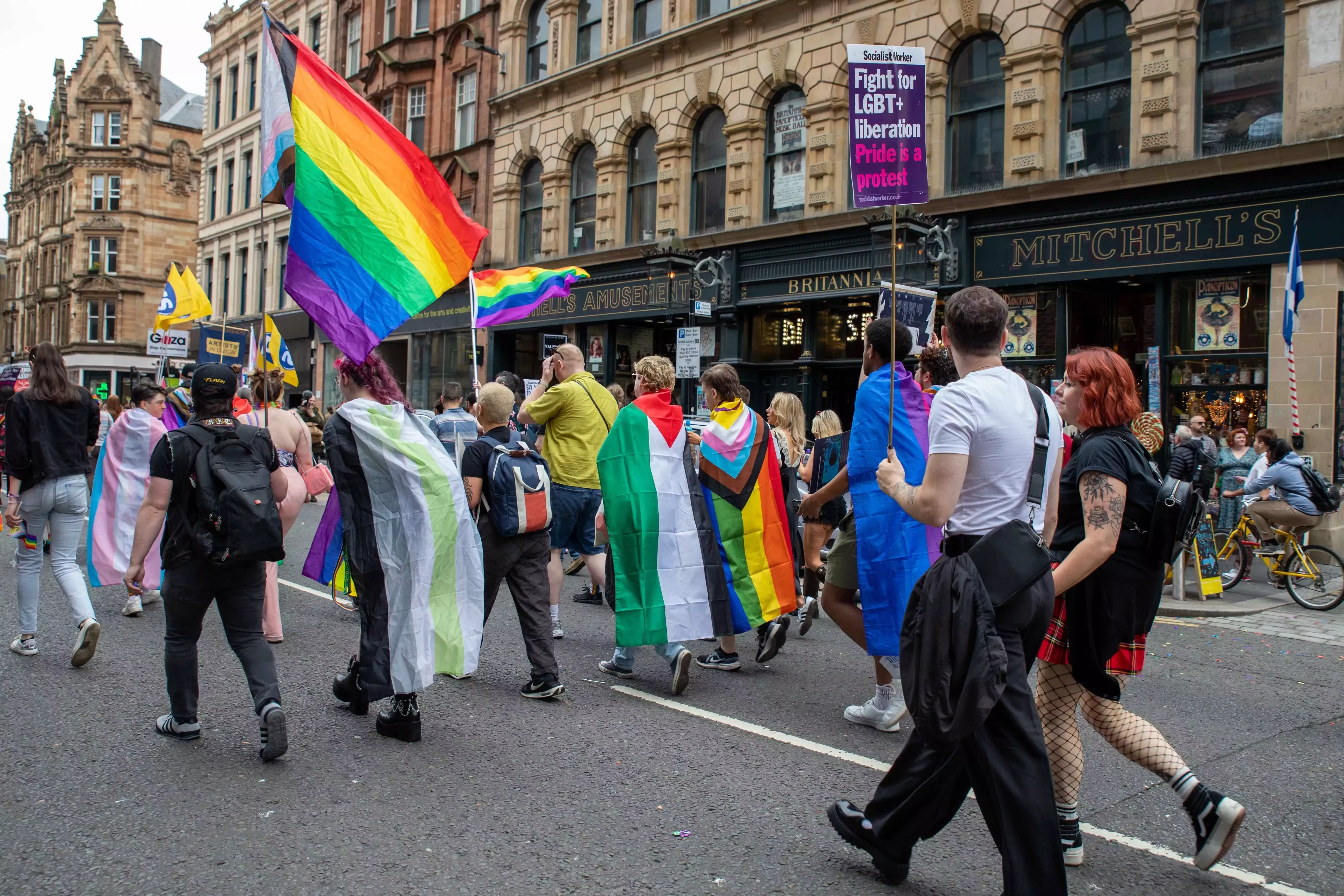
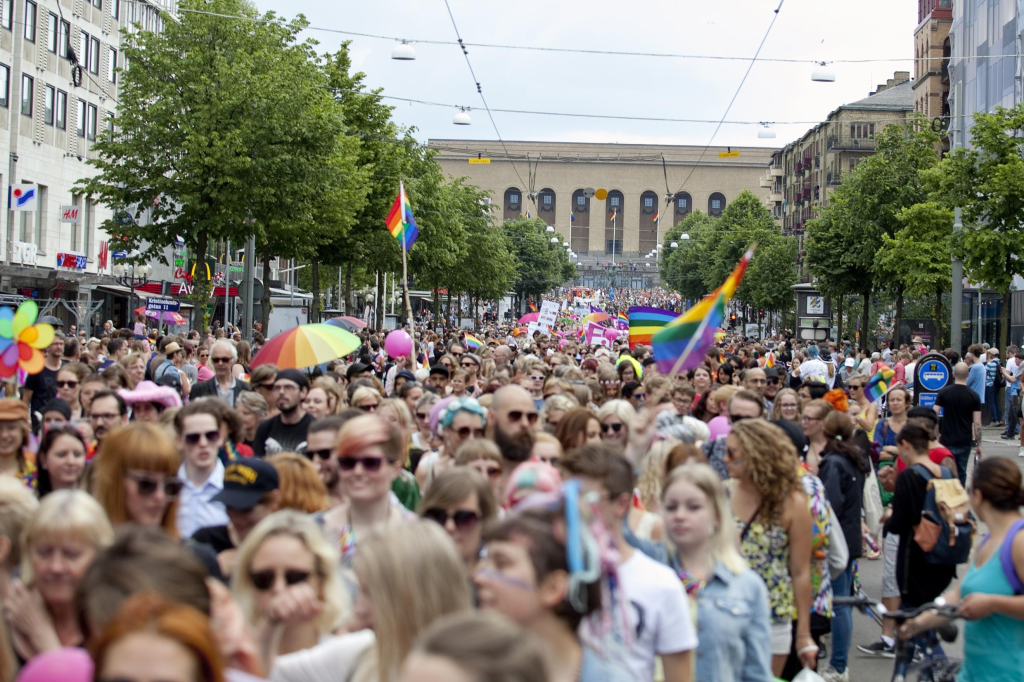
Glasgow, Scotland’s largest city, is a hub for inclusivity, with its lively Merchant City district being the LGTBQ+ capital. You can expect to find a variety of LGBTQ+ friendly bars and clubs, as well as a welcoming and open-minded atmosphere. Glasgow’s annual pride event amasses thousands of attendees each year, seeing proud members of the community come together to march and parade, surrounded by the signature rainbow flags.
Glasgow’s quality of life and general acceptance for the LGBTQ+ community is high, giving an indication of how strong its LGBTQ+ community and representation is. The city is also an LGBTI Core Group Member.
27. Melbourne, Australia
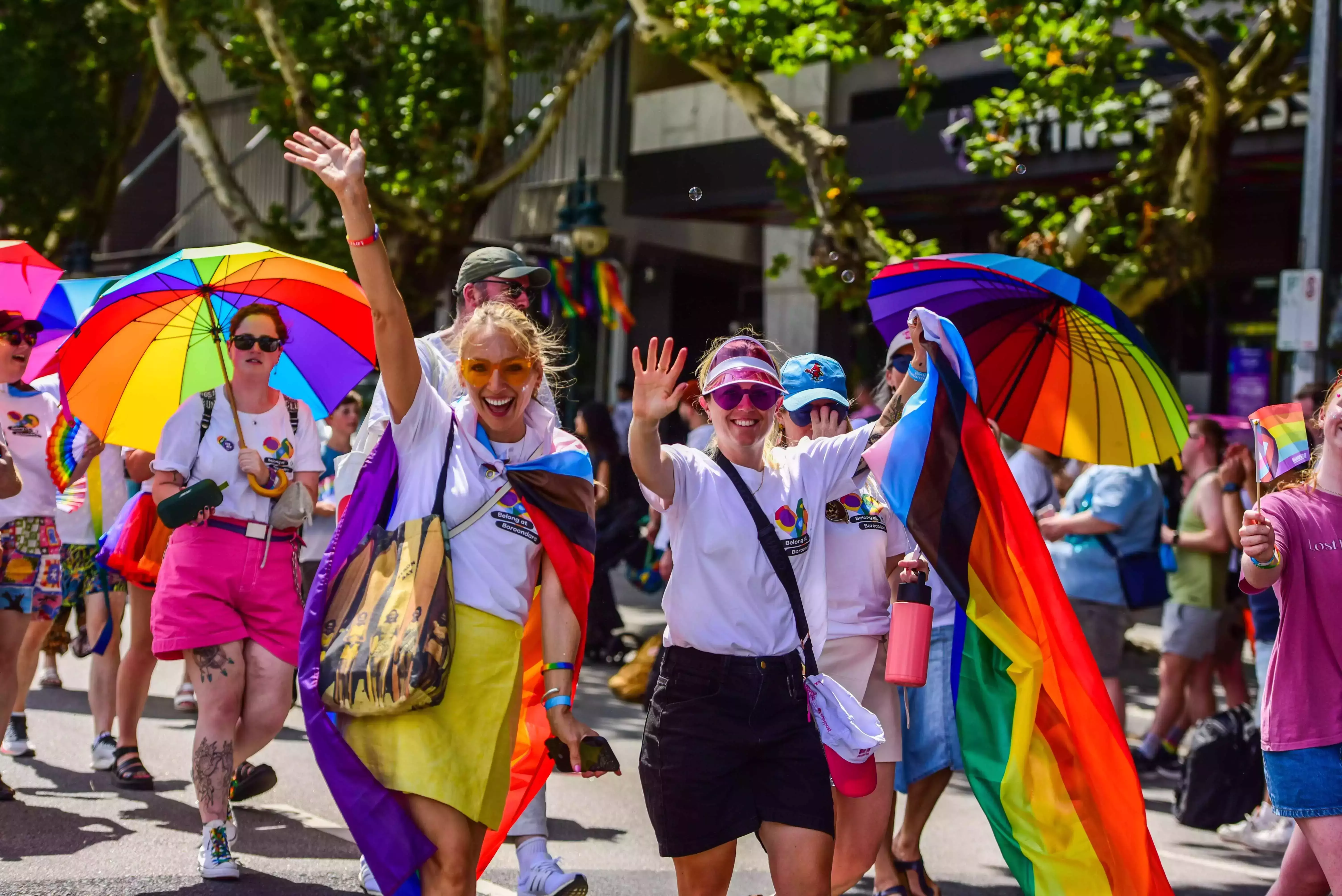
Melbourne is generally an accepting city for most types of groups within society, which gives an indication as to its welcoming and inclusive atmosphere. It scores highly on the Gay Index Rating, and is a member of the LGBTI Core Group, as well as scoring highly on the Equaldex Score. But, data aside, there is a thriving and welcoming community right at its core that appeals to all groups in society, whether members of the LGBTQ+ community or not.
Its annual Pride march has also surpassed 60,000 attendees in recent years. Melbourne’s Fitzroy area is considered to be the ‘gay village’, with a number of LGBTQ+ friendly bars and clubs and a buzzing atmosphere both before and after dark, but generally no matter where you go in Melbourne you’ll be met with a warm and friendly welcome.
26. Taipei, Taiwan
You may not commonly associate Taiwan with LGBTQ+ communities, but its capital Taipei has one of the largest LGBTQ+ presences, with a vibrant LGBTQ+ presence in its Ximen Red House area of the city, which features a lively and bustling scene with bars and clubs. Taipei is known for its inclusivity, and is perhaps a hidden gem amongst the most LGBTQ+ friendly cities, but definitely worth a visit. Taipei also hosts its annual Pride march, which is considered to be the largest of its kind in East Asia, seeing an attendance of more than 120,000 in recent years.
25. Barcelona, Spain
Barcelona, along with Madrid, are widely known as the LGBTQ+ capitals of Spain, with a high Gay Index Rating and a large Pride attendance across each city. Barcelona and the rest of Spain are highly regarded for their acceptance of the LGBTQ+ community, as Spain was one of the first countries in the world to legalise gay marriage in 2005. Barcelona has a thriving LGBTQ+ scene, with an abundance of gay bars, clubs and even beaches that cater to the LGBTQ + community – no matter where you go in Barcelona, you’ll be welcomed with open arms regardless of your sexual orientation or gender.
24. Oslo, Norway
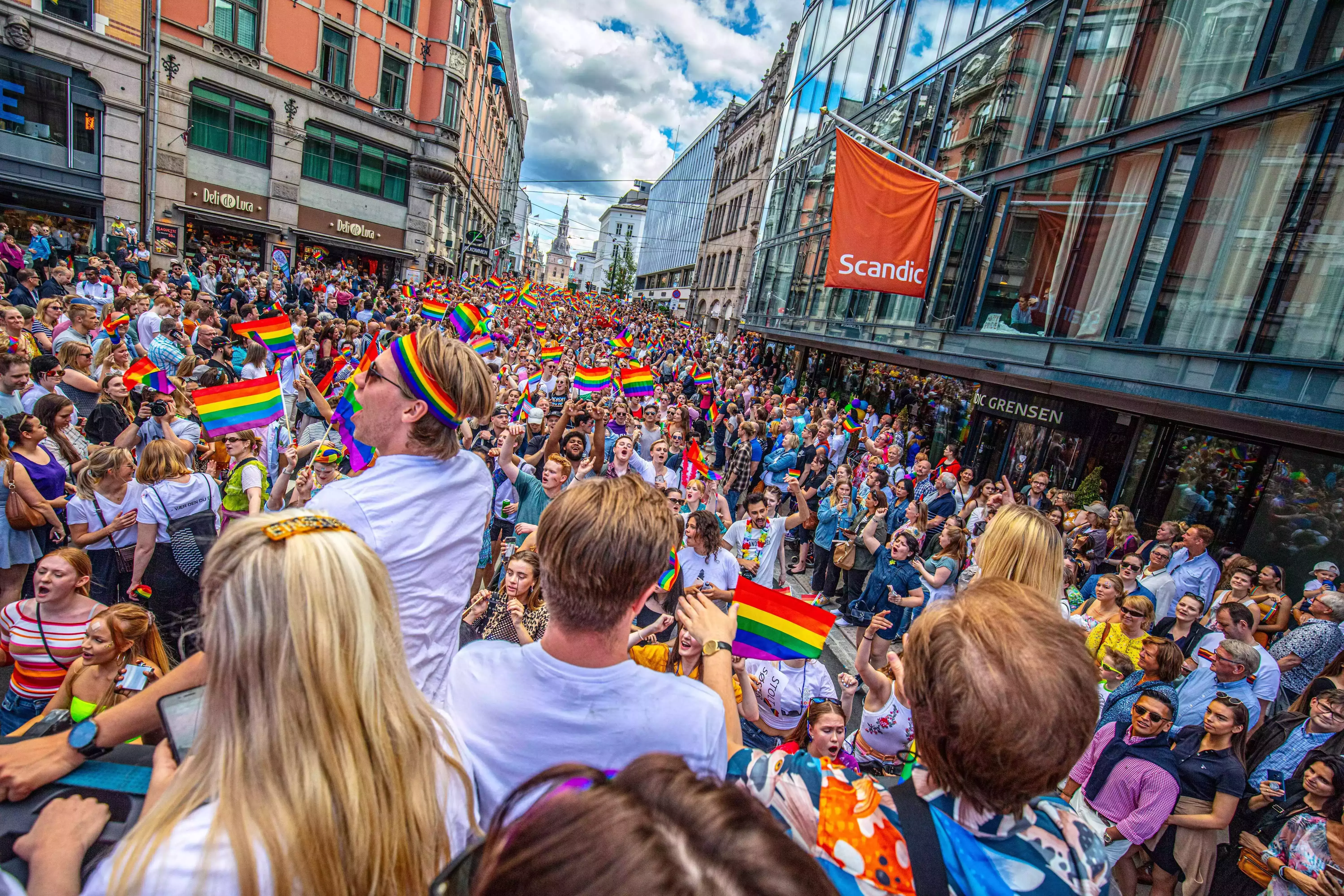
Norway is commonly associated with being a liberal, inclusive and welcoming country, and its capital Oslo comes out on top in terms of LGBTQ+ representation and inclusivity. The city has high Equaldex Score and Gay Index Rating, so is a must-visit for members of the LGBTQ+ community. Did you know that Oslo also hosts an annual Pride event that has amassed around 90,000 attendees in recent years? Oslo’s main LGBTQ+ friendly area is Grünerløkka, where you’ll find a large collection of LGBTQ+ friendly bars, restaurants and clubs, although the city as a whole is welcoming and accepting no matter where you go.
23. Helsinki, Finland
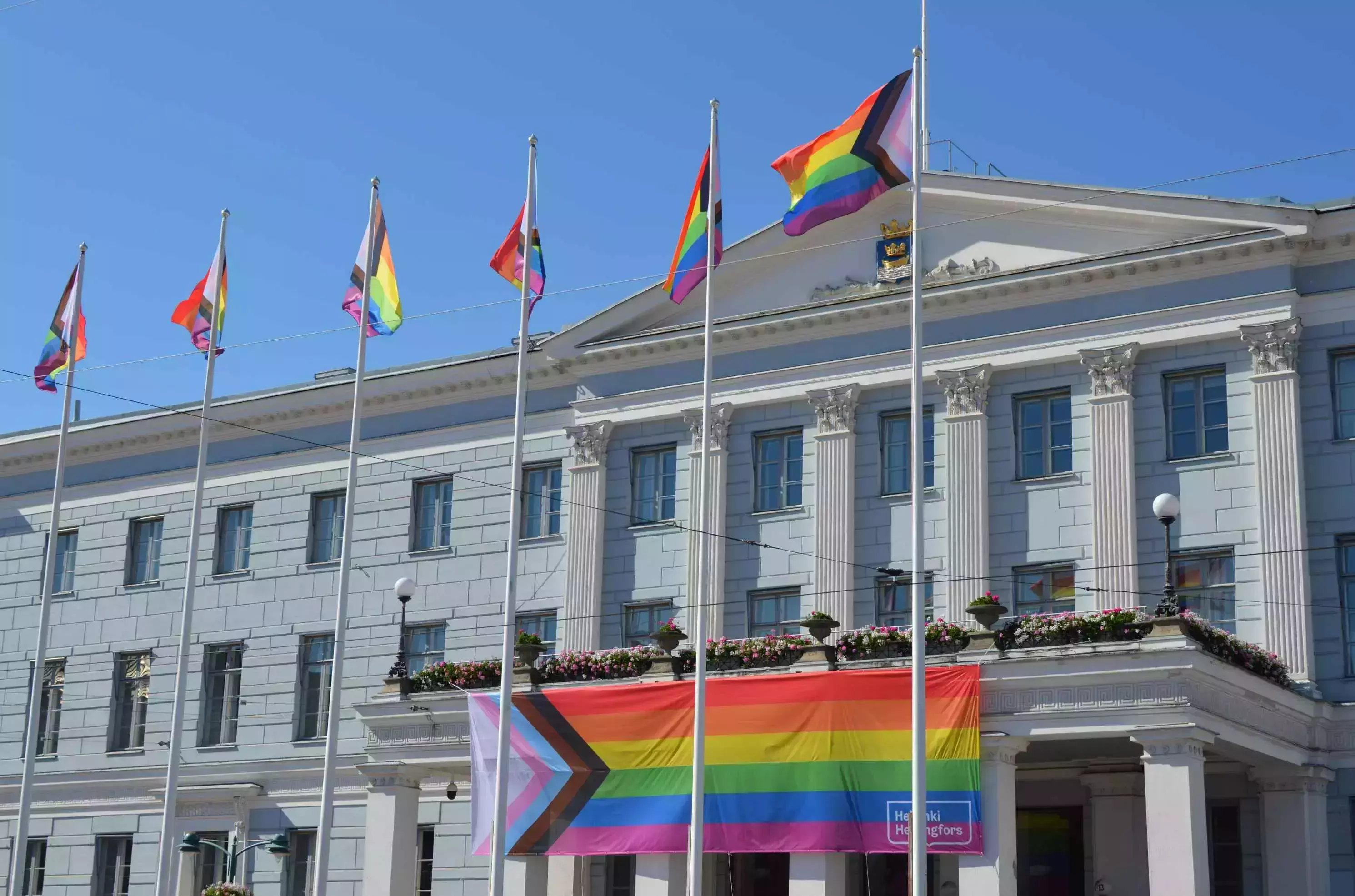
Scoring highly on both the Equaldex and Gay Index Rating, as well as having a large Pride attendance and overall LGBTQ+ presence, Helsinki is one of the best places to be if you want to feel welcomed with open arms in every corner of the city, no matter your sexual orientation, gender or who you identify as.
Helsinki’s annual Pride march and parade typically sees more than 100,000 attendees, giving an idea of how inclusive the city really is. Finland is known for being a progressive and liberal country, and same-sex marriage has been legal in the country since 2017, having been decriminalised since the early 1970s and views changing in the early 80s.
22. Montreal, Canada
Montreal is one of the LGBTQ+ capitals of Canada, celebrating the community with a designated ‘gay village’ district and a large attendance to the city’s annual Pride events. Montreal is considered a trailblazer in terms of promoting and accepting LGBTQ+ rights, as Quebec was the first province of Canada to ban discrimination around sexuality and sexual orientation in 1977. As with much of the rest of Canada, Montreal has since adopted a liberal and accepting stance on LGBTQ+ communities, and scores highly on both the Equaldex and Gay Index rankings.
21. Buenos Aires, Argentina
Argentina’s capital is often cited as the ‘gay capital of South America’, with a downtown district that is rife with gay bars, restaurants and clubs, and a high Gay Index Rating. Argentina was also the first Latin-American country to legalise same-sex marriage in 2010, and has since become the place to be in terms of inclusivity and LGBTQ+ rights.
Buenos Aires also has a large Pride attendance and citywide celebrations, with a thriving LGBTQ+ presence that makes the city rank highly for equality, inclusivity and representation. Aside from the obvious inclusivity that Buenos Aires offers, the city is a vibrant social hub and welcomes people from all social groups and communities.
20. Reykjavik, Iceland
Reykjavik has long been considered a haven for LGBTQ+ members and most groups in society, and although the city may be small, it packs a punch in terms of LGBTQ+ rights and representation. Reykjavik’s most recognisable street is so iconic thanks to its rainbow road, which indicates and highlights Reykjavik’s support for equality surrounding the LGBTQ+ community. Reykjavik’s Pride event is a large-scale affair, with thousands of locals and tourists attending to show their support. Reykjavik also has one of the highest Gay Index Ratings and Equaldex Scores.
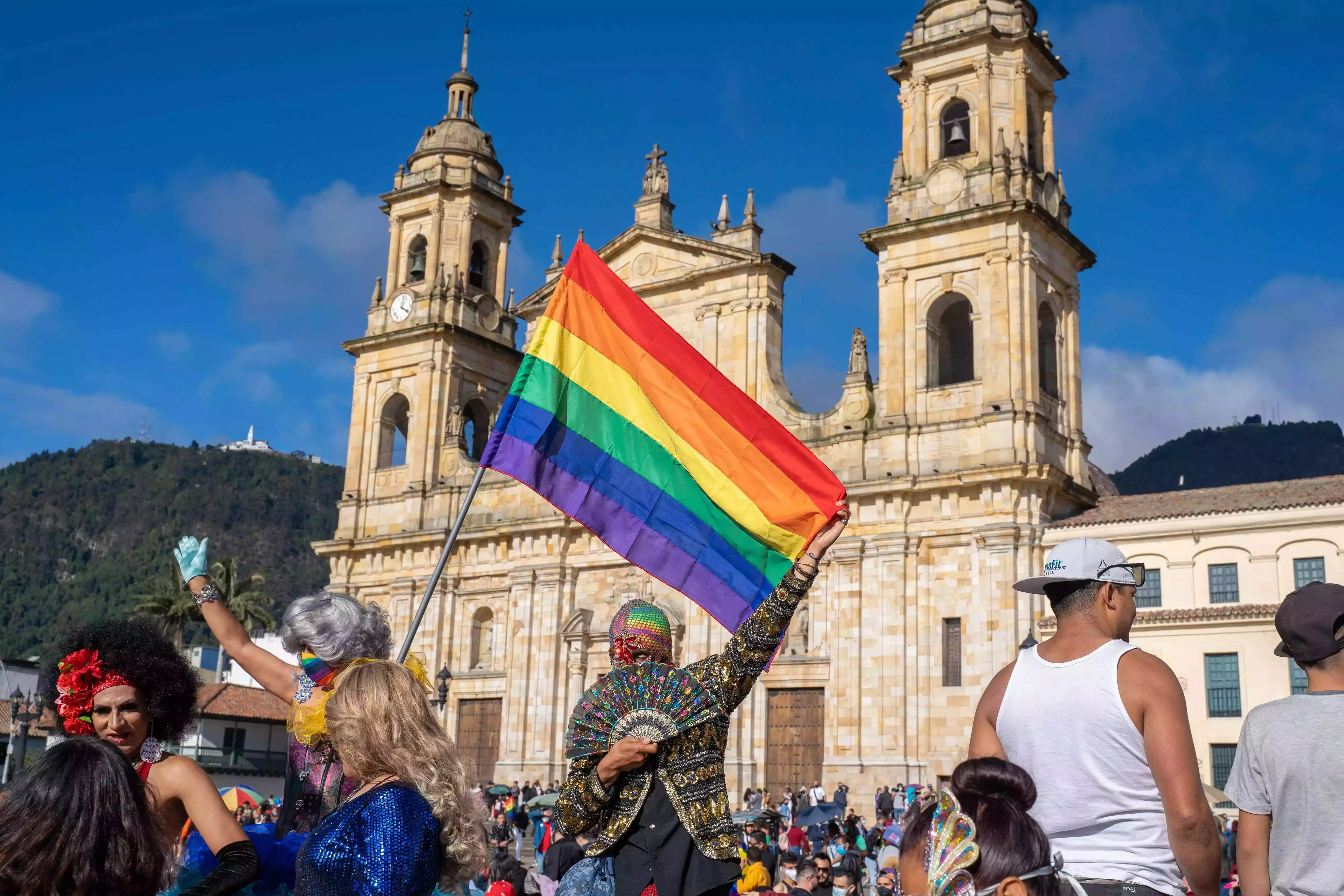
19. Bogotá, Colombia
Although Bogota has the lowest Equaldex score, it has a high Gay Index Rating and a vibrant gay village that features what is considered to be the largest gay club in South America, Theatron.
Bogota’s annual Pride event has also seen crowd sizes of more than 100,000 people, making it one of the largest Pride celebrations around. It’s clear that Bogota is a friendly, inclusive and welcoming place for every tourist, whether they’re part of the LGBTQ+ community or not.
18. Valletta, Malta
This small city packs an almighty punch in terms of LGBTQ+ inclusivity. Valletta ranks highly on both Gay Index Rating and Equaldex, with scores of 8.5 and 100, respectively, giving an idea of how supportive the city is for the rights of LGBTQ+. Valletta also sees a large turnout for its annual Pride festival and march, and has hosted the widely renowned EuroPride in 2023, adding to Valletta’s reputation as one of the most LGBTQ+ friendly cities in Europe.
17. Copenhagen, Denmark
The Scandinavian countries are known for their progressiveness, inclusivity, liberal stances and welcoming and accepting cultures, especially when it comes to LGBTQ+ rights and support. Copenhagen, Denmark’s capital, is known for its lively and thriving LGBTQ+ community, with many gay bars and clubs, as well as a large Pride event. Denmark was one of the first countries in Europe to legalise gay marriage in 2012, and has recognised and accepted homosexuality since the 1930s.
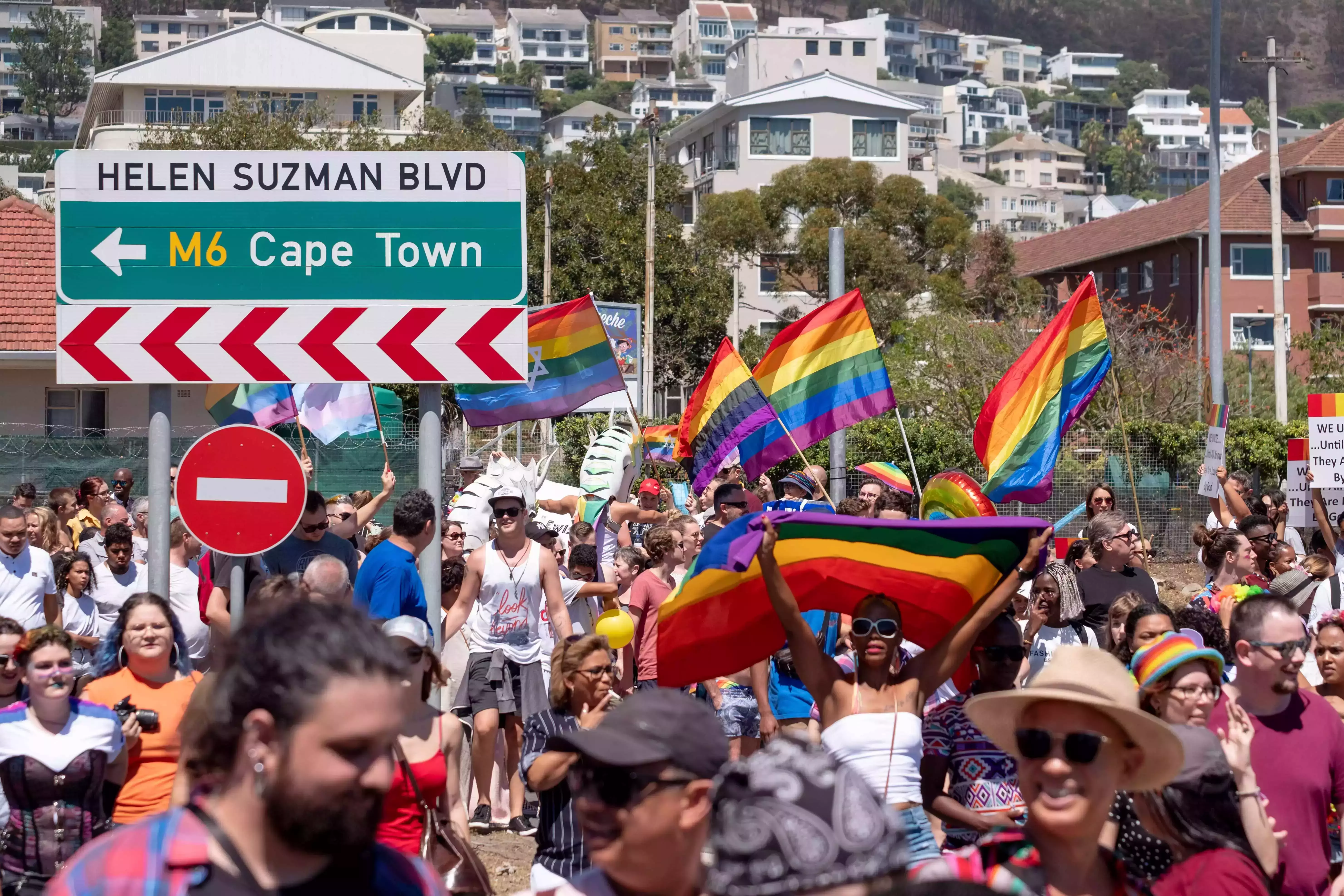
16. Cape Town, South Africa
South Africa is a trailblazer for LGBTQ+ rights on the continent, becoming the first country in Africa to legalise same sex marriage in 2006, and Cape Town is at the heart of this legacy. The progressive and inclusive stance makes the city both welcoming and fun for queer locals and visitors, with a schedule of gay-friendly events throughout the year. The coastal capital bursts into the colours of Pride every February/March, and other vibrant celebrations include the Mother City Queer Project and the Out in Africa Film Festival. The De Waterkant neighbourhood is the city’s LGBTQ+ hub, with gay-owned bars, gyms, shops, and cafes, as well as the iconic rainbow crossing – a visual representation of South Africa’s anti-discrimination laws.
15. Mexico City, Mexico
Mexico City was the first Latin American city to legalise same-sex marriage in 2007, and since then, the city has upheld their views and stances on LGBTQ+ support. The city celebrates with one of the world’s largest Pride events, having been attended by more than 1 million people in recent years.
Mexico City scores well on the Gay Index and Equaldex Rating, and its Zona Rosa region is one of the liveliest LGBTQ+ hubs around. It’s safe to say that you’ll be welcomed and supported as a member of the LGBTQ+ community in Mexico City.
14. Cologne, Germany
Although this city underperforms on the Gay Index Rating, its quality of life and inclusivity for members of the LGBTQ+ community far outweigh this. Cologne’s Pride is the largest in Germany and one of the largest in Europe, with over 1 million attendees in recent years.
Cologne is also often considered by many as the ‘gay capital of Germany’, thanks to its large-scale Pride attendance and modern and progressive views on the LGBTQ+ community and rights. Cologne is a vibrant and lively city, with a population that is accepting, friendly and welcoming to every tourist, no matter their social group or community.
13. Brighton, UK
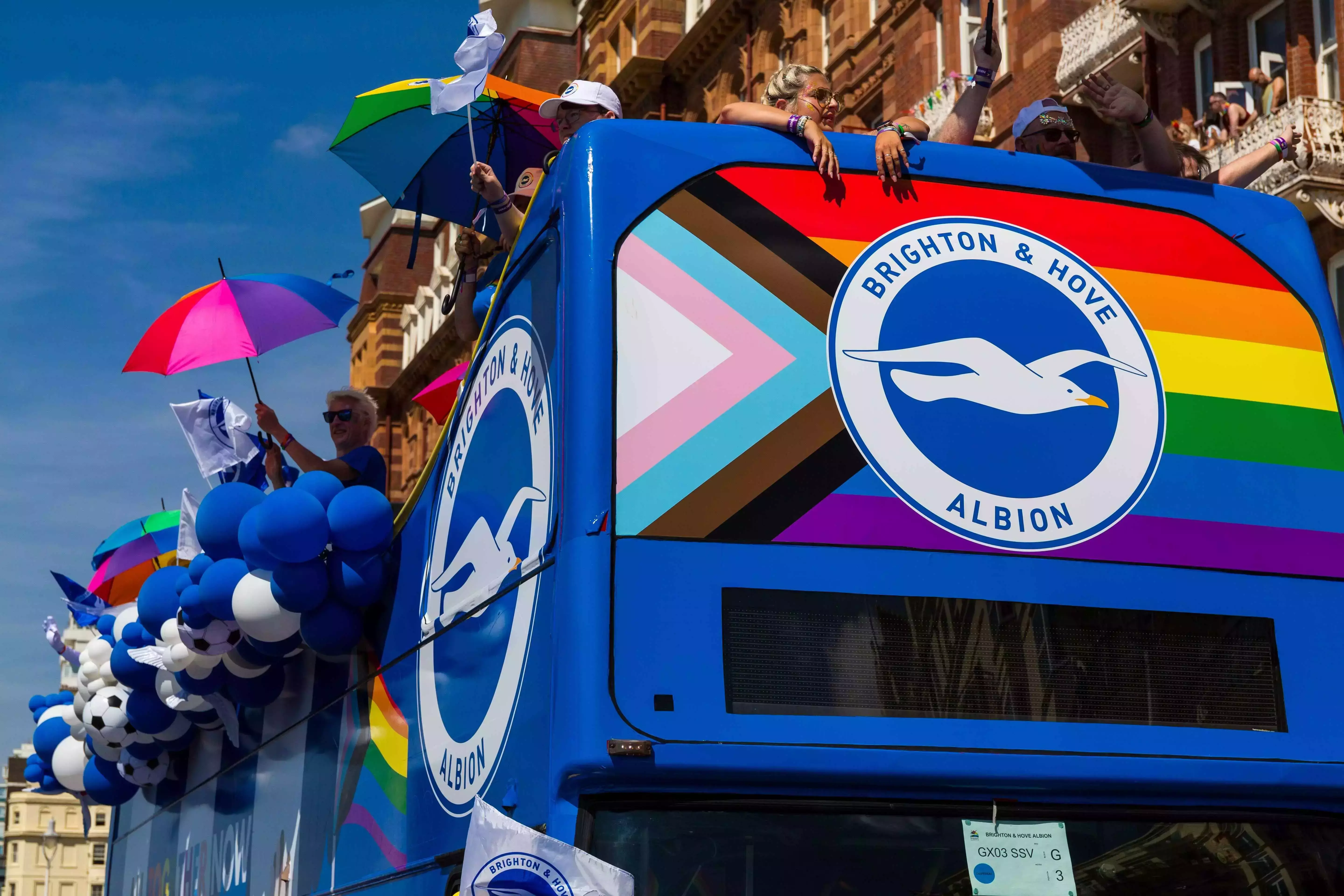
Brighton has a reputation in the UK for being the ‘gay capital’, with a strong sense of community, support and representation for all members of the LGBTQ+ community. Brighton has long had a reputation for its LGBTQ+ scene, dating back to the 1930s, when the city flourished as an inclusive and openly LGBTQ+ space.
The city has since embraced its LGBTQ+ population with an annual large-scale Pride event that sees more than 500,000 attendees. The city is well known for its Pride event, which has been cited as the best in the UK, and its resident gay village and LGBTQ+ district of Kemptown is rife with inclusive bars, clubs and spaces.
12. Paris, France
Paris really comes out on top with its diversity and inclusion for all groups in society. Paris’s annual pride event regularly attracts more than 700,000 attendees, and its vibrant and thriving Marais district is associated with a large LGBTQ+ population. Paris and France as a whole legalised same-sex marriage in 2013, making them one of the first countries/cities in Europe to do so.
11. São Paulo, Brazil
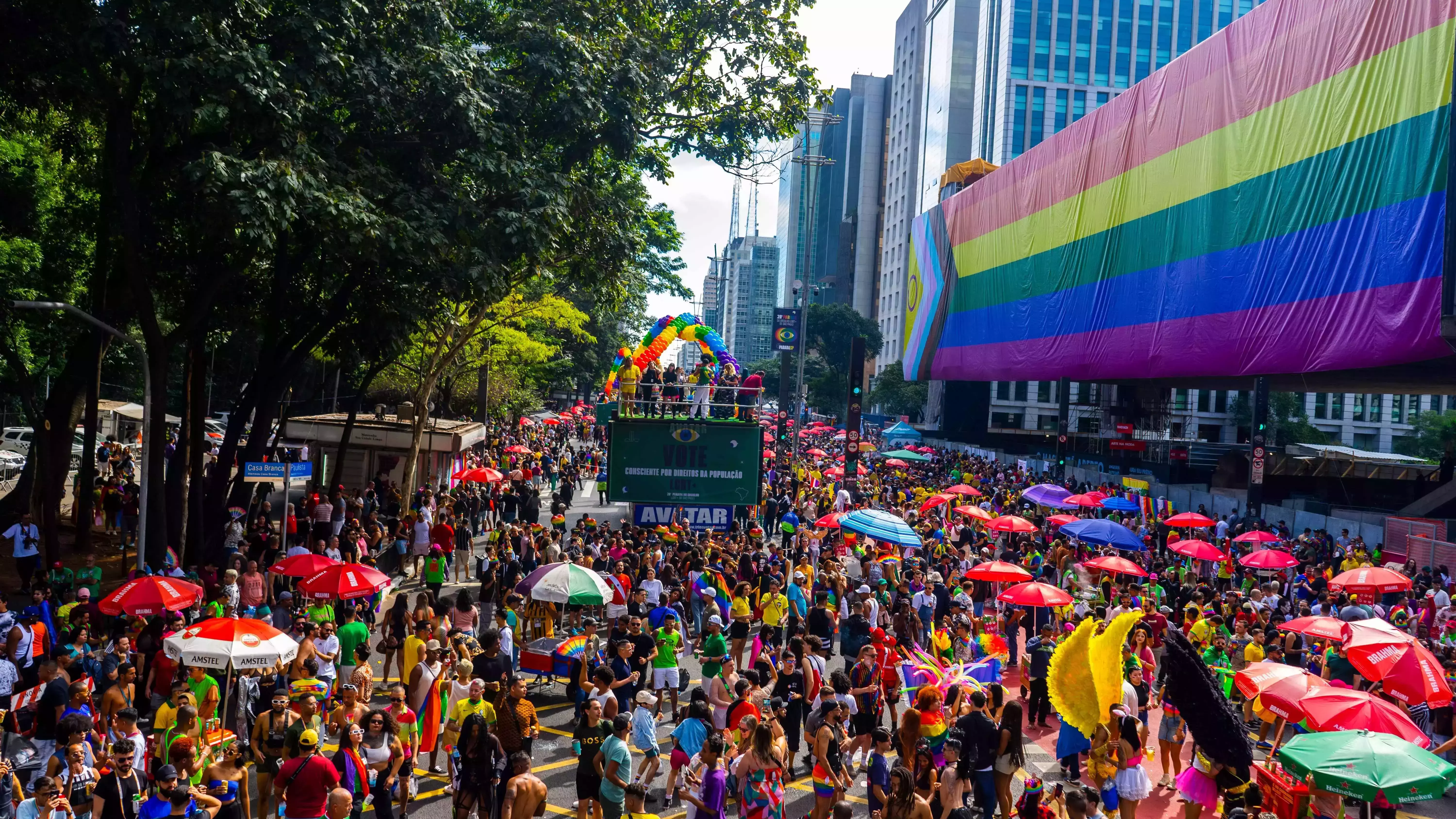
If there’s one thing Brazil knows how to do, it’s throw spectacular street parties and parades. São Paulo’s annual Pride is often considered to be the largest in the world, with more than three million attendees in recent years. São Paulo has also featured in the Guinness World Record for the size and scale of its Pride event.
What’s more, the city is a hub for all things LGBTQ+, with a lively district dedicated to welcoming and representing its LGBTQ+ population. Although the city has a relatively low Gay Index Rating and Equaldex Score, its citywide celebration of LGBTQ+ is enough to make it rank highly for best LGBTQ+ friendly cities.
10. Sydney, Australia
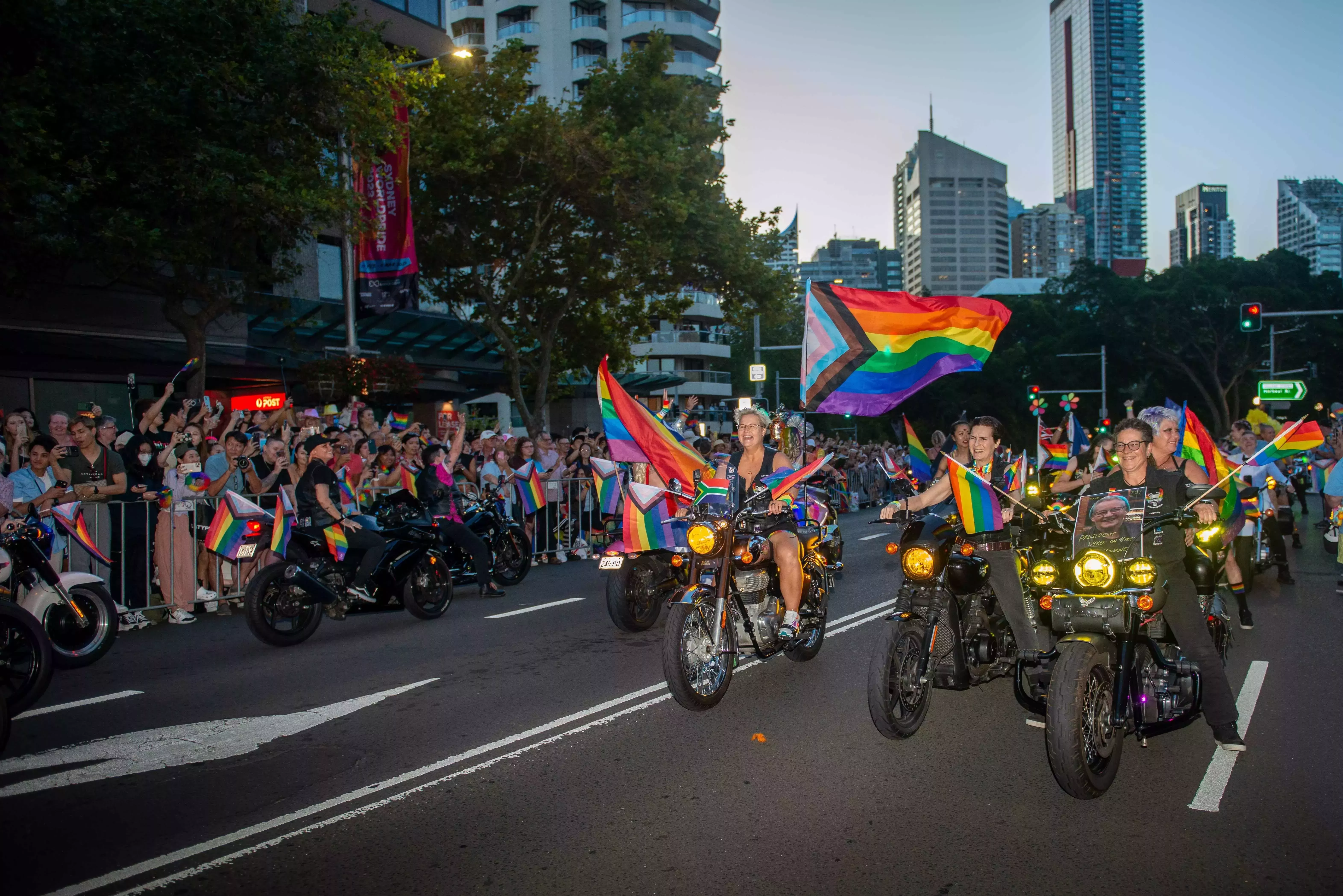
Sydney is one of the most LGBTQ+ friendly cities in the world, and the gay capital of Australia, with its annual Gay and Lesbian Mardi Gras festival leading the way in LGBTQ+ representation and support. Sydney’s Darlinghurst region is considered the gay hub of the city, and has a lengthy history of supporting and upholding LGBTQ+ community rights. Sydney ranks highly on both the Equaldex and Gay Index rankings, and it is a member of the Core LGBTI Group.
Sydney and Australia as a whole have a long history of protecting and supporting the rights of LGBTQ+ members, as homosexuality was decriminalised in the state of New South Wales in 1984, and same-sex marriage was legalised in Australia in 2017. Its annual Gay and Lesbian Mardi Gras event also sees attendees of more than 200,000, making it the largest Pride event in Australia and Oceania as a whole.
9. Toronto, Canada
Canada’s largest city hosts the country’s largest Pride event, with just shy of 3 million attendees in recent years, making it North America’s largest and most spectacular Pride Event. Toronto is a buzzing hub for queer peoples, and is one of the most LGBTQ+ friendly cities in the world. Its Church and Wellesley district is the focal point for the LGBTQ+ community, as it is rife with bars, clubs and spaces that are openly supportive.
In terms of statistics, Toronto has a Gay Index Score of 8 and an Equaldex Score of 100, making it one of the best cities for the community. Toronto and Canada as a whole’s LGBTQ+ history is lengthy, with homosexuality becoming decriminalised in the late 1960s, and same-sex marriage being legalised in 2003 in Ontario Province, with the rest following suit not long after.
8. San Francisco, USA
San Francisco is a trendy and diverse Californian city, considered the gay capital of the state. The city is often ranked highly among the world’s most LGBTQ+ friendly cities, and has a sprawling LGBTQ+ scene and district that makes it welcoming and appealing to all members of the community. The city’s annual Pride event is also one of the largest in the US and the world, with around 1 million attendees in recent years. San Francisco and California State are known for their more liberal and progressive views on several matters, not just gay rights, so it makes sense that San Francisco adopts the same inclusive views and atmosphere.
San Francisco ranks at 8.5 on the Gay Index Ranking and at 100 on the Equaldex, giving an indication of its support of LGBTQ+ rights and representation. San Francisco was also one of the first cities in the US to allow same-sex marriage in 2004, despite it not being legal statewide until 2013. Since this, San Francisco has been recognised as one of the LGBTQ+ capitals of the US.
7. Amsterdam, Netherlands
Did you know that the Netherlands was the first country in the world to legalise same-sex marriage in 2001? The city is home to some of the most progressive and liberal views on LGBTQ+ communities in the world. It also has one of the longest LGBTQ+ histories, with homosexuality apparently being decriminalised as far back as 1811, and gay bars and clubs being established in the late 1920s. Since then, Amsterdam and the Netherlands as a whole have become inclusive, supportive and proud of their resident LGBTQ+ communities.
Amsterdam itself has a Gay Index ranking of 8, and an Equaldex score of 100, and its lively Canal Parade Pride event sees attendee numbers of more than 500,000, making Amsterdam’s Pride scene one of the largest in Europe and the world. Amsterdam’s Reguliersdwarsstraat region is the most significant LGBTQ+ area in the city, with a collection of LGBTQ+ friendly establishments, bars, clubs and restaurants.
6. Berlin, Germany
Berlin has a lengthy history of supporting and protecting LGBTQ+ rights, and is one of Germany’s ‘gay capitals’, and certainly one of the ‘gay capitals’ of Europe. The city has, for a long time, recognised and respected the rights of LGBTQ+ members, with a thriving gay village and a strong sense of community and inclusivity across the city.
Berlin ranks highly on the Gay Index and has a high Equaldex score, demonstrating how inclusive and safe it is for proud LGBTQ+ members. Its annual Pride event attracts between 500,000-1 million attendees, with the whole city and tourists coming together to support the community and partake in parades and marches. Germany is known for its progressive and liberal stance on LGBTQ+ rights and protection, so it makes sense that Berlin is a thriving hub for community members.
5. Madrid, Spain
With a thriving LGBTQ+ culture, Europe’s largest Pride event with more than 2 million attendees, and a plethora of LGBTQ+ friendly bars, clubs and restaurants, Madrid is definitely the place to be. Spain was one of the first countries in the world to legalise same-sex marriage in 2005, and homosexuality was legalised in 1979.
Madrid has a thriving LGBTQ+ community and scene, and caters to the community in a number of inclusive ways. Its Pride event is one of the city’s most important events of the year, and sees well over 2 million people attend each year. Madrid also has one of the highest Gay Index scores and an Equaldex score of 100.
4. London, UK
London is associated with a thriving and strong LGBTQ+ presence, and a number of gay bars, restaurants and exclusive LGBTQ+ spaces. Soho is the beating heart of the LGBTQ+ community, with a wide range of LGBTQ+ friendly spaces, but most of London is accepting and inclusive towards the community. Not only does London score highly on both the Gay Index and Equaldex rankings, but since the late 1960s, views and laws surrounding same-sex activities have become much more liberal and accepting, with same-sex marriage becoming officially legal across the UK in 2013.
London’s annual Pride event sees a turnout of more than 1 million people, making it one of the largest Pride events in the world. London also has a lengthy and significant LGBTQ+ history, with activism, marches and events being at the forefront. It’s safe to say that London is not only the capital of the UK, but it is one of the capitals of the world when it comes to LGBTQ+ rights and acceptance.
3. Porto, Portugal
First and foremost, Portugal was one of the first countries to legalise same-sex marriage in 2010, with its cities of Lisbon and Porto becoming thriving LGBTQ+ hubs since.
,Porto’s main LGBTQ+ district is Galerias de Paris and several other spots around the city, but the city as a whole has an inclusive and accepting feel no matter where you go. Although Porto has one of the lowest Gay Index scores of 6.9, it makes up for it with its Pride celebration that sees a significant turnout and its high Equaldex score of 93.
2. Dublin, Ireland
Dublin hasn’t always been the safe and accepting place for the LGBTQ+ community that it is now, but views and laws have drastically changed since homosexuality was decriminalised in 1993, and same-sex marriage was legalised by popular vote in 2015, making Ireland the first country in the world to legalise it in this way.
Dublin is now a thriving hub for all members of the community. The city’s progressive stances on LGBTQ+ make it all the more welcoming and inclusive to people of all backgrounds. To further Dublin’s changing views on LGBTQ+, its annual Pride event sees attendees of more than 70,000 take to the streets in solidarity for the community and its rights.
1. Lisbon, Portugal
Now we come to number 1, the world’s most LGBTQ+ friendly city: Lisbon. The city is a trailblazer in cultivating a safe, supportive, and fun community for queer people. It’s not just the capital that’s gay-friendly; Portugal decriminalised homosexuality in 1982 and was the eighth country in the world to legalise same-sex marriage in 2010.
The city’s chart-topping Equaldex score of 100 solidifies it as an inclusive powerhouse, and Lisbon celebrates in true festive style with a colourful, fun-filled Pride weekend in June. Lisbon also hosts the International Queer Film Festival.
An LGBTQIA+ fitness group in Apex claimed their pride flag was vandalized several times in the last few weeks, most recently on Wednesday, June 4.
The Apex Police Department is now involved.
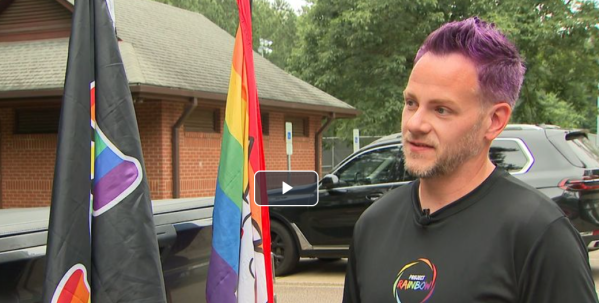
Project Rainbow is a fitness and wellness group based in Apex that holds weekly community walks around the area, specifically in Apex Community Park.
On May 28, the group recorded and confronted a man who deliberately removed and destroyed a pride flag that serves as a marker for the group to identify the gathering location at the park. The flag was then discarded into the surrounding woods.
Initially believed to be an isolated incident, the group returned to Apex Park for their walk Wednesday. This time, the group had a larger turnout and additional flags were added to show “unity and resilience.”
Project Rainbow said the same man came back and repeated the same act of vandalism.
The group said the actions from this person have caused “concern among participants” and highlights “the need for increased community awareness and support for safe, inclusive spaces.”
Tom Voss, the lead of Project Rainbow, said when the vandalism was happening, it was “unreal.”
“I was like, ‘wow this is actually happening in our backyard here in Apex.’ It was disheartening too,” said Voss. “This is an inclusive community and, we feel great coming here and will continue to be here but when it happened again, it was kind of mind blowing.”
Voss said they have added more safety protocols to the group and will continue to host walks in the park.
WRAL News reached out to Apex Police to ask if they’re planning to investigate the person and figure out their motivation. No charges have been announced.
This incident occurred during an important month for the LGBTQIA+ community, as June is Pride Month, which WRAL News recognizes by highlighting LGBTQIA+ history, local leaders and events happening around the Triangle for Pride Month.
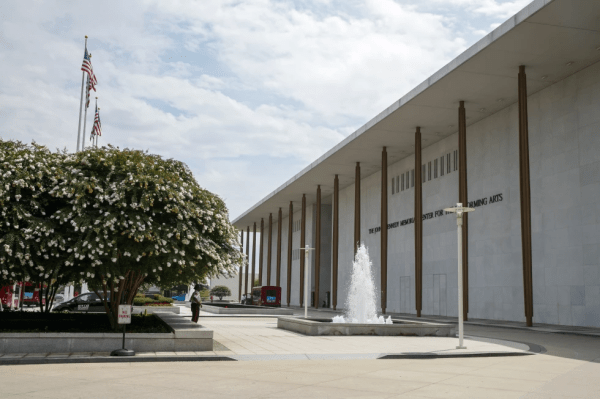
Organizers and the Kennedy Center have canceled a week’s worth of events celebrating LGBTQ+ rights for this summer’s World Pride festival in Washington, D.C., amid a shift in priorities and the ousting of leadership at one of the nation’s premier cultural institutions.
Multiple artists and producers involved in the center’s Tapestry of Pride schedule, which had been planned for June 5 to 8, told The Associated Press that their events had been quietly canceled or moved to other venues. And in the wake of the cancellations, Washington’s Capital Pride Alliance has disassociated itself from the Kennedy Center.
“We are a resilient community, and we have found other avenues to celebrate,” said June Crenshaw, deputy director of the alliance. “We are finding another path to the celebration … but the fact that we have to maneuver in this way is disappointing.”
The Kennedy Center’s website still lists Tapestry of Pride on its website with a general description and a link to the World Pride site. There are no other details.
The Kennedy Center did not respond to a request from the AP for comment.
The move comes on the heels of massive changes at the Kennedy Center, with President Donald Trump firing both the president and chairman in early February. Trump replaced most of the board with loyalists, who then elected him the new Kennedy Center chairman.
The World Pride event, held every two years, starts in just under a month — running from May 17 through June 8 with performances and celebrations planned across the capital city. But Trump administration policies on transgender rights and comments about Kennedy Center drag performances have sparked concern about what kind of reception attendees will receive.
“I know that D.C. as a community will be very excited to be hosting World Pride, but I know the community is a little bit different than the government,” said Michael Roest, founder and director of the International Pride Orchestra, which had its June 5 performance at the Kennedy Center abruptly canceled within days of Trump’s takeover.
Roest told the AP he was in the final stages of planning the Kennedy Center performance after months of emails and Zoom calls. He was waiting on a final contract when Trump posted on social media Feb. 7 of the leadership changes and his intention to transform the Kennedy Center’s programming.
Immediately the Kennedy Center became nonresponsive, Roest said. On Feb. 12, he said, he received a one-sentence email from a Kennedy Center staffer stating, “We are no longer able to advance your contract at this time.”
“They went from very eager to host to nothing,” he said. “We have not since heard a word from anybody at the Kennedy Center, but that’s not going to stop us.”
In the wake of the cancellation, Roest said he managed to move the International Pride Orchestra performance to the Strathmore theater in nearby Bethesda, Maryland.
Crenshaw said some other events, including a drag story time and a display of parts of the AIDS Memorial Quilt, would be moved to the World Pride welcome center in Chinatown.
Monica Alford, a veteran arts and culture journalist and event planner, was scheduled to organize an event June 8 as part of Tapestry of Pride, but said she also saw communication abruptly end within days of Trump’s takeover.
Alford has a long history with the Kennedy Center and organized the first-ever drag brunch on the Kennedy Center rooftop in 2024, and said she regarded the institution — and its recent expansion known as The Reach — as “my home base” and “a safe space for the queer community”
She said she was still finalizing the details of her event, which she described as “meant to be family-friendly, just like the drag brunch was family-friendly and classy and sophisticated.”
She said she mourns the loss of the partnership she nurtured with the Kennedy Center.
“We’re doing our community a disservice — not just the queer community but the entire community,” she said.
Roest said he never received an explanation as to why the performance was canceled so late in the planning stages. He said his orchestra would no longer consider performing at the Kennedy Center, and he believes most queer artists would make the same choice.
“There would need to be a very, very public statement of inclusivity from the administration, from that board, for us to consider that,” he said. “Otherwise it is a hostile performance space.”
Several men tore down Pride flags and threatened to stab several attendees of a transgender picnic event last Thursday — one man even burned one of the flags. Event organizers reported the incident to police but said that they didn’t expect a positive outcome.
The group behind the event, Trans Mutual Aid Manchester, held a “Trans Picnic in the Park” event in Platts Field Park from 4 p.m. to 8 p.m. last Thursday. Though the organizers said the picnic featured “sunshine and lovely food,” they also said a group of men tried to violently harass and intimidate picnic goers.
“The first pair tore down a Progress Pride flag we had raised to show where we were to people coming to the event, and after threatening to violently assault one of our members with a knife, had his partner burn the flag in front of our group, before leaving,” Trans Mutual Aid Manchester wrote in an Instagram post.
In a second incident, three men approached the picnic while “shouting abuse, then tore down the remaining trans and nonbinary pride flags before running off with them, the organization added.
“Whilst thankfully no one in our community was physically harmed, thanks in part to the intervention of several of our members, this blatant attack on our right to feel safe as a community is a disgusting display of the impunity and hatred with which parts of our society treat their trans siblings,” the Instagram post continued.
While organizers reported the incidents to police, they said that they “do not expect any positive outcome from this” and added, “This was an obvious attack on our community, perpetrated by those who know they will face no repercussions for their attack.”
“We hope this can be something of a wake-up call to know the kind of rampant abuse we face by those who know they can attack us freely.”
The organization said it would take additional safety and security measures for future events and asked for allies outside of the community to help defend trans and nonbinary individuals.
Anti-trans sentiment in the U.K. has increased over the last year following the release of The Cass Review, a report claiming that gender-affirming care has no benefits for trans youth. The report has been widely criticized for excluding the experiences of trans people and trans-affirming medical studies. Nevertheless, government officials have repeatedly cited the report while restricting access to gender-affirming care for trans kids.
Karma Yoakum had been part of a community of political activists in Texas for years. However, as the relentless tide of anti-trans legislation kept rising, it became clear that it was time for them to relocate, recover their energies, and take on a different role in the larger fight.
Finding a new home in the Pacific Northwest, Karma was able to do just that. But the road wasn’t without its challenges, and finding their new community required intention and perseverance once they had recovered a little bit of who they were by living in a state that wasn’t trying to persecute them for their existence.
As anti-trans sentiment and legislation have been on the rise across the United States in recent years, many trans and nonbinary people have made the difficult decision to flee red states. In moving to a bluer state, trans people are making a choice based on safety, but that doesn’t make it an easy choice. It means leaving behind a home and community you have built over years or your whole life because of the machinations of people who hate you. While a new state can fix a lot of problems, building a new community doesn’t happen overnight. The president’s re-election and the introduction of federal anti-trans bills have created a flashpoint for even more trans people to seek safer pastures in states that might protect them.
I wanted to understand the challenges and opportunities that trans people face when starting over and building a new community in a blue state. I spoke with four trans and nonbinary people who have relocated in the last six to twelve months. They shared the challenges, the successes, and advice for others who are considering relocating to a sanctuary state.
Why trans people are leaving their red state communities
Major relocations often happen around an institution, such as going to college or starting a new job. But moves like those come with some built-in community-building support.
Relocating as a refugee from a red state can be a more lonely affair. Most of the people I spoke with found that building a new community felt like work exacerbated by not having the same connections and support systems they had in the communities they left behind.
Clark Roman had been well-established in St. Louis. Both Clark and his boyfriend had owned their own houses and had a strong community of friends and chosen family in the city. But he says he saw the writing on the wall in 2023 when the Missouri attorney general enacted a de facto ban on trans hormones and trans healthcare that included adults. While his emergency rule was blocked by a judge and then withdrawn, the legislature went on to pass a gender-affirming care ban for trans youth. It was clear where things were headed, and Clark moved to Minneapolis a few months later.
Leaving behind a large community, both queer-centric and otherwise, Clark has found it hard to make more connections in his new city. At the center of it is the challenge of the modern age: balancing work and social life. “The honest truth is I have a very, very stressful job and I have not had the space in my life to build community the way I want.” He noted that it felt like he had to “treat building a new community as a second job.”
Karma also struggled to make connections when they first relocated from Texas to Washington state. After living in Texas for years, they reached a point where they found themselves saying, “I’m feeling scared and trapped and there’s absolutely nothing keeping me in Texas anymore.”
Karma moved 2,000 miles to Seattle but found a problem when they arrived. While their new home was more welcoming to the gender diverse, there was still culture shock to get over. “Where is everybody? I heard it was this wonderful panacea, a place where I would be welcomed. So, I looked around and I learned what the Seattle chill was. And it’s not a horrible thing, it’s just a difference in culture, because I’m used to southern culture.”
Chris (his name has been changed to protect his privacy) echoed Karma’s frustrations over Washington state’s laid-back attitude to building community. Like Clark, Chris was living in St. Louis, saw the anti-trans legislation in Missouri in 2023, and concluded that “living in Missouri as a trans human, [he] was at risk.” He made the move to Washington state in 2024 while watching the coming election without much hope.
While St. Louis had its flaws, Chris was leaving behind a lot of queer community and resources. He had worked with the St. Louis Metro Trans Umbrella Group for nearly 20 years, enjoyed events and meetups, and collected queer friends through meets at clubs, bars, and drag shows. But the same culture shock that Karma experienced has made it hard to build new connections: “It’s been honestly a huge struggle, much more than I anticipated.”
While it’s important to know that people are struggling with finding new communities in their new states, it’s not all doom and gloom. Clark and Chris have both been able to stay in touch with parts of their communities from before their moves through travel and online communication. While that’s not always the same, it’s a nice option to have. I also spoke with Mira Lazine – an LGBTQ Nation contributor – who relocated from Cincinnati to Minneapolis and had a different sort of experience.
While the Ohio governor vetoed HB 68, which banned gender-affirming care for minors, he then introduced care guidelines for the state. “These rules were basically going to amount to a total care ban for all adults in Ohio,” explained Mira. “And it even would include some aspects of conversion therapy and mental health treatment.”
It was time to relocate, and someone recommended Minneapolis. For Mira, finding a new community in this queer-friendly space came a lot easier.
“Within the first week of moving here, I went to a few coffee shops, and everyone, like the baristas, were trans, and they were recommending me support groups to join, discord servers I can join, like the whole nine yards. And it’s just been way easier to meet people and meet other queer people and form connections here.”
While Karma and Chris suffered from culture shock, Mira found herself among other transplants to the state who had their relocation in common: “Probably like 80% of the queer people I’ve met aren’t originally from Minnesota, so we’re all like, yeah, we need community, let’s build one.”
Finding new communities in blue states
All of the people that I spoke with had been in their new homes for less than a year. While there have been struggles, they have been able to find resources and spaces to start that community-building process and are in different places in their journeys.
Clark noted that his struggle to find community in Minneapolis is probably the biggest dissatisfaction in his life right now. But he can see a light at the end of the tunnel through some of the community spaces that he is attending. “The synagogue I go to is very open and trans-friendly. So that was helpful.” Clark is also looking at getting more involved with Transplants, a group for LGBTQ+ people who have relocated to Minneapolis and St. Paul.
Chris has found that his work at a university in Washington provides some space for community building. “Their DEI office held a holiday event for, I guess, everyone, but the folks who showed up to that event were primarily queer folks and persons of color. And that was fantastic.”
Chris still faces challenges, even at the events. He told me that he has been going to meet-up groups, Portland Pride, the Ingersoll Gender Center, and more, but he wasn’t satisfied with the results. Chris suggested that part of that problem might be visibility: “I am stealth, so at my workplace, I’m not fully out [as trans]. Where I landed is sort of a purple city in a blue state. I’m typically able to pass as male and not be questioned at all, which is, is nice, but at the same time, it’s hard because I think visibility might help me connect with more queer people.”
For Karma, their initial struggles with community-building in Seattle began to bear fruit around the one-year mark. “I did the things that I’ve tried before, and I figured, if they’ve worked everywhere else, they ought to work here. Maybe it just takes a little longer. And yeah, that was it. It takes a little longer.”
Karma found that organizations were the key. They found like-minded people when they returned to playing music with the local band that is part of the LGBTQ+ band organization, Pride Bands Alliance, an international group that Karma has worked with since the 1990s. Similarly, local chapters of a national support network have provided success in community building: “PFLAG, all you have to do is show up to a meeting. There are people there that if you need a hug, they are instant family. And people that aren’t instant family are there because they want support.”
Karma also reached into her past in political activism and found that, post-move, they had the energy to continue in their new home. “The third place that I decided to get involved was the Gender Justice League. Dealing with legislation, dealing with victims of violence here in the Seattle area. So, supporting our community, advocating like crazy.” After months of struggling to find their people, Karma now finds that barely a day on their calendar doesn’t include a community event, a catch-up, or a coffee meet.
No regrets
Everyone’s experience with relocating to a bluer state will be unique. However, there was one ringing agreement amongst all the people that I spoke with: no regrets. When asked what advice they had for someone considering a move, Clark, Chris, Mira, and Karma all urged people to relocate if they felt it might help.
Clark grieves what he left behind but recognizes that it was the right call for him, and he’s going to keep trying to find his new community. “I think it’s dissatisfying at first. But it’s important to [show] up repeatedly because I think that repeated showing up [is] how I made my community originally in St. Louis.”
Chris echoed those sentiments, noting that he has no regrets and that it has been “completely worth it.” Watching recent election results come in wouldn’t have been fun anywhere, but he was glad to be in a safe space for it all “despite challenges and some loneliness.”
Karma isn’t even considering going back. “I would say do it. The relief that I felt by at least being in a community where I know that I’d no longer have to deal with local politics.”
“In Texas, the local politics were against me,” they said. “At least here, I know locally and statewide, my representatives really do represent everybody, and they have my back. And that has made so much a difference in my life.”
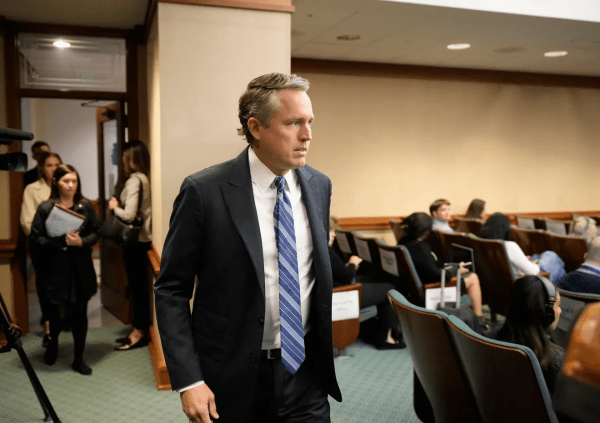
A state lawmaker is calling on the Legislature to “completely” defund the University of Texas if it doesn’t shutter its Women’s, Gender and Sexuality Studies Department and LGBTQ studies program, which he has decried as liberal indoctrination that taxpayers should not fund.
The demand by Rep. Brian Harrison on Wednesday comes after a barrage of posts on X from the Republican lawmaker from Midlothian that draw attention to public universities’ LGBTQ+ and gender-related course offerings, despite no law barring such curriculum.
After an “undercover” visit to the UT campus Tuesday, Harrison criticized the university’s exhibit on “Black queer ecstasy,” which showcases art that has often been excluded from historical representation; Pride flags flying around campus; books on gender, transgender issues and queerness; and event flyers for roundtables on Black feminism, transgender people’s well-being and multiple resource posters for LGBTQ+ people.
In doing so, Harrison has amassed 45,500 followers on X whom he calls “liberty bots” — more than triple the followers Texas House Speaker Dustin Burrows has accumulated.
In its recently approved budget proposal, the Senate does not call to defund UT.
In an interview Wednesday, Harrison told the American-Statesman that his impromptu visit to UT was spurred by an event hosted by the Department of Women’s Gender and Sexuality Studies on disparities in health outcomes and gender-affirming care for transgender and nonbinary people of color.
“The voters of Texas do not want their money spent on gender ideology,” Harrison said. “It’s a very visible embarrassment. The state of Texas is supposedly run by all the Republicans down here. We can’t do the basics.”
UT and the head of the LGBTQ studies program declined to comment. The chair of the Women’s and Gender Studies Department did not return Statesman requests for comment.
But queer organizations doubt Harrison’s threat has standing.
Brad Pritchett, interim CEO of Equality Texas, the largest LGBTQ+ advocacy organization in the state, said government intervention in what universities can teach could constitute viewpoint discrimination, a violation of the First Amendment. It would also infringe on the academic freedom that makes UT “top of their class,” he said.
“Freedom requires that we allow ideas that are different from our own, ideas that might even make us uncomfortable,” Pritchett said in a statement to the Statesman. “Harrison wants conformity, but Texans believe in Freedom at all costs.”
Harrison said painting his demands as government censorship is “absurd,” saying anyone can study anything as long as taxpayers aren’t funding the material.
“This is scary for my community, absolutely, but for the Republican Party because they’re showing their hand,” Adeeko said. “It’s telling us that state officials, people who are passing laws, don’t understand who we are, and they’re using that lack of understanding as their primary basis to deny us the right to have well-being and our needs” met.
Harrison and other lawmakers should talk to queer students and organizing groups if they want to understand what being transgender and being queer in Texas means, Adeeko said. Until then, LGBTQ+ people will continue fighting against legislative threats.
“This isn’t like the power boss (go) girl slay he thinks it is. It’s worn out,” Adeeko said of Harrison’s crusade. “It’s really just trying to dog pile all this hopelessness onto the people they go after, and it’s not working.”
Adeeko said Harrison has a duty to serve queer and transgender Texans as a state representative, and the queer community will continue supporting one another until then.
Harrison: ‘Past time the Republican Government of Texas grows a backbone’
Harrison’s visit to UT, according to his X thread, included entering inside buildings, sneaking into a conference and stealing a pamphlet on nonmedical gender transition resources that he called “one of the most disturbing things I’ve ever read.”
UT is a public university, but there are rules on who can access its buildings for security purposes. According to the university’s emergency management website, “with few exceptions such as museums, libraries and during certain events, university-owned buildings and facilities are not considered open to the public.”
When asked if he had legislative support to cut UT’s budget if the programs remain, Harrison criticized state elected members from the Republican Party for not publicly supporting his demands and said that many lawmakers privately agree with him. He said he will continue demanding that public money not be used to fund LGBTQ+ studies and will look to find support.
“The voters of Texas do not want their money spent on DEI, they do not want their money spent on liberal gender ideology,” Harrison said. “It’s past time the Republican government of Texas grows a backbone.”
If you have a well-founded fear of being persecuted because of your sexual orientation, gender, gender expression, gender identity or other membership in a certain social group, you may be a refugee and have the right to protection in Sweden. This is stated in the Refugee Convention, Swedish law and EU rules.
Asylum application and rules
Persecution can be threats or violence against your life or health. It can also be about laws and regulations or people’s views that mean that you are subjected to serious violations because of your sexual orientation. It can be, for example, punishment or extensive discrimination such as not being able to go to school, choose a job or receive healthcare.
The right to express yourself and engage politically without fear of persecution regardless of ethnicity, religion, gender or sexual orientation are also examples of what can give you the right to stay in Sweden.
It does not matter whether the persecution comes from the authorities of your home country or if your family or other people threaten you. The Swedish Migration Board will then investigate what could happen to you if you return to your home country in the future and whether the authorities there are unable or unwilling to protect you against the persecution that you say you are at risk of.
The Swedish Migration Board will register you as an asylum seeker with the name, date of birth and legal gender that appears on your identity documents. Swedish law does not allow us to register you with a different name, but if you wish to use a different address or pronoun, you should tell us so that we can make a note of this.
Investigation
When the Swedish Migration Board decides whether you need protection and can therefore be granted a residence permit in Sweden, an investigation will be carried out with you to understand what your life has been like and why you are afraid of returning to your home country. If the reason is your sexual orientation, gender expression or gender identity, it is important that you tell us as early as possible.
The Swedish Migration Board knows that it can be difficult to tell someone you have never met about such things. It may even be the first time you have talked about it with someone and the boundaries of what feels personal and private are different for everyone. It is important that you still tell us as much as possible about all your reasons for asylum. The more details you can talk about, the better basis the Swedish Migration Board has for its decision. The investigator will also ask questions about your sexual orientation, your gender expression or gender identity, the thoughts and feelings you have had about it and your relationships with family, friends and the society you have lived in. We are bound by confidentiality and do not tell people who are not working on your case about what you tell us.
If you feel that the officer conducting your investigation does not understand what you are saying, or if you have information that the officer does not ask for, you must tell them as soon as possible. Do not wait until you have received a decision on your case.
You have the opportunity to express your gender preferences for the interpreter, caseworker and assistant so that you feel safe during the asylum process, and the Swedish Migration Board will then try to help you with your preferences. If you are over 18 years of age, you will meet your assistant and your caseworker alone without other co-applicants. You can request an assistant with special knowledge of the situation of LGBTQ people if you know of, or receive help in finding, such an assistant.
If you are under 18 years old
The Swedish Migration Board must listen to all children seeking asylum and find out whether the children need protection here. It is therefore important that you tell the Swedish Migration Board about your life in your home country and what you think would happen to you if you went back there. If you are under 18 and have guardians with you in Sweden, the Swedish Migration Board must ask them if we can talk to you without them being in the room. If you do not have your parents with you in Sweden, it is your guardian who decides whether we can talk to you alone. If you want to talk to your case officer without your parents or guardian, it is important that you say so.
The interpreter
Words and concepts in Swedish and your own language can mean different things. The most important thing is that you describe your own feelings and experiences and explain how they relate to why you are afraid.
If you do not understand the interpreter or if you think the interpreter may not be translating everything you say impartially, you should speak up. Also, keep in mind that the interpreter may not always know the specific words used to talk about sexual orientation, gender identity or gender expression. It may therefore be a good idea to also explain to the interpreter what the words you are using mean to you.
Accommodation
In most of the Swedish Migration Board’s accommodation, two or more people of the same gender share a room. The wait during the asylum process can make the accommodation situation stressful and conflicts can arise in the accommodation.
It is important that you tell us as soon as possible about what you need or if you feel unsafe where you live. If there are problems in the accommodation that you need help solving, you must tell us. Speak to the caseworker at the reception unit or the staff at the accommodation where you are registered.
Health
In some cities there are clinics for, for example, sexual health and counselling for specific target groups. Examples of target groups could be women, young people or LGBTQ people. Ask your caseworker for more information.
Voluntary organizations
You always have the right to contact voluntary organisations during the asylum process for advice and support. The more information you have about your rights and possible options, the better prepared you are for the different stages of the asylum process. RFSL is one such voluntary organisation that works for LGBTQ rights, providing special support and social meeting places for LGBTQ asylum seekers.
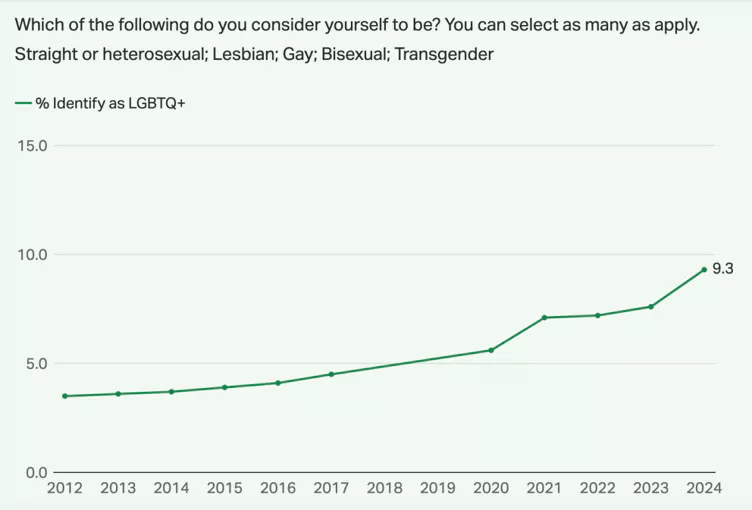
The number of Americans identifying as LGBTQ+ continued to rise, according to the latest Gallup poll.
In 2024, 9.3% of U.S. adults identified as lesbian, gay, bisexual, transgender, or something other than heterosexual.
That’s an increase of more than one point since a 2023 survey, double the number from 2020, and up from 3.5% when Gallup first asked about sexual identity in 2012.
14,000 respondents in a phone survey were asked, “Which of the following do you consider yourself to be? You can select as many as apply. Straight or heterosexual; Lesbian; Gay; Bisexual; Transgender.”
Overall, 85.7% say they are straight, 5.2% are bisexual, 2.0% are gay, 1.4% are lesbian, and 1.3% are transgender. Just under 1% mention another LGBTQ+ identity, such as pansexual, asexual, or queer. Five percent of respondents declined to answer the question.
The survey found LGBTQ+ identification is increasing as younger generations of Americans enter adulthood. Younger people are much more likely than older generations to say they are something other than heterosexual.
Both Gen Z and millennials came of age with the expansion of LGBTQ+ rights, marriage equality, and greater representation in the culture.
More than one in five Gen Z adults — those born between 1997 and 2006, who were between the ages of 18 and 27 in 2024 — identify as LGBTQ+. Each older generation of adults, from millennials to the Silent Generation, has successively lower rates of identification, down to 1.8% among the oldest Americans, those born before 1946.
The largest increase was among younger people identifying as bisexual. 59% of LGBTQ+ Gen Z Americans (ages 18-27) called themselves bisexual, along with more than half (52%) of LGBTQ+ millennials (ages 28-43).
Among the nearly 900 LGBTQ+ individuals Gallup interviewed last year, more than half, 56%, said they were bisexual. Twenty-one percent said they were gay, 15% lesbian, 14% transgender, and 6% something else. These figures total more than 100% because the survey allows respondents to report multiple LGBTQ+ identities.
The overall estimate of 9.3% of U.S. adults who identify as LGBTQ+ counts each respondent only once, even if they have multiple identities.
The survey broke down LGBTQ+ identification associated with sex, politics, and geography, as well.
Democrats (14%) and independents (11%) are far more likely than Republicans (3%) to identify as LGBTQ+.
21% of liberals, compared with 8% of moderates and 3% of conservatives, say they are lesbian, gay, bisexual, or transgender.
LGBTQ+ identification is higher among people living in cities (11%) and suburbs (10%) than in rural areas (7%).
College graduates (9%) and nongraduates (10%) are about equally likely to identify as LGBTQ+, while 10% of women versus 6% of men say they are LGBTQ+. That gender gap is most pronounced in younger generations.
31% of Gen Z women versus 12% of Gen Z men identify as LGBTQ+, with most of those younger women saying they are bisexual.

















You must be logged in to post a comment.