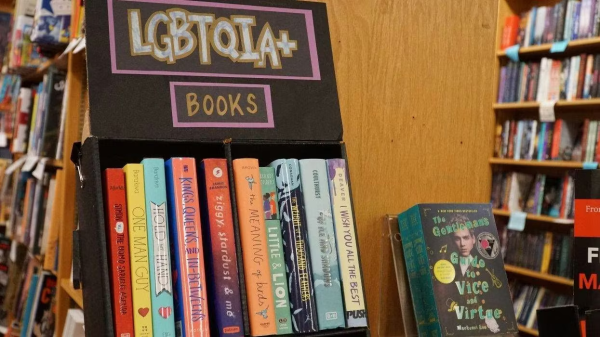
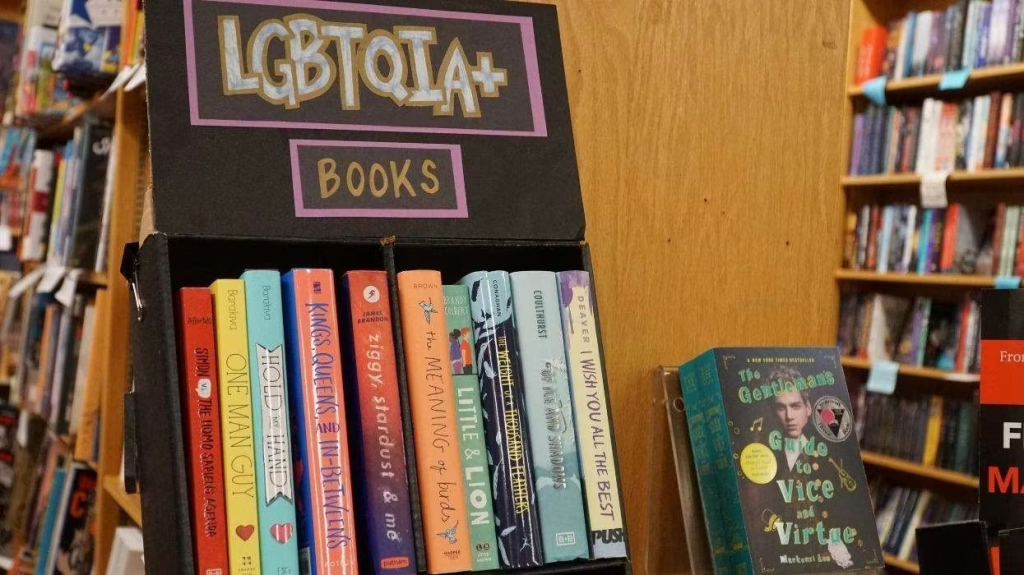
A county government in central North Carolina has dissolved its entire public library board after trustees voted to keep a children’s picture book about a transgender character on library shelves, turning a local book challenge into one of the most severe reprisals yet in the national campaign against LGBTQ-inclusive materials.
The Randolph County Board of Commissioners voted 3–2 last week to dismiss all members of the county library board, weeks after trustees declined to move or remove Call Me Max, a picture book about a transgender boy who asks his teacher to use his chosen name. The decision followed a public hearing that drew nearly 200 residents and revealed a community split almost evenly between those calling for the board’s removal and those urging commissioners to respect the library’s review process.
Library staff and trustees had reviewed the complaint earlier this fall and, in October, voted to keep the book in the children’s section, concluding it complied with the county’s collection policies, local CBS affiliate WFMY reported. Commissioners nonetheless moved to dissolve the nine-member board outright — a step allowed under North Carolina law but rarely taken.
Free-expression advocates said the action represents a dramatic escalation in the political response to book challenges. Kasey Meehan, director of the Freedom to Read program at PEN America, told The Washington Post that Randolph County’s decision is among the harshest penalties she has seen imposed over a single title.
“It’s a pretty dramatic response to wanting to have diverse and inclusive books on shelves,” Meehan said.
Opponents of the book claimed the dispute was a matter of child protection. Tami Fitzgerald, executive director of the conservative North Carolina Values Coalition, which urged supporters to attend the commission meeting, argued that Call Me Max teaches children that their parents may be “wrong” about their gender.
The book has been banned by several school districts and was prominently invoked by RepublicanFlorida Gov. Ron DeSantis in 2022 while promoting his so-called “don’t say gay” legislation restricting classroom discussions of gender identity, a law later challenged in court.
To critics, the Randolph County episode demonstrates how procedural safeguards are increasingly overridden when LGBTQ+ inclusion is at stake. Kyle Lukoff, the book’s author, who is a trans man, said the case is especially troubling because the library followed its own policies and was still punished.
“Policies can be helpful, but this is ultimately a question of power,” Lukoff told The Post. “If there are people in power who believe trans people don’t belong in their communities or the world at large, they will twist those policies to make it a reality.”
Randolph County, home to about 150,000 people, voted nearly four to one for President Donald Trump. Commissioners have not announced when or how they plan to reconstitute the library board.
The Colorado High School Activities Association (CHSAA) has settled a lawsuit brought by right-wing school districts for the right for schools to bar trans students from joining sports teams that align with their gender. The lawsuit targeted multiple defendants and will continue with the remaining ones without CHSAA’s involvement.
“Eligibility decisions have always been left to individual schools and districts, which is why being named in this lawsuit was both frustrating and unnecessary,” a CHSAA spokesperson said in a statement. She went on to call the organization’s inclusion in the lawsuit “much more performative than substantive.”
The lawsuit was brought by several school districts but was led by District 49. That district’s board passed a controversial trans sports ban back in May by a narrow margin. The lawsuit against the state was filed the day after the policy was voted in, calling for Colorado to allow the ban to be enacted and to align policies with the demands laid out in the president’s “two sexes” executive order.
Colorado has state laws prohibiting discrimination against trans people, specifically people’s gender identity or gender expression. While the lawsuit cites the Equal Protection Clause of the Fourteenth Amendment in arguing that trans girls playing on the girls’ team affects the rights of cis girls, it does not mention the impact on the rights of trans girls.
To settle their part of the lawsuit, CHSAA agreed not to sanction the districts and schools named in the lawsuit for banning trans students from sports teams. It will also not respond to statements the schools make about “advantages of biological males over biological females in competitive sports” or potential propaganda about the hazards of “allowing biological males to play contact sports with or against biological females.” There will also be no penalties from CHSAA for forfeiting against a team because they allow trans children to play.
CSHAA has said that it will still sanction the schools and districts if any of those statements are demeaning in nature or call for violence against trans people. The organization is also recouping $60,000 in legal and operational fees.
While some Colorado school districts specifically allow trans students to play sports under their correct gender identity, others have no concrete rules about it. CSHAA has never stepped in over a trans person being allowed to play school sports, or not being able to.
The lawsuit will continue with the Colorado Attorney General Phil Weiser and other Colorado Civil Rights Division officials as the remaining defendants.
Colorado’s District 49 has around 27,000 students. In May, Board President Lori Thompson noted that, as far as she was aware, the district had only had one instance of a trans student trying to join a sports team that aligned with their gender identity. The student in question was a trans boy, and they did not pass tryouts.
Missouri State Sen. Joe Nicola (R) introduced a bill that would ban “social transition” in schools and forcibly out any transgender and nonbinary students to their potentially unsupportive parents if the students ask a school staff member to address them by a name or gender identity different from the sex assigned to them at birth.
The bill would also allow teachers to be fired and banned from teaching, as well as schools to be sued for affirming trans and nonbinary students’ gender identities, even if a parent approves of their child socially transitioning.
S.B. 1085, one of 21 anti-LGBTQ+ bills recently introduced by Missouri State Republicans, requires school staff members to inform the principal or a designee within 24 hours if any student asks them to “participate in or support” their social transition by having them address them by a name or gender identity that differs from those they were assigned at birth. The principal or designee would then have 72 hours to inform the student’s parents.
The bill would forbid school staffers and counselors from affirming a student’s trans or nonbinary gender identity or teaching about such identities. School districts would also be forced to fire teachers who violate the law and begin proceedings to revoke those teachers’ teaching licenses. Parents and the state attorney general may also pursue a civil lawsuit against any school or school district that violates the law.
The bill has no exception for parents who approve of their child’s social transition. This essentially forces educators to continue misgendering trans students and invalidating their identities even if they personally support trans and nonbinary students. Studies have shown that social transitioning improves the overall health and well-being of trans children.
Trans journalist Erin Reed wrote that the bill “underscores a shift in how anti-trans legislation is being sold to the public.”
“For years, supporters of bathroom bans, sports bans, and ‘don’t say gay’ policies framed their efforts as battles for ‘parental rights.’ Increasingly, though, that language has fallen away as lawmakers move to strip supportive parents of any authority at all, mirroring the approach in medical transition bans that override parental consent entirely.”
Nicola’s bill is just one of numerous anti-LGBTQ+ bills introduced in the state legislature. The other proposed bills would require the state to deny all legal recognition of non-cisgender identities; roll back nondiscrimination protections for transgender people; ban trans students from accessing school facilities or sports teams matching their gender identities; ban schools from displaying Pride flags; and allow anyone working with schools to misgender other employees’ trans/nonbinary gender identities.
The other proposed bills would also forbid state agencies from allowing gender changes on government-issued identity documents; ban trans people from using public facilities matching their gender identities; ban teachers from being a member of any sports organizations that allow trans participation; ban all “obscene” content from schools (including LGBTQ+ educational materials); forbid all gender-affirming care for minors; and designate all drag performances as “adult cabaret” performances (whose viewing by children can be criminally charged).
In April, Nicola voiced support for a state bill that would ban trans and nonbinary people from using “bathrooms, locker rooms, sports facilities, various crisis centers, prisons,” and other sex-segregated spaces that match their gender identity.
When a doctor testified against the bill, noting that such bans negatively affect trans people’s well-being, Nicola replied, “I’m not going to listen to doctors that say one thing that disagrees with a God of creation. You want to kind of berate me a little bit by saying we should listen to what doctors have to say, what your schooling has to say, over what the scripture has to say — it’s not happening with me.”
Nicola may not realize that the Bible has several scriptures that theologians interpret as being supportive of trans people and their identities.
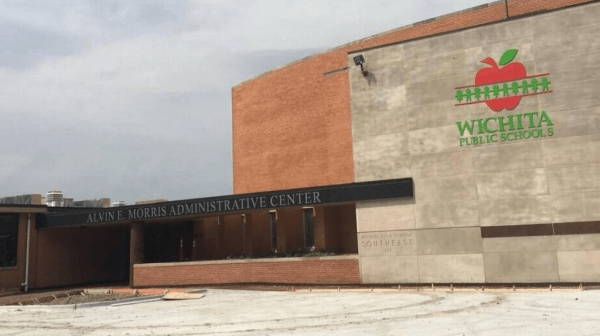
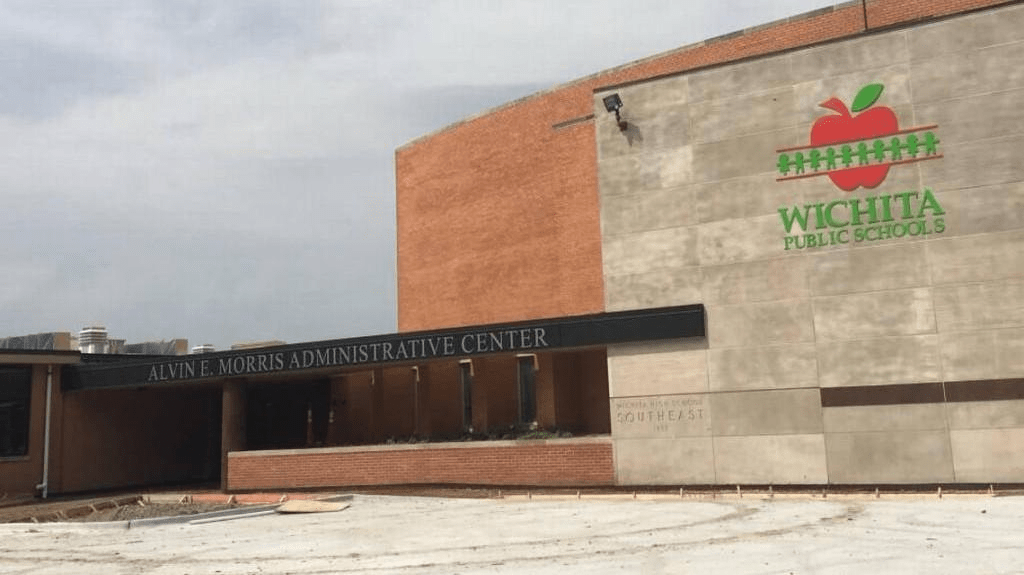
The Kansas Attorney General’s Office has sent letters to more Kansas school districts, including Wichita’s, warning of possible legal action over LGBTQ policies. Along with Wichita Public Schools, the letters were also sent to the Lawrence Public School District, the Cherryvale School District in southeast Kansas, and the State Board of Education.
The letters alleged that the school districts were not following state and federal laws regarding school policies for LGBTQ students and libraries. “I am writing to warn you that these policies make you vulnerable to lawsuits and the loss of federal funding, endanger your students, and violate the constitutional and legal rights of parents, students and your employees,” the letter to USD 259 read. The letters are similar to those sent by Attorney General Kris Kobach to some northeast Kansas school districts, which are now under federal investigation. A letter addressed to Wichita Public Schools alleges that East High and “possibly other schools” were engaging “in gender transitioning of minors without parental knowledge or consent.” Without going into specifics, it also alleges that the district “may have additional transgender policies” that don’t align with state and federal law.
Earlier this year, the district quietly removed language regarding diversity from its website and online policy handbook after the Trump administration published a letter to public schools threatening federal funding if they continued diversity, equity and inclusion programs. In a statement to the Eagle, Wichita Public Schools said the district follows Kansas and federal law. The largest school district in Kansas also said it wasn’t aware of what allegations were made to the AG’s office to prompt the letter. The attorney general’s office has not responded to an Eagle inquiry about why it sent the letters to those school districts and the State Board of Education. “The letter made several broad recommendations – from policies to student support to parental review of instructional materials – which the Board of Education has not had the opportunity to fully discuss,” the statement read. The letter gives the district a Jan. 2 deadline to revise its policies and to identify books and other materials in schools that are “religiously objectionable.” Letters sent to the other school districts and the state board make similar statements and recommendations, but the letter sent to Lawrence Public Schools makes more pointed recommendations. The attorney general’s letter to the Lawrence School District specifically called on it to take down its “LGBTQ Advisory Guide” from the district’s website.
That guide was still available on its site as of Thanksgiving week. It also wants the district to ensure students use locker rooms for the gender they’re assigned at birth, as well as allowing only “biological females” to play in girls sports. The state legislature recently passed a law banning transgender student athletes from girls sports. Cherryvale and Lawrence Public Schools have yet to respond to a request for comment – but both of the school districts’ calendars show that they’re closed for Thanksgiving break. A letter addressed to the State Board of Education makes similar allegations about several other school districts in the state, but doesn’t name them. “As of today, the State Board has not issued any comment,” the board’s spokesperson said in a statement to the Eagle.
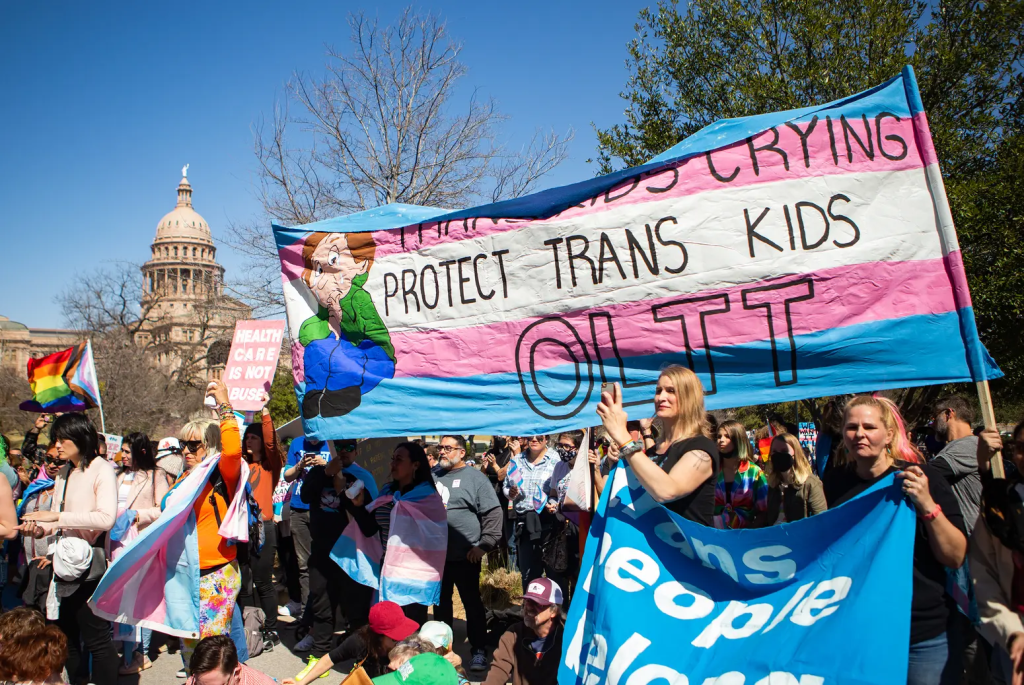
The grim consequences for transgender students in Texas are coming into focus three months after the state’s sweeping new Don’t Say Gay legislation went into effect in September.
Texas Gov. Greg Abbott (R) signed the so-called “Bill of Parental Rights” in June, a draconian right-wing wishlist of MAGA priorities banning discussion of LGBTQ+ identity and race in classrooms, shutting down gay-straight student alliances (GSAs) on school campuses, and explicitly prohibiting school staff from supporting trans students, alongside other restrictive measures.
The prohibitions around social transition mean kids known to their classmates and teachers by their preferred name and identity for years are now being deadnamed and forced to assume an identity they’d abandoned long ago.
Ethan Brignac, a trans student at Wylie East High School northeast of Dallas, has been known by his chosen name since seventh grade. With the new legislation in effect, the high school senior lobbied teachers to continue using it.
“In the first week of school, when I was kind of trying to convince my teachers to call me Ethan, I was like, ‘Hey, look, it’s still on my ID.’”
“Then one of my teachers this year said, ‘Okay, they’re gonna fix that soon.’”
Three weeks later, school administrators called him to the library and gave him a new ID. Ethan was now officially identified by his deadname.
He says some teachers seem to make a point of working his legal name into every interaction, he told the Texas Tribune, outing him to peers and rekindling the dread he felt in his time before Ethan.
“It was definitely a big change having my deadname kind of sprawled everywhere,” he said, “It was like, wow, okay, that wasn’t just a social media post I saw, this is real life.”
A school spokesperson confirmed the change was “to ensure full compliance with state law, including Senate Bill 12.”
In the Leander school district north of Austin, faculty may continue to call students by their preferred name, if it was done prior to SB 12’s implementation. But for new students, the use of their chosen names and pronouns is banned. Parents can request a name change, but those updates are only allowed if they’re unrelated to social transitioning, said Conner Carlow, a classroom support specialist in the district.
Carlow grappled with his own sexuality as a middle schooler and recalled how hard it was.
“I wasn’t telling my parents what was going on, so I imagine these kids aren’t either,” Carlow said. “The fact they’re willing to tell us before even the parents is a big deal, and now the fact that we have to just not accept them, I mean, it’s awful.”
The school board in Conroe, Texas, north of Houston, was among the first in Texas to bar teachers from using gender-affirming names and pronouns.
At Woodlands High School in the district, junior Cassie Hilborn had planned to come out as trans, but the onslaught of anti-LGBTQ+ legislation stripped her of her confidence, she says.
“It feels like every day I look at the news and then the headline just reads, ‘Sorry, more things you’ve lost.’”
Cassie takes refuge at the school’s Dungeons & Dragons club, where classmates and a faculty adviser call her by her chosen name. She lodges a small protest against SB 12 by hiding the deadname on her school ID under blue masking tape.
But Cassie remains discouraged, she said.
“Now, even teachers that might have respected my identity have been told that they unequivocally are not allowed to do so,” Cassie said.
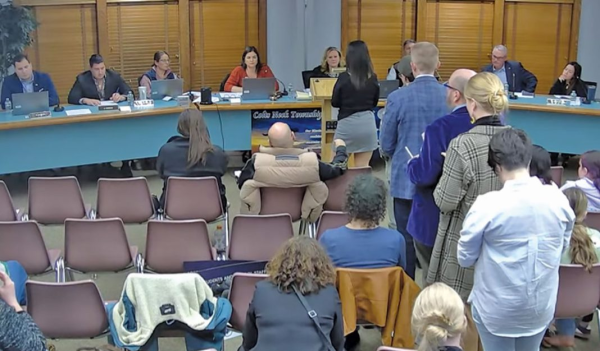
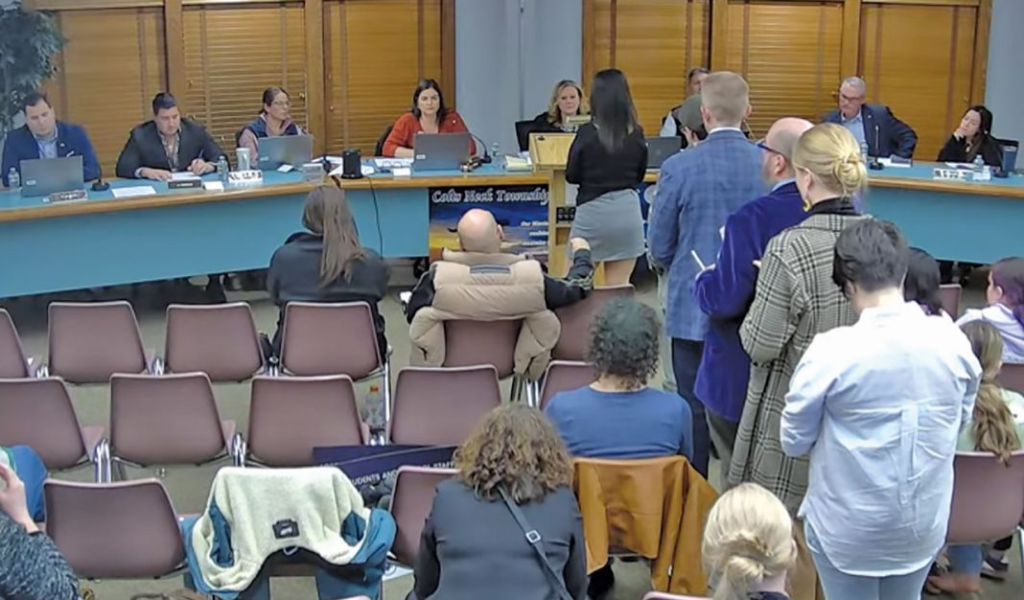
The Colts Neck Township Schools Board of Education on Nov. 19 unanimously passed a “Parental Bill of Rights,” which among other things allows parents to obtain information surrounding their child’s gender identity and allows them to opt their child out of lessons they find morally objectionable.
The adoption of the policy for the preschool through eighth-grade school district was seen as a victory for parents who believe they should have a say in what their child is learning, but drew criticism from LGBTQ advocates who believe the policy is discriminatory and will hurt students who are sexual or gender minorities.
Lucas Manrique, a mental health professional who spoke during the public comment portion of the meeting before the vote took place, said the BOE’s policy would “operate in direct opposition” to New Jersey Department of Education Policy 5756, which provides guidance to schools on how to treat transgender and gender nonconforming students.
“It is my ethical responsibility as a therapist to provide testimony where I see the potential for harm,” said Manrique, who identified himself as a licensed associate counselor and a nationally certified counselor from Middlesex County.
“5756 was created to protect young people by preventing forced outing. Outing students without their consent is psychologically damaging, is discrimination, and is illegal in New Jersey. I implore you to recognize that as a body, it is your responsibility to protect every student and reinforce the rights protected by law,” he said.
However, Val Mendez of Marlboro said she strongly supports the policy. She said that she cares deeply about transparency and that schools should not be a replacement for parents.
“What I appreciate most about this … is that it’s not about politics; it’s about restoring trust, strengthening communication, and ensuring that parents and schools work together,” said Mendez, who emphasized she was speaking as a parent and not as a member of any board to which she belongs.
The policy contains eight articles and outlines parents’ and legal guardians’ rights in the school district. The parts of the policy that sparked the most controversy deal with sexuality and gender, including resources and curricula containing LGBTQ content.
Article 3.3 of the policy addresses the issue of gender identity. It says that the BOE affirms the rights of a child’s parents or legal guardians to ask staff members and receive from them “truthful and to the extent known information” about their child, including changes to their child’s gender identity, pronouns, and name. A child’s legal caretakers, according to the policy, are also entitled to know the sports teams and activities “organized by sex” in which their child is participating and what “sex-specific” facility, such as a bathroom or locker room, their child is using.
Article 4.1 of the policy entitles parents or legal guardians to excuse their child from any “instructions in health, family life education or sex education” that conflict with their “conscience, or sincerely held moral or religious beliefs.”
Article 4.2 of the policy allows a child’s legal caretakers to prevent their child from exposure to a resource or curriculum content that they believe “substantially interferes” with their child’s religious development.
And Article 4.3 allows parents or legal guardians to prevent their child from participating in surveys, questionnaires, or research projects involving personal family information, beliefs, sexual behavior, mental health, or other “sensitive areas.”
Other school districts in the state have written similar policies that have been met with legal challenges. New Jersey Attorney General Matthew J. Platkin filed lawsuits alleging the policies violate the state’s Law Against Discrimination against at least three school districts. The attorney general’s office declined to comment on the matter in Colts Neck. A spokesperson for the LGBTQ civil rights organization Garden State Equality said the organization is “carefully considering any and all possibilities.” A spokesperson for the American Civil Liberties Union of New Jersey said the organization is looking into the policy.
Shawn Hyland, director of advocacy at the New Jersey Family Policy Center, which describes itself on its website as a “Christ-centered organization” and has offices in Trenton and Warren, thanked the board for considering what he called a “common-sense policy.”
“Thank you for recognizing that the parents in Colts Neck genuinely want what’s best for their children and that school policies should reflect that reality. Parents are not only taxpayers; they’re the primary stakeholder in public education. They nurture, protect, and guide their children every day, and they deserve transparency. Let me be clear: Parents are not the problem,” he said.
However, that is not always the case, according to Manrique, who said The Trevor Project, a national nonprofit organization focused on suicide prevention and crisis intervention for LGBTQ youth, found that in 2024, 40 percent of unhoused LGBTQ youth reported that they were kicked out of their parents’ home or were abandoned because of their LGBTQ identity. Also, 35 percent of homeless youth reported attempting suicide, Manrique said.
Still, Hyland said it is “deeply offensive” to suggest moms and dads should have no right to know what curriculum is being taught, to access student records, to be notified of health-related decisions, and to opt out of “intrusive surveys.”
“It is both unethical and dangerous to advocate for that extreme position, yet sadly some do.” Hyland said, adding that the BOE’s policy does not create rights; it simply recognizes the rights already protected under existing federal law. He added that “keeping secrets from parents” violates the federal Family Educational Rights and Privacy Act and the Protection of Pupil Rights Amendment.
Hyland said 77 percent of New Jersey adults believe parents should be fully informed about what’s happening in school. “This is not a fringe position; it’s a mainstream conviction,” he said.
However, Dr. Brian Kaufman, a psychologist with expertise in adolescent development and human sexuality from Asbury Park, told the board that outing students before they are prepared “could lead to the indelible stain of blood on your hands. You can always choose to introduce additional conversations and lessons, but you cannot undo the physical and emotional trauma that results from ignorance.”
Kaufman directs a nonprofit organization called “Rainbow Quest.” Its mission, stated on its website, is to distribute “affirming and educational resources to promote social and intercultural skills.” The organization offers training workshops for educators and therapists and “community-building” events that are intended to “reduce bullying, discrimination, and intolerance and help build and maintain healthy, safe communities, homes, schools, and workplaces.”
He said the organization also aims to educate about “historical and cross-cultural heroes who advanced humankind, LGBTQ role models.
“We rarely learn about these heroes’ sexual orientation or gender identities in school, but every election cycle, we can’t avoid being bombarded with angry, ignorant rhetoric that portrays LGBTQ+ community members as inferior, deviant, and less deserving of respect and love than their gender-conforming peers.”
The exclusion of positive content about LGBTQ people and their contributions to society “leaves the public with a one-sided, negative perception of our gender-diverse youth,” Kaufman said, adding that much more is known now about human sexuality and gender than in the past.
Larissa Garcia, community organizer for GSE, who also identified herself as a Middlesex County resident, read a statement to the board from GSE Senior Director of Advocacy and Organizing Lauren Albrecht.
In it, Albrecht criticized the BOE and its policy committee chairman, Robert Scales, saying she is “keenly aware” of the board’s “disingenuously named ‘Parental Bill of Rights.’” Albrecht said Scales previously told her when she contacted the district months ago about the policy to register a complaint about it that it was dishonest of her to do so without reading it.
“I knew what it would say due to my professional experience and knowledge, and that coupled with the fact that I field regularly occurring calls from families in your district who are concerned by your board’s actions, which is an unusual occurrence for community members from a specific school district to regularly reach out to us about your board’s words, your board’s votes, and what your board members post on social media, about the tone and the climate that has been created for LGBTQ students in your schools by these words and actions,” Albrecht’s statement said.
She continued by saying she has since seen the policy and said it was “verbatim” the same as other policies introduced around the country by “right-wing extremists.”
Albrecht said the policy begs the question: “‘What is the end game here?’ What is the message that Colts Neck is trying to send to LGBTQ students and the school staff who serve them? Parents have always had rights. That has not changed nor been altered. And LGBTQ students have the right to be safe and supported at school so that they can focus on learning and just being kids. Just because you can introduce a policy like this, and you can, because the law still stands, absolutely does not mean that you should.”
Before the vote was taken, BOE President Angelique Volpe read a statement that said the policy’s adoption makes the board’s position “unmistakably clear” that the rights of parents will stay at the forefront of every decision the board makes.
“Parents are the primary authority in their children’s education, and this district will never sideline that role,” Volpe said. “Every child in Colts Neck will be protected, respected, and treated equally without exception, and we will not permit any sexual content, ideology, or identity to take priority over the rights of our families or the educational mission of our schools. No group’s sexuality will override the values or rights of others. Period.
“This board stands firm, united and unwavering. Our commitment to academic excellence, child safety, and parental authority is absolute, and we will defend these principles without hesitation.”
A far-right party in New Zealand that is hostile to trans rights preempted a government announcement on Wednesday that the country will indefinitely ban the use of puberty blockers by trans youth.
The New Zealand First party, a minority member of Parliament’s coalition government, made the announcement three hours ahead of the government’s own health ministry, declaring a victory in its “war on woke,” Erin in the Morning reports.
“Today, sanity won another battle in the war on woke,” the surprise announcement read. “After years of dangerous ideological experimentation pushed by radical activists and rubber-stamped by weak politicians, the New Zealand Government has officially banned puberty blockers for children. This is what happens when you back a party that actually delivers.”
“While other parties can’t even define what a woman is, we’ve stood up for families, for truth, and for children.”
The preemptive declaration was one more indication of the politicization of healthcare for trans youth in New Zealand and around the world, and a clue to the party’s intimate involvement in crafting the government’s policy. The change adds New Zealand to a growing list of countries and U.S. states banning gender-affirming care for trans youth.
The government’s own announcement described the decision as “a precautionary approach” to gender-affirming care for transgender youth.
There is a lack of “high-quality evidence that demonstrates the benefits or risks” of puberty-blocking drugs for trans youth, Health Minister Simeon Brown said.
113 patients in New Zealand were using puberty blockers in 2023, according to the health ministry.
While the policy announcement didn’t mention the widely criticized Cass Report, the controversial document claiming a lack of evidence supporting gender-affirming care for young people that was released in the UK last year, it’s the basis of the UK’s own indefinite ban on puberty blockers, which New Zealand is following.
Both countries say they’ll wait for the results of a UK government-sponsored clinical trial on the efficacy of puberty blockers for trans youth before making a final determination on their use. The prohibition won’t affect trans kids currently taking the drugs.
“By pinning the resumption of prescribing to a UK trial result expected in 2031, the Government has effectively sacrificed a generation of trans youth,” said New Zealand civil rights organization Rights Aotearoa. “They are demanding a level of evidence for trans healthcare that they do not demand for hundreds of other treatments routinely used in pediatrics.”
Both bans make an exception for children experiencing early-onset puberty and other conditions, raising equal protection questions.
“This will undoubtedly end up in court – very quickly as the subject of a Judicial Review,” Rights Aotearoa’s Paul Thistoll posted after news of the decision. He called it a “blatant violation” of New Zealand’s Human Rights Act.
Transgender youth in Pennsylvania and their families are celebrating a significant legal victory. A federal court in Philadelphia has rebuffed the Department of Justice’s sweeping attempt to obtain highly personal medical records from the Children’s Hospital of Philadelphia about children receiving gender-affirming care.
On Friday, federal district Judge Mark A. Kearney in the Eastern District of Pennsylvania issued an order quashing DOJ subpoena demands for names, dates of birth, Social Security numbers, home addresses, and clinical notes covering minors treated since January 2020. The court found the government “lacks statutory authority for a rambling exploration of the Hospital’s files to learn the names and medical treatment of children.”
Families in Pennsylvania had filed separate motions to quash subpoenas issued by the Trump administration in July that alleged fraud in gender-affirming care. As The Advocatereported, the subpoenas demanded exhaustive data on minors, including “intake forms, consent paperwork, and parental authorizations for puberty blockers and hormone therapy.”
Kearney’s decision reaffirms that the records in question concern lawful medical treatment governed under Pennsylvania law, and that children’s and families’ constitutional privacy interests “far outweigh” the government’s asserted investigative needs. The ruling also criticizes the DOJ’s shifting justifications, noting that at one point the government “replaced” and reminding that “false statements may be subject to a perjury investigation.”
The ruling arrives amid a broader national crackdown on gender-affirming care by the Trump administration, which in July announced more than 20 subpoenas to clinics and hospitals across multiple states. The American Medical Association and other major professional organizations had already pushed back, affirming such treatments as evidence-based and lifesaving.
For advocates and legal counsel representing the children, the decision is a vindication of long-held concerns about governmental overreach. “This is a critical win for everyone who believes healthcare decisions should be made in doctors’ offices, not the White House,” Mimi McKenzie of the Public Interest Law Center said in a press release. Attorney Jill Steinberg of the law firm Ballard Spahr added that the decision signals to transgender youth and their families that they “do not have to fight these battles alone.”
The United States Supreme Court has ruled in favour of a group of parents seeking to exempt their children from public school instruction that conflicts with their religious beliefs, in a 6-3 decision that reinforces constitutional protections for religious freedom.
The case was brought by Christian, Muslim, and Jewish parents in Montgomery County, Maryland, who objected to the use of LGBTQ-themed storybooks in elementary school classrooms, particularly books addressing same-sex marriage and gender identity.
Justice Samuel Alito, delivering the majority opinion, wrote that refusing to permit parents to opt their children out of such instruction “poses a very real threat of undermining their religious beliefs and practices” and violates the First Amendment’s guarantee of the free exercise of religion.
“The Montgomery County Board of Education’s introduction of the ‘LGBTQ+-inclusive’ storybooks, along with its decision to withhold opt outs, places an unconstitutional burden on the parents’ rights to the free exercise of their religion,” Alito wrote.
The justices found that the parents were likely to succeed in their legal challenge and should be granted a preliminary injunction while the case continues, meaning the school board must temporarily accommodate their request to be notified in advance of any related instruction and allow their children to be excused.
“In her dissent, Sotomayor accused the court of inventing a ‘constitutional right to avoid exposure to subtle themes contrary to the religious principles that parents wish to instill in their children.’” She was joined in dissent by Justices Elena Kagan and Ketanji Brown Jackson.
The dispute stems from a 2022 policy change when the school district introduced several LGBTQ-themed books into its language arts curriculum and initially allowed parents to opt out. A year later, the board reversed that decision, arguing the opt-out system was unmanageable and conflicted with the district’s commitment to inclusion.
The parents argued that mandatory exposure to the material, without an option to decline, amounted to “government-led indoctrination about sensitive matters of sexuality.” School officials, however, maintained that the books are intended to introduce children to “diverse viewpoints and ideas.”
During oral arguments in April, the court’s conservative majority signaled strong support for parental rights in such cases, indicating that allowing families to opt out of instruction on sensitive subjects should be “common sense.”
A Texas A&M committee agreed that the university was wrong to fire a professor earlier this year after a controversy over a classroom video that showed a student objecting to a children’s literature lesson about gender identity.
The internal committee ruled that the university didn’t follow proper procedures and didn’t prove there was good cause to fire Melissa McCoul, who was a senior lecturer in the English department with over a decade of teaching experience. Republican lawmakers, including Gov. Greg Abbott, had called for her termination after seeing the video.
The committee unanimously voted earlier this week that “the summary dismissal of Dr. McCoul was not justified.”
The university said in a statement that interim President Tommy Williams has received the committee’s nonbinding recommendation and will make a decision in the coming days or weeks after reviewing it.
McCoul’s lawyer, Amanda Reichek, said this dispute seems destined to wind up in court because the university appears to plan to continue fighting and the interim president is facing the same political pressure.
“Dr. McCoul asserts that the flimsy reasons proffered by A&M for her termination are a pretext for the University’s true motivation: capitulation to Governor Abbott’s demands,” Reichek said in a statement.
The video showing a student questioning whether the class discussion was legal under President Trump’s executive order on gender roiled the campus and led to sharp criticism of university president Mark Welsh, who later resigned, but he didn’t offer a reason and never mentioned the video in his resignation announcement.
The opening of the video posted by state Rep. Brian Harrison showed a slide titled “Gender Unicorn” that highlighted different gender identities and expressions.
Students in the class told the Texas Tribune that they were discussing a book called “Jude Saves the World” about a middle schooler who is coming out as nonbinary. That was just one of several books included in the course that highlights LGBTQ+ issues.
After a brief back-and-forth discussion about the legality of teaching those lessons, McCoul asked the student to leave the class. Harrison posted other recordings of the student’s meeting with Welsh that show the university president defending McCoul’s teaching.
The Tribune reported that McCoul had taught the same course at A&M at least 12 times since 2018. University officials decided to end this particular summer class early after the confrontation, but McCoul returned to teach in the fall until after the videos were published online.
Welsh had said when McCoul was fired that he learned she had continued teaching content in a children’s literature course “that did not align with any reasonable expectation of standard curriculum for the course.” He also said that the course content was not matching its catalog descriptions. But her lawyer disputed that, and said McCoul was never instructed to change her course content in any way, shape or form.
Earlier this month, the Texas A&M Regents decided that professors now need to receive approval from the school president to discuss some race and gender topics.
The new policy states that no academic course “will advocate race or gender ideology, or topics related to sexual orientation or gender identity” unless approved in advance by a campus president.
Various universities and their presidents around the country, including Harvard and Columbia have come under scrutiny from conservative critics and President Donald Trump administration over diversity, equity and inclusion practices and their responses to campus protests.








 fleeredstates.blog
You must be logged in to post a comment.