
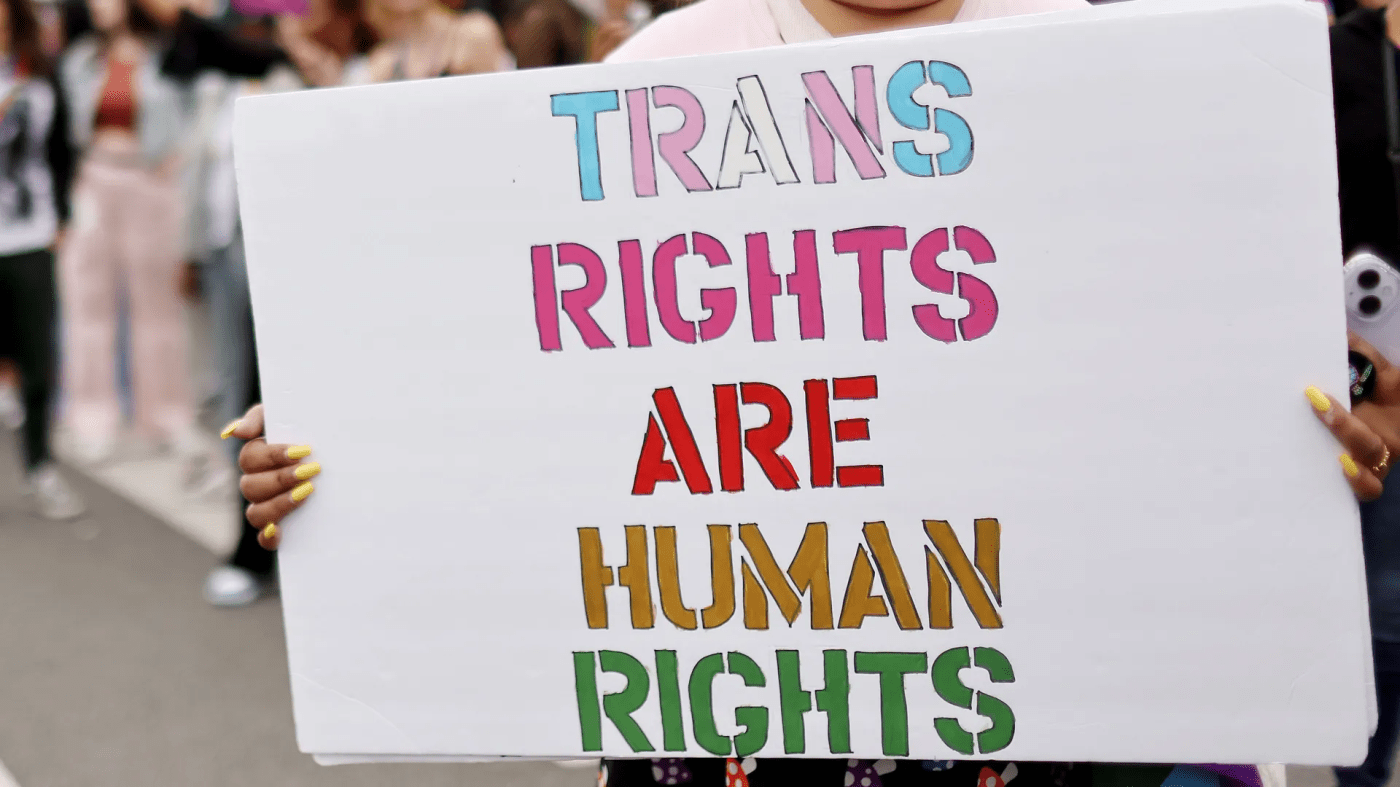
If these two bills are enacted together, they would make it a criminal offense for transgender individuals to be in proximity to a minor or a school, treating it as an act of indecent exposure.
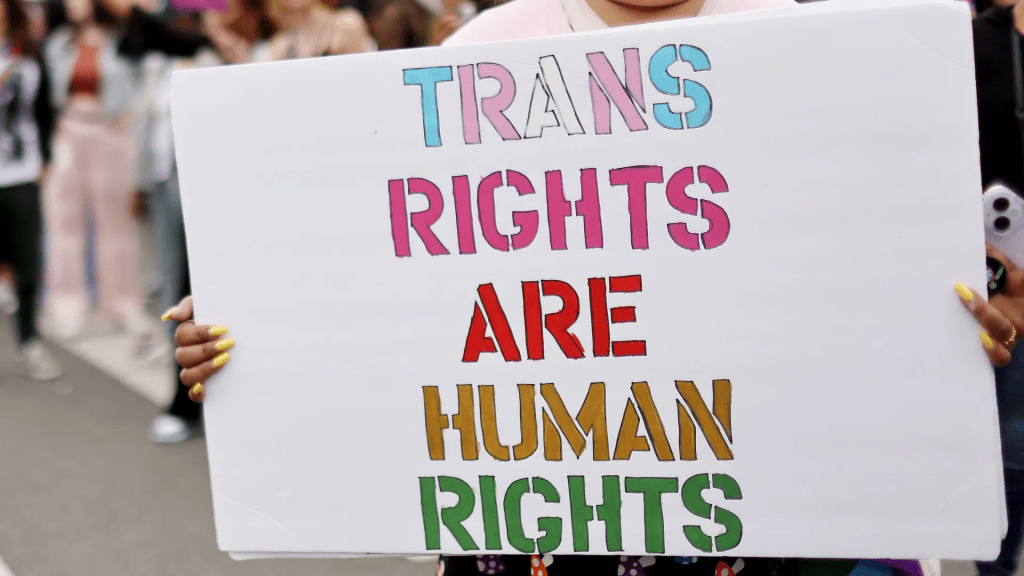
In January, a West Virginia Republican legislator introduced three anti-trans bills, one proposing to label trans individuals as “obscene matter” and another aiming to effectively criminalize the public existence of transgender people, as reported by Jurist.
State Senator Mike Azinger introduced Senate Bills 194, 195, and 197 on January 10, all specifically directed at transgender individuals.
Senate Bill 195 proposes changes to West Virginia’s indecent exposure law, aiming to criminalize involvement in what it terms as “obscene matter.” This includes instances that a “reasonable person” deems lacking in serious literary, artistic, political, or scientific value. The bill explicitly cites “transgender exposure, performances, or display to any minor” as an example of displays considered “obscene or sexually explicit.” Essentially, if Senate Bill 195 is enacted, a transgender individual could potentially be charged with obscenity simply for existing in public spaces where minors might be present.
Simultaneously, Senate Bill 197 makes it a criminal offense to have “obscene matter” near minors or within 2,500 feet of any public school facility supervised by the state board. The bill specifically highlights “transgender exposure, performances, or display to any minor” as an instance of obscene matter. According to the proposed law, public school staff failing to report a student’s exposure to obscene matter, including the mere existence of transgender individuals, could face prosecution with a potential fine of up to $500 or imprisonment for up to a year.
West Virginia prohibited gender-affirming care for individuals under 18 in the Spring of 2023. However, Senate Bill 194 goes further by extending the ban on gender-affirming care to trans individuals up to the age of 21. Moreover, it forbids treatment for gender dysphoria unless it aligns with a “cure,” indirectly endorsing conversion therapy.
All three bills are presently awaiting consideration in committee.
In a conversation with independent journalist Erin Reed, who focuses on reporting anti-LGBTQ+ legislation for her blog Erin in the Morning, LGBTQ+ organizer Ash Orr characterized the bill as a clear effort to both criminalize and erase the transgender community in West Virginia.
Orr conveyed to Reed, “The reality is that trans individuals, regardless of age, lead fulfilling and joyful lives—challenging the inaccurate narrative fabricated by extremist politicians. [Senate Bill 194] undermines fundamental values of privacy and autonomy over our bodies, relying on deceptive or entirely untrue notions.”
In March of the previous year, West Virginia prohibited gender-affirming care for minors, with an exception allowing doctors to prescribe medical therapy if a teenager is deemed at risk of suicide, as reported by the Associated Press. The Human Rights Campaign notes that 22 states have enacted laws or policies prohibiting gender-affirming care for minors.
In the past year, there were over 500 legislative proposals aimed at limiting LGBTQ+ rights. In 2023, only three states and Washington, DC did not entertain a bill targeting the rights of queer and trans individuals. The Trans Legislation Tracker reports that for 2024, 275 bills are already under consideration, including 176 carried over from the previous year.
 fleeredstates.blog
You must be logged in to post a comment.