
*This is being reported by NBC News.
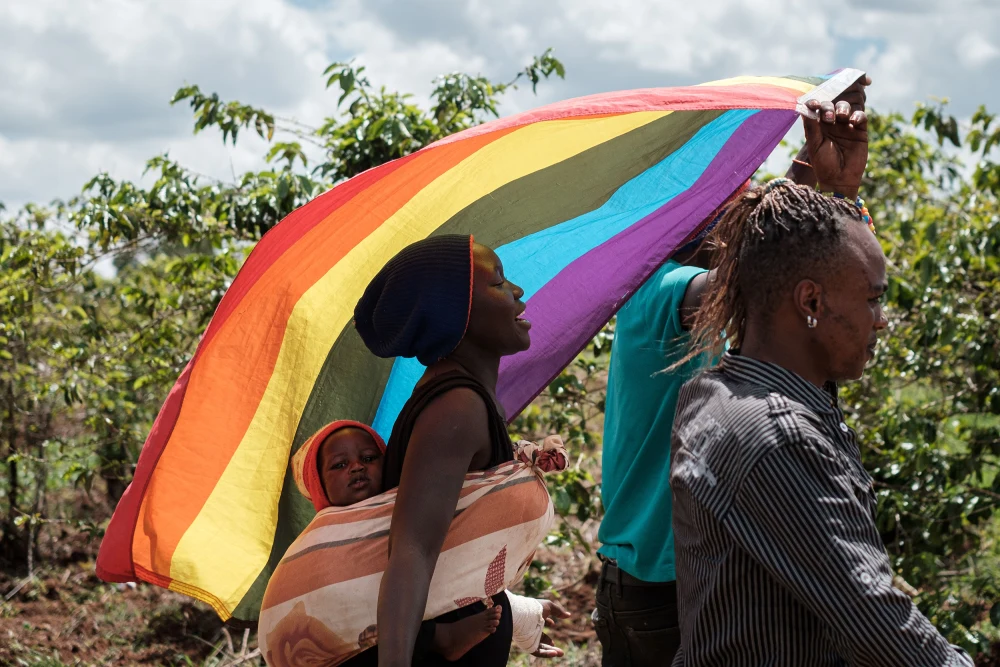
Already an outsider, Ugandan refugee Constance fears a plan to integrate hundreds of thousands of asylum seekers into Kenyan society will instead further alienate him and other LGBTQ refugees at a time of rising hostility.
The Shirika Plan, launched by President William Ruto last month, will transform two of the world’s largest refugee camps into open cities and allow the country’s more than 800,000 refugees to finally get jobs, health care and other services.
Under Shirika, which means “coming together” in Swahili, the nearly half-million refugees at the Kakuma camp in the north and the Dadaab camp near the Somali border can choose to leave the settlements to live alongside other Kenyans.
“The idea of integration is good, because it will guarantee refugees a free life and all rights, like any other Kenyan,” said Constance, who runs a safe house for Ugandan LGBTQ refugees. He did not give his last name for safety reasons.
But Constance said groups representing LGBTQ people have not been invited to public forums held in major cities to debate the plan, which was first floated in 2023.
“Unlike other refugees, we have serious concerns about security, health and housing that should be incorporated … But how will we voice these issues when we are not part of the process?” he said.
Kenya’s refugee commissioner John Burugu said all those affected by the Shirika Plan had been invited to comment.
“We have not locked any one or group out of the process,” Burugu told the Thomson Reuters Foundation by phone.
“You don’t have to physically attend the public participation forums. We have people, groups and organizations who submitted written memoranda, and we captured their views.”
But organizations defending the rights of LGBTQ refugees fear this vulnerable group is being ignored.
Chance for inclusion
The multi-year Shirika Plan has been lauded by the U.N. refugee agency UNHCR as an opportunity to improve the lives of refugees and create economic opportunities for Kenya.
 fleeredstates.blog
Leave a comment